


Share article
10 Affordable Michelin Bib Gourmand Restaurants in Seoul Worth Visiting

Sora Kang
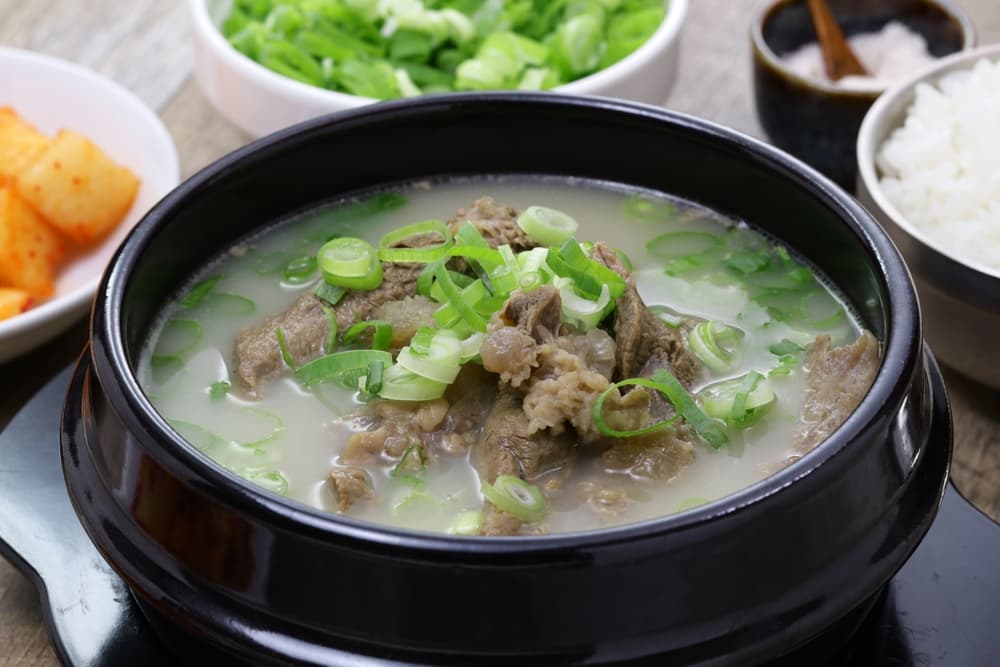
Seoul is one of those cities where every meal can turn into the highlight of your trip. From steaming bowls of beef broth to handmade noodles, charcoal-grilled seafood, and beautifully plated vegetarian dishes, the city makes it easy to eat exceptionally well without overspending.
That is exactly why Michelin Bib Gourmand restaurants in Seoul are such a smart find for travelers. This Michelin recognition is given to restaurants that serve outstanding food at reasonable prices, making them perfect for visitors who want memorable dining experiences without the fine-dining bill.
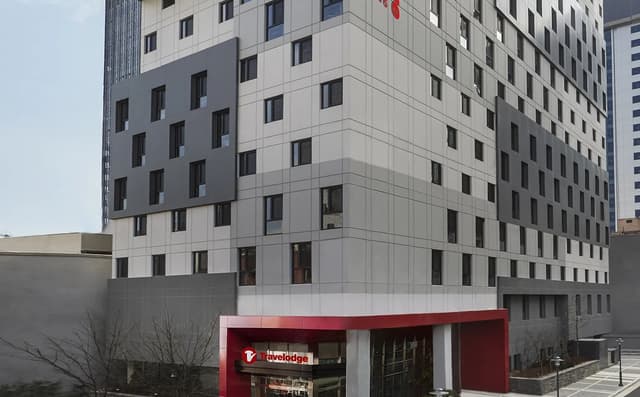
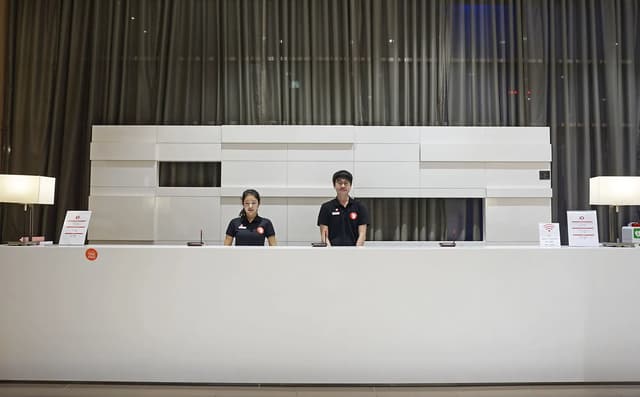
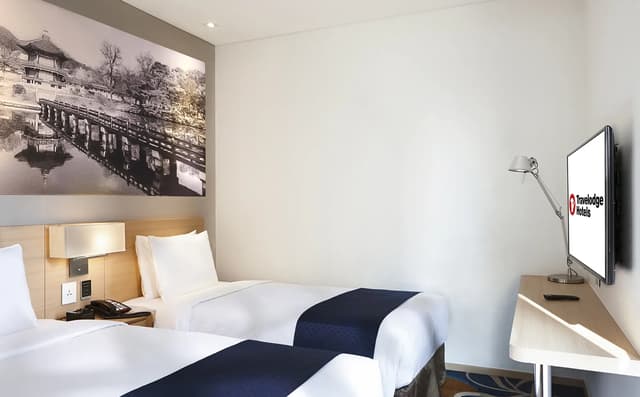
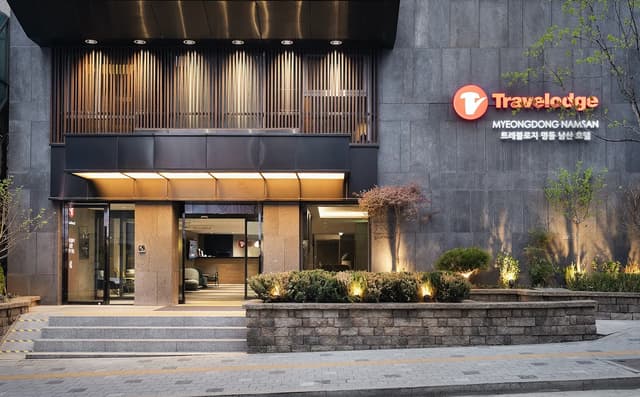
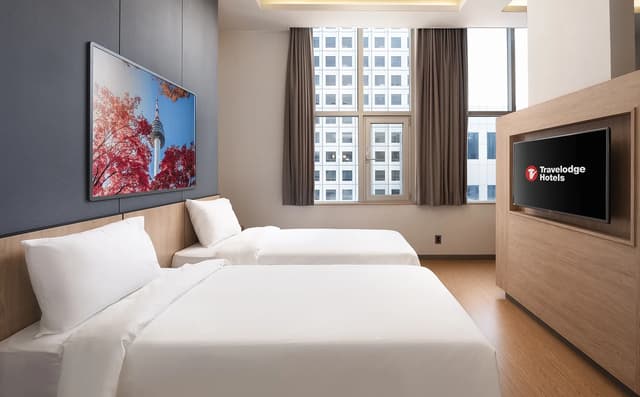
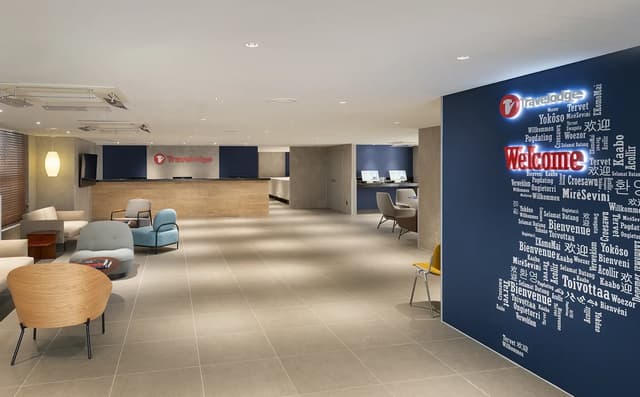
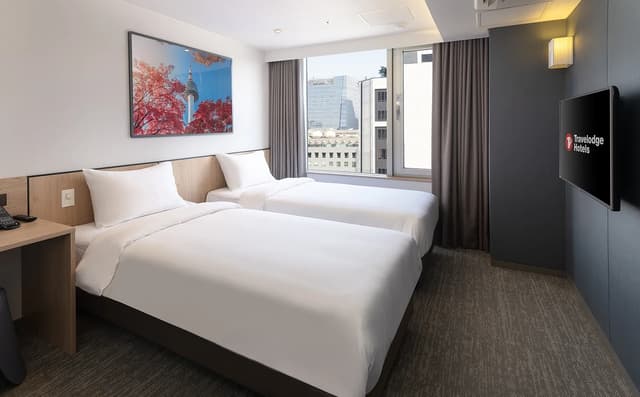
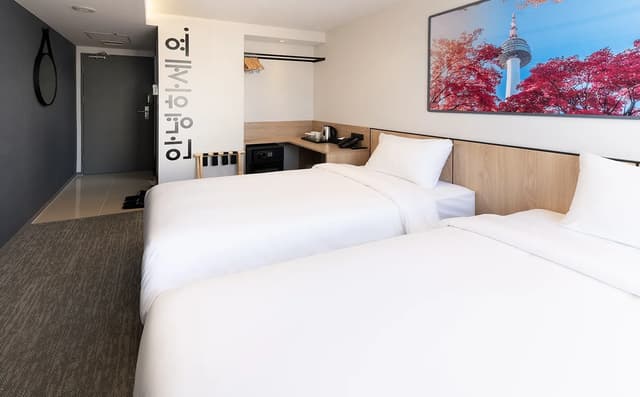
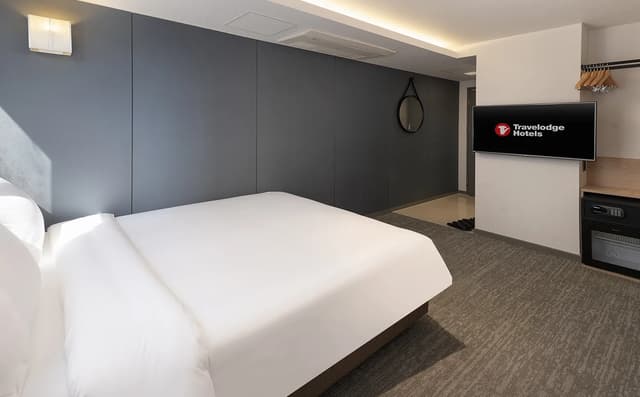
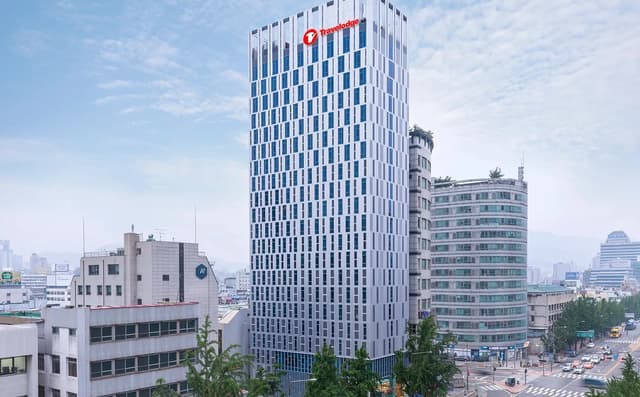
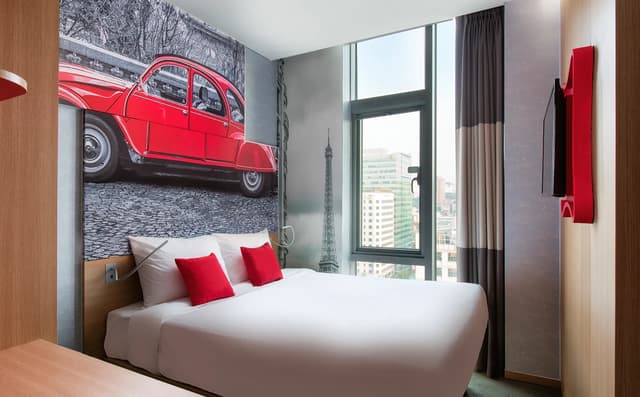
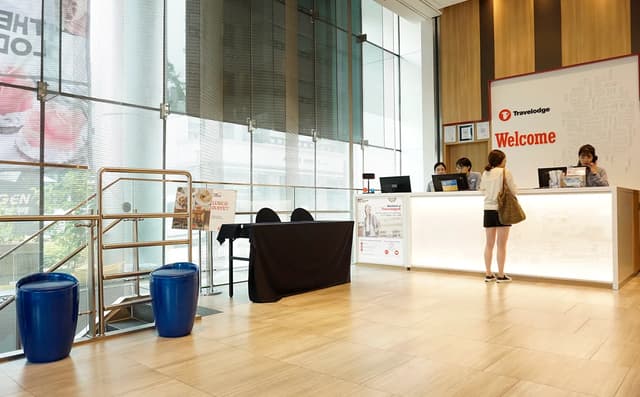
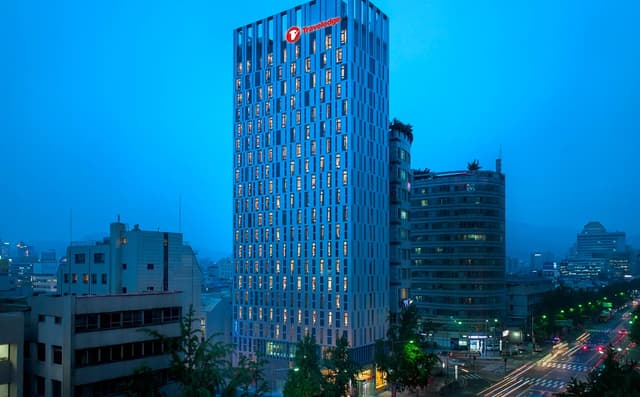
Many of these restaurants are located near Myeongdong, Euljiro, Namsan, and Dongdaemun, which makes them especially convenient for guests staying at Travelodge Myeongdong Euljiro, Travelodge Myeongdong Namsan, and Travelodge Dongdaemun Seoul.
If your Seoul itinerary revolves around what to eat next—and honestly, it should—these are the places worth making time for.
1. Myeongdong Kyoja
There is a reason the line outside Myeongdong Kyoja never seems to disappear.
This legendary restaurant has been serving its famous hand-cut noodle soup since 1966, and even with only a few menu items, people keep coming back. The broth is rich, almost creamy, with deep chicken flavor that feels like comfort in a bowl. Their handmade dumplings are plump, juicy, and filled with pork, vegetables, and leeks that taste even better with their famous garlic-heavy kimchi.
This is one of those places where simplicity wins. No complicated menu, no unnecessary extras—just food they have perfected over decades.
Best-Selling Menu
- Kalguksu (hand-cut noodle soup)
- Mandu (dumplings)
- Bibim Guksu (spicy mixed noodles)
- Kongguksu (cold soybean noodles, seasonal)
Insider Tip
Go slightly before lunch rush if you can. The turnover is fast, but the queue gets serious by noon. I always order both kalguksu and mandu together—the dumplings are too good to leave out, and the broth somehow tastes even better after a bite of their intensely garlicky kimchi.
Address
29 Myeongdong 10-gil, Jung-gu, Seoul
2. Chungmuro Jjukkumi
Hidden in a side alley near Chungmuro, this place feels like the kind of restaurant locals hope tourists never discover.
They are famous for webfoot octopus grilled over charcoal with bulgogi, coated in a sticky red sauce that hits sweet, spicy, and smoky all at once. The octopus stays surprisingly tender, thanks to the use of Korean rice wine during preparation, and the aroma from the charcoal grill alone is enough to make you hungry before you sit down.
The final fried rice is non-negotiable. It is the best part of the meal.
Best-Selling Menu
- Charcoal-grilled webfoot octopus
- Octopus and bulgogi set
- Fried rice cooked in signature sauce
Insider Tip
Do not leave without ordering fried rice at the end. Let the staff scrape up every bit of sauce left on the pan—it creates the best crispy rice edges. This is also one of those meals that pairs perfectly with a cold bottle of soju.
Address
30 Toegye-ro 31-gil, Jung-gu, Seoul
3. Pildong Myeonok
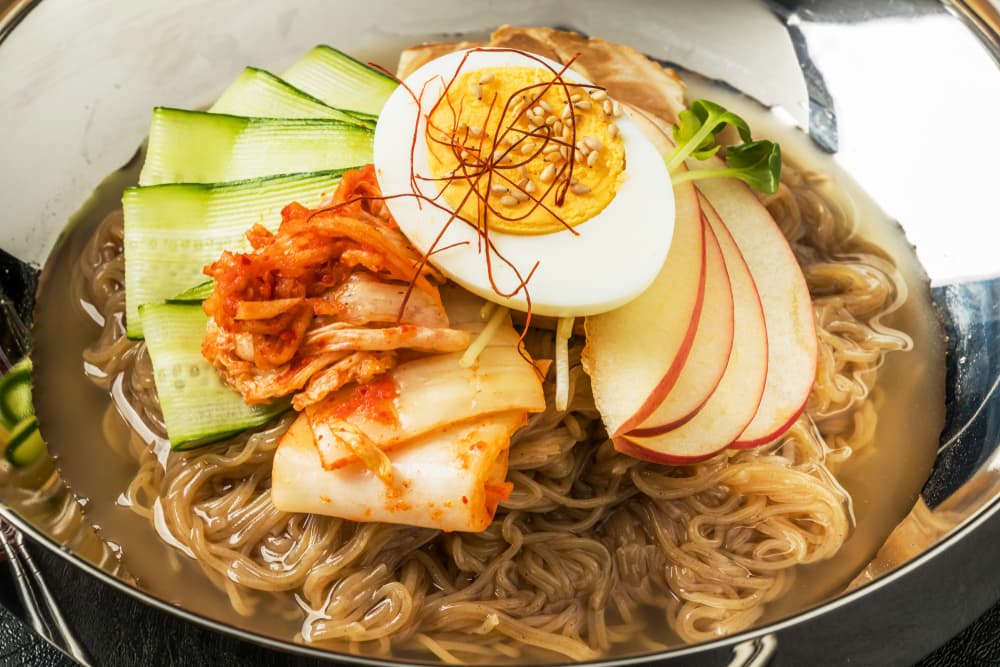
If you want to understand why locals are so devoted to Pyeongyang-style cold noodles, Pildong Myeonok is the place to start.
Their cold buckwheat noodles arrive in an icy, clear beef broth that tastes delicate at first, then slowly opens up with deeper savory notes. It is subtle, elegant food—less dramatic than spicy Korean dishes, but incredibly satisfying once you settle into it.
The spicy version is excellent too, but I always come back to the original.
Best-Selling Menu
- Mul Naengmyeon (cold noodles in broth)
- Bibim Naengmyeon (spicy mixed cold noodles)
- Boiled pork slices
Insider Tip
Try the broth first before adding vinegar or mustard. A lot of first-time visitors season it too quickly and miss how carefully balanced it is. Order the boiled pork as well—it makes the whole meal feel complete.
Address
1 Seoae-ro, Jung-gu, Seoul
4. Gomtang LAB
Gomtang LAB takes traditional beef soup and gives it a more refined, modern approach without losing the soul of the dish.
Their famous collagen-rich gomtang has a silky texture and deep flavor from hours of simmering beef bones, tendons, and shank. It feels rich but never heavy, and the presentation is polished without feeling overly formal.
Best-Selling Menu
- Signature Collagen Gomtang
- Tripe Gomtang
- Pyeongyang-style Cold Noodles
- Gomtang Set Menu
Insider Tip
The set menu is the best introduction if it is your first visit. You get the soup, side dishes, and a better sense of what makes the place special. Arrive right when they open—lunch queues build fast.
Address
10F, Hyundai Department Store, 517 Teheran-ro, Gangnam-gu, Seoul
5. A Flower Blossom on the Rice
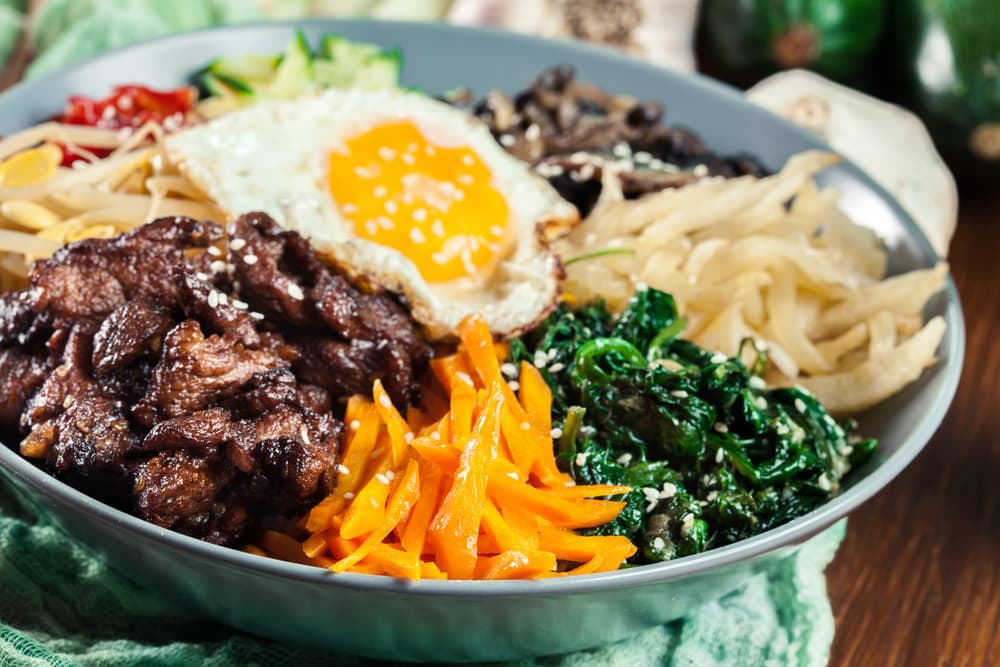
This is where you go when you want Korean food that feels lighter, slower, and beautifully intentional.
The restaurant focuses on vegetarian and vegan-friendly meals using organic ingredients from local farms, and everything—from the handmade sauces to the presentation—feels thoughtful. Their signature bibimbap arrives wrapped like a small gift, tied neatly and topped with an edible flower.
It is one of the prettiest dishes in Seoul, but thankfully it tastes as good as it looks.
Best-Selling Menu
- Bojagi Bibimbap
- Seasonal vegetarian set meals
- Handmade tofu dishes
Insider Tip
Make a reservation if possible. The dining room is small and peaceful, and it fills up quickly. This is a great lunch stop if you need a break from heavier Korean barbecue meals during your trip.
Address
27 Insadong 16-gil, Jongno-gu, Seoul
6. Woo Lae Oak
Woo Lae Oak is one of Seoul’s most respected old-school restaurants, especially for serious naengmyeon lovers.
Their Pyeongyang-style cold noodles are famous for their refined broth and perfectly chewy noodles, while their Korean barbecue brings in diners looking for something richer. It feels traditional without being intimidating, and the consistency here is part of its reputation.
Best-Selling Menu
- Pyeongyang Naengmyeon
- Grilled beef
- Bulgogi
- Handmade dumplings
Insider Tip
If it is your first visit, order both naengmyeon and grilled beef. The contrast between cold, delicate noodles and warm, smoky meat makes perfect sense once you try it.
Address
62-29 Changgyeonggung-ro, Jung-gu, Seoul
7. Gwanghwamun Gukbap
Sometimes the best meals are the simplest ones.
This restaurant is loved for hearty rice soup served with generous portions and straightforward flavors that locals crave on busy weekdays. It is warm, filling, and exactly the kind of place you want on a rainy afternoon or after a long day of walking.
No trend, no gimmick—just excellent comfort food.
Best-Selling Menu
- Beef rice soup
- Pork rice soup
- Traditional gukbap set
Insider Tip
Go during off-peak lunch hours if possible because office workers pack this place quickly. If the weather is cold, this bowl feels like the best decision you made all day.
Address
Near Gwanghwamun, Jongno-gu, Seoul
8. Imun Seolleongtang
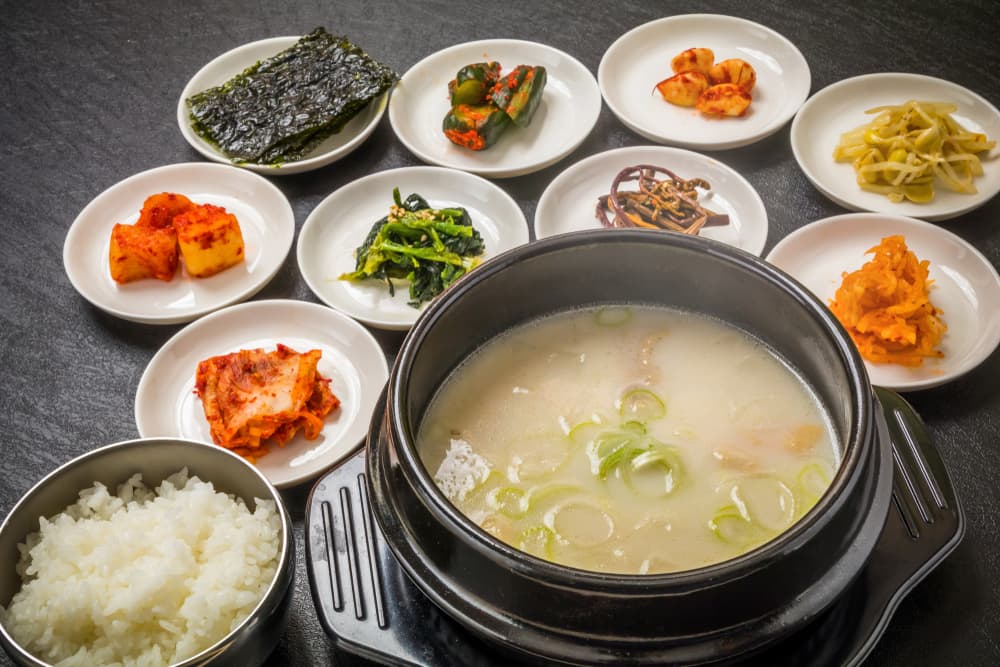
Few restaurants in Seoul carry as much history as Imun Seolleongtang.
Open since 1908, it is one of the city’s oldest restaurants, and the kind of place where generations of families return for the same comforting bowl of soup. Their seolleongtang is made by simmering ox bones, meat, and organs for hours until the broth turns rich, milky, and deeply nourishing.
It is simple food, but done so well that it feels unforgettable.
Best-Selling Menu
- Seolleongtang (ox bone soup)
- Seolleongtang with noodles
- Suyuk (boiled sliced beef)
Insider Tip
Season your soup slowly. Add a little salt, a little pepper, then taste again. The broth is softer and more nuanced than people expect. I like eating it with plenty of green onions and a side of kimchi for contrast.
Address
38-13 Ujeongguk-ro, Jongno-gu, Seoul
9. Neungdong Minari
Neungdong Minari became famous for good reason—their soup arrives hidden under a dramatic pile of fresh water parsley, and yes, it tastes as good as it looks.
Underneath all that bright green minari is a clean, clear hanwoo beef broth with serious depth. It feels lighter than classic gomtang, but the flavor is still rich and satisfying.
Their beef tartare bibimbap is also excellent and often overlooked.
Best-Selling Menu
- Minari Gomtang
- Beef Tartare Bibimbap
- Minari Gukbap
Insider Tip
Most people come for the soup, but I would absolutely order the beef tartare bibimbap too if you are sharing. Go early—queues can easily stretch past an hour, especially on weekends.
Address
28 Hangang-daero 40-gil, Yongsan-gu, Seoul
10. Seoryung
For noodle lovers, Seoryung is one of the most rewarding Bib Gourmand stops in central Seoul.
They focus on pure buckwheat noodles with a beautifully nutty aroma and clean texture that feels far more refined than standard noodle dishes. The broth is subtle and balanced, and their perilla oil noodles have become especially popular with younger diners looking for something different.
It is quietly excellent.
Best-Selling Menu
- Signature Buckwheat Noodles
- Bibim Buckwheat Noodles
- Perilla Oil Noodles
- Handmade Dumplings
- Boiled Pork
Insider Tip
Start with the signature noodles before trying the perilla oil version. The simpler bowl helps you appreciate the texture of the buckwheat better. I also recommend adding dumplings—they are the kind of side dish that quickly becomes necessary.
Address
10 Sowol-ro, Jung-gu, Seoul
Stay Near Seoul’s Best Michelin Bib Gourmand Restaurants
The best part about eating your way through Seoul is how easily great meals fit into your day.
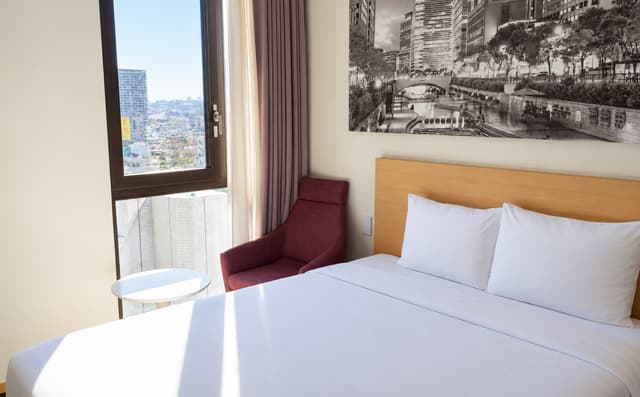
Whether you are staying at Travelodge Myeongdong Euljiro, Travelodge Myeongdong Namsan, or Travelodge Dongdaemun, you are never far from a memorable bowl of noodles, a hidden alley restaurant, or a century-old soup house locals still swear by.
Because in Seoul, the best travel stories often begin the same way:
Where should we eat next?



.jpg)