


Share article
Chuseok 2026: How to Join Korea’s Harvest Festival as a Traveler

Sora Kang


Planning a trip to South Korea in September? Chuseok 2026 offers a chance to experience one of the country’s most meaningful traditional holidays, from seasonal food and cultural activities to quieter city streets and special programs at historic attractions. While Chuseok is primarily a time for families to reunite, travelers can still enjoy the atmosphere and learn about the customs that make this holiday so special.
The key is to plan around the holiday rather than expect every attraction, restaurant, and shop to operate as usual. With the right itinerary, a little cultural awareness, and a comfortable base in Seoul, Chuseok can add a memorable cultural dimension to your trip.
What is Chuseok?
Often called “Korean Thanksgiving,” Chuseok (추석) is one of South Korea’s most important traditional holidays. It is also known as Hangawi (한가위), a name associated with the middle of autumn.
Historically, Chuseok was a time to celebrate the harvest and give thanks for the year’s abundance. Today, it remains a major family holiday centered on gratitude, remembrance, and reunion. Many Koreans return to their ancestral hometowns, share festive meals, and honor their ancestors through traditional rituals.
For visitors, Chuseok is an opportunity to understand Korean culture beyond the usual sightseeing itinerary. You may not be invited to a private family gathering, but you can still explore the food, customs, and public cultural programs that bring the holiday to life.
Chuseok 2026 Calendar
Chuseok is celebrated on the 15th day of the eighth month of the lunar calendar. In 2026, the main day falls on Friday, September 25, with the official three-day public holiday running from Thursday, September 24, to Saturday, September 26.
Date | Chuseok calendar | What travelers should know |
|---|---|---|
Thursday, September 24, 2026 | Day before Chuseok | Many people begin traveling to their hometowns. Expect busy transport and possible early closures. |
Friday, September 25, 2026 | Chuseok Day | The main holiday. Family gatherings and memorial traditions take place, while some businesses and attractions may close or operate on reduced hours. |
Saturday, September 26, 2026 | Day after Chuseok | The holiday continues, and many people are still traveling. Some venues may reopen, but schedules vary. |
Sunday, September 27, 2026 | Weekend | A useful extra day for sightseeing, depending on your itinerary and transport plans. |
The three-day holiday is the official Chuseok period, but the travel rush can extend beyond these dates. If you plan to visit Seoul, Busan, or another Korean city during this time, book your accommodation and intercity transport well in advance.
Local Traditions During the Chuseok Season
While you might not participate in the private family rituals, knowing them adds depth to your experience. The holiday is rich with beautiful customs that have been passed down for generations.
- Charye (차례): On Chuseok morning, families gather in their homes (often in a traditional hanok) to hold a memorial service for their ancestors. A table is laden with freshly harvested rice, alcohol, and rice cakes (songpyeon) as a symbolic offering of gratitude.
- Seongmyo (성묘): Following the home service, families visit their ancestral graves to clean the sites and pay their respects. This tradition is the primary reason for the massive traffic exodus from Seoul, as millions travel to their family hometowns.
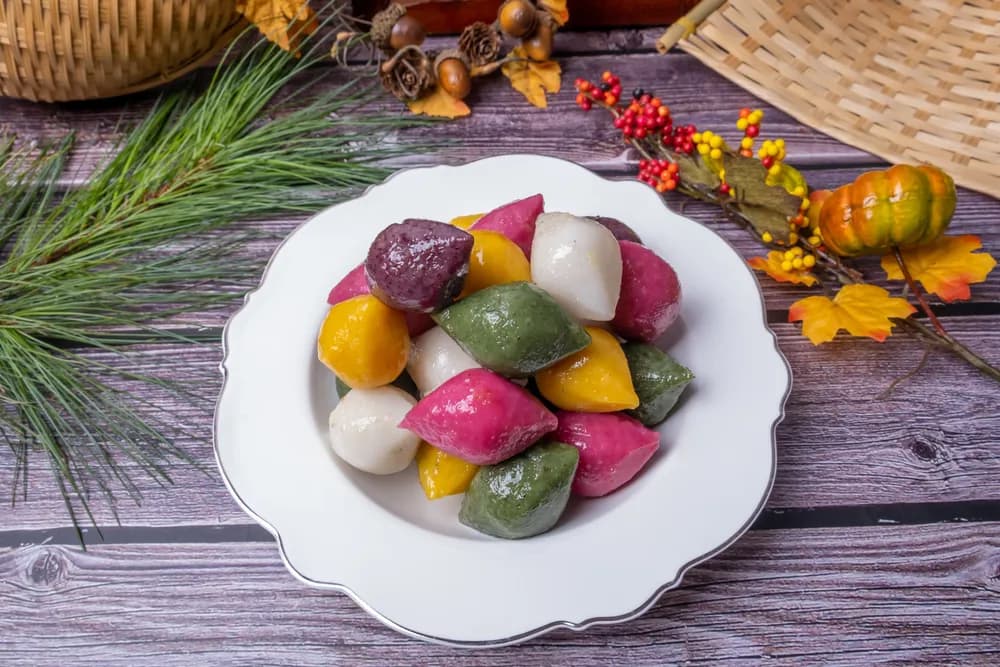
- Songpyeon (송편): These iconic half-moon-shaped rice cakes are the definitive food of Chuseok. They are stuffed with sweet fillings like sesame seeds, red beans, or chestnuts and are traditionally steamed over a bed of pine needles, which gives them a subtle, fresh aroma.
- Ganggangsullae (강강술래): Under the bright light of the full harvest moon, women in traditional dresses join hands in a large circle to sing and dance. This folk custom is a prayer for a bountiful harvest.
- Dalmaji (달맞이): Meaning “welcoming the moon,” this is the simple act of heading outdoors to view the full moon. It’s a time for making wishes and appreciating the beauty of the autumn night sky.
Chuseok Food Travelers Should Try

Food is one of the best ways to connect with the spirit of Chuseok. Traditional holiday meals often bring together family favorites, seasonal ingredients, and dishes prepared for sharing.
Here are some Chuseok foods worth looking for:
- Songpyeon (송편): Half-moon-shaped rice cakes with sweet or savory fillings.
- Jeon (전): Savory pancakes made with ingredients such as vegetables, seafood, or meat.
- Japchae (잡채): Stir-fried glass noodles with vegetables and other ingredients.
- Galbijjim (갈비찜): Braised beef short ribs, often served as part of a festive meal.
- Bulgogi (불고기): Marinated grilled beef that is popular in Korean home cooking and restaurants.
- Tteok (떡): Traditional Korean rice cakes available in many shapes, textures, and flavors.
During Chuseok, some restaurants may close or reduce their hours, especially on the main holiday. It is a good idea to check opening times before heading out, and to keep a few dining options in mind rather than relying on a single restaurant.

What to Expect in Seoul During Chuseok
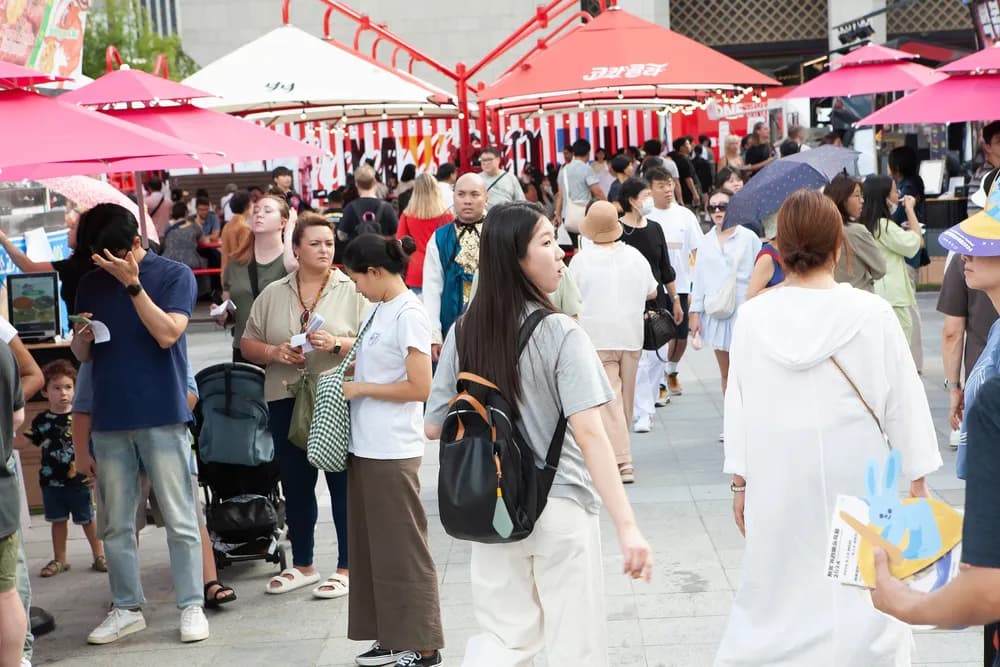
Seoul can feel different during Chuseok. Many residents leave the city to visit family, so some business districts may become quieter than usual. At the same time, major cultural attractions, shopping areas, and tourist-friendly neighborhoods can still be lively.
The experience is not simply “everything is closed.” Instead, the city operates on a different rhythm, with some venues running special holiday programs and others taking a break.
Category | What to expect | Traveler tip |
|---|---|---|
Small shops and family-run restaurants | Some may close, especially on Chuseok Day | Check opening hours and have backup dining options. |
Royal palaces and museums | Some may offer special programs, but schedules vary | Check official announcements before visiting. |
Large shopping malls and department stores | Some remain open, while others may have reduced hours | Confirm holiday hours before making a shopping trip. |
Theme parks and major attractions | Often operate, but hours and ticketing policies may vary | Book ahead and check the official website. |
Public transport within Seoul | Subways and buses generally continue operating | Allow extra time and check route information. |
Intercity trains and buses | Extremely busy around the holiday | Book as early as possible, or avoid unnecessary travel. |
The most important thing to remember is that Chuseok is a national holiday, not a guarantee of normal business hours. Check the official website or Naver Map before visiting a restaurant, museum, or attraction, and allow extra flexibility in your itinerary.
How to Join the Chuseok Festivities as a Traveler
Chuseok is not a festival where tourists are expected to join a large public celebration. For locals, it is primarily a time to return home, spend time with family, and enjoy traditional food. The best way to experience it as a visitor is to follow the holiday’s slower rhythm, look for public cultural activities, and explore places that remain accessible.
1. Visit a Palace Early, Then Enjoy the Neighborhood
A popular approach among frequent Seoul travelers is to visit a historic palace in the morning, when the grounds are generally quieter, then spend the afternoon exploring nearby cafés, traditional shops, or restaurants. Gyeongbokgung and Changdeokgung are good places to start, but check each palace’s official holiday schedule before visiting.
2. Look for Public Chuseok Programs
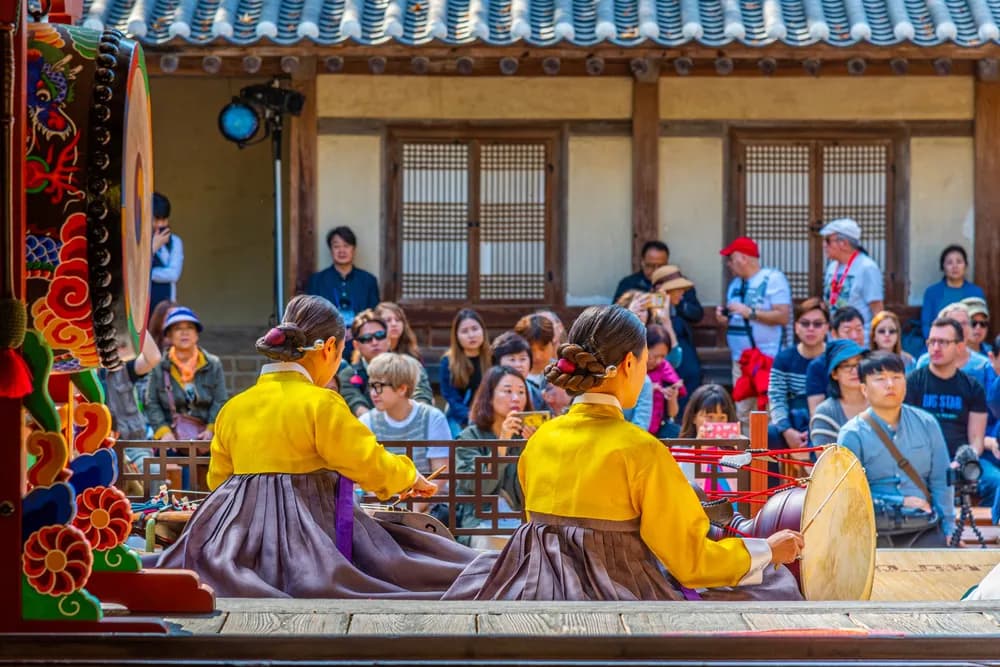
Instead of trying to join a private family gathering, look for public cultural programs at palaces, museums, and traditional villages. Seoul’s official events calendar is a useful starting point for checking performances, workshops, and seasonal activities, including the 2026 Namsangol Traditional Experience: Artist’s Time, which runs through October 25.
3. Try a Traditional Food or Craft Workshop
A hands-on activity is one of the easiest ways to connect with Chuseok culture without intruding on private family traditions. Look for songpyeon-making, traditional craft, or folk-game experiences, and book ahead if the program requires reservations.
4. Wear a Hanbok for a Palace Visit

Hanbok rental is a popular way for travelers to experience Seoul’s historic neighborhoods and take photographs around palace areas. If you plan to rent one during Chuseok, reserve early and allow extra time for changing, walking, and returning the outfit.
5. Explore Traditional Markets Before the Main Holiday
If you want to see the seasonal food side of Chuseok, visit a traditional market before September 25. Markets and department stores become busy with people buying food and gifts for the holiday, making the days before Chuseok a good time to see the preparations and look for songpyeon.
6. Spend an Afternoon in a Quieter Neighborhood
Locals often leave Seoul to visit family, so some residential areas and business districts can feel noticeably quieter. Use this to your advantage by exploring a neighborhood at a relaxed pace, stopping at cafés, or taking a walk along the Han River instead of trying to fit in too many major attractions.
7. Keep Your Evening Flexible
Chuseok is a good time to leave room for spontaneous plans. A palace visit, a traditional meal, and an evening walk can make a more enjoyable day than a tightly packed itinerary, especially when some businesses operate on reduced hours.
8. Check Naver Map Before You Leave
Frequent Korea travelers often use Naver Map to check local business information and public transport. Search for the venue in Korean when possible, and check the latest notice or social-media post before visiting, as holiday hours may differ from the regular listing.
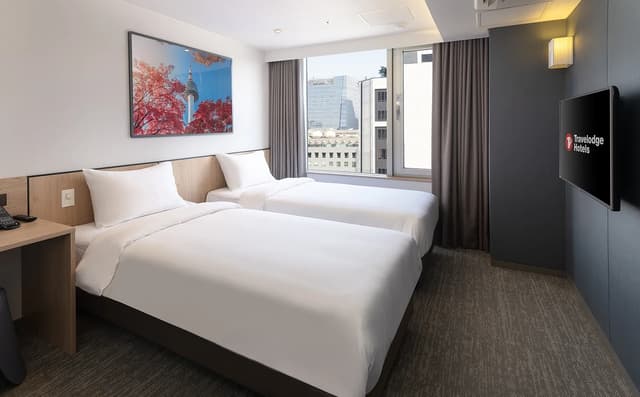
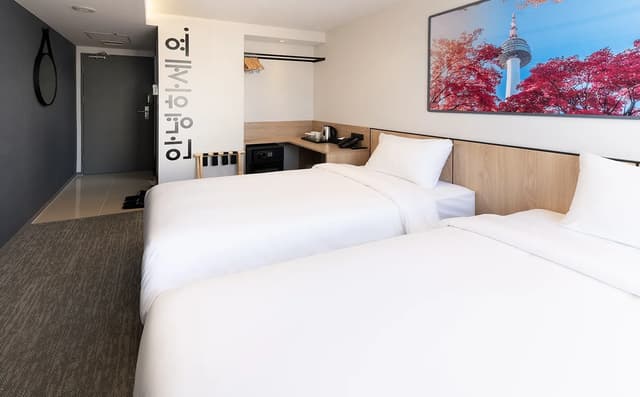
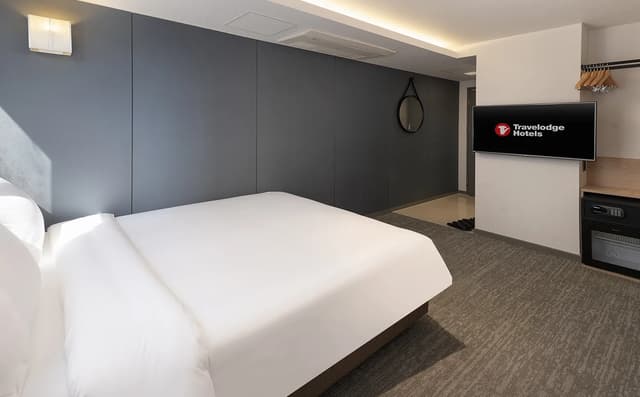
Travelodge Hotels in Korea
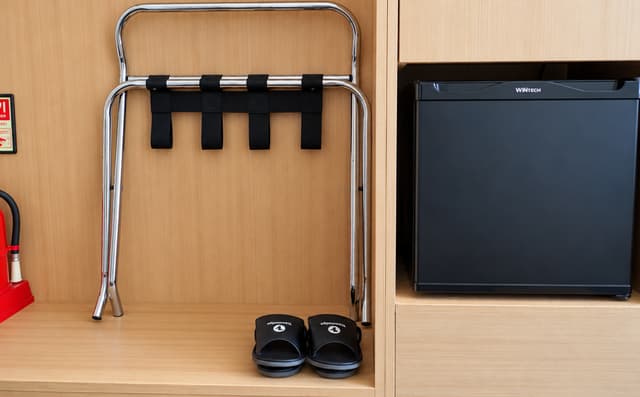
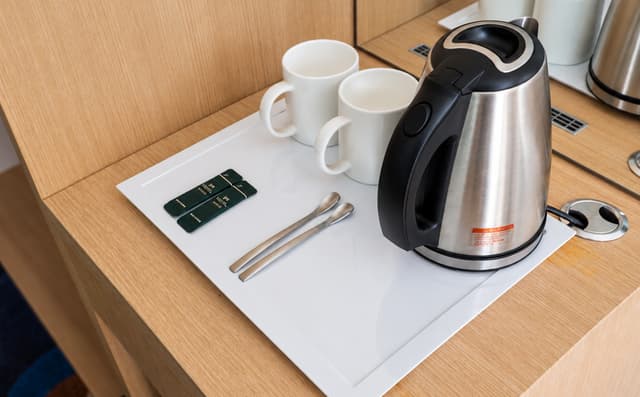


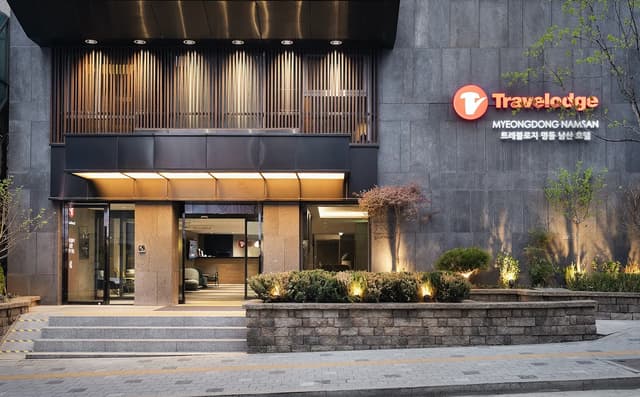
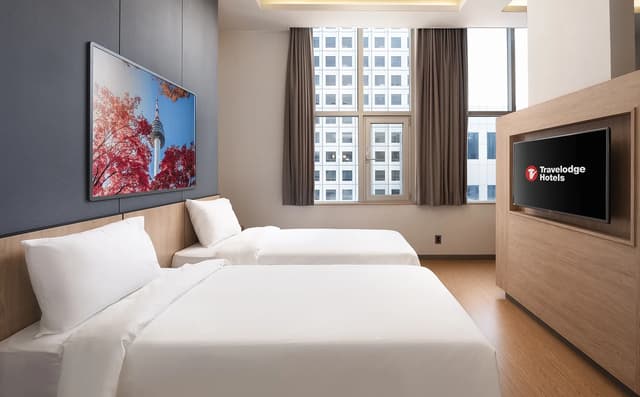


- 1
- 2
9. Keep a Convenience-Store Backup Plan
Convenience stores are useful when smaller restaurants or shops close for the holiday. Pick up water, snacks, breakfast items, and simple meals before the main holiday so you have an easy backup if your first dining choice is unavailable.
10. Avoid Long-Distance Travel on the Busiest Days
If you are visiting Seoul for a short trip, staying in one city can make Chuseok much easier. The holiday creates heavy demand for intercity trains, buses, and roads, so avoid unnecessary travel between September 24 and 26, or book your transport well in advance.
11. Respect Private Family Traditions
Charye and seongmyo are family-centered traditions, not public tourist attractions. If you see people performing ancestral rites or visiting graves, observe quietly and avoid taking photographs without permission.
12. Learn One Simple Greeting
A small effort in Korean is a thoughtful way to connect with the holiday. 추석 잘 보내세요 (Chuseok jal bonaeseyo) means “Have a good Chuseok” and is a friendly greeting for Korean friends, hosts, and people you meet during your trip.
13. Explore Chuseok-Themed Museum Programs
The National Folk Museum of Korea and the National Museum of Korea are excellent destinations. They put on special exhibitions related to harvest traditions and often have free workshops where you can create traditional crafts to take home as a unique souvenir.
14. Enjoy Seoul’s Natural Beauty
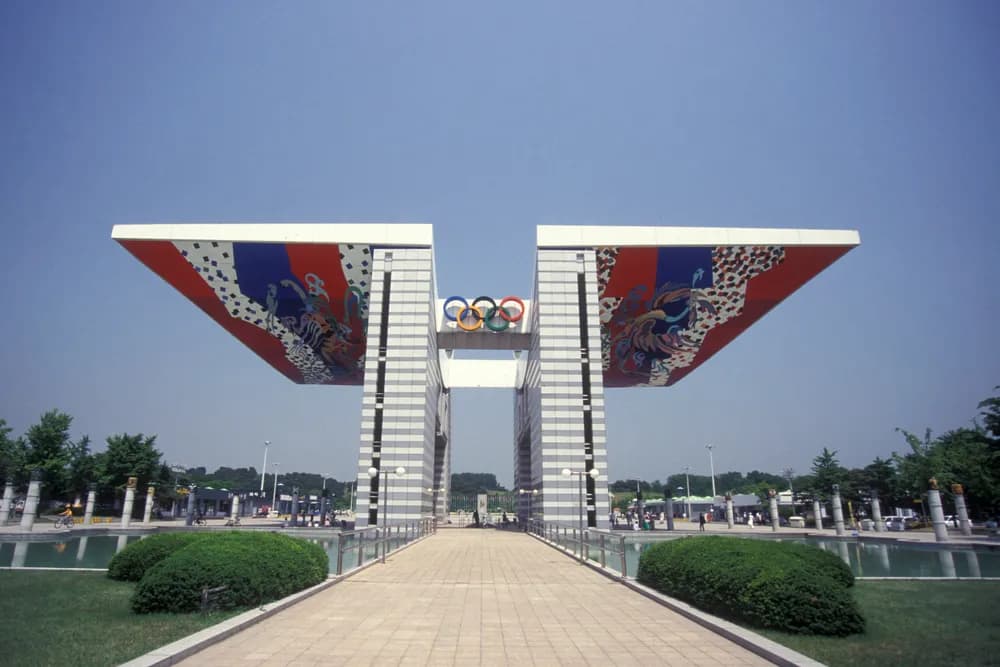
The crisp, clear autumn weather is perfect for exploring the city’s green spaces. Take a stroll through Seoul Forest, have a picnic at Olympic Park, or hike up Namsan Mountain for a panoramic view of the city. A leisurely walk or bike ride along the Han River is another fantastic way to spend the afternoon.
15. Indulge in Modern Festivities
If traditional events aren’t your only interest, Seoul’s modern attractions are buzzing. Theme parks like Lotte World and Everland are open with slightly smaller crowds. Large shopping centers, including the Starfield COEX Mall and major hubs in the Myeongdong shopping district, offer plenty of shops and restaurants for entertainment and dining.
Chuseok Greetings
Learning a few Chuseok greetings is a thoughtful way to show appreciation for Korean culture. You do not need perfect pronunciation, but making the effort can be a nice gesture when speaking with Korean friends, hotel staff, or people you meet during your trip.
Here are five greetings you can use:
- 추석 잘 보내세요 (Chuseok jal bonaeseyo)
“Have a good Chuseok.”
A friendly and widely used greeting for the holiday. - 행복한 추석 보내세요 (Haengbokhan Chuseok bonaeseyo)
“Have a happy Chuseok.”
A warm greeting that wishes someone a joyful holiday. - 즐거운 추석 보내세요 (Jeulgeoun Chuseok bonaeseyo)
“Have a wonderful Chuseok.”
A cheerful message suitable for friends, colleagues, and acquaintances. - 풍성한 한가위 되세요 (Pungseonghan Hangawi doeseyo)
“Wishing you a bountiful Hangawi.”
A traditional-style greeting that reflects the harvest season. - 가족과 함께 행복한 추석 보내세요 (Gajokgwa hamkke haengbokhan Chuseok bonaeseyo)
“Wishing you a happy Chuseok with your family.”
A thoughtful greeting that acknowledges the importance of family during the holiday.
If you are unsure which greeting to use, Chuseok jal bonaeseyo is a safe and friendly choice.
Where to Stay in Seoul During Chuseok
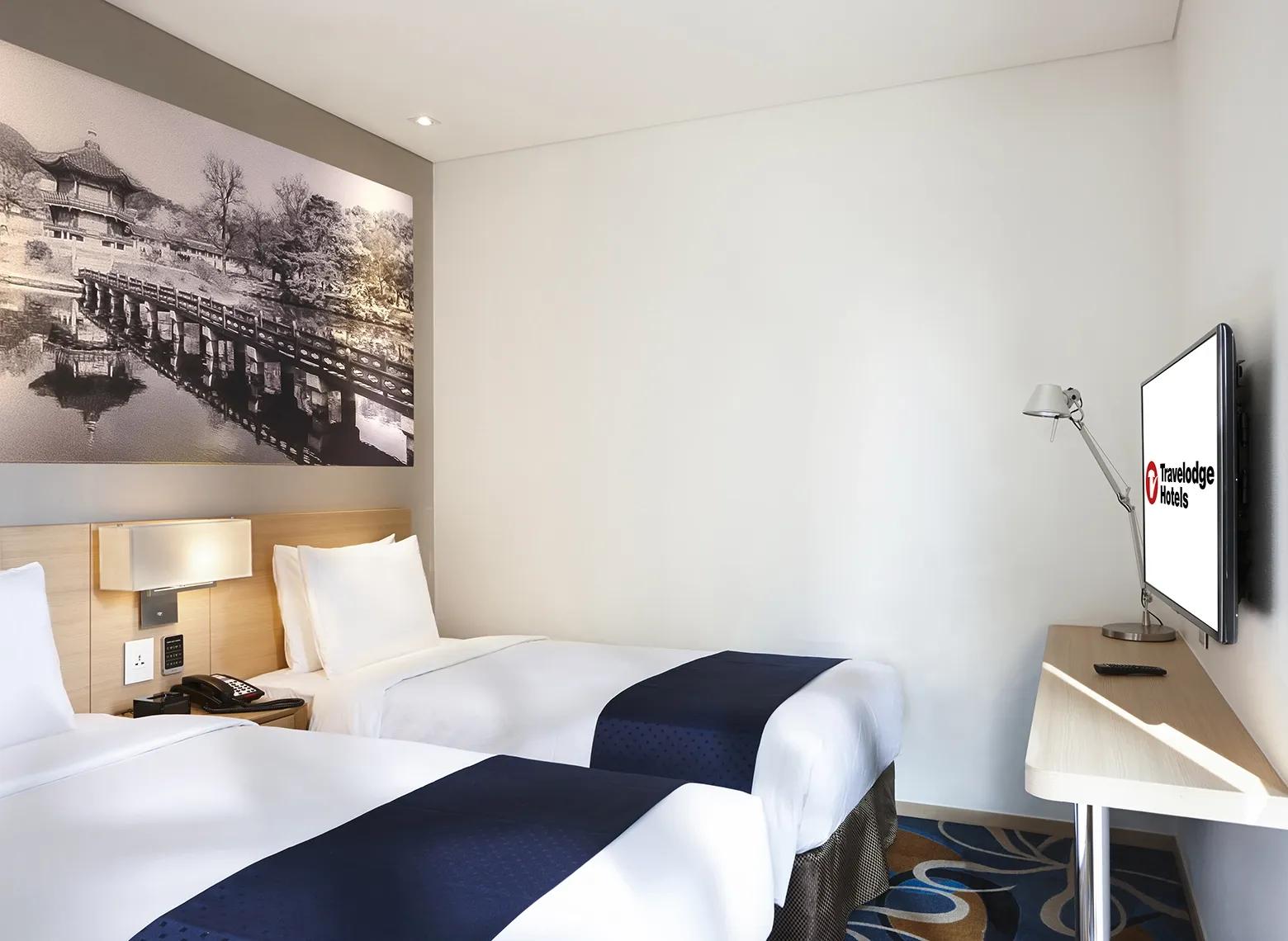
A convenient hotel location can make your Chuseok trip much easier, especially when some businesses operate on reduced schedules and intercity transport is busy.
Staying in a central Seoul neighborhood gives you access to major attractions, shopping areas, restaurants, and public transport, making it easier to enjoy the city without spending too much time traveling.
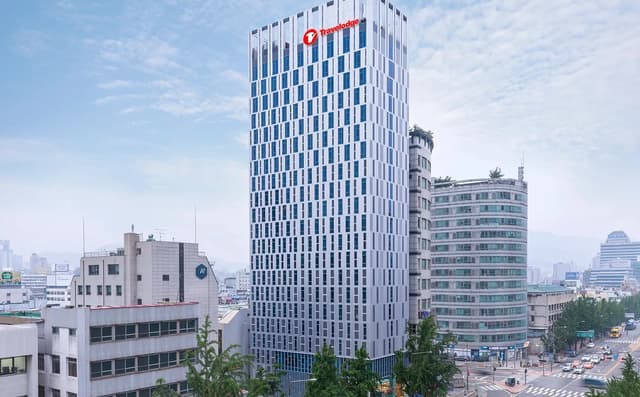
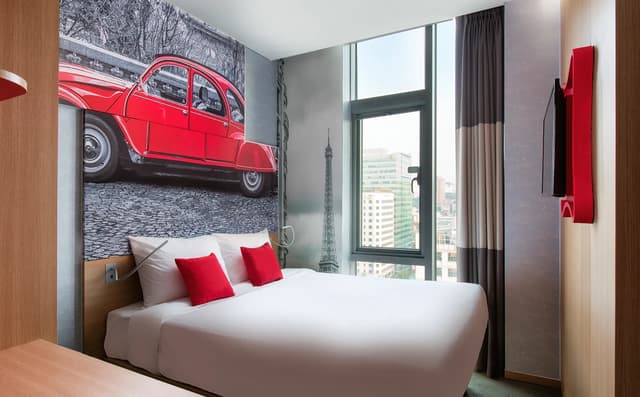
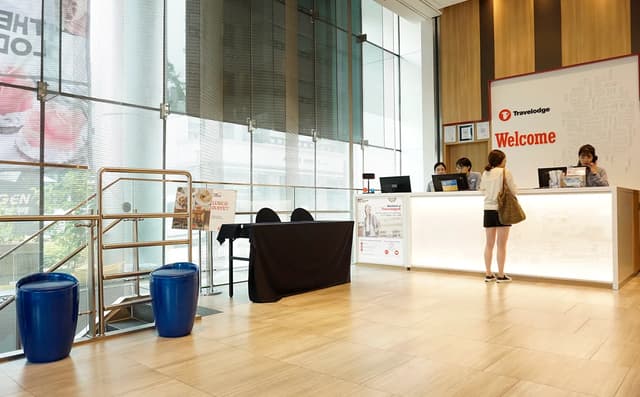
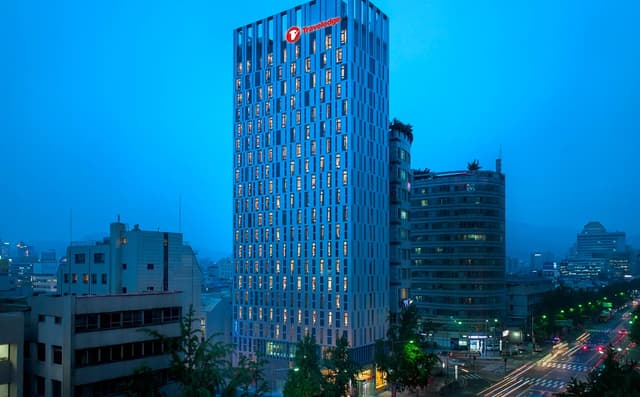
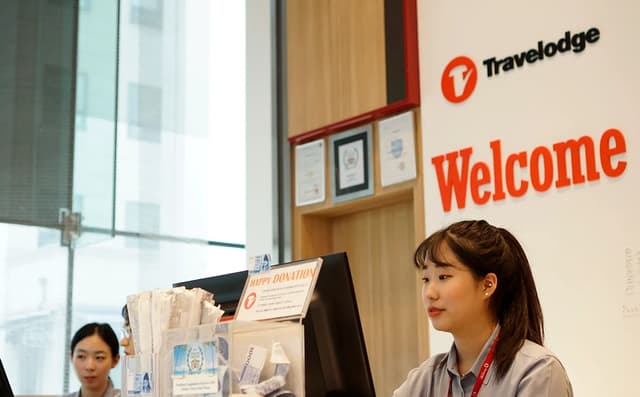
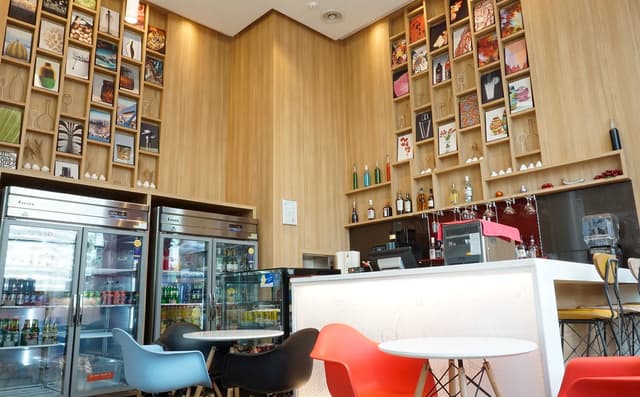
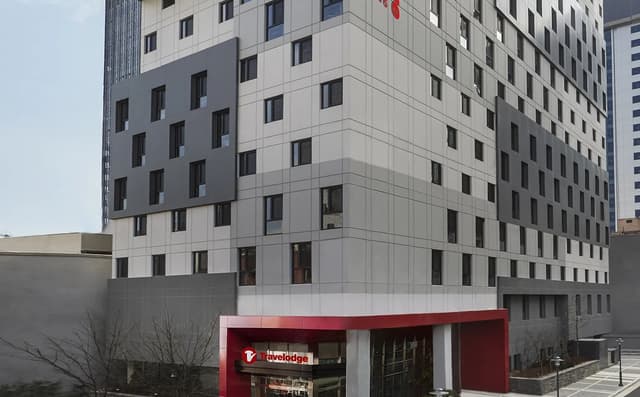
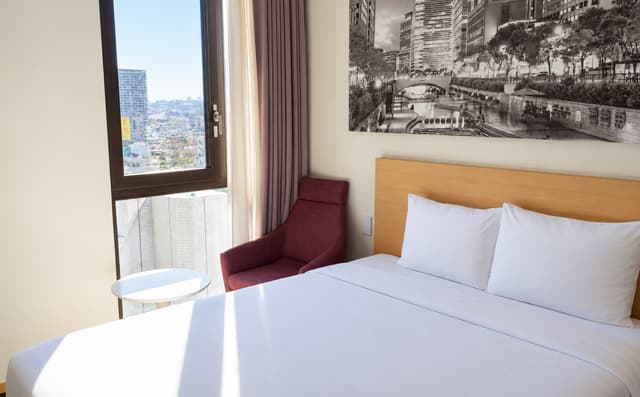
For travelers looking for a comfortable and connected base, consider Travelodge Dongdaemun Seoul, Travelodge Myeongdong Euljiro, or Travelodge Myeongdong Namsan. These hotels offer convenient access to Seoul’s shopping, dining, and cultural attractions, making them useful options for a Chuseok itinerary focused on exploring the city.
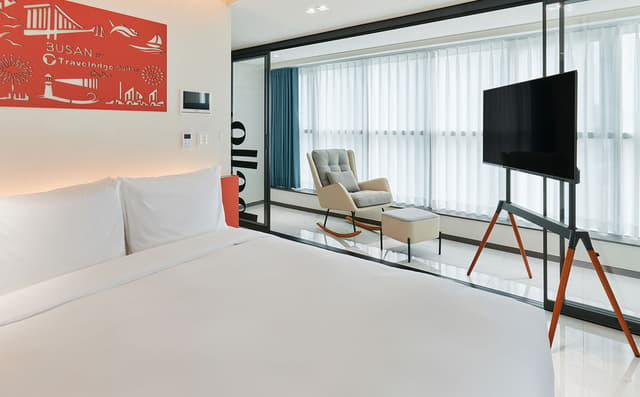
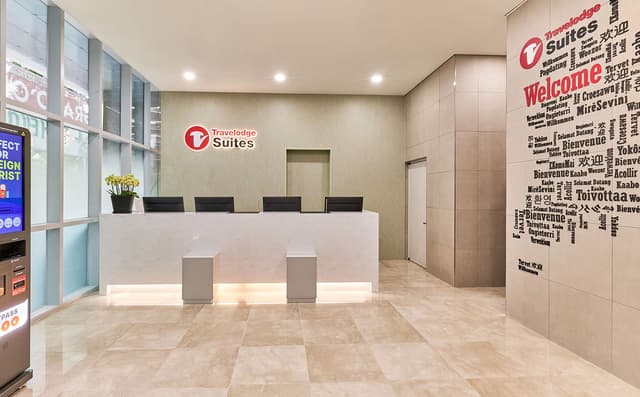
If your itinerary also includes Busan, Travelodge Suites Busan Centum is another option to consider for a comfortable stay in the city.
The Travelodge experience is built around Comfort, Convenience, and Connectivity, helping you enjoy a smooth stay while discovering Seoul at your own pace.
For frequent travelers, the Travelodge membership program adds another layer of value to every stay. Members can enjoy early check-in and late check-out. Special offers for extra savings on stays round out the program.
Embrace the Spirit of Chuseok
Visiting South Korea during Chuseok isn’t just a holiday; it’s a deep dive into the heart of its culture. With a little planning and an open mind, you’ll be treated to an unforgettable harvest celebration filled with gratitude, history, and incredible food. Secure your Chuseok experience and book a hotel in Seoul with Travelodge.