


Share article
Kyoto Traditional Streets in Gion, Higashiyama, and Central Kyoto

Aiko Sato
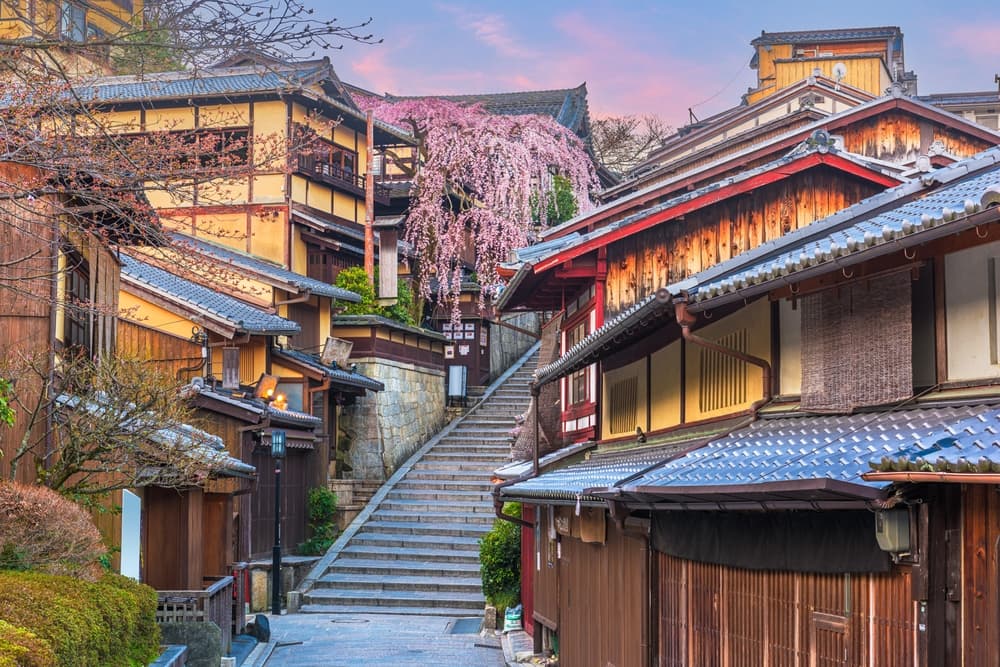
Kyoto’s traditional streets offer a glimpse of Japan’s former capital through stone-paved slopes, wooden townhouses, historic tea houses, narrow alleys, and canals lined with willows. From the famous streets of Gion to the preserved lanes of Higashiyama, exploring on foot is one of the most rewarding ways to experience Kyoto’s history and atmosphere.
Each neighborhood has a different character. Sannenzaka and Ninenzaka are known for their sloping streets and traditional storefronts, Hanamikoji Street reveals the historic atmosphere of Gion, and Pontocho Alley is especially appealing for an evening stroll and dinner. This selection of Kyoto traditional streets also includes quieter lanes and older central streets for travelers who want to explore beyond the best-known photo spots.
Historic Streets in Higashiyama, Kyoto
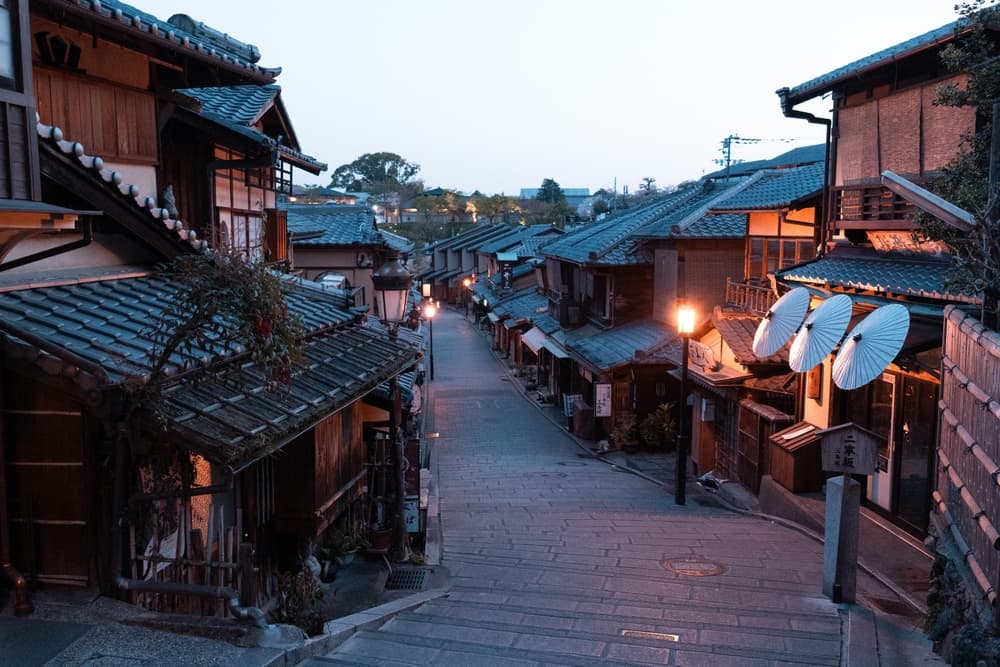
Higashiyama is one of the best places to experience Kyoto Japan traditional streets. Traditional wooden buildings, stone steps, craft shops, and historic temple approaches create a streetscape that feels distinct from the city's modern commercial districts.
Many of the streets here are close enough to explore on foot in one outing. Allow extra time for uphill sections, narrow paths, crowds, and stops at small shops.
Yasaka-dori (八坂通)
Yasaka-dori is one of the most recognizable streets in Kyoto, particularly for the view of Yasaka Pagoda rising above traditional buildings. The sloping road, tiled rooftops, and historic façades create the classic Kyoto street view that many visitors hope to photograph.
The street is a good starting point for a historical walk through Higashiyama. From here, continue toward Ninenzaka and Sannenzaka to explore more preserved lanes, traditional storefronts, and temple approaches.
For photography, visit with enough time to wait for pedestrians to pass rather than stopping in the middle of the road. The surrounding neighborhood includes residential properties, so follow posted signs and respect private entrances.
Information & Access
- Name in Japanese: 八坂通
- Address: Yasaka-dori, Higashiyama-ku, Kyoto
- Public transportation access: From Kyoto Station, take a Kyoto City Bus serving Gion and walk approximately 10–15 minutes from Gion bus stop toward the pagoda viewpoint. From Kiyomizu-michi bus stop, allow roughly 8–12 minutes on foot, depending on the entrance and route.
Sannenzaka (三年坂/産寧坂)
Sannenzaka is one of Kyoto’s most famous traditional streets, known for its stone-paved slope and rows of traditional buildings. The street forms part of the historic approach to Kiyomizu-dera, with shops selling local crafts, pottery, souvenirs, and snacks along the way.
The appeal of Sannenzaka lies in the details: wooden façades, tiled roofs, shopfronts, and the changing views as the street climbs through Higashiyama. It is a particularly memorable part of a Kyoto traditional street walk when combined with Ninenzaka and Yasaka-dori.
The slope can become crowded during peak sightseeing seasons. Comfortable shoes are useful, and visitors should allow extra time to navigate the steps and uneven paving.
Information & Access
- Name in Japanese: 三年坂/産寧坂
- Address and postal code: Sannenzaka, Kiyomizu, Higashiyama-ku, Kyoto 605-0826
- Public transportation access: From Kyoto Station, take a Kyoto City Bus serving Kiyomizu-michi or Gojozaka. From Kiyomizu-michi, allow around 5–10 minutes on foot to reach nearby sections of the historic streets; from Gojozaka, allow approximately 10–15 minutes, depending on the route. The final approach includes slopes and steps.
Ninenzaka (二年坂/二寧坂)
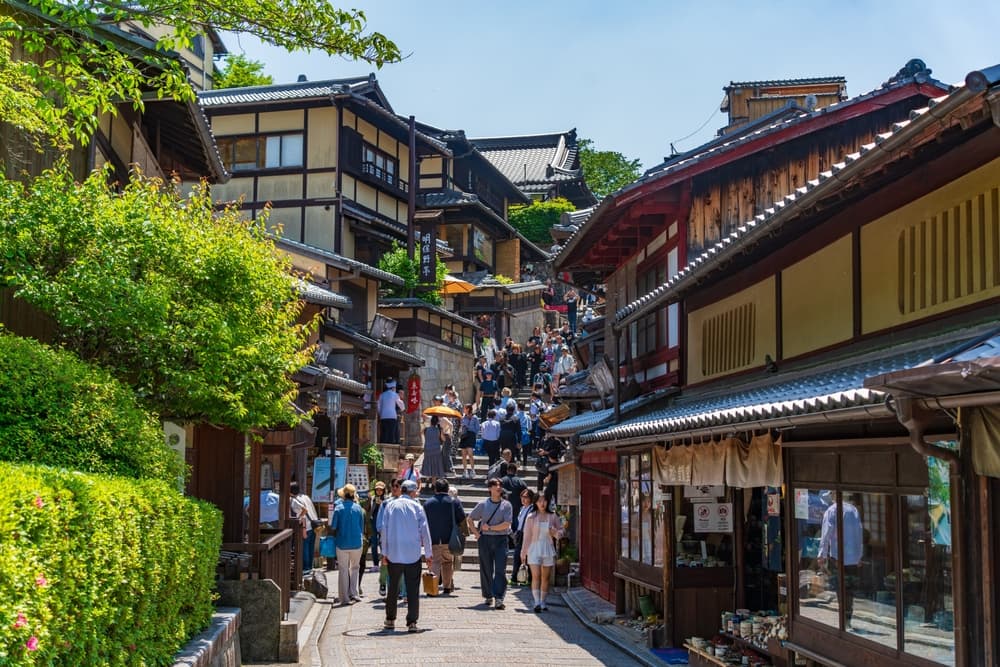
Ninenzaka is another well-known Kyoto traditional street, with stone paving, traditional wooden buildings, small shops, and cafés. It connects naturally with the wider Higashiyama sightseeing area and is often explored alongside Sannenzaka.
Compared with the more direct approach to Kiyomizu-dera, Ninenzaka encourages a slower walk. Visitors can browse craft shops, admire the preserved architecture, and take side routes toward nearby historic lanes.
For a classic Kyoto streetscape, combine Ninenzaka with Yasaka-dori and Sannenzaka. The route offers several different views of traditional buildings without requiring a separate journey between each street.
Information & Access
- Name in Japanese: 二年坂/二寧坂
- Address and postal code: Ninenzaka, Higashiyama-ku, Kyoto 605-0826
- From Travelodge Kyoto Shijo Kawaramachi: Walk toward Gion and continue into Higashiyama, or use public transportation to reduce the initial walking distance.
- Public transportation access: From Kyoto Station, take a Kyoto City Bus to Kiyomizu-michi or Gojozaka. The final walk generally takes about 5–15 minutes, depending on the stop and entrance. From Keihan Kiyomizu-Gojo Station, expect a longer uphill walk of around 25–30 minutes to the wider Kiyomizu-dera area.
Ishibe-koji (石塀小路)
Ishibe-koji is a narrow lane known for its stone walls and traditional architecture. Its quieter, more intimate atmosphere makes it a useful addition to a walk around Higashiyama, particularly for visitors who want to explore beyond the busiest shopping streets.
Unlike the main sightseeing lanes, Ishibe-koji is closely connected to residential life and traditional establishments. It is best approached as a place to appreciate the streetscape rather than as a photo location to linger in. Keep voices low, avoid blocking entrances, and follow all posted photography restrictions.
Information & Access
- Name in Japanese: 石塀小路
- Address: Ishibe-koji, Higashiyama-ku, Kyoto
- From Travelodge Kyoto Shijo Kawaramachi: Walk toward Gion and the Kodaiji area, then follow the local streets to the lane entrance.
- Public transportation access: From Gion bus stop, allow approximately 8–12 minutes on foot. From Higashiyama Yasui bus stop, the walk is roughly 5 minutes, depending on the entrance. From Keihan Gion-Shijo Station, allow around 15 minutes on foot.
Ichinenzaka (一念坂)
Ichinenzaka is a short traditional lane near Ninenzaka, with small shops and traditional façades. It works well as a connecting stop on a wider Higashiyama walk rather than as a standalone destination.
Its appeal is the chance to explore the smaller streets between the better-known sightseeing areas. Add it to a route through Ninenzaka, Yasaka-dori, and the surrounding lanes if you have time to explore at a relaxed pace.
Information & Access
- Name in Japanese: 一念坂
- Address: Ichinenzaka, Higashiyama-ku, Kyoto
- From Travelodge Kyoto Shijo Kawaramachi: Walk toward the Kodaiji and Nene-no-Michi area, then continue to Ichinenzaka.
- Public transportation access: From Higashiyama Yasui bus stop, allow approximately 5–8 minutes on foot. From Kiyomizu-michi bus stop, allow around 10–15 minutes, depending on the approach.
Chawanzaka (茶わん坂)
Chawanzaka is a traditional approach to Kiyomizu-dera associated with pottery and ceramics shops. It offers a different perspective on Kyoto’s traditional streets, with an emphasis on local craft and the historic temple district.
This street is worth adding if you are interested in pottery, handmade souvenirs, and traditional crafts. It also pairs naturally with Sannenzaka, making it easy to include in a Higashiyama walking itinerary.
Information & Access
- Name in Japanese: 茶わん坂
- Address and postal code: Chawanzaka, Higashiyama-ku, Kyoto 605-0862
- From Travelodge Kyoto Shijo Kawaramachi: Combine Chawanzaka with a visit to Sannenzaka and Kiyomizu-dera rather than treating it as a separate trip.
- Public transportation access: From Gojozaka bus stop, allow approximately 10–15 minutes on foot to reach the Kiyomizu-dera approach. From Kiyomizu-michi bus stop, allow a similar walk depending on the route and destination point.
Gion Kyoto Traditional Streets: Historic Lanes and Tea Houses
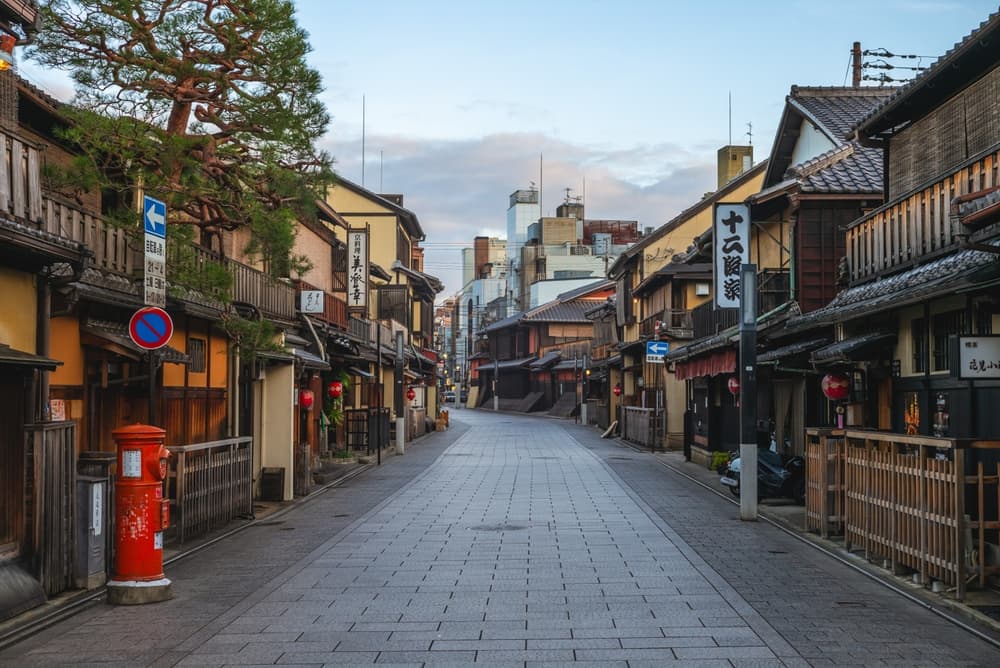
Gion is one of Kyoto’s best-known traditional districts, associated with tea houses, historic wooden buildings, and geiko and maiko culture. Its streets are still part of a working neighborhood, so visitors can appreciate the architecture while remaining mindful of residents, private establishments, and photography rules.
The Gion Kyoto traditional streets experience is not limited to Hanamikoji. The nearby Shirakawa area and Shinbashi-dori offer different views of the historic district, from canal-side scenery to traditional lanes.
Hanamikoji Street (花見小路)
Hanamikoji Street is one of the most famous streets in Gion and a natural highlight for anyone searching for a Gion Kyoto traditional street. Traditional machiya buildings, tea houses, and historic storefronts create the distinctive streetscape that has made the area recognizable to visitors from around the world.
The street is especially atmospheric in the evening, when lanterns and the façades of traditional establishments become more prominent. However, the district is not a staged attraction: geiko and maiko are working professionals, and sightings are never guaranteed.
If you visit Hanamikoji Street in the evening, stay on public routes, avoid photographing people without permission, and follow signs that restrict photography or access. The experience is best enjoyed through the architecture and atmosphere rather than trying to follow performers.
Information & Access
- Name in Japanese: 花見小路
- Address and postal code: Hanamikoji-dori, Gionmachi, Higashiyama-ku, Kyoto 605-0074
- From Travelodge Kyoto Shijo Kawaramachi: Approximately 15 minutes on foot.
- By train: From Keihan Gion-Shijo Station, allow approximately 3–5 minutes on foot to the southern part of Hanamikoji Street.
- By bus: From Gion bus stop, allow approximately 2–5 minutes on foot, depending on the section you want to visit.






Shirakawa Area (白川周辺)
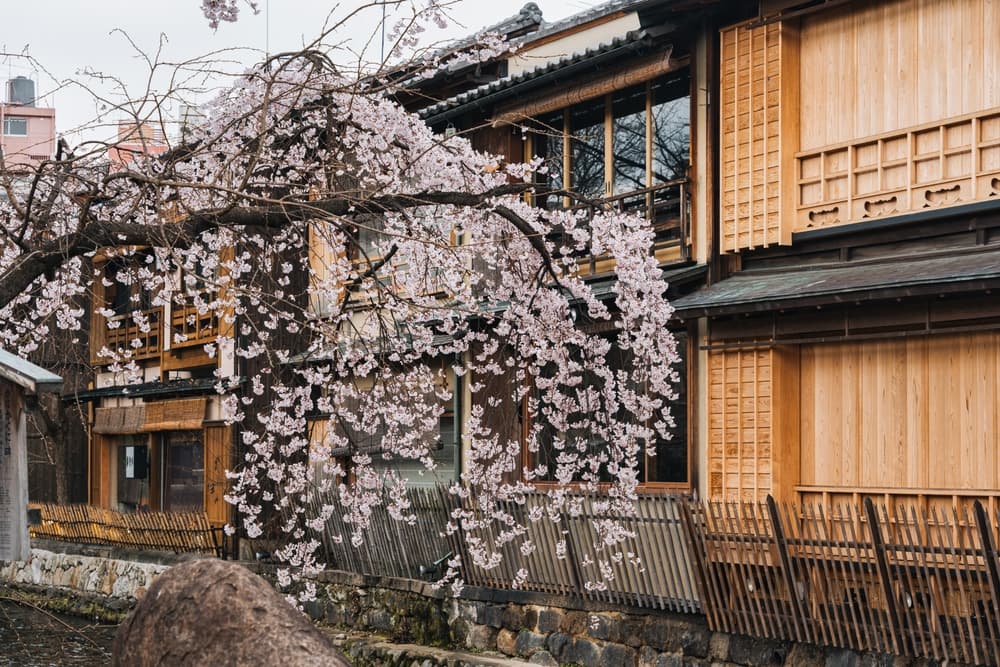
The Shirakawa area offers a quieter side of Gion, with willow-lined canals, small stone bridges, and traditional buildings beside the water. It is a particularly scenic place to slow down and appreciate the details of Kyoto’s historic streetscapes.
The canal-side setting gives this area a different atmosphere from Hanamikoji Street. Instead of focusing mainly on tea houses and traditional storefronts, visitors can enjoy the relationship between the water, bridges, and old buildings.
For a historical walk through Gion, combine the Shirakawa area with Shinbashi-dori and Hanamikoji Street. The route works well during the day and can also be atmospheric after dark.
Information & Access
- Name in Japanese: 白川周辺
- Address: Gion-Shirakawa, Higashiyama-ku, Kyoto
- From Travelodge Kyoto Shijo Kawaramachi: Approximately 13 minutes on foot.
- By train: From Keihan Gion-Shijo Station, allow approximately 5–8 minutes on foot to reach the central canal-side area. From Sanjo Station or Sanjo Keihan Station, allow around 6–10 minutes, depending on the entrance.
- By bus: From Gion bus stop, allow approximately 5–8 minutes on foot.
Shinbashi-dori (新橋通)
Shinbashi-dori is a historic street in Gion known for traditional buildings and its atmospheric setting near the Shirakawa canal area. It is a useful addition for visitors who want to see more of Gion’s historic architecture after exploring Hanamikoji.
Rather than rushing between photo spots, take time to notice the wooden façades and narrow streets that preserve the character of the district. Shinbashi-dori also fits naturally into a walk along Shirakawa, making it easy to explore both areas in one visit.
Information & Access
- Name in Japanese: 新橋通
- Address: Shinbashi-dori, Gionmachi, Higashiyama-ku, Kyoto
- From Travelodge Kyoto Shijo Kawaramachi: Approximately 17 minutes on foot.
- By train: From Keihan Gion-Shijo Station, allow approximately 5–8 minutes on foot to reach the central section. From Sanjo Station or Sanjo Keihan Station, allow around 6–10 minutes, depending on the destination point.
- By bus: From Gion bus stop, allow approximately 5–10 minutes on foot.
Miyagawacho (宮川町)
Miyagawacho is another historic entertainment district in Kyoto, with traditional buildings, tea houses, and narrow streets. It provides an alternative perspective on the city’s traditional cultural districts beyond the most visited parts of Gion.
The atmosphere is best appreciated by walking quietly and respecting the privacy of the people who live and work here. Consider Miyagawacho an additional stop if you have more time, rather than trying to fit it into a rushed itinerary.
Information & Access
- Name in Japanese: 宮川町
- Address: Miyagawacho, Higashiyama-ku, Kyoto
- From Travelodge Kyoto Shijo Kawaramachi: Walk toward the Kamo River and the southern Gion area; the total time depends on the part of the district you choose.
- By train: From Keihan Kiyomizu-Gojo Station or Gion-Shijo Station, allow approximately 5–10 minutes on foot, depending on the destination.
- By bus: Use a stop serving Kawaramachi-Gojo or Shijo-Kawaramachi, then walk to the selected street entrance. Check the exact stop and route before setting out.
Pontocho and Kyoto’s Traditional Streets in the Evening
Kyoto traditional streets take on a different atmosphere after dark. Lanterns, traditional façades, narrow alleys, and restaurants create a memorable setting for an evening walk, especially around Pontocho and Kiyamachi-dori.
These streets are still part of the city’s everyday life, so an evening visit is best planned around the atmosphere, dining, and architecture rather than assuming every establishment will be open.
Pontocho Alley (先斗町)
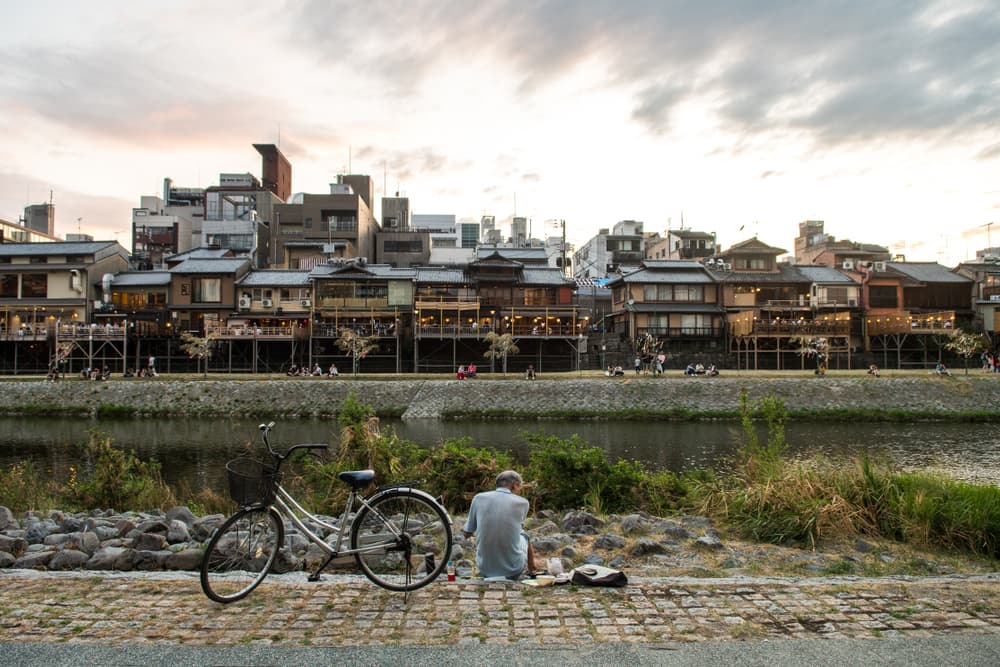
Pontocho Alley is one of Kyoto’s best-known narrow dining lanes. Traditional-style façades, small entrances, and restaurants packed along the alley give it a distinctive character that differs from the stone-paved slopes of Higashiyama.
Is Pontocho Alley worth visiting? Yes, particularly if you want to enjoy a traditional-looking alley and have dinner in central Kyoto. It is less about visiting a single landmark and more about experiencing the atmosphere of the lane itself.
Pontocho is especially appealing in the evening, when its restaurant entrances and lanterns make the narrow street feel intimate. Depending on the season and venue, some restaurants also offer riverside dining terraces overlooking the Kamo River.
Information & Access
- Name in Japanese: 先斗町
- Address and postal code: Pontocho, Nakagyo-ku, Kyoto 604-8014
- From Travelodge Kyoto Shijo Kawaramachi: Approximately 8 minutes on foot.
- By train: From Hankyu Kyoto-Kawaramachi Station, allow approximately 3–5 minutes on foot to the southern entrance. From Keihan Sanjo Station, allow around 3–5 minutes to the northern end.
- By bus: From Shijo-Kawaramachi bus stop, allow approximately 3–5 minutes on foot to the southern end.
Kiyamachi-dori (木屋町通)
Kiyamachi-dori runs alongside a canal and offers a different perspective on central Kyoto’s older urban landscape. Bridges, waterways, and older buildings create a pleasant route between the city center and the Pontocho area.
Although the street also has restaurants and nightlife, its appeal for a traditional streets walk lies in the canal-side setting and the way it connects historic parts of the city. It is an easy addition to an evening itinerary, especially if you plan to visit Pontocho for dinner.
Information & Access
- Name in Japanese: 木屋町通
- Address: Kiyamachi-dori, central Kyoto
- From Travelodge Kyoto Shijo Kawaramachi: Approximately 5 minutes on foot.
- By train: From Hankyu Kyoto-Kawaramachi Station, allow around 3–5 minutes on foot to reach the southern section. From Keihan Sanjo Station, allow approximately 3–5 minutes to reach the northern section.
- By bus: From Shijo-Kawaramachi or Kawaramachi-Sanjo bus stops, allow roughly 2–5 minutes on foot, depending on the section.
Traditional Streets in Central Kyoto Beyond the Main Tourist Lanes
Central Kyoto has streets with a long history of commerce, movement, and neighborhood life. While parts of the area are busy today, Shijo-dori and Teramachi-dori can still be included in a traditional Kyoto streets itinerary when approached through their historical roles and connections to older districts.
Shijo-dori (四条通)
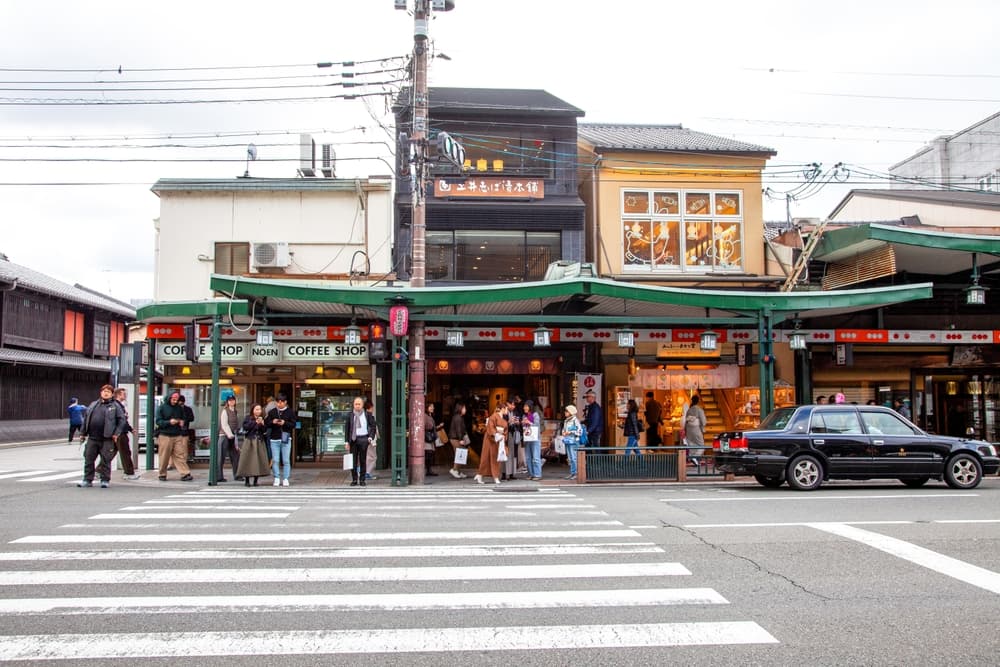
Shijo-dori connects central Kyoto with Gion and has long played an important role in the city’s commercial and festival life. Its eastern end leads toward the traditional streets of Gion, making it a practical route for visitors moving between the city center and historic districts.
Parts of Shijo-dori are now busy commercial thoroughfares, but its historical context remains important. The street is associated with Kyoto’s festival traditions, including the Gion Festival, whose processions and floats are among the city’s best-known cultural events.
For travelers exploring Kyoto Japan streets, Shijo-dori works best as a connecting route rather than a destination to spend an entire afternoon. Walk along it toward Gion, then turn into the smaller historic lanes to experience a more traditional streetscape.
Information & Access
- Name in Japanese: 四条通
- Address: Shijo-dori, central Kyoto
- From Travelodge Kyoto Shijo Kawaramachi: Approximately 6 minutes on foot to the relevant section.
- By train: Hankyu Kyoto-Kawaramachi Station is approximately 3 minutes on foot from the Shijo-Kawaramachi intersection. Hankyu Karasuma Station and Kyoto Municipal Subway Shijo Station serve the western section.
- By bus: Shijo-Kawaramachi bus stop is approximately 2–5 minutes on foot from nearby sections.
Teramachi-dori (寺町通)
Teramachi-dori offers a look at Kyoto’s older street network and traditional commercial culture. Its name reflects the area’s historical association with temples, while sections of the street retain older storefronts and links to the city’s historic urban layout.
Rather than treating Teramachi-dori simply as a shopping destination, look for the traditional character of its older streets and the relationship between shops, side streets, and nearby historic sites. It provides useful context for understanding how Kyoto’s commercial districts developed around established streets and neighborhoods.
Teramachi-dori is also easy to combine with a walk around central Kyoto. From here, you can continue toward Shijo-dori, Kiyamachi-dori, or Pontocho.
Information & Access
- Name in Japanese: 寺町通
- Address: Teramachi-dori, central Kyoto
- From Travelodge Kyoto Shijo Kawaramachi: Approximately 7 minutes on foot to the relevant section.
- By train: Hankyu Kyoto-Kawaramachi Station is approximately 3–5 minutes on foot from the southern central section. Kyoto Shiyakusho-mae Station serves northern sections, generally around 5–10 minutes on foot, depending on the destination.
- By bus: From Shijo-Kawaramachi or Kawaramachi-Sanjo bus stops, allow approximately 3–8 minutes on foot, depending on the section.
Ebisugawa-dori (夷川通)
Ebisugawa-dori is a quieter central Kyoto street that offers a more everyday view of the city. It can be a useful alternative for visitors who have already explored the main tourist streets and want to see more of Kyoto’s older neighborhood network.
The street is best approached without expecting a single landmark or famous viewpoint. Instead, focus on the surrounding streetscape, neighborhood-scale architecture, and the contrast between quieter local roads and Kyoto’s busiest sightseeing districts.
Information & Access
- Name in Japanese: 夷川通
- Address: Ebisugawa-dori, central Kyoto
- From Travelodge Kyoto Shijo Kawaramachi: Approximately 13 minutes on foot.
- By train: From Kyoto Shiyakusho-mae Station, allow approximately 5–10 minutes on foot to reach the section selected for the article.
- By bus: Kawaramachi-Sanjo is a useful reference stop; allow approximately 8–12 minutes on foot, depending on the destination point.
Kamishichiken: A Historic District Beyond Gion
Kamishichiken (上七軒)
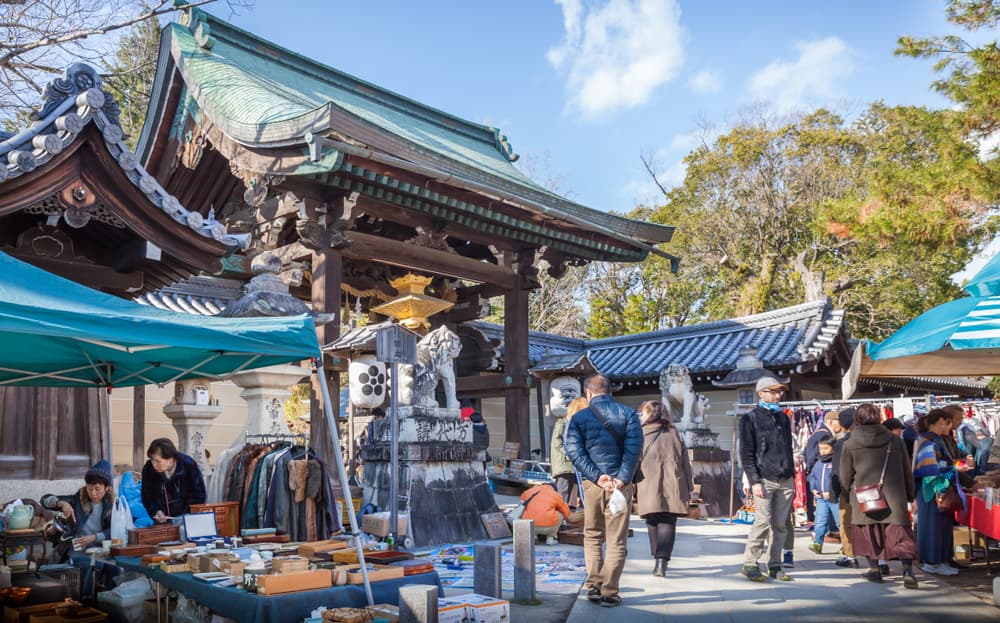
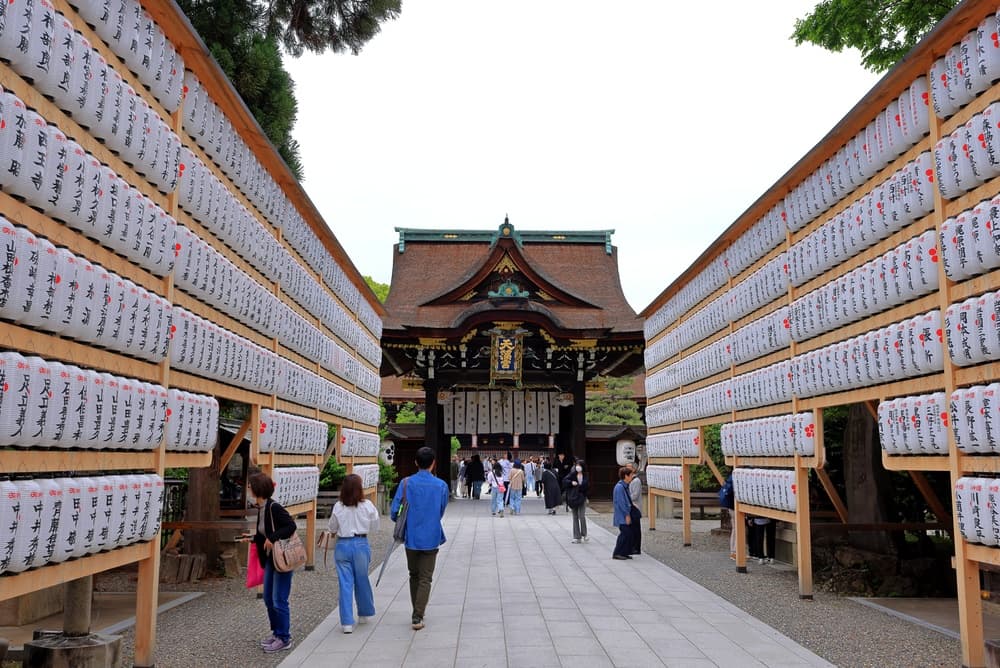
Kamishichiken is a historic entertainment district near Kitano Tenmangu Shrine, with traditional buildings and a quieter atmosphere than central Gion. It offers another perspective on Kyoto’s traditional cultural districts and can be rewarding for travelers who have more time to explore the city.
Unlike the more frequently visited streets around Higashiyama, Kamishichiken is better treated as a separate outing. Combine it with nearby Kitano Tenmangu rather than trying to fit it into the same short walking route as Pontocho or Hanamikoji.
Information & Access
- Name in Japanese: 上七軒
- Address: Kamishichiken, Kamigyo-ku, Kyoto
- Public transportation access: From the hotel, walk approximately 3 minutes to Hankyu Kyoto-Kawaramachi Station or use the nearby Shijo-Kawaramachi bus stop. Take a suitable Kyoto City Bus toward Kitano Tenmangu or Kamishichiken, then walk approximately 1–5 minutes from the relevant stop to the historic district.
Which Kyoto Traditional Streets Should You Visit in the Evening?
A Kyoto traditional street evening walk can feel very different from sightseeing during the day. Shopfronts may close, crowds may thin out in some areas, and the lighting around traditional buildings and canals can change the atmosphere.
Choose your route according to the experience you want:
- For iconic historic views: Visit Yasaka-dori, Ninenzaka, and Sannenzaka during daylight or around sunset. Some shops close earlier, so allow time to browse before evening.
- For Gion’s traditional atmosphere: Walk along Hanamikoji Street, the Shirakawa area, and Shinbashi-dori. Respect privacy and follow photography restrictions, particularly around traditional establishments.
- For dinner and an evening stroll: Pontocho Alley and Kiyamachi-dori are convenient options near central Kyoto.
- For a quieter historic district: Consider Kamishichiken as a separate outing, keeping in mind that activity varies by venue and day.
Public streets may be accessible after dark, but that does not mean every shop, temple, restaurant, or private venue is open. Plan your return journey and check the latest transport information, especially if you intend to stay out late.
Plan a Historical Walking Route Through Kyoto’s Traditional Streets
Kyoto’s historic streets are easier to enjoy when grouped by neighborhood. Instead of trying to visit every street in one day, choose a route that matches your interests and leave time to explore side lanes.
Route 1: Higashiyama’s Historic Streets
Suggested route: Yasaka-dori → Ninenzaka → Sannenzaka → Chawanzaka → optional visit to Kiyomizu-dera.
This route is ideal for first-time visitors who want to see traditional townhouses, stone-paved slopes, craft shops, and famous Kyoto street views. Expect uphill sections and crowds, especially during popular travel seasons.
Route 2: Gion’s Traditional Lanes and Canal Views
Suggested route: Hanamikoji Street → Shirakawa area → Shinbashi-dori → optional walk through Miyagawacho.
This route suits travelers interested in traditional architecture, historic entertainment districts, and canal-side scenery. It can be explored during the day or later in the afternoon, with time to appreciate the streets without rushing.
Route 3: Central Kyoto’s Historic Streets and Evening Dining
Suggested route: Teramachi-dori → Shijo-dori → Kiyamachi-dori → Pontocho Alley.
This route combines older central streets, traditional commercial culture, waterways, and evening dining. It is more urban than the Higashiyama route, but it provides a useful look at how historic Kyoto connects with the modern city.
Where to Stay for Exploring Kyoto’s Traditional Streets
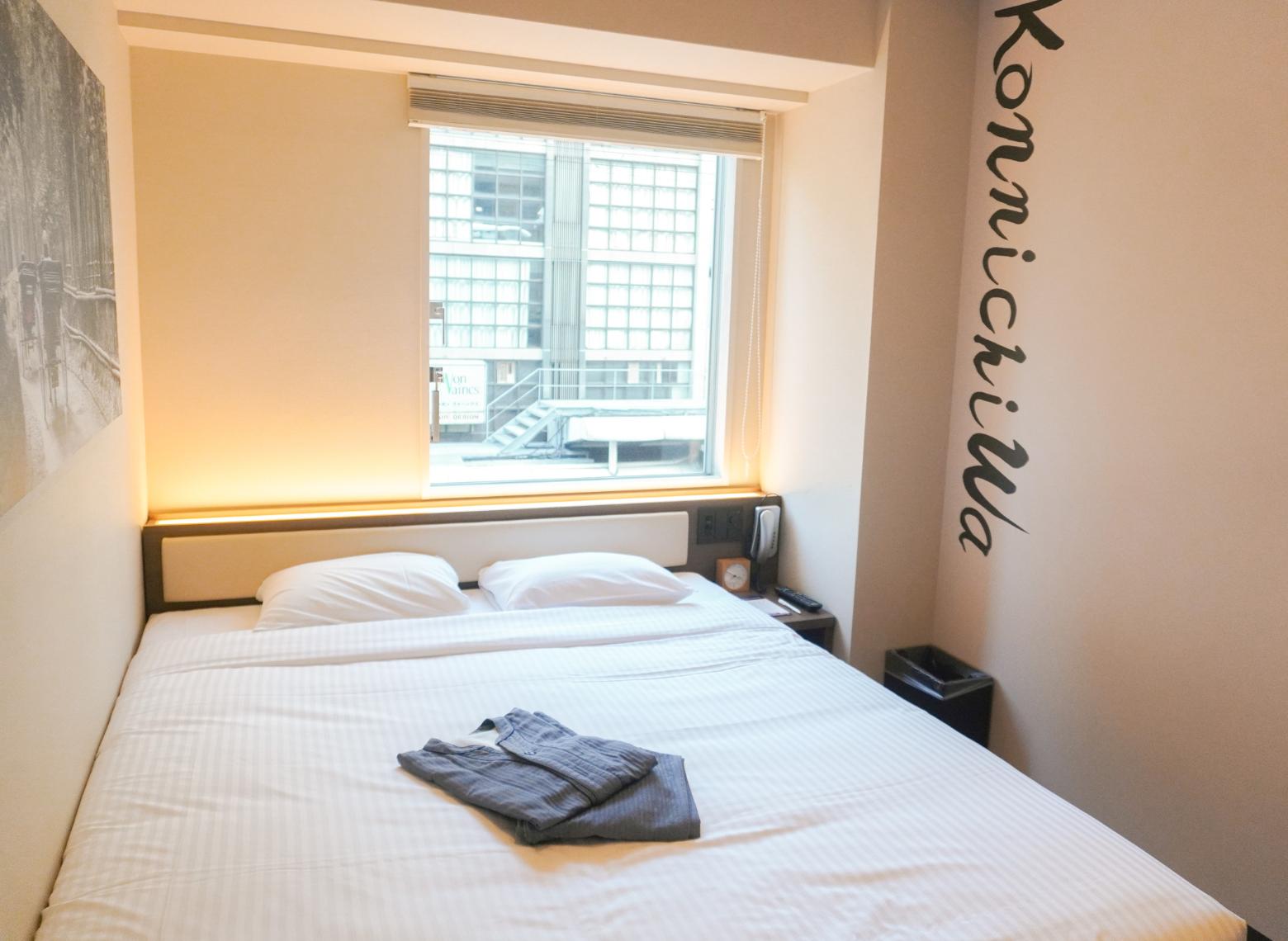
For travelers planning to explore Kyoto traditional streets on foot, Travelodge Kyoto Shijo Kawaramachi provides a convenient base in central Kyoto. The hotel is approximately a 3-minute walk from Hankyu Kyoto-Kawaramachi Station, with access to train services and nearby bus stops.
Several streets in this article are within a short walk of the hotel, including Kiyamachi-dori, Shijo-dori, Teramachi-dori, and Pontocho Alley. Hanamikoji Street, the Shirakawa area, Shinbashi-dori, and Ebisugawa-dori are also reachable on foot, making it possible to plan a day of historical walking without returning to the station between every stop.
The approximate walking times below can help with itinerary planning:
Street or area | Walking time from Travelodge Kyoto Shijo Kawaramachi |
Kiyamachi-dori | 5 minutes |
Shijo-dori | 6 minutes |
Teramachi-dori | 7 minutes |
Pontocho Alley | 8 minutes |
Shirakawa area | 13 minutes |
Ebisugawa-dori | 13 minutes |
Hanamikoji Street | 15 minutes |
Shinbashi-dori | 17 minutes |
Actual times depend on the exact street entrance, route, pedestrian traffic, and walking pace. For Higashiyama’s Sannenzaka and Ninenzaka area, consider taking a bus part of the way if you prefer to reduce the amount of walking.
Explore Travelodge Kyoto Shijo Kawaramachi to plan a stay with convenient access to Kyoto’s historic streets, central transport connections, and dining areas.

Travelers booking eligible stays directly through Travelodge Hotels Asia can also explore the Travelodge membership program. Members may earn Cashback Credits on eligible direct bookings, subject to program terms and conditions. Review the available membership benefits and booking conditions before reserving your stay.
Explore Kyoto Through Its Historic Streets
From the stone-paved lanes of Higashiyama to the traditional streets of Gion and the narrow dining alley of Pontocho, Kyoto offers different ways to experience the atmosphere of Japan’s former capital. Each area has its own character, whether you are looking for classic street views, historic architecture, canal-side scenery, or an evening walk.
Plan your route around nearby streets so you have time to explore rather than rushing between destinations. With convenient access to central Kyoto, Travelodge Kyoto Shijo Kawaramachi makes a practical base for discovering the city’s traditional streets, with the option to earn Cashback Credits on eligible direct bookings through Travelodge Cashback.
Frequently Asked Questions About Kyoto Traditional Streets
What is that famous street in Kyoto?
Kyoto has several famous traditional streets. Yasaka-dori is known for its view of Yasaka Pagoda, while Sannenzaka and Ninenzaka are famous for their stone-paved slopes and traditional storefronts. Hanamikoji Street is one of the best-known streets in Gion.
What is the traditional area of Kyoto?
Higashiyama and Gion are among Kyoto’s best-known areas for traditional streetscapes. Higashiyama is known for historic slopes and temple approaches, while Gion has traditional tea houses, wooden buildings, and historic lanes. Pontocho and Kamishichiken offer other perspectives on Kyoto’s traditional districts.
Is Pontocho Alley worth visiting?
Yes. Pontocho Alley is worth visiting for its narrow historic lane, traditional-style restaurant façades, and evening dining atmosphere. It is particularly appealing for travelers who want to combine a short walk with dinner in central Kyoto.
Where is the famous Kyoto street view?
One of Kyoto’s most recognizable street views is the Yasaka Pagoda framed by the traditional buildings along Yasaka-dori. Ninenzaka and Sannenzaka are also popular for their stone paving and historic streetscapes.
What is the most famous street in Gion?
Hanamikoji Street is one of Gion’s most famous streets, known for traditional buildings and tea houses. The Shirakawa area and Shinbashi-dori are also popular for their historic architecture and canal-side scenery.
Can you visit Kyoto’s traditional streets at night?
Many public streets can be visited after dark, but individual shops, temples, and attractions may be closed. Pontocho and Kiyamachi-dori are convenient for evening walks and dining, while visitors to Gion should pay particular attention to privacy and photography rules.
How many days do you need to explore Kyoto’s traditional streets?
One day can cover either the main Higashiyama streets or a walk through Gion and Pontocho. Two days allow more time to explore both areas at a relaxed pace, with additional time for quieter districts such as Kamishichiken.
Share article
Never Miss an Update!
Join our newsletter to unlock travel tips, latest promotions, and updates.
Subscribe now