


Share article
#TrevorDiscover Kuromon Market Osaka Best Food, Seafood Stalls and Local Finds

Trevor
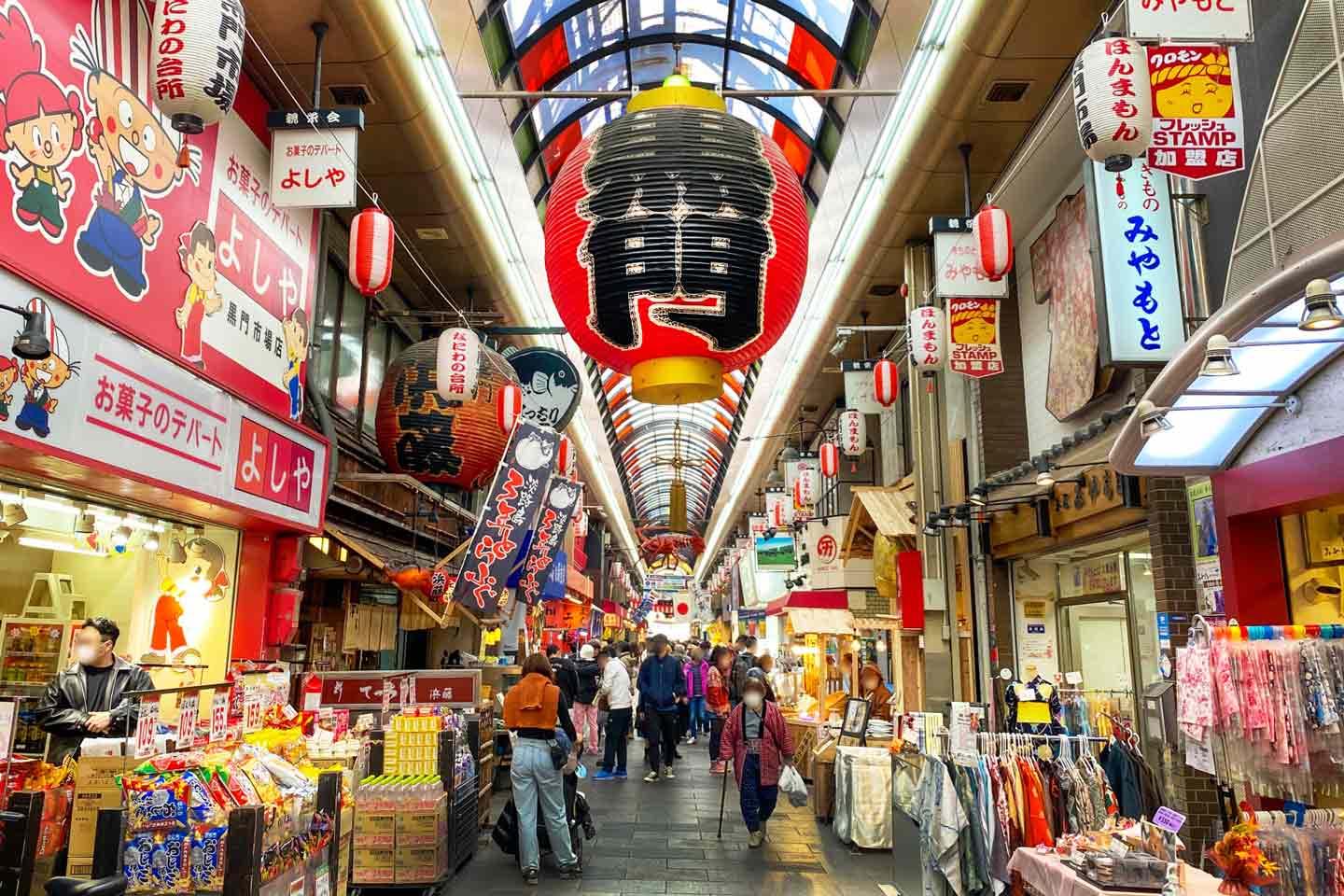
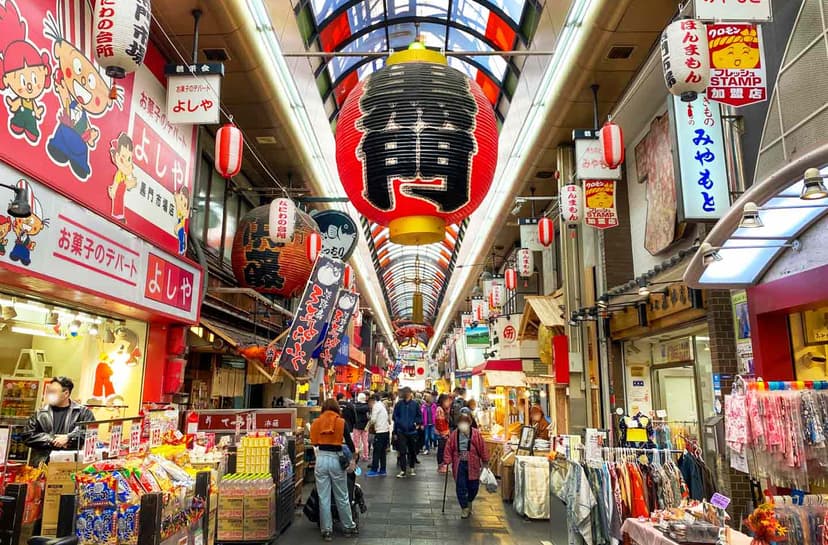
Osaka is a city best explored one bite at a time, and Kuromon Market Osaka is a great place to start. Known locally as Kuromon Ichiba Market, this covered shopping street brings together seafood stalls, fresh produce, Japanese sweets, specialty food shops, and small eateries.
Join Trevor for a closer look at what to eat at Kuromon Market, from freshly prepared seafood and wagyu beef to traditional sweets and noodles. There are also specialist shops and nearby streets worth exploring once you have sampled the market's best-known bites.
Good to Know Before You Go
Information | Details |
Location | 2-4-1 Nipponbashi, Chuo-ku, Osaka, Japan |
Opening hours | 9 AM - 6 PM |
Market length | Approximately 580 meters |
Nearest station | Nipponbashi Station |
Admission | Free to enter |
Suggested visit | Around 1–2 hours, longer if you plan to eat at several stalls |
Best time to visit | Morning to late morning for a food-focused visit |
What to expect | Seafood, street food, fresh produce, sweets, specialty shops, and souvenirs |
Individual stores set their own opening days and hours, so some stalls may be closed even when the market street is accessible.
How to Get to Kuromon Market Osaka
Kuromon Ichiba Market is in Nipponbashi, in Osaka's Minami area. Its location makes it easy to combine with a day exploring Namba, Dotonbori, and Shinsaibashi.
- From Nipponbashi Station: Walk for approximately 5 minutes to reach the market.
- From Osaka Station: Take the Osaka Metro Midosuji Line toward Namba, then transfer to the Sennichimae Line for Nipponbashi Station. Walk about 5 minutes from the station.
- From Osaka Castle: Travel by train toward the Namba or Nipponbashi area, changing lines as needed. The total journey depends on your starting point and route.
- From Dotonbori: Allow approximately 10–15 minutes on foot, depending on your starting point.
- From Travelodge Osaka Shinsaibashi: The market is approximately a 17-minute walk away, or around 6 minutes by train from Nagahoribashi Station, according to the route selected.
- From Travelodge Honmachi Osaka: About 15 minute journey by train from Sakaisuji Hommachi Station.
Kuromon Market Osaka Opening Hours and Best Time to Visit
Kuromon Market opens at 9 AM to 6 PM in general. However, it does not have one uniform opening schedule for every business. Many shops open in the morning, while individual restaurants and specialty stores may follow different hours or close on particular days.
For a food-focused visit, aim for the morning or late morning. This gives you time to browse seafood counters, look for freshly prepared dishes, and visit specialist shops before moving on to nearby attractions. If a particular restaurant or stall is a priority, check its current opening hours before setting out.
What to Eat at Kuromon Market Osaka
Kuromon Market Osaka food ranges from seafood and grilled meat to Osaka street food, noodles, fruit desserts, and traditional Japanese sweets. Rather than filling up at the first stall, Trevor recommends walking through the market first, checking the menus, and then choosing a mix of savory bites and something sweet.
Fresh Seafood, Sushi, and Sashimi
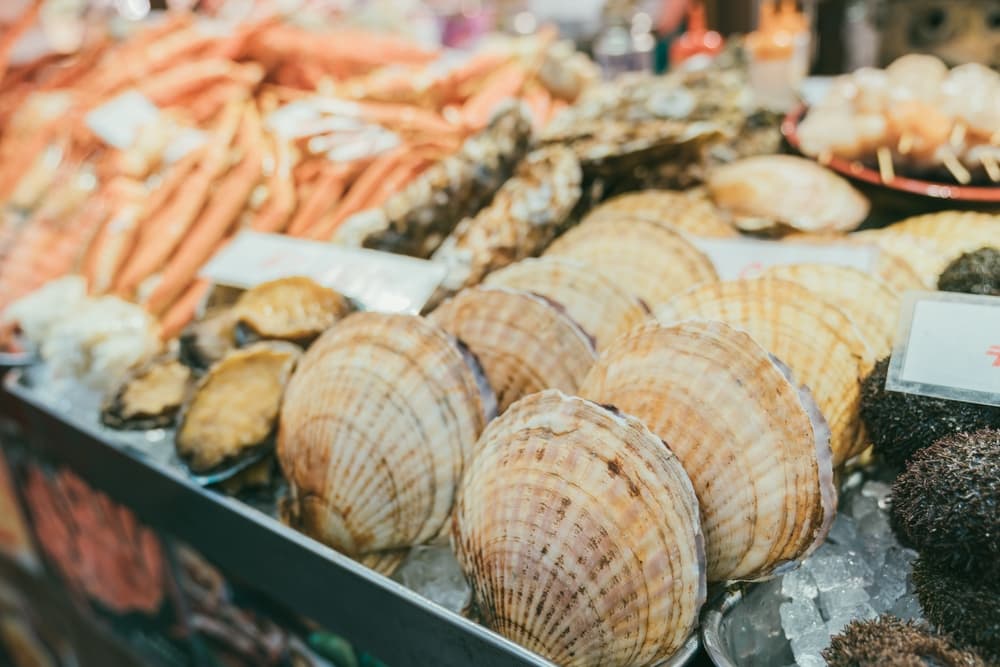
Seafood is one of the main reasons travelers visit Kuromon Ichiba Market Osaka. Look for stalls selling tuna, salmon, shrimp, sea urchin, sashimi, sushi, and grilled seafood. Availability and prices depend on the day's selection.
A few names to look for include:
- Maguroya Kurogin: A well-known stop for tuna-focused dishes and seafood.
- Kuromon Sanpei: A market seafood destination to consider for sashimi and other seafood options.
- Uofuku: A seafood shop where you can look for freshly prepared seafood.
- Maguro Entoki: Another seafood stop to consider while browsing the market.
- Seafood Kawasaki: A specialist seafood shop listed in the market's shop directory.
Compare the day's selection before ordering. Some stalls focus on seafood to eat immediately, while others sell fresh items to take away. If you plan to eat raw seafood, check the menu and preparation details with the vendor.
Wagyu Skewers and Kobe Beef
Grilled beef is another tempting choice when exploring Kuromon Market Osaka street food. Look for wagyu skewers and beef dishes, but remember that wagyu is a category of Japanese beef; not every wagyu dish is certified Kobe beef.
For a meat-focused meal, add Kuromon Kobe Beef & Beef Cutlet to your list. It is also worth considering when looking for an udon meal with meat as a key feature. Check the current menu to see which beef and noodle dishes are available during your visit.
If you want to try Kobe beef specifically, confirm the beef's origin and labeling with the restaurant rather than assuming every premium beef skewer is Kobe beef.
Osaka Street Food: Takoyaki, Tempura, and More
Kuromon Market is a convenient place to sample small portions of Japanese favorites. These are good options when you want to taste several dishes without committing to a full sit-down meal.
- Takoyaki: Osaka's signature octopus-filled batter balls, usually served hot with sauce and toppings.
- Okonomiyaki: A savory Japanese pancake with a variety of fillings and toppings.
- Tempura: Seafood or vegetables coated in a light batter and fried.
- Kushikatsu: Skewered and deep-fried ingredients, including meat and vegetables.
Not every dish is available at every stall, and menus change. Check the display and ask about ingredients if you have dietary restrictions.
Noodles Near Kuromon Market
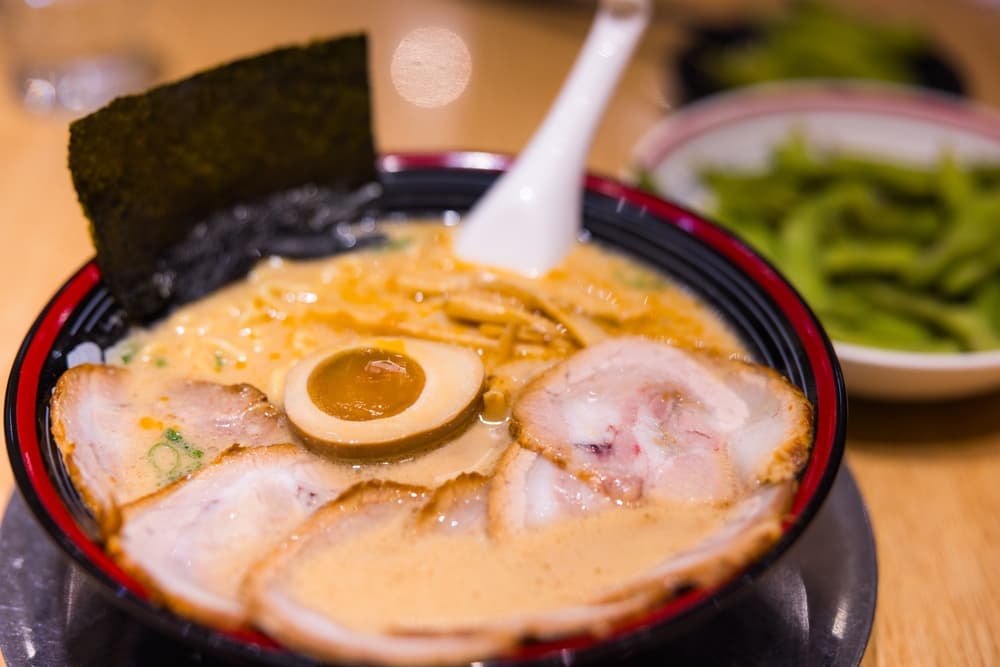
For a more filling meal, look beyond the market's seafood counters and snack stalls. The wider Nipponbashi and Namba area has several kinds of noodle dishes, including ramen and udon. Some restaurants are inside or beside the market, while others require a short walk.
Menya 7.5Hz Kuromon Market Store is one ramen option to investigate. Check its current opening hours and menu before visiting, as online listings can differ.
For an udon option, consider Kuromon Kobe Beef & Beef Cutlet, particularly if you want a noodle dish paired with meat. Its beef-focused offerings make it a useful addition to a food itinerary built around Japanese meat specialties.
Travelers seeking halal food can also look for Wagyu Halal Kobe Beef Ramen Noodle Kuromon Market Restaurant. Its name identifies it as a halal-focused ramen option featuring wagyu beef. Confirm current opening hours, ingredients, and halal arrangements directly with the restaurant before visiting.
Traditional Japanese Sweets and Fruit Desserts
After savory dishes, make room for Japanese sweets or a fruit-based dessert. Kuromon Market has fruit shops, confectionery stores, and stalls offering seasonal treats.
- Chidoriya Soke Nipponbashi Kuromon Store: A long-established wagashi shop known for Chidori Manju, sweet bean pastries, and seasonal Japanese sweets.
- Daiwa Kaen: A fruit shop to consider for fresh fruit and fruit-based refreshments.
- MARU: Look out for fruit desserts and melon soft serve when available.
- Cinderella Croissant: If you have seen this name recommended online, verify that the vendor is still operating at the market before making a special trip.
Seasonal availability can affect the fruit and sweets on offer, so follow the displays and choose what looks fresh on the day.
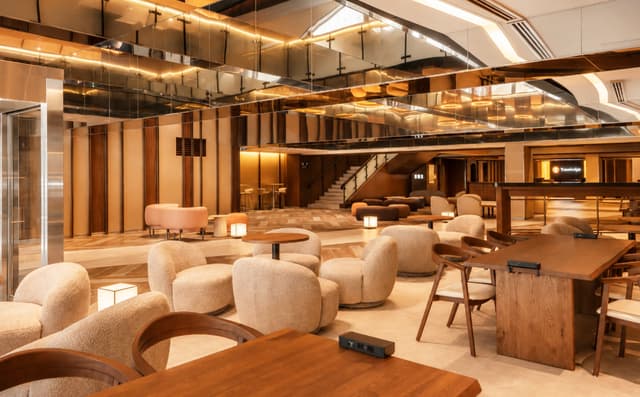
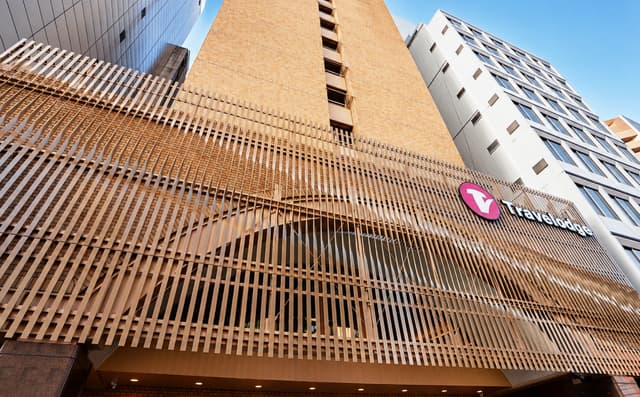
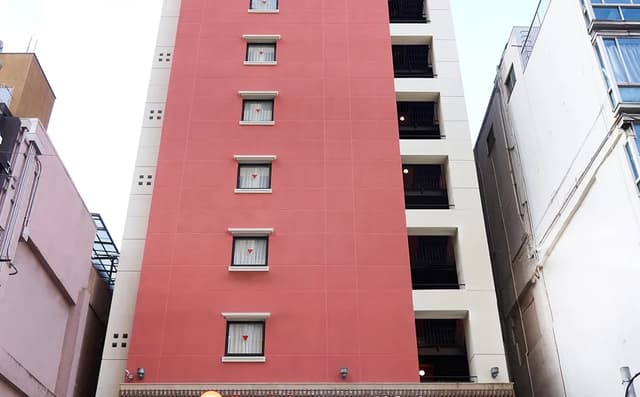
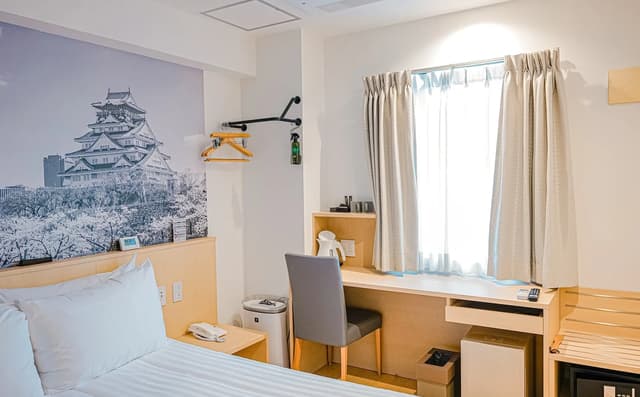
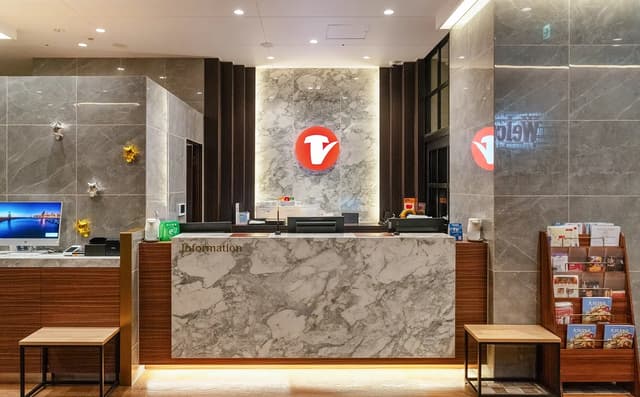
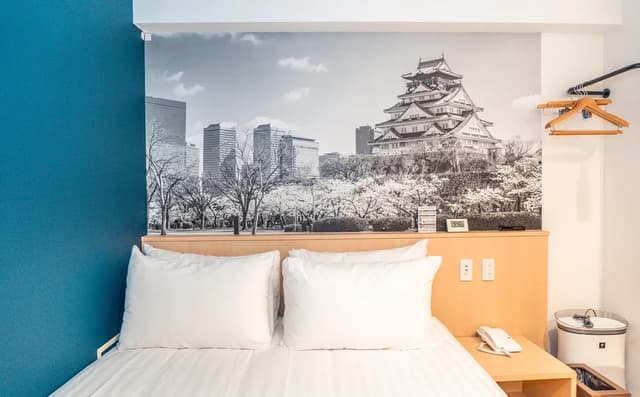
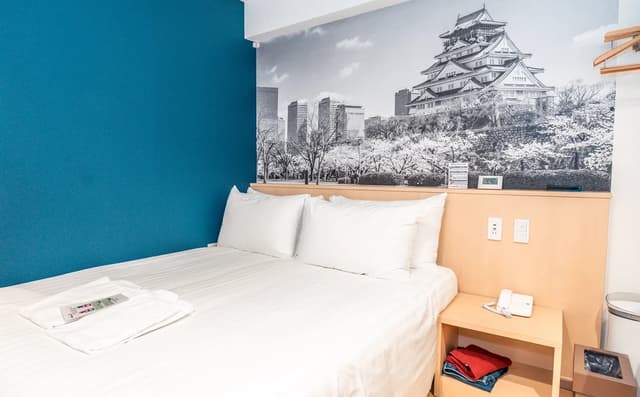
Travelodge Hotel Near Kuromon Market







Fresh Tofu at Takahashi Shokuhin
For something different from grilled meat and seafood, look for Takahashi Shokuhin, known for its tofu and focus on quality ingredients. Tofu is a staple in Japanese cooking and can be enjoyed in a variety of ways, from simple chilled preparations to cooked dishes.
Ask what is freshly available and how the tofu is served. This is a good stop for travelers interested in everyday Japanese food beyond the market's more photogenic street-food choices.
Where to Eat at Kuromon Market Osaka
Use this shortlist to plan your food stops. Some businesses specialize in particular ingredients, while others may offer ready-to-eat dishes or products to take home. Confirm current menus and business hours before visiting.
Shop or restaurant | What to look for |
Maguroya Kurogin | Tuna dishes and seafood |
Kuromon Sanpei | Seafood and sashimi options |
Uofuku | Fresh seafood |
Maguro Entoki | Tuna and seafood |
Seafood Kawasaki | Seafood selection |
Kuromon Kobe Beef & Beef Cutlet | Beef-focused dishes and an udon option to check |
Wagyu Halal Kobe Beef Ramen Noodle Kuromon Market Restaurant | Halal-focused wagyu ramen |
Menya 7.5Hz Kuromon Market Store | Ramen |
Takahashi Shokuhin | Tofu |
Chidoriya Soke Nipponbashi Kuromon Store | Chidori Manju and traditional Japanese sweets |
Daiwa Kaen | Fruit and fruit-based refreshments |
MARU | Fruit desserts and melon soft serve when available |
TAIZEN ORGANIC Supermarket | Organic grocery shopping and food products |
Kawakou Honten Shoubei | Premium seaweed specialty shop |
Mitoya | Another market shop to check out during your visit |
The market's official shop directory is useful for checking business details and finding additional stores. Treat online recommendations as a starting point, since tenants, menus, and operating hours may change.
Halal Food at Kuromon Market Osaka
Muslim travelers can look for halal-focused restaurants around the Kuromon Market and Nipponbashi area, but it is important to confirm the status and current menu of each business. A restaurant's name or use of the word halal is not a substitute for checking the ingredients, preparation methods, and certification or assurances that matter to you.
Options to investigate include:
- Wagyu Halal Kobe Beef Ramen Noodle Kuromon Market: A ramen restaurant that presents itself as halal-focused and features wagyu beef.
- Iranko: A Chinese restaurant that serves authentic Lanzhou-style halal beef noodles with reasonable price. Features a clear, flavorful broth and hand-pulled noodles.
You can also check the market directory for individual food shops, but do not assume that every seafood or vegetarian-looking dish is automatically halal. Broths, sauces, cooking oils, and shared preparation equipment may matter. Confirm directly with the restaurant and choose the option that meets your own requirements.
What Else to Do at Kuromon Market
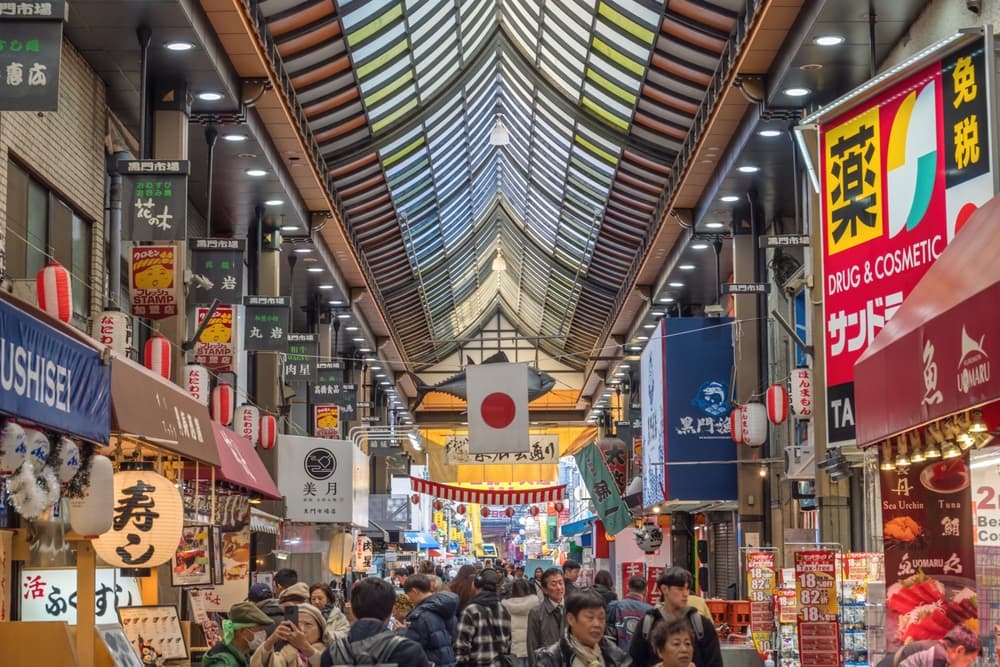
Kuromon Market is more than a place to eat. Once you have sampled a few dishes, take time to explore its specialist shops and look at the everyday products that make the market a useful stop for locals as well as visitors.
Browse Japanese Kitchenware and Cooking Tools
Look out for cooking utensils and other kitchen goods in the wider market area. For a larger selection, continue to Sennichimae Doguyasuji Shopping Street, a well-known destination for kitchenware, restaurant supplies, tableware, and cooking tools.
Look for Japanese Food Souvenirs
Dried foods, seasonings, sweets, and packaged specialties can make practical souvenirs. Check packaging, storage instructions, and customs rules before buying food to bring home.
Explore Specialist Shops
Part of the appeal of Kuromon Ichiba Market is the variety of businesses gathered along one covered street. In addition to ready-to-eat dishes, you can find shops specializing in seafood, produce, meat, tofu, sweets, and groceries.
Trevor's tip: Walk through the market once before deciding what to eat. It is easier to compare seafood displays, meat options, and seasonal sweets when you have seen what's available along the route.
Trevor's Lesser-Known Places Near Kuromon Market
After eating your way through the market, add one or two nearby stops to your itinerary. These places offer a different perspective on the surrounding neighborhoods.
Sennichimae Doguyasuji Shopping Street
If you are interested in Japanese cooking, this shopping street is worth the detour. Browse kitchen knives, cookware, tableware, and restaurant supplies, with plenty to see even if you are not planning to buy anything.
Takatsu Shrine
For a quieter cultural stop, consider Takatsu Shrine. It offers a change of pace from the busier shopping streets and can fit into a wider walk around the area. Check the route and walking time from the market before setting off.
Nipponbashi's Side Streets
Do not limit your visit to the main market walkway. The surrounding streets have additional food shops, small restaurants, and everyday businesses. Exploring these side streets can help you find places that are less prominent in quick market-food searches.
Popular Places Near Kuromon Market Osaka
Kuromon Market fits easily into a day around Osaka's Minami district. If you have more time, pair your food stop with one of these popular destinations.
Dotonbori

Dotonbori is known for its canal, large restaurant signs, and busy food streets. It is approximately a 10–15-minute walk from Kuromon Market, depending on your starting and ending points.
Namba
Namba is a major shopping, dining, and transport area. It is useful for continuing your day with department stores, restaurants, and connections to other parts of Osaka.
Shinsaibashi Shopping Street
Shinsaibashi is a popular shopping destination with fashion stores, department stores, and smaller shops. It is a good addition if you want to combine market food with a shopping afternoon.
Hozenji Yokocho
This atmospheric lane near Dotonbori has traditional-style restaurants and a more intimate feel than the main entertainment streets. Visit after the market if you want to continue exploring Osaka's food culture in a different setting.
A simple itinerary: Start with Kuromon Market in the morning, explore kitchenware at Sennichimae Doguyasuji, then continue toward Namba and Dotonbori. Finish with shopping in Shinsaibashi or a meal around Hozenji Yokocho.
Stay Near Kuromon Market With Travelodge Hotels Asia
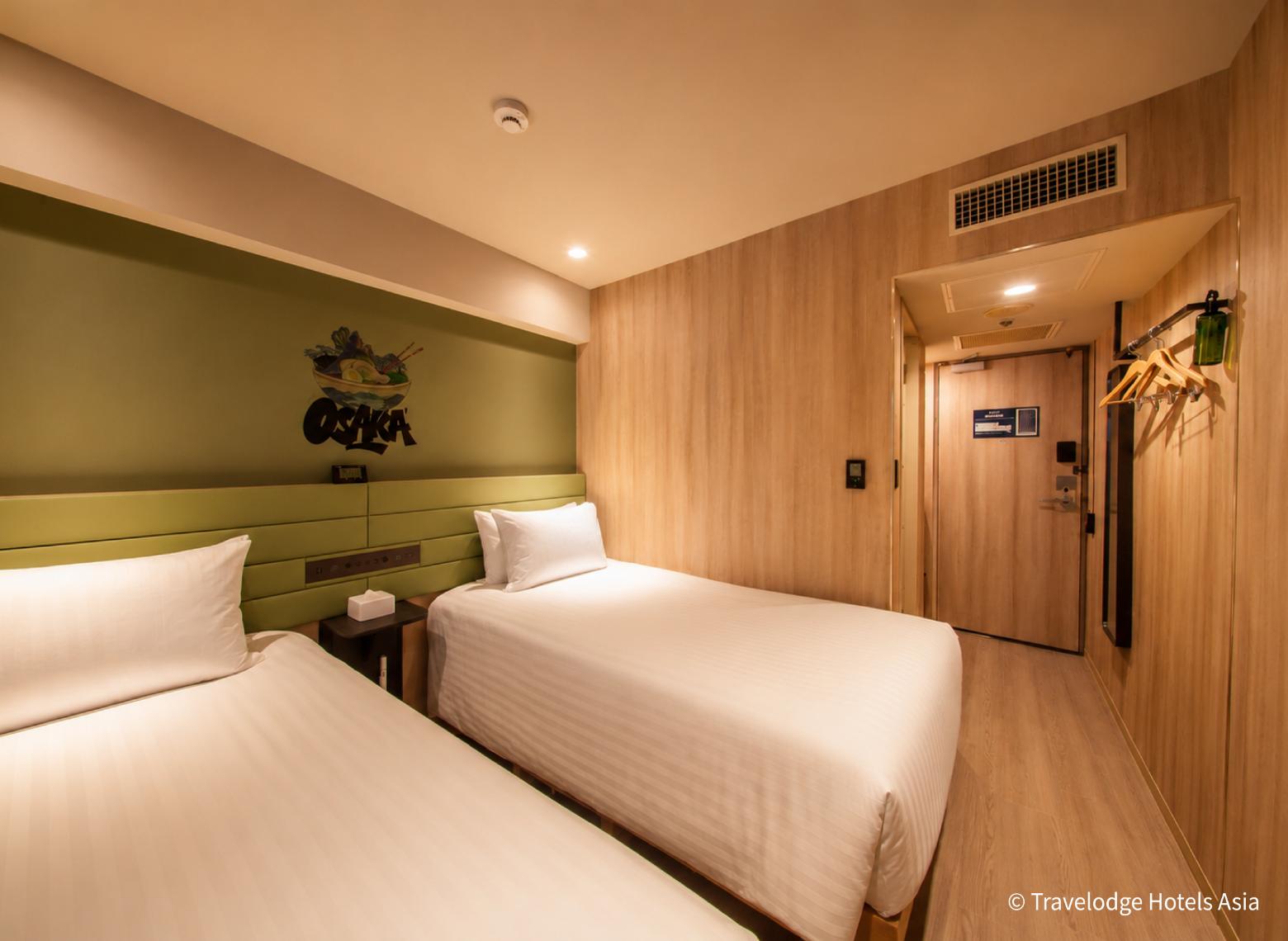
For travelers planning to explore Osaka's food neighborhoods, Travelodge Osaka Shinsaibashi offers a convenient base for moving between Shinsaibashi, Namba, and Kuromon Market. The market is approximately a 17-minute walk away, or around 6 minutes by train from Nagahoribashi Station, depending on your route.
Another option is Travelodge Honmachi Osaka which offers a centered location on Honmachi, with easy access to Osaka Castle, Dotonbori, and Shinsaibashi-suji Shopping Street. This hotel puts you 15 minute away from Kuromon Market by train from Sakaisuji Hommachi Station.
Travelodge Hotels Asia focuses on the essentials that make city stays easier: comfortable rooms, convenient locations, and connectivity for planning the next stop. After a morning of market browsing and an afternoon exploring Osaka, having a practical base can help keep the rest of the itinerary simple.
Check the official Travelodge Hotels Asia website for room options and current offers when planning your stay.
Discover Osaka One Bite at a Time
Kuromon Market Osaka brings together seafood, meat specialties, Japanese sweets, noodles, and specialist food shops in one convenient part of the city. Come hungry, take time to compare the stalls, and leave room for unexpected finds along the way.
With Trevor's tips, you can make Kuromon Ichiba Market part of a wider Osaka day that combines local food, shopping streets, and neighborhood discoveries.
FAQs About Kuromon Market Osaka
Is Kuromon Market Osaka worth visiting?
Yes. Kuromon Market is worth visiting if you want to sample Japanese food, browse seafood and produce shops, and explore a traditional covered market. It is also easy to combine with Namba and Dotonbori.
What is Kuromon Market Osaka famous for?
Kuromon Market is particularly known for seafood, including tuna and sashimi, as well as grilled meat, Japanese street food, fruit, sweets, and specialty food shops.
What is the best time to visit Kuromon Ichiba Market Osaka?
Morning to late morning is a good time for a food-focused visit, although individual shops have different opening hours. Check the opening time of any specific restaurant or stall you want to visit.
Is Kuromon Market Osaka open every day?
The market street and individual businesses do not necessarily share the same schedule. Some shops may close on particular days or operate limited hours, so check individual listings before visiting.
What should I eat at Kuromon Market Osaka?
Popular choices include fresh seafood, sushi, sashimi, wagyu skewers, takoyaki, tempura, fruit desserts, and traditional Japanese sweets. For a fuller meal, look for ramen or udon options around the market.
Are there halal restaurants near Kuromon Market Osaka?
There are halal-focused options in the Kuromon Market and Nipponbashi area, including Wagyu Halal Kobe Beef Ramen Noodle Kuromon Market Restaurant. Confirm current halal status, ingredients, and preparation practices directly with the restaurant before dining.
How do I get to Kuromon Market from Travelodge Osaka Shinsaibashi?
The market is approximately a 17-minute walk from Travelodge Osaka Shinsaibashi, or around 6 minutes by train from Nagahoribashi Station, depending on the route. Check a current map for the best directions on the day of your visit.
Share article
Our hotel
Never Miss an Update!
Join our newsletter to unlock travel tips, latest promotions, and updates.
Subscribe now