


Share article
Kyoto 2-Day Autumn Itinerary — Temples, Foliage, and Scenic Walks

Aiko Sato
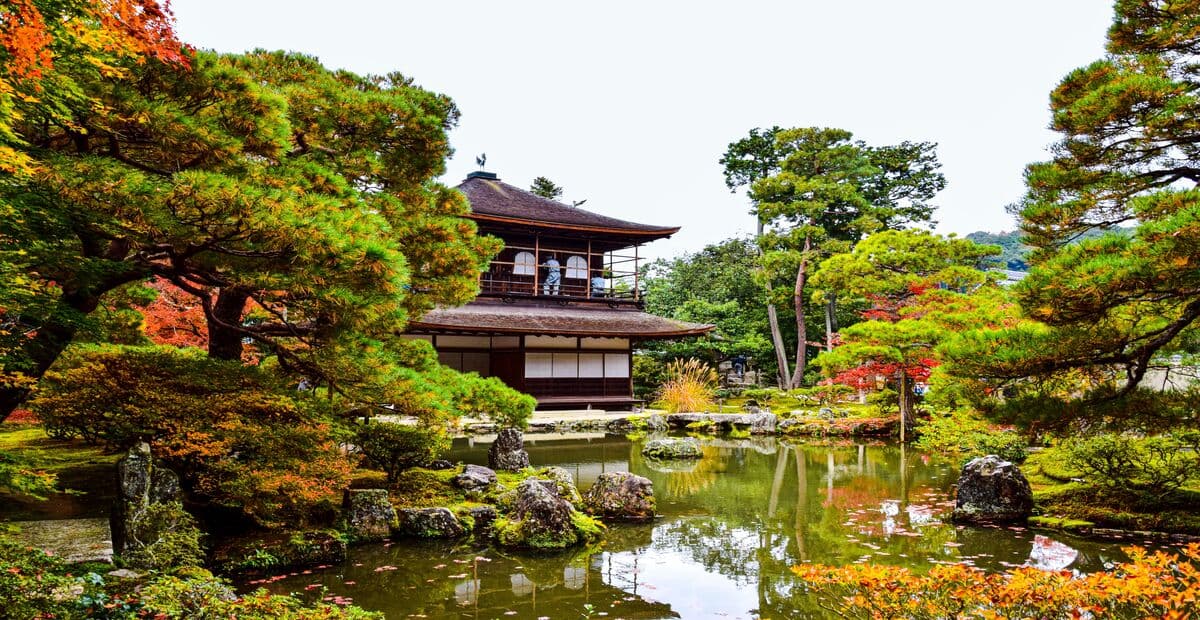
Kyoto feels particularly rewarding in autumn. Maple trees bring flashes of red and orange to centuries-old temple grounds, wooded hills take on warmer colors, and the cooler weather makes long walks through historic neighborhoods much more inviting. For travelers searching for a Kyoto 2-day autumn itinerary route, two days is enough to see several of the city's signature sights without turning the trip into a race from one landmark to another.
The key is to organize each day by area. This itinerary concentrates Day 1 in eastern Kyoto, around Kiyomizu-dera, Higashiyama, Nanzen-ji, and Eikan-do, before spending Day 2 in western and northwestern Kyoto, beginning in Arashiyama and continuing to Kinkaku-ji. Kyoto's autumn foliage conditions change with the weather each year, and the city's official Autumn Leaves Calendar generally tracks changing colors from late October into early December, so it is worth checking the latest updates shortly before traveling.
Hello Autumn Sale
 Book directly on our official website and save up to 45% on your next hotel stay across Asia, with hotel deals in Japan, South Korea, Singapore, Malaysia, Hong Kong, Thailand, and more.
Booking Period: 5 August – 31 October 2026
Stay Period: 7 August 2026 – 31 July 2027
Length of Stay: Minimum 3 nights, Maximum 7 nights
Room rate excludes breakfast
Members enjoy up to 5% cashback after checkout!
If you are not a member yet, register Travelodge Membership for free to unlock the Hello Autumn Sale rate.
Join Membership and Save 45% Today
How to Plan Your Short Stay in Kyoto
With only two days, an efficient Kyoto autumn itinerary should prioritize neighborhoods rather than the number of attractions. Crossing repeatedly between eastern and western Kyoto can consume a surprising amount of time for sightseeing, especially during the popular fall season.
A simple approach works best:
- Day 1: Kiyomizu-dera → Sannenzaka and Ninenzaka → Gion → Nanzen-ji → Eikan-do → Kawaramachi
- Day 2: Arashiyama → Togetsukyo Bridge and Bamboo Grove → Kinkaku-ji → Nishiki Market → Shijo or Kawaramachi
Kyoto City Tourism identifies places including Nanzen-ji, Eikan-do, and Arashiyama among the city's well-known autumn foliage destinations. However, their colors do not peak simultaneously, so this route should remain flexible. A garden that is still mostly green one week can look very different several days later.
Staying in central Kyoto also makes a short trip easier. Shijo-Kawaramachi and the wider Shijo area put dining, shopping, and several transport connections within convenient reach, which is useful when each morning starts in a different part of the city. Travelers continuing elsewhere in the country can also browse options for hotel in Japan when planning a longer multi-city trip.
Day 1—Eastern Kyoto, Historic Streets, and Autumn Temples
Start Early at Kiyomizu-dera
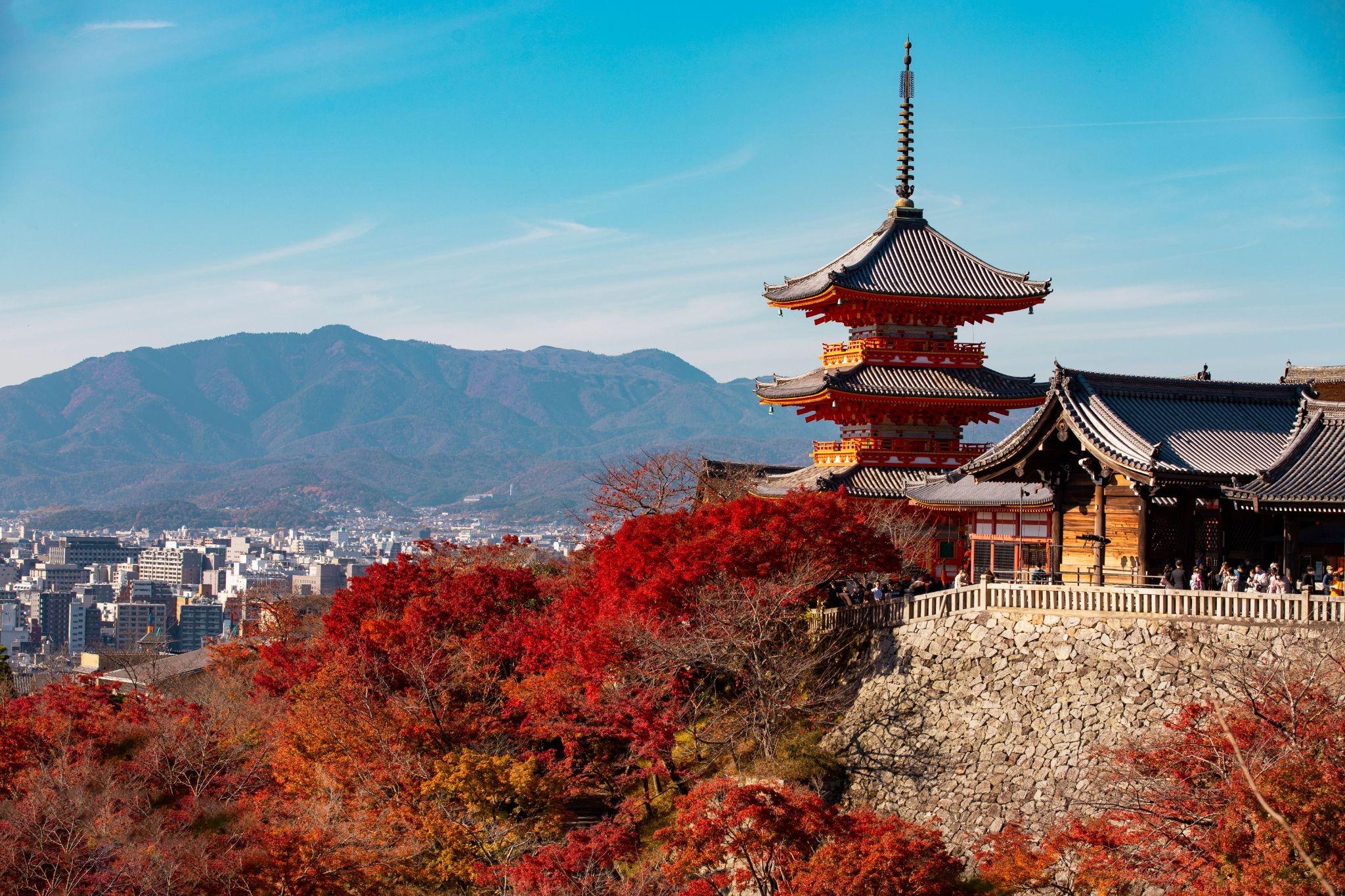
Begin the first morning at Kiyomizu-dera, preferably as early as possible. The temple opens at 6:00 AM, well before many other Kyoto attractions, and an early start offers a quieter introduction to one of the city's busiest sightseeing districts. Its famous wooden veranda projects over the hillside on 13-meter-high wooden columns, opening toward broad views across Kyoto.
Autumn changes the mood of the entire setting. Maple-covered slopes surrounding the temple shift through orange and crimson, creating a vivid contrast with the dark timber and tiled roofs.
After visiting the main temple grounds, walk downhill through Sannenzaka and Ninenzaka. These sloping lanes are among the most atmospheric parts of Higashiyama, lined with traditional-style buildings, small stores, cafes, and restaurants. Instead of treating them simply as a passage to the next attraction, allow time to look around and stop for tea or a light snack.
From here, continue toward Yasaka Shrine and Gion. The route gradually moves from hillside temple scenery into one of Kyoto's best-known traditional districts, making it an enjoyable transition rather than another separate sightseeing stop.
Nanzen-ji and Eikan-do
After lunch, continue north toward Nanzen-ji and Eikan-do. These temples are close enough to visit as part of the same route, avoiding an unnecessary trip across the city.
Nanzen-ji sits against Kyoto's eastern hills and offers a noticeably different atmosphere from busy Kiyomizu-dera. The temple complex includes monumental gates, Zen gardens, shaded grounds, and part of the historic Lake Biwa aqueduct. During autumn, changing leaves bring color to the restrained rock, moss, and garden landscapes.
A short distance away, Eikan-do, or Zenrin-ji, is particularly well known for its autumn colors. Its temple buildings rise through maple-filled grounds, producing a more immersive foliage experience than viewpoints where the leaves are seen mainly from a distance. Kyoto's official tourism guide also lists seasonal evening illuminations, although exact dates vary and should be checked for the year of travel.
Avoid packing another major attraction into this part of the day. Autumn temple visits are much more enjoyable when there is enough time to walk through the grounds instead of continuously checking the clock.
Gion, Pontocho, and Kawaramachi
As daylight fades, return toward central Kyoto. Gion, Pontocho, and Kawaramachi are all suitable for an easy first evening, whether the plan involves dinner, a stroll along the Kamo River, or simply browsing the streets around Shijo.
Kyoto's central district stays lively after many temples have closed, with restaurants and shops concentrated between Kawaramachi and Karasuma. Pontocho and Gion also offer a contrasting view of the city after dark, making another ticketed attraction unnecessary after a full day of sightseeing.
Stay at Travelodge Kyoto Shijo Kawaramachi
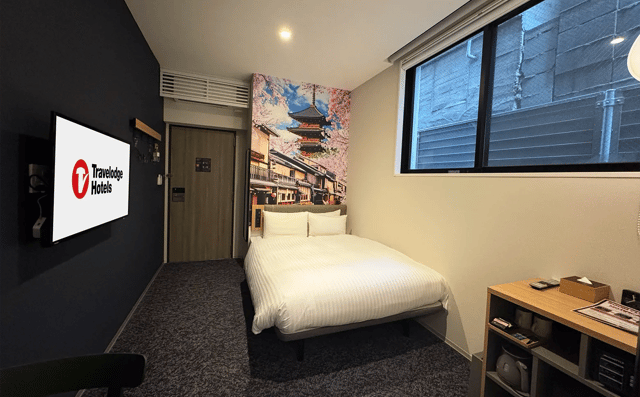
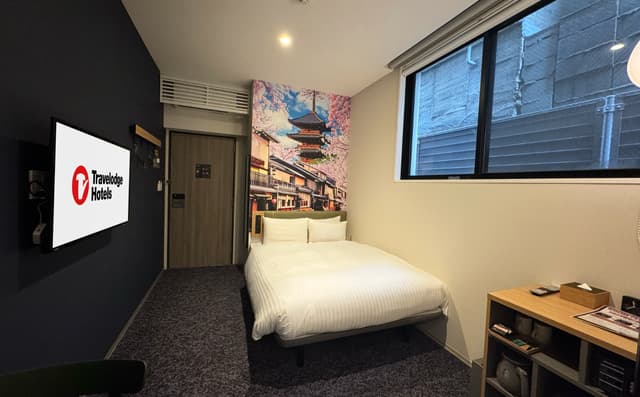
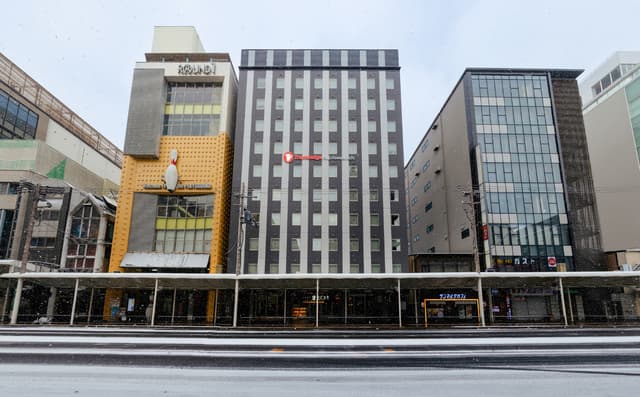
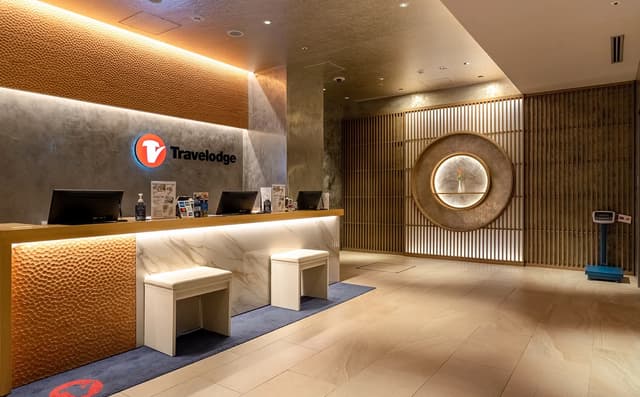
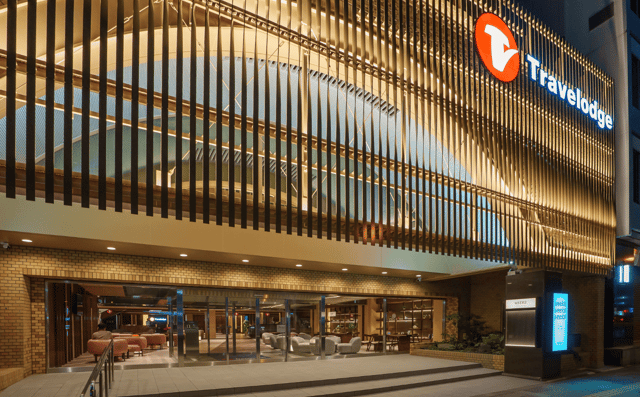
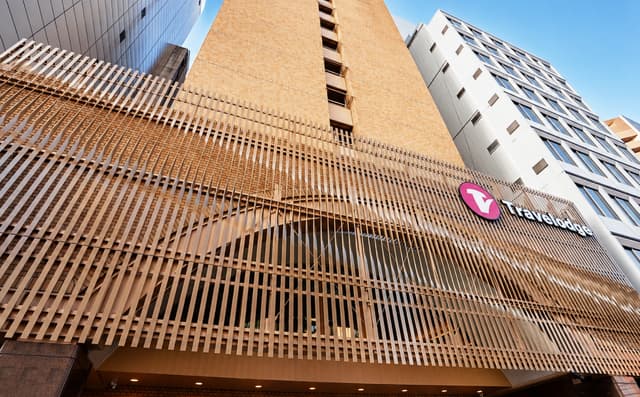
For this eastern Kyoto route, Travelodge Kyoto Shijo Kawaramachi offers a convenient base in the city center. The hotel is about a three-minute walk from Hankyu Kyoto-Kawaramachi Station, while the Shijo-Kawaramachi bus stop is approximately 150 meters away and provides connections toward major sightseeing areas. Gion and Nishiki Market are also within convenient reach from the surrounding district.
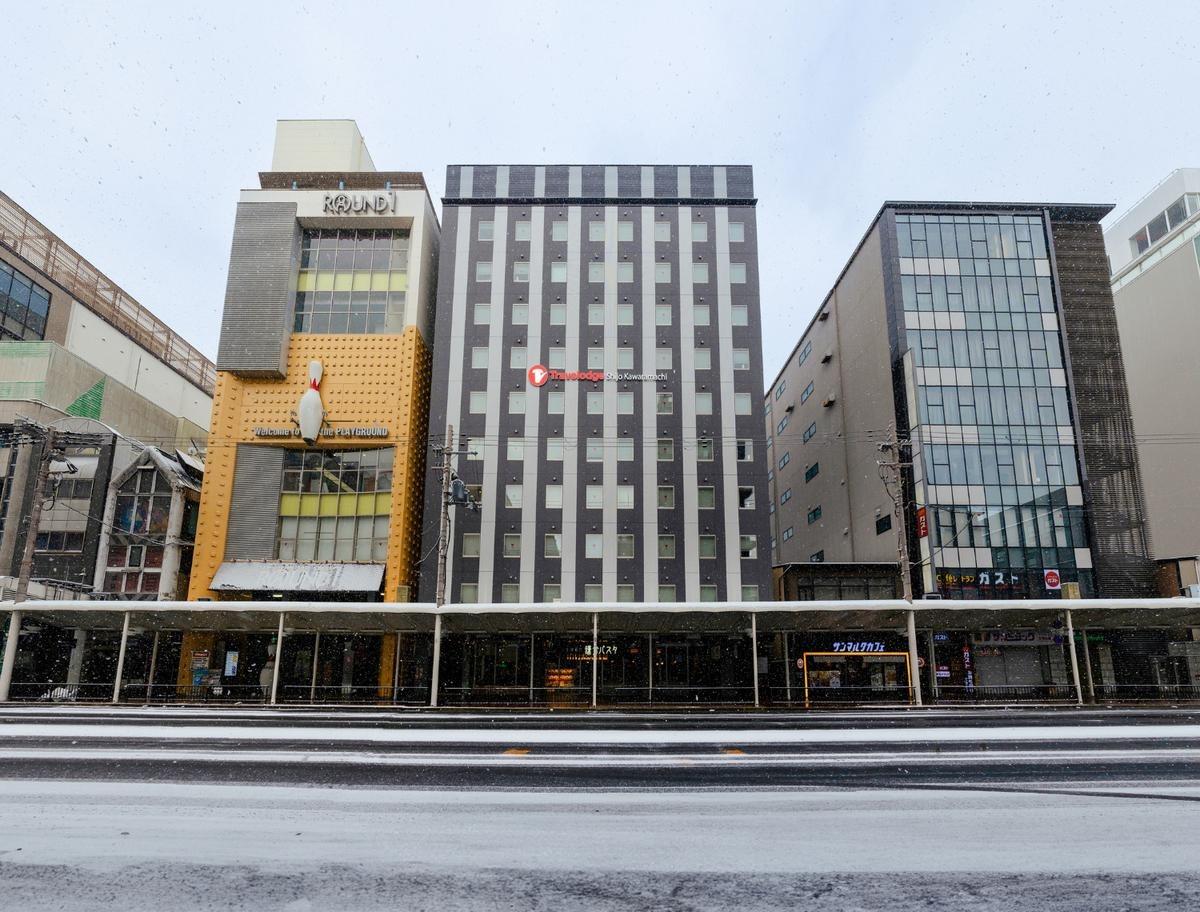
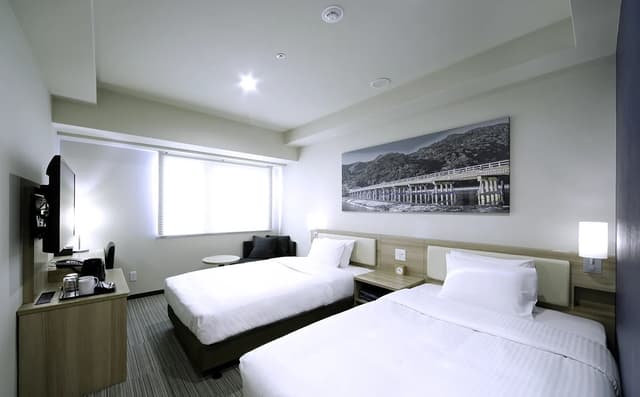
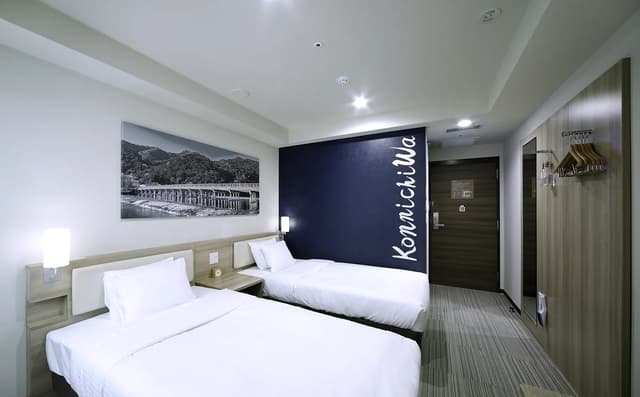
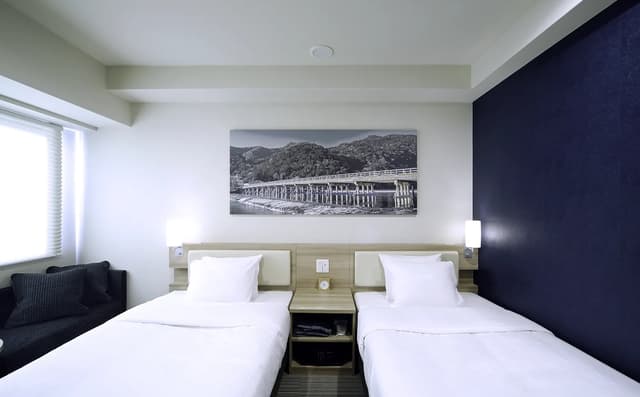
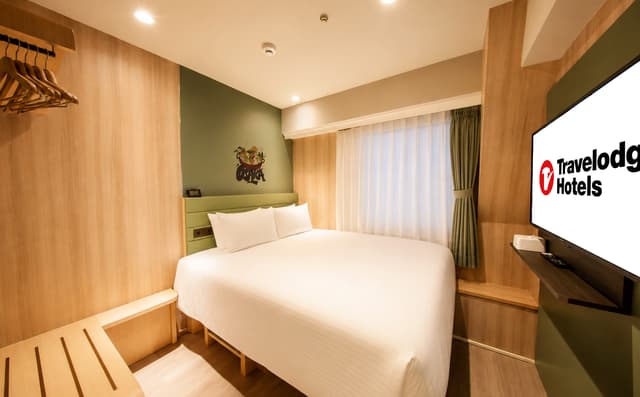
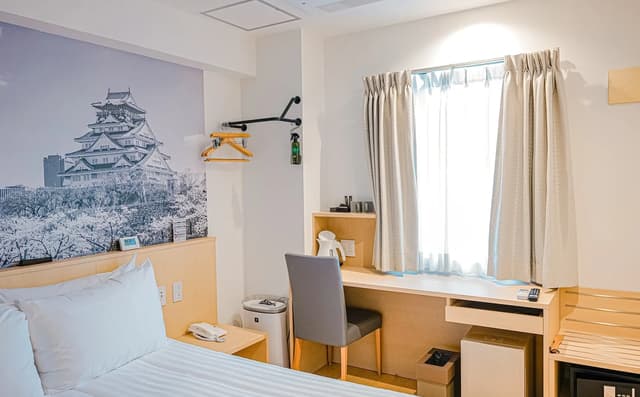
The location fits naturally with Travelodge Hotels Asia's emphasis on Comfort, Convenience, and Connectivity. After a day of plenty of walking, comfortable rooms provide somewhere to recharge, while complimentary Wi-Fi helps with checking maps, foliage conditions, and transport for the following morning. The hotel also has 24/7 front desk assistance, and its official hotel tour lists a coin laundry room—useful for travelers continuing through Japan after Kyoto.
These features reflect parts of the Travelodge 8S Signature Guest Experience, particularly Snooze for comfort-focused room design, Stream for connectivity, Spin for self-service laundry, and Service 24/7 for assistance throughout the stay.
Travelers looking for a centrally positioned hotel in Kyoto can check room availability directly through the Travelodge Hotels Asia website. Booking direct also provides access to official rates, current promotions, and Travelodge membership benefits.
Day 2—Arashiyama, Kinkaku-ji, and Central Kyoto
See Arashiyama Before the Day Gets Busy
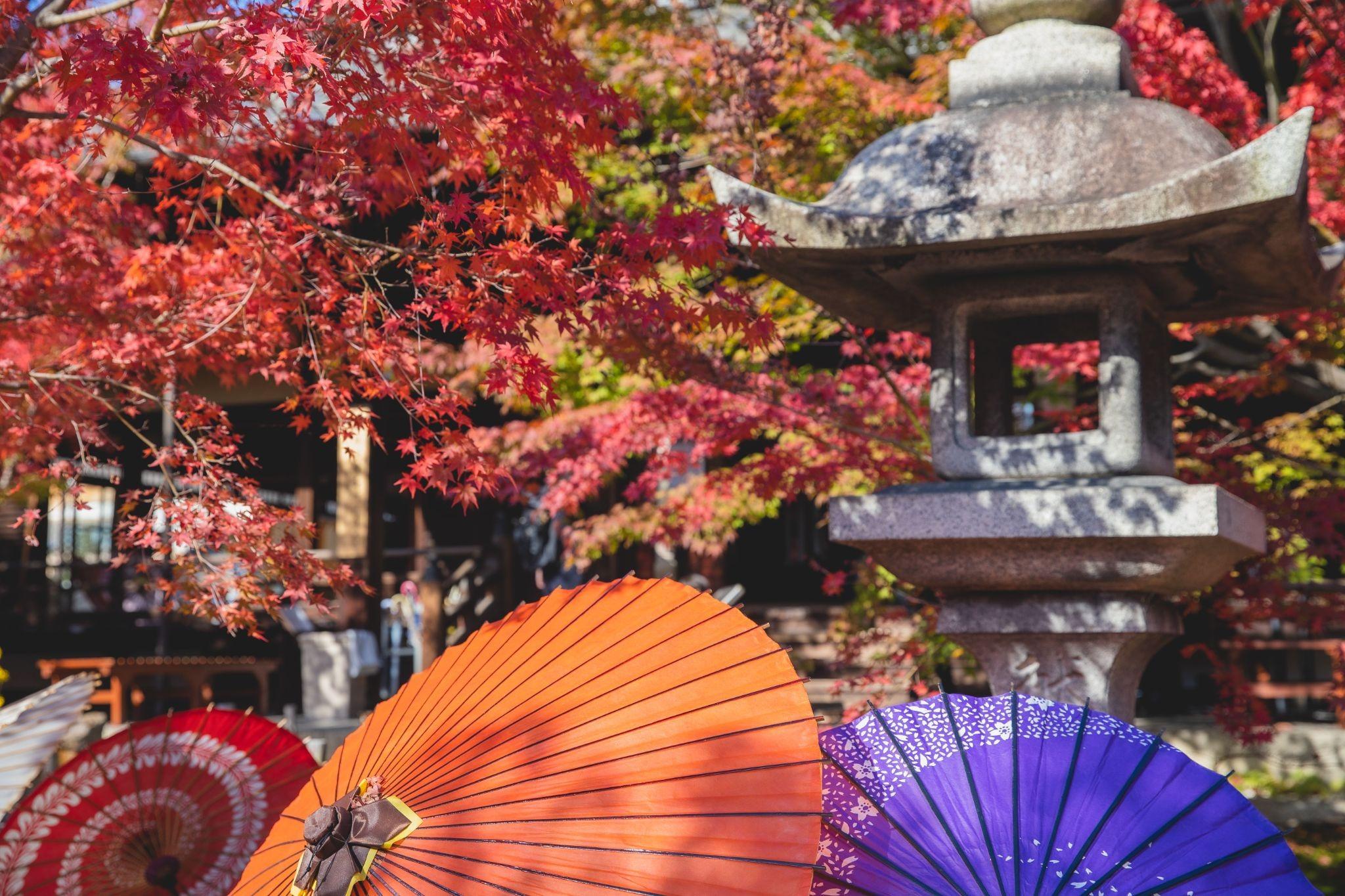
Start Day 2 in Arashiyama, ideally in the morning. The district is one of Kyoto's most recognizable autumn destinations, combining forested mountains, riverside scenery, temples, and traditional streets.
Begin around Togetsukyo Bridge, where the wooded hills provide the main seasonal backdrop. From there, walk toward the Arashiyama Bamboo Grove before exploring one or two nearby temples or gardens. There is little benefit in trying to visit every attraction in the district; Arashiyama works best when the itinerary leaves time for wandering along the river and quieter side streets.
The district attracts large numbers of visitors, particularly during fall. Kyoto City Tourism specifically recommends using trains to reach Arashiyama where practical and notes that bus journeys from Kyoto Station can be crowded and time-consuming. From the central Shijo-Kawaramachi area, travelers can also reach Arashiyama using the Hankyu network with a transfer at Katsura Station.
Checking Kyoto's current congestion forecast before setting out can help determine whether shifting the visit slightly earlier would make the experience more comfortable. The official tool provides forecasts and live information for areas including Togetsukyo Bridge and the Bamboo Forest.
Continue to Kinkaku-ji
From Arashiyama, continue toward Kinkaku-ji, the Golden Pavilion. Its gold-leaf exterior and reflection in Kyokochi, or the Mirror Pond, make it one of Kyoto's most instantly recognizable sights. In autumn, the surrounding trees add reds and yellows to a scene otherwise dominated by gold, deep green, and the reflection of the pavilion on the water.
Keep the afternoon flexible. If foliage around Arashiyama is especially beautiful during the visit, spending another hour there may be more rewarding than rigidly following the schedule. Alternatively, travelers moving efficiently through the morning can add another northwestern Kyoto attraction, such as Ryoan-ji, before returning downtown.
During the peak autumn season, transport around Kinkaku-ji can become busy. Kyoto City Tourism recommends considering combinations of subway, train, and bus routes rather than automatically relying on one direct bus for every journey.
Nishiki Market and Shijo
Finish the sightseeing portion of the trip back in central Kyoto. If shopping or food tasting at Nishiki Market is a priority, arrive before evening rather than leaving it until late at night. The approximately 400-meter market is packed with vendors selling ingredients and specialties associated with Kyoto's food culture, but many stores close relatively early.
Nishiki is particularly convenient from Shijo-Kawaramachi. After exploring the market, continue around Shijo, Teramachi, or Kawaramachi for dinner and final shopping.
One practical etiquette point to remember is that Kyoto's official tourism guide asks visitors to avoid eating while walking through Nishiki Market. Food purchased from a stall should generally be enjoyed at the designated space provided by the vendor when available.
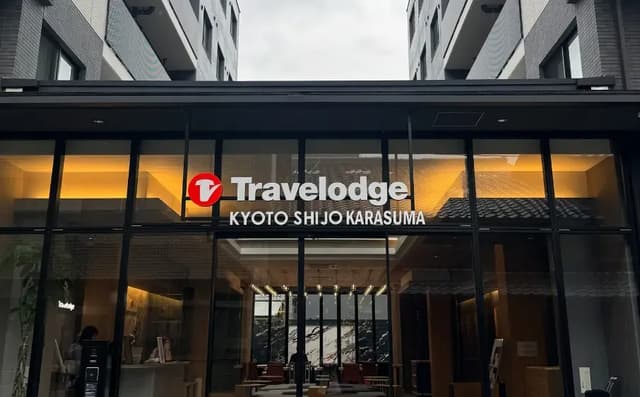
Another Convenient Base, Travelodge Kyoto Shijo Karasuma
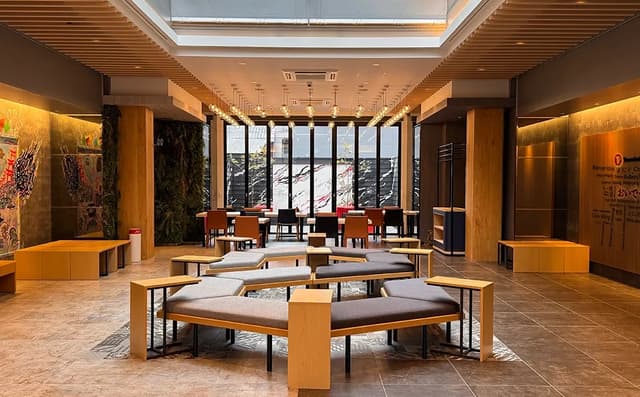
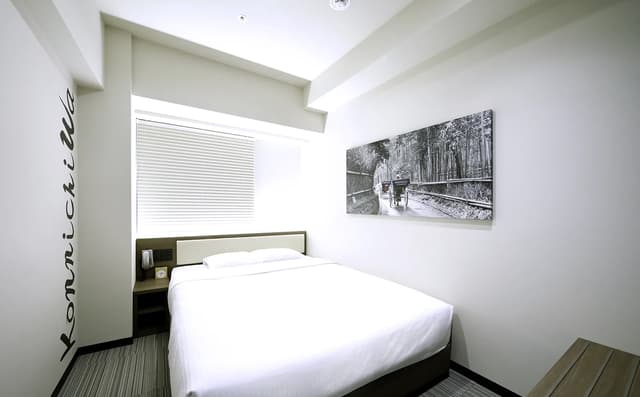
Travelers who want straightforward connections toward central and western Kyoto can also consider Travelodge Kyoto Shijo Karasuma. The hotel sits near several transport options, with Shijo Horikawa Bus Stop around 220 meters away and Hankyu Omiya Station about 300 meters from the property. Its official page highlights convenient access toward destinations including Arashiyama and central Kyoto.
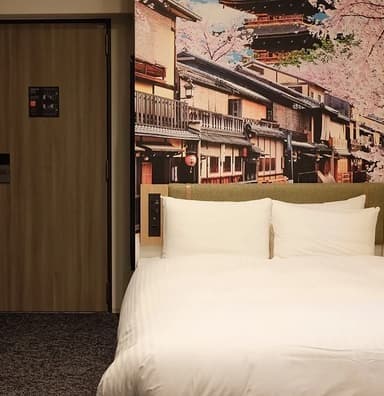
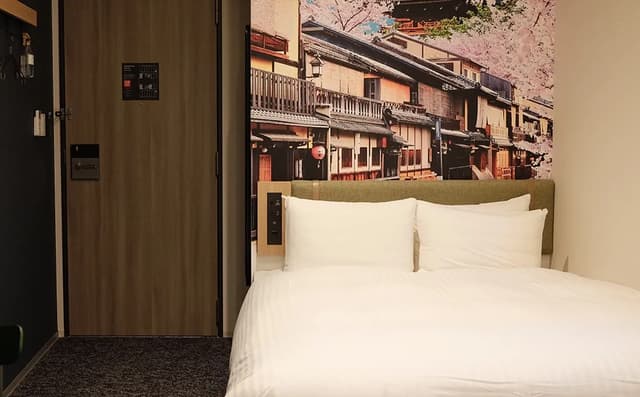
The property again brings together Travelodge's 3C approach. Comfort matters after long walking days; Convenience comes from access to several transportation options; and Connectivity includes complimentary Wi-Fi in common areas alongside practical links into the rest of Kyoto.
For a short autumn stay, several elements of the 8S Signature Guest Experience are especially relevant. Snooze centers on comfortable room design, Spin is represented by the hotel's self-service laundry facilities, Stream helps travelers remain connected, and Service 24/7 provides round-the-clock front desk support. Travelodge Kyoto Shijo Karasuma's official property page confirms both self-service laundry and a 24/7 front desk.
Those comparing different accommodation styles can also browse affordable hotels in Kyoto or family hotels in Kyoto as part of their planning.
Autumn is one of Kyoto's most popular travel periods, so reserving accommodation early can provide a wider choice of rooms and dates. Check availability and book directly through the Travelodge Hotels Asia website to access the brand's official rates, current direct-booking promotions, and eligible membership benefits.
Practical Tips for a Kyoto Autumn Itinerary
A good route is only part of making two days in Kyoto run smoothly. A few practical choices can create considerably more breathing room.
- Begin early. Places such as Kiyomizu-dera and Arashiyama are noticeably easier to explore before the main daytime crowds arrive. Kyoto City Tourism specifically highlights early mornings as one way to experience popular areas more calmly.
- Group attractions geographically. Keep eastern Kyoto together on Day 1 and western Kyoto together on Day 2 rather than repeatedly crossing the city.
- Use trains and subways where practical. During busy autumn periods, rail can be more predictable than relying entirely on buses.
- Check foliage shortly before the trip. Peak color varies by location and weather, so the Autumn Leaves Calendar is more useful than choosing dates based solely on previous years.
- Look up seasonal evening openings separately. Some temples hold special autumn illuminations, but locations, dates, and admission arrangements can change each year.
- Wear comfortable walking shoes. Higashiyama includes slopes and stone-paved streets, while Arashiyama is most enjoyable when explored extensively on foot.
- Leave some flexibility. If one neighborhood happens to be at peak color, staying longer is often more rewarding than rushing elsewhere simply to complete a checklist.
Make the Most of a 2-Day Autumn Itinerary in Kyoto
A well-paced 2-day autumn itinerary in Kyoto can cover remarkably different sides of the city in a short stay. The first day moves through the temple roofs, old lanes, and maple-filled gardens of eastern Kyoto, while the second shifts west for Arashiyama's natural scenery before ending among the gold, gardens, food, and city streets of central Kyoto.
The itinerary works best as a framework rather than a strict timetable. Autumn colors develop differently every year, crowds change throughout the day, and some of Kyoto's most memorable moments happen between major landmarks rather than inside them. Checking current foliage and congestion information before setting out makes it easier to adjust the route while still covering the highlights.
Choosing Travelodge Kyoto Shijo Kawaramachi or Travelodge Kyoto Shijo Karasuma also gives the trip a comfortable, convenient, and connected base between two active sightseeing days. Both put central Kyoto within easy reach while offering practical essentials for relaxing, reorganizing, and planning what comes next. For access to the brand's lowest-price guarantee, official promotions, and member benefits, reserve directly through the Travelodge Hotels Asia website.
Frequent travelers can add more value to direct bookings by joining the Travelodge membership program. Members can earn up to 5% in Cashback Credits on eligible direct stays, while benefits also include early check-in and late check-out according to membership tier and applicable conditions. Exclusive member rates and special offers provide further opportunities to save on future stays in Travelodge Hotels Asia.