


Share article
Top Places & Best Time to Visit During Autumn in Korea

Sora Kang
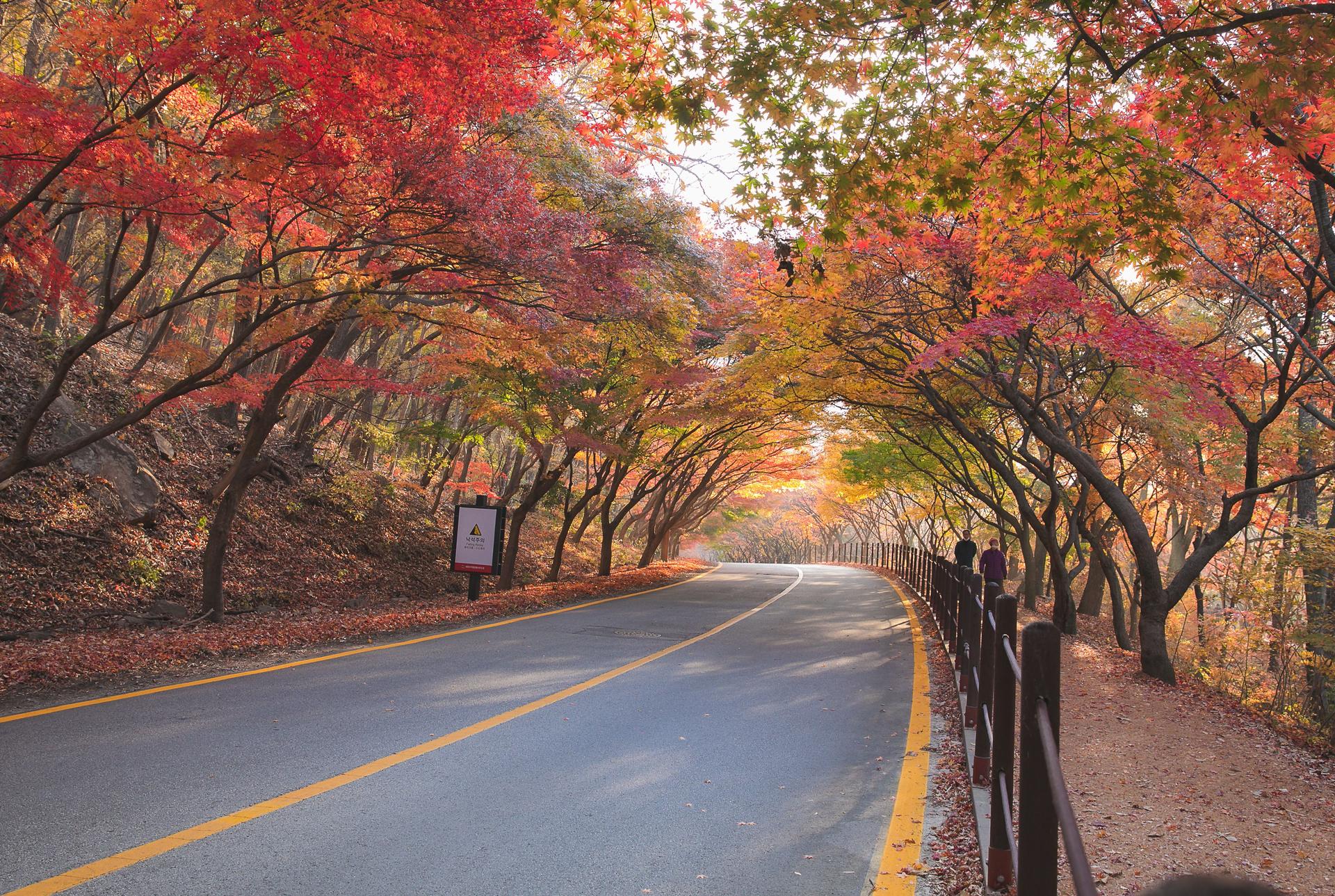
Few seasons transform South Korea as completely as fall. During autumn in Korea, palace courtyards are framed by red maples, ginkgo-lined streets turn golden, and mountain ridges shift through shades of orange, yellow, and crimson. The cooler air also makes long walks, outdoor markets, scenic hikes, and seasonal treats such as roasted chestnuts and sweet potatoes especially inviting.
So, when is autumn in Korea? The season generally extends from September through November, but the foliage does not change everywhere at once. Higher and more northerly mountain areas usually begin changing before lower elevations, major cities, Jeju, and destinations farther south. Korea’s 2025 forecast, for example, expected the first foliage at Seoraksan on September 30, followed by Hallasan in Jeju on October 14 and Bukhansan in Seoul on October 17.
This guide explains the usual seasonal progression, the best time to visit Korea in autumn, and where to enjoy the colors in Seoul, Nami Island, Jeju, and Busan. It also includes packing advice, a flexible itinerary, and conveniently located Travelodge hotels for creating a comfortable multi-city journey.

Book directly on our official website and save up to 45% on your next hotel stay across Asia, with hotel deals in Japan, South Korea, Singapore, Malaysia, Hong Kong, Thailand, and more.
Booking Period: 5 August – 31 October 2026
Stay Period: 7 August 2026 – 31 July 2027
Length of Stay: Minimum 3 nights, Maximum 7 nights
Room rate excludes breakfast
Members enjoy up to 5% cashback after checkout!
If you are not a member yet, register Travelodge Membership for free to unlock the Hello Autumn Sale rate.
Join Membership and Save 45% Today
When Does the Autumn Season in Korea Begin?
The autumn season in Korea unfolds gradually rather than reaching its peak across the entire country at the same time. Temperature, rainfall, elevation, and regional weather patterns all influence when the leaves begin to change.
Mountainous and northern areas generally develop fall colors first, followed by Seoul and other central regions. Jeju, Busan, and destinations farther south often experience their strongest colors later in the season. Because the timing varies each year, travelers planning nature-focused activities should check Korea’s latest official foliage forecast shortly before departure.
September—Early Autumn Weather
September marks the transition from Korea’s humid summer into cooler fall conditions. The weather generally becomes more comfortable for outdoor sightseeing, although the first half of the month can still feel warm, particularly in Seoul and southern destinations.
Many trees remain green during this period. The earliest colors may begin appearing toward the end of the month in high-altitude and northern mountain areas, while Seoul, Jeju, and Busan may still retain much of their summer greenery.
September is a good choice for travelers who prefer mild weather, outdoor exploration, and fewer foliage-season crowds. However, those visiting primarily for vivid red and golden leaves may find the scenery more rewarding later in the season.
October—The Main Foliage Season
October is generally the central month for an autumn trip to Korea. As temperatures fall, the colors usually appear first across mountain landscapes before gradually spreading to urban parks, palace grounds, riverside paths, and tree-lined streets.
Seoraksan and other elevated destinations often change earlier in the month. Seoul, Nami Island, Jeju, and southern regions may become more colorful from mid-to-late October, depending on the year’s weather conditions.
October is also one of the busiest periods for hiking, scenic day trips, and seasonal travel. Reserve intercity trains, popular tours, and weekend accommodations early, especially when the itinerary includes major national parks, Nami Island, or well-known foliage destinations.
November—Late Autumn in the Cities
Early November can still be an excellent time to experience fall colors in Seoul, Jeju, Busan, and other southern or lower-altitude destinations. Some palace grounds, city parks, temples, and tree-lined neighborhoods may remain colorful even after leaves have begun fading in colder mountain areas.
As the month progresses, temperatures become noticeably lower and more trees begin losing their leaves. Mountain destinations may already feel closer to winter, while urban and southern locations can continue offering attractive late-autumn scenery.
Late November is better suited to travelers who prioritize cultural attractions, shopping, cafés, food markets, and city sightseeing rather than peak foliage. A flexible itinerary that combines indoor and outdoor activities can be especially useful during this colder transition period.
What Is the Best Time to Visit Korea in Autumn?
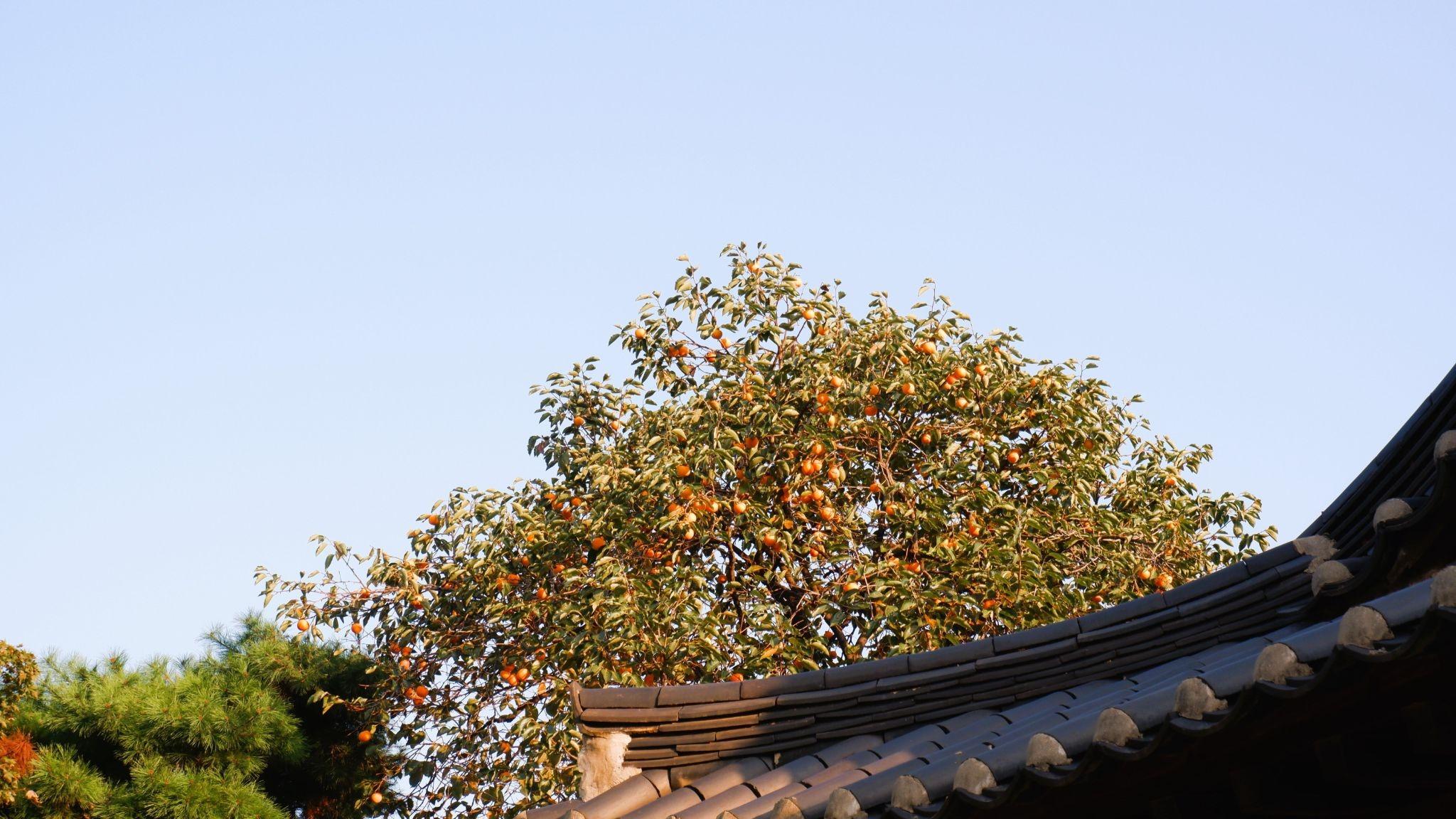
The best time to visit Korea in autumn depends on which landscapes and activities matter most. There is no single guaranteed week that delivers peak color across the entire country.
A practical planning guide is:
- For mountain foliage: Consider October, adjusting the dates according to the region and elevation. High mountain destinations often change before nearby cities.
- For Seoul’s palaces and parks: Late October through early November frequently offers strong possibilities.
- For Nami Island: Mid-to-late October into early November is often popular, but the current forecast should guide the final date.
- For Jeju and southern Korea: Late October into November may offer better possibilities than early October.
- For fewer foliage-season crowds: Choose September or later November while accepting that the colors may be less intense.
- For a Seoul-Busan trip: Late October or early November can provide a useful compromise between central and southern destinations.
Check the current-year foliage report several weeks before departure and continue monitoring local weather forecasts. VisitKorea’s 2025 foliage forecast was published on September 10, demonstrating why more precise information may only become available close to the season.
Best Places to Experience Autumn in Korea
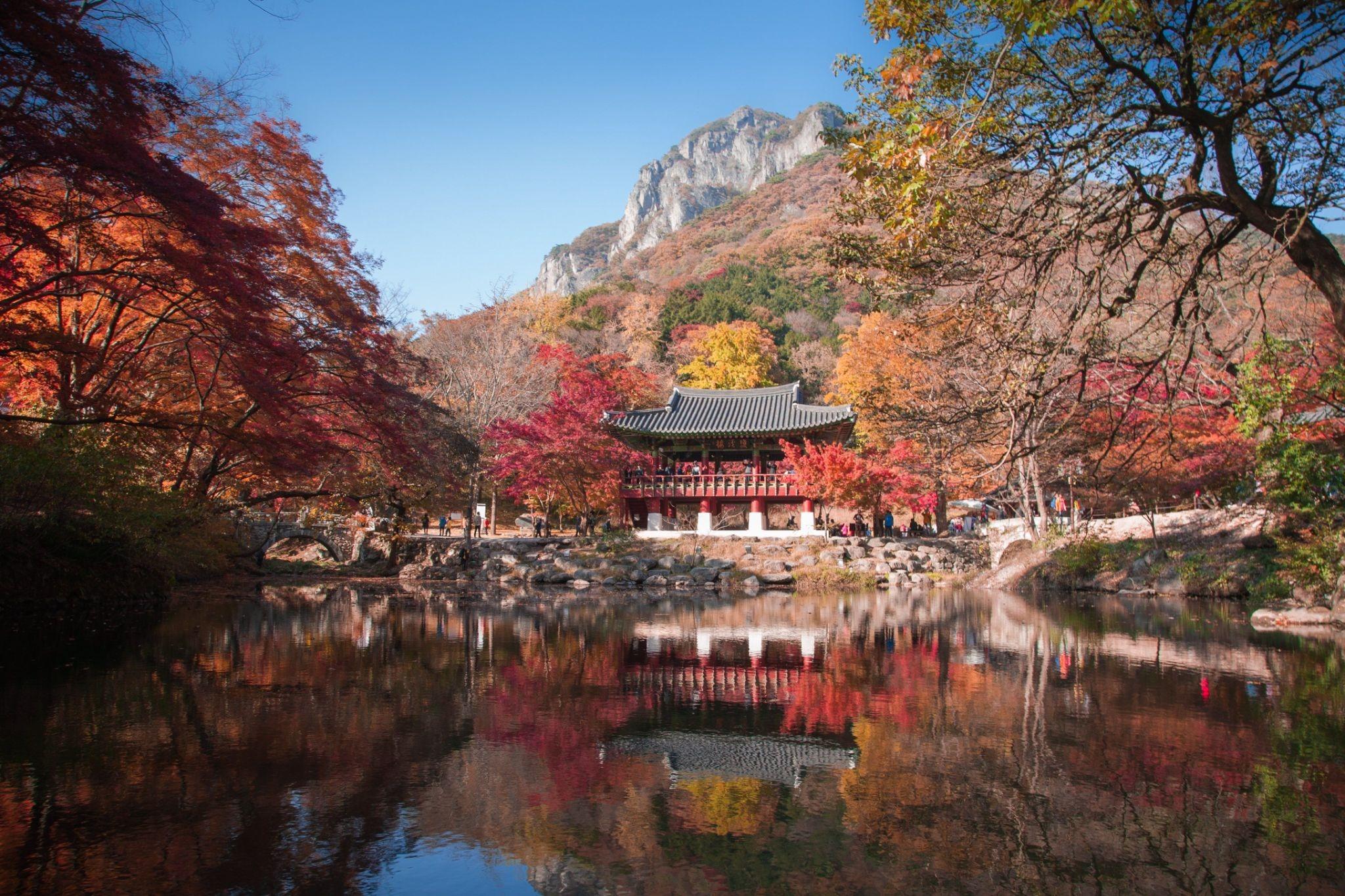
Korea’s fall scenery is not limited to remote mountains. Royal palaces, city parks, islands, coastal trails, temples, and volcanic landscapes all provide distinct ways to experience the season.
Seoul—Palaces, Parks, and Mountain Views
Seoul combines historic architecture with accessible green spaces, making it possible to experience fall colors without leaving the capital. VisitKorea highlights Gyeongbokgung Palace, Seoul Forest, Olympic Park, and Deoksugung Palace Stone Wall Path among the city’s notable autumn locations.
Recommended places include:
- Gyeongbokgung Palace: Traditional roofs, courtyards, ponds, and mountain views create a striking setting for red and yellow foliage.
- Deoksugung Palace Stone Wall Road: Golden ginkgo leaves line the approximately 900-meter route beside the palace, making it suitable for an easy central Seoul walk.
- Namsan Park: Follow forested paths toward N Seoul Tower for elevated views over the city. VisitKorea recommends the Namsan Dulle Trail and the cable car to experience the mountain’s autumn scenery.
- Seoul Forest: Wide lawns, wooded paths, and seasonal trees offer a relaxed alternative to the palace districts.
- Olympic Park: Large open spaces and tree-lined routes work well for walking, cycling, and photography.
- Bukhansan National Park: Choose this for a more active day surrounded by mountain foliage.
- Cheonggyecheon Stream: This central waterway provides an accessible walking route between sightseeing districts.
A central hotel in Seoul makes it easier to combine these places with markets, restaurants, and indoor attractions. Travelers prioritizing shopping and transportation can also explore hotels in Myeongdong, while those planning seasonal walks around Namsan may prefer hotels near N Seoul Tower.
Nami Island Autumn—Iconic Tree-Lined Paths
A Nami Island autumn day trip is one of the most recognizable fall experiences near Seoul. The island is known for its metasequoia lane, golden ginkgo trees, riverside paths, gardens, open lawns, and pedestrian-friendly atmosphere. Bicycles, tandem bikes, and other activities provide alternatives to exploring entirely on foot.
The most direct public transportation options from Seoul include the Gyeongchun Line from Sangbong Station or the ITX-Cheongchun train from Yongsan or Cheongnyangni to Gapyeong Station. The rail journey takes roughly one hour. From Gapyeong Station, the ferry dock is about 5 minutes away by taxi or approximately 30 minutes on foot.
Most visitors take the ferry for the final journey to the island. Ziplining across the river is another arrival option, and the zipline ticket includes island admission and a return ferry. Operating arrangements and prices can change, so check the official Nami Island information before traveling.
Plan the day around the following considerations:
- Allocate a full day: Transportation, ferry queues, walking, meals, and photography can easily fill most of the day.
- Arrive early: Morning arrival can provide more time before the busiest afternoon period.
- Visit on a weekday: Weekends during peak foliage may be particularly busy.
- Check ferry information: Confirm current operating hours and ticket conditions.
- Wear walking shoes: The island is easy to explore, but visitors may cover considerable distance.
- Consider nearby attractions: The Garden of Morning Calm, Petite France, and other Gapyeong destinations can be combined with Nami Island, although fitting several places into one day creates a faster schedule.
The island suits couples, families, solo travelers, and photographers because the main scenery is accessible without demanding hiking. Families can explore more accommodation guidance through family hotels in Seoul.
Jeju Autumn—Hallasan and Seasonal Landscapes
Jeju autumn offers a quieter side of an island often associated with spring flowers and summer beaches. Fall brings cooler conditions for forest trails, volcanic landscapes, coastal drives, waterfalls, countryside cafés, and fields of silver grass.
Experiences to consider include:
- Hiking or walking in Hallasan National Park
- Exploring forest paths and volcanic cones
- Visiting silver grass fields
- Driving along Jeju’s coastline
- Joining a seasonal tangerine experience
- Visiting waterfalls and countryside cafés
- Watching the sunset from an oreum, or volcanic cone
Saebyeol Oreum is one of VisitKorea’s recommended autumn destinations because its slopes become covered with silver grass during fall. The gentle waves of grass create a different seasonal landscape from the maple and ginkgo forests found around Seoul.
Jeju’s foliage timeline may also differ from northern and mountainous regions. The 2025 forecast expected foliage to begin at Hallasan on October 14 and peak on October 30, later than the projected start at Seoraksan. This demonstrates why one nationwide date cannot accurately represent the whole country.
Anyone planning to climb Hallasan should check the official trail reservation system, current access controls, weather, and real-time trail information. Certain summit routes operate under a reservation system, and restrictions may change because of weather or trail conditions.
Busan in Autumn—Coastlines and City Views
Busan combines beaches, mountain trails, temples, markets, and contemporary city attractions. Cooler autumn weather can make coastal walks and neighborhood exploration more comfortable than during the hottest part of summer.
Recommended experiences include:
- Walking around Haeundae and its surrounding coastal routes
- Following part of the Igidae Coastal Walk
- Visiting Geumjeongsan and Beomeosa Temple
- Exploring Busan Citizens Park
- Shopping and dining around Centum City
- Watching the evening skyline from Gwangalli
- Combining coastal scenery with Haedong Yonggungsa Temple
For more traditional fall scenery, pair Geumjeongsan with Beomeosa Temple. Visit Busan highlights the temple as an autumn sanctuary surrounded by red maple and golden ginkgo leaves, particularly during November. It can be reached by taking Busan Metro Line 1 to Beomeosa Station and continuing by local bus or taxi.
Busan is a natural second destination after Seoul. High-speed rail makes a multi-city trip practical, while the coastal setting provides a noticeable contrast to Seoul’s palace districts and mountain-framed cityscape.
Suggested Seoul and Busan Autumn Itinerary
This eight-day itinerary can be adjusted once the annual foliage forecast becomes available.
Days 1-3: Central Seoul
Begin with central neighborhoods and accessible seasonal attractions:
- Visit Gyeongbokgung Palace and nearby Insadong.
- Walk beside Deoksugung Palace and its stone wall road.
- Explore Myeongdong’s shops, street food, and cafés.
- Spend an afternoon at Seoul Forest or Olympic Park.
- Walk along Cheonggyecheon Stream in the evening.
Keep one indoor attraction available as a backup in case of rain.
Day 4: Nami Island Day Trip
Leave Seoul early and dedicate the day to Nami Island. Walk through its ginkgo and metasequoia lanes, explore the riverside paths, and allow time for lunch.
Travelers who prefer a faster itinerary can combine the island with one additional Gapyeong attraction. Those who want a more relaxed visit should keep Nami Island as the sole destination.
Day 5: Namsan or Bukhansan
Choose the day according to preferred activity level:
- Namsan: Better for an accessible urban walk, tower views, and easy connections to Myeongdong.
- Bukhansan: Better for a more physically demanding hike and broader mountain scenery.
Check the forecast, trail conditions, sunset time, and required equipment before choosing a longer mountain route.
Days 6-8: Busan
Take the train south and divide the Busan stay between coast, culture, and city attractions.
A balanced plan could include:
- Haeundae and Centum City
- Gwangalli and its evening views
- Geumjeongsan and Beomeosa Temple
- A traditional market or local food neighborhood
- A coastal walk, depending on weather and fitness level
Jeju is best added as a separate extension. Trying to include Seoul, Nami Island, Busan, and Jeju in one short trip may create more time in transit than at the destinations.
Autumn in Korea Outfit Ideas
Conditions can change significantly between September and November. Temperatures also differ between daytime and evening, cities and mountains, and northern and southern destinations.
Pack versatile items that can be layered:
- Lightweight shirts or base layers
- A sweater, fleece, or cardigan
- A wind-resistant outer layer
- Comfortable walking shoes
- A compact umbrella
- Moisturizer and lip balm
- A warmer jacket for November or mountain areas
- A small day bag for long outdoor visits
- A reusable water bottle where permitted
- Socks suitable for extended walking or hiking
Avoid packing for Seoul alone when the trip also includes Jeju, Busan, or elevated mountain trails. Check the forecast for every destination shortly before departure and adjust hiking clothes separately from city outfits.
Tips for Planning a Korea Autumn Trip
Foliage-season travel is easier when the itinerary remains flexible. A few practical decisions can reduce unnecessary transfers and provide alternatives when the weather changes.
- Check the foliage forecast annually. Peak periods shift according to temperature, rainfall, and elevation.
- Reserve transportation early. Popular trains and day tours may fill on weekends and holidays.
- Visit major foliage spots on weekdays. Nami Island, palaces, and mountain parks can become busy during peak color.
- Begin outdoor days early. Morning starts provide more time and may offer lighter crowds.
- Balance outdoor and indoor attractions. Add museums, cafés, markets, and shopping districts in case of rain.
- Allow flexibility between regions. Moving north or south may improve the chance of finding stronger foliage.
- Check hiking access. Trails may close or operate under restrictions because of weather.
- Avoid overloading the itinerary. Two or three well-planned outdoor locations are often more rewarding than rushing between several distant places.
- Book accommodation near public transportation. A well-connected base reduces transfers and makes early starts easier.
Families may find additional planning support through Family Hotels in Seoul. Travelers organizing overall trip expenses can also consult affordable hotels in Seoul when comparing neighborhoods and accommodation options.
Where to Stay for Autumn in Seoul
Choosing the right hotel in South Korea can make a foliage itinerary considerably easier. In Seoul, proximity to subway stations is particularly useful when combining early palace visits, day trips, shopping districts, and evening dining.
Travelodge’s approach is built around Comfort, Convenience, and Connectivity. Comfortable rooms provide a place to recharge after full sightseeing days, convenient facilities support practical travel needs, and centrally connected locations help guests navigate unfamiliar cities. Complimentary Wi-Fi and service support also reflect Travelodge’s Stream and Service elements.
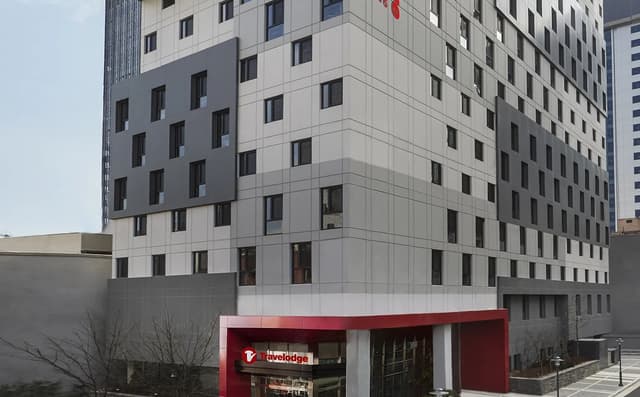
Travelodge Myeongdong Euljiro
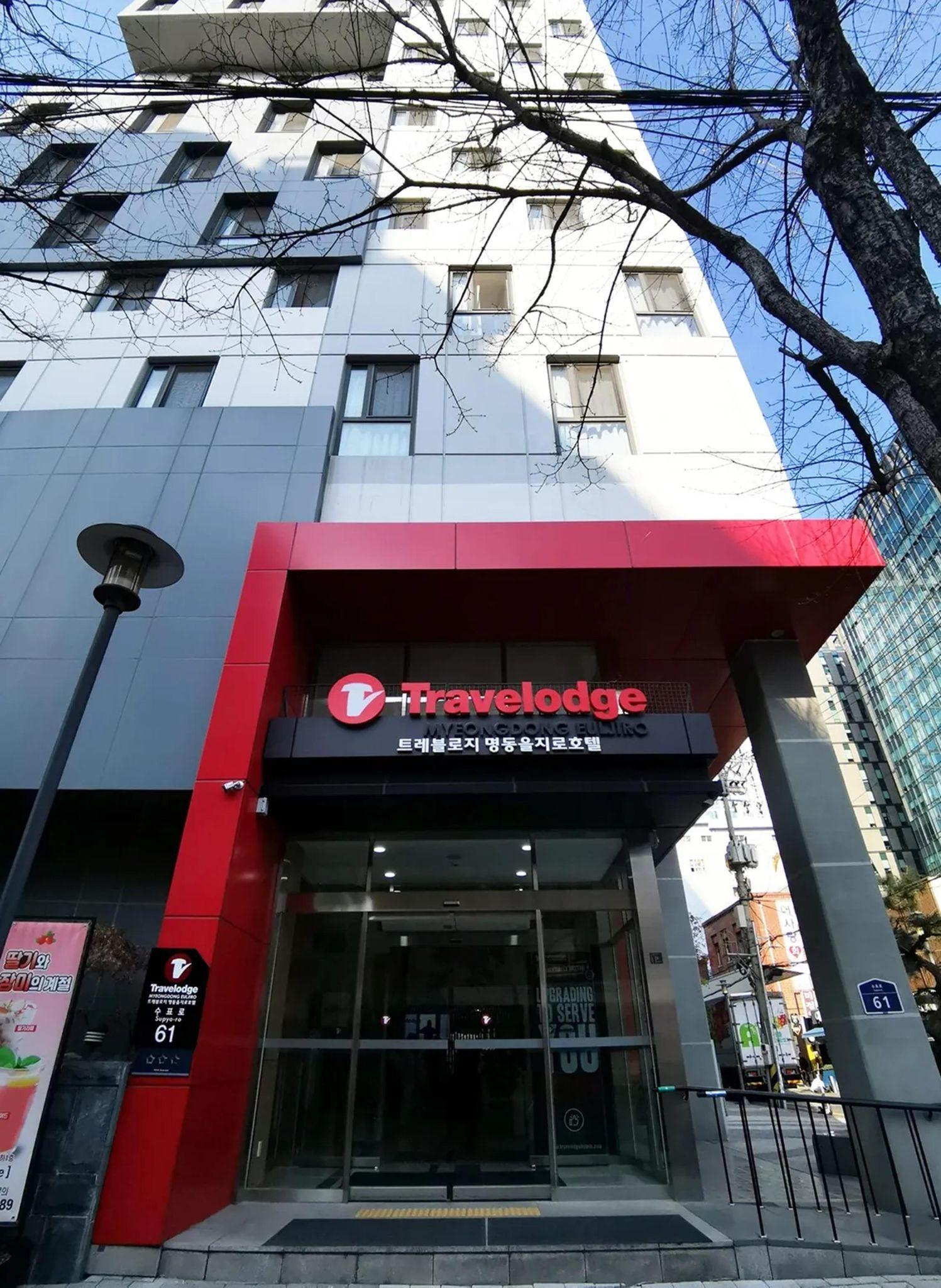
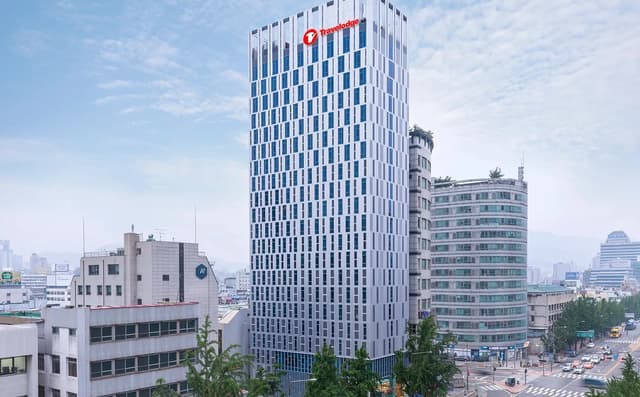
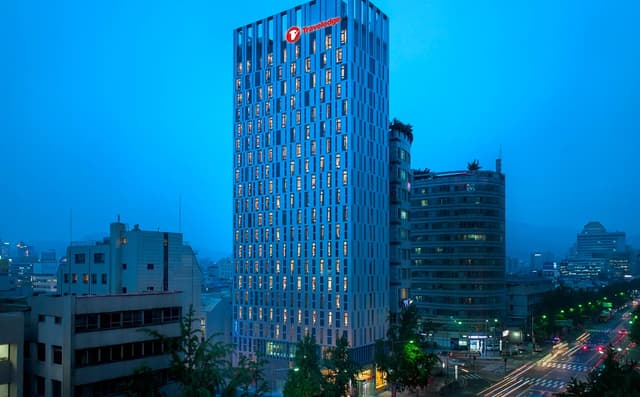
Travelodge Myeongdong Euljiro is a convenient base for travelers planning to explore several of Seoul’s central autumn spots. The hotel is approximately a three-minute walk from Euljiro 3-ga Station, making it easy to connect to Gyeongbokgung Palace, Deoksugung Palace Stone Wall Road, Seoul Forest, and other foliage destinations around the city.
Cheonggyecheon Stream is also convenient for an easy seasonal walk in central Seoul, while Myeongdong’s shopping streets and restaurants are within reach for an evening after sightseeing. This makes the hotel particularly practical for travelers who want to combine autumn scenery with shopping, food, and cultural attractions without changing accommodation.
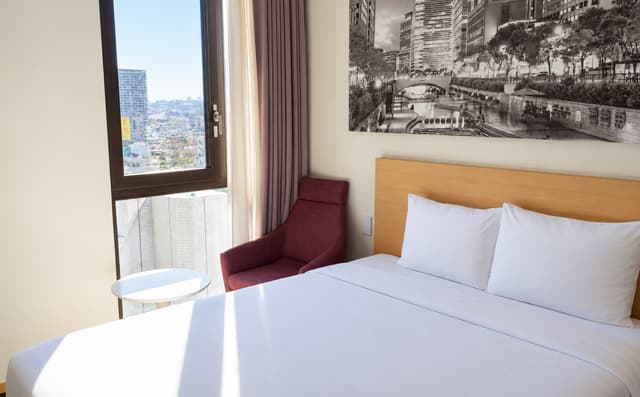
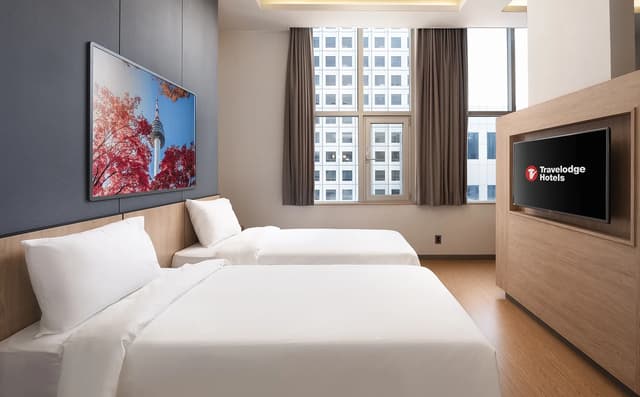
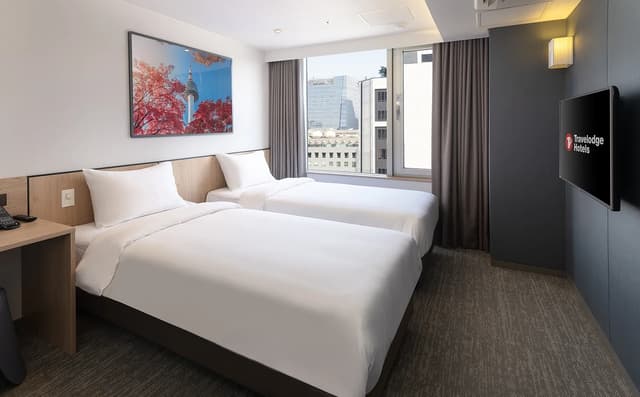
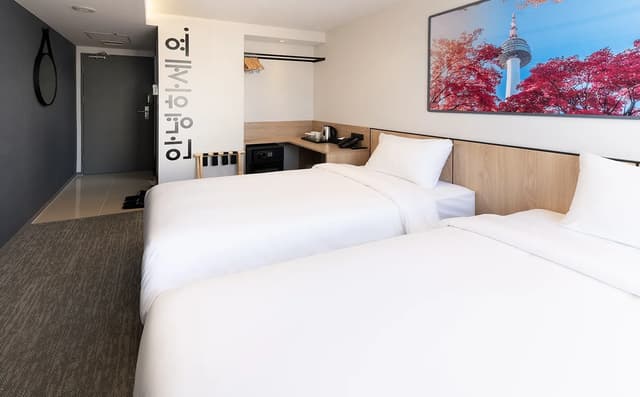
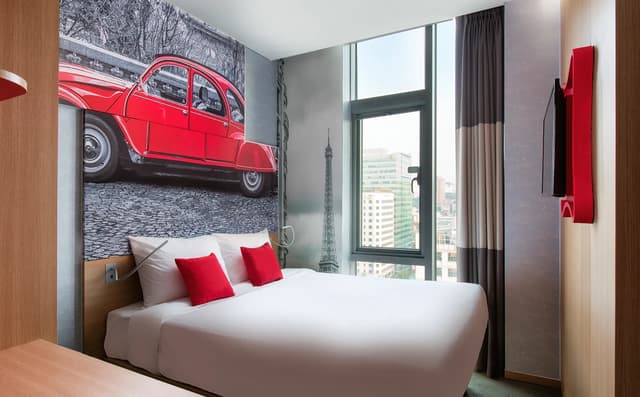
After a full day outdoors, complimentary Wi-Fi and comfortable in-room essentials provide a convenient place to recharge before the next autumn itinerary.
Explore available rooms at Travelodge Myeongdong Euljiro through the official Travelodge Hotels Asia website when planning a centrally based Seoul stay.
Travelodge Myeongdong Namsan
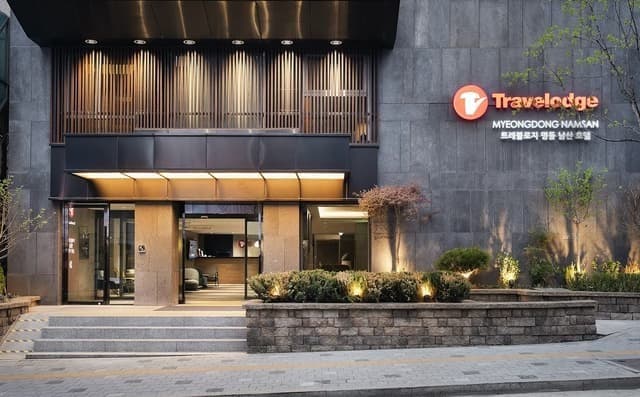
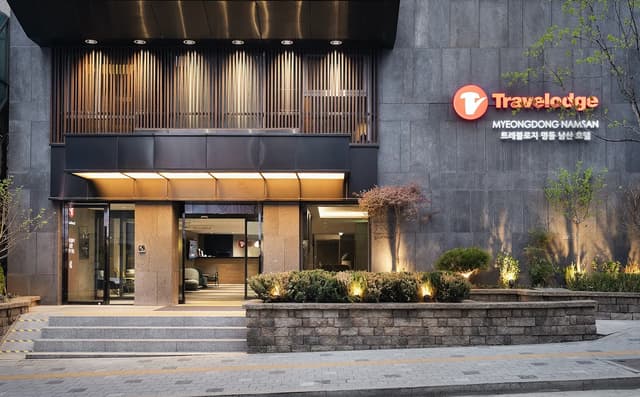
Travelodge Myeongdong Namsan is especially well suited to travelers who have Namsan among their priority autumn stops. The hotel is positioned near Myeongdong and Namsan, making it convenient for exploring the seasonal walking routes around Namsan Park and continuing toward N Seoul Tower for elevated views over Seoul.
Myeongdong Shopping Street, Namsangol Hanok Village, and Myeongdong Cathedral are also nearby, giving travelers several options for combining fall scenery with cultural sightseeing in the same part of the city. For autumn destinations farther away, nearby subway connections make it easier to continue toward palace districts and other central attractions.
Its location works particularly well for a slower autumn day: spend the morning or afternoon walking around Namsan, return to the hotel for a break, then head into Myeongdong for dinner and evening shopping.
Autumn is one of Seoul’s most popular travel seasons, so check current availability and book Travelodge Myeongdong Namsan directly through the official Travelodge Hotels Asia platform when planning the trip.
Travelodge Dongdaemun Seoul
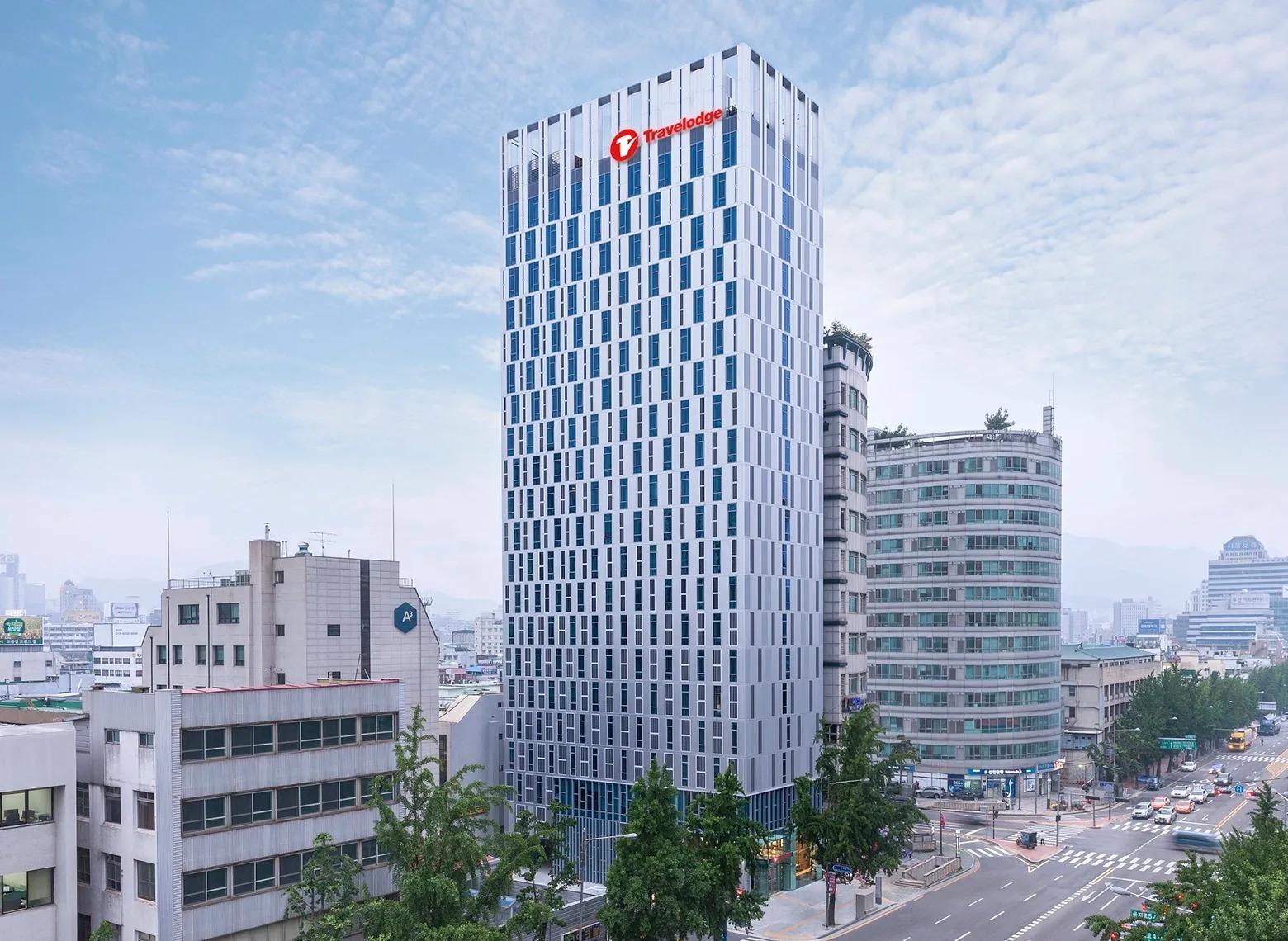
Travelodge Dongdaemun Seoul provides another well-connected base for an autumn itinerary, particularly for travelers planning to move between eastern and central Seoul. Euljiro 4-ga Station is about an eight-minute walk from the hotel, while Dongdaemun’s wider subway network provides connections to other parts of the city.
From this area, travelers can use public transportation to reach central autumn spots such as Gyeongbokgung Palace, Cheonggyecheon Stream, and Namsan, while returning to Dongdaemun for markets, food, and evening shopping after a day of foliage sightseeing.
The location can also be practical for a Nami Island autumn day trip when using shuttle services that depart from the Dongdaemun area. Since operators, departure points, and schedules can change, confirm the latest arrangements before booking.
Reserve directly through Travelodge Hotels Asia to review current room types, booking conditions, and available offers for Travelodge Dongdaemun Seoul.
Where to Stay for Autumn in Busan
After experiencing Seoul’s palace gardens and mountain scenery, Busan offers a different autumn setting shaped by coastal walks, temples, and urban views.
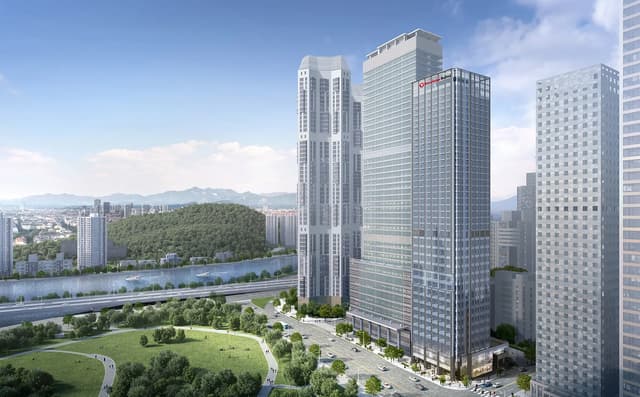
Travelodge Suites Busan Centum
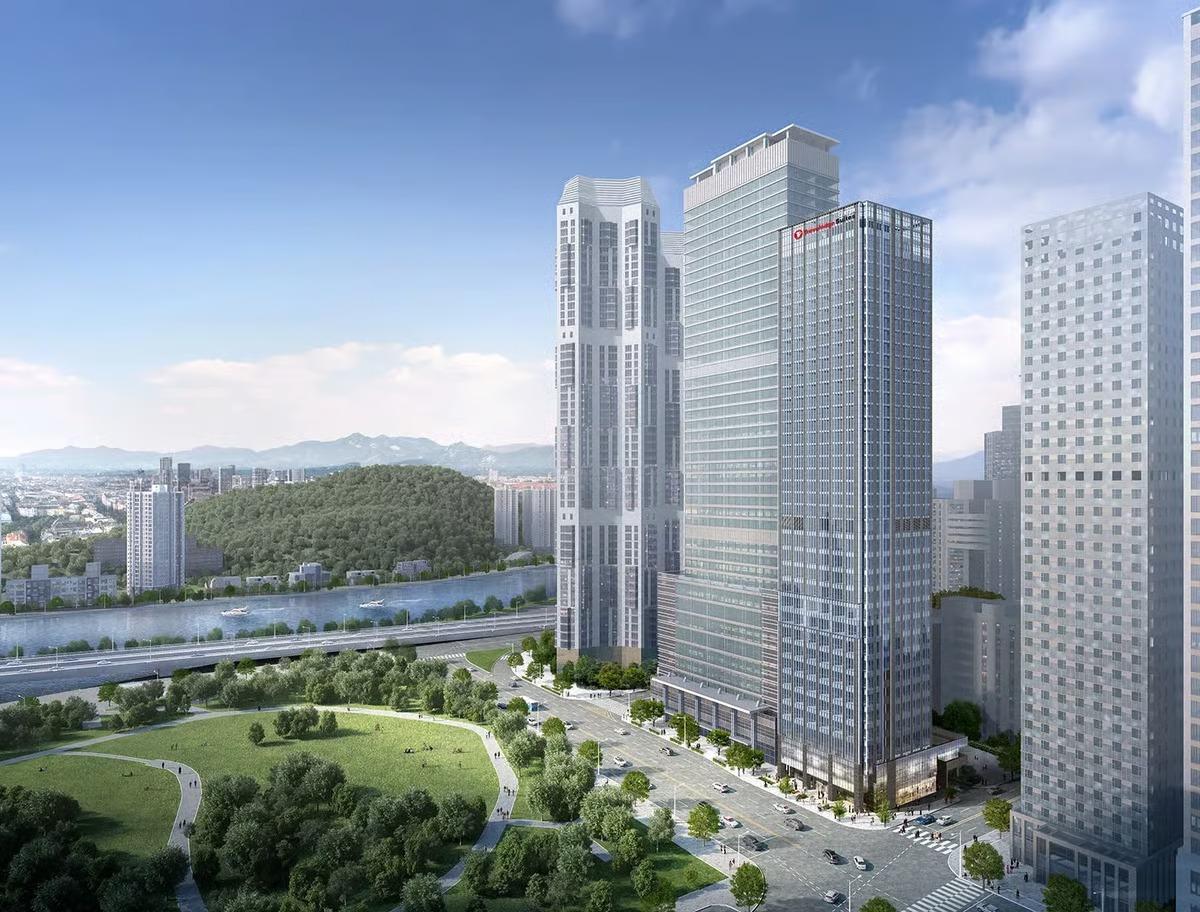
Travelodge Suites Busan Centum is a convenient base for several of the Busan experiences highlighted in this guide. Centum City Station is approximately 500 meters from the hotel, providing public transportation connections for exploring destinations across the city.
For travelers prioritizing coastal scenery, the hotel’s Centum City location places Haeundae and Gwangalli within convenient reach. These areas are particularly enjoyable in autumn, when cooler temperatures can make waterfront walks and evening sightseeing more comfortable.
For a more traditional fall experience, travelers can continue by public transportation toward Geumjeongsan and Beomeosa Temple, where mountain scenery, red maples, and golden ginkgo trees provide a contrast to Busan’s coastline. Busan Citizens Park and other urban seasonal spots can also be incorporated into a longer city itinerary.
The hotel is additionally close to BEXCO, Busan Cinema Center, and the wider Centum City district, making it easy to combine outdoor autumn sightseeing with shopping, dining, and indoor attractions. Travelodge identifies Centum City Station as the closest subway stop and highlights the property’s access to major Busan attractions.
The location reflects Travelodge’s 3C values: Comfort after a full day of exploring, Convenience for combining city and coastal attractions, and Connectivity through nearby public transportation.
Plan the Seoul and Busan portions together, compare all four participating hotels, and book directly through the official Travelodge Hotels Asia website for a more seamless multi-city autumn stay.
Plan an Unforgettable Autumn in Korea
From the palace grounds of Seoul and the tree-lined paths of Nami Island to Jeju’s silver grass and Busan’s mountain temples, autumn in Korea offers far more than one peak foliage destination. The most successful trips follow the seasonal colors gradually, leave room for weather changes, and balance outdoor scenery with cultural and urban experiences.
Check the annual foliage forecast before confirming nature-focused days, pack layers for changing temperatures, and avoid assuming that Seoul, Jeju, and Busan will peak simultaneously. For Comfort, Convenience, and Connectivity throughout the journey, book directly with Travelodge Myeongdong Euljiro, Travelodge Myeongdong Namsan, Travelodge Dongdaemun Seoul, or Travelodge Suites Busan Centum through the official Travelodge Hotels Asia platform.
For frequent travelers, joining the Travelodge membership program adds another layer of value to every stay. Members can enjoy Cashback Credits of up to 5% throughout Travelodge hotels, along with early check-in and late check-out. Special offers for extra savings on stays round out the program, making it an easy way to get more out of every trip booked directly with the brand.