



Share article
Hatsumode 2027: Best Shrines and Temples in Kyoto & Osaka for the First Visit of the Year

Aiko Sato
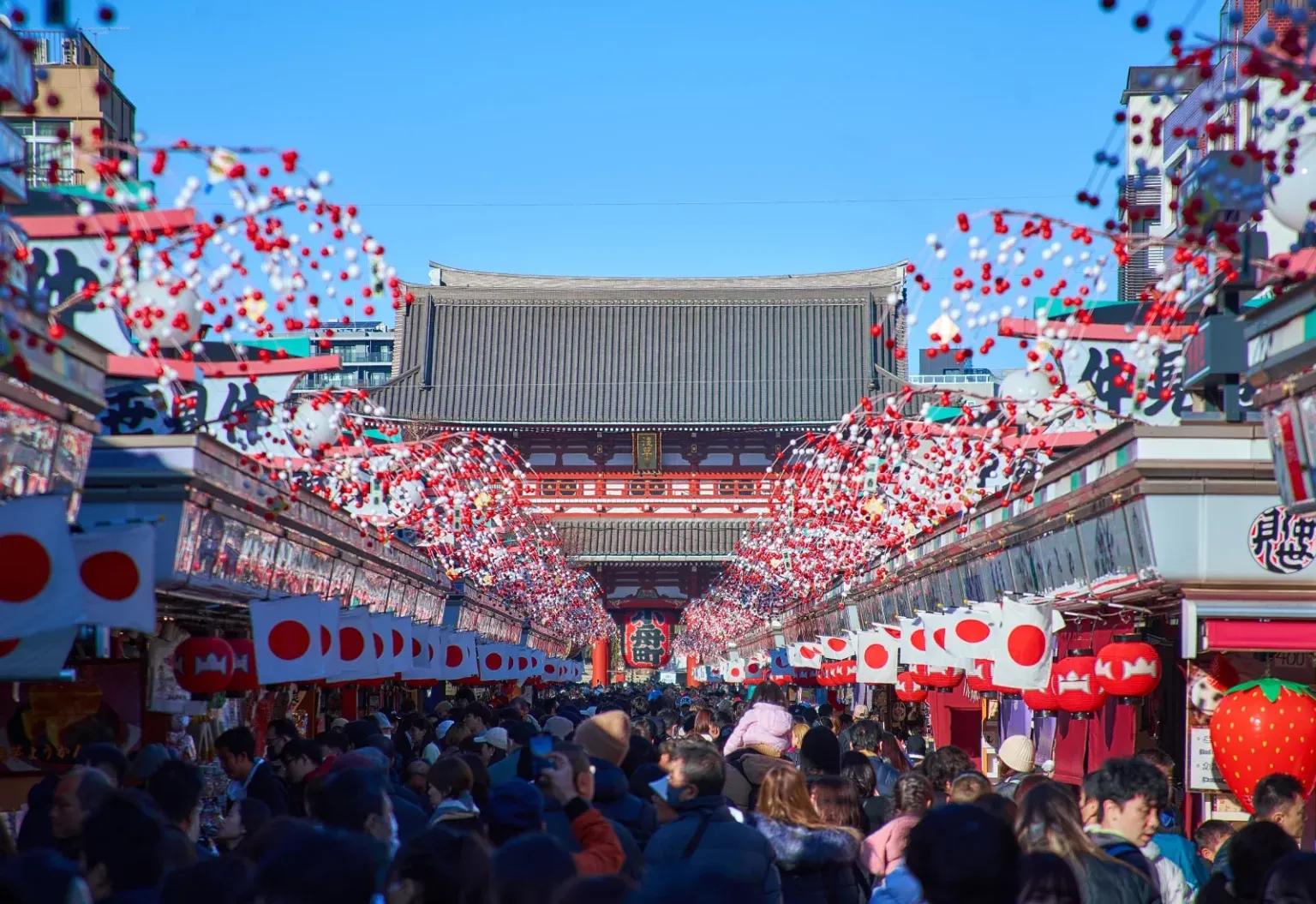
Celebrate the Japanese New Year in a truly special way. In Kyoto and Osaka, January brings a blend of festive energy and peaceful reflection — from the ringing of temple bells to your first visit to a shrine, immerse yourself in this profound and unforgettable local tradition.
Whether you’re a first-time visitor or a local exploring new Hatsumode spots, this guide shows you where to go, what to expect, and how to plan a peaceful yet unforgettable start to 2027.
What the New Year Celebration Looks Like in Japan
The Japanese New Year is one of the most important holidays throughout Japan. On New Year’s Eve (December 31), temple bells ring 108 times in a ceremony called Joya no Kane, symbolizing the purification of worldly desires.
As the first sunrise of the year appears, millions of people begin their first shrine visit (Hatsumode). It’s a moment to pray for good fortune, ward off bad luck, and express gratitude for the year ahead.
During the first few days of the new year (January 1–3), families and friends come to pray, draw omikuji fortunes, and buy new omamori charms for happiness in the year ahead. It’s a beautiful new year tradition that connects modern Japan with ancient spirituality.
While Tokyo’s Meiji Jingu or Kyoto’s Fushimi Inari Taisha see millions of visitors each year, locals often prefer smaller or less crowded shrines where the air feels calm and reflective. That’s what makes Kyoto and Osaka perfect for Hatsumode because each city offers a balance between cultural heritage and festive city life.
What Is Hatsumode? Understanding the First Shrine Visit of the Year
Hatsumode literally means “first visit to a shrine” in the year. Traditionally, it’s done between New Year’s Day and the first three days of January, though some visit temples instead. Whether at a shrine or temple, people come to pray for happiness, health, and luck for the year ahead.
When visiting a shrine, it’s customary to bow at the torii gate, purify your hands at the chozuya, and then make a small offering before praying. Many also write wishes on wooden plaques (ema), hoping for blessings in love, studies, or success.
If you’re visiting Japan during the New Year’s period, joining a Hatsumode shrine visit is one of the best ways to experience the spirit of Japanese culture firsthand.
Best Shrines and Temples in Kyoto for Hatsumode 2027
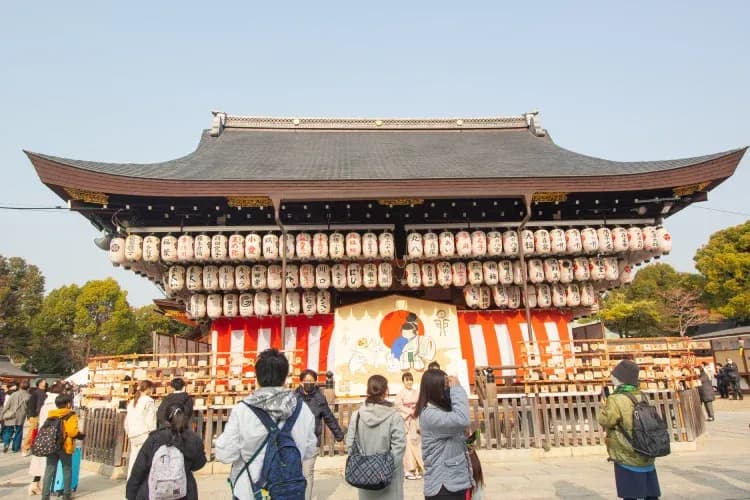
Kyoto, with its numerous historic temples and shrines, transforms into a serene winter wonderland every January. Here are the most recommended shrines and temples in Kyoto for your first shrine visit of the year.
Fushimi Inari Taisha
One of Kyoto’s most famous landmarks and a UNESCO World Heritage Site, Fushimi Inari Taisha is renowned for its striking tunnel of thousands of vermilion torii gates. Dedicated to Inari, the deity of prosperity and agriculture, it serves as the head shrine for over 30,000 Inari shrines across Japan.
Due to its popularity, it tends to draw large crowds during the New Year’s period. So, visiting early in the morning offers a more peaceful, almost mystical start to your 2027 shrine visits.
Kifune Shrine
Nestled deep in the northern forests of Kyoto, Kifune Shrine often glows under a light layer of snow during the days of the year. Known as a power spot, it’s believed to bring harmony to couples and strengthen emotional connections. It’s also a beautiful time to visit Japan if you want quiet reflection away from busy city shrines.
Yasaka Shrine
Located near Gion, Yasaka Shrine is one of the most popular shrines and temples for locals and visitors celebrating Hatsumode. The vibrant lantern-lit grounds come alive during the night on New Year’s Eve, as people gather to ring in the New Year and pray for happiness. The shrine is also the host of Kyoto’s famous Gion Matsuri in summer—proof of its importance in local culture.
Hirano Shrine
If you prefer a quieter visit to a shrine, Hirano Shrine is perfect. It’s one of the oldest shrines in Kyoto, and during Hatsumode it remains peaceful, making it ideal for those who wish to reflect and avoid crowds.
Shinnyodo Temple
Although technically a temple, Shinnyodo is a serene temple in the New Year, especially when snow lightly dusts its pagoda and gardens. It’s a good reminder that the first visit to the shrine or temple doesn’t have to be grand—it’s about finding personal peace.
Where to Stay:
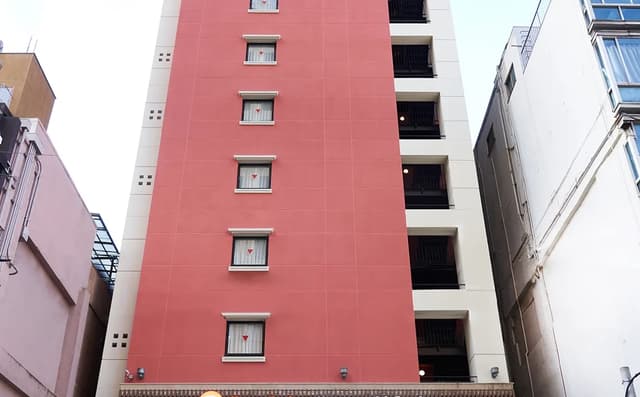
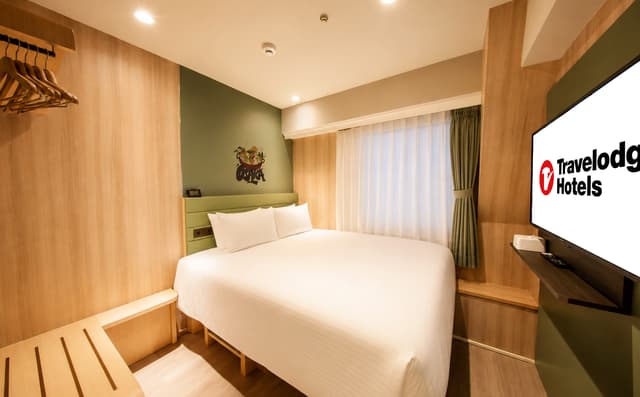
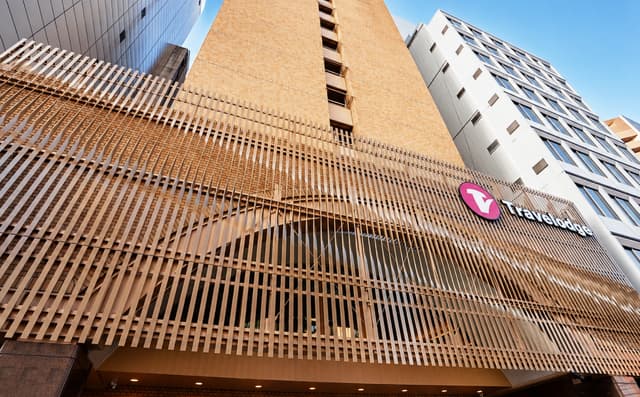
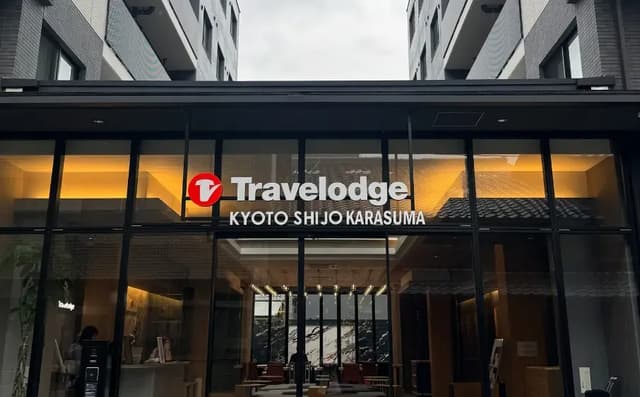
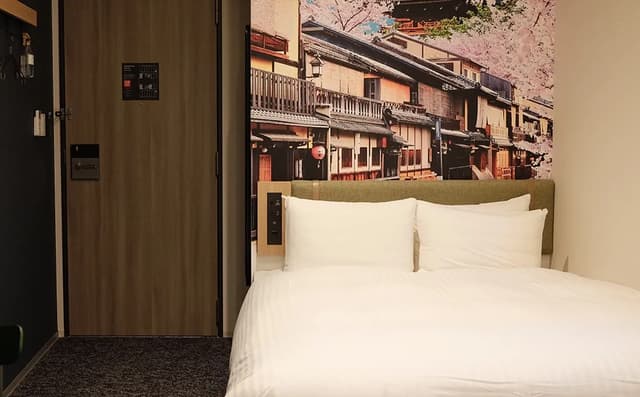
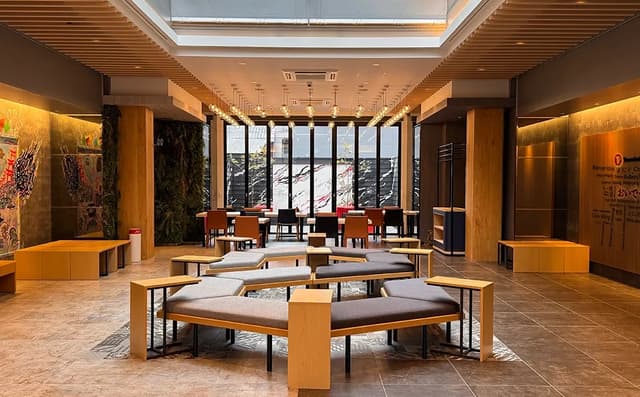
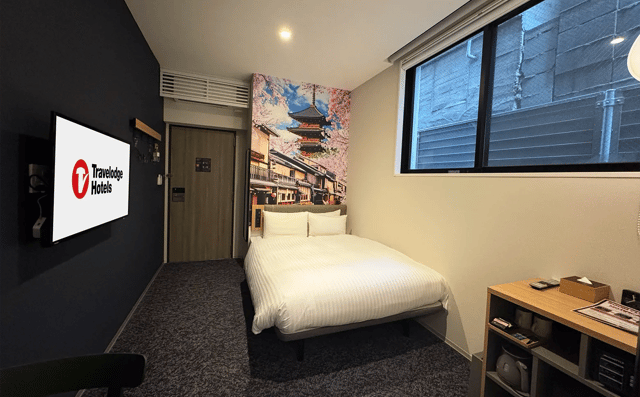
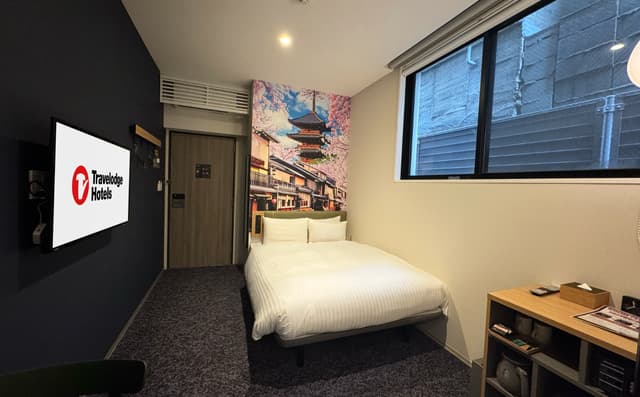
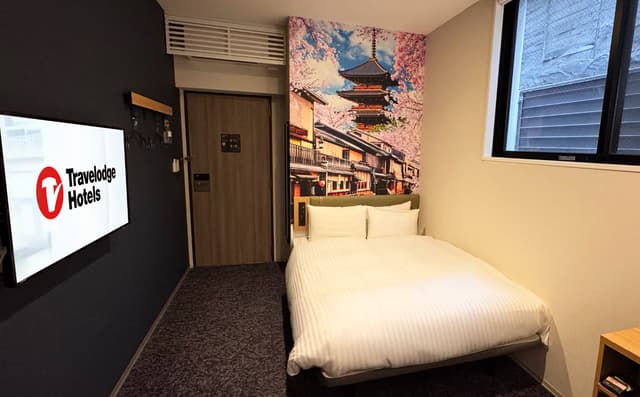
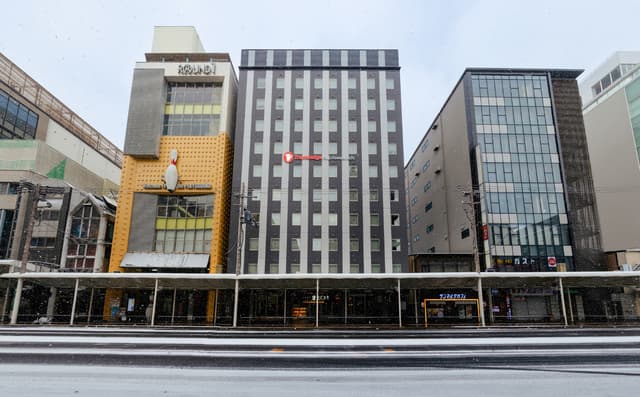
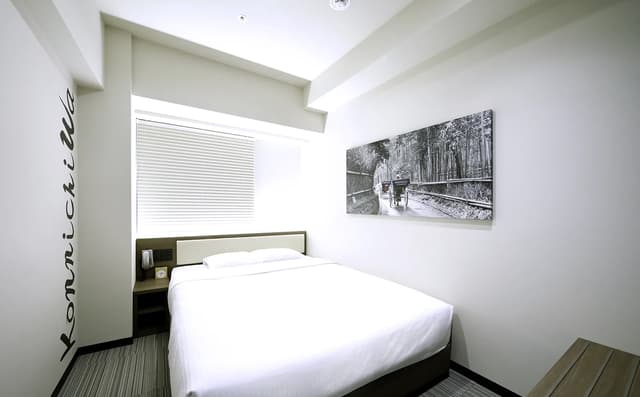
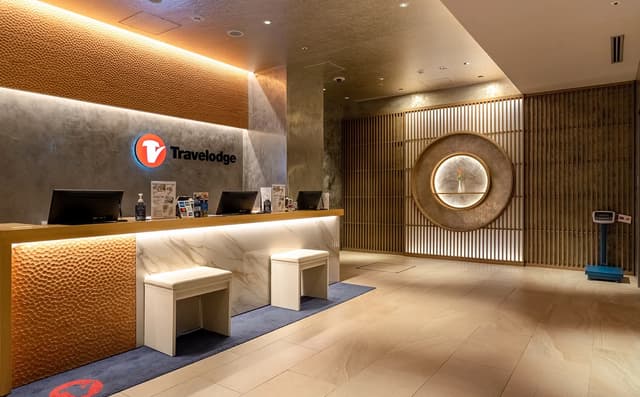
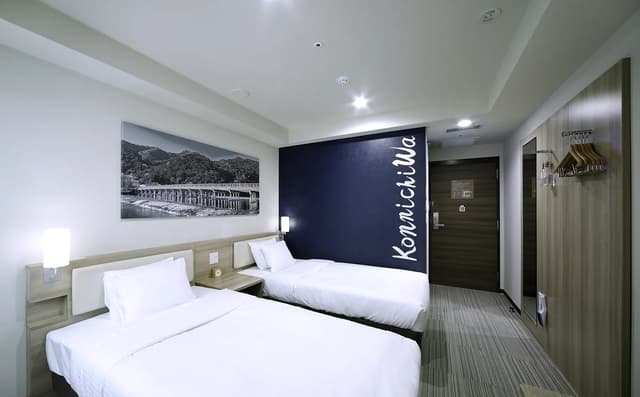
For your Kyoto stay, Travelodge Kyoto Shijo Kawaramachi makes an excellent base. Conveniently located near Gion and major train lines, it offers easy access to both Fushimi Inari Taisha and Yasaka Shrine—perfect for those who want to combine Hatsumode, sightseeing, and winter lights.
Best Shrines and Temples in Osaka for Hatsumode 2027
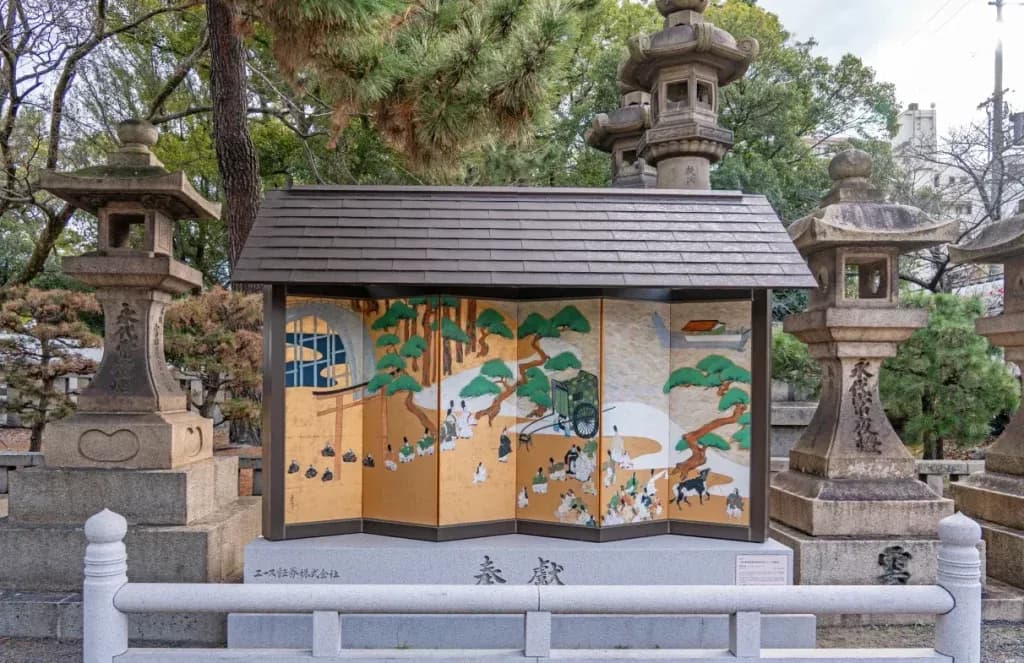
Osaka is known for its lively spirit and delicious food, but it also has some deeply spiritual shrines and temples for a meaningful New Year’s Day.
Sumiyoshi Taisha
Sumiyoshi Taisha Shrine is one of the oldest shrines in Japan, founded in the 3rd century. It’s famous for its graceful red Taiko Bridge and elegant architecture. Locals come to pray here for safe travel and good fortune in the year ahead.
Shitenno-ji Temple
Founded by Prince Shotoku, Shitenno-ji is Japan’s oldest Buddhist temple. During New Year’s Eve, visitors light candles and pray quietly for peace and renewal. It’s a lovely contrast to the excitement of central Osaka.
Imamiya Ebisu Shrine
Dedicated to Ebisu, the god of sake and prosperity, this Tenmangu shrine becomes the center of celebration during the Toka Ebisu Festival in early January. Locals buy lucky bamboo branches to wish for business success and happiness in the year ahead.
Katsuo-ji Temple
Located in Minoo’s peaceful hills, this temple is known for its victory daruma dolls and quiet trails. If you want to escape crowds while still taking part in New Year’s Japan travel, this is the spot.
Where to Stay:
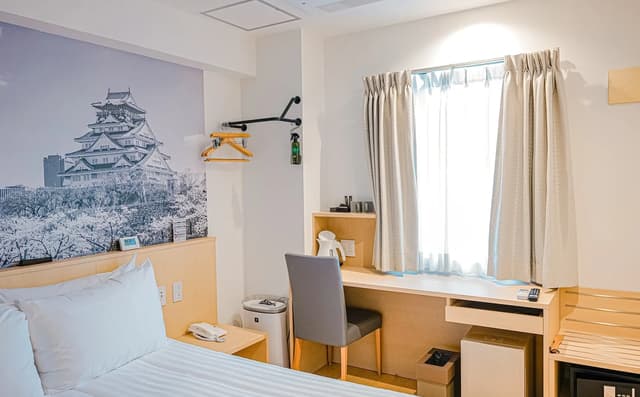
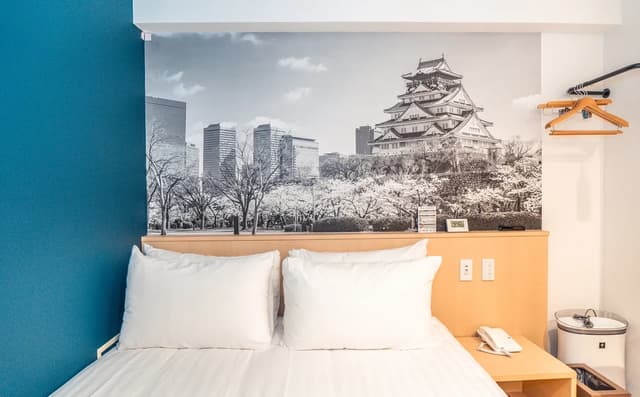
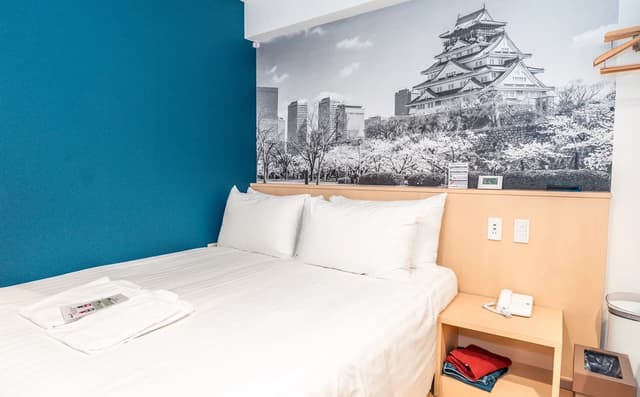
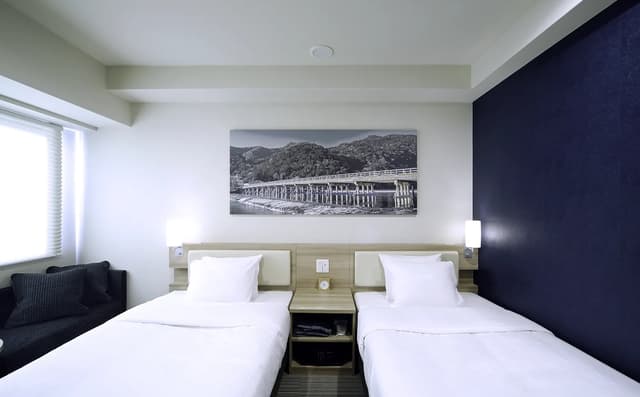
For a convenient Osaka base, stay at Travelodge Osaka Honmachi. With easy access to Dotonbori, Namba, and Sumiyoshi Taisha, it’s ideal for short winter getaways or those planning a Hatsumode visit in Kyoto and Osaka.
Hidden New Year Experiences Near Kyoto and Osaka
Looking to go beyond the usual Hatsumode spots? These nearby destinations make perfect day trips from Kyoto or Osaka.
🌅 Amanohashidate (Kyoto Prefecture): This scenic “bridge to heaven” is one of Japan’s three most beautiful views. Wake early on New Year’s Day to enjoy a panoramic view of the first sunrise of the year.
🏞️ Arima Onsen (Hyogo Prefecture): One of Japan’s most famous hot spring towns. Soak in mineral-rich waters, reflect on your wishes for the year, and pray for renewal.
⛩️ Nara’s Wakakusa Yamayaki: In late January, a hill near Nara’s temples is set ablaze in an awe-inspiring eve festival marking the end of winter.
Staying at centrally located Travelodge hotels in Kyoto or Osaka makes it easy to explore the city and the wider Kansai region without stress.
Top Spots in Japan to Welcome 2027: Fireworks, Temples & Winter Festivals
If you’re extending your Japan travel, there are plenty of popular New Year destinations beyond Kansai:
🎆 Tokyo Bay Fireworks & Countdown Events: Join thousands to celebrate the night on New Year’s Eve with dazzling fireworks over the water.
💡 Nabana no Sato (Nagoya): One of the most popular shrines and temples-adjacent illumination parks, glowing with millions of LED lights. Stay nearby at Travelodge Nagoya Sakae.
❄️ Sapporo Snow Festival (Hokkaido): In early February, marvel at grand ice sculptures and snow art. Travelodge Sapporo Susukino offers easy access to the city’s highlights.
These events show how you can celebrate Hatsumode and the New Year in Japan not just spiritually, but through seasonal light and joy across Japan.
Winter Travel Tips for a Smooth New Year’s Trip
📅 Book early: Accommodation fills fast for the first few days of the New Year. Reserve your Kyoto hotel or Osaka hotel at least 2–3 months ahead.
🧥 Dress warmly: Pack thick coats, gloves, and waterproof shoes. Visiting a shrine in early morning snow can be magical—but cold!
🚆 Plan your route: Use trains instead of driving in icy areas.
🕰️ Check event schedules: Visit the temple’s official website or local listings for the most up-to-date schedules.
🔄 Stay flexible: Many shrines post real-time visitor information during hatsumode, so if your chosen shrine is crowded, you can adjust your plans on the go.
Start 2027 with Peace and Purpose
The Japanese New Year is about gratitude, renewal, and joy. Whether you visit a famous Inari Shrine or a quiet mountain Tenmangu, every shrine visit connects you to centuries of tradition and hope for the year ahead.
Start your first visit to the shrine with an open heart, take time to pray for happiness, and let the peaceful rhythm of Kyoto and Osaka guide you.
Wherever you go—Kyoto, Osaka, Nagoya, or Sapporo—Travelodge Hotels Asia offers convenient stays for every traveler, making your New Year’s Japan travel both meaningful and comfortable.










.jpg)