


Share article
Where Locals Eat at Restaurants in Gangnam Seoul & Dining Tips

Sora Kang
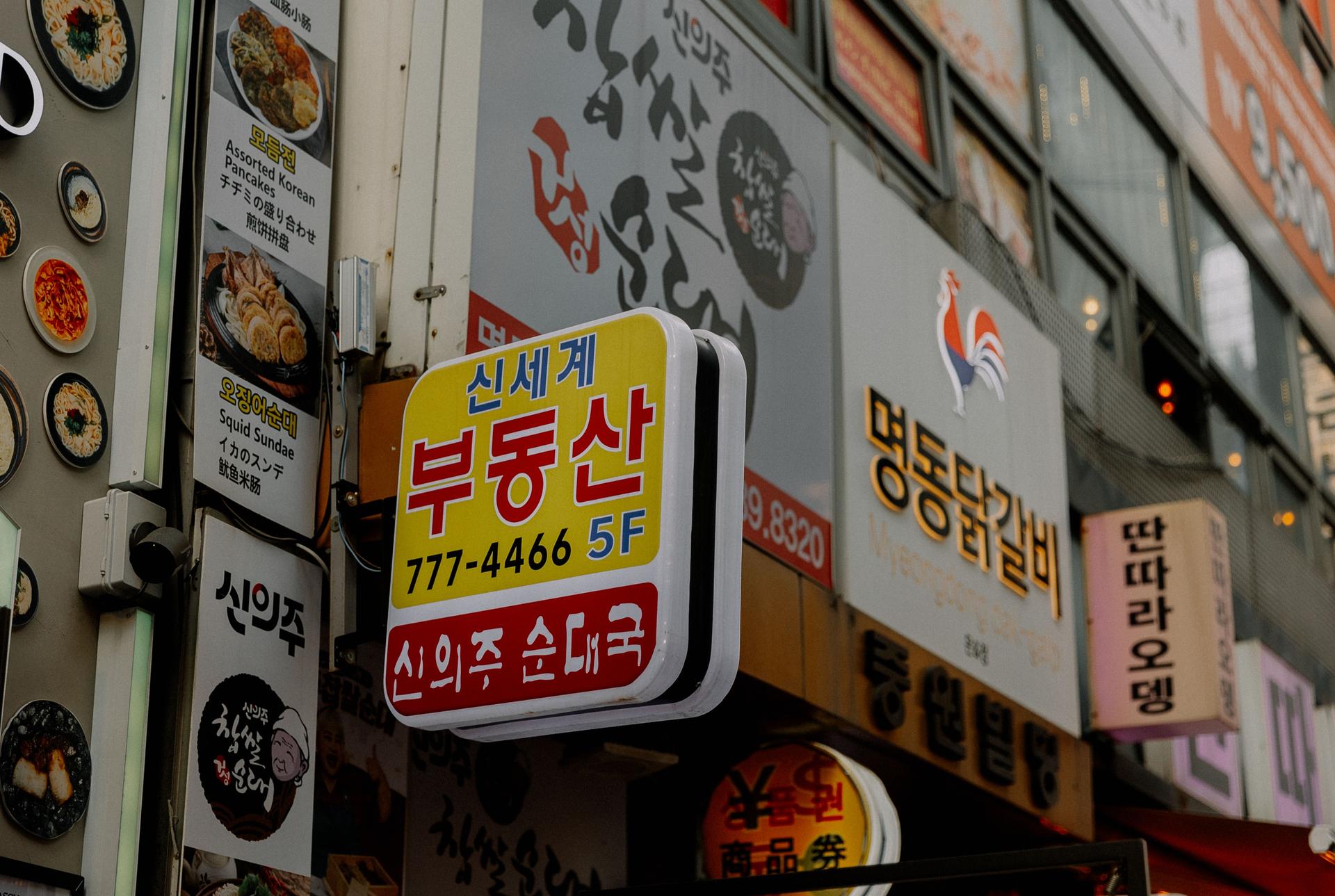
Gangnam is one of Seoul’s most rewarding areas for travelers who plan their days around food. Its dining scene moves easily from smoky Korean BBQ restaurants and neighborhood stew houses to polished tasting menus, specialty coffee, bakeries, and international cuisine. Exploring restaurants in Gangnam Seoul also means discovering several distinct neighborhoods rather than staying around Gangnam Station alone.
Sinsa and Garosu-gil work particularly well for cafés and leisurely lunches; Cheongdam and Apgujeong lean toward sophisticated dining, while Samseong and COEX make it easy to combine meals with shopping and entertainment. Gangnam Station, Yeoksam, and Nonhyeon are stronger choices for casual dinners and late nights. This article covers what to eat, which areas suit different dining styles, practical restaurant tips, and where to stay when Gangnam is one part of a wider Seoul food trip.
A Food Lover’s Look at Restaurants in Gangnam Seoul
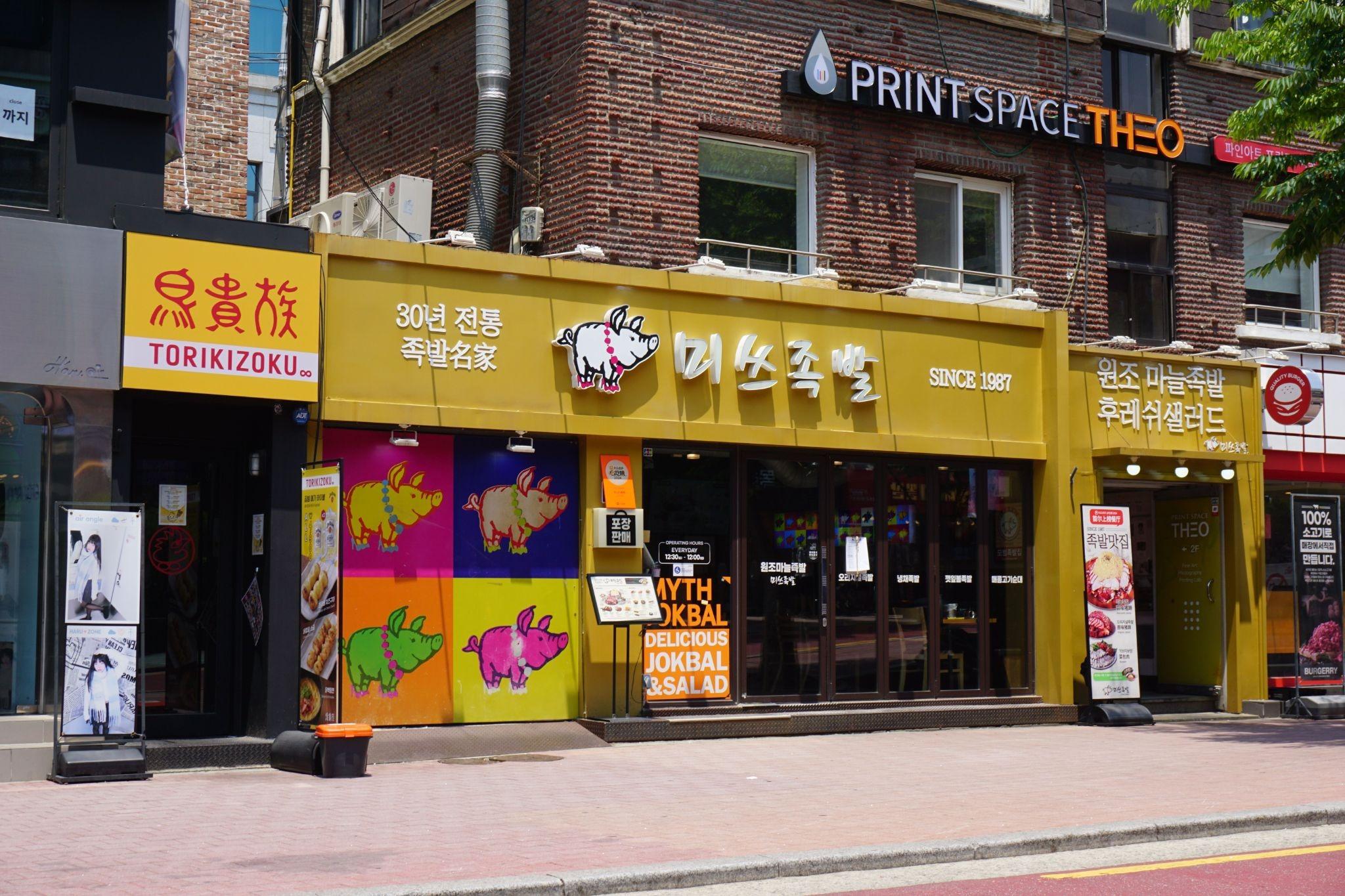
“Gangnam” can refer broadly to the southern side of central Seoul, but the dining experience changes considerably from one neighborhood to the next. Choosing where to eat by area can make a food-focused day far more efficient.
Around Gangnam Station and Yeoksam, restaurants cater to office workers, groups of friends, and diners looking for convenient evening meals. Sinsa and Garosu-gil combine fashion, cafés, restaurants, and side streets filled with smaller dining concepts; Seoul’s official tourism site continues to position Garosu-gil as a shopping-and-dining destination, with numerous restaurants clustered nearby.
Cheongdam and Apgujeong have a more polished feel, with contemporary Korean cooking, chef-driven restaurants, private dining, international cuisine, and wine-focused venues. Current Seoul tourism listings in Cheongdam include both contemporary Korean and upscale international options, reflecting the area’s broader fine-dining character.
Samseong and COEX are convenient when dining needs to fit around shopping, exhibitions, or family activities. COEX itself includes restaurants ranging from Korean food to international dining, including current halal-certified options. Nonhyeon, meanwhile, comes into its own later in the day with grilled meats, stews, casual Korean restaurants, and places suited to lingering over dinner.
1. Korean BBQ: A Must-Try Gangnam Dining Experience
Korean BBQ is one of the easiest ways to turn dinner into an experience rather than simply a meal. Meat is typically cooked on a grill built into the table, with diners sharing plates of banchan, sauces, vegetables, and wraps.
Common choices include samgyeopsal, thick slices of pork belly; galbi, marinated or unmarinated ribs; bulgogi, thinly sliced seasoned beef; and premium hanwoo, Korea’s prized domestic beef.
Gangnam Station, Nonhyeon, and Yeoksam are particularly useful areas for BBQ because restaurants are concentrated around offices, nightlife streets, and subway exits. Some specialize in one cut or type of meat, while others offer broad menus designed for groups.
The meal usually involves more than grilling meat. Lettuce or perilla leaves can be wrapped around a bite of meat with garlic, sauce, and other accompaniments, while stews, noodles, or fried rice often finish the meal.
Dinner hours can become busy, especially on Fridays and weekends. For well-known BBQ restaurants, making a reservation can save time, or you can arrive slightly before the main dinner rush.
2. Traditional Korean Restaurants in Gangnam
Gangnam’s reputation for fashion and luxury can obscure the fact that it is also full of straightforward Korean restaurants serving the dishes people eat every day.
A traditional meal might center on bibimbap, rice topped with vegetables and other ingredients, or a bubbling pot of kimchi jjigae. Doenjang jjigae, made with fermented soybean paste, is another comforting option, while bossam combines slices of tender pork with cabbage wraps and accompaniments.
Travelers looking for something restorative may prefer samgyetang, a chicken soup traditionally prepared with ingredients such as glutinous rice, garlic, and ginseng. Korean set meals can be especially useful for visitors who want to sample several side dishes and preparations in one sitting.
Sinsa also has established restaurants specializing in home-style and traditional Korean food. For example, Omiga’s Sinsa branch is currently listed by Seoul Tourism as serving traditional home-style Korean dishes near Apgujeong Station.
These smaller local restaurants can offer a useful contrast to Gangnam’s more polished dining rooms. A simple stew or bowl of noodles at lunchtime can be as memorable as a reservation-only dinner later that evening.
3. Fine Dining in Cheongdam and Apgujeong
For special occasions, Cheongdam and Apgujeong reveal another side of Gangnam dining.
This part of southern Seoul is associated with designer boutiques, galleries, beauty destinations, and sophisticated restaurants. Dining options can include contemporary interpretations of Korean cuisine, tasting menus, French or Italian cooking, Japanese kappo-style dining, chef-led concepts, and restaurants with carefully curated wine or traditional Korean alcohol lists.
Contemporary Korean cooking is especially interesting here because chefs often use familiar ingredients such as fermented soybean paste, soy sauce, kimchi, seasonal vegetables, or seafood in less traditional formats. Blgre near Sinsa, for example, currently serves Korean-inspired tapas built around fermented ingredients and paired with wine or Korean liquor.
Cheongdam also has newer upscale venues such as Cheongdam Musin, which Seoul Tourism describes as specializing in Japanese kappo cuisine and premium grilled eel with private dining rooms.
For this part of Gangnam, spontaneous walk-ins are not always the best strategy. Check current menus, reservation policies, cancellation terms, and dress expectations before making a dedicated trip.
4. Sinsa and Garosu-gil: Cafés, Brunch, and Trendy Dining
Sinsa works well when food is only one part of a slower afternoon.
Garosu-gil and its surrounding side streets combine cafés, shops, restaurants, eyewear brands, boutiques, and dessert spots, making the neighborhood easy to explore without committing to one fixed itinerary. Seoul Tourism’s Garosu-gil listings currently show everything from plant-based dining and Korean-inspired tapas to fried chicken and steakhouses in the surrounding streets.
A typical visit might begin with brunch or specialty coffee, continue with shopping, then finish with dinner nearby. Bakeries and dessert cafés also make Sinsa a good choice for travelers who prefer grazing through the afternoon rather than sitting down for several full meals.
Look for:
- Specialty coffee and filter coffee
- Korean-style cakes and pastries
- Brunch cafés
- Bakeries
- Contemporary Korean-Western dining
- Wine bars and casual dinner restaurants
Sinsa is particularly good for couples or travelers who like to leave time between reservations. The neighborhood rewards wandering.
5. Gangnam Station and Yeoksam: Casual Food and Late-Night Dining
Gangnam Station is one of the easiest dining areas for first-time visitors because choice is rarely a problem.
Restaurants fill the streets around the station, serving Korean BBQ, fried chicken, noodles, grilled dishes, stews, pub food, and international options. Yeoksam, immediately east of Gangnam Station, has a strong office-worker dining scene that becomes particularly active at lunch and after work.
For a casual evening, there is little need to build the entire schedule around one restaurant. Walk through the side streets, check menus, and choose according to appetite and waiting time.
This area is also well suited to Korean fried chicken, often ordered with beer, and pocha-style drinking food. A later meal might mean noodles, grilled meat, dumplings, or a bubbling stew shared across the table.
The range makes Gangnam Station useful for groups where everyone wants something slightly different.
6. Samseong and COEX: Convenient Dining for Shopping Days
Samseong is the practical choice when food needs to work around a full day at COEX.
The COEX complex brings shopping, exhibitions, cafés, restaurants, entertainment, and indoor attractions into one destination. Dining ranges from quick food-court meals to full-service Korean and international restaurants. Seoul Tourism currently lists international options such as the halal-certified Kervan COEX alongside more premium restaurants within the complex.
That variety makes the district particularly useful for families. Different preferences can be accommodated without traveling to another neighborhood, and indoor dining becomes convenient during Seoul’s hottest, coldest, or rainiest days.
Samseong also works well for travelers visiting nearby Bongeunsa Temple or attending an exhibition or conference. Rather than adding another long subway journey for dinner, staying within the district can keep the day manageable.
7. Nonhyeon: Korean Comfort Food and After-Hours Dining
Nonhyeon feels less oriented toward sightseeing and more toward the rhythm of a regular night out in Seoul.
The area sits within easy reach of Gangnam’s major commercial zones but has plenty of its own restaurants. BBQ, grilled dishes, stews, seafood, casual Korean food, and drinking spots make it worth considering for dinner rather than simply passing through.
Nonhyeon is particularly appealing later in the evening, when groups settle in for meat, shared dishes, and drinks rather than a quick meal between attractions.
It is a useful neighborhood for travelers who want a less mall-focused night. Instead of combining dinner with department-store shopping, the evening can revolve entirely around eating, conversation, and perhaps another late meal afterward.
What to Eat at Restaurants in Gangnam Seoul
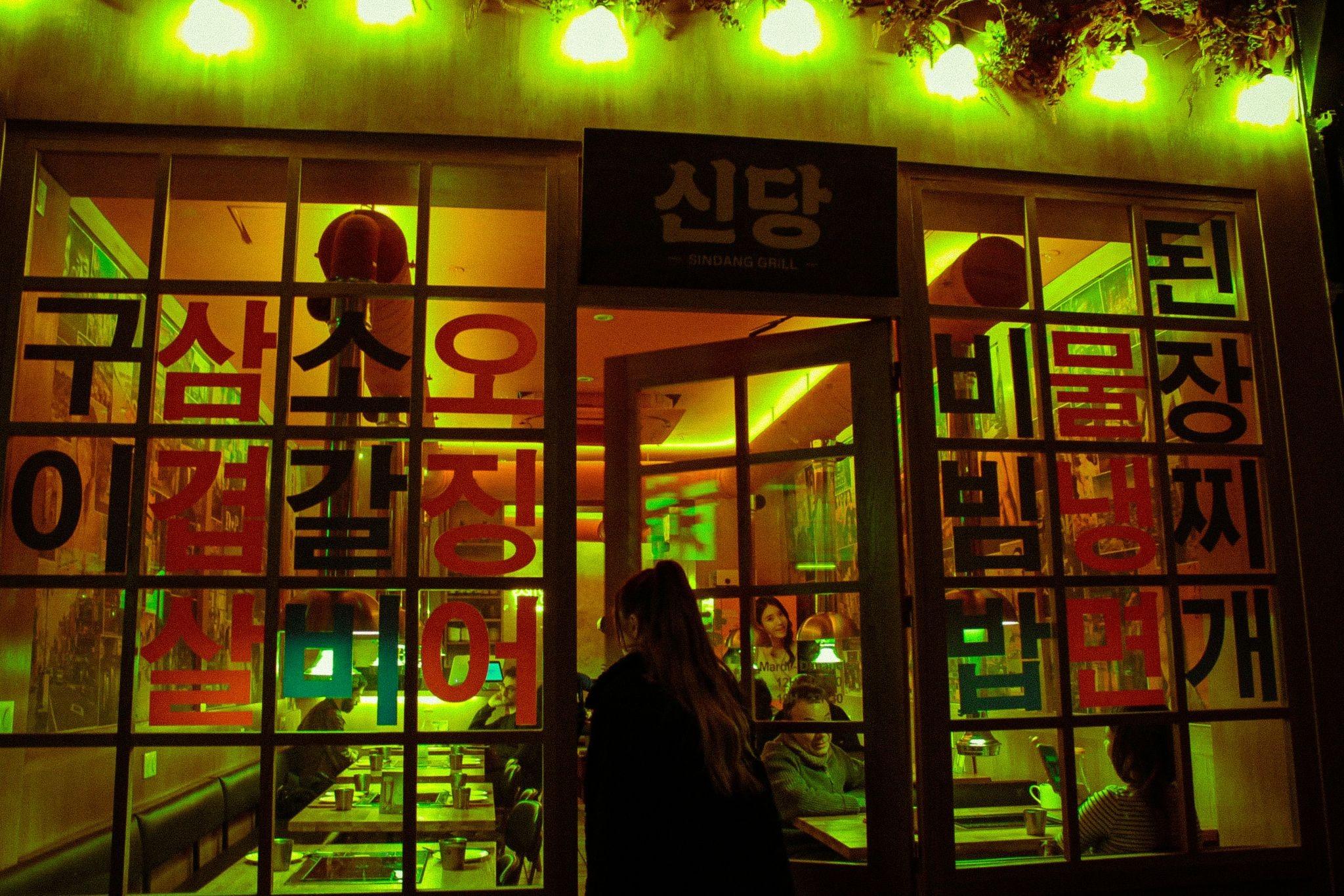
A menu in Gangnam can be overwhelming simply because there is so much choice. Rather than chasing every dish in one evening, use each meal for something different.
For Korean BBQ, start with samgyeopsal for a casual pork dinner, galbi for ribs, bulgogi for marinated beef, or hanwoo when premium Korean beef is the priority.
For comfort food, look for kimchi jjigae, sundubu jjigae with soft tofu, kalguksu knife-cut noodles, mandu dumplings, or tteokbokki.
Shared dishes work particularly well for groups. Dakgalbi combines spicy stir-fried chicken with vegetables, while bossam and jokbal are often ordered for the table. Korean fried chicken is another easy group meal, especially later in the evening.
Leave room for cafés as well. Bingsu, Korean-style cakes, pastries, specialty coffee, and seasonal drinks can easily become a separate stop between lunch and dinner.
Best Gangnam Dining Areas by Travel Style
Choosing a neighborhood first can be easier than scrolling through hundreds of individual restaurant results.
Travel Style | Best Area | Why It Works |
Korean BBQ | Gangnam, Nonhyeon, Yeoksam | Plenty of grilled-meat and casual dinner options |
First-time visitors | Gangnam Station | Dense restaurant selection and easy transport |
Cafés and brunch | Sinsa & Garosu-gil | Coffee, bakeries, boutiques, and slower-paced dining |
Upscale dining | Cheongdam & Apgujeong | Chef-led restaurants and premium experiences |
Families | Samseong & COEX | Dining, shopping, and entertainment in one area |
Nightlife and late meals | Gangnam Station & Nonhyeon | Restaurants, bars, fried chicken, BBQ, and late dinners |
Food plus shopping | Sinsa, Apgujeong & COEX | Easy to combine retail with cafés and restaurants |
How Much Does It Cost to Eat in Gangnam?
Gangnam has a reputation for being expensive, but dining is not limited to premium restaurants.
Casual meals such as noodles, soups, rice dishes, or quick lunches are widely available, particularly around office districts and subway stations. Mid-range Korean restaurants suit travelers looking for set meals, larger portions, or more comfortable dining rooms.
Korean BBQ prices vary considerably according to the meat. Standard pork restaurants sit at a different level from establishments specializing in hanwoo or aged beef.
At the upper end, premium BBQ and fine dining can become a significant part of the travel budget, particularly when tasting menus, wine, private rooms, or premium ingredients are involved.
Rather than relying on fixed prices in an article that will quickly date, check the restaurant’s latest menu before visiting. This is especially important for hanwoo and tasting-menu restaurants.
Korean meals are also frequently designed around shared dishes, which can make certain dinners more practical for couples or groups than for solo diners.
Tips for Dining in Gangnam
A few habits make restaurant-hopping easier:
- Reserve popular restaurants. Fine dining, premium BBQ, and well-known restaurants can fill up during dinner hours.
- Check minimum-order rules. Some BBQ restaurants expect each guest to order a minimum quantity of meat or may have policies designed around two or more diners.
- Expect sharing. BBQ, bossam, hotpots, and several other Korean dishes are commonly placed in the center of the table.
- Use Korean map and translation apps. They can provide more current menus, opening hours, and local reviews.
- Avoid peak times when possible. Lunch around office districts and Friday-night dinners can be especially busy.
- Check closing days. Smaller restaurants may close one day per week or adjust schedules around Korean holidays.
- Solo travelers should check ahead. Some BBQ and shared-dish restaurants are easier for groups, although Seoul has many solo-friendly alternatives.
Where to Stay When Exploring Gangnam and Seoul’s Food Scene
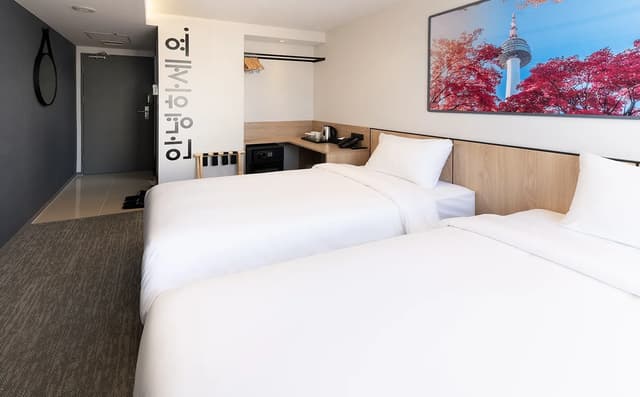
Staying directly in Gangnam is not essential if the trip includes several parts of Seoul. A central hotel can make more sense for travelers splitting their time between Gangnam, Myeongdong, palaces, markets, shopping districts, and Dongdaemun.
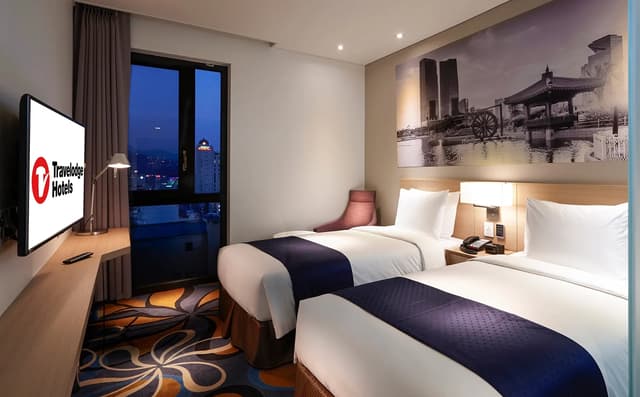
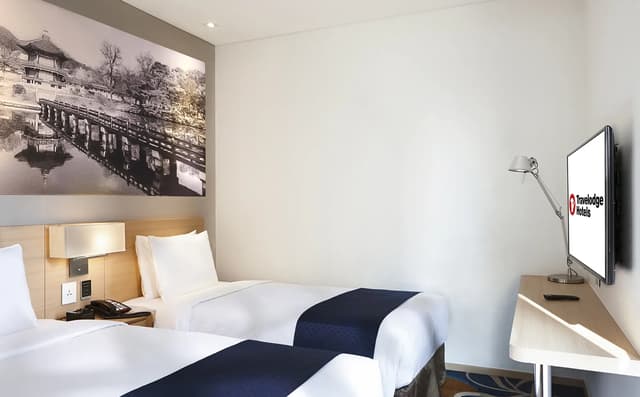
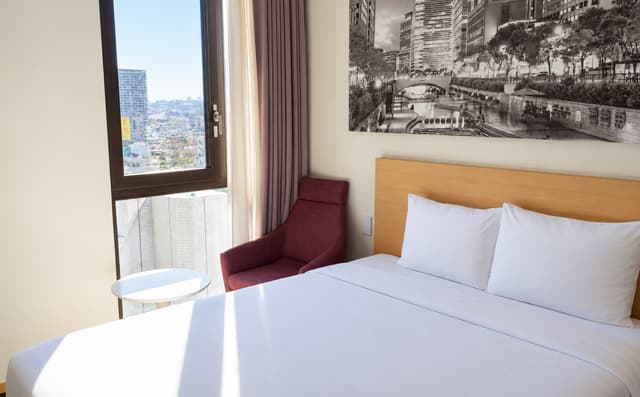
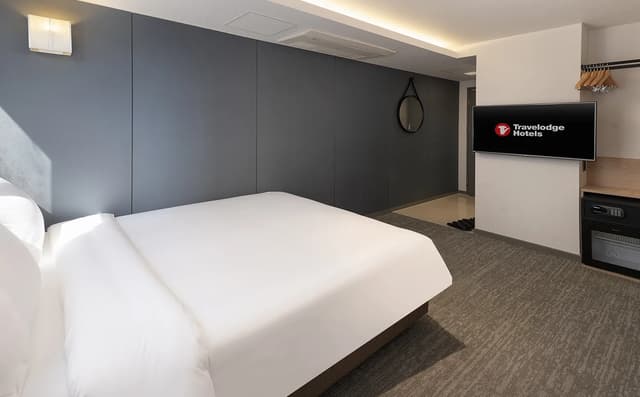
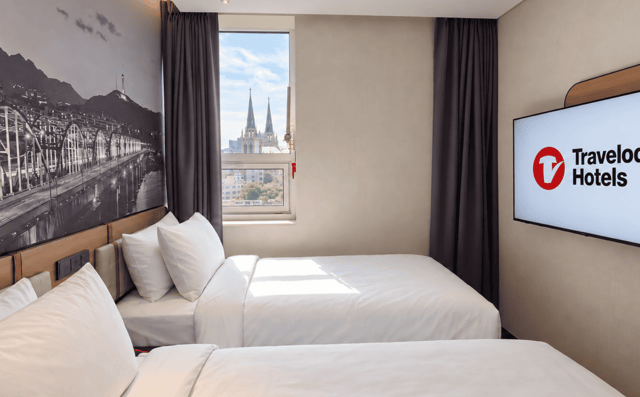
Travelodge's Comfort, Convenience, and Connectivity positioning works naturally for this style of trip. Comfortable rooms provide somewhere to recharge after a full day of restaurants and neighborhoods; practical city locations support sightseeing and dining across Seoul; and Wi-Fi helps with maps, restaurant bookings, menus, weather, and transport planning.
Travelers comparing a wider range of properties can explore hotels in South Korea or browse hotels in Seoul. Families can also compare family hotels in Seoul, while travelers watching accommodation costs can explore affordable hotels in Seoul.
Travelodge Gangnam Yeoksam Seoul
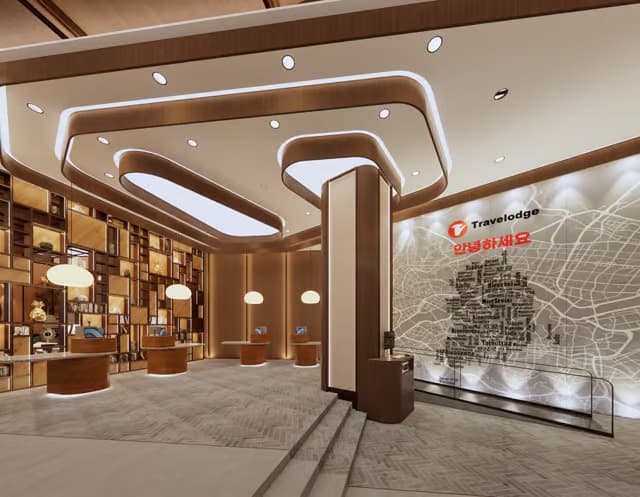
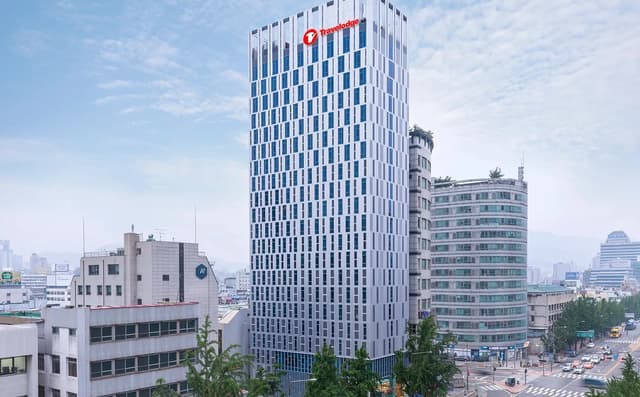
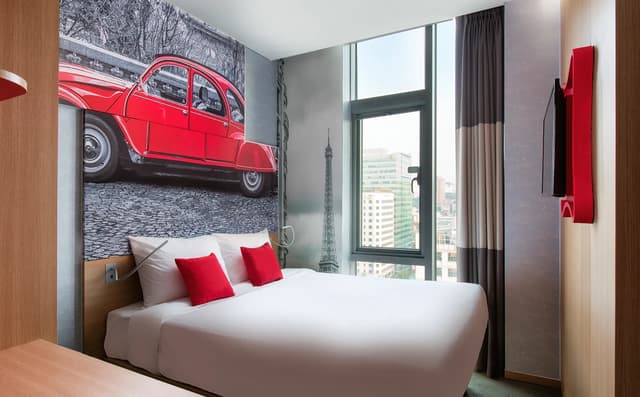
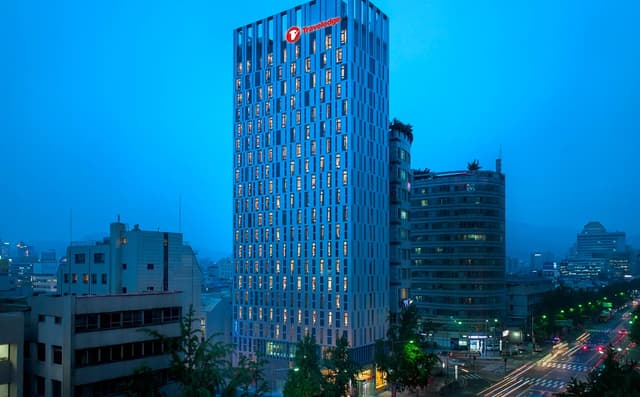
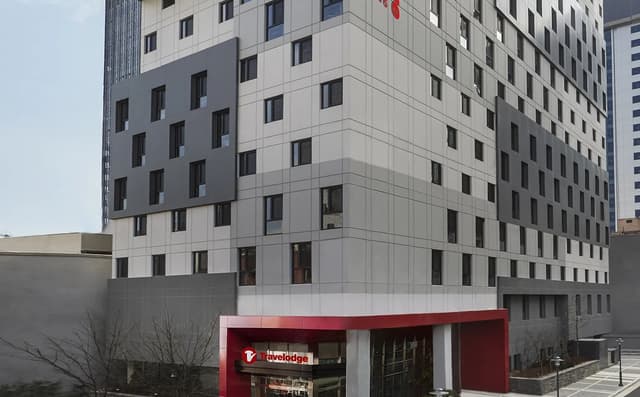
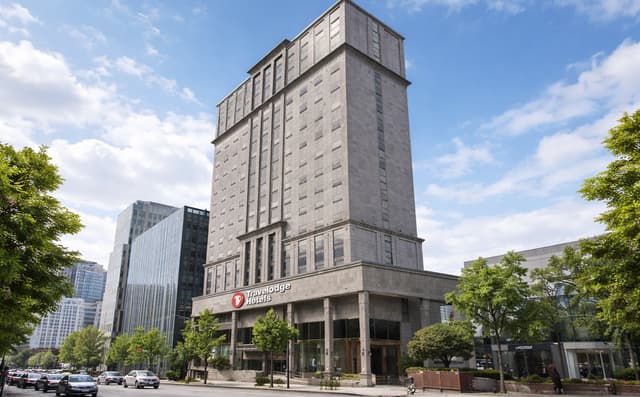
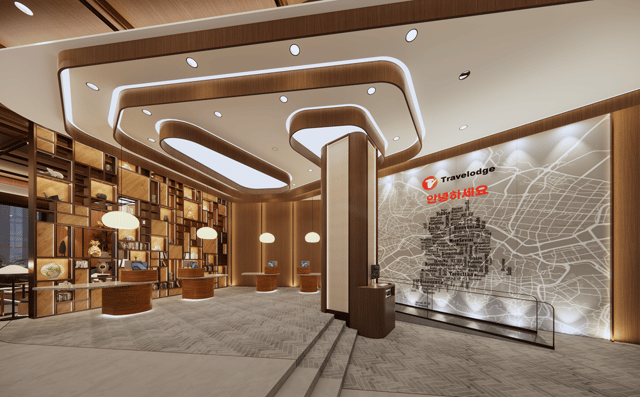
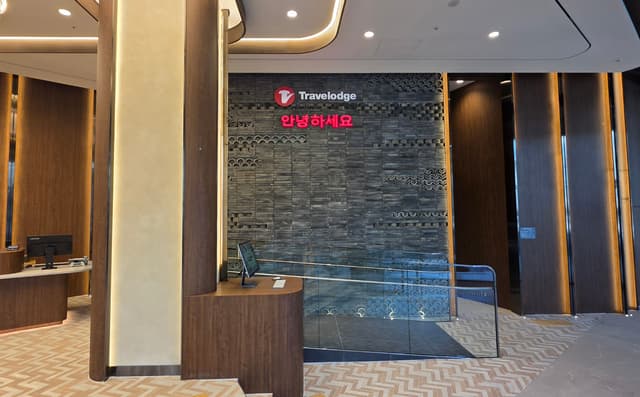
Travelodge Gangnam Yeoksam Seoul is an upcoming hotel located in the heart of Seoul's vibrant Gangnam district. Opening in Autumn 2026, it will be the first Travelodge hotel in Gangnam and the largest Travelodge property in Asia, offering 360 thoughtfully designed rooms for business and leisure travelers.
Conveniently located near Yeoksam Station, COEX, shopping, dining, and major business hubs, the hotel combines smart comfort with exceptional value. Explore what's coming, preview our rooms and facilities, and discover why Travelodge Gangnam Yeoksam Seoul will be your ideal base for your next visit to Seoul.
Travelodge Myeongdong Euljiro: A Central Base for Food and Sightseeing
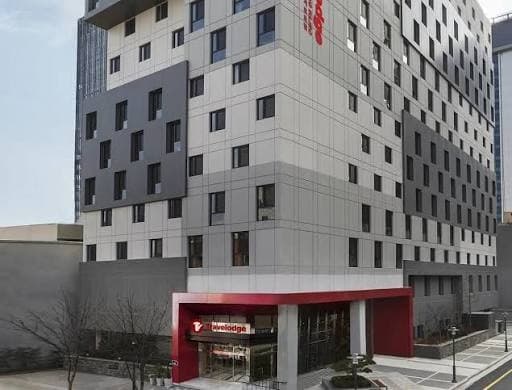
Travelodge Myeongdong Euljiro works well for first-time visitors who want Gangnam to be one part of a broader Seoul itinerary.
The hotel is around 350 meters from Euljiro 3-ga Station, served by Subway Lines 2 and 3; the official hotel information specifically notes direct subway access toward Gangnam, Dongdaemun, and other major shopping districts. Myeongdong Shopping Street is approximately 600 meters away. Complimentary Wi-Fi and self-service laundry add useful Stream and Spin elements for longer stays.
This setup makes it easy to spend one evening eating south of the river, another around Myeongdong or Euljiro, and a third exploring traditional markets without changing hotels
For travelers interested in this part of central Seoul, browse more hotels in Myeongdong.
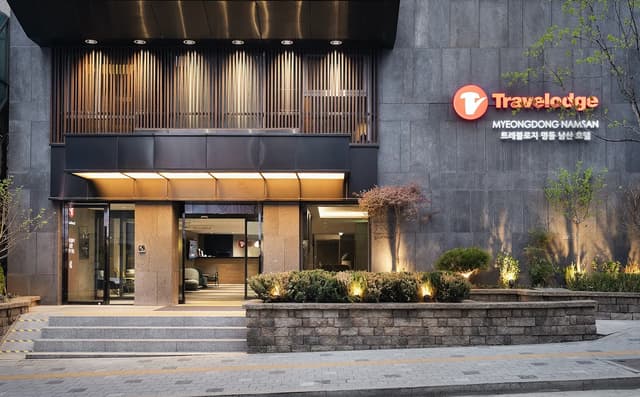
Travelodge Myeongdong Namsan: For a Multi-Neighborhood Food Trip
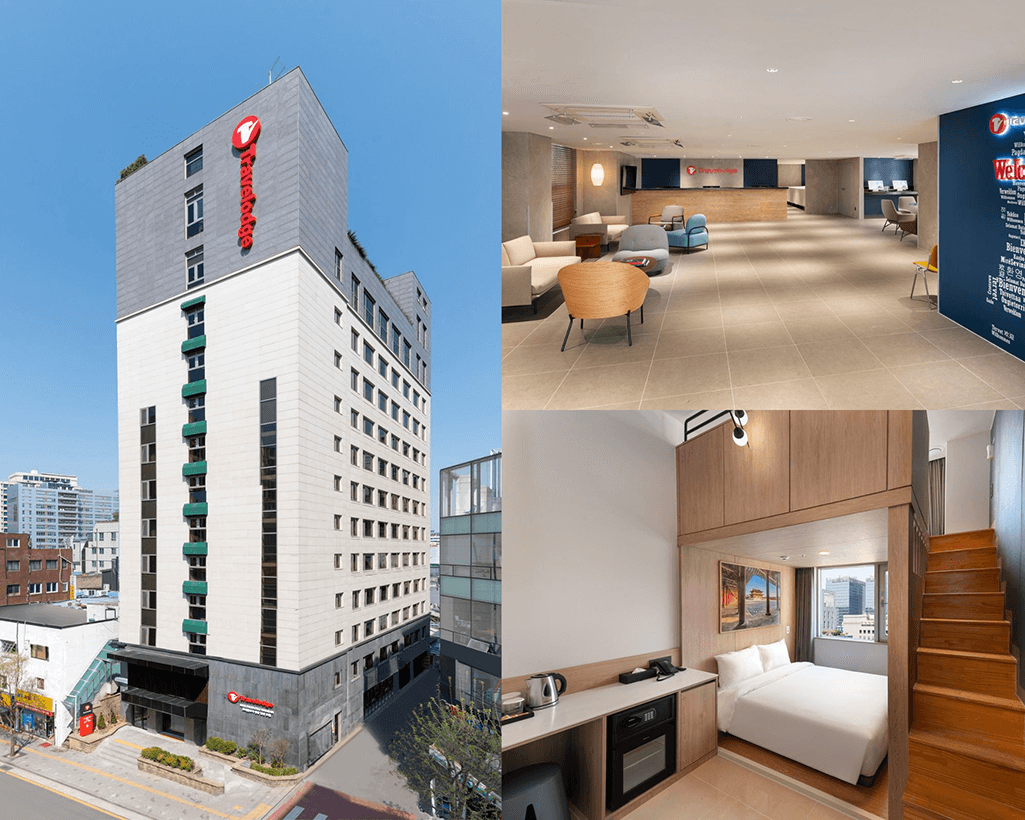
Travelodge Myeongdong Namsan is another useful central option, especially for travelers combining restaurant trips with Myeongdong, Namdaemun, Namsan, and other central attractions.
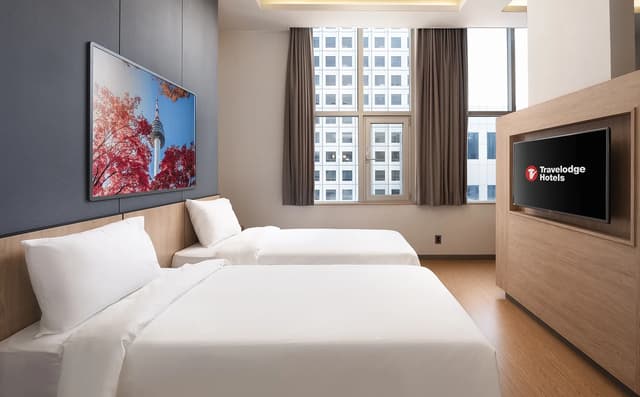
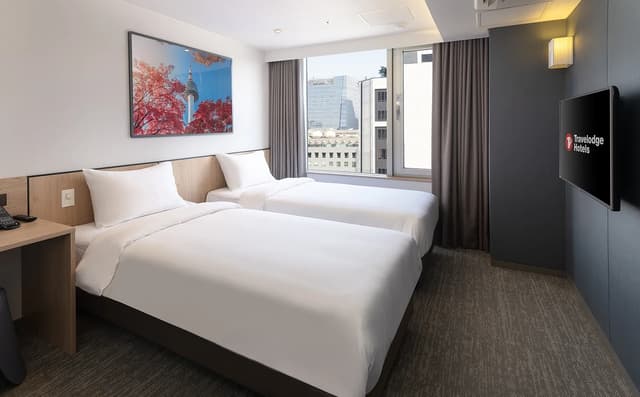
Myeongdong Shopping Street about 350 meters away and Chungmuro Station about 400 meters from the hotel. Rooms include free Wi-Fi, supporting the connectivity needed for restaurant searches and route planning.
Rather than staying exclusively in Gangnam, food-focused travelers can use Myeongdong as a central base and dedicate individual days or evenings to Gangnam, Sinsa, Cheongdam, or COEX.
Booking directly through the Travelodge Hotels Asia website also makes it easier to compare official room types, available promotions, and member benefits.
Travelodge Dongdaemun Seoul: For Dining, Shopping, and Late Evenings
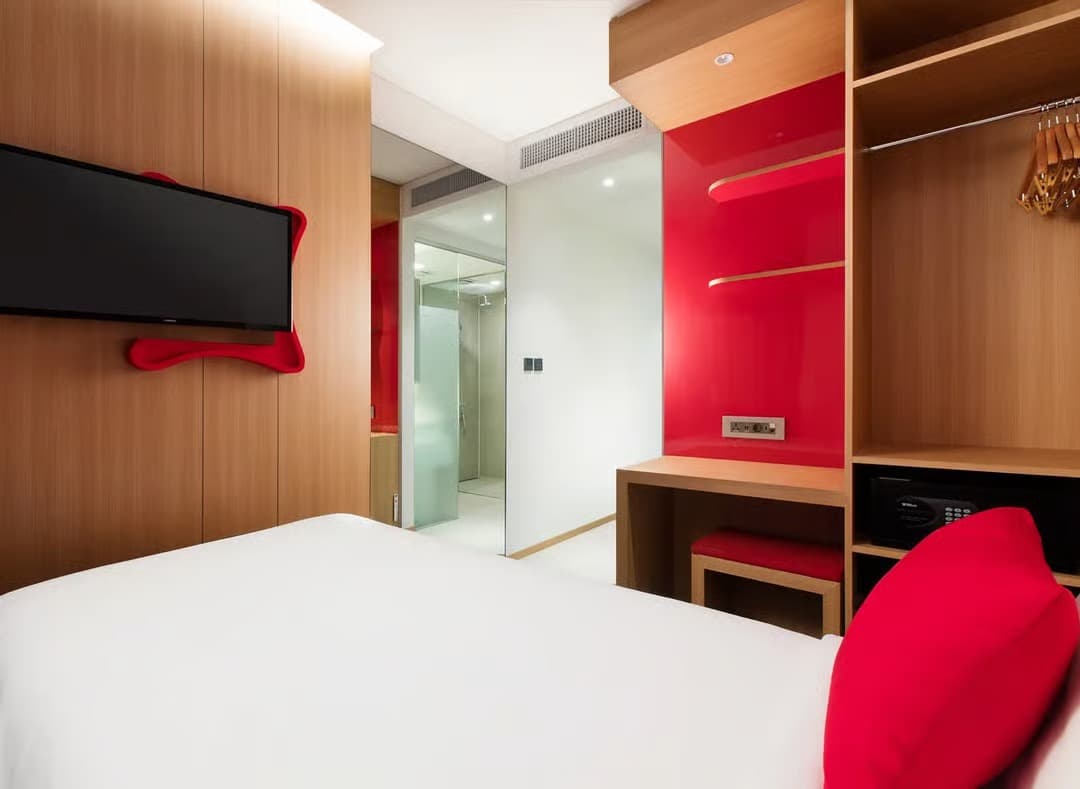
Travelodge Dongdaemun Seoul suits visitors who want Gangnam dining to sit alongside Dongdaemun shopping, markets, and evening exploration.
The hotel is approximately a five-minute walk from Dongdaemun History & Culture Park Station, while Dongdaemun Design Plaza is listed at around 500 meters. The hotel also offers free Wi-Fi in common areas and self-service laundry.
Those practical facilities matter on a longer Seoul trip. Snooze supports comfortable rest after a late restaurant evening, Spin makes multi-day stays easier, and Stream supports restaurant research, transport planning, and reservations.
Travelers comparing all available properties can also explore Travelodge hotels or visit Travelodge Hotels Asia directly.
Discover Gangnam One Meal at a Time
Exploring restaurants in Gangnam Seoul becomes much more interesting once Gangnam is treated as a collection of neighborhoods rather than one restaurant district. A single trip can move from sizzling Korean BBQ around Gangnam Station and Nonhyeon to a quiet Korean lunch near Sinsa, café hopping around Garosu-gil, contemporary dining in Cheongdam, and an easy family meal around COEX.
There is no need to choose only one side of the city, either. A well-connected central hotel makes it possible to explore Gangnam while keeping Myeongdong, Dongdaemun, traditional markets, and Seoul’s historic areas within the same itinerary. Choose a Travelodge property that fits the neighborhoods you plan to explore, then book directly through Travelodge Hotels Asia to check official rates, current promotions, and available member benefits.
For frequent travelers, joining the Travelodge membership program adds another layer of value to direct bookings. Members can earn early check-in, late check-out, exclusive member rates, and special offers, subject to program terms and availability.
The best food trip through Gangnam does not have to be built around one famous table. Pick a neighborhood, arrive hungry, and give yourself enough time to see where the evening leads.