


Share article
Japan Autumn Itinerary 7 Days: Nagoya, Kyoto, and Osaka

Aiko Sato
-1.jpg)
Autumn brings a gentler rhythm to Japan. Summer's humidity gives way to cooler walking weather, maple leaves brighten temple gardens, and seasonal flavors begin appearing on menus and market stalls. For travelers with one week to spare, this 7-day Japan autumn itinerary connects Nagoya, Kyoto, and Osaka in a compact journey that still leaves room to enjoy each city rather than simply passing through.
The route works particularly well in fall because the three cities offer very different interpretations of the season. Nagoya combines castle grounds and local food with access to nature, Kyoto is the centerpiece for temples framed by crimson maples, and Osaka ends the trip with lively neighborhoods, street food, and easygoing urban exploration. November is generally considered one of the strongest months for viewing autumn colors across much of Japan, although the timing varies by region and weather conditions each year.
Hello Autumn Sale
 Book directly on our official website and save up to 45% on your next hotel stay across Asia, with hotel deals in Japan, South Korea, Singapore, Malaysia, Hong Kong, Thailand, and more.
Booking Period: 5 August – 31 October 2026
Stay Period: 7 August 2026 – 31 July 2027
Length of Stay: Minimum 3 nights, Maximum 7 nights
Room rate excludes breakfast
Members enjoy up to 5% cashback after checkout!
If you are not a member yet, register Travelodge Membership for free to unlock the Hello Autumn Sale rate.
Join Membership and Save 45% Today
How to Plan a 7-day Japan Autumn Itinerary
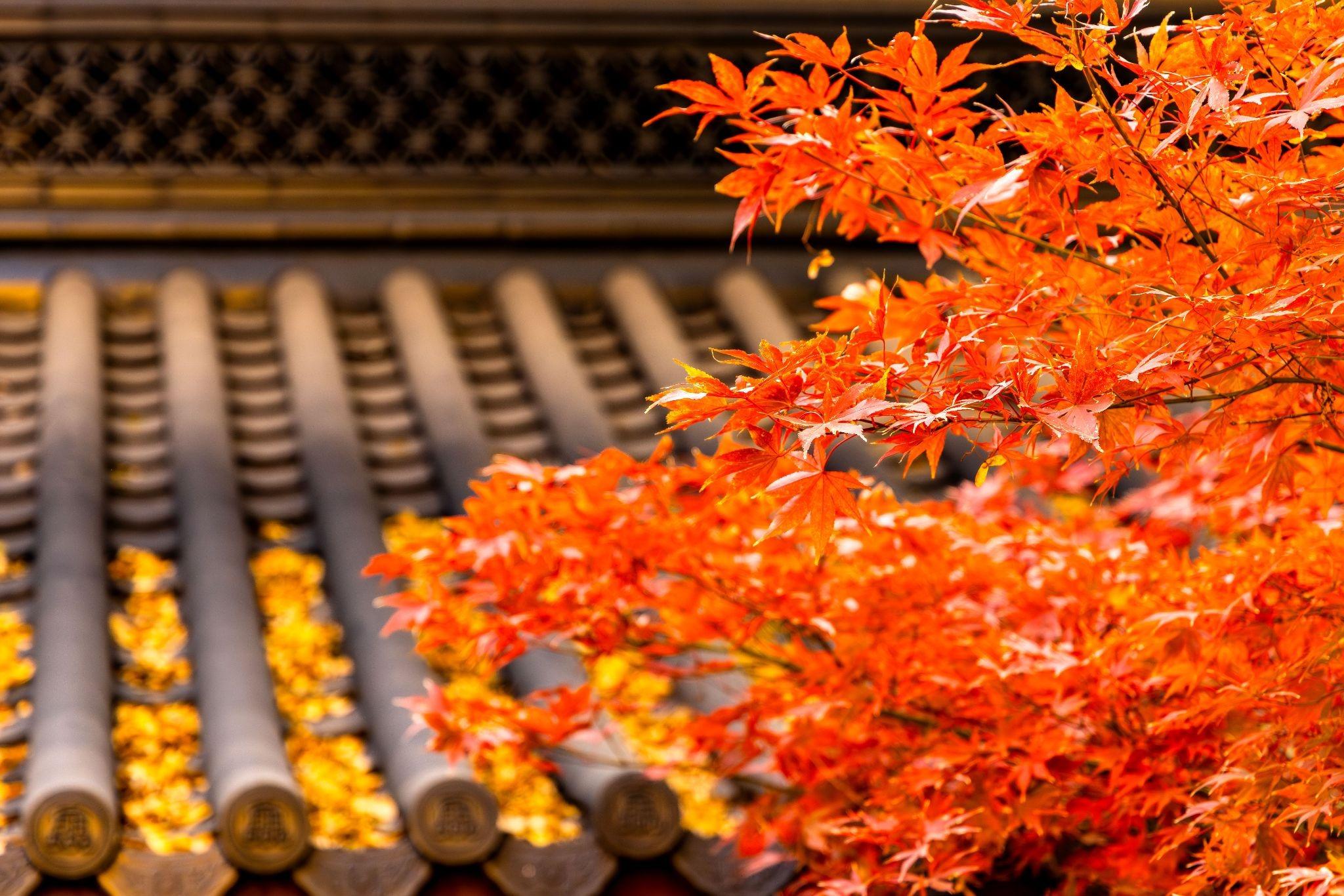
For a one-week journey, keeping the route linear helps preserve more time for sightseeing. Starting from Nagoya, then continuing to Kyoto and Osaka as the last destination is straightforward geographically, with each city connected by Japan's extensive rail network. It also creates a natural progression from a comparatively relaxed start to Kyoto's historic districts and, finally, Osaka's energetic food and entertainment scene.
A practical breakdown looks like this:
- Days 1-2: Nagoya
- Days 3-4: Kyoto's eastern and central districts
- Day 5: Arashiyama, Nara, or an extra Kyoto day
- Days 6-7: Osaka
The schedule is deliberately selective. Seven days is enough to see the highlights, but not if every temple, shopping district, and day-trip possibility is treated as essential. Choosing attractions by neighborhood keeps travel time under control and makes the itinerary feel far less rushed.
Autumn also rewards some flexibility. Japan's fall colors do not peak everywhere simultaneously, and JNTO notes that leaves in Kyoto typically become especially noticeable from around mid-November. Checking current foliage conditions shortly before the trip can help determine which gardens, temples, or nature excursions deserve priority.
Days 1-2—Start Your Japan Autumn Itinerary in Nagoya
Nagoya makes a practical first destination because it offers major cultural attractions and memorable regional food without requiring the same intensive sightseeing pace as Kyoto. Two days provide enough time for one city-focused day followed by a dedicated autumn excursion.
Day 1—Nagoya Castle, Osu, and Sakae
Begin at Nagoya Castle, ideally in the morning or early afternoon. The castle grounds remain one of Nagoya's defining historic sights, although travelers should note that the Main Tower Keep is currently closed to visitors. The reconstructed Hommaru Palace, castle grounds, gates, stone walls, and seasonal gardens still make the complex worth including in the itinerary.
Afterward, move south toward Osu Kannon and Osu Shopping Street. The neighborhood feels considerably more casual, with covered shopping arcades, vintage stores, cafés, street food, electronic shops, and small restaurants. It is a good place to spend a few hours without following a strict sightseeing checklist.
Finish the day around Sakae, one of Nagoya's main shopping and entertainment districts. Dinner is an opportunity to begin exploring Nagoya meshi, the city's distinctive food culture. Try miso katsu, a pork cutlet served with rich red miso sauce, or hitsumabushi, grilled eel over rice traditionally eaten in several stages.
Keeping Day 1 concentrated in central Nagoya also gives the itinerary some breathing room after arrival. There is little benefit in squeezing Atsuta Jingu, multiple museums, and several shopping districts into the same afternoon simply because they are technically reachable.
Day 2—See Autumn Colors at Korankei Gorge
Make Day 2 the most nature-focused day in Nagoya by heading to Korankei Gorge in Toyota City.
Korankei is one of Aichi Prefecture's best-known autumn destinations, with around 4,000 maple trees coloring the hillsides and the banks of the Tomoe River. November is traditionally the highlight of the season, when the annual Korankei Maple Festival adds another reason to visit.
This is not a quick suburban stop, so treat it as a genuine day trip. Reaching Korankei by public transport requires several connections from central Nagoya, followed by an approximately 57-minute bus journey from Josui Station. Allow roughly 1.5 to 2 hours each way depending on connections and seasonal crowds.
Once there, keep the day simple. Walk along the river, explore the paths around Mt. Iimori, visit Kojakuji Temple, and spend some time in the historic Asuke area.
If the long journey feels excessive, especially after a late arrival on Day 1, stay in Nagoya instead. Tokugawaen Garden offers a much easier urban autumn alternative and avoids sacrificing several hours to transportation.
Where to Stay in Nagoya—Travelodge Nagoya Sakae
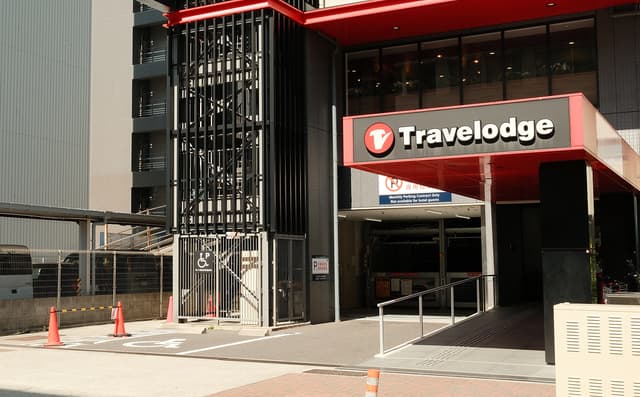
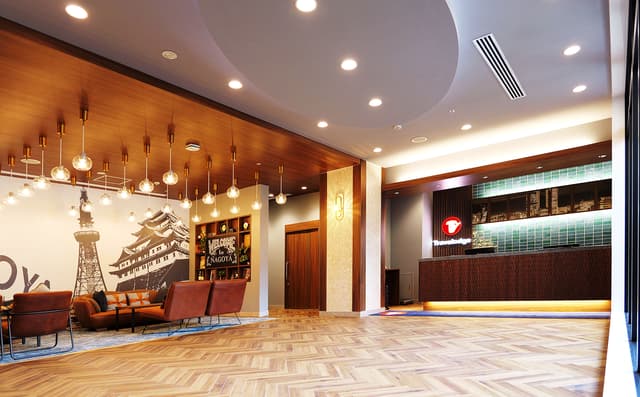
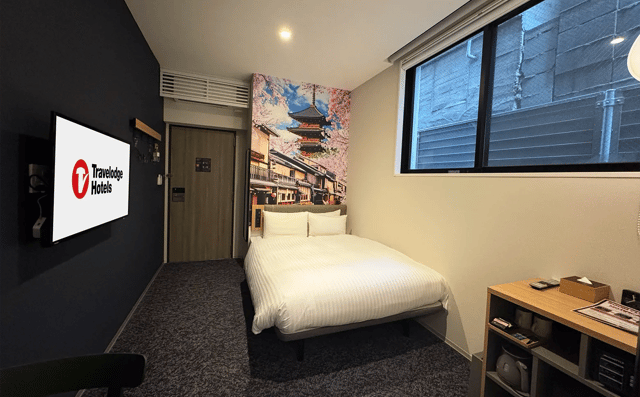
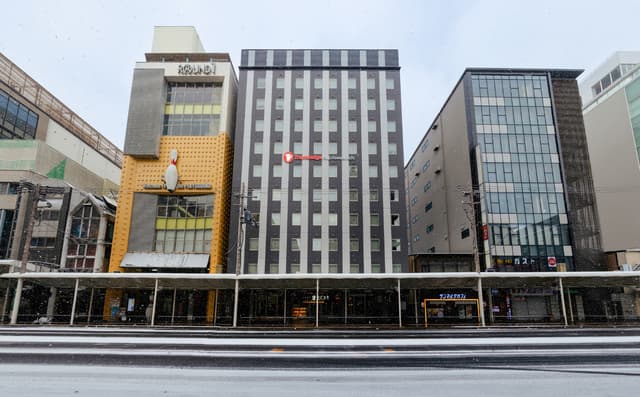
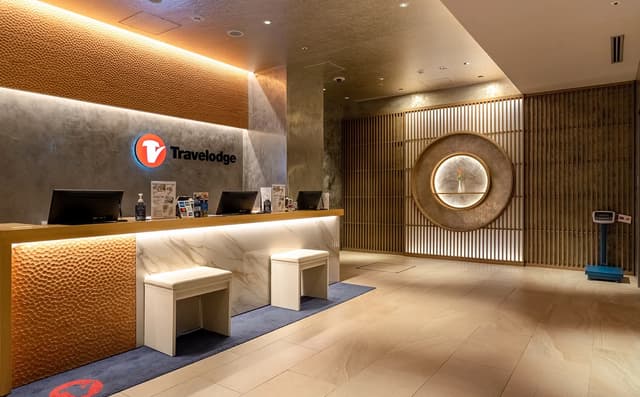
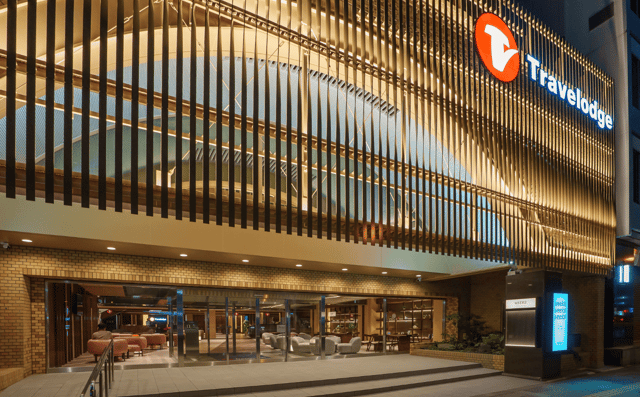
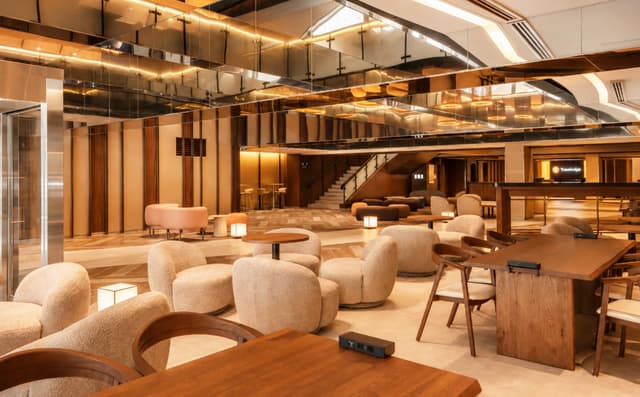
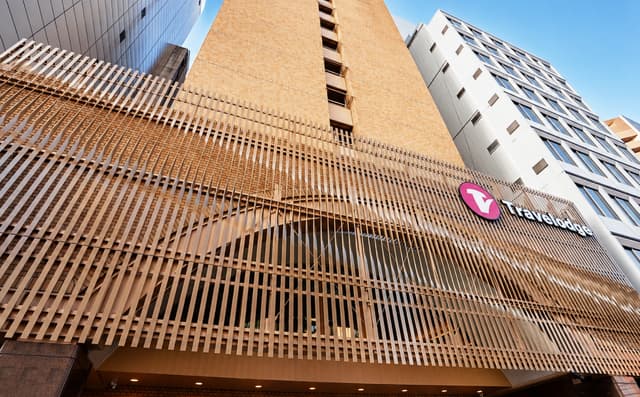
Travelodge Nagoya Sakae provides a practical base for the first two days. Located in the central Sakae area, the hotel is within walking distance of multiple subway stations and provides straightforward access to Nagoya's major districts.
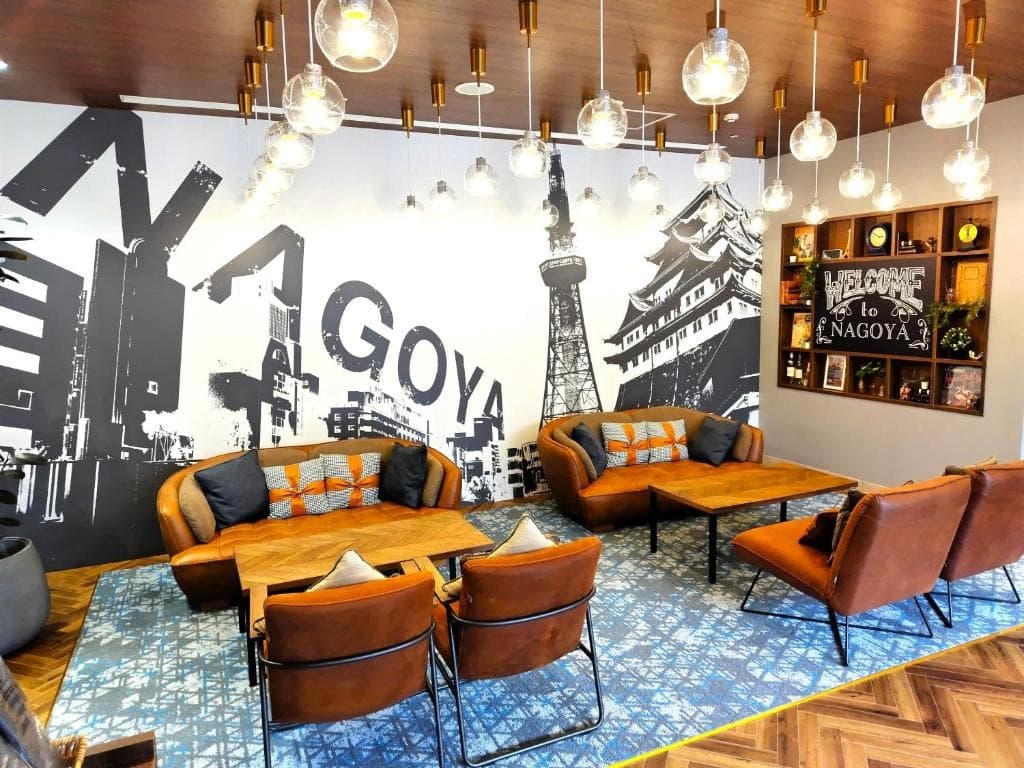
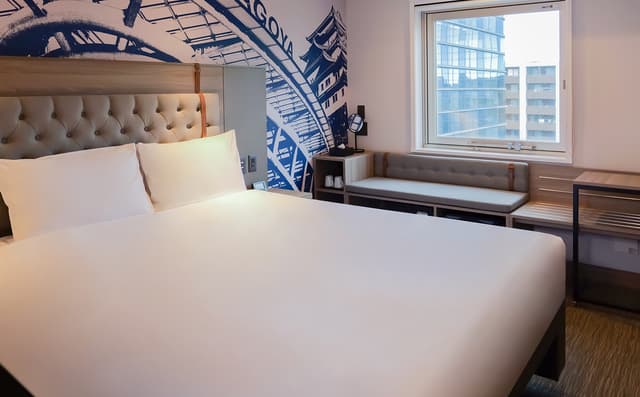
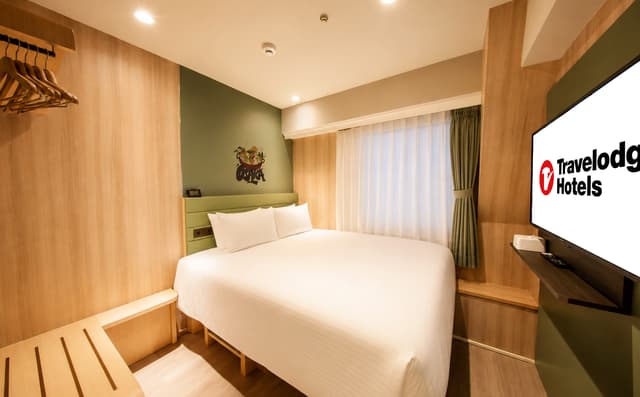
Its location becomes particularly useful on Day 3, when an early departure for Kyoto helps preserve most of the day for sightseeing. Comfortable rooms, Wi-Fi, luggage storage, and self-service laundry also support Travelodge's emphasis on Comfort, Convenience, and Connectivity during a multi-city journey.
When possible, book directly through Travelodge Hotels Asia to compare official rates, current promotions, and applicable member benefits.
Day 3—Travel from Nagoya to Kyoto and Explore Central Kyoto
After breakfast, check out and make your way to Nagoya Station.
The transition between the first two cities is remarkably efficient. The Tokaido Shinkansen connects Nagoya Station and Kyoto Station in approximately 34 minutes on Nozomi, while Hikari services can take around 43 minutes depending on the train.
Even after allowing time to reach Nagoya Station, board the train, and drop luggage at the Kyoto hotel, traveling in the morning should still leave much of day 3 available.
Day 3 Afternoon—Nishiki Market, Kawaramachi, and Pontocho
Rather than immediately attempting one of Kyoto's major temple routes, keep the first afternoon concentrated around central Kyoto.
Begin with Nishiki Market, where narrow lanes are lined with stalls and stores selling Japanese sweets, pickles, seafood, tea, seasonings, kitchenware, and seasonal snacks. It is compact enough to explore without consuming the entire afternoon.
Continue toward the Teramachi and Shinkyogoku shopping arcades, then gradually move toward Kawaramachi and the Kamo River.
As evening approaches, explore Pontocho and the surrounding streets. Restaurants, narrow alleys, and riverside views provide a gentler introduction to Kyoto before the heavier sightseeing planned for the following two days.
Day 4—Kiyomizu-dera, Higashiyama, and Kyoto's Autumn Temples
Day 4 is the most temple-focused part of the Japan autumn itinerary, so start early. Popular areas in Kyoto become particularly busy during peak foliage season, especially in the second half of November.
Kiyomizu-dera and Historic Higashiyama
Begin at Kiyomizu-dera before the largest daytime crowds arrive. The temple's hillside setting becomes particularly striking in autumn as maple trees surrounding its famous wooden terrace change from green to shades of orange and crimson.
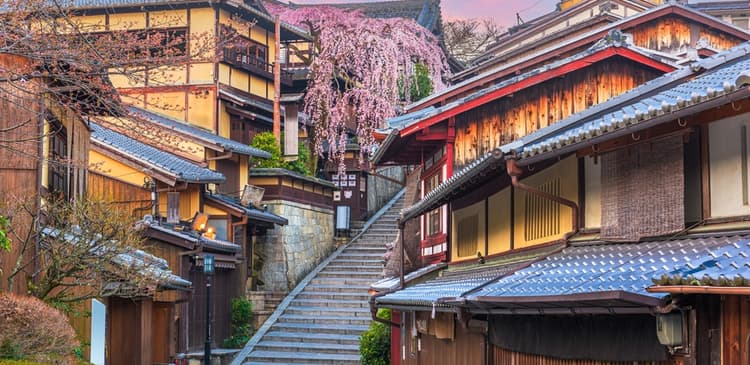
From Kiyomizu-dera, walk downhill through Sannenzaka and Ninenzaka. The preserved streets, traditional architecture, small shops, cafés, and temple views make the walk itself part of the experience rather than simply a connection between landmarks.
Continue toward Yasaka Shrine and Gion, stopping for lunch somewhere around Higashiyama rather than crossing the city unnecessarily.
Nanzen-ji and Eikando
If energy levels are still good, continue north toward Nanzen-ji and nearby Eikando.
Eikando is particularly celebrated for autumn foliage, while Nanzen-ji offers spacious temple grounds and a calmer atmosphere. Both are usually at their seasonal best toward the second half of November, although conditions change each year.
Travelers who prefer a slower pace can choose one rather than both. A successful Kyoto itinerary is rarely the one with the most temples checked off a list.
Finish the day around Gion, Kawaramachi, or the Kamo River and leave the evening relatively unscheduled.
Day 5—Spend a Full Autumn Day in Arashiyama
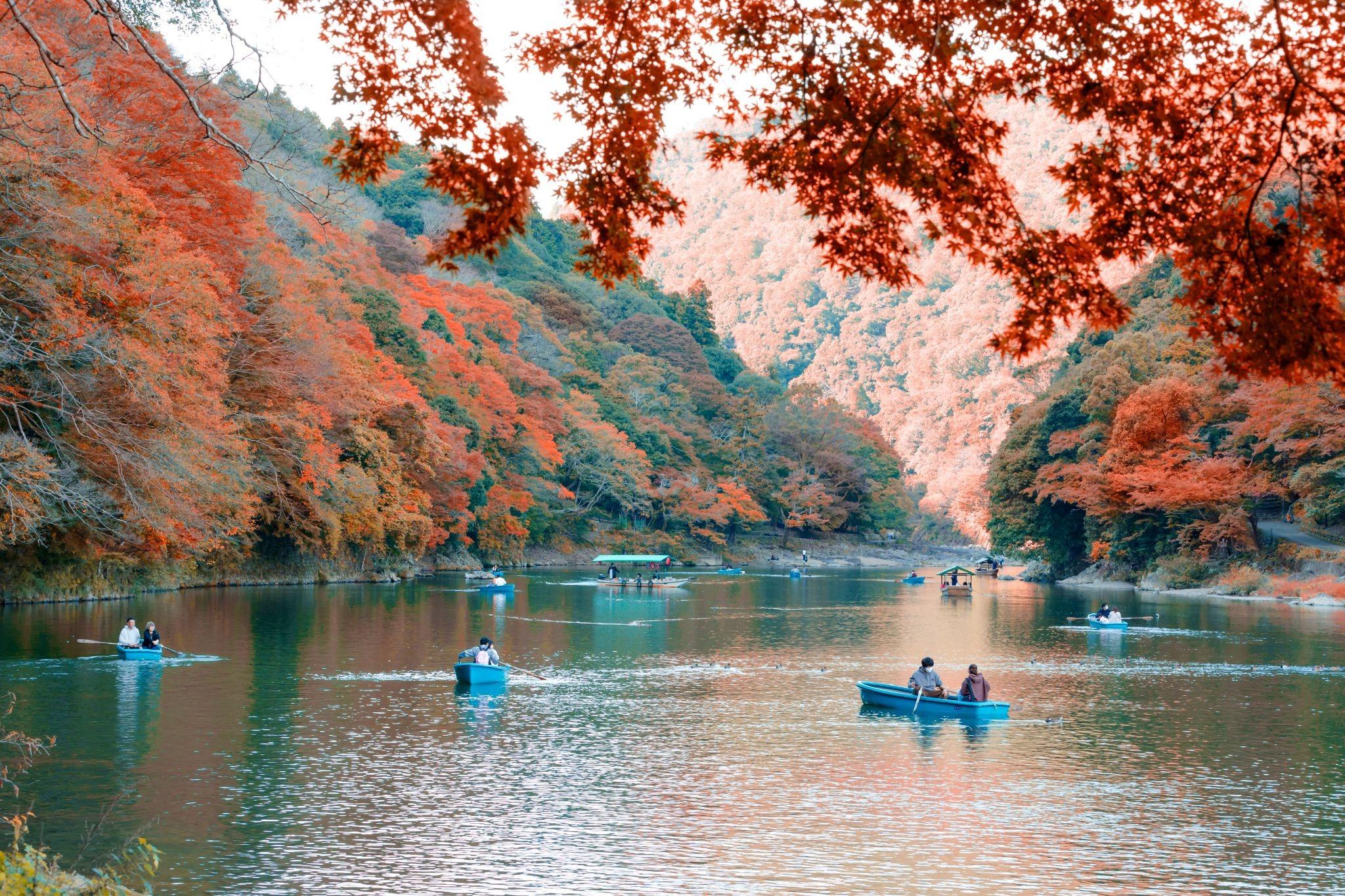
Instead of adding Nara and another city transfer, use Day 5 to explore Arashiyama properly. This keeps the seven-day route more realistic while giving Kyoto enough time to justify three nights in the city.
Arrive early and start at the Arashiyama Bamboo Grove before moving toward Tenryu-ji. The bamboo grove is the district's most famous sight, but it should not be treated as the sole reason to visit.
Continue toward Togetsukyo Bridge and the Katsura River, where forested hills provide a broad seasonal backdrop. During the second half of November, the Arashiyama area is traditionally one of Kyoto's prominent places for autumn foliage.
Travelers particularly interested in fall color can continue to temples such as Jojakko-ji rather than return to central Kyoto for another attraction.
By late afternoon, head back toward the hotel. Use the final evening in Kyoto for a relaxed dinner, shopping around Kawaramachi, or another walk beside the Kamo River.
Where to Stay in Kyoto—Two Travelodge Options
For three nights in Kyoto, the choice between Travelodge's two properties depends largely on preferred surroundings.
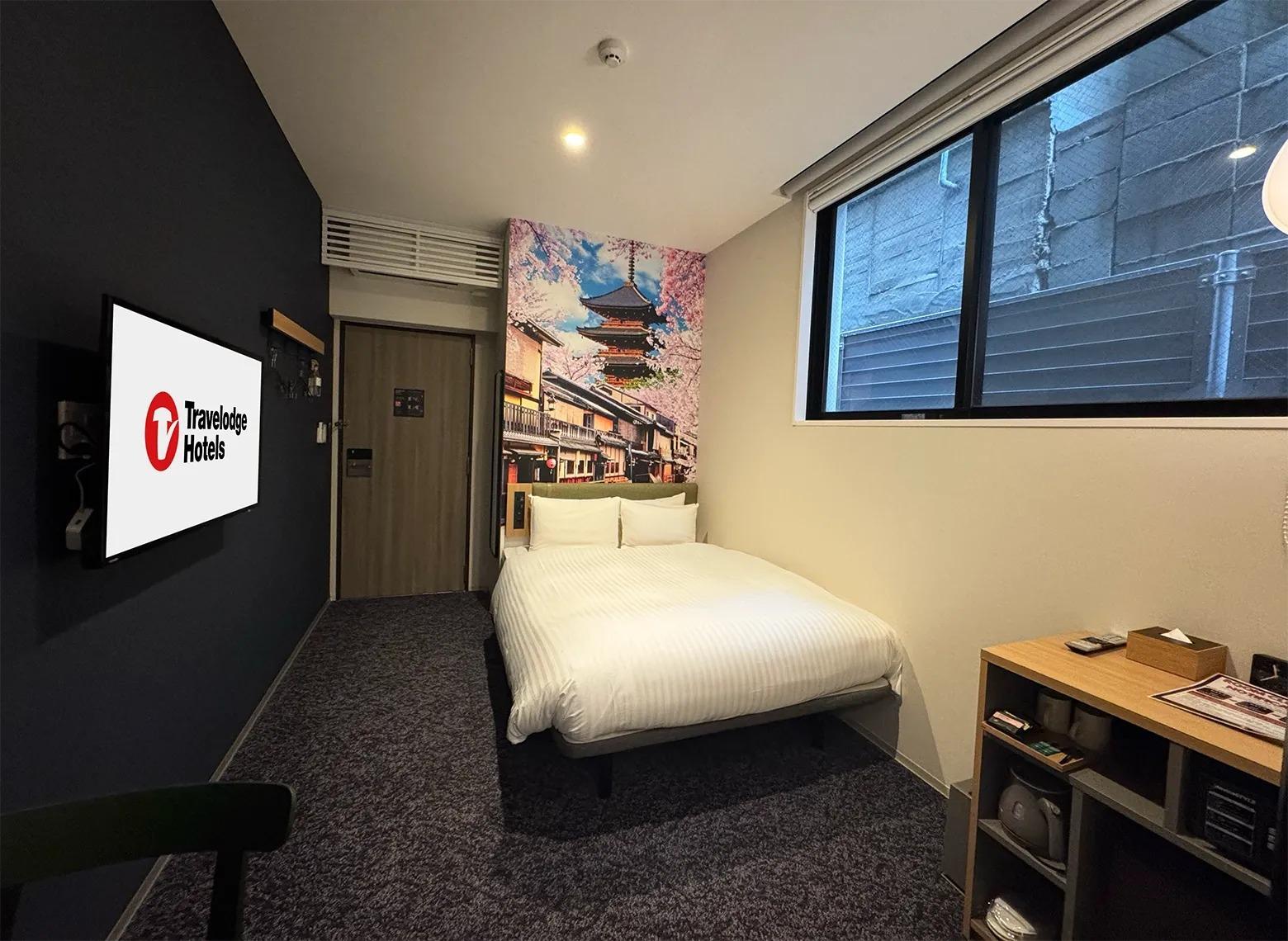
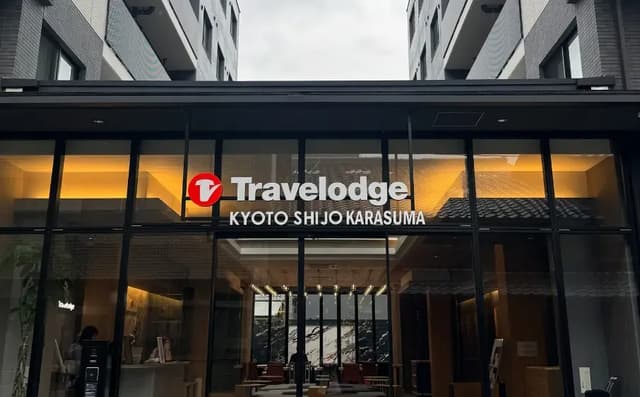
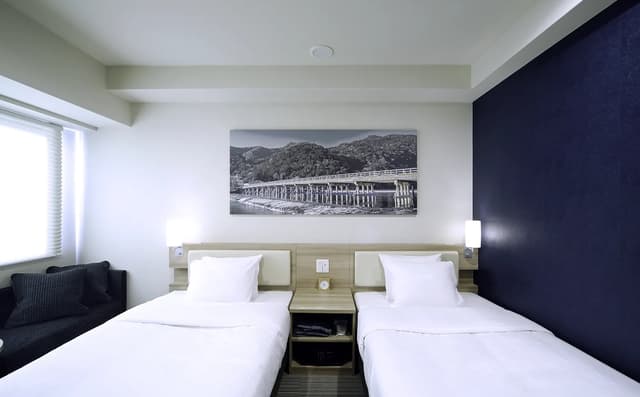
Travelodge Kyoto Shijo Karasuma is well-suited for travelers who prioritize transportation. Hankyu Omiya Station is about 300 meters away, while the nearby Shijo Horikawa bus stop offers connections to Gion, Kiyomizu-dera, and Arashiyama. The hotel also provides self-service laundry and a 24-hour front desk.
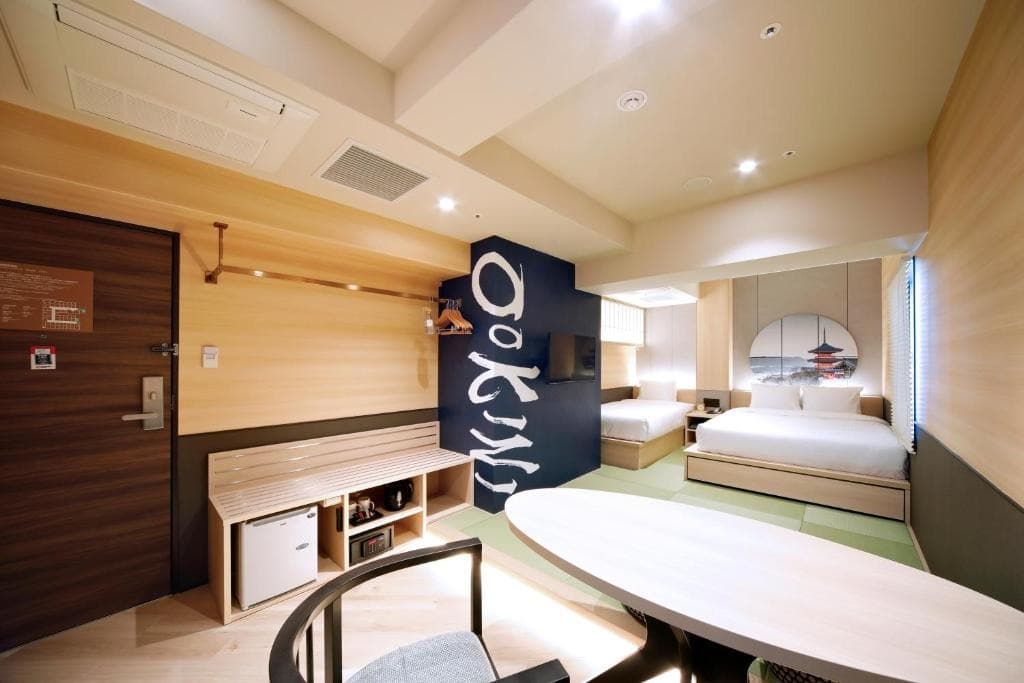
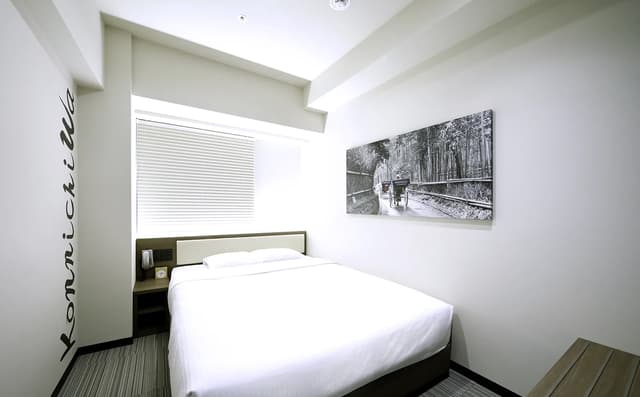
Travelodge Kyoto Shijo Kawaramachi places travelers closer to Kyoto's central dining, shopping, and evening atmosphere. Hankyu Kawaramachi Station is only a short walk away, with Gion, Pontocho, Nishiki Market, and the Kamo River conveniently positioned for exploring central Kyoto.
Both effectively support a three-day stay in Kyoto. Choose Shijo Karasuma for transport-oriented convenience or Shijo Kawaramachi if stepping outside into Kyoto's central dining and shopping districts matters more.
Day 6—Travel from Kyoto to Osaka, Then Explore Osaka Castle and Dotonbori
There is no need to devote half a day to traveling between Kyoto and Osaka.
From Kyoto Station to Osaka Station, the JR Special Rapid Service takes approximately 30 minutes. Travelers already staying in central Kyoto can alternatively use the Hankyu Railway from the Karasuma or Kawaramachi area toward Osaka-Umeda, with the journey taking around 45 minutes.
Because the cities are so close, check out in the morning, leave luggage at the Osaka hotel, and begin sightseeing before lunch.
Day 6 Morning and Afternoon—Osaka Castle
Start at Osaka Castle and Osaka Castle Park. Autumn foliage around the extensive park adds seasonal color without requiring another trip beyond the city.
Allow time to explore the surrounding grounds rather than treating the castle as a photo stop. After several days of temple-heavy sightseeing in Kyoto, the larger park environment also changes the pace of the trip.
Have lunch nearby, then head to south toward central Osaka afterward.
Day 6 Evening—Shinsaibashi and Dotonbori
Spend the second half of the day around Shinsaibashi. Walk along Shinsaibashi-suji Shopping Street, browse side streets, and gradually continue toward Dotonbori.
Arriving in Dotonbori toward sunset lets the neighborhood change around you as illuminated signs begin dominating the canal.
Dinner is also the right time to explore Osaka's famously casual food culture. Takoyaki, okonomiyaki, and kushikatsu are obvious places to begin, but there is no need to turn the evening into a restaurant-hopping challenge. Pick one or two dishes, explore slowly, and enjoy the neighborhood after dark.
Day 7—Kuromon Market, Umeda, and a Relaxed Final Day
Keep the final day adaptable to the departure schedule.
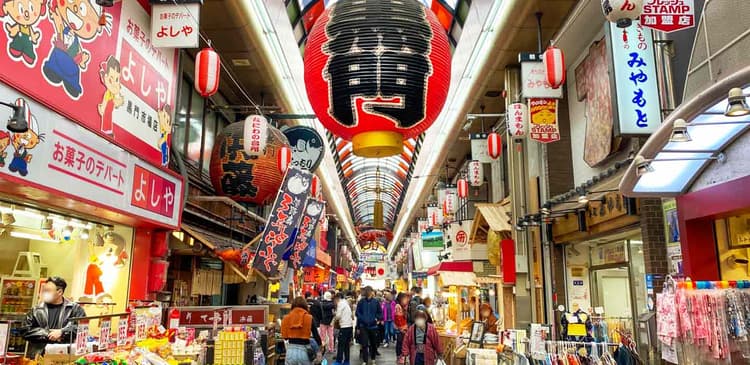
Start at Kuromon Market, particularly if food is a major interest. The covered market is known for seafood, produce, Japanese ingredients, snacks, and small meals that work particularly well in the morning.
Afterward, head north toward Umeda for department stores, cafés, restaurants, and a more contemporary side of Osaka. Keeping the final afternoon around a major transportation hub also makes onward travel easier.
If day 7 is not a departure day and autumn scenery remains the priority, Minoh Park can replace Umeda. The wooded park north of central Osaka is known for its walking trail and seasonal foliage, but it deserves several hours and should not be squeezed into a day with an early airport transfer.
That flexibility makes day 7 considerably more useful than forcing another long list of attractions into the itinerary.
Where to Stay in Osaka—Honmachi or Shinsaibashi
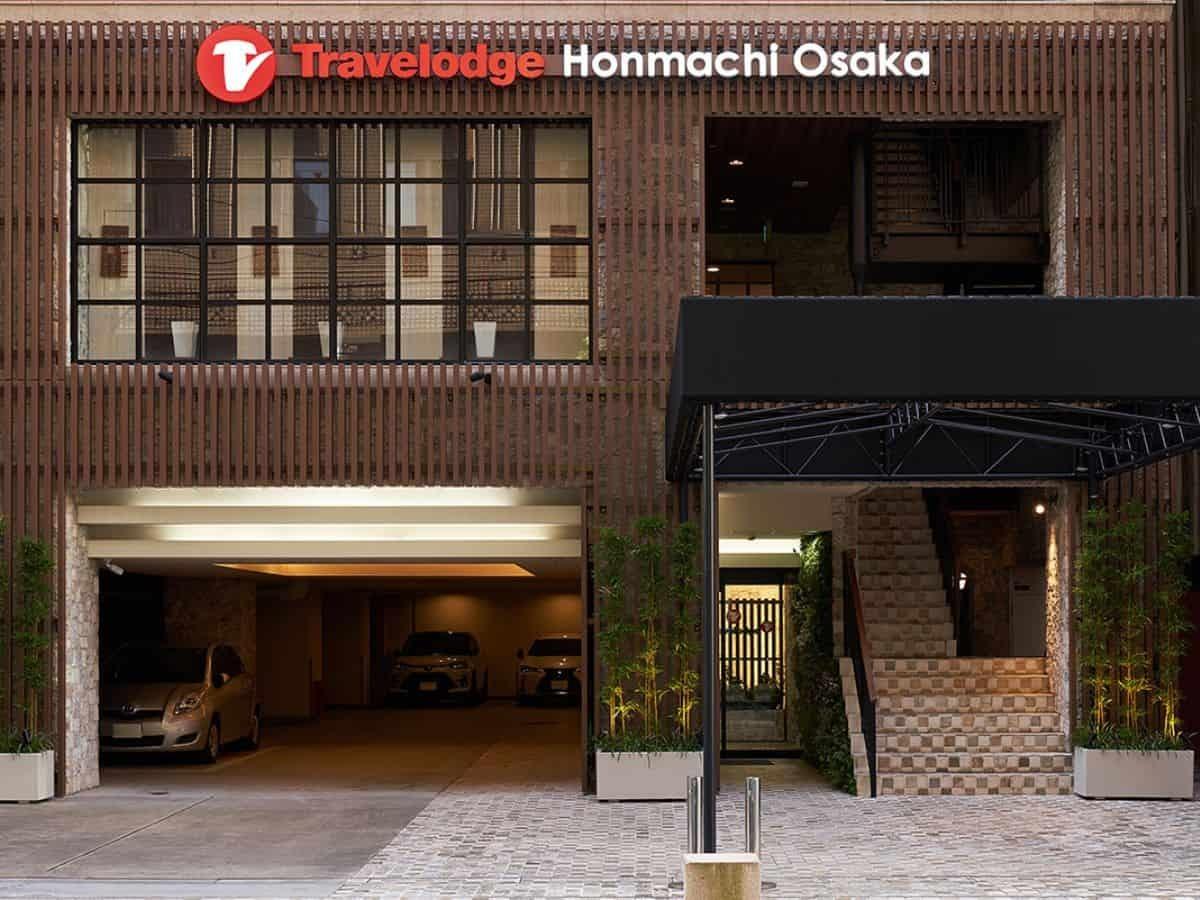
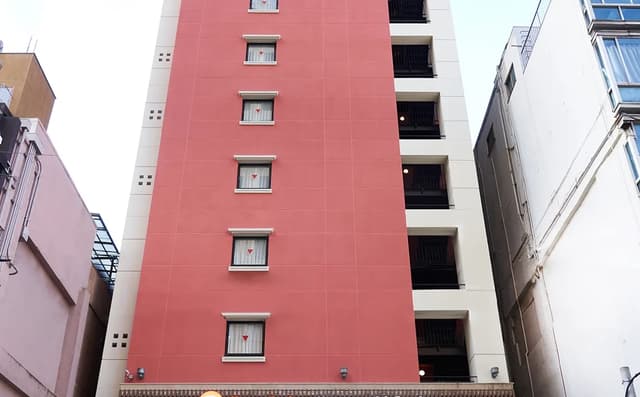
Travelodge Honmachi Osaka is particularly useful for travelers who prefer a central but slightly calmer base. The hotel is around a three-minute walk from Honmachi Station, with convenient connections toward Umeda, Namba, and other major areas of the city.
Travelodge Osaka Shinsaibashi suits travelers who want shopping, dining, and nightlife nearby. Located near Shinsaibashi, Dotonbori, and Namba, it makes the evening portion of Day 6 particularly convenient while still providing train access for exploring other parts of Osaka.
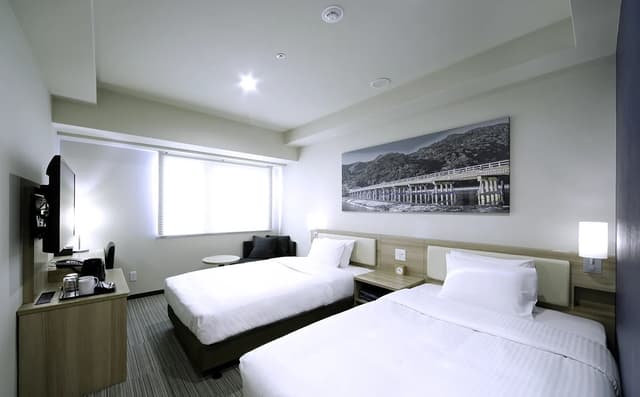
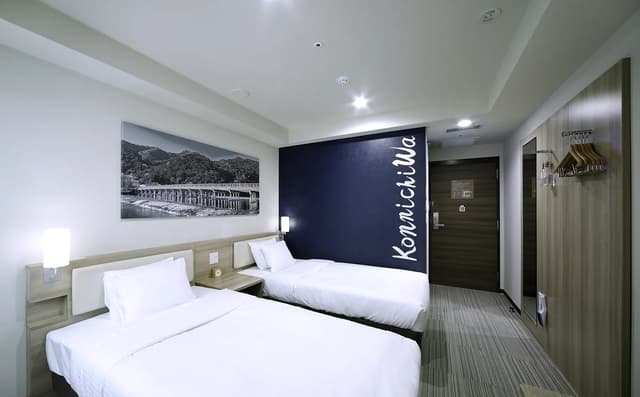
Across the route, Travelodge's 3C principles—Comfort, Convenience, and Connectivity—become especially relevant on a multi-city trip. Practical parts of the 8S Signature Guest Experience, including Snooze for comfortable rest, Spin for self-service laundry at participating hotels, Stream for Wi-Fi, and Service 24/7, can also make a week of frequent sightseeing and city transfers noticeably easier.
A Week of Autumn Across Three Distinct Japanese Cities
A rewarding 7-day Japan autumn itinerary does not need to cross half the country. Nagoya, Kyoto, and Osaka already provide enough contrast for a full week: regional food and Aichi's seasonal landscapes in Nagoya, historic neighborhoods and maple-filled temple grounds in Kyoto, then Osaka's markets, shopping districts, and energetic food culture to finish.
The 2–3–2 structure also keeps the journey practical. Spend the first two days around Nagoya, take the roughly 34-minute Shinkansen journey to Kyoto for three days, then continue to Osaka for the final two. Instead of losing full days to intercity travel, the route uses Japan's rail network to keep most of the week available for exploration.
Most importantly, leave some room for autumn itself to shape the trip. A garden that happens to be at peak color, an unexpectedly quiet temple path, or a longer-than-planned meal may become more memorable than another attraction added simply to complete a checklist.
Travelodge properties in Nagoya, Kyoto, and Osaka