



Share article
#TrevorDiscover A Walk Through Nagoya Castle, Nagoya’s Historic Landmark

Trevor
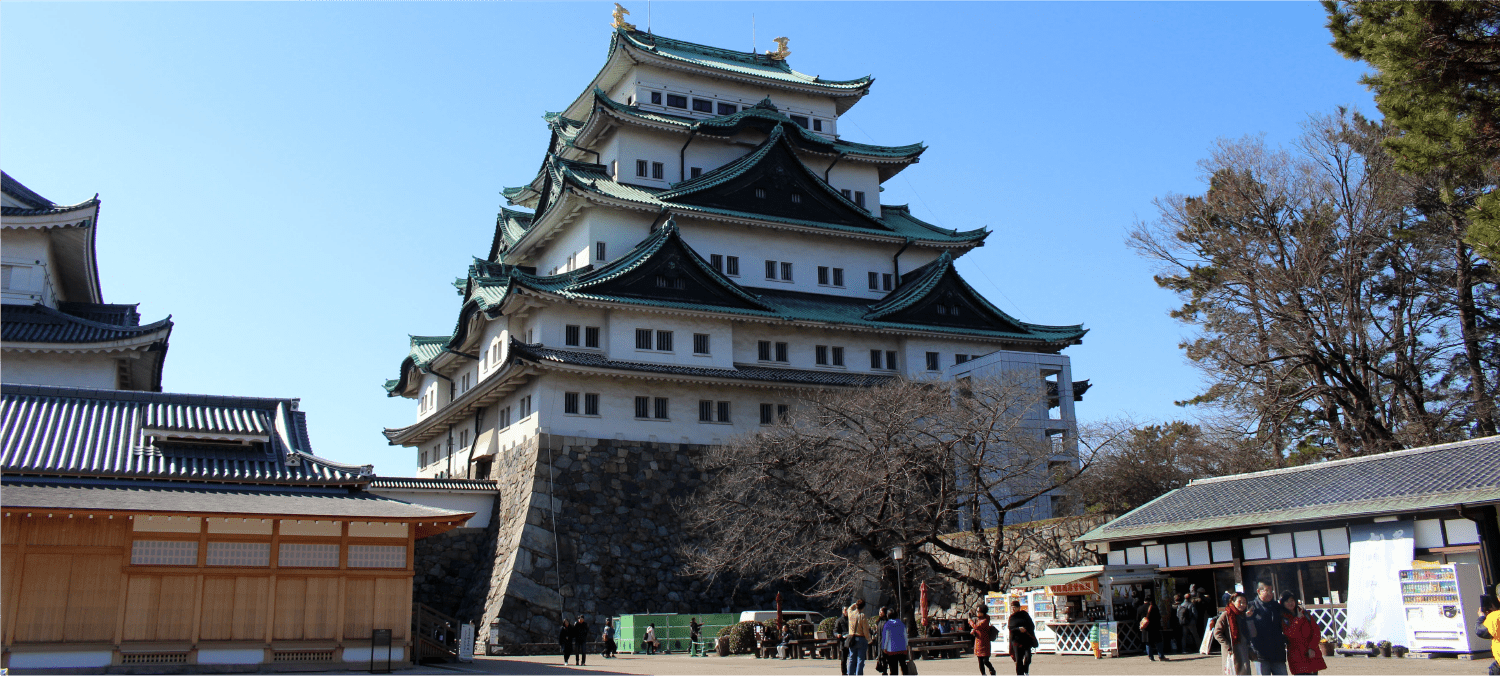
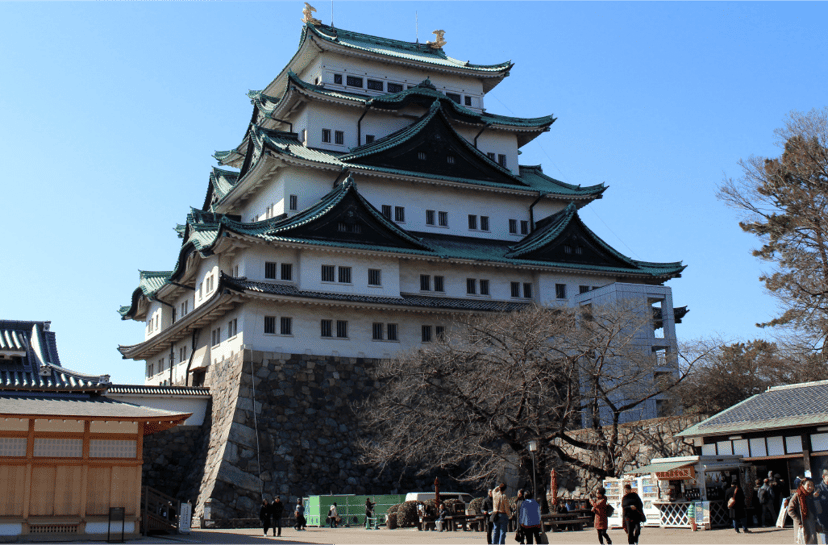
For travelers exploring Nagoya, some of the city's most memorable experiences are close enough to fit naturally into a day around the central neighborhoods. From Travelodge Nagoya Sakae, Trevor can take travelers toward Nagoya Castle, where the city's modern streets give way to historic gates, stone walls, gardens and the famous golden shachihoko.
The castle is more than the striking roofline seen in Nagoya Castle photos. A closer look reveals the reconstructed Honmaru Palace, traditional architecture, quiet garden paths and small details across the grounds that make it worth slowing down and exploring like locals.
Good to Know Before You Go
Nagoya Castle Quick Facts | Details |
Location | 1-1 Honmaru, Naka-ku, Nagoya, Aichi |
From Travelodge Nagoya Sakae | About 1.4 km; around 23 minutes on foot or 12 minutes by train |
Opening hours | 9:00 AM–4:30 PM |
Last admission | 4:00 PM |
Days closed | December 29–January 1 |
Adult entrance fee | ¥1,000 |
Children | Junior high school age and younger enter free |
Payment | Japanese yen, credit cards, transport IC cards and selected cashless payment methods |
Main keep | Currently closed to visitors |
Honmaru Palace | Open to visitors with a Nagoya Castle admission ticket |
Parking | Paid parking available |
Suggested visit time | Around 2–3 hours |
Nagoya Castle currently opens from 9:00 AM to 4:30 PM, with entry to the castle until 4:00 PM. The castle is generally closed from December 29 through January 1, although event schedules can affect operating arrangements.
The adult entrance fee is ¥1,000 from October 1, 2026, while junior high school students and younger can enter free. Admission can be paid with Japanese yen, major credit cards, transport IC cards and several electronic or QR payment methods.
Why Nagoya Castle is Worth Visiting
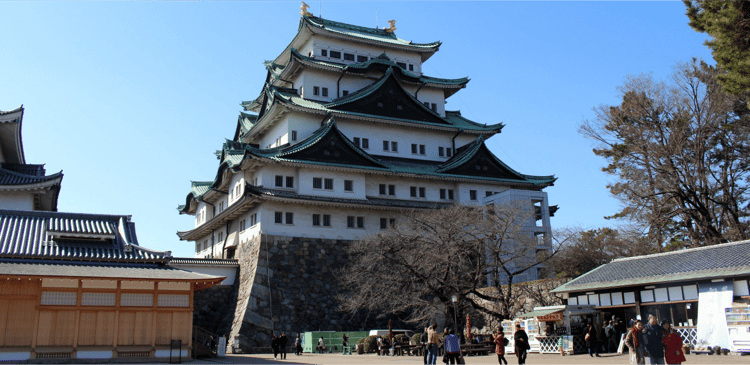
Nagoya Castle was completed in 1615 under Tokugawa Ieyasu and became one of the most important landmarks of the city. Its golden shachihoko, expansive grounds and Honmaru Palace give visitors several different ways to experience its history beyond simply photographing the main roof.
One important detail for first-time visitors is that the current Nagoya Castle main keep is closed to entry. The visit instead centers on the castle grounds, Honmaru Palace, gardens, stone walls, gates and other structures, making a slower walk around the site more rewarding.
A Castle Recognized by Its Golden Shachihoko
The golden shachihoko are among Nagoya Castle's most recognizable features. These mythical tiger-headed, carp-bodied roof ornaments have become closely associated with Nagoya itself and make an easy focal point when looking for the classic castle photograph.
For a more interesting photo, look beyond a straight-on shot of the roof. Try framing the golden shachihoko with the stone walls, trees or traditional structures around the grounds to show more of the castle's scale.
A Different Castle Experience Without the Main Keep
Visitors searching for Nagoya Castle inside or the Nagoya Castle main keep should know that the tower keep cannot currently be entered. Instead, the experience is built around the surrounding architecture and reconstructed spaces, particularly the Honmaru Palace.
This makes the castle grounds important to the visit. Rather than heading straight for one building, leave time to notice how the gates, moat, walls, gardens and palace fit together.
When the Castle Grounds Feel Most Special
Nagoya Castle changes with the seasons, giving travelers different reasons to return throughout the year.
- Spring: Nagoya Castle Spring Festival, usually March–May
- Summer: Nagoya Castle Summer Festival, usually August
- Autumn: Nagoya Castle Autumn Festival, usually September–November
- Winter: Nagoya Castle Winter Festival, usually January
The castle also holds seasonal flower, garden and cultural events throughout the year, so it is worth checking the official schedule before visiting.
Autumn is particularly appealing for travelers who enjoy combining historic architecture with seasonal scenery. The annual Nagoya Castle Autumn Festival generally runs from September into November, with dates and special programs changing each year.
How to Get to Nagoya Castle From Travelodge Nagoya Sakae
Travelodge Nagoya Sakae makes it easy to stay close to central Nagoya while keeping major attractions within a manageable journey. The hotel is around 1.4 km from Nagoya Castle, taking about 23 minutes on foot or around 12 minutes by train.
The train option is useful when the weather is hot, rainy or cold, while walking gives travelers the chance to see more of central Nagoya along the way. This combination of location and public transportation access makes it easier to travel like locals rather than relying on a car.
The Easy Subway Journey
From the hotel area, take the subway toward Nagoyajo Station on the Meijo Line. From Exit 7, it is about a 5-minute walk to Nagoya Castle.
The journey keeps the day simple: leave the hotel, connect to Nagoya's subway network and arrive near the castle without having to plan around parking. After several hours of walking through the grounds, the same convenient network makes it easy to continue toward Sakae for dinner or shopping.
From Nagoya Station
Travelers arriving in Nagoya by Shinkansen can also reach the castle using public transportation. Nagoya Castle is served by Nagoyajo Station on the Meijo Line, while the Me~guru Nagoya Sightseeing Route Bus also stops at the castle.
For travelers staying at Travelodge Nagoya Sakae, however, there is little need to return to Nagoya Station just to reach the castle. Staying centrally means the castle can fit naturally into a wider day around Nagoya.
What to See Inside Nagoya Castle
The most rewarding way to explore Nagoya Castle is to treat the entire grounds as part of the attraction. The main highlights are spread across the site, so allow enough time to walk between them.
Spot the Golden Shachihoko
Start by looking up at the roofline for the golden shachihoko. The figures are one of the defining details of the castle and an easy way to understand why Nagoya Castle remains one of the city's most recognizable landmarks.
For photos, try several viewpoints instead of taking only the standard front-facing image. The contrast between the gold roof ornaments, dark roof tiles, green trees and gray stonework can give your Nagoya Castle photos more depth.
Explore Honmaru Palace
.jpg)
Honmaru Palace is one of the most important places to visit inside the castle grounds. The reconstructed palace uses hinoki cypress, decorative metal fittings and recreated wall paintings to give visitors a sense of the refined interiors associated with the former palace.
The palace is open from 9:00 AM to 4:00 PM and is included with Nagoya Castle admission. Visitors remove their shoes before entering, and flash photography, food, drinks and touching the interior fittings are not permitted.
Look at the Honmaru Palace Bathroom
The palace is easy to appreciate through its grand rooms, but smaller spaces can be just as interesting. The Honmaru Palace bathroom offers a glimpse into the practical side of palace life and encourages visitors to look beyond the famous paintings and decorative rooms.
This is one of the details that can make a Nagoya Castle visit feel more personal. Instead of only seeing a reconstructed historic building, visitors can imagine how different areas were used in everyday life.
Wander Through the Nagoya Castle Gardens
The Nagoya Castle gardens provide a quieter change of pace after visiting the palace. Seasonal trees, flowers and open spaces create different scenery throughout the year, making the gardens worth exploring even for travelers who came primarily for the architecture.
Take time to walk rather than simply crossing the gardens to reach the next attraction. The slower pace also creates opportunities for less crowded photos of the castle structures.
Follow the Stone Walls and Moat
Nagoya Castle's stone walls reveal the scale and defensive thinking behind the original castle. Large sections of the grounds can be appreciated from the outside, where the arrangement of walls, moat and entrances gives a better sense of how the site was designed.
Look closely at the stonework as you walk. Different textures, shapes and construction details are easy to miss when attention stays focused on the golden roof.
Find the Watch Towers
The watch towers form another part of the castle's defensive architecture. They help explain how the castle was designed not only as a residence but also as a fortified compound.
Some structures have limited access, so visitors should treat them as architectural sights rather than assume every tower can be entered. Their position along the castle walls also makes them useful landmarks while walking around the grounds.
Walk Through the Castle Gates
The castle gates set the tone before visitors reach the inner areas. Passing through them gives a better sense of how the castle would have been approached and protected.
From the Main Gate or East Gate, expect about a 10-minute walk to Honmaru Palace. Planning for this extra walking time helps avoid rushing toward the palace near its final admission time.
Take a Break at the Tea Houses
The tea houses offer a slower moment during a visit that involves plenty of walking. Instead of treating the castle as a quick photo stop, consider taking time for a drink or traditional tea experience when available.
This is also a good way to appreciate the quieter atmosphere of the grounds. Seasonal events may bring additional activities to the tea house areas, so check the castle's current schedule before visiting.
Best Things to Do at Nagoya Castle
Take Nagoya Castle Photos Beyond the Main Keep
The main roof is an obvious subject, but some of the most interesting photos can come from smaller details around the grounds. Look for the golden shachihoko, Honmaru Palace, stone walls, gates, watch towers, gardens and reflections around the moat.
A useful Trevor tip is to take both wide and close-up photos. A wide shot shows the scale of the castle, while close-ups of woodwork, stone textures and decorative details help tell a more complete story.
Take a Slow Walk Around the Castle Grounds
Give yourself time between the main highlights instead of moving directly from one attraction to another. The castle grounds are where the different parts of the site come together, from the defensive walls to the gardens and palace buildings.
A comfortable pair of walking shoes can make a noticeable difference, especially for travelers visiting during warmer months or spending several hours exploring.
Visit During a Seasonal Event
Nagoya Castle holds seasonal festivals throughout the year, including spring, summer, autumn and winter events. These can add performances, food, special exhibitions, extended opening hours or other activities to the regular castle experience.
The Nagoya Castle Autumn Festival is usually held from September to November, making autumn a good time to combine the historic grounds with seasonal scenery. Exact dates and programs vary annually.
Join a Free English Guided Tour
Travelers interested in the castle's history can join a regular English-speaking tour when available. The official visitor information currently lists a regular tour at 12:30 PM from the Main Gate and East Gate, although tours can be canceled depending on circumstances.
For international visitors, this can add useful context to details that might otherwise be easy to walk past. Check the current schedule before visiting, especially during special events.
Compare Nagoya Castle With Osaka Castle
Nagoya Castle and Osaka Castle offer different experiences, so comparing them can be useful for travelers deciding how to spend limited time in Japan. Nagoya Castle places more emphasis on its palace reconstruction, traditional architecture and extensive grounds, while Osaka Castle is known for its modern museum inside the tower.
For travelers already staying in Nagoya, Nagoya Castle also offers a chance to explore a major historical site without leaving the city. It fits naturally into a day based around Sakae and central Nagoya.
Local Tips Trevor Would Recommend
A few simple choices can make a Nagoya Castle visit easier and more enjoyable:
- Arrive early enough to explore Honmaru Palace without rushing.
- Allow about 10 minutes to walk from the main or East Gate to Honmaru Palace.
- Check the event calendar before visiting because special programs can change opening arrangements.
- Visit the gardens even if the main goal is seeing the architecture.
- Wear comfortable shoes for walking across the castle grounds.
- Look at the stone walls and moat instead of focusing only on the main roof.
- Bring a camera or phone with enough storage for both wide views and architectural details.
- Keep large luggage outside the palace area; free-use lockers are available inside the entrance.
- Remove shoes before entering Honmaru Palace and avoid flash photography inside.
- Consider the free English guided tour if you want more historical context.
- Check the official visitor information before setting out for temporary closures or changes.
Lesser-Known Spots Near Nagoya Castle Most Tourists Miss
The area around Nagoya Castle has a few quieter cultural stops that can add another layer to a castle visit without requiring a long detour.
Nagoya Noh Theater
Nagoya Noh Theater sits about a 12-minute walk west of Nagoyajo Station and offers visitors an opportunity to learn about noh, one of Japan's traditional performing arts. Its exhibition room explains the history and appeal of noh and is free to enter.
It makes a useful add-on for travelers interested in Japanese culture beyond castles. If a performance is scheduled, check the theater's program in advance rather than assuming a show will be taking place during a visit.
Look Closer at the Castle's Defensive Details
One of the easiest ways to discover a quieter side of Nagoya Castle is to focus on the structures that are usually passed on the way to the major highlights. The stone walls, moat, gates and watch towers reveal how the castle functioned as a fortified compound.
This is also where travelers can slow down and find different perspectives for photos. Looking along the walls rather than directly at the main roof can make the castle feel much larger.
Explore the Quieter Edges of the Grounds
The busiest areas tend to be around the main visitor route and Honmaru Palace. Moving more slowly around the outer sections of the grounds can reveal seasonal plants, architectural details and views of the castle that receive less attention.
There is no need to search for a dramatic secret landmark. Sometimes the local-style experience comes from simply spending more time in the spaces that other visitors walk through quickly.
Popular Tourist Spots Near Nagoya Castle
After exploring the castle, several recognizable Nagoya spots can extend the day without taking you far from the city center.
Meijo Park
Meijo Park sits next to Nagoya Castle and offers open green space for walking and seasonal scenery. It is an easy choice for travelers who want to slow down after exploring the castle grounds.
Nagoya City Hall and Aichi Prefectural Government Office
The government district near the castle contains historic civic architecture that contrasts with the traditional castle structures. It can be added to a walking route for travelers interested in seeing another side of Nagoya's history and cityscape.
Nagoya Station
Nagoya Station is useful as an onward stop rather than simply a transport interchange. Travelers can continue there for shopping, restaurants and connections to other parts of the city or Japan.
Travel Like Locals Around Nagoya Castle
A castle visit does not have to take up the entire day. Starting from Travelodge Nagoya Sakae makes it easy to spend a few hours exploring Nagoya Castle before returning toward Sakae for shopping, dining or an evening walk.
That flexibility is part of the appeal of staying close to central Nagoya. Start with history in the morning, explore the castle grounds at a comfortable pace and then switch to the city's modern side without spending most of the day commuting.
Stay Close to Everything With Travelodge Nagoya Sakae
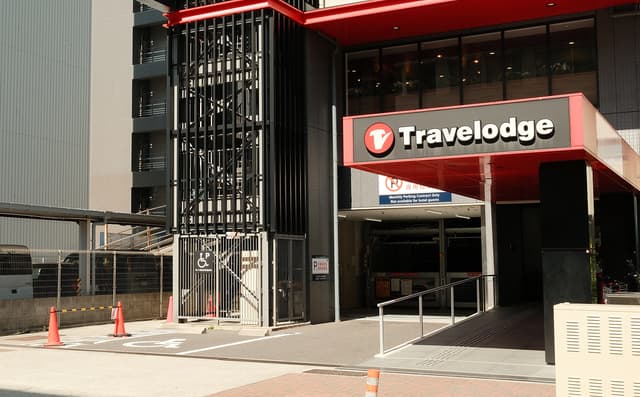
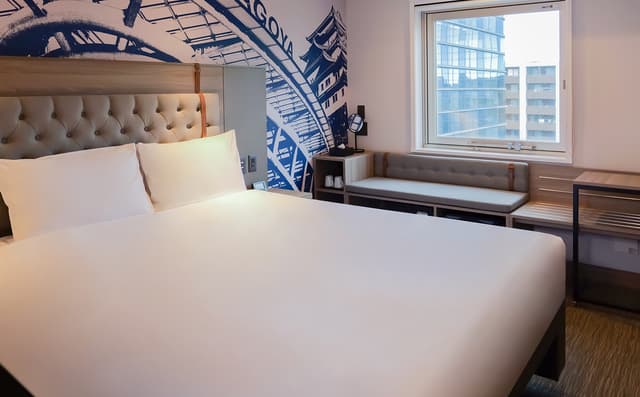
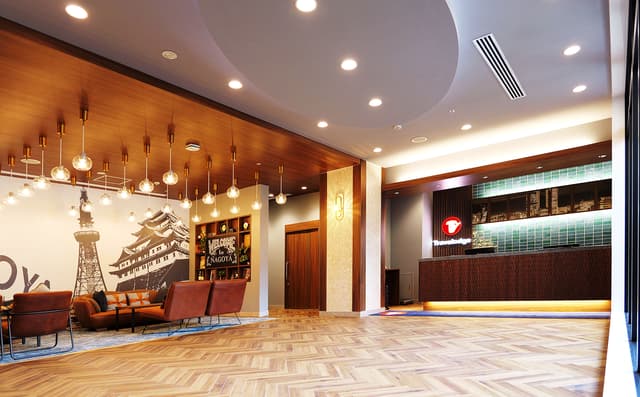
Travelodge Nagoya Sakae provides a convenient base for travelers who want to combine Nagoya Castle with the city's central neighborhoods. The hotel is close to subway connections, making it practical to reach attractions while keeping Sakae's dining and shopping areas within easy reach.
For a trip built around local exploration, this means less time spent getting across the city and more time discovering it. Stay close to everything, then use Nagoya's public transportation network to travel like locals.
Make More of Every Stay With the Travelodge Membership Program
Trevor's tip for future Nagoya trips is to make each hotel stay work a little harder. The Travelodge membership program can add member benefits to direct bookings, including Cashback Credits and special booking perks, while Best Price Guarantee+ provides additional protection when a verified lower price is found.
That means travelers can spend less time worrying about the booking and more time planning the next place to discover around Nagoya.
FAQ
Is Nagoya Castle Worth Visiting?
Yes, especially for travelers interested in Japanese castle architecture, history and traditional interiors. Even though the main keep is currently closed to visitors, Nagoya Castle still offers Honmaru Palace, gardens, stone walls, gates, watch towers and seasonal events to explore. Travelodge Hotels Asia guests can also reach the castle conveniently from Travelodge Nagoya Sakae.
What are Nagoya Castle Opening Hours?
Nagoya Castle is generally open from 9:00 AM to 4:30 PM, with admission to the castle until 4:00 PM. Travelodge Hotels Asia guests should check the official visitor information before setting out because seasonal events can change operating hours.
How Much is the Nagoya Castle Entrance Fee?
The adult Nagoya Castle entrance fee is ¥1,000 from October 1, 2026. Junior high school students and younger can enter free.
Can You Go Inside the Nagoya Castle Main Keep?
No. The Nagoya Castle main keep is currently closed to visitors. Travelodge Hotels Asia guests can instead explore the castle grounds and visit attractions such as Honmaru Palace.
How Do You Get From Nagoya Station to Nagoya Castle?
Travelers can take the subway to Nagoyajo Station on the Meijo Line and walk about 5 minutes from Exit 7 to the castle. The Me~guru Nagoya Sightseeing Route Bus also stops at Nagoya Castle.
Where Can You See the Golden Shachihoko at Nagoya Castle?
The golden shachihoko are positioned on the castle's roof and are visible from the castle grounds. Travelodge Hotels Asia guests looking for Nagoya Castle photos can try different viewpoints around the grounds to capture the shachihoko together with the walls, gardens and other structures.
How Long Should You Spend at Nagoya Castle?
Around 2–3 hours is a comfortable amount of time for travelers who want to see Honmaru Palace, gardens, stone walls, gates and other major features without rushing. Travelodge Hotels Asia guests can then continue exploring central Nagoya afterward.
Is There a Hotel Near Nagoya Castle?
Travelodge Nagoya Sakae is a convenient central Nagoya option for travelers visiting the castle. The hotel is about 1.4 km away, with a journey of around 23 minutes on foot or 12 minutes by train, making it practical to combine Nagoya Castle with other central attractions.
Is Parking Available at Nagoya Castle?
Yes. Nagoya Castle has paid parking near the Main Gate and at the East Parking area. Travelers staying with Travelodge Hotels Asia who plan to drive should check the latest parking fees and availability before visiting, as rates can change.
When is the Nagoya Castle Festival?
Nagoya Castle holds seasonal festivals throughout the year. The Spring Festival is generally held from March to May, the Summer Festival in August, the Autumn Festival from September to November and the Winter Festival in January, with exact dates changing each year.










.jpg)