

Logo Travelodge
Arrière-plan principal
Logo Travelodge

Paramètres

Partager l'article

Guide d'hiver de Séoul pour les meilleures activités, restaurants et sites à découvrir

Sora Kang
Sora Kang

Mis à jour le 1 déc. 2025
107.2K
Blog_People-walking-in-street-of-Seoul-winter.

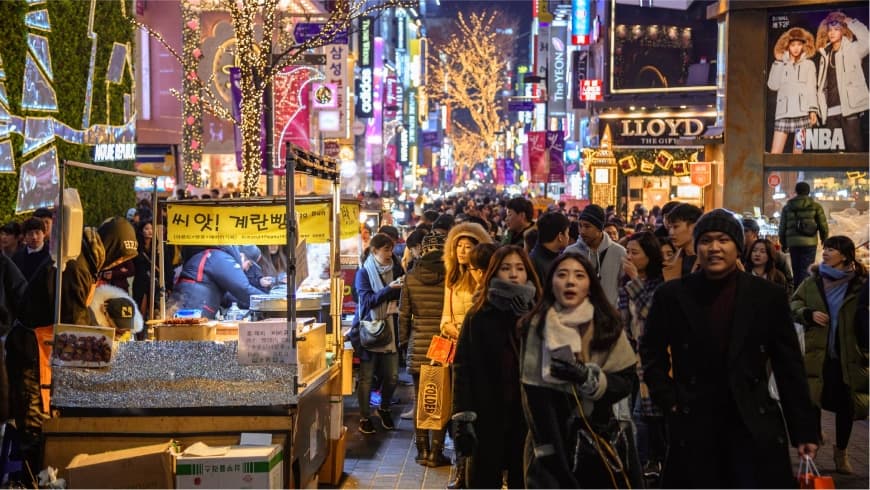
L'hiver change le rythme de Séoul. Les cours des palais deviennent plus calmes, la nourriture de rue fumante est difficile à ignorer, les cafés offrent un refuge bienvenu contre le froid, et des quartiers comme Myeongdong, Euljiro et Dongdaemun restent animés bien après le coucher du soleil. La neige recouvre parfois de blanc les toits en tuiles de la ville et le décor montagneux, mais même par temps clair, l'air froid donne aux quartiers familiers un caractère nettement saisonnier.

Ce guide de voyage hivernal de Séoul couvre les aspects pratiques qui facilitent un séjour en ville par temps froid : quelles températures attendre, comment s'habiller, les meilleures choses à faire à Séoul en hiver, où manger, comment se déplacer, les applications utiles, l'étiquette culturelle, des idées d'excursions à la journée et où séjourner. Séoul se prête particulièrement bien aux voyages d'hiver, car les visites en plein air peuvent facilement être équilibrées avec les marchés, musées, cafés, centres commerciaux, restaurants et autres espaces intérieurs chauffés.

Pourquoi visiter Séoul en hiver ?

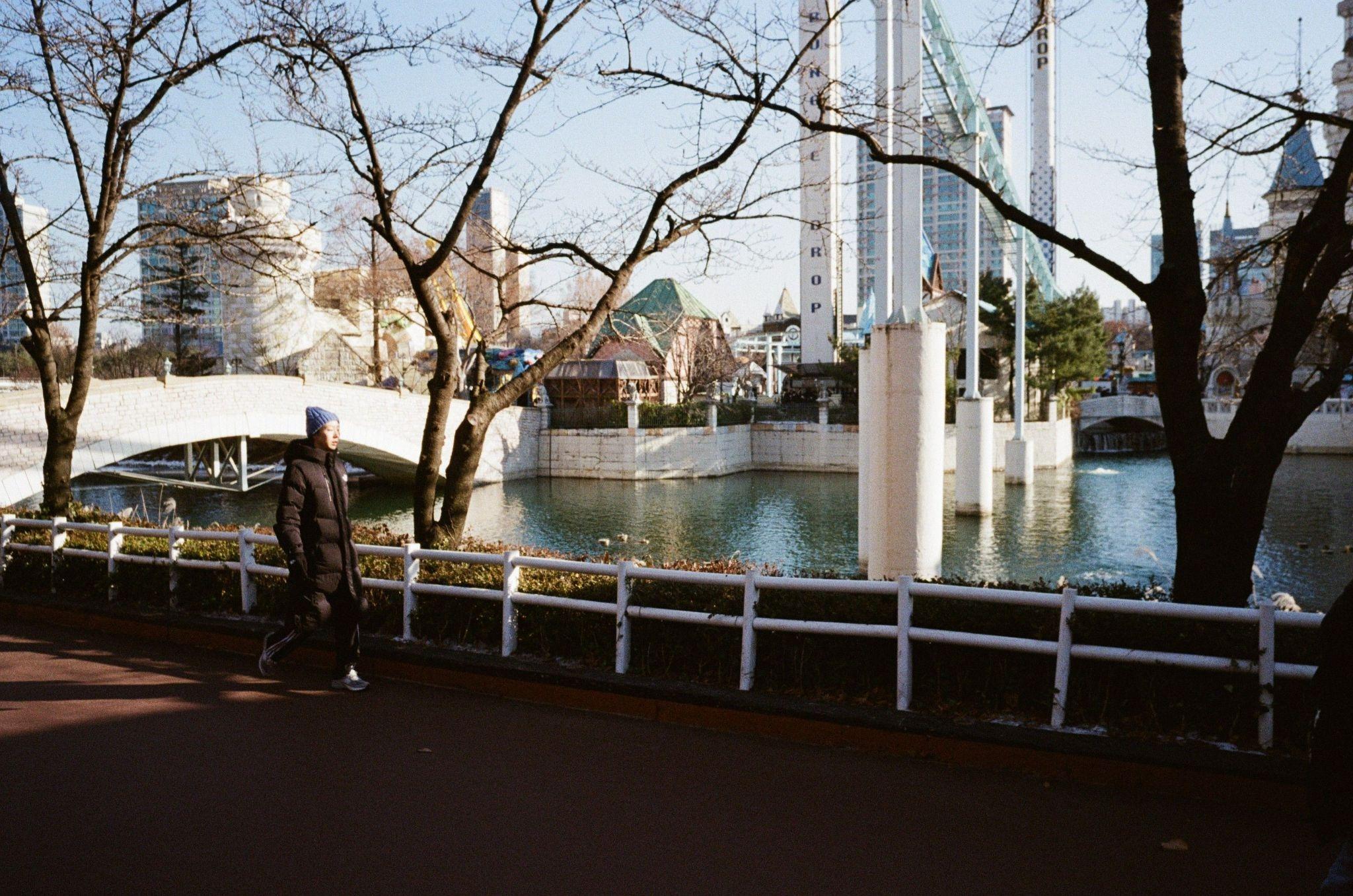
La saison hivernale principale à Séoul s'étend de décembre à février. Elle est froide et relativement sèche, avec des vents de nord-ouest qui accentuent les vagues de froid. L'organisme officiel de tourisme de Séoul indique que les températures peuvent parfois descendre jusqu'à -15°C (5°F), tandis que de fortes chutes de neige surviennent par intermittence plutôt que de façon continue.

Cette distinction a son importance. Un voyage en hiver ne doit pas être planifié en s'attendant à voir Séoul constamment recouverte de neige. Au contraire, la saison est appréciable pour ses sites historiques plus calmes, ses journées froides et limpides, la cuisine hivernale, le patinage et les illuminations saisonnières, le shopping, ainsi que la possibilité d'une chute de neige en bonus.

Séoul est aussi remarquablement adaptable lorsque les températures deviennent inconfortables. Une matinée au palais peut être suivie d'une maison de thé traditionnelle à Insadong, d'une visite de musée l'après-midi, d'un dîner à Myeongdong et de shopping sous les lumières de Dongdaemun. Le froid signifie rarement perdre toute une journée de visites.

À quoi ressemble la météo hivernale à Séoul ?

La météo hivernale de Séoul peut sembler plus froide que ne le laisse penser la seule température. L'air sec et le vent rendent les longues périodes à l'extérieur plus éprouvantes, surtout dans les cours ouvertes des palais, les zones riveraines et les points de vue en hauteur.

Décembre marque généralement la transition vers un froid hivernal durable. Janvier est en règle générale le cœur de la saison, tandis que février reste froid mais commence progressivement à s'orienter vers le printemps. La neige peut tomber à n'importe quel moment durant cette période, bien que les journées d'hiver claires ou sèches soient également courantes. Les informations officielles du tourisme de Séoul décrivent l'hiver comme s'étendant de décembre à février et indiquent que de fortes chutes de neige se produisent par intermittence.

Pour un itinéraire axé sur la marche, prévoyez de la flexibilité chaque jour. Une attraction en plein air suivie d'un café, d'un marché, d'un musée ou d'une pause shopping est généralement plus confortable que d'enchaîner plusieurs sites exposés.

Meilleures choses à faire à Séoul en hiver
Winter Travel Guide to Seoul—Best Things to Do, Eat & See

Le meilleur itinéraire hivernal mêle les grands sites de Séoul à des expériences qui prennent tout leur sens par temps froid.

Découvrir les palais historiques de Séoul en hiver

Commencez par Gyeongbokgung, le premier et le plus grand des cinq grands palais de Séoul. Ses vastes cours, ses pavillons, ses murs en pierre et son arrière-plan montagneux sont très atmosphériques tout au long de l'hiver, même sans neige. En janvier et février, les horaires d'ouverture actuellement publiés sont plus réduits que pendant les mois plus chauds, une raison supplémentaire de prévoir la visite du palais plus tôt dans la journée.

Changdeokgung offre une expérience différente, avec une architecture étroitement intégrée au paysage environnant. C'est un site inscrit au patrimoine mondial de l'UNESCO et il peut facilement être associé aux quartiers traditionnels voisins.

Depuis l'un ou l'autre palais, continuez vers Insadong pour ses galeries, ses objets artisanaux, ses maisons de thé traditionnelles et ses encas chauds. Le village hanok de Bukchon se trouve entre Gyeongbokgung et Changdeokgung, mais il faut se rappeler qu'il s'agit d'un quartier résidentiel plutôt que d'un décor touristique à ciel ouvert. Les mesures actuelles de gestion des visiteurs demandent aux voyageurs de garder le silence et de respecter les restrictions de visite dans les zones désignées.

La neige sur les toits des hanok est magnifique lorsqu’elle tombe. Il faut la considérer comme une chance, et non comme une condition pour profiter du quartier.

Voir Séoul depuis Namsan et la N Seoul Tower

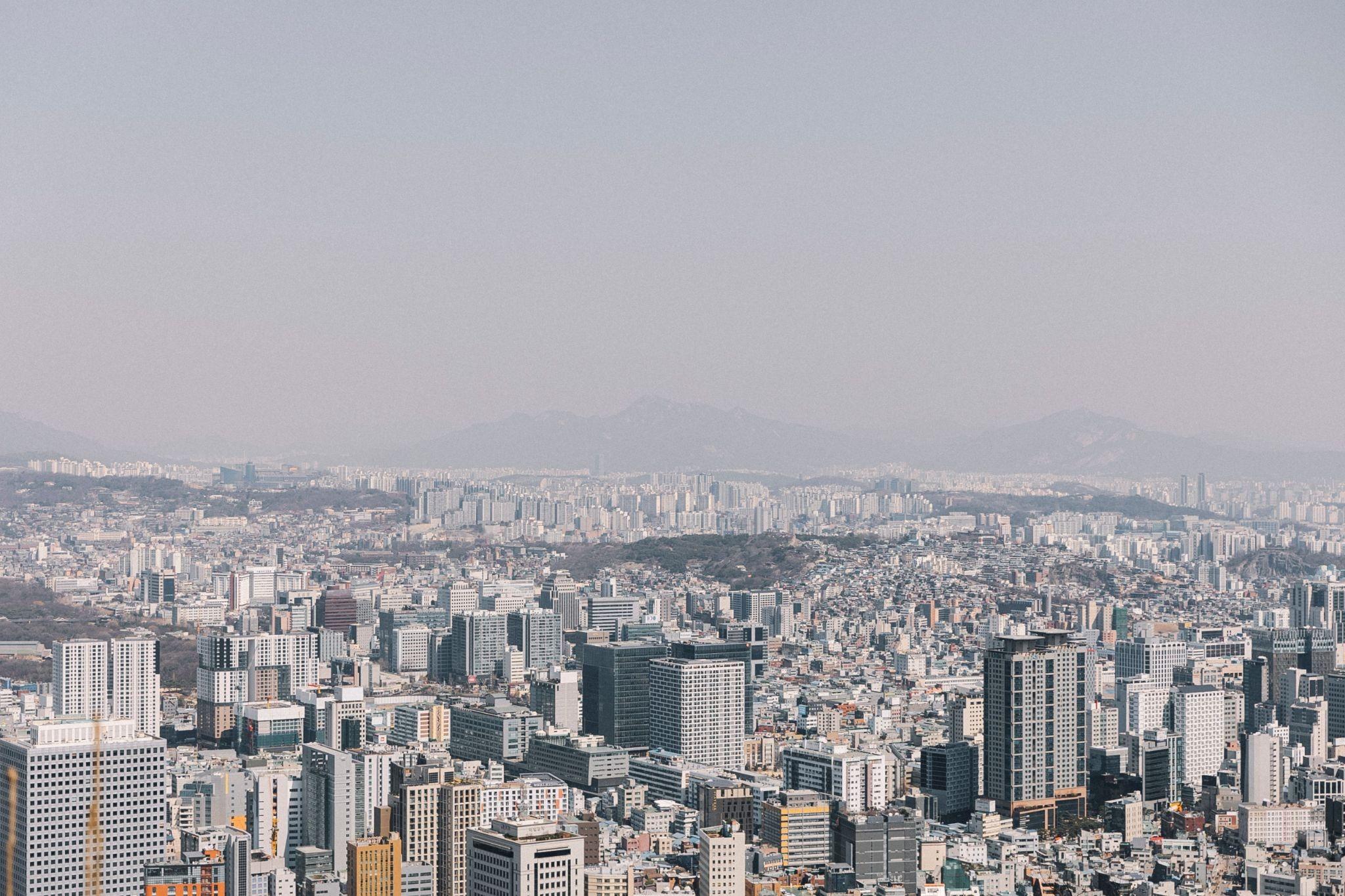
Namsan est l’un des meilleurs endroits pour apprécier l’ampleur de Séoul. La N Seoul Tower se trouve au sommet et offre des vues panoramiques sur la ville depuis sa position élevée.

L’hiver peut être particulièrement agréable par temps clair, lorsque la visibilité s’ouvre sur le centre de Séoul et vers les montagnes environnantes. Le coucher du soleil est séduisant, mais les températures chutent rapidement après la tombée de la nuit, donc des gants et une couche supplémentaire sont utiles si l’itinéraire prévoit du temps à l’extérieur autour des zones d’observation.

Associez Namsan à Myeongdong plutôt que de traiter ces deux lieux comme deux journées séparées. Shopping, restaurants, stands de street food et cafés offrent de nombreux endroits où se réchauffer avant ou après le point de vue.

Cette combinaison rend aussi un hébergement central utile : retourner à l’hôtel entre les visites de la journée et une sortie en soirée peut être bien plus attrayant en janvier que de traverser à nouveau la ville.

Faire du patin à glace ou essayer des activités hivernales saisonnières

Séoul met régulièrement en place des installations saisonnières de patinage et de luge lorsque les conditions hivernales arrivent.

La patinoire extérieure de Seoul Plaza, à côté de l’hôtel de ville, en est un exemple récurrent. VisitKorea la présente comme une attraction hivernale avec des zones séparées pour débutants et avancés, la location de patins et des installations d’accompagnement. Les dates d’ouverture exactes et les modalités d’exploitation peuvent changer chaque saison, alors vérifiez le programme hivernal actuel avant de vous y rendre.

D’autres parcs et espaces de loisirs peuvent proposer de la luge ou des activités saisonnières selon l’année. Cette flexibilité est utile pour les familles : plutôt que de s’engager des mois à l’avance pour une patinoire particulière, vérifiez le programme hivernal une fois les calendriers de la ville annoncés.

L’enthousiasme plus large de la Corée du Sud pour les sports d’hiver fait aussi de Séoul un point de départ facile pour le ski ou le snowboard en dehors de la capitale.

Explorer Myeongdong, Euljiro et Dongdaemun après la tombée de la nuit

Séoul ne s’arrête pas lorsque les températures baissent.

Myeongdong est idéale pour une soirée centrée sur le shopping, les cosmétiques, les restaurants et la street food. De là, Euljiro offre une ambiance différente : anciennes rues commerçantes, petits restaurants, cafés, bars et espaces créatifs intégrés dans un quartier d’affaires central.

Plus à l’est, Dongdaemun se prête particulièrement bien à une exploration en soirée. Dongdaemun Design Plaza (DDP) accueille des expositions et des événements culturels, et son extérieur aux courbes marquées a également été utilisé pour le programme saisonnier Seoul Light.

Ces quartiers facilitent les visites hivernales, car les promenades en plein air peuvent être naturellement ponctuées de boutiques chauffées, de grands magasins, de cafés, de restaurants et d’espaces d’exposition.

Découvrir un jjimjilbang traditionnel coréen

Peu d’activités en intérieur conviennent mieux à une froide journée de Séoul qu’un jjimjilbang, l’expérience coréenne de bain public et de sauna.

Les installations varient considérablement. Beaucoup associent des espaces de baignade séparés par genre à des salles chauffées communes, des espaces de détente, de la nourriture et d'autres équipements. Dans les zones de baignade, les visiteurs se lavent généralement soigneusement avant d'entrer dans les bains communs ; les espaces de sauna partagés utilisent généralement des vêtements fournis par l'établissement. Vérifiez les règles propres à chaque lieu avant d'arriver, car les aménagements et les politiques ne sont pas identiques partout.

Séoul compte encore à la fois des bains publics traditionnels et de plus grands complexes de spa contemporains. L'organisme de tourisme de la ville répertorie plusieurs jjimjilbang et saunas actuellement en activité, notamment des options avec zones de détente, cafés et équipements pour les familles.

Pour les voyageurs peu familiers avec la culture des bains coréens, un jjimjilbang se vit mieux comme une expérience que comme quelque chose à expédier entre deux attractions.

Faites une excursion hivernale d'une journée au départ de Séoul
Winter Travel Guide to Seoul—Best Things to Do, Eat & See

Séoul n'a pas besoin d'être abandonnée pendant plusieurs nuits pour voir une neige plus convaincante.

Plusieurs stations de ski dans la province de Gyeonggi et les régions voisines sont utilisées pour des excursions hivernales d'une journée au départ de l'aire métropolitaine. Les informations récentes de l'Organisation coréenne du tourisme sur les sports d'hiver mettent en avant des stations près de Séoul ainsi que les destinations plus enneigées de la province de Gangwon.

Une excursion d'une journée peut inclure du ski, du snowboard ou des activités plus simples de jeux dans la neige selon la station. Les débutants devraient comparer les forfaits de transfert, la disponibilité des cours, les frais de location et les dates d'ouverture avant de réserver.

L'île de Nami est une autre excursion populaire, offrant des allées bordées d'arbres et un cadre plus rural en dehors du centre de Séoul. Les destinations montagneuses autour de la capitale peuvent également offrir de la randonnée ou des paysages enneigés lorsque les conditions météorologiques le permettent.

Il ne faut jamais supposer la présence de neige à une date précise. Vérifiez les conditions actuelles, les annonces des stations, les modalités de transport et les horaires de retour avant le départ.

Où trouver la meilleure cuisine de rue hivernale de Séoul

Le marché de Gwangjang reste l'un des endroits les plus faciles pour goûter plusieurs plats traditionnels en une seule visite. Son allée gastronomique sert des spécialités telles que bindaetteok des crêpes aux haricots mungo, gimbap, tteokbokki, eomuk, et d'autres incontournables coréens.

Namdaemun offre une expérience de marché différente. Au-delà des en-cas, il possède des allées gastronomiques bien établies spécialisées dans des plats tels que kalguksu soupe de nouilles coupées au couteau et poisson poêle braisé. Le bouillon de nouilles chaud est particulièrement adapté à une journée froide.

Myeongdong est l’option la plus simple pour combiner des snacks avec du shopping de cosmétiques et de mode, surtout après la tombée de la nuit.

Les méthodes de paiement varient d’un stand à l’autre. Les cartes sont largement acceptées à Séoul, mais avoir une petite somme en won coréens reste utile dans les marchés traditionnels et אצל les petits vendeurs.


Applications essentielles pour votre voyage d’hiver à Séoul

Quelques applications utiles réduisent le temps passé à attendre dehors en essayant de comprendre où se trouve la prochaine entrée de métro.

  • Navigation : Naver Map est l’un des outils les plus utiles pour les itinéraires locaux et les transports en commun.
  • Traduction : Papago est pratique pour les panneaux, les menus, les courtes conversations et la traduction de texte.
  • Taxis : Kakao T est largement utilisé pour la réservation de trajets.
  • Transports en commun : Les outils de métro locaux et les applications de cartes aident à trouver les sorties, les correspondances et à planifier les trajets.
  • Découverte de restaurants : Les plateformes de recherche locales contiennent souvent des informations sur les restaurants coréens plus détaillées que les services internationaux.

L’Organisation du tourisme de Corée met actuellement en avant Naver Map et Papago parmi les applications de voyage utiles pour les visiteurs internationaux.

Le Wi-Fi fiable devient étonnamment important en hiver, car les itinéraires, la météo, les horaires des attractions, les réservations et les changements de transport de dernière minute sont souvent consultés depuis un téléphone.

Espèces, cartes et shopping à Séoul

Les cartes de crédit et de débit sont largement utilisées dans les centres commerciaux de Séoul, les restaurants, les hôtels, les cafés et chez les grands détaillants. L’argent liquide a encore sa place, en particulier autour des marchés, des petits vendeurs et dans les situations où un mode de paiement particulier n’est pas accepté.

Considérez les cartes de transport séparément, sur le plan conceptuel, des cartes bancaires ordinaires. Une carte Tmoney simplifie les trajets locaux en bus et en métro et peut aussi être utilisée dans certains autres contextes.

Les visiteurs internationaux éligibles peuvent également être en mesure de demander des remboursements de taxes sur les achats admissibles auprès des détaillants participants. Les règles couvrent des facteurs tels que les achats éligibles, la durée du séjour et les procédures de remboursement ; consultez donc les informations officielles actuelles de Séoul sur le remboursement de taxe plutôt que de vous fier à un ancien seuil cité dans un blog de voyage.

Exigences d'entrée et documents de voyage

Les exigences d’entrée dépendent de la nationalité, du passeport, de la durée du séjour et des règles en vigueur au moment du voyage.

Avant de prendre l’avion, confirmez les exigences relatives au passeport et vérifiez si un visa, un K-ETA ou une autre procédure d’entrée s’applique au passeport utilisé. Le site officiel du K-ETA doit être le point de référence, et non des résumés sur les réseaux sociaux ou d’anciens articles.

En septembre 2026, la Corée du Sud a prolongé jusqu’au 31 décembre 2026 son exemption temporaire de K-ETA pour les pays et régions actuellement exemptés. Cela ne signifie pas que chaque voyageur est exempté, et les règles pour des dates de voyage ultérieures peuvent changer.

Vérifiez à nouveau les informations officielles sur l’immigration peu avant le départ, en particulier pour les voyages prévus en 2027 ou plus tard.

Un itinéraire hivernal simple de 3 jours à Séoul

Jour 1 : Séoul historique et Myeongdong

Commencez à Gyeongbokgung pendant que la lumière du jour est encore abondante, puis continuez vers Insadong pour déjeuner, prendre un thé, visiter des galeries ou des boutiques d’artisanat. Passez l’après-midi autour de Cheonggyecheon avant de rejoindre Myeongdong pour le shopping et la cuisine de rue hivernale.

Cet enchaînement permet de passer la majeure partie de la journée dans le centre de Séoul plutôt que de consacrer le précieux jour d’hiver à des correspondances répétées en métro.

Jour 2 : Namsan, shopping et Dongdaemun

Réservez la matinée à Namsan et à la N Seoul Tower, idéalement quand le ciel est dégagé. Revenez vers Myeongdong pour le déjeuner ou le shopping, puis passez la soirée plus à l’est, autour de la Dongdaemun Design Plaza et du quartier commerçant environnant.

La DDP est particulièrement utile dans un itinéraire hivernal, car les expositions et les espaces intérieurs peuvent être combinés avec l’architecture nocturne et les illuminations saisonnières.

Jour 3 : Choisissez l’expérience hivernale

Pour une expérience plus marquée de la neige, consacrez la dernière journée à une station de ski ou à une excursion axée sur la neige en dehors de Séoul.

Les voyageurs qui en ont assez du froid peuvent adopter l’approche inverse : visiter un jjimjilbang, passer du temps dans un musée, explorer le marché de Gwangjang ou ralentir le rythme dans des cafés et des quartiers manqués pendant les deux premiers jours.

Le meilleur troisième jour est celui qui répond à la météo réelle plutôt qu’à l’itinéraire rédigé des mois auparavant.

Où séjourner à Séoul pendant l’hiver

L’emplacement compte encore plus pendant l’hiver à Séoul. Un hôtel proche de lignes de métro utiles et de quartiers centraux réduit les longs transferts en extérieur, facilite le retour pour une pause l’après-midi et offre plus de flexibilité lorsque la météo change.

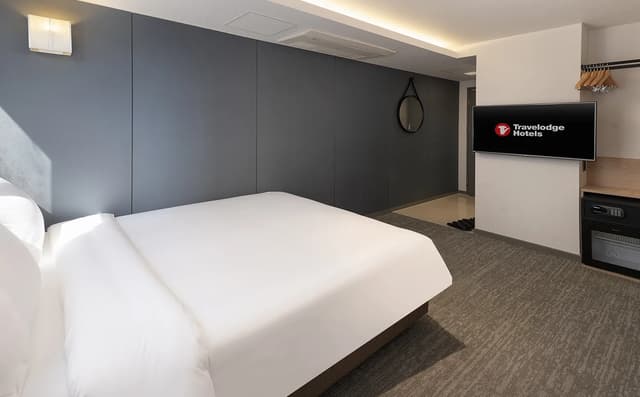
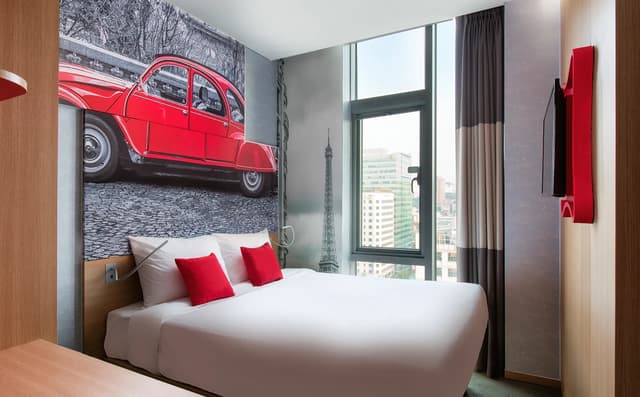
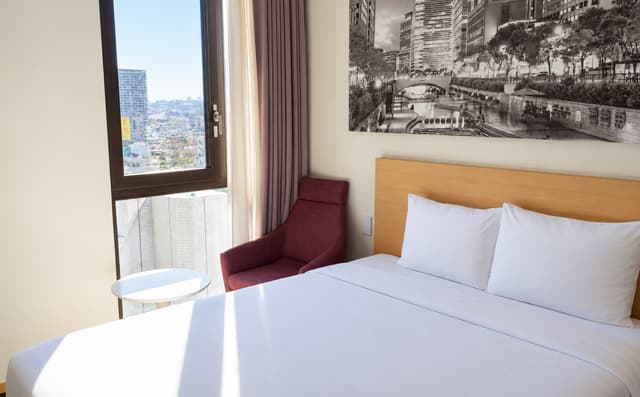
Le positionnement Confort, Commodité et Connectivité de Travelodge convient naturellement à ce type de voyage en ville. Des chambres confortables offrent un endroit pour se ressourcer après de longues journées de marche, des emplacements centraux simplifient les visites, et la connectivité facilite les vérifications météo, les cartes, les réservations, la traduction et la planification des transports.

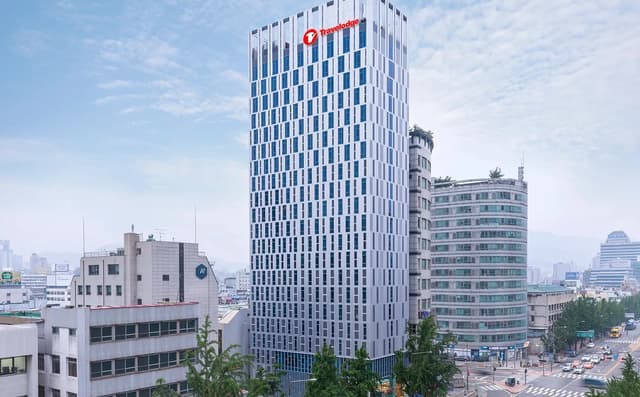
Les voyageurs qui prévoient un voyage plus large en Corée peuvent explorer les hôtels Travelodge en Corée du Sud ou comparer les hôtels Travelodge à Séoul avant de choisir le quartier qui correspond le mieux à l’itinéraire.

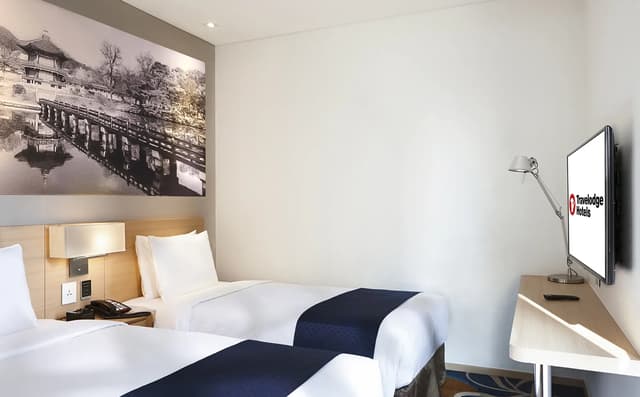
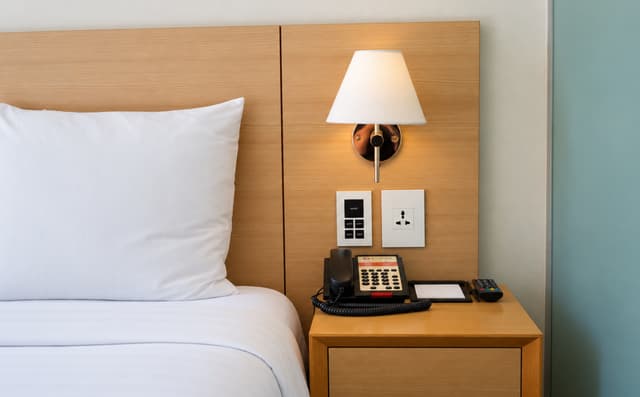
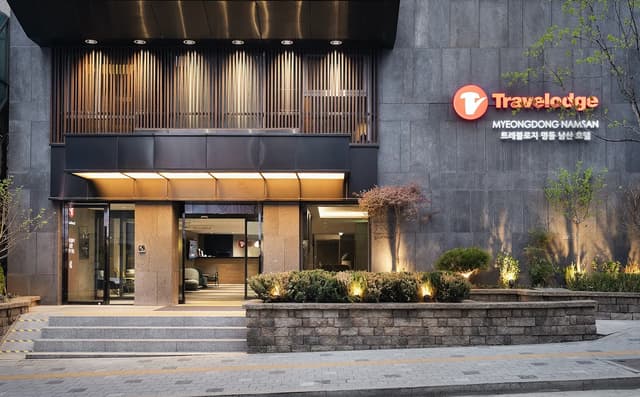
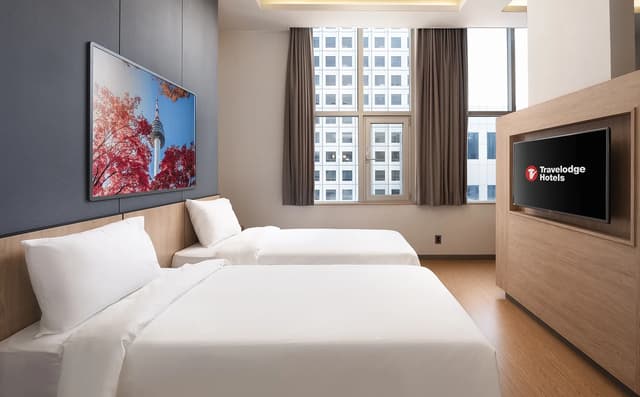
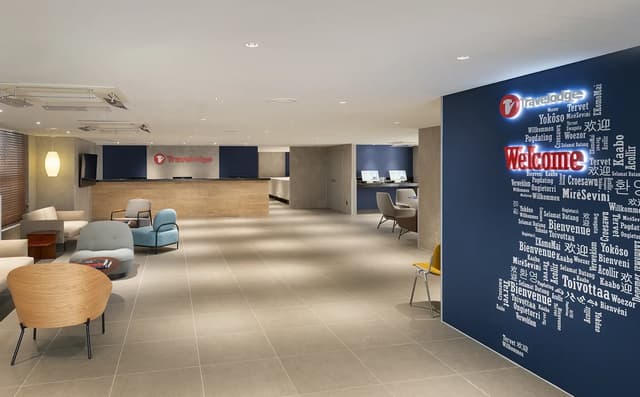
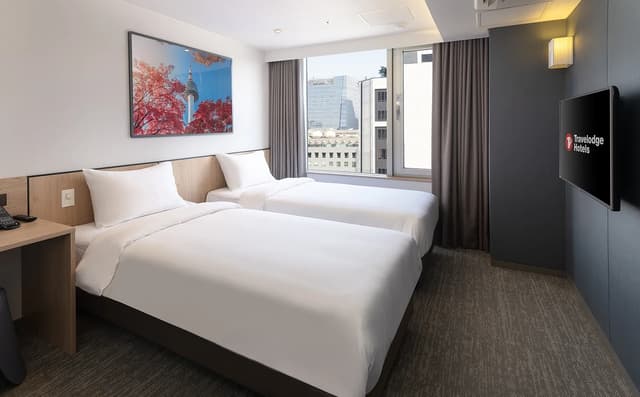
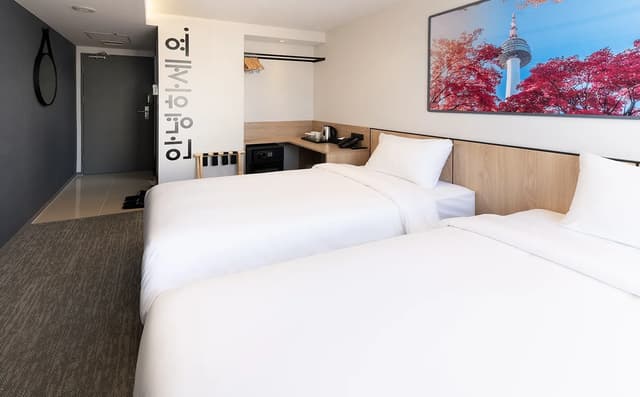
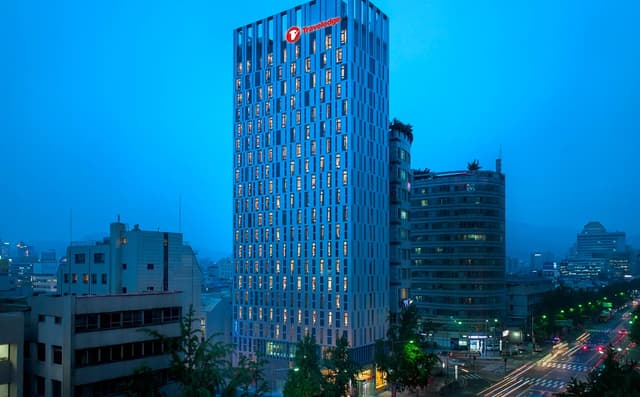
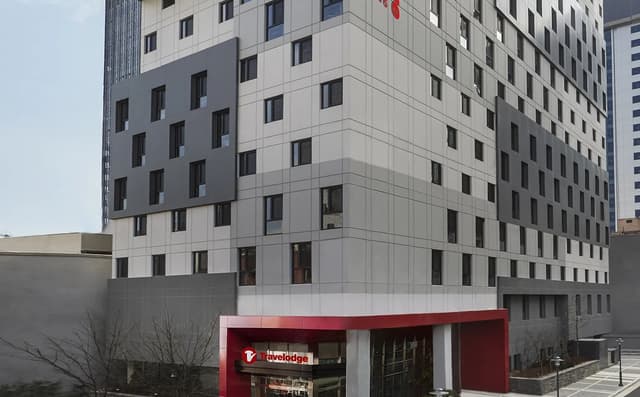
Travelodge Myeongdong Namsan : pour le shopping et les visites de Namsan
Essential Apps for Your Seoul Winter Trip A few useful apps reduce the amount of time spent standing outside trying to work out where the next subway entrance is. Navigation: Naver Map is one of the most useful tools for local directions and public transportation. Translation: Papago is practical for signs, menus, short conversations, and text translation. Taxis: Kakao T is widely used for ride-hailing. Public transportation: Local subway tools and map apps help with exits, transfers, and route planning. Restaurant discovery: Local search platforms often contain more detailed Korean restaurant information than international services. Korea Tourism Organization currently promotes both Naver Map and Papago among useful travel apps for international visitors. Reliable Wi-Fi becomes surprisingly important during winter because routes, weather, attraction hours, reservations, and last-minute transport changes are frequently checked from a phone. Cash, Cards, and Shopping in Seoul Credit and debit cards are widely used in Seoul's malls, restaurants, hotels, cafés, and major retailers. Cash still has a place, particularly around markets, small vendors, and situations where a particular payment method is not accepted. Keep transportation cards separate conceptually from ordinary bank cards. A Tmoney card simplifies local bus and subway travel and can also be used in some other settings. Eligible international visitors may also be able to claim tax refunds on qualifying purchases at participating retailers. Rules cover factors such as eligible purchases, length of stay, and refund procedures, so check the current official Seoul tax-refund information rather than relying on an old threshold quoted in a travel blog. Entry Requirements and Travel Documents Entry requirements depend on nationality, passport, length of stay, and the rules in force at the time of travel. Before flying, confirm passport requirements and check whether a visa, K-ETA, or other entry procedure applies to the passport being used. The official K-ETA website should be the reference point rather than social-media summaries or old articles. As of September 2026, South Korea has extended its temporary K-ETA exemption for currently exempt countries and regions through December 31, 2026. That does not mean every traveler is exempt, and rules for later travel dates may change. Recheck official immigration information shortly before departure, particularly for trips scheduled in 2027 or later. A Simple 3-Day Winter Seoul Itinerary Day 1: Historic Seoul and Myeongdong Start at Gyeongbokgung while daylight is plentiful, then continue toward Insadong for lunch, tea, galleries, or craft shops. Spend the afternoon around Cheonggyecheon before heading into Myeongdong for shopping and winter street food. This sequencing keeps most of the day in central Seoul rather than spending valuable winter daylight on repeated subway transfers. Day 2: Namsan, Shopping, and Dongdaemun Use the morning for Namsan and N Seoul Tower, ideally when skies are clear. Return toward Myeongdong for lunch or shopping, then spend the evening farther east around Dongdaemun Design Plaza and its surrounding retail district. DDP is especially useful on a winter itinerary because exhibitions and indoor spaces can be combined with evening architecture and seasonal lighting. Day 3: Choose the Winter Experience For a stronger snow experience, dedicate the final day to a ski resort or snow-focused excursion outside Seoul. Travelers who have had enough of the cold can take the opposite approach: visit a jjimjilbang, spend time in a museum, explore Gwangjang Market, or slow down with cafés and neighborhoods missed during the first two days. The best third day is the one that responds to the actual weather rather than the itinerary drafted months earlier. Where to Stay in Seoul During Winter Location carries extra weight during Seoul in winter. A hotel near useful subway lines and central neighborhoods reduces long outdoor transfers, makes it easier to return for an afternoon break, and gives more flexibility when the weather changes. Travelodge's Comfort, Convenience, and Connectivity positioning suits this kind of city trip naturally. Comfortable rooms provide somewhere to recharge after long walking days, central locations simplify sightseeing, and connectivity supports weather checks, maps, reservations, translation, and transportation planning. Travelers planning a broader Korean trip can explore Travelodge hotels in South Korea or compare Travelodge hotels in Seoul before choosing the neighborhood that best matches the itinerary. Travelodge Myeongdong Namsan: For Shopping and Namsan Sightseeing  Travelodge Myeongdong Namsan is well suited to first-time visitors building their stay around Myeongdong, Namsan, and central Seoul. The official hotel page places Myeongdong Shopping Street roughly 350 meters away and Chungmuro Station around 400 meters from the property. Those short distances become more valuable in January, when the difference between a quick walk to transport and a lengthy outdoor transfer is noticeable. The property lists heating, complimentary Wi-Fi, and self-service laundry among its facilities. In Travelodge's 8S language, Snooze supports restful downtime, Stream keeps the trip connected, and Spin is useful for refreshing winter layers during a longer stay. Travelodge Myeongdong Euljiro: A Central Base for Historic and Modern Seoul  Travelodge Myeongdong Euljiro works particularly well for travelers combining food, shopping, markets, and historic districts. Euljiro 3-ga Station, served by Subway Lines 2 and 3, is approximately 350 meters from the hotel, while Myeongdong Shopping Street is around 600 meters away. The property also lists complimentary Wi-Fi, self-service laundry, and heating among its facilities. That makes it a practical winter base for days divided between Gwangjang Market, Insadong, Myeongdong, Euljiro, and Dongdaemun. Stream supports route and weather planning, Spin helps on longer stays, and comfortable accommodation provides the Snooze element after several hours outside. For direct bookings, compare the hotel's current official rates and promotions before finalizing the stay. Travelodge Dongdaemun Seoul: For Shopping, Design, and Late Evenings  Travelodge Dongdaemun Seoul suits travelers who expect to spend more time around Dongdaemun's shopping, food, and design districts. The official property information places Dongdaemun Design Plaza at roughly 500 meters, with nearby subway access available for reaching other parts of the city. The hotel lists heating, complimentary Wi-Fi in common areas, and self-service laundry—simple facilities that become particularly useful during cold-weather stays. Staying nearby also means a late evening at DDP or Dongdaemun does not have to finish with another long cross-city journey. It reinforces Travelodge's Convenience and Connectivity while keeping a comfortable room close enough to recharge for the following morning. Practical Tips for a Comfortable Seoul Winter Trip Check the weather each morning rather than assuming yesterday's conditions will continue. Prioritize outdoor landmarks earlier in the day, then build cafés, museums, markets, restaurants, or shopping into the afternoon as natural warm-up breaks. Cold can also affect phone battery performance, so a portable charger is worth carrying when navigation and translation depend heavily on a smartphone. Avoid stacking several outdoor attractions back to back. A palace, a market, and an evening viewpoint will usually feel more enjoyable than three exposed sightseeing areas in succession. For skiing, seasonal skating, special exhibitions, and other winter-specific activities, check reservations and current operating dates before leaving the hotel. Seasonal schedules can change each year and may also respond to weather conditions. Make the Most of Winter in Seoul This Winter Travel Guide to Seoul shows why the city works so well as a cold-weather destination. Historic palaces and hanok neighborhoods bring cultural depth to the daytime, while street food, cafés, jjimjilbangs, shopping districts, skating, and evening attractions give the itinerary plenty of flexibility once temperatures fall. The strongest trip does not depend on Seoul being covered in snow. Build around the city itself, treat snowfall as a bonus, and use its excellent transportation and abundant indoor spaces to keep each day comfortable. A central hotel also makes it easier to move between sightseeing, food, shopping, and warm indoor breaks without turning winter transportation into the focus of the trip. Travelers deciding where to stay in Seoul in winter can compare the active Travelodge properties in Myeongdong, Euljiro, and Dongdaemun and book directly through Travelodge Hotels Asia for official rates, current promotions, and membership benefits. For frequent travelers, joining the Travelodge membership program adds another layer of value to direct stays. Members can earn early check-in, late check-out, exclusive member rates, and special offers, subject to membership tier, availability, and program terms. With the practical details handled, winter in Seoul becomes much simpler: step outside for a palace morning, warm up over a bowl of soup, stay out for the city lights, and let the season shape the pace of the trip rather than dictate it.

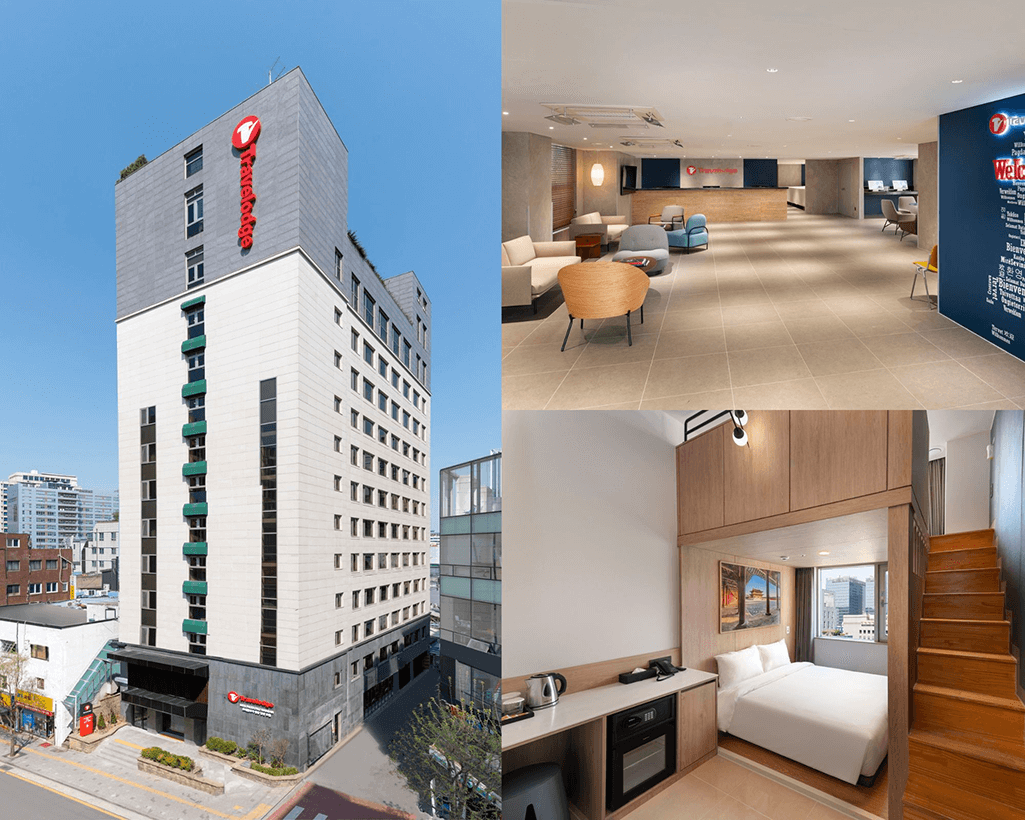
Travelodge Myeongdong Namsan convient bien aux visiteurs qui viennent pour la première fois et organisent leur séjour autour de Myeongdong, de Namsan et du centre de Séoul. La page officielle de l’hôtel indique que Myeongdong Shopping Street se trouve à environ 350 mètres et la station Chungmuro à environ 400 mètres de l’établissement.

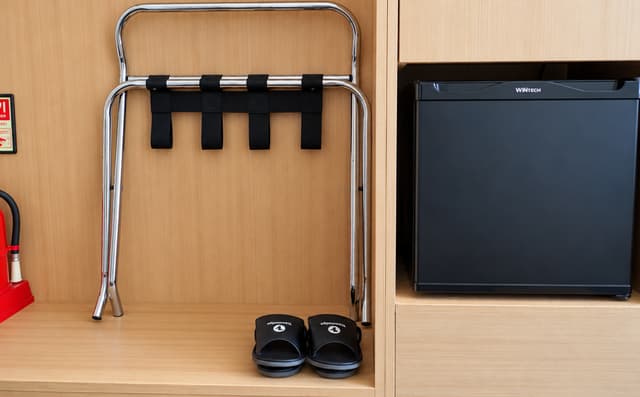
Ces courtes distances deviennent encore plus précieuses en janvier, lorsque la différence entre une courte marche jusqu’aux transports et un long trajet à pied en extérieur est notable. L’établissement indique le chauffage, le Wi-Fi gratuit et une laverie libre-service parmi ses équipements.

Dans le langage 8S de Travelodge, Snooze favorise un repos réparateur, Stream permet de rester connecté pendant le voyage, et Spin est utile pour rafraîchir les vêtements d’hiver lors d’un séjour plus long.

Travelodge Myeongdong Euljiro : une base centrale pour le Séoul historique et moderne
Essential Apps for Your Seoul Winter Trip A few useful apps reduce the amount of time spent standing outside trying to work out where the next subway entrance is. Navigation: Naver Map is one of the most useful tools for local directions and public transportation. Translation: Papago is practical for signs, menus, short conversations, and text translation. Taxis: Kakao T is widely used for ride-hailing. Public transportation: Local subway tools and map apps help with exits, transfers, and route planning. Restaurant discovery: Local search platforms often contain more detailed Korean restaurant information than international services. Korea Tourism Organization currently promotes both Naver Map and Papago among useful travel apps for international visitors. Reliable Wi-Fi becomes surprisingly important during winter because routes, weather, attraction hours, reservations, and last-minute transport changes are frequently checked from a phone. Cash, Cards, and Shopping in Seoul Credit and debit cards are widely used in Seoul's malls, restaurants, hotels, cafés, and major retailers. Cash still has a place, particularly around markets, small vendors, and situations where a particular payment method is not accepted. Keep transportation cards separate conceptually from ordinary bank cards. A Tmoney card simplifies local bus and subway travel and can also be used in some other settings. Eligible international visitors may also be able to claim tax refunds on qualifying purchases at participating retailers. Rules cover factors such as eligible purchases, length of stay, and refund procedures, so check the current official Seoul tax-refund information rather than relying on an old threshold quoted in a travel blog. Entry Requirements and Travel Documents Entry requirements depend on nationality, passport, length of stay, and the rules in force at the time of travel. Before flying, confirm passport requirements and check whether a visa, K-ETA, or other entry procedure applies to the passport being used. The official K-ETA website should be the reference point rather than social-media summaries or old articles. As of September 2026, South Korea has extended its temporary K-ETA exemption for currently exempt countries and regions through December 31, 2026. That does not mean every traveler is exempt, and rules for later travel dates may change. Recheck official immigration information shortly before departure, particularly for trips scheduled in 2027 or later. A Simple 3-Day Winter Seoul Itinerary Day 1: Historic Seoul and Myeongdong Start at Gyeongbokgung while daylight is plentiful, then continue toward Insadong for lunch, tea, galleries, or craft shops. Spend the afternoon around Cheonggyecheon before heading into Myeongdong for shopping and winter street food. This sequencing keeps most of the day in central Seoul rather than spending valuable winter daylight on repeated subway transfers. Day 2: Namsan, Shopping, and Dongdaemun Use the morning for Namsan and N Seoul Tower, ideally when skies are clear. Return toward Myeongdong for lunch or shopping, then spend the evening farther east around Dongdaemun Design Plaza and its surrounding retail district. DDP is especially useful on a winter itinerary because exhibitions and indoor spaces can be combined with evening architecture and seasonal lighting. Day 3: Choose the Winter Experience For a stronger snow experience, dedicate the final day to a ski resort or snow-focused excursion outside Seoul. Travelers who have had enough of the cold can take the opposite approach: visit a jjimjilbang, spend time in a museum, explore Gwangjang Market, or slow down with cafés and neighborhoods missed during the first two days. The best third day is the one that responds to the actual weather rather than the itinerary drafted months earlier. Where to Stay in Seoul During Winter Location carries extra weight during Seoul in winter. A hotel near useful subway lines and central neighborhoods reduces long outdoor transfers, makes it easier to return for an afternoon break, and gives more flexibility when the weather changes. Travelodge's Comfort, Convenience, and Connectivity positioning suits this kind of city trip naturally. Comfortable rooms provide somewhere to recharge after long walking days, central locations simplify sightseeing, and connectivity supports weather checks, maps, reservations, translation, and transportation planning. Travelers planning a broader Korean trip can explore Travelodge hotels in South Korea or compare Travelodge hotels in Seoul before choosing the neighborhood that best matches the itinerary. Travelodge Myeongdong Namsan: For Shopping and Namsan Sightseeing  Travelodge Myeongdong Namsan is well suited to first-time visitors building their stay around Myeongdong, Namsan, and central Seoul. The official hotel page places Myeongdong Shopping Street roughly 350 meters away and Chungmuro Station around 400 meters from the property. Those short distances become more valuable in January, when the difference between a quick walk to transport and a lengthy outdoor transfer is noticeable. The property lists heating, complimentary Wi-Fi, and self-service laundry among its facilities. In Travelodge's 8S language, Snooze supports restful downtime, Stream keeps the trip connected, and Spin is useful for refreshing winter layers during a longer stay. Travelodge Myeongdong Euljiro: A Central Base for Historic and Modern Seoul  Travelodge Myeongdong Euljiro works particularly well for travelers combining food, shopping, markets, and historic districts. Euljiro 3-ga Station, served by Subway Lines 2 and 3, is approximately 350 meters from the hotel, while Myeongdong Shopping Street is around 600 meters away. The property also lists complimentary Wi-Fi, self-service laundry, and heating among its facilities. That makes it a practical winter base for days divided between Gwangjang Market, Insadong, Myeongdong, Euljiro, and Dongdaemun. Stream supports route and weather planning, Spin helps on longer stays, and comfortable accommodation provides the Snooze element after several hours outside. For direct bookings, compare the hotel's current official rates and promotions before finalizing the stay. Travelodge Dongdaemun Seoul: For Shopping, Design, and Late Evenings  Travelodge Dongdaemun Seoul suits travelers who expect to spend more time around Dongdaemun's shopping, food, and design districts. The official property information places Dongdaemun Design Plaza at roughly 500 meters, with nearby subway access available for reaching other parts of the city. The hotel lists heating, complimentary Wi-Fi in common areas, and self-service laundry—simple facilities that become particularly useful during cold-weather stays. Staying nearby also means a late evening at DDP or Dongdaemun does not have to finish with another long cross-city journey. It reinforces Travelodge's Convenience and Connectivity while keeping a comfortable room close enough to recharge for the following morning. Practical Tips for a Comfortable Seoul Winter Trip Check the weather each morning rather than assuming yesterday's conditions will continue. Prioritize outdoor landmarks earlier in the day, then build cafés, museums, markets, restaurants, or shopping into the afternoon as natural warm-up breaks. Cold can also affect phone battery performance, so a portable charger is worth carrying when navigation and translation depend heavily on a smartphone. Avoid stacking several outdoor attractions back to back. A palace, a market, and an evening viewpoint will usually feel more enjoyable than three exposed sightseeing areas in succession. For skiing, seasonal skating, special exhibitions, and other winter-specific activities, check reservations and current operating dates before leaving the hotel. Seasonal schedules can change each year and may also respond to weather conditions. Make the Most of Winter in Seoul This Winter Travel Guide to Seoul shows why the city works so well as a cold-weather destination. Historic palaces and hanok neighborhoods bring cultural depth to the daytime, while street food, cafés, jjimjilbangs, shopping districts, skating, and evening attractions give the itinerary plenty of flexibility once temperatures fall. The strongest trip does not depend on Seoul being covered in snow. Build around the city itself, treat snowfall as a bonus, and use its excellent transportation and abundant indoor spaces to keep each day comfortable. A central hotel also makes it easier to move between sightseeing, food, shopping, and warm indoor breaks without turning winter transportation into the focus of the trip. Travelers deciding where to stay in Seoul in winter can compare the active Travelodge properties in Myeongdong, Euljiro, and Dongdaemun and book directly through Travelodge Hotels Asia for official rates, current promotions, and membership benefits. For frequent travelers, joining the Travelodge membership program adds another layer of value to direct stays. Members can earn early check-in, late check-out, exclusive member rates, and special offers, subject to membership tier, availability, and program terms. With the practical details handled, winter in Seoul becomes much simpler: step outside for a palace morning, warm up over a bowl of soup, stay out for the city lights, and let the season shape the pace of the trip rather than dictate it.

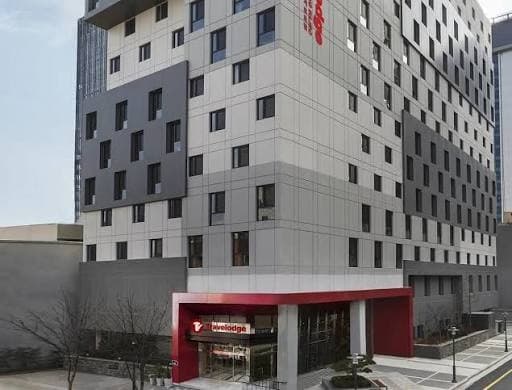
Travelodge Myeongdong Euljiro convient particulièrement bien aux voyageurs qui combinent gastronomie, shopping, marchés et quartiers historiques.

La station Euljiro 3-ga, desservie par les lignes de métro 2 et 3, se trouve à environ 350 mètres de l’hôtel, tandis que Myeongdong Shopping Street est à environ 600 mètres. L’établissement indique également le Wi-Fi gratuit, une laverie libre-service et le chauffage parmi ses équipements.

Cela en fait une base pratique pour l’hiver, pour des journées partagées entre le marché de Gwangjang, Insadong, Myeongdong, Euljiro et Dongdaemun. Stream facilite la planification des itinéraires et de la météo, Spin est utile lors de séjours plus longs, et un hébergement confortable apporte l’élément Snooze après plusieurs heures passées dehors.

Pour les réservations directes, comparez les tarifs et promotions officiels actuels de l’hôtel avant de finaliser le séjour.

Travelodge Dongdaemun Seoul : pour le shopping, le design et les soirées tardives
Essential Apps for Your Seoul Winter Trip A few useful apps reduce the amount of time spent standing outside trying to work out where the next subway entrance is. Navigation: Naver Map is one of the most useful tools for local directions and public transportation. Translation: Papago is practical for signs, menus, short conversations, and text translation. Taxis: Kakao T is widely used for ride-hailing. Public transportation: Local subway tools and map apps help with exits, transfers, and route planning. Restaurant discovery: Local search platforms often contain more detailed Korean restaurant information than international services. Korea Tourism Organization currently promotes both Naver Map and Papago among useful travel apps for international visitors. Reliable Wi-Fi becomes surprisingly important during winter because routes, weather, attraction hours, reservations, and last-minute transport changes are frequently checked from a phone. Cash, Cards, and Shopping in Seoul Credit and debit cards are widely used in Seoul's malls, restaurants, hotels, cafés, and major retailers. Cash still has a place, particularly around markets, small vendors, and situations where a particular payment method is not accepted. Keep transportation cards separate conceptually from ordinary bank cards. A Tmoney card simplifies local bus and subway travel and can also be used in some other settings. Eligible international visitors may also be able to claim tax refunds on qualifying purchases at participating retailers. Rules cover factors such as eligible purchases, length of stay, and refund procedures, so check the current official Seoul tax-refund information rather than relying on an old threshold quoted in a travel blog. Entry Requirements and Travel Documents Entry requirements depend on nationality, passport, length of stay, and the rules in force at the time of travel. Before flying, confirm passport requirements and check whether a visa, K-ETA, or other entry procedure applies to the passport being used. The official K-ETA website should be the reference point rather than social-media summaries or old articles. As of September 2026, South Korea has extended its temporary K-ETA exemption for currently exempt countries and regions through December 31, 2026. That does not mean every traveler is exempt, and rules for later travel dates may change. Recheck official immigration information shortly before departure, particularly for trips scheduled in 2027 or later. A Simple 3-Day Winter Seoul Itinerary Day 1: Historic Seoul and Myeongdong Start at Gyeongbokgung while daylight is plentiful, then continue toward Insadong for lunch, tea, galleries, or craft shops. Spend the afternoon around Cheonggyecheon before heading into Myeongdong for shopping and winter street food. This sequencing keeps most of the day in central Seoul rather than spending valuable winter daylight on repeated subway transfers. Day 2: Namsan, Shopping, and Dongdaemun Use the morning for Namsan and N Seoul Tower, ideally when skies are clear. Return toward Myeongdong for lunch or shopping, then spend the evening farther east around Dongdaemun Design Plaza and its surrounding retail district. DDP is especially useful on a winter itinerary because exhibitions and indoor spaces can be combined with evening architecture and seasonal lighting. Day 3: Choose the Winter Experience For a stronger snow experience, dedicate the final day to a ski resort or snow-focused excursion outside Seoul. Travelers who have had enough of the cold can take the opposite approach: visit a jjimjilbang, spend time in a museum, explore Gwangjang Market, or slow down with cafés and neighborhoods missed during the first two days. The best third day is the one that responds to the actual weather rather than the itinerary drafted months earlier. Where to Stay in Seoul During Winter Location carries extra weight during Seoul in winter. A hotel near useful subway lines and central neighborhoods reduces long outdoor transfers, makes it easier to return for an afternoon break, and gives more flexibility when the weather changes. Travelodge's Comfort, Convenience, and Connectivity positioning suits this kind of city trip naturally. Comfortable rooms provide somewhere to recharge after long walking days, central locations simplify sightseeing, and connectivity supports weather checks, maps, reservations, translation, and transportation planning. Travelers planning a broader Korean trip can explore Travelodge hotels in South Korea or compare Travelodge hotels in Seoul before choosing the neighborhood that best matches the itinerary. Travelodge Myeongdong Namsan: For Shopping and Namsan Sightseeing  Travelodge Myeongdong Namsan is well suited to first-time visitors building their stay around Myeongdong, Namsan, and central Seoul. The official hotel page places Myeongdong Shopping Street roughly 350 meters away and Chungmuro Station around 400 meters from the property. Those short distances become more valuable in January, when the difference between a quick walk to transport and a lengthy outdoor transfer is noticeable. The property lists heating, complimentary Wi-Fi, and self-service laundry among its facilities. In Travelodge's 8S language, Snooze supports restful downtime, Stream keeps the trip connected, and Spin is useful for refreshing winter layers during a longer stay. Travelodge Myeongdong Euljiro: A Central Base for Historic and Modern Seoul  Travelodge Myeongdong Euljiro works particularly well for travelers combining food, shopping, markets, and historic districts. Euljiro 3-ga Station, served by Subway Lines 2 and 3, is approximately 350 meters from the hotel, while Myeongdong Shopping Street is around 600 meters away. The property also lists complimentary Wi-Fi, self-service laundry, and heating among its facilities. That makes it a practical winter base for days divided between Gwangjang Market, Insadong, Myeongdong, Euljiro, and Dongdaemun. Stream supports route and weather planning, Spin helps on longer stays, and comfortable accommodation provides the Snooze element after several hours outside. For direct bookings, compare the hotel's current official rates and promotions before finalizing the stay. Travelodge Dongdaemun Seoul: For Shopping, Design, and Late Evenings  Travelodge Dongdaemun Seoul suits travelers who expect to spend more time around Dongdaemun's shopping, food, and design districts. The official property information places Dongdaemun Design Plaza at roughly 500 meters, with nearby subway access available for reaching other parts of the city. The hotel lists heating, complimentary Wi-Fi in common areas, and self-service laundry—simple facilities that become particularly useful during cold-weather stays. Staying nearby also means a late evening at DDP or Dongdaemun does not have to finish with another long cross-city journey. It reinforces Travelodge's Convenience and Connectivity while keeping a comfortable room close enough to recharge for the following morning. Practical Tips for a Comfortable Seoul Winter Trip Check the weather each morning rather than assuming yesterday's conditions will continue. Prioritize outdoor landmarks earlier in the day, then build cafés, museums, markets, restaurants, or shopping into the afternoon as natural warm-up breaks. Cold can also affect phone battery performance, so a portable charger is worth carrying when navigation and translation depend heavily on a smartphone. Avoid stacking several outdoor attractions back to back. A palace, a market, and an evening viewpoint will usually feel more enjoyable than three exposed sightseeing areas in succession. For skiing, seasonal skating, special exhibitions, and other winter-specific activities, check reservations and current operating dates before leaving the hotel. Seasonal schedules can change each year and may also respond to weather conditions. Make the Most of Winter in Seoul This Winter Travel Guide to Seoul shows why the city works so well as a cold-weather destination. Historic palaces and hanok neighborhoods bring cultural depth to the daytime, while street food, cafés, jjimjilbangs, shopping districts, skating, and evening attractions give the itinerary plenty of flexibility once temperatures fall. The strongest trip does not depend on Seoul being covered in snow. Build around the city itself, treat snowfall as a bonus, and use its excellent transportation and abundant indoor spaces to keep each day comfortable. A central hotel also makes it easier to move between sightseeing, food, shopping, and warm indoor breaks without turning winter transportation into the focus of the trip. Travelers deciding where to stay in Seoul in winter can compare the active Travelodge properties in Myeongdong, Euljiro, and Dongdaemun and book directly through Travelodge Hotels Asia for official rates, current promotions, and membership benefits. For frequent travelers, joining the Travelodge membership program adds another layer of value to direct stays. Members can earn early check-in, late check-out, exclusive member rates, and special offers, subject to membership tier, availability, and program terms. With the practical details handled, winter in Seoul becomes much simpler: step outside for a palace morning, warm up over a bowl of soup, stay out for the city lights, and let the season shape the pace of the trip rather than dictate it.

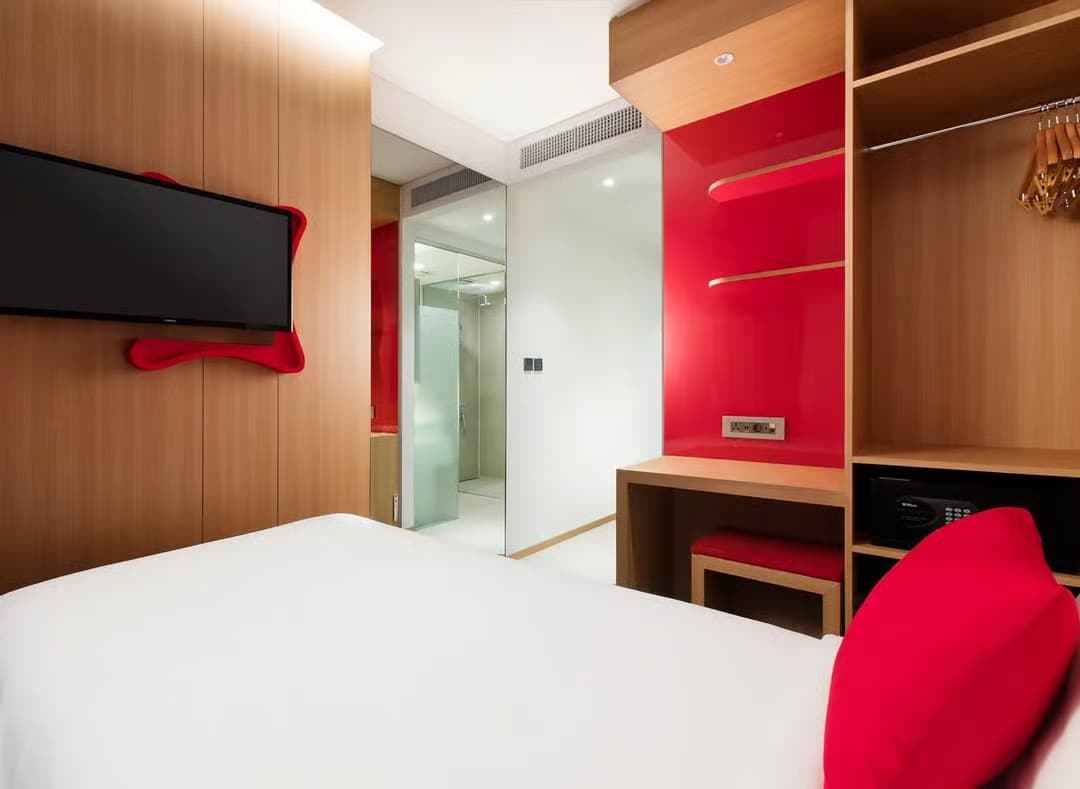
Travelodge Dongdaemun Seoul convient aux voyageurs qui s’attendent à passer plus de temps autour des quartiers commerçants, gastronomiques et de design de Dongdaemun. Les informations officielles de l’établissement situent la Dongdaemun Design Plaza à environ 500 mètres, avec un accès au métro à proximité pour rejoindre d’autres parties de la ville.

L’hôtel propose le chauffage, le Wi-Fi gratuit dans les espaces communs et une laverie en libre-service — des équipements simples qui deviennent particulièrement utiles lors d’un séjour par temps froid.

Séjourner à proximité signifie aussi qu’une soirée tardive au DDP ou à Dongdaemun ne doit pas se terminer par un autre long trajet à travers la ville. Cela renforce la commodité et la connectivité de Travelodge tout en offrant une chambre confortable suffisamment proche pour se reposer avant le lendemain matin.

Conseils pratiques pour un séjour confortable à Séoul en hiver

Vérifiez la météo chaque matin plutôt que de supposer que les conditions de la veille vont se maintenir. Privilégiez les sites extérieurs plus tôt dans la journée, puis intégrez des cafés, musées, marchés, restaurants ou séances de shopping dans l’après-midi comme pauses naturelles pour se réchauffer.

Le froid peut aussi affecter les performances de la batterie du téléphone, donc un chargeur portable vaut la peine d’être emporté lorsque la navigation et la traduction dépendent beaucoup d’un smartphone.

Évitez d’enchaîner plusieurs attractions extérieures à la suite. Un palais, un marché et un point de vue en soirée seront généralement plus agréables que trois sites exposés de suite.

Pour le ski, le patinage saisonnier, les expositions spéciales et d’autres activités spécifiques à l’hiver, vérifiez les réservations et les dates d’ouverture en vigueur avant de quitter l’hôtel. Les calendriers saisonniers peuvent changer chaque année et peuvent aussi dépendre des conditions météorologiques.

Profitez au maximum de l’hiver à Séoul

Ce guide de voyage de Séoul en hiver montre pourquoi la ville fonctionne si bien comme destination par temps froid. Les palais historiques et les quartiers hanok apportent une profondeur culturelle à la journée, tandis que la street food, les cafés, les jjimjilbangs, les quartiers commerçants, le patinage et les attractions du soir offrent beaucoup de flexibilité à l’itinéraire lorsque les températures baissent.

Le meilleur voyage ne dépend pas du fait que Séoul soit couverte de neige. Construisez votre séjour autour de la ville elle-même, considérez la neige comme un bonus et utilisez son excellent réseau de transport ainsi que ses nombreux espaces intérieurs pour garder chaque journée confortable. Un hôtel central facilite aussi les déplacements entre visites, gastronomie, shopping et pauses bien au chaud, sans faire du transport hivernal le centre du voyage.

Les voyageurs qui cherchent où séjourner à Séoul en hiver peuvent comparer les établissements Travelodge actifs à Myeongdong, Euljiro et Dongdaemun et réserver directement via Travelodge Hotels Asia pour bénéficier des tarifs officiels, des promotions en cours et des avantages réservés aux membres.

Pour les voyageurs fréquents, rejoindre le programme de fidélité Travelodge ajoute une couche de valeur supplémentaire aux séjours réservés en direct. Les membres peuvent bénéficier d’un enregistrement anticipé, d’un départ tardif, de tarifs exclusifs membres et d’offres spéciales, sous réserve du niveau d’adhésion, des disponibilités et des conditions du programme.

Une fois les aspects pratiques réglés, l’hiver à Séoul devient beaucoup plus simple : sortez pour une matinée au palais, réchauffez-vous autour d’un bol de soupe, profitez des lumières de la ville, et laissez la saison donner le rythme du voyage plutôt que de le dicter.
Partager l'article