


Share article
What to Buy from Japan? 15 Souvenirs Worth Bringing Home

Aiko Sato
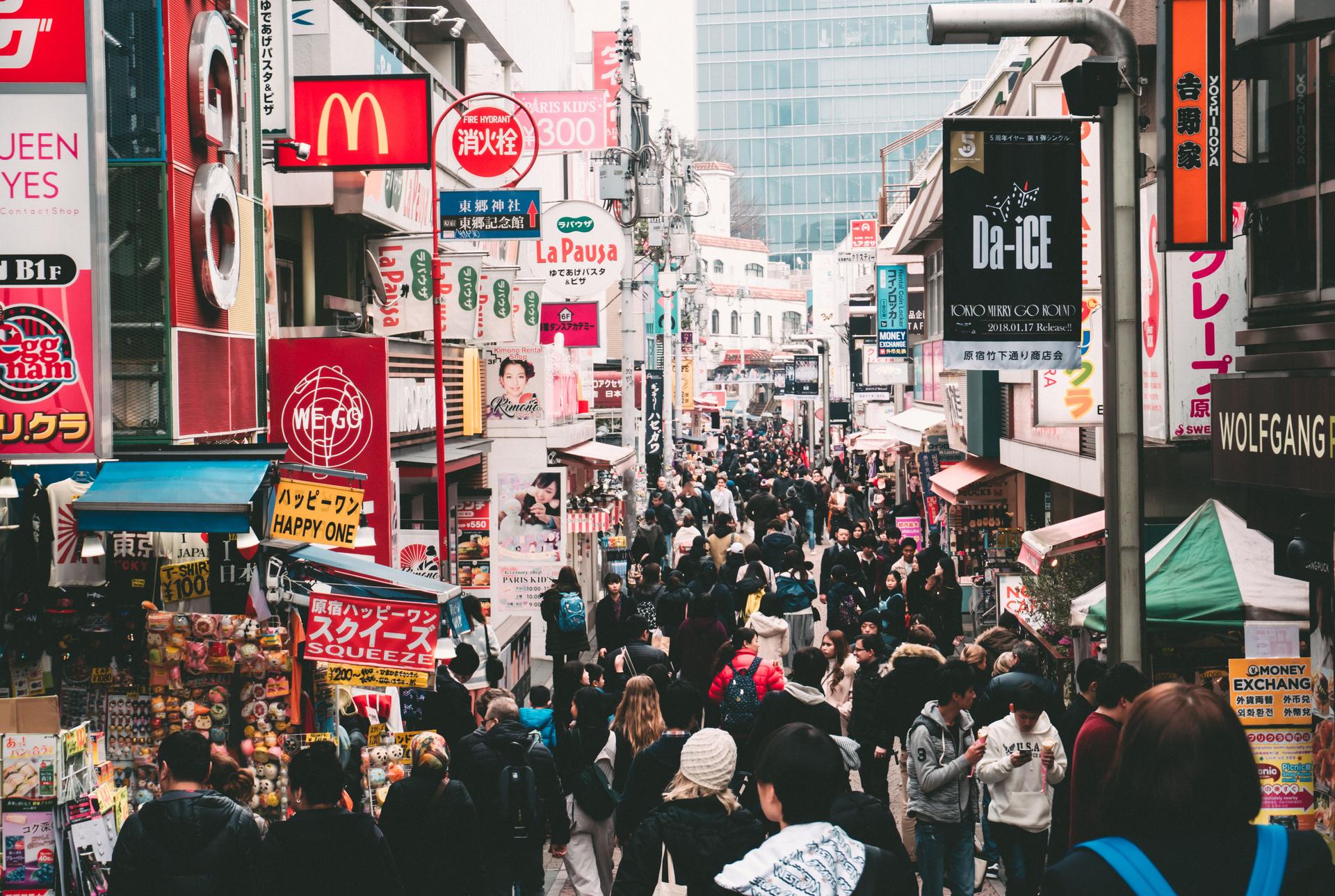
Shopping in Japan can be just as memorable as the sightseeing itself, from browsing tea shops and cookware stores in Kyoto to exploring department-store food halls and late-night discount stores. Knowing what to buy from Japan helps narrow the choices, whether you're looking for snacks, tea, skincare, stationery, ceramics, kitchenware, fashion, traditional crafts, or character merchandise.
Regional products also give Kyoto, Osaka, and Nagoya their own shopping appeal. With a little planning around luggage space, customs rules, and when to make larger purchases, shopping in Japan becomes an enjoyable part of the travel experience rather than just a last-minute souvenir hunt.
What to Buy from Japan?
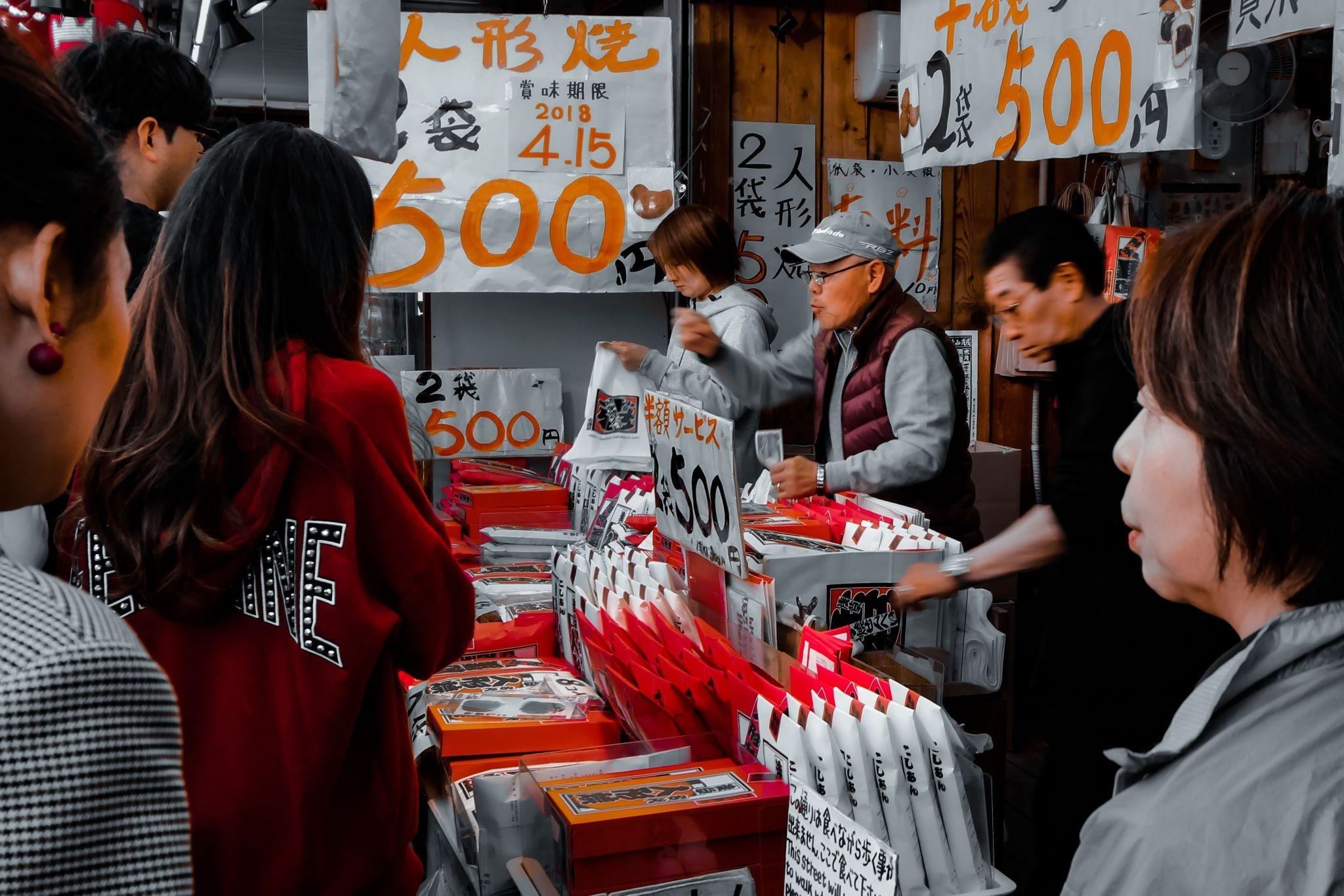
The best purchase depends on what the souvenir needs to do. Some travelers want small gifts that can be handed out easily after the trip. Others would rather bring home a knife they will use for years, a piece of handmade pottery, or stationery that is difficult to find elsewhere.
Popular things to buy from Japan generally fall into a few broad categories:
- Japanese snacks and confectionery
- Matcha and other Japanese teas
- Tea utensils and accessories
- Skincare and cosmetics
- Stationery and paper goods
- Kitchenware and knives
- Ceramics and tableware
- Traditional textiles and crafts
- Fashion and accessories
- Anime, manga, and gaming merchandise
- Character collectibles and gachapon
- Home and lifestyle products
- City- and region-specific souvenirs
There is no reason to buy everything from the first large souvenir shop encountered. Markets, shopping arcades, specialist stores, department stores, drugstores, and neighborhood boutiques each excel at different products.
1. Japanese Snacks and Regional Sweets
Food is one of the easiest Japanese souvenirs to share, and presentation is often almost as important as flavor. Boxes are commonly divided into individually wrapped portions, making them particularly convenient as gifts for coworkers, friends, or family.
Regional KitKat flavors are well known among visitors, but they are only the beginning. Pocky, mochi, manju filled with sweet bean paste, senbei rice crackers, cookies, cakes, and regional confectionery occupy entire sections of station shops and department-store basements.
Castella is another gift worth watching for, particularly for anyone interested in the Portuguese influence on Japanese confectionery. Local variations can also turn a familiar sweet into a souvenir tied to a particular destination.
Before stocking up, check expiry dates. Some fresh wagashi and mochi have much shorter shelf lives than boxed confectionery. Food import rules also differ by country, particularly for products containing meat, fresh fruit, or other restricted ingredients.
2. Matcha and Japanese Tea
For tea drinkers, matcha is one of the most appealing things to get from Japan, especially when the itinerary includes Kyoto.
Matcha quality and intended use vary considerably. Some powders are designed for traditional tea preparation, while others work better for lattes, baking, or desserts. Specialist tea shops can usually explain the difference more clearly than a general souvenir retailer.
Sencha is an excellent alternative for everyday drinking. Hojicha offers a roasted, mellow character, while genmaicha combines green tea with roasted rice for a distinctive nutty aroma.
Kyoto is especially rewarding for tea shopping because it provides access not only to matcha but also to tea houses and specialist merchants with strong connections to Uji, one of Japan's most famous tea-producing areas.
3. Matcha Bowls, Chasen, and Tea Accessories
A packet of tea eventually disappears. Good tea utensils can remain part of the kitchen for years.
A chawan, or tea bowl, is one of the most distinctive choices. Designs range from refined artisan ceramics to simpler everyday bowls. A bamboo chasen whisk is useful for preparing matcha properly, while a chashaku bamboo scoop completes the traditional setup.
Tea canisters are an easier option for travelers worried about luggage space. Japanese cups and small teapots can also be practical purchases for anyone who wants something decorative without turning the souvenir into a purely ornamental object.
Fragile pieces should be kept in their original packaging whenever possible and surrounded by clothing inside checked luggage or carried on board when airline restrictions and baggage space allow.
4. Japanese Skincare and Sunscreen
Japanese drugstores can be dangerous places for a tightly controlled shopping budget. Shelves run from simple everyday skincare to premium products, and stores in major cities frequently stock several versions of cleansers, lotions, moisturizers, sheet masks, and sunscreens.
Sunscreen is particularly popular among international shoppers because Japanese brands offer a wide range of lightweight textures and formats. Cleansing oils and balms, hydrating lotions, sheet masks, and facial cleansers are other common purchases.
Look beyond products trending on social media. Skin type, fragrance preferences, active ingredients, and intended use matter more than a product's popularity.
It is also worth comparing prices. The same brand may appear at a neighborhood drugstore, a large chain, Don Quijote, and a department store at different prices or in different promotional bundles.
5. Japanese Cosmetics and Haircare
Beauty shopping in Japan extends well beyond skincare.
Drugstores carry mascara, eyeliner, lip products, eyebrow products, false lashes, foundations, and other everyday cosmetics from domestic brands. Department stores provide a more premium beauty environment, while large variety stores often sit somewhere between the two.
Haircare is another category worth browsing. Shampoo, conditioner, treatment masks, styling products, brushes, and scalp-care items can differ noticeably from what is stocked in overseas markets.
Avoid assuming that a product will automatically work better simply because it comes from Japan. The attraction lies in the variety of formulations, packaging, textures, and products that may not be distributed widely outside the country.
6. Japanese Stationery
Stationery may be the perfect souvenir for anyone trying to avoid overweight baggage.
Japanese pens are known for fine writing performance, while mechanical pencils, notebooks, planners, stickers, stamps, washi tape, letter sets, and folders range from minimalist office tools to playful character designs.
Part of the pleasure is the attention paid to small functional details. A notebook may open particularly flat, a pen may be designed for extremely precise lines, or a compact organizer may solve a problem no one realized needed solving.
Stationery also works across different budgets. A handful of pens and stickers can become inexpensive gifts, while fountain pens, premium notebooks, and limited-edition products appeal to serious collectors.
7. Japanese Kitchenware
Japan is an excellent place to shop for objects designed to be used rather than simply displayed.
Chopsticks are an obvious starting point, with designs ranging from simple wood to lacquered gift sets. Bento boxes, rice paddles, graters, peelers, cooking chopsticks, small trays, molds, and clever kitchen gadgets are easy to find.
Specialist cookware shops usually provide a more interesting selection than generic souvenir stores. Markets can also be useful, particularly in cities with strong food cultures.
Kitchenware makes a particularly good souvenir because it can become part of everyday life after the trip. A favorite bowl or pair of chopsticks often carries more memory than an object kept permanently on a shelf.
8. Japanese Knives
A Japanese kitchen knife is one of the more substantial souvenirs on this list.
Knife-making traditions differ by region and maker, and stores may offer gyuto chef's knives, santoku multipurpose knives, nakiri vegetable knives, petty knives, and more specialized blades. Price varies widely according to materials and craftsmanship.
Buy according to how the knife will actually be used rather than assuming the most expensive option is automatically the right one. A reputable specialist shop should be able to explain steel type, maintenance, sharpening, and suitable cutting tasks.
Knives also require more thought when packing. Check airline and destination-country regulations and place eligible sharp items in checked baggage rather than cabin luggage.
9. Japanese Ceramics and Tableware
Ceramics offer another way to bring Japanese design into everyday life.
Small rice bowls, ramen bowls, sake cups, plates, sauce dishes, mugs, and serving pieces are widely available. At specialist craft shops, the selection may include products connected to established ceramic regions and individual artisans.
Do not feel obliged to buy a complete matching set. Japanese table settings frequently look beautiful precisely because different textures, glazes, colors, and shapes are combined.
Fragility is the obvious disadvantage. Ask stores to retain protective packaging and use clothing or other soft items to stabilize boxes inside the suitcase.
10. Traditional Japanese Crafts and Textiles
Travelers interested in heritage should leave room for locally made crafts.
Furoshiki wrapping cloths are particularly useful because they are lightweight and versatile. They can be used for gift wrapping, carrying objects, storage, or decoration. Tenugui, the traditional cotton cloth, is another compact option and comes in countless patterns.
Folding fans, lacquerware, woodcraft, traditional textiles, handmade pouches, and fabric goods provide other possibilities. The most rewarding purchases often come from stores that explain where an item was produced and how it was made.
Locally produced crafts tend to carry a stronger connection to place than generic "Japan" merchandise manufactured primarily for tourist shops.
11. Japanese Fashion, Shoes, and Accessories
Japan rewards travelers who enjoy browsing rather than shopping from a fixed list.
Department stores offer established Japanese and international labels in a polished setting. Shopping streets make it easier to move between mainstream chains and smaller retailers, while vintage districts can uncover secondhand designer pieces, workwear, denim, streetwear, and unusual accessories.
Socks deserve more attention than they sound like they should. Japanese shops offer a remarkable variety of colors, patterns, technical fabrics, tabi-inspired designs, and character collaborations.
Bags, caps, jewelry, glasses, shoes, and compact accessories are also easier to fit into luggage than a complete new wardrobe.
Osaka is particularly useful for fashion-oriented travelers because areas such as Shinsaibashi and Namba combine department stores, major Japanese brands, streetwear, vintage retailers, and independent shops within a relatively concentrated area.
12. Anime, Manga, and Gaming Merchandise
For pop-culture fans, deciding what to buy from Japan can become a project of its own.
Manga volumes, art books, figurines, acrylic stands, plush toys, trading cards, keychains, posters, game merchandise, and limited collaborations fill dedicated stores across major cities.
New releases are only one part of the experience. Secondhand stores can be particularly interesting for older series, discontinued merchandise, collectibles, and character goods that are difficult to find overseas.
Region-specific collaborations also make excellent souvenirs. A familiar character appearing in Kyoto clothing or alongside an Osaka food icon connects the collectible directly to the trip.
13. Gachapon and Character Goods
Not every souvenir needs to be researched in advance.
Japan's capsule-toy machines, commonly known as gachapon or gashapon, turn shopping into a game. Machines can contain miniature food replicas, animals, character figures, strange household objects, tiny landmarks, or remarkably detailed models.
Prices per capsule are usually small enough to encourage "just one more," although that logic can deteriorate quickly around a wall containing hundreds of machines.
Character stores provide a more predictable alternative. Pokémon, Nintendo, Sanrio, Studio Ghibli, manga series, mascots, and other franchises offer everything from plush toys to stationery and homeware.
These products are especially useful for travelers buying for children or adults with very specific collections.
14. Japanese Home and Lifestyle Products
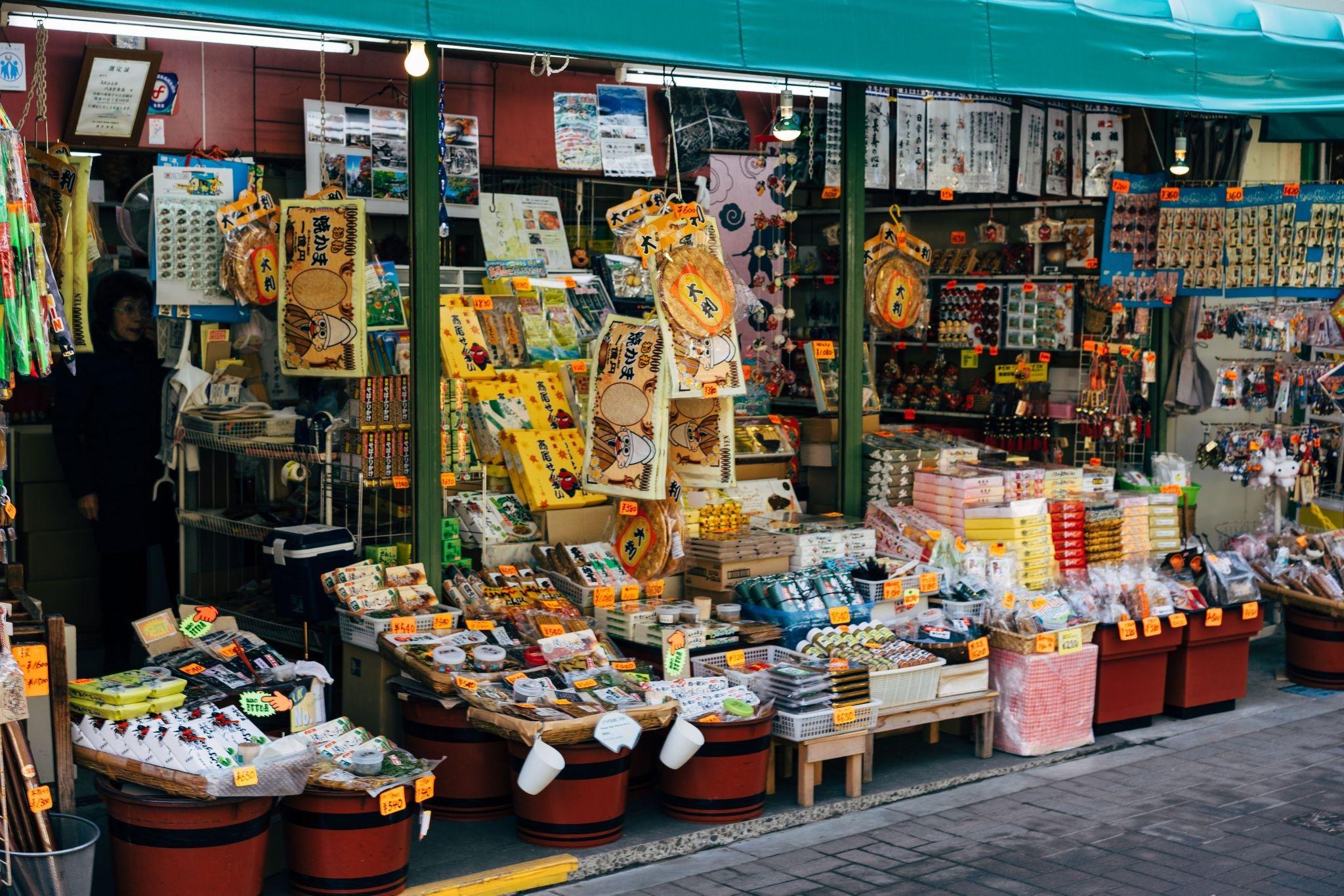
Some of the best souvenirs from Japan do not look like souvenirs at all.
Lifestyle stores are full of storage products, towels, organizers, travel accessories, reusable containers, cleaning tools, slippers, fragrance products, and small pieces of homeware.
Japanese retail design often puts considerable thought into compact living, making this category particularly interesting for anyone who appreciates efficient storage or objects with more than one use.
The advantage is longevity. A travel organizer or household item might still be in regular use long after the snacks have disappeared.
15. Regional Souvenirs Like From Kyoto, Osaka, and Nagoya
Leaving a little luggage space unplanned is often the smartest shopping strategy. Some of the most memorable things to buy from Japan are discovered only after arriving.
- In Kyoto, look for matcha, tea utensils, wagashi, textiles, ceramics, incense, fans, and traditional craft products. The city's long association with tea and artisan culture makes it particularly suited to thoughtful gifts.
- In Osaka, food dominates the souvenir landscape. Takoyaki-inspired snacks, regional confectionery, sauces, kitchen items, comedy-related goods, and pop-culture merchandise reflect the city's playful culinary identity.
- In Nagoya, regional food products and confectionery sit alongside Aichi craft traditions. Items associated with Nagoya's famous local dishes can also make amusing gifts for travelers who want something distinctly regional.
The point is not to collect an obligatory souvenir from every city. Buy something because it captures a place, a meal, a shop, or a moment worth remembering.
Where to Shop in Kyoto
Kyoto shopping is most interesting when traditional and contemporary retail are allowed to overlap.
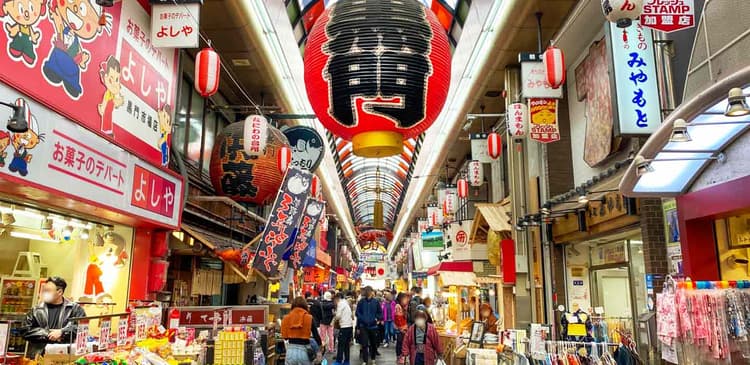
Nishiki Market is the natural starting point for food-focused purchases. The narrow market street is packed with ingredients, seasonings, tea, pickles, sweets, cookware, snacks, and regional products.
Shijo and Kawaramachi offer a much broader retail mix, including department stores, cosmetics, fashion, drugstores, restaurants, and major chains. Nearby Teramachi and Shinkyogoku provide covered shopping arcades where souvenirs sit alongside clothing, specialist stores, cafés, and casual food.
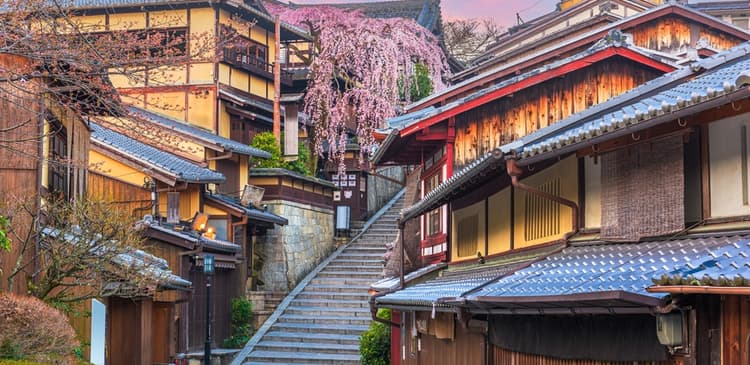
Gion and other traditional districts are better suited to tea, sweets, craft products, incense, textiles, and purchases connected more closely to Kyoto's cultural identity.
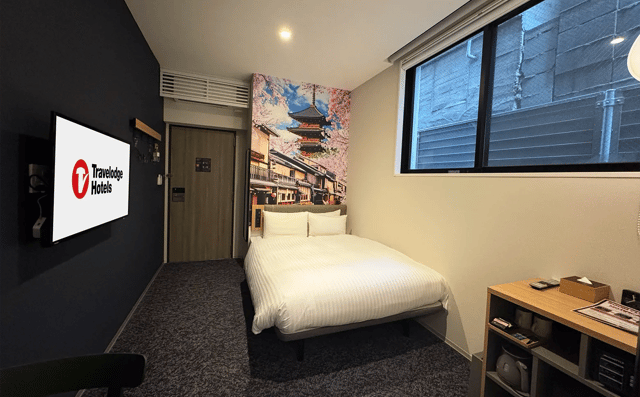
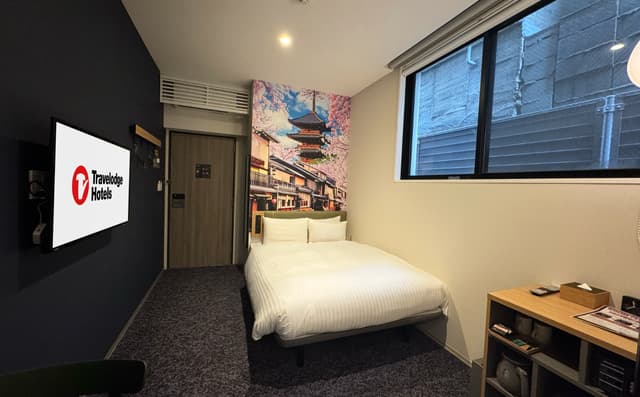
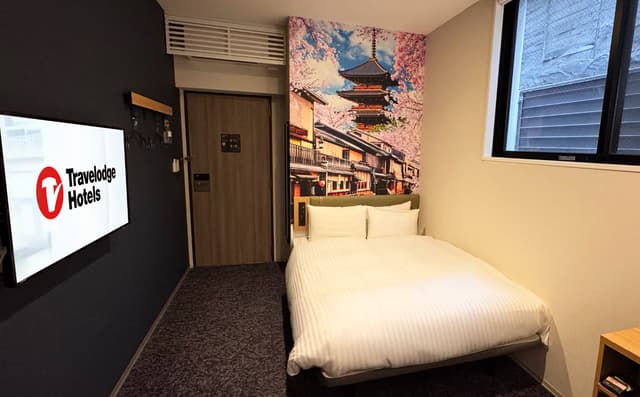
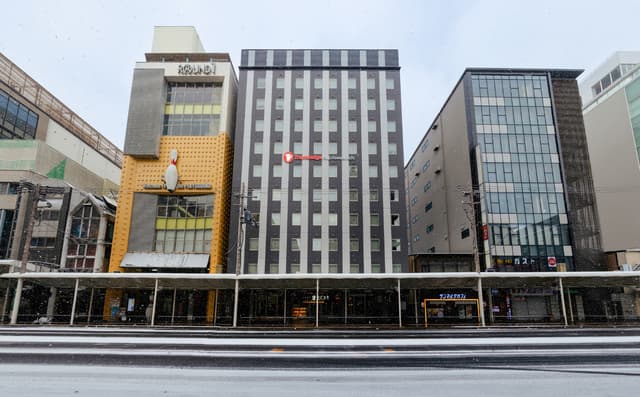
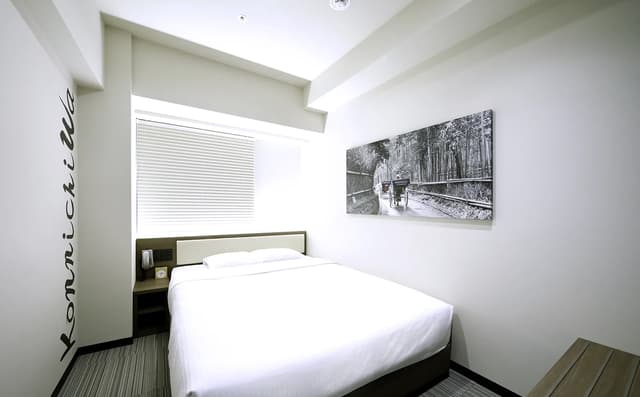
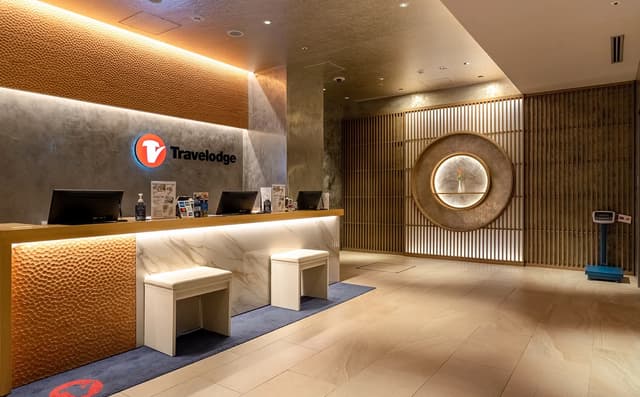
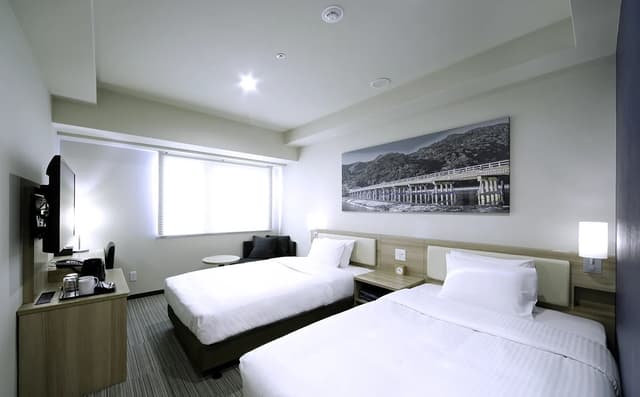
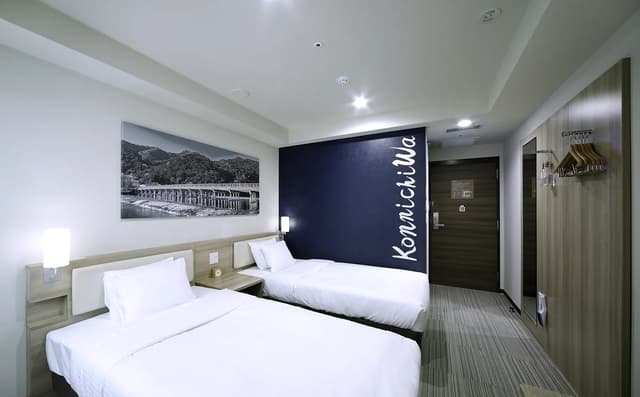
Stay Near Kawaramachi Shopping at Travelodge Kyoto Shijo Kawaramachi
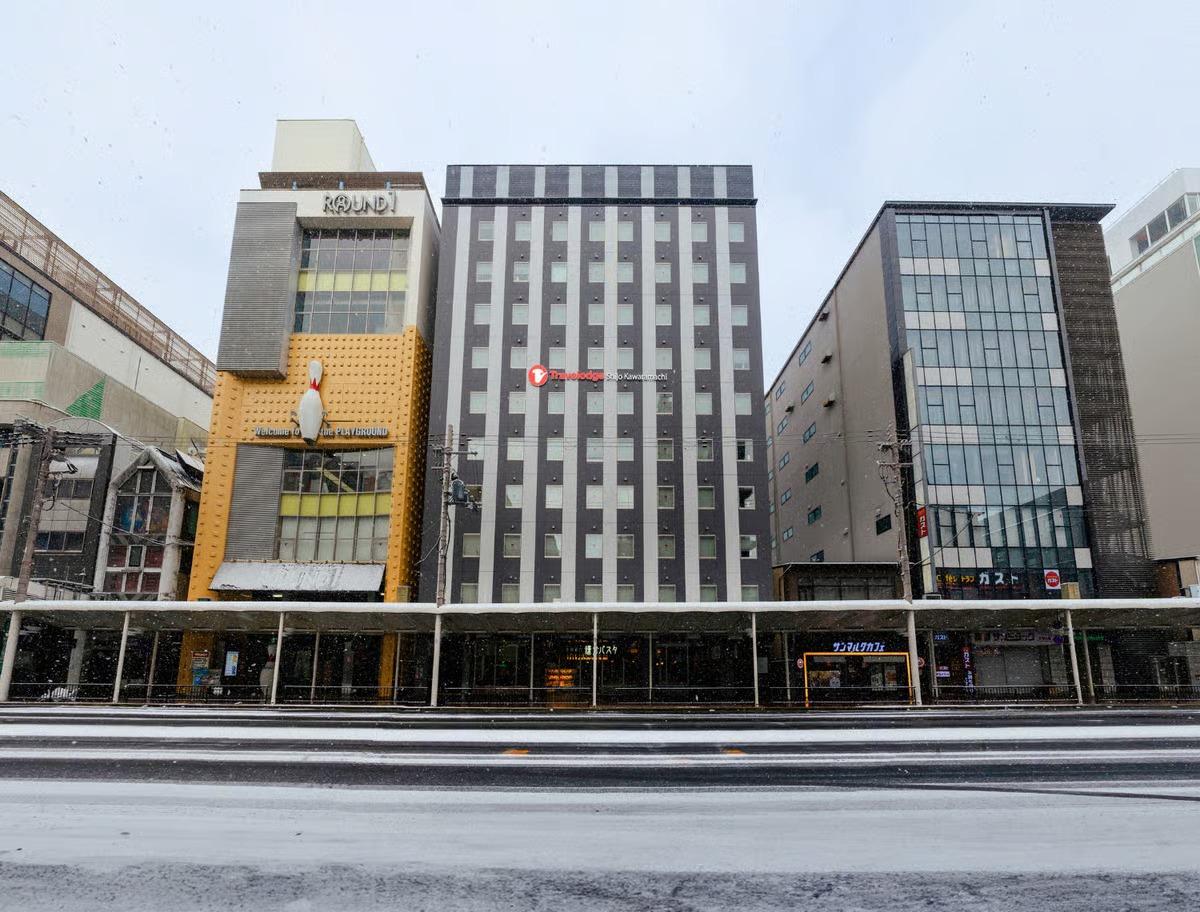
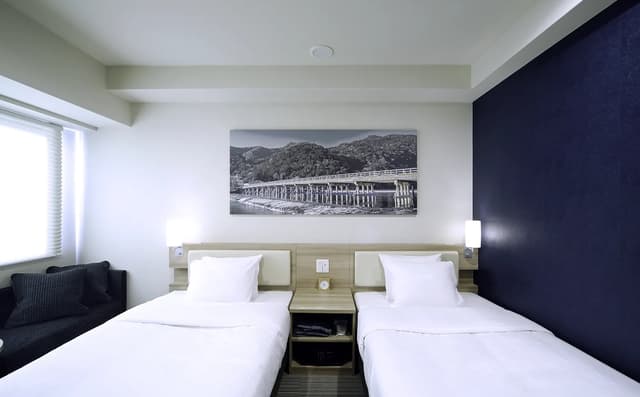
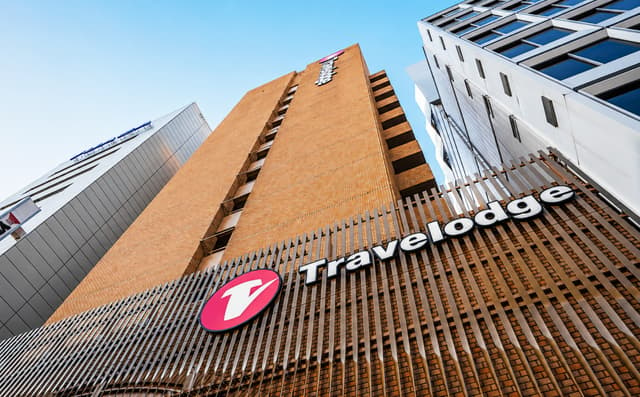
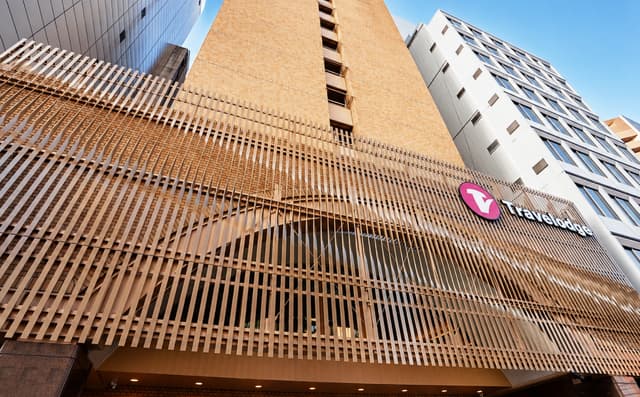
For a shopping-heavy Kyoto stay, Travelodge Kyoto Shijo Kawaramachi puts several useful retail areas within easy reach. The official hotel page lists Nishiki Market at approximately 450 meters, Don Quijote Shijo Kawaramachi at around 170 meters, and Kyoto-Kawaramachi Station at roughly 250 meters from the property.
That location makes it easy to shop without carrying purchases around Kyoto all day. Sightseeing can fill the morning, bags can be dropped back at the hotel, and Kawaramachi or the surrounding arcades can take over the evening.
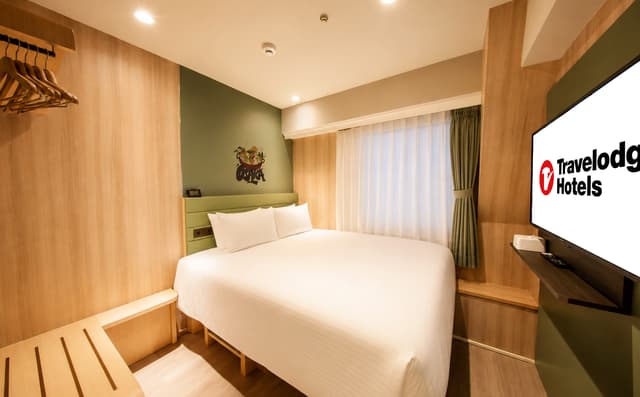
The setup aligns naturally with Travelodge's Comfort, Convenience, and Connectivity positioning: somewhere comfortable to recharge, central access to shopping and transportation, and complimentary Wi-Fi for checking store hours, maps, or the next day's route.
An Alternative Kyoto Base: Travelodge Kyoto Shijo Karasuma
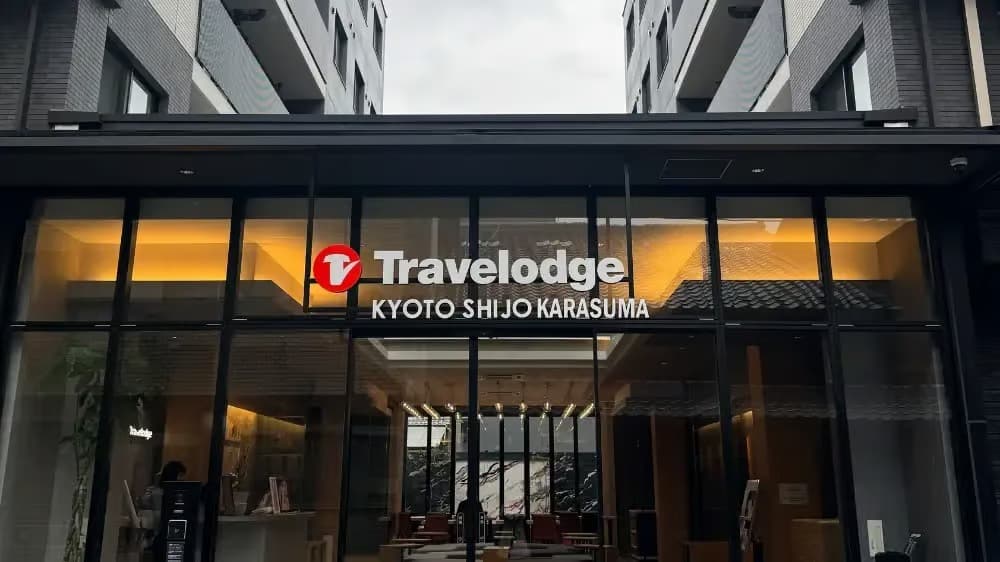
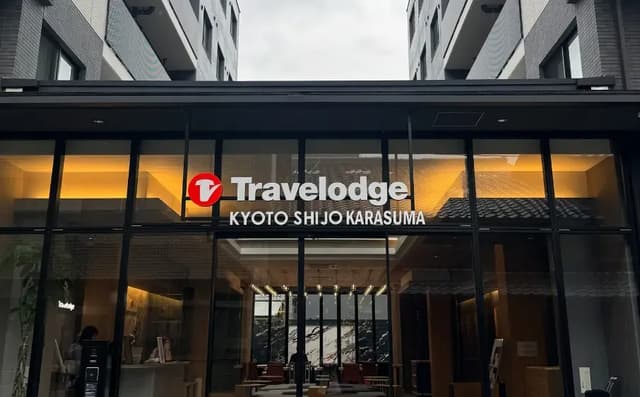
Travelodge Kyoto Shijo Karasuma, previously known as Travelodge Kyoto Shijo Omiya, suits travelers who want central Kyoto access without basing every day around Kawaramachi. Hankyu Omiya Station is about 300 meters away, while Shijo Horikawa Bus Stop is around 220 meters, with connections toward major sightseeing areas.
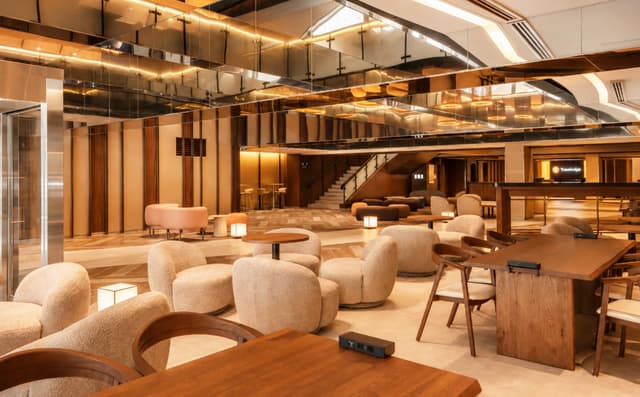
Self-service laundry and complimentary Wi-Fi in common areas also make the hotel useful during longer trips. In Travelodge's 8S experience, those practical features connect naturally with Spin and Stream, while 24-hour front-desk assistance supports Service 24/7.
Where to Shop in Osaka
Osaka shopping rewards long, relatively unstructured afternoons.
Shinsaibashi-suji Shopping Street is one of the city's easiest places to start. The covered arcade combines fashion, cosmetics, drugstores, Japanese chains, international brands, souvenirs, and food.
Continue south toward Dotonbori and Namba for restaurants, food souvenirs, entertainment, department stores, electronics, streetwear, and pop-culture shopping.
Kuromon Market makes sense for travelers interested in food products and culinary souvenirs, while Umeda is better for large department stores and extensive shopping complexes where several categories can be covered under one roof.
Shop from the Heart of Shinsaibashi at Travelodge Osaka Shinsaibashi

Among Travelodge's Osaka properties, Travelodge Osaka Shinsaibashi is the most natural choice for travelers building the trip around shopping.
Shinsaibashi-suji Shopping Street is listed at approximately 500 meters from the hotel, Shinsaibashi Station at around 700 meters, and Dotonbori at roughly 1.2 kilometers.
That makes an afternoon-to-evening shopping route particularly simple: browse Shinsaibashi first, return to the hotel if bags become inconvenient, then continue toward Dotonbori and Namba for dinner and nightlife.
Complimentary Wi-Fi supports Travelodge's Stream experience, while the central setting gives the property the Convenience and Connectivity advantages that matter most on a shopping-focused stay.
A Well-Connected Osaka Alternative: Travelodge Honmachi Osaka
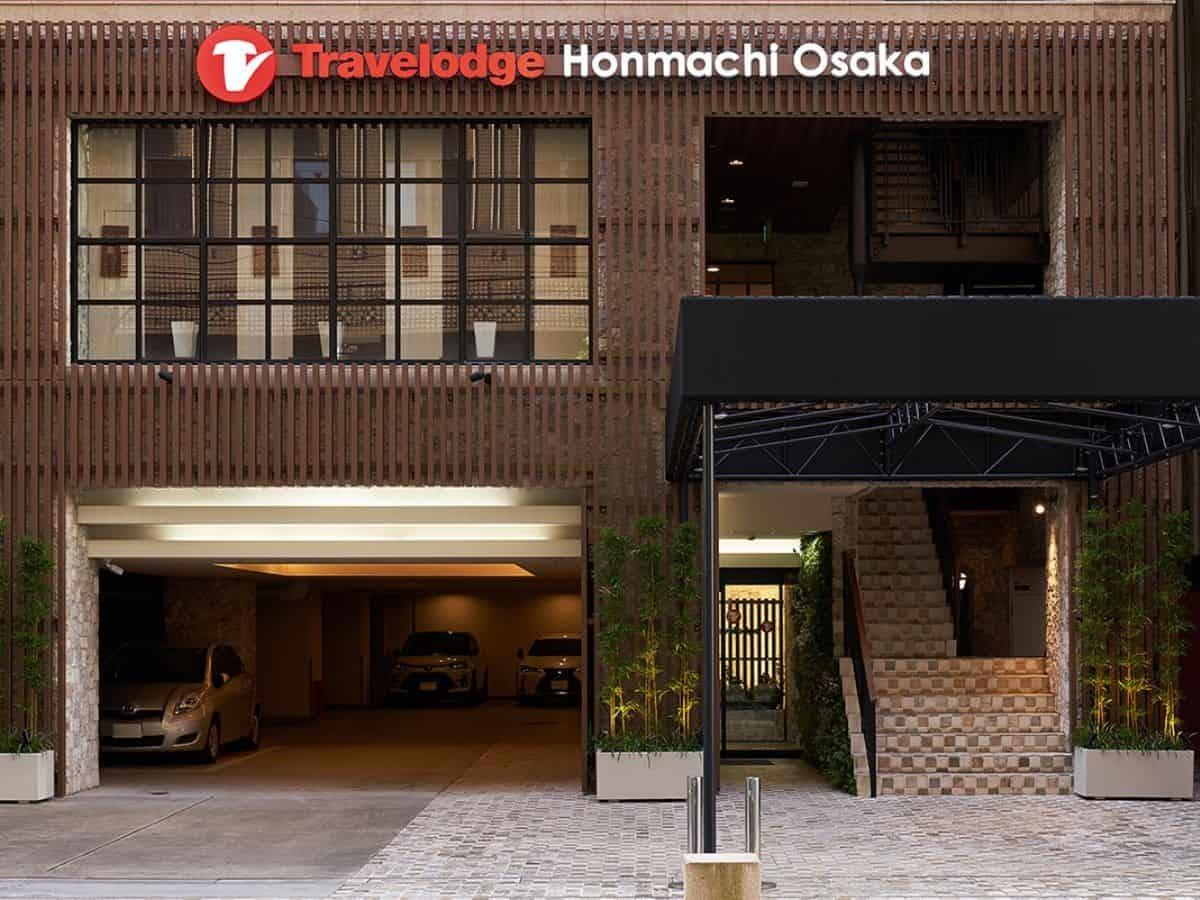
Travelodge Honmachi Osaka provides a quieter central alternative between Osaka's major northern and southern districts.
Honmachi Station is approximately 300 meters from the hotel, putting the Midosuji subway corridor within an easy walk and creating straightforward connections toward Shinsaibashi, Namba, and Umeda. The hotel also provides self-service laundry and complimentary Wi-Fi in its common areas.
This works well for a trip that mixes shopping with other sightseeing rather than spending every day around Dotonbori. Spin becomes useful during longer stays, while Stream supports route planning and Travelodge's broader Connectivity positioning.
Where to Shop in Nagoya
Nagoya offers an appealing middle ground between major department-store shopping and neighborhood browsing.
Sakae is the city's principal downtown shopping and entertainment area, with malls, department stores, beauty retailers, fashion, restaurants, and specialty shops concentrated around its subway stations.
Osu Shopping Street feels markedly different. Its covered arcades mix vintage clothing, electronics, subculture shops, snacks, secondhand goods, fashion, and casual restaurants.
Around Nagoya Station, large department stores and shopping complexes make last-minute souvenir buying particularly convenient before a shinkansen or airport journey.
Stay Close to Sakae Shopping at Travelodge Nagoya Sakae
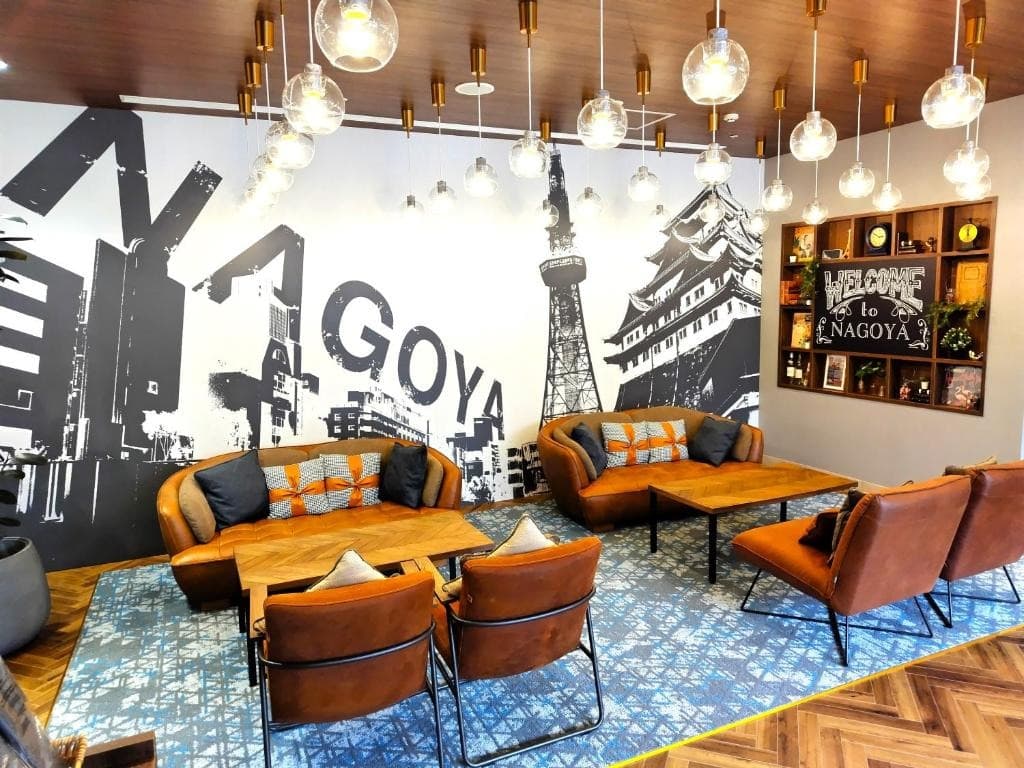
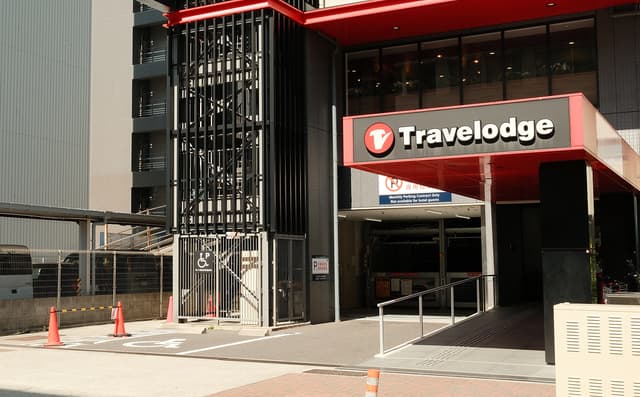
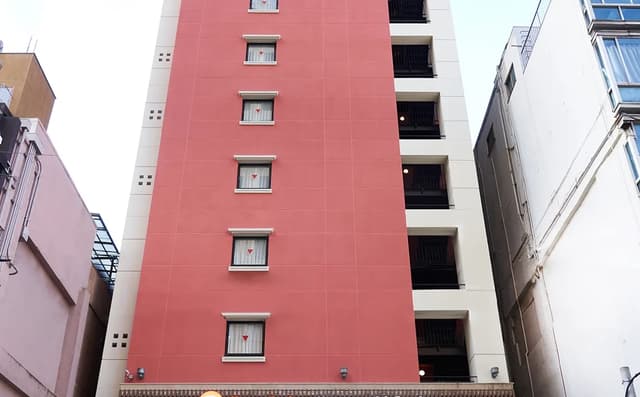
Travelodge Nagoya Sakae places shopping directly into the surrounding neighborhood. Sakae Station is approximately 300 meters away, Sunshine Sakae around 350 meters, and Don Quijote Sakae roughly 450 meters from the hotel.
The property also lists complimentary Wi-Fi in common areas, self-service laundry, and a fitness center among its facilities. Those features correspond naturally with Travelodge's Stream, Spin, and Sweat experiences.
For travelers moving between Tokyo and Kansai, Nagoya can also be a useful shopping stop in the middle of the journey rather than somewhere purchases need to be carried for the entire trip.
Tips for Shopping in Japan
A few practical habits can make a suitcase full of souvenirs much easier to manage.
- Carry a reusable shopping bag. Charges and policies for bags vary, and a foldable tote is useful when purchases accumulate unexpectedly.
- Keep important receipts. They are useful for returns where permitted, warranty questions, tax-free procedures, and tracking expensive purchases.
- Check baggage allowances before buying bulky goods. Ceramics, beauty products, bottles, and books add weight quickly.
- Protect fragile products immediately. Keep original boxes and ask stores for additional wrapping when buying ceramics, glassware, or delicate crafts.
- Shop heavier toward the end of the route. It is easier to buy tableware in Osaka near the end of a trip than to carry it from the first city through five hotel changes.
- Check destination-country customs rules. Food, meat products, plants, seeds, medicines, cosmetics, and other goods may face restrictions on arrival.
- Check current tax-free procedures. Rules are changing in 2026, so information from older articles may no longer apply when the trip takes place.
That last point is particularly important this year. Japan's Ministry of Finance states that the tourist tax-free system will move to a refund-based model from November 1, 2026, replacing the previous approach in which eligible goods could generally be sold without consumption tax at the point of purchase. Travelers visiting around or after that date should check current official procedures before shopping.
Bring Home Something That Reminds You of Japan
Ultimately, deciding what to buy from Japan is less about finding the universally "best" souvenir and more about choosing something that carries a memory home. That could be Kyoto matcha prepared months later in a favorite bowl, a pen that finds its way into everyday work, beautifully packaged sweets shared after the flight home, a skincare discovery, handmade textiles, a kitchen knife, or a tiny gachapon figure bought on impulse.
Leave room for local discoveries. Nishiki Market feels different from Shinsaibashi, Osu is nothing like a department-store basement, and a specialist craft shop can reveal a side of Japanese shopping that a large souvenir retailer cannot.
For a multi-city shopping trip, explore Travelodge hotels in Japan and book directly through the Travelodge Hotels Asia website to compare official rates, promotions, and locations in Kyoto, Osaka, and Nagoya.
Frequent travelers can also join the Travelodge membership program. Members can earn early check-in, late check-out, exclusive member rates, and other benefits according to membership tier, availability, and program terms.
A convenient hotel will take care of the practical side. The harder question may be finding enough suitcase space for everything worth bringing home.