


Share article
Seoul Weather Guide—Best Times to Visit, Seasons & What to Pack

Sora Kang
.jpg)
Understanding Seoul weather before packing can make a noticeable difference to the way a trip feels. South Korea’s capital experiences four clearly defined seasons, moving from colorful spring blossoms and hot, humid summers to crisp autumn days and cold winters when snow is possible.
The changes are more significant than many first-time visitors expect. Clothing that feels comfortable in Seoul in April may be unsuitable by July, while a light autumn jacket will not provide enough protection during the coldest weeks of January.
Checking the forecast shortly before departure is still essential, but understanding the broader seasonal pattern makes it easier to choose travel dates, organize outdoor activities, and leave enough room in the suitcase for the right layers.
Understanding Seoul Weather: A Seasonal Breakdown
The weather in Seoul follows a temperate seasonal cycle. Spring generally runs from March through May, summer from June through August, autumn from September through November, and winter from December through February.
Spring becomes progressively milder, with average conditions moving from around 7°C toward 20°C. Summer is typically hot and humid, with average temperatures of approximately 22°C to 30°C and periods of heavier rainfall. Autumn brings cooler, clearer conditions, while winter is cold and comparatively dry, with average temperatures that can range from around -6°C to 4°C.
These figures are useful for general planning, but individual days can feel warmer or colder. Wind, humidity, rainfall, and the amount of time spent outdoors can all influence how the temperature feels.
Travelers should therefore think in layers rather than packing for one fixed number. A lightweight outer layer is useful in transitional months, while summer and winter require more specialized preparation.
Spring and Summer: Warm Weather in Seoul
Spring: March to May
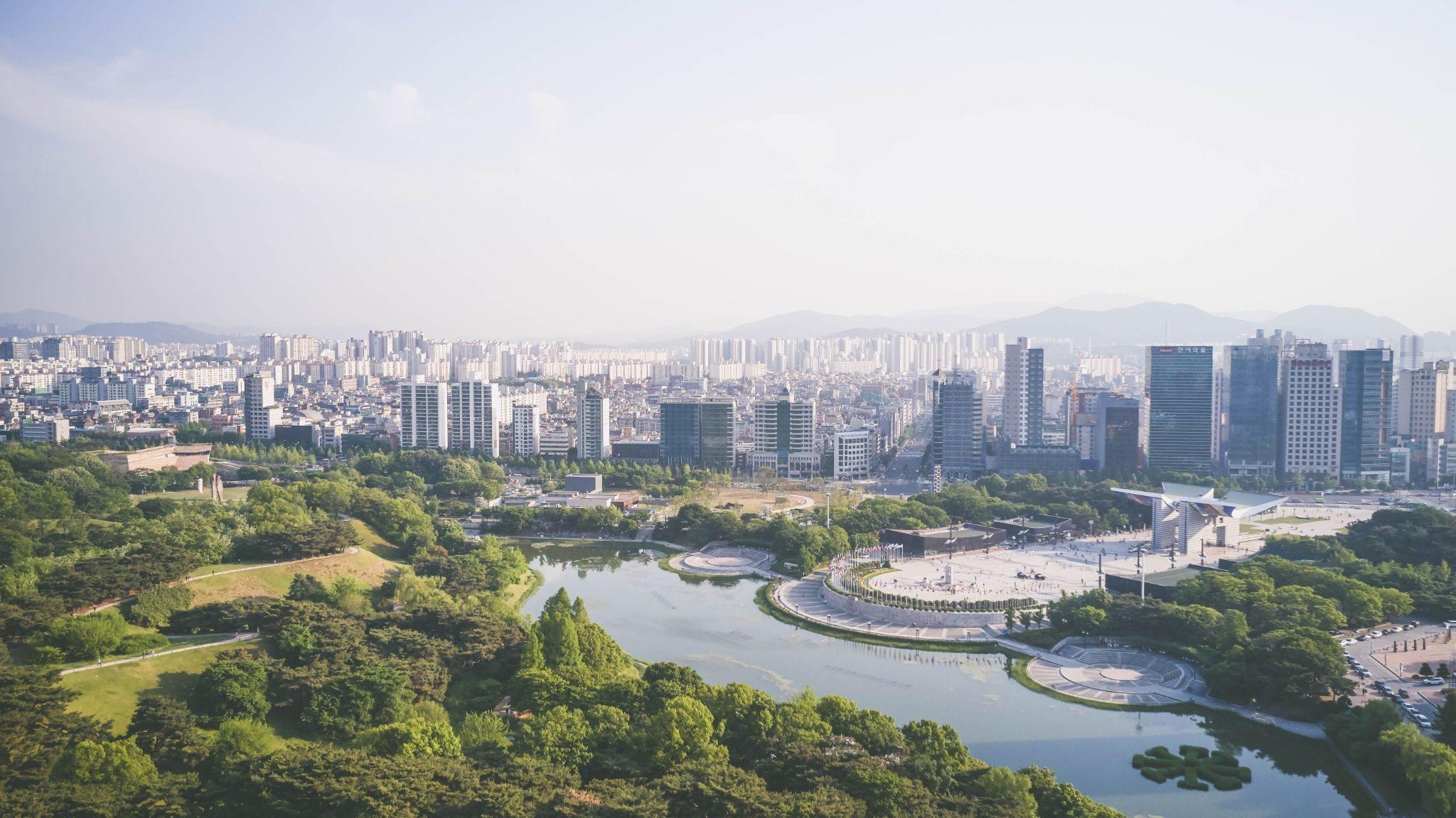
Spring is one of the most popular periods for exploring Seoul on foot. March can still feel cool, particularly in the morning and after sunset, but temperatures gradually rise through April and May. The city’s official tourism guide places spring between March and May, with daily mean temperatures increasing from approximately 5.7°C in March to 17.8°C in May.
Late March and April are closely associated with blossom season, although flowering dates vary each year depending on the weather. Parks, palace grounds, university campuses, and riverside paths become especially appealing during this period.
Spring skies are often clear, but dry conditions and occasional dust arriving from surrounding regions can affect air quality. Checking local weather and air-quality reports is useful before planning a long hike or an entire day outdoors.
For March, pack a medium-weight jacket, long pants, and knitwear that can be removed indoors. April usually calls for lighter layers, while May can feel comfortably warm during the afternoon. A compact umbrella and comfortable closed-toe shoes are useful throughout the season.
Summer: June to August
Summer in Seoul is lively, green, and filled with outdoor events, but it is also hot and humid. June often begins pleasantly before the humidity increases, while July usually brings some of the year’s warmest weather and a higher chance of rain. Seoul’s tourism authority notes that July temperatures can reach the high 20s or mid-30s Celsius and that the rainy season is generally active during the month.
August remains hot, so sightseeing is often more comfortable in the morning or evening. Midday can be reserved for museums, shopping centers, cafes, galleries, or a relaxed break at the hotel.
Pack breathable shirts, light pants or shorts, comfortable walking shoes, sun protection, and a reusable water bottle. A compact umbrella is particularly valuable because it can provide protection from both rain and intense sunlight.
Quick-drying clothing is more practical than heavy fabrics. Air-conditioned indoor spaces may also feel noticeably cooler than the street, so one thin overshirt or cardigan can still be useful.
Autumn and Winter— Crisp Air and Snow
Autumn: September to November
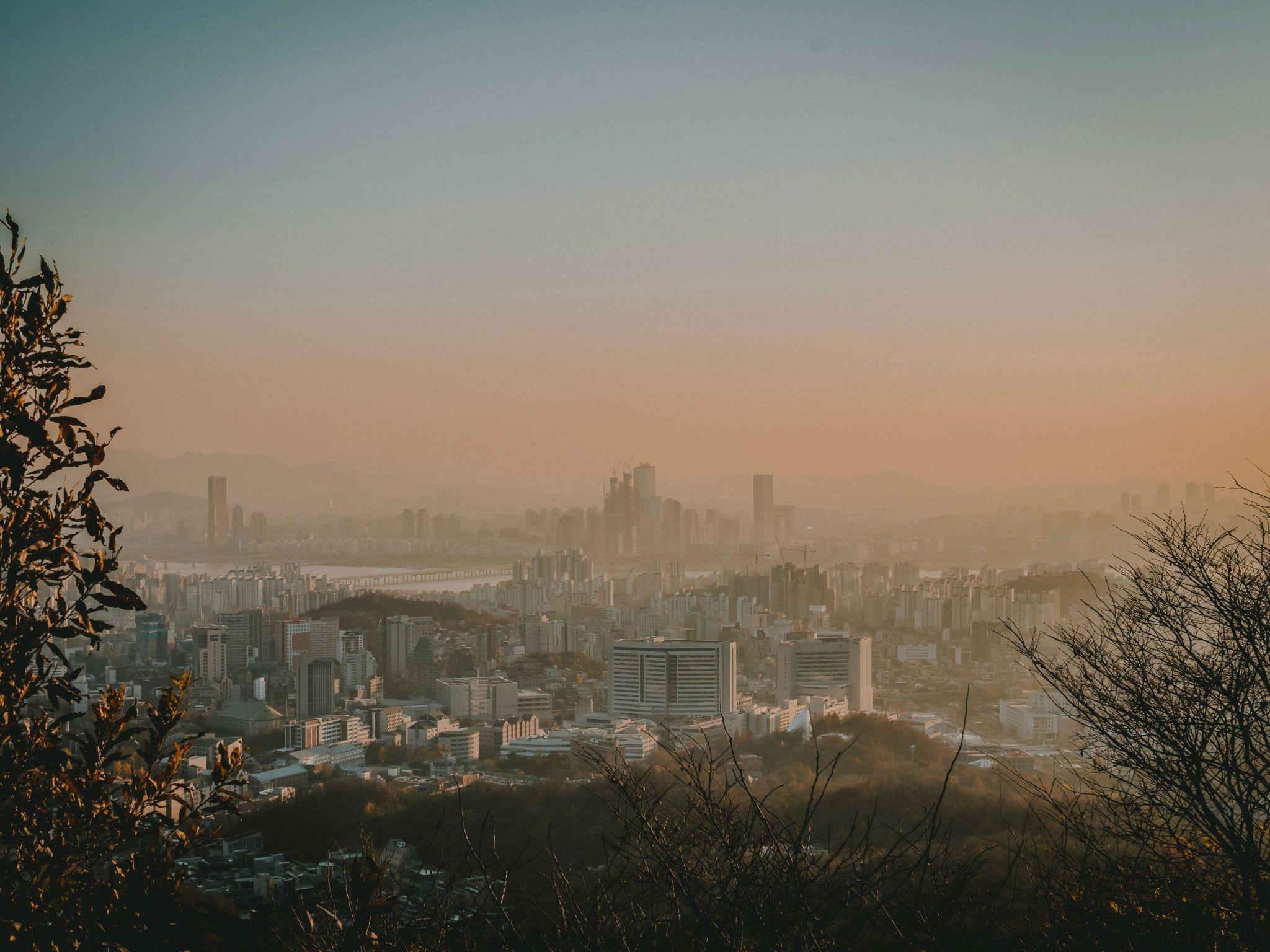
Autumn is frequently considered one of the best times to visit Seoul. September can remain warm at the beginning of the month, but humidity gradually falls and the air becomes more comfortable. October often delivers mild daytime conditions that suit palace visits, market walks, riverside cycling, and neighborhood exploration.
The season is known for clear skies and changing foliage, although the peak colors depend on yearly temperatures. November feels much cooler, especially in the evening, and marks the transition toward winter. Seoul’s official tourism information describes autumn as the cooler interval between the muggy summer and cold winter.
In September, light clothing with one extra layer is usually enough. October calls for a cardigan, jacket, or light coat, while November travelers should add warmer knitwear and a more substantial outer layer.
Autumn can also be a busy travel period. Once the preferred dates are clear, checking hotel availability early can make it easier to secure a central base close to public transportation and indoor alternatives for unexpectedly cold days.
Winter— December to February
Winter changes Seoul’s atmosphere completely. Bare trees, seasonal lighting, warm street food, ice-skating venues, and occasional snowfall give the city a distinctive character. However, temperatures can fall below freezing, and cold winds may make long periods outdoors feel more intense.
December begins the winter season, January is commonly the coldest part of the year, and February remains cold despite the gradual approach of spring. Snow is possible, but it does not necessarily remain on the ground throughout every winter trip. Average seasonal conditions are often described as approximately -6°C to 4°C.
A proper winter coat is essential, along with thermal base layers, sweaters, gloves, a scarf, warm socks, and shoes with dependable grip. Travelers who plan to visit palaces, outdoor markets, or Namsan should prioritize insulation over fashion alone.
Indoor heating can be strong, so several removable layers are often more comfortable than one extremely heavy outfit. Lip balm and moisturizer can also help with Seoul’s dry winter air.
The Best Time to Visit Based on Seoul Weather by Month
The ideal travel period depends on the experience being planned. This practical overview of Seoul weather by month can help narrow the options.
January and February— For Winter Atmosphere
January suits travelers who enjoy a true cold-weather city break and are comfortable dressing for freezing conditions. February remains wintry, although the final weeks may occasionally feel slightly milder.
These months work well for museums, shopping, cafes, seasonal lighting, indoor attractions, and short outdoor walks broken up by warm meals. They are less suitable for anyone who dislikes cold wind or carrying heavy winter clothing.
March and April— For the Arrival of Spring
March is a transitional month. Some days feel bright and mild, while others still resemble winter. April is generally more comfortable and is popular with visitors hoping to see spring flowers.
Pack more layers for March and lighter options for April. Blossom timing changes each year, so it is better to monitor updated forecasts than to assume the same peak dates will repeat.
May and June— For Comfortable City Exploration
May is often an excellent month for walking because it provides warmer days before the strongest summer humidity arrives. June becomes hotter but can still be enjoyable, particularly early in the month.
These months are suitable for travelers who want to combine palaces, neighborhoods, shopping, hiking, and evening activities without preparing for deep winter or peak summer heat.
July and August— For Summer Energy
July and August are best for travelers who enjoy warm weather and do not mind humidity or rain. The city remains active, but itineraries should include indoor breaks and flexible plans.
A centrally located hotel in Seoul becomes especially practical during summer. It allows travelers to return for a shower, change of clothes, or short rest before continuing with evening plans.
September and October— For Clearer, Cooler Days
September offers a gradual transition away from summer, while October is widely favored for comfortable temperatures and autumn scenery.
Outdoor itineraries are easier to manage during this period, whether they involve palace grounds, Seoul Forest, the Han River, Namsan, or traditional neighborhoods. A light jacket is usually useful, especially after dark.
November and December— For Late Autumn and Festive Winter
November begins with late-autumn scenery before temperatures fall more sharply. December introduces winter lighting, colder air, and the possibility of snow.
Travelers arriving during this period should check the forecast carefully because conditions can change quickly. A late-November trip may require almost the same packing strategy as an early-winter visit.
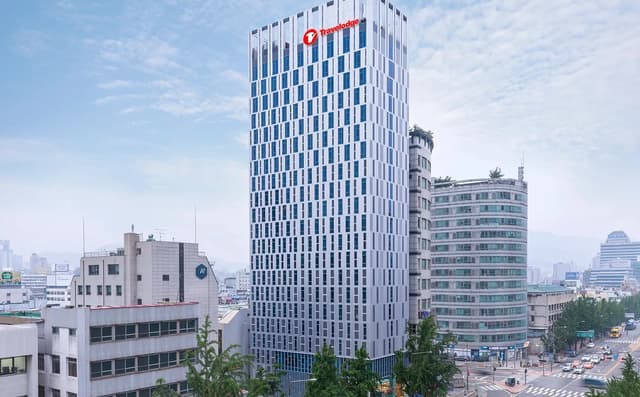
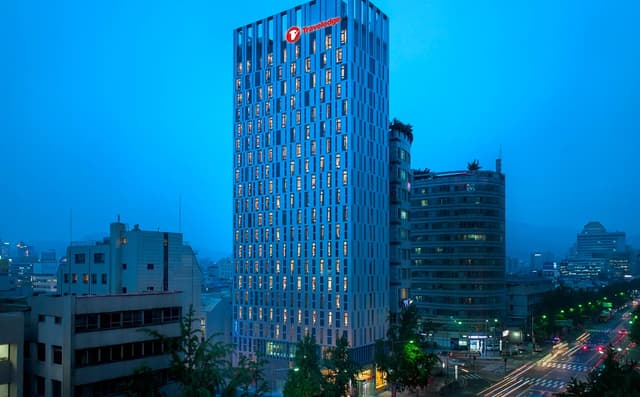
Finding the Perfect Base: Travelodge Hotels in Seoul
Selecting the right hotel in Seoul can make seasonal travel easier. A central location reduces complicated transfers and provides quick access to restaurants, shopping areas, public transportation, and indoor attractions when the weather changes unexpectedly.
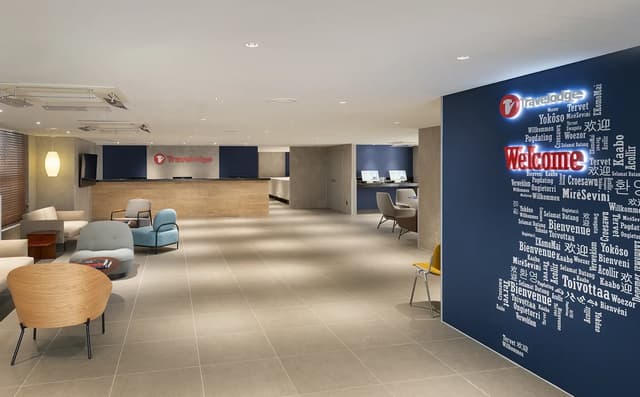
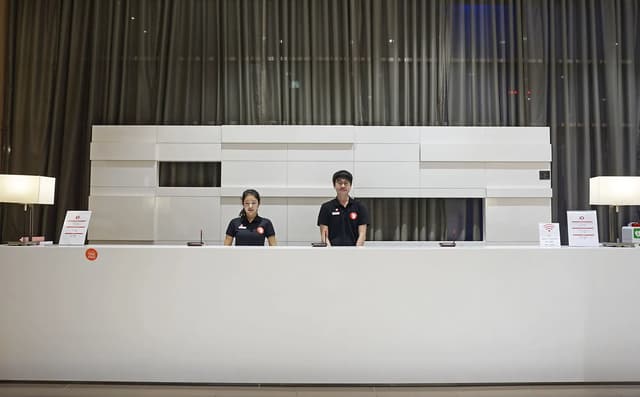
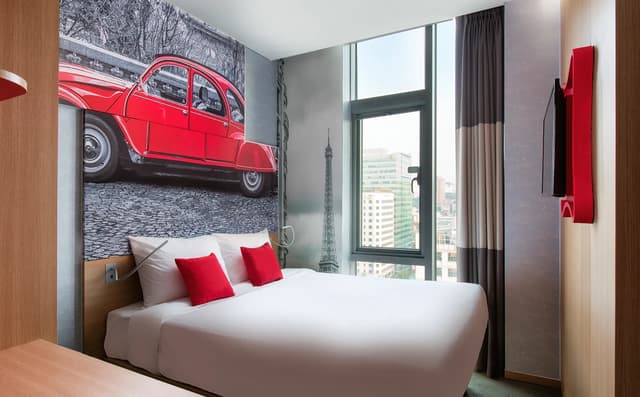
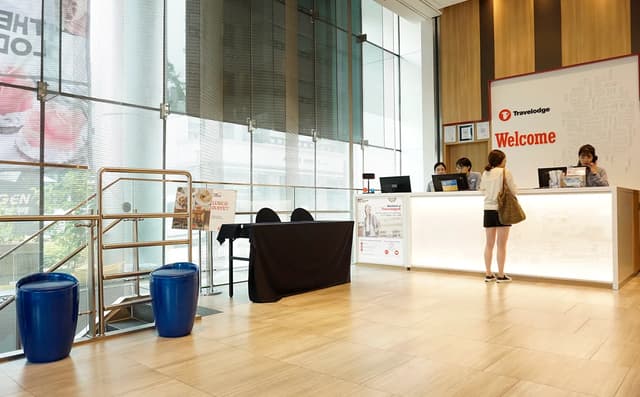
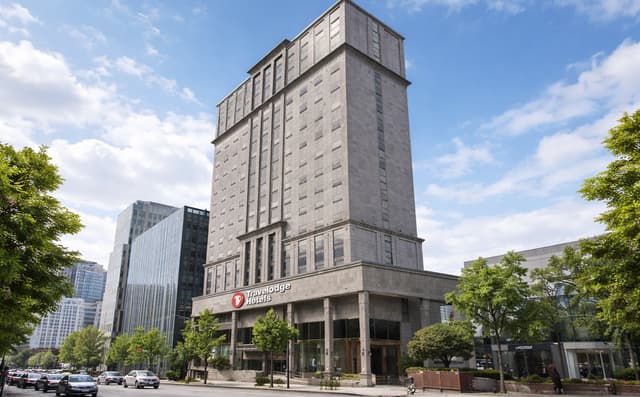
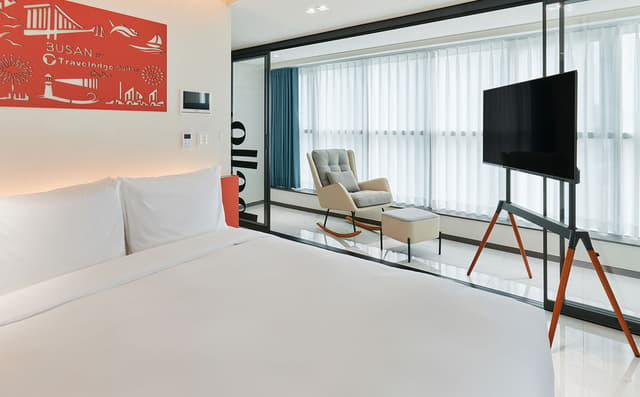
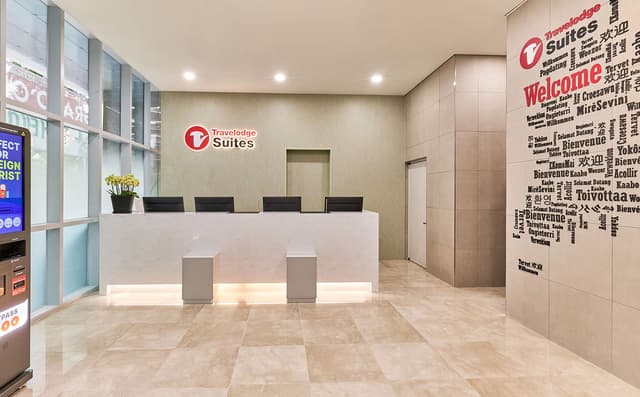
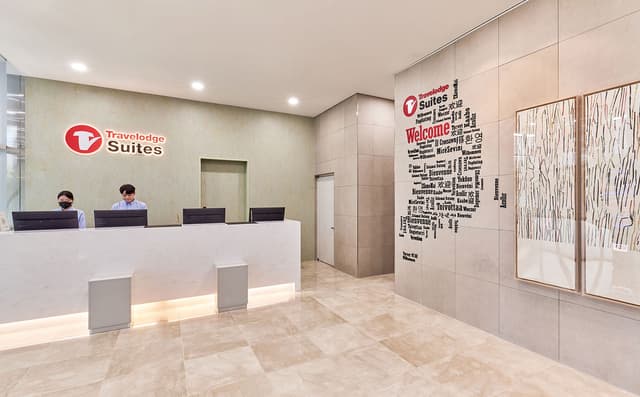
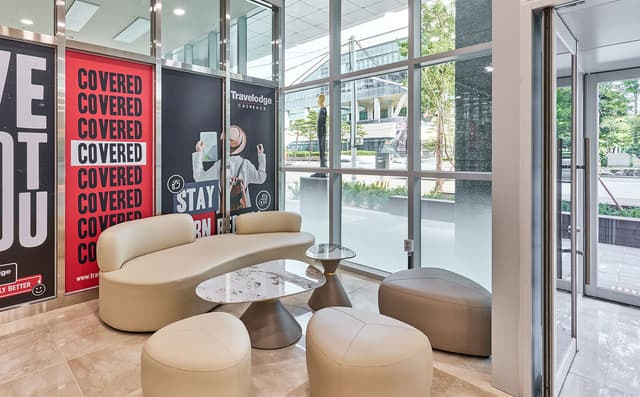
Travelodge Hotels Asia brings its 3C values of Comfort, Convenience, and Connectivity to three participating Seoul properties. Comfort provides an inviting place to recharge after a long day outside. Convenience comes through practical city locations and useful guest facilities, while Connectivity combines access to transportation with Wi-Fi for checking forecasts, mapping routes, and updating reservations.
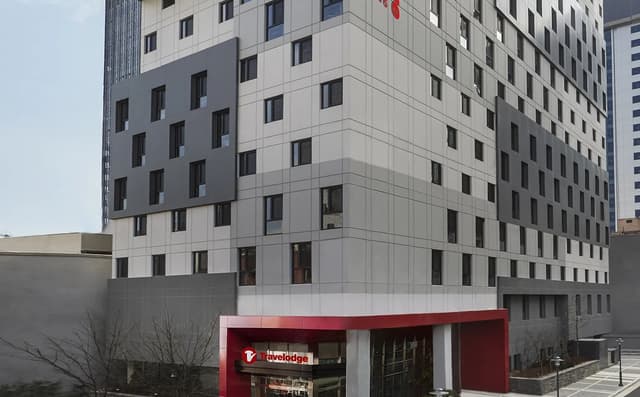
Travelodge Myeongdong Euljiro
Travelodge Myeongdong Euljiro is positioned around 350 meters from Euljiro 3-ga Station, which serves Subway Lines 2 and 3. Myeongdong Shopping Street is listed at approximately 600 meters from the hotel.
This location suits travelers who want access to Myeongdong, Euljiro, Insadong, and other central neighborhoods. It is particularly practical in summer or winter, when a short walk from the subway can make daily travel feel more manageable.
The property lists Wi-Fi in common areas, self-service laundry, multilingual staff, heating, and hot-and-cold showers among its facilities. These support Travelodge’s Stream, Spin, and Snooze experiences during longer or weather-sensitive stays.
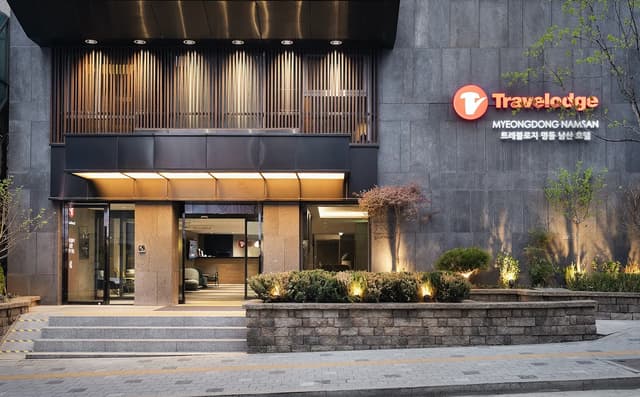
Travelodge Myeongdong Namsan
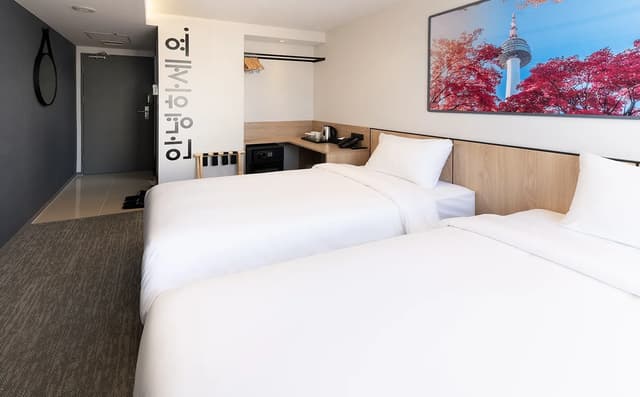
Travelodge Myeongdong Namsan is approximately 350 meters from Myeongdong Shopping Street and around 400 meters from Chungmuro Station, which connects to Subway Lines 3 and 4. Namsangol Hanok Village, Myeongdong Cathedral, and N Seoul Tower are also within convenient reach.
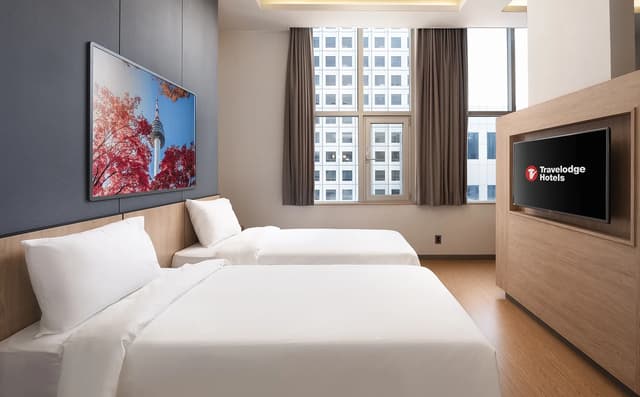
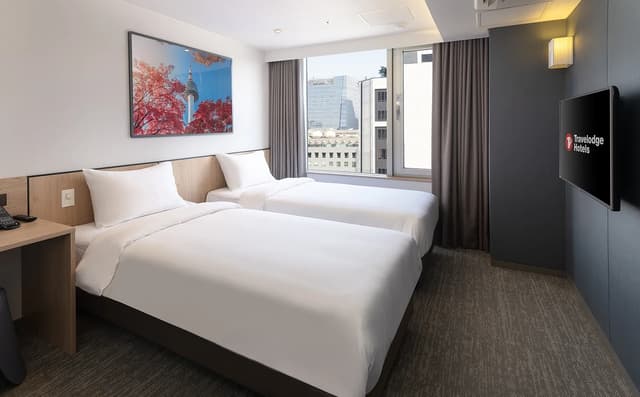
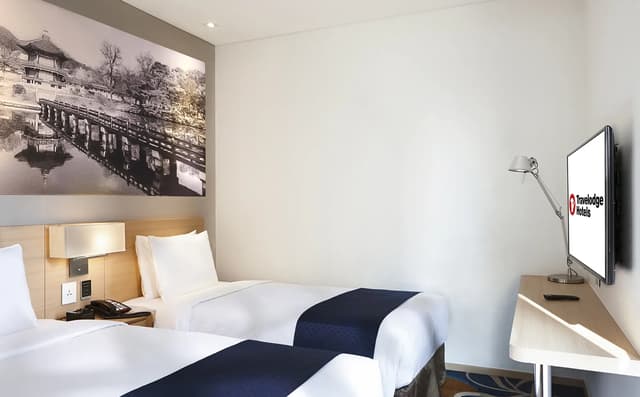
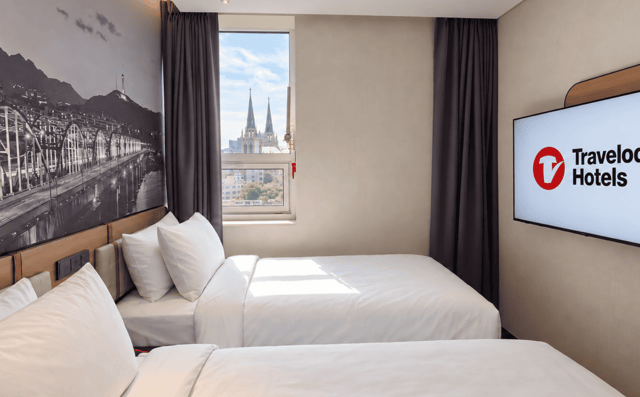
The hotel works well for first-time visitors who want shopping, food, cultural attractions, and public transportation close to their base. It also offers several room configurations, including options designed for friends and families.
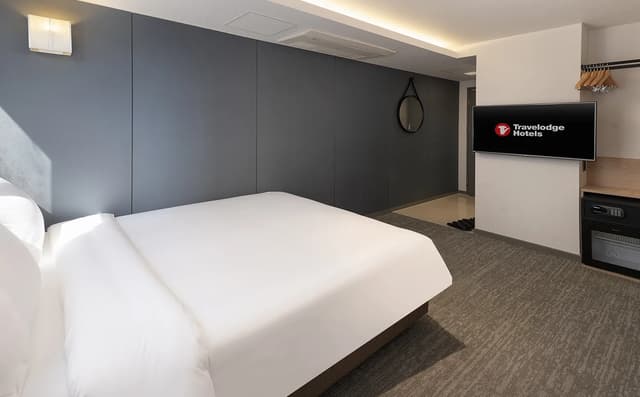
Wi-Fi, self-service laundry, multilingual assistance, heating, and air conditioning help guests prepare for Seoul’s seasonal differences. In spring and autumn, the location supports easy walking itineraries; in summer and winter, nearby transportation provides a convenient alternative to spending too long outdoors.
Travelodge Dongdaemun Seoul
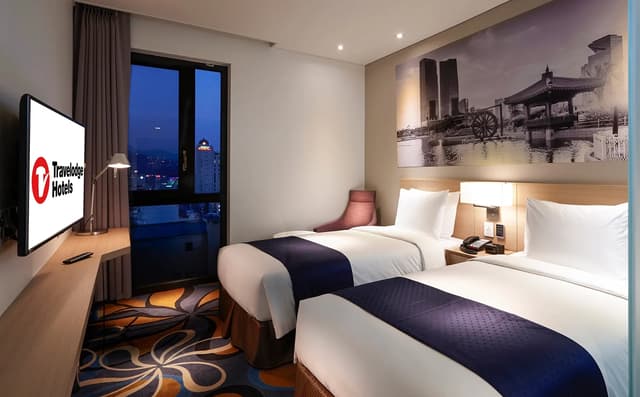
Travelodge Dongdaemun Seoul places guests close to fashion districts, traditional markets, and cultural attractions. The property is around a five-minute walk from Dongdaemun History and Culture Park Station, while Euljiro 4-ga Station provides another nearby transportation option.
Pyeonghwa Fashion Town, Doota Mall, and Hyundai City Outlet Dongdaemun are all listed within approximately 350 to 450 meters. The hotel also provides Wi-Fi in common areas, self-service laundry, heating, multilingual staff, and modern rooms.
This makes the property useful for travelers interested in Dongdaemun’s shopping, design, and evening atmosphere. After a cold market walk or a humid summer afternoon, returning to a comfortable and well-connected hotel can help reset the pace of the trip.
Review all three properties on the official Travelodge Hotels Asia website while comparing neighborhoods and seasonal plans. Booking directly makes it easy to check current room availability, offers, accommodation details, and eligible membership benefits in one place.
Plan a Comfortable Seoul Trip in Any Season
Understanding Seoul weather and reviewing Seoul weather by month can help turn a basic itinerary into a far more comfortable trip. Spring and autumn favor long outdoor days, summer rewards travelers who plan around heat and rain, and winter offers a memorable atmosphere for those prepared with the right clothing.
No season is automatically the wrong time to visit. The best choice depends on preferred activities, tolerance for heat or cold, and the kind of Seoul experience being imagined.
Once the travel month is selected, choose a conveniently located hotel in South Korea that supports easy movement and dependable rest. Book directly through the Travelodge Hotels Asia website and make Travelodge Myeongdong Euljiro, Travelodge Myeongdong Namsan, or Travelodge Dongdaemun Seoul the comfortable and connected starting point for the journey.