


Share article
What Plug Adapter Do I Need for Travel in Japan?

Aiko Sato
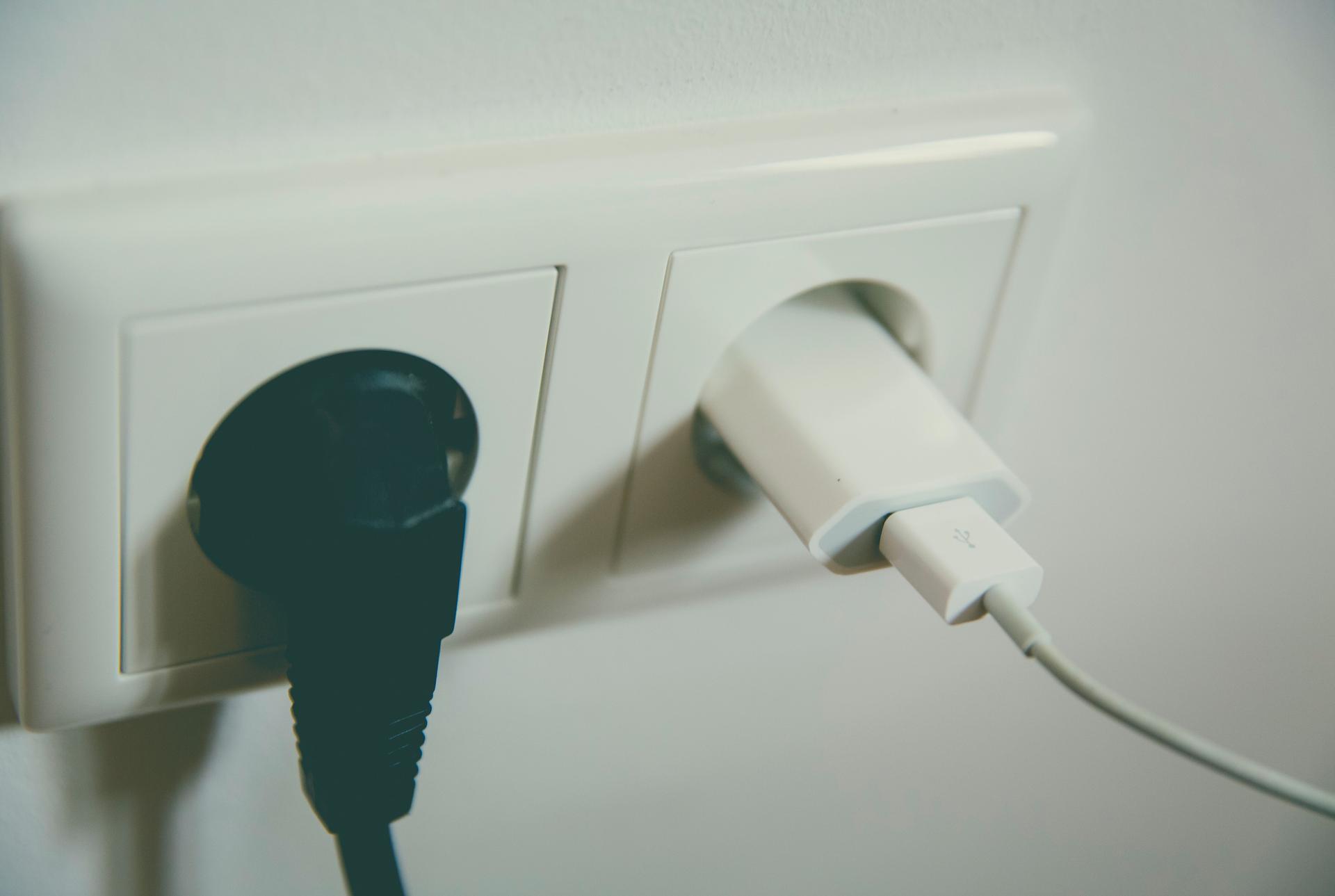
Keeping a phone charged may seem like the easiest part of planning a vacation until the charger does not fit the outlet beside the hotel bed. Between navigation apps, digital train tickets, translation tools, and restaurant reservations, running out of battery in Japan can quickly become more than a minor inconvenience.
Fortunately, understanding the Japan plug system is fairly straightforward. Japanese power outlets generally use two flat, parallel pins, and the country operates on a 100-volt electrical supply. Depending on where the journey begins, travelers may only need a small plug adapter. Others should also check whether their devices are compatible with Japan’s voltage.
A quick look at every charger before departure can prevent last-minute shopping after arrival. Here is what to know about Japanese outlets, travel adapters, voltage, and keeping devices ready throughout a trip.
Understanding the Standard Japan Plug Type
Japan uses Type A power outlets, recognizable by two narrow, flat slots running parallel to one another. The design looks similar to outlets commonly found in the United States and Canada, although Japan’s electrical voltage is lower. The Japan National Tourism Organization lists Type A as the country’s standard plug.
Travelers arriving from countries that already use two flat-pin plugs may find that their chargers fit without an adapter. Those coming from Singapore, Indonesia, the United Kingdom, most of Europe, Australia, or other destinations with differently shaped pins will normally need one.
Here is the basic information at a glance:
Feature | Standard in Japan |
Main outlet type | Type A |
Plug shape | Two flat, parallel pins |
Voltage | 100V |
Frequency in eastern Japan | 50Hz |
Frequency in western Japan | 60Hz |
Adapter needed | Depends on the traveler’s home plug |
Voltage converter needed | Depends on the device’s input range |
A plug adapter changes the shape of a charger so it can enter the wall outlet. It does not change the amount of electricity flowing to the device, which is why checking the voltage label remains important.
Do You Need an Adapter for Japan?
Look at the plug attached to the charger. When it already has two flat pins, it may fit a Japanese outlet directly. Any other design will require a compatible Type A adapter.
Unsure travelers can pack a universal travel adapter with a Type A setting. A model with several USB-A and USB-C ports can also reduce the number of chargers needed for phones, watches, cameras, and portable batteries.
Choose an adapter from a reputable manufacturer and confirm that it supports the wattage of the devices being connected. Small USB electronics and high-powered styling appliances do not place the same demands on an adapter.
Japan Electric Plug vs. International Adapters
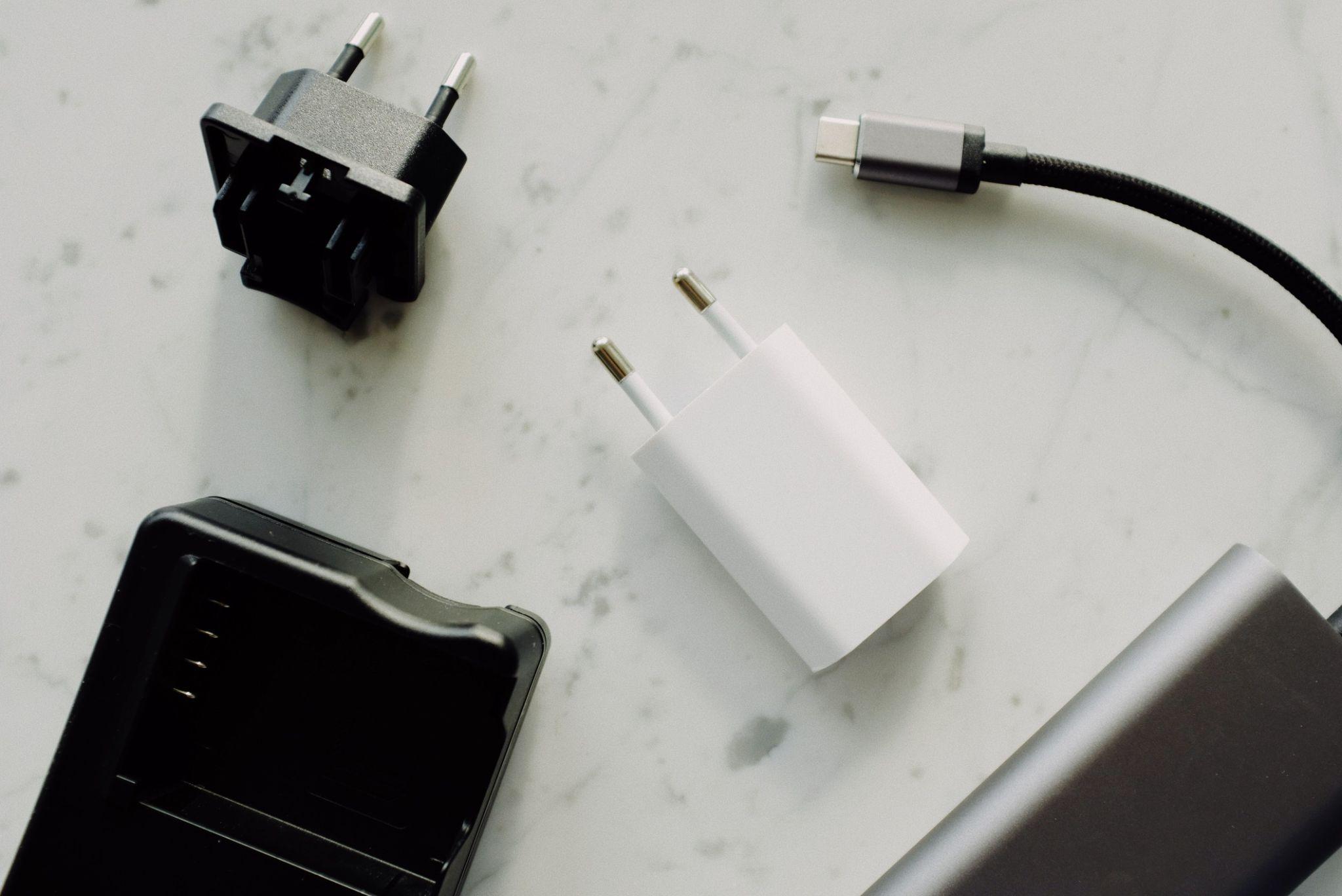
It is easy to confuse a plug adapter with a voltage converter, especially when shopping for travel accessories. Although they are often mentioned together, each one serves a different purpose.
A plug adapter simply changes the shape of the plug so it can fit into a Japanese Type A outlet. It does not alter the electricity coming from the socket. A voltage converter, on the other hand, adjusts the electrical voltage before it reaches the device.
For most phones, tablets, laptops, and camera chargers, an adapter is often enough, provided the charger supports Japan’s 100V supply. Appliances designed for only one voltage may need a converter as well.
Before adding either item to your packing list, check the input information printed on the charger, power block, or appliance label.
When an Adapter is Usually Enough
Check the input details printed on the charger. If the label says 100–240V, 50/60Hz, the charger is designed to work across a wide range of electrical systems, including Japan’s 100V supply. In that case, you will usually only need a plug adapter so the charger fits a Japanese Type A outlet.
This type of universal voltage support is common on many everyday electronics, including:
- Smartphones and tablets
- Laptops
- Camera chargers
- E-readers
- Handheld gaming devices
- Smartwatches and fitness trackers
Even so, it is worth checking each charger individually. Two similar devices may have different power requirements, so the information printed on the adapter or power block is more reliable than the product category alone.
When a Voltage Converter May Be Necessary
Extra caution is needed when an appliance lists only one voltage and does not include 100V within its supported range. Hair dryers, curling irons, straighteners, electric shavers, travel irons, and other heat-producing appliances deserve particular attention.
Some dual-voltage personal appliances can operate in Japan, while other devices require a transformer. Japan’s official visitor information also advises travelers to confirm appliance compatibility rather than assuming that every device will work.
Do not connect a single-voltage appliance simply because its plug fits the outlet. When the label is unclear, consult the manufacturer or leave the appliance at home.
Voltage and Frequency That Work in Japan
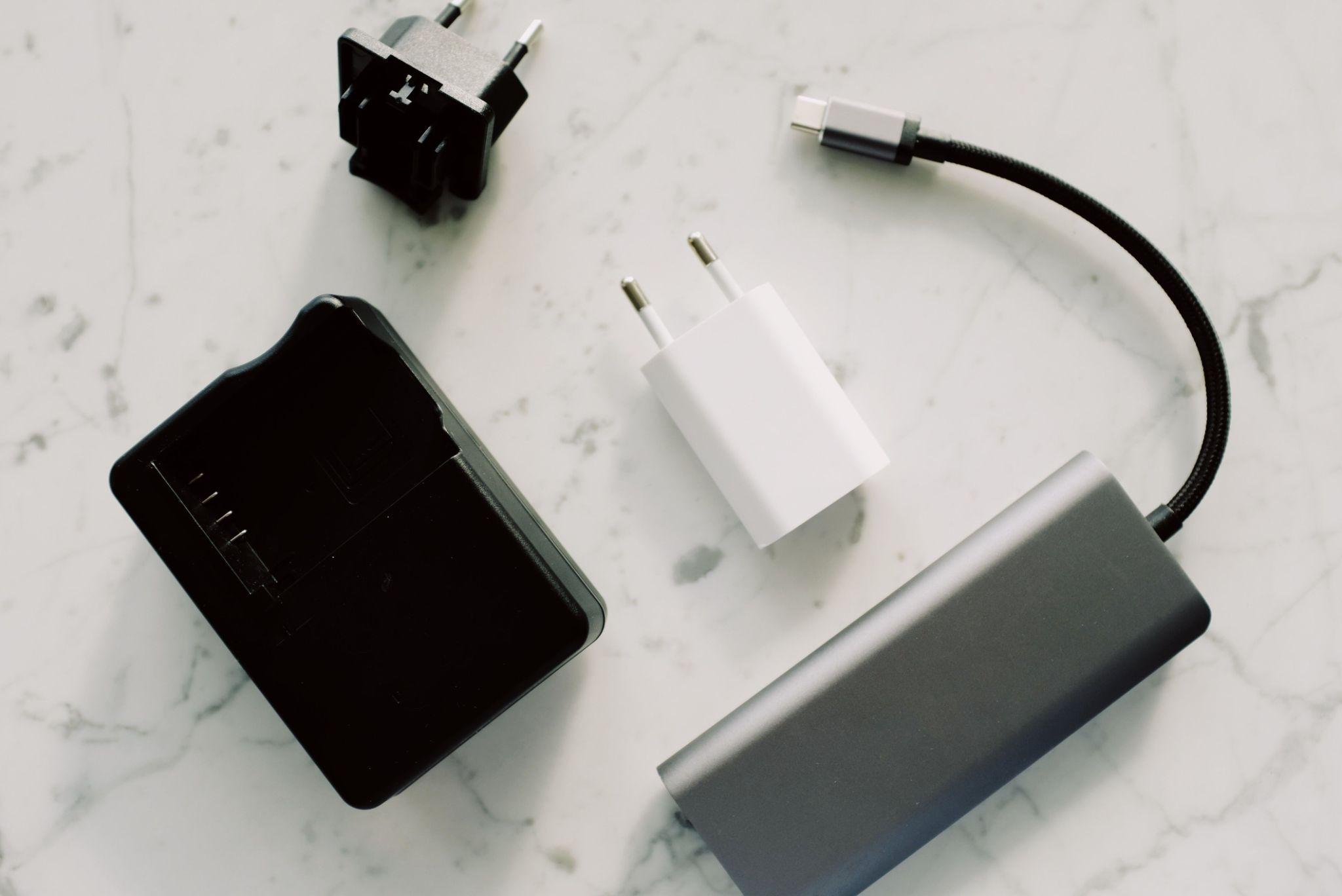
Travelers searching “Japan use what plug” are usually looking for one quick answer: Japan uses Type A outlets. Yet plug shape is only half of the question. Voltage and frequency also affect whether an appliance can operate correctly.
Japan uses 100V AC throughout the country, but the electrical frequency changes by region:
- Eastern Japan: 50Hz, including Tokyo and much of the surrounding region
- Western Japan: 60Hz, including Nagoya, Kyoto, and Osaka
The difference dates back to the development of Japan’s separate eastern and western power systems. Most modern electronics marked 50/60Hz work across both regions, but appliances designed for only one frequency should be checked carefully.
Check the Input Label Before Packing
Before deciding whether to bring an adapter or converter, take a closer look at the electrical information printed on the device. It is usually found on the charger block, power cable, or underside of the appliance.
The wording may look technical, but it is fairly easy to understand:
- 100–240V, 50/60Hz
The device supports a broad voltage range and should work in both eastern and western Japan. In most cases, only a Type A plug adapter is needed. - 220–240V only
This device is not designed for Japan’s 100V electrical supply. It may not work properly unless it is used with suitable voltage-conversion equipment. - 110–120V
The device may still operate, but its performance on a 100V supply can vary. Check the manufacturer’s guidance before plugging it in. - No voltage information shown
Look up the product manual online or contact the manufacturer before taking the device overseas.
Be especially careful with medical equipment, including CPAP machines, nebulizers, and powered mobility devices. Always confirm the voltage and frequency requirements with the manufacturer before traveling.
Where to Buy Travel Adapters in Japan
Packing an adapter before departure is the easiest approach. It allows travelers to recharge as soon as they reach the airport, hotel, or first café instead of searching for an electronics store with a nearly empty phone.
Still, forgetting one is not a disaster. Conversion plugs and transformers are relatively easy to find in larger Japanese cities. JNTO recommends major home appliance retailers such as Bic Camera and Yodobashi Camera, as well as electronics districts including Akihabara in Tokyo and Nipponbashi in Osaka.
When shopping, show the staff the original charger or a clear photo of its plug and input label. This makes it easier to identify whether the missing item is:
- A basic Type A plug adapter
- A universal adapter with USB ports
- A grounded adapter
- A voltage converter or transformer
An adapter purchased in Japan should still be checked for its maximum current and wattage. A small model designed for phone charging may not be suitable for a powerful hair dryer or other heat-producing appliance.
A Practical Charging Kit for Japan
A compact charging pouch can make long sightseeing days much easier. Consider bringing:
- One universal or Type A travel adapter
- A multiport USB charger
- Short charging cables for daily use
- One longer cable for inconvenient hotel outlets
- A fully charged portable battery
- A cable organizer or small pouch
Portable batteries must normally be carried in hand luggage rather than checked baggage. Confirm the latest airline rules and the battery’s watt-hour rating before flying.
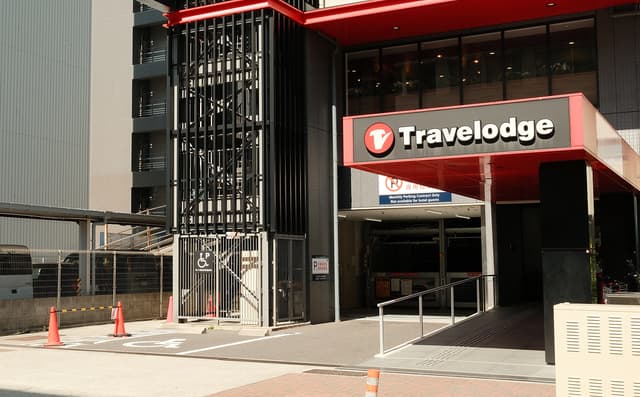
Stay Powered Up at Travelodge Hotels in Japan
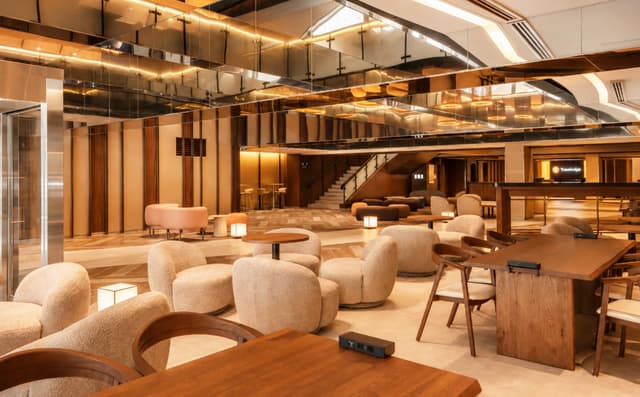
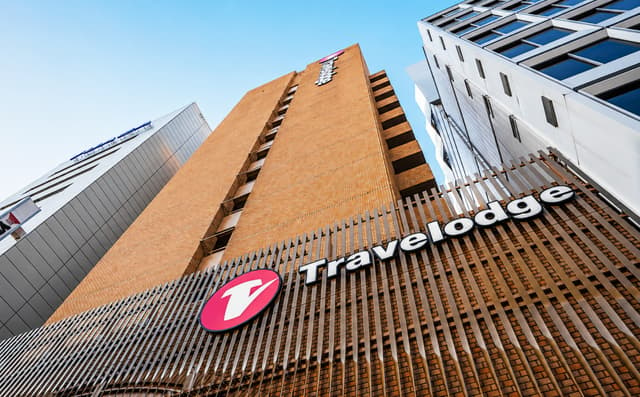
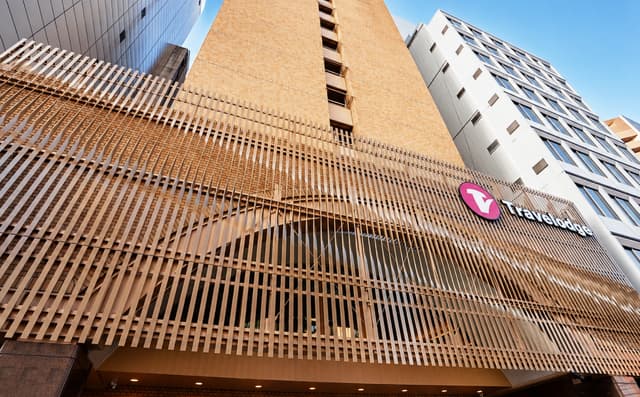
Once the charging situation is sorted, choosing a well-positioned hotel in Japan can make the rest of the itinerary simpler. Travelodge Hotels Asia centers its guest experience on three values: Comfort, Convenience, and Connectivity.
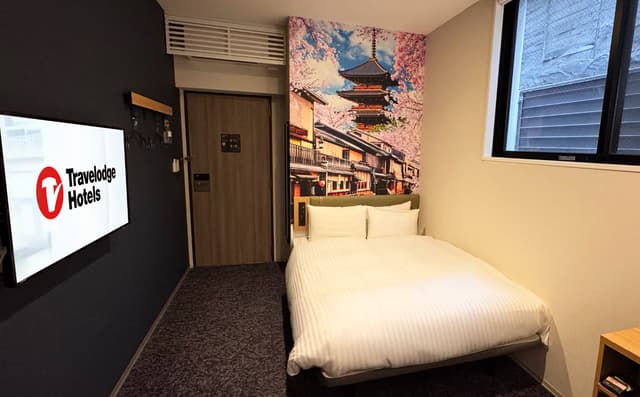
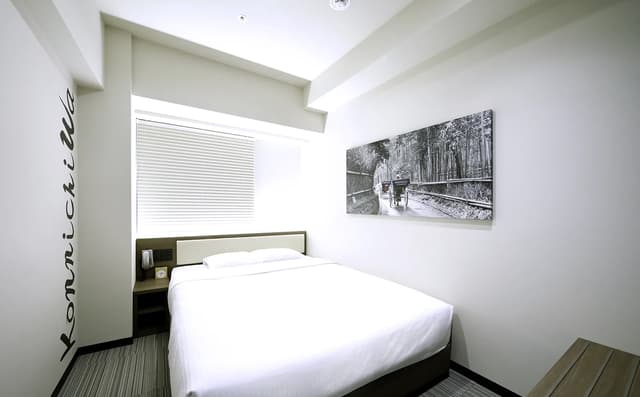
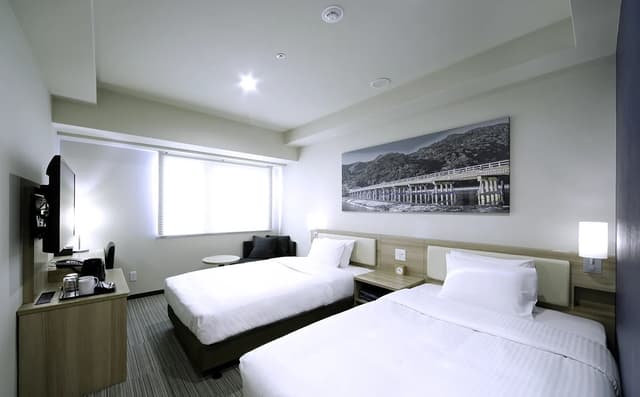
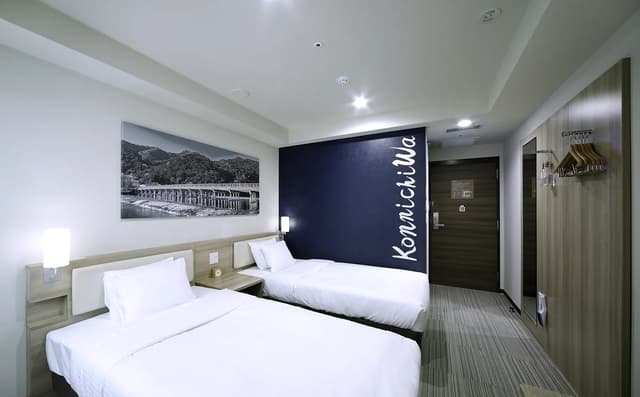
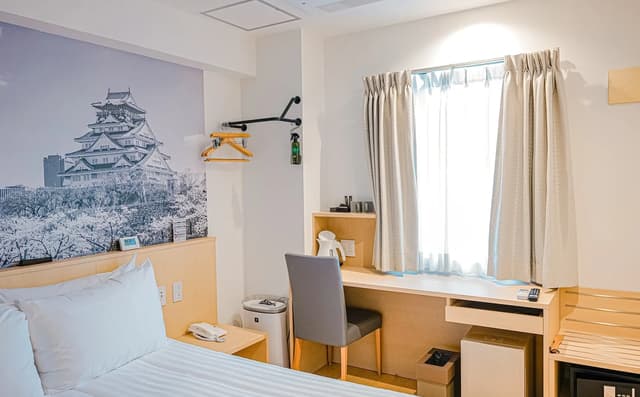
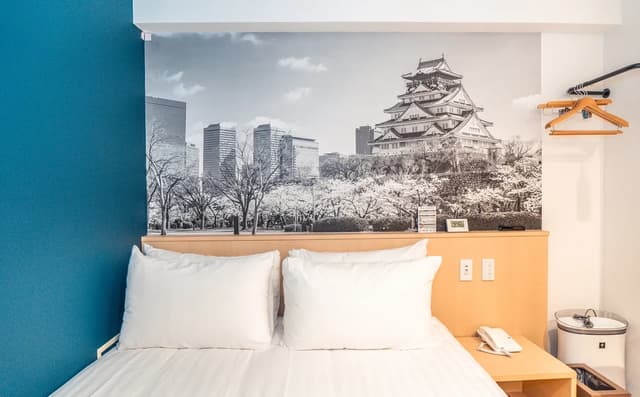
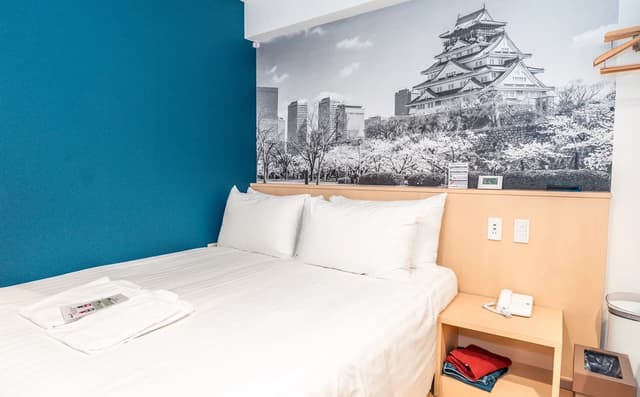
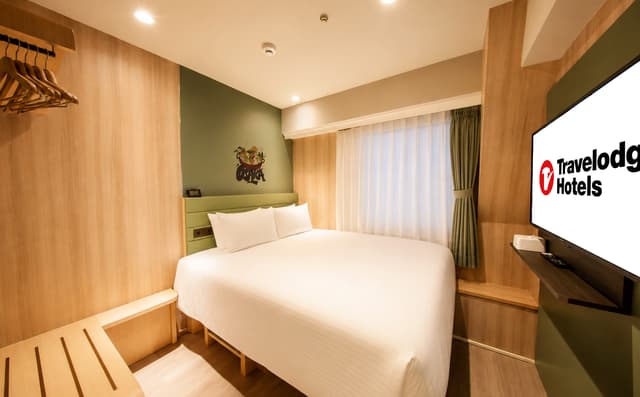
Comfort provides a place to recharge after long days of walking, while Convenience comes from locations close to transport links and city attractions. Connectivity includes complimentary high-speed Wi-Fi and access to well-connected urban neighborhoods. Selected rooms may also feature power plugs compatible with local standards and USB charging ports, making it easier to keep phones, cameras, and other devices powered during the stay.
These values form the brand’s 3C positioning, supported by selected 8S features such as Snooze, Stream, Spin, Social, and Service 24/7. As room amenities may vary between properties and room types, travelers are encouraged to check the facilities listed for their chosen Travelodge hotel before booking.
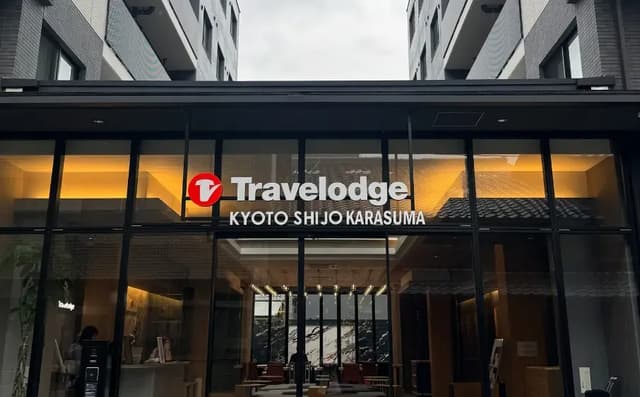
Travelodge Kyoto Shijo Karasuma
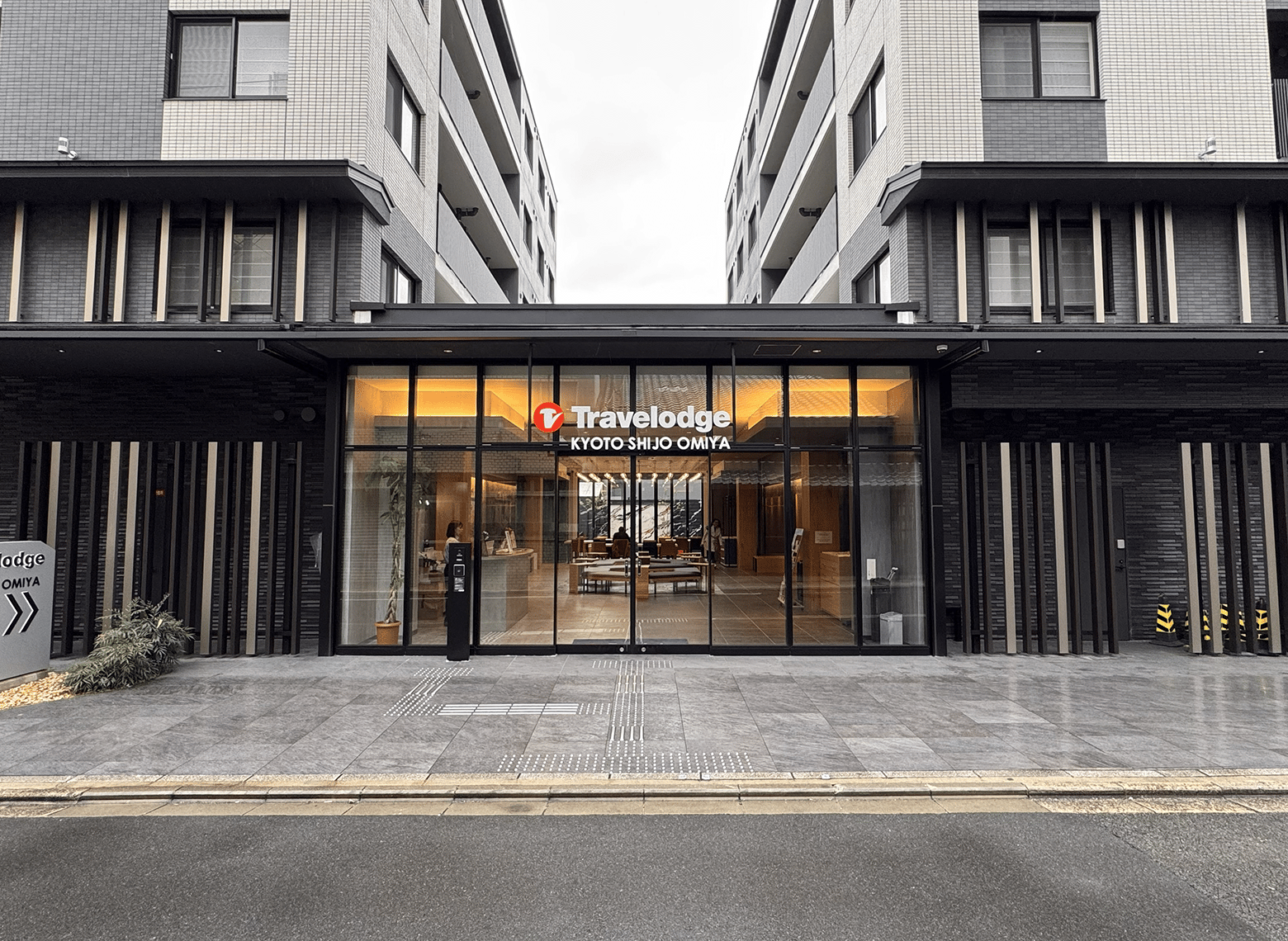
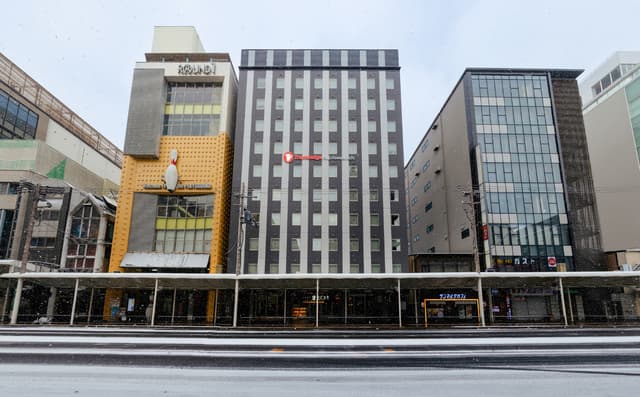
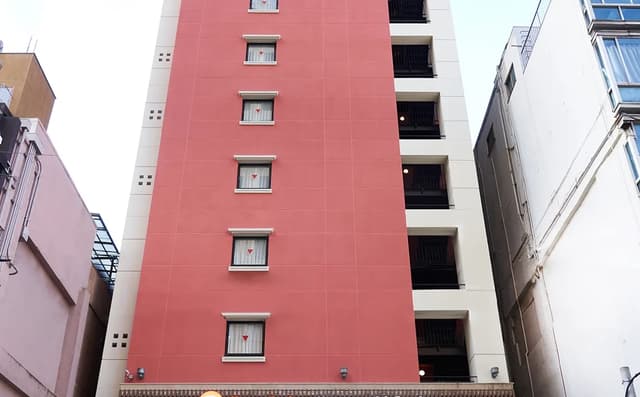
Travelodge Kyoto Shijo Karasuma offers a practical base for exploring central Kyoto and traveling farther around the region. The hotel is close to rail, bus, and tram connections, with Hankyu Omiya Station approximately 300 meters away.
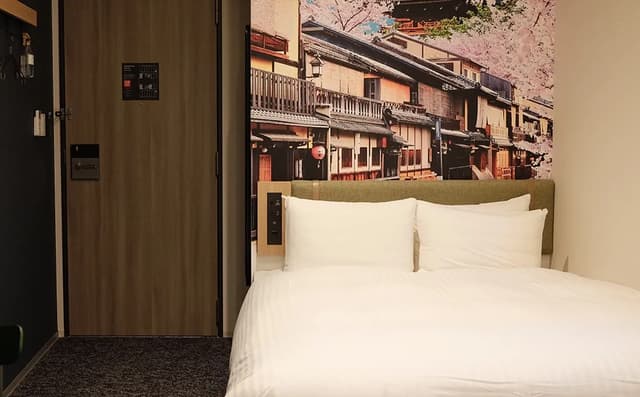
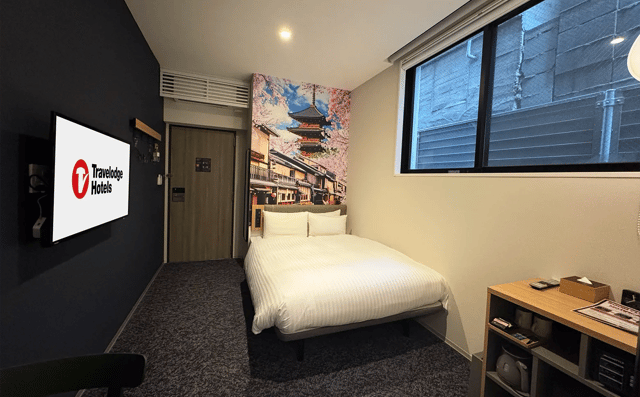
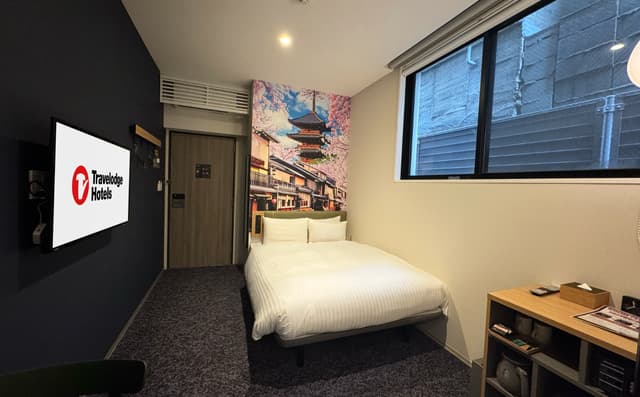
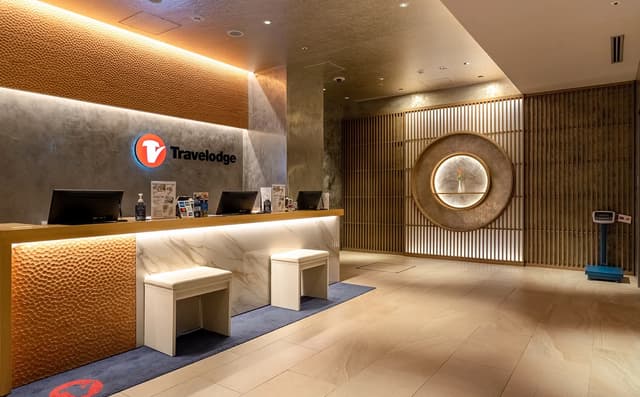
Guests can return to modern rooms after visiting Kyoto’s temples, markets, and historic neighborhoods. Facilities include complimentary Wi-Fi in public areas, self-service laundry, multilingual assistance, and a 24-hour front desk.
Travelodge Kyoto Shijo Kawaramachi

Travelers who want to stay near one of Kyoto’s liveliest shopping and dining districts can consider Travelodge Kyoto Shijo Kawaramachi.
The hotel is around a three-minute walk from Hankyu Kyoto-Kawaramachi Station and offers convenient access to Gion, Nishiki Market, Yasaka Shrine, and other central Kyoto highlights. The location also makes it easier to return to the room for a quick recharge before heading out again in the evening.
Travelodge Honmachi Osaka
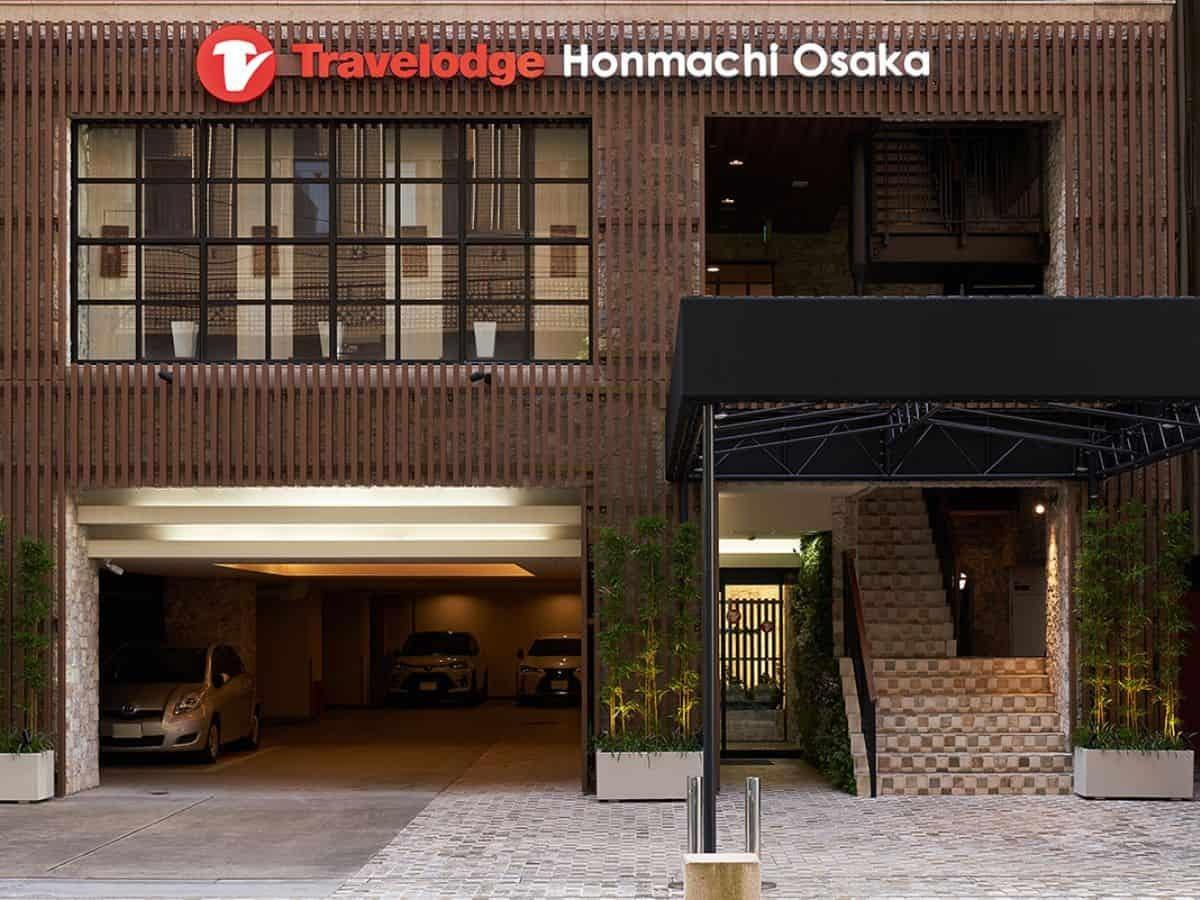
Travelodge Honmachi Osaka is located about a two-minute walk from Honmachi Station. From here, travelers can reach Shinsaibashi, Umeda, Namba, Osaka Castle, and connections for trips beyond the city.
Its central setting makes the property a convenient hotel in Osaka for travelers balancing sightseeing, shopping, business, and food stops across several neighborhoods.
Travelodge Osaka Shinsaibashi
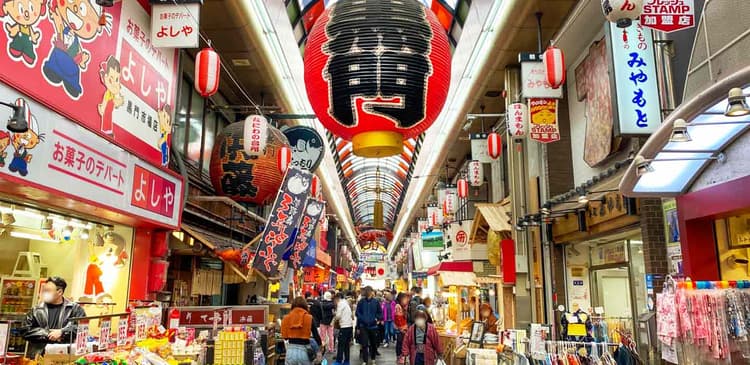
For travelers who prefer to stay closer to Osaka’s entertainment and shopping scene, Travelodge Osaka Shinsaibashi places Shinsaibashi-suji Shopping Street, Dotonbori, and Namba within easy reach.
The rooms include complimentary Wi-Fi and practical in-room amenities, while the surrounding train connections make it easier to explore Osaka without relying on long taxi journeys.
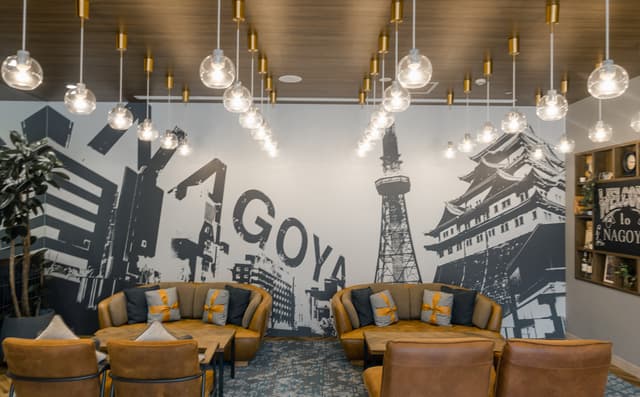
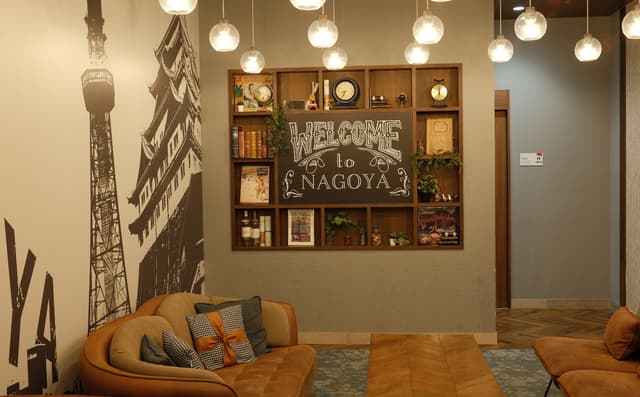
Travelodge Nagoya Sakae
Travelodge Nagoya Sakae sits in one of Nagoya’s main shopping and entertainment areas, approximately 300 meters from Sakae Station.
The hotel offers complimentary Wi-Fi, self-service laundry facilities, a fitness center, multilingual staff, and room options for solo travelers, couples, and small groups. Nagoya Castle, Osu Kannon, museums, shopping areas, and local dining can all be incorporated into the itinerary from this central base.
Booking directly through the official Travelodge Hotels Asia website keeps hotel details, room options, reservation policies, and available direct-booking benefits in one place. The brand currently offers member advantages such as cashback credit and selected booking privileges, subject to the applicable rate and terms.
For frequent travelers, joining the Travelodge membership program adds another layer of value to every stay. Members can enjoy Cashback Credits of up to 5% throughout Travelodge hotels, along with early check-in and late check-out. Special offers for extra savings on stays round out the program, making it an easy way to get more out of every trip booked directly with the brand.
Pack the Right Japan Plug and Travel with Confidence
Preparing the right Japan plug adapter is fairly straightforward. If a charger does not have two flat, parallel pins, bring a Type A adapter. Japan uses a 100V power supply, while the frequency is 50Hz in eastern regions and 60Hz in western cities such as Nagoya, Kyoto, and Osaka.
It is also worth checking the input label on each device before departure. Many phone, laptop, and camera chargers are designed for 100–240V and 50/60Hz, so they usually only need a plug adapter. Hair dryers and other high-powered or single-voltage appliances may require additional equipment or may be better left at home.
Once the charging essentials are sorted, travelers can focus on choosing a convenient place to stay. Visit the official Travelodge Hotels Asia website to compare rooms and book directly in Kyoto, Osaka, or Nagoya. The trip calls for a well-located hotel in Kyoto, a connected hotel in Osaka, or a practical base in Nagoya. Staying close to public transportation can make each day easier to plan.