


Share article
Hotel Facilities vs Amenities: Knowing the Difference

Travelodge Team
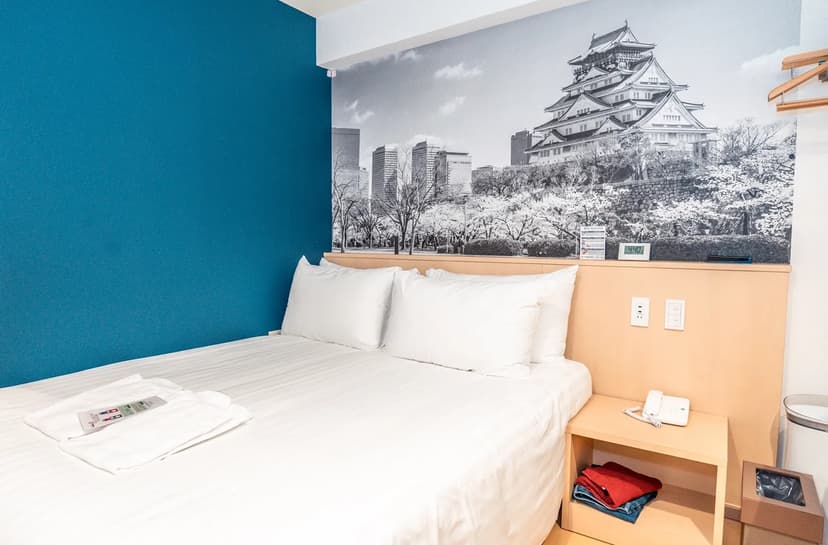
When booking a hotel, it is common to see the words “facilities” and “amenities” used almost interchangeably. A hotel may list a fitness center, laundry room, Wi-Fi, toiletries, and a restaurant under its facilities or amenities, which can make the difference confusing at first glance.
In simple terms, hotel facilities are usually spaces, resources, or areas guests can use, while hotel amenities are features, items, or conveniences provided to make the stay more comfortable. The two categories can overlap, and hotels may organize them differently on their websites, but understanding the general distinction makes it easier to compare properties before booking.
What Are Hotel Facilities?
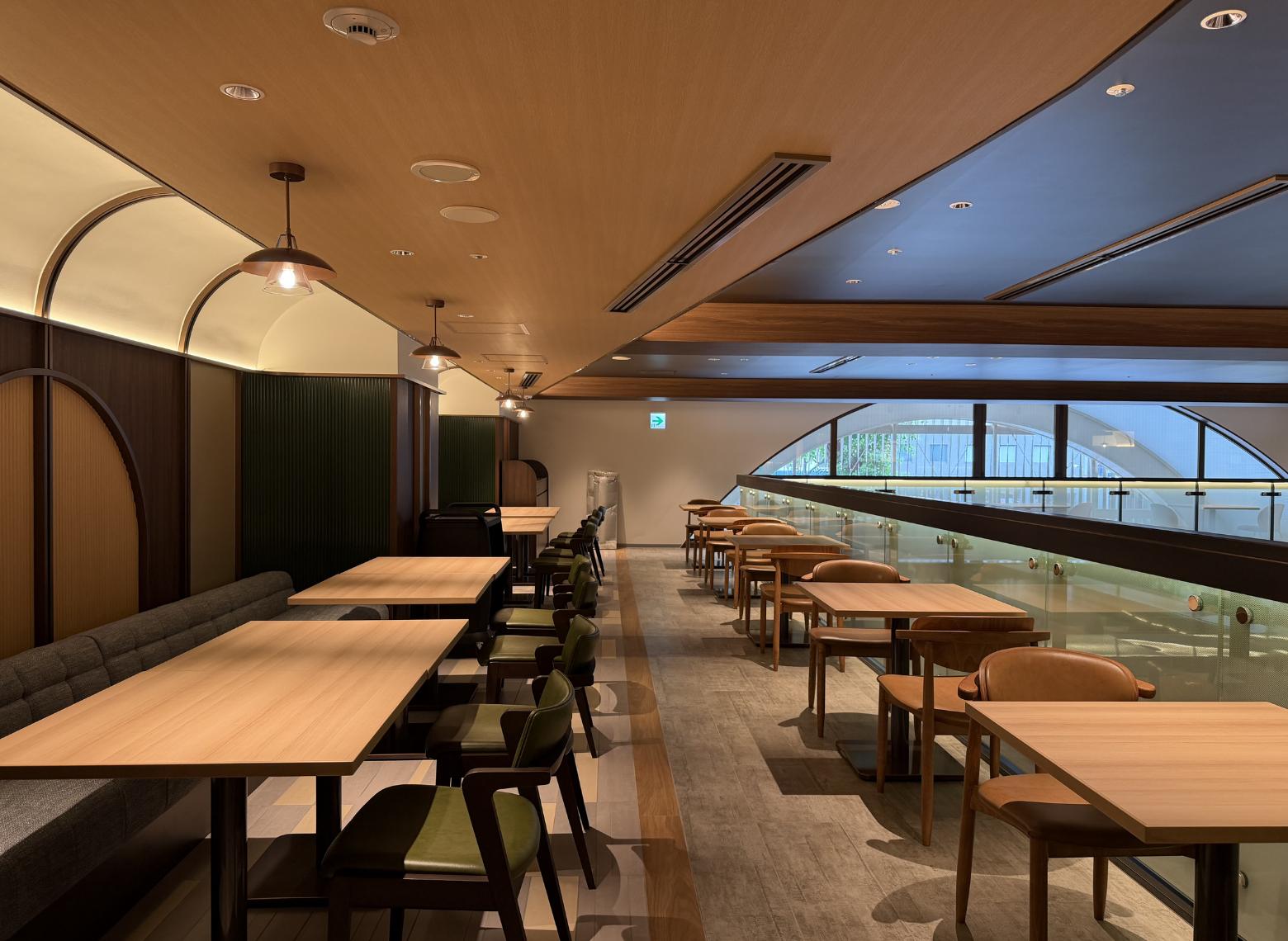
Hotel facilities generally refer to the physical spaces, shared resources, and property-level features available to guests. They are often located outside the guest room and are designed for activities such as dining, working, exercising, doing laundry, or storing luggage.
Common hotel facilities include:
- Fitness centers
- Restaurants
- Breakfast areas
- Meeting rooms
- Coworking spaces
- Self-service laundry
- Swimming pools
- Parking areas
- Business centers
- Luggage storage
- Vending machines
- 24-hour front desks
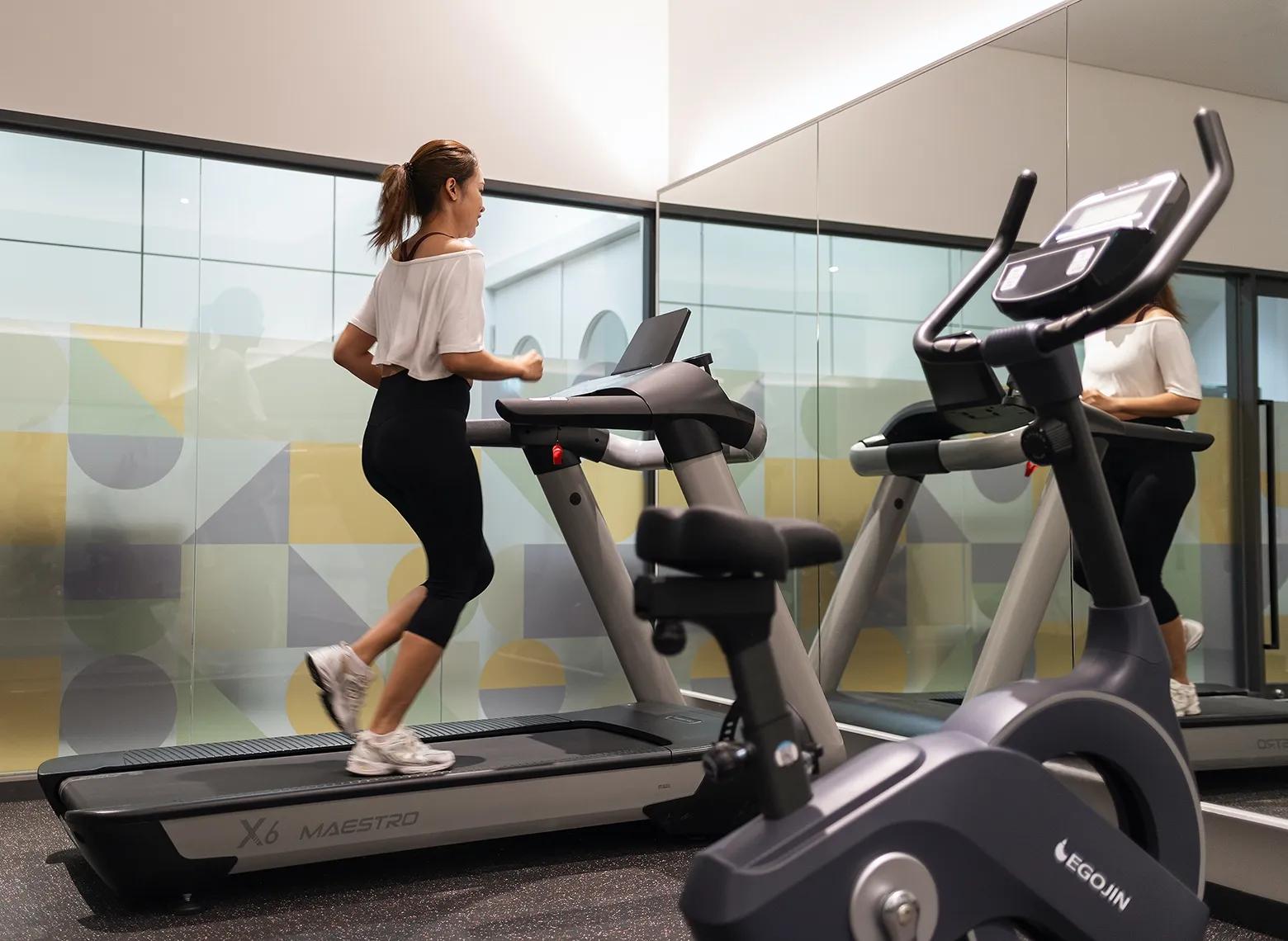
A fitness center is considered a hotel facility because it is a dedicated space that guests can access, and it tends to matter most to travelers trying to keep up a routine while away from home. A self-service laundry is another facility because it provides a shared area and equipment for guests to wash and dry their clothes, which becomes especially useful once a trip stretches past a few nights.
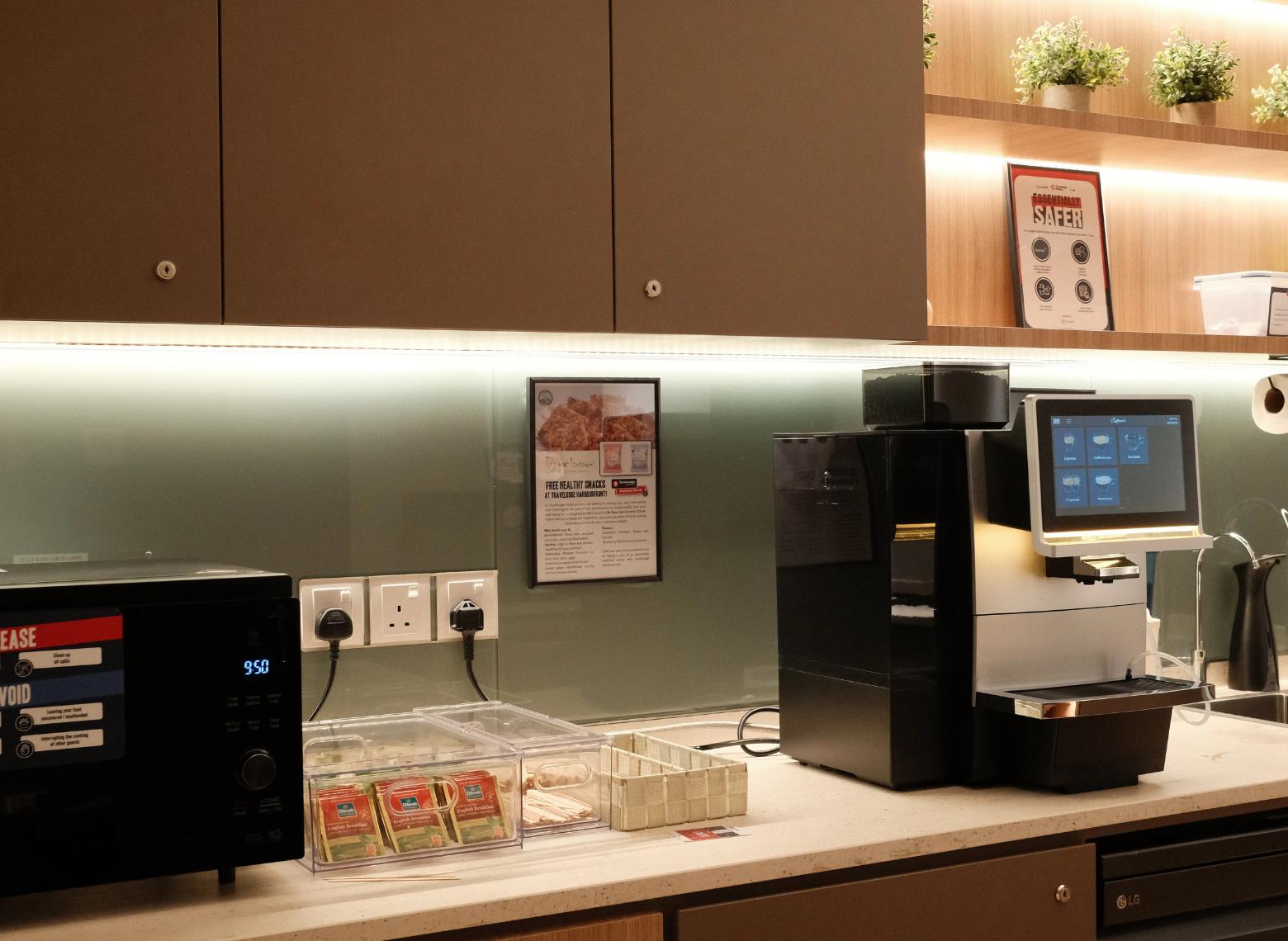
Facilities can also solve smaller, practical problems during a stay. Some properties provide a shared pantry area where guests can prepare a snack or store leftovers.
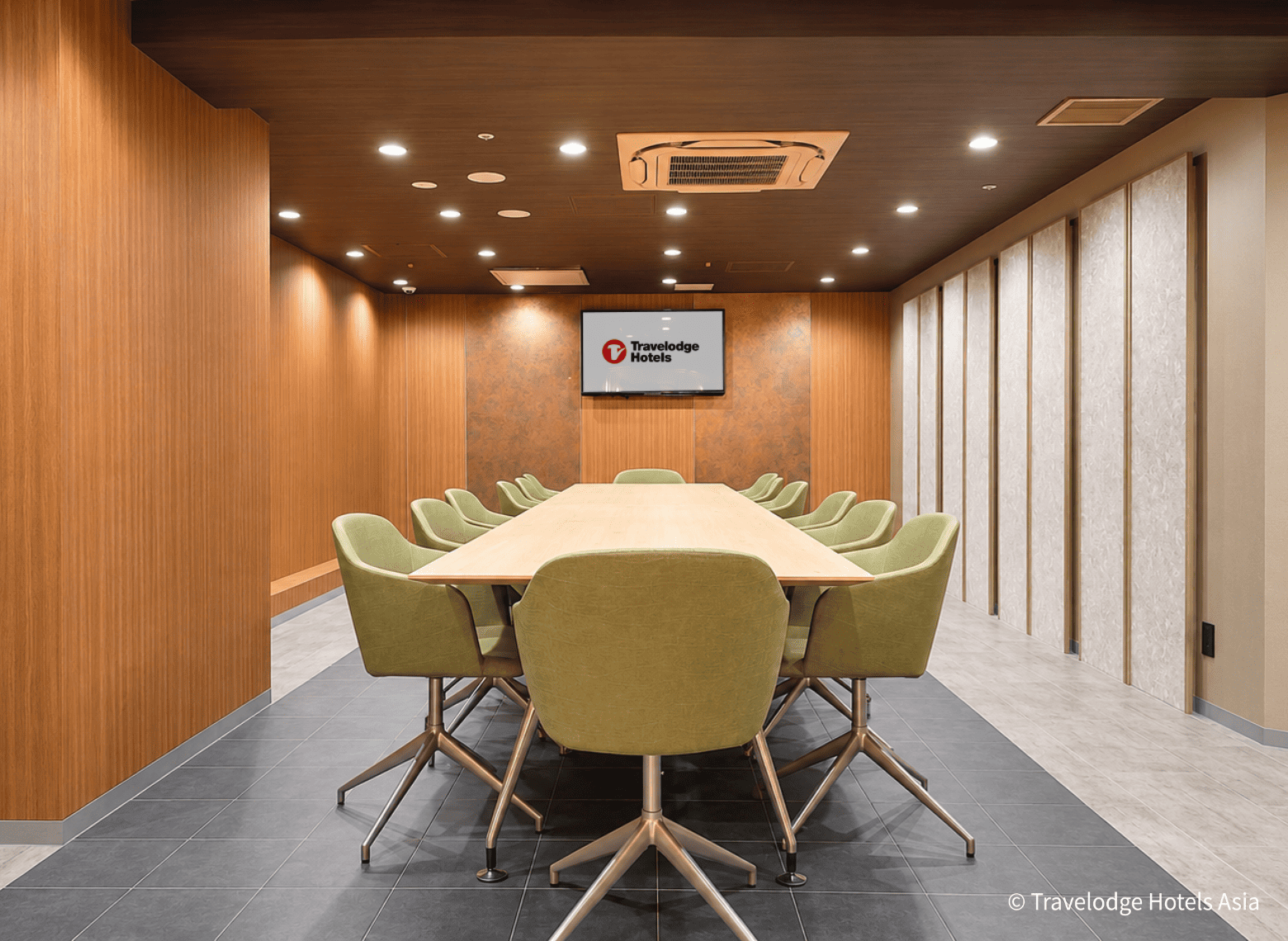
Facilities can have a major impact on the practicality of a hotel stay. A business traveler may prioritize a coworking space or meeting room, while someone staying for a week may find an on-site laundry facility more useful than a large selection of recreational features.
What Are Amenities in a Hotel?
So, what are amenities in a hotel? Hotel amenities are features, products, or conveniences that are provided to improve the comfort and overall experience of guests.
Amenities can be found inside guest rooms, in bathrooms, or as additional benefits offered by the hotel. Some are standard inclusions, while others may be available upon request or for an additional charge.
What Are Some Hotel Amenities?
Common examples include:
- Free Wi-Fi
- Air conditioning
- Heating
- Smart TV
- Electric kettle
- Tea and coffee set
- Mini fridge
- In-room safe
- Blackout curtains
- Slippers
- Hair dryer
- Toiletries
- Towels
- USB charging ports
- Breakfast
- Early check-in
- Late check-out
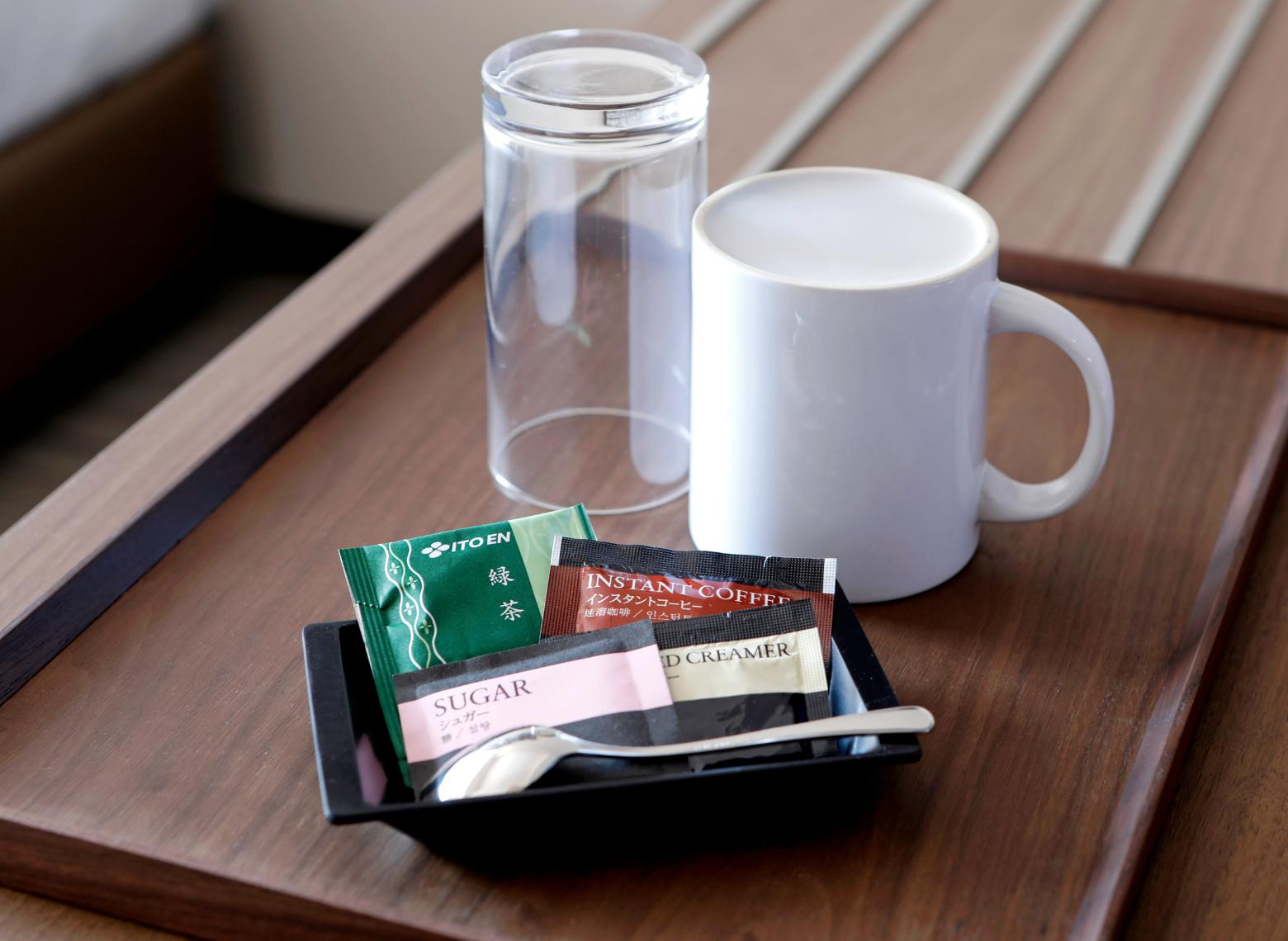
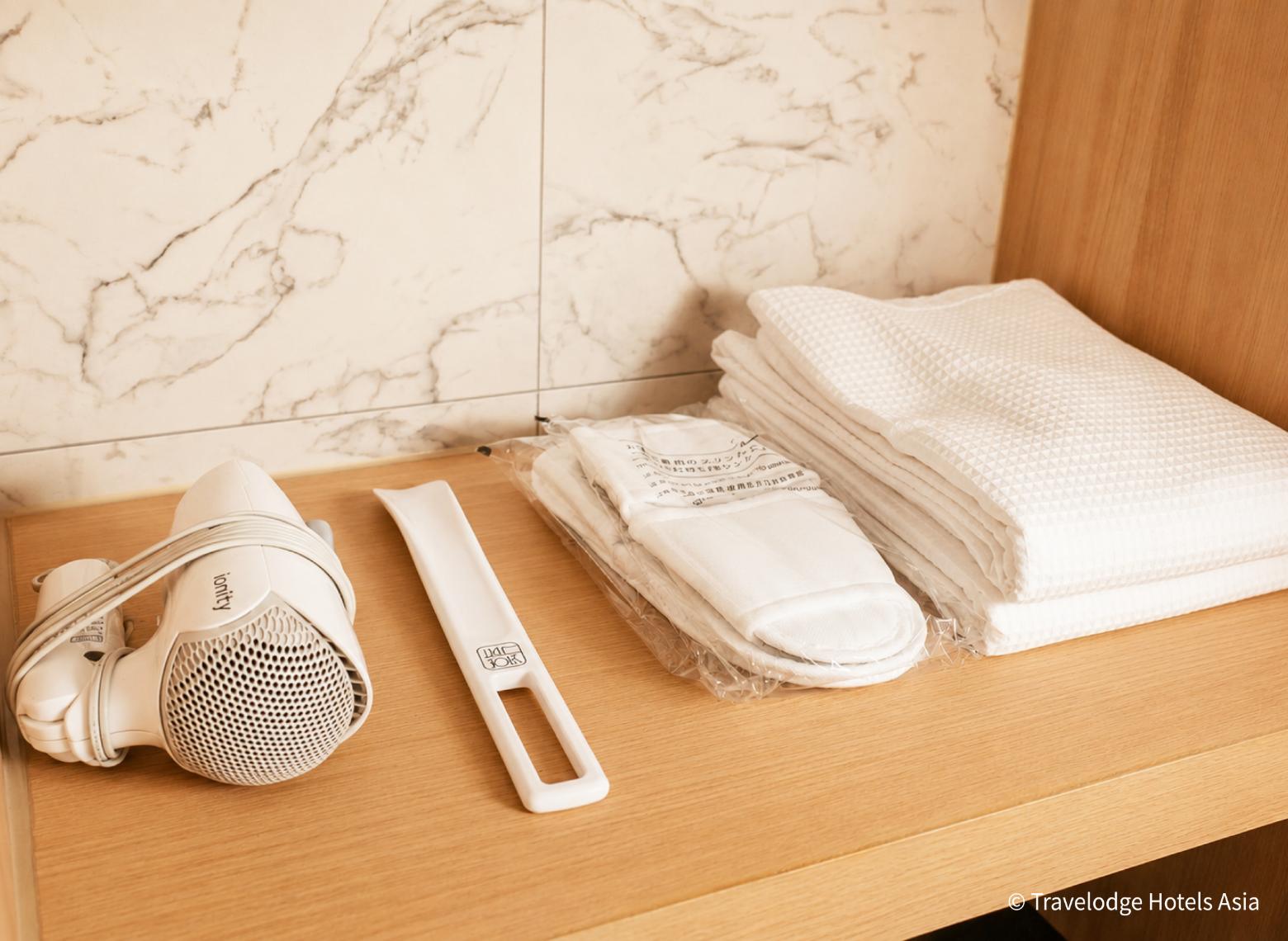
For instance, an electric kettle in a guest room is a hotel amenity because it adds convenience for guests who want to prepare a hot drink without leaving the room. Slippers, toiletries, and a hair dryer serve a similar purpose by making the room more comfortable and practical.
This is also why the answer to “what does hotel amenities mean?” can vary slightly depending on the property. Some hotels use the term broadly to include services and facilities, while others use it specifically for items and features provided for guest comfort.
What Are Hotel Room Amenities?
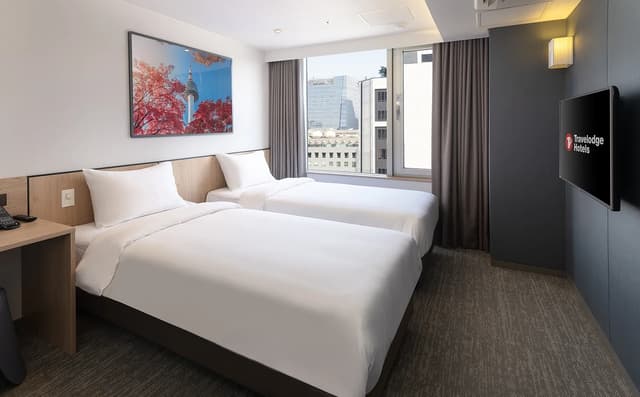
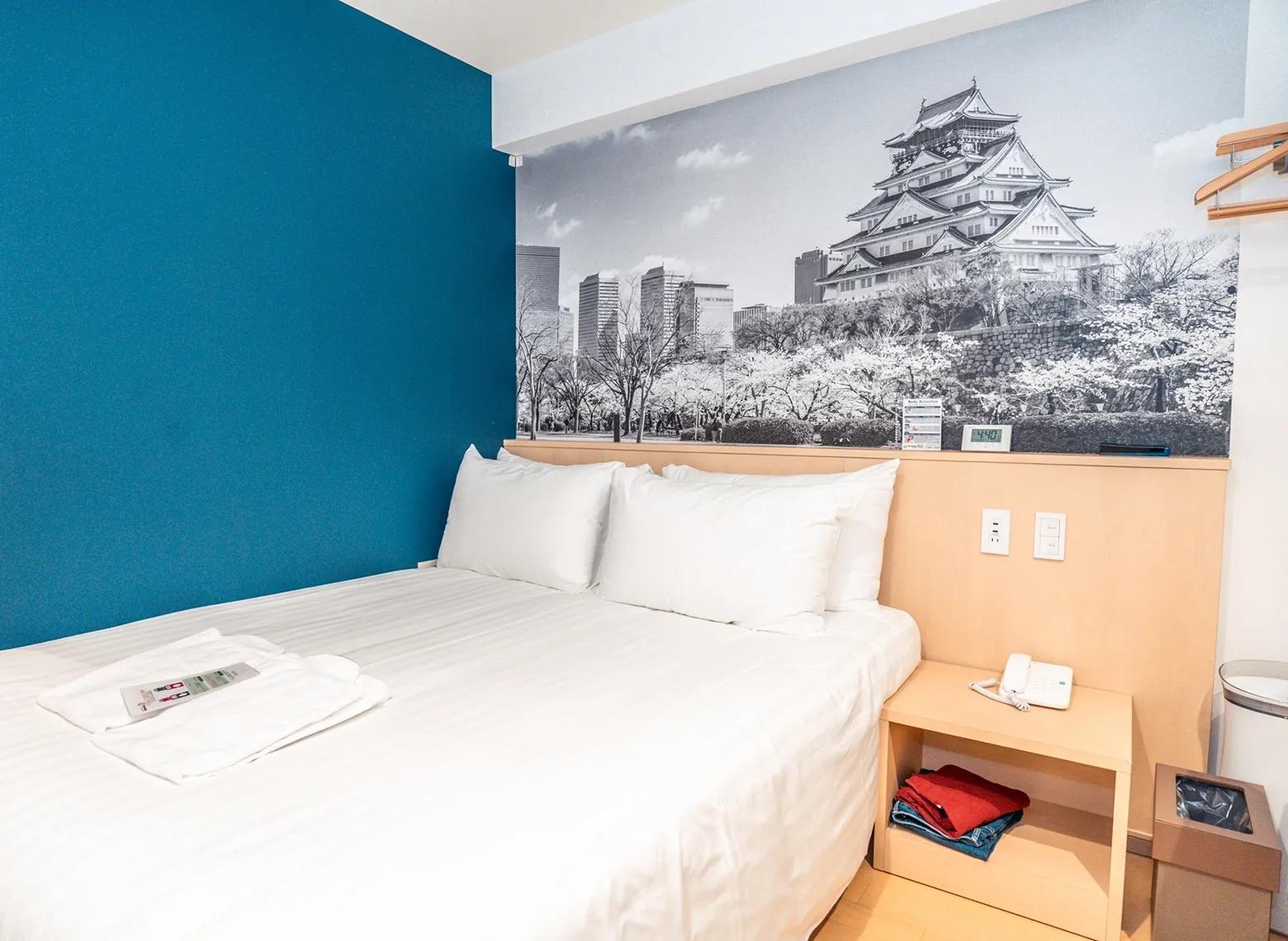
Hotel room amenities are the features, equipment, and items provided directly inside a guest room. They are a particularly important part of the booking decision because they affect the day-to-day experience of staying in the room.
So, what are hotel room amenities travelers should look for?
Comfort and Climate Control
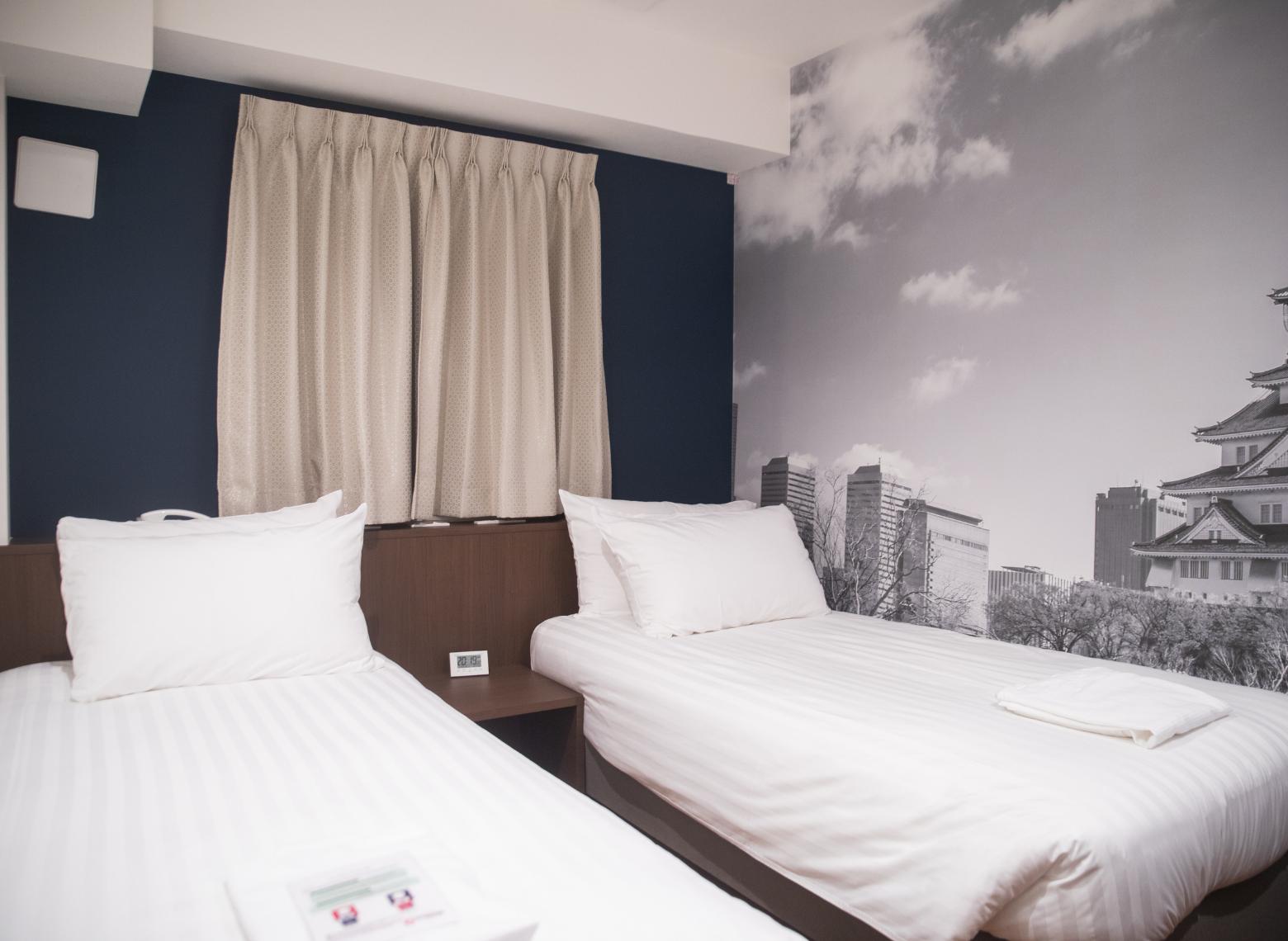
Air conditioning and heating are especially useful in destinations with significant seasonal temperature changes. Blackout curtains can also make a difference for guests adjusting to a new time zone, taking an afternoon nap, or simply looking for a quieter night of rest.
The bed itself plays a bigger role than most travelers expect. Small details like pillow firmness and bedding material affect sleep quality more than the size of the room.
Work and Connectivity
For business trips or remote work, practical room amenities such as a working desk, desk and chair, Wi-Fi, power outlets, and USB charging ports can be more valuable than purely decorative features.
A hotel room with convenient connectivity can make it easier to join a video call, charge multiple devices, or organize a day's itinerary without searching for another workspace.
In-Room Convenience
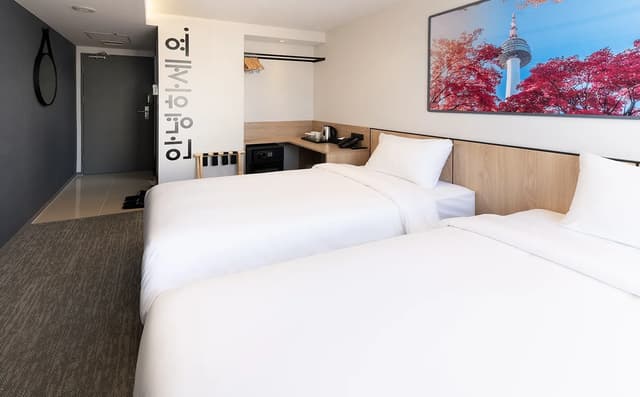
Electric kettles, tea and coffee sets, mini fridges, clothing racks, and in-room safes are examples of smaller amenities that can make a room easier to use.
These features can be particularly helpful on longer trips, when travelers tend to spend more time organizing luggage, storing personal items, or preparing for the next day.
Entertainment
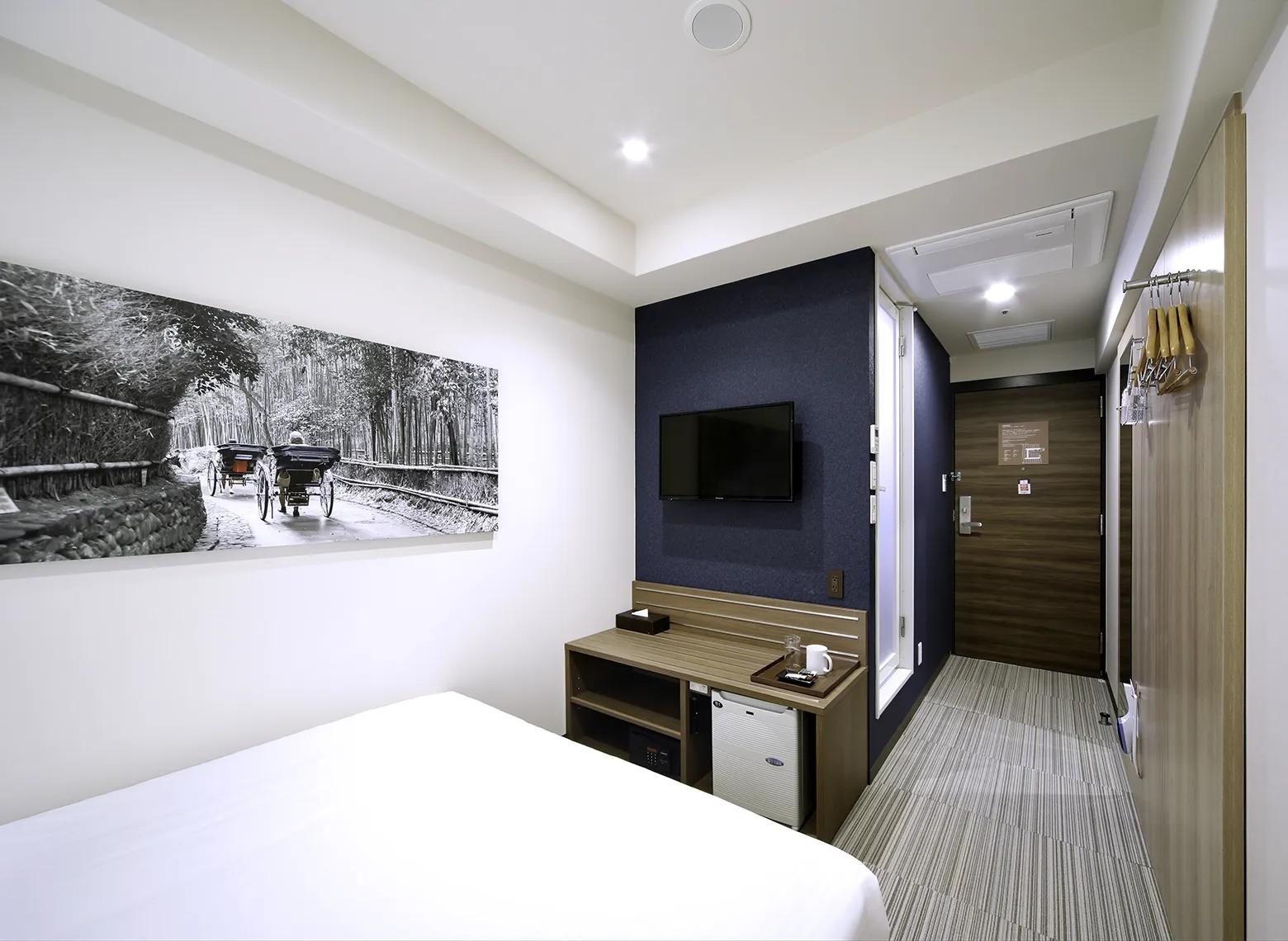
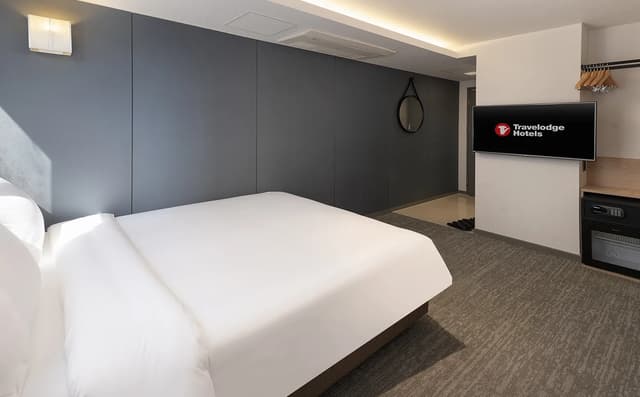
A TV is a traditional room amenity, while newer hotels may provide a Smart TV that gives guests more flexible entertainment options.
Bathroom Amenities
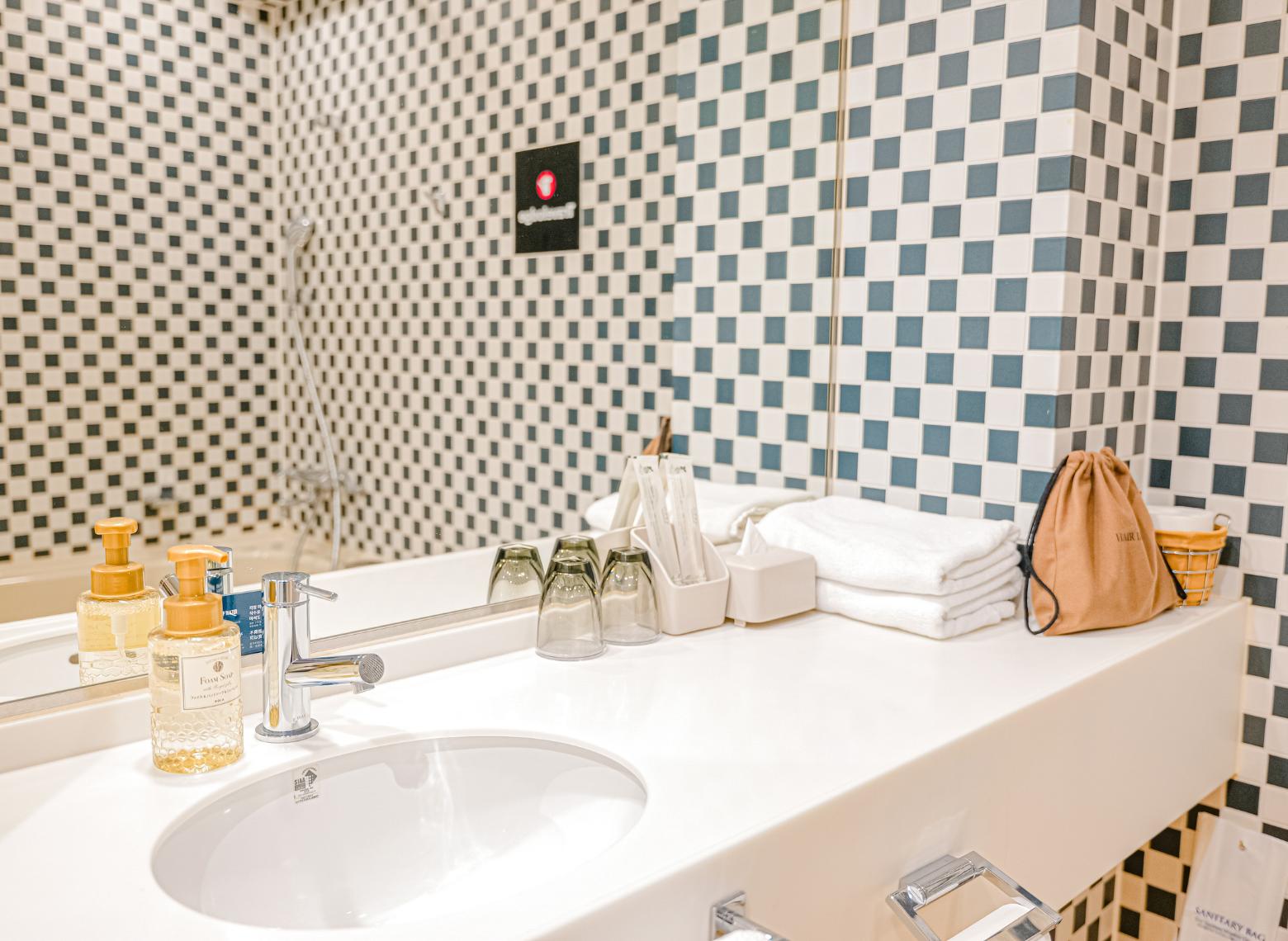
Bathroom amenities can include:
- Shower
- Bathtub
- Bidet
- Towels
- Toiletries
- Hair dryer
- Toothbrush and toothpaste
- Sanitary bag
When comparing hotels, it is worth checking the exact list because bathroom amenities can differ considerably between properties and room types.
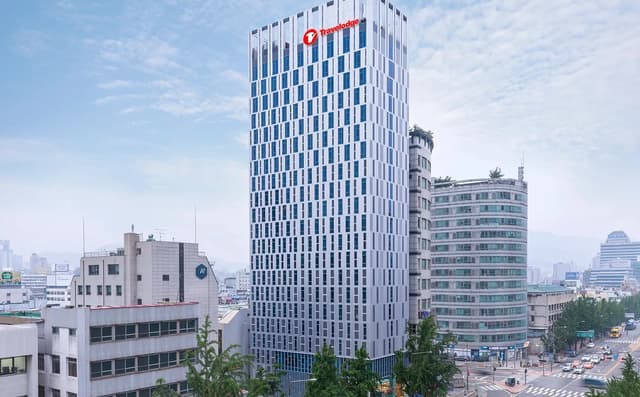
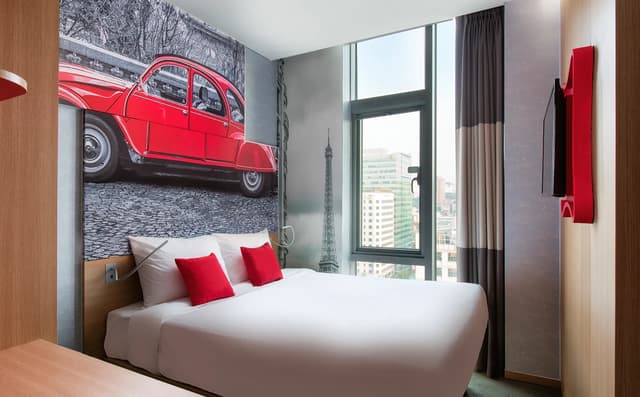
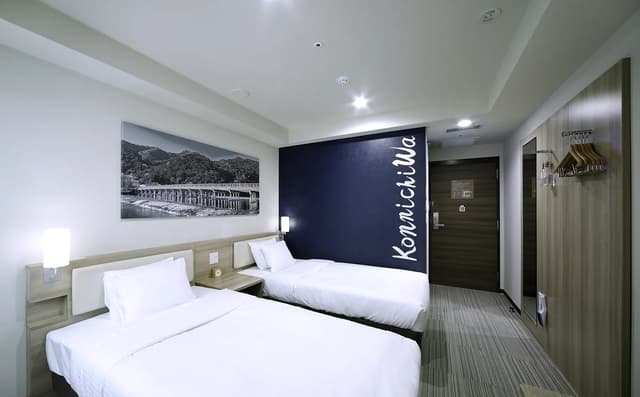
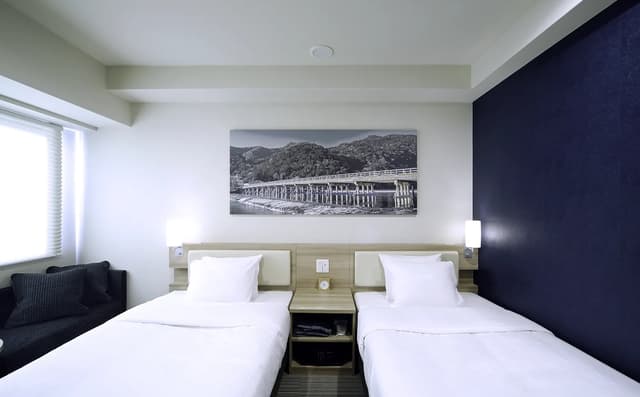
Explore Travelodge Hotels in Asia
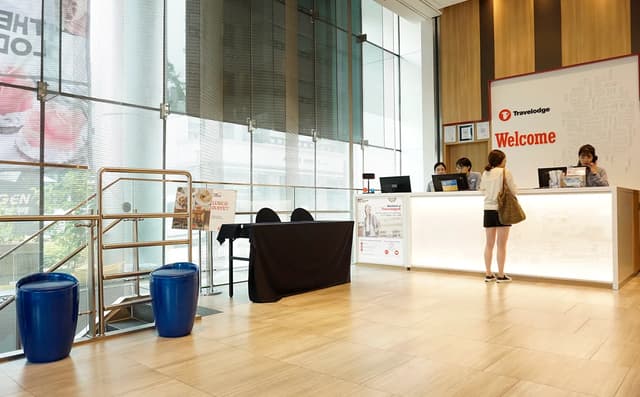
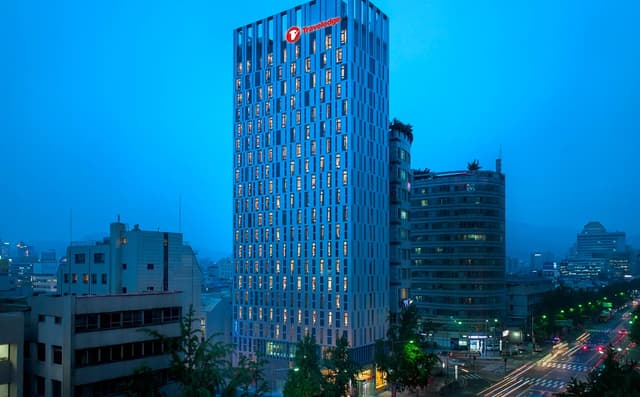
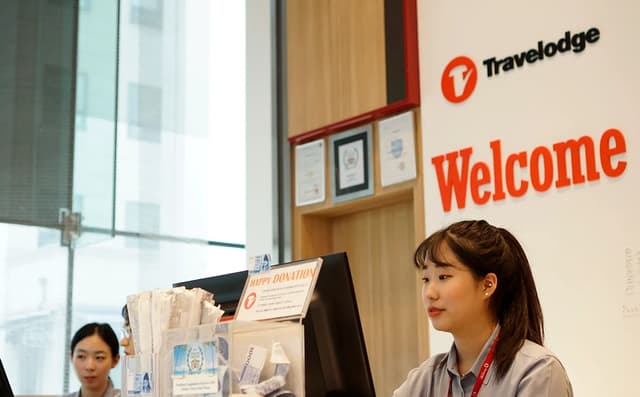
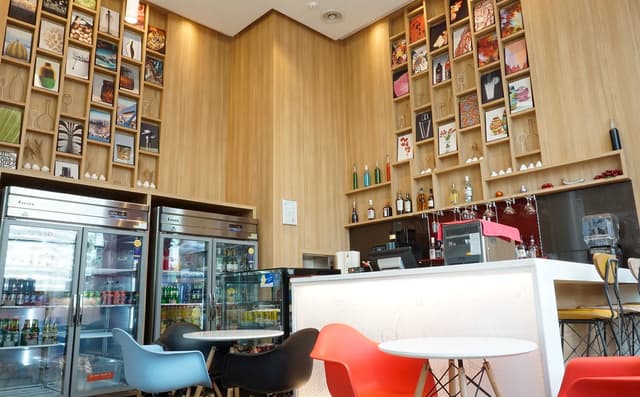



- 1
- 2
- ...
- 9
Good facilities, good hygiene

Convenient location, swift check in, good facilities and rooftop garden, comfortable bed, and good hygiene, would definitely stay again.
Harvey (Stayed at Travelodge Dongdaemun Seoul)
Hotel Facilities vs Amenities: What is the Difference?
The easiest way to understand the difference between facilities and amenities in a hotel is to consider where they are used and what purpose they serve.
Hotel Facilities | Hotel Amenities |
Usually shared or property-level resources | Usually features, items, or conveniences |
Often found in common areas | Often found in guest rooms or provided as guest benefits |
Fitness center | Electric kettle |
Restaurant | Slippers |
Coworking space | Smart TV |
Self-service laundry | Mini fridge |
Parking area | Hair dryer |
Breakfast area | Toiletries |
Meeting room | In-room Wi-Fi |
This distinction is not an absolute rule. For example, breakfast could be described as an amenity because it adds convenience to the stay, while a breakfast area is clearly a physical facility. Similarly, Wi-Fi may be described as a hotel facility or amenity depending on how the property presents its services.
The important point for travelers is less about the label and more about what is actually available, where it is available, and whether it is included in the room rate.
Amenities vs Facilities vs Utilities: What Is the Difference?
Travelers may also come across the term “utilities,” particularly when reading accommodation information. Although the three terms are related, they generally refer to different things.
Amenities are features and conveniences that improve the guest experience, such as Wi-Fi, toiletries, slippers, or a Smart TV.
Facilities are physical spaces or shared resources that guests can use, such as a gym, restaurant, laundry area, or meeting room.
Utilities generally refer to the essential services and infrastructure needed to operate a property, such as electricity, water, heating, cooling, and waste management.
In everyday hotel marketing, “utilities” is less commonly used as a guest-facing category. Travelers are more likely to see facilities and amenities listed when researching accommodation.
Why Do Hotel Facilities and Amenities Matter When Booking?
A hotel's facilities and amenities can influence how comfortable and convenient a stay feels, particularly when the trip involves more than simply sleeping at the property.
For business travelers, reliable Wi-Fi, a suitable workspace, meeting facilities, laundry, and a convenient location can make a work trip much easier to manage. A hotel with the right combination of features can reduce the need to find external workspaces or services during a busy schedule.
For travelers planning longer stays, facilities such as self-service laundry, breakfast areas, luggage storage, and in-room conveniences can be especially useful. Instead of treating these features as extras, they can become part of the practical value of the accommodation.
Travelodge Hotels Asia approaches the guest experience around Comfort, Convenience, and Connectivity. This means practical room features and useful hotel facilities work together to support different types of trips, from short city breaks to business stays.
How to Check Hotel Facilities and Amenities Before Booking
Hotel websites can contain long lists of features, but not every item will be equally important for every trip. A more useful approach is to identify the facilities and amenities that will actually affect the stay.
Check the Hotel Facilities
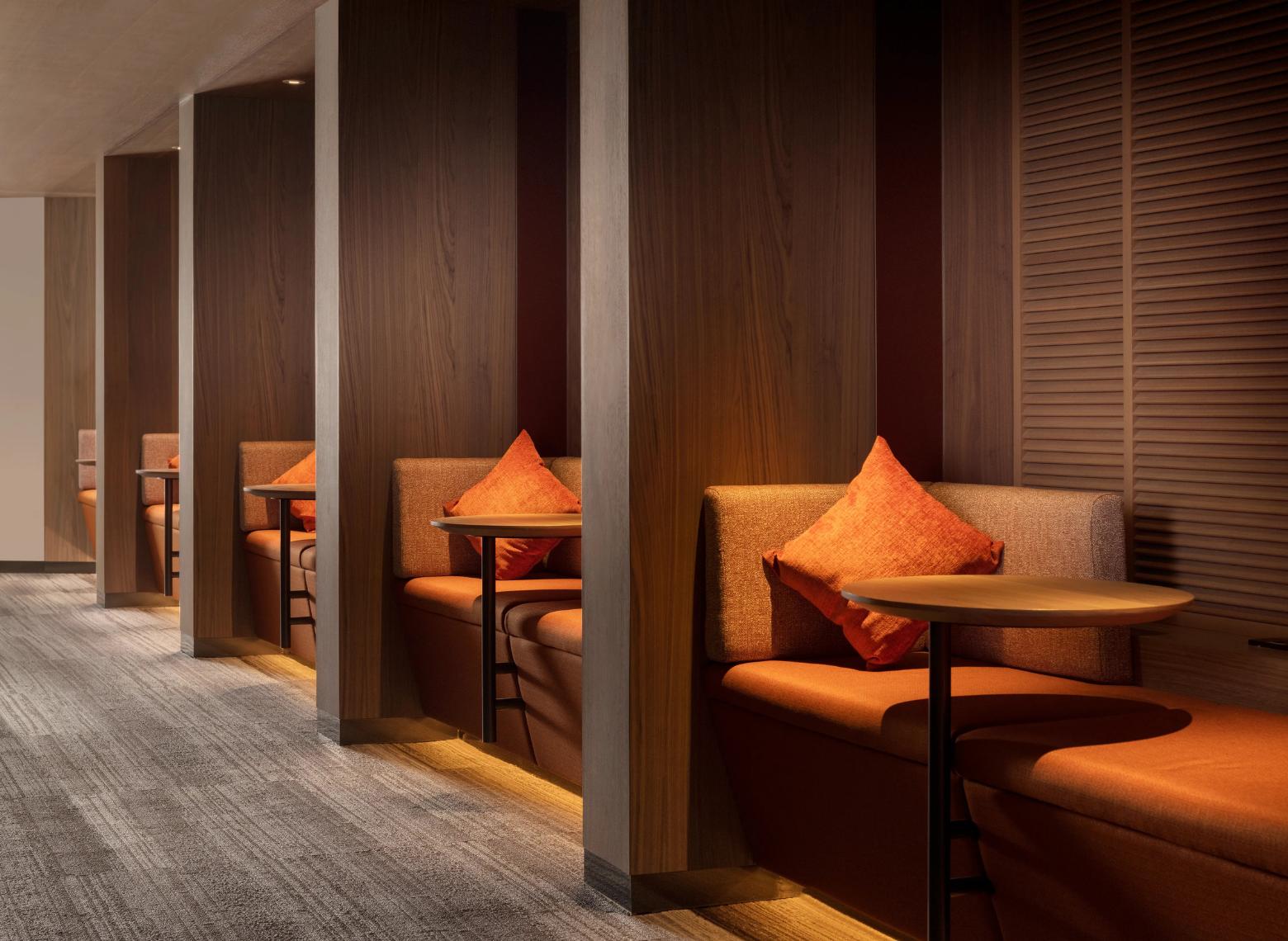
Start by looking for property-level facilities that match the purpose of the trip.
For a business trip, check for a coworking space, meeting room, business center, or other work-friendly areas. For longer stays, a self-service laundry can be particularly useful. Travelers arriving with heavy luggage may want to check luggage storage, while those driving to the destination should look at parking availability and conditions.
Check the Room Amenities
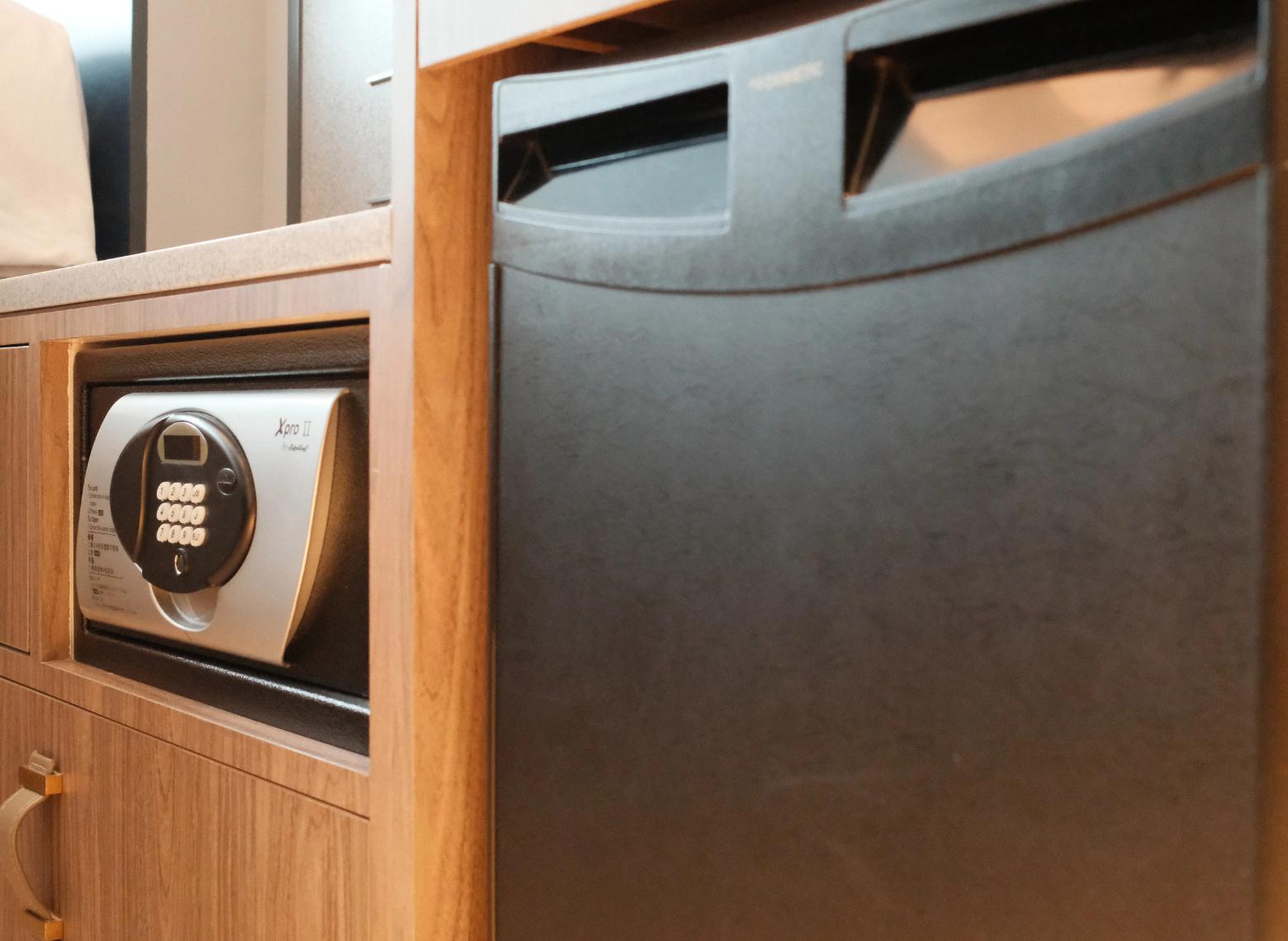
Next, review what is included inside the room. Look for essentials such as Wi-Fi, air conditioning, heating, a desk, charging ports, a Smart TV, a mini fridge, an electric kettle, and an in-room safe.
For families, additional considerations may include connecting rooms, family room configurations, baby cribs, and bathroom features.
Check What is Included
Not every facility or amenity is automatically included in the room rate. Some services may have additional charges, limited availability, specific operating hours, or advance reservation requirements.
Before confirming a booking, check:
- What's included in the room rate
- Breakfast availability and price
- Facility operating hours
- Additional service charges
- Reservation requirements
- Availability of requested amenities
- Cancellation and modification conditions
This can prevent surprises after arrival and make different hotel rates easier to compare.

Well supplied amenities
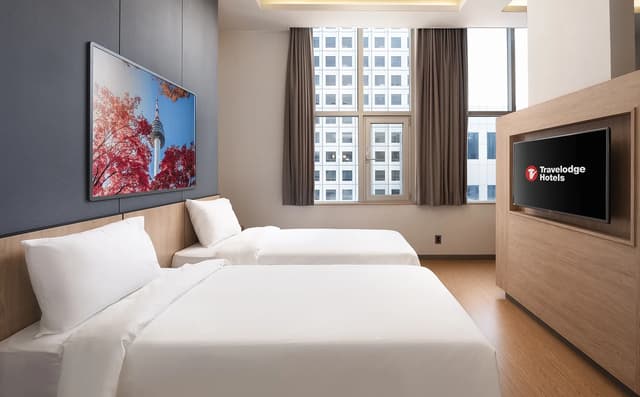
Hot water kettle, coffee and tea station, hair dryer, room amenities, all supplied and surprisingly sufficient for 4 adult for a couple of days. TV in between 2 beds entertained my kids when we chill down upon coming back from our city/island excursion.
Gede (stayed at Travelodge Harbourfront)
How Travelodge Hotels Asia Combines Facilities and Amenities
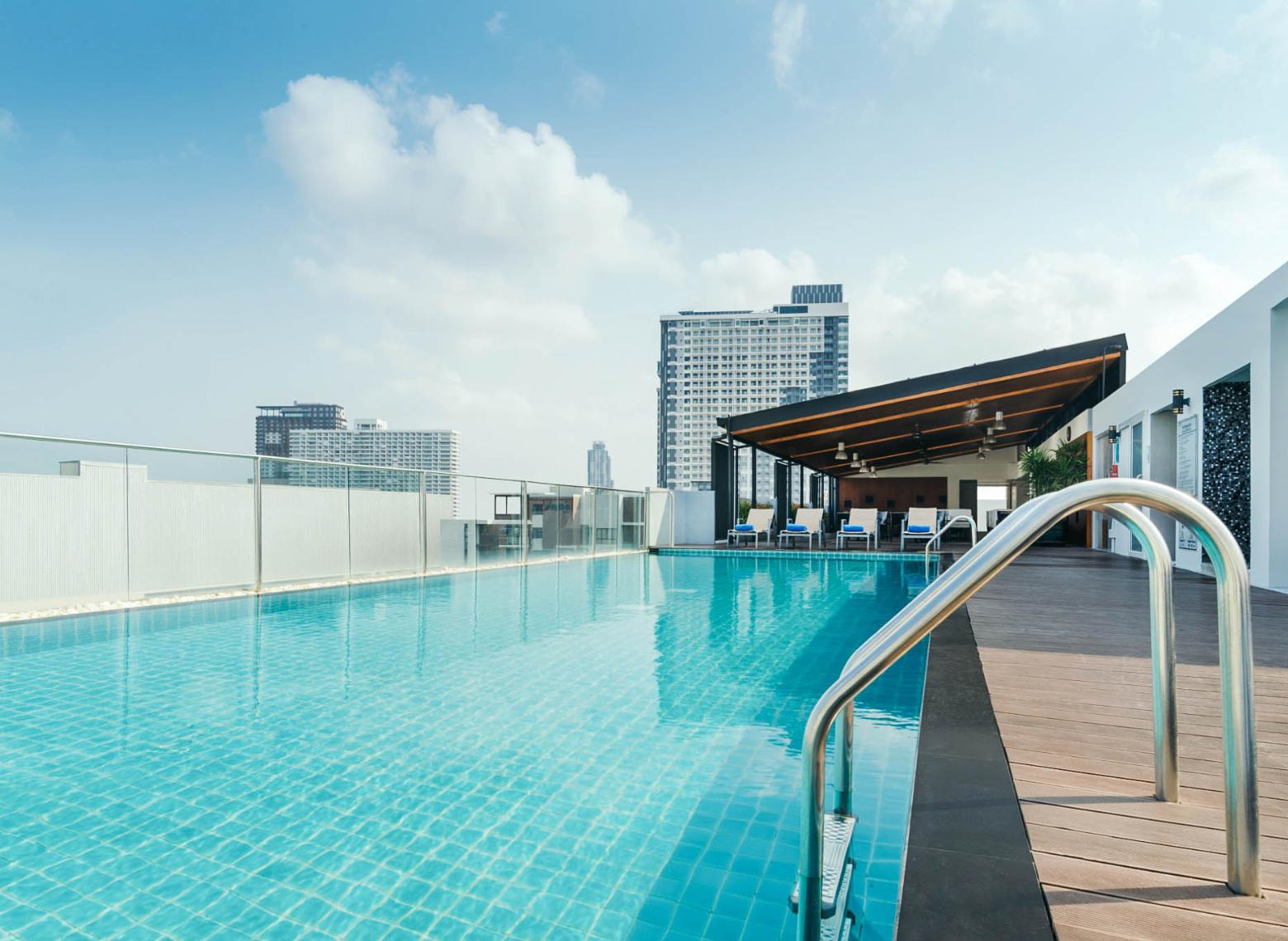
At Travelodge Hotels Asia, facilities and amenities are designed around the practical needs of modern travelers. Comfortable rooms provide essential conveniences, while selected properties offer additional spaces and services that make city stays easier to manage.
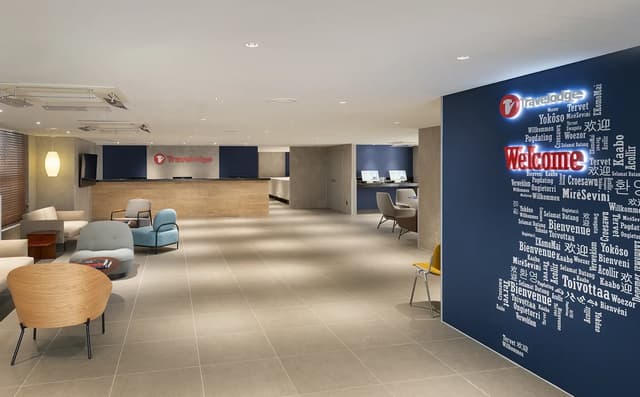
Facilities and amenities vary by hotel, so checking the individual property page is recommended before booking. Depending on the destination, guests may find features such as breakfast areas, self-service laundry, coworking spaces, fitness facilities, Wi-Fi, convenient room amenities, and 24/7 front desk service.
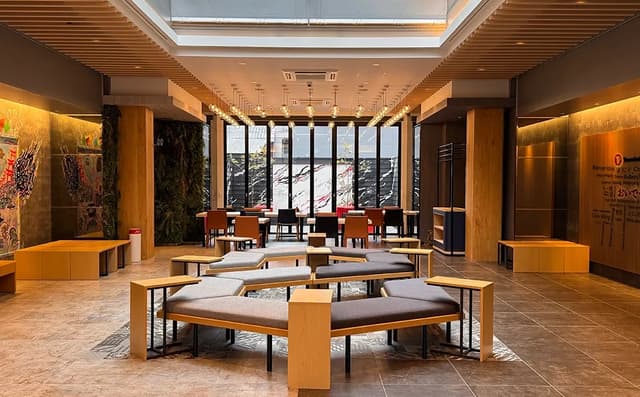
At Travelodge Kuala Lumpur City Centre, guests can settle into a shared workspace between meetings across the city, and a similar setup is available at Travelodge Honmachi Osaka. In Japan, Travelodge Nagoya Sakae and Travelodge Osaka Shinsaibashi offer comparable spaces for guests who want a change of scenery from their room, and Travelodge Suites Busan Centum rounds out the coworking-friendly properties in South Korea.
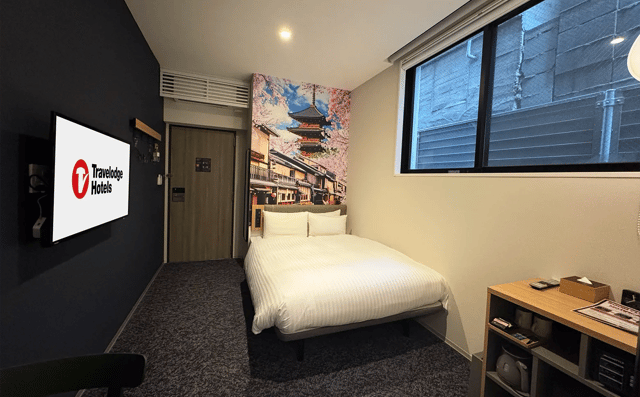
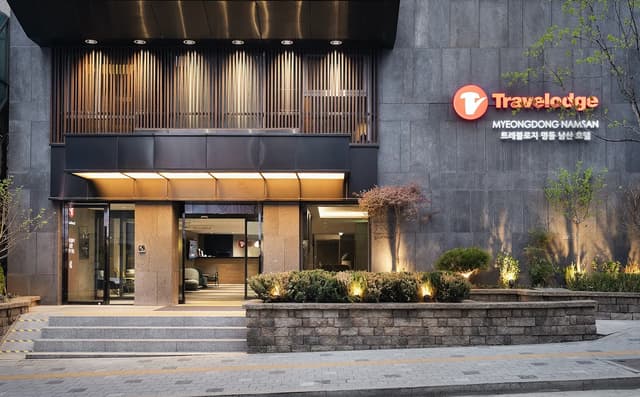
For guests who need a full business setup rather than a shared coworking corner, Travelodge Myeongdong Namsan is worth a closer look. It is one of the few properties in the portfolio offering a meeting room, business center, coworking space, and in-room working desk all in one place, which makes it a solid default choice for a business trip that might call on any of them.
Guests who need to swap currency without hunting down a bank will also want to know which properties offer this on-site; Travelodge Harbourfront in Singapore has a money changer.
Gym facilities can be particularly useful for travelers who want to maintain their routine while away. Likewise, an on-site laundry can be a valuable convenience during longer city stays or multi-destination trips, and Comfort, Convenience, and Connectivity extend to smaller touches too, from pantry access to a well-chosen pillow.
How to Choose a Hotel Based on Facilities and Amenities
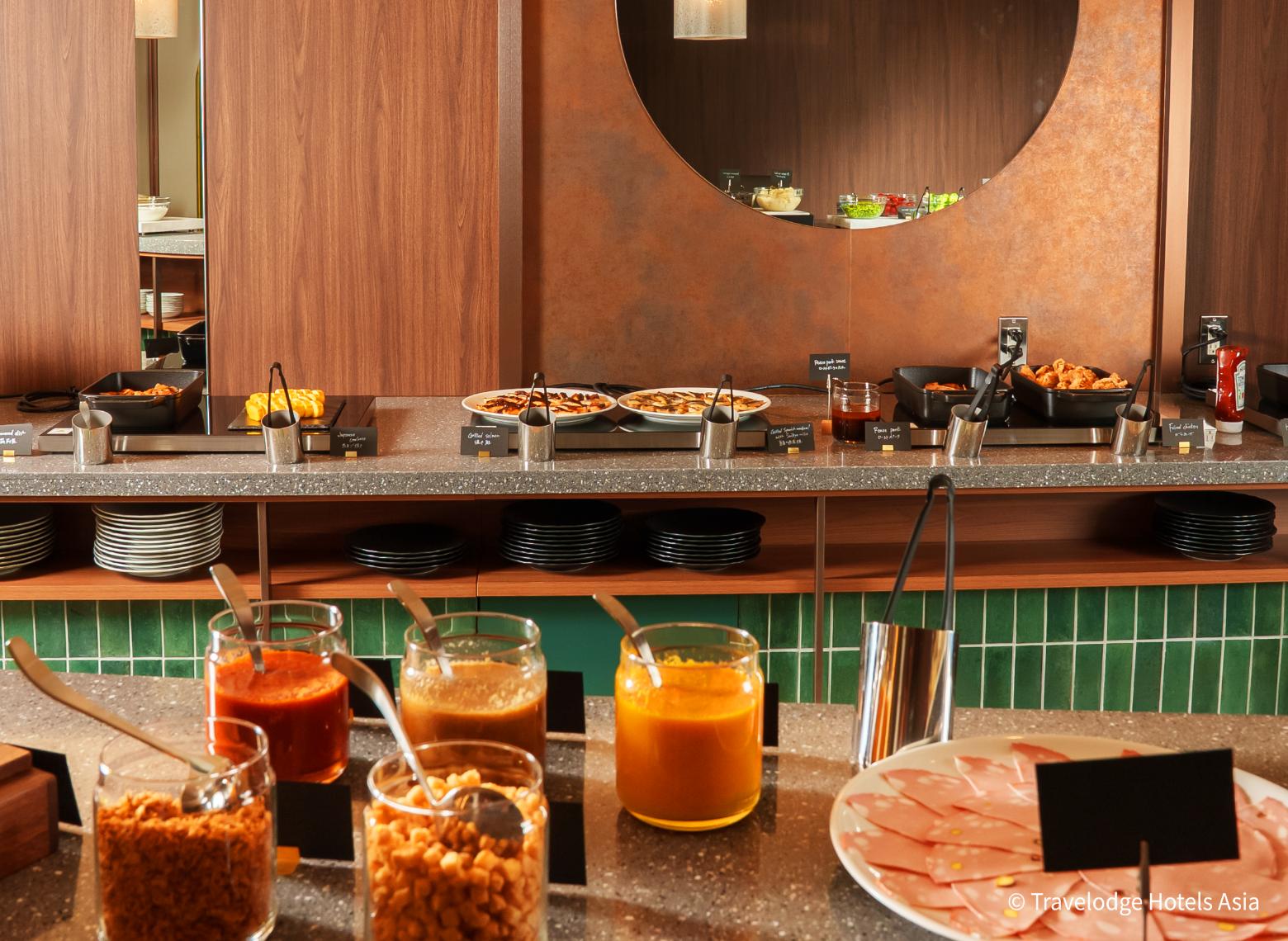
Different travelers will naturally prioritize different features. A hotel with extensive facilities is not automatically the best choice if those facilities are rarely used during the trip.
For Business Travelers
Prioritize:
- Reliable Wi-Fi
- Working desk
- Coworking space
- Meeting facilities
- Charging ports
- Laundry
- Convenient transport connections
A suitable business hotel should make it easy to balance work, rest, and getting around the destination.
For Families
Consider:
- Family rooms
- Connecting rooms
- Baby crib availability
- Breakfast
- Bathtub
- Laundry facilities
- Luggage storage
Room configuration can be just as important as the hotel's shared facilities, particularly when several people are sharing one room.
For Long-Stay Travelers
Useful features may include:
- Self-service laundry
- Mini fridge
- Electric kettle
- Breakfast options
- Flexible booking rates
- Work space
- Luggage services
Small conveniences tend to become much more noticeable when staying for several nights.
For Leisure Travelers
Travelers spending most of the day exploring may place greater importance on:
- Convenient location
- Comfortable beds and room amenities
- Wi-Fi
- Breakfast options
- Luggage storage
- Fitness facilities
- Easy access to restaurants and attractions
The right combination can make returning to the hotel after a full day of sightseeing much easier.
Facilities and Amenities Both Matter
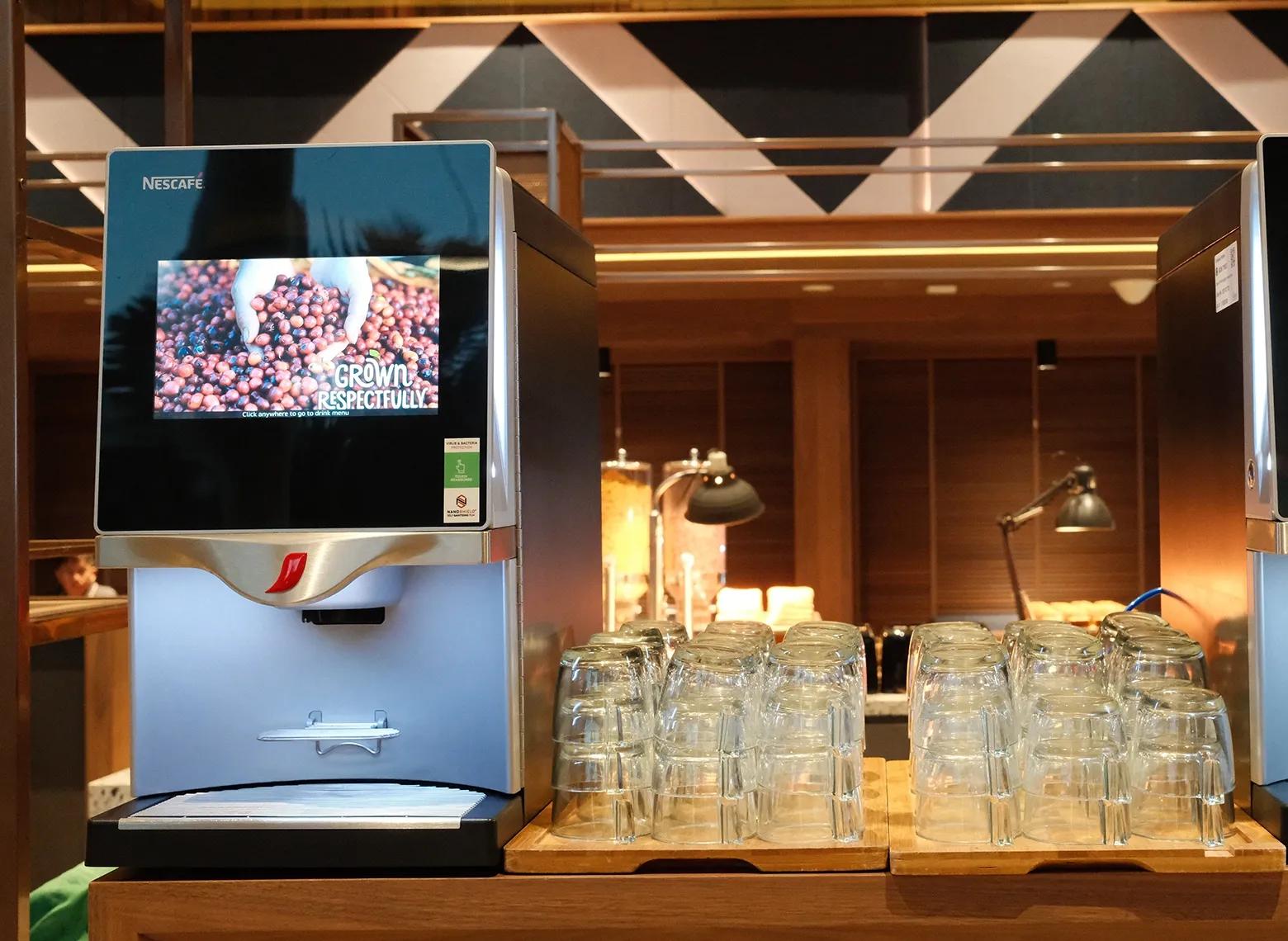
Understanding hotel facilities vs amenities makes it easier to look beyond the headline room price and evaluate what a hotel can actually provide during a stay.
Facilities such as fitness centers, coworking spaces, laundry areas, restaurants, and parking can make a property more convenient, while amenities such as Wi-Fi, Smart TVs, mini fridges, toiletries, and charging ports can make the guest room more comfortable.
The best choice ultimately depends on the trip. By checking the facilities, room amenities, inclusions, operating hours, and additional charges before booking, travelers can choose accommodation that delivers the right balance of Comfort, Convenience, and Connectivity across the Travelodge Hotels Asia.
Frequently Asked Questions About Hotel Amenities and Facilities
What are amenities in a hotel?
Hotel amenities are features, items, or conveniences provided to improve a guest's comfort and experience. Examples include Wi-Fi, toiletries, slippers, an electric kettle, a Smart TV, breakfast, and other guest benefits.
What are hotel facilities?
Hotel facilities are generally physical spaces, shared resources, or property-level features that guests can use. Examples include restaurants, fitness centers, laundry areas, coworking spaces, meeting rooms, parking areas, and breakfast areas.
What is the difference between hotel facilities and amenities?
Hotel facilities generally refer to spaces or shared resources, while hotel amenities usually refer to features, items, or conveniences that enhance a guest's stay. The terminology can overlap, so checking what each hotel actually provides is more important than the label.