


Share article
Exploring Little India Singapore: A Colorful Walking & Food Guide

Anya Lim
.jpg)
The first steps into Little India Singapore can feel like entering a different rhythm of the city. Brightly painted shophouses line busy streets, flower garlands hang outside family-run stores, and the aromas of toasted spices, fresh bread, and simmering curry drift between restaurants and market stalls.
Yet Little India is more than a colorful place for photographs. The neighborhood reflects the histories of Singapore’s Indian and South Asian communities while also revealing the city’s wider multicultural character. Hindu temples stand alongside mosques, churches, and Buddhist places of worship, creating a district shaped by several cultures and faiths rather than one tradition alone.
Most of the neighborhood can be explored comfortably on foot. A half-day route can combine heritage attractions, traditional food, street shopping, and temple visits, while a full day allows time for the Indian Heritage Centre, an unhurried lunch, and an evening stop at Mustafa Centre.
Why You Must Visit Little India Singapore
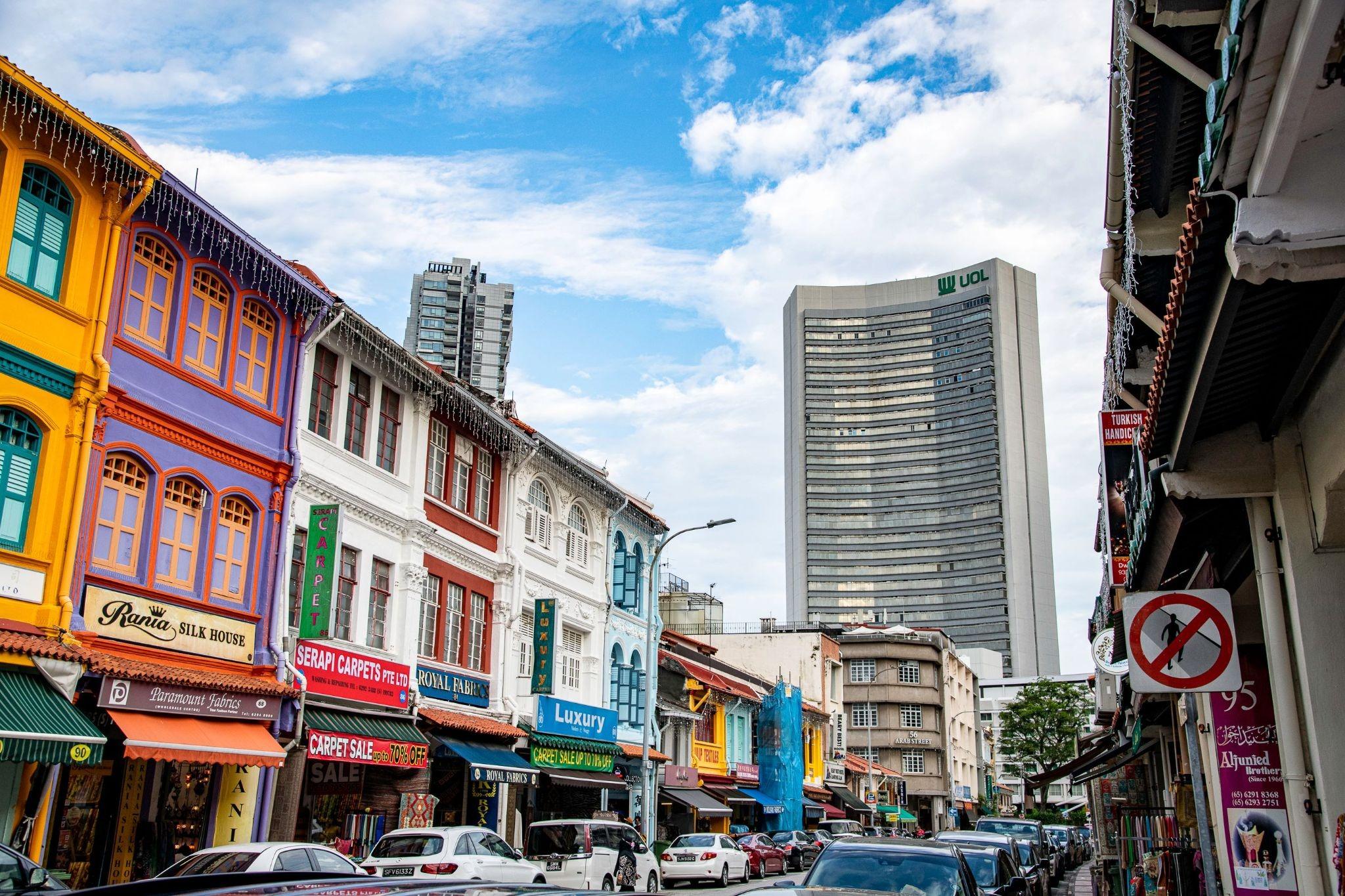
Little India offers one of Singapore’s most engaging neighborhood experiences because its heritage remains part of everyday life. Serangoon Road and the streets surrounding it are filled with working markets, places of worship, restaurants, textile stores, jewelry shops, and businesses serving both local communities and travelers.
The district is especially rewarding for visitors who prefer exploring a city at street level. Instead of moving between isolated attractions, the experience unfolds continuously: a temple tower appears above the shophouses, the fragrance of jasmine follows a flower seller, and a quiet heritage lane opens just beyond a busy commercial road.
Singapore’s National Heritage Board has mapped several self-guided routes through the neighborhood. Its “Walk of Faiths” trail covers approximately 2.6 kilometers and links 11 religious sites, illustrating the range of communities that have contributed to the area.
A practical walking route can begin near Little India MRT station before continuing through Tekka Centre, Campbell Lane, the Indian Heritage Centre, the former House of Tan Teng Niah, Serangoon Road, and the surrounding temple district. From there, continue toward Mustafa Centre or return to Race Course Road for dinner.
When to Explore the Neighborhood
Morning is a good time to experience the markets and temples before the warmest part of the day. Late afternoon is another comfortable option, especially when the plan includes dinner and evening shopping.
Little India can become particularly lively on weekends and around major celebrations such as Deepavali and Pongal. The atmosphere is memorable during these periods, but larger crowds and temporary traffic arrangements may require additional planning.
Wear comfortable walking shoes, carry water, and bring a light layer or scarf that can help meet modest-dress expectations at religious sites. Check current opening hours before visiting, as temples, museums, and individual businesses may close for prayers, private ceremonies, or maintenance.
Top Cultural Landmarks and Temples
Indian Heritage Centre
The Indian Heritage Centre is an excellent starting point for understanding the neighborhood beyond its surface impressions. Its exhibitions explore the history of Indian and South Asian communities in Singapore and the wider Southeast Asian region. The permanent exhibition, Indians in Singapore: Past & Present, provides useful context for the people, trades, traditions, and institutions that shaped the city.
The center is located at 5 Campbell Lane. Its published operating hours are 10:00 a.m. to 6:00 p.m. from Tuesday through Sunday, with closure on Mondays, although visitors should confirm the latest schedule before arriving.
After the galleries, spend a few minutes walking along Campbell Lane. The surrounding stores sell textiles, accessories, decorative objects, spices, sweets, and flower garlands, making it easy to connect the museum’s historical narrative with the living neighborhood outside.
Sri Veeramakaliamman Temple
Located along Serangoon Road, Sri Veeramakaliamman Temple is among the district’s most recognizable landmarks. The temple developed from a shrine established by Tamil laborers in 1855 and is believed to be Singapore’s first Hindu temple dedicated to the goddess Kali.
Its entrance tower is covered with intricately arranged figures from Hindu tradition. Visitors may usually observe the architecture and enter permitted areas, but religious activities should always take priority over sightseeing.
Dress respectfully, remove shoes where required, keep voices low, and check whether photography is allowed before taking pictures. Avoid standing directly in front of worshippers or interrupting ceremonies.
Sri Srinivasa Perumal Temple
Farther north along Serangoon Road, Sri Srinivasa Perumal Temple is another important stop for travelers interested in Indian temples in Singapore. It is recognized as a National Monument and features an elaborate entrance tower depicting scenes from Hindu mythology.
The temple can be included in a longer heritage walk that continues toward several Buddhist and Hindu religious sites around Race Course Road. Travelers with limited time can focus on one or two temples rather than moving quickly through every location.
Abdul Gafoor Mosque
Little India’s heritage also extends beyond Hindu landmarks. Abdul Gafoor Mosque on Dunlop Street is one of the religious sites featured on the National Heritage Board’s neighborhood trail and reflects the area’s longstanding Muslim presence.
Visitors should dress modestly and remove shoes before entering designated areas. Access may be limited during prayer times, so it is best to observe quietly and follow instructions from staff or displayed signage.
Former House of Tan Teng Niah
The former House of Tan Teng Niah provides a visual reminder that Little India has never belonged to only one community. The restored building is described by the National Heritage Board as the last surviving Chinese villa in the district, reflecting a period when Chinese cottage industries existed alongside Indian-run cattle and agricultural businesses.
Its colorful exterior has made it a popular photography stop. Since the building sits within a functioning neighborhood, visitors should avoid blocking entrances, roads, or nearby businesses while taking pictures.
Shopping and Dining: From Mustafa Centre to Curry Houses
Browse Tekka Centre
Tekka Centre is one of the best places to experience the everyday energy of Little India. The complex combines a wet market, food center, and retail area, with stalls selling fresh produce, meat, spices, dried ingredients, clothing, and household products.
Singapore’s tourism authority describes Tekka Centre as the city’s largest indoor wet market. Its food section is known for its range of local dishes, allowing visitors to sample Indian food alongside Chinese, Malay, and other Singaporean favorites.
For a first visit, explore the market level before sitting down for breakfast or lunch. Popular Tekka Centre food choices may include biryani, dosa, Indian rojak, naan, curry, and local drinks. Stall hours vary, and some popular dishes can sell out before the end of the day.
The retail floors are also worth exploring for Indian clothing, fabrics, tailoring, and accessories. Bargaining practices differ between businesses, so check displayed prices and approach any negotiation politely.
Walk Through Little India Arcade and Campbell Lane
Little India Arcade occupies a collection of conserved shophouses near Serangoon Road. The surrounding lanes are useful for browsing traditional clothing, bangles, souvenirs, handicrafts, sweets, and decorative items.
Campbell Lane becomes especially atmospheric around Indian festivals, when shops display seasonal decorations and temporary stalls appear. Even outside major celebrations, the area offers an accessible introduction to the colors, textures, and everyday retail culture associated with the district.
Explore Mustafa Centre
Mustafa Centre is one of Little India’s best-known shopping destinations. The business began with a small shop in Campbell Lane in 1971 and expanded into a large department store selling groceries, electronics, clothing, beauty products, household items, jewelry, luggage, and many other categories. Its official website currently lists the store as operating 24 hours a day.
The scale can feel overwhelming, so it helps to arrive with a rough shopping list. The grocery sections are particularly interesting for travelers looking for spices, packaged snacks, tea, sweets, and products from across South Asia.
Mustafa Centre also works well as the final stop of the day because it remains active after many cultural attractions have closed. Operating arrangements can still change, so confirm current hours before making a late-night trip.
Where to Eat Authentic Indian Cuisine
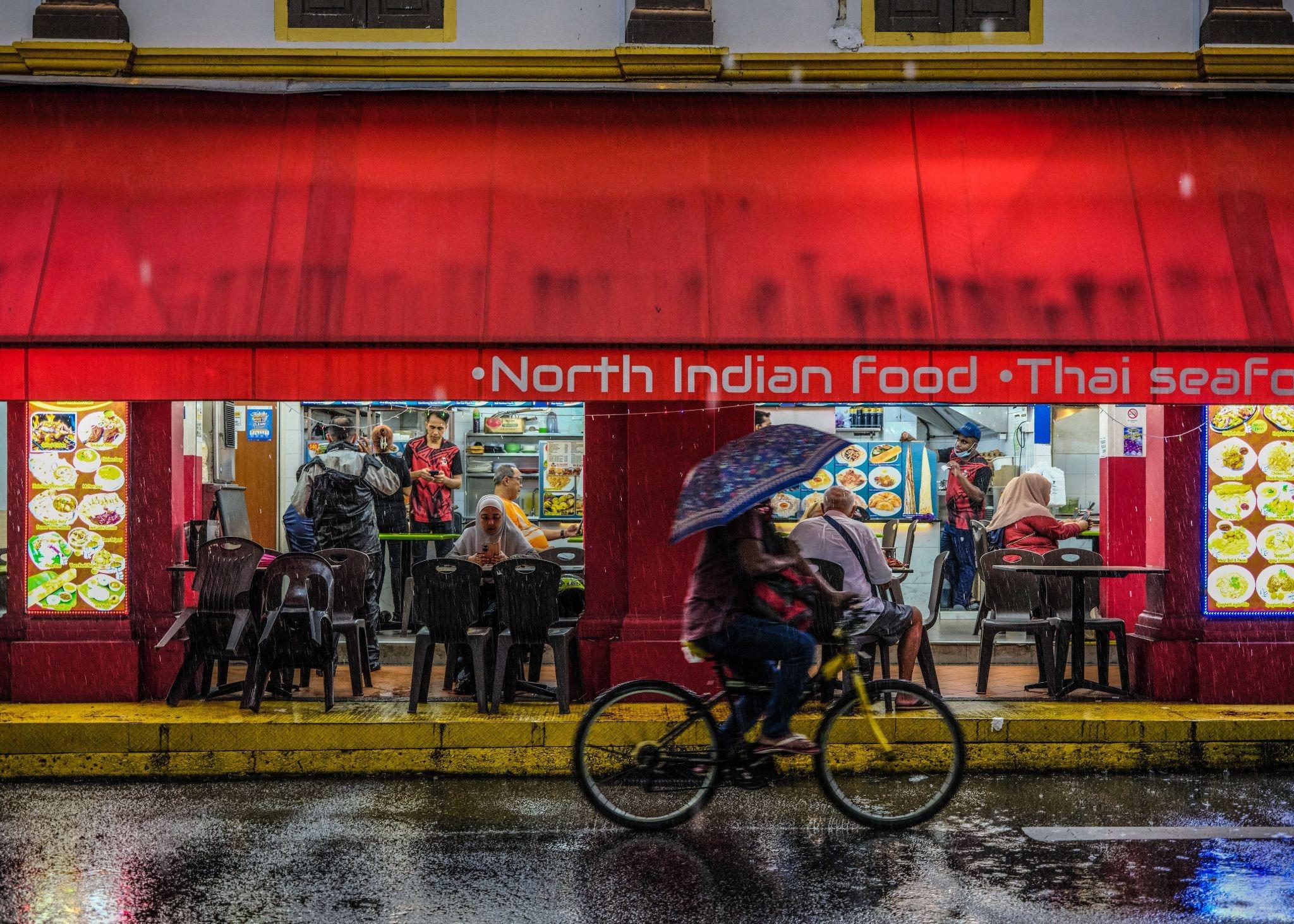
The Little India Singapore food scene extends well beyond a single regional style. Restaurants serve South Indian vegetarian dishes, North Indian curries, biryani, tandoori specialties, Indian-Muslim food, sweets, snacks, and cuisines connected to different parts of the subcontinent.
Komala Vilas
Komala Vilas is one of the neighborhood’s most established dining institutions. Founded in 1947, the family-run restaurant is known for South Indian vegetarian cuisine and is recognized by the National Heritage Board as the oldest restaurant in Little India.
A first meal might include masala dosa, idli, vada, vegetable curry, sambar, and filter coffee. Banana-leaf meal formats are also closely associated with the dining experience.
The restaurant can become busy during breakfast and lunch hours. Arrive with enough time to wait, and remember that the atmosphere is more functional and energetic than leisurely.
The Banana Leaf Apolo
The Banana Leaf Apolo is widely associated with fish head curry and serves a selection of North and South Indian dishes. Meals are traditionally presented on banana leaves, creating an approachable introduction to one of Singapore’s distinctive Indian dining traditions.
Fish head curry is usually suited to sharing, particularly when accompanied by rice, vegetables, bread, and additional side dishes. Ask staff about portion sizes and spice levels before ordering.
Tekka Centre’s Hawker Stalls
Travelers who prefer a more casual meal can return to Tekka Centre. The food center makes it possible to compare different dishes without committing to a formal restaurant, and groups can order from separate stalls while sharing a table.
Look for stalls with clear prices and steady local demand, but do not assume the longest queue is automatically the best choice. Dietary requirements, operating hours, and preparation methods differ, so ask the stallholder directly when necessary.
Indian Sweets and Snacks
Leave room for mithai, or Indian sweets, such as laddu, jalebi, barfi, and gulab jamun. Savory snacks may include samosas, vada, murukku, and chaat.
Many sweets are rich and designed to be shared. Buying a small mixed selection provides a broader tasting experience and makes it easier to compare flavors without ordering a full portion of every item.
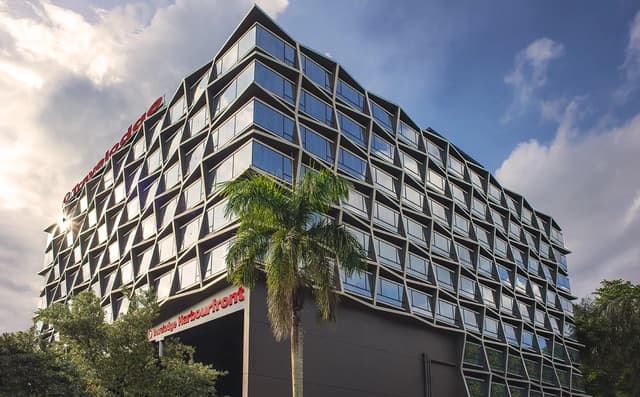
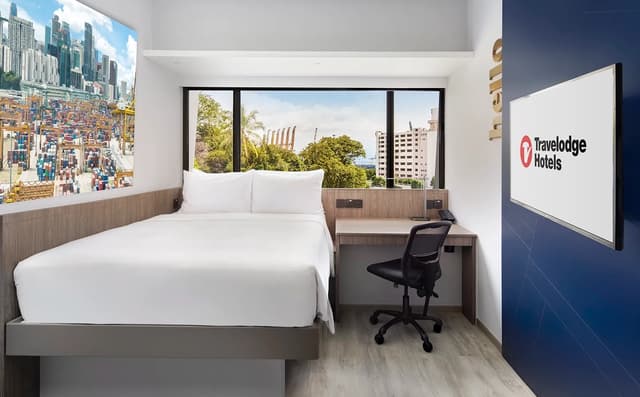
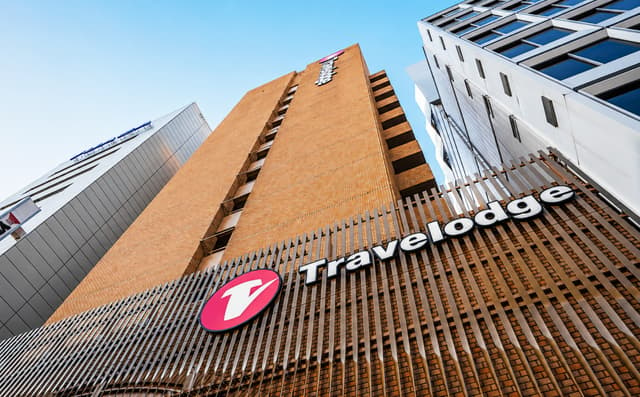
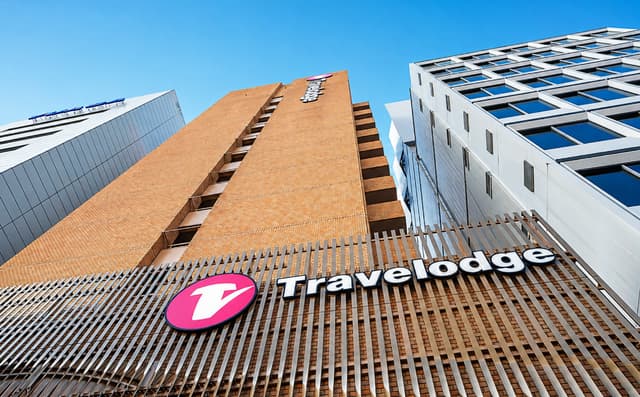
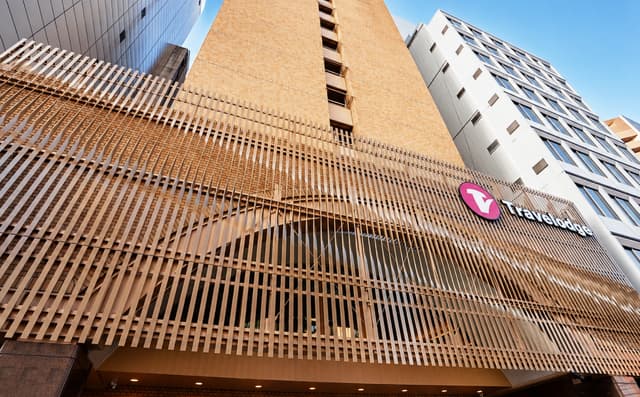
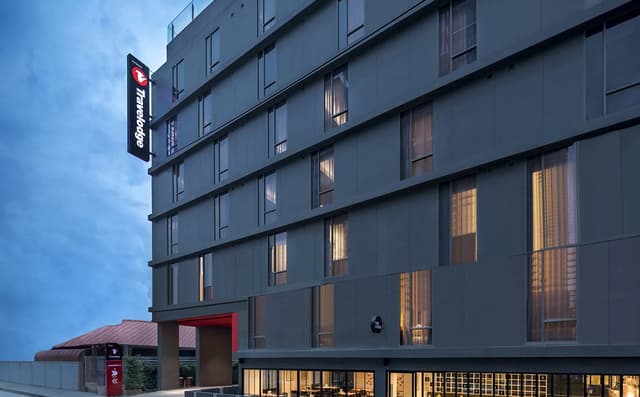
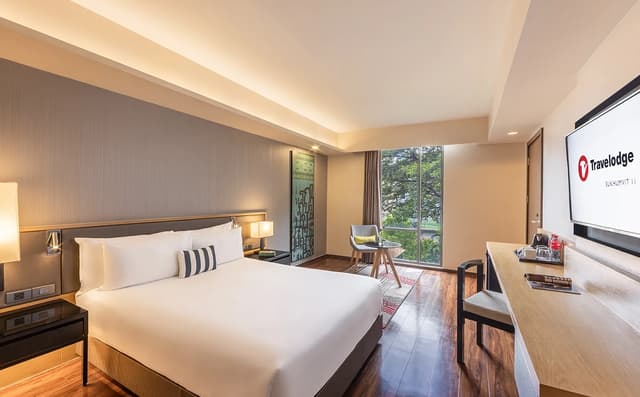
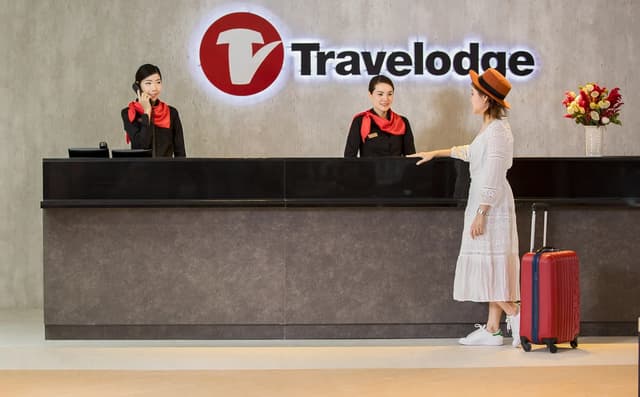
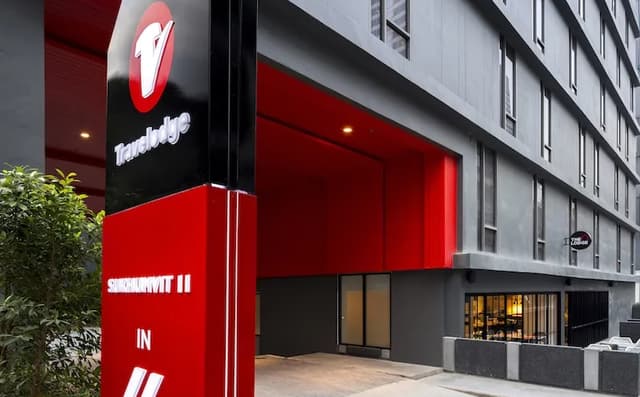
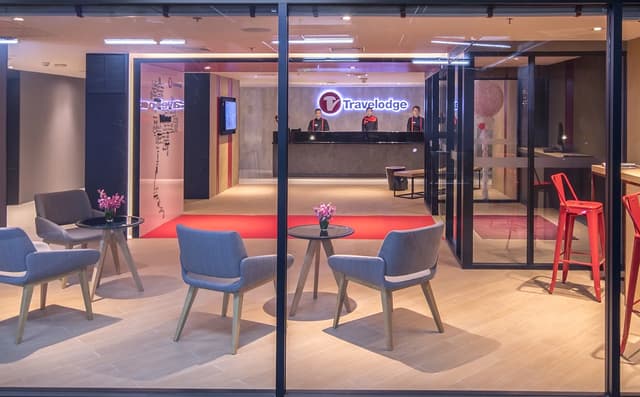
Convenient Accommodation at Travelodge Harbourfront
Choosing a well-connected hotel in Singapore makes it easier to explore cultural neighborhoods without changing accommodations every time the itinerary moves across the city.
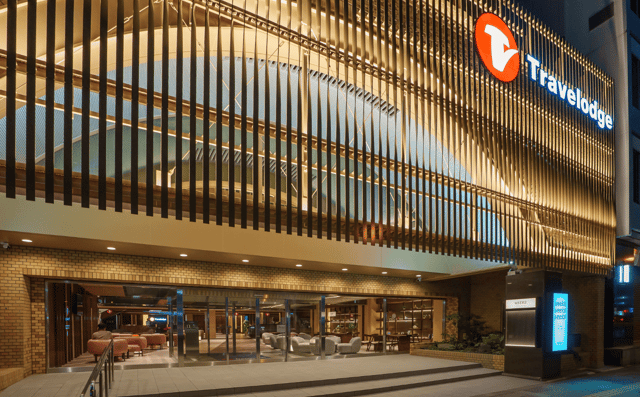
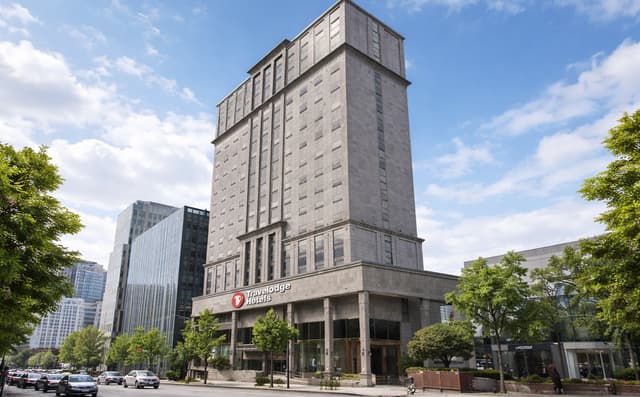
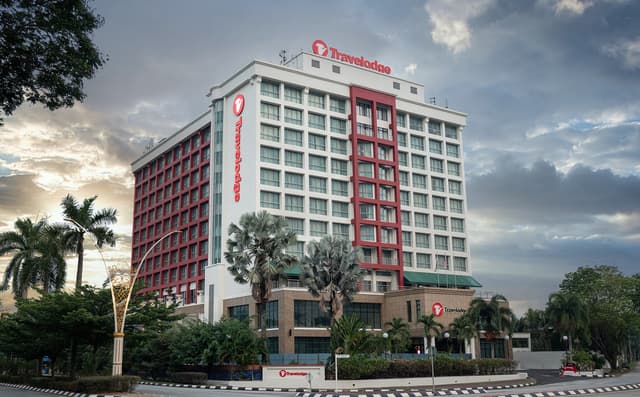
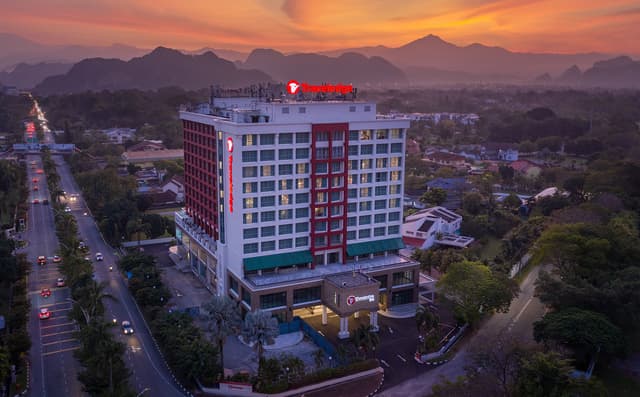
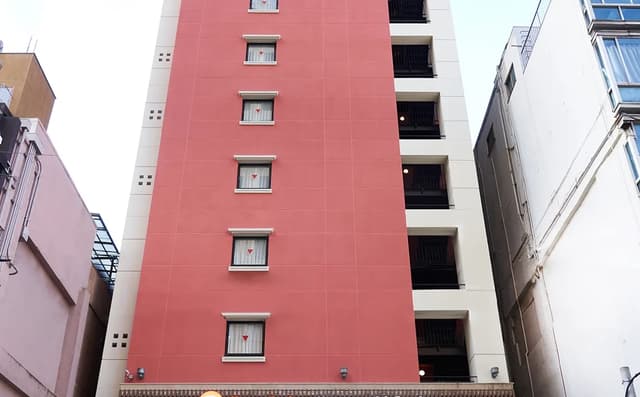
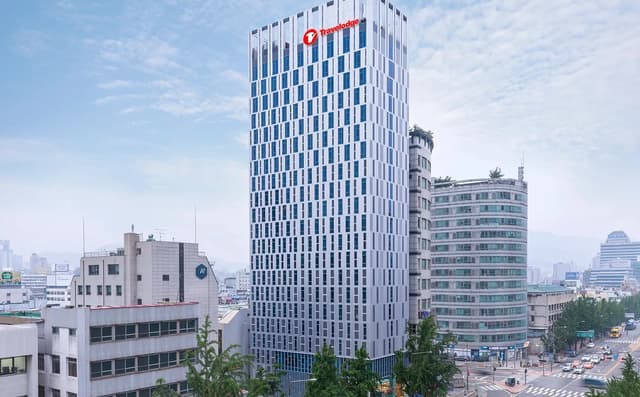
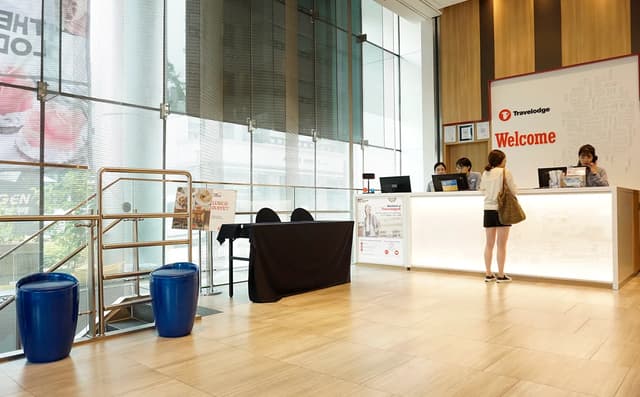
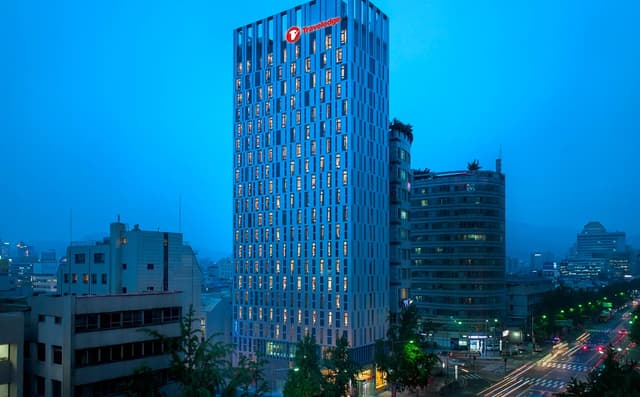
Travelodge Harbourfront Singapore is located approximately 340 meters from HarbourFront MRT station and 300 meters from VivoCity. Its access to public transportation provides a practical starting point for visiting Little India, Chinatown, the city center, and Sentosa during the same trip.
The property reflects Travelodge Hotels Asia’s 3C positioning:
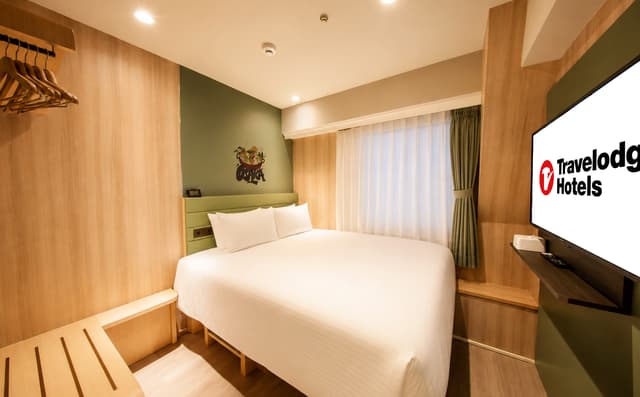
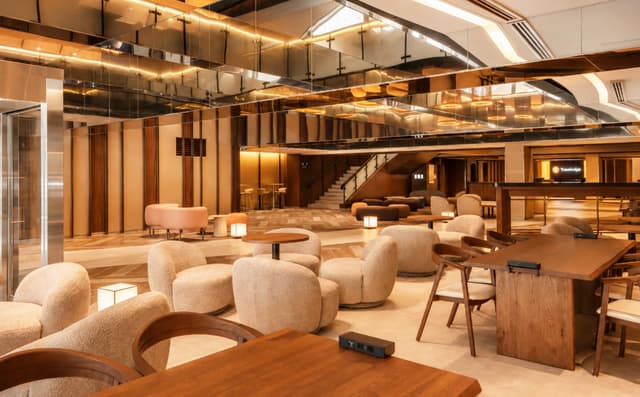
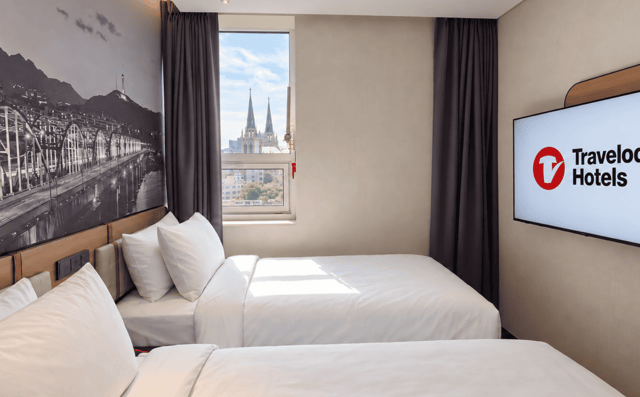
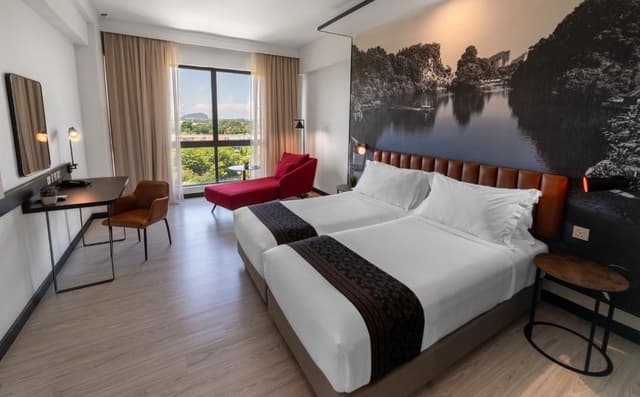
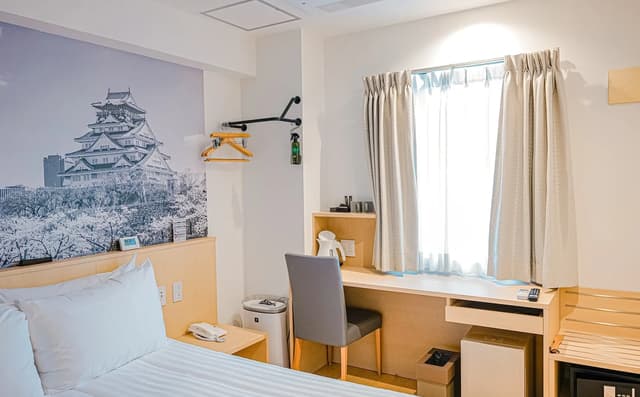
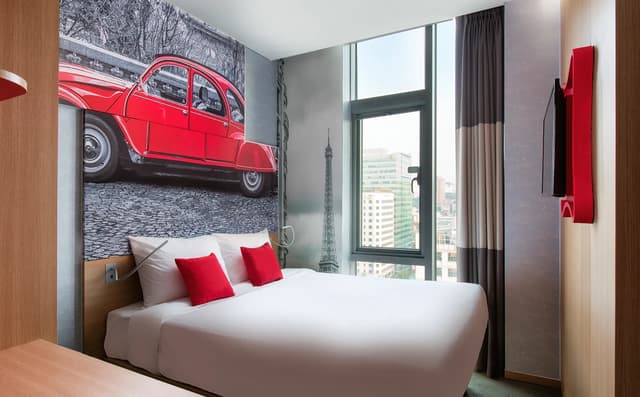
- Comfort offers a welcoming place to recharge after hours of walking, shopping, and exploring the city’s food districts.
- Convenience comes from the hotel’s proximity to HarbourFront MRT, VivoCity, dining options, and Sentosa connections.
- Connectivity supports easy movement around Singapore while complimentary Wi-Fi helps guests manage maps, restaurant searches, attraction schedules, and digital reservations. Travelodge Hotels Asia identifies Comfort, Convenience, and Connectivity as central elements of its guest experience.
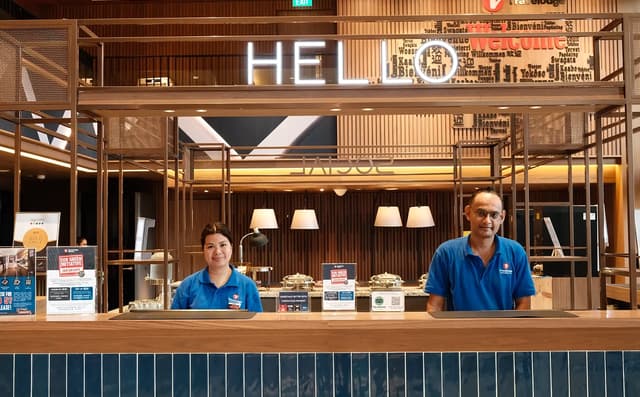
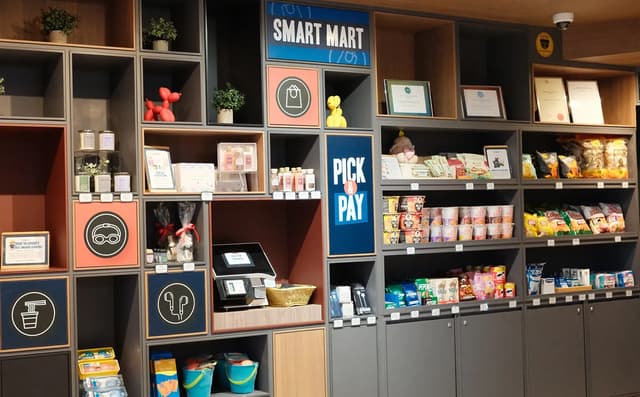
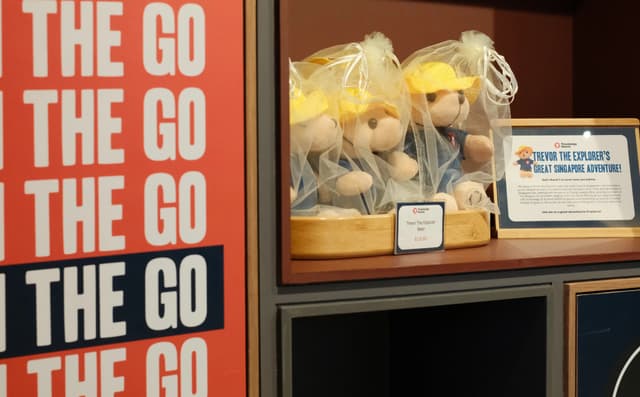
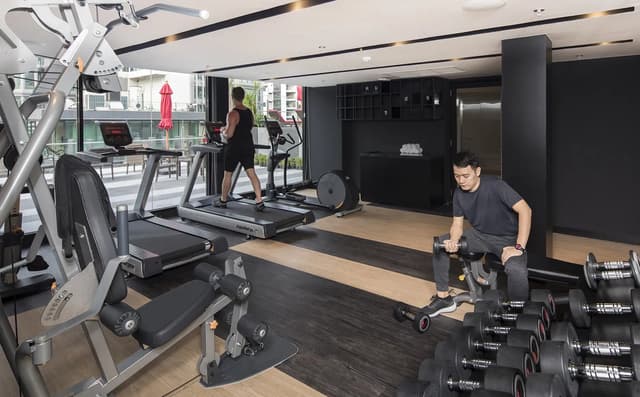
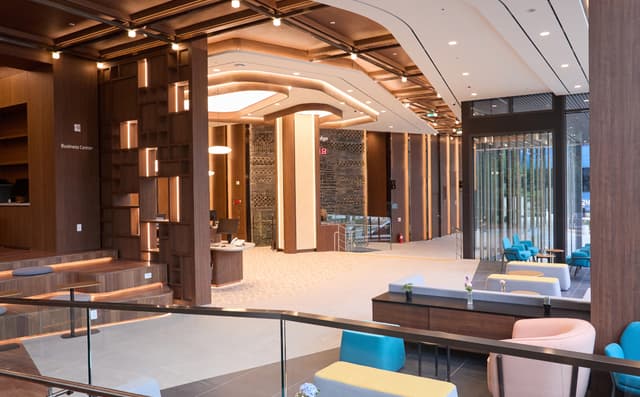
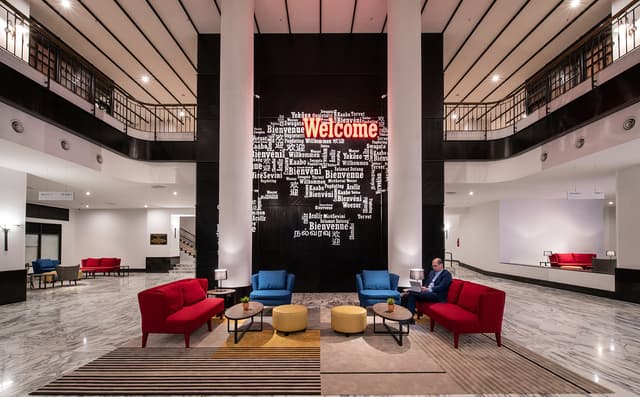
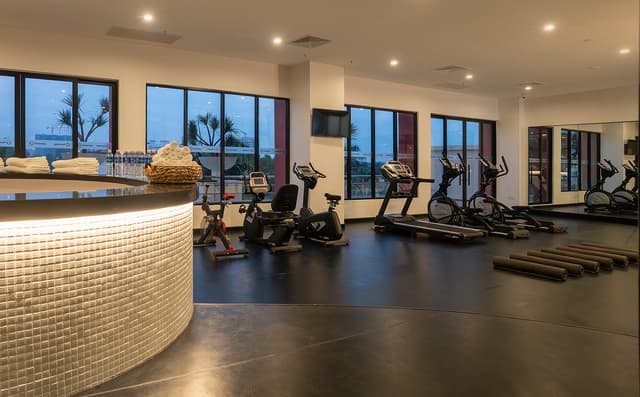
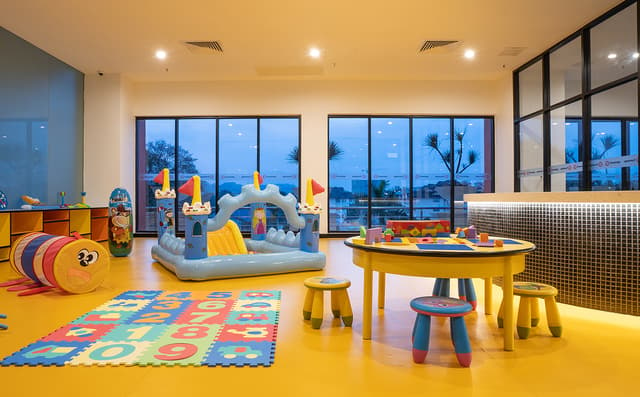
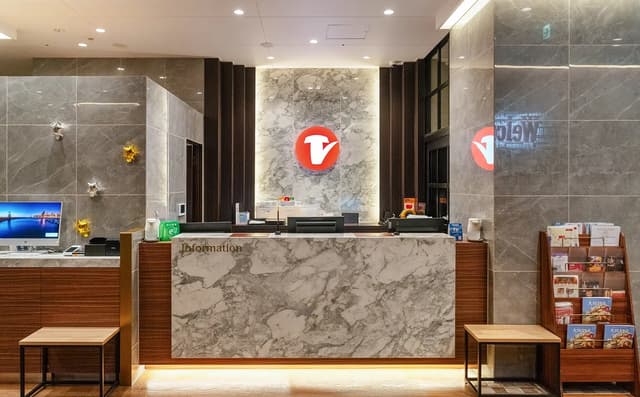
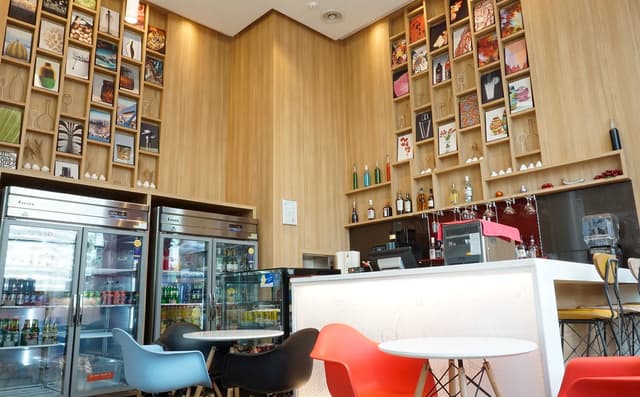
Several elements of the Travelodge 8S experience also suit city travelers. Snooze supports restful nights, Stream helps guests remain connected, and Spin is represented by the property’s coin-laundry area. The hotel also features a Smart Mart, shared pantry, coworking space, and 24-hour support.
After a warm afternoon walking through Little India, Splash provides a refreshing change of pace. Travelodge Harbourfront has a 30-meter outdoor swimming pool where guests can cool down before dinner or the next part of the itinerary.
A soft planning step is to compare room types on the official Travelodge Hotels Asia website while organizing the neighborhood itinerary. Once the travel dates are decided, booking directly provides access to live availability, current room information, and the applicable direct-booking terms in one place.
Experience the Many Layers of Little India
A visit to Little India Singapore is a journey through architecture, religion, food, commerce, and community life. Tekka Centre introduces the flavors of the neighborhood, the Indian Heritage Centre places those experiences in historical context, and the district’s temples, mosques, shophouses, and restaurants reveal how heritage continues to evolve within modern Singapore.
The most rewarding approach is to explore without rushing. Pause to study the details of a temple tower, try a dish that is unfamiliar, browse the market, and remain respectful of the people who live, work, and worship throughout the neighborhood.
After completing the sensory journey, return to the Comfort, Convenience, and Connectivity of Travelodge Harbourfront Singapore. Book directly through the Travelodge Hotels Asia website and make the hotel a comfortable base for exploring Little India and the rest of the city with ease.