


Share article
3-Day Osaka Concert Itinerary: Sightseeing, Shopping & Concert

Aiko Sato
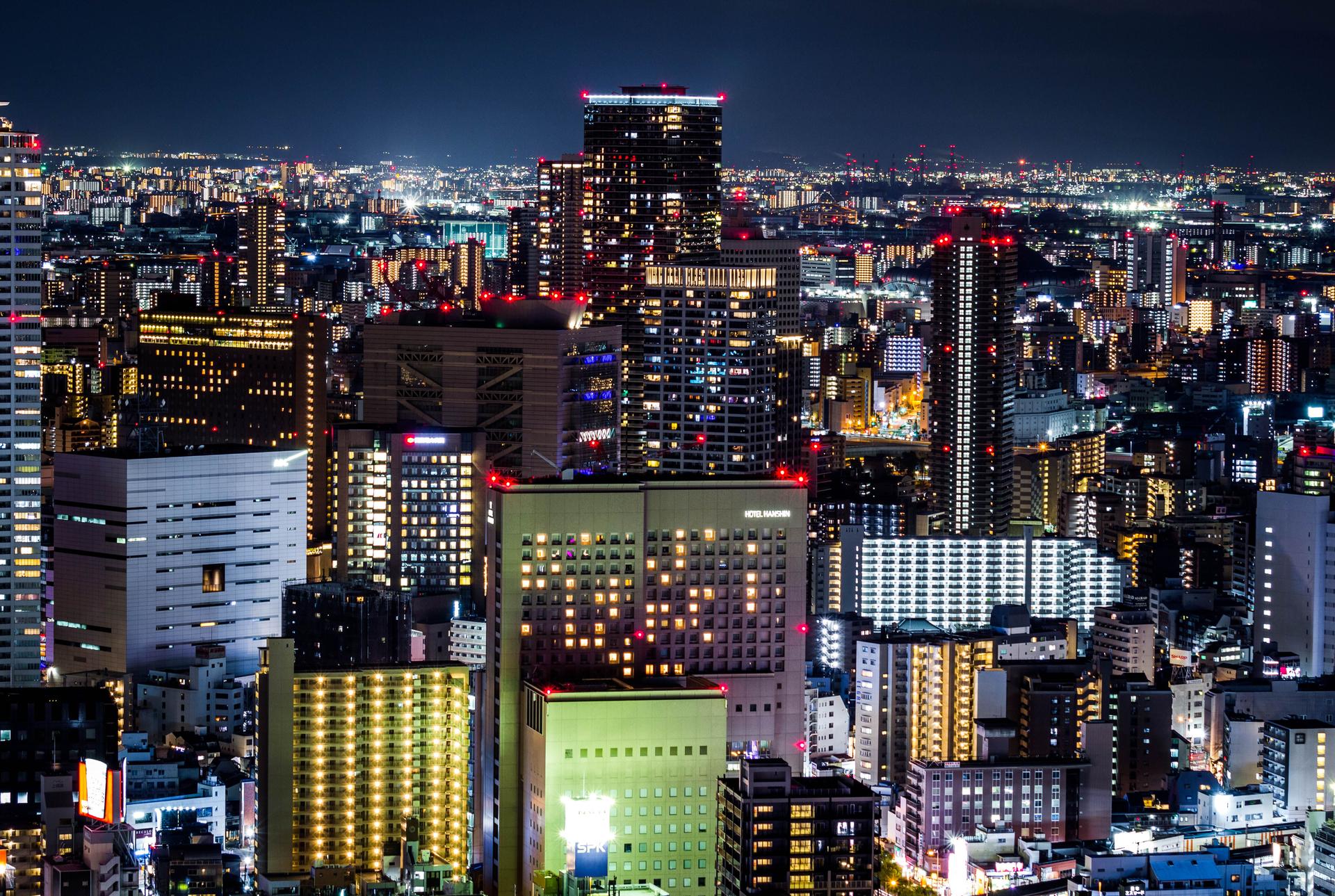
Osaka combines the excitement of live music with exceptional food, energetic shopping districts, historic landmarks, and neighborhoods that remain lively long after sunset. Whether the main event is held at Kyocera Dome Osaka or another major venue, a well-planned 3-Day Osaka Concert Itinerary allows enough time to enjoy the city without arriving at the concert already exhausted.
This itinerary places the busiest sightseeing on the first and third days while keeping concert day intentionally flexible. It covers Dotonbori, Shinsaibashi, Osaka Castle, Umeda, and Shinsekai, along with practical advice on transportation, merchandise shopping, concert etiquette, and choosing a convenient hotel in Osaka.
Once the concert date is confirmed, it is worth reserving accommodation early. Major performances can increase demand around central neighborhoods, so booking directly through the Travelodge Hotels Asia website can make it easier to review current room availability, hotel information, and direct-booking offers.
Before You Go
A little preparation can make the difference between a smooth concert vacation and a day spent navigating ticket machines, searching for lockers, or rushing toward the venue.
Get an ICOCA Card
ICOCA is a rechargeable transportation card that can be used on participating railways and buses throughout Japan. It can also be used as electronic money at many stores displaying the IC or ICOCA symbol. Instead of purchasing a separate ticket for every journey, travelers can tap the card at the ticket gate and have the fare deducted automatically.
Top up the card shortly after arriving in Osaka and keep a reasonable balance available for concert day. Large crowds may form around ticket machines after an event, making a preloaded card particularly helpful when leaving the venue.
Understand the Osaka Metro
Osaka Metro connects major sightseeing and shopping districts such as Honmachi, Shinsaibashi, Namba, Umeda, and the areas surrounding Osaka Castle. Before traveling, save the nearest station to the hotel and concert venue, including the correct exit number.
Kyocera Dome Osaka is accessible from several stations, including Dome-mae-Chiyozaki Station, Dome-mae Station, and Taisho Station. This gives concertgoers more than one possible route when crowds are heavy.
Travelers planning several journeys in one day should compare regular fares with the latest Osaka Metro day-ticket options. However, an ICOCA card may be more practical for an itinerary that also uses JR or private railway lines.
Check the Seasonal Weather
Osaka experiences four distinct seasons. Summers are generally hot and humid, while winters are cooler but relatively mild. Rainfall is more common from May through July, and the rainy season usually peaks around June.
For a comfortable concert trip, consider packing:
- A compact umbrella or light rain jacket
- Comfortable walking shoes
- A portable fan during summer
- A light outer layer for air-conditioned venues
- A compact bag that complies with the organizer’s rules
- A portable charger for mobile tickets and navigation
Review the Concert Rules
Concert regulations in Japan can differ significantly between performers and organizers. Some events require identity verification, restrict ticket transfers, or ask the original purchaser to be present. Rules for photography, recording, light stick, banners, cheering, and large bags may also vary.
Before leaving the hotel, check the official event page and prepare:
- The concert ticket or mobile ticket
- A passport or accepted photo identification
- The event confirmation email
- An approved penlight or fan item, when applicable
- A screenshot of the venue entrance and seat information
Unless the organizer expressly allows it, avoid photographing or recording the performance. Follow staff instructions, keep aisles clear, and be considerate of the view from surrounding seats.
Day 1 – Dotonbori & Shinsaibashi
The first day of this Osaka itinerary focuses on the city’s Minami area. These attractions are close enough to combine without spending most of the day on trains.
Arrive and Leave Your Luggage
After arriving in Osaka, travel to the hotel and leave luggage at reception when early check-in is unavailable. Avoid scheduling a major timed attraction immediately after a flight or long-distance train journey, as immigration, baggage collection, and transportation delays can affect the day.
Once settled, begin with Kuromon Market.
Explore Kuromon Market
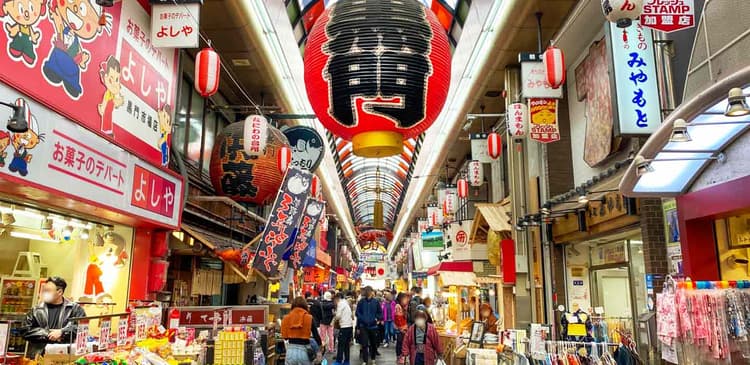
Kuromon Market is a covered marketplace in Osaka’s Minami district. Its approximately 580-meter arcade contains around 150 shops, including seafood vendors, produce sellers, restaurants, and specialty stores.
It is a convenient place to sample several dishes rather than ordering one large lunch. Depending on personal preferences, look for grilled seafood, sushi, tamagoyaki, fruit, wagyu skewers, or Japanese sweets.
Visit earlier in the day because individual stores operate independently and some close by late afternoon. Carrying a small amount of cash is also useful, even though electronic payment is increasingly common in Osaka.
Walk Through Shinsaibashi
Continue toward Shinsaibashi Shopping Arcade, one of the city’s best-known retail areas. The wider neighborhood includes Japanese fashion labels, international brands, beauty stores, vintage shops, cafés, and department stores.
Concert fans can use this time to purchase practical items such as:
- Travel-size toiletries
- Cosmetic and skincare products
- Batteries for permitted penlights
- Rain protection
- Comfortable clothing
- An extra foldable bag for merchandise
Do not shop so heavily that carrying bags becomes uncomfortable. Most final purchases can be left for Day 3.
Experience Dotonbori
Dotonbori is one of Osaka’s representative downtown districts and is particularly known for restaurants serving local dishes such as takoyaki, okonomiyaki, and kushikatsu. Its canal, illuminated signs, and riverside walk make the area especially atmospheric after dark.
Begin with a walk along the canal before choosing dinner. Popular restaurants may have long lines, but equally satisfying alternatives can often be found on the surrounding side streets.
After dinner, return to the hotel at a reasonable hour. Concert day should begin with enough energy for merchandise lines, venue navigation, and several hours of standing or cheering.
Day 2 – Concert Day
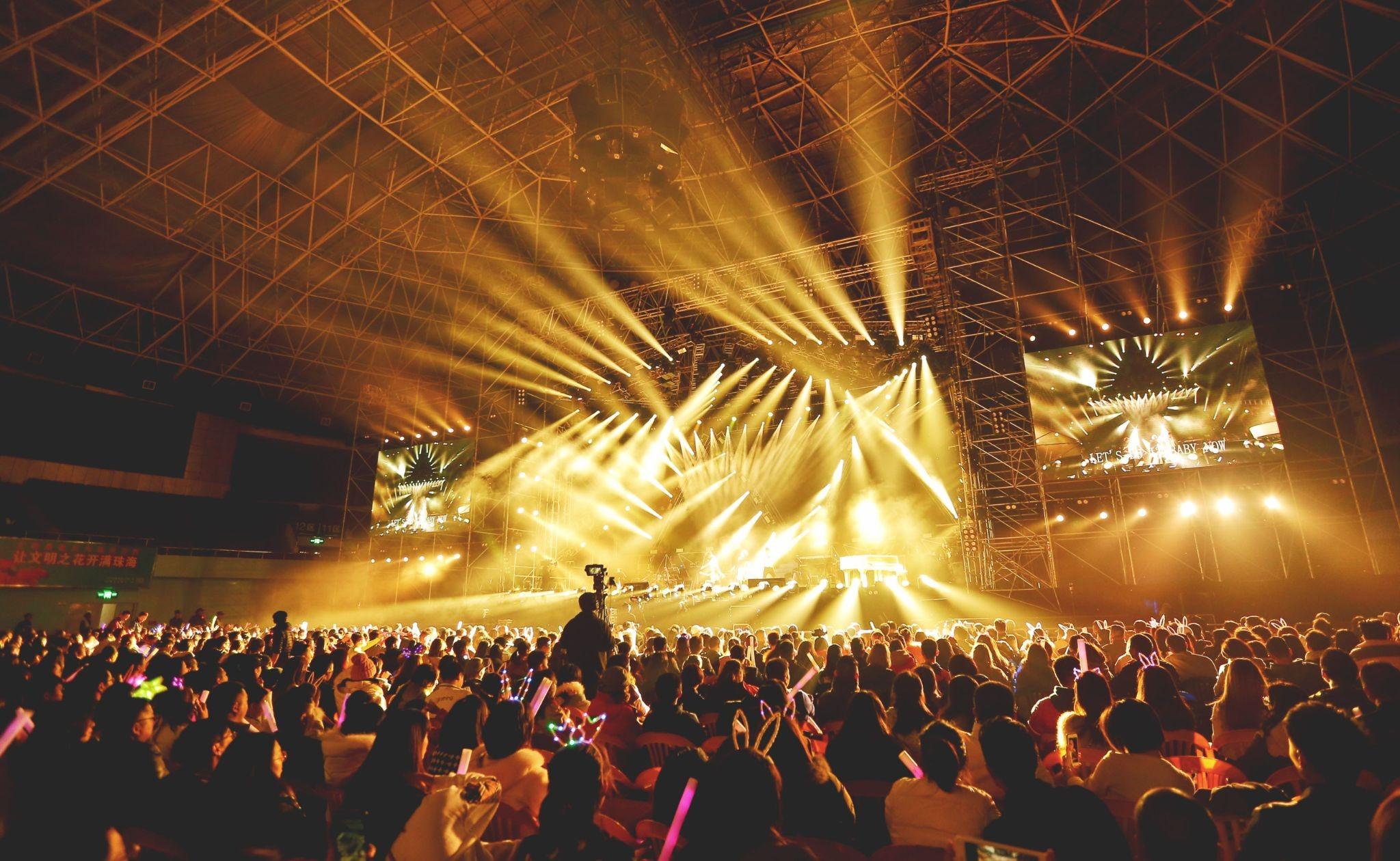
Concert day is the center of this concert trip, but it should not be overloaded. One major morning attraction is enough before shifting attention to the performance.
Visit Osaka Castle
Begin the day at Osaka Castle and its surrounding park. Allow approximately two to three hours if entering the main tower, or less if you only plan to explore the grounds and take photographs.
This itinerary works particularly well when the concert is held at Osaka-Jo Hall, as the venue is located within the Osaka Castle area. Osaka-Jo Hall is also only about a five-minute walk from Osakajokoen Station, making the castle and concert venue easy to combine in the same part of the city.
Arriving in the morning gives you more flexibility before the concert. After exploring the castle, you can either return to the hotel to rest and get ready, or head directly toward Osaka-Jo Hall if the concert starts earlier. Going straight from the castle area to the venue can save travel time and reduce unnecessary backtracking.
For an easier schedule:
- Eat breakfast before leaving.
- Visit Osaka Castle in the morning.
- Have an early lunch around the Osaka Castle area.
- Return to the hotel to rest and prepare if there is enough time.
- Alternatively, continue directly to Osaka-Jo Hall to save time when the concert is held there.
- Arrive at the venue early enough for merchandise booths, ticket checks, and entry procedures.
Prepare for Merchandise and Entry
Official merchandise procedures vary. Some concerts use advanced reservations or timed collection, while others operate conventional sales booths outside the venue. Read the organizer’s announcement carefully rather than assuming merchandise will be sold after entry.
Before traveling to the venue, confirm:
- Merchandise opening time
- Whether cashless payment is accepted
- Ticket collection procedures
- Identity requirements
- Gate and seat information
- Bag-size restrictions
- Cloakroom or locker availability
- The final train route back to the hotel
Bring only what is necessary:
- Concert ticket or mobile ticket
- Accepted identification
- Phone
- Portable charger
- Payment card
- Small umbrella
- Permitted fan items
- Essential medication
- A compact bag that meets venue rules
- Hand fan
- Enough cash (in case of bad connection)
- Light stick and additional batteries for light stick
- Tissues
- Hand sanitizers
Bring water where permitted, but do not carry a large meal unless the venue allows outside food. A light lunch or early meal near the hotel is usually more comfortable than trying to find a restaurant beside a crowded stadium.
Arrive at the Venue Early
Osaka has several major concert venues, with Kyocera Dome Osaka and Osaka-Jo Hall among the most common for large-scale performances. Kyocera Dome Osaka is a large indoor stadium used for concerts and sporting events, while Osaka-jo Hall is a popular arena located near Osaka Castle and is frequently used for concerts, fan meetings, and other live events.
Aim to reach the venue area well before the doors open, especially when buying merchandise or collecting tickets. Early arrival gives you time to find the correct entrance, take photographs outside, use the restroom, and resolve any mobile-ticket issues without rushing.
This is especially convenient for concerts at Osaka-jo Hall, as travelers visiting Osaka Castle earlier in the day can continue directly to the venue instead of returning to another part of the city first.
After the concert, trains are generally more practical than taxis, as thousands of attendees may leave at the same time. Check the nearest station and return route in advance so the journey back to central Osaka feels easier after the show.
Enjoy the Concert
Once inside, follow the atmosphere of the audience while respecting the event’s specific rules. Some performances encourage coordinated penlight colors, chants, or standing sections, while others have more restrained expectations.
Keep personal belongings within the designated seating area and avoid raising signs or phones in a way that blocks another guest’s view. After the concert, remain patient and follow the venue’s exit instructions. Large venues may release different seating sections gradually to manage crowd flow.
Back at the hotel, use reliable Wi-Fi to review the following day’s opening hours, transportation route, and departure arrangements.
Day 3 – Umeda & Shinsekai
The final day balances modern city views with one of Osaka’s most recognizable old downtown districts.
See Osaka from Umeda Sky Building
Travel north to the Umeda area and visit the Umeda Sky Building. Its Floating Garden Observatory offers panoramic views from approximately 170 meters above the ground, providing a clear sense of Osaka’s size and urban layout.
Morning visits can be easier to fit around an afternoon departure, while late-afternoon or evening visits provide more dramatic city lights. Check the current admission details and weather conditions before going because access to outdoor observation areas may be affected by strong wind or rain.
After the observatory, explore the shopping complexes and department stores around Osaka and Umeda stations.
Discover Shinsekai
Continue south to Shinsekai, a colorful neighborhood known for its retro streetscape, casual restaurants, illuminated signs, and views of Tsutenkaku Tower.
This is a good place to try kushikatsu, but remember the traditional rule at shared sauce containers: do not dip the same skewer twice. Restaurants increasingly provide individual sauce portions, so follow the instructions at the table.
Spend time walking through the smaller streets rather than limiting the visit to the main avenue. Shinsekai offers a noticeably different atmosphere from polished Umeda and modern Shinsaibashi.
Complete Your Last-Minute Shopping
Return to Shinsaibashi, Namba, or the shopping district closest to the hotel. Use the final evening for souvenirs that are easy to pack, such as:
- Regional snacks
- Tea
- Stationery
- Beauty products
- Small character goods
- Official concert merchandise
- Packable fashion accessories
Leave enough room in checked and carry-on baggage before purchasing fragile or liquid products. Travelers flying internationally should also review airport security and customs restrictions.
Estimated Budget for Three Days in Osaka
The following is a flexible planning estimate per traveler. Airfare, accommodation, airport transfers, and the concert ticket are excluded.
- Meals and drinks: JPY 6,000-12,000
- Local transportation: JPY 2,000-5,000
- Sightseeing admissions: JPY 2,000-5,000
- Concert merchandise: JPY 5,000-20,000 or more
- Snacks, lockers, and miscellaneous expenses: JPY 2,000-4,000
A practical total is approximately JPY 17,000-46,000, depending heavily on dining preferences and merchandise purchases.
Travelers visiting several paid attractions should compare individual admission fees with the current Osaka Amazing Pass. For the 2026–2027 sales period, the official pass is listed at JPY 3,500 for one day and JPY 5,000 for two consecutive days, although included facilities and conditions should be checked before purchase.
Keep a separate emergency balance for transportation, mobile data, medical needs, or ticket-related complications.
Where to Stay in Osaka
The most practical base is not necessarily beside the venue. Staying in a central neighborhood with strong transportation connections makes it easier to combine the concert with dining, shopping, and sightseeing.
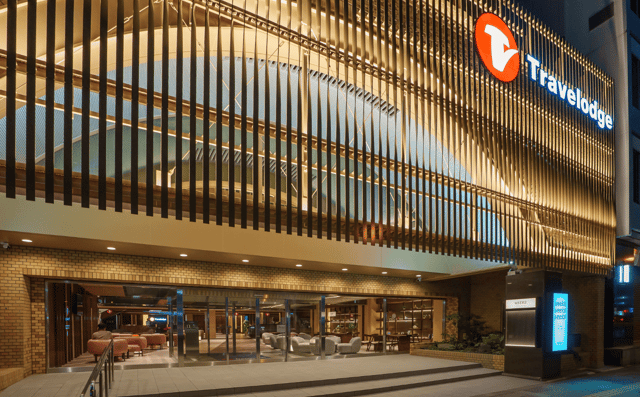
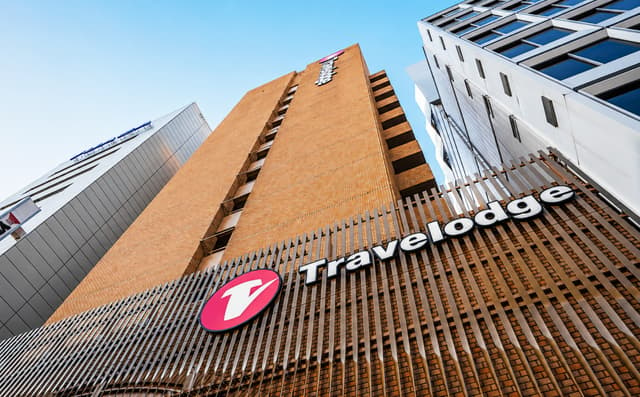
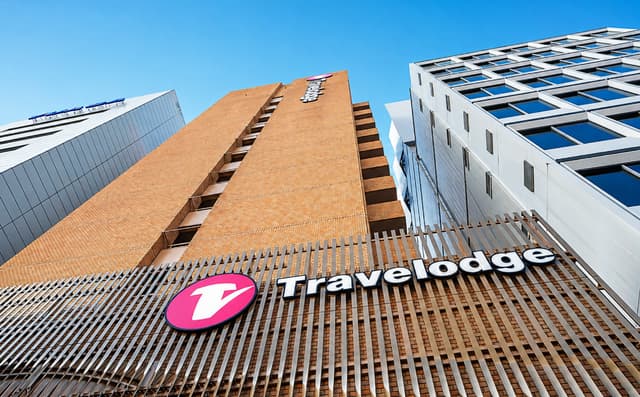
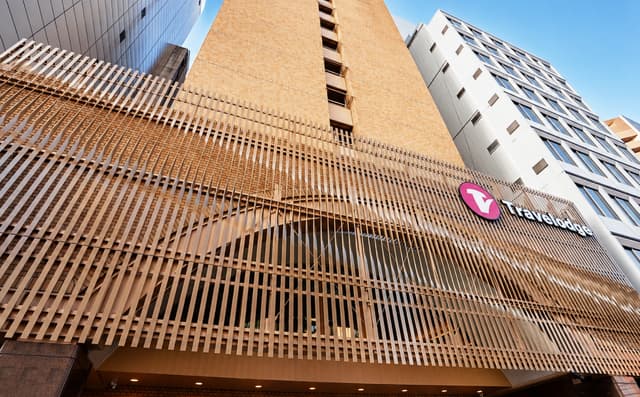
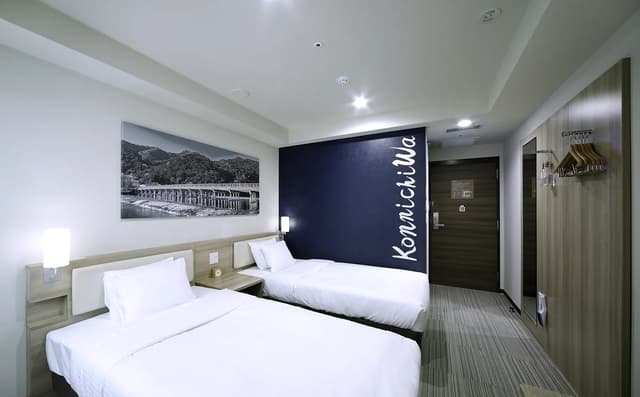
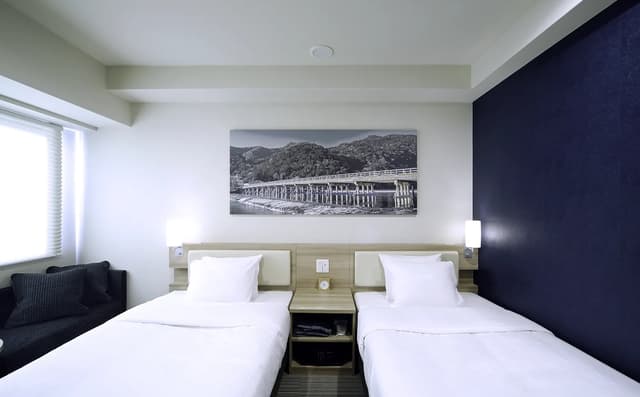
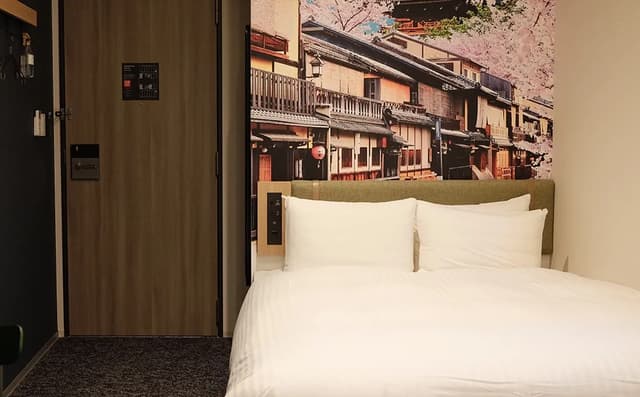
Travelodge Osaka Shinsaibashi
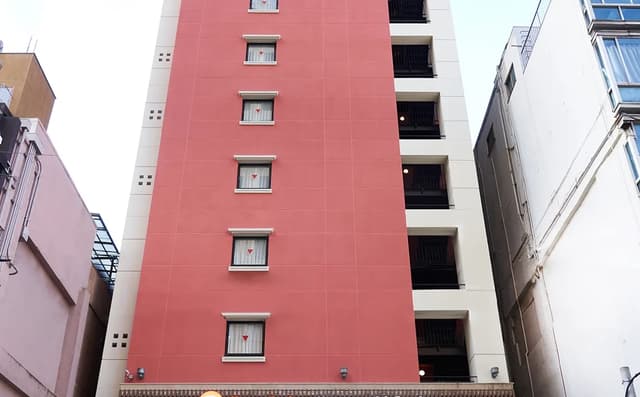
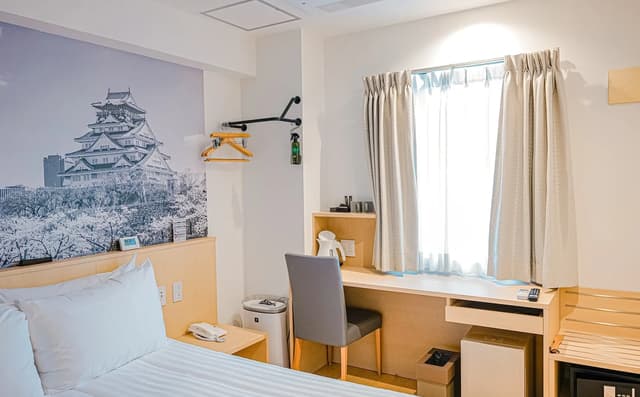
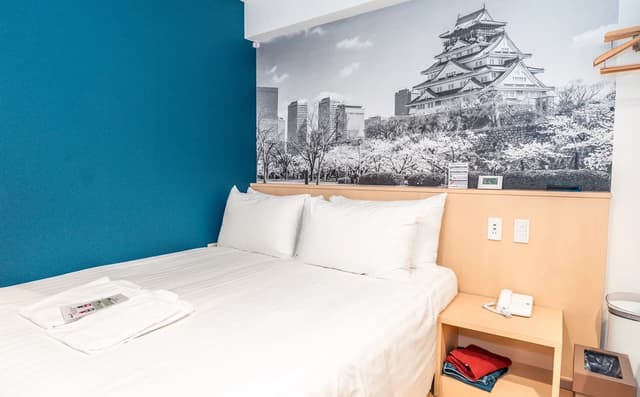
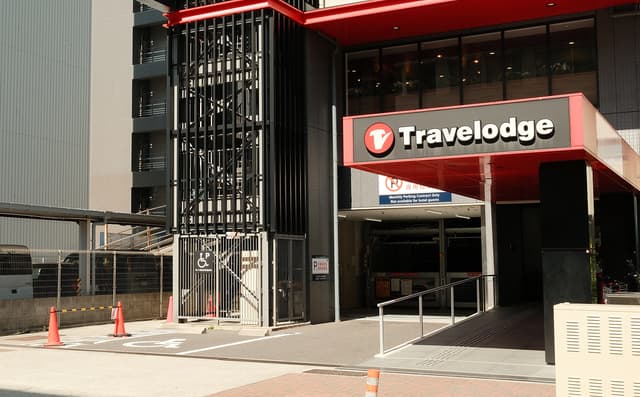
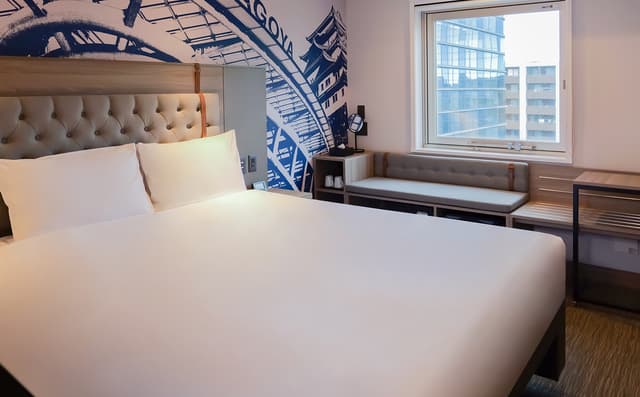
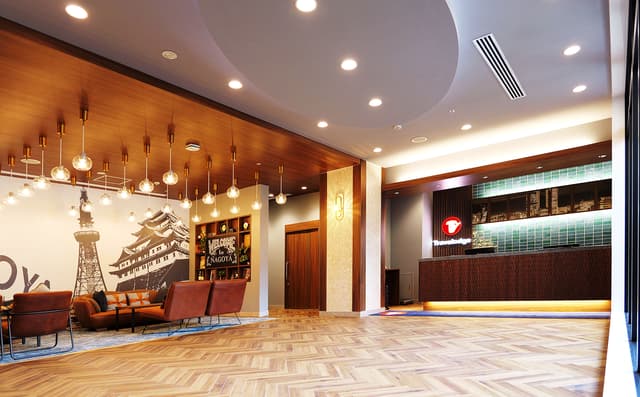
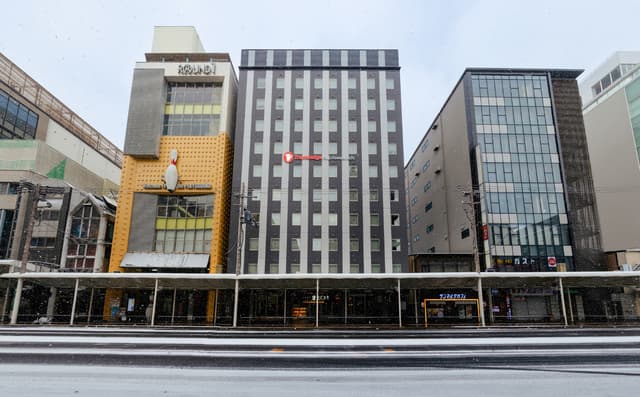
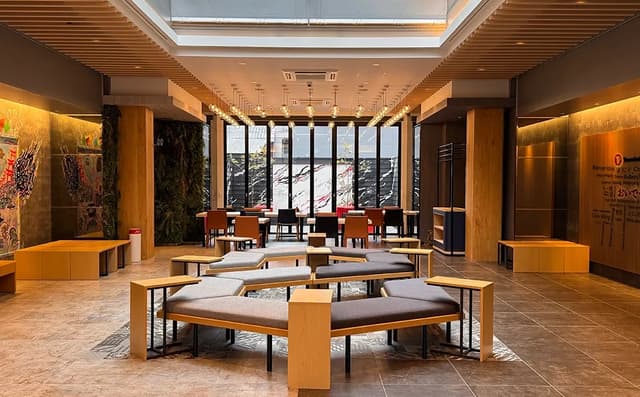
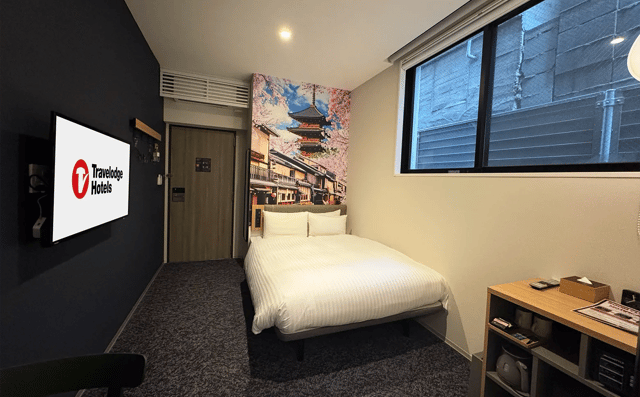
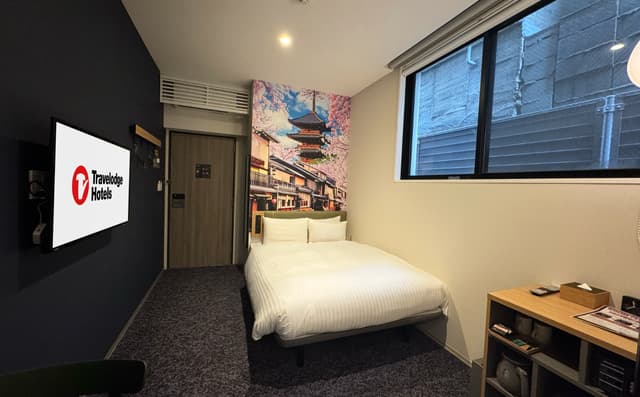
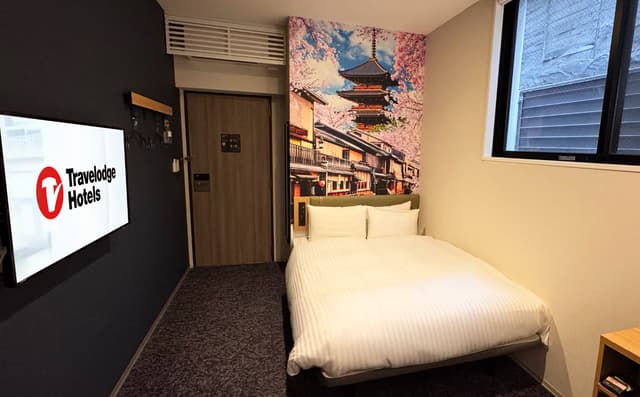
Travelodge Osaka Shinsaibashi is suited to travelers who want to stay close to shopping, restaurants, nightlife, and the attractions of Minami. The property is approximately 700 meters from Shinsaibashi Station and around 1.2 kilometers from Dotonbori, according to the hotel’s official information. Rooms include Wi-Fi, while hotel facilities include self-service laundry.
The location is particularly useful for Day 1 because guests can explore Shinsaibashi and Dotonbori without adding a long journey at the end of the evening. Shinsaibashi Station also provides convenient Osaka Metro connections toward the Kyocera Dome area.
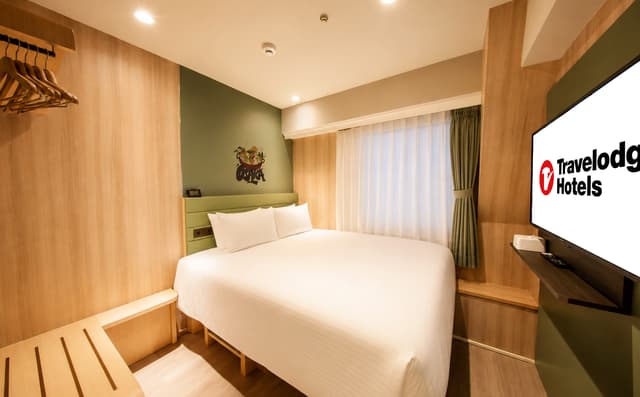
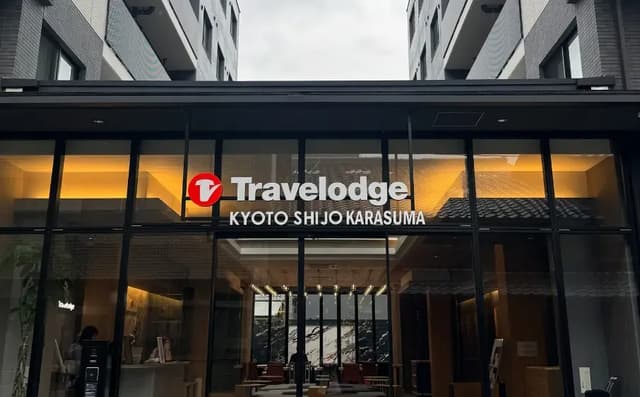
Travelodge Honmachi Osaka
Travelodge Honmachi Osaka provides a central base between the major areas of Umeda and Namba. Honmachi Station is listed approximately 300 meters from the hotel and connects travelers with several parts of the city.
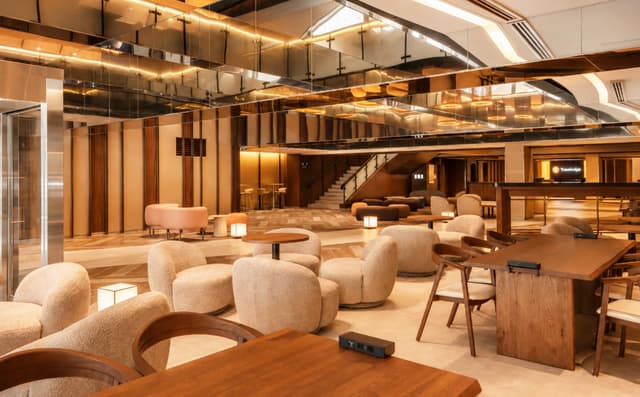
The property is well suited to visitors who prefer a quieter base while maintaining convenient access to Osaka Castle, Shinsaibashi, Umeda, and concert transportation routes. Facilities include complimentary Wi-Fi in common areas and self-service laundry, which can be helpful for longer Japan itineraries.
Both hotels reflect Travelodge Hotels Asia’s 3C positioning:
- Comfort: A place to rest and recharge after sightseeing or a concert.
- Convenience: Central locations and practical facilities that simplify the stay.
- Connectivity: Wi-Fi access and transportation links that help guests navigate the city.
Selected elements of the Travelodge 8S experience also support a concert trip, including Snooze for comfortable rest, Spin for self-service laundry, Stream for high-speed Wi-Fi, and Service 24/7 for responsive assistance.
Concert weekends can fill rooms quickly. Check both Osaka properties on the official Travelodge Hotels Asia website and book directly once the concert ticket and travel dates are confirmed.
Make the Most of Your Osaka Concert Vacation
Osaka’s efficient transportation network, energetic neighborhoods, celebrated food culture, and varied attractions make it an excellent destination for a music-focused getaway. This 3-day Osaka concert itinerary creates space for Dotonbori, Shinsaibashi, Osaka Castle, Umeda, and Shinsekai while protecting the most important part of the trip: an enjoyable and unhurried concert day.
Choosing a centrally located hotel in Japan is especially valuable when an itinerary includes both sightseeing and a large event. Staying around Shinsaibashi or Honmachi provides convenient access to dining, shopping, city attractions, and major Osaka concert venues.
Review the available rooms at Travelodge Osaka Shinsaibashi and Travelodge Honmachi Osaka, compare the locations with the planned venue, and book directly through the Travelodge Hotels Asia website to secure a comfortable, convenient, and well-connected base for the trip.
Travelodge's Special Offer for Kpop Concert Stay

Remember to book your hotel immediately once you've secured your tickets to see your bias! Apply our special code upon booking Travelodge hotels and get the exclusive 10% discount.
Discount code:
TLACONCERT
Booking Period: until 31 December 2026
Stay Period: Until 31 March 2027
Extra 10% OFF when you book directly at selected Travelodge Hotels Asia.