


Share article
Top Things to Do in Seoul for Historic Palaces, Shopping, and Food

Sora Kang
Seoul is a city where centuries-old palace courtyards, traditional neighborhoods, futuristic architecture, and lively shopping streets exist side by side. One morning might begin beneath the painted wooden eaves of a royal residence, while the evening could unfold among glowing storefronts, contemporary design spaces, and bustling food stalls. This balance between heritage and innovation makes the many things to do in Seoul feel remarkably diverse, even within a short visit.
Seoul offers countless ways to shape a memorable itinerary around Korean history, fashion, local cuisine, and neighborhood exploration. Choosing a centrally located hotel also makes it easier to move between the city’s cultural landmarks and modern entertainment districts. Travelodge Hotels Asia provides convenient bases in Myeongdong, Euljiro, and Dongdaemun, allowing more time to explore and less time to navigate lengthy transfers.
The best Seoul itinerary combines major landmarks with time for spontaneous discoveries. Historic palaces and hanok neighborhoods reveal the capital’s cultural foundations, while destinations such as Myeongdong and Dongdaemun reflect its fast-moving creative energy.
Many of the most popular Seoul attractions are also connected by the city’s extensive subway system. Travelers can tour a royal palace in the morning, explore an independent café neighborhood after lunch, and end the day with shopping or street food without leaving central Seoul.
For a balanced first visit, set aside at least one day for historic districts, another for contemporary neighborhoods, and several evenings for markets and local dining. This approach provides a fuller perspective on a city that changes character from one district to the next.
Historical Sites (Gyeongbokgung and Bukchon Hanok Village)
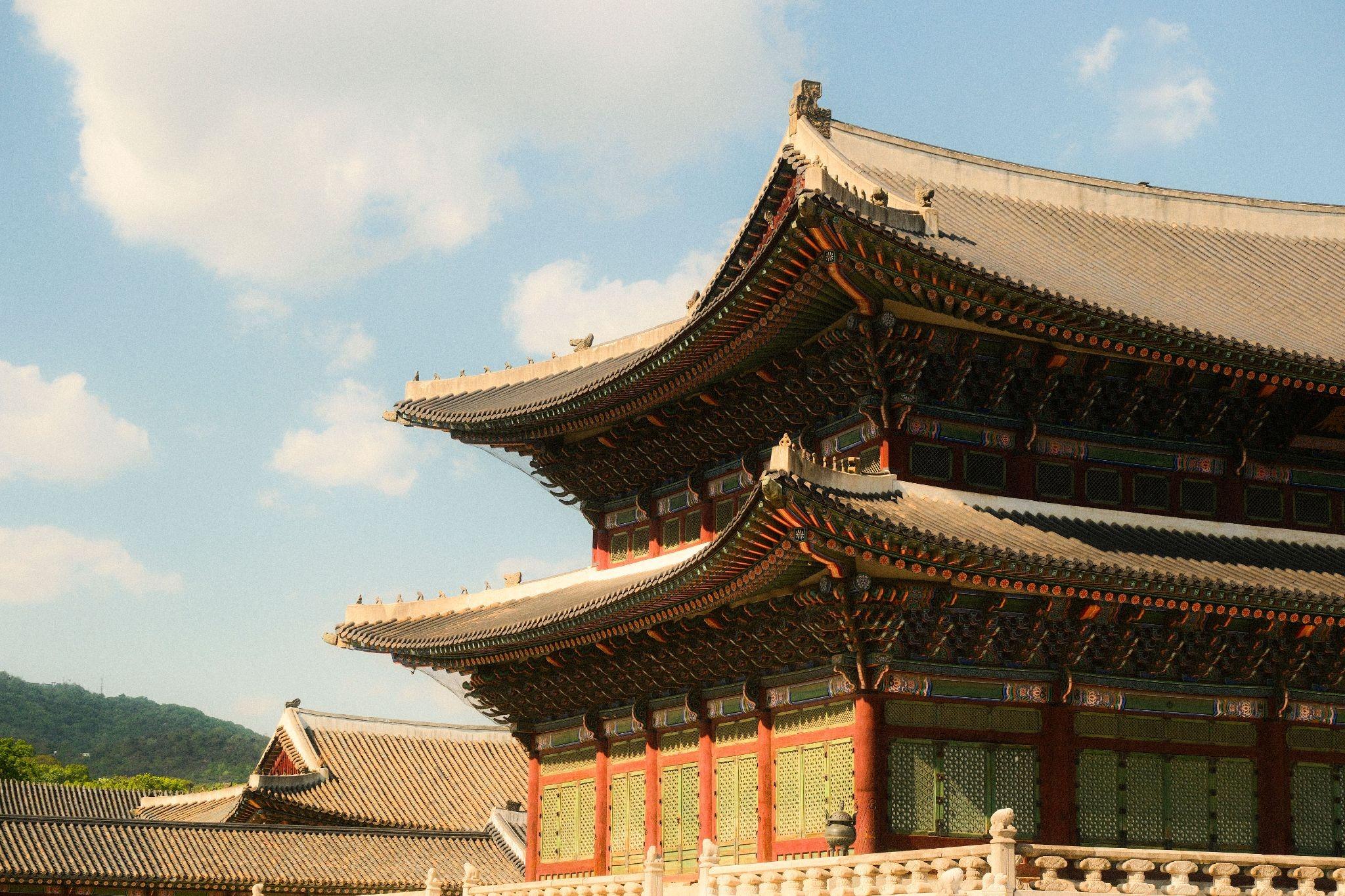
Gyeongbokgung Palace is an essential starting point for understanding Seoul’s royal history. Established in 1395 as the principal palace of the Joseon dynasty, the complex features grand gates, expansive courtyards, ornamental pavilions, and traditional architecture framed by the mountains behind northern Seoul.
Allow enough time to walk beyond the palace’s main ceremonial areas. Quieter sections around its gardens and waterside pavilions offer a different atmosphere from the busy entrance courtyard. Wearing a hanbok can add a cultural element to the visit, although simply observing the architectural details and carefully planned surroundings is equally rewarding.
From the palace area, continue toward Bukchon Hanok Village. Located between Gyeongbokgung and Changdeokgung palaces, Bukchon preserves traditional Korean houses along narrow lanes and reflects approximately 600 years of Seoul’s history. Its tiled rooftops create striking views against the modern city skyline.
Bukchon remains a residential neighborhood rather than a purpose-built attraction, so visitors should keep noise low, avoid blocking doorways, and respect any access notices. Nearby Samcheong-dong and Insadong can then extend the historical route with galleries, tea houses, handicraft shops, and smaller cultural spaces.
Modern Marvels and Shopping Districts
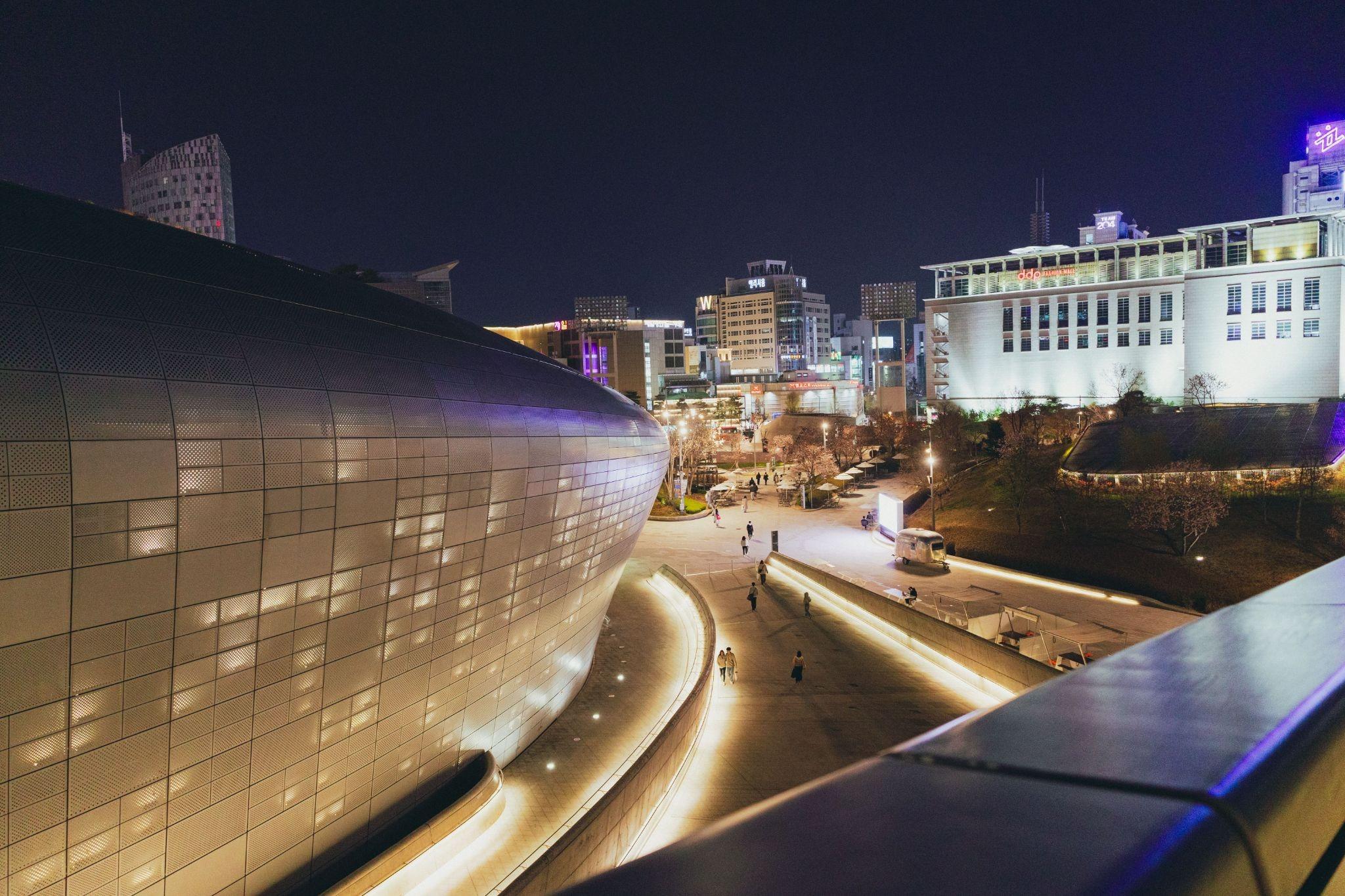
Dongdaemun Design Plaza
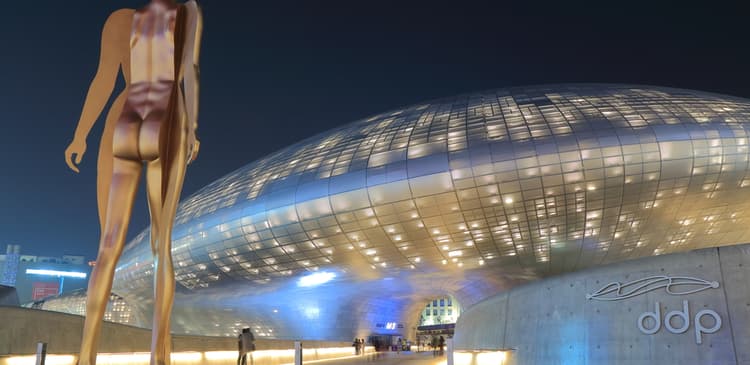
For a striking contrast to Seoul’s palace architecture, visit Dongdaemun Design Plaza. Commonly known as DDP, the landmark is a multifunctional cultural complex used for design exhibitions, fashion events, conferences, and public programs. Its curved, futuristic exterior has become one of the most recognizable examples of contemporary architecture in the city.
The surrounding Dongdaemun area is especially energetic after sunset. Fashion malls, wholesale markets, food stalls, and illuminated public spaces keep the neighborhood active well into the evening. It is one of the most interesting places to visit in Seoul for travelers who enjoy architecture, fashion, and late-night city experiences.
Myeongdong
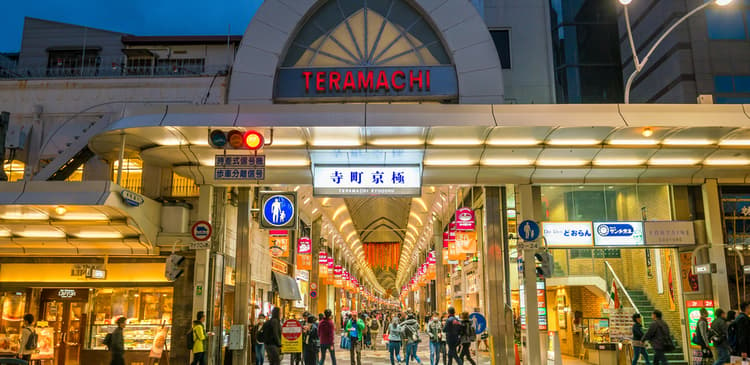
Meanwhile, Myeongdong offers a different style of shopping in Seoul. Its pedestrian-friendly streets are filled with Korean beauty stores, fashion retailers, cafés, restaurants, and snack vendors. The neighborhood is easy to explore without a fixed route: browse skincare products, stop for a quick meal, and continue toward Myeongdong Cathedral or nearby Namsan.
Other districts can be added according to personal interests. Hongdae is known for youth culture, independent shops, nightlife, and live performances, while Gangnam offers department stores, flagship boutiques, restaurants, and polished commercial streets. Travelers interested in traditional crafts and souvenirs may prefer Insadong, which fits naturally into a palace-focused day.
Exploring Local Markets and Street Food
Sampling Seoul street food is one of the easiest ways to experience the city’s everyday flavors. Traditional markets bring together long-established vendors, compact restaurants, produce stalls, textiles, household items, and ready-to-eat specialties in an atmosphere that feels distinctly local.
Gwangjang Market
Gwangjang Market is among the most popular food destinations in central Seoul. Frequently recommended dishes include bindaetteok, a crisp mung bean pancake; mayak gimbap, small seaweed rice rolls served with mustard sauce; and yukhoe, seasoned raw beef for diners comfortable trying it. The market is also known for textiles, vintage clothing, and traditional goods.
Namdaemun Market
Namdaemun Market is another worthwhile stop, particularly for travelers exploring the area around Myeongdong and Seoul Station. Its maze of lanes contains clothing, accessories, kitchenware, souvenirs, and food stalls. Wandering without a strict shopping list is part of the experience, as smaller alleys often lead to specialized sections and long-running eateries.
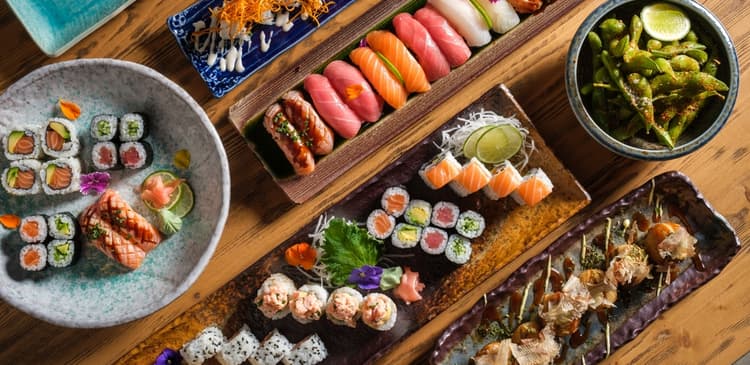
Myeongdong’s evening vendors provide an accessible introduction to popular snacks such as tteokbokki, hotteok, grilled seafood, skewered meat, and sweet treats. Rather than attempting everything at once, try one or two items during each evening walk. This creates more opportunities to compare different neighborhoods and keeps food exploration naturally woven into the trip.
Stay in the Heart of the City: Travelodge Seoul Hotels
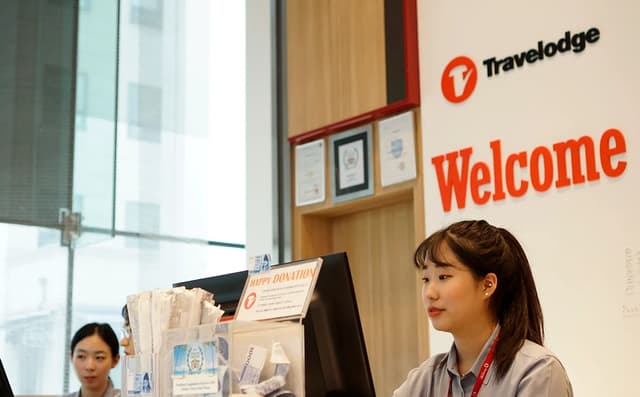
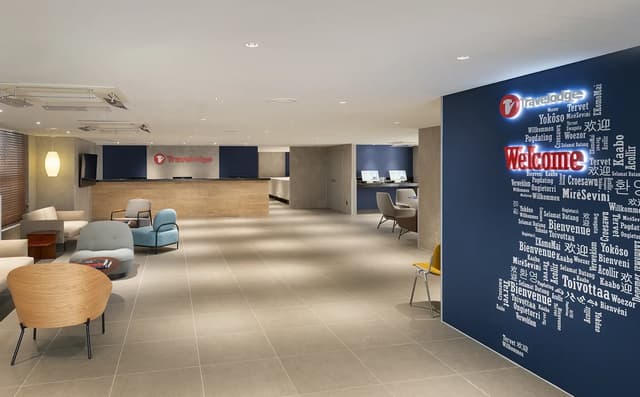
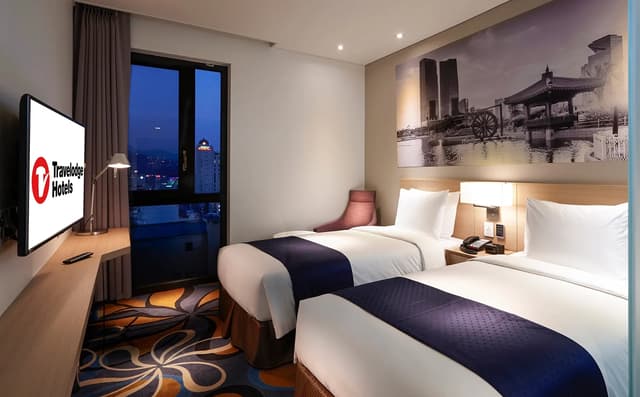
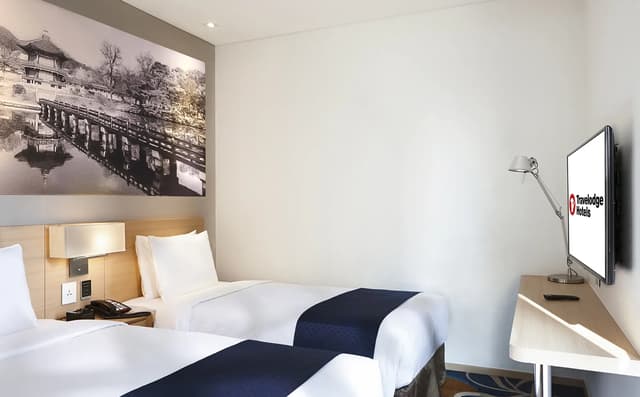
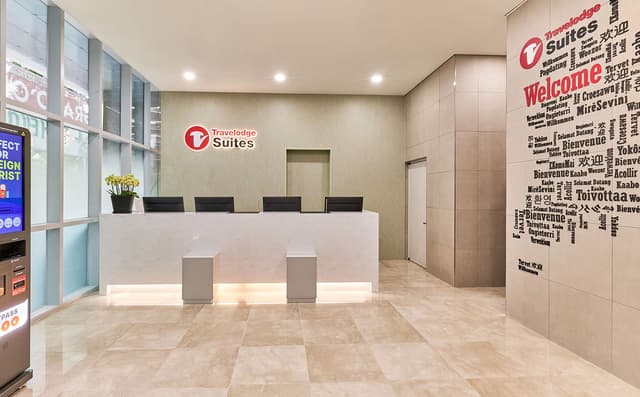
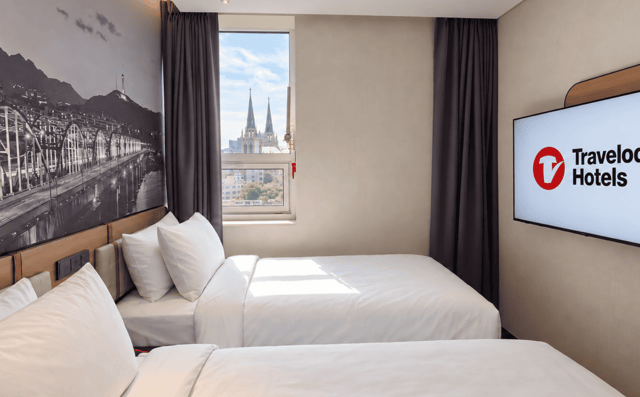
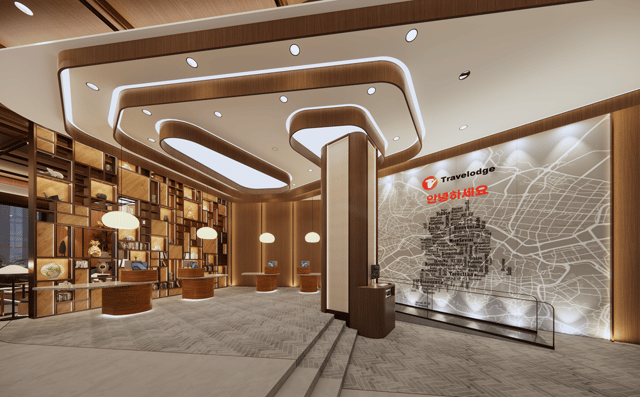
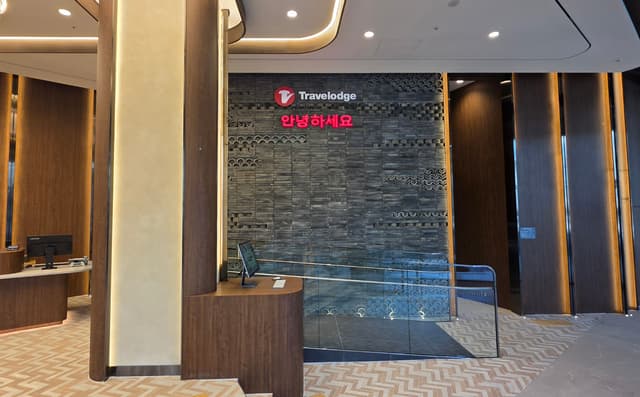
A central base can make a noticeable difference when planning multiple things to do in Seoul. Travelodge Hotels Asia brings together its 3C values: Comfort, Convenience, and Connectivity through comfortable accommodations, practical guest facilities, city-center locations, reliable Wi-Fi, and access to public transportation.
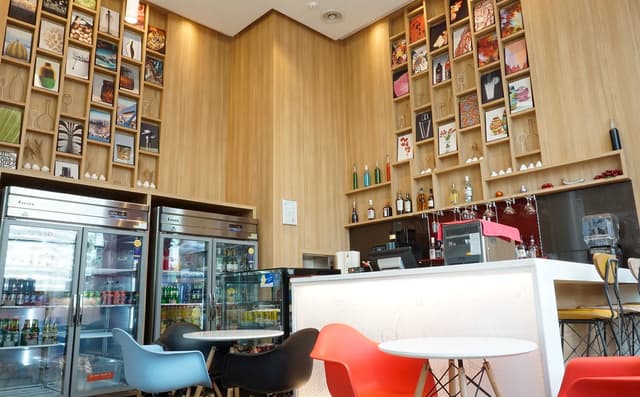
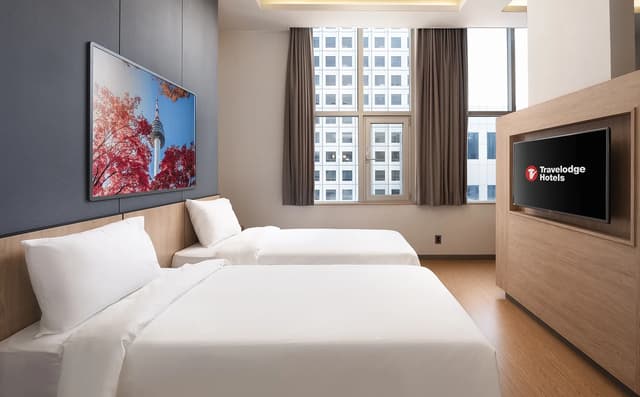
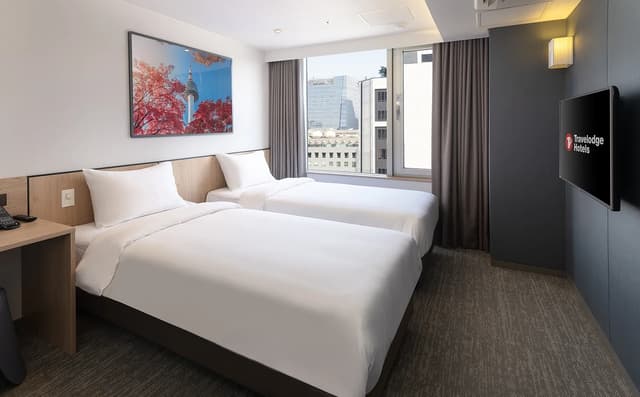
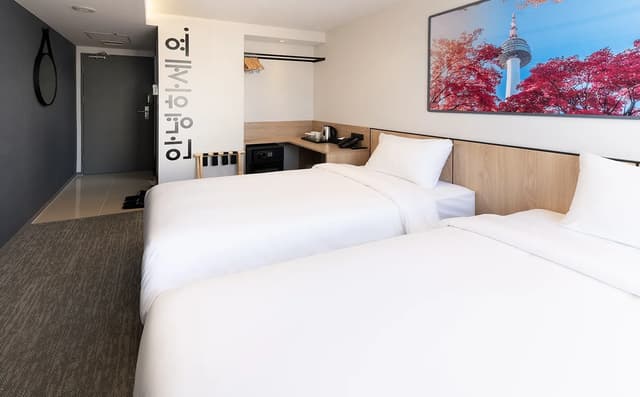
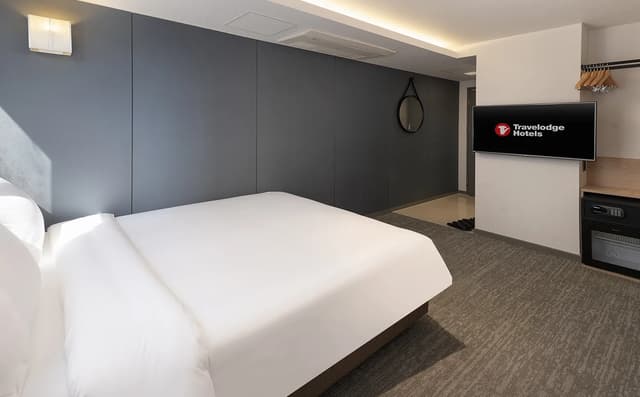
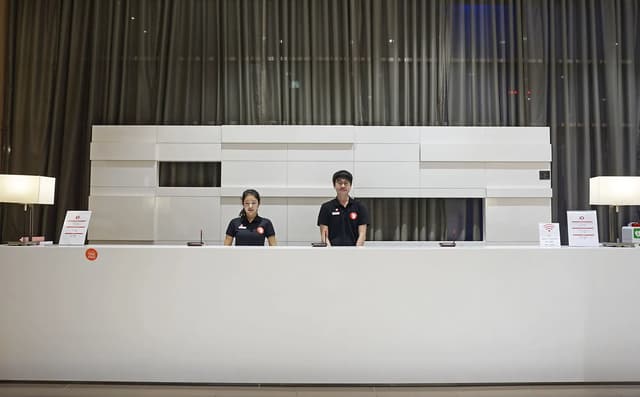
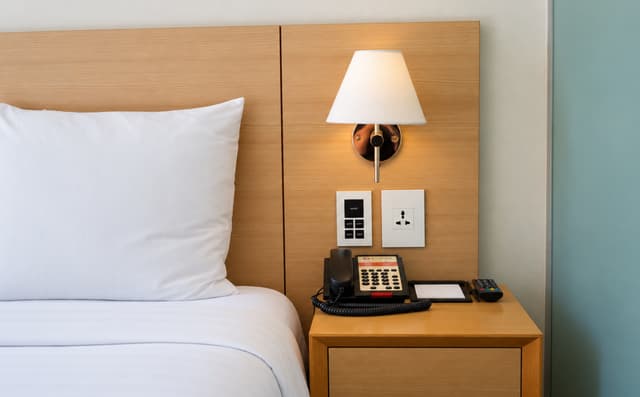
The brand’s 8S guest experience further supports different travel needs. Snooze focuses on comfort-driven rooms and bedding, while Stream provides complimentary high-speed Wi-Fi. Depending on the property, additional features may include Spin self-service laundry facilities, Sweat fitness spaces, communal Social areas, and responsive Service 24/7.
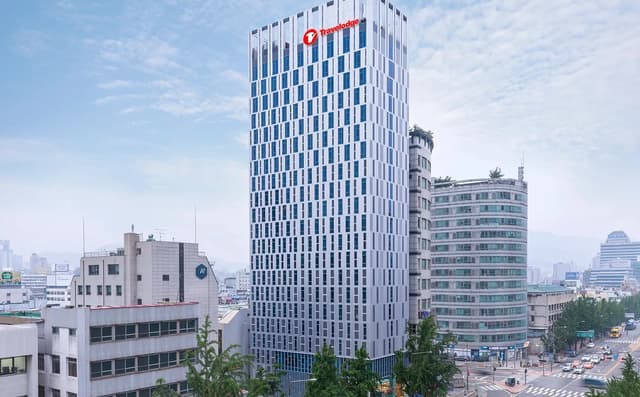
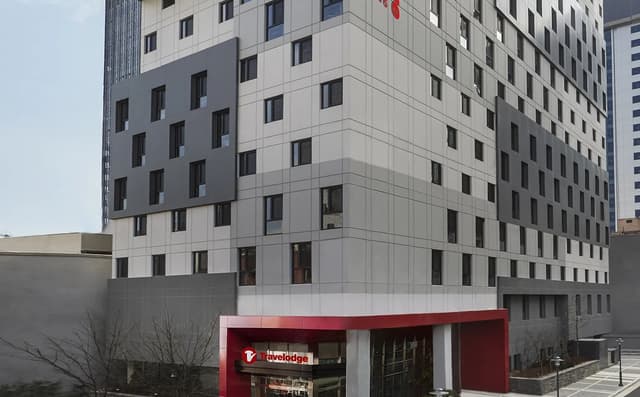
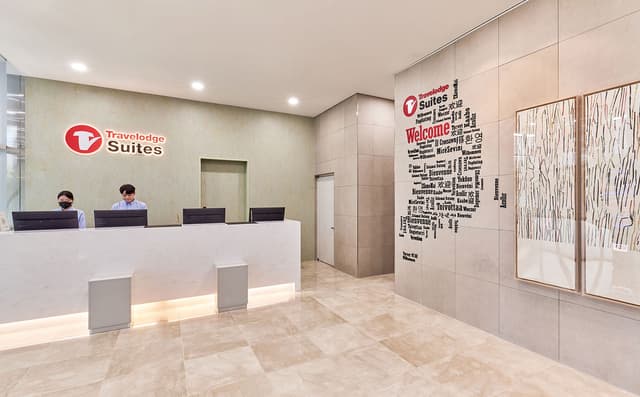
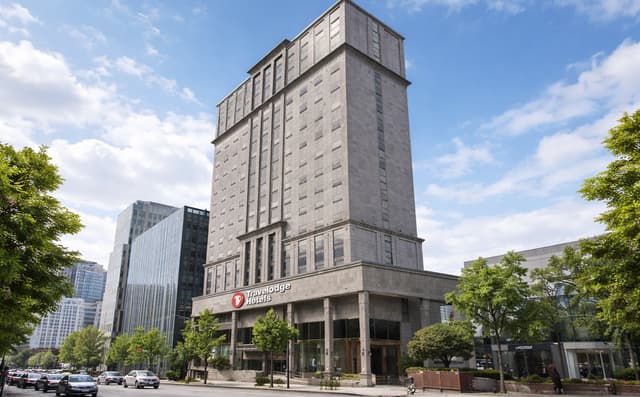
Travelodge Myeongdong Euljiro
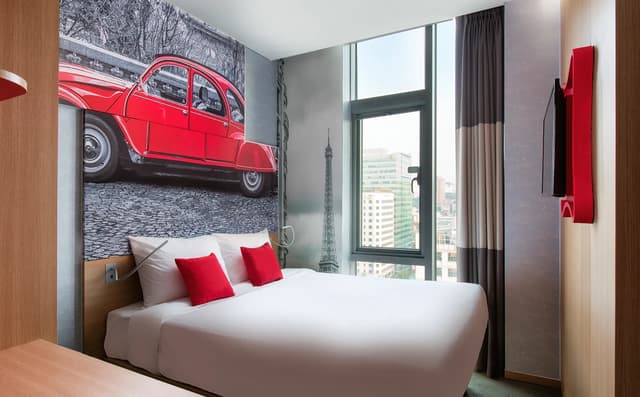
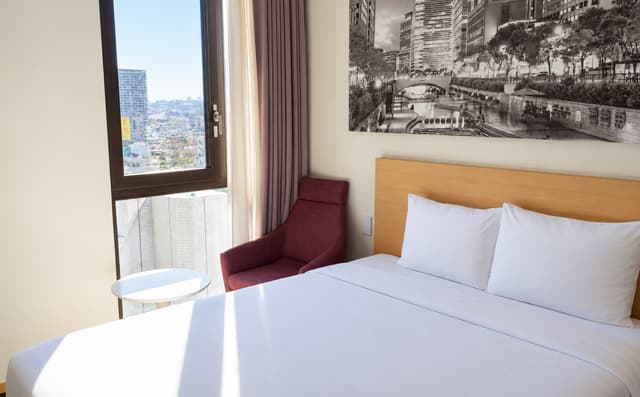
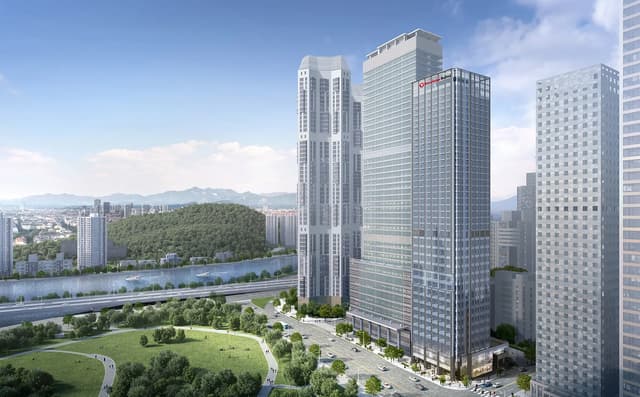
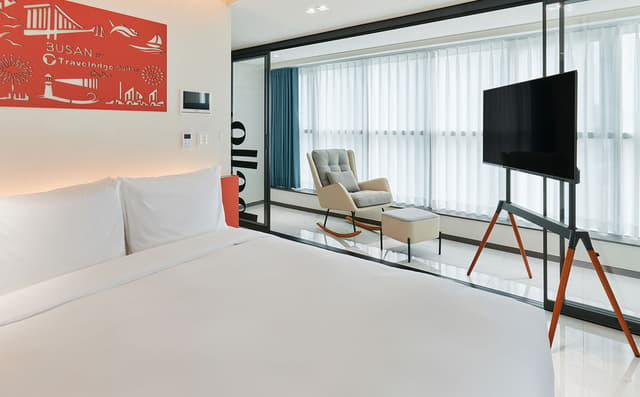
Travelodge Myeongdong Euljiro is well-positioned for travelers interested in shopping, food, and cultural sightseeing. Myeongdong Shopping Street is approximately 600 meters away, while Euljiro 3-ga Station provides connections through Subway Lines 2 and 3. The hotel also offers contemporary rooms, Wi-Fi, and a self-service laundry facility that can be helpful during longer trips.
Its location makes it convenient to divide the day between Myeongdong, Euljiro, palace districts, Cheonggyecheon Stream, and nearby markets. It is particularly suitable for visitors who want a central neighborhood that remains active in the evening.
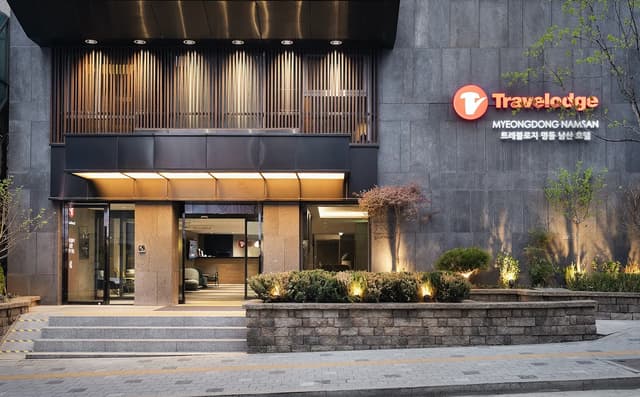
Travelodge Myeongdong Namsan
Travelodge Myeongdong Namsan places guests near Myeongdong Shopping Street, Namsangol Hanok Village, Myeongdong Cathedral, Namdaemun, and N Seoul Tower. Both Myeongdong Station and Hoehyeon Station are within walking distance, offering practical access to other areas of the capital.
This location works especially well for first-time visitors who want a mix of shopping, familiar landmarks, traditional culture, and evening walks around central Seoul. After a full sightseeing day, the South Korea hotel provides a comfortable setting in which to rest and prepare for the next itinerary.
Travelodge Dongdaemun Seoul
Travelodge Dongdaemun Seoul is a convenient choice for exploring DDP, Dongdaemun’s fashion districts, Gwangjang Market, and nearby historical sites. The hotel is located around a five-minute walk from Dongdaemun History & Culture Park Station and offers modern rooms, Wi-Fi, and access to a fitness center.
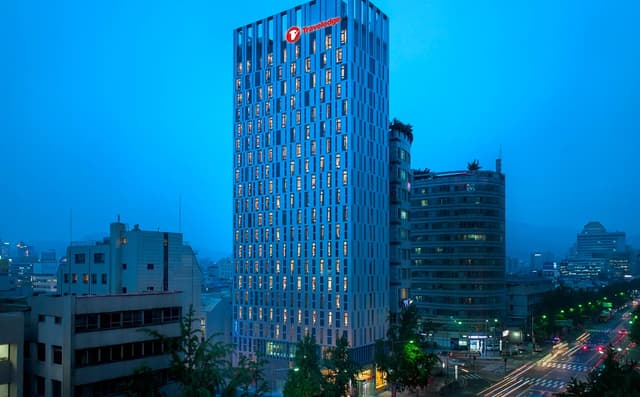
Its surroundings remain lively after dark, making the property particularly appealing to travelers interested in late-night shopping, food markets, and contemporary city life.
Before confirming an itinerary, compare the locations and available room types on the official Travelodge Hotels Asia website. Book directly through the Travelodge platform to view current availability, applicable offers, and hotel information in one place.
Make the Most of the Things to Do in Seoul
From the royal courtyards of Gyeongbokgung and the traditional lanes of Bukchon to the design landmarks of Dongdaemun and the food stalls of Gwangjang Market, the variety of things to do in Seoul allows every day to feel different. The city rewards careful planning, but it also leaves plenty of room for unplanned café visits, neighborhood walks, and memorable meals discovered along the way.
Make the experience easier by staying close to the places that matter most to the itinerary. Visit the official Travelodge Hotels Asia website to choose between its centrally located Seoul hotels and book directly for a comfortable, convenient, and connected stay in South Korea’s capital.