


Share article
How to Celebrate Seollal Like a Local: Korean New Year Traditions Visitors Can Experience (2026 Guide)

Sora Kang
.jpg)
South Korea is known for its modern cities, K-pop culture, cutting-edge technology, and world-class cuisine. Yet one of the best times to experience the country's rich traditions is during Seollal, the Korean Lunar New Year.
As one of Korea's most important holidays, Seollal is a time when families reunite, honor their ancestors, share traditional meals, and participate in customs that have been passed down for generations. While many businesses and offices close during the holiday, visitors who plan ahead can enjoy a side of Korea that few travelers experience during the rest of the year.
From wearing a hanbok and exploring historic palaces to trying traditional New Year dishes and learning Korean holiday greetings, there are many ways to celebrate Seollal like a local.
Whether you're visiting Seoul for the first time or returning to South Korea for a deeper cultural experience, this guide will help you discover the traditions, foods, and activities that make Seollal one of the country's most meaningful celebrations.
What Is Seollal?
Seollal is the Korean Lunar New Year and one of the most significant holidays in South Korea.
Unlike the Western New Year on January 1, Seollal follows the lunar calendar and typically falls between late January and mid-February. In 2026, Seollal falls on February 17, with holiday celebrations extending across several days.
For Koreans, Seollal is a time to:
- Return to their hometowns
- Reunite with family members
- Pay respects to ancestors
- Share traditional meals
- Exchange blessings for the new year
- Participate in folk games and cultural traditions
Many people compare Seollal to a combination of Christmas, Thanksgiving, and New Year celebrations in Western countries because of its strong emphasis on family and tradition.
Why Visit South Korea During Seollal?
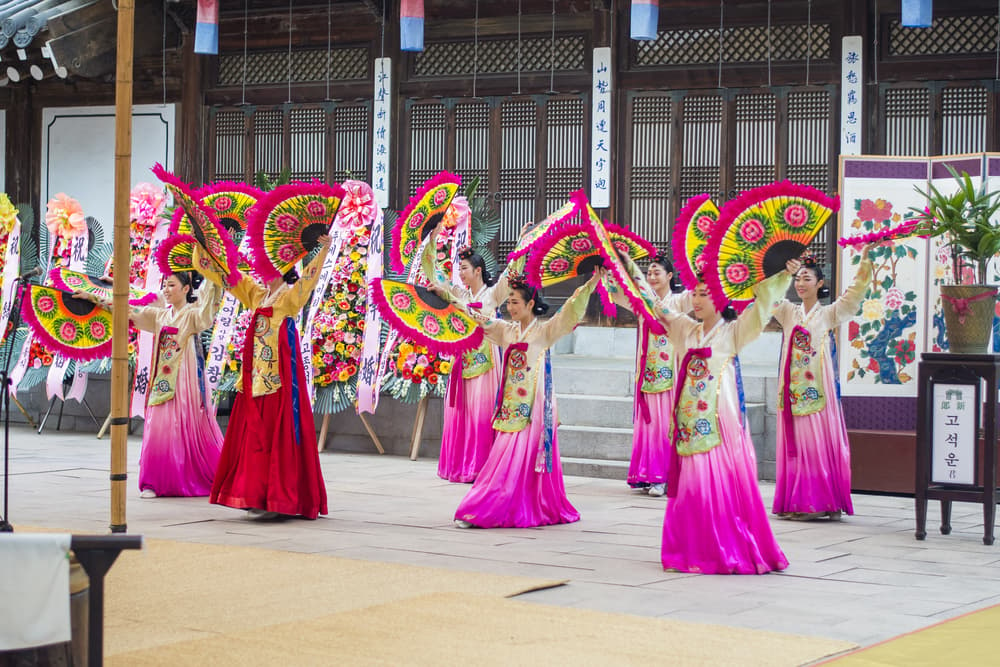
While some travelers avoid visiting Korea during major holidays, Seollal can actually be one of the most rewarding times to explore the country.
Experience Korean Culture Beyond K-Pop
Seollal provides an opportunity to see traditions that have shaped Korean society for centuries.
Visitors can witness:
- Traditional ceremonies
- Folk performances
- Hanbok attire
- Cultural demonstrations
Enjoy Seasonal Foods
Many Korean dishes are closely associated with Seollal and may be easier to find during the holiday period.
Participate in Cultural Events
Museums, palaces, and cultural villages often organize special programs designed for both locals and visitors.
Discover a Different Side of Seoul
The holiday atmosphere creates a unique travel experience that differs significantly from a typical visit to South Korea.
Things to Keep in Mind
Travelers should also be aware that:
- Transportation can be very busy
- Some restaurants may close temporarily
- Popular train tickets sell out quickly
- Advance hotel reservations are recommended
1. Wear a Traditional Hanbok
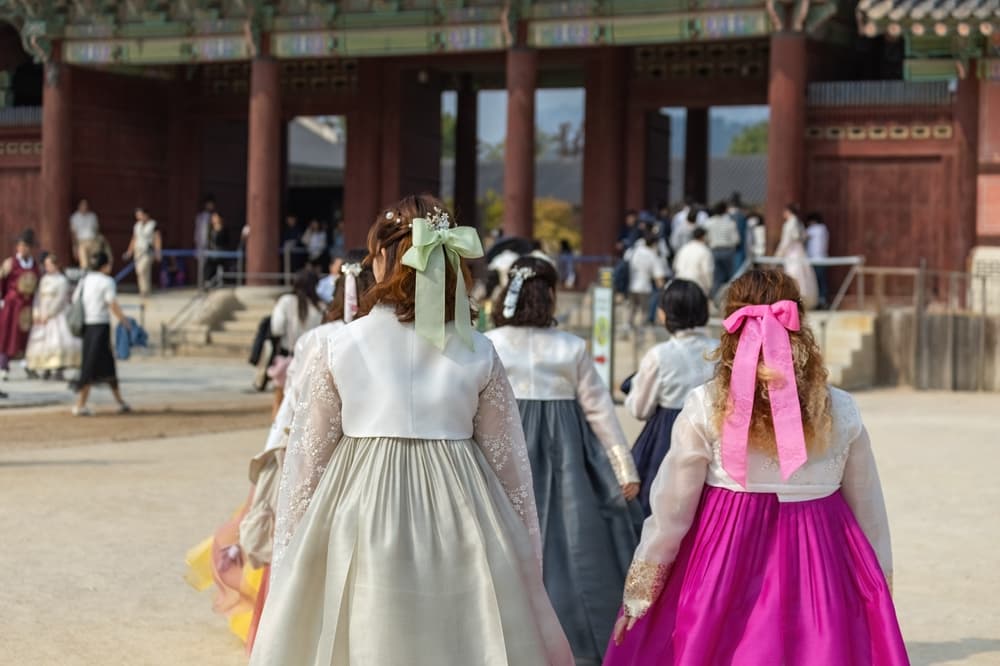
One of the easiest ways to immerse yourself in Seollal traditions is by wearing a hanbok.
Hanbok is the traditional Korean attire worn during important celebrations and special occasions. During Seollal, many Korean families wear hanbok when participating in family gatherings and ancestral rituals.
Visitors can rent hanbok throughout Seoul and explore historic areas while dressed in traditional clothing.
Best Places to Wear Hanbok
- Gyeongbokgung Palace
- Bukchon Hanok Village
- Changdeokgung Palace
- Namsangol Hanok Village
Many travelers find that wearing hanbok enhances their cultural experience and creates memorable photo opportunities.
2. Visit Gyeongbokgung Palace During Seollal
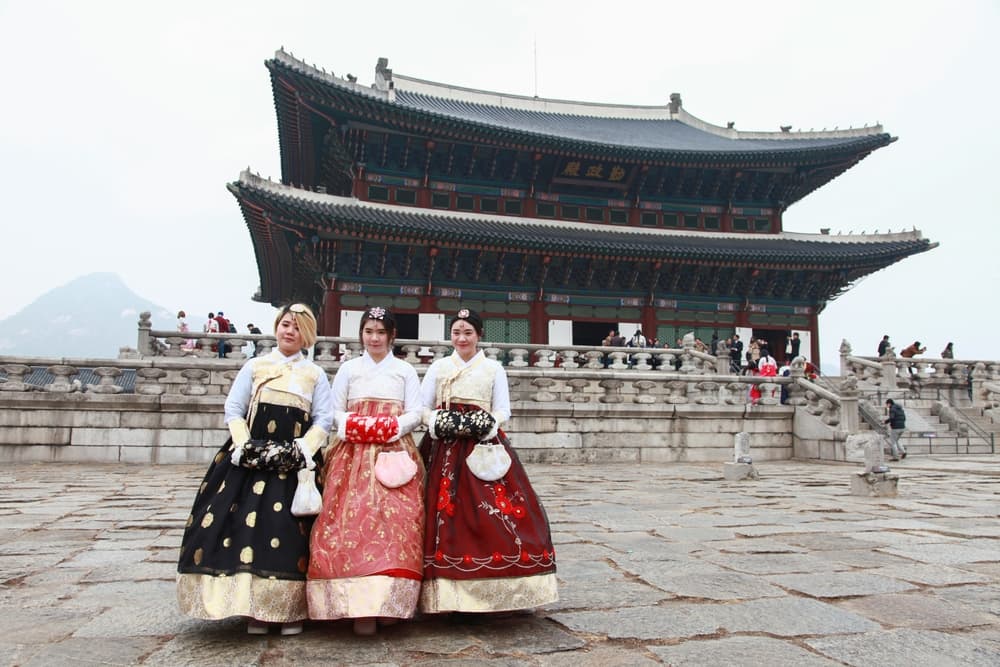
As Seoul's largest and most famous royal palace, Gyeongbokgung becomes one of the best places to experience Korean culture during Seollal.
The palace often hosts:
- Traditional music performances
- Folk games
- Cultural demonstrations
- Family-friendly activities
The historic setting provides an ideal backdrop for understanding Korea's royal heritage while participating in seasonal celebrations.
Visitors wearing hanbok may also receive free admission to certain palace attractions, making it an even more appealing activity.
3. Watch Traditional Korean Folk Performances
Traditional performances play an important role during Seollal celebrations.
Throughout Seoul, visitors may encounter cultural showcases featuring music, dance, and storytelling.
Samulnori
Samulnori is a percussion performance using four traditional Korean instruments.
The energetic rhythms and colorful costumes make it one of the most recognizable forms of Korean folk performance.
Talchum Mask Dance
Talchum combines dance, theater, and satire through performers wearing traditional masks.
Traditional Korean Music
Many cultural venues host performances featuring instruments such as:
- Gayageum
- Haegeum
- Daegeum
These performances offer visitors a deeper appreciation of Korean artistic traditions.
4. Play Traditional Korean New Year Games
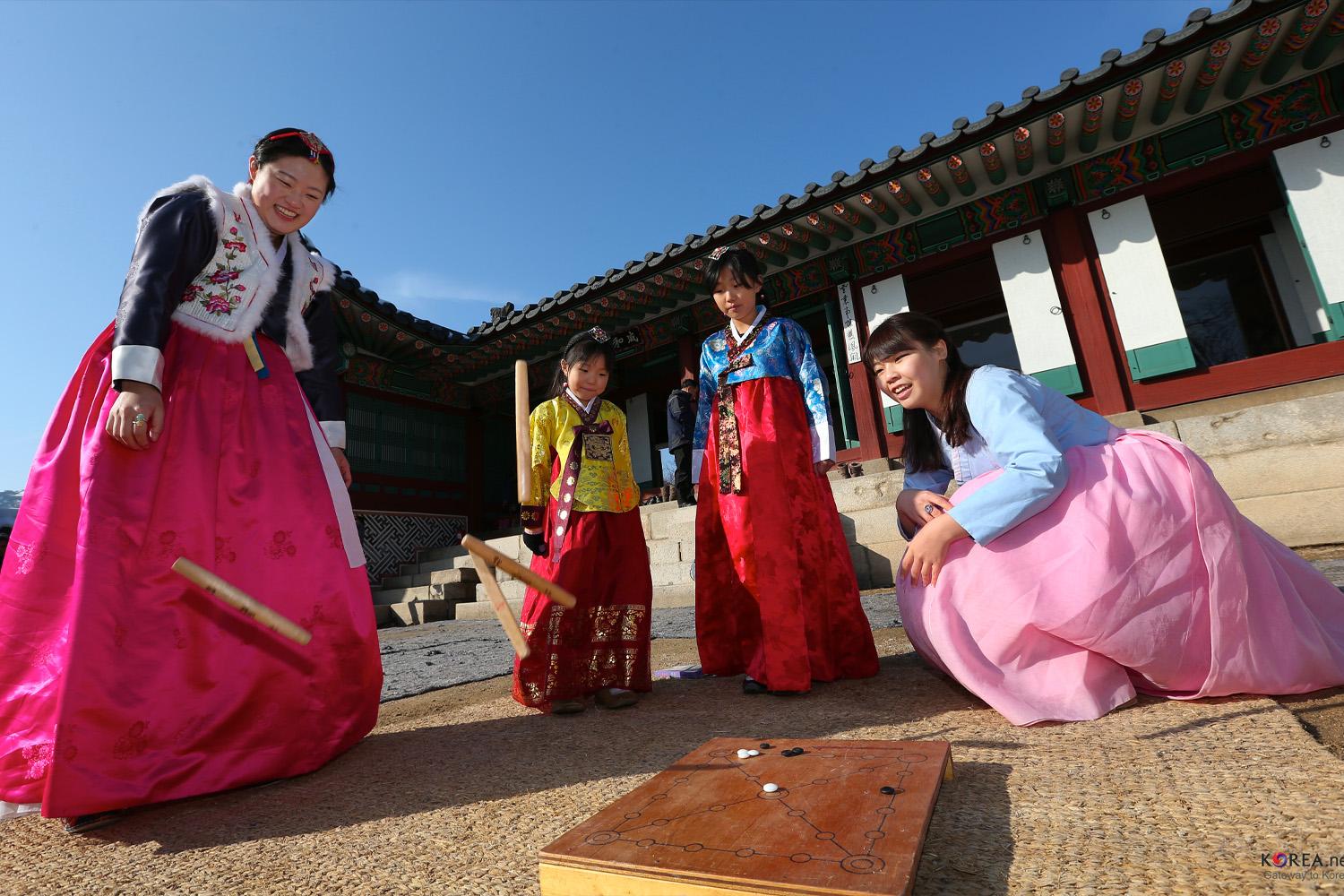
Traditional games are a major part of Seollal celebrations.
Many museums and cultural villages organize interactive activities where visitors can participate.
Yut Nori
Yut Nori is Korea's most famous Lunar New Year game.
Players throw wooden sticks and move pieces around a board in a game that combines strategy and luck.
Jegichagi
Often compared to hacky sack, this traditional game involves keeping a small object in the air using footwork.
Tuho
Players attempt to throw sticks into a narrow container from a distance.
Neolttwigi
A traditional Korean seesaw activity that has been enjoyed for generations.
These games remain popular among families during Seollal gatherings.
5. Try Traditional Seollal Foods
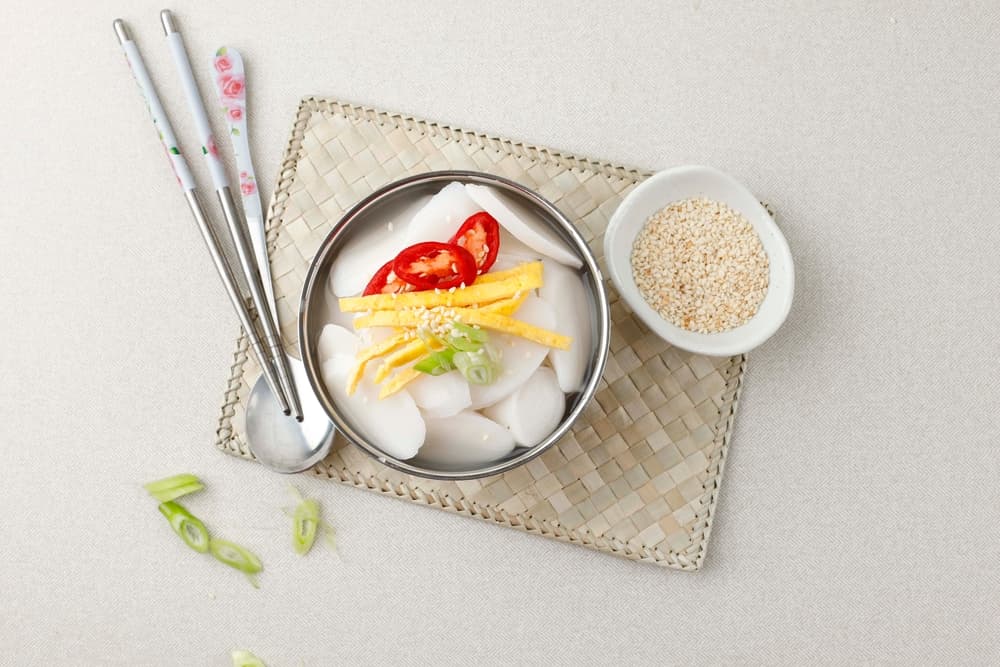
Food is one of the most important parts of Seollal celebrations.
Many dishes carry symbolic meanings related to prosperity, health, and good fortune.
Tteokguk
Tteokguk, a soup made with sliced rice cakes, is the most iconic Seollal dish.
Traditionally, Koreans say that eating a bowl of tteokguk adds one year to your age.
Jeon
These savory Korean pancakes are often served during family gatherings.
Popular varieties include:
- Seafood jeon
- Kimchi jeon
- Vegetable jeon
Galbijjim
Braised short ribs are frequently served as part of festive meals.
Japchae
This popular noodle dish combines sweet potato noodles, vegetables, and meat.
Yakgwa and Hangwa
Traditional Korean sweets commonly enjoyed during holidays and celebrations.
Sikhye
A sweet rice drink often served after meals.
Visitors looking for authentic Seollal cuisine should consider exploring traditional Korean restaurants and local markets throughout Seoul.
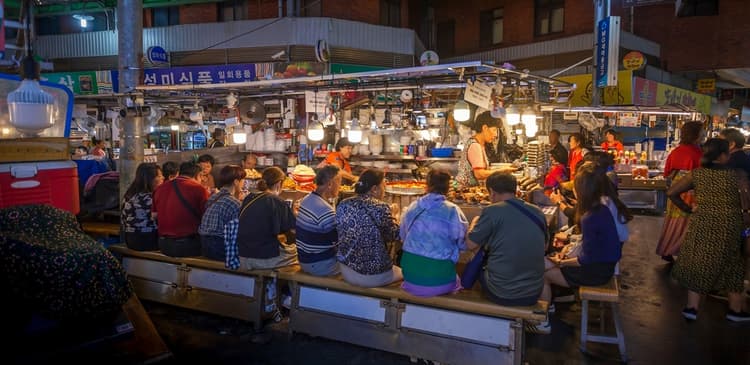
6. Visit a Traditional Korean Market
Markets become especially lively during the lead-up to Seollal.
Families shop for ingredients, gifts, and traditional foods as they prepare for celebrations.
Gwangjang Market
One of Seoul's oldest markets, known for:
- Traditional Korean food
- Local snacks
- Street food experiences
Namdaemun Market
A historic market offering everything from clothing and souvenirs to seasonal foods.
Tongin Market
Popular for its unique lunch box experience and local atmosphere.
Markets provide one of the most authentic ways to observe Korean daily life during the holiday season.
7. Learn About Charye
One of the most important Seollal customs is Charye, an ancestral memorial ritual.
During Charye, families prepare a carefully arranged table of food offerings and pay respects to their ancestors.
The tradition reflects important Korean values such as:
- Family unity
- Respect for elders
- Gratitude for previous generations
Visitors are unlikely to participate directly unless invited by a local family, but learning about Charye provides valuable insight into Korean culture.
8. Explore Bukchon Hanok Village
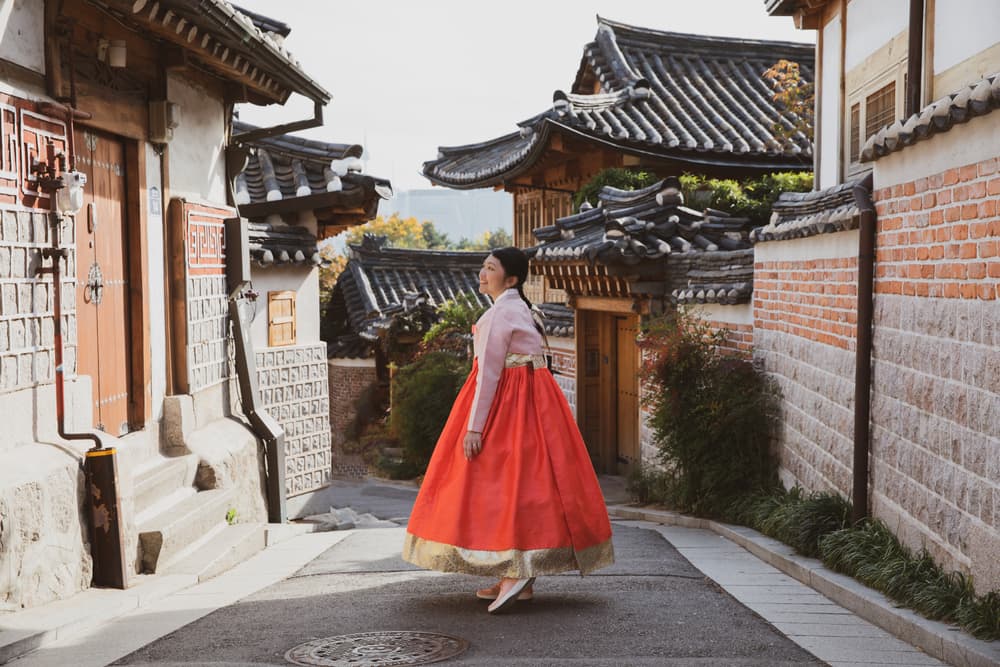
Bukchon Hanok Village offers one of the best opportunities to experience traditional Korean architecture.
The neighborhood contains hundreds of preserved hanok houses that date back to the Joseon Dynasty.
During Seollal, the area feels especially atmospheric thanks to:
- Visitors wearing hanbok
- Seasonal decorations
- Cultural workshops
- Traditional tea houses
It's also one of Seoul's most photogenic neighborhoods.
9. Attend Seollal Festivals and Cultural Events
Several attractions host special events during the holiday period.
National Folk Museum of Korea
Often organizes:
- Folk game demonstrations
- Traditional crafts
- Cultural exhibitions
Namsangol Hanok Village
A popular venue for:
- Traditional performances
- Hanbok experiences
- Cultural workshops
Seoul Cultural Centers
Many venues offer temporary exhibitions and family-friendly programs focused on Korean heritage.
Checking event schedules before your trip can help you maximize your Seollal experience.
10. Exchange Seollal Greetings Like a Local
Learning a simple Korean greeting can make your experience more meaningful.
새해 복 많이 받으세요
Pronunciation: Saehae Bok Mani Badeuseyo
Meaning: "May you receive lots of blessings in the New Year."
This is the most common greeting exchanged during Seollal.
Sebae
Sebae refers to the traditional deep bow performed by younger family members to show respect to elders.
In return, elders often offer blessings and gifts.
Understanding these customs helps visitors appreciate the importance of family and respect in Korean society.
Suggested 3-Day Seollal Itinerary in Seoul
Day 1
- Visit Gyeongbokgung Palace
- Rent a hanbok
- Explore Bukchon Hanok Village
- Enjoy traditional Korean cuisine
Day 2
- Visit the National Folk Museum
- Explore Gwangjang Market
- Attend cultural performances
- Try Seollal foods
Day 3
- Visit Namsangol Hanok Village
- Participate in folk games
- Explore Myeongdong
- Shop for souvenirs
This itinerary balances cultural experiences with some of Seoul's most popular attractions.
Where to Stay During Seollal in Seoul
Choosing a centrally located hotel can make it easier to explore Seoul during the busy holiday period.
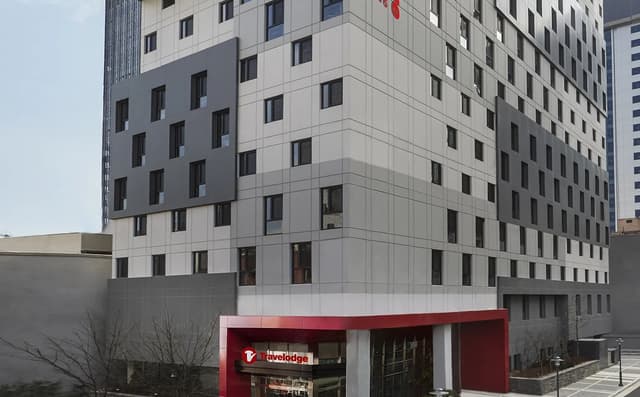
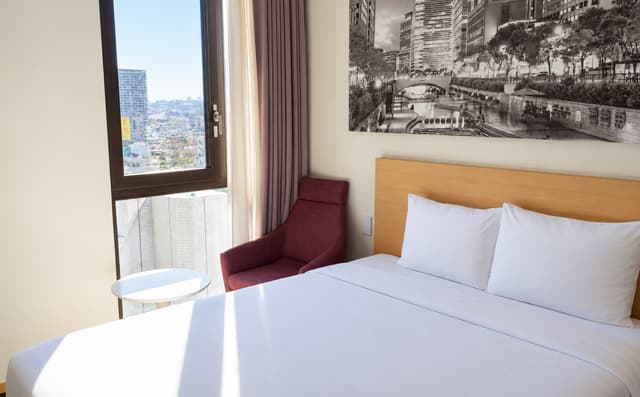
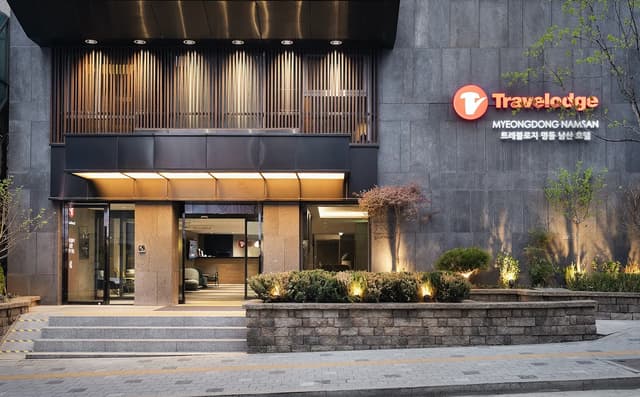
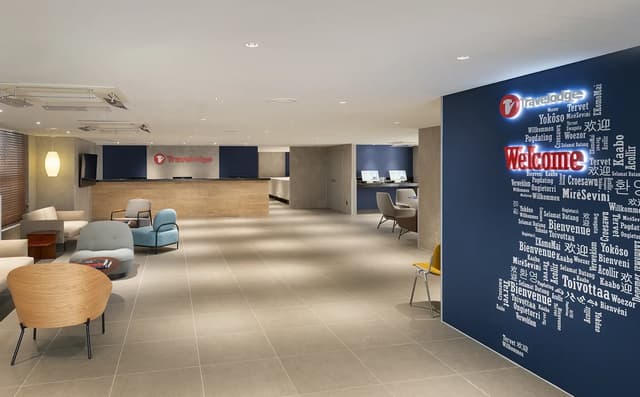
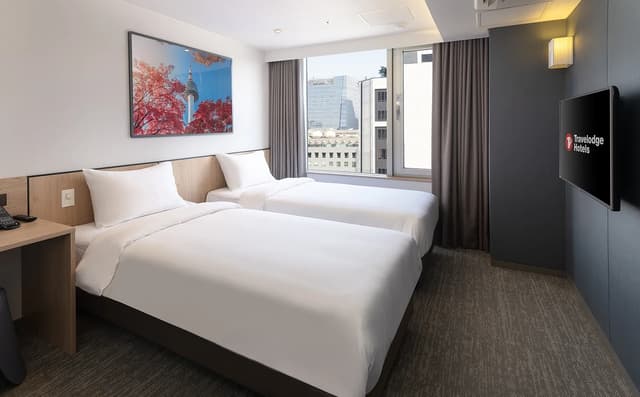
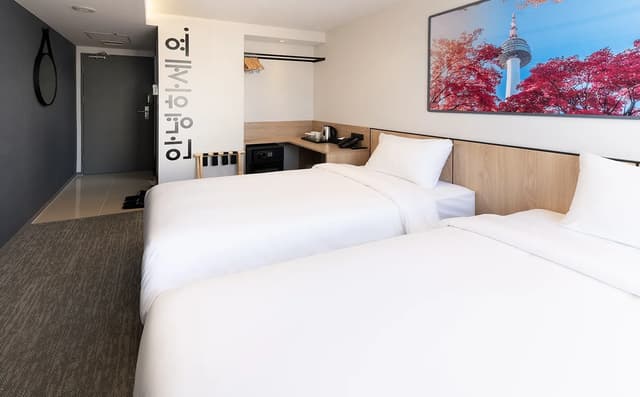
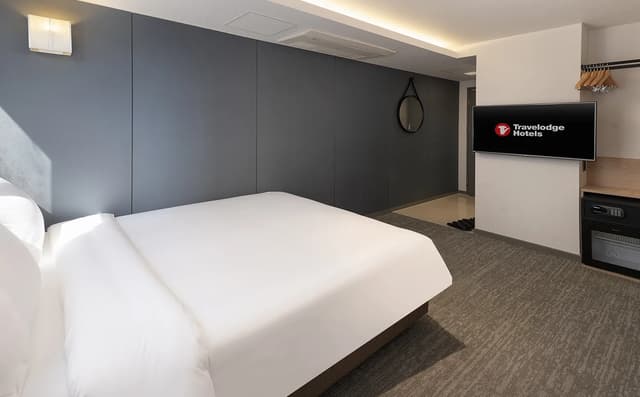
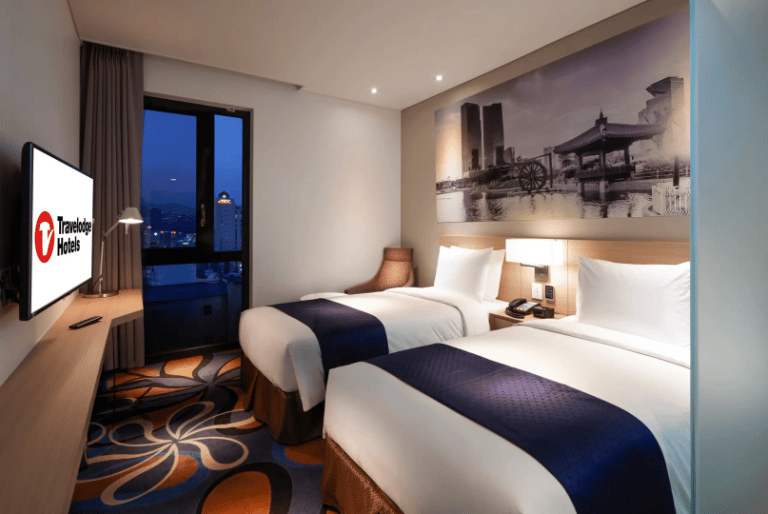
Travelodge Myeongdong Euljiro
Travelodge Myeongdong Euljiro offers a convenient base for visitors exploring Seoul during Seollal.
Located near Myeongdong, Gwangjang Market, historic palaces, and major subway connections, the hotel allows travelers to easily access both traditional cultural attractions and modern shopping districts.
Its central location makes it especially convenient for visitors following a Seollal-focused itinerary.
Essential Seollal Travel Tips
Book Accommodation Early
Seollal is one of Korea's busiest travel periods.
Reserve Transportation in Advance
Train and bus tickets often sell out quickly.
Check Opening Hours
Some businesses may operate on modified schedules.
Carry Cash
Traditional markets may not always accept international payment methods.
Dress for Winter Weather
February temperatures in Seoul can be cold, so warm clothing is essential.
Experience Korea's Most Meaningful Holiday
Seollal offers visitors a unique opportunity to experience South Korea beyond its modern image. Through traditional foods, cultural performances, family customs, and centuries-old traditions, travelers can gain a deeper understanding of Korean heritage while participating in one of the country's most cherished celebrations.
Whether you're wearing a hanbok at Gyeongbokgung Palace, enjoying a bowl of tteokguk, exploring a traditional market, or learning how to exchange New Year greetings, celebrating Seollal like a local can become one of the most memorable parts of your trip to South Korea.