


Share article
10 Days of Autumn Itinerary in South Korea

Sora Kang
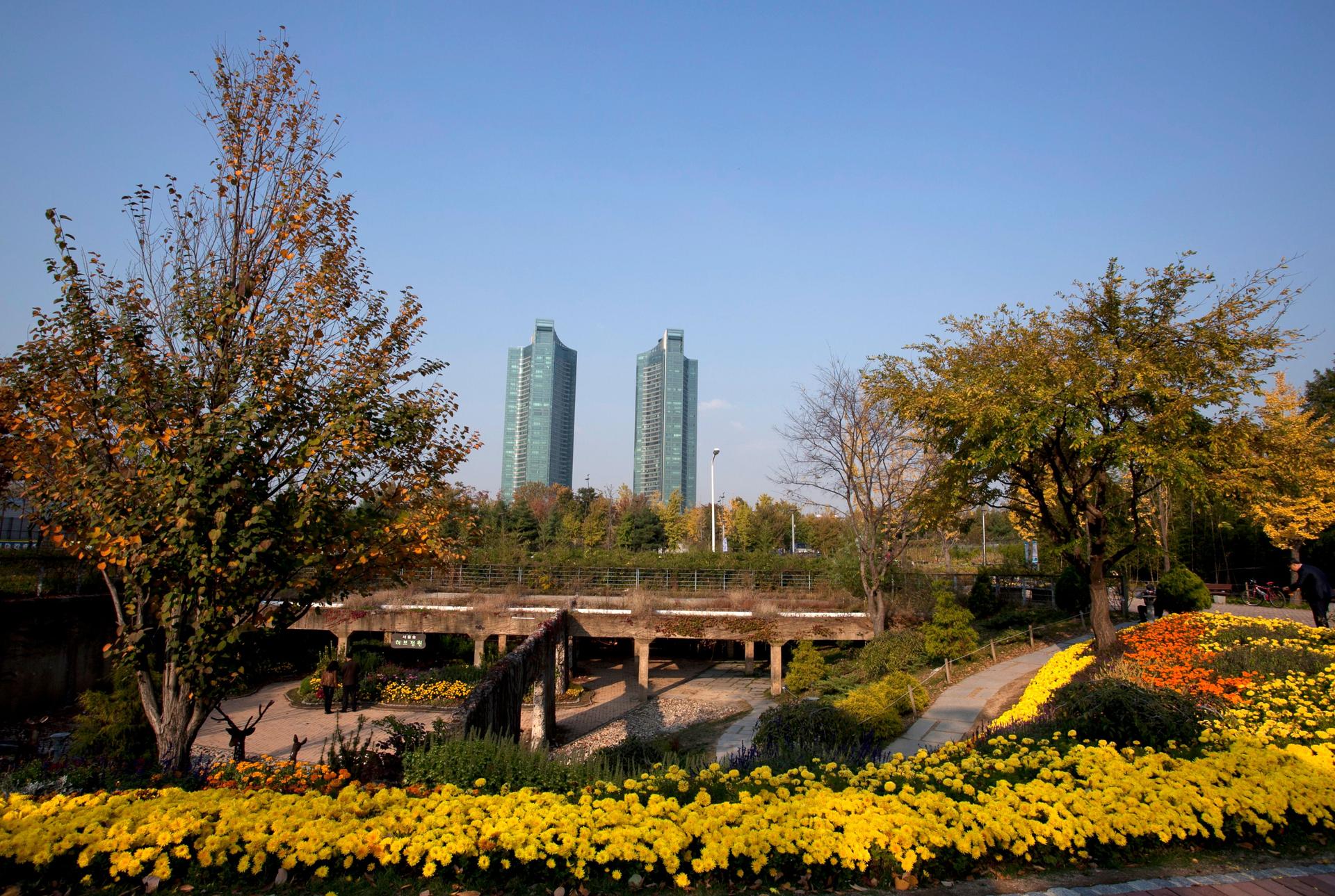
South Korea becomes especially inviting in fall, when golden ginkgo avenues brighten city streets, red maples frame historic palaces, and colorful mountains create a striking backdrop to temples and traditional neighborhoods. Cooler weather also makes sightseeing more comfortable. For travelers searching for a 10-day South Korea autumn itinerary, this route combines five days in Seoul, a seasonal trip to Nami Island, several days in Busan, and a cultural day trip to Gyeongju, offering a balanced mix of history, city life, regional food, fall scenery, and coastal experiences.
So, when is autumn in Korea? The season generally runs from September through November, with foliage appearing first in cooler, higher, and more northerly areas before moving south. Since timing varies with weather and elevation, travelers planning a trip to Korea in autumn 2026 should check the official annual foliage forecast closer to their trip. This itinerary also includes daily sightseeing plans, transportation guidance, packing advice, and conveniently located Travelodge hotels in Seoul and Busan.

Book directly on our official website and save up to 45% on your next hotel stay across Asia, with hotel deals in Japan, South Korea, Singapore, Malaysia, Hong Kong, Thailand, and more.
Booking Period: 5 August – 31 October 2026
Stay Period: 7 August 2026 – 31 July 2027
Length of Stay: Minimum 3 nights, Maximum 7 nights
Room rate excludes breakfast
Members enjoy up to 5% cashback after checkout!
If you are not a member yet, register Travelodge Membership for free to unlock the Hello Autumn Sale rate. Join Membership and Save 45% Today
When Should You Travel?
There is no single week when the entire country reaches peak color. Seoul may still have green trees while mountain regions are already changing, and southern destinations can retain fall scenery after colder areas begin losing their leaves.
Korea’s fall season runs from September through November, with an average seasonal temperature of approximately 15°C. However, this national average does not reflect the considerable differences between early September afternoons, November mornings, mountain trails, and coastal Busan.
September—Early Autumn Conditions
September marks the transition from Korea’s humid summer into milder fall weather. The beginning of the month can still feel warm, especially during the day, but outdoor sightseeing generally becomes more comfortable as the month progresses.
Most trees may remain green in Seoul, Gyeongju, and Busan. The earliest colors are more likely to appear in cooler mountain areas toward the end of the month.
September works best for travelers who value:
- Comfortable outdoor sightseeing
- Longer daylight hours
- Fewer peak-foliage crowds
- City exploration and cultural attractions
- Hiking without needing intense autumn color
Those traveling mainly for red maple and golden ginkgo scenery may find October or early November more rewarding.
October—The Main Autumn Travel Period
October is the central travel month for autumn itineraries in Korea. Mountain foliage often becomes visible first, followed gradually by palace grounds, city parks, university campuses, and tree-lined streets.
Late October frequently offers strong possibilities for Seoul, Nami Island, and Gyeongju. It is also one of the busiest periods for foliage-focused travel, particularly on weekends.
Plan for:
- Intercity trains between Seoul and Busan
- Nami Island transportation
- Weekend accommodations
- Timed palace or garden admissions
- Popular hiking areas
- Organized autumn day tours
Annual conditions still vary, so the latest forecast should take priority over historical peak dates.
November—Late Foliage in Seoul and Southern Korea
Early November can remain rewarding for Seoul, Gyeongju, and Busan. Palace grounds, urban parks, temple approaches, and ginkgo-lined streets may still carry strong color even after higher mountain areas have begun transitioning toward winter.
Later in November, mornings and evenings become colder, fallen leaves become more common, and some trees may already be bare. This period still suits travelers who enjoy combining seasonal scenery with cafés, museums, markets, shopping districts, and cultural attractions.
For autumn in Korea 2026, keep the itinerary flexible until the annual foliage forecast and short-term weather reports are published.
South Korea Autumn Itinerary at a Glance
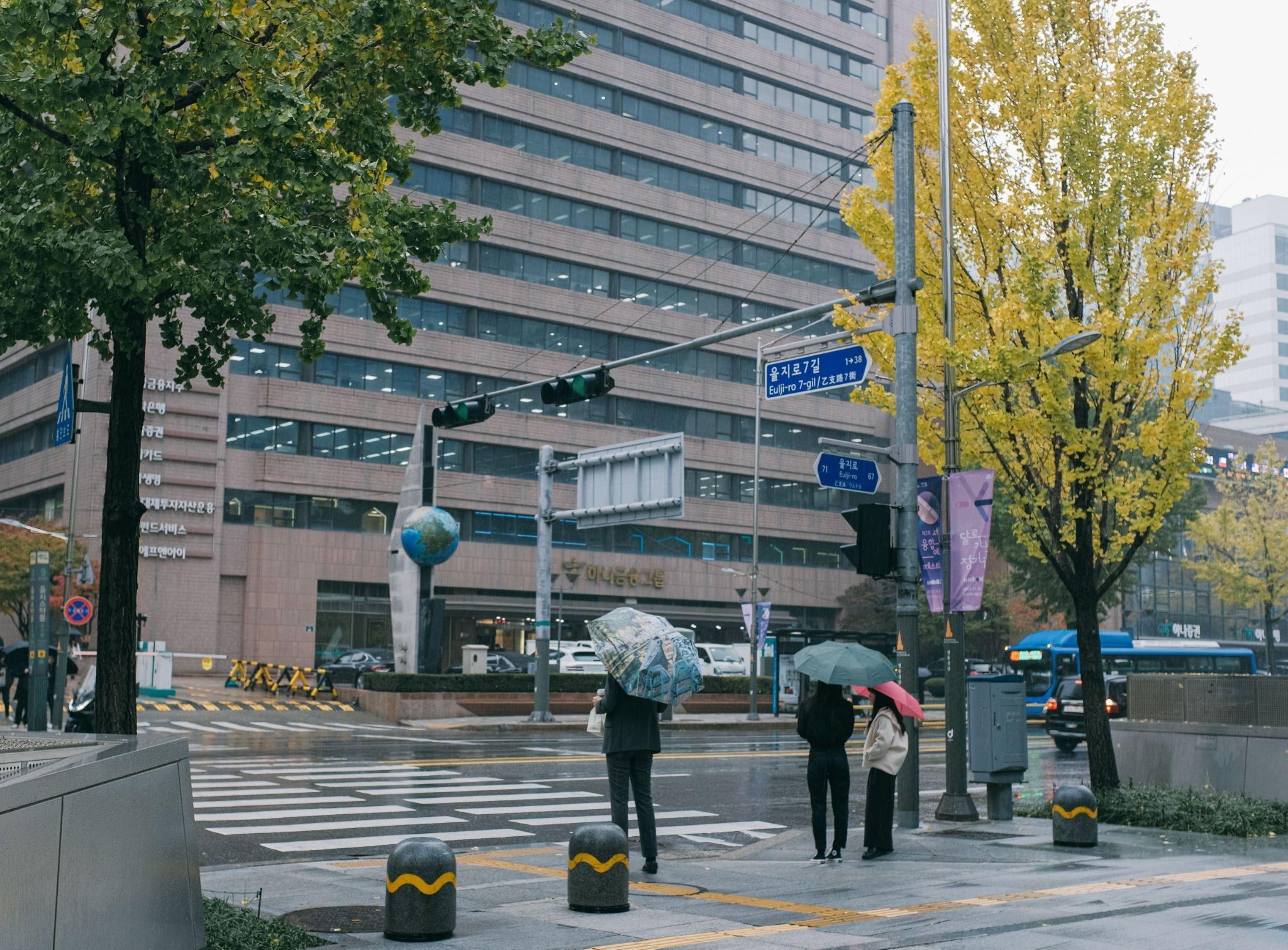
This route uses Seoul and Busan as the two main accommodation bases:
- Days 1-5: Seoul and Nami Island
- Day 6: Travel from Seoul to Busan
- Days 7-9: Busan and Gyeongju
- Day 10: Final sightseeing and departure
Using two bases limits repeated packing and hotel transfers. Nami Island can be visited from Seoul, while Gyeongju works as a full-day excursion from Busan.
Day 1—Arrive in Seoul and Explore Myeongdong
Keep the first day intentionally light. Airport procedures, transportation, luggage collection, and hotel check-in may take longer than expected, particularly after a long international flight.
After reaching central Seoul:
- Check in or leave luggage at the hotel.
- Walk through Myeongdong Shopping Street.
- Visit Myeongdong Cathedral.
- Stop for Korean street food or a casual local meal.
- Prepare a transportation card and mobile data.
- Confirm the next day’s palace opening hours.
Myeongdong is useful for a first evening because restaurants, shopping, beauty stores, cafés, and public transportation are concentrated within a walkable area. Staying at one of the centrally located hotels in Seoul can also reduce transfers during the first half of the trip.
Travelers who want shopping and evening dining close to their accommodation can compare hotels in Myeongdong.
Day 2—Discover Seoul’s Palaces and Historic Neighborhoods
The second day introduces Seoul through royal architecture, traditional neighborhoods, and central cultural districts.
Gyeongbokgung Palace
Begin at Gyeongbokgung Palace, ideally near opening time. The palace’s broad courtyards, painted wooden halls, ponds, tiled roofs, and mountain backdrop become particularly photogenic during autumn in Korea.
Allow enough time to explore without rushing. Depending on current access and personal interest, the visit can also include the National Folk Museum area.
Bukchon and Insadong
Continue toward Bukchon Hanok Village and Insadong.
Bukchon remains a residential neighborhood, so walk quietly, follow posted access guidance, and avoid blocking private doorways. Insadong provides a convenient place for lunch, traditional crafts, tea houses, galleries, and souvenir shopping.
Cheonggyecheon Stream
Finish with an easy walk along Cheonggyecheon Stream. The central waterway provides a quieter transition from daytime sightseeing to Seoul’s evening streets.
Practical reminders for the day include:
- Check the palace’s weekly closure schedule.
- Wear shoes suitable for stone and gravel surfaces.
- Arrive early during weekends.
- Allow additional time for autumn photography.
- Keep a museum or café as a rain alternative.
Day 3—Seoul Autumn Foliage and Namsan
Dedicate Day 3 to city parks, seasonal streets, and skyline views.
Seoul Forest
Begin at Seoul Forest, where broad paths, wooded areas, lawns, and seasonal trees create a more relaxed atmosphere than the palace districts.
A morning visit can include:
- Walking through forested paths
- Photographing autumn trees
- Renting a bicycle when available
- Enjoying a picnic
- Exploring nearby Seongsu afterward
Seongsu offers cafés, restaurants, boutiques, and converted industrial spaces, making it a convenient lunch stop after the park.
Deoksugung Palace Stone Wall Road
Return to central Seoul and walk along Deoksugung Palace Stone Wall Road. The route combines palace walls, golden trees, galleries, cafés, and city architecture within an accessible central district.
The palace grounds can be added when time allows, although travelers following a slower itinerary may prefer to concentrate on the wall road and nearby Jeongdong.
Namsan and N Seoul Tower
Continue to Namsan for late-afternoon foliage and city views. Active travelers can follow part of the Namsan Dulle-gil Trail, while those preferring an easier outing can use public transportation or the cable car.
End around N Seoul Tower or return to Myeongdong for dinner. Travelers prioritizing this area can explore hotels near N Seoul Tower.
Day 4—Take a Nami Island Autumn Day Trip
Nami Island is one of the most recognizable additions to an autumn foliage Korea itinerary. Its pedestrian paths, ginkgo avenues, metasequoia trees, gardens, and riverside setting make it accessible without requiring a mountain hike.
The island is usually reached by ferry from Gapyeongnaru Pier, while a zip wire provides another arrival option for eligible visitors. Ferry intervals and operating hours can change according to season, weather, and visitor conditions, so confirm the latest schedule before departure.
Getting to Nami Island
Independent travelers can use rail services toward the Gapyeong area before continuing to the ferry terminal by local transportation. Organized shuttle and day-tour services may also operate from central Seoul areas such as Myeongdong or Dongdaemun.
Whichever option is selected:
- Confirm the departure point in advance.
- Allow a full day for the excursion.
- Arrive early, especially on weekends.
- Check ferry and admission information.
- Save return transportation details offline.
- Wear comfortable walking shoes.
- Pack suitable layers and rain protection.
What to Do on Nami Island
A relaxed visit can include:
- Walking along the ginkgo and metasequoia lanes
- Exploring riverside paths
- Renting a bicycle when available
- Taking photographs around the gardens
- Stopping for lunch or seasonal snacks
- Browsing exhibitions and cultural spaces
The island works well for couples, solo visitors, photographers, and families. Its relatively gentle terrain may be more manageable for children than a demanding mountain trail. Families organizing their Seoul stay can also consult this guide to family hotels in Seoul.
Day 5—Choose a Flexible Seoul Foliage Day
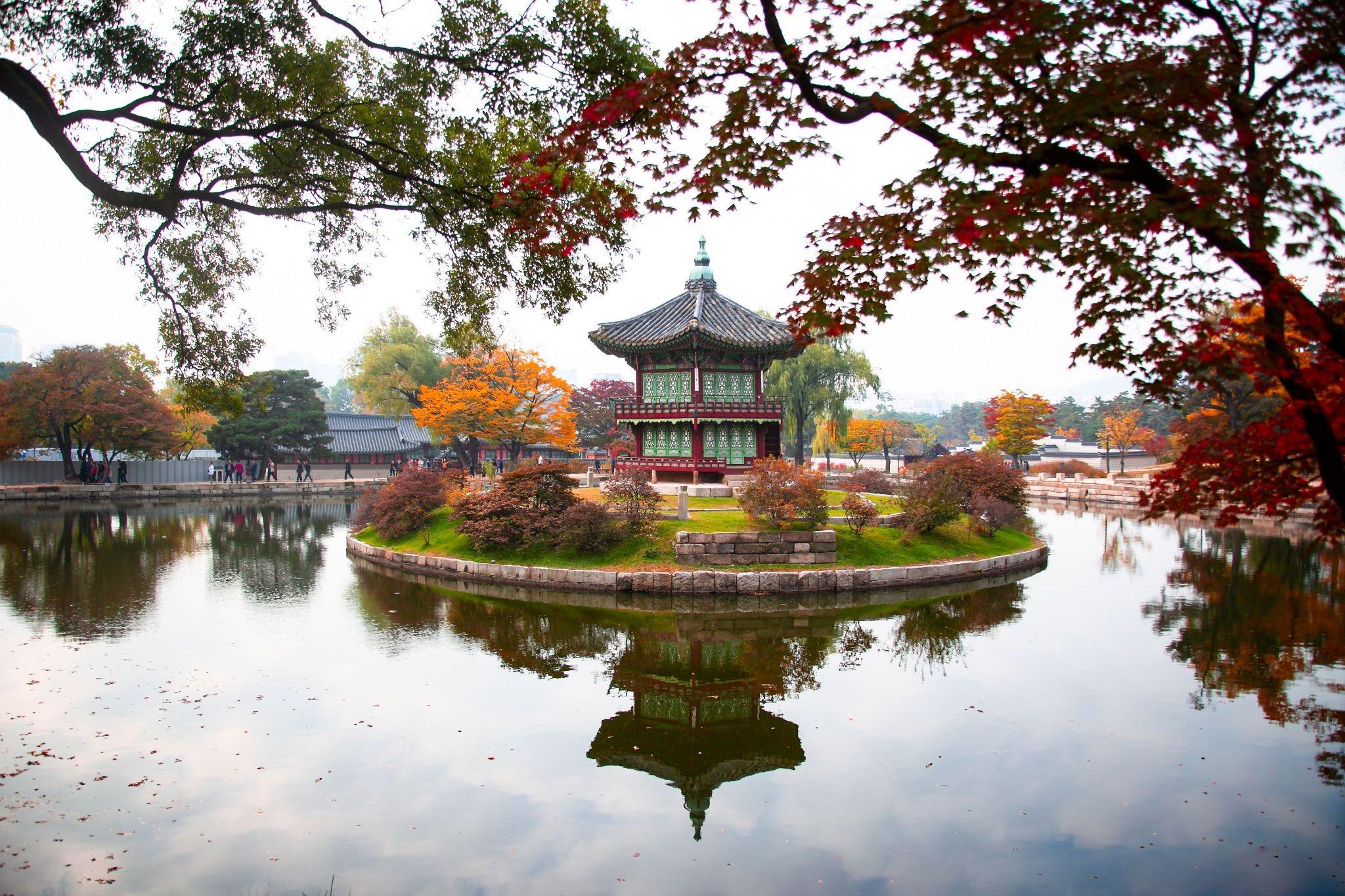
Keep one day open so the itinerary can respond to weather and current foliage conditions.
Option 1—Bukhansan National Park
Choose Bukhansan for a more active mountain day with forest scenery and broader views.
Before hiking, check:
- Trail length and difficulty
- Current access conditions
- Weather and visibility
- Sunset time
- Appropriate footwear
- Required water and supplies
Do not select a route based only on photographs. Match the trail to current fitness, experience, and daylight.
Option 2—Olympic Park
Olympic Park is suitable for travelers wanting a spacious but less demanding outdoor day. Its lawns, walking routes, seasonal trees, and open landscapes provide room for photography without committing to a mountain hike.
Option 3—Haneul Park
Haneul Park is particularly attractive for silver grass, elevated scenery, broad skies, and sunset views. The experience differs from maple-focused locations, making it a useful addition to a varied autumn itinerary.
Option 4—Markets, Museums, and Shopping
When rain or strong wind affects outdoor plans, switch to:
- Gwangjang Market
- Dongdaemun Design Plaza
- Hongdae
- Myeongdong
- Seoul museums
- Café neighborhoods
- Indoor shopping centers
A flexible day prevents poor weather from disrupting the entire schedule.
Day 6—Travel From Seoul to Busan
Take a morning train from Seoul to Busan and reserve seats ahead for busy weekends or holiday periods. KTX services connect Seoul with Busan, while tickets can be booked through the official Korail website or KorailTalk application.
After arriving:
- Travel to the hotel and store luggage.
- Explore Centum City.
- Visit the Busan Museum of Art or Busan Cinema Center.
- Continue to Haeundae for an evening walk.
- Have dinner around Haeundae or Centum City.
Keeping the afternoon relatively light allows time for the train journey, local transfers, and hotel check-in.
Day 7—Explore Busan’s Coastline and Neighborhoods
Busan introduces a different side of Korea autumn, replacing Seoul’s palace districts with coastal paths, seaside temples, beaches, and evening bridge views.
Haedong Yonggungsa Temple
Begin at Haedong Yonggungsa, known for its coastal setting. Visit early to allow enough time for stairways, viewpoints, and transportation to the next destination.
Haeundae and Dongbaekseom
Continue to Haeundae Beach and a nearby coastal route such as Dongbaekseom.
Although the official swimming season ends before autumn, the beaches remain accessible for walking and sightseeing. Haeundae and Gwangalli are among Busan’s most prominent coastal destinations.
Gwangalli Beach
Finish at Gwangalli for dinner and evening views toward Gwangandaegyo Bridge.
Practical advice for a coastal day:
- Check wind and rain conditions.
- Wear shoes with reliable grip.
- Remain behind safety barriers.
- Allow enough time between eastern Busan attractions.
- Carry a light wind-resistant layer.
- Plan the Gwangalli visit around sunset or evening.
Day 8—Take a Gyeongju Autumn Day Trip
Gyeongju provides the historical centerpiece of the southern itinerary. Once the capital of the Silla Kingdom, the city brings together royal tombs, Buddhist temples, observatories, palace remains, ponds, and traditional streets. It contains several UNESCO-recognized heritage areas and is often described as an open-air historical city.
Travelers can join an organized excursion from Busan or travel independently by rail or intercity bus before continuing by local transportation.
Suggested Gyeongju Route
Choose three or four main locations rather than trying to see everything in one day:
- Bulguksa Temple: Historic Buddhist architecture surrounded by wooded scenery
- Daereungwon Ancient Tomb Complex: Large Silla-era burial mounds in central Gyeongju
- Hwangnidan-gil: Cafés, restaurants, shops, and traditional-inspired architecture
- Cheomseongdae: One of the city’s most recognizable historic structures
- Donggung Palace and Wolji Pond: Particularly atmospheric toward evening
- Bomun Lake: A possible addition when transportation and daylight allow
VisitKorea includes Bulguksa among Korea’s notable fall-foliage destinations, while Gyeongju’s official tourism resources emphasize the city’s Silla heritage and major historic areas.
Check attraction closing times before deciding whether to stay for evening views. Independent travelers should also confirm the final return connection to Busan.
Day 9—Temples, Mountains, and Final Busan Views
Use the final full day according to energy level and weather.
Option 1—Beomeosa Temple and Geumjeongsan
Beomeosa and Geumjeongsan suit travelers wanting temple architecture, forest scenery, and a more active outdoor experience.
Visit Busan highlights the area as a seasonal foliage destination, with maple and ginkgo colors extending from the mountain toward the temple. Beomeosa can be reached by taking Metro Line 1 to Beomeosa Station, followed by a local bus or taxi.
Option 2—Busan Citizens Park and Seomyeon
Choose this easier urban alternative for park walks, cafés, restaurants, shopping, and a less physically demanding schedule.
Option 3—Gamcheon Culture Village and Nampo-dong
This route focuses on hillside streets, markets, local food, and urban viewpoints rather than dense foliage.
A possible day includes:
- Gamcheon Culture Village
- Jagalchi Market
- BIFF Square
- Gukje Market
- Dinner in Nampo-dong or Seomyeon
End the evening by packing and confirming transportation for Day 10.
Day 10—Departure or Final Busan Sightseeing
Keep the final schedule simple and dependent on the departure time.
Possible activities include:
- Breakfast near the hotel
- A morning walk around Centum City
- Last-minute shopping
- A short visit to Haeundae
- Collecting luggage
- Traveling to Busan Station or Gimhae International Airport
Leave enough time for local transfers, traffic, check-in, security procedures, and possible transportation delays.
How to Adjust the Korea Autumn Itinerary for Foliage Conditions
A successful Korea autumn itinerary should respond to actual conditions rather than following a fixed foliage calendar.
Adjust the route using these principles:
- Earlier in the season: Prioritize mountain areas and cooler northern locations.
- During the central foliage period: Focus on Seoul’s palaces, parks, Nami Island, and Gyeongju.
- Later in the season: Allocate more outdoor time to Busan and other southern destinations.
- After heavy rain or wind: Expect leaves to fall more quickly and prioritize sheltered gardens, museums, markets, and city streets.
- During busy weekends: Visit foliage sites early and move shopping or café time to the afternoon.
- During poor visibility: Replace mountain viewpoints with palace grounds or cultural attractions.
Treat the itinerary as a framework rather than a rigid schedule. Moving one outdoor day can significantly improve the experience when weather changes.
Where to Stay During the Seoul Portion
Choosing a well-connected hotel in Seoul can reduce daily travel time and make early palace visits or day-tour departures more manageable.
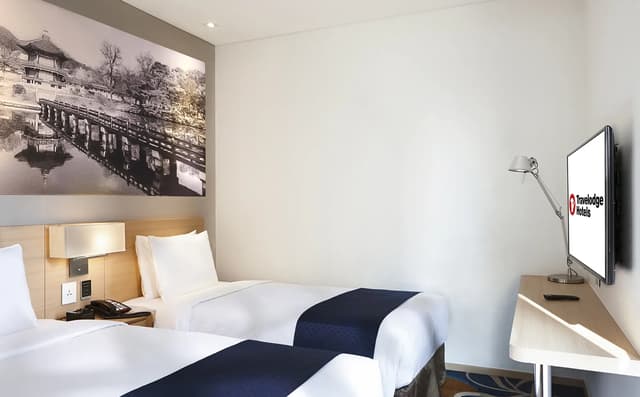
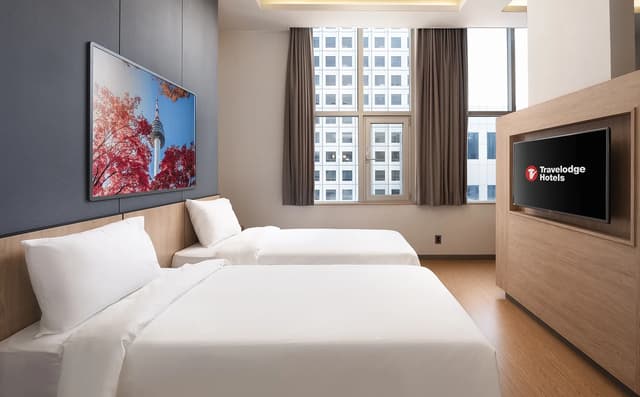
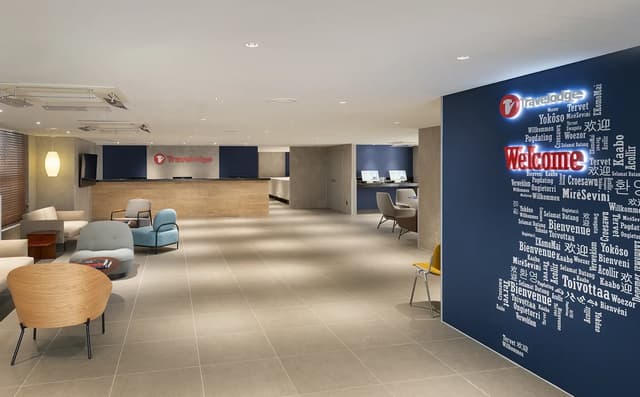
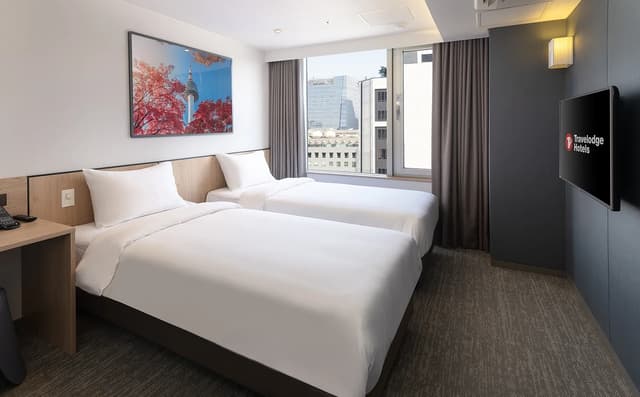
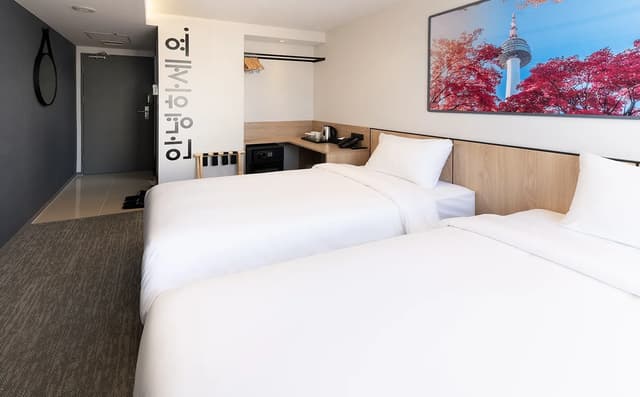
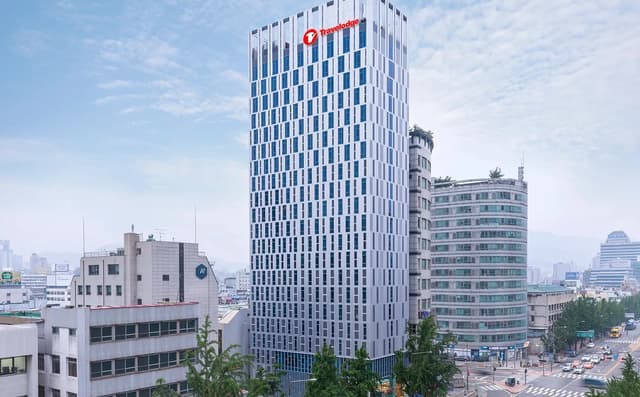
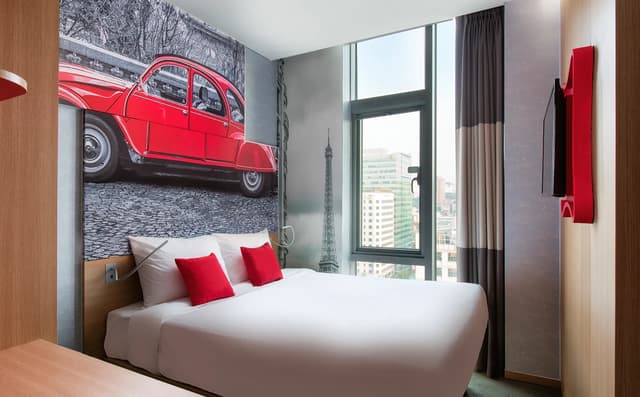
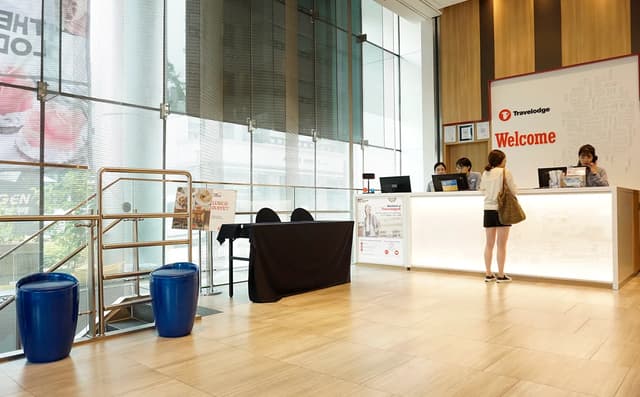
Travelodge Hotels Asia builds its guest experience around Comfort, Convenience, and Connectivity. The positioning centers on comfortable essentials, useful city locations, and dependable connections through transportation and complimentary high-speed Wi-Fi. Its 8S guest experience also includes features such as Snooze, Spin, Sweat, Stream, and Service 24/7, depending on the property.
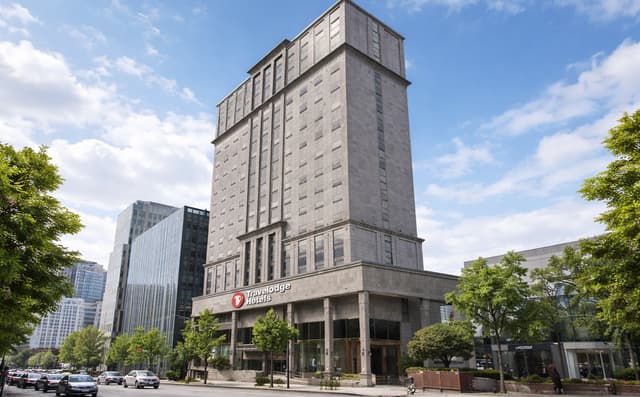
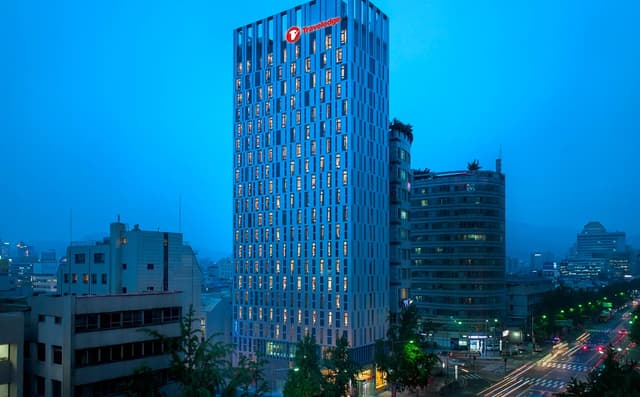
Travelodge Myeongdong Euljiro
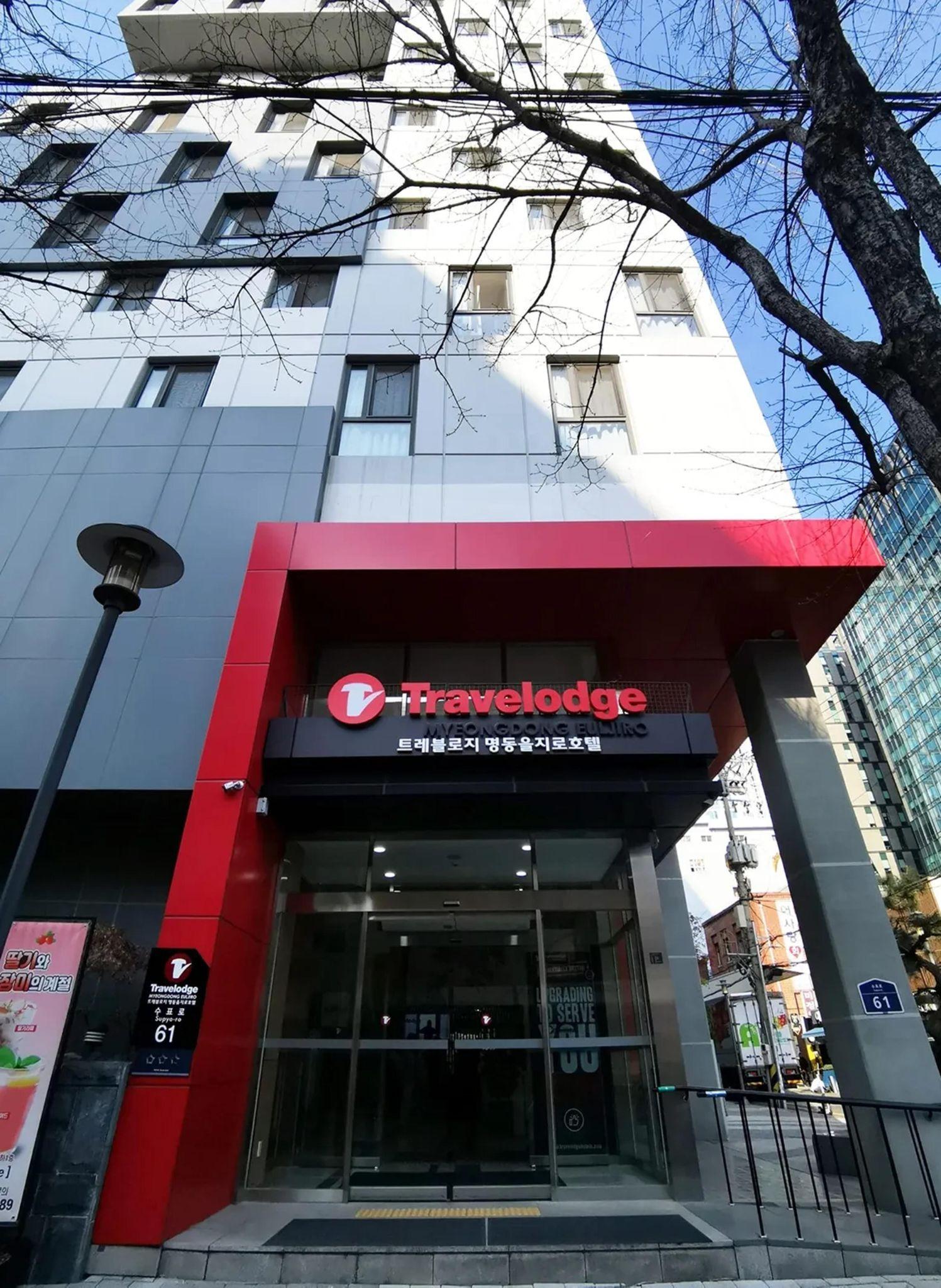
Travelodge Myeongdong Euljiro is a convenient base for exploring several of the central Seoul autumn stops featured in this itinerary. Euljiro 3-ga Station is approximately a three-minute walk from the hotel, making it easy to connect to palace districts, seasonal walking routes, and city parks.
- Around 20 minutes to Gyeongbokgung Palace by subway, providing easy access to one of Seoul’s most photogenic palace settings during autumn.
- Around 15 minutes to Deoksugung Palace and Stone Wall Road, where golden foliage, historic walls, and the streets of Jeongdong create an atmospheric fall walk.
- Around 30 minutes to Seoul Forest by subway, making it practical to spend a morning among wooded paths and seasonal trees before continuing to nearby Seongsu.
- Around 20 minutes to Namsan and the N Seoul Tower area, allowing travelers to combine afternoon foliage with panoramic city views.
The hotel is also within walking distance of Myeongdong, making it easy to return for dinner, shopping, or an evening stroll after a full day of autumn sightseeing. Check available rooms and direct-booking offers through the official Travelodge Hotels Asia website.
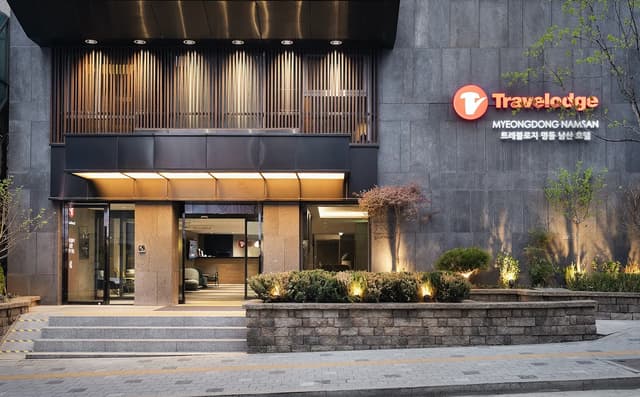
Travelodge Myeongdong Namsan
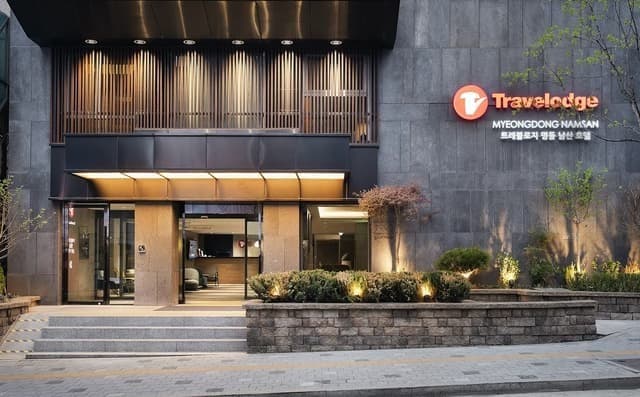
Travelodge Myeongdong Namsan is particularly well positioned for travelers following the Myeongdong and Namsan portions of this autumn itinerary. Myeongdong Shopping Street is approximately 350 meters away, while Chungmuro Station is about 400 meters from the hotel.
- Around 15–20 minutes to Namsan and the N Seoul Tower area, making it convenient for the Day 3 combination of foliage walks and skyline views.
- Around 20 minutes to Deoksugung Palace and Stone Wall Road, a central autumn route known for its palace walls and tree-lined surroundings.
- Around 25 minutes to Gyeongbokgung Palace by subway, offering straightforward access to the royal palace district featured on Day 2.
- Around 30 minutes to Seoul Forest by subway, where broad paths and seasonal trees provide a quieter contrast to central Seoul.
Its proximity to Myeongdong also works particularly well for Day 1, allowing travelers to keep their arrival evening light with nearby shopping, dining, and street food. Book directly through the official Travelodge Hotels Asia website when planning an autumn stay in central Seoul.
Travelodge Dongdaemun Seoul
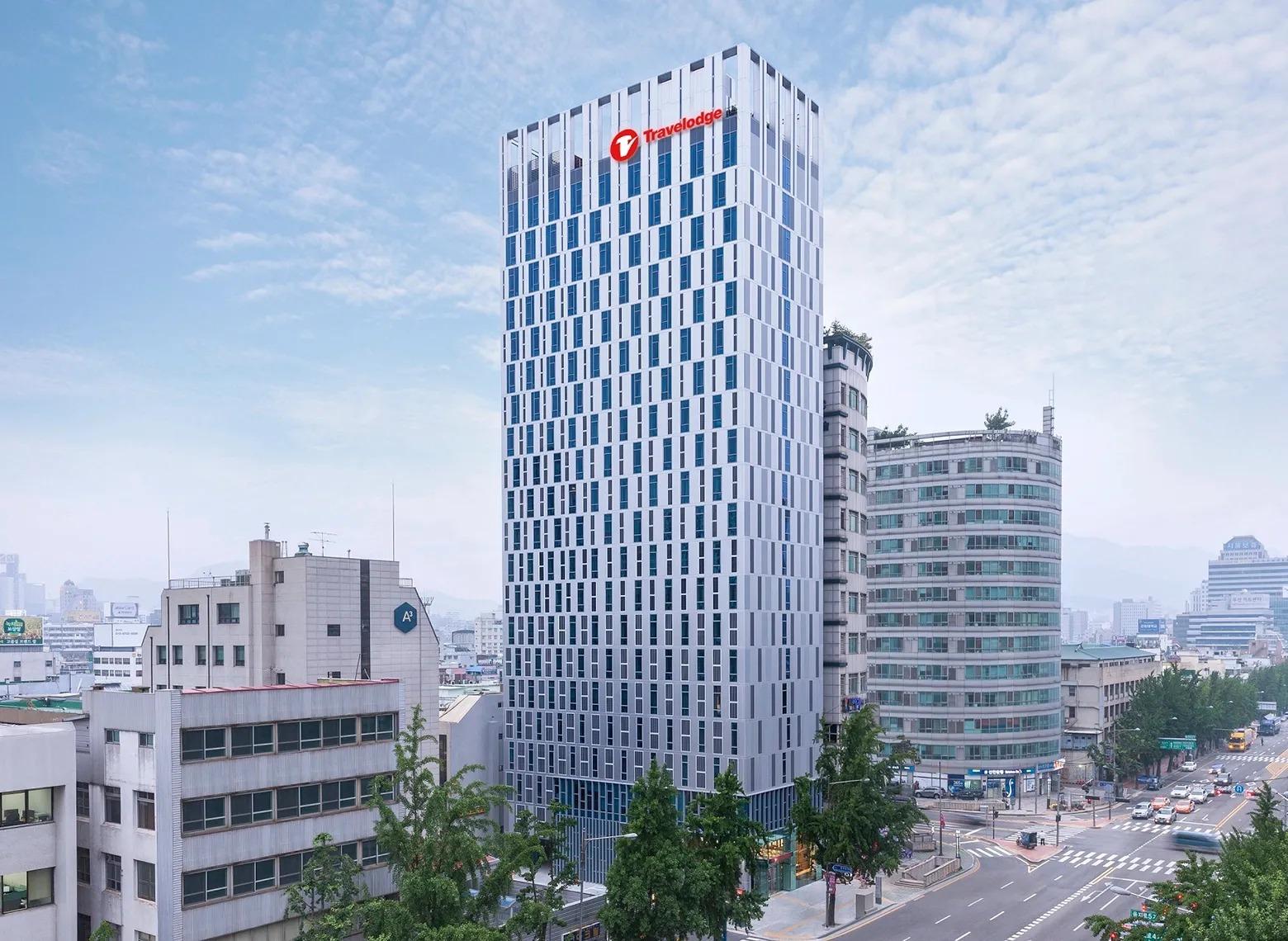
Travelodge Dongdaemun Seoul offers convenient connections to both Seoul’s historic districts and several outdoor autumn locations in the itinerary. Dongdaemun History & Culture Park Station is approximately a five-minute walk away.
- Around 20 minutes to Gyeongbokgung Palace by subway, making it easy to begin Day 2 among royal architecture and autumn foliage.
- Around 20 minutes to Deoksugung Palace and Stone Wall Road, a convenient option for combining palace scenery with a seasonal city walk.
- Around 25 minutes to Seoul Forest by subway, providing access to one of Day 3’s main foliage stops.
- Around 30 minutes to Namsan and N Seoul Tower, where travelers can finish the day with wooded scenery and elevated views across Seoul.
- Around 20 minutes to Gwangjang Market, offering an easy indoor or food-focused alternative when autumn weather turns rainy.
The Dongdaemun area is also useful for evening shopping and dining after sightseeing. Reserve directly through the Travelodge Hotels Asia platform to review current room options and direct-booking offers.
Where to Stay in Busan
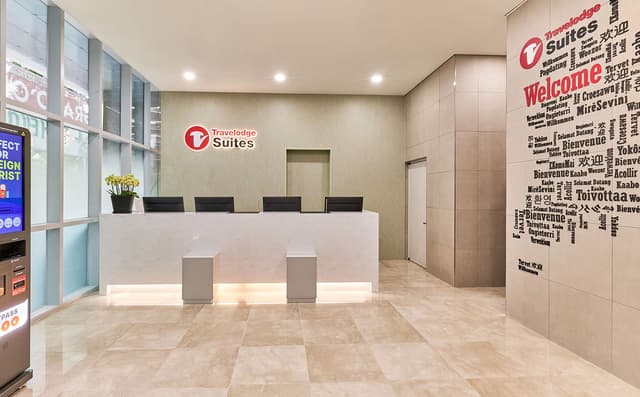
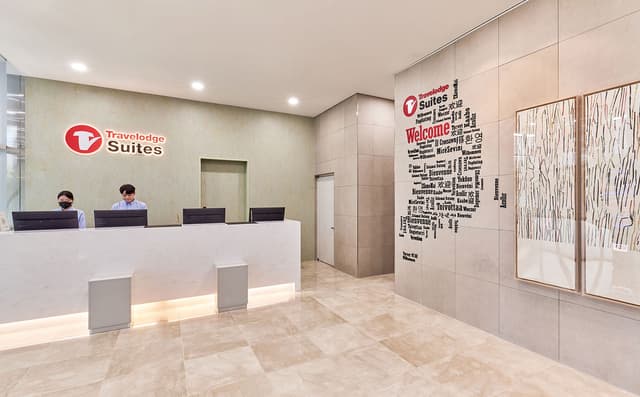
Travelodge Suites Busan Centum
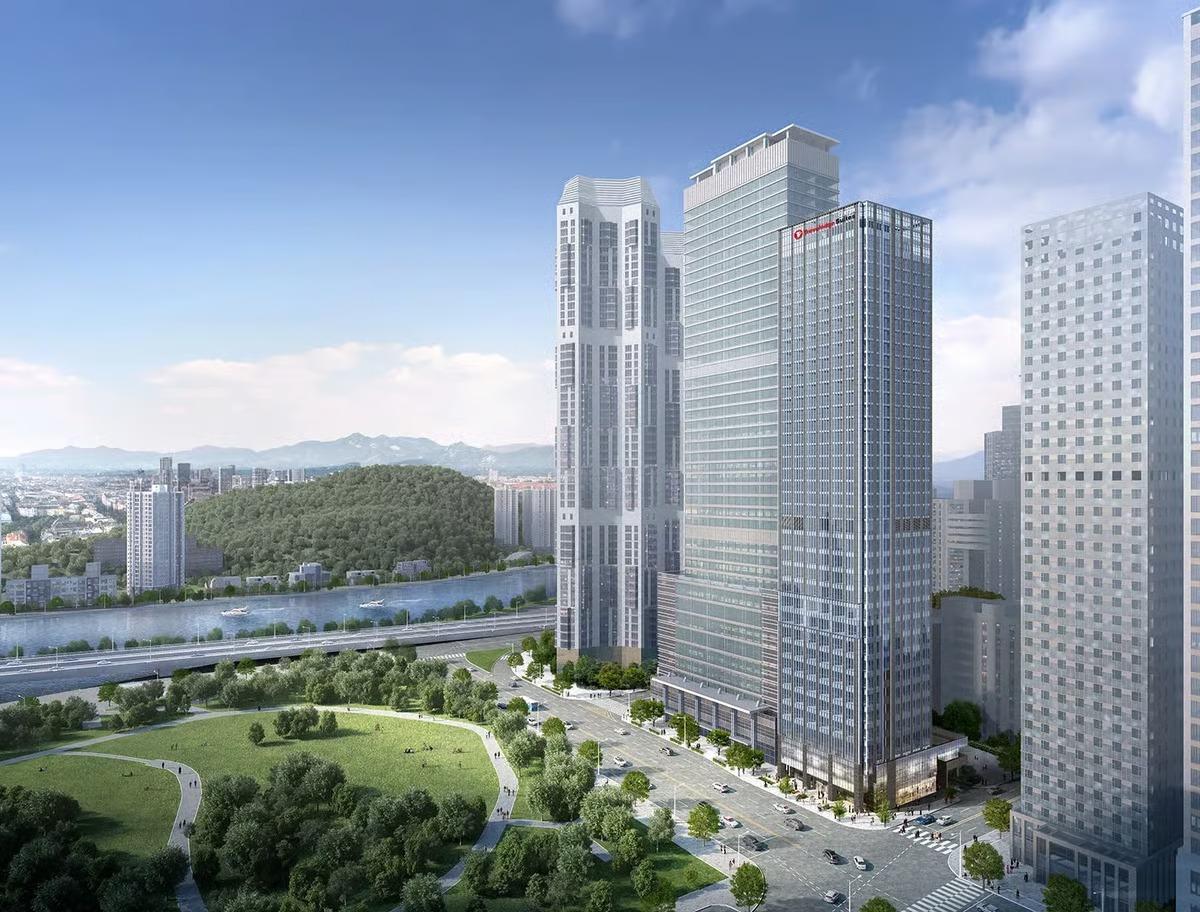
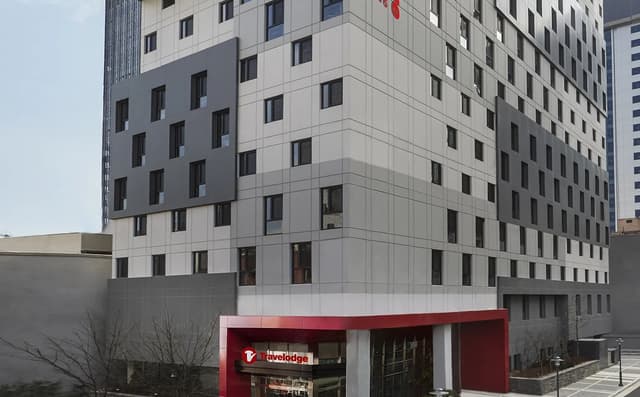
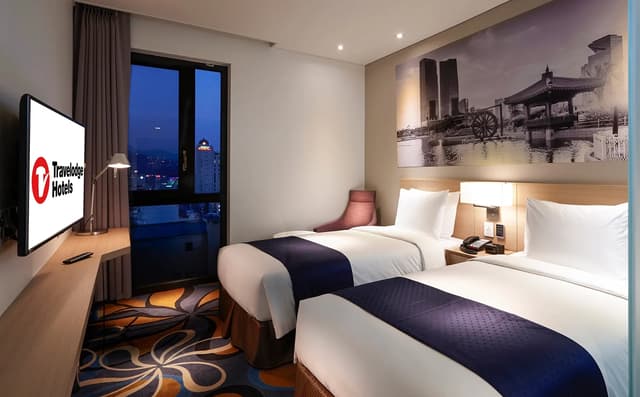
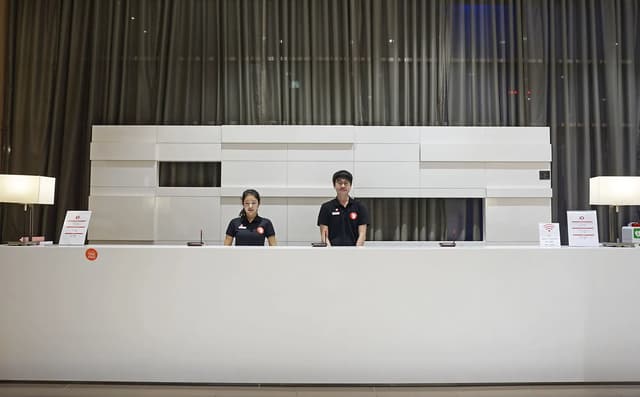
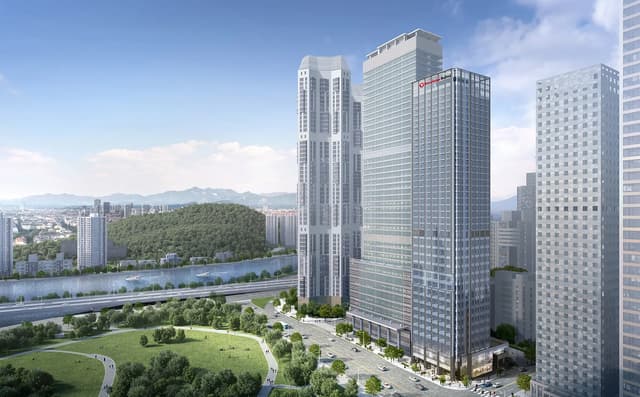
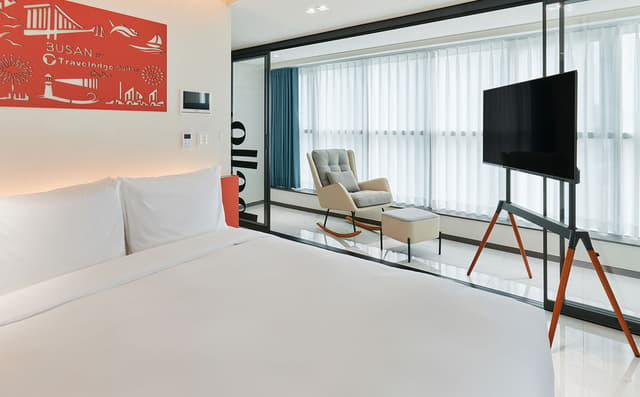
Travelodge Suites Busan Centum provides a convenient base for Days 6–10, particularly for travelers exploring Busan’s eastern coastline and making a day trip to Gyeongju. The hotel is located in Centum City, with Centum City Station within walking distance.
- Around 15-20 minutes to Haeundae by subway, making it easy to reach the beach and nearby Dongbaekseom for the coastal sightseeing planned on Day 7.
- Around 20-25 minutes to Gwangalli Beach, where an evening visit can be paired with views of Gwangandaegyo Bridge.
- Around 40-50 minutes to Haedong Yonggungsa Temple by public transportation, providing access to the dramatic seaside temple featured at the start of Day 7.
- Around 45-60 minutes to Beomeosa Temple, one of the itinerary’s Day 9 options for combining temple architecture with seasonal mountain scenery.
- Convenient connections toward Busan Station, making it practical to continue to Gyeongju for the Day 8 excursion or travel onward at the end of the trip.
Staying in Centum City also keeps shopping, dining, and indoor attractions close by, which can be useful when autumn weather changes. Compare Travelodge Suites Busan Centum with the participating Seoul hotels and book directly through the official Travelodge Hotels Asia website.
Complete Your South Korea Itinerary 10 Days Autumn
A South Korea itinerary 10 days autumn can combine Seoul’s palaces and parks, Nami Island’s tree-lined scenery, Gyeongju’s Silla heritage, and Busan’s coastline without requiring constant hotel changes. The route offers a practical balance between historic landmarks, seasonal landscapes, contemporary neighborhoods, local dining, and time to slow down.
Check the official foliage and weather forecasts before departure, reserve popular trains early, and leave at least one day flexible for changing conditions. For Comfort, Convenience, and Connectivity throughout the journey, book directly with Travelodge Myeongdong Euljiro, Travelodge Myeongdong Namsan, Travelodge Dongdaemun Seoul, or Travelodge Suites Busan Centum through the official Travelodge Hotels Asia platform.
For frequent travelers, joining the Travelodge membership program adds another layer of value to every stay. Members can enjoy Cashback Credits of up to 5% throughout Travelodge hotels, along with early check-in and late check-out. Special offers for extra savings on stays round out the program, making it an easy way to get more out of every trip booked directly with the brand.






.jpg)