


Compartir artículo
Las 7 mejores experiencias de invierno en Kioto con Travelodge Kyoto Shijo Omiya

Aiko Sato

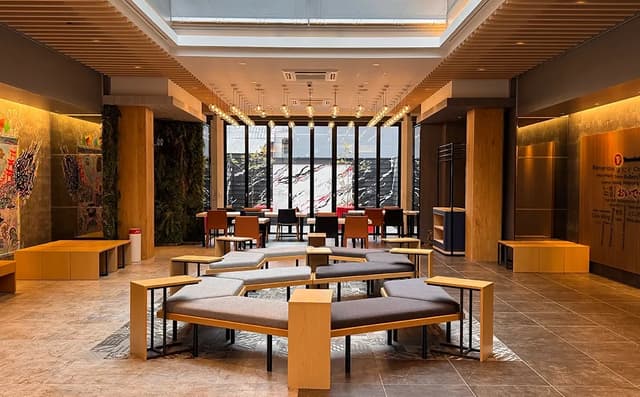
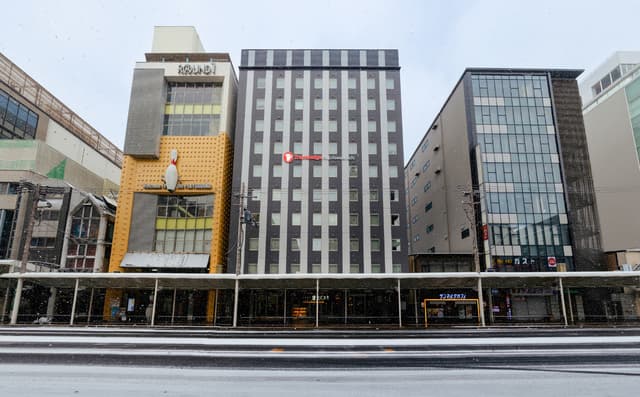
El invierno en Kioto transforma la ciudad en un paraíso mágico y tranquilo. Los templos se llenan de serenidad, los jardines de paz y las calles están menos concurridas, ofreciendo una experiencia íntima y apacible. Para quienes visitan Kioto durante esta breve pero encantadora temporada, nuestro nuevo hotel, Travelodge Kyoto Shijo Omiya, ofrece la combinación perfecta de comodidad y conveniencia. Con modernas instalaciones, habitaciones acogedoras y una ubicación privilegiada cerca de las principales atracciones, es el lugar ideal para relajarse después de un día de exploración. Sin importar la temporada, Travelodge Kyoto Shijo Omiya es su mejor opción para una estancia cálida y acogedora que hará que cada visita sea especial.
Aquí tienes 7 experiencias especiales de invierno en Kioto y mira cómoTravelodge Kyoto Shijo-Omiyapuede mejorar sustancialmente tu viaje.
Descubre templos y santuarios ocultos
Los templos más famosos de Kioto, comoKinkaku-jiyFushimi Inari TaishaSiempre es un placer visitarlos. Sin embargo, el invierno ofrece la oportunidad de descubrir algunos de los templos menos conocidos pero igualmente hermosos de la ciudad. ExploraTemplo de Shoren-indonde la nieve cubre suavemente los jardines, creando una atmósfera pacífica y casi mística.Myoshin-jiEn este extenso complejo de templos, podrá pasear por tranquilos patios que parecen detenidos en el tiempo, especialmente con el aire fresco del invierno. Estos templos son mucho más silenciosos durante los meses más fríos, lo que le permitirá apreciar plenamente la belleza que le rodea sin grandes multitudes.
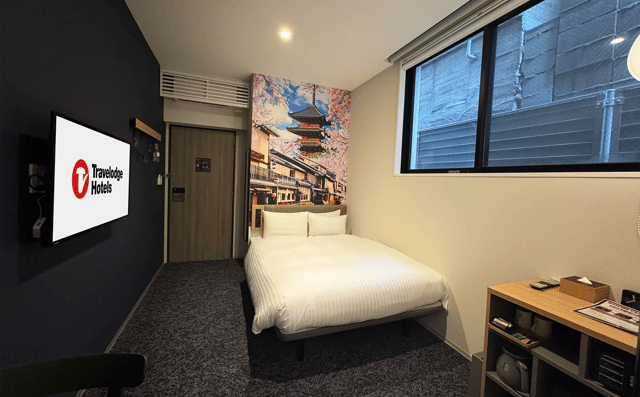
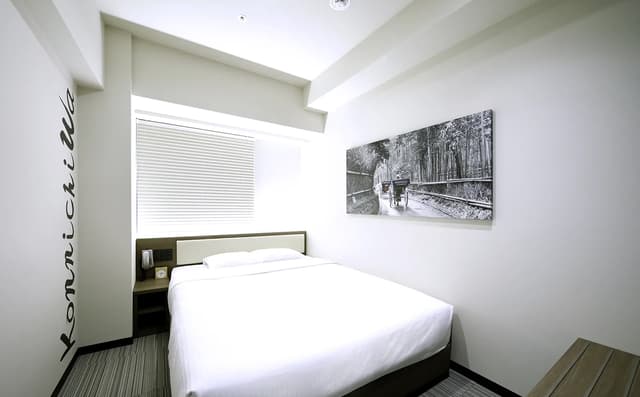
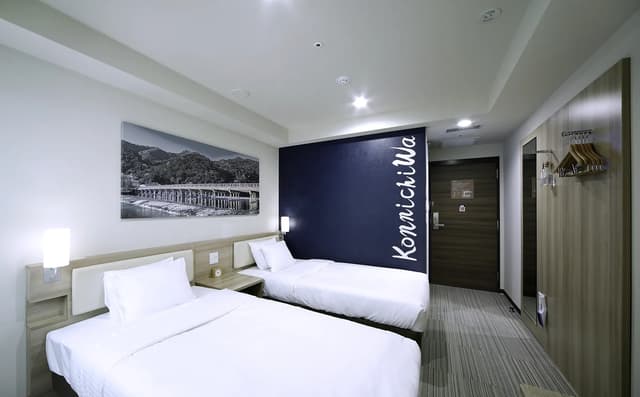
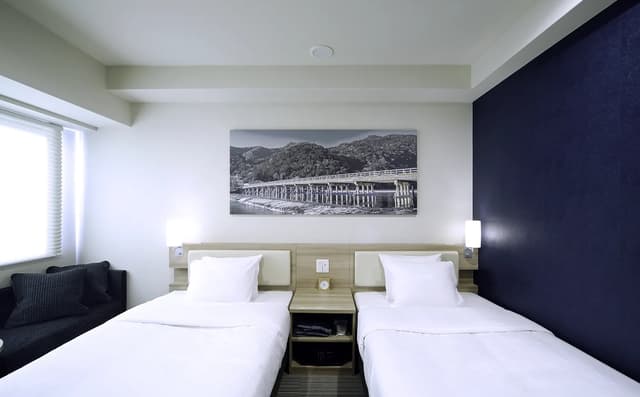
Tras explorar estos remansos de paz, regresa al Travelodge Kyoto Shijo Omiya para disfrutar de un merecido descanso. Nuestras exclusivas camas te garantizan una noche de sueño reparador y confortable después de un día recorriendo las calles nevadas de Kioto. Con habitaciones cálidas y comodidades cuidadosamente diseñadas, despertarás renovado y listo para nuevas aventuras.
Explora el País de las Maravillas Invernal de Arashiyama.

Arashiyamaes conocida por sus impresionantes bosques de bambú, y el invierno no hace más que realzar su belleza.Bosque de bambú de ArashiyamaEs especialmente tranquilo cuando bajan las temperaturas. El bambú se mece suavemente con la brisa fresca y los senderos cubiertos de nieve están en silencio, ofreciendo una experiencia casi meditativa. Mientras estés en la zona, date un paseo en elFerrocarril panorámico de Sagano, que serpentea a través de colinas y valles cubiertos de nieve, ofreciendo vistas impresionantes del paisaje invernal. Otro lugar imperdible es elPuente Togetsukyo, lo cual resulta aún más impresionante en invierno, enmarcado por montañas nevadas y el río que fluye a sus pies.
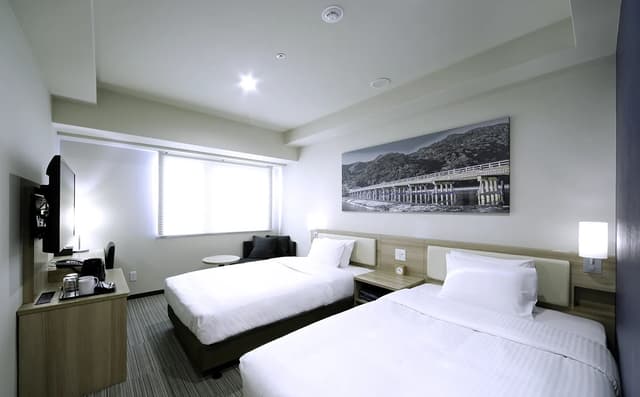
Una vez que hayas disfrutado de la belleza invernal deArashiyamaRegrese al cálido Travelodge Kyoto Shijo Omiya. Cada habitación cuenta con climatización, lo que garantiza que, tras un día frío al aire libre, pueda regresar a una habitación cálida y confortable. Nuestro wifi de alta velocidad le permite compartir fácilmente sus magníficas fotos con familiares y amigos, o simplemente relajarse y planificar su próxima aventura en Kioto.
Pasea por jardines cubiertos de nieve.

Kioto es famosa por sus jardines, y el invierno les otorga una belleza única. Una de las escenas invernales más apacibles se puede encontrar enTemplo Ryoan-ji, hogar de un famoso jardín de rocas zen. La nieve cubre ligeramente las rocas y la grava, creando una quietud que invita a la contemplación. Otra joya escondida es elJardín Shosei-enUn jardín paisajístico tradicional con pintorescos puentes, estanques y pabellones. En invierno, los árboles cubiertos de nieve y la atmósfera serena lo convierten en un lugar ideal para relajarse.
Tras pasear por estos preciosos jardines, apreciará la comodidad del Travelodge Kyoto Shijo Omiya. Nuestro servicio gratuito de consigna de equipaje le permite dejar atrás abrigos pesados y bolsas de la compra, para que pueda explorar Kioto con las manos libres. Así, podrá moverse fácilmente por la ciudad y disfrutar de las atracciones de Kioto sin cargar con peso extra.
Saborea los platos reconfortantes de invierno de Kioto.

El invierno en Kioto es la época perfecta para disfrutar de platos abundantes y reconfortantes. VisiteRestaurante Omen, conocido por sus deliciosos tazones de fideos udon, o pase porOkakitacercaSantuario de Heianpara probar el yudofu, un reconfortante plato de tofu caliente. Para una experiencia gastronómica japonesa más tradicional, reserve una mesa enKikunoi Roan, un renombrado restaurante kaiseki con estrella Michelin, donde podrá disfrutar de una comida de temporada de varios platos que resalta los sabores del invierno. La cocina invernal de Kioto se centra en la comodidad, y no querrá perderse la oportunidad de deleitarse con estas delicias de temporada. Para finalizar su comida, deléitese con postres de matcha enTsujirio mochi caliente de alguna de las tiendas locales de Kioto.
Tras un día explorando la gastronomía de Kioto, regresa al Travelodge Kyoto Shijo Omiya para relajarte. Con nuestra conexión wifi de alta velocidad, podrás buscar más opciones de restaurantes para tu próxima comida o compartir tus fotos gastronómicas en línea. Nuestra céntrica ubicación también te permite ir andando a restaurantes cercanos, tanto si buscas un tentempié a altas horas de la noche como si prefieres un desayuno temprano antes de tu próxima aventura.
Haz una excursión de un día a la nevada Kurama y relájate en un onsen.

Si quieres disfrutar de una escapada a la montaña nevada, toma un corto viaje en tren aKurama, un pequeño pueblo a las afueras de Kioto. Kurama es conocido por sus impresionantes paisajes de montaña y, en invierno, por los senderos cubiertos de nieve que conducen aTemplo Kurama-deraSon un espectáculo digno de admirar. El antiguo templo, encaramado en la ladera de la montaña, se vuelve aún más mágico rodeado de nieve. Después de la caminata, relájese en Kurama Onsen, unas aguas termales con vistas a las montañas nevadas, donde podrá sumergirse en aguas cálidas mientras disfruta del hermoso paisaje invernal.
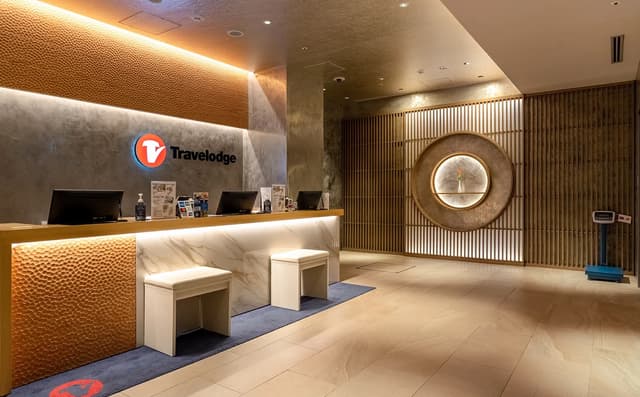
Al regresar al Travelodge Kyoto Shijo Omiya, nuestro amable personal de recepción, disponible las 24 horas, le dará la bienvenida. Tanto si necesita ayuda para planificar su excursión del día siguiente como si simplemente regresa después de un día de paseo, siempre estamos a su disposición. La céntrica ubicación del hotel también facilita realizar excursiones de un día como esta y regresar a la comodidad de su habitación.
Admira los festivales y la iluminación invernal de Kioto.

Kioto cobra vida en invierno con hermosas iluminaciones y eventos festivos. Para una experiencia invernal única, visite Naked Yoru Mode en el Santuario Heian. Este evento combina impresionantes proyecciones de luz con arte digital inmersivo, transformando el emblemático Santuario Heian en un mágico espectáculo resplandeciente. La majestuosa puerta torii y los jardines del santuario se iluminan con bellas imágenes, ofreciendo una noche de invierno inolvidable en Kioto.
Tras disfrutar de los festivales de luces de Kioto, pásate por la máquina expendedora del Travelodge Kyoto Shijo Omiya para comprar un tentempié o una bebida. Si necesitas más provisiones, nuestra ubicación está cerca de tiendas de conveniencia, cajeros automáticos y una casa de cambio, así que tendrás todo a tu alcance.
Visita las casas de té ocultas de Kioto en invierno.

El invierno es la época perfecta para disfrutar de una taza caliente de matcha, y las casas de té de Kioto ofrecen un refugio cálido y acogedor del frío. Escondidas en calles tranquilas, las casas de té comoCeremonia del té de cameliaoTé de IppodoOfrecen la oportunidad de experimentar la cultura tradicional del té japonés. Ippodo Tea, una reconocida tetería con más de 300 años de historia, sirve algunos de los mejores tés matcha y verde de Kioto en un ambiente tranquilo e íntimo. Estos rincones secretos son el lugar ideal para relajarse, entrar en calor y disfrutar de la apacible atmósfera de Kioto en invierno.
Si no sabes dónde encontrar estas acogedoras teterías, el amable personal del Travelodge Kyoto Shijo Omiya está a tu disposición en la recepción, abierta las 24 horas. Podemos recomendarte las mejores casas de té y darte consejos sobre qué explorar a continuación. Tanto si buscas un tesoro escondido como una experiencia clásica de Kioto, estamos aquí para ayudarte a que tu estancia sea aún más placentera.
Travelodge Hotels Asia Hotels in Kyoto



6. Savor Kyoto's Winter Comfort Food
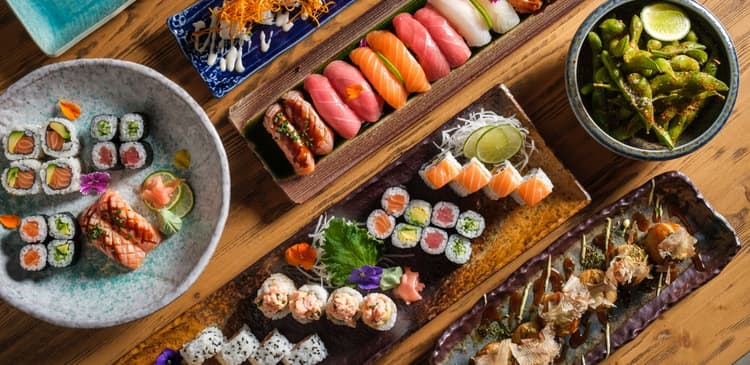
Food is one of the most enjoyable parts of a winter trip to Kyoto. Seasonal menus often feature hot dishes, tofu, noodles, and carefully prepared courses that highlight local ingredients.
Start with yudofu, or hot tofu, a Kyoto specialty particularly suited to cold weather. The tofu is gently simmered in a pot and served with dipping sauces and condiments. The dish is simple, allowing the texture and flavor of the tofu to take center stage. The area around Nanzen-ji is especially associated with yudofu restaurants.
For another warming meal, try udon or nishin soba. Nishin soba combines buckwheat noodles in broth with sweetly simmered herring, making it a distinctive Kyoto dish. If you prefer a more elaborate dining experience, a seasonal kaiseki meal offers multiple courses featuring ingredients selected to reflect the time of year.
Other foods worth seeking out include:
- Yuba: Delicate tofu skin formed during the production of soy milk, served fresh, simmered, or as part of a multi-course meal.
- Mushi-zushi: Warm steamed sushi, a local specialty particularly suited to winter.
- Saba-zushi: Pressed mackerel sushi associated with Kyoto's traditional food culture.
- Obanzai: Home-style Kyoto dishes featuring seasonal vegetables and everyday ingredients.
- Matcha: Japanese powdered green tea that can be enjoyed on its own or in desserts.
- Japanese sweets: Seasonal confections and mochi that make a welcome afternoon treat.
For a special occasion, consider booking a seasonal kaiseki meal. Reserve ahead for popular restaurants, and check current menus and prices before visiting.
7. Take a Mountain Excursion to Kurama
For a change from Kyoto's urban streets, consider a trip to Kurama, a mountain area north of the city. Kurama-dera Temple sits on a forested mountainside, with paths and stairways that offer a more outdoors-focused experience than a typical city sightseeing day.
Winter can bring cold conditions and occasional snow to the surrounding hills. Check local weather and trail conditions before setting out, especially if you plan to walk uphill. Wear sturdy footwear and allow enough daylight for the return journey.
The trip is best suited to travelers who enjoy nature, mountain scenery, and temple visits. If conditions are poor, consider saving the excursion for another day and exploring an indoor attraction in central Kyoto instead.
8. Relax in an Onsen or Japanese Bath
An onsen, or Japanese hot spring, can be a relaxing way to end a chilly day. Soaking in warm water is particularly appealing after walking through temples, gardens, or mountain paths.
If you plan to visit Kurama, research current hot spring facilities and access arrangements before traveling. Availability and opening schedules can change, and not every facility is necessarily open to day visitors. If a trip outside central Kyoto does not fit your schedule, look for a public bath or a hotel with bathing facilities. Check entry requirements and bathing etiquette in advance, including rules concerning tattoos and swimwear.
An onsen visit is best planned as a dedicated part of the day rather than a quick stop between distant attractions. Allow enough time to travel there, enjoy the facilities, and return comfortably.
9. Attend Kyoto's Winter Festivals and Illuminations
Winter evenings in Kyoto can be memorable, with seasonal light displays, cultural performances, and traditional shrine events. The key is to check the dates: many illuminations are temporary, and some begin in autumn or finish before the main winter months.
Look for NAKED illumination events at historic sites such as Nijo Castle or Heian Shrine. These events use light, projections, and digital art to present familiar architecture in a different way. Names, venues, and dates can change from year to year, so confirm the event schedule before planning an evening around it.
February brings Setsubun, a traditional seasonal observance held around the beginning of spring in the Japanese calendar. Shrines and temples may hold ceremonies, bean-throwing rituals, and other events associated with welcoming good fortune and driving away bad luck. Kitano Tenmangu is one place known for its Setsubun festivities.
Other cultural events and special temple openings may take place during the winter season. Check the latest schedules, entry requirements, and ticket information before visiting, as not every event takes place daily.
10. Experience a Traditional Japanese Tea Ceremony
A traditional Japanese tea ceremony is a thoughtful way to experience Kyoto's cultural traditions while taking a break from the cold. Sessions may introduce the preparation and serving of matcha, the meaning of seasonal utensils, and the etiquette involved in receiving tea. Some experiences also include Japanese sweets.
Camellia Tea Ceremony offers tea experiences for visitors interested in learning about this tradition. Ippodo Tea, known for its long history of Japanese tea, is another place to explore matcha and green tea. Check current session availability and shop hours before visiting, especially during holiday periods.
A tea ceremony is a good choice for couples, solo travelers, and visitors interested in traditional Japanese culture. Book ahead if you want a guided session in English, and allow time to enjoy the experience rather than rushing straight to the next attraction.
11. Explore Gion and Higashiyama
Gion and Higashiyama are rewarding areas for a leisurely winter walk. Their historic streets, traditional wooden buildings, small shops, and tea houses provide a glimpse of Kyoto's architectural heritage.
Visit during daylight to appreciate the details of the streets and buildings, or return around dusk when the light creates a different atmosphere. Winter's earlier sunsets can make an evening stroll appealing, but temperatures can fall quickly after dark.
Visitors should remain respectful of residents and local customs. Stay on public streets, avoid entering private lanes, and do not photograph people without permission.
This area also works well as part of a food-focused outing, with opportunities to stop for Japanese sweets, matcha, or dinner after sightseeing.
12. Visit a Kyoto Museum on a Cold Day
Kyoto's museums provide a useful alternative when temperatures fall or the weather makes outdoor sightseeing less appealing. They also add historical and cultural context to visits to the city's temples, shrines, and traditional neighborhoods.
The Kyoto National Museum offers opportunities to learn about Japanese art and cultural history, with exhibitions that change throughout the year. Depending on your interests, you may also find museums focused on crafts, local history, traditional arts, or contemporary culture.
Check opening days and current exhibitions before visiting, as museums may have scheduled closures, special exhibition hours, or advance ticket requirements.
Pairing an indoor attraction with a nearby café or restaurant is a practical way to make a cold day enjoyable without spending the entire day outdoors.
13. Take a Day Trip to Nara Deer Park
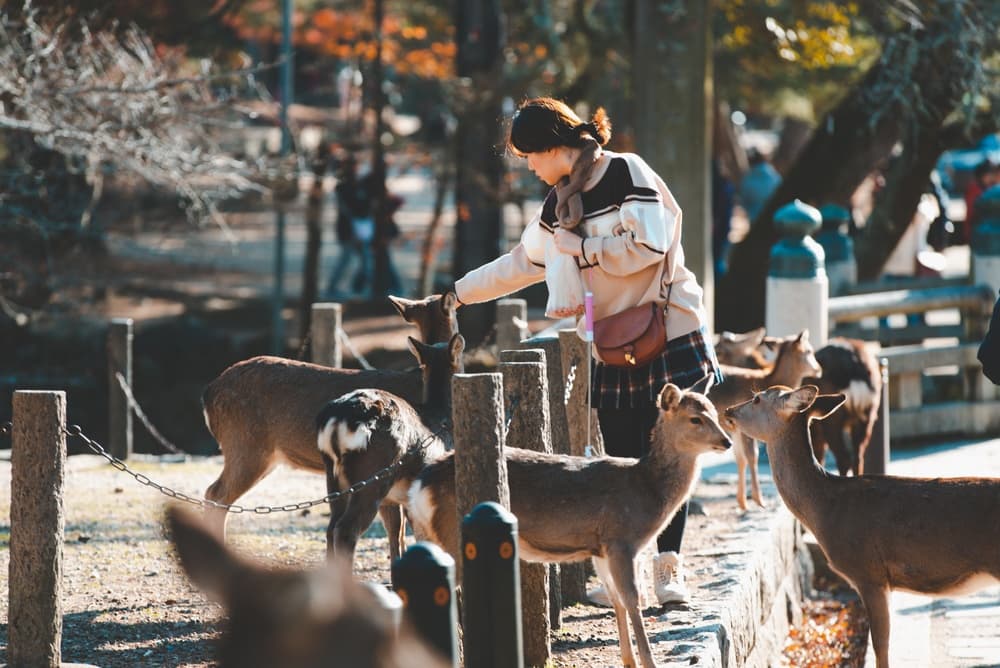
If you have an extra day, consider visiting Nara, a popular destination known for its free-roaming deer, historic temples, and expansive parkland. Nara Park is enjoyable in winter, when the cooler weather can make walking around the grounds more comfortable than during the hottest months.
Keep a respectful distance from the deer and follow posted instructions when interacting with them. They are wild animals, and visitors should avoid teasing them or offering food that is not intended for them.
Nara's major temples and cultural sites can turn the outing into a full day trip. Check opening hours and train schedules before leaving Kyoto, and allow time for the return journey.
14. Explore Kibune River and Visit Kifune Shrine
For a quieter side of Kyoto in winter, head to Kibune, a mountain village in northern Kyoto known for its forest scenery and the clear Kibune River. The area feels different from central Kyoto, with wooded slopes, traditional restaurants, and a peaceful atmosphere that suits a slower day trip.
Make time to visit Kifune Shrine, famous for its stone staircase lined with red lanterns. The shrine is dedicated to the deity associated with water, and visitors can try mizu-ura-mikuji, a fortune-telling paper that reveals its message when placed on water. If temperatures drop or snow falls, the shrine and surrounding trees can look especially atmospheric, although snowy scenery is not guaranteed.
After exploring the shrine, take a walk along the river and enjoy the mountain setting. Some local restaurants serve seasonal winter dishes, including botan nabe, a hot pot made with wild boar meat. Unlike summer, when Kibune is known for dining on platforms built over the river, winter visits are more about the quiet scenery, shrine visit, and warming seasonal food.
Winter tip: Kibune is colder than central Kyoto, so wear a warm coat and shoes with good grip. Check train and bus schedules before setting out, and allow extra time if snow or icy conditions affect the mountain roads and walking paths.
15. Take a Day Trip to Osaka for Food and City Life
Osaka offers a different atmosphere from Kyoto and makes a practical day trip for travelers who want to explore another side of the Kansai region. The city is known for its food scene, shopping districts, entertainment areas, and lively streets.
Plan the day around a specific neighborhood rather than trying to cover the entire city. You might focus on local street food, visit a shopping district, or explore an area known for restaurants and nightlife.
Winter is a good time to sample warming dishes and take breaks in cafés or indoor attractions between walks. Check restaurant hours and transport schedules in advance, especially if you plan to stay in Osaka for dinner.
Returning to Kyoto in the evening lets you enjoy a second city during the day while keeping your accommodation in one place.
How to Spend an Evening in the Kyoto Winter Night
Kyoto's winter nights are best planned around a few activities rather than a packed schedule. Sunset comes earlier than in summer, and temperatures can drop quickly after dark. Choose one main evening experience, leave time for dinner, and plan your return transportation in advance.
Here are a few ways to spend a winter evening:
- Walk through a historic district: Explore Gion or Higashiyama before or after dinner, keeping to public streets and respecting residential areas.
- Look for a seasonal illumination: Check whether a temple, shrine, or castle is hosting a light-up event during your dates.
- Enjoy a hot Japanese meal: Choose yudofu, udon, nishin soba, or a seasonal set meal to warm up after being outdoors.
- Attend a cultural event: Look for a theater performance, special shrine ceremony, or winter exhibition that fits your schedule.
- Visit a tea shop or café: End the day with matcha, hot tea, or a Japanese sweet before heading back to your hotel.
If you plan to stay out late, check the final train or bus times rather than assuming services run throughout the night. A convenient hotel base gives you more flexibility to enjoy dinner or an evening event without rushing unnecessarily.
Month-by-Month Kyoto Winter Weather
Kyoto's winter lasts from December through February. The city generally experiences cold, often clear days, with average temperatures around 7°C (45°F) in December and around 5°C (41°F) in January and February. Daytime temperatures can be milder, but mornings and evenings may feel considerably colder.
Snow occasionally falls in Kyoto, especially during colder spells, but it rarely settles for long in central areas. If seeing snow is important to your trip, treat it as a possibility rather than a guarantee and keep alternative activities in mind.
Best Month to Visit Kyoto in Winter
The best month depends on what you want to experience. December is suitable for seasonal illuminations and festive city outings, January offers opportunities to explore temples and museums at a quieter pace outside the New Year holiday period, and February is a good choice for Setsubun events and the beginning of the plum blossom season.
For visitors hoping to combine winter sightseeing with seasonal flowers, late February can be especially appealing. Bloom timing and event schedules vary from year to year, so check conditions close to your departure date.
Kyoto in December
December brings winter temperatures and the final weeks of some autumn-to-winter illuminations. Early in the month, some autumn foliage may remain, depending on the weather. As the month progresses, gardens and temple grounds become quieter and the days grow shorter.
Pack a warm coat, scarf, and gloves, especially if you plan to visit outdoor attractions after sunset. Check seasonal event dates carefully, as some light displays end in early December rather than continuing through the holiday period.
Around the end of December and the New Year, some restaurants, museums, shops, and attractions may adjust their hours or close temporarily. Plan meals and major visits in advance if traveling over the holidays.
Kyoto in January
January is generally one of Kyoto's coldest months, with an average temperature around 5°C (41°F). The city can feel peaceful after the busiest holiday period, making it a good time to explore temples, museums, traditional shopping streets, and indoor cultural experiences.
New Year's shrine visits are an important seasonal tradition, so popular sites can be busy during the first few days of January. Some businesses operate on holiday schedules, and certain attractions may close for maintenance or seasonal breaks.
January is also a good month for warm meals, including yudofu, noodles, and other Japanese dishes served hot. Build in time for indoor stops so your itinerary remains comfortable in cold weather.
Kyoto in February
February remains cold, but it offers a few seasonal highlights. Setsubun celebrations take place around the beginning of the month, and plum blossoms begin to appear at selected shrines, gardens, and parks as the month progresses.
This is a good time for travelers who enjoy cultural traditions and quieter seasonal scenery. Plum blossoms do not all open at once, however, and the best viewing period can shift depending on temperatures. Check local bloom updates before traveling to a specific garden or shrine.
Bring warm layers, particularly if you plan to visit northern Kyoto, hike in the hills, or spend evenings outdoors. Snow is possible, but most winter sightseeing plans should work even if the city remains snow-free.
Must-Try Kyoto Winter Dishes
Kyoto's winter food combines comforting hot dishes with the city's refined seasonal cuisine. Make time for at least one local specialty rather than relying only on familiar restaurant chains or international options.
Yudofu (hot tofu)
A signature winter dish in Kyoto, yudofu consists of tofu gently heated in a pot and served with dipping sauces. It is simple, warming, and particularly associated with the area around Nanzen-ji.
Nishin soba
This Kyoto specialty pairs buckwheat noodles with sweetly simmered herring in a warm broth. It is a satisfying choice after a cold morning outdoors.
Mushi-zushi (warm steamed sushi)
Unlike chilled sushi served in many restaurants, mushi-zushi is gently steamed and typically topped with cooked ingredients. It is particularly associated with winter dining in Kyoto.
Saba-zushi (pressed mackerel sushi)
Pressed mackerel sushi is a traditional Kyoto sushi specialty. Its firm texture and distinctive flavor make it worth trying if you want to explore the city's food culture beyond ramen and standard sushi.
Yuba and seasonal tofu dishes
Yuba, the delicate skin formed when soy milk is heated, appears in many Kyoto dishes. It can be served fresh, simmered, or included in a multi-course meal.
Kaiseki and obanzai
Kaiseki offers a carefully arranged sequence of seasonal dishes, while obanzai refers to Kyoto-style home cooking, often featuring vegetables and everyday ingredients. Both provide a different perspective on the city's culinary traditions.
Matcha and Japanese sweets
Finish a meal with matcha, a warm cup of Japanese tea, or a seasonal sweet. These are also good options for an afternoon break between attractions.
Where to Stay in Kyoto in Winter
Winter sightseeing in Kyoto often means spending hours outdoors, walking between temples, exploring traditional neighborhoods, and waiting for seasonal illuminations after sunset. Choosing a hotel with convenient transport access and practical in-room comforts makes it easier to enjoy the day without worrying about a long journey back at night.
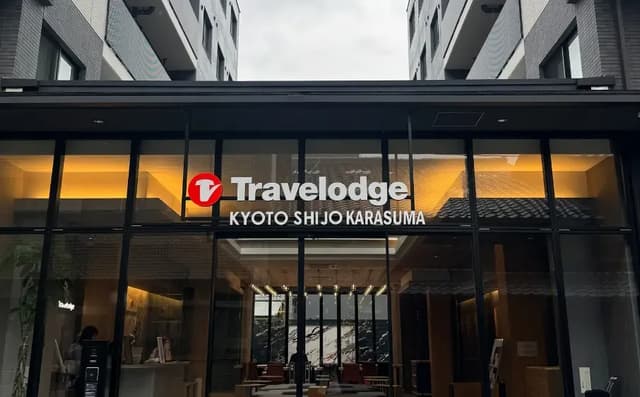
Travelodge Kyoto Shijo Karasuma and Travelodge Kyoto Shijo Kawaramachi are two options to consider when planning a winter stay. Both offer access to Kyoto’s city center, making it easier to plan visits to temples, shopping streets, restaurants, and cultural attractions while keeping travel arrangements manageable.
Kyoto Winter Stays by Travelodge Hotels Asia
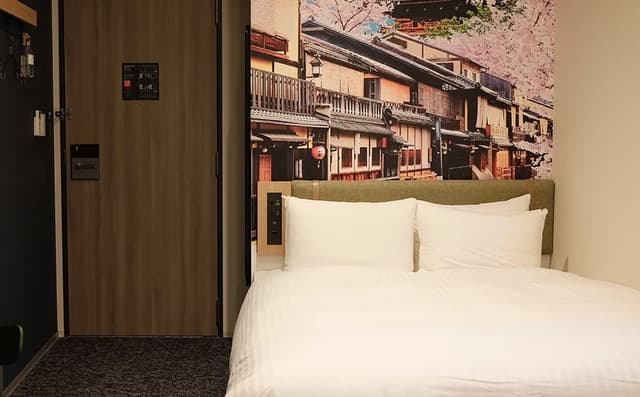
For travelers who want to explore the city throughout the day, Travelodge Kyoto Shijo Kawaramachi and Travelodge Kyoto Shijo Karasuma offer several useful amenities for a winter trip. Rooms include heater during colder months, free Wi-Fi, a private bathroom, and electric kettle to make hot drinks. Travelodge Kyoto Shijo Karasuma even has bathtubs; a perfect facility to relax in a hot tub during winter days.
After a cold day outdoors, guests can return to their room to relax, check the next day’s weather, or look up train routes and restaurant opening hours. Both hotels also have a self service laundry room, which is useful for longer stays or refreshing clothes after several days of sightseeing.
Its location is another advantage. Travelodge Kyoto Shijo Kawaramachi is about a three-minute walk from Hankyu Kawaramachi Station, with Gion, Pontocho Alley, and the Kamo River nearby. This makes it convenient to combine daytime sightseeing with dinner and an evening stroll without having to travel far back to the hotel.
Travelodge Kyoto Shijo Karasuma is another option for travelers who want a city-center base for exploring Kyoto. It is located a few walks to Hankyu Omiya Station and is close to Nijo Castle, Kyoto Imperial Palace, and Nishiki Market. When comparing the two properties, consider which neighborhood best fits your itinerary, the attractions you plan to visit, and your preferred transport connections.
Kyoto’s winter temperatures can fall close to freezing, particularly in the morning and evening, so a comfortable room is an important part of planning your stay. Before booking, check the selected property’s room facilities and seasonal heating arrangements if room temperature is a priority. You can also review the available amenities, including Wi-Fi and laundry facilities, to see which best suits the length and style of your trip.
For a convenient base during the colder months, explore Travelodge Kyoto Shijo Kawaramachi and compare it with Travelodge Kyoto Shijo Karasuma when planning your winter itinerary.
Booking directly through the official Travelodge Hotels Asia website is a useful way to check the latest room options, direct-booking offers, and available benefits. Depending on the current promotion and eligibility, you may also find offers or Cashback Credits through the hotel’s loyalty program.
What to Bring to Kyoto in Winter
Packing for Kyoto in winter is mainly about staying warm outdoors while remaining comfortable in heated trains, shops, restaurants, and museums. Layers are more practical than relying on one very heavy item.
Use this checklist before departure:
- Warm coat: Bring an insulated jacket or wool coat, especially for January and February.
- Thermal tops: Wear a warm base layer on cold mornings.
- Sweaters: Pack one or two layers that are easy to add or remove indoors.
- Scarf: Protect your neck from cold air during outdoor sightseeing.
- Gloves: Useful for early-morning temple visits and evening walks.
- Warm hat: A hat can help keep you comfortable on windy days.
- Comfortable walking shoes: Choose shoes that support long days on foot.
- Shoes with good grip: These are helpful on wet paths, stone steps, and potentially icy surfaces.
- Warm socks: Useful when visiting places where shoes must be removed.
- Compact umbrella: Rain is possible even during winter.
- Portable charger: Cold weather can affect phone battery performance.
- Moisturizer: Kyoto's winter air can be dry.
- Lip balm: Helps prevent dry or chapped lips.
- Reusable water bottle: Keep hydrated even when you do not feel as thirsty in cold weather.
- Small day bag: Carry daily essentials without making temple and garden visits cumbersome.
If snow is forecast, check local conditions before heading to mountain areas or outdoor attractions. Allow more travel time if roads or paths become slippery, and be ready to adjust the day's plan.
Make the Most of Your Winter Stay in Kyoto
Winter in Kyoto is about more than the chance of snow. It is an opportunity to experience temple grounds at a quieter pace, enjoy warming local dishes, discover seasonal plum blossoms, take part in traditional cultural activities, and explore historic neighborhoods in the crisp winter air.
Plan around the experiences that matter most to you, but leave room to adapt to the weather and seasonal schedules. With a comfortable base at Travelodge Kyoto Shijo Karasuma or Travelodge Kyoto Shijo Kawaramachi, you can spend less time managing the details and more time enjoying Kyoto in winter.
FAQs About Winter in Kyoto
Is Kyoto worth visiting in winter?
Yes. Winter is a good time to experience Kyoto’s temples, shrines, traditional neighborhoods, seasonal food, and quieter garden scenery. Visitors may also find plum blossoms toward the end of winter, while occasional snow can create beautiful views of historic sites. Snowfall is limited, however, so it is best not to plan a trip around guaranteed snow.
How cold is Kyoto in winter?
Kyoto is generally cold from December through February, with average temperatures around 7°C (45°F) in December and around 5°C (41°F) in January and February. Early mornings and evenings can feel especially cold, so bring a warm coat, layers, a scarf, and gloves.
Does it snow in Kyoto in winter?
Yes, but snow is relatively uncommon in central Kyoto and may not remain on the ground for long. January and February are among the more likely months to see snowfall, although conditions vary each year. If seeing snowy temple scenery is important to your trip, keep your plans flexible and check the forecast shortly before visiting.
What is the best month to visit Kyoto in winter?
December is a good choice for seasonal illuminations and festive city scenery. January is suitable for travelers interested in a quieter winter atmosphere, while February offers the chance to see early plum blossoms and experience Setsubun events. The best month depends on your interests, and event dates and flower-blooming periods can change each year.
What should I wear in Kyoto during winter?
Wear a warm coat or down jacket over layers, along with a scarf, gloves, and comfortable shoes suitable for walking. Thermal tops, warm socks, and a hat can help on particularly cold days. Layers are useful because outdoor temperatures can be low while trains, buses, shops, and other indoor spaces are heated.
Can I see plum blossoms in Kyoto in winter?
Yes. Plum blossoms, known as ume, can begin appearing toward the end of winter, often from February into March, depending on the weather and location. Kitano Tenmangu Shrine and Kyoto Gyoen are places to consider for seasonal flower viewing. Check current bloom reports before visiting, as flowering dates vary from year to year.
Where should I stay in Kyoto for a winter trip?
Choose accommodation with convenient access to public transportation, restaurants, and the places you plan to visit. A central location can make it easier to return to your room after a day of outdoor sightseeing or an evening event. Travelodge Kyoto Shijo Karasuma and Travelodge Kyoto Shijo Kawaramachi are options to compare; review each property's location and confirmed room facilities to decide which best suits your itinerary.