



Share article
What is Obon in Japan? The Meaning Behind Japan's Beloved Summer Tradition

Aiko Sato

For many travelers, Obon is known as one of Japan's busiest travel seasons. Trains sell out weeks in advance, highways become congested, and hotels in popular destinations reach full occupancy as millions of people return to their hometowns for family reunions.
Behind this annual migration lies one of Japan's most treasured cultural traditions. More than a holiday, Obon is a time to honor ancestors, reconnect with family, and celebrate customs that have been passed down for centuries through temples, community festivals, and meaningful family gatherings.
For international visitors, the Obon Festival in Japan offers a unique opportunity to experience the country's cultural heritage beyond famous landmarks and shopping districts. From joining a lively Bon Odori dance to watching lantern ceremonies illuminate the night, Obon reveals a more personal side of Japan that many travelers never encounter.
This guide explains what Obon in Japan is, why it is celebrated, when it takes place, and how visitors can respectfully experience one of Japan's most important annual traditions.
What is Obon?
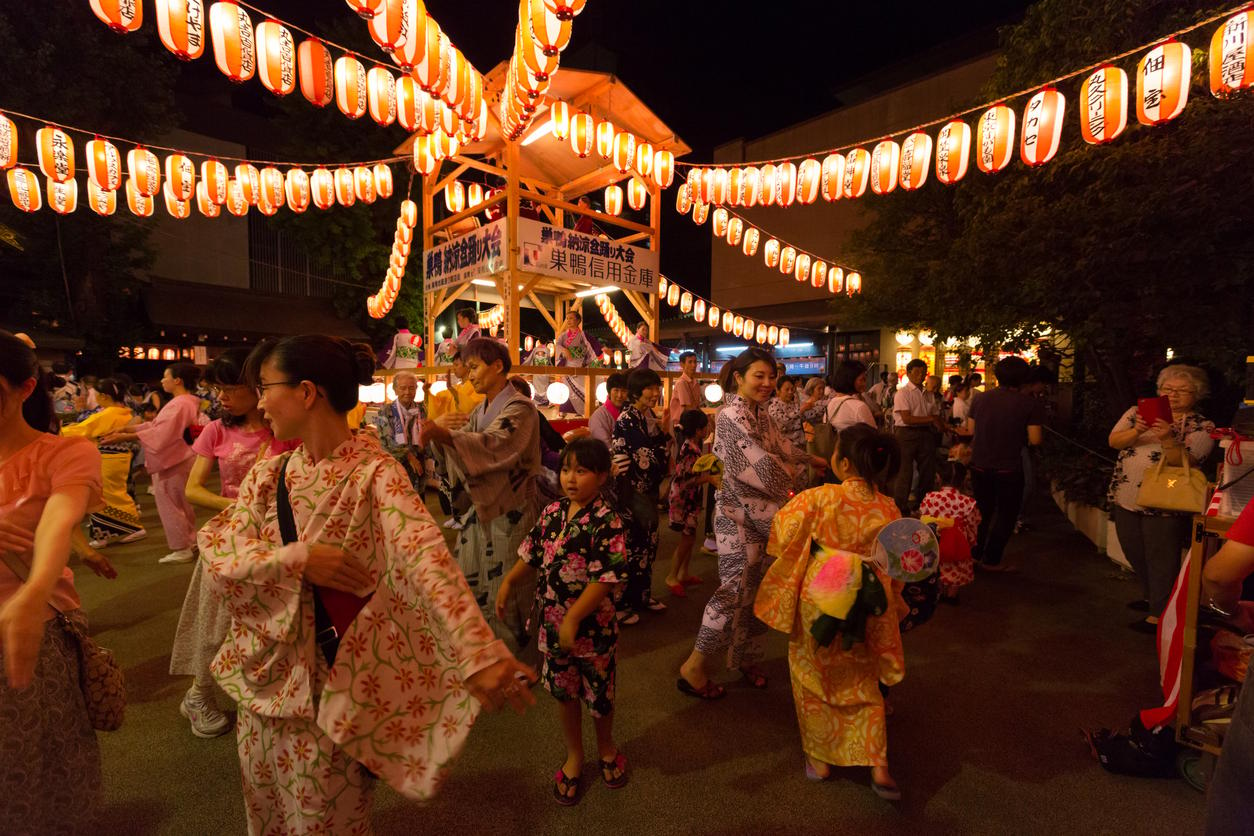
Obon (お盆), also known as the Bon Festival, is an annual Japanese Buddhist tradition dedicated to honoring the spirits of ancestors. Celebrated for more than 500 years, the festival is based on the belief that ancestral spirits return home during a special period each summer to reunite with their families.
While Obon has deep Buddhist roots, it has evolved into one of Japan's most widely celebrated cultural events. Today, families across the country gather to visit graves, prepare offerings, attend local festivals, and spend quality time together, making Obon a celebration of remembrance, gratitude, and family connection.
What Happens During Obon?
Although traditions vary by region, many families observe similar customs throughout the festival.
During Obon, it is common to:
- Visit family graves and clean memorial sites
- Prepare offerings of food, flowers, and incense
- Gather for family reunions
- Attend temple services
- Join Bon Odori dances
- Participate in neighborhood festivals
- Light lanterns to welcome and farewell ancestral spirits
These traditions create a unique atmosphere that blends quiet reflection with joyful community celebrations, making Obon one of Japan's most distinctive cultural experiences.
What Does Obon Mean?
The word Obon is believed to originate from the Buddhist term Ullambana, which tells the story of showing gratitude and compassion toward one's ancestors. According to Buddhist teachings, a disciple named Mokuren discovered his deceased mother suffering in the spirit world and sought Buddha's guidance to help her find peace through offerings and acts of merit.
After his mother's spirit was saved, Mokuren danced with joy to celebrate the occasion. Many historians believe this story inspired today's Bon Odori, the traditional dance that has become one of the most recognizable symbols of the Obon Festival.
Why Is Obon Important?
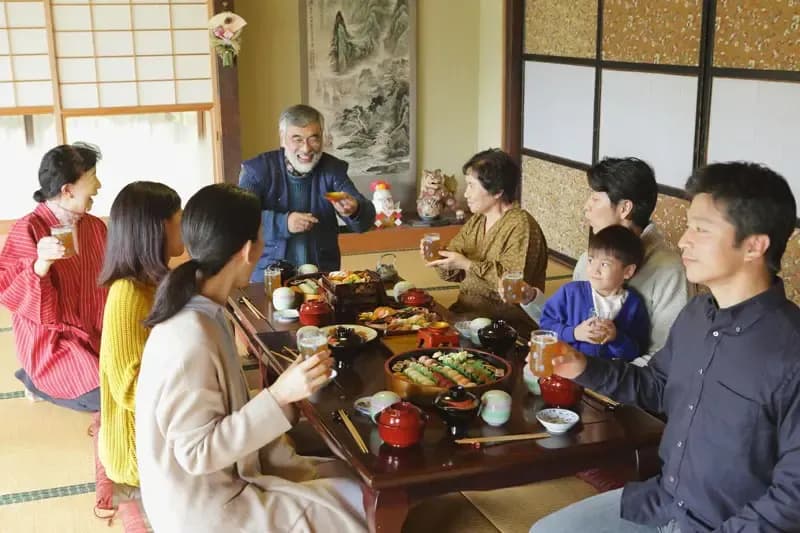
For modern Japanese families, Obon is about much more than religious observance. It is a time to strengthen family bonds, preserve traditions, and express appreciation for previous generations who shaped the lives of those living today.
The festival also reinforces values that remain central to Japanese culture, including respect, gratitude, and community. These qualities can be felt throughout Japan during Obon, from quiet temple ceremonies to lively neighborhood dance festivals.
When Is Obon in Japan?
One of the most frequently asked questions is, "When is Obon in Japan?" While most of the country celebrates Obon from 13–16 August, the exact dates depend on the region and local traditions.
Because Japan adopted the Gregorian calendar at different times across the country, some communities continue to observe Obon according to older calendars. As a result, travelers may encounter different festival dates while exploring various parts of Japan.
Region | Typical Dates | Notes |
|---|---|---|
Most of Japan | August 13–16 | Known as Hachigatsu Bon, the busiest travel period |
Parts of Tokyo | July 13–16 | Often called Shichigatsu Bon |
Okinawa and some rural areas | Lunar calendar | Dates change annually |
Why is Obon One of Japan's Busiest Travel Seasons?
Obon is one of Japan's largest annual homecoming periods, comparable to Golden Week and the New Year holidays. Millions of people travel across the country to reunite with family, creating high demand for transportation and accommodation.
If you're planning to visit Japan during Obon, it's worth preparing well in advance by:
- Booking hotels several months early
- Reserving Shinkansen tickets ahead of time
- Planning flexible sightseeing schedules
- Expecting larger crowds at popular attractions
Early planning makes it much easier to enjoy the festivals while avoiding unnecessary travel stress.
Obon Traditions Explained
Although customs differ slightly from one region to another, most Obon celebrations follow a similar sequence. Understanding these traditions helps visitors appreciate the deeper meaning behind the festival rather than simply viewing it as another summer event.
Welcoming Spirits with Mukaebi
Obon traditionally begins with Mukaebi, or "welcoming fires." Families light small fires or lanterns at the entrance of their homes to guide ancestral spirits back to the household.
Today, many urban households use decorative lanterns instead of open flames, preserving the symbolism while adapting to modern living. The soft glow of these lanterns creates a peaceful atmosphere that marks the beginning of the festival.
Visiting Family Graves
One of the most important Obon customs is visiting ancestral graves, known as Ohakamairi. Families clean gravestones, replace old flowers with fresh ones, burn incense, and offer prayers as a gesture of remembrance and respect.
Visitors are welcome to observe these traditions from a respectful distance. Speaking quietly, avoiding disruptive behavior, and asking permission before taking photographs are appreciated, especially in smaller local cemeteries.
Preparing Home Altars
Many households also prepare a Butsudan, a family Buddhist altar where offerings are made throughout Obon. Fresh seasonal produce, flowers, incense, rice, and sweets are carefully arranged to welcome returning ancestral spirits.
Some families also display decorative lanterns inside the home, creating a warm and inviting space for remembrance during the festival.
Sending Spirits Home with Okuribi
As Obon comes to an end, families hold Okuribi, or "farewell fires," to guide ancestral spirits back to the spiritual world. Depending on the region, these ceremonies may involve mountain bonfires, floating lanterns, or symbolic fires lit outside homes.
These farewell rituals create some of the most memorable scenes of Obon, combining quiet reflection with breathtaking nighttime landscapes.
Bon Odori: The Dance That Brings Communities Together
When people think of the Obon Festival, Bon Odori is often the first tradition that comes to mind. Originally performed as a Buddhist dance welcoming ancestral spirits, Bon Odori has evolved into one of Japan's most beloved summer celebrations.
Across the country, parks, temple grounds, shopping streets, and public squares transform into vibrant gathering places where locals dance together around a raised platform known as a yagura. Live taiko drumming, traditional folk songs, and colorful lanterns create an atmosphere that is both festive and deeply rooted in local culture.
Why Is Bon Odori So Popular?
One of the most appealing aspects of Bon Odori is its accessibility. Unlike formal stage performances, the dances feature simple, repetitive movements that make it easy for first-time participants to join.
Each region has its own choreography and music, giving every festival a unique character while preserving the shared spirit of community celebration.
What Do People Wear?
Many participants celebrate Obon in a yukata, the lightweight cotton kimono traditionally worn during Japanese summer festivals. Bright patterns and colorful obi belts add to the festive atmosphere, although casual summer clothing is also perfectly acceptable at most community events.
Visitors who rent a yukata often find it adds another memorable dimension to the festival experience and creates beautiful photo opportunities throughout the evening.
Can Tourists Join Bon Odori?
Absolutely. Most Bon Odori festivals warmly welcome international visitors, making them one of the easiest Japanese cultural traditions to experience firsthand.
If you're attending for the first time, simply watch the dancers for a few moments before joining the circle. Following the movements of the crowd and showing respect for local customs is usually all that's needed to become part of the celebration.
The Best Obon Festivals in Japan
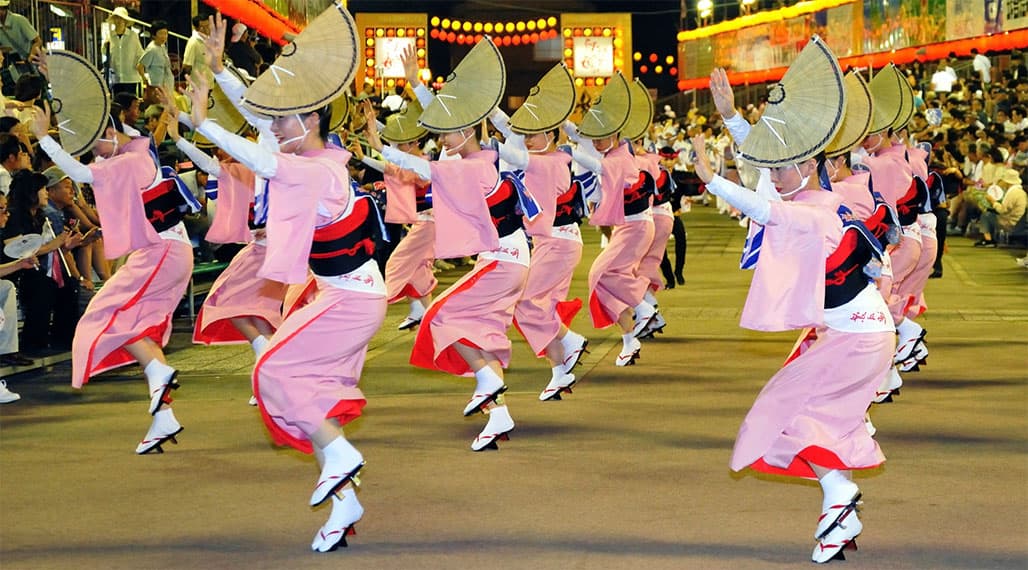
Every prefecture celebrates Obon in its own way, but several festivals have become internationally renowned for their history, atmosphere, and cultural significance. Adding one of these events to your itinerary offers a memorable introduction to Japan's summer traditions.
Kyoto: Gozan no Okuribi
Held every 16 August, Gozan no Okuribi is one of Kyoto's most iconic annual events. Giant bonfires are lit across five mountains surrounding the city, forming enormous Chinese characters and symbolic shapes that can be seen from many parts of Kyoto.
The fires represent a farewell to ancestral spirits and mark the official conclusion of Obon. Combined with Kyoto's historic temples and traditional neighborhoods, this ceremony creates one of Japan's most unforgettable cultural experiences.
Tokushima: Awa Odori
With a history spanning more than 400 years, Awa Odori is Japan's largest traditional dance festival. Over four days, thousands of performers fill the streets with energetic dances accompanied by shamisen, flutes, bells, and taiko drums.
The festival attracts more than a million visitors each year, yet it remains deeply connected to local traditions. Dedicated dance areas also allow visitors to join the festivities alongside local performers.
Gifu: Gujo Odori
Nestled in the mountains of Gifu Prefecture, Gujo Odori is famous for its welcoming atmosphere. During the peak Obon period, dancing continues late into the night, with some celebrations lasting until dawn.
The relaxed pace and strong community spirit make Gujo Odori particularly appealing for travelers seeking an authentic local experience rather than a large-scale tourist event.
Nagasaki: Shoro Nagashi
Unlike many Obon festivals centered around dance, Shoro Nagashi focuses on remembrance. Families create beautifully decorated lantern boats that honor loved ones before guiding them through the city in an emotional farewell procession.
The combination of illuminated floats, traditional music, and community participation makes this one of Japan's most moving Obon ceremonies.
Never Miss an Update!
Join our newsletter to unlock travel tips, latest promotions, and updates.
Subscribe now
Traditional Obon Foods to Try
Like many Japanese celebrations, food plays an important role during Obon. Families prepare seasonal dishes to share with relatives, while temples and local festivals offer regional specialties that have become closely associated with the holiday.
Summer ingredients take center stage during Obon, resulting in light, refreshing meals that suit Japan's warm August weather. Depending on where you travel, you'll also discover regional recipes that have been passed down through generations.
Family Meals and Seasonal Dishes
Many Obon meals feature simple yet comforting dishes that symbolize hospitality and appreciation for returning ancestors. Seasonal produce is commonly used, reflecting Japan's deep connection to nature and the changing seasons.
Some traditional Obon foods include:
- Somen – Thin wheat noodles served chilled, perfect for Japan's summer heat.
- Seasonal vegetables – Eggplant, cucumber, pumpkin, and leafy greens often appear in home-cooked meals.
- Tempura – Lightly battered seasonal vegetables and seafood enjoyed during family gatherings.
- Rice dishes – Steamed rice and seasonal side dishes remain staples on many dining tables.
Shoryo Uma: The Spirit Animals of Obon
One of the most distinctive Obon traditions is the creation of Shoryo Uma, small animal figures made from cucumbers and eggplants using chopsticks or bamboo sticks as legs.
The cucumber horse symbolizes a fast journey for ancestral spirits returning home, while the eggplant cow represents a slower, peaceful journey back to the spirit world after the festival ends. These handmade figures are commonly displayed on family altars and beautifully reflect the symbolic nature of Obon traditions.
Festival Street Food
Visitors attending Bon Odori festivals will also find lively food stalls serving classic Japanese festival favorites. Walking through a festival while enjoying freshly prepared street food is part of the Obon experience.
Popular festival snacks include:
- Takoyaki (octopus balls)
- Yakisoba (fried noodles)
- Yakitori (grilled chicken skewers)
- Kakigori (shaved ice)
- Taiyaki (fish-shaped pastries filled with sweet bean paste)
The combination of traditional family meals and festive street food allows visitors to experience both the cultural and celebratory sides of Obon.
Is Obon a Good Time to Visit Japan?
Obon is one of the most rewarding times to experience Japanese culture, but it also requires more planning than an ordinary trip. Travelers who prepare in advance are rewarded with vibrant festivals, traditional performances, and unique seasonal experiences that are unavailable during other times of the year.
At the same time, Obon is one of Japan's busiest domestic travel periods. Popular attractions remain open, but transportation and accommodation are in exceptionally high demand.
Reasons to Visit During Obon
Traveling during Obon allows visitors to experience Japan at its most festive and culturally rich. Streets come alive with lantern displays, traditional dances, and local celebrations that showcase customs preserved for centuries.
Some of the highlights include:
- Joining a Bon Odori dance
- Watching spectacular lantern ceremonies
- Visiting temples during one of Japan's most important cultural events
- Enjoying seasonal summer festivals
- Sampling traditional Obon dishes and festival food
Things to Plan Ahead
Although Obon is an excellent time to visit Japan, planning ahead makes a significant difference to the overall experience.
Keep these travel tips in mind:
- Reserve hotels as early as possible.
- Purchase Shinkansen tickets in advance.
- Allow extra travel time between cities.
- Expect larger crowds at popular attractions.
- Book restaurants for special dinners if possible.
With careful planning, the lively atmosphere easily outweighs the additional crowds.
Obon Etiquette for Visitors
Japanese communities are generally welcoming to visitors who take an interest in local traditions. Understanding a few basic customs helps ensure a respectful and enjoyable experience for everyone.
Obon is both a cultural festival and a deeply personal time for many families, so observing local etiquette is always appreciated.
Show Respect at Temples and Cemeteries
Temple grounds and cemeteries become especially important gathering places during Obon. Speak quietly, avoid blocking pathways, and remember that many families are visiting to honor loved ones rather than attend a public event.
Photography is usually permitted in outdoor areas, but always check for signs or ask permission before photographing ceremonies or individuals.
Join Festivals Respectfully
Community Bon Odori dances are designed for participation, and visitors are often encouraged to join. Watching a few songs before entering the dance circle helps you follow the rhythm and movements more naturally.
Wearing comfortable clothing or a rented yukata can also enhance the experience, although traditional attire is never required.
Follow Local Customs
Every region celebrates Obon a little differently. Paying attention to how local participants behave is one of the easiest ways to understand appropriate etiquette throughout the festival.
A respectful attitude and genuine curiosity are always appreciated and often lead to memorable interactions with local communities.
Best Cities to Experience Obon in Japan
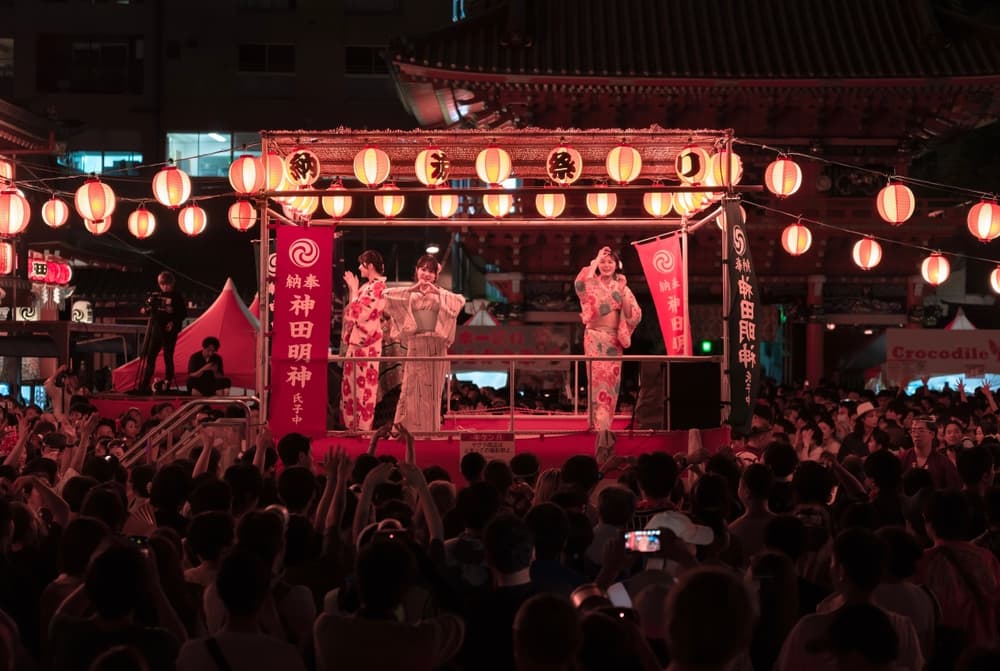
Obon is celebrated across the country, but some destinations offer particularly memorable experiences thanks to their historic traditions, vibrant festivals, and cultural landmarks. These cities also provide excellent transportation links, making it easy to explore multiple regions during your trip.
Kyoto: Historic Traditions and Iconic Ceremonies
Kyoto offers one of Japan's most authentic Obon experiences, where centuries-old temples and traditional neighborhoods create the perfect setting for the festival. Visitors can explore cultural landmarks during the day before witnessing the spectacular Gozan no Okuribi mountain bonfires on the evening of 16 August.
Its walkable historic districts, seasonal events, and rich cultural heritage make Kyoto one of the best destinations for travelers seeking a deeper understanding of Obon.
Osaka: Festivals, Food, and Easy Day Trips
Osaka combines the energy of a modern city with traditional summer festivals held in local neighborhoods and temple grounds. Beyond the celebrations, visitors can enjoy the city's renowned food scene while taking convenient day trips to Kyoto, Nara, or Kobe.
The city's extensive rail network also makes it an ideal base for exploring the Kansai region during Obon.
Nagoya: A Gateway to Central Japan
Located between Tokyo and Osaka, Nagoya offers a relaxed atmosphere while providing easy access to many cultural destinations in central Japan. Travelers can explore Nagoya Castle, historic shopping streets, and nearby traditional towns before continuing their Obon journey.
Its strategic location makes Nagoya an excellent stop for visitors following a multi-city itinerary.
Where to Stay During Obon
Accommodation should be one of the first things you book when planning an Obon trip. As millions of people travel across Japan for family reunions and holidays, hotels in popular destinations often reach full occupancy weeks or even months before the festival begins.
Staying in a centrally located hotel also gives you more time to enjoy evening Bon Odori festivals, lantern ceremonies, and seasonal events without worrying about long journeys back to your room. Travelodge Hotels Asia makes exploring Japan during Obon even easier through its 3C philosophy—Comfort, Convenience, and Connectivity. Guests can enjoy well-designed rooms, prime city locations close to public transportation, and reliable high-speed Wi-Fi to stay connected throughout their journey.
Stay in Kyoto to Experience Japan's Timeless Traditions
Kyoto is one of the most popular destinations during Obon, attracting visitors with its centuries-old temples, traditional streets, and the spectacular Gozan no Okuribi mountain bonfires held every 16 August. Staying in central Kyoto allows you to explore cultural landmarks during the day before enjoying evening festivals and ceremonies with ease.
Travelodge Kyoto Shijo Karasuma (Previously Travelodge Kyoto Shijo Omiya) is an excellent choice for travelers looking to experience Kyoto's historic charm. Located near Shijo Street and convenient public transportation, it provides easy access to Gion, Nishiki Market, Nijo Castle, Arashiyama, and many of the city's famous temples.
For visitors who enjoy shopping, dining, and nightlife alongside cultural sightseeing, Travelodge Kyoto Shijo Kawaramachi offers another convenient base. Situated close to Kawaramachi's vibrant shopping district, guests can easily explore Pontocho Alley, Yasaka Shrine, Gion, and the Kamogawa River before heading to nearby Obon celebrations in the evening.
Explore the Kansai Region from Osaka
Osaka is an ideal base for travelers planning to experience several cities during Obon. Its extensive rail network makes it easy to visit Kyoto, Nara, Kobe, and other destinations while still enjoying Osaka's lively food scene and local summer festivals.
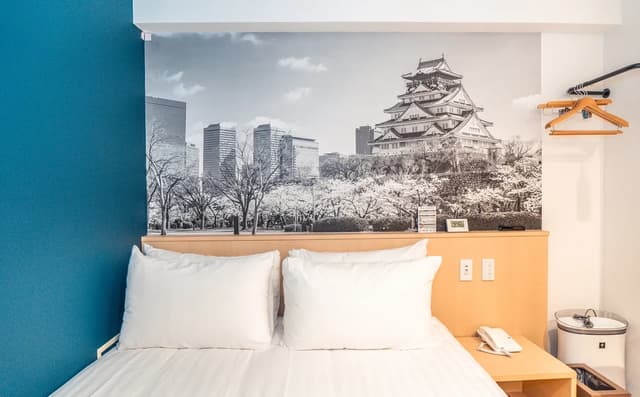
Located in the city's business and cultural district, Travelodge Honmachi Osaka offers excellent transport connections for exploring the Kansai region. The hotel's central location allows guests to reach Osaka Castle, Dotonbori, Shinsaibashi, and major train stations conveniently while enjoying the brand's signature Comfort, Convenience, and Connectivity.
Travelers who want to stay close to Osaka's famous shopping and entertainment district can choose Travelodge Osaka Shinsaibashi. Just a short walk from Shinsaibashi Shopping Street and Dotonbori, the hotel places visitors in the heart of Osaka's vibrant atmosphere while offering easy access to local festivals, restaurants, and railway connections for day trips throughout Kansai.
Discover Central Japan from Nagoya
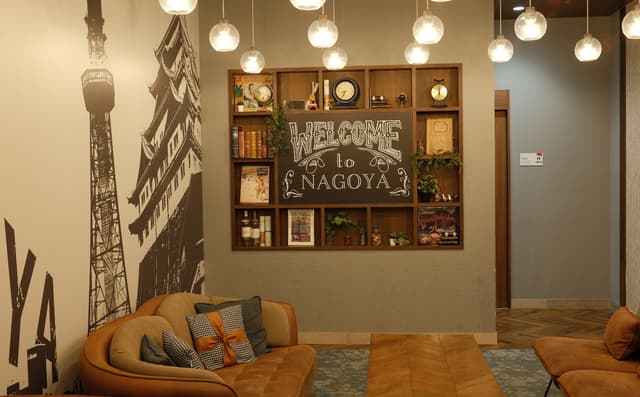
Perfectly positioned between Tokyo and Osaka, Nagoya serves as an excellent gateway for travelers exploring central Japan during Obon. The city combines historical attractions, modern shopping districts, and efficient transportation, making it a convenient stop on a multi-city itinerary.
Travelodge Nagoya Sakae provides easy access to Sakae's bustling shopping and dining district, Nagoya Castle, Osu Shopping District, and nearby subway stations. Its central location allows guests to comfortably explore the city before continuing their journey to Kyoto, Osaka, or other destinations across Japan.
Book Early for the Best Obon Experience
Because Obon is one of Japan's busiest travel periods, reserving your accommodation as early as possible is highly recommended. Booking directly through the Travelodge Hotels Asia website gives you access to the latest offers while securing a comfortable stay in some of Japan's most convenient city locations.
From the cultural heart of Kyoto to the vibrant streets of Osaka and the strategic location of Nagoya, Travelodge Hotels Asia provides the ideal base for discovering Japan during Obon. Wherever your itinerary takes you, you'll enjoy the brand's commitment to Comfort through thoughtfully designed rooms, Convenience with central locations near public transportation, and Connectivity with reliable high-speed Wi-Fi—helping you experience one of Japan's most meaningful festivals with ease and confidence.
Experience the True Meaning of Obon in Japan
Obon is much more than a summer holiday or one of Japan's busiest travel seasons. It is a living tradition that brings together history, spirituality, family, and community, offering visitors a deeper understanding of the values that continue to shape Japanese culture today.
From joining a lively Bon Odori dance and admiring glowing lantern ceremonies to sharing seasonal foods and exploring historic temples, every experience during Obon tells a story of remembrance and gratitude. It is a celebration that balances quiet reflection with joyful community gatherings, creating memories that stay with travelers long after their journey ends.
If you're planning a summer trip to Japan, experiencing the Obon Festival offers a unique opportunity to see the country from a different perspective. With thoughtful planning, early hotel reservations, and a centrally located base, you can enjoy both the cultural highlights and the festive atmosphere with greater ease.
For a comfortable stay throughout your journey, book directly with Travelodge Hotels Asia and enjoy the brand's signature 3C philosophy—Comfort, Convenience, and Connectivity. With well-connected hotels in Kyoto, Osaka, and Nagoya, you'll be perfectly positioned to discover the traditions, festivals, and unforgettable moments that make Obon one of Japan's most meaningful annual celebrations.






























.jpg)