


Share article
Top Places to Visit in Kyoto: A First-Time Visitor's Guide to Japan's Cultural Capital

Aiko Sato
When people imagine traditional Japan, Kyoto is usually the city that comes to mind. Ancient temples sit alongside quiet tea houses, geisha still walk through historic streets, and seasonal scenery transforms the city throughout the year.
As Japan's imperial capital for more than 1,000 years, Kyoto offers an experience that feels noticeably different from Tokyo or Osaka. The city is home to thousands of temples and shrines, UNESCO World Heritage Sites, traditional neighbourhoods, and some of the country's most recognisable landmarks. Visitors can spend days exploring Kyoto and still leave with a long list of places to return to.
If you're planning your first trip, choosing where to go can be overwhelming. This guide highlights the top places to visit in Kyoto, explains what makes each destination special, and provides practical tips to help you plan your itinerary.
Why Kyoto Remains One of Japan's Most Visited Cities
Kyoto attracts millions of visitors every year because it preserves a side of Japan that many travellers are eager to experience. Historic temples, traditional wooden houses, tea ceremonies, and centuries-old cultural practices remain part of daily life throughout the city.
Unlike many modern Japanese cities, Kyoto's appeal is not limited to a single attraction. Visitors come for the architecture, food, history, gardens, seasonal festivals, and cultural experiences. Major attractions such as Fushimi Inari Taisha, Kiyomizu-dera, Arashiyama, Gion, and Kinkaku-ji consistently rank among the city's most popular destinations.
For most travellers, three to four days is enough to experience Kyoto's highlights while still allowing time to explore beyond the main tourist areas.
Understanding Kyoto's Main Areas
Before deciding what to visit, it helps to understand how Kyoto is organised.
1. Eastern Kyoto (Higashiyama)
This area contains many of Kyoto's most famous cultural landmarks. Traditional streets, temples, shrines, and historic districts create the classic Kyoto experience many travellers expect.
Highlights include:
- Kiyomizu-dera
- Gion
- Yasaka Shrine
- Ninenzaka
- Sannenzaka
2. Western Kyoto (Arashiyama)
Arashiyama combines nature, historic sites, and scenic views. The district is particularly popular during cherry blossom and autumn foliage seasons.
Highlights include:
- Arashiyama Bamboo Grove
- Togetsukyo Bridge
- Iwatayama Monkey Park
- Tenryu-ji Temple
3. Southern Kyoto
Southern Kyoto is home to one of Japan's most famous religious sites, Fushimi Inari Taisha.
Highlights include:
- Fushimi Inari Taisha
- Tofuku-ji Temple
- Sake breweries in Fushimi
4. Central Kyoto
Central Kyoto offers a mix of shopping, food experiences, historical sites, and convenient transportation connections.
Highlights include:
- Nishiki Market
- Nijo Castle
- Kyoto Station
- Pontocho Alley
Must-Visit Attractions in Kyoto
1. Fushimi Inari Taisha
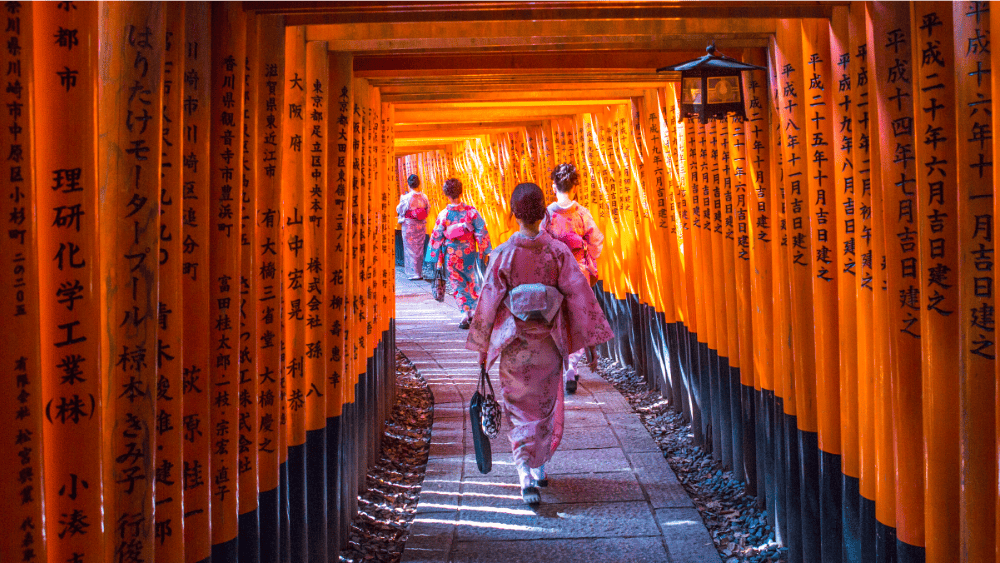
Few attractions in Japan are as instantly recognisable as Fushimi Inari Taisha. The shrine is famous for its thousands of vermilion torii gates that form tunnels stretching across the slopes of Mount Inari.
Founded more than 1,300 years ago, the shrine serves as the head shrine for Inari, the Shinto deity associated with rice, agriculture, and prosperity. The full hiking route covers approximately four kilometres and can take up to two hours to complete.
Many visitors only explore the lower sections, but those who continue higher often find fewer crowds and better views.
Travel tip: Arrive before 8am to enjoy a quieter experience and better photography conditions.
2. Kiyomizu-dera
Located in eastern Kyoto, Kiyomizu-dera is one of the city's most important Buddhist temples and forms part of Kyoto's UNESCO World Heritage designation.
The temple's wooden stage extends from the hillside and overlooks Kyoto, creating one of the city's most iconic viewpoints. During spring and autumn, the surrounding landscape becomes particularly impressive thanks to cherry blossoms and colourful maple leaves.
The journey to the temple is equally memorable. Visitors pass through Ninenzaka and Sannenzaka, two preserved historic streets lined with traditional shops, cafes, and souvenir stores.
3. Arashiyama Bamboo Grove
The Bamboo Grove is one of Kyoto's most photographed attractions. Tall bamboo stalks line a peaceful pathway that feels surprisingly removed from the city centre.
While many travellers visit solely for the bamboo forest, Arashiyama deserves at least half a day. The district also offers riverside scenery, mountain views, temples, local cafes, and one of Kyoto's best walking environments.
4. Kinkaku-ji (Golden Pavilion)
Officially known as Rokuon-ji, Kinkaku-ji is famous for its gold-covered upper floors that reflect beautifully across the surrounding pond. The current structure dates to 1955 after reconstruction following a fire.
Although visitors cannot enter the pavilion, the surrounding gardens provide excellent viewing points throughout the year.
Winter visits can be especially rewarding when snow covers the grounds.
5. Gion District
Gion remains Kyoto's most famous traditional entertainment district.
Walking through Gion offers a glimpse into Kyoto's historic atmosphere. Wooden machiya houses, lantern-lit alleyways, and traditional tea houses create a setting that feels distinctly different from modern Japanese cities.
Visitors occasionally spot geiko and maiko travelling between appointments, particularly in the early evening. Gion is also home to excellent restaurants, cultural performances, and seasonal festivals.
6. Nishiki Market
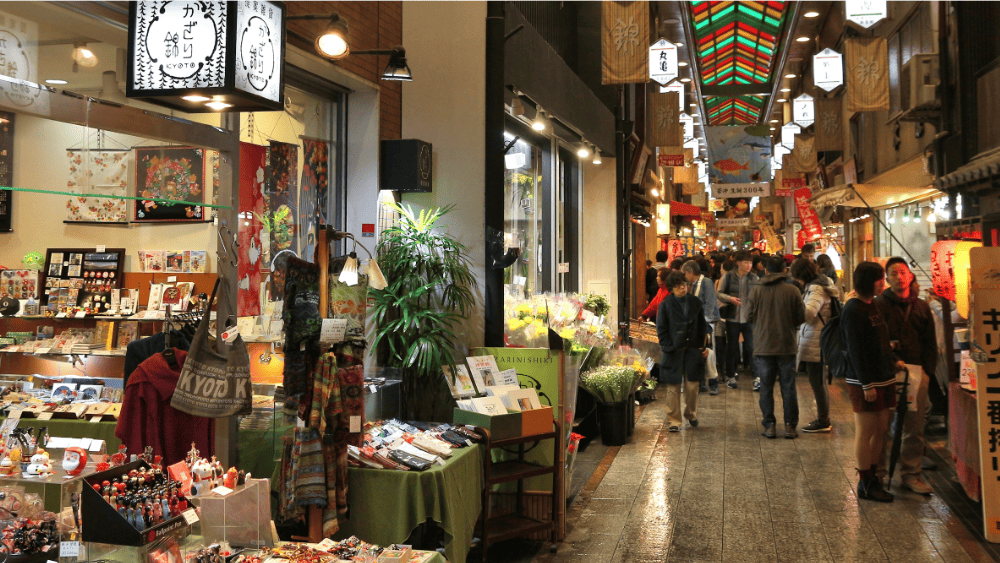
Known as "Kyoto's Kitchen," Nishiki Market provides one of the best introductions to local food culture.
The market stretches across several blocks and contains more than 100 shops selling seafood, pickles, matcha products, sweets, grilled snacks, and regional specialities. The market's history dates back centuries and remains one of the city's most popular culinary destinations.
Popular foods to try include:
- Matcha desserts
- Yuba (tofu skin)
- Tamagoyaki
- Grilled seafood
- Japanese pickles
7. Nijo Castle
Built as the Kyoto residence of the Tokugawa shoguns, Nijo Castle offers insight into Japan's feudal period.
Unlike Kyoto's religious landmarks, the castle focuses on political history and architecture. Visitors can explore palace interiors, gardens, gates, and the famous "nightingale floors" that chirp when walked upon.
8. Philosopher's Path
This scenic walking route follows a canal lined with cherry trees and connects several temples in eastern Kyoto.
9. Pontocho Alley
One of Kyoto's most atmospheric dining districts, Pontocho features narrow alleyways filled with restaurants ranging from casual eateries to traditional kaiseki establishments.
10. Kyoto Imperial Palace
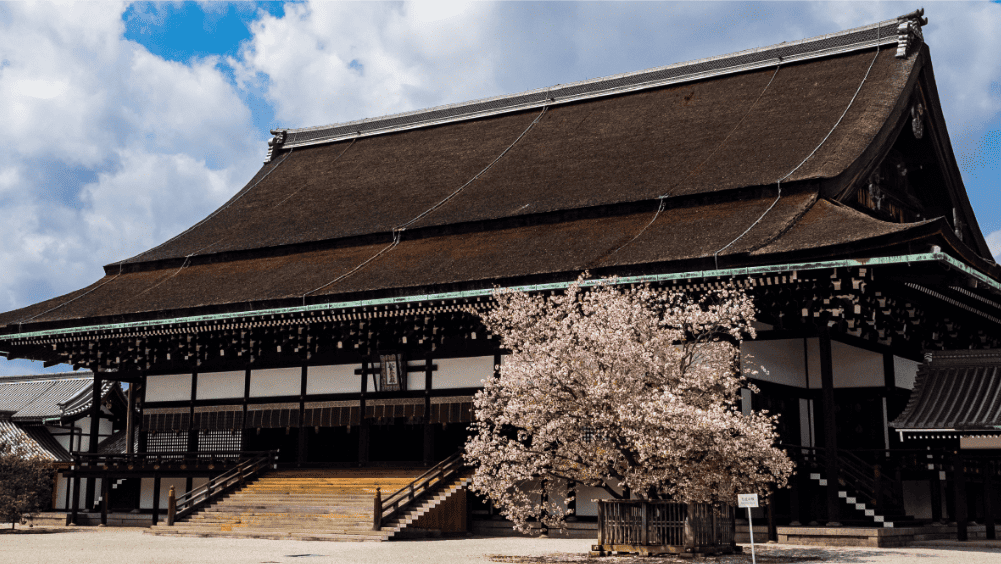
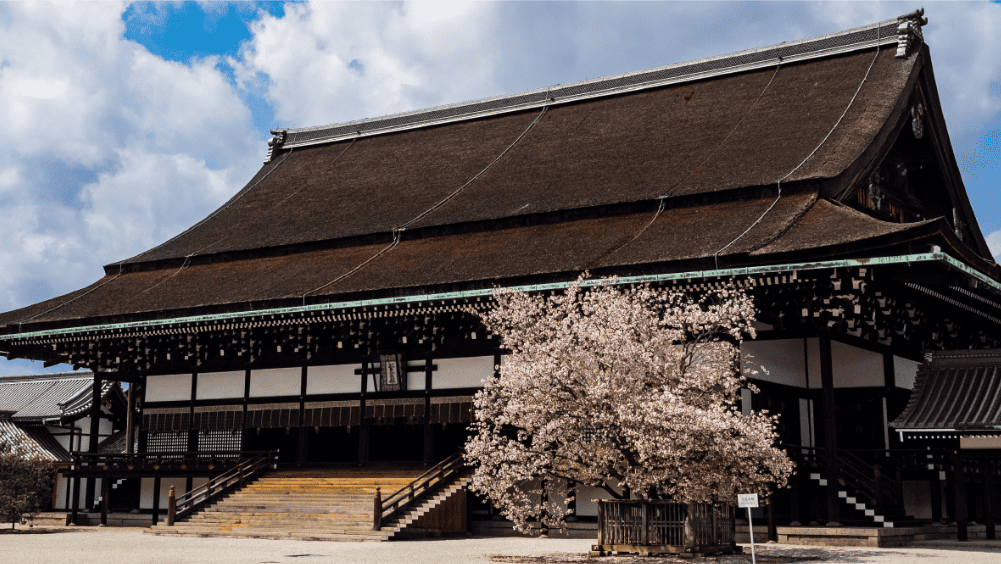
The Kyoto Imperial Palace, once the residence of Japan’s Imperial Family until 1868, is a historic gem in the heart of the city. Located within the expansive Kyoto Imperial Park, the palace is surrounded by other notable landmarks, including the Sento Imperial Palace, which housed retired emperors, and the Kaninnomiya Mansion, a former residence for court nobles.
The current palace, rebuilt in 1855 after a fire, showcases a blend of architectural styles from different periods. Its structures, such as the Shisinden, Seiryoden, Kogosyo, Ogakumonjyo, and Otsunegoten, highlight the grandeur of Japan’s imperial past. Visitors can explore the palace buildings and stroll through the serene gardens without the need for guided tours or prior arrangements. While entry into the buildings is not permitted, the surrounding beauty and historical significance of Kyoto Imperial Palace make it a must-visit spot in Kyoto.
11. Kyoto Station & Kyoto Tower
Many visitors are surprised to discover that Kyoto Station itself is considered one of the city's modern attractions. Its striking futuristic architecture, enormous glass atrium, and expansive skywalk create a dramatic contrast to Kyoto's traditional image.
Directly across from the station stands Kyoto Tower, the city's tallest structure and one of the best places to enjoy panoramic views of Kyoto. The station complex is also home to numerous shopping centers, restaurants, food halls, department stores, and observation areas, making it a convenient destination for dining, shopping, and sightseeing all in one place.
12. Shijo-Kawaramachi
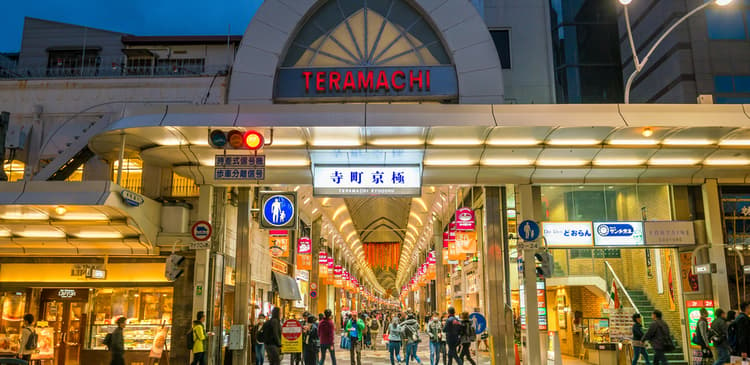
For shopping, dining, nightlife, and contemporary city life, few areas rival Shijo-Kawaramachi.
This vibrant downtown district has become one of Kyoto's most popular destinations among younger travelers and international visitors.
Highlights include:
- Department stores
- Trendy cafés
- Fashion boutiques
- Local street food
- Rooftop bars
- Riverside dining along the Kamo River
The area is particularly lively in the evenings and offers an entirely different side of Kyoto compared to the city's historic temple districts.
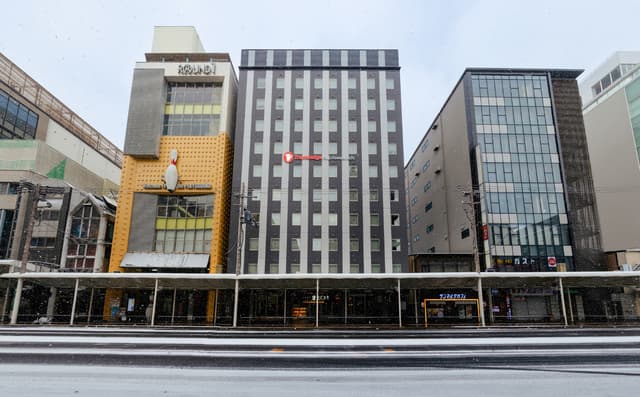
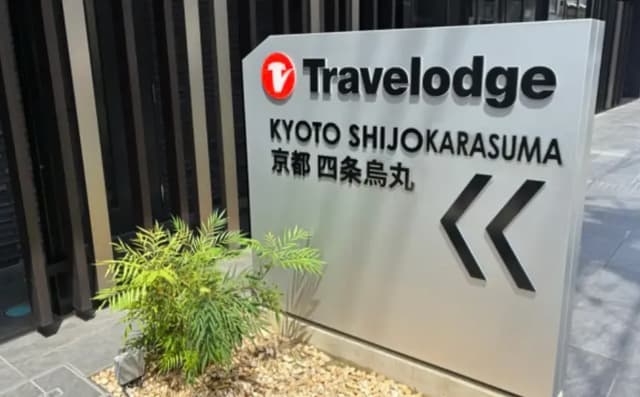
Guests staying at Travelodge Kyoto Shijo Kawaramachi can easily explore many of these attractions on foot.
13. Manga Museum
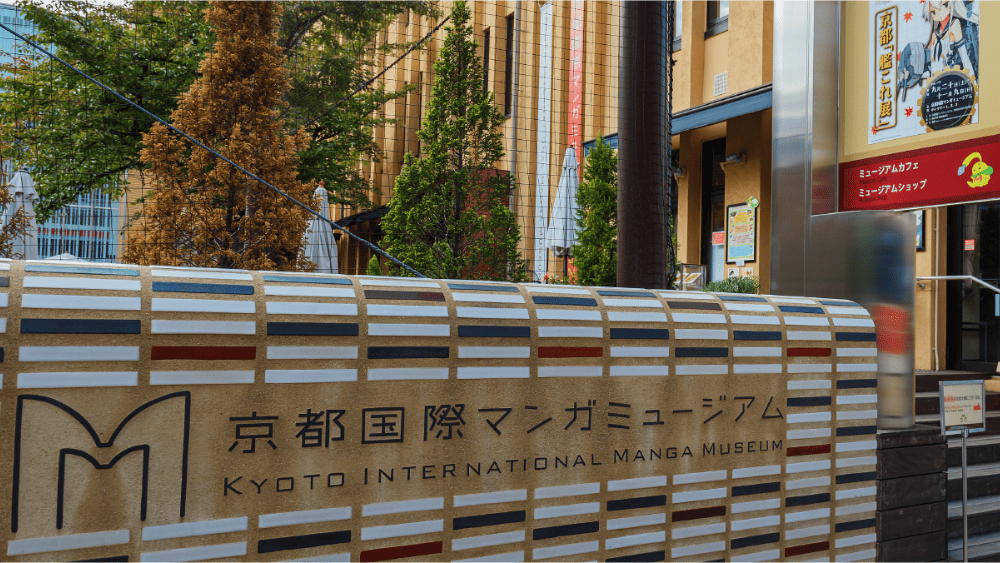
The Kyoto International Manga Museum, known as “MM,” is Japan’s first dedicated manga museum, located near Karasuma Oike Station. It boasts an impressive collection of around 300,000 preserved manga items, showcasing the evolution of this beloved art form. From caricature woodblock prints of the Edo period to pre-war magazines and post-war rental books, the museum covers the entire history of manga, including modern series and international publications.
In addition to its permanent exhibits, the museum offers temporary exhibitions on diverse themes, workshops (advanced registration required), drawing classes, and international conferences. Visitors can check the museum’s website for updated schedules and event details. Whether you’re a lifelong manga fan or simply curious about Japanese pop culture, the Kyoto International Manga Museum is a must-see destination in the city.
14. Kawaramachi, Karasuma & Ace Hotel Area
While Kyoto is famous for its traditions, it has also emerged as a hub for contemporary design, fashion, and creativity. The neighborhoods surrounding Kawaramachi, Karasuma, ShinPuhKan, and Ace Hotel Kyoto have become some of the city's trendiest destinations.
This area attracts designers, artists, coffee enthusiasts, and younger travelers seeking a more modern Kyoto experience. Visitors can explore stylish boutiques, artisan bakeries, specialty coffee shops, contemporary galleries, and carefully curated lifestyle stores. The district perfectly demonstrates how Kyoto continues to evolve while preserving the cultural heritage that makes it unique.
15. Yasaka Shrine
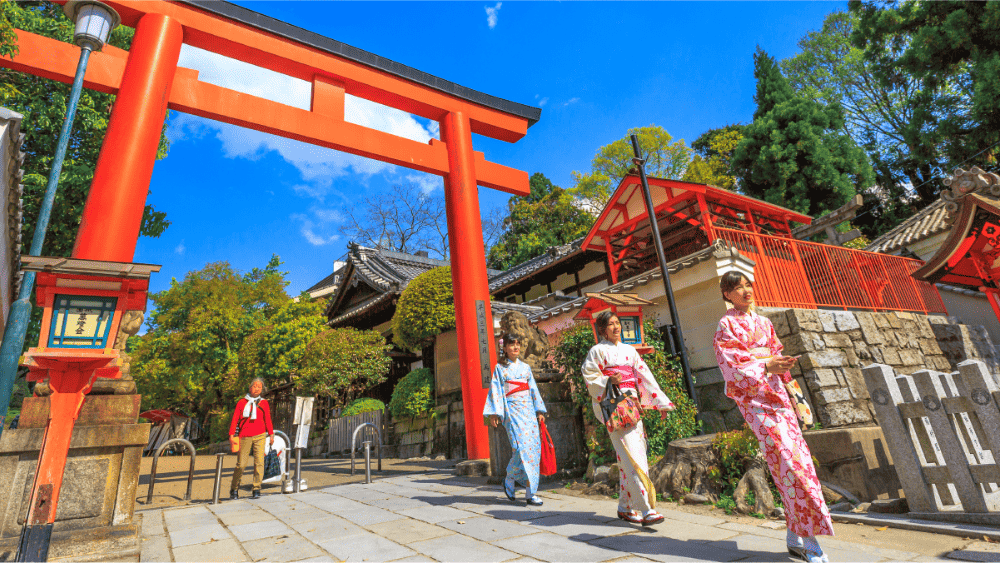
Located in the heart of Gion, Yasaka Shrine, also known as Gion-sha, is one of Kyoto’s most famous and historic shrines. With over 1,350 years of history, this spiritual site is renowned for its connection to love and relationships, making it a popular destination for both tourists and locals.
Established before the Heian era, the shrine is a designated Important Cultural Property of Japan, featuring iconic structures like the Nishiromon Gate, which greets visitors from Shijo-dori. As you explore, you’ll notice charming heart-shaped ema (Shinto plaques) hung around the shrine, carrying the wishes of visitors. You can also purchase and write your own for a small fee.
Don’t forget to pick up the famous chimaki amulets, believed to ward off illness. These protective charms feature the phrase “Somin Shorai Shison Nari”, which translates to “I am of Somin Shorai, so protect me from disease.” With its rich history, cultural significance, and spiritual charm, Yasaka Shrine is a must-visit destination in Kyoto’s Higashiyama district.
16. Uji
Located just south of Kyoto, Uji is a charming city famous for producing some of Japan's highest-quality matcha green tea. Tea lovers will find countless opportunities to sample matcha desserts, traditional tea ceremonies, and specialty beverages crafted using locally grown tea leaves.
Beyond its tea culture, Uji is home to several important historical attractions, including Byodo-in Temple, a UNESCO World Heritage Site featured on Japan's 10-yen coin. Visitors can also enjoy scenic riverside walks along the Uji River, explore traditional streets, and learn about the city's rich literary heritage connected to The Tale of Genji. Uji makes an excellent half-day or full-day excursion from Kyoto.
17. Nintendo Museum
One of Kyoto's newest and most anticipated attractions, the Nintendo Museum offers visitors a chance to explore the history of one of Japan's most influential companies. Located in Uji, the museum showcases Nintendo's evolution from a playing card manufacturer founded in 1889 to a global entertainment giant responsible for beloved franchises such as Super Mario, The Legend of Zelda, Pokémon, and Animal Crossing.
Visitors can enjoy interactive exhibits, hands-on gaming experiences, historical displays, and exclusive merchandise. The museum appeals not only to gaming enthusiasts but also to anyone interested in innovation, technology, and Japanese pop culture. As one of Kyoto's newest tourist attractions, it has quickly become a must-visit destination for travelers of all ages.
Kyoto offers an incredible variety of experiences, from ancient shrines and UNESCO-listed temples to modern shopping districts, creative neighborhoods, and emerging attractions. Every corner of the city reveals a different aspect of its rich cultural heritage and dynamic contemporary lifestyle.
Best Time to Visit Kyoto
• Spring (March to April)
Cherry blossom season attracts the largest number of visitors. Hotels often book out months in advance.
• Summer (June to August)
Expect warmer temperatures and seasonal festivals, including the famous Gion Matsuri.
• Autumn (November)
Many travellers consider autumn the best season to visit Kyoto because of the city's spectacular fall foliage.
• Winter (December to February)
Winter offers fewer crowds and unique opportunities to see famous temples against snowy landscapes.
Suggested 3-Day Kyoto Itinerary
Day 1
- Fushimi Inari Taisha
- Kiyomizu-dera
- Ninenzaka and Sannenzaka
- Gion
Day 2
- Arashiyama Bamboo Grove
- Tenryu-ji Temple
- Iwatayama Monkey Park
- Pontocho
Day 3
- Kinkaku-ji
- Nijo Castle
- Nishiki Market
- Kyoto Station area
Where to Stay in Kyoto
Choosing the right area to stay can make a significant difference to your Kyoto experience. Since many of the city's top attractions are spread across different districts, staying somewhere with convenient transport connections helps you spend less time commuting and more time exploring.
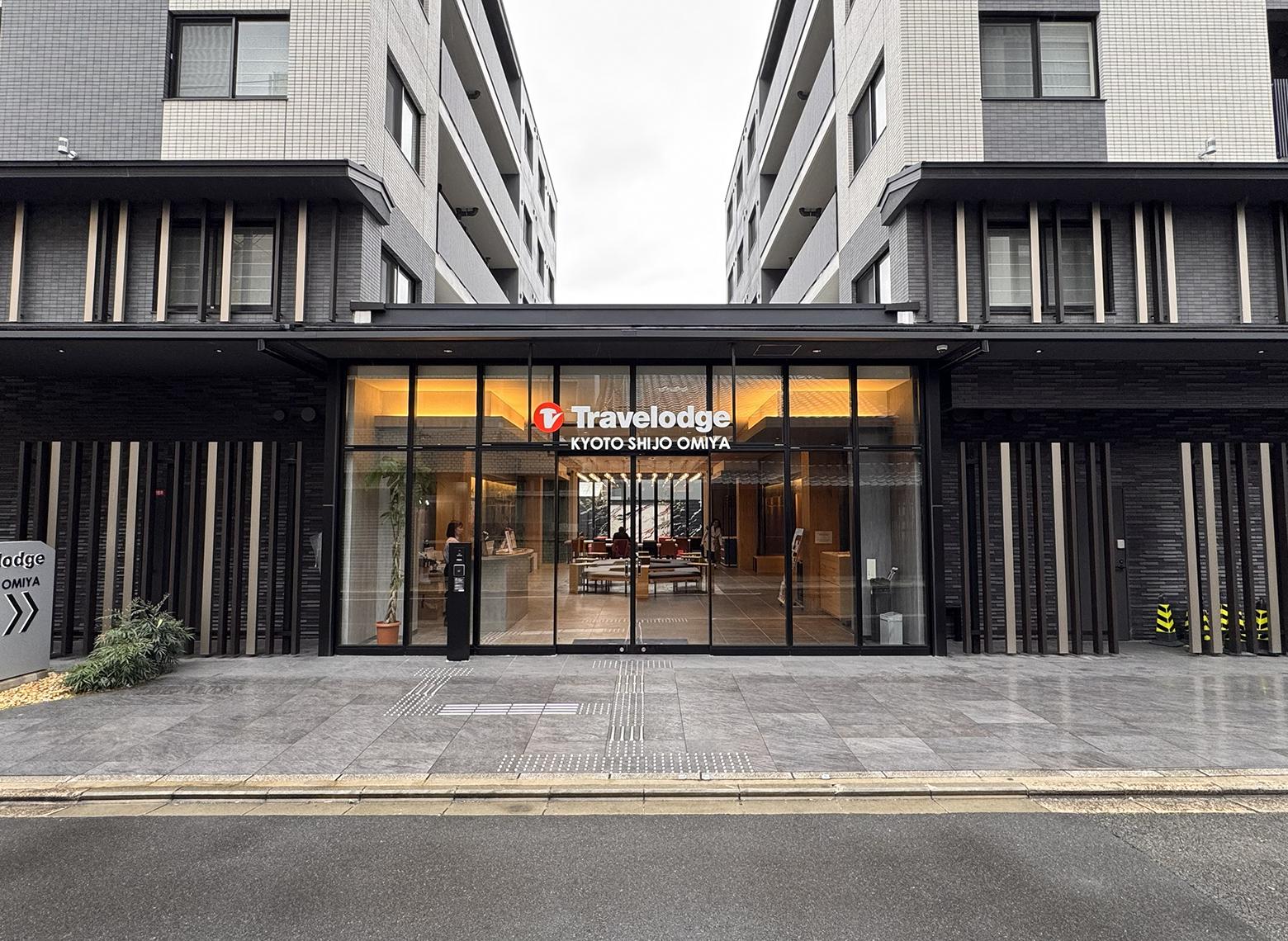
For first-time visitors, central Kyoto is often the most practical choice. Areas around Shijo Omiya, Karasuma, and Kyoto Station provide easy access to popular attractions such as Fushimi Inari Taisha, Kiyomizu-dera, Nishiki Market, and Arashiyama.
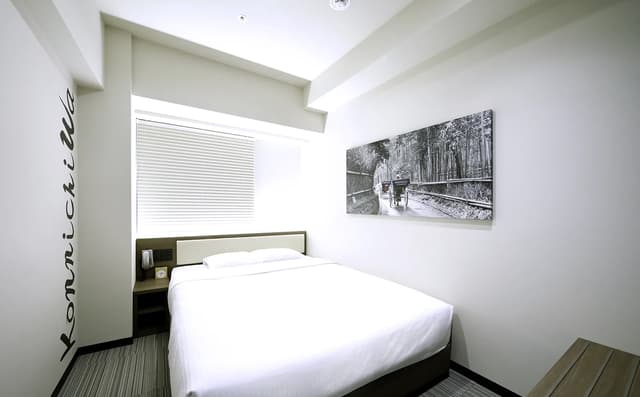
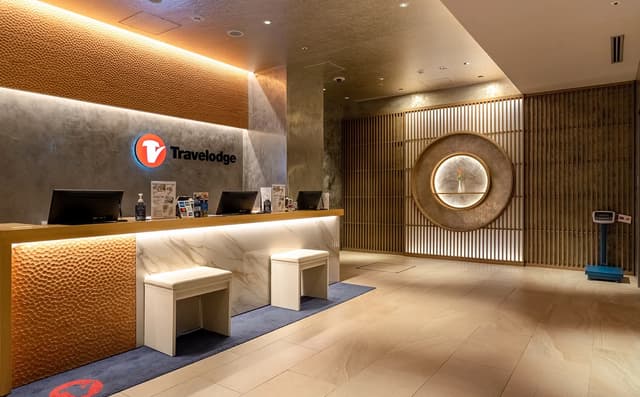
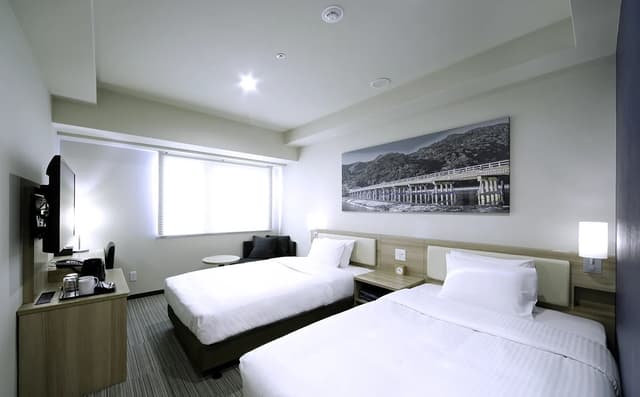
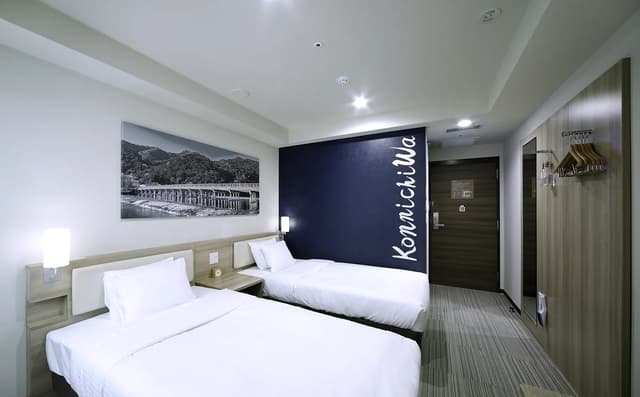
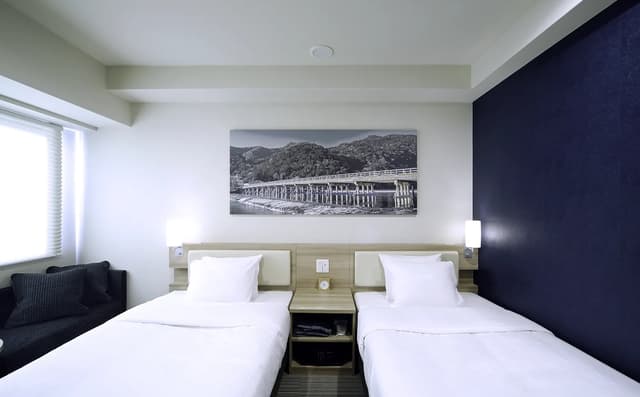
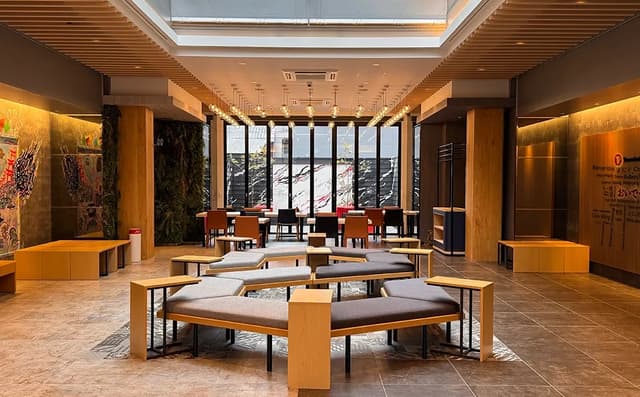
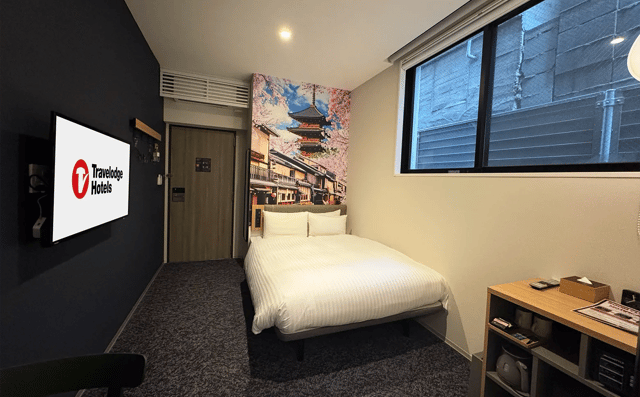
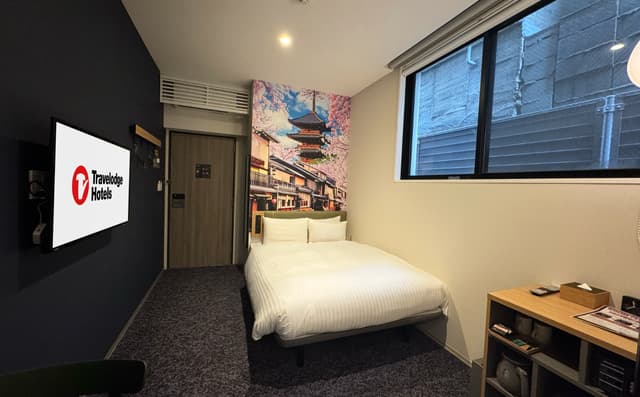
If you're looking for a comfortable and well-connected base, Travelodge Kyoto Shijo Omiya offers a convenient location near Omiya Station and Shijo Omiya Station. Guests can easily access major sightseeing districts while enjoying a quieter atmosphere away from Kyoto's busiest tourist areas. The hotel is also within walking distance of local restaurants, convenience stores, and public transportation links, making it a practical choice for both short city breaks and longer stays.
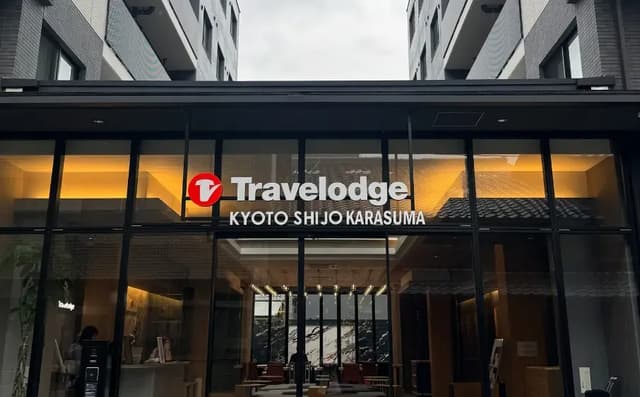
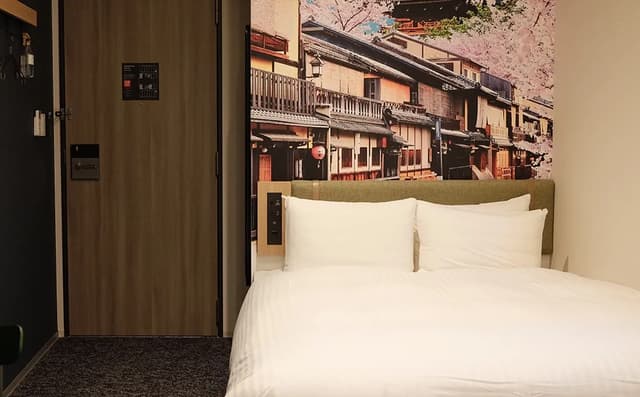
Travellers who prefer to stay near Kyoto's main transport hub may consider Travelodge Kyoto Shijo Kawaramachi. Located in one of the city's most accessible districts, the hotel places guests close to shopping streets, dining options, Nishiki Market, and direct transportation routes to many of Kyoto's most famous attractions.
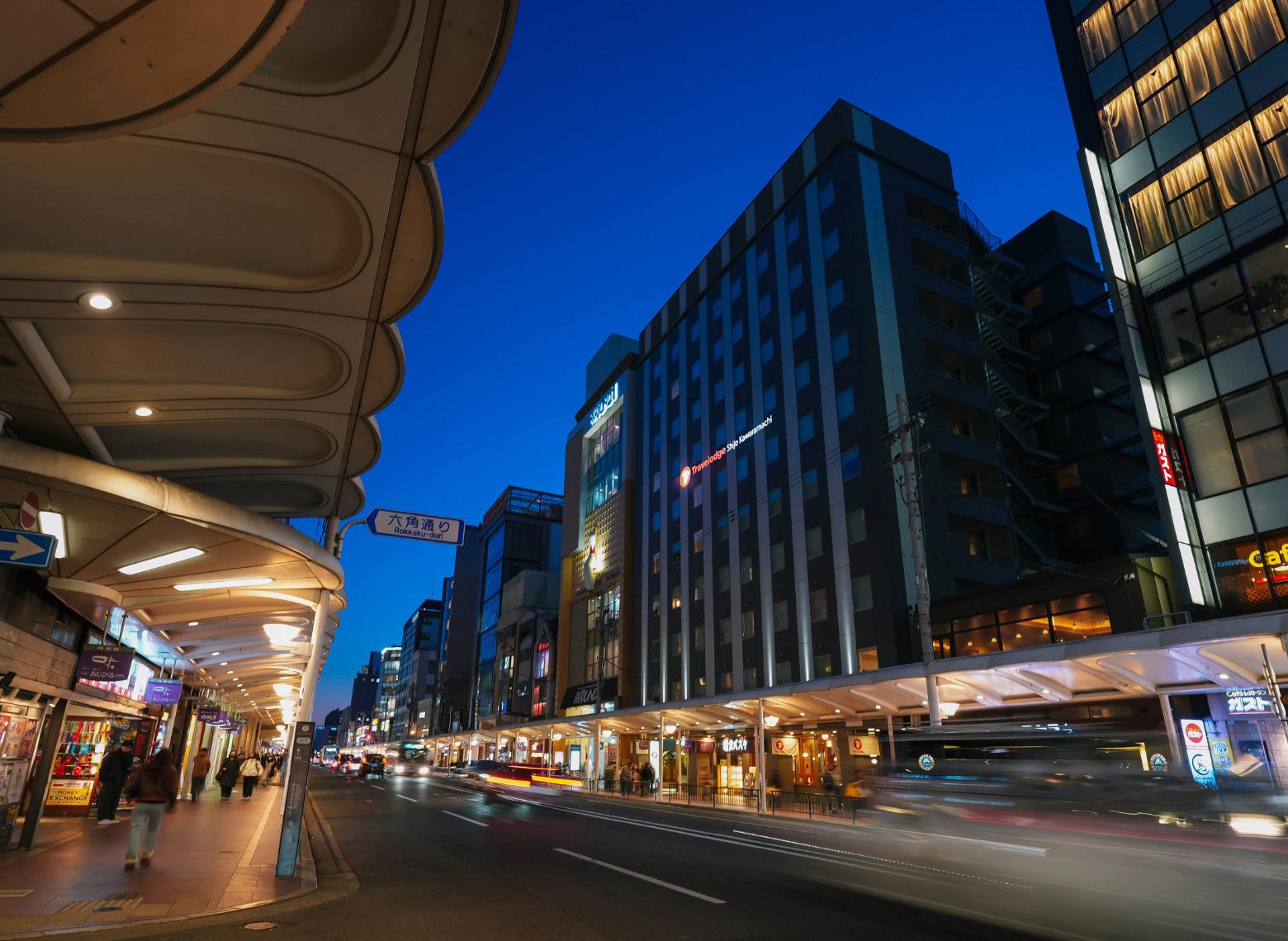
Whether you're planning to spend your days temple hopping, exploring historic neighbourhoods, or sampling Kyoto's food scene, staying in a central location can help you maximise your time in the city and make it easier to experience everything Kyoto has to offer.
Discover the Best of Kyoto
Kyoto offers far more than a checklist of famous landmarks. While destinations such as Fushimi Inari Taisha, Kiyomizu-dera, Arashiyama, and Kinkaku-ji deserve their global reputation, the city's historic streets, food culture, neighbourhoods, and seasonal scenery are equally rewarding. Whether you're visiting for three days or a full week, Kyoto provides one of Japan's most memorable travel experiences.