


Share article
Foliage, Deer, and Scenic Walks at Seoul Forest Park in Autumn

Sora Kang
[Last update: November 10, 2026]
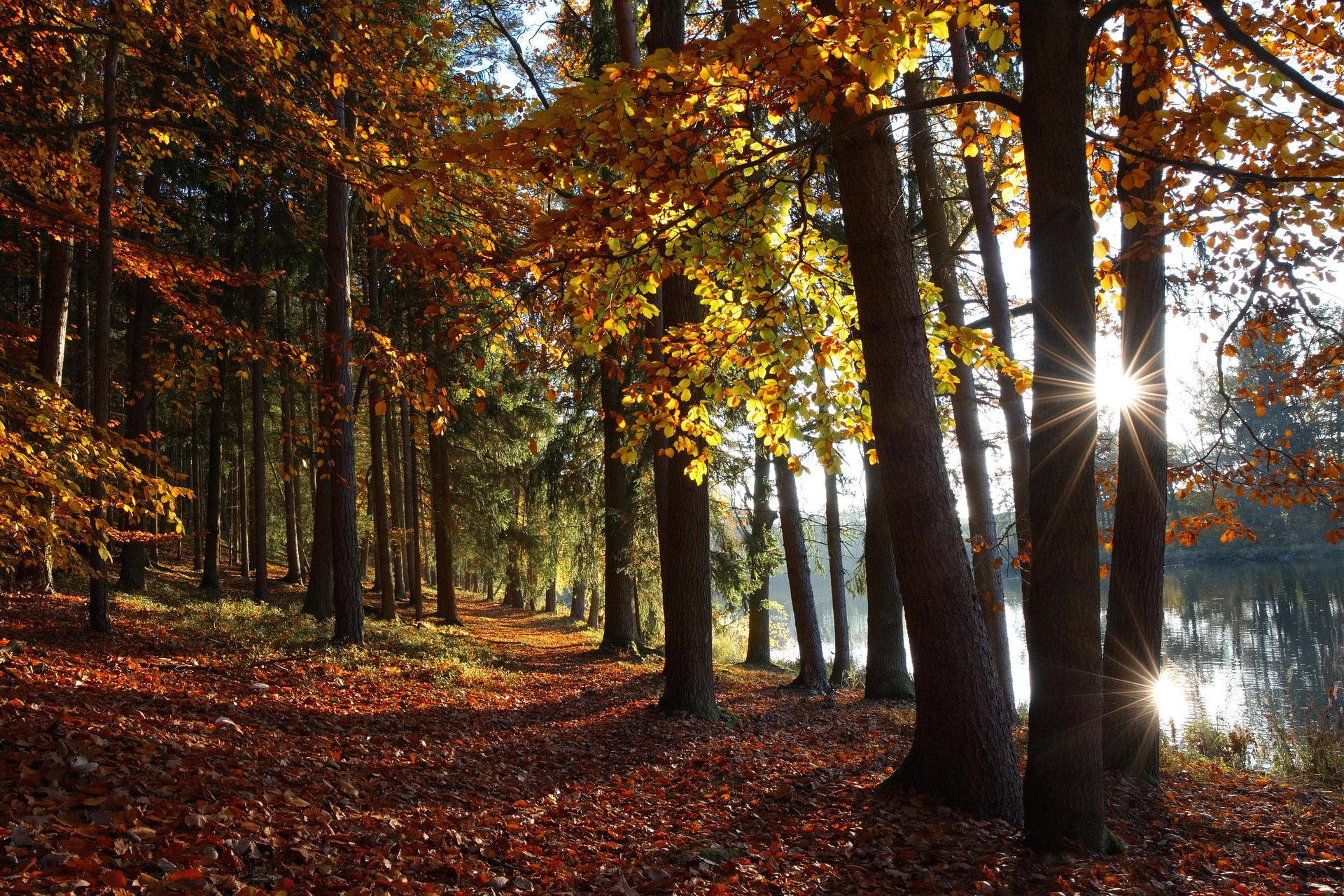
Seoul has plenty of places to enjoy the fall season, but Seoul Forest offers a different kind of autumn outing. Located in Seongdong-gu, this spacious urban park brings together tree-lined paths, open lawns, ponds, and ecological areas, making it an appealing place to slow down between sightseeing stops.
As the weather cools, the park takes on a warmer palette of golden leaves, rust-colored foliage, and seasonal grasses. Visitors can wander through the metasequoia forest, look for deer in the Eco Forest, or find a quiet spot around Mirror Pond before continuing into the nearby Seongsu neighborhood.
Travelers planning a broader trip can also browse hotel options in South Korea or compare centrally located hotel stays in Seoul before building the rest of their itinerary.
When to See the Best Fall Colors in Seoul Forest Park
Autumn in Seoul generally runs from September through November, but the most colorful period usually arrives toward the end of October and the beginning of November. Seoul Forest is among the city's recommended foliage destinations, with its ginkgo trees, forest paths, and seasonal grasses creating different autumn scenes across the park.
For the best chance of seeing Seoul Forest autumn leaves, late October to early November is a useful period to plan around. However, foliage develops at different rates throughout the park, and the timing can shift depending on temperatures and rainfall.
What to Expect Each Month at Seoul Forest in Autumn
The atmosphere changes noticeably from September to November. Some areas turn golden earlier than others, while the park's open spaces and wooded paths offer different scenery as the season progresses.
Month | Foliage and atmosphere | What to enjoy |
|---|---|---|
September | Early autumn feels relatively green, with the first signs of seasonal change appearing as temperatures begin to ease | Walk through the park, explore the open lawns, and enjoy the greener woodland areas |
October | Foliage becomes more noticeable, with ginkgo trees and other deciduous trees gradually turning yellow and gold | Visit the Forest Path and metasequoia forest, and look out for changing leaves along the walking routes |
November | The park often reaches its most autumnal appearance in early November, with golden foliage and fallen leaves along the paths. Later in the month, some trees may become bare | Enjoy the ginkgo grove, leaf-covered paths, and quieter walks through the park |
Seoul Forest in October is a good choice for visitors who want a mix of colorful trees and comfortable outdoor sightseeing. Early October may still feel relatively green, while the second half of the month generally offers more noticeable changes.
Seoul Forest in November can be especially rewarding for golden foliage, particularly in the first half of the month. By later November, the scenery may shift toward bare branches and fallen leaves, giving the park a quieter, more subdued atmosphere.
These are seasonal patterns rather than guaranteed dates. Check Seoul's latest foliage updates before traveling, especially if seeing the trees at their most colorful is a priority.
Take an Autumn Walk Through Seoul Forest
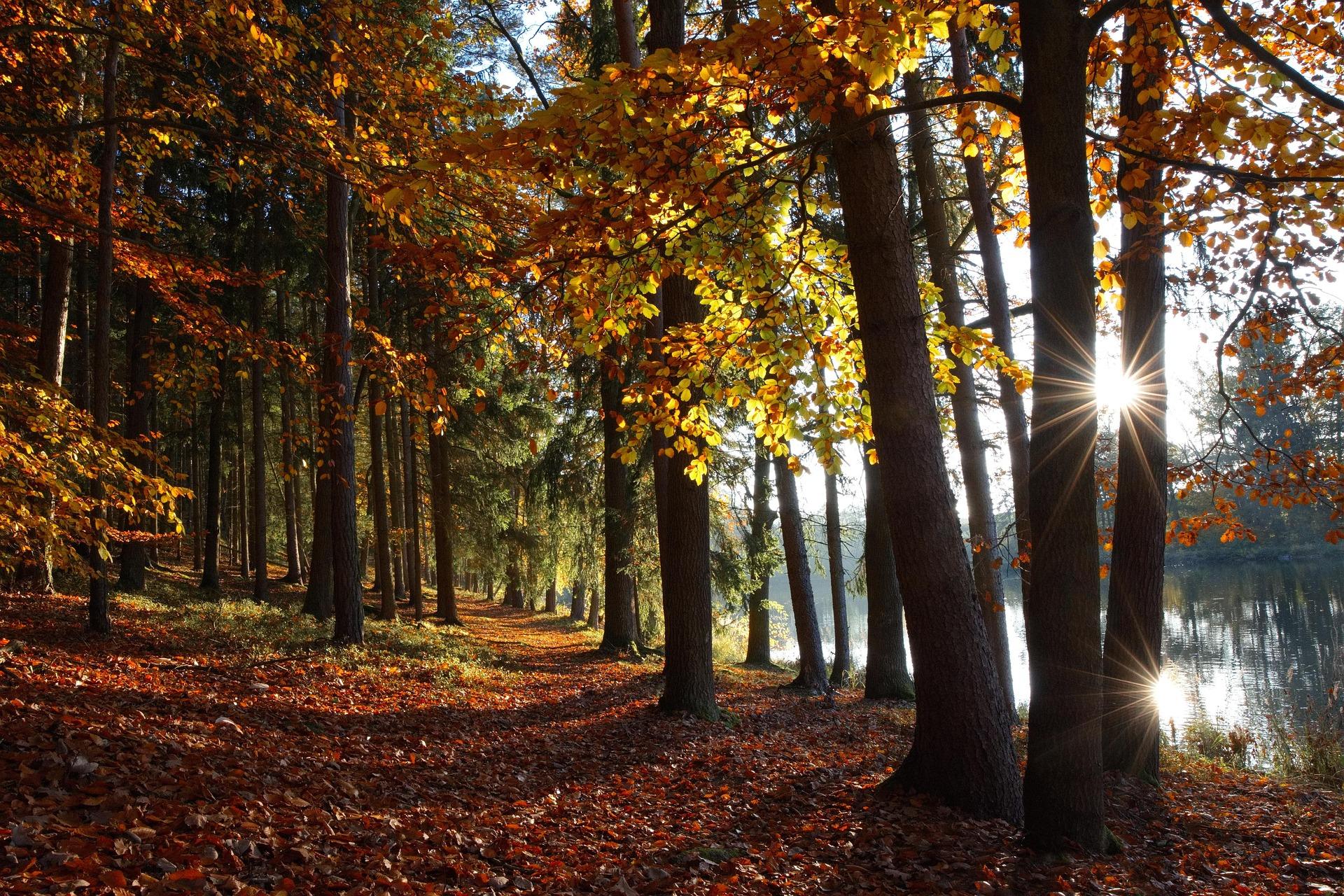
Walking is one of the best ways to enjoy Seoul Forest Park in autumn. The park has several themed areas, including cultural spaces, woodland sections, wetlands, and ecological habitats, so the scenery changes as you move between them.
Start along the broader walking paths before making your way toward the wooded sections. The metasequoia forest offers a more enclosed setting, with tall trees creating a natural canopy and fallen leaves adding color to the ground.
The Forest Path is another worthwhile stop. During autumn, the route becomes particularly scenic as leaves gather along the walking paths, while the surrounding trees create a more immersive woodland atmosphere.
For a quieter pause, head toward Mirror Pond. Its waterside setting offers a different perspective from the tree-lined paths, with reflections of the surrounding landscape adding to the scenery.
Visitors who prefer a longer walk can explore the wider park before heading toward the Eco Forest. Allow around two to three hours if you want to enjoy several areas without rushing, especially if you plan to continue into Seongsu-dong afterward.
Seoul Forest Park Deer Area in Autumn
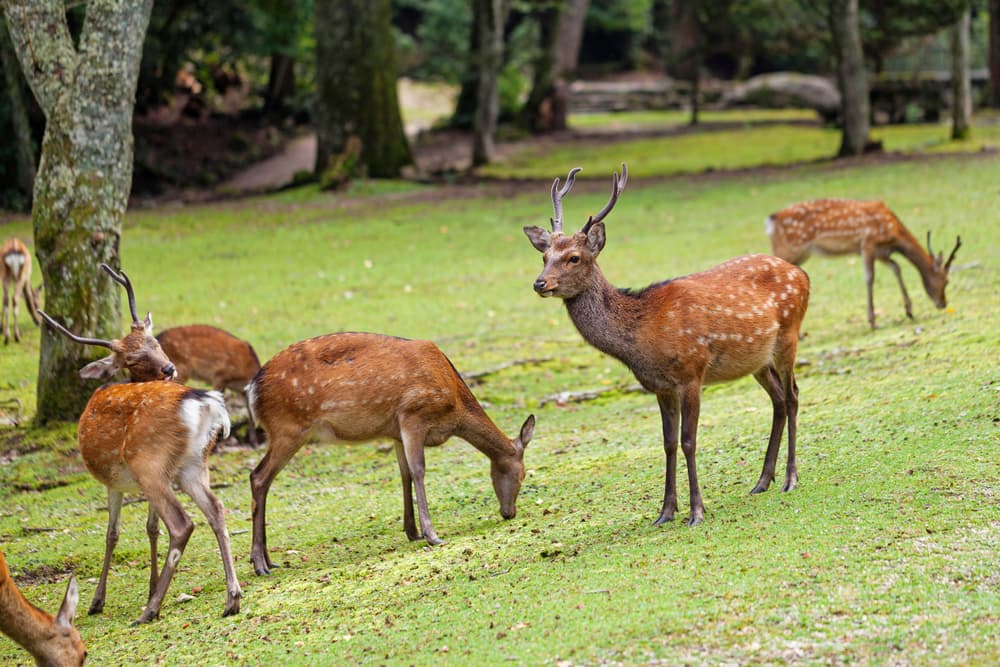
One of Seoul Forest's more distinctive attractions is its deer area. Located within the Eco Forest, the Deer Corral gives visitors an opportunity to observe animals in a managed ecological space surrounded by greenery.
The Seoul Forest deer experience offers a different perspective on the park beyond its walking paths and landscaped areas. During autumn, the surrounding trees add seasonal color to the habitat, making it a pleasant stop for visitors interested in wildlife and nature.
The deer should be observed from designated viewing areas, and visitors should follow the park's instructions rather than attempting to approach or feed the animals independently. Feeding activities have been offered in the past, but availability and access arrangements can change, so do not assume these are part of every visit.
The Eco Forest is also home to other wildlife, including birds and small animals. Its more natural setting makes it a worthwhile part of the walk, particularly for families visiting Seoul Forest with children.
Best Autumn Photo Spots Around Seoul Forest
Seoul Forest offers more than one recognizable photo location. A short walk can take visitors from a dense tree-lined path to an open lawn, a quiet pond, or a landscape where modern buildings appear behind the foliage.
Metasequoia Forest
The metasequoia forest is one of the park's most recognizable walking areas. Its tall, closely spaced trees create a striking perspective, particularly when viewed along the path.
During autumn, the combination of changing foliage and fallen leaves makes this area suitable for both wide landscape photographs and upward-looking shots.
Ginkgo Forest and Forest Path
The ginkgo grove is a highlight for visitors looking for golden Seoul Forest autumn leaves. The Seoul Metropolitan Government's 2026 autumn foliage recommendations specifically identify the Forest Trail at Seoul Forest as a destination featuring approximately 600 ginkgo trees.
The surrounding paths also offer opportunities to photograph the seasonal changes without having to stay in one particular spot. Look for sections where golden leaves remain on the branches while others have already fallen to the ground.
Mirror Pond
Mirror Pond offers a calmer setting compared with the busier walking routes. On a still day, reflections of the surrounding trees create an attractive composition, especially when the foliage begins to change color.
It is a good place to pause during the walk rather than treating the park as a series of photo stops.
Eco Forest and Deer Area
The Eco Forest provides a more natural backdrop, with its ecological landscape and deer habitat. Visitors can photograph the surrounding scenery from designated areas without disturbing the animals.
Hill of Wind
Hill of Wind is known for its open landscape and silver grass. During autumn, the grasses sway in the breeze and create a different seasonal atmosphere from the golden trees elsewhere in the park.
It is particularly appealing for wider photographs, with the open setting providing a contrast to the enclosed woodland paths.
Open Lawns and City Views
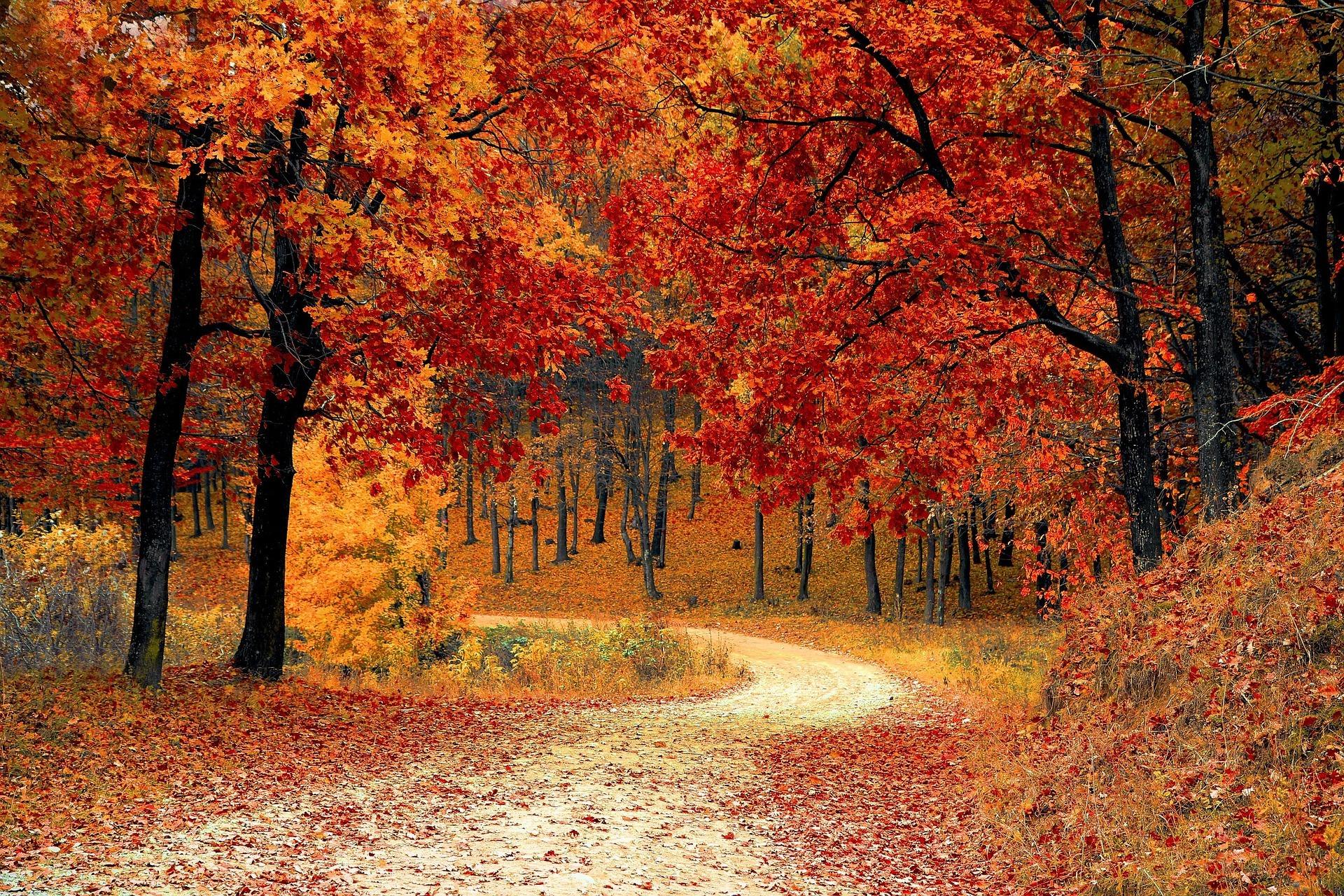
Seoul Forest is still very much an urban park. Allow the skyline to appear in some photographs rather than trying to hide it. Modern buildings behind autumn trees capture the contrast that makes the park distinctly Seoul.
Morning generally brings quieter paths, while late afternoon creates warmer directional light. There is no need to avoid cloudy days either; softer light often handles the deeper fall colors particularly well.
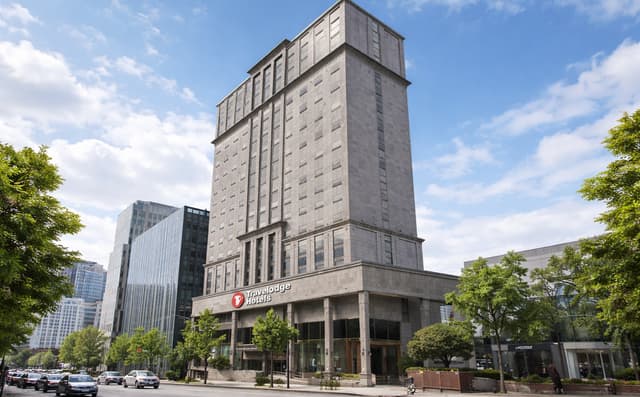
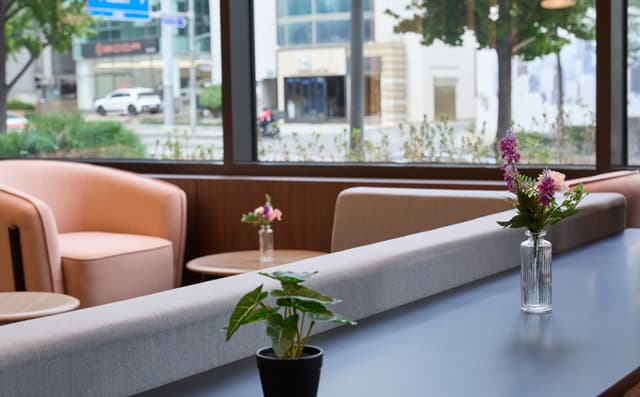
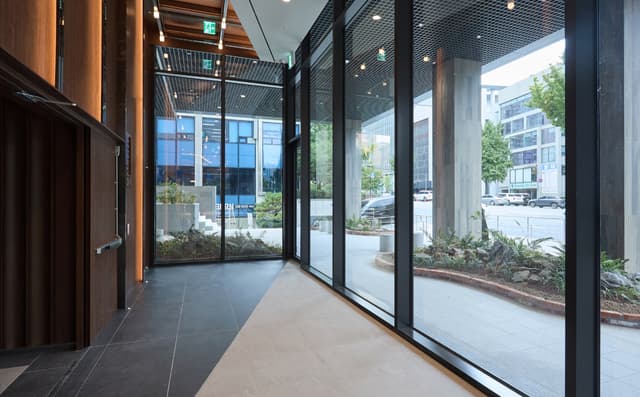
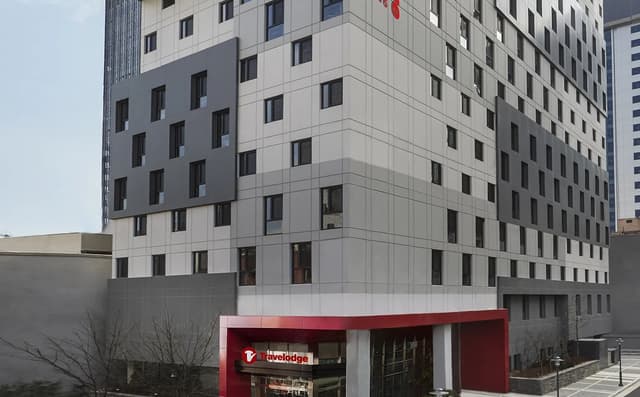
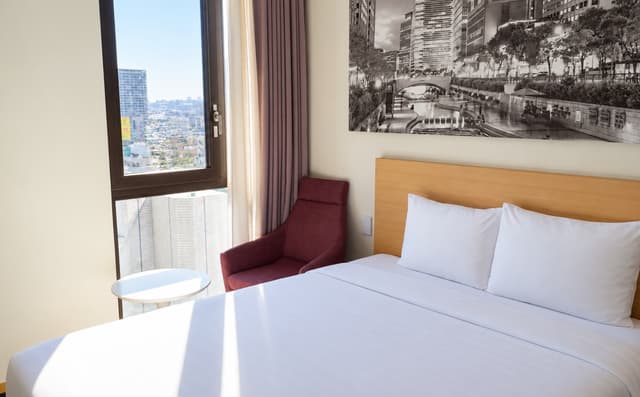
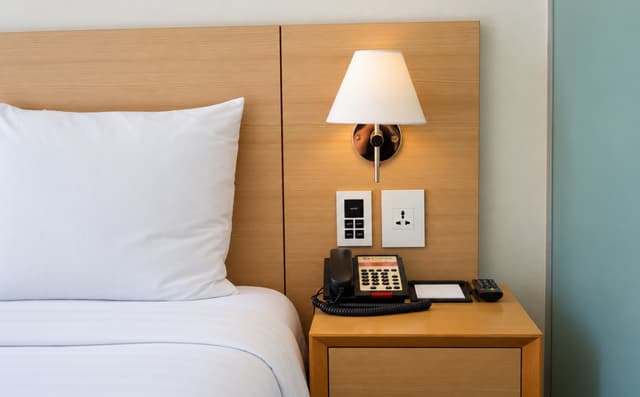
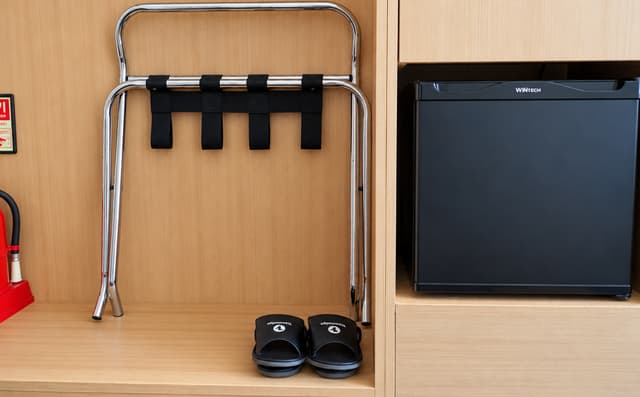
Travelodge Hotels in Seoul with Easy Access to Seoul Forest Park





- 1
- 2
Extend Your Afternoon into Seongsu-dong
One advantage of visiting Seoul Forest is its proximity to Seongsu-dong. The neighborhood offers a change of pace after a few hours outdoors, with converted industrial buildings, independent stores, cafes, workshops, and fashion boutiques.
Seongsu is often associated with its creative spaces and cafe culture, making it a natural addition to an afternoon at the park. Visitors can move from quiet woodland paths to coffee shops and local stores without needing to travel far.
A relaxed itinerary could look like this:
- Late morning: Start with the Forest Path and metasequoia forest.
- Early afternoon: Explore Mirror Pond, the ginkgo grove, and Hill of Wind.
- Mid-afternoon: Visit the Eco Forest and observe the deer from designated areas.
- Late afternoon: Walk toward Seongsu-dong for coffee and independent shops.
- Evening: Stay for dinner or return to central Seoul for more sightseeing.
This combination works particularly well during autumn, when the cooler weather makes outdoor walking more comfortable. It also gives visitors a chance to experience two different sides of the neighborhood in one outing.
How to Get to Seoul Forest Park
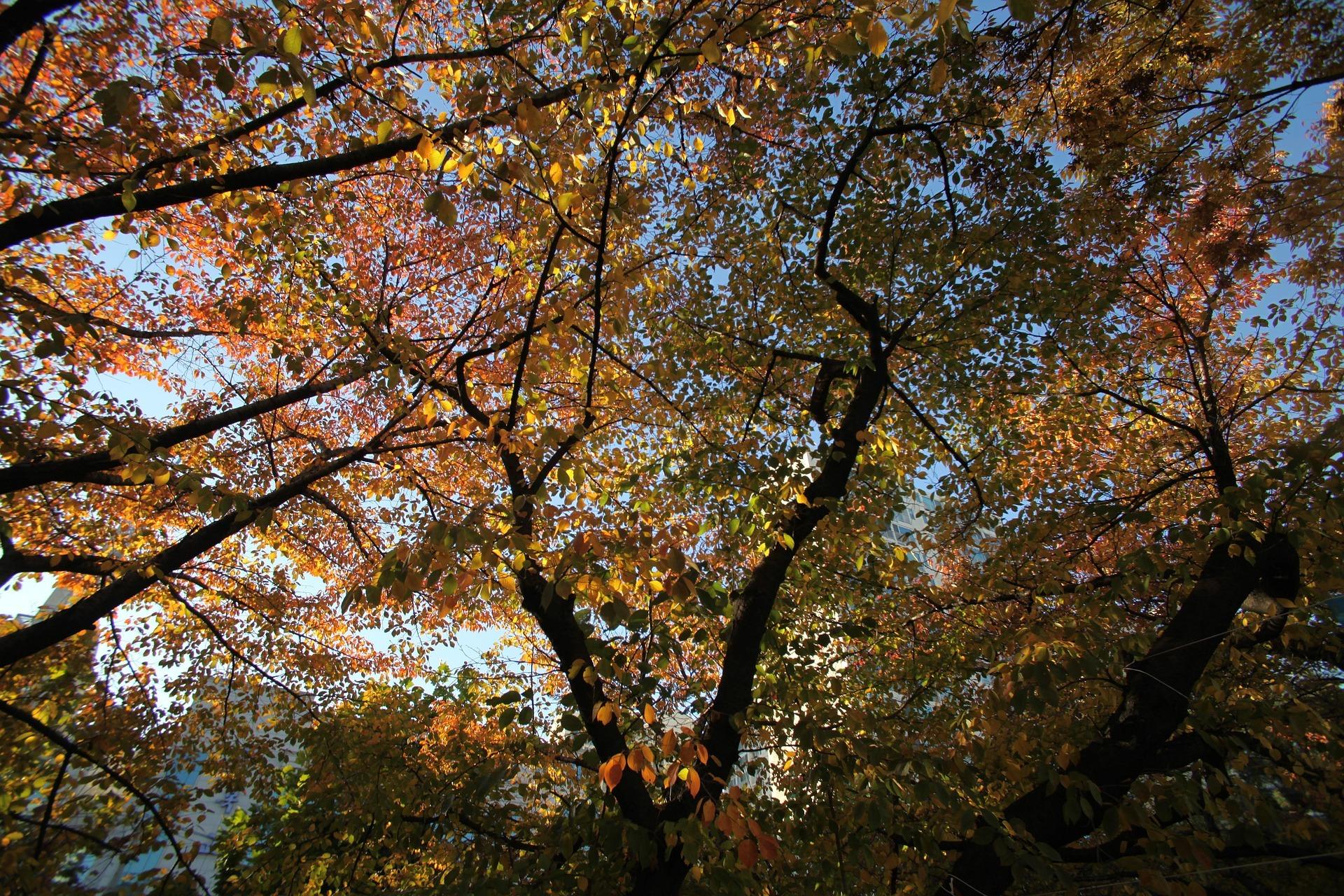
Seoul Forest is located at 273 Ttukseom-ro, Seongdong-gu, Seoul. The park is accessible by subway, making it straightforward to include in a day of sightseeing.
The closest option is Seoul Forest Station on the Suin-Bundang Line. From Exit 3, the walk to the park takes approximately five minutes.
Another option is Ttukseom Station on Subway Line 2. From Exit 8, the walk takes approximately 10–15 minutes, depending on the entrance and destination within the park.
Transport | Station exit | Approximate walk |
|---|---|---|
Suin-Bundang Line | Seoul Forest Station, Exit 3 | 5 minutes |
Subway Line 2 | Ttukseom Station, Exit 8 | 15 minutes |
Seoul Forest is a large park, so the nearest entrance may not be the closest one to your preferred attraction. Check the park map if you are heading directly to the deer area, Mirror Pond, or the ginkgo grove.
The main park is open 24 hours a day, but some facilities have separate operating hours. The Eco Forest, which includes the deer area, is listed as operating from 5:30 AM to 9:30 PM, while the Insect and Plant Garden has shorter seasonal hours. Check the official park information for any changes before visiting.
Tips for Enjoying Seoul Forest in Autumn
A visit to Seoul Forest is best enjoyed at a relaxed pace. The park covers a large area, and the experience is more rewarding when there is enough time to explore beyond its most photographed spots.
- Choose your month based on the scenery you prefer. October generally offers a mix of green and changing foliage, while early November is a better period to look for more developed autumn colors.
- Explore the ginkgo grove and Forest Path. These are among the park's most seasonal walking areas, particularly when the leaves turn golden.
- Visit the deer area during Eco Forest operating hours. The main park is open around the clock, but ecological areas have restricted access hours.
- Keep a respectful distance from the deer. Observe the animals from designated viewing areas and follow the posted instructions.
- Wear comfortable walking shoes. The park's different areas are spread out, so exploring several attractions involves a fair amount of walking.
- Bring an extra layer for cooler afternoons. November temperatures can feel noticeably colder, particularly when spending time in open areas.
- Make time for Seongsu-dong. The nearby cafes and independent stores provide an easy way to continue the outing after exploring the park.
- Use the subway rather than relying on parking. Seoul Forest is well connected by public transportation, while parking space is limited.
Stay Conveniently in Seoul with Travelodge
SSeoul Forest is located in Seongdong-gu, but visitors do not necessarily need to stay in the immediate area. A hotel near a well-connected subway station can make it easier to visit the park while keeping other Seoul attractions within reach.
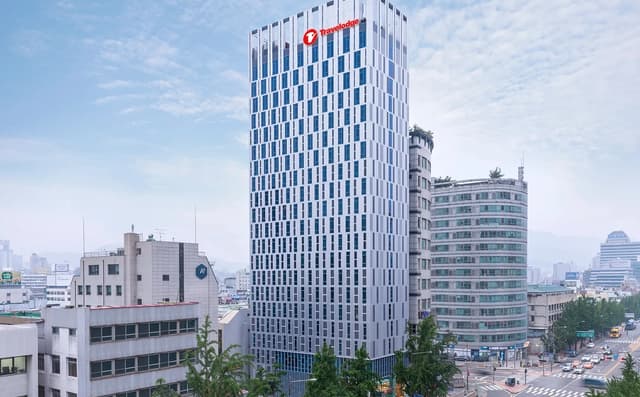
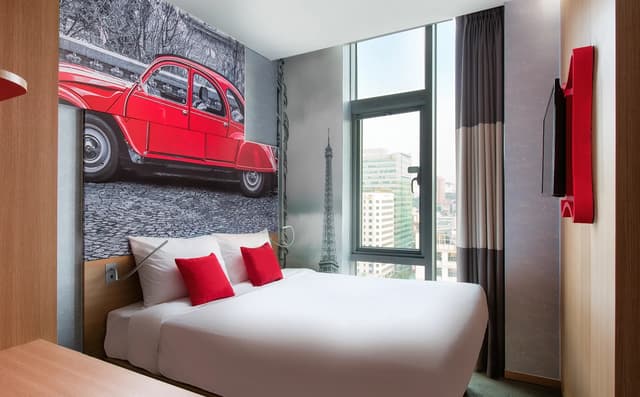
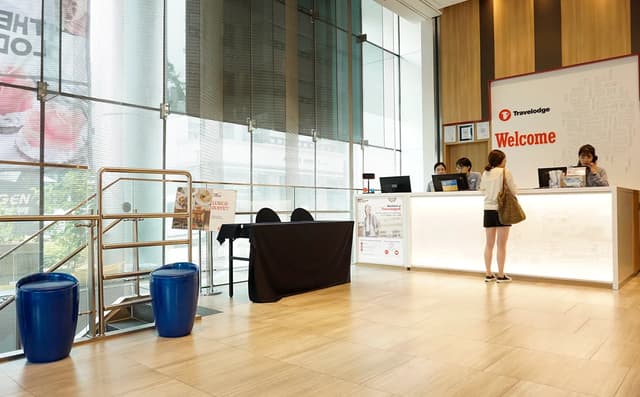
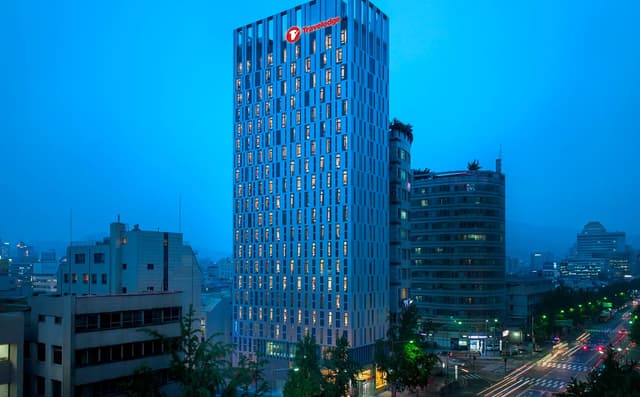
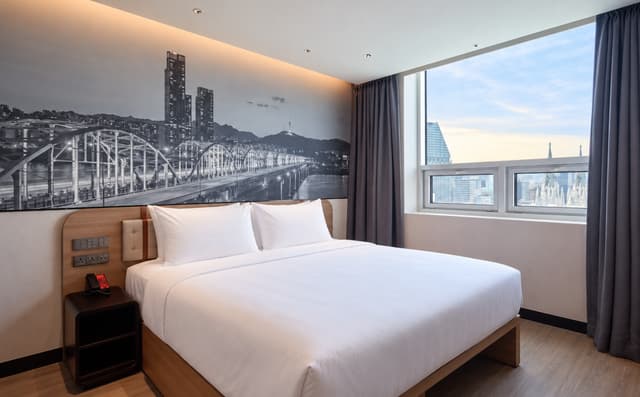
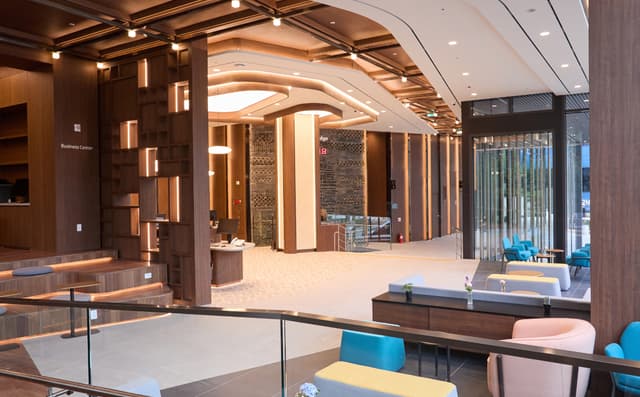
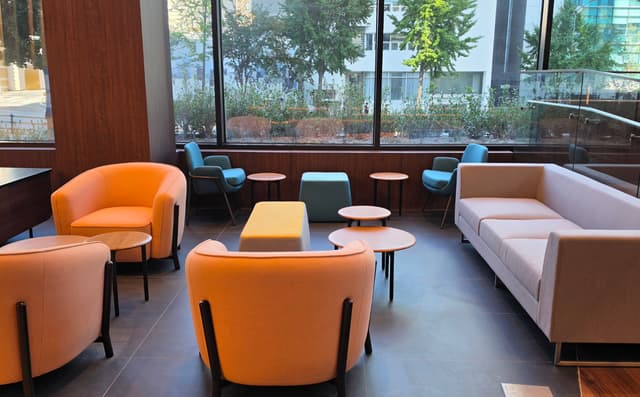
Travelodge Hotels Asia offers several centrally located properties that work well for this type of itinerary. Each combines comfortable rooms with convenient access to public transportation, allowing guests to explore different neighborhoods during the same trip.
Travelodge Gangnam Yeoksam Seoul
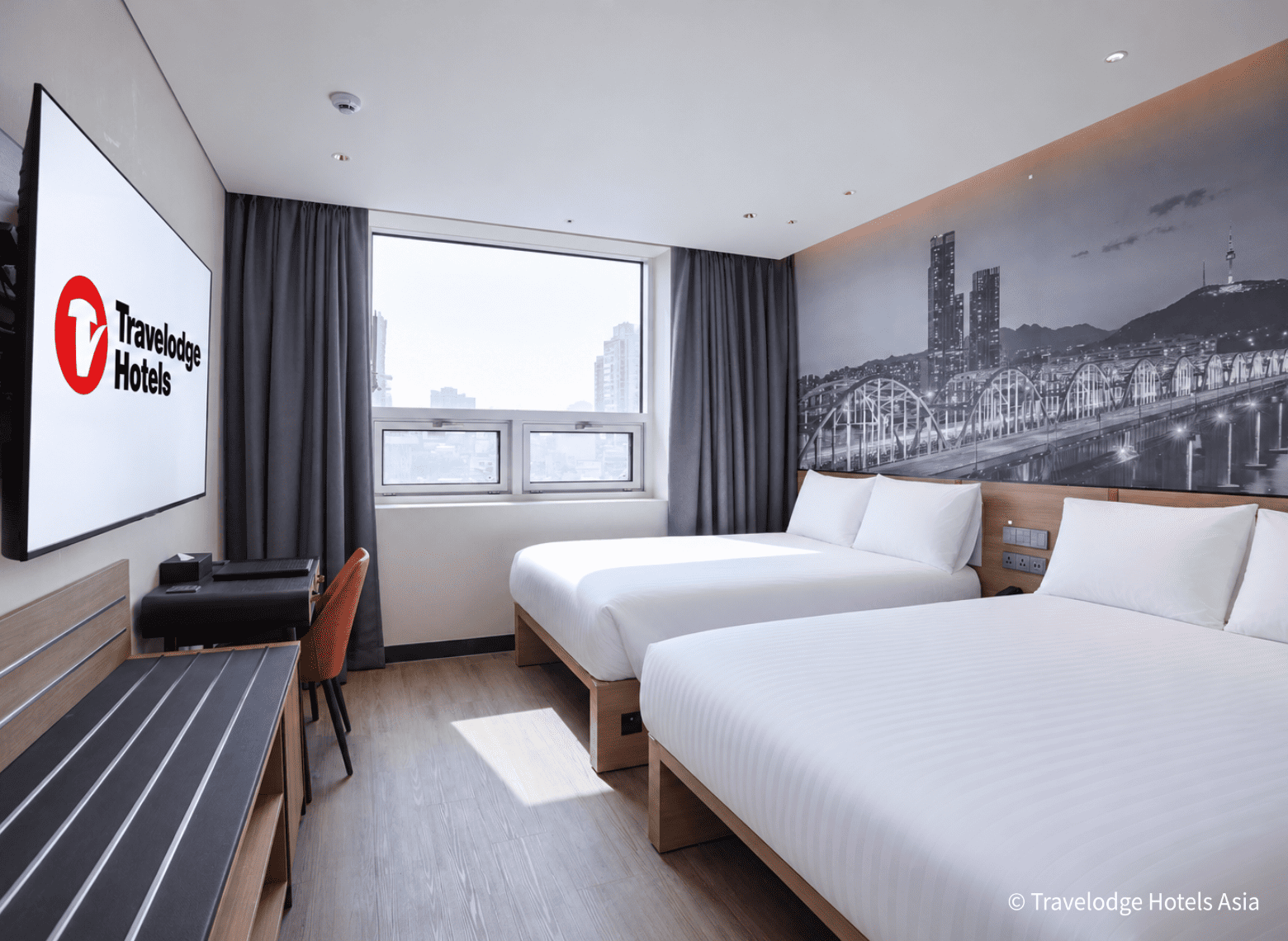
For travelers staying in Gangnam, Travelodge Gangnam Yeoksam Seoul offers another convenient way to visit Seoul Forest Park during the autumn foliage season. The hotel is located at 547 Eonju-ro, within walking distance of Seonjeongneung Station, which connects to the Suin-Bundang Line.
Getting to Seoul Forest is straightforward. From Seonjeongneung Station, take the Suin-Bundang Line toward Wangsimni and get off at Seoul Forest Station after two stops. From there, Exit 3 leads to the park, with a walk of approximately five minutes. The overall journey takes around 15–20 minutes, making it easy to plan a morning foliage walk or an afternoon visit to see the deer and explore the park's scenic paths.
The hotel's Gangnam location also puts guests close to other local attractions. Seolleung and Jeongneung Royal Tombs are within walking distance, while COEX, Starfield Library, and Bongeunsa Temple are convenient additions to a Gangnam itinerary. With comfortable rooms, Wi-Fi, self-service laundry, and convenient subway connections, Travelodge Gangnam Yeoksam Seoul offers a practical base for exploring both Seoul's urban attractions and its green spaces.
Travelodge Dongdaemun Seoul
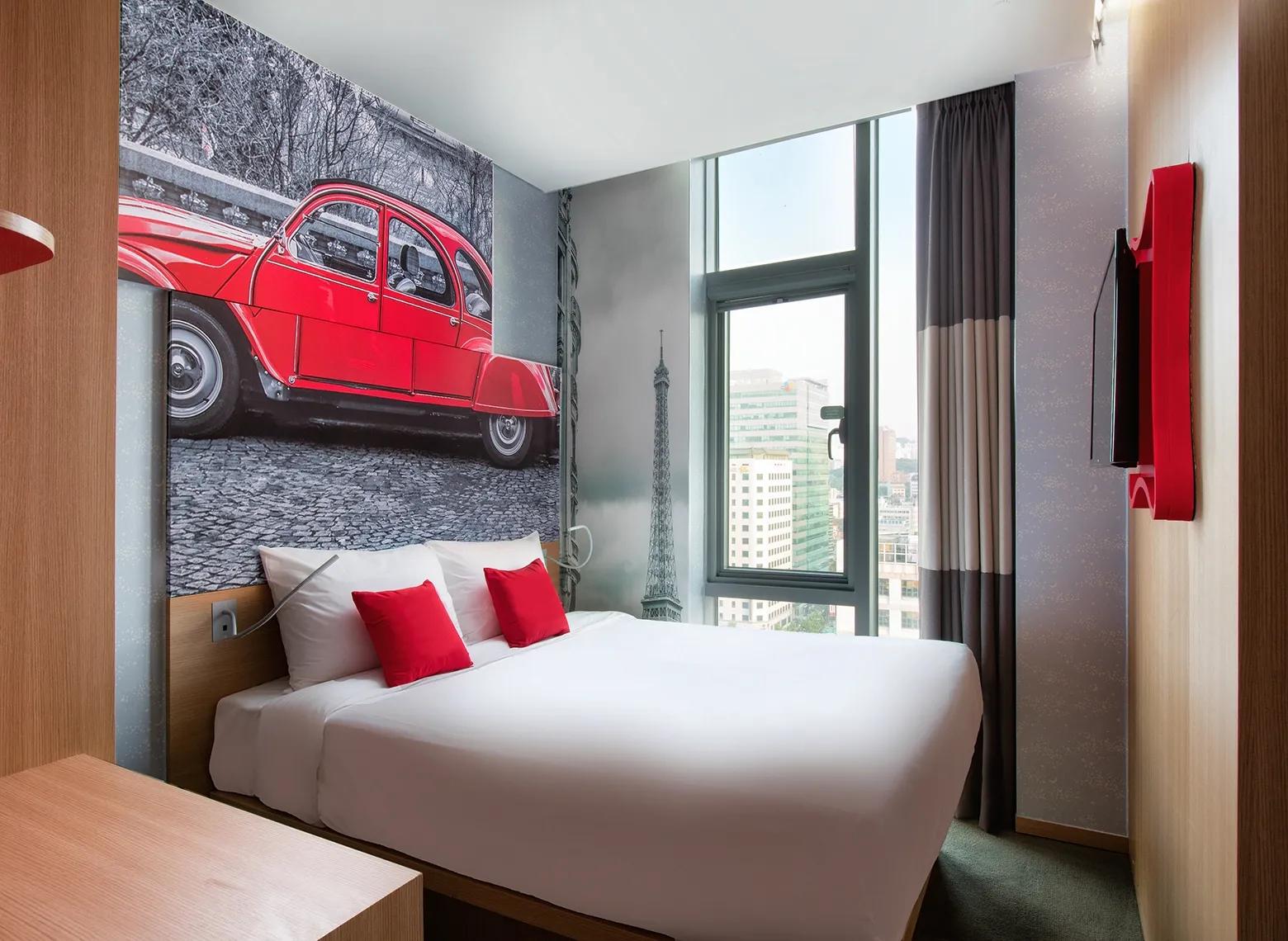
Travelodge Dongdaemun Seoul is a practical option for visitors who want to combine Seoul Forest with Dongdaemun, traditional markets, and other central Seoul attractions.
The hotel is around a five-minute walk from Dongdaemun History & Culture Park Station, with additional subway connections available at nearby stations. From the hotel, guests can use public transportation to reach Seoul Forest and continue to Seongsu-dong, then return to Dongdaemun for shopping or dinner.
Dongdaemun Design Plaza is approximately 500 meters away, making it easy to explore another part of Seoul after a day among the autumn leaves. The hotel's location also supports Travelodge's 3C approach: Comfort after a day of walking, Convenience through nearby transport and attractions, and Connectivity through high-speed Wi-Fi.
Travelodge Myeongdong Euljiro
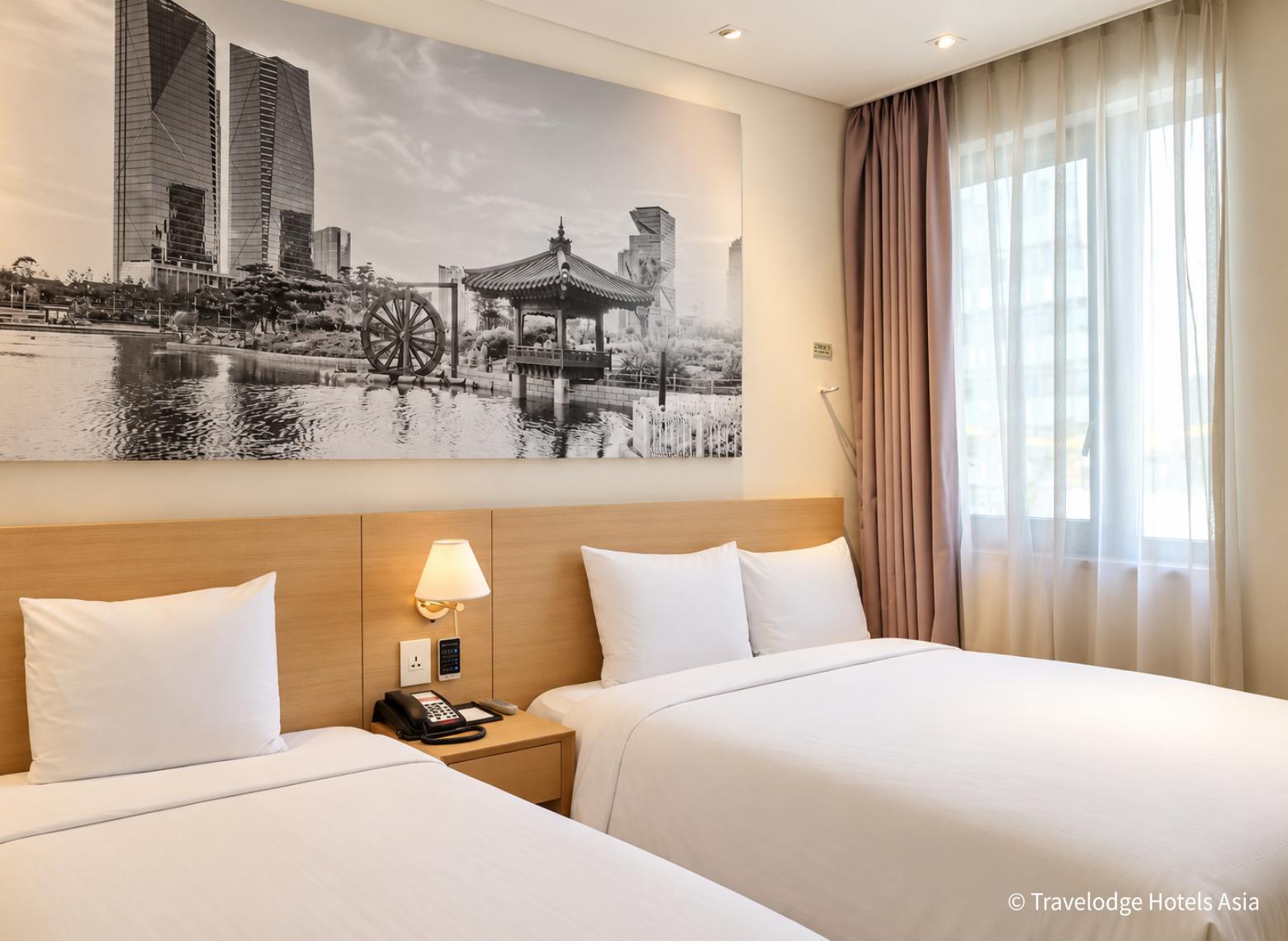
Travelodge Myeongdong Euljiro is located around 350 meters from Euljiro 3-ga Station, served by Subway Lines 2 and 3. This gives guests convenient connections toward Seoul Forest and other parts of the city.
The journey to Seoul Forest takes approximately 25 minutes by subway, depending on the route and transfer. After exploring the park, guests can return to the hotel and spend the evening around Euljiro or Myeongdong, both known for their dining and shopping options.
The hotel also offers self-service laundry and free Wi-Fi, which can be useful for travelers spending several days in Korea. Its central location supports Convenience and Connectivity, while comfortable rooms provide a place to recharge after an afternoon outdoors.
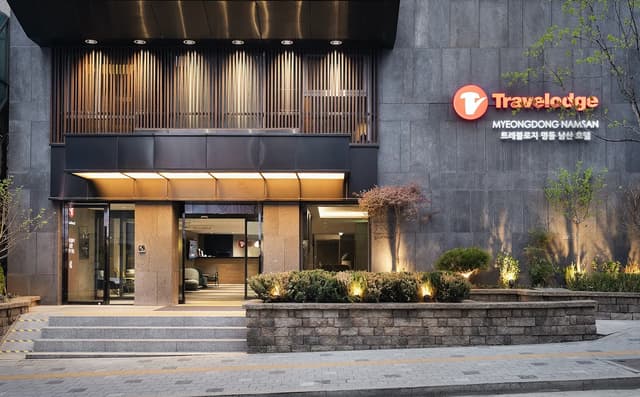
Travelodge Myeongdong Namsan
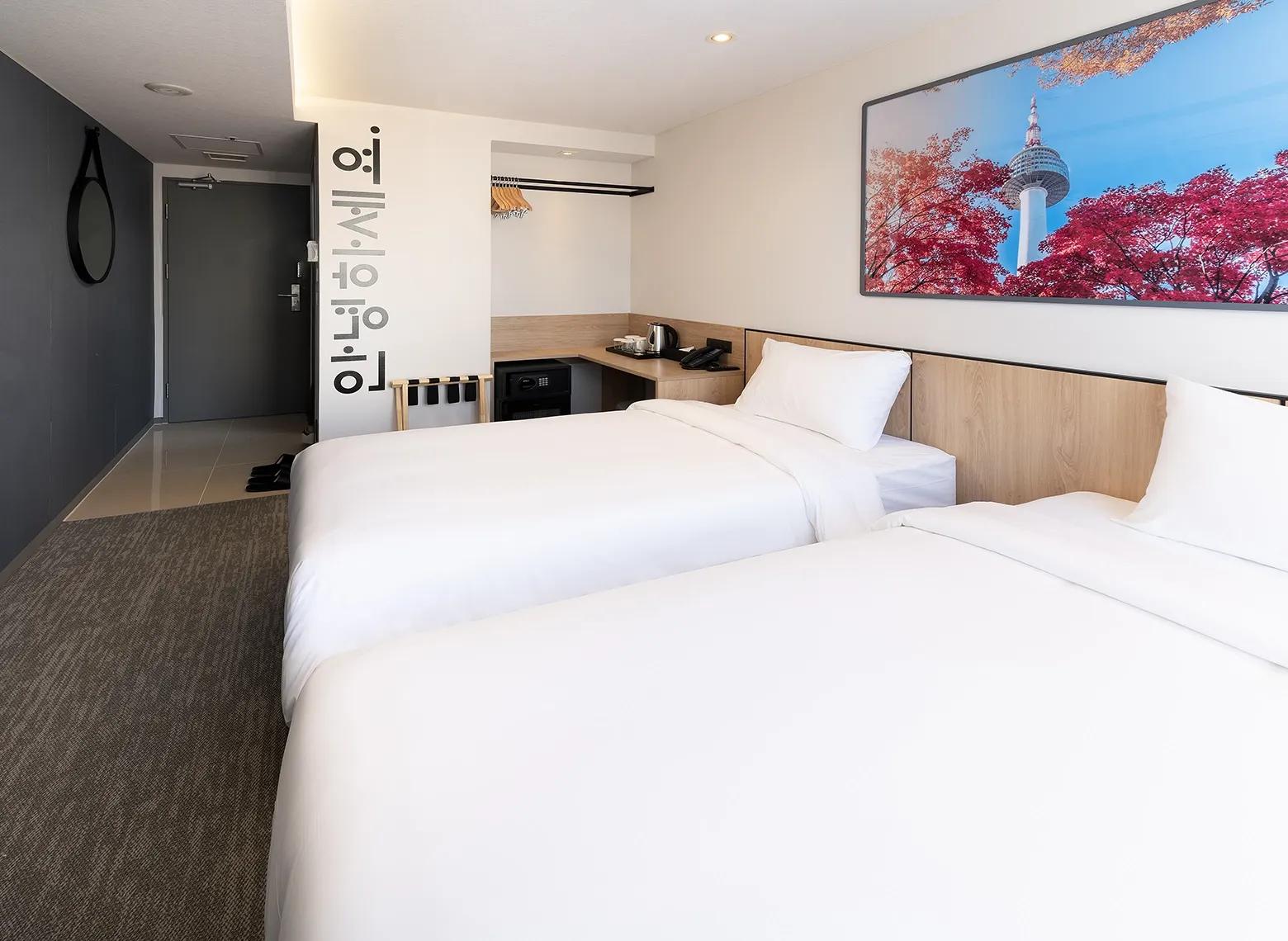
Travelodge Myeongdong Namsan is another convenient base for visitors planning to explore several parts of Seoul. The hotel is around 400 meters from Chungmuro Station, served by Subway Lines 3 and 4, and approximately 500 meters from Myeongdong Station.
Guests can take the subway toward the Seongsu area and reach Seoul Forest in around 30 minutes, depending on the route and connections. The same central location also makes it easy to visit Namsan, Myeongdong Shopping Street, and other major attractions.
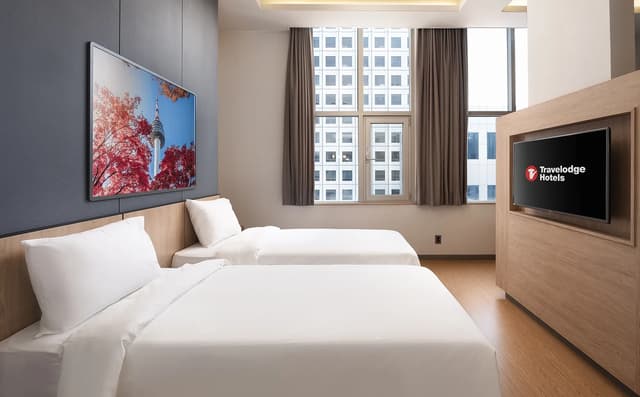
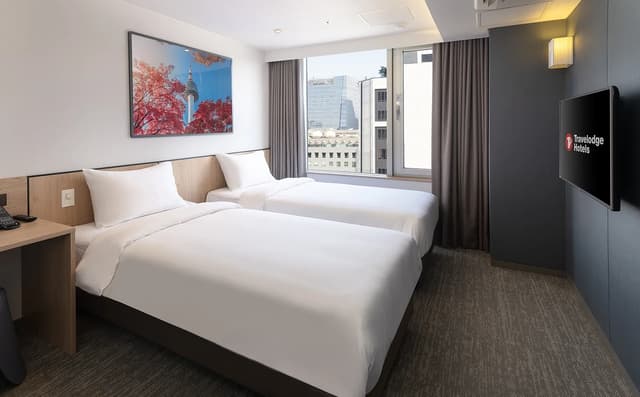
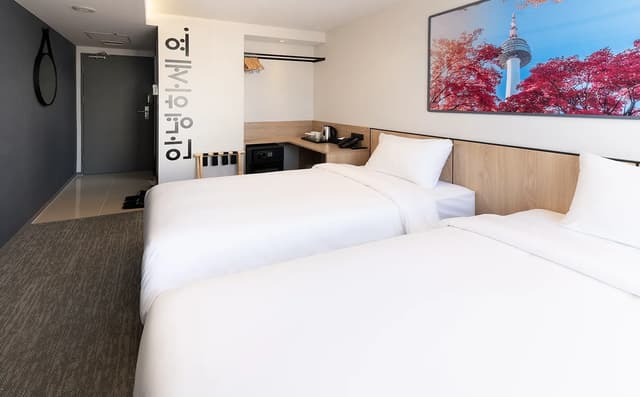
For longer stays, the hotel's self-service laundry facilities are a practical addition, while Wi-Fi helps guests stay connected and plan their daily routes. The combination of a central location, comfortable rooms, and convenient subway access reflects Travelodge's focus on Comfort, Convenience, and Connectivity.
Which Travelodge Hotel Is Convenient for Visiting Seoul Forest?
The best choice depends on the other neighborhoods you plan to explore during your stay. All three properties offer public transportation connections to Seoul Forest, but each provides a different base for the rest of your itinerary.
Hotel | Nearby public transportation | Other areas to explore |
|---|---|---|
Travelodge Dongdaemun Seoul | Dongdaemun History & Culture Park Station and nearby subway stations | Dongdaemun Design Plaza, traditional markets, central Seoul |
Travelodge Myeongdong Euljiro | Euljiro 3-ga Station, Lines 2 and 3 | Euljiro, Myeongdong, other central Seoul neighborhoods |
Travelodge Myeongdong Namsan | Chungmuro Station, Lines 3 and 4; Myeongdong Station | Namsan, Myeongdong, Namsangol Hanok Village |
For visitors who want to combine Seoul Forest with Dongdaemun's shopping areas, Travelodge Dongdaemun Seoul is a useful option. Those who prefer to stay closer to Myeongdong and central Seoul can consider either Travelodge Myeongdong Euljiro or Travelodge Myeongdong Namsan.
Whichever location you choose, staying near public transportation makes it easier to fit Seoul Forest into a wider itinerary. Guests can spend the afternoon among the autumn leaves, explore Seongsu-dong, and continue sightseeing elsewhere without having to change hotels.
Enjoy a Relaxed Autumn Afternoon at Seoul Forest
Seoul Forest offers a quieter way to experience the fall season in the middle of the city. From golden ginkgo trees and the metasequoia forest to the deer area and open spaces at Hill of Wind, the park has enough variety to fill an unhurried afternoon.
The best time to see Seoul Forest autumn leaves is generally from late October to early November, although the scenery changes each year. After the walk, nearby Seongsu-dong adds another reason to stay in the area, with cafes, independent shops, and places to enjoy dinner.
For a convenient base to explore Seoul Forest and the rest of the city, consider staying at Travelodge Dongdaemun Seoul, Travelodge Myeongdong Euljiro, or Travelodge Myeongdong Namsan. Explore the available Travelodge hotels in Seoul and book directly through Travelodge Hotels Asia to check official rates, current promotions, and eligible membership benefits.