


Share article
#TrevorDiscover Things to Do Along Kamo River Kyoto, Best Views & Riverside Experiences

Trevor
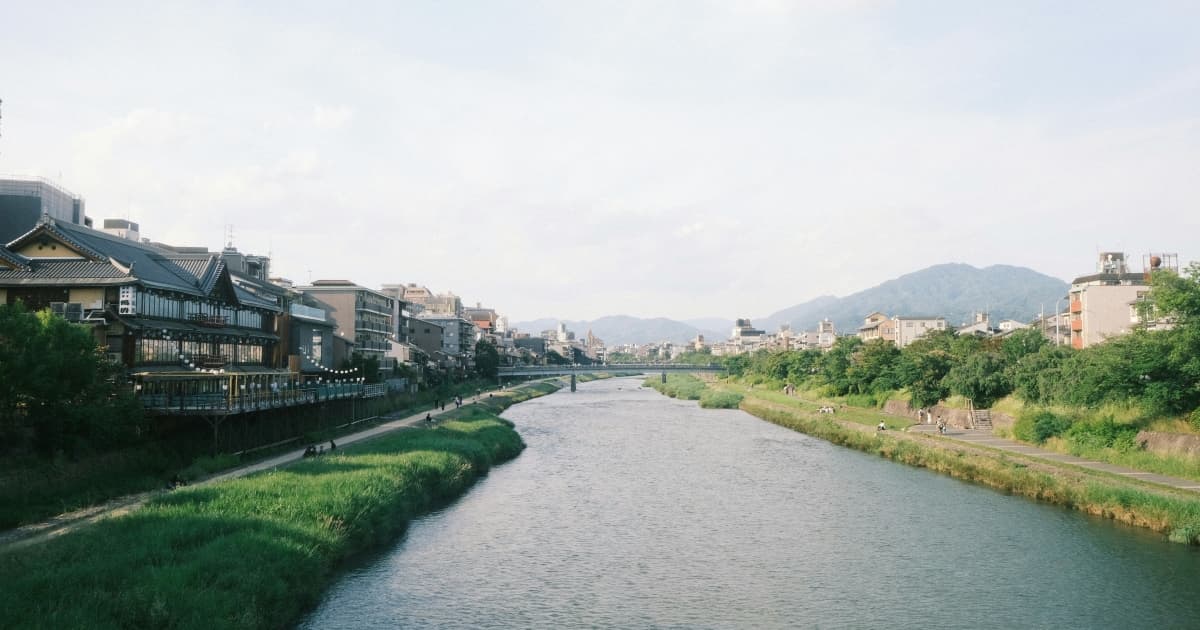
When exploring a new city, many tourists look beyond the main attractions to discover nearby areas where they can experience the destination at a more relaxed pace. Trevor helps you enjoy the city like a local, from finding neighbourhood spots worth visiting to making the most of the surroundings during your stay. In Kyoto, the changing seasons bring a different atmosphere to the city, with spring blossoms, warm summer evenings, colourful autumn scenery, and crisp winter days shaping how locals and visitors spend their time outdoors.
One place that captures this seasonal charm is the Kamo River, a scenic waterway running through the heart of Kyoto where you can enjoy riverside walks, cycling, sunset views, and dining by the water.
What to Know Before You Go
Quick Fact | Details |
Location | Central Kyoto, flowing through areas including Sanjo, Shijo and Demachiyanagi |
Best For | Riverside walks, cycling, sunset views, people-watching and dining |
Best Time to Visit | Morning for a peaceful walk; evening for sunset and riverside dining |
Evening Atmosphere | Relaxed and lively, particularly around Pontocho and Shijo |
Scenic Highlight | The Kamo River stepping stones, which visitors can use to cross the river |
Nearby Areas | Pontocho, Gion, Shijo and Sanjo |
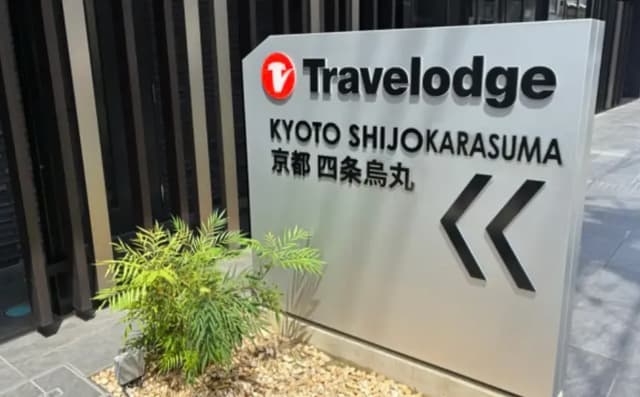
Distance from Hotel | Travelodge Kyoto Shijo Kawaramachi to Kamo River = 7 min walk (500 m) |
Dining | Restaurants and traditional dining spots overlooking the river, especially around Pontocho |
Ideal Visit Duration | Around 1–3 hours, depending on activities |
Good to Know | The riverside atmosphere changes throughout the day and across Kyoto’s seasons |
Why Kamo River Belongs on Your Kyoto Itinerary
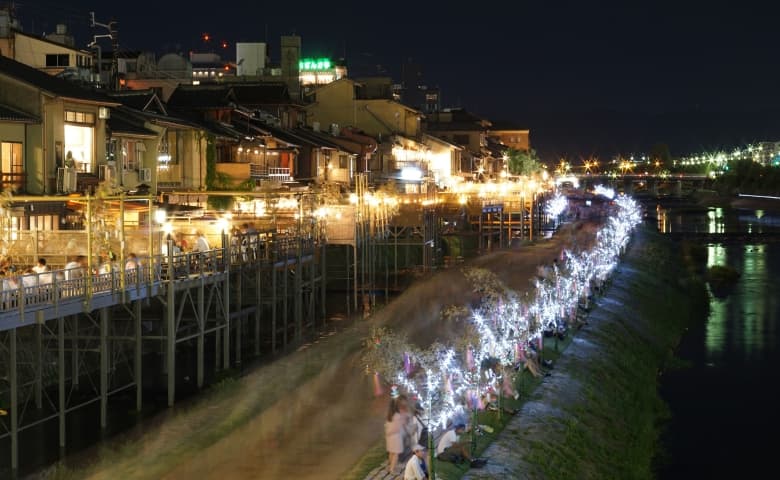
Image Source: Unsplash
Kamo River offers a different way to experience Kyoto, away from the pace of its busiest temples and shopping streets. The river runs through central Kyoto and connects several well-known neighbourhoods, making it easy to combine a riverside stop with a day exploring areas such as Pontocho, Gion, Sanjo, and Shijo. It is also a popular everyday space where locals walk, cycle, sit by the water, or meet friends, giving visitors a glimpse of Kyoto beyond its traditional sightseeing spots.
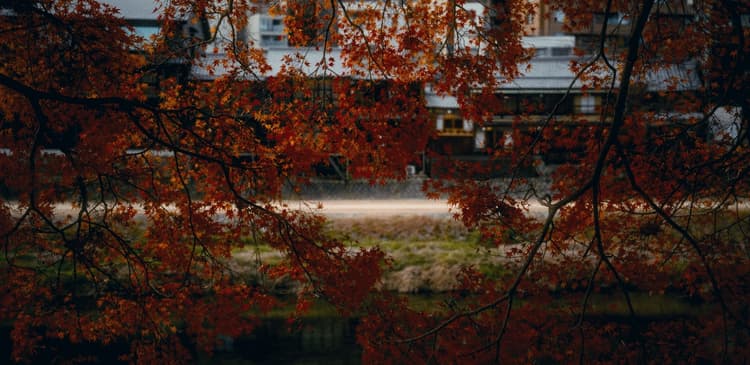
One of the river’s biggest charms is how much its atmosphere changes with the seasons. Spring brings cherry blossoms along parts of the riverside, creating a picturesque setting for walks and photography. Summer is ideal for enjoying the river in the evening, when the cooler air and lively surroundings make it a pleasant place to linger. During autumn, colourful foliage adds another layer to the scenery, while winter brings a quieter, more peaceful atmosphere with crisp air and fewer people outdoors.
The time of day also shapes the experience. A Kamo River Kyoto morning walk is suited to travellers looking for a calm start, while the late afternoon offers opportunities to catch the Kamo River Kyoto sunset. After dark, the area around Pontocho and Shijo takes on a livelier character, with restaurants and traditional dining spots overlooking the water. Visitors can also expect simple pleasures such as crossing the river via its stepping stones, cycling along the riverside, or simply finding a spot to sit and watch Kyoto go by.
Where is Kamo River and How Do You Get There from Travelodge Kyoto Shijo Kawaramachi?
One of the convenient things about staying at Travelodge Kyoto Shijo Kawaramachi is how easily you can reach the Kamo River from the hotel. The river is around 500 metres away, placing it within a comfortable journey through central Kyoto and close to Pontocho and Kiyamachi.
For those who prefer to walk, the route takes you through the lively Kawaramachi area towards the riverside, with Pontocho Alley also nearby. Alternatively, the hotel's location near Hankyu Kyoto Kawaramachi Station, Sanjo Keihan Station, and Kyoto Shiyakusho-mae Station provides convenient transport connections if you are continuing your journey elsewhere in Kyoto.
This location brings together Travelodge's 3C values — Comfort, Convenience and Connectivity. You can enjoy the comfort of having the Kamo River and central Kyoto attractions close by, the convenience of nearby dining and shopping, and connectivity through several rail and public-transport options. It makes a riverside visit easy to fit into a wider day of exploring Kyoto, whether you're heading out for a morning walk or returning to the area for an evening by the water.
Best Things to Do Along Kamo River
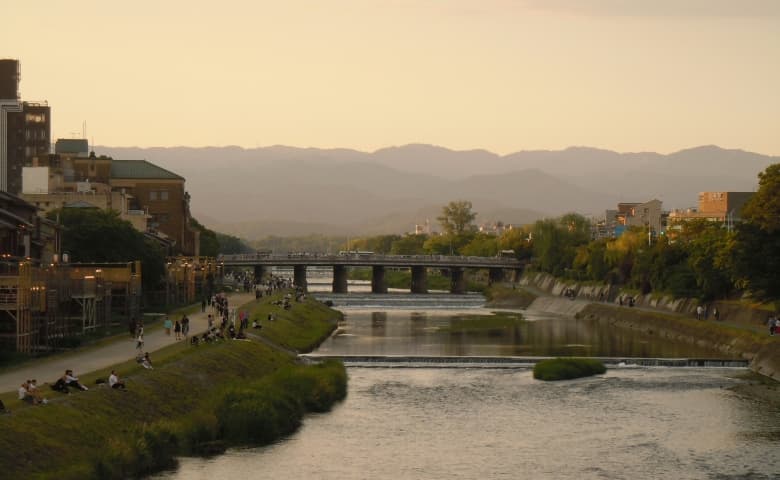
Image Source: Unplash
The beauty of Kamo River is that there is no single way to experience it. Depending on when you visit, you can start with a quiet morning walk, spend the afternoon cycling or exploring nearby neighbourhoods, then return at sunset for riverside views and dining. Here are some of the highlights worth adding to your Kyoto plans.
Take a Kamo River Kyoto Morning Walk
Start the day beside the river for a slower introduction to Kyoto. The riverside paths are used by locals for walking, jogging and cycling, so an early visit offers a chance to see the city in a more everyday setting. The atmosphere is generally calmer in the morning, making it a comfortable time for a leisurely stroll before heading to nearby attractions.
For a longer walk, follow the river between bridges and choose your own pace rather than planning a fixed route. You can pause along the banks to watch the water, take photographs or simply enjoy the open space. In spring, sections of the river become particularly scenic with cherry blossoms, while autumn brings seasonal colour and cooler temperatures.
Cross the Kamo River Stepping Stones
For something a little more interactive, look for the stepping stones that allow visitors to cross parts of the river. The most recognizable ones are around the Kamogawa Delta near Demachiyanagi, where the Kamo and Takano rivers meet. Some of the stones are shaped like turtles and birds, adding a playful detail to an otherwise peaceful riverside setting.
Crossing the stones is a simple activity, but it gives you a different perspective of the river and makes for a memorable photo opportunity. Take care with your footing and avoid crossing when water levels are high or conditions are unsafe, particularly after heavy rain.
Enjoy a Kamo River Kyoto Sunset
As afternoon turns to evening, the riverside takes on a different character. The open banks provide unobstructed views of the changing sky, while the surrounding city gradually lights up. Around the central sections near Shijo and Sanjo, it is common to see people sitting by the river and enjoying the cooler air at the end of the day.
A Kamo River Kyoto sunset is especially appealing if you want to combine sightseeing with some downtime. Rather than rushing from one attraction to another, find a comfortable spot along the bank and watch the light change over the river and surrounding mountains. Spring and autumn can be particularly pleasant for spending time outdoors, while summer evenings offer a welcome break from the daytime heat.
Explore Pontocho and Its Kamo River View
Running parallel to the river, Pontocho is one of Kyoto's most atmospheric neighbourhoods. Its narrow lane is lined with traditional buildings, restaurants and lanterns, creating a striking contrast with the open riverside just a short distance away.
Walking through Pontocho before or after visiting the river lets you experience two sides of central Kyoto in one outing. Look for a Pontocho Kamo River view from restaurants and nearby streets, particularly as evening arrives and the riverside lights begin to reflect on the water. The combination of traditional architecture, dining and the river makes this one of the most distinctive areas to explore after dark.
Try Kyoto Riverside Dining
Food is another reason to visit the Kamo River, particularly during the warmer months. Restaurants around Pontocho and the central riverside area offer opportunities to dine close to the water, with some seasonal establishments setting up kawadoko or riverside dining platforms during summer.
The experience is about more than the meal itself. Sitting beside the river as the temperature cools and the surrounding streets begin to glow creates a relaxed way to experience Kyoto in the evening. Dining options range from traditional Kyoto cuisine to Japanese and international dishes, so you can choose an experience that suits your itinerary. During busy periods, reservations are advisable for popular riverside restaurants.
Cycle Along the Kamo River
If you want to cover more ground, Kamo River cycling Kyoto is another enjoyable option. Riverside paths provide a scenic way to move through central and northern parts of the city, with cyclists sharing the route with walkers and joggers.
Cycling also gives you the flexibility to explore beyond the busiest central section. You can ride at an easy pace, stop for photographs, visit nearby neighbourhoods and return whenever you like. Early mornings can be particularly comfortable in warmer months, while spring and autumn offer pleasant conditions for spending longer outdoors.
Relax by the River and People-Watch
Sometimes the best thing to do at Kamo River is nothing at all. The riverbanks are popular with locals who come to sit, picnic, chat, read or simply enjoy some open space in the middle of the city.
Bring a takeaway snack, find a suitable spot along the bank and take a break between sightseeing stops. This slower pace is part of what makes the Kyoto Kamo River experience different from visiting a traditional landmark. It gives you time to observe Kyoto everyday while still being close to the city's shopping, dining and entertainment districts.
Local Tips for a Better Kamo River Experience
- Go early if you prefer a quieter atmosphere. The riverside is used by locals for morning walks, jogging and cycling, so an early visit is a good time to enjoy the scenery at a slower pace.
- Plan your visit around the time of day. Morning is well suited to walking and photography, while late afternoon and evening bring a livelier atmosphere, particularly around Pontocho and the central river area.
- Allow extra time for the riverside, rather than treating it as a quick photo stop. The Kamo River stretches through Kyoto, with different sections offering different surroundings. Pick a stretch that fits naturally into your day's itinerary.
- Wear comfortable shoes if you want to explore on foot. You can combine the river with nearby Pontocho, Shijo and Sanjo, making it easy to turn a riverside visit into a longer neighbourhood walk.
- Try the stepping stones when conditions are suitable. They are a fun way to experience the river from a different perspective, particularly around the Kamogawa Delta. Take care with your footing and avoid crossing when the water is high.
- Consider cycling for a longer riverside outing. The riverbanks are popular with cyclists as well as walkers and joggers, making a bicycle a practical way to explore more of the area without rushing.
- For riverside dining, check ahead during summer. The seasonal yuka platforms beside the Kamo River are particularly popular, and reservations are advised for these dining experiences.
- Combine Pontocho with your evening by the river. Pontocho runs parallel to the Kamo River between Sanjo and Shijo, so it is easy to pair a riverside walk with dinner or an evening stroll through its traditional lanes.
- Keep the riverside experience simple. A picnic, a short walk, or simply sitting by the water can be just as enjoyable as packing the itinerary with activities. The river is one of the places where you can slow down and observe everyday Kyoto life.
- Bring a light layer for evening visits. Even in warmer months, the riverside can feel different from the busier streets, particularly once the sun goes down. This is useful if you plan to stay for sunset and continue into the evening.
Hidden Corners Near Kamo River Worth Discovering
Beyond the familiar riverside views around Shijo and Pontocho, the Kamo River stretches towards quieter neighbourhoods where local shops, historic sites and everyday Kyoto life take centre stage. For travellers who want to explore beyond the most photographed spots, these places make an interesting detour.
Demachi Masugata Shopping Street
Near the northern end of the Kamo River, Demachi Masugata Shopping Street is a covered local arcade with around 40 shops selling everything from fresh produce and prepared food to sweets, books and everyday goods. It is a working neighbourhood shopping street rather than a purpose-built tourist attraction, making it a good place to see a more ordinary side of Kyoto.
One of the names to look out for is Demachi Futaba, a long-established mochi shop located near the entrance to the arcade. Its famous seasonal mame daifuku is a popular local sweet, so it can be worth arriving earlier in the day if you want to try it.
Shimogamo Shrine and Tadasu no Mori
A short detour from the Kamo River Delta leads to Shimogamo Shrine, one of Kyoto's historic Shinto sites. The shrine sits within Tadasu no Mori, an ancient woodland that creates a remarkably tranquil setting despite being relatively close to central Kyoto. The area is particularly worthwhile if you want to combine a riverside walk with a quieter cultural stop.
The route also gives you a chance to see where the Kamo and Takano rivers meet at the Delta before continuing into the forest. The combination of river landscape, traditional shrine architecture and mature woodland makes this feel quite different from Kyoto's busier sightseeing districts.
Kawai Shrine
Within the same broader area, Kawai Shrine is a smaller shrine associated with beauty and traditionally linked with the deity Tamayori-hime-no-Mikoto. One distinctive feature is its mirror-shaped ema, which visitors can decorate with their own drawings and makeup-inspired designs as part of a beauty prayer.
It is an easy addition to a Kamo River Delta outing and offers a more intimate shrine experience than Kyoto's larger, more heavily visited landmarks.
Sakata Shrine
Another unusual stop near the Kamo River is Sakata Shrine, a small subsidiary shrine of Shimogamo Shrine with an unexpected connection to rugby. The site commemorates the area where Japan's first rugby practice is said to have taken place in the Tadasu no Mori area in 1910, and a monument marks the location.
It is a particularly interesting find for sports fans, but even casual visitors may enjoy discovering this lesser-known piece of Kyoto's history while exploring around the river.
Kamo River Delta
At the meeting point of the Kamo and Takano rivers, Kamo River Delta offers a completely different atmosphere from the central riverside near Pontocho. The wide open space is popular with local residents and students, while the distinctive stepping stones shaped like turtles and birds provide a playful way to cross the water when conditions are suitable.
For a more local-feeling outing, this northern section is worth adding to your plans. You can combine the stepping stones with Demachi Masugata Shopping Street, Shimogamo Shrine and a relaxed riverside walk to create a half-day exploration away from Kyoto's more heavily visited central attractions.
Popular Tourist Spots Near Kamo River
Kamo River is surrounded by some of Kyoto’s most recognisable neighbourhoods and landmarks, making it easy to combine a riverside visit with other popular stops.
Pontocho
This atmospheric dining district runs parallel to Kamo River and is known for its narrow traditional lane, wooden buildings, restaurants and evening atmosphere. It is especially enjoyable to explore around sunset and after dark.
Gion
Located across the river from central Kawaramachi, Gion is Kyoto’s famous traditional district, with historic streets, machiya townhouses and a strong connection to the city’s geisha culture. It makes a natural pairing with a walk along the eastern side of the river.
Nishiki Market
A short journey from Kamo River, Nishiki Market is a lively covered food market packed with Kyoto specialities, snacks, fresh ingredients and small shops. It is a convenient stop to add before or after exploring the Shijo area and riverside.
Add More Value to Your Kyoto Stay
After a day exploring Kamo River, having a comfortable and well-connected place to return to can make the rest of your Kyoto stay just as enjoyable. If you’re planning more trips with Travelodge Hotels Asia, the Travelodge membership program can add extra value to your bookings, including member-only benefits and Best Price Guarantee+ protection. When an eligible lower rate is verified, the programme provides Cashback worth three times the confirmed price difference, giving you another reason to book with confidence while discovering more of the city.
Frequently Asked Questions
What is the best time to visit Kamo River in Kyoto?
The best time depends on the experience you want. A Kamo River Kyoto morning walk offers a quieter atmosphere, while late afternoon is ideal for enjoying the changing light and Kamo River Kyoto sunset. Evening is particularly appealing around Pontocho, when restaurants open and the riverside takes on a livelier atmosphere.
Can you see the sunset at Kamo River Kyoto?
Yes. The open riverside areas provide a pleasant setting for watching the sky change colour towards sunset. After spending the afternoon exploring central Kyoto, you can head towards the river and then continue to Pontocho or Shijo for dinner.
Where can you get a Pontocho Kamo River view?
Pontocho runs alongside the Kamo River between the Sanjo and Shijo areas, with restaurants and nearby streets offering views towards the water. For guests staying at Travelodge Hotels Asia’s Travelodge Kyoto Shijo Kawaramachi, Pontocho is also conveniently located for combining an evening riverside stroll with dinner.
Are the Kamo River stepping stones open to everyone?
The stepping stones can be used when river conditions are suitable, particularly around the Kamo River Delta where the Kamo and Takano rivers meet. Visitors should check the water conditions before crossing and avoid the stones when the river is high or flowing strongly.
Is Kamo River suitable for cycling in Kyoto?
Yes, cycling is a popular way to explore longer stretches of the river. The riverside routes allow you to cover more ground while enjoying Kyoto's scenery, although cyclists should remain considerate of pedestrians and follow local signs and rules.
What can you do around Kamo River at night?
A Kamo River Kyoto night outing can include a riverside stroll followed by dinner around Pontocho or Shijo. The combination of illuminated streets, traditional architecture and restaurants close to the water creates a different atmosphere from a daytime visit.
Share article


Never Miss an Update!
Join our newsletter to unlock travel tips, latest promotions, and updates.
Subscribe now