


Share article
3-Week Japan Itinerary Autumn

Aiko Sato
.jpg)
Japan rewards travelers who have time to slow down, and fall is one of the best seasons to do exactly that. Golden ginkgo avenues brighten city streets, maple trees turn temple gardens shades of scarlet and orange, and cooler days make long walks through historic neighborhoods far more comfortable. This 3-week Japan itinerary autumn guide follows a gradual route from Tokyo through Hakone and Nagoya before spending several days in Kyoto, Nara, and Osaka.
Three weeks also leave room for the contrasts that make autumn in Japan so appealing. One day might be spent among Tokyo's modern neighborhoods, the next beside a mountain lake, followed by temple visits in Kyoto or an evening exploring Osaka's food streets. Rather than racing between landmarks, the itinerary gives each destination enough time to feel distinct.
Hello Autumn Sale
 Book directly on our official website and save up to 45% on your next hotel stay across Asia, with hotel deals in Japan, South Korea, Singapore, Malaysia, Hong Kong, Thailand, and more.
Booking Period: 5 August – 31 October 2026
Stay Period: 7 August 2026 – 31 July 2027
Length of Stay: Minimum 3 nights, Maximum 7 nights
Room rate excludes breakfast
Members enjoy up to 5% cashback after checkout!
If you are not a member yet, register Travelodge Membership for free to unlock the Hello Autumn Sale rate.
Join Membership and Save 45% Today
How to Plan a 3-Week Japan Itinerary Autumn Route
For travelers primarily interested in fall colors, timing matters just as much as the route. Japan's autumn foliage begins earlier in northern and high-altitude areas before gradually appearing farther south and at lower elevations. JNTO generally describes the country's foliage season as running from late September into early December, with November particularly rewarding across many destinations.
For Japan autumn 2026, avoid planning around a single predicted peak date too far in advance. As of August 2026, the detailed Weathernews foliage information for the new season has not yet been released and is scheduled to be released in September. Weather, elevation, and tree species can all influence when colors are at their strongest, so checking the latest forecast shortly before departure is the safest approach.
With three weeks on the road, packing light is also worthwhile. Hotels with self-service laundry can be especially useful, reducing the amount of clothing that needs to be carried between cities.
Start with Tokyo's City Sights and Autumn Colors
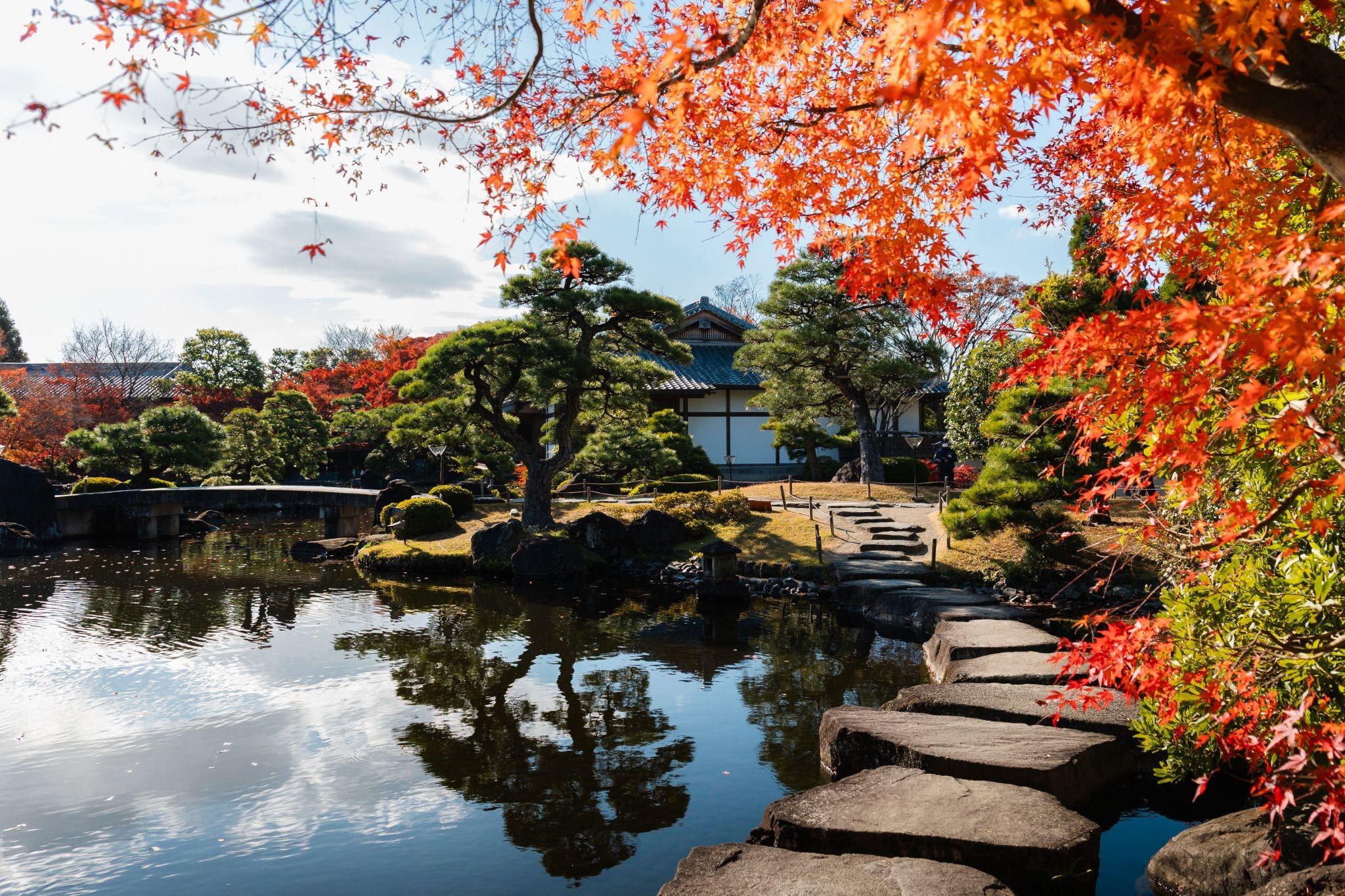
Spend the first four days getting into the rhythm of Tokyo, Japan. A comfortable opening itinerary could combine Asakusa and Senso-ji with Ueno, Shibuya, Harajuku, and an evening around Shinjuku, leaving enough space for one or two dedicated foliage stops.
Shinjuku Gyoen is an easy place to pair autumn scenery with central Tokyo sightseeing, while Rikugien offers a more traditional landscaped-garden atmosphere. Meiji Jingu Gaien is particularly recognizable when its avenue of ginkgo trees turns golden later in the season. Tokyo's foliage often develops later than higher-elevation destinations, which is worth remembering when planning the order of a longer fall trip. JNTO describes vivid autumn colors in many parts of Japan from around mid-November into early December.
Four days also mean there is no need to fill every hour. Keep one afternoon open for cafés, shopping, museums, or neighborhoods that catch your attention along the way.
Slow Down in Hakone or the Fuji Five Lakes
After Tokyo, spend two days somewhere quieter. Hakone works particularly well for travelers interested in hot springs, mountain scenery, and an easy transition toward central Japan.
Fall adds another layer to the landscape. Hakone's wooded slopes take on warm shades of yellow, orange, and red through the season, and JNTO highlights October through November as an especially colorful period in the area.
The Fuji Five Lakes are another option, especially when clear views of Mount Fuji are a priority. Lake Kawaguchi is popular for the combination of water, mountain scenery, and autumn leaves. Since elevation affects foliage timing, this part of the trip may show stronger colors earlier than central Tokyo, Kyoto, or Osaka.
Stay overnight rather than treating the area as a hurried day trip. A slower schedule creates time for an onsen, a lakeside walk, or simply an early evening after several busy days in Tokyo.
Discover Nagoya and Central Japan
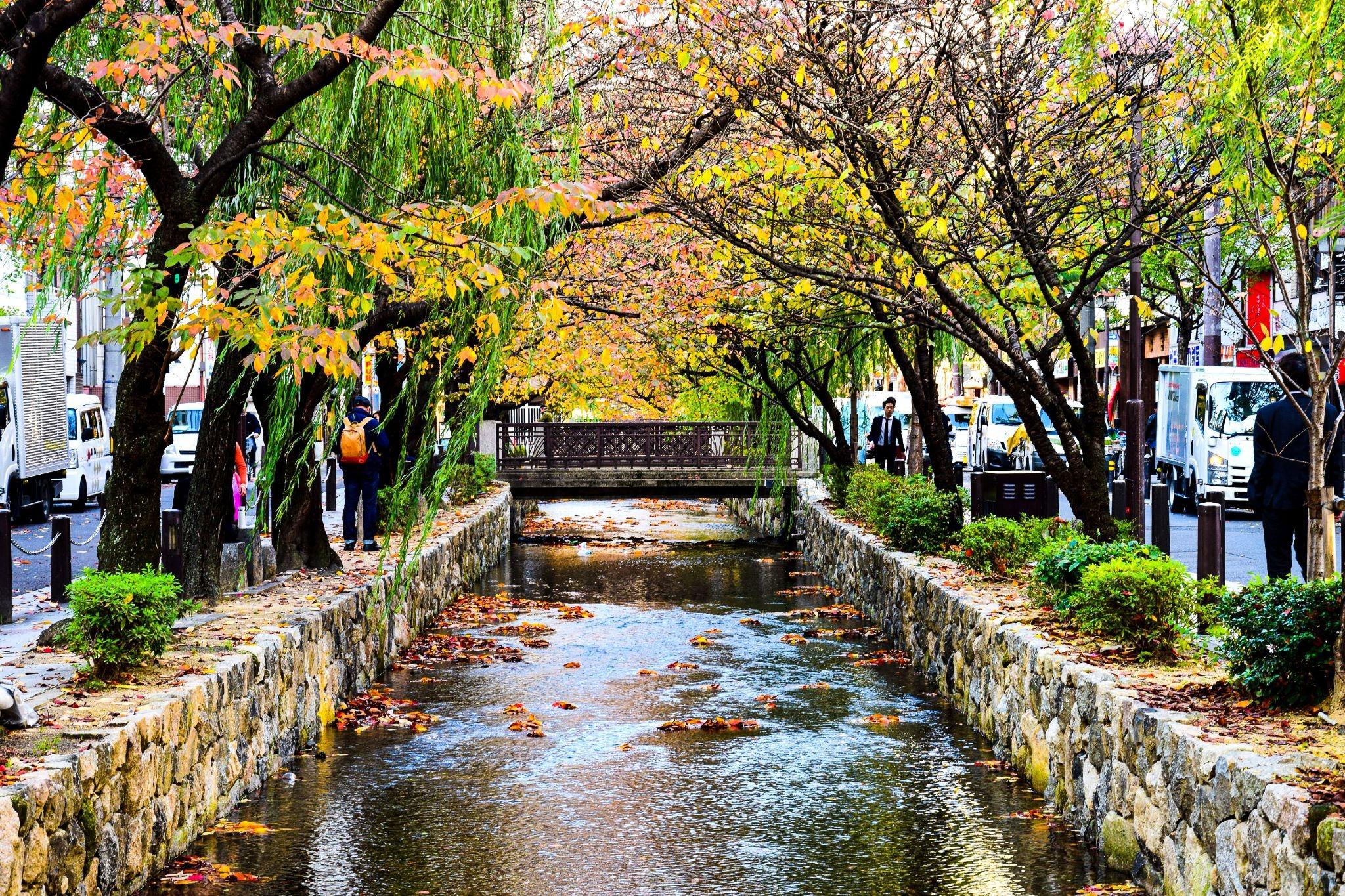
Continue west to Nagoya for three days. The city is sometimes passed over on faster Tokyo-to-Kyoto itineraries, but a three-week journey offers enough time to explore it properly.
Begin with Nagoya Castle and Atsuta Jingu, then make time for Osu's shopping streets and the city's distinctive food culture. Hitsumabushi, miso katsu, and tebasaki are among the local specialties worth adding between sightseeing stops.
For a more foliage-focused day, consider an excursion beyond central Nagoya. Korankei Gorge in Aichi Prefecture is nationally known for its autumn scenery, with maples lining the valley around the Tomoe River.
Stay at Travelodge Nagoya Sakae

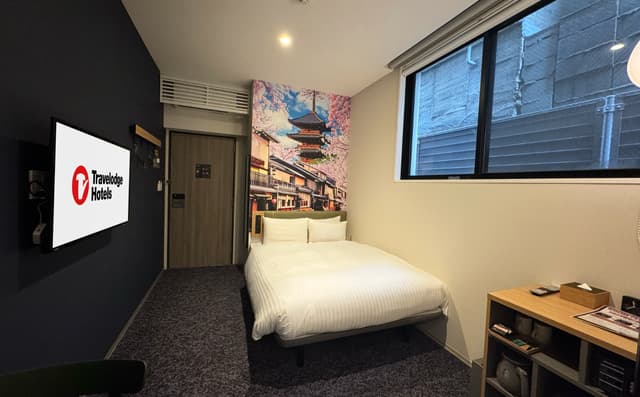
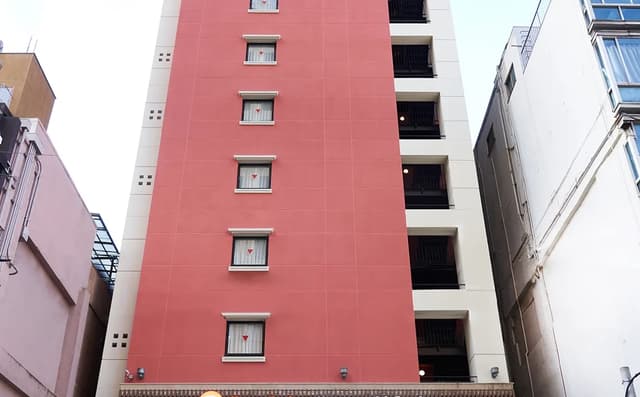
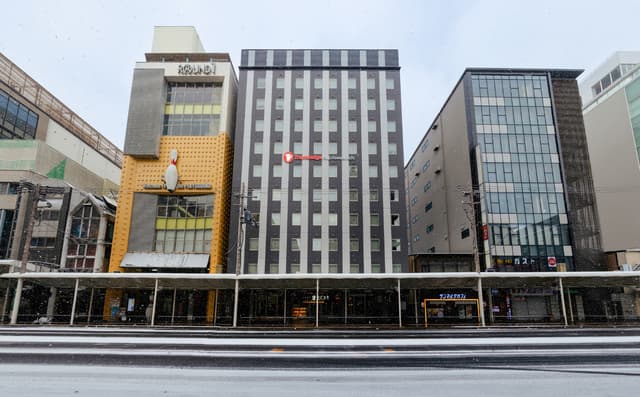
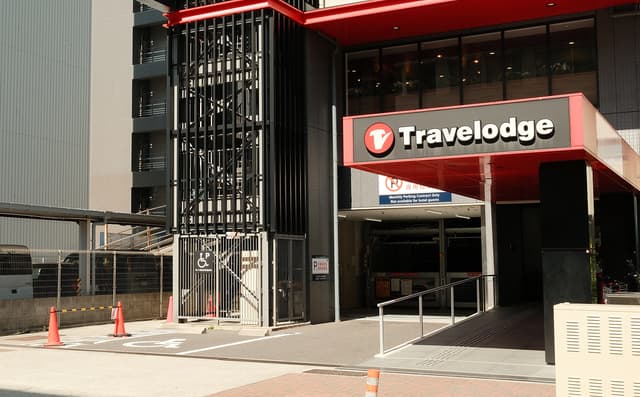
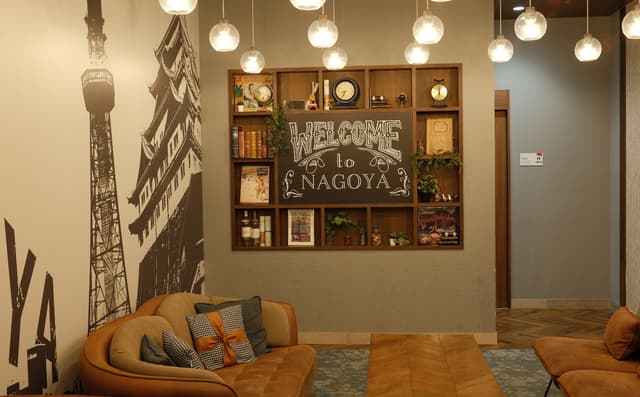
Travelodge Nagoya Sakae provides a convenient base for this section of the journey. The hotel is about a four-minute walk from Marunouchi Station, helping travelers connect with Nagoya's sightseeing districts and continue onward toward Kyoto and Osaka.
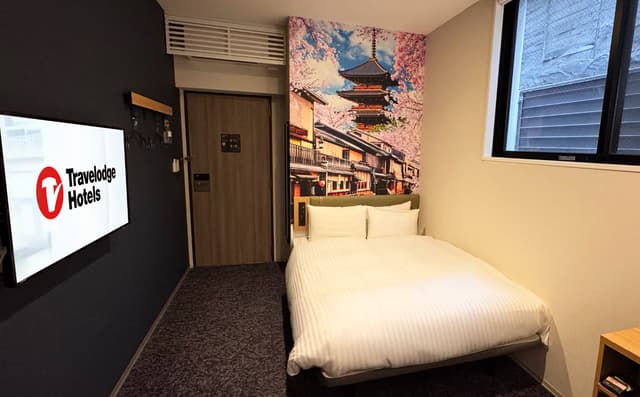
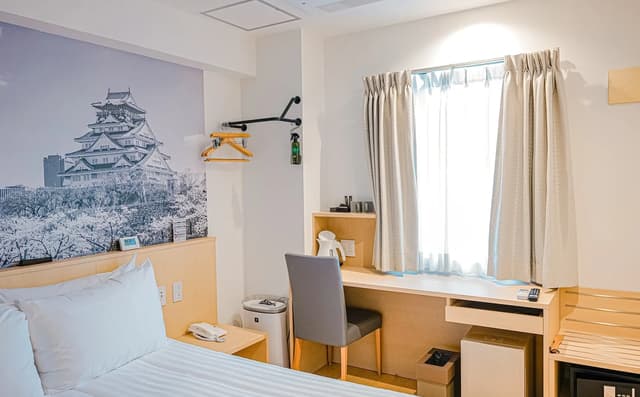
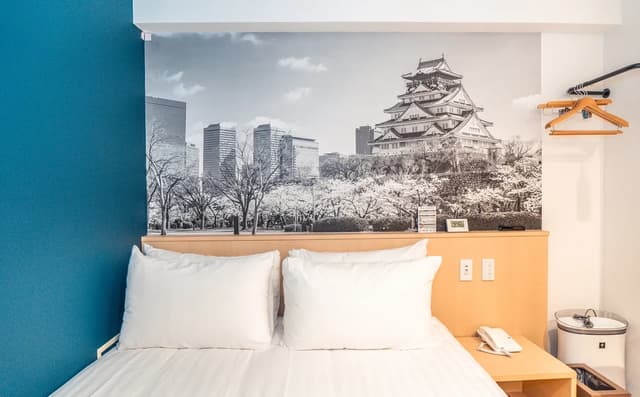
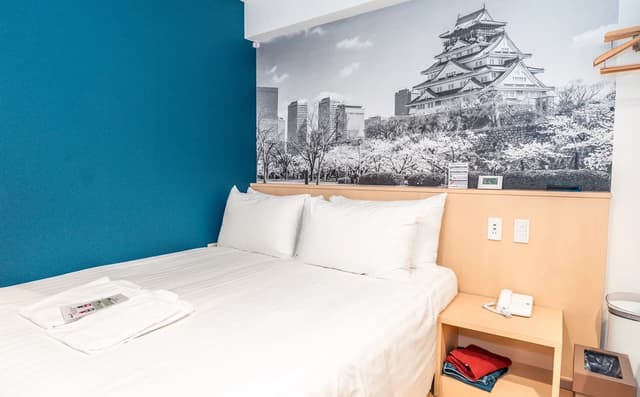
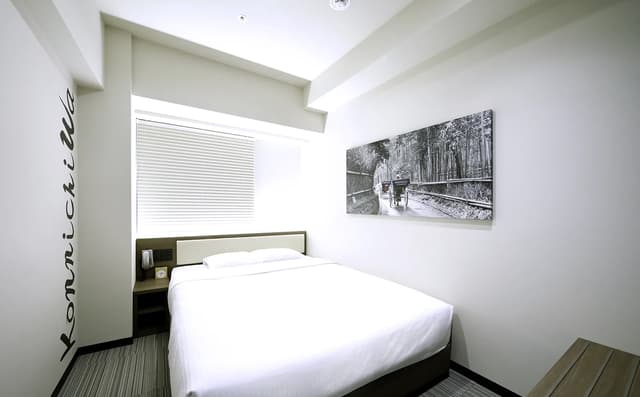
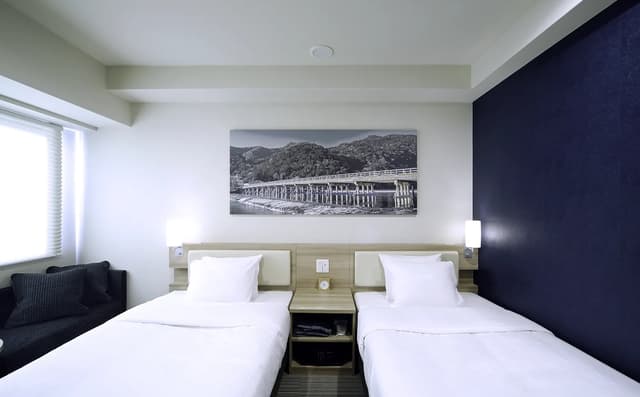
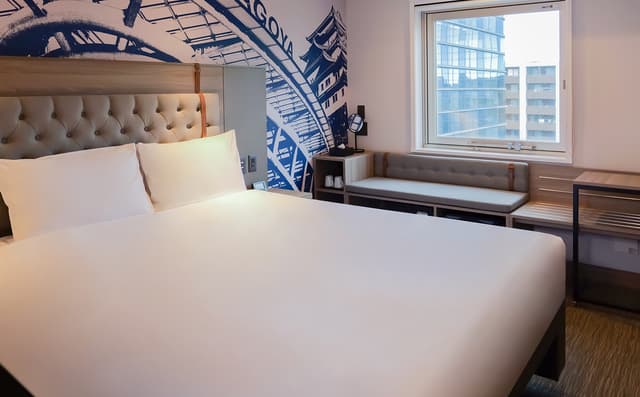
After several days of changing destinations, comfort becomes increasingly important. Modern rooms provide somewhere practical to recharge, while complimentary connectivity helps with checking train routes, weather conditions, and the latest foliage information for the next leg of the trip. This combination of comfort, convenient location, and connectivity reflects the essentials Travelodge focuses on across its hotels.
For a longer Japan journey, it is worth comparing available rates directly on the Travelodge Hotels Asia website, where travelers can also check current direct-booking promotions and membership benefits.
Spend Five Days Experiencing Kyoto in Autumn
Kyoto deserves one of the longest stays on this itinerary. Five days make it possible to divide the city by area instead of crossing from one end to another several times a day.
Begin with eastern Kyoto, where Kiyomizu-dera can be paired with the preserved streets of Sannenzaka and Ninenzaka before continuing toward Gion. Another day can focus on Nanzen-ji, Eikando, and the Philosopher's Path, while northern or western Kyoto can be reserved for Arashiyama.
The city's temples and gardens make Kyoto autumn foliage particularly memorable because the leaves are often layered against tiled roofs, wooden halls, stone paths, and carefully landscaped grounds. JNTO identifies November as a particularly rewarding period for autumn colors across much of Japan, although the exact timing varies from year to year.
Tofuku-ji is another classic fall stop, while travelers who prefer a more flexible pace can simply choose one or two foliage locations each day and spend the rest of the time exploring markets, cafés, shrines, and residential streets.
Stay at Travelodge Kyoto Shijo Karasuma
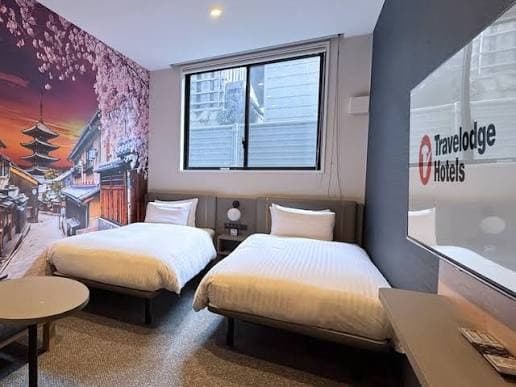
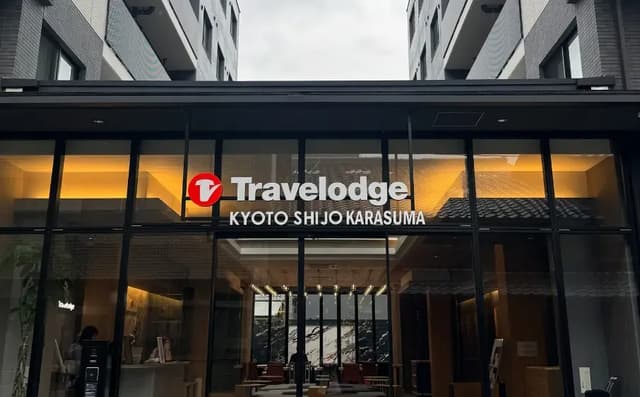
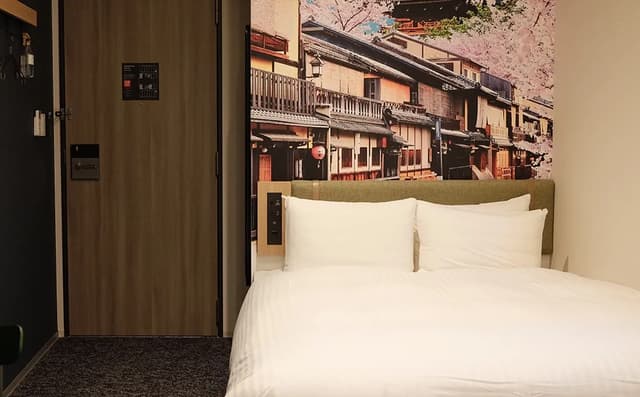
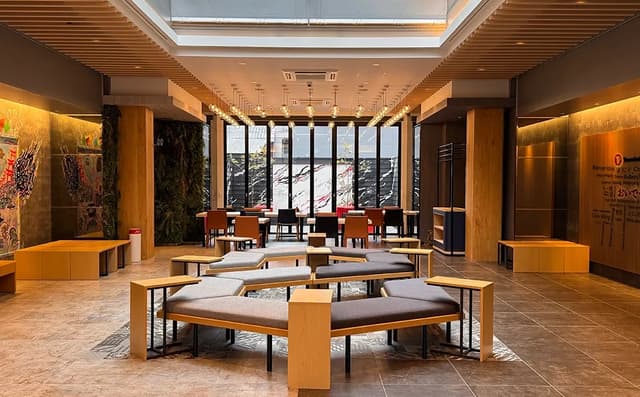
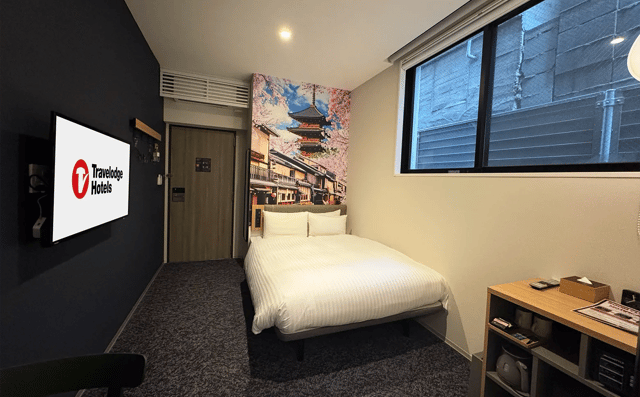
Travelodge Kyoto Shijo Karasuma sits in the Shijo area and is around a three-minute walk from Hankyu Omiya Station. Nearby transport connections make it practical for exploring central Kyoto, Nijo Castle, Arashiyama, and other parts of the city.
For a 21-day itinerary, the hotel's self-service laundry is particularly useful. Complimentary Wi-Fi and 24/7 front-desk assistance also support longer stays, whether that means reorganizing the following day's sightseeing or checking transport before an early start.
Stay at Travelodge Kyoto Shijo Kawaramachi

Travelers who would rather stay closer to Kyoto's central shopping and dining scene can consider Travelodge Kyoto Shijo Kawaramachi. The hotel is around a three-minute walk from Hankyu Kyoto-Kawaramachi Station, with Gion, Nishiki Market, and several central sightseeing areas within convenient reach.
This location works especially well on evenings when the day's sightseeing finishes around Gion or Kawaramachi. Complimentary Wi-Fi supports the connectivity needed during a multi-city trip, while on-site facilities including coin laundry make a longer stay easier to manage.
Whichever Kyoto base suits the itinerary best, booking directly through the Travelodge Hotels Asia website makes it easier to review official rates, available promotions, and applicable member benefits in one place.
Take a Day Trip to Nara
After several busy days in Kyoto, Nara provides a gentler change of pace. Start around Nara Park and Todaiji before walking toward Kasuga Taisha and the wooded paths surrounding the shrine.
Autumn suits Nara particularly well. Red and yellow leaves appear throughout parkland and temple grounds, while the city's compact historic center means many major sights can be explored on foot.
There is no need to schedule too many stops. Allow time to wander through Naramachi or stop for a late lunch before returning to Kyoto or continuing onward to Osaka.
Eat, Explore, and See Another Side of Autumn in Osaka
By the time the itinerary reaches Osaka, it is worth shifting the pace again. Spend the first day around Shinsaibashi, Dotonbori, and Namba, then explore Osaka Castle and the surrounding park on another.
Umeda provides a more modern side of the city, while Kuromon Market and nearby neighborhoods are easy additions for travelers interested in food. Osaka is known for dishes including takoyaki, okonomiyaki, and kushikatsu, making unstructured evenings particularly rewarding.
For Osaka autumn foliage, consider leaving central shopping streets for a day. Minoh Park is a popular seasonal escape north of the city, while Osaka Castle Park adds autumn scenery without requiring a full-day excursion.
Four nights are enough to see Osaka without treating it solely as a base for day trips. They also create a useful buffer late in the journey for shopping, laundry, or revisiting a favorite neighborhood.
Stay at Travelodge Honmachi Osaka

Travelodge Honmachi Osaka is located between Umeda and Namba and is only a short walk from Honmachi Station, making it convenient for travelers who want straightforward subway access across the city. Osaka Castle, Shinsaibashi, and the major commercial districts can all be reached from this central base.
The hotel's self-service laundry is particularly relevant toward the end of a three-week trip, while complimentary Wi-Fi helps keep onward transport, restaurant reservations, and travel plans organized. The combination of a comfortable room, useful facilities, and convenient urban connections fits naturally into a longer multi-city itinerary.
Stay at Travelodge Osaka Shinsaibashi

For travelers who prefer to be close to Osaka's shopping, dining, and evening atmosphere, Travelodge Osaka Shinsaibashi places Shinsaibashi and Dotonbori within convenient reach and offers easy access to the station for exploring farther across Osaka.
Complimentary Wi-Fi and self-service laundry are among the practical facilities available, making the hotel well suited to travelers nearing the end of an extended Japan trip.
Book directly through the Travelodge Hotels Asia website to compare official room options and access the latest direct-booking rates, promotions, and membership benefits.
Choose Himeji, Kobe, or an Extra Day in Kansai
Keep the twentieth day flexible rather than locking the itinerary into another demanding sightseeing schedule.
Himeji is the strongest choice for travelers interested in history and architecture, centered on the city's famous castle. Kobe works better for those who want waterfront scenery, cafés, shopping, and a relaxed final excursion.
Another option is to stay in Osaka or return to Kyoto. The advantage of a three-week journey is having enough time to revisit a favorite district rather than feeling obligated to add another destination simply because there is an empty day.
Enjoy a Slow Final Morning in Osaka
Keep departure day simple. Have breakfast nearby, pick up final souvenirs, or take a short morning walk before heading to the airport.
Leaving the last few hours relatively open is useful after three weeks of travel, particularly when luggage has grown heavier and there is little benefit in rushing through one more major attraction before a flight.
Travelers flying from Kansai International Airport should check their chosen train, airport bus, or transfer schedule the evening before departure and leave sufficient time for the airport journey.
Where to See Autumn Foliage in Japan Along This Route
One advantage of this itinerary is that it does not rely on a single foliage destination. Tokyo offers city gardens and ginkgo avenues. Hakone adds higher-elevation landscapes. Nagoya provides access to seasonal scenery in Aichi. Kyoto pairs maples with temples and traditional streets, while Nara and Osaka offer parks, shrine grounds, and nearby nature escapes.
That flexibility matters for a Japan autumn foliage 2026 plan. The exact progression of colors changes according to temperature and location, so a three-week journey provides more opportunities to encounter good foliage somewhere along the route than a short trip focused on one city.
The detailed 2026 forecast had not yet been published at the time of writing in August, with Weathernews indicating that its new-season information is expected in September. Check updated foliage forecasts shortly before traveling rather than treating historical peak dates as guarantees.
What to Pack for the Autumn Season in Japan
Layering is the easiest approach to the autumn season in Japan. Early autumn can still feel mild during the day, while evenings become noticeably cooler as the season progresses. Mountain and higher-elevation areas can also feel colder than Tokyo, Kyoto, or Osaka on the same week.
Pack breathable base layers, a sweater or light knit, a jacket, and comfortable walking shoes. A compact umbrella is also useful, while a small day bag makes temple visits, train rides, and longer walking days easier.
Three weeks of clothing are rarely necessary when laundry facilities are available along the route. Travelodge's Spin experience, centered on self-service laundry stations at participating hotels, is especially practical on an extended itinerary, while Stream supports travelers with complimentary high-speed Wi-Fi for staying connected throughout the trip.
Make a Three-Week Japan Journey Feel Effortless
A 3-week Japan itinerary offers something a shorter trip often cannot: enough time to appreciate how different each part of Japan feels. Tokyo provides energy and variety, Hakone introduces mountain scenery, Nagoya reveals another side of central Japan, and Kyoto, Nara, and Osaka bring together history, seasonal landscapes, food, and lively neighborhoods.
Choosing conveniently located accommodations also makes a significant difference over 21 days. Travelodge properties in Nagoya, Kyoto, and Osaka combine comfortable spaces to recharge with practical city locations, complimentary connectivity, and useful facilities for longer stays. Booking directly through the Travelodge Hotels Asia website is the best way to check official prices, current promotions, and available membership benefits for each stop.
For frequent travelers, joining the Travelodge membership program adds another layer of value to the journey. Members can enjoy Cashback Credits of up to 5% throughout Travelodge hotels, along with early check-in and late check-out benefits, subject to applicable membership terms and availability. Special offers can provide additional savings on future stays, making direct booking an easy way to get more from both this Japan trip and the journeys that follow.