

Travelodge Logo
Hero-Hintergrund
Travelodge Logo

Einstellungen

Artikel teilen

Seoul Winter-Reiseführer für die besten Aktivitäten, Restaurants und Sehenswürdigkeiten

Sora Kang
Sora Kang

Aktualisiert am 1. Dez. 2025
107.0K
Blog_People-walking-in-street-of-Seoul-winter.

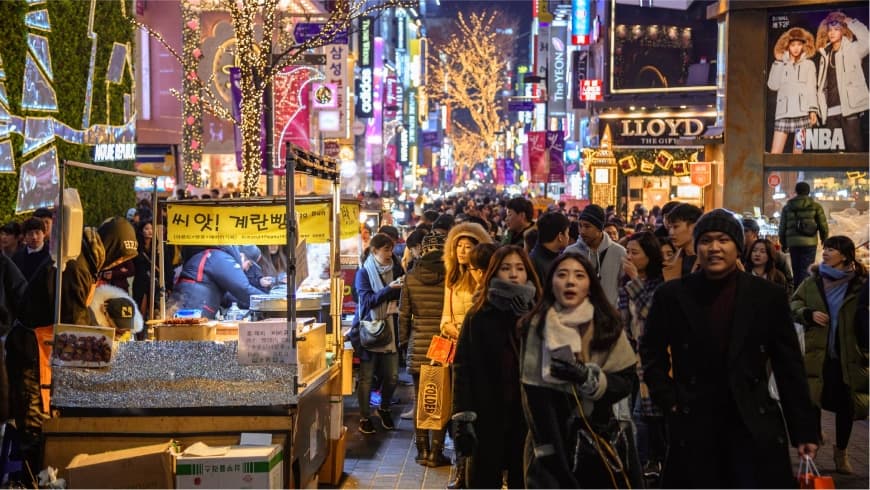
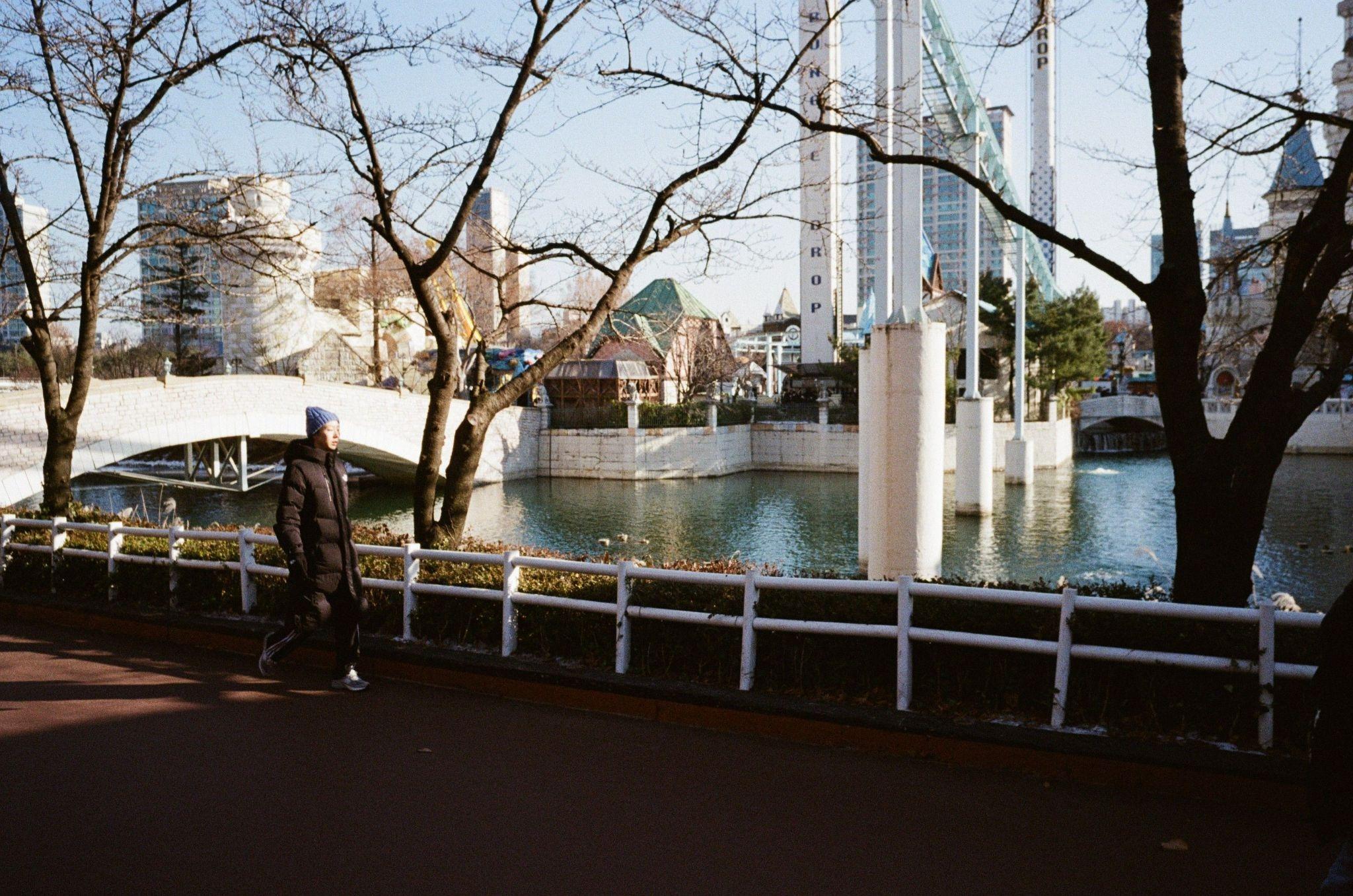
Der Winter verändert das Tempo in Seoul. Die Innenhöfe der Paläste werden ruhiger, dampfendes Streetfood ist kaum zu widerstehen, Cafés bieten willkommene Zuflucht vor der Kälte, und Stadtteile wie Myeongdong, Euljiro und Dongdaemun bleiben noch lange nach Sonnenuntergang lebhaft. Gelegentlich überzieht Schnee die Ziegeldächer der Stadt und die Bergkulisse mit einer weißen Schicht, doch selbst an klaren Tagen verleiht die kalte Luft vertrauten Vierteln einen deutlich saisonalen Charakter.

Dieser Winter-Reiseführer für Seoul deckt die praktischen Details ab, die einen Städtetrip bei Kälte erleichtern: welche Temperaturen zu erwarten sind, wie man sich kleidet, die besten Aktivitäten in Seoul im Winter, wo man essen kann, wie man sich fortbewegt, nützliche Apps, kulturelle Etikette, Ideen für Tagesausflüge und wo man übernachten sollte. Seoul eignet sich besonders gut für Winterreisen, weil sich Besichtigungen im Freien leicht mit Märkten, Museen, Cafés, Einkaufszentren, Restaurants und anderen beheizten Innenräumen ausgleichen lassen.

Warum Seoul im Winter besuchen?

Die eigentliche Wintersaison in Seoul dauert von Dezember bis Februar. Es ist kalt und сравнativ trocken, wobei nordwestliche Winde zu scharfen Kältewellen beitragen. Die offizielle Tourismusorganisation von Seoul weist darauf hin, dass die Temperaturen gelegentlich auf etwa -15°C (5°F), fallen können, während starker Schneefall eher periodisch als dauerhaft auftritt.

Dieser Unterschied ist wichtig. Eine Winterreise sollte nicht in der Erwartung geplant werden, Seoul dauerhaft unter Schnee zu sehen. Stattdessen lohnt sich die Jahreszeit wegen der ruhigeren historischen Sehenswürdigkeiten, klarer kalter Tage, Winteressen, saisonalem Eislaufen und Lichtershows, Shopping und der Möglichkeit von Schneefall als zusätzlichem Bonus.

Seoul ist außerdem ungewöhnlich anpassungsfähig, wenn die Temperaturen unangenehm werden. Auf einen Morgen im Palast kann ein traditionelles Teehäuschen in Insadong folgen, am Nachmittag ein Museumsbesuch, abends Essen in Myeongdong und anschließend Shopping unter den Lichtern von Dongdaemun. Kaltes Wetter bedeutet selten, dass man einen ganzen Besichtigungstag verliert.

Wie ist das Winterwetter in Seoul?

Das Winterwetter in Seoul kann kälter wirken, als es die Temperatur allein vermuten lässt. Trockene Luft und Wind machen längere Aufenthalte im Freien anstrengender, besonders in offenen Palastinnenhöfen, an Flussufern und an erhöhten Aussichtspunkten.

Der Dezember markiert typischerweise den Übergang in anhaltende Winterkälte. Der Januar ist in der Regel der Kern der Saison, während der Februar kalt bleibt, aber allmählich in Richtung Frühling übergeht. Schnee kann in dieser Zeit jederzeit auftreten, obwohl auch klare oder trockene Wintertage häufig sind. Offizielle Tourismusinformationen für Seoul beschreiben den Winter als die Monate Dezember bis Februar und weisen darauf hin, dass starker Schneefall periodisch vorkommt.

Für eine reise mit vielen Spaziergängen solltest du bei jedem Tag flexibel planen. Eine Sehenswürdigkeit im Freien, gefolgt von einem Café, Markt, Museum oder Einkaufsstopp, ist meist angenehmer, als mehrere exponierte Orte nacheinander zu planen.

Die besten Aktivitäten in Seoul im Winter
Winter Travel Guide to Seoul—Best Things to Do, Eat & See

Die stärkste Winterroute verbindet die wichtigsten Sehenswürdigkeiten Seouls mit Erlebnissen, die besonders in der kalten Jahreszeit sinnvoll sind.

Seouls historische Paläste im Winter erkunden

Beginne mit Gyeongbokgung, dem ersten und größten der fünf großen Paläste Seouls. Seine weiten Innenhöfe, Pavillons, Steinmauern und die Bergkulisse wirken den ganzen Winter über atmosphärisch, auch ohne Schnee. Im Januar und Februar sind die aktuell veröffentlichten Öffnungszeiten kürzer als in den wärmeren Monaten, ein weiterer Grund, den Palastbesuch eher auf den frühen Tag zu legen.

Changdeokgung bietet ein anderes Erlebnis, da seine Architektur eng mit der umliegenden Landschaft verbunden ist. Er gehört zum UNESCO-Weltkulturerbe und lässt sich gut mit nahegelegenen traditionellen Vierteln kombinieren.

Von beiden Palästen aus kannst du nach Insadong weitergehen, wo dich Galerien, Handwerkskunst, traditionelle Teehäuser und warme Snacks erwarten. Das Bukchon Hanok Village liegt zwischen Gyeongbokgung und Changdeokgung, aber denke daran, dass es ein Wohnviertel und kein offenes Touristenset ist. Die aktuellen Maßnahmen zur Besucherlenkung bitten Reisende, in ausgewiesenen Bereichen leise zu sein und die eingeschränkten Besuchsregelungen zu respektieren.

Schnee auf den Dächern der Hanok ist wunderschön, wenn es passiert. Er sollte als Glücksfall betrachtet werden, nicht als Voraussetzung, um die Gegend zu genießen.

Seoul vom Namsan und vom N Seoul Tower aus sehen

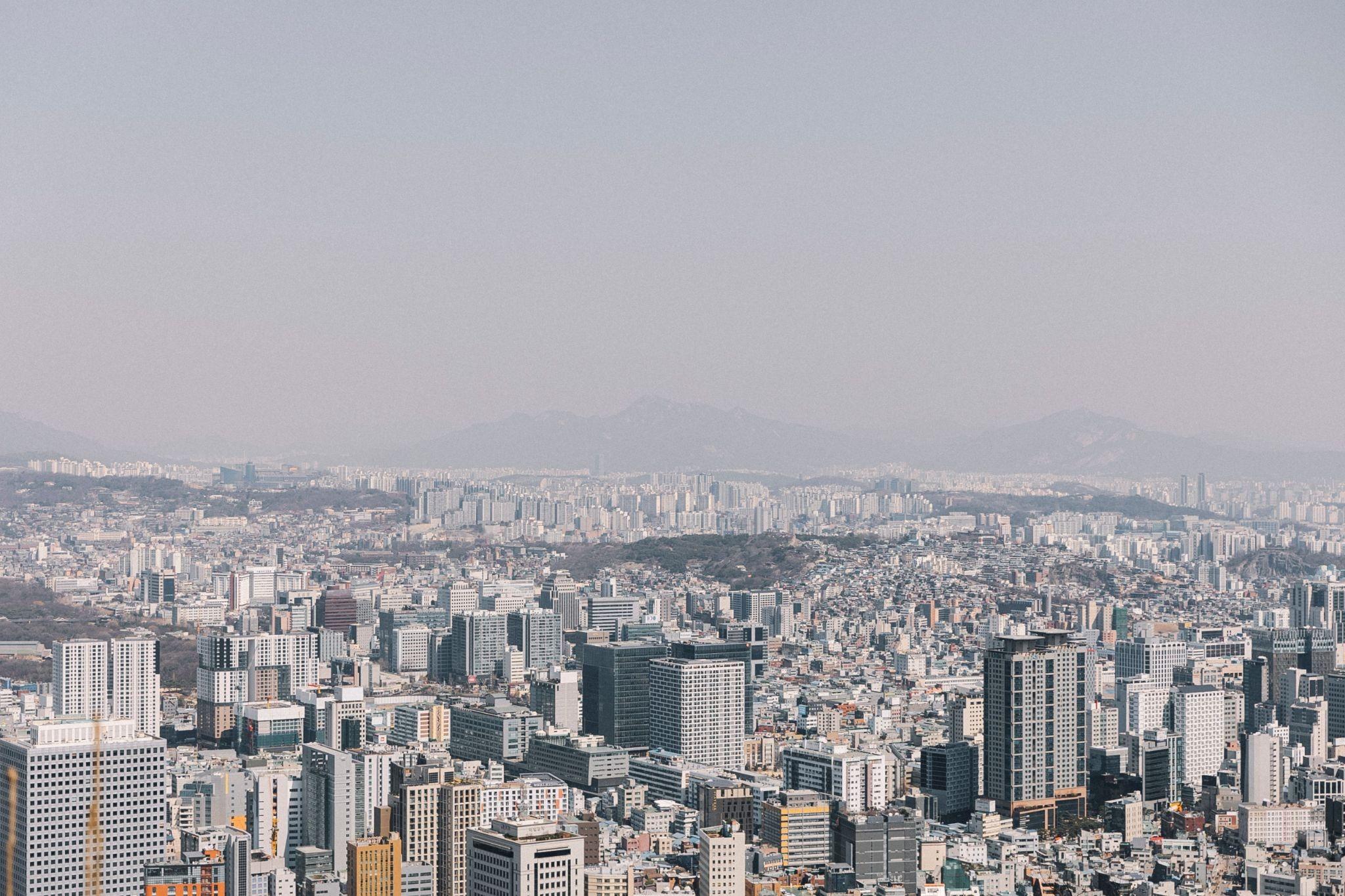
Der Namsan ist einer der besten Orte, um das Ausmaß Seouls zu würdigen. Der N Seoul Tower steht auf dem Gipfel und bietet von seiner erhöhten Lage aus einen Panoramablick über die Stadt.

Der Winter kann an klaren Tagen besonders lohnend sein, wenn sich die Sicht über das zentrale Seoul bis zu den umliegenden Bergen öffnet. Der Sonnenuntergang ist reizvoll, aber nach Einbruch der Dunkelheit sinken die Temperaturen schnell, daher sind Handschuhe und eine zusätzliche Schicht nützlich, wenn der Reiseplan Zeit im Freien rund um die Aussichtsbereiche vorsieht.

Kombinieren Sie den Namsan mit Myeongdong, anstatt die beiden als getrennte Tage zu behandeln. Shopping, Restaurants, Street-Food-Stände und Cafés bieten viele Orte, um sich vor oder nach dem Aussichtspunkt aufzuwärmen.

Diese Kombination macht auch eine Unterkunft im Zentrum sinnvoll: Zum Hotel zwischen Tagesbesichtigungen und einem abendlichen Ausflug zurückzukehren kann im Januar weitaus attraktiver sein, als noch einmal durch die Stadt zu fahren.

Eislaufen gehen oder saisonale Winteraktivitäten ausprobieren

In Seoul werden bei winterlichen Bedingungen regelmäßig saisonale Schlittschuh- und Rodelanlagen eingerichtet.

Die Eisbahn auf dem Seoul Plaza neben dem Rathaus ist ein wiederkehrendes Beispiel unter freiem Himmel. VisitKorea beschreibt sie als Winterattraktion mit getrennten Bereichen für Anfänger und Fortgeschrittene, Schlittschuhverleih und ergänzenden Einrichtungen. Die genauen Eröffnungsdaten und Betriebsabläufe können sich von Saison zu Saison ändern, daher sollten Sie vor dem Besuch den aktuellen Winterplan prüfen.

Andere Parks und Erholungsgebiete bieten je nach Jahr möglicherweise Rodel- oder saisonale Aktivitäten an. Diese Flexibilität ist für Familien nützlich: Statt sich Monate im Voraus auf eine bestimmte Eisbahn festzulegen, prüfen Sie das Winterprogramm, sobald die städtischen Zeitpläne bekannt gegeben wurden.

Südkoreas allgemeine Begeisterung für Wintersport macht Seoul außerdem zu einem einfachen Ausgangspunkt für Skifahren oder Snowboarden außerhalb der Hauptstadt.

Entdecken Sie Myeongdong, Euljiro und Dongdaemun nach Einbruch der Dunkelheit

Seoul fährt nicht herunter, wenn die Temperaturen sinken.

Myeongdong ist ideal für einen Abend, der sich um Shopping, Kosmetik, Restaurants und Street Food dreht. Von dort aus bietet Euljiro eine andere Atmosphäre: ältere Geschäftsstraßen, kleine Restaurants, Cafés, Bars und kreative Räume, eingebettet in ein zentrales Geschäftsviertel.

Weiter östlich ist Dongdaemun besonders gut für Erkundungen am Abend geeignet. Die Dongdaemun Design Plaza (DDP) beherbergt Ausstellungen und kulturelle Veranstaltungen, und ihre geschwungene Außenfassade wurde auch für das saisonale Seoul-Light-Programm genutzt.

Diese Viertel machen Winterbesichtigungen einfacher, weil sich Spaziergänge im Freien natürlich mit beheizten Geschäften, Kaufhäusern, Cafés, Restaurants und Ausstellungsräumen unterbrechen lassen.

Erleben Sie ein traditionelles koreanisches Jjimjilbang

Nur wenige Indoor-Aktivitäten passen besser zu einem eiskalten Tag in Seoul als ein jjimjilbang, das koreanische Badehaus- und Saunaerlebnis.

Die Angebote variieren erheblich. Viele kombinieren nach Geschlechtern getrennte Badebereiche mit gemeinsam genutzten beheizten Räumen, Entspannungsbereichen, Speisen und anderen Einrichtungen. In den Badebereichen waschen sich die Gäste in der Regel gründlich, bevor sie die Gemeinschaftsbäder betreten; in gemeinsamen Sauna-Bereichen wird typischerweise von der Einrichtung bereitgestellte Kleidung verwendet. Prüfen Sie vor der Anreise die jeweiligen Regeln, da sich die Aufteilungen und Vorgaben nicht überall gleichen.

Seoul verfügt weiterhin sowohl über traditionelle Badehäuser als auch über größere, moderne Spa-Komplexe. Die Tourismusorganisation der Stadt führt mehrere derzeit betriebene Jjimjilbang- und Sauna-Einrichtungen auf, darunter Optionen mit Entspannungszonen, Cafés und Familieneinrichtungen.

Für Reisende, die mit der koreanischen Badekultur nicht vertraut sind, erlebt man ein Jjimjilbang am besten als eine Erfahrung und nicht als etwas, das man zwischen Sehenswürdigkeiten hastig abhakt.

Machen Sie im Winter einen Tagesausflug von Seoul aus
Winter Travel Guide to Seoul—Best Things to Do, Eat & See

Seoul muss man nicht für mehrere Nächte verlassen, um überzeugenderen Schnee zu sehen.

Mehrere Skigebiete in Gyeonggi und den benachbarten Regionen werden für Winter-Tagesausflüge aus dem Ballungsraum genutzt. Die jüngsten Wintersporthinweise der Korea Tourism Organization heben Resorts in der Nähe von Seoul sowie die schneereicheren Ziele der Provinz Gangwon hervor.

Ein Tagesausflug kann je nach Resort Skifahren, Snowboarden oder einfachere Schneespiel-Aktivitäten umfassen. Anfänger sollten vor der Buchung Transferpakete, Verfügbarkeit von Unterricht, Mietgebühren und Betriebszeiten vergleichen.

Die Insel Nami ist ein weiteres beliebtes Ausflugsziel und bietet von Bäumen gesäumte Wege sowie eine ländlichere Umgebung außerhalb des zentralen Seoul. Bergziele rund um die Hauptstadt können bei passenden Wetterbedingungen ebenfalls Wanderungen oder verschneite Landschaften bieten.

Schnee sollte man nie zu einem bestimmten Datum einfach voraussetzen. Prüfen Sie vor der Abreise die aktuellen Bedingungen, Resort-Mitteilungen, Transportregelungen und Rückfahrtzeiten.

Wo Sie Seouls bestes Winter-Straßenessen finden

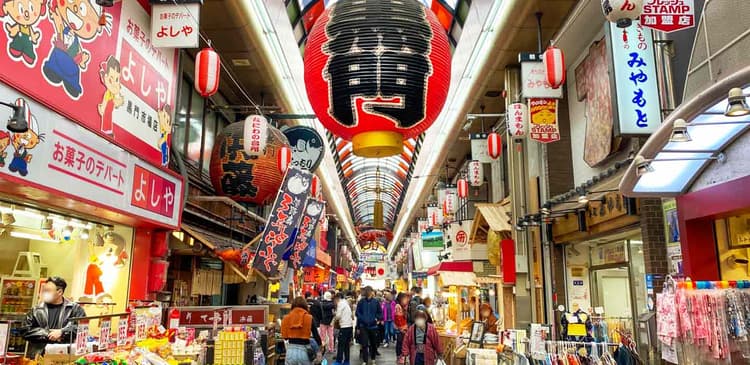
Der Gwangjang-Markt bleibt einer der einfachsten Orte, um bei einem Besuch mehrere traditionelle Gerichte zu probieren. Seine Essensgasse serviert Spezialitäten wie bindaetteok Mungbohnenpfannkuchen, gimbap, tteokbokki, eomuk, und andere koreanische Favoriten.

Namdaemun bietet ein anderes Markterlebnis. Neben Snacks gibt es dort etablierte Essensgassen, die sich auf Gerichte wie kalguksuNudelsuppe mit Messer geschnitten und geschmorte Haarbutt. Die heiße Nudelsuppe eignet sich besonders gut für einen kalten Tag.

Myeongdong ist die einfachste Option, um Snacks mit Kosmetik- und Modeeinkäufen zu verbinden, besonders nach Einbruch der Dunkelheit.

Die Zahlungsmethoden variieren von Stand zu Stand. Karten sind in Seoul weit verbreitet, aber es ist nach wie vor nützlich, auf traditionellen Märkten und bei kleineren Anbietern einen bescheidenen Betrag in koreanischen Won dabei zu haben.


Wichtige Apps für Ihre Winterreise nach Seoul

Einige nützliche Apps verringern die Zeit, die man draußen verbringt, während man versucht herauszufinden, wo sich der nächste U-Bahn-Eingang befindet.

  • Navigation:Naver Map ist eines der nützlichsten Tools für lokale Wegbeschreibungen und den öffentlichen Nahverkehr.
  • Übersetzung:Papago ist praktisch für Schilder, Menüs, kurze Gespräche und Textübersetzungen.
  • Taxis:Kakao T wird häufig für Fahrdienste genutzt.
  • Öffentlicher Nahverkehr:Lokale U-Bahn-Tools und Karten-Apps helfen bei Ausgängen, Umstiegen und der Routenplanung.
  • Restaurantentdeckung:Lokale Suchplattformen enthalten oft detailliertere Informationen zu koreanischen Restaurants als internationale Dienste.

Die Korea Tourism Organization bewirbt derzeit sowohl Naver Map als auch Papago als nützliche Reise-Apps für internationale Besucher.

Zuverlässiges WLAN wird im Winter überraschend wichtig, da Routen, Wetter, Öffnungszeiten von Sehenswürdigkeiten, Reservierungen und kurzfristige Änderungen im Transport häufig per Smartphone überprüft werden.

Bargeld, Karten und Einkaufen in Seoul

Kredit- und Debitkarten werden in Seouls Einkaufszentren, Restaurants, Hotels, Cafés und bei großen Einzelhändlern häufig verwendet. Bargeld hat weiterhin seinen Platz, insbesondere auf Märkten, bei kleinen Anbietern und in Situationen, in denen eine bestimmte Zahlungsmethode nicht akzeptiert wird.

Halten Sie Verkehrskarten gedanklich getrennt von gewöhnlichen Bankkarten. Eine Tmoney-Karte vereinfacht die Nutzung von Bus und U-Bahn vor Ort und kann auch in einigen anderen Situationen verwendet werden.

Berechtigte internationale Besucher können unter Umständen auch bei teilnehmenden Einzelhändlern Steuerrückerstattungen für qualifizierte Einkäufe geltend machen. Die Regeln decken Faktoren wie berechtigte Käufe, Aufenthaltsdauer und Rückerstattungsverfahren ab. Prüfen Sie daher die aktuellen offiziellen Informationen zur Steuererstattung in Seoul, anstatt sich auf eine alte, in einem Reiseblog genannte Schwelle zu verlassen.

Einreisebestimmungen und Reisedokumente

Die Einreisebestimmungen hängen von der Nationalität, dem Reisepass, der Aufenthaltsdauer und den zum Zeitpunkt der Reise geltenden Regeln ab.

Bestätigen Sie vor dem Flug die Passanforderungen und prüfen Sie, ob für den verwendeten Reisepass ein Visum, K-ETA oder ein anderes Einreiseverfahren gilt. Die offizielle K-ETA-Website sollte der Bezugspunkt sein, nicht Zusammenfassungen in sozialen Medien oder alte Artikel.

Stand September 2026 hat Südkorea seine vorübergehende K-ETA-Befreiung für derzeit befreite Länder und Regionen bis zum 31. Dezember 2026 verlängert. Das bedeutet nicht, dass jeder Reisende befreit ist, und Regeln für spätere Reisedaten können sich ändern.

Überprüfen Sie die offiziellen Einwanderungsinformationen kurz vor der Abreise erneut, insbesondere bei Reisen, die für 2027 oder später geplant sind.

Eine einfache 3-Tage-Winter-Route für Seoul

Tag 1: Historisches Seoul und Myeongdong

Beginnen Sie bei Gyeongbokgung, solange noch viel Tageslicht vorhanden ist, und fahren Sie dann weiter nach Insadong zum Mittagessen, für Tee, Galerien oder Kunsthandwerksläden. Verbringen Sie den Nachmittag rund um Cheonggyecheon, bevor Sie nach Myeongdong weitergehen, um einzukaufen und winterliches Street Food zu probieren.

Diese Abfolge hält den Großteil des Tages im Zentrum von Seoul, anstatt wertvolle Wintertageslichtstunden mit wiederholten U-Bahn-Umstiegen zu verbringen.

Tag 2: Namsan, Shopping und Dongdaemun

Nutzen Sie den Vormittag für Namsan und den N Seoul Tower, idealerweise bei klarem Himmel. Fahren Sie anschließend zurück Richtung Myeongdong zum Mittagessen oder Einkaufen und verbringen Sie den Abend weiter östlich rund um die Dongdaemun Design Plaza und das umliegende Einkaufsviertel.

DDP ist auf einer Winterroute besonders nützlich, da sich Ausstellungen und Innenräume mit abendlicher Architektur und saisonaler Beleuchtung verbinden lassen.

Tag 3: Wählen Sie das Wintererlebnis

Für ein stärkeres Schneeerlebnis widmen Sie den letzten Tag einem Skigebiet oder einem Ausflug mit Schneeschwerpunkt außerhalb von Seoul.

Reisende, denen die Kälte genug ist, können den gegenteiligen Ansatz wählen: Besuchen Sie ein Jjimjilbang, verbringen Sie Zeit in einem Museum, erkunden Sie den Gwangjang-Markt oder machen Sie es in Cafés und Vierteln, die in den ersten beiden Tagen verpasst wurden, etwas langsamer.

Der beste dritte Tag ist derjenige, der auf das tatsächliche Wetter reagiert und nicht auf die Monate zuvor erstellte Route.

Unterkunft in Seoul im Winter

Die Lage gewinnt im Winter in Seoul zusätzlich an Bedeutung. Ein Hotel in der Nähe nützlicher U-Bahn-Linien und zentraler Viertel reduziert lange Wege im Freien, erleichtert die Rückkehr für eine Nachmittagspause und bietet mehr Flexibilität, wenn sich das Wetter ändert.

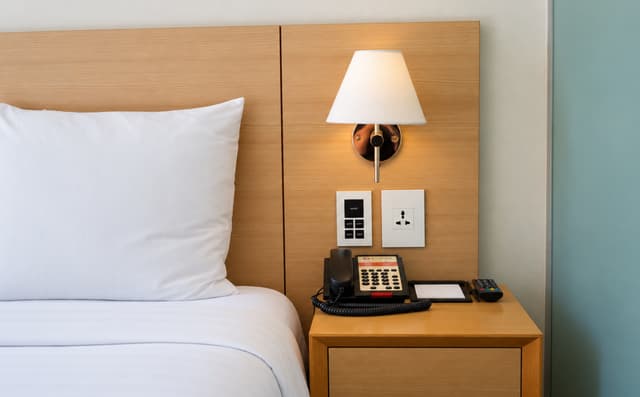
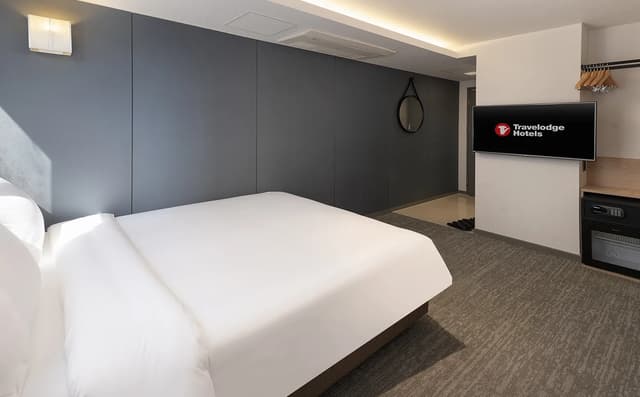
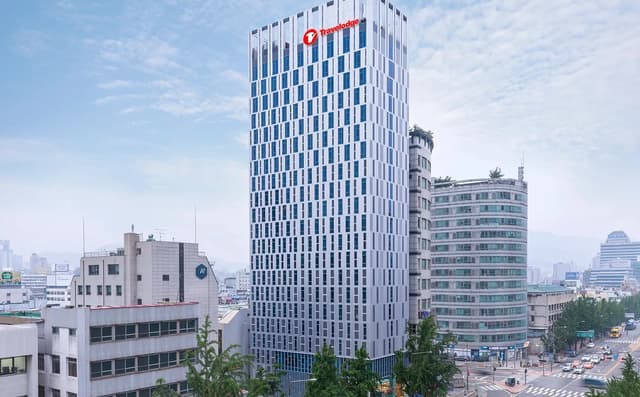
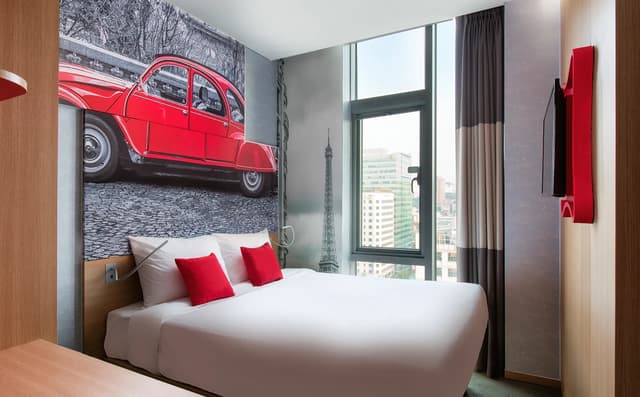
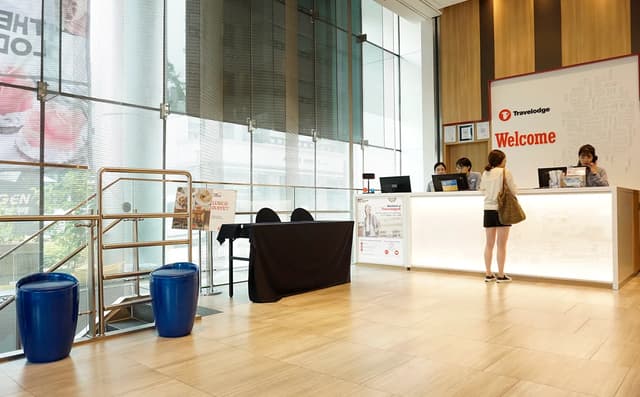
Die Positionierung von Travelodge mit Komfort, Bequemlichkeit und Konnektivität passt natürlich zu dieser Art von Städtereise. Komfortable Zimmer bieten einen Ort zum Auftanken nach langen Tagen zu Fuß, zentrale Lagen vereinfachen das Sightseeing, und Konnektivität unterstützt Wetterchecks, Karten, Reservierungen, Übersetzungen und die Reiseplanung.

Reisende, die eine umfassendere Korea-Reise planen, können Travelodge-Hotels in Südkorea erkunden oder Travelodge-Hotels in Seoul vergleichen, bevor sie das Viertel wählen, das am besten zur Reiseroute passt.

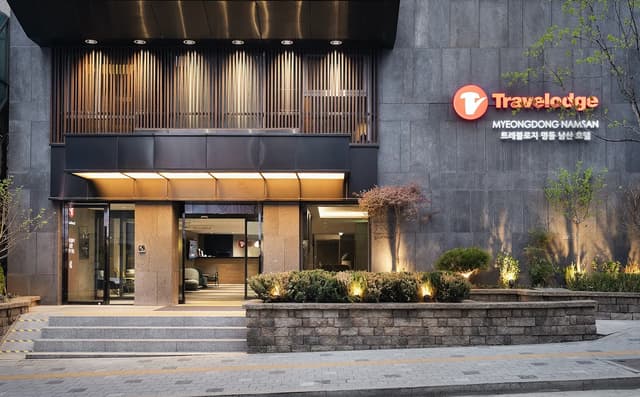
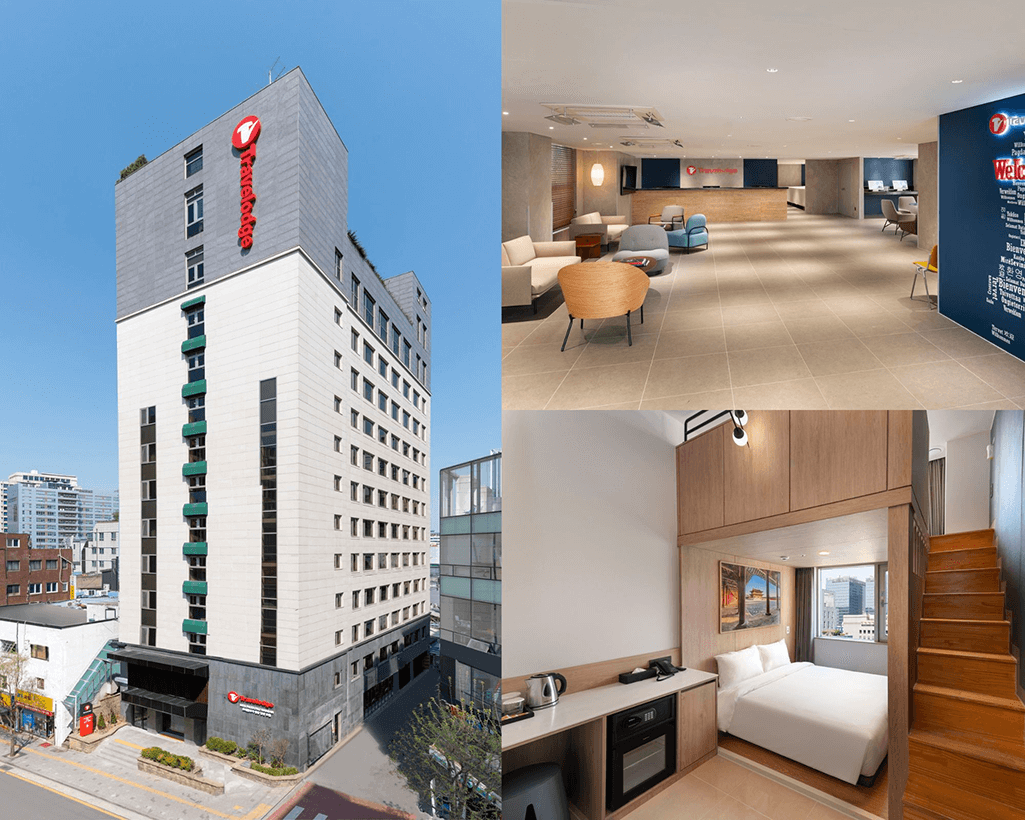
Travelodge Myeongdong Namsan: Für Shopping und Namsan-Sightseeing
Essential Apps for Your Seoul Winter Trip A few useful apps reduce the amount of time spent standing outside trying to work out where the next subway entrance is. Navigation: Naver Map is one of the most useful tools for local directions and public transportation. Translation: Papago is practical for signs, menus, short conversations, and text translation. Taxis: Kakao T is widely used for ride-hailing. Public transportation: Local subway tools and map apps help with exits, transfers, and route planning. Restaurant discovery: Local search platforms often contain more detailed Korean restaurant information than international services. Korea Tourism Organization currently promotes both Naver Map and Papago among useful travel apps for international visitors. Reliable Wi-Fi becomes surprisingly important during winter because routes, weather, attraction hours, reservations, and last-minute transport changes are frequently checked from a phone. Cash, Cards, and Shopping in Seoul Credit and debit cards are widely used in Seoul's malls, restaurants, hotels, cafés, and major retailers. Cash still has a place, particularly around markets, small vendors, and situations where a particular payment method is not accepted. Keep transportation cards separate conceptually from ordinary bank cards. A Tmoney card simplifies local bus and subway travel and can also be used in some other settings. Eligible international visitors may also be able to claim tax refunds on qualifying purchases at participating retailers. Rules cover factors such as eligible purchases, length of stay, and refund procedures, so check the current official Seoul tax-refund information rather than relying on an old threshold quoted in a travel blog. Entry Requirements and Travel Documents Entry requirements depend on nationality, passport, length of stay, and the rules in force at the time of travel. Before flying, confirm passport requirements and check whether a visa, K-ETA, or other entry procedure applies to the passport being used. The official K-ETA website should be the reference point rather than social-media summaries or old articles. As of September 2026, South Korea has extended its temporary K-ETA exemption for currently exempt countries and regions through December 31, 2026. That does not mean every traveler is exempt, and rules for later travel dates may change. Recheck official immigration information shortly before departure, particularly for trips scheduled in 2027 or later. A Simple 3-Day Winter Seoul Itinerary Day 1: Historic Seoul and Myeongdong Start at Gyeongbokgung while daylight is plentiful, then continue toward Insadong for lunch, tea, galleries, or craft shops. Spend the afternoon around Cheonggyecheon before heading into Myeongdong for shopping and winter street food. This sequencing keeps most of the day in central Seoul rather than spending valuable winter daylight on repeated subway transfers. Day 2: Namsan, Shopping, and Dongdaemun Use the morning for Namsan and N Seoul Tower, ideally when skies are clear. Return toward Myeongdong for lunch or shopping, then spend the evening farther east around Dongdaemun Design Plaza and its surrounding retail district. DDP is especially useful on a winter itinerary because exhibitions and indoor spaces can be combined with evening architecture and seasonal lighting. Day 3: Choose the Winter Experience For a stronger snow experience, dedicate the final day to a ski resort or snow-focused excursion outside Seoul. Travelers who have had enough of the cold can take the opposite approach: visit a jjimjilbang, spend time in a museum, explore Gwangjang Market, or slow down with cafés and neighborhoods missed during the first two days. The best third day is the one that responds to the actual weather rather than the itinerary drafted months earlier. Where to Stay in Seoul During Winter Location carries extra weight during Seoul in winter. A hotel near useful subway lines and central neighborhoods reduces long outdoor transfers, makes it easier to return for an afternoon break, and gives more flexibility when the weather changes. Travelodge's Comfort, Convenience, and Connectivity positioning suits this kind of city trip naturally. Comfortable rooms provide somewhere to recharge after long walking days, central locations simplify sightseeing, and connectivity supports weather checks, maps, reservations, translation, and transportation planning. Travelers planning a broader Korean trip can explore Travelodge hotels in South Korea or compare Travelodge hotels in Seoul before choosing the neighborhood that best matches the itinerary. Travelodge Myeongdong Namsan: For Shopping and Namsan Sightseeing  Travelodge Myeongdong Namsan is well suited to first-time visitors building their stay around Myeongdong, Namsan, and central Seoul. The official hotel page places Myeongdong Shopping Street roughly 350 meters away and Chungmuro Station around 400 meters from the property. Those short distances become more valuable in January, when the difference between a quick walk to transport and a lengthy outdoor transfer is noticeable. The property lists heating, complimentary Wi-Fi, and self-service laundry among its facilities. In Travelodge's 8S language, Snooze supports restful downtime, Stream keeps the trip connected, and Spin is useful for refreshing winter layers during a longer stay. Travelodge Myeongdong Euljiro: A Central Base for Historic and Modern Seoul  Travelodge Myeongdong Euljiro works particularly well for travelers combining food, shopping, markets, and historic districts. Euljiro 3-ga Station, served by Subway Lines 2 and 3, is approximately 350 meters from the hotel, while Myeongdong Shopping Street is around 600 meters away. The property also lists complimentary Wi-Fi, self-service laundry, and heating among its facilities. That makes it a practical winter base for days divided between Gwangjang Market, Insadong, Myeongdong, Euljiro, and Dongdaemun. Stream supports route and weather planning, Spin helps on longer stays, and comfortable accommodation provides the Snooze element after several hours outside. For direct bookings, compare the hotel's current official rates and promotions before finalizing the stay. Travelodge Dongdaemun Seoul: For Shopping, Design, and Late Evenings  Travelodge Dongdaemun Seoul suits travelers who expect to spend more time around Dongdaemun's shopping, food, and design districts. The official property information places Dongdaemun Design Plaza at roughly 500 meters, with nearby subway access available for reaching other parts of the city. The hotel lists heating, complimentary Wi-Fi in common areas, and self-service laundry—simple facilities that become particularly useful during cold-weather stays. Staying nearby also means a late evening at DDP or Dongdaemun does not have to finish with another long cross-city journey. It reinforces Travelodge's Convenience and Connectivity while keeping a comfortable room close enough to recharge for the following morning. Practical Tips for a Comfortable Seoul Winter Trip Check the weather each morning rather than assuming yesterday's conditions will continue. Prioritize outdoor landmarks earlier in the day, then build cafés, museums, markets, restaurants, or shopping into the afternoon as natural warm-up breaks. Cold can also affect phone battery performance, so a portable charger is worth carrying when navigation and translation depend heavily on a smartphone. Avoid stacking several outdoor attractions back to back. A palace, a market, and an evening viewpoint will usually feel more enjoyable than three exposed sightseeing areas in succession. For skiing, seasonal skating, special exhibitions, and other winter-specific activities, check reservations and current operating dates before leaving the hotel. Seasonal schedules can change each year and may also respond to weather conditions. Make the Most of Winter in Seoul This Winter Travel Guide to Seoul shows why the city works so well as a cold-weather destination. Historic palaces and hanok neighborhoods bring cultural depth to the daytime, while street food, cafés, jjimjilbangs, shopping districts, skating, and evening attractions give the itinerary plenty of flexibility once temperatures fall. The strongest trip does not depend on Seoul being covered in snow. Build around the city itself, treat snowfall as a bonus, and use its excellent transportation and abundant indoor spaces to keep each day comfortable. A central hotel also makes it easier to move between sightseeing, food, shopping, and warm indoor breaks without turning winter transportation into the focus of the trip. Travelers deciding where to stay in Seoul in winter can compare the active Travelodge properties in Myeongdong, Euljiro, and Dongdaemun and book directly through Travelodge Hotels Asia for official rates, current promotions, and membership benefits. For frequent travelers, joining the Travelodge membership program adds another layer of value to direct stays. Members can earn early check-in, late check-out, exclusive member rates, and special offers, subject to membership tier, availability, and program terms. With the practical details handled, winter in Seoul becomes much simpler: step outside for a palace morning, warm up over a bowl of soup, stay out for the city lights, and let the season shape the pace of the trip rather than dictate it.

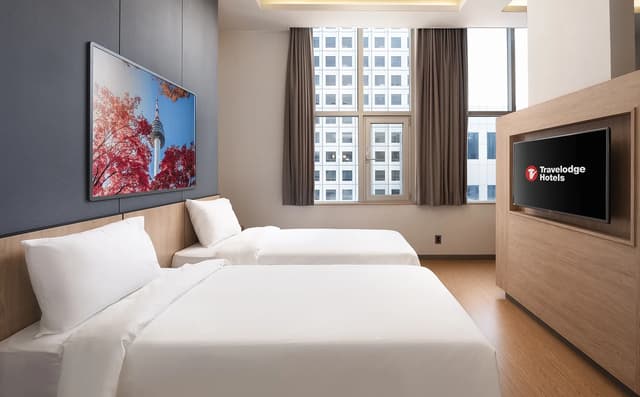
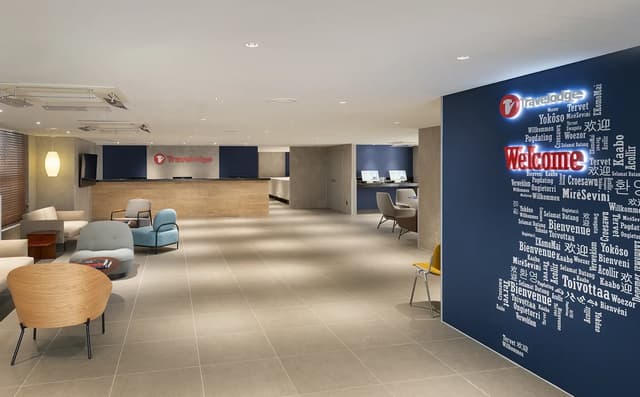
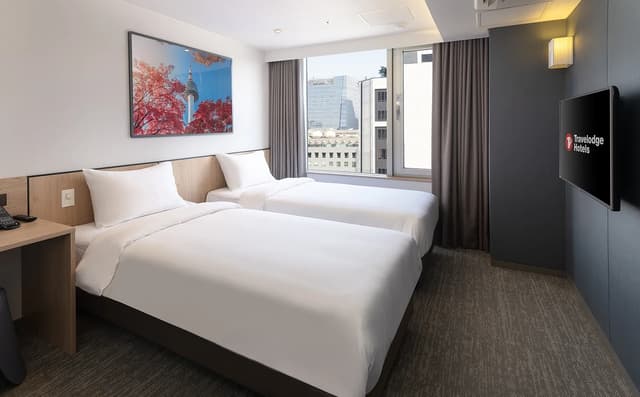
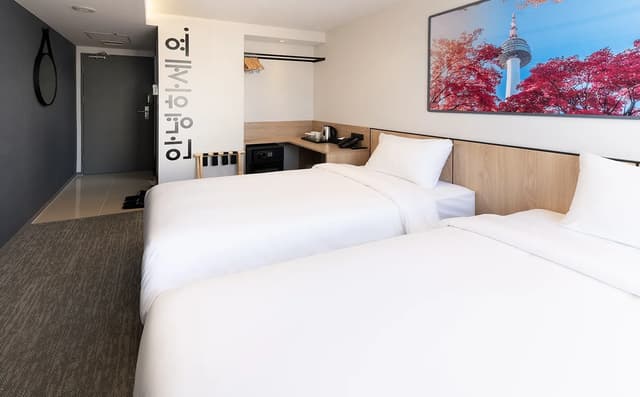
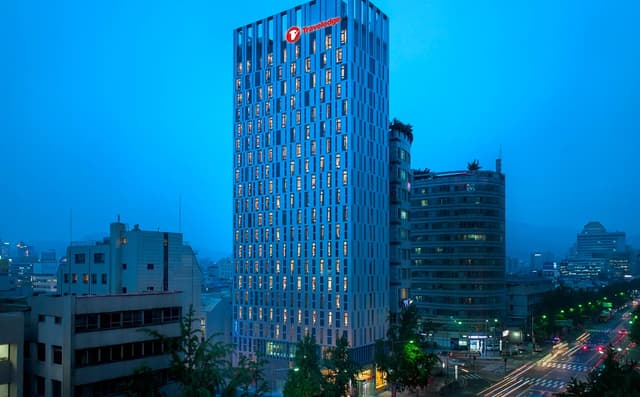
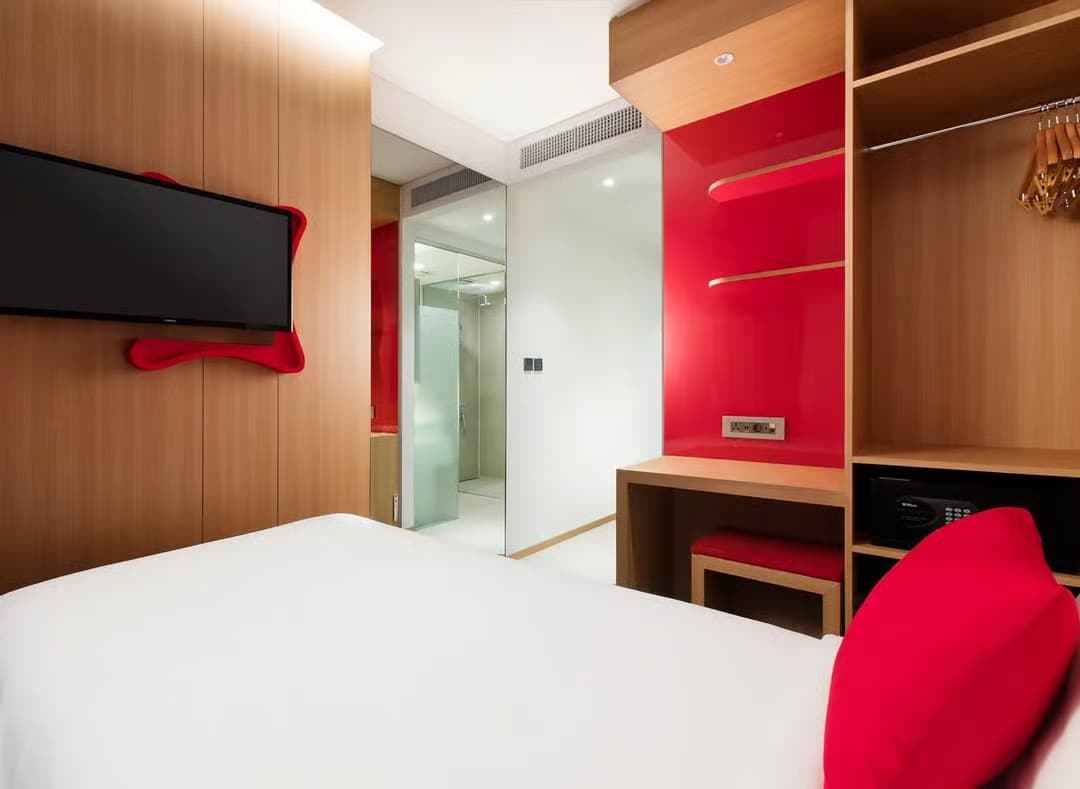
Travelodge Myeongdong Namsan eignet sich besonders gut für Erstbesucher, die ihren Aufenthalt rund um Myeongdong, Namsan und das zentrale Seoul planen. Auf der offiziellen Hotelseite liegt die Myeongdong Shopping Street etwa 350 Meter entfernt, und die U-Bahn-Station Chungmuro befindet sich etwa 400 Meter vom Hotel entfernt.

Diese kurzen Distanzen werden im Januar noch wertvoller, wenn der Unterschied zwischen einem kurzen Fußweg zum Transport und einem längeren Weg im Freien spürbar ist. Das Hotel führt Heizung, kostenloses WLAN und Selbstbedienungs-Wäscheservice unter seinen Einrichtungen auf.

In der 8S-Sprache von Travelodge unterstützt Snooze erholsame Auszeiten, Stream hält die Reise verbunden, und Spin ist nützlich, um Winterkleidung bei einem längeren Aufenthalt aufzufrischen.

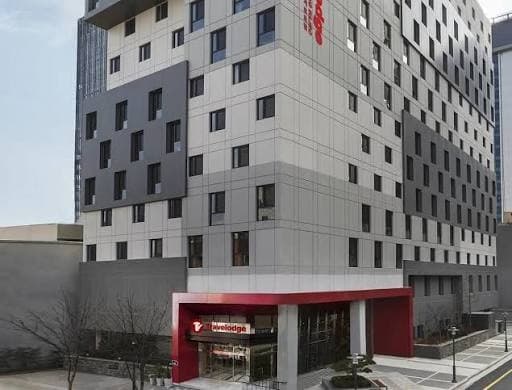
Travelodge Myeongdong Euljiro: Eine zentrale Basis für das historische und moderne Seoul
Essential Apps for Your Seoul Winter Trip A few useful apps reduce the amount of time spent standing outside trying to work out where the next subway entrance is. Navigation: Naver Map is one of the most useful tools for local directions and public transportation. Translation: Papago is practical for signs, menus, short conversations, and text translation. Taxis: Kakao T is widely used for ride-hailing. Public transportation: Local subway tools and map apps help with exits, transfers, and route planning. Restaurant discovery: Local search platforms often contain more detailed Korean restaurant information than international services. Korea Tourism Organization currently promotes both Naver Map and Papago among useful travel apps for international visitors. Reliable Wi-Fi becomes surprisingly important during winter because routes, weather, attraction hours, reservations, and last-minute transport changes are frequently checked from a phone. Cash, Cards, and Shopping in Seoul Credit and debit cards are widely used in Seoul's malls, restaurants, hotels, cafés, and major retailers. Cash still has a place, particularly around markets, small vendors, and situations where a particular payment method is not accepted. Keep transportation cards separate conceptually from ordinary bank cards. A Tmoney card simplifies local bus and subway travel and can also be used in some other settings. Eligible international visitors may also be able to claim tax refunds on qualifying purchases at participating retailers. Rules cover factors such as eligible purchases, length of stay, and refund procedures, so check the current official Seoul tax-refund information rather than relying on an old threshold quoted in a travel blog. Entry Requirements and Travel Documents Entry requirements depend on nationality, passport, length of stay, and the rules in force at the time of travel. Before flying, confirm passport requirements and check whether a visa, K-ETA, or other entry procedure applies to the passport being used. The official K-ETA website should be the reference point rather than social-media summaries or old articles. As of September 2026, South Korea has extended its temporary K-ETA exemption for currently exempt countries and regions through December 31, 2026. That does not mean every traveler is exempt, and rules for later travel dates may change. Recheck official immigration information shortly before departure, particularly for trips scheduled in 2027 or later. A Simple 3-Day Winter Seoul Itinerary Day 1: Historic Seoul and Myeongdong Start at Gyeongbokgung while daylight is plentiful, then continue toward Insadong for lunch, tea, galleries, or craft shops. Spend the afternoon around Cheonggyecheon before heading into Myeongdong for shopping and winter street food. This sequencing keeps most of the day in central Seoul rather than spending valuable winter daylight on repeated subway transfers. Day 2: Namsan, Shopping, and Dongdaemun Use the morning for Namsan and N Seoul Tower, ideally when skies are clear. Return toward Myeongdong for lunch or shopping, then spend the evening farther east around Dongdaemun Design Plaza and its surrounding retail district. DDP is especially useful on a winter itinerary because exhibitions and indoor spaces can be combined with evening architecture and seasonal lighting. Day 3: Choose the Winter Experience For a stronger snow experience, dedicate the final day to a ski resort or snow-focused excursion outside Seoul. Travelers who have had enough of the cold can take the opposite approach: visit a jjimjilbang, spend time in a museum, explore Gwangjang Market, or slow down with cafés and neighborhoods missed during the first two days. The best third day is the one that responds to the actual weather rather than the itinerary drafted months earlier. Where to Stay in Seoul During Winter Location carries extra weight during Seoul in winter. A hotel near useful subway lines and central neighborhoods reduces long outdoor transfers, makes it easier to return for an afternoon break, and gives more flexibility when the weather changes. Travelodge's Comfort, Convenience, and Connectivity positioning suits this kind of city trip naturally. Comfortable rooms provide somewhere to recharge after long walking days, central locations simplify sightseeing, and connectivity supports weather checks, maps, reservations, translation, and transportation planning. Travelers planning a broader Korean trip can explore Travelodge hotels in South Korea or compare Travelodge hotels in Seoul before choosing the neighborhood that best matches the itinerary. Travelodge Myeongdong Namsan: For Shopping and Namsan Sightseeing  Travelodge Myeongdong Namsan is well suited to first-time visitors building their stay around Myeongdong, Namsan, and central Seoul. The official hotel page places Myeongdong Shopping Street roughly 350 meters away and Chungmuro Station around 400 meters from the property. Those short distances become more valuable in January, when the difference between a quick walk to transport and a lengthy outdoor transfer is noticeable. The property lists heating, complimentary Wi-Fi, and self-service laundry among its facilities. In Travelodge's 8S language, Snooze supports restful downtime, Stream keeps the trip connected, and Spin is useful for refreshing winter layers during a longer stay. Travelodge Myeongdong Euljiro: A Central Base for Historic and Modern Seoul  Travelodge Myeongdong Euljiro works particularly well for travelers combining food, shopping, markets, and historic districts. Euljiro 3-ga Station, served by Subway Lines 2 and 3, is approximately 350 meters from the hotel, while Myeongdong Shopping Street is around 600 meters away. The property also lists complimentary Wi-Fi, self-service laundry, and heating among its facilities. That makes it a practical winter base for days divided between Gwangjang Market, Insadong, Myeongdong, Euljiro, and Dongdaemun. Stream supports route and weather planning, Spin helps on longer stays, and comfortable accommodation provides the Snooze element after several hours outside. For direct bookings, compare the hotel's current official rates and promotions before finalizing the stay. Travelodge Dongdaemun Seoul: For Shopping, Design, and Late Evenings  Travelodge Dongdaemun Seoul suits travelers who expect to spend more time around Dongdaemun's shopping, food, and design districts. The official property information places Dongdaemun Design Plaza at roughly 500 meters, with nearby subway access available for reaching other parts of the city. The hotel lists heating, complimentary Wi-Fi in common areas, and self-service laundry—simple facilities that become particularly useful during cold-weather stays. Staying nearby also means a late evening at DDP or Dongdaemun does not have to finish with another long cross-city journey. It reinforces Travelodge's Convenience and Connectivity while keeping a comfortable room close enough to recharge for the following morning. Practical Tips for a Comfortable Seoul Winter Trip Check the weather each morning rather than assuming yesterday's conditions will continue. Prioritize outdoor landmarks earlier in the day, then build cafés, museums, markets, restaurants, or shopping into the afternoon as natural warm-up breaks. Cold can also affect phone battery performance, so a portable charger is worth carrying when navigation and translation depend heavily on a smartphone. Avoid stacking several outdoor attractions back to back. A palace, a market, and an evening viewpoint will usually feel more enjoyable than three exposed sightseeing areas in succession. For skiing, seasonal skating, special exhibitions, and other winter-specific activities, check reservations and current operating dates before leaving the hotel. Seasonal schedules can change each year and may also respond to weather conditions. Make the Most of Winter in Seoul This Winter Travel Guide to Seoul shows why the city works so well as a cold-weather destination. Historic palaces and hanok neighborhoods bring cultural depth to the daytime, while street food, cafés, jjimjilbangs, shopping districts, skating, and evening attractions give the itinerary plenty of flexibility once temperatures fall. The strongest trip does not depend on Seoul being covered in snow. Build around the city itself, treat snowfall as a bonus, and use its excellent transportation and abundant indoor spaces to keep each day comfortable. A central hotel also makes it easier to move between sightseeing, food, shopping, and warm indoor breaks without turning winter transportation into the focus of the trip. Travelers deciding where to stay in Seoul in winter can compare the active Travelodge properties in Myeongdong, Euljiro, and Dongdaemun and book directly through Travelodge Hotels Asia for official rates, current promotions, and membership benefits. For frequent travelers, joining the Travelodge membership program adds another layer of value to direct stays. Members can earn early check-in, late check-out, exclusive member rates, and special offers, subject to membership tier, availability, and program terms. With the practical details handled, winter in Seoul becomes much simpler: step outside for a palace morning, warm up over a bowl of soup, stay out for the city lights, and let the season shape the pace of the trip rather than dictate it.

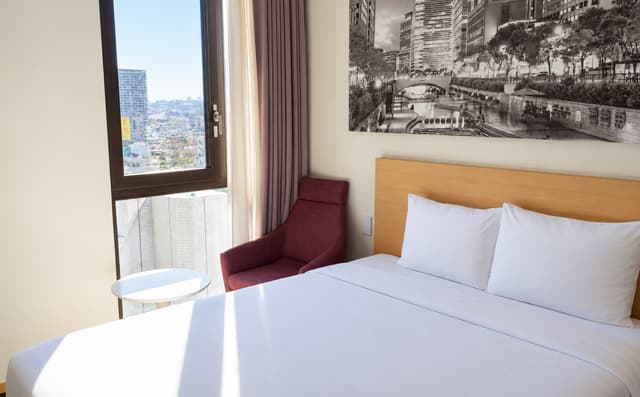
Travelodge Myeongdong Euljiro eignet sich besonders gut für Reisende, die Essen, Shopping, Märkte und historische Viertel kombinieren.

Die Station Euljiro 3-ga, bedient von den U-Bahn-Linien 2 und 3, ist etwa 350 Meter vom Hotel entfernt, während die Myeongdong Shopping Street rund 600 Meter entfernt liegt. Das Hotel führt außerdem kostenloses WLAN, Selbstbedienungs-Wäscheservice und Heizung unter seinen Einrichtungen auf.

Das macht es zu einer praktischen Winterbasis für Tage, die sich zwischen Gwangjang Market, Insadong, Myeongdong, Euljiro und Dongdaemun aufteilen. Stream unterstützt die Routen- und Wetterplanung, Spin hilft bei längeren Aufenthalten, und eine komfortable Unterkunft bietet den Snooze-Aspekt nach mehreren Stunden im Freien.

Für Direktbuchungen sollten Sie die aktuellen offiziellen Preise und Sonderangebote des Hotels vergleichen, bevor Sie den Aufenthalt endgültig buchen.

Travelodge Dongdaemun Seoul: Für Shopping, Design und späte Abende
Essential Apps for Your Seoul Winter Trip A few useful apps reduce the amount of time spent standing outside trying to work out where the next subway entrance is. Navigation: Naver Map is one of the most useful tools for local directions and public transportation. Translation: Papago is practical for signs, menus, short conversations, and text translation. Taxis: Kakao T is widely used for ride-hailing. Public transportation: Local subway tools and map apps help with exits, transfers, and route planning. Restaurant discovery: Local search platforms often contain more detailed Korean restaurant information than international services. Korea Tourism Organization currently promotes both Naver Map and Papago among useful travel apps for international visitors. Reliable Wi-Fi becomes surprisingly important during winter because routes, weather, attraction hours, reservations, and last-minute transport changes are frequently checked from a phone. Cash, Cards, and Shopping in Seoul Credit and debit cards are widely used in Seoul's malls, restaurants, hotels, cafés, and major retailers. Cash still has a place, particularly around markets, small vendors, and situations where a particular payment method is not accepted. Keep transportation cards separate conceptually from ordinary bank cards. A Tmoney card simplifies local bus and subway travel and can also be used in some other settings. Eligible international visitors may also be able to claim tax refunds on qualifying purchases at participating retailers. Rules cover factors such as eligible purchases, length of stay, and refund procedures, so check the current official Seoul tax-refund information rather than relying on an old threshold quoted in a travel blog. Entry Requirements and Travel Documents Entry requirements depend on nationality, passport, length of stay, and the rules in force at the time of travel. Before flying, confirm passport requirements and check whether a visa, K-ETA, or other entry procedure applies to the passport being used. The official K-ETA website should be the reference point rather than social-media summaries or old articles. As of September 2026, South Korea has extended its temporary K-ETA exemption for currently exempt countries and regions through December 31, 2026. That does not mean every traveler is exempt, and rules for later travel dates may change. Recheck official immigration information shortly before departure, particularly for trips scheduled in 2027 or later. A Simple 3-Day Winter Seoul Itinerary Day 1: Historic Seoul and Myeongdong Start at Gyeongbokgung while daylight is plentiful, then continue toward Insadong for lunch, tea, galleries, or craft shops. Spend the afternoon around Cheonggyecheon before heading into Myeongdong for shopping and winter street food. This sequencing keeps most of the day in central Seoul rather than spending valuable winter daylight on repeated subway transfers. Day 2: Namsan, Shopping, and Dongdaemun Use the morning for Namsan and N Seoul Tower, ideally when skies are clear. Return toward Myeongdong for lunch or shopping, then spend the evening farther east around Dongdaemun Design Plaza and its surrounding retail district. DDP is especially useful on a winter itinerary because exhibitions and indoor spaces can be combined with evening architecture and seasonal lighting. Day 3: Choose the Winter Experience For a stronger snow experience, dedicate the final day to a ski resort or snow-focused excursion outside Seoul. Travelers who have had enough of the cold can take the opposite approach: visit a jjimjilbang, spend time in a museum, explore Gwangjang Market, or slow down with cafés and neighborhoods missed during the first two days. The best third day is the one that responds to the actual weather rather than the itinerary drafted months earlier. Where to Stay in Seoul During Winter Location carries extra weight during Seoul in winter. A hotel near useful subway lines and central neighborhoods reduces long outdoor transfers, makes it easier to return for an afternoon break, and gives more flexibility when the weather changes. Travelodge's Comfort, Convenience, and Connectivity positioning suits this kind of city trip naturally. Comfortable rooms provide somewhere to recharge after long walking days, central locations simplify sightseeing, and connectivity supports weather checks, maps, reservations, translation, and transportation planning. Travelers planning a broader Korean trip can explore Travelodge hotels in South Korea or compare Travelodge hotels in Seoul before choosing the neighborhood that best matches the itinerary. Travelodge Myeongdong Namsan: For Shopping and Namsan Sightseeing  Travelodge Myeongdong Namsan is well suited to first-time visitors building their stay around Myeongdong, Namsan, and central Seoul. The official hotel page places Myeongdong Shopping Street roughly 350 meters away and Chungmuro Station around 400 meters from the property. Those short distances become more valuable in January, when the difference between a quick walk to transport and a lengthy outdoor transfer is noticeable. The property lists heating, complimentary Wi-Fi, and self-service laundry among its facilities. In Travelodge's 8S language, Snooze supports restful downtime, Stream keeps the trip connected, and Spin is useful for refreshing winter layers during a longer stay. Travelodge Myeongdong Euljiro: A Central Base for Historic and Modern Seoul  Travelodge Myeongdong Euljiro works particularly well for travelers combining food, shopping, markets, and historic districts. Euljiro 3-ga Station, served by Subway Lines 2 and 3, is approximately 350 meters from the hotel, while Myeongdong Shopping Street is around 600 meters away. The property also lists complimentary Wi-Fi, self-service laundry, and heating among its facilities. That makes it a practical winter base for days divided between Gwangjang Market, Insadong, Myeongdong, Euljiro, and Dongdaemun. Stream supports route and weather planning, Spin helps on longer stays, and comfortable accommodation provides the Snooze element after several hours outside. For direct bookings, compare the hotel's current official rates and promotions before finalizing the stay. Travelodge Dongdaemun Seoul: For Shopping, Design, and Late Evenings  Travelodge Dongdaemun Seoul suits travelers who expect to spend more time around Dongdaemun's shopping, food, and design districts. The official property information places Dongdaemun Design Plaza at roughly 500 meters, with nearby subway access available for reaching other parts of the city. The hotel lists heating, complimentary Wi-Fi in common areas, and self-service laundry—simple facilities that become particularly useful during cold-weather stays. Staying nearby also means a late evening at DDP or Dongdaemun does not have to finish with another long cross-city journey. It reinforces Travelodge's Convenience and Connectivity while keeping a comfortable room close enough to recharge for the following morning. Practical Tips for a Comfortable Seoul Winter Trip Check the weather each morning rather than assuming yesterday's conditions will continue. Prioritize outdoor landmarks earlier in the day, then build cafés, museums, markets, restaurants, or shopping into the afternoon as natural warm-up breaks. Cold can also affect phone battery performance, so a portable charger is worth carrying when navigation and translation depend heavily on a smartphone. Avoid stacking several outdoor attractions back to back. A palace, a market, and an evening viewpoint will usually feel more enjoyable than three exposed sightseeing areas in succession. For skiing, seasonal skating, special exhibitions, and other winter-specific activities, check reservations and current operating dates before leaving the hotel. Seasonal schedules can change each year and may also respond to weather conditions. Make the Most of Winter in Seoul This Winter Travel Guide to Seoul shows why the city works so well as a cold-weather destination. Historic palaces and hanok neighborhoods bring cultural depth to the daytime, while street food, cafés, jjimjilbangs, shopping districts, skating, and evening attractions give the itinerary plenty of flexibility once temperatures fall. The strongest trip does not depend on Seoul being covered in snow. Build around the city itself, treat snowfall as a bonus, and use its excellent transportation and abundant indoor spaces to keep each day comfortable. A central hotel also makes it easier to move between sightseeing, food, shopping, and warm indoor breaks without turning winter transportation into the focus of the trip. Travelers deciding where to stay in Seoul in winter can compare the active Travelodge properties in Myeongdong, Euljiro, and Dongdaemun and book directly through Travelodge Hotels Asia for official rates, current promotions, and membership benefits. For frequent travelers, joining the Travelodge membership program adds another layer of value to direct stays. Members can earn early check-in, late check-out, exclusive member rates, and special offers, subject to membership tier, availability, and program terms. With the practical details handled, winter in Seoul becomes much simpler: step outside for a palace morning, warm up over a bowl of soup, stay out for the city lights, and let the season shape the pace of the trip rather than dictate it.

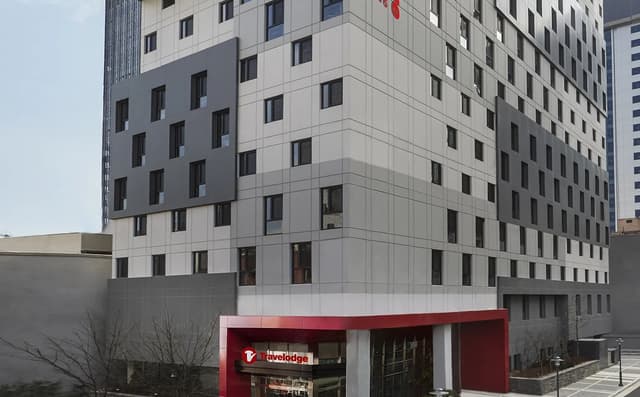
Travelodge Dongdaemun Seoul eignet sich für Reisende, die erwarten, mehr Zeit in den Einkaufs-, Essens- und Designvierteln von Dongdaemun zu verbringen. Die offiziellen Objektinformationen nennen den Dongdaemun Design Plaza mit etwa 500 Metern Entfernung, und in der Nähe gibt es U-Bahn-Anbindungen, um andere Teile der Stadt zu erreichen.

Das Hotel bietet Heizung, kostenloses WLAN in den öffentlichen Bereichen und einen Selbstbedienungs-Wäscheservice – einfache Einrichtungen, die sich besonders bei Aufenthalten in der kalten Jahreszeit als nützlich erweisen.

Ein Aufenthalt in der Nähe bedeutet außerdem, dass ein später Abend im DDP oder in Dongdaemun nicht mit einer weiteren langen Fahrt quer durch die Stadt enden muss. Das unterstreicht Travelodges Komfort und Anbindung, während ein angenehmes Zimmer nah genug bleibt, um sich für den nächsten Morgen zu erholen.

Praktische Tipps für eine angenehme Winterreise nach Seoul

Prüfen Sie das Wetter jeden Morgen, statt anzunehmen, dass die Bedingungen von gestern anhalten. Priorisieren Sie Outdoor-Sehenswürdigkeiten früher am Tag und planen Sie dann Cafés, Museen, Märkte, Restaurants oder Shopping für den Nachmittag als natürliche Aufwärmpausen ein.

Kälte kann auch die Akkuleistung des Smartphones beeinträchtigen, daher lohnt es sich, ein tragbares Ladegerät mitzunehmen, wenn Navigation und Übersetzung stark von einem Smartphone abhängen.

Vermeiden Sie es, mehrere Outdoor-Attraktionen direkt hintereinander zu legen. Ein Palast, ein Markt und ein abendlicher Aussichtspunkt fühlen sich meist angenehmer an als drei aufeinanderfolgende ungeschützte Besichtigungsorte.

Für Skifahren, saisonales Eislaufen, Sonderausstellungen und andere winterbezogene Aktivitäten sollten Sie vor dem Verlassen des Hotels Reservierungen und aktuelle Öffnungszeiten prüfen. Saisonale Zeitpläne können sich jedes Jahr ändern und auch auf Wetterbedingungen reagieren.

Machen Sie das Beste aus dem Winter in Seoul

Dieser Winterreiseleitfaden für Seoul zeigt, warum die Stadt als Reiseziel für die kalte Jahreszeit so gut funktioniert. Historische Paläste und Hanok-Viertel bringen tagsüber kulturelle Tiefe, während Street Food, Cafés, Jjimjilbangs, Einkaufsviertel, Eislaufen und Abendattraktionen die Reiseroute flexibel halten, sobald die Temperaturen sinken.

Die stärkste Reise hängt nicht davon ab, dass Seoul mit Schnee bedeckt ist. Planen Sie rund um die Stadt selbst, betrachten Sie Schneefall als Bonus und nutzen Sie den hervorragenden Nahverkehr sowie die vielen Innenräume, um jeden Tag angenehm zu gestalten. Ein zentral gelegenes Hotel erleichtert außerdem den Wechsel zwischen Besichtigungen, Essen, Shopping und warmen Pausen, ohne den Winterverkehr zum Schwerpunkt der Reise zu machen.

Reisende, die entscheiden möchten, wo sie im Winter in Seoul übernachten, können die aktiven Travelodge-Häuser in Myeongdong, Euljiro und Dongdaemun vergleichen und direkt über Travelodge Hotels Asia buchen, um offizielle Preise, aktuelle Aktionen und Mitgliedsvorteile zu erhalten.

Für Vielreisende bringt die Teilnahme am Travelodge-Mitgliedsprogramm einen weiteren Mehrwert bei Direktbuchungen. Mitglieder können je nach Mitgliedsstufe, Verfügbarkeit und Programmbedingungen von frühem Check-in, spätem Check-out, exklusiven Mitgliederraten und Sonderangeboten profitieren.

Wenn die praktischen Details geklärt sind, wird der Winter in Seoul viel einfacher: morgens zu einem Palast hinausgehen, sich mit einer Suppe aufwärmen, bis zu den Lichtern der Stadt draußen bleiben und die Jahreszeit das Tempo der Reise bestimmen lassen, statt es vorzugeben.
Artikel teilen