


彩乐居标志
主视觉背景
彩乐居标志

设置

我的账户

菜单

分享文章

首尔冬季旅游指南:最佳游玩、美食与观景体验

Sora Kang
Sora Kang

更新于 2025年12月1日
107.2K
Blog_People-walking-in-street-of-Seoul-winter.

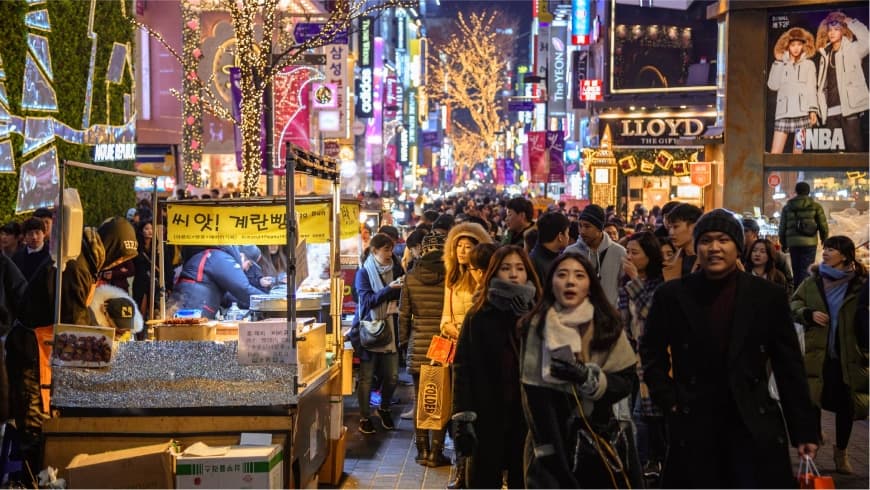
冬季改变了首尔的节奏。宫殿庭院变得更为安静,热气腾腾的街头小吃让人难以抗拒,咖啡馆为人们提供了避寒的好去处,而明洞、乙支路和东大门等地区在日落后依然热闹非凡。偶尔飘落的雪会给这座城市的瓦顶和群山背景覆上一层白色,但即使在晴朗的日子里,冷空气也会让熟悉的街区呈现出明显的季节氛围。

这份首尔冬季旅行指南涵盖了让寒冷天气城市短途旅行更轻松的实用信息:预计气温、穿衣建议、首尔冬季最佳活动、餐饮推荐、交通方式、实用应用程序、文化礼仪、周边一日游灵感以及住宿建议。首尔尤其适合冬季旅行,因为户外观光可以很轻松地与市场、博物馆、咖啡馆、购物中心、餐厅及其他有暖气的室内空间相结合。

为什么冬天要去首尔?

首尔的核心冬季从12月持续到2月。这里天气寒冷且相对干燥,西北风会带来刺骨寒流。首尔官方旅游机构指出,气温偶尔可能会降至约-15°C (5°F),而大雪是间歇性出现,并非持续不断。

这一点很重要。冬季旅行不应以“首尔始终被白雪覆盖”为预期来安排。相反,这个季节的魅力在于更宁静的历史景点、晴冷天气、冬季美食、季节性滑冰和灯光展示、购物,以及作为额外惊喜的降雪可能。

当气温变得不适时,首尔也有很强的适应性。早晨参观宫殿后,可以去仁寺洞的传统茶馆,下午参观博物馆,晚上在明洞用餐,然后在东大门的灯光下购物。寒冷天气很少意味着整整一天的观光都会泡汤。

首尔的冬季天气是什么样的?

首尔的冬季天气往往比单看气温更冷。干燥空气和风会让长时间待在户外更具挑战性,尤其是在开阔的宫殿庭院、河畔区域和较高的观景点。

12月通常标志着持续冬寒的开始。1月一般是冬季最严寒的时段,而2月仍然寒冷,但会逐渐向春天过渡。在此期间,任何时候都有可能下雪,不过晴朗或干燥的冬日也很常见。首尔官方旅游信息将冬季定义为12月至2月,并指出大雪是间歇性出现的。

如果行程中有较多步行,请为每天预留一定弹性。通常来说,在户外景点之后安排咖啡馆、市场、博物馆或购物行程,会比连续安排多个暴露在外的景点更舒适。

首尔冬季最佳活动
Winter Travel Guide to Seoul—Best Things to Do, Eat & See

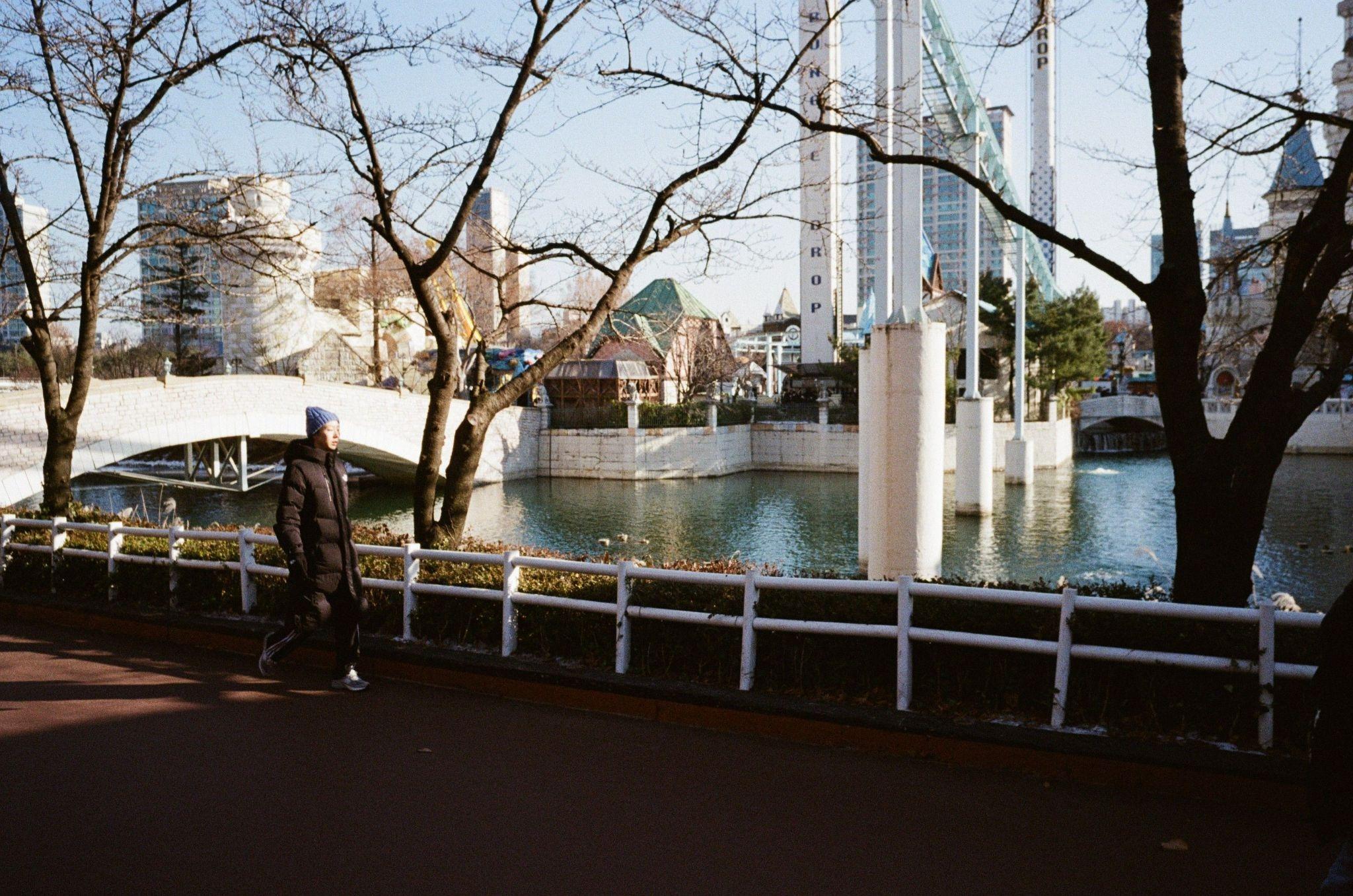
最理想的冬季行程会把首尔的主要地标与那些特别适合寒冷天气的体验结合起来。

冬季游览首尔的历史宫殿

可以从景福宫开始,它是首尔五大宫殿中最早也是规模最大的一座。即使没有雪,宽阔的庭院、亭阁、石墙和群山背景在整个冬天也都很有氛围。1月至2月期间,现行公布的开放时间比温暖月份更短,因此最好把宫殿游览安排在一天较早的时段。

昌德宫则带来不同的体验,其建筑与周围自然景观紧密融合。它是联合国教科文组织世界遗产,也很适合与附近的传统街区一并游览。

从任一宫殿出发,都可以继续前往仁寺洞,那里有画廊、手工艺品店、传统茶馆和热食小吃。北村韩屋村位于景福宫和昌德宫之间,但请记住,这里是居民区,而不是开放式旅游场景。现行的游客管理措施要求游客保持低噪音,并尊重指定区域的限制性参观安排。

汉拏屋顶上偶尔落雪时很美。应把它看作幸运,而不是享受该地区的必要条件。

从南山和首尔塔俯瞰首尔

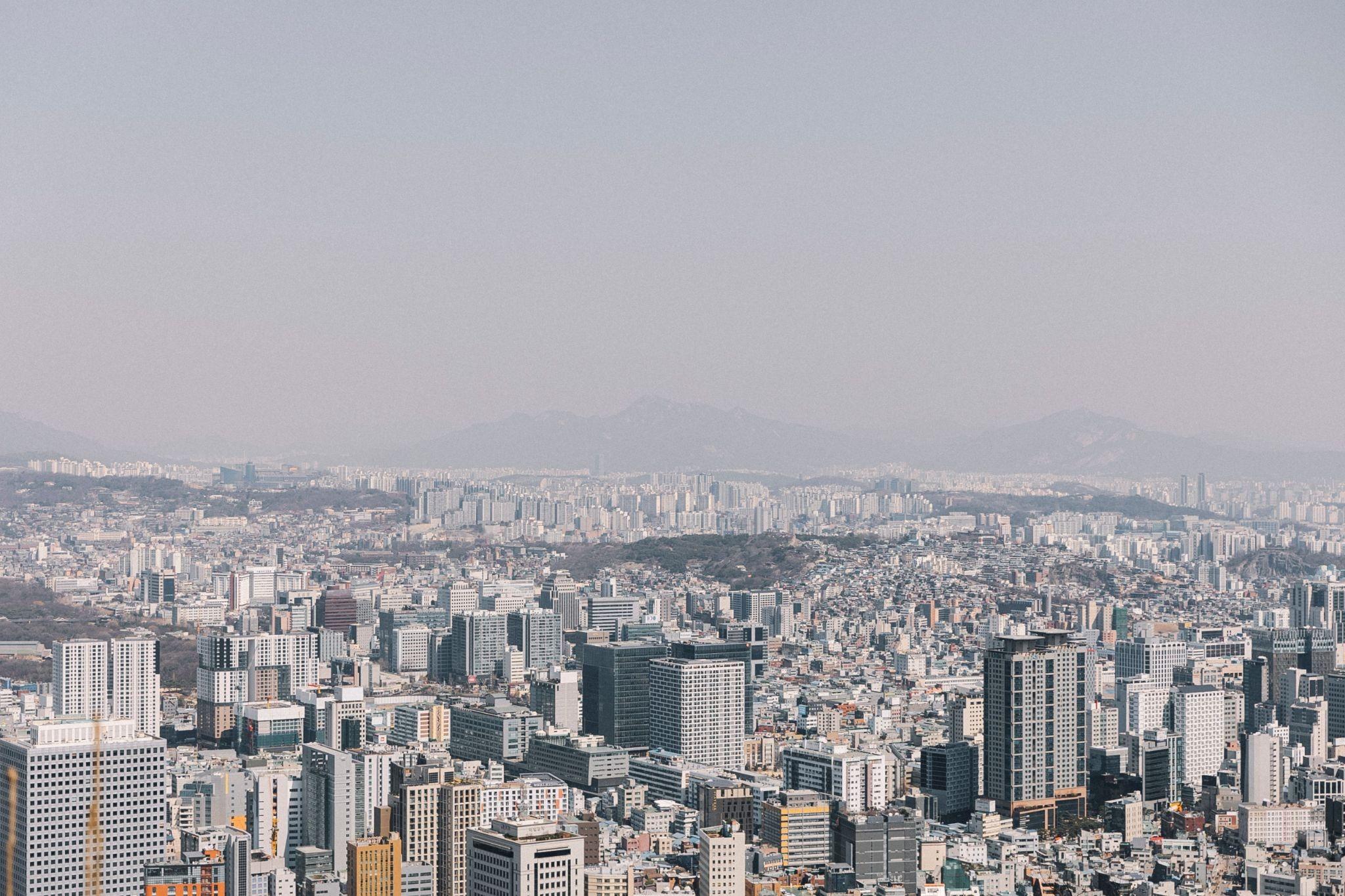
南山是欣赏首尔规模的最佳地点之一。首尔塔位于山顶,凭借其高处位置可提供城市全景。

在晴朗的日子里,冬天尤其值得一游,此时视野可一直延伸至首尔市中心,并望向周围的群山。日落很迷人,但天黑后气温会迅速下降,因此如果行程包含在观景区周边户外停留,手套和额外衣物会很有用。

把南山和明洞安排在一起,而不是把两者分成不同的日子。购物、餐厅、街头小吃摊和咖啡馆提供了许多在观景前后取暖的地方。

这种搭配也让住在市中心更方便:在白天观光和夜间出行之间回酒店休息,在一月里往往比再次穿越全城更有吸引力。

去滑冰或尝试季节性冬季活动

冬季来临时,首尔会定期设置季节性的滑冰和雪橇设施。

市政厅旁的首尔广场室外滑冰场就是其中一个常见例子。VisitKorea 将其描述为冬季景点,设有初学者和进阶区域、滑冰租赁以及配套设施。具体开放日期和运营安排每个季节都可能变化,因此出发前请确认当年的冬季时间表。

其他公园和休闲区域也可能根据年份提供雪橇或季节性活动。这种灵活性对家庭来说很有用:与其提前几个月确定某一个特定滑冰场,不如在市政日程公布后再查看冬季活动安排。

韩国对冬季运动的广泛热情,也使首尔成为在首都以外进行滑雪或单板滑雪的便捷出发点。

夜游明洞、乙支路和东大门

气温下降时,首尔并不会停摆。

明洞非常适合围绕购物、化妆品、餐厅和街头美食安排一个夜晚。从那里出发,乙支路呈现出不同的氛围:老式商业街、小餐馆、咖啡馆、酒吧和创意空间交织在中央商务区之中。

再往东,东大门尤其适合夜间探索。东大门设计广场(DDP)举办展览和文化活动,其弧形外立面也曾用于季节性的首尔之光项目。

这些街区让冬季观光更轻松,因为户外步行可以自然地穿插在有暖气的商店、百货公司、咖啡馆、餐厅和展览空间之间。

体验传统韩式汗蒸幕

在寒冷的首尔日子里,很少有室内活动比更适合的了 汗蒸幕, 这种韩国澡堂和桑拿体验。

设施差异很大。许多场所将男女分开的洗浴区与共享的加热房间、休闲空间、餐饮以及其他设施结合在一起。在洗浴区,客人通常会在进入公共浴池前彻底洗净;共享桑拿区域通常使用场馆提供的服装。由于各地的布局和规定并不相同,请在到达前查看具体规则。

首尔至今仍同时拥有传统澡堂和更大型的现代水疗综合设施。该市的旅游机构列出了目前仍在运营的几家汗蒸房和桑拿设施,其中包括带有休闲区、咖啡馆和家庭设施的选项。

对于不熟悉韩国洗浴文化的旅行者来说,汗蒸房最适合被当作一种体验,而不是在景点之间匆忙打卡的地方。

从首尔出发的冬季一日游
Winter Travel Guide to Seoul—Best Things to Do, Eat & See

为了看到更令人信服的雪景,不必离开首尔好几晚。

京畿道及周边地区有多家滑雪度假村可作为从首都圈出发的冬季一日游目的地。韩国观光公社最新的冬季运动信息重点介绍了首尔附近的度假村,以及降雪更丰富的江原道目的地。

一日游可根据度假村不同,包含滑雪、单板滑雪,或更简单的玩雪活动。初学者在预订前应比较接送套餐、课程可用性、租赁费用和营业日期。

南怡岛是另一个受欢迎的短途旅行地,拥有林荫小道以及位于首尔市中心之外更为乡村的环境。只要天气条件允许,首都周边的山地目的地也能提供徒步或雪景。

不要假设某一天一定会有雪。出发前请查看当前状况、度假村公告、交通安排和返程时间。

在首尔哪里能找到最好的冬季街头小吃

广藏市场仍然是一次品尝多种传统料理的最便捷地点之一。这里的美食小巷供应多种特色小吃,包括 bindaetteok绿豆煎饼、gimbap、tteokbokki、eomuk以及其他韩国美食。

南大门提供了另一种市场体验。除了小吃之外,这里还有专门经营以下菜品的成熟美食街:kalguksu刀切面和炖带鱼。热腾腾的面汤尤其适合寒冷的天气。

明洞是在零食和美妆、时尚购物之间兼顾的最方便选择,尤其是在夜间。

支付方式因摊位而异。首尔普遍接受刷卡,但在传统市场和小型商贩处,携带少量韩元仍然很有用。


首尔冬季旅行必备应用

一些实用的应用可以减少你站在外面试图弄清下一个地铁入口在哪里的时间。

  • 导航:Naver 地图是本地路线和公共交通最有用的工具之一。
  • 翻译:Papago 适合识别标志、菜单、简短对话和文本翻译。
  • 出租车:Kakao T 被广泛用于叫车。
  • 公共交通:本地地铁工具和地图应用有助于查找出口、换乘和路线规划。
  • 餐厅发现:本地搜索平台通常包含比国际服务更详细的韩国餐厅信息。

韩国旅游发展局目前向国际游客推荐 Naver 地图和 Papago 作为实用旅行应用。

冬季期间,可靠的 Wi‑Fi 变得出人意料地重要,因为人们经常会用手机查看路线、天气、景点开放时间、预订信息以及临时交通变更。

首尔的现金、银行卡与购物

首尔的商场、餐厅、酒店、咖啡馆和大型零售店普遍接受信用卡和借记卡。现金仍然有用,尤其是在市场、小商贩处,以及某些特定支付方式不被接受的情况下。

请在概念上将交通卡与普通银行卡区分开来。Tmoney 卡可简化本地公交和地铁出行,在某些其他场景中也可使用。

符合条件的国际游客在参与商户处购买符合条件的商品时,可能还可以申请退税。相关规则涵盖可退税商品、停留时长和退税流程等因素,因此请查阅首尔当前官方退税信息,不要依赖旅行博客中引用的过时门槛。

入境要求和旅行证件

入境要求取决于国籍、护照、停留时长以及旅行时适用的现行规定。

登机前,请确认护照要求,并检查所使用的护照是否需要签证、K-ETA 或其他入境手续。应以 K-ETA 官方网站为准,而不是社交媒体摘要或旧文章。

截至 2026 年 9 月,韩国已将目前适用免除的国家和地区的临时 K-ETA 豁免延长至 2026 年 12 月 31 日。这并不意味着每位旅客都可免除,且未来出行日期的规定可能会变化。

出发前不久,请再次核对官方移民信息,尤其是计划于 2027 年或之后出行的行程。

一个简单的首尔 3 天游冬季行程

第 1 天:历史首尔和明洞

趁白天时间充足时先去景福宫,然后前往仁寺洞吃午餐、喝茶、逛画廊或手工艺品店。下午在清溪川一带度过,之后前往明洞购物并品尝冬季街头美食。

这样的安排让你大部分时间都待在首尔市中心,而不是把宝贵的冬季日照时间浪费在反复换乘地铁上。

第 2 天:南山、购物和东大门

上午安排南山和首尔塔,最好在天空晴朗时前往。之后回到明洞吃午餐或购物,傍晚再往东前往东大门设计广场及其周边商业区。

DDP 在冬季行程中尤其实用,因为展览和室内空间可以与夜景建筑和季节灯光一起安排。

第 3 天:选择冬季体验

如果想更强烈地体验雪景,可以把最后一天留给首尔以外的滑雪场或以雪为主题的短途行程。

如果旅客已经受够了寒冷,可以反其道而行:去汗蒸幕、逛博物馆、探索广藏市场,或者在咖啡馆和前两天没能去到的街区慢慢放松。

最好的第三天,是能根据实际天气做出调整的那一天,而不是几个月前就写好的行程。

首尔冬季住宿推荐地点

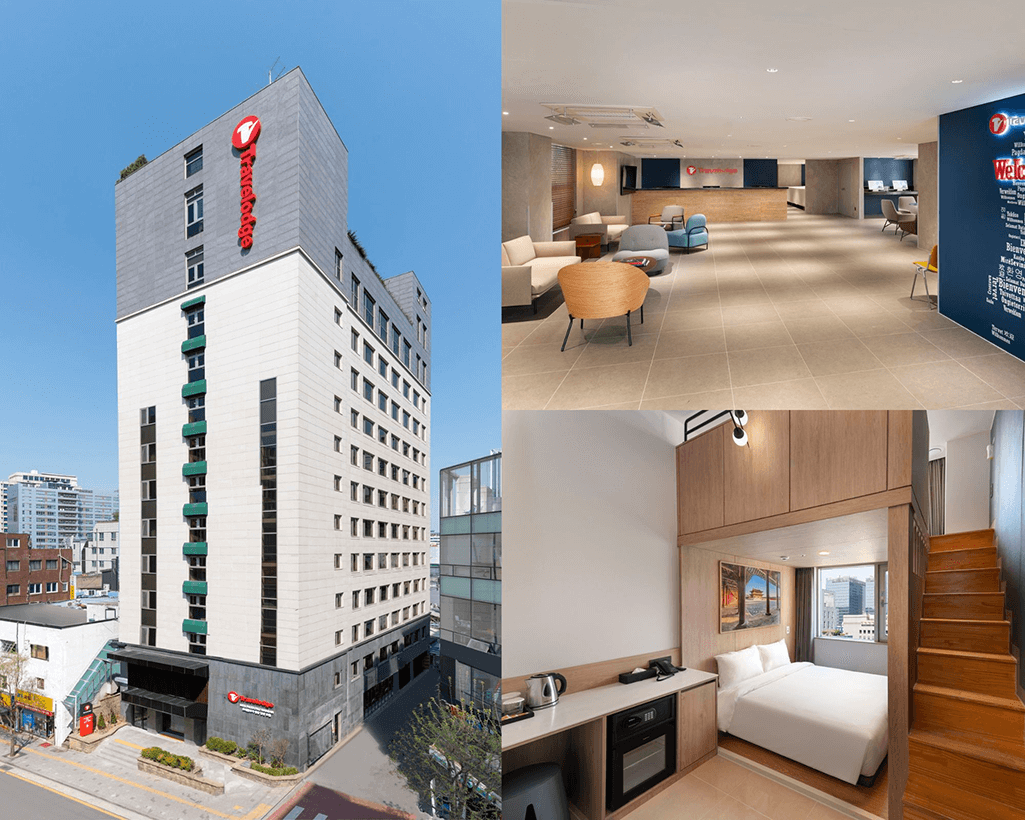
首尔冬季出行时,地段会显得格外重要。靠近便捷地铁线路和市中心区域的酒店,可以减少长时间的户外换乘,让你更容易回酒店午休,也能在天气变化时提供更大的灵活性。

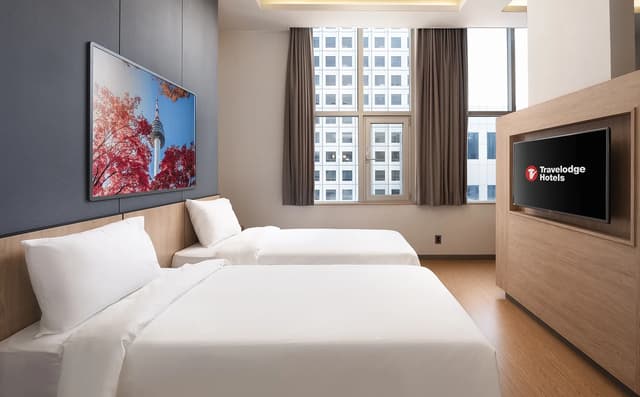
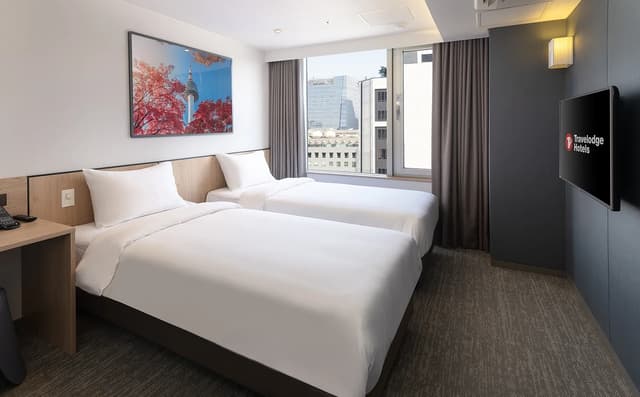
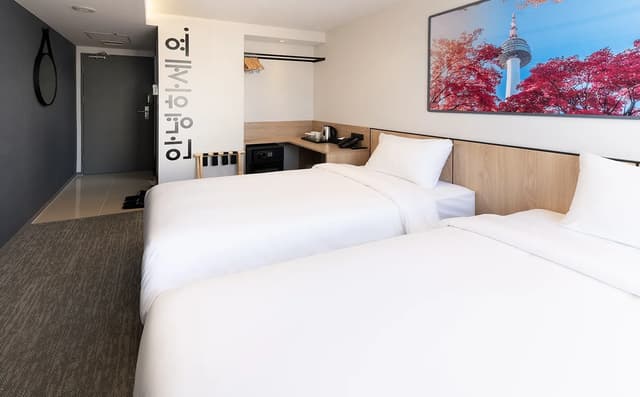
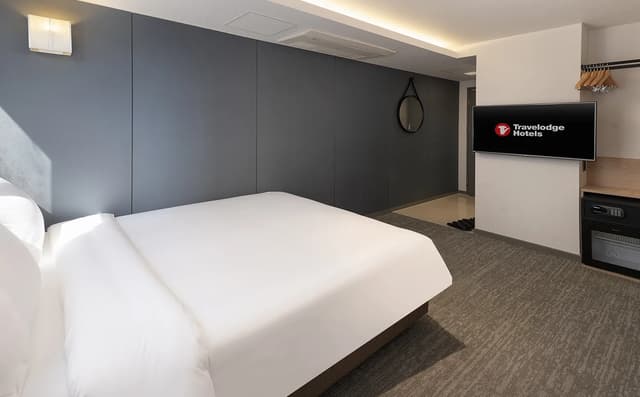
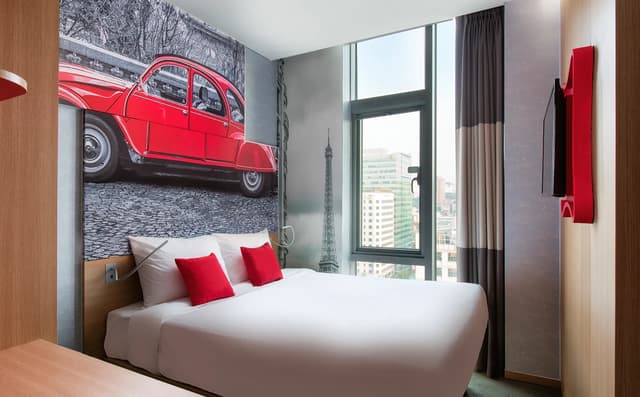
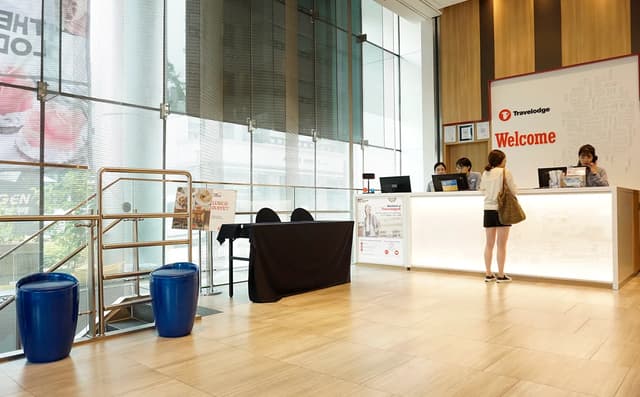
Travelodge 的舒适、便利与连接性定位,自然而然地适合这类城市旅行。舒适的客房为长时间步行后提供休息恢复的地方;位于市中心的地理位置简化观光行程;而连接性则有助于查看天气、地图、预订、翻译和交通规划。

计划更全面韩国行程的旅客可以浏览 韩国的 Travelodge 酒店,或者比较 首尔的 Travelodge 酒店,再决定最符合行程安排的区域。

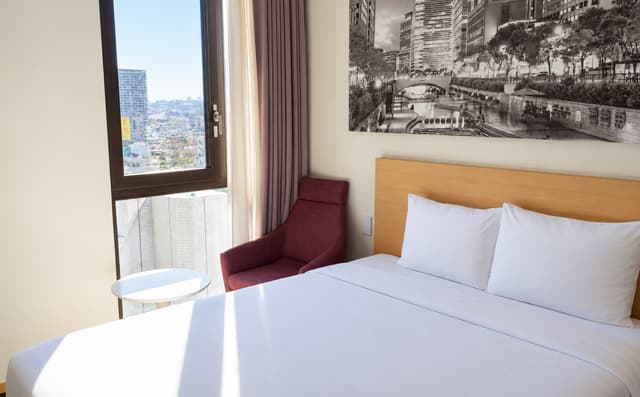
Travelodge 明洞南山:适合购物和南山观光
Essential Apps for Your Seoul Winter Trip A few useful apps reduce the amount of time spent standing outside trying to work out where the next subway entrance is. Navigation: Naver Map is one of the most useful tools for local directions and public transportation. Translation: Papago is practical for signs, menus, short conversations, and text translation. Taxis: Kakao T is widely used for ride-hailing. Public transportation: Local subway tools and map apps help with exits, transfers, and route planning. Restaurant discovery: Local search platforms often contain more detailed Korean restaurant information than international services. Korea Tourism Organization currently promotes both Naver Map and Papago among useful travel apps for international visitors. Reliable Wi-Fi becomes surprisingly important during winter because routes, weather, attraction hours, reservations, and last-minute transport changes are frequently checked from a phone. Cash, Cards, and Shopping in Seoul Credit and debit cards are widely used in Seoul's malls, restaurants, hotels, cafés, and major retailers. Cash still has a place, particularly around markets, small vendors, and situations where a particular payment method is not accepted. Keep transportation cards separate conceptually from ordinary bank cards. A Tmoney card simplifies local bus and subway travel and can also be used in some other settings. Eligible international visitors may also be able to claim tax refunds on qualifying purchases at participating retailers. Rules cover factors such as eligible purchases, length of stay, and refund procedures, so check the current official Seoul tax-refund information rather than relying on an old threshold quoted in a travel blog. Entry Requirements and Travel Documents Entry requirements depend on nationality, passport, length of stay, and the rules in force at the time of travel. Before flying, confirm passport requirements and check whether a visa, K-ETA, or other entry procedure applies to the passport being used. The official K-ETA website should be the reference point rather than social-media summaries or old articles. As of September 2026, South Korea has extended its temporary K-ETA exemption for currently exempt countries and regions through December 31, 2026. That does not mean every traveler is exempt, and rules for later travel dates may change. Recheck official immigration information shortly before departure, particularly for trips scheduled in 2027 or later. A Simple 3-Day Winter Seoul Itinerary Day 1: Historic Seoul and Myeongdong Start at Gyeongbokgung while daylight is plentiful, then continue toward Insadong for lunch, tea, galleries, or craft shops. Spend the afternoon around Cheonggyecheon before heading into Myeongdong for shopping and winter street food. This sequencing keeps most of the day in central Seoul rather than spending valuable winter daylight on repeated subway transfers. Day 2: Namsan, Shopping, and Dongdaemun Use the morning for Namsan and N Seoul Tower, ideally when skies are clear. Return toward Myeongdong for lunch or shopping, then spend the evening farther east around Dongdaemun Design Plaza and its surrounding retail district. DDP is especially useful on a winter itinerary because exhibitions and indoor spaces can be combined with evening architecture and seasonal lighting. Day 3: Choose the Winter Experience For a stronger snow experience, dedicate the final day to a ski resort or snow-focused excursion outside Seoul. Travelers who have had enough of the cold can take the opposite approach: visit a jjimjilbang, spend time in a museum, explore Gwangjang Market, or slow down with cafés and neighborhoods missed during the first two days. The best third day is the one that responds to the actual weather rather than the itinerary drafted months earlier. Where to Stay in Seoul During Winter Location carries extra weight during Seoul in winter. A hotel near useful subway lines and central neighborhoods reduces long outdoor transfers, makes it easier to return for an afternoon break, and gives more flexibility when the weather changes. Travelodge's Comfort, Convenience, and Connectivity positioning suits this kind of city trip naturally. Comfortable rooms provide somewhere to recharge after long walking days, central locations simplify sightseeing, and connectivity supports weather checks, maps, reservations, translation, and transportation planning. Travelers planning a broader Korean trip can explore Travelodge hotels in South Korea or compare Travelodge hotels in Seoul before choosing the neighborhood that best matches the itinerary. Travelodge Myeongdong Namsan: For Shopping and Namsan Sightseeing  Travelodge Myeongdong Namsan is well suited to first-time visitors building their stay around Myeongdong, Namsan, and central Seoul. The official hotel page places Myeongdong Shopping Street roughly 350 meters away and Chungmuro Station around 400 meters from the property. Those short distances become more valuable in January, when the difference between a quick walk to transport and a lengthy outdoor transfer is noticeable. The property lists heating, complimentary Wi-Fi, and self-service laundry among its facilities. In Travelodge's 8S language, Snooze supports restful downtime, Stream keeps the trip connected, and Spin is useful for refreshing winter layers during a longer stay. Travelodge Myeongdong Euljiro: A Central Base for Historic and Modern Seoul  Travelodge Myeongdong Euljiro works particularly well for travelers combining food, shopping, markets, and historic districts. Euljiro 3-ga Station, served by Subway Lines 2 and 3, is approximately 350 meters from the hotel, while Myeongdong Shopping Street is around 600 meters away. The property also lists complimentary Wi-Fi, self-service laundry, and heating among its facilities. That makes it a practical winter base for days divided between Gwangjang Market, Insadong, Myeongdong, Euljiro, and Dongdaemun. Stream supports route and weather planning, Spin helps on longer stays, and comfortable accommodation provides the Snooze element after several hours outside. For direct bookings, compare the hotel's current official rates and promotions before finalizing the stay. Travelodge Dongdaemun Seoul: For Shopping, Design, and Late Evenings  Travelodge Dongdaemun Seoul suits travelers who expect to spend more time around Dongdaemun's shopping, food, and design districts. The official property information places Dongdaemun Design Plaza at roughly 500 meters, with nearby subway access available for reaching other parts of the city. The hotel lists heating, complimentary Wi-Fi in common areas, and self-service laundry—simple facilities that become particularly useful during cold-weather stays. Staying nearby also means a late evening at DDP or Dongdaemun does not have to finish with another long cross-city journey. It reinforces Travelodge's Convenience and Connectivity while keeping a comfortable room close enough to recharge for the following morning. Practical Tips for a Comfortable Seoul Winter Trip Check the weather each morning rather than assuming yesterday's conditions will continue. Prioritize outdoor landmarks earlier in the day, then build cafés, museums, markets, restaurants, or shopping into the afternoon as natural warm-up breaks. Cold can also affect phone battery performance, so a portable charger is worth carrying when navigation and translation depend heavily on a smartphone. Avoid stacking several outdoor attractions back to back. A palace, a market, and an evening viewpoint will usually feel more enjoyable than three exposed sightseeing areas in succession. For skiing, seasonal skating, special exhibitions, and other winter-specific activities, check reservations and current operating dates before leaving the hotel. Seasonal schedules can change each year and may also respond to weather conditions. Make the Most of Winter in Seoul This Winter Travel Guide to Seoul shows why the city works so well as a cold-weather destination. Historic palaces and hanok neighborhoods bring cultural depth to the daytime, while street food, cafés, jjimjilbangs, shopping districts, skating, and evening attractions give the itinerary plenty of flexibility once temperatures fall. The strongest trip does not depend on Seoul being covered in snow. Build around the city itself, treat snowfall as a bonus, and use its excellent transportation and abundant indoor spaces to keep each day comfortable. A central hotel also makes it easier to move between sightseeing, food, shopping, and warm indoor breaks without turning winter transportation into the focus of the trip. Travelers deciding where to stay in Seoul in winter can compare the active Travelodge properties in Myeongdong, Euljiro, and Dongdaemun and book directly through Travelodge Hotels Asia for official rates, current promotions, and membership benefits. For frequent travelers, joining the Travelodge membership program adds another layer of value to direct stays. Members can earn early check-in, late check-out, exclusive member rates, and special offers, subject to membership tier, availability, and program terms. With the practical details handled, winter in Seoul becomes much simpler: step outside for a palace morning, warm up over a bowl of soup, stay out for the city lights, and let the season shape the pace of the trip rather than dictate it.

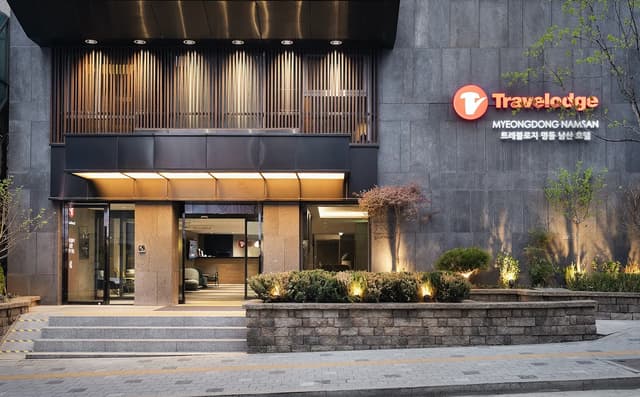
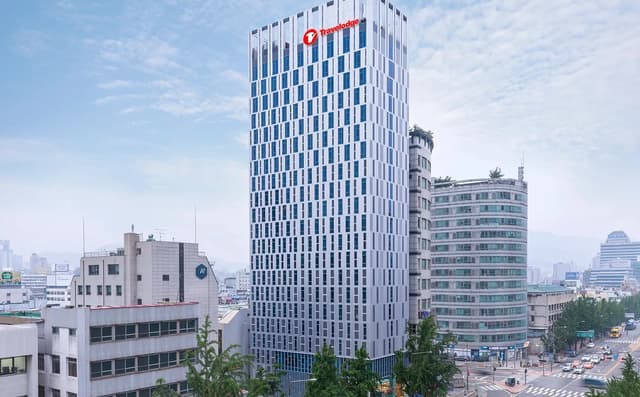
Travelodge 明洞南山非常适合第一次来访、以明洞、南山和首尔市中心为主要行程的旅客。酒店官网显示,明洞购物街距离酒店约 350 米,忠武路站距离酒店约 400 米。

在一月里,这些短距离会更显得有价值,因为步行到交通枢纽的快速路程与较长的户外换乘之间的差别会很明显。酒店设施包括供暖、免费 Wi-Fi 和自助洗衣。

在 Travelodge 的 8S 体系中,Snooze 提供安稳休息,Stream 让旅程保持连接,而 Spin 则适合在较长住宿期间清洗并整理冬季衣物。

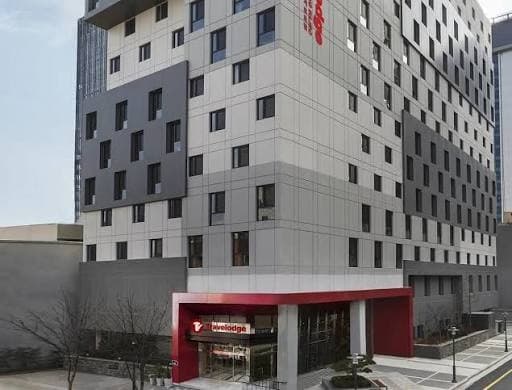
Travelodge 明洞乙支路:游览历史与现代首尔的中心据点
Essential Apps for Your Seoul Winter Trip A few useful apps reduce the amount of time spent standing outside trying to work out where the next subway entrance is. Navigation: Naver Map is one of the most useful tools for local directions and public transportation. Translation: Papago is practical for signs, menus, short conversations, and text translation. Taxis: Kakao T is widely used for ride-hailing. Public transportation: Local subway tools and map apps help with exits, transfers, and route planning. Restaurant discovery: Local search platforms often contain more detailed Korean restaurant information than international services. Korea Tourism Organization currently promotes both Naver Map and Papago among useful travel apps for international visitors. Reliable Wi-Fi becomes surprisingly important during winter because routes, weather, attraction hours, reservations, and last-minute transport changes are frequently checked from a phone. Cash, Cards, and Shopping in Seoul Credit and debit cards are widely used in Seoul's malls, restaurants, hotels, cafés, and major retailers. Cash still has a place, particularly around markets, small vendors, and situations where a particular payment method is not accepted. Keep transportation cards separate conceptually from ordinary bank cards. A Tmoney card simplifies local bus and subway travel and can also be used in some other settings. Eligible international visitors may also be able to claim tax refunds on qualifying purchases at participating retailers. Rules cover factors such as eligible purchases, length of stay, and refund procedures, so check the current official Seoul tax-refund information rather than relying on an old threshold quoted in a travel blog. Entry Requirements and Travel Documents Entry requirements depend on nationality, passport, length of stay, and the rules in force at the time of travel. Before flying, confirm passport requirements and check whether a visa, K-ETA, or other entry procedure applies to the passport being used. The official K-ETA website should be the reference point rather than social-media summaries or old articles. As of September 2026, South Korea has extended its temporary K-ETA exemption for currently exempt countries and regions through December 31, 2026. That does not mean every traveler is exempt, and rules for later travel dates may change. Recheck official immigration information shortly before departure, particularly for trips scheduled in 2027 or later. A Simple 3-Day Winter Seoul Itinerary Day 1: Historic Seoul and Myeongdong Start at Gyeongbokgung while daylight is plentiful, then continue toward Insadong for lunch, tea, galleries, or craft shops. Spend the afternoon around Cheonggyecheon before heading into Myeongdong for shopping and winter street food. This sequencing keeps most of the day in central Seoul rather than spending valuable winter daylight on repeated subway transfers. Day 2: Namsan, Shopping, and Dongdaemun Use the morning for Namsan and N Seoul Tower, ideally when skies are clear. Return toward Myeongdong for lunch or shopping, then spend the evening farther east around Dongdaemun Design Plaza and its surrounding retail district. DDP is especially useful on a winter itinerary because exhibitions and indoor spaces can be combined with evening architecture and seasonal lighting. Day 3: Choose the Winter Experience For a stronger snow experience, dedicate the final day to a ski resort or snow-focused excursion outside Seoul. Travelers who have had enough of the cold can take the opposite approach: visit a jjimjilbang, spend time in a museum, explore Gwangjang Market, or slow down with cafés and neighborhoods missed during the first two days. The best third day is the one that responds to the actual weather rather than the itinerary drafted months earlier. Where to Stay in Seoul During Winter Location carries extra weight during Seoul in winter. A hotel near useful subway lines and central neighborhoods reduces long outdoor transfers, makes it easier to return for an afternoon break, and gives more flexibility when the weather changes. Travelodge's Comfort, Convenience, and Connectivity positioning suits this kind of city trip naturally. Comfortable rooms provide somewhere to recharge after long walking days, central locations simplify sightseeing, and connectivity supports weather checks, maps, reservations, translation, and transportation planning. Travelers planning a broader Korean trip can explore Travelodge hotels in South Korea or compare Travelodge hotels in Seoul before choosing the neighborhood that best matches the itinerary. Travelodge Myeongdong Namsan: For Shopping and Namsan Sightseeing  Travelodge Myeongdong Namsan is well suited to first-time visitors building their stay around Myeongdong, Namsan, and central Seoul. The official hotel page places Myeongdong Shopping Street roughly 350 meters away and Chungmuro Station around 400 meters from the property. Those short distances become more valuable in January, when the difference between a quick walk to transport and a lengthy outdoor transfer is noticeable. The property lists heating, complimentary Wi-Fi, and self-service laundry among its facilities. In Travelodge's 8S language, Snooze supports restful downtime, Stream keeps the trip connected, and Spin is useful for refreshing winter layers during a longer stay. Travelodge Myeongdong Euljiro: A Central Base for Historic and Modern Seoul  Travelodge Myeongdong Euljiro works particularly well for travelers combining food, shopping, markets, and historic districts. Euljiro 3-ga Station, served by Subway Lines 2 and 3, is approximately 350 meters from the hotel, while Myeongdong Shopping Street is around 600 meters away. The property also lists complimentary Wi-Fi, self-service laundry, and heating among its facilities. That makes it a practical winter base for days divided between Gwangjang Market, Insadong, Myeongdong, Euljiro, and Dongdaemun. Stream supports route and weather planning, Spin helps on longer stays, and comfortable accommodation provides the Snooze element after several hours outside. For direct bookings, compare the hotel's current official rates and promotions before finalizing the stay. Travelodge Dongdaemun Seoul: For Shopping, Design, and Late Evenings  Travelodge Dongdaemun Seoul suits travelers who expect to spend more time around Dongdaemun's shopping, food, and design districts. The official property information places Dongdaemun Design Plaza at roughly 500 meters, with nearby subway access available for reaching other parts of the city. The hotel lists heating, complimentary Wi-Fi in common areas, and self-service laundry—simple facilities that become particularly useful during cold-weather stays. Staying nearby also means a late evening at DDP or Dongdaemun does not have to finish with another long cross-city journey. It reinforces Travelodge's Convenience and Connectivity while keeping a comfortable room close enough to recharge for the following morning. Practical Tips for a Comfortable Seoul Winter Trip Check the weather each morning rather than assuming yesterday's conditions will continue. Prioritize outdoor landmarks earlier in the day, then build cafés, museums, markets, restaurants, or shopping into the afternoon as natural warm-up breaks. Cold can also affect phone battery performance, so a portable charger is worth carrying when navigation and translation depend heavily on a smartphone. Avoid stacking several outdoor attractions back to back. A palace, a market, and an evening viewpoint will usually feel more enjoyable than three exposed sightseeing areas in succession. For skiing, seasonal skating, special exhibitions, and other winter-specific activities, check reservations and current operating dates before leaving the hotel. Seasonal schedules can change each year and may also respond to weather conditions. Make the Most of Winter in Seoul This Winter Travel Guide to Seoul shows why the city works so well as a cold-weather destination. Historic palaces and hanok neighborhoods bring cultural depth to the daytime, while street food, cafés, jjimjilbangs, shopping districts, skating, and evening attractions give the itinerary plenty of flexibility once temperatures fall. The strongest trip does not depend on Seoul being covered in snow. Build around the city itself, treat snowfall as a bonus, and use its excellent transportation and abundant indoor spaces to keep each day comfortable. A central hotel also makes it easier to move between sightseeing, food, shopping, and warm indoor breaks without turning winter transportation into the focus of the trip. Travelers deciding where to stay in Seoul in winter can compare the active Travelodge properties in Myeongdong, Euljiro, and Dongdaemun and book directly through Travelodge Hotels Asia for official rates, current promotions, and membership benefits. For frequent travelers, joining the Travelodge membership program adds another layer of value to direct stays. Members can earn early check-in, late check-out, exclusive member rates, and special offers, subject to membership tier, availability, and program terms. With the practical details handled, winter in Seoul becomes much simpler: step outside for a palace morning, warm up over a bowl of soup, stay out for the city lights, and let the season shape the pace of the trip rather than dictate it.

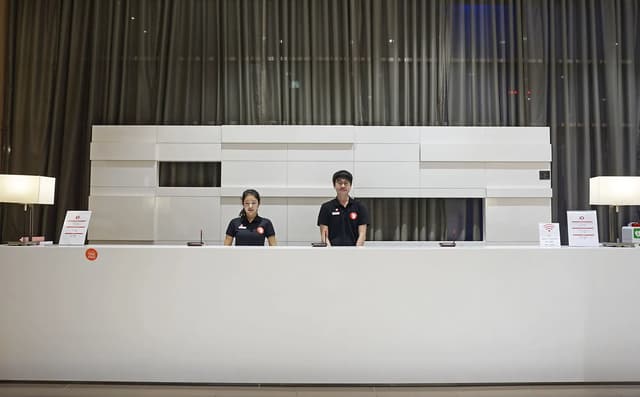
Travelodge 明洞乙支路尤其适合将美食、购物、市场和历史街区结合起来的旅客。

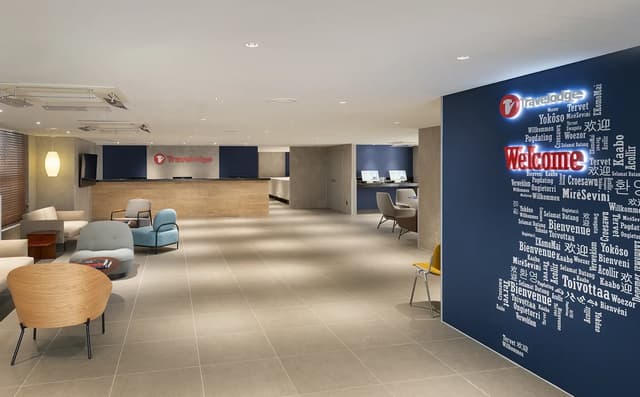
乙支路3街站由地铁 2 号线和 3 号线经过,距离酒店约 350 米,而明洞购物街距离约 600 米。酒店设施还包括免费 Wi-Fi、自助洗衣和供暖。

这使它成为冬季一个实用的据点,适合在广藏市场、仁寺洞、明洞、乙支路和东大门之间分配行程的日子。Stream 有助于路线和天气规划,Spin 适合较长住宿,而舒适的住宿则在数小时户外活动后提供 Snooze 元素。

如需直接预订,请在最终确定住宿前比较酒店当前的官方价格和促销优惠。

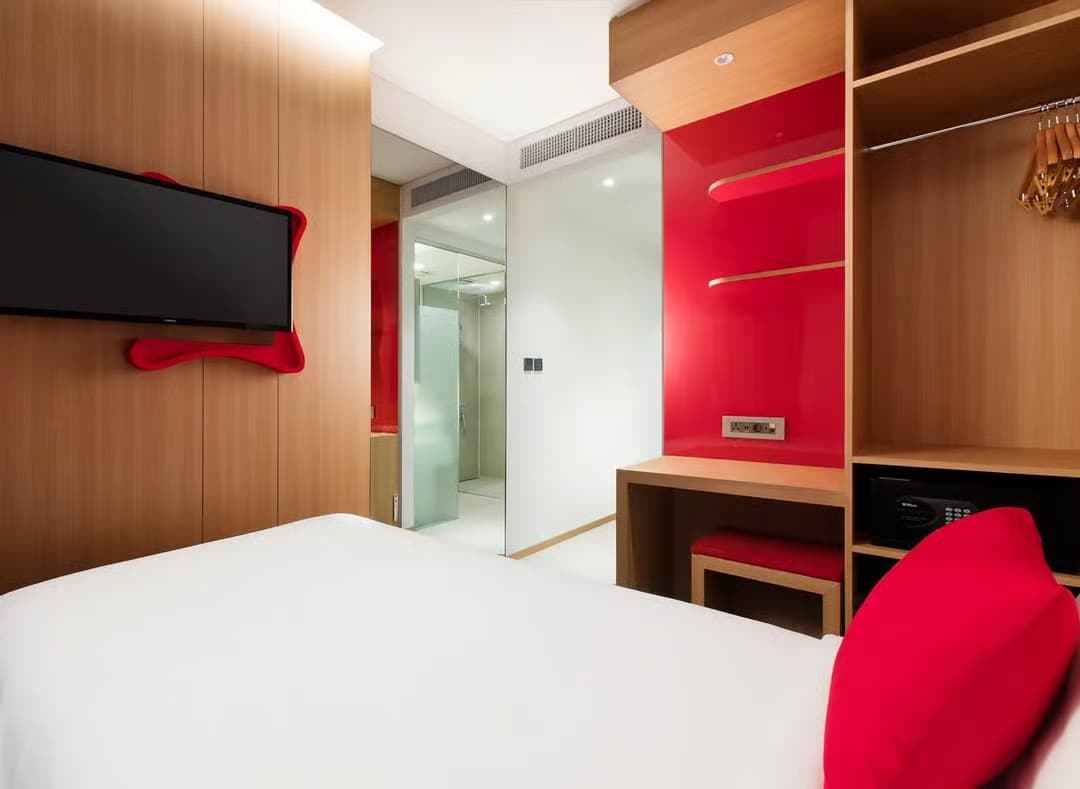
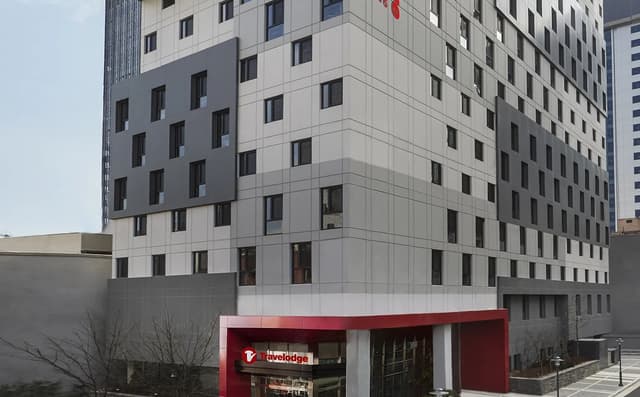
首尔东大门瑞泰酒店:购物、设计与夜晚时光
Essential Apps for Your Seoul Winter Trip A few useful apps reduce the amount of time spent standing outside trying to work out where the next subway entrance is. Navigation: Naver Map is one of the most useful tools for local directions and public transportation. Translation: Papago is practical for signs, menus, short conversations, and text translation. Taxis: Kakao T is widely used for ride-hailing. Public transportation: Local subway tools and map apps help with exits, transfers, and route planning. Restaurant discovery: Local search platforms often contain more detailed Korean restaurant information than international services. Korea Tourism Organization currently promotes both Naver Map and Papago among useful travel apps for international visitors. Reliable Wi-Fi becomes surprisingly important during winter because routes, weather, attraction hours, reservations, and last-minute transport changes are frequently checked from a phone. Cash, Cards, and Shopping in Seoul Credit and debit cards are widely used in Seoul's malls, restaurants, hotels, cafés, and major retailers. Cash still has a place, particularly around markets, small vendors, and situations where a particular payment method is not accepted. Keep transportation cards separate conceptually from ordinary bank cards. A Tmoney card simplifies local bus and subway travel and can also be used in some other settings. Eligible international visitors may also be able to claim tax refunds on qualifying purchases at participating retailers. Rules cover factors such as eligible purchases, length of stay, and refund procedures, so check the current official Seoul tax-refund information rather than relying on an old threshold quoted in a travel blog. Entry Requirements and Travel Documents Entry requirements depend on nationality, passport, length of stay, and the rules in force at the time of travel. Before flying, confirm passport requirements and check whether a visa, K-ETA, or other entry procedure applies to the passport being used. The official K-ETA website should be the reference point rather than social-media summaries or old articles. As of September 2026, South Korea has extended its temporary K-ETA exemption for currently exempt countries and regions through December 31, 2026. That does not mean every traveler is exempt, and rules for later travel dates may change. Recheck official immigration information shortly before departure, particularly for trips scheduled in 2027 or later. A Simple 3-Day Winter Seoul Itinerary Day 1: Historic Seoul and Myeongdong Start at Gyeongbokgung while daylight is plentiful, then continue toward Insadong for lunch, tea, galleries, or craft shops. Spend the afternoon around Cheonggyecheon before heading into Myeongdong for shopping and winter street food. This sequencing keeps most of the day in central Seoul rather than spending valuable winter daylight on repeated subway transfers. Day 2: Namsan, Shopping, and Dongdaemun Use the morning for Namsan and N Seoul Tower, ideally when skies are clear. Return toward Myeongdong for lunch or shopping, then spend the evening farther east around Dongdaemun Design Plaza and its surrounding retail district. DDP is especially useful on a winter itinerary because exhibitions and indoor spaces can be combined with evening architecture and seasonal lighting. Day 3: Choose the Winter Experience For a stronger snow experience, dedicate the final day to a ski resort or snow-focused excursion outside Seoul. Travelers who have had enough of the cold can take the opposite approach: visit a jjimjilbang, spend time in a museum, explore Gwangjang Market, or slow down with cafés and neighborhoods missed during the first two days. The best third day is the one that responds to the actual weather rather than the itinerary drafted months earlier. Where to Stay in Seoul During Winter Location carries extra weight during Seoul in winter. A hotel near useful subway lines and central neighborhoods reduces long outdoor transfers, makes it easier to return for an afternoon break, and gives more flexibility when the weather changes. Travelodge's Comfort, Convenience, and Connectivity positioning suits this kind of city trip naturally. Comfortable rooms provide somewhere to recharge after long walking days, central locations simplify sightseeing, and connectivity supports weather checks, maps, reservations, translation, and transportation planning. Travelers planning a broader Korean trip can explore Travelodge hotels in South Korea or compare Travelodge hotels in Seoul before choosing the neighborhood that best matches the itinerary. Travelodge Myeongdong Namsan: For Shopping and Namsan Sightseeing  Travelodge Myeongdong Namsan is well suited to first-time visitors building their stay around Myeongdong, Namsan, and central Seoul. The official hotel page places Myeongdong Shopping Street roughly 350 meters away and Chungmuro Station around 400 meters from the property. Those short distances become more valuable in January, when the difference between a quick walk to transport and a lengthy outdoor transfer is noticeable. The property lists heating, complimentary Wi-Fi, and self-service laundry among its facilities. In Travelodge's 8S language, Snooze supports restful downtime, Stream keeps the trip connected, and Spin is useful for refreshing winter layers during a longer stay. Travelodge Myeongdong Euljiro: A Central Base for Historic and Modern Seoul  Travelodge Myeongdong Euljiro works particularly well for travelers combining food, shopping, markets, and historic districts. Euljiro 3-ga Station, served by Subway Lines 2 and 3, is approximately 350 meters from the hotel, while Myeongdong Shopping Street is around 600 meters away. The property also lists complimentary Wi-Fi, self-service laundry, and heating among its facilities. That makes it a practical winter base for days divided between Gwangjang Market, Insadong, Myeongdong, Euljiro, and Dongdaemun. Stream supports route and weather planning, Spin helps on longer stays, and comfortable accommodation provides the Snooze element after several hours outside. For direct bookings, compare the hotel's current official rates and promotions before finalizing the stay. Travelodge Dongdaemun Seoul: For Shopping, Design, and Late Evenings  Travelodge Dongdaemun Seoul suits travelers who expect to spend more time around Dongdaemun's shopping, food, and design districts. The official property information places Dongdaemun Design Plaza at roughly 500 meters, with nearby subway access available for reaching other parts of the city. The hotel lists heating, complimentary Wi-Fi in common areas, and self-service laundry—simple facilities that become particularly useful during cold-weather stays. Staying nearby also means a late evening at DDP or Dongdaemun does not have to finish with another long cross-city journey. It reinforces Travelodge's Convenience and Connectivity while keeping a comfortable room close enough to recharge for the following morning. Practical Tips for a Comfortable Seoul Winter Trip Check the weather each morning rather than assuming yesterday's conditions will continue. Prioritize outdoor landmarks earlier in the day, then build cafés, museums, markets, restaurants, or shopping into the afternoon as natural warm-up breaks. Cold can also affect phone battery performance, so a portable charger is worth carrying when navigation and translation depend heavily on a smartphone. Avoid stacking several outdoor attractions back to back. A palace, a market, and an evening viewpoint will usually feel more enjoyable than three exposed sightseeing areas in succession. For skiing, seasonal skating, special exhibitions, and other winter-specific activities, check reservations and current operating dates before leaving the hotel. Seasonal schedules can change each year and may also respond to weather conditions. Make the Most of Winter in Seoul This Winter Travel Guide to Seoul shows why the city works so well as a cold-weather destination. Historic palaces and hanok neighborhoods bring cultural depth to the daytime, while street food, cafés, jjimjilbangs, shopping districts, skating, and evening attractions give the itinerary plenty of flexibility once temperatures fall. The strongest trip does not depend on Seoul being covered in snow. Build around the city itself, treat snowfall as a bonus, and use its excellent transportation and abundant indoor spaces to keep each day comfortable. A central hotel also makes it easier to move between sightseeing, food, shopping, and warm indoor breaks without turning winter transportation into the focus of the trip. Travelers deciding where to stay in Seoul in winter can compare the active Travelodge properties in Myeongdong, Euljiro, and Dongdaemun and book directly through Travelodge Hotels Asia for official rates, current promotions, and membership benefits. For frequent travelers, joining the Travelodge membership program adds another layer of value to direct stays. Members can earn early check-in, late check-out, exclusive member rates, and special offers, subject to membership tier, availability, and program terms. With the practical details handled, winter in Seoul becomes much simpler: step outside for a palace morning, warm up over a bowl of soup, stay out for the city lights, and let the season shape the pace of the trip rather than dictate it.

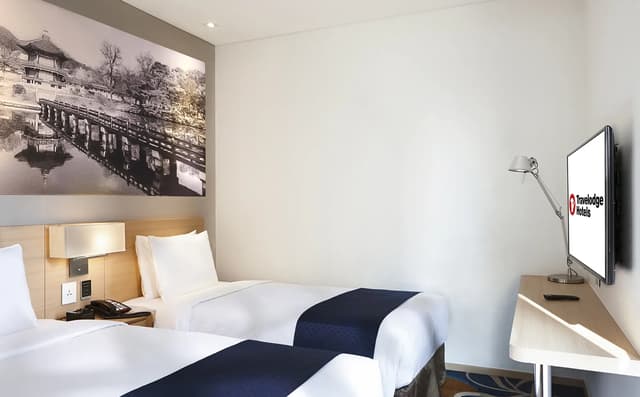
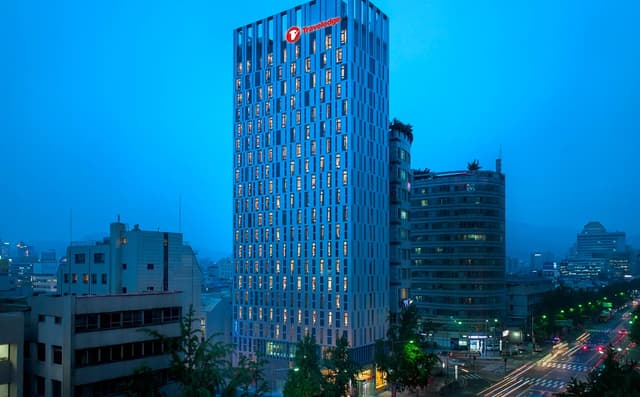
首尔东大门瑞泰酒店适合希望把更多时间花在东大门购物、美食和设计商圈的旅行者。官方物业信息显示,东大门设计广场(DDP)距离约500米,附近还有地铁,方便前往城市其他区域。

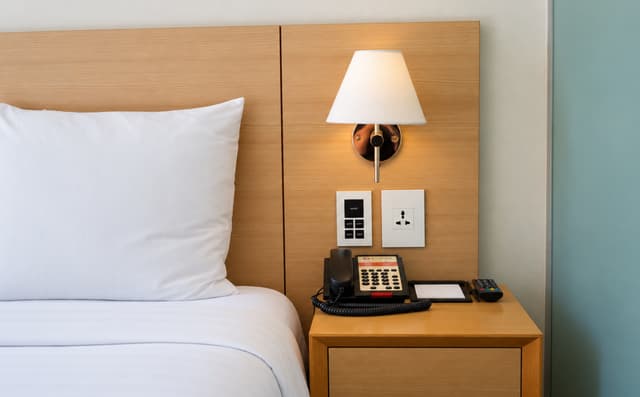
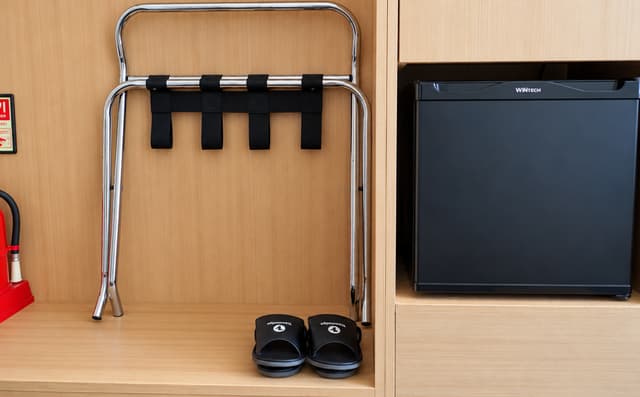
酒店提供供暖、公共区域免费 Wi-Fi 和自助洗衣——这些简单设施在寒冷天气入住时尤其实用。

住在附近也意味着,在 DDP 或东大门待到深夜后,不必再来一次漫长的跨城返程。它强化了瑞泰酒店注重的便利性与连通性,同时保留一个足够舒适的房间,让你第二天早晨能够恢复精力。

首尔舒适冬季之旅的实用提示

每天早上都查看天气,不要默认昨天的天气状况会继续。优先把户外景点安排在白天较早时段,然后把咖啡馆、博物馆、市场、餐厅或购物安排在下午,作为自然的回暖休息。

寒冷也会影响手机电池表现,因此当导航和翻译高度依赖智能手机时,随身带一个移动电源会很有价值。

避免把多个户外景点紧密连在一起。一个宫殿、一个市场和一个傍晚观景点,通常会比连续三个暴露在外的观光点更令人愉快。

如果要滑雪、季节性滑冰、特别展览或其他冬季限定活动,请在离开酒店前确认预订和当前开放日期。季节性安排每年都可能变化,也可能会受天气影响。

充分体验首尔的冬天

这份首尔冬季旅行指南展示了这座城市为何如此适合作为寒冷季节的目的地。历史宫殿和韩屋街区为白天带来文化深度,而街头美食、咖啡馆、汗蒸房、购物区、滑冰场和夜间景点,则让气温下降后的行程依然富有弹性。

最棒的行程并不依赖首尔被白雪覆盖。围绕城市本身来安排,把下雪当作额外惊喜,并利用其出色的交通和丰富的室内空间,让每天都保持舒适。位于市中心的酒店也能让你更容易在观光、美食、购物和温暖的室内休息之间切换,而不把冬季交通变成旅程的重点。

计划在冬天前往首尔的旅行者,可以比较位于明洞、乙支路和东大门的瑞泰酒店,并直接通过 Travelodge Hotels Asia 预订,以获取官方房价、当前促销和会员权益。

对于常旅客而言,加入 Travelodge 会员计划还能为直接入住增添另一层价值。会员可享早入住、延迟退房、专属会员房价和特别优惠,具体取决于会员等级、房态和计划条款。

当这些实用细节都安排妥当后,首尔的冬天就会变得简单许多:早晨走出酒店去看宫殿,中午喝一碗热汤暖身,晚上继续欣赏城市灯火,让季节去塑造旅程节奏,而不是由它来支配。

分享文章