


Share article
Japan Winter Travel Guide 2026: Snow Festivals, Culture, and Smart City Exploration

Aiko Sato
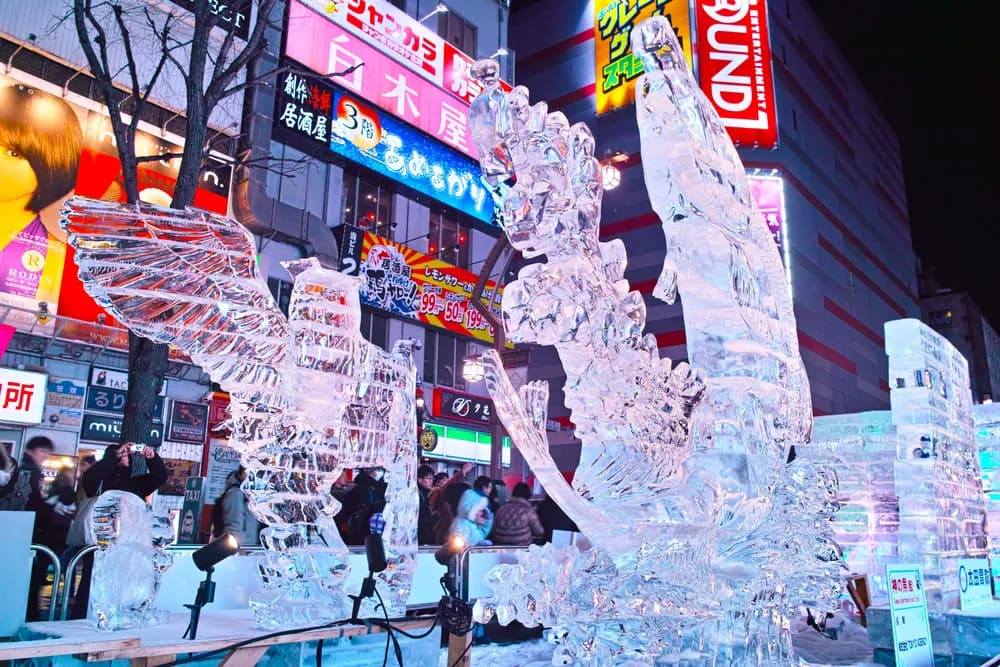
Winter brings out some of Japan's most distinctive landscapes. Hokkaido disappears beneath deep snow, mountain villages take on a storybook quality, steam rises from outdoor hot springs, and cities switch on elaborate illuminations as the evenings grow longer. Even familiar destinations such as Kyoto and Tokyo feel noticeably different once the temperatures drop.
This Japan Winter Travel Guide covers the practical side of planning as well as the seasonal highlights. The right itinerary depends heavily on when and where you travel: December works well for illuminations and the beginning of ski season, while January and February bring more reliable snow to Japan's major winter-sports regions. Conditions can also be dramatically different between Sapporo, the Japanese Alps, Kyoto, Osaka, and southern destinations such as Fukuoka.
Whether the priority is powder snow, winter festivals, temple walks, hot springs, seasonal food, or a multi-city journey, good Japan winter travel is less about trying to see everything and more about matching the route to the season.
Japan Winter Travel Guide: What to Expect
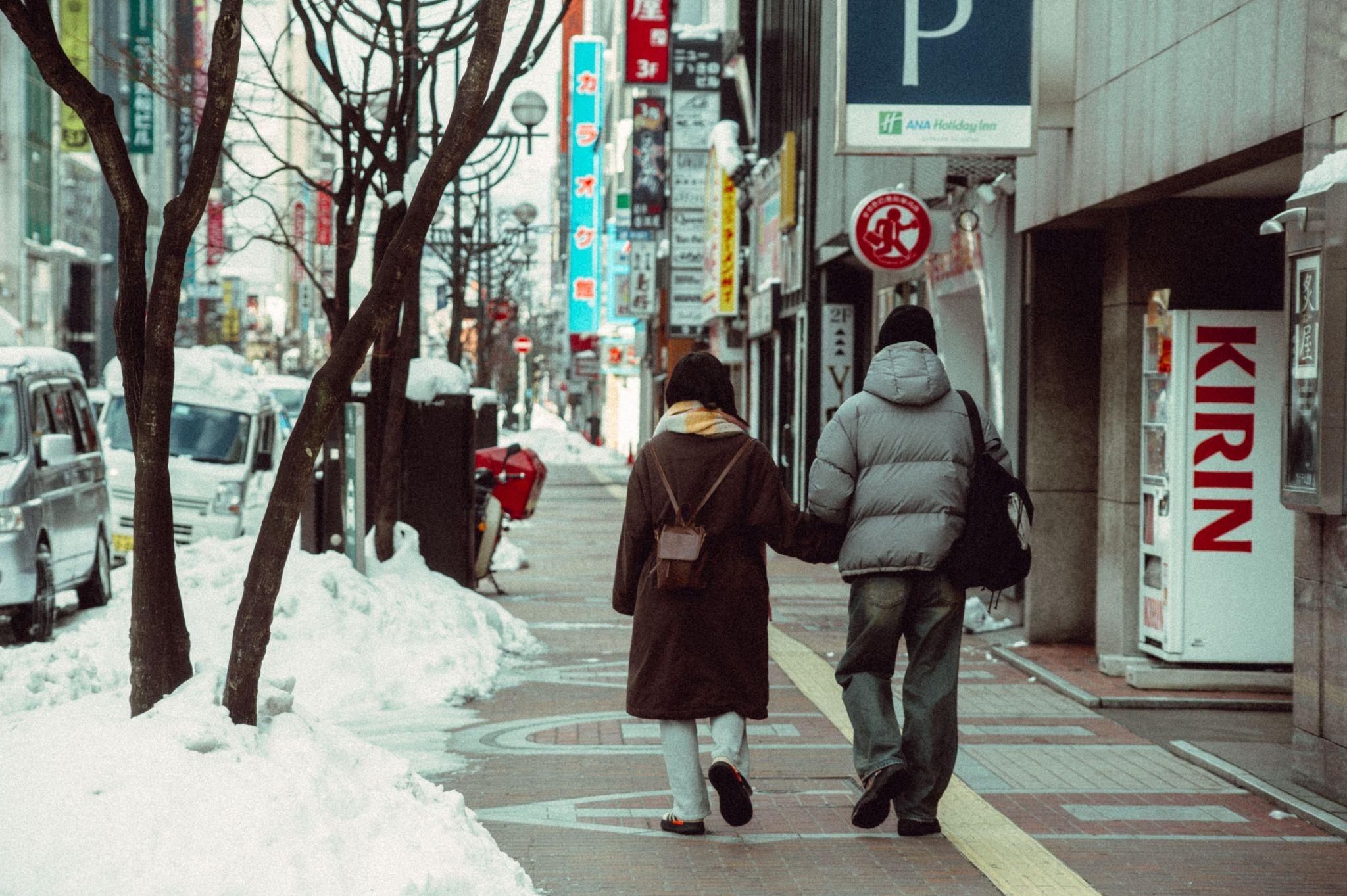
Japan's meteorological winter is generally associated with December through February, although snow seasons in mountain and northern regions can extend beyond those months. Winter conditions are far from uniform across the country. Metropolitan areas receive relatively little snow in a typical season, while northern Japan and mountainous regions can accumulate substantial amounts.
Hokkaido sits at the snowy end of the spectrum. Ski resorts, winter festivals, frozen landscapes, and subzero conditions are central to a trip there. Nagano, Niigata, Toyama, Gifu, and other mountainous or Sea of Japan-side areas can also experience heavy snowfall.
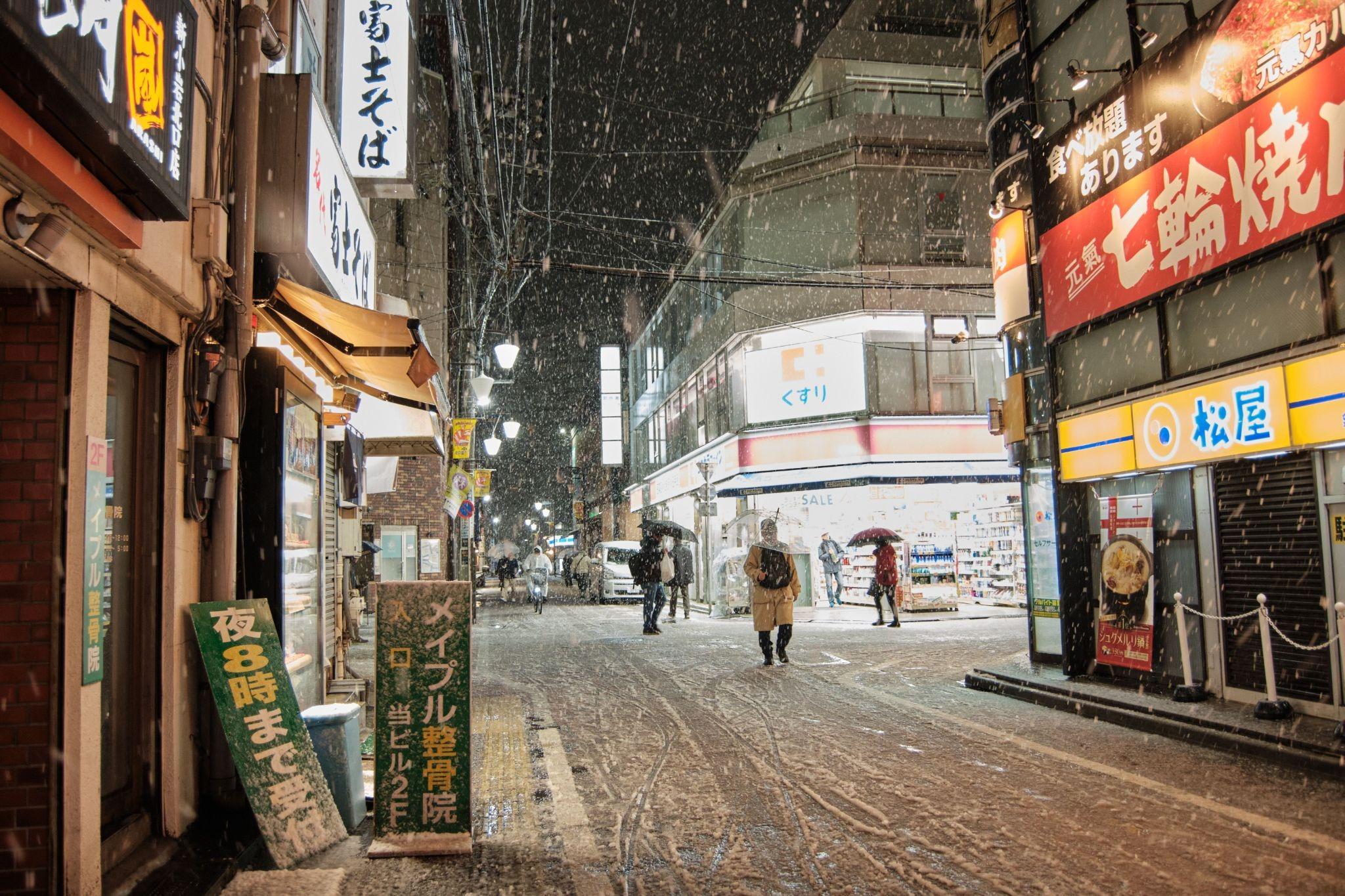
Tokyo and Osaka are much easier for travelers who want a winter atmosphere without building the entire trip around snow. Kyoto can feel sharply cold and occasionally receives snowfall. Still, a white Kinkaku-ji or Gion should be treated as a welcome bonus rather than something guaranteed on a particular day.
Farther south, Kyushu tends to be milder. That makes destinations such as Fukuoka attractive for travelers who prefer food, shopping, cultural sightseeing, and hot springs without the harsher temperatures found farther north. JNTO likewise notes the substantial contrast between warmer Kyushu and much colder Hokkaido.
For that reason, location should come before packing lists, rail passes, or hotel decisions. A week split between Osaka and Kyoto requires very different preparation from seven days in Niseko and Sapporo.
When is the Best Time to Visit Japan in Winter?
There is no single best month. Each part of winter favors a different style of trip.
December: Illuminations and the Beginning of Snow Season
December works particularly well for travelers who want a balance between city sightseeing and seasonal atmosphere.
Illuminations appear in cities across Japan, crisp winter skies can produce clear mountain views, and ski resorts begin opening as snow conditions develop. JNTO notes that early-season skiing is possible at some resorts from mid- to late December, although snow coverage naturally varies by location and year.
The important exception is the year-end holiday period. Around New Year, domestic travel becomes busy and some restaurants, museums, shops, and attractions close or operate reduced hours. Travelers visiting around December 29 through early January should check opening calendars rather than assuming normal schedules.
Best for: illuminations, city trips, early-season skiing, clear winter scenery, and Christmas-to-New-Year travel.
January: Deeper Snow and New Year Traditions
January is one of the strongest all-around months for a classic winter trip.
Snow conditions become more dependable at established ski areas, particularly in Hokkaido, Nagano, and Niigata. JNTO describes January as an excellent time for winter sports, while the beginning of the month also provides opportunities to experience New Year traditions such as hatsumode, the year's first shrine or temple visit.
Accommodation and transportation can be harder to secure around the New Year holiday itself, so the middle and latter parts of January may suit travelers mainly interested in snow rather than holiday celebrations.
Best for: skiing, onsen, snow scenery, cultural experiences, and travelers who want dependable midwinter conditions.
February: Festivals and Peak Winter Atmosphere
February is a particularly strong choice for travelers building an itinerary around Japan winter festivals.
Ski conditions remain excellent at many major resorts, while Hokkaido's festival calendar reaches its peak. For the upcoming 2026–27 season, the 77th Sapporo Snow Festival is scheduled for February 4-11, 2027. The Otaru Snow Light Path runs from February 6-13, while the Asahikawa Winter Festival runs from February 6-11.
Demand around these events can be significant, particularly in Sapporo. Accommodation and flights should be arranged well ahead once travel dates are fixed.
Best for: snow festivals, ice sculptures, skiing, photography, and a full northern-Japan winter experience.
Japan Winter Events and Festival Calendar
Festival dates can move from year to year, so an old itinerary should never be reused without checking the current calendar.
For the 2026-27 Japan winter season, several major Hokkaido events already have confirmed dates:
Winter Event | Location | 2027 Dates | Why Go |
Sapporo Snow Festival | Odori Park, Tsudome, Susukino | Feb. 4-11 | Monumental snow sculptures, winter attractions, illuminated displays |
Otaru Snow Light Path | Otaru | Feb. 6-13 | Candlelit snow installations and an atmospheric historic canal setting |
Asahikawa Winter Festival | Asahikawa | Feb. 6-11 | Large snow displays, winter events, and a colder inland Hokkaido experience |
Winter Illuminations | Cities across Japan | Varies | Seasonal light displays in urban districts, gardens, shopping areas, and attractions |
The 2027 Sapporo Snow Festival will again use its three principal venues, Odori, Tsudome, and Susukino, with five large snow sculptures planned at Odori alongside smaller sculptures and winter attractions.
Otaru makes a natural extension to Sapporo. Its tourism association has confirmed the 2027 Snow Light Path for February 6-13, although detailed programming is still being released.
Asahikawa can be added for travelers going farther into Hokkaido. Its 2027 winter festival is confirmed for February 6-11.
Illumination schedules elsewhere in Japan are less standardized. Some begin before December, others run through January or February, and individual events may change format from one season to the next. Check official destination or attraction websites before making an itinerary around one specific display.
Best Places to Experience Winter in Japan
A good winter route does not necessarily need to include the snowiest place. These Japan winter destinations each offer a different interpretation of the season.
Hokkaido: Snow Festivals, Powder, and Winter Food
Few destinations embody winter as completely as Hokkaido.
Sapporo combines proper snow with the conveniences of a major city. During the day, explore Odori Park, local markets, museums, or nearby ski areas. In the evening, Susukino's restaurants and nightlife provide somewhere warm to retreat over bowls of miso ramen, jingisukan grilled lamb, or seafood.
February travelers can center the trip on the Sapporo Snow Festival before continuing to Otaru for the Snow Light Path. The two events overlap from February 6 to 11 in 2027, making this an especially practical window for experiencing both.
Skiers can travel farther to Niseko, Rusutsu, Furano, or other resorts. Japan's ski season generally runs from December into spring, with January and February offering the most consistent snowfall at many leading areas.
Hokkaido also rewards travelers who have no intention of skiing. Seafood markets, onsen, local ramen, snowy urban walks, and winter nightlife can easily fill several days.
Kyoto: Temples and Snow-Dusted Historic Streets
Kyoto's winter appeal is quieter.
Once the autumn foliage crowds have gone, cold mornings make early visits to temples and preserved neighborhoods especially atmospheric. Begin around Kiyomizu-dera and Higashiyama, walk through Sannenzaka and Ninenzaka, continue toward Gion, then save Nishiki Market for food and shopping later in the day.
Kinkaku-ji is famously photogenic after snowfall; JNTO highlights the Golden Pavilion's snow-covered winter appearance as one of its notable seasonal views. Still, Kyoto snowfall is intermittent, so the city should be chosen for its culture rather than because a snowy temple photograph is guaranteed.
Winter also lends itself to slower temple walks. Nanzen-ji, Arashiyama, northern Kyoto, and the Imperial Palace grounds can all be explored without trying to squeeze six major sights into one daylight window.
The season changes Kyoto's food as well. Warm noodles, tofu dishes, hotpot, tea, and seasonal sweets turn an afternoon break into part of the itinerary rather than an interruption to it.
Japanese Alps: Skiing, Onsen, and Traditional Villages
Travelers looking for deeper snow without flying to Hokkaido should look toward central Japan.
Nagano is one of the country's principal snow-sports regions. Hakuba provides access to an extensive ski area, while traditional hot spring towns add an appealing way to finish a day outdoors. January and February are typically the core ski months.
Nagano is also home to Jigokudani Snow Monkey Park, where Japanese macaques can be seen around the hot springs in their mountain habitat. Winter is particularly associated with the sight of the monkeys surrounded by snow.
Farther west, Takayama combines historic streets with access to mountain landscapes and regional food. Shirakawa-go becomes especially striking under snow, which accentuates the steep gassho-zukuri roofs originally designed to cope with the area's heavy winters.
These destinations require more logistical planning than Tokyo or Osaka. Bus reservations, winter schedules, and potential weather delays deserve extra space in the itinerary.
Tokyo: Illuminations and an Easy Urban Winter
Tokyo is a useful answer for travelers who want winter in Japan without making snow the center of the trip.
The city tends to have plenty of clear winter days, making the season well suited to observation decks, neighborhoods, museums, shopping, and longer walks. December and January also bring numerous illumination events, while seasonal menus appear in cafés, restaurants, and department-store food halls. JNTO notes that illuminations are especially common from roughly November through January.
Cold days can be organized around indoor attractions—museums in Ueno, shopping in Ginza, cafés around Omotesando, or exhibitions in Roppongi—without abandoning sightseeing entirely.
Tokyo can also serve as the starting point for snow. Nagano and Niigata are accessible by shinkansen, allowing travelers to add ski resorts or snowy landscapes without turning the entire vacation into a northern-Japan journey.
Osaka and Kansai: Food, Entertainment, and Flexible Winter Travel
Osaka is one of Japan's easiest winter cities for travelers who prefer food and entertainment to heavy snow.
Dotonbori and Shinsaibashi stay lively after dark, while Osaka Castle, museums, Kuromon Market, Umeda, and indoor attractions provide plenty of alternatives during particularly cold days. Winter is also an excellent excuse to work through the city's comfort-food repertoire, from okonomiyaki and takoyaki to kushikatsu and ramen.
Kansai's dense transportation network makes Osaka useful as a regional hub. Kyoto, Nara, and Kobe can all be incorporated into a wider itinerary, while JNTO also points to Biwako Valley as a potential snow-sports excursion from the Kansai area.
For a short stay, however, resist treating Osaka merely as a sleeping base. A couple of evenings devoted to its neighborhoods, restaurants, and nightlife are part of the winter experience in their own right.
Winter Food You Should Try in Japan
Cold weather changes the way Japan eats.
Nabe, the broad family of Japanese hotpots, is one of the season's natural staples. Ingredients vary by region and restaurant, but the format is ideal after a day spent outside. Oden, with ingredients slowly simmered in a light broth, appears everywhere from specialist restaurants to convenience stores.
Ramen becomes even harder to resist. Sapporo is closely associated with rich miso ramen, while Fukuoka's tonkotsu ramen offers a very different bowl at the other end of the country.
Other dishes worth looking for include:
- Sukiyaki: Thinly sliced meat and vegetables cooked in a sweet-savory broth.
- Hokkaido crab and seafood: Particularly appealing when building a northern winter itinerary.
- Kyoto hotpot and tofu dishes: Well suited to slower evenings in the cultural capital.
- Osaka street food: Takoyaki, okonomiyaki, kushikatsu, and warming noodle dishes make winter evenings around Namba and Dotonbori especially satisfying.
- Regional sake: Served warm at some establishments, although drinking style varies depending on the sake.
Food deserves to be planned by region rather than treated as a generic list. One of the advantages of a multi-city winter itinerary is watching the menu change along with the landscape.
How to Travel Around Japan in Winter
Japan's transportation network remains one of the strongest reasons a multi-city winter trip is possible, but snow still needs to be taken seriously.
Shinkansen
For routes such as Tokyo-Nagoya-Kyoto-Osaka, the shinkansen remains the most straightforward option. High-speed rail links Japan's major cities efficiently and avoids many of the complications of airport transfers.
Severe winter weather can still affect transport, so do not assume every train will operate exactly to plan during major snowfall. Allow more flexibility when connecting to flights or remote mountain buses.
Domestic Flights
Flights often make more sense when covering very long distances, particularly when linking Tokyo, Osaka, or Nagoya with Hokkaido.
A traveler with limited time will usually gain more sightseeing hours by flying to New Chitose Airport than by turning the Tokyo-to-Sapporo journey into a long rail transfer. Compare total door-to-door travel time, however—not simply the scheduled flight duration.
Local Trains and Buses
Mountain villages, ski areas, and rural onsen towns often depend on local trains or buses for the final portion of the journey.
These services can be less frequent than urban transport, and heavy snow may affect schedules. Reserve seats in advance where required and leave a buffer between the last bus of the day and hotel check-in.
Rail Passes
A nationwide JR Pass is convenient, but it is not automatically the best-value choice.
JNTO specifically recommends considering regional alternatives when a trip is concentrated in one part of the country. Hokkaido, eastern Japan, Kansai, Hokuriku, and Kyushu all have regional options that may fit particular itineraries better.
Before purchasing any pass, add up the major journeys and compare individual fares with both national and regional passes.
Driving in Snowy Regions
Driving can offer freedom in rural Japan, but winter roads require experience and preparation.
JNTO advises travelers in snowy areas to use winter tires or tire chains, while Japanese transport authorities recommend checking weather and road conditions before departure. Some roads close seasonally, and chain requirements can be imposed under severe conditions.
Travelers who have little experience driving on snow or ice should seriously consider trains, buses, or taxis instead. JNTO specifically warns that snow-covered roads can involve skidding, vehicles becoming stuck, and poor visibility during snowstorms.
Essential Japan Winter Travel Tips
Small adjustments can prevent winter weather from taking over the itinerary.
- Book major festival periods early. The Sapporo Snow Festival attracts substantial crowds, and JNTO recommends reserving accommodation well ahead for February trips.
- Check forecasts before longer transfers. Snow may have little impact in one city while disrupting transportation several hours away.
- Allow additional transfer time. Avoid tightly connecting a mountain bus to the final shinkansen or scheduling an airport arrival immediately after a long journey through a heavy-snow region.
- Carry kairo. Disposable or reusable heat packs are inexpensive and easy to find at convenience stores and drugstores.
- Use convenience stores strategically. Hot drinks, soups, snacks, toiletries, and simple meals make them especially useful during winter road trips or early departures.
- Reserve ski equipment and lessons. Popular resorts become busy during January, February, weekends, and holiday periods.
- Confirm onsen arrangements. Private baths, meal-inclusive plans, and sought-after ryokan can sell out well before peak travel dates.
- Do not overbuild the route. Tokyo, Sapporo, Kyoto, Shirakawa-go, and Osaka may all sound appealing, but placing them into one short itinerary creates more transportation than winter enjoyment.
Where to Stay for a Convenient Japan Winter Trip
Hotel location matters throughout the year, but winter makes it even more valuable. A short walk from transport can feel very different when temperatures are low or rain turns to sleet.
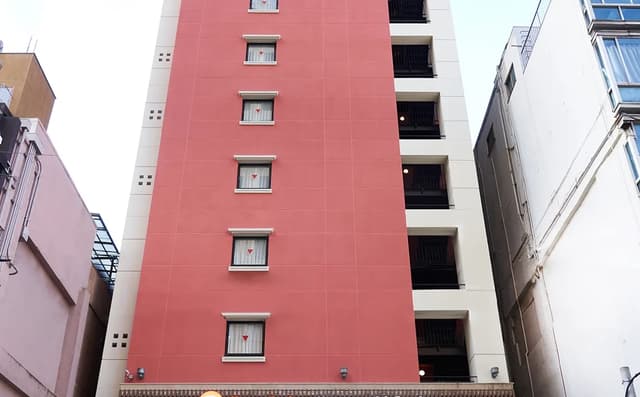
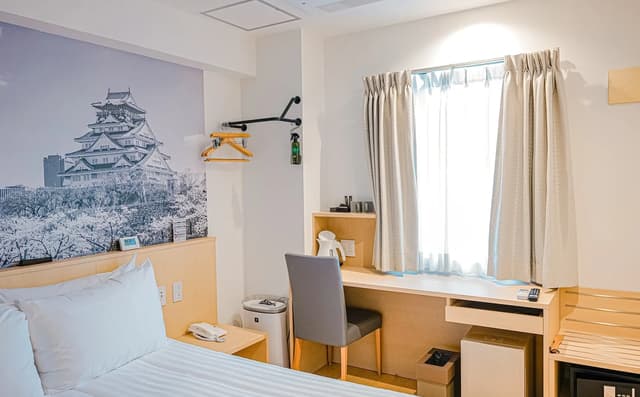
Travelodge's Comfort, Convenience, and Connectivity positioning fits naturally into this kind of trip: a comfortable place to recharge after long sightseeing days, practical access to city transport and attractions, and Wi-Fi that keeps weather forecasts, maps, reservations, and transportation updates within reach.
Several elements of the Travelodge 8S Signature Guest Experience can also be particularly useful in winter. Snooze focuses on rest and room comfort, Spin supports longer trips through self-service laundry, and Stream provides complimentary Wi-Fi for staying connected on the road.
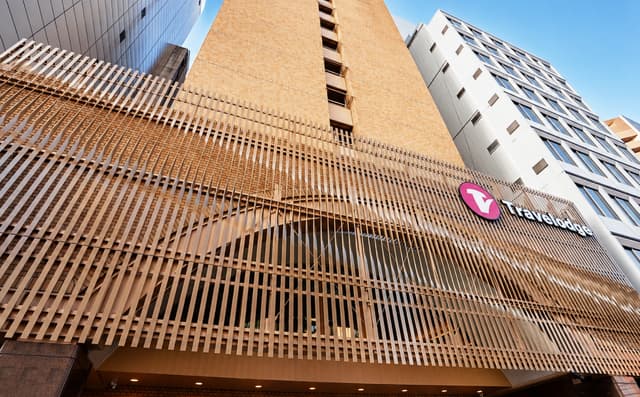
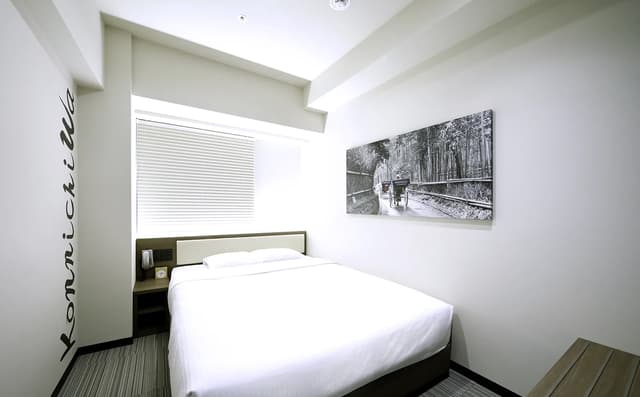
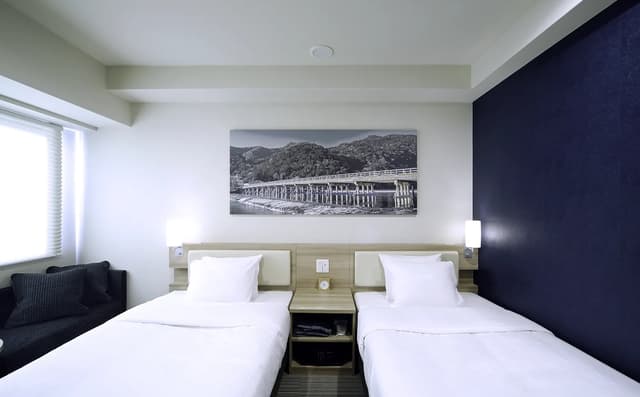
Travelodge Kyoto Shijo Kawaramachi
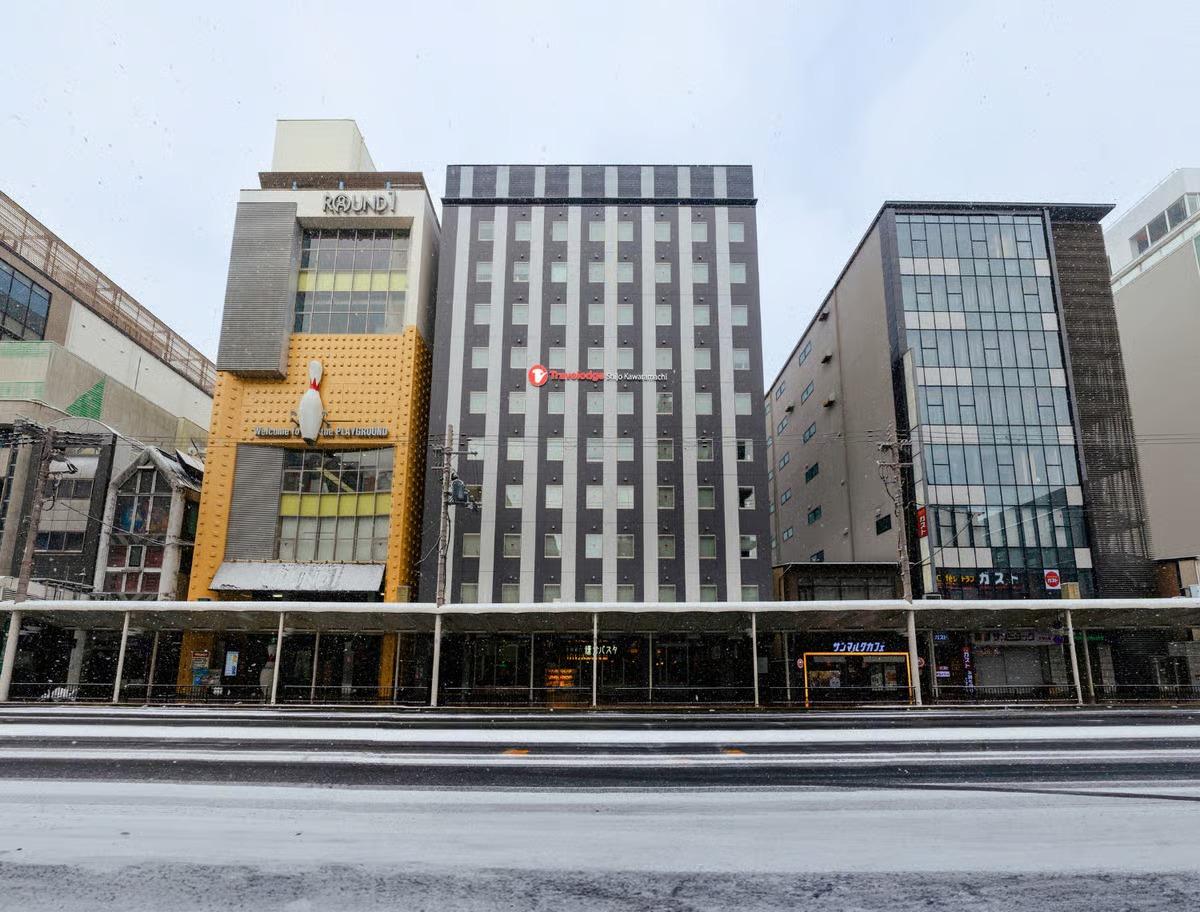
For travelers who want to experience central Kyoto on foot, Travelodge Kyoto Shijo Kawaramachi places dining, shopping, and cultural districts within practical reach. Gion and Nishiki Market are among the attractions easily incorporated into a stay in this part of the city, while Kyoto-Kawaramachi provides useful transport connections for exploring farther afield.
That location is particularly helpful in winter. A morning can begin around Higashiyama, continue through Gion, and finish with dinner or shopping around central Kyoto without requiring an unnecessary journey back toward Kyoto Station.
The property has 232 guest rooms, complimentary high-speed Wi-Fi, and coin-operated laundry facilities, supporting both shorter city breaks and longer multi-city stays. These features connect naturally with Stream and Spin, while the central setting reinforces Travelodge's emphasis on convenience and connectivity.
When travel dates are fixed, compare rooms and current offers directly through the Travelodge Hotels Asia website. Direct booking gives access to Travelodge's official rates, current promotions, and applicable member benefits.
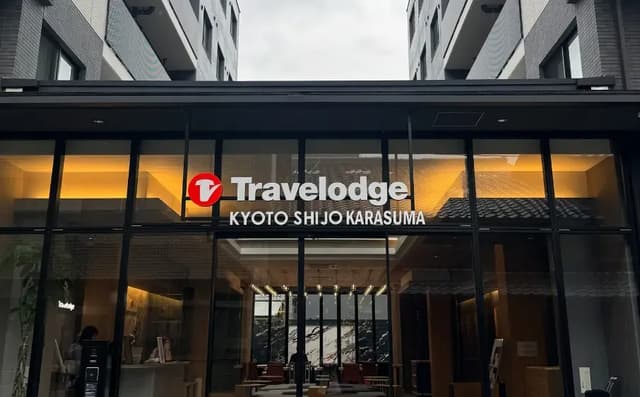
Travelodge Kyoto Shijo Karasuma
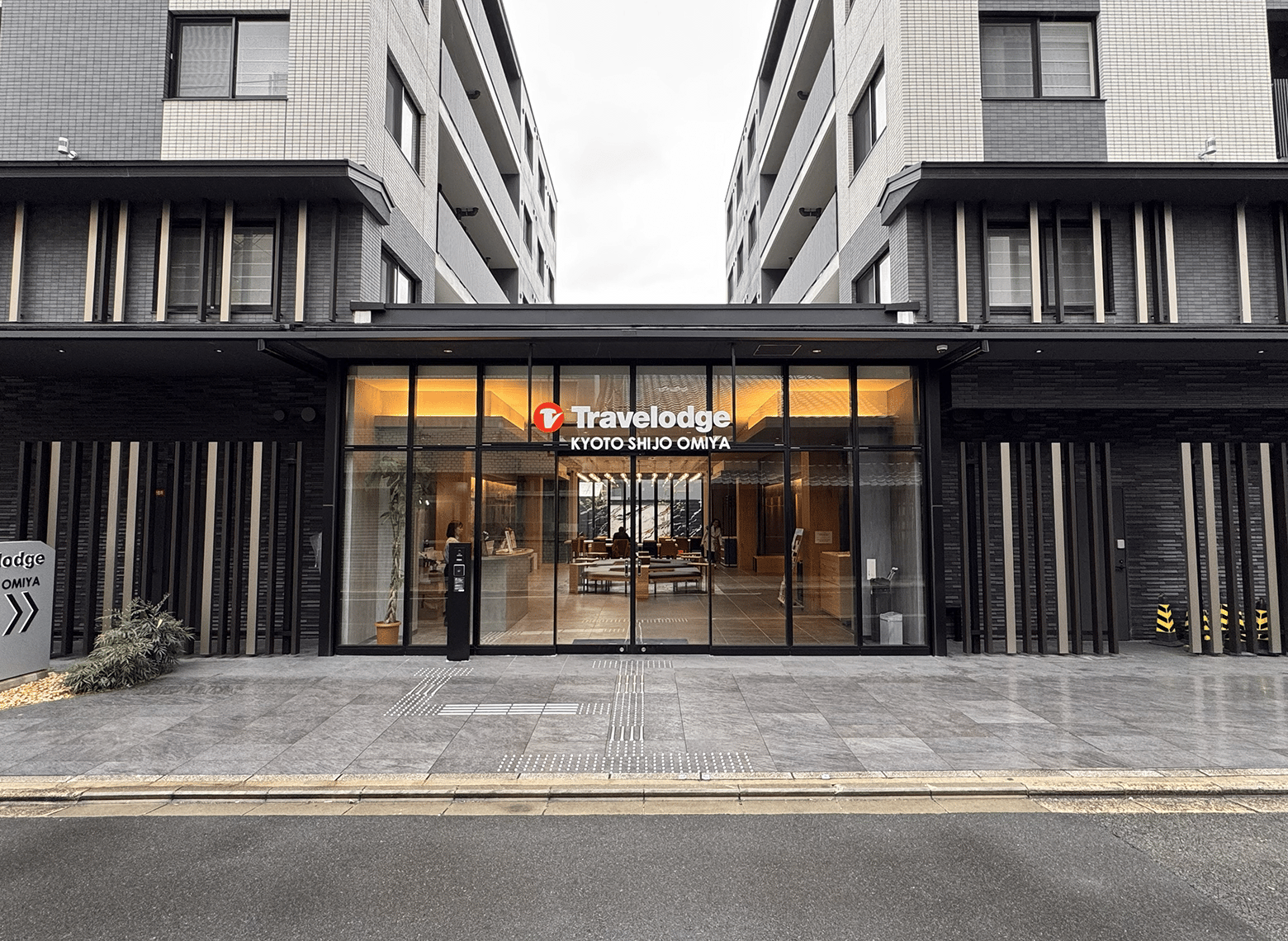
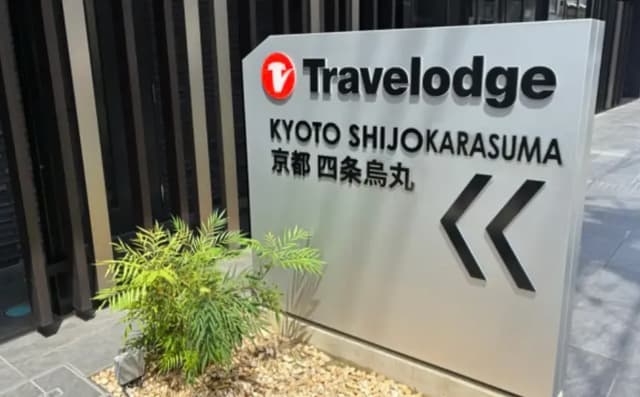
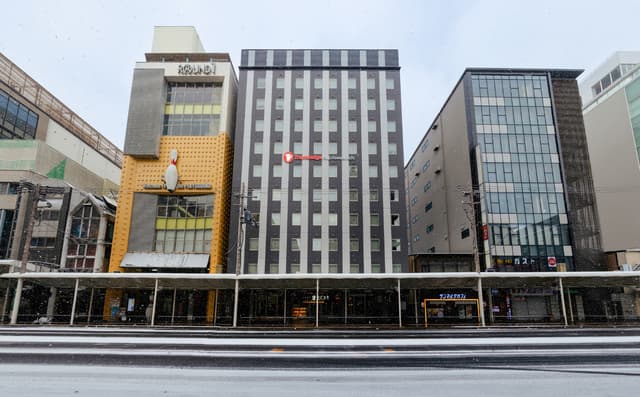
The property previously known as Travelodge Kyoto Shijo Omiya is now officially named Travelodge Kyoto Shijo Karasuma. It remains in the Shijo Omiya district and sits about a three-minute walk from Hankyu Omiya Station, providing straightforward connections toward central Kyoto and destinations such as Arashiyama.
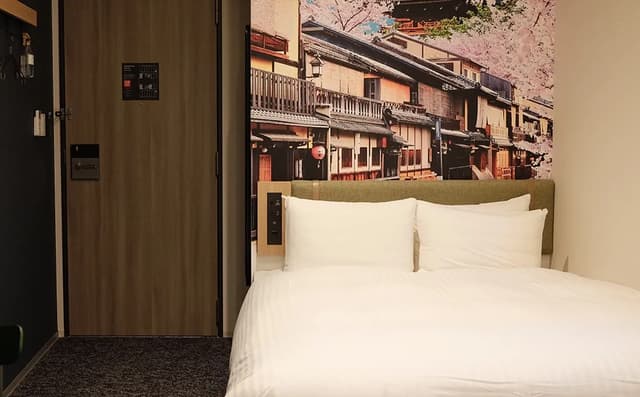
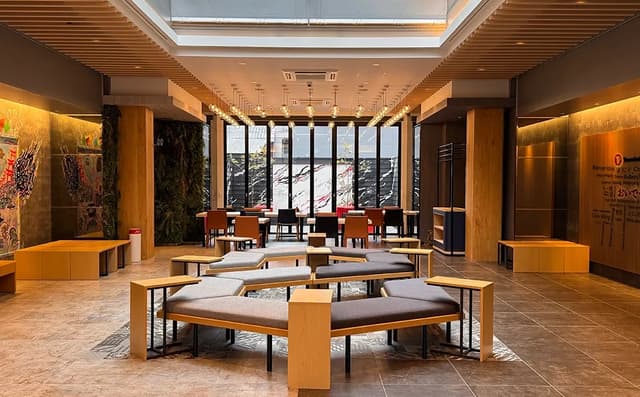
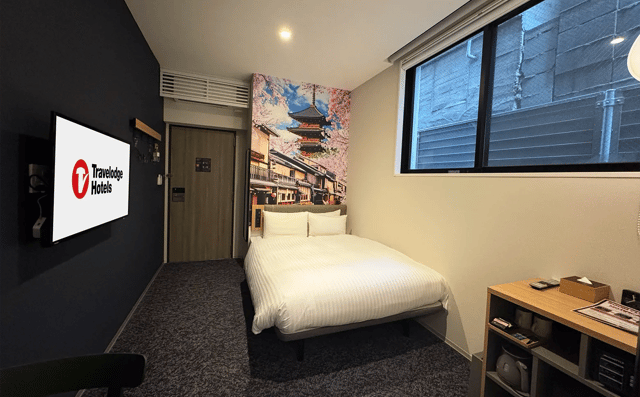
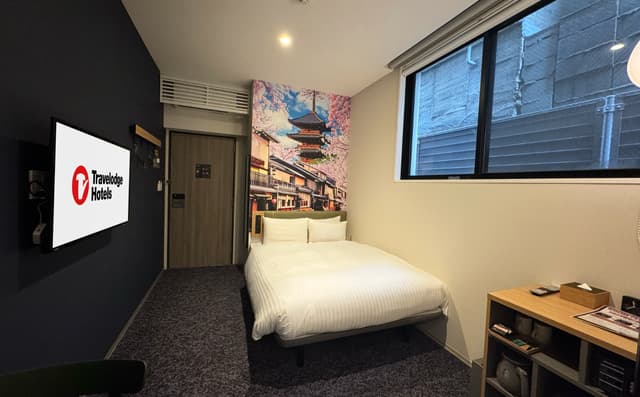
The hotel offers 106 rooms, complimentary Wi-Fi, a laundry room, workstations, vending machines, luggage-transfer service, and a 24-hour reception desk. These practical details become especially useful during a winter itinerary when travelers may need to dry or refresh clothing, check next-day transport conditions, or arrange plans around changing weather.
From a brand-experience perspective, Snooze supports a comfortable place to recover after long days outside, Spin is particularly useful on extended stays, Stream keeps travel planning connected, and Service 24/7 provides round-the-clock front-desk assistance.
For the latest room availability and direct-booking offers, use the official Travelodge Kyoto Shijo Karasuma page rather than relying only on third-party listings.
Travelodge Osaka Shinsaibashi

For travelers who want to stay close to Osaka's shopping, dining, and nightlife, Travelodge Osaka Shinsaibashi offers a convenient base in the city center. Shinsaibashi-suji Shopping Street is around 500 meters away, Shinsaibashi Station is approximately 700 meters from the hotel, and Dotonbori is about 1.2 kilometers away.
The location makes it easy to spend an afternoon shopping around Shinsaibashi before continuing toward Dotonbori and Namba for dinner. Convenient rail connections also make attractions such as Osaka Castle, Universal Studios Japan, and Osaka Aquarium Kaiyukan accessible during a wider Osaka itinerary.
Guest rooms include complimentary Wi-Fi, supporting Travelodge's Stream experience and making it easier to organize routes and check weather or transportation updates between winter outings. For the latest rates and promotions, travelers can compare options directly through the official Travelodge Hotels Asia website.
Travelodge Honmachi Osaka
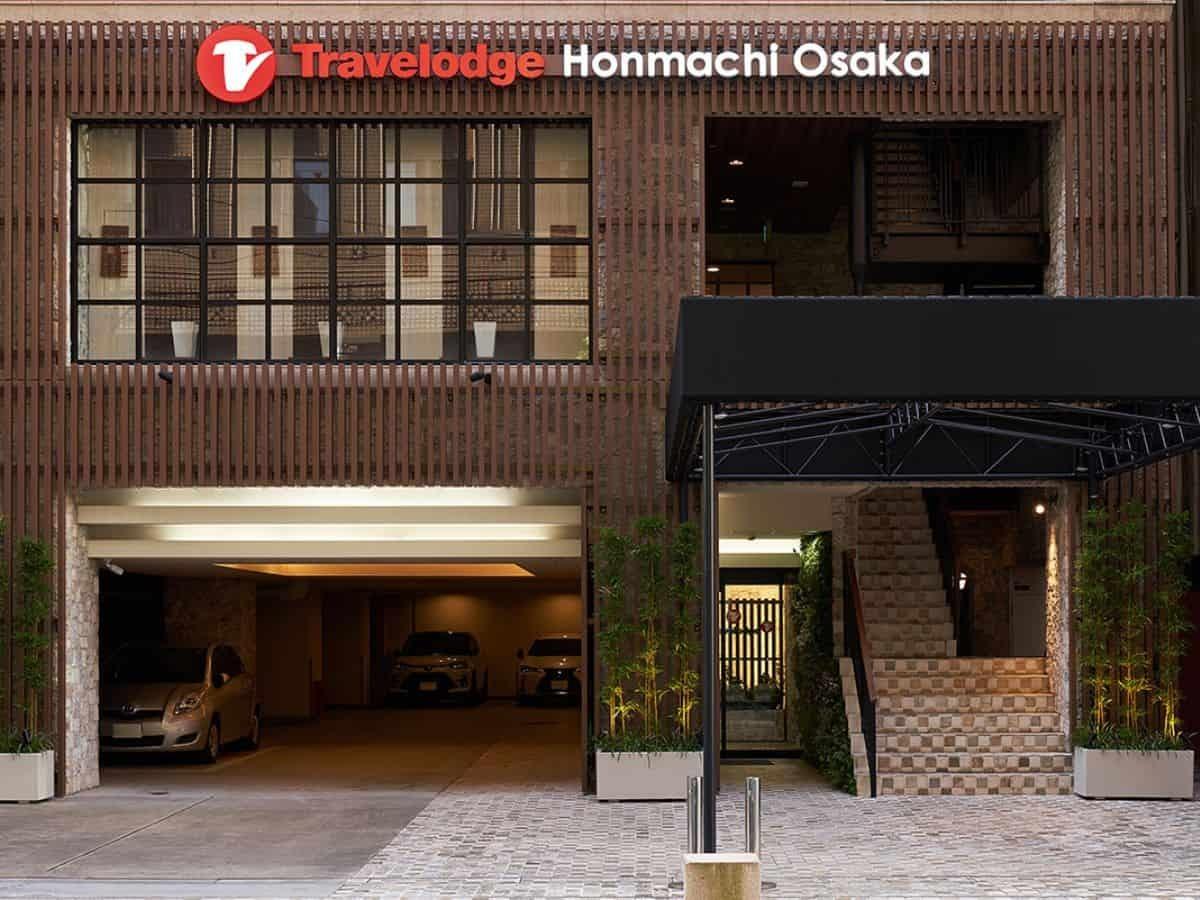
Travelers planning to explore several different areas of Osaka can also consider Travelodge Honmachi Osaka. The hotel is approximately a two-minute walk from Honmachi Station, providing convenient access to Shinsaibashi, Umeda, Osaka Castle, and other parts of the city. Dotonbori is around a ten-minute journey away.
Its central location works particularly well for a varied winter itinerary. Travelers can visit Osaka Castle during the day, explore Shinsaibashi in the afternoon, and head toward Namba or Dotonbori for dinner without making Honmachi itself the focus of every outing.
Complimentary Wi-Fi in the guest rooms adds practical connectivity after a full day outside, while the well-connected location supports Travelodge's emphasis on Comfort, Convenience, and Connectivity. Travelers can book directly through Travelodge Hotels Asia to compare official rates, room options, current promotions, and applicable member benefits.
Plan a Winter Trip That Fits the Season
The appeal of winter in Japan comes from its contrasts. Hokkaido offers deep powder, ice sculptures, and some of the country's biggest seasonal celebrations. The Japanese Alps combine ski slopes with onsen and traditional villages. Kyoto turns toward quiet temple mornings and seasonal food, while Tokyo and Osaka provide lively city breaks that do not depend on snow at all.
A useful Japan Winter Travel Guide should therefore do more than list cold-weather attractions. Start with the experience that matters most, choose the region where it is most reliable, and then build transportation, clothing, and accommodation around that decision. A thoughtfully paced route will almost always deliver more than trying to connect geographically distant winter highlights in a single rushed trip.
Centrally located accommodation can make those days easier, particularly when cold weather makes unnecessary transfers less appealing. Travelers planning Kyoto as part of a wider winter journey can compare Travelodge properties and book directly through Travelodge Hotels Asia to access official prices, current promotions, and membership benefits.
For frequent travelers, joining the Travelodge membership program adds another layer of value to direct bookings. Members can earn benefits that include early check-in, late check-out, exclusive member rates, and additional special offers, subject to program terms and availability.
That leaves more of the trip for what winter in Japan is really about: warm food after a cold afternoon, an unexpectedly quiet temple, fresh snow outside an onsen, or a city glowing long after sunset.