


Hana Kaneko

Kyoto offers one of the most diverse accommodation landscapes in Japan. Visitors can spend the night in a capsule hotel for the price of a meal, book a modern mid-scale hotel in the city centre, or indulge in a luxury ryokan complete with private gardens, kaiseki dining, and traditional hospitality.
With so many options available, deciding where to stay can feel overwhelming, especially for first-time visitors. While budget and luxury accommodations often sit at opposite ends of the spectrum, choosing the right option isn't simply about how much you're willing to spend. It depends on your travel style, priorities, and how you plan to experience Kyoto.
Some travellers spend their days temple hopping from sunrise to sunset and only need a comfortable place to sleep. Others view their hotel as an essential part of the trip and are willing to pay more for premium amenities and unique cultural experiences.
In this guide, we'll compare budget and luxury accommodation in Kyoto, explore the pros and cons of each option, and help you determine which type of stay offers the best value for your trip.

Before comparing budget and luxury accommodation, it helps to understand the different types of properties available throughout Kyoto.
Budget accommodation in Kyoto typically includes hostels, capsule hotels, guesthouses, and basic business hotels.
These properties appeal to backpackers, solo travellers, students, and visitors looking to minimise accommodation expenses. Rooms are often compact, and amenities focus on essentials rather than comfort-focused extras.
While budget accommodation can significantly reduce travel costs, location becomes especially important. A lower nightly rate may seem attractive, but long daily commutes can quickly offset the savings.
Mid-scale hotels have become increasingly popular among international travellers visiting Kyoto.
They offer private rooms, modern facilities, convenient locations, and reliable service without the premium pricing associated with luxury properties.
For many travellers, this category provides the best balance between affordability and comfort. Guests can enjoy a comfortable stay while allocating more of their budget toward attractions, dining, shopping, and day trips.
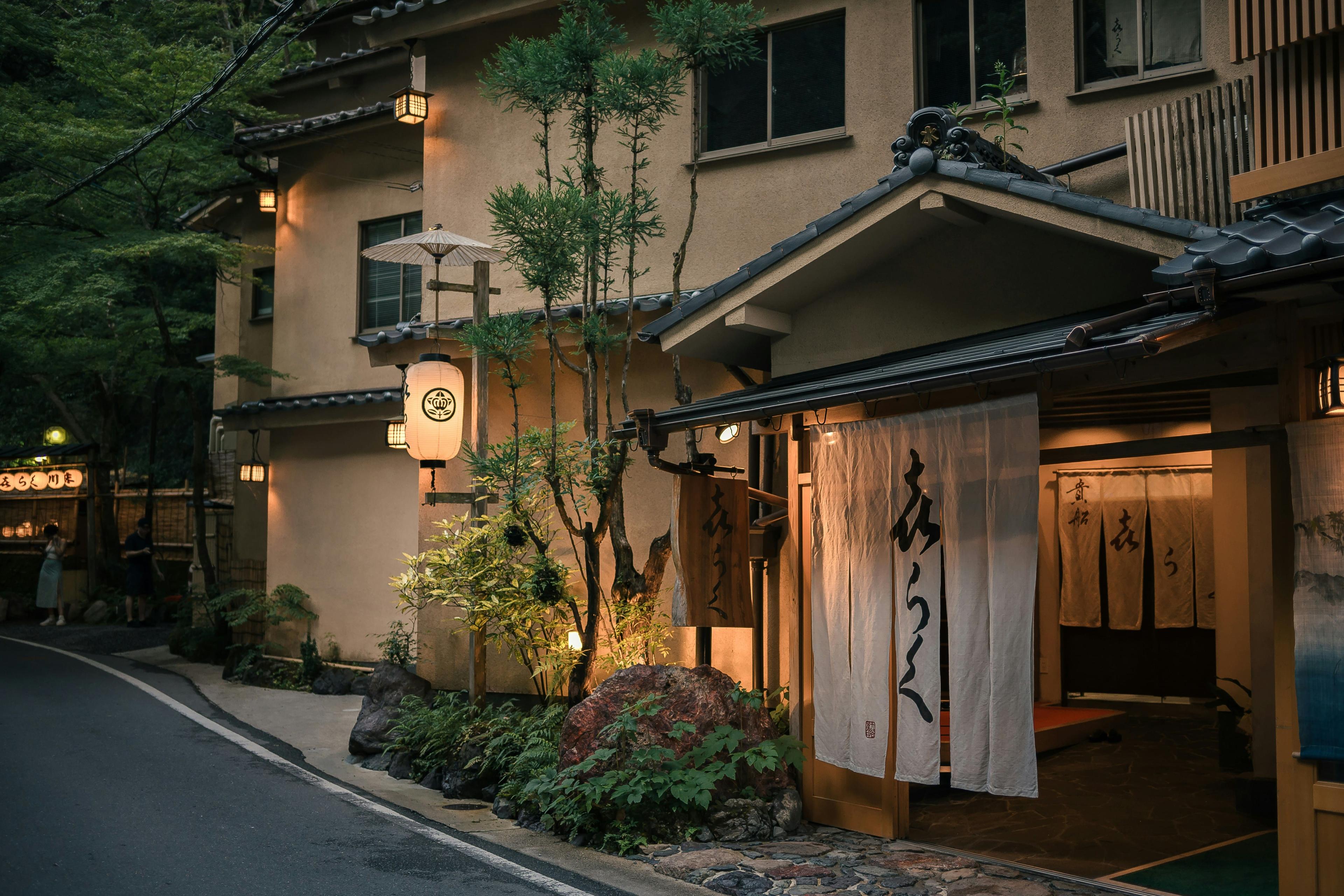
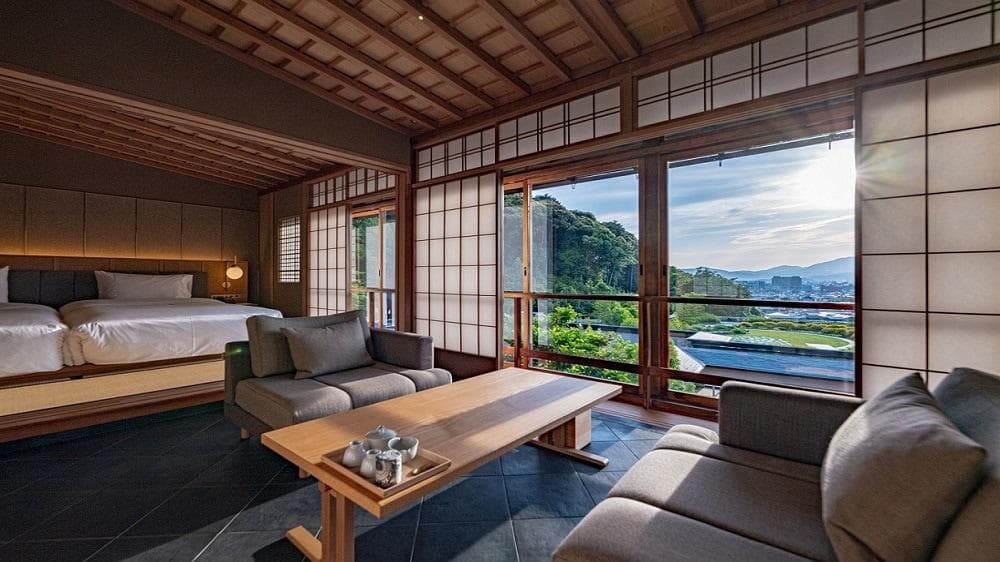
Luxury accommodation in Kyoto ranges from international five-star hotels to traditional ryokans offering highly personalised experiences.
Guests can expect larger rooms, concierge services, spa facilities, fine dining restaurants, premium locations, and attention to detail that extends throughout the stay.
Luxury ryokans often provide a particularly immersive experience, combining traditional Japanese architecture, seasonal cuisine, and cultural hospitality practices that have been refined over generations.
The choice between budget and luxury accommodation ultimately comes down to what matters most during your trip.
Factor | Budget Accommodation | Luxury Accommodation |
|---|---|---|
Cost | Lower nightly rates | Premium pricing |
Room Size | Compact | Spacious |
Amenities | Essential facilities | Extensive facilities |
Dining | Limited options | On-site restaurants and room service |
Service | Basic | Personalised |
Location | Varies significantly | Often prime locations |
Cultural Experiences | Limited | Frequently included |
Best For | Budget-conscious travellers | Experience-focused travellers |
Neither option is inherently better. The ideal choice depends on your travel goals and expectations.
.jpg)
Many visitors assume they need luxury accommodation to fully enjoy Kyoto. In reality, budget-friendly options can be the smarter choice for certain travellers.
Kyoto's biggest attractions are spread across different parts of the city. Popular destinations such as Fushimi Inari Taisha, Kiyomizu-dera, Arashiyama, Gion, and Kinkaku-ji can easily fill an entire day.
Travellers who spend most of their time exploring often place greater value on location and convenience than luxury amenities.
Solo travellers frequently prioritise affordability and accessibility. Budget accommodation allows them to extend their trip, participate in more activities, or allocate more funds toward experiences such as food tours, cultural workshops, and day trips.
Many remote workers visiting Kyoto require dependable Wi-Fi, comfortable workspaces, and convenient transport connections rather than luxury facilities.
A well-located hotel with reliable internet often provides greater practical value than premium services that may go unused.
If you're only visiting Kyoto for two or three days, you may spend very little time in your room. In these situations, paying significantly more for luxury amenities may not deliver proportional value.

While budget accommodation suits many travellers, luxury stays can enhance certain types of trips.
Anniversaries, birthdays, and milestone trips often justify spending more on accommodation.
Luxury hotels provide memorable experiences that extend beyond the destination itself.
Kyoto's historic atmosphere, traditional architecture, and seasonal beauty make it one of Japan's most popular honeymoon destinations.
Many couples choose luxury ryokans or high-end hotels to complement the experience.
For travellers interested in Japanese culture, staying at a traditional ryokan can be one of the most memorable parts of a Kyoto trip.
Guests often enjoy tatami rooms, futon bedding, seasonal kaiseki meals, and personalised service that reflects centuries-old hospitality traditions.
Some travellers prefer slower itineraries focused on relaxation.
Luxury properties frequently offer spas, private baths, wellness facilities, and tranquil environments that support this style of travel.
Price alone doesn't always determine value.
Many travellers focus exclusively on nightly rates and overlook other factors that can affect their overall experience.
Accommodation located far from Kyoto's main attractions may require multiple train or bus transfers each day.
Over several days, this can result in additional transportation costs and reduced sightseeing time.
Budget hotels in Japan are often known for compact room sizes.
Travellers with large luggage or those staying for extended periods may find limited space inconvenient.
Some low-cost properties are located outside central districts where restaurant choices become more limited, particularly in the evening.
Staying in a less central location can make spontaneous sightseeing more difficult.
Many travellers appreciate being able to return to their hotel briefly between activities without spending significant time commuting.
As accommodation prices continue to rise in major destinations, many travellers are gravitating toward the middle ground between budget and luxury.
Mid-scale hotels offer a combination of convenience, comfort, and value that appeals to a broad range of visitors.
Instead of paying for facilities they may rarely use, guests can focus on factors that directly improve their trip, such as location, room quality, and transportation access.
For travellers exploring Kyoto's temples, markets, cultural districts, and dining scene, these practical considerations often matter more than luxury extras.
For first-time visitors, staying in central Kyoto can make sightseeing considerably easier.
Neighbourhoods such as Shijo Omiya, Shijo Kawaramachi, Karasuma, and the Kyoto Station area provide convenient access to public transportation and many of the city's most popular attractions.
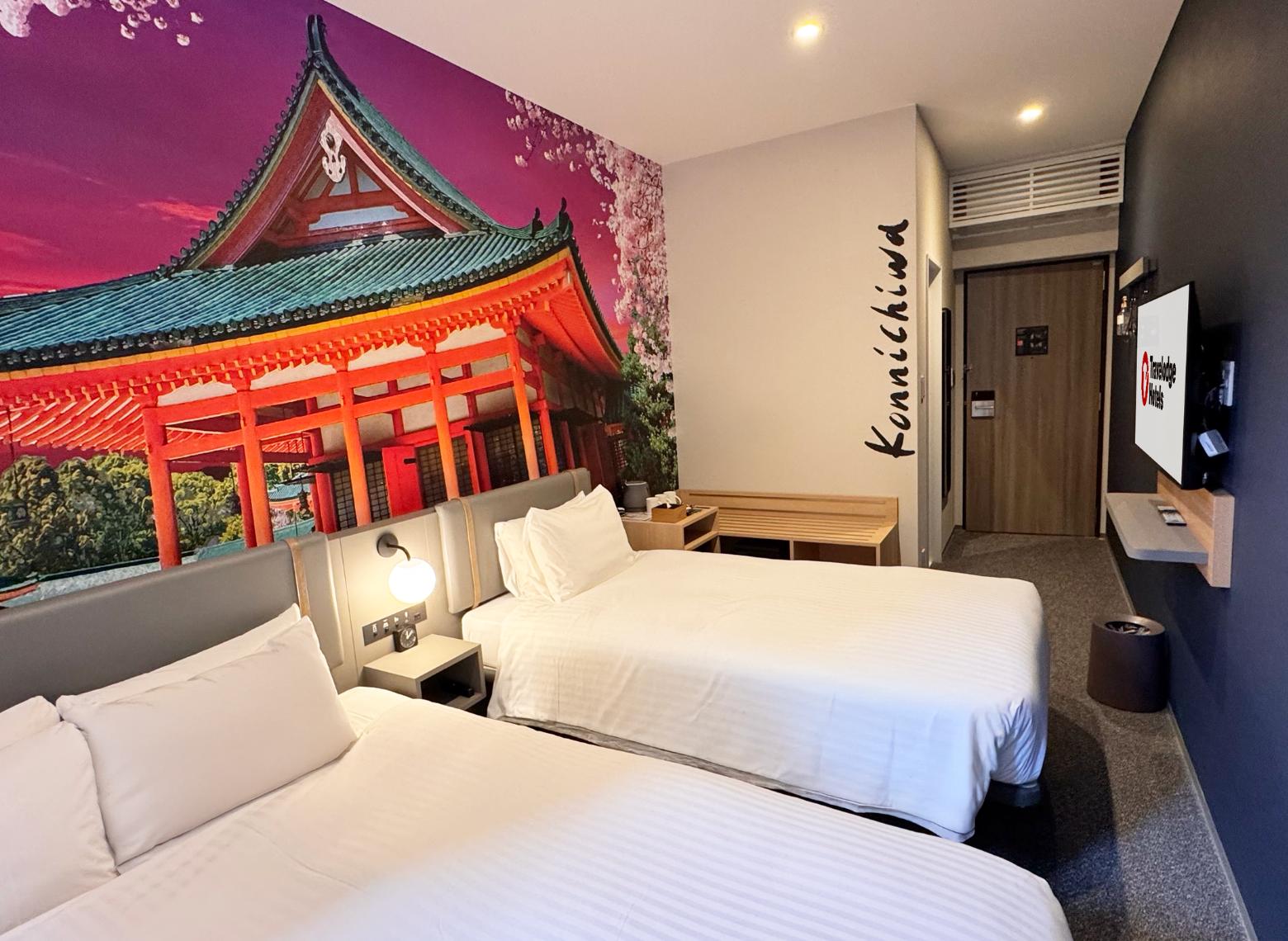
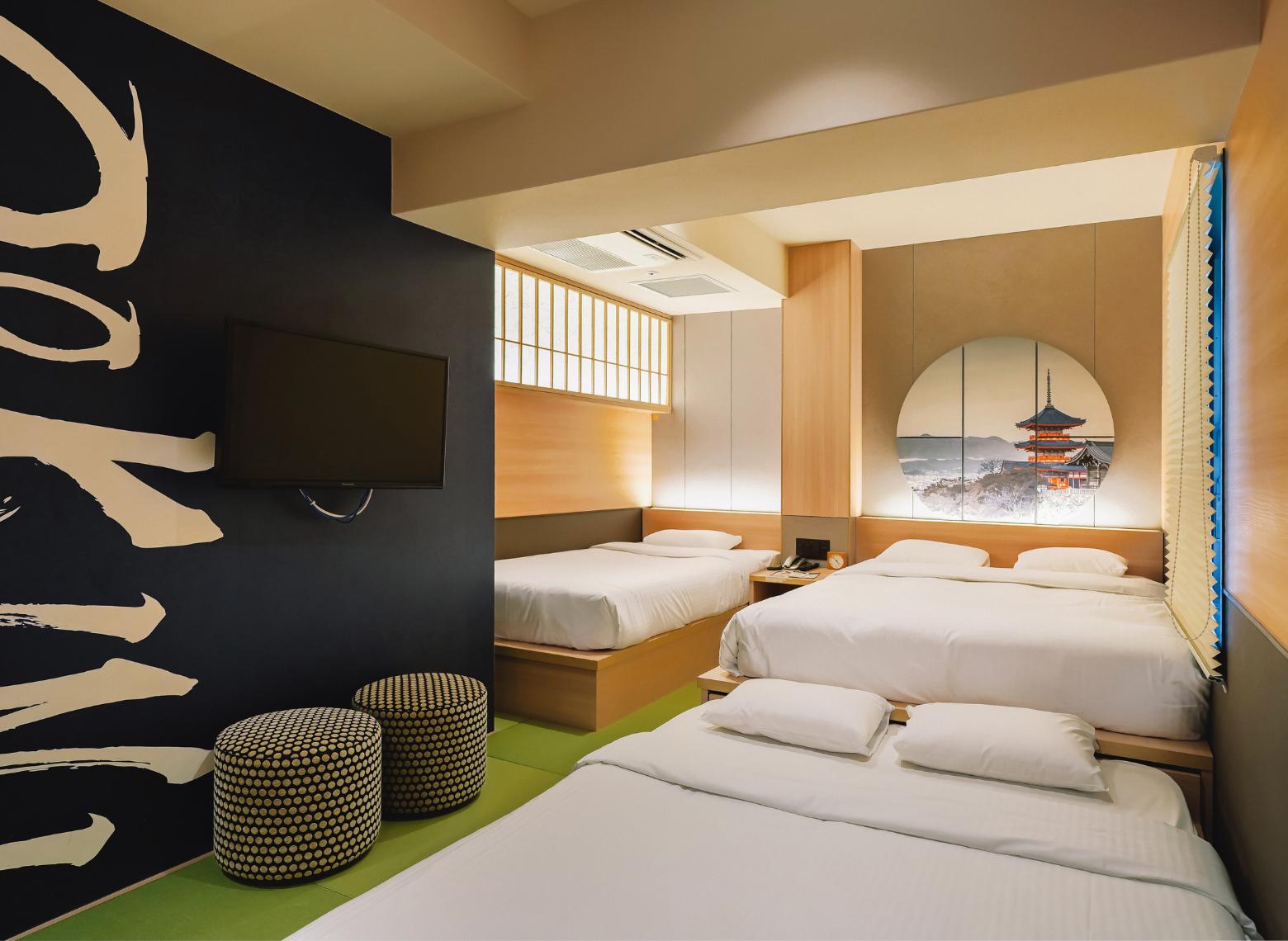
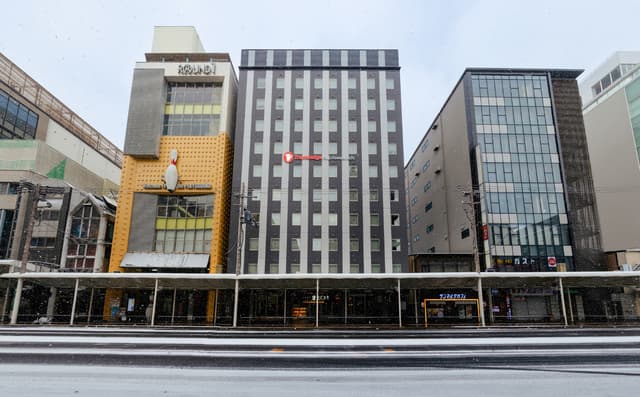
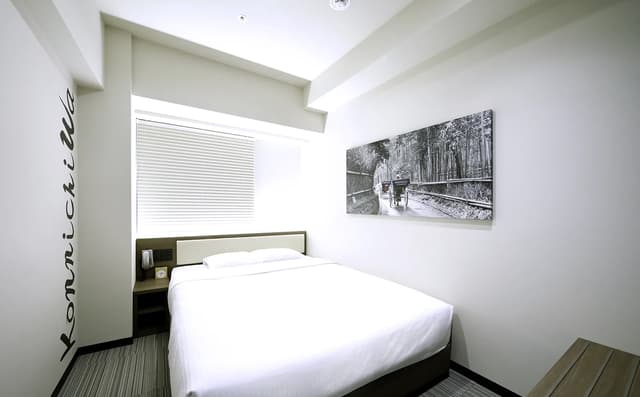
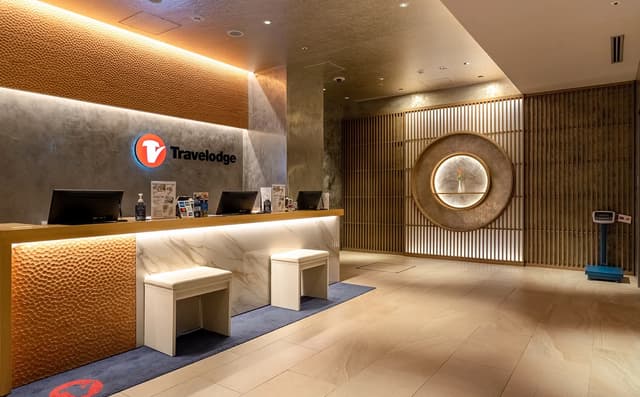
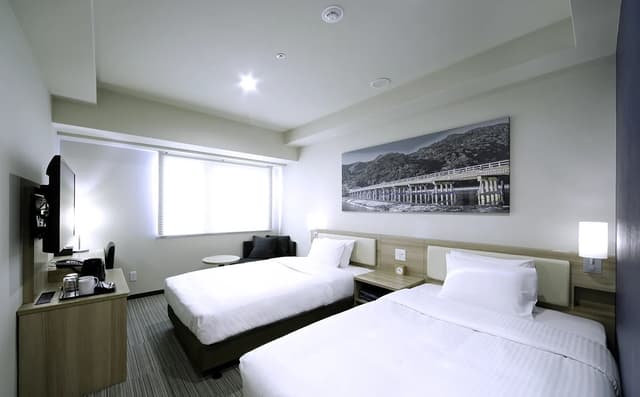
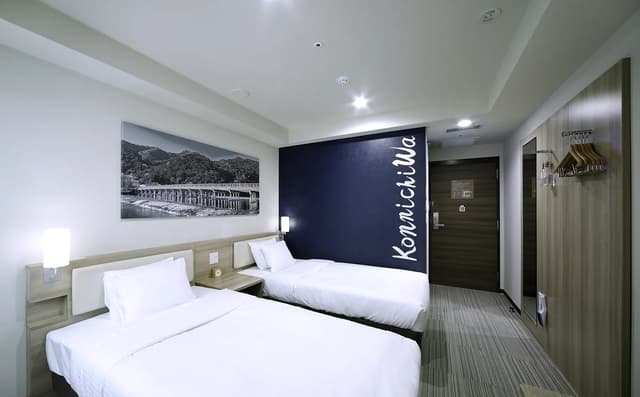
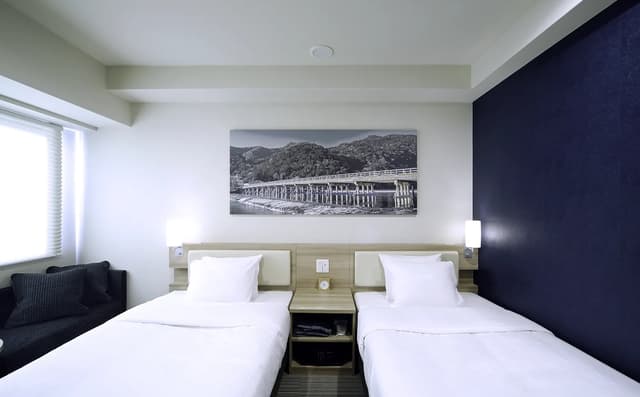
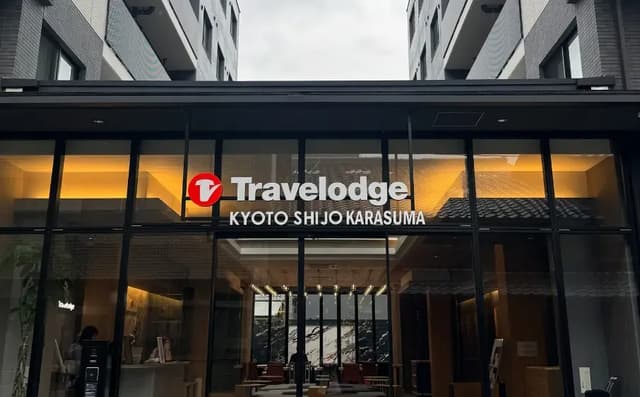
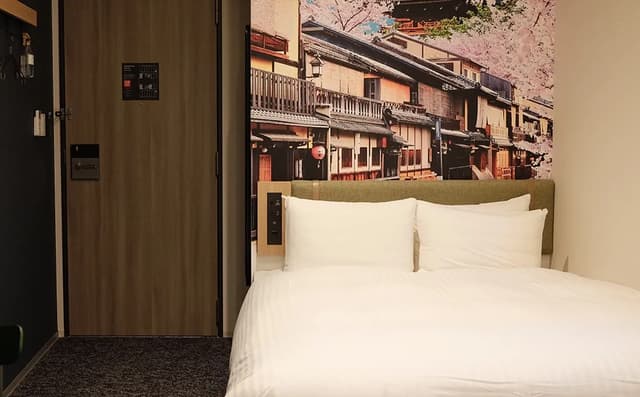
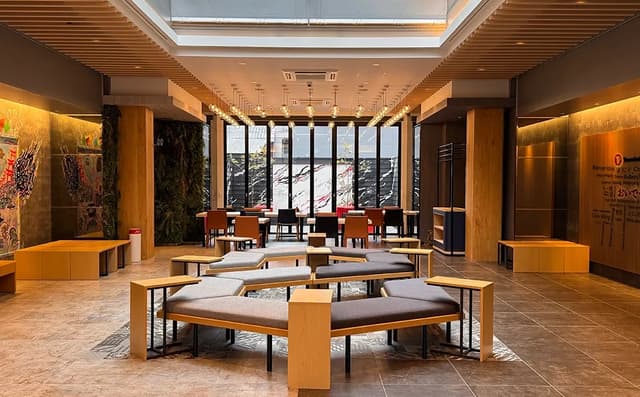
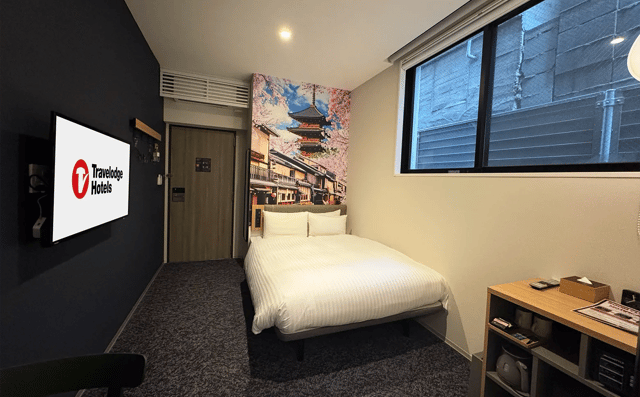
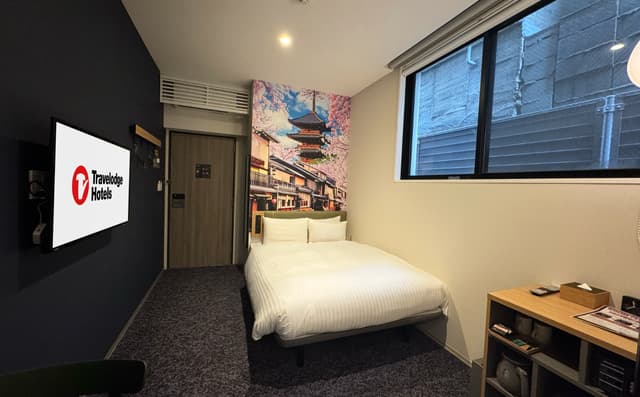
Travellers seeking comfort without luxury-level pricing may find excellent value at Travelodge Kyoto Shijo Omiya and Travelodge Kyoto Shijo Kawaramachi.

Travelodge Kyoto Shijo Omiya offers easy access to major transportation routes, making it simple to reach destinations such as Arashiyama, Nijo Castle, and Fushimi Inari Taisha.
Meanwhile, Travelodge Kyoto Shijo Kawaramachi places guests close to shopping streets, dining hotspots, Nishiki Market, Gion, and several cultural landmarks.

Both properties provide a practical base for travellers who want to spend more time experiencing Kyoto and less time commuting between attractions.
Rather than choosing between basic accommodation and expensive luxury hotels, many visitors find that centrally located mid-scale properties offer the ideal balance of convenience, comfort, and value.
Accommodation costs vary considerably depending on the season.
Expect to pay approximately ¥3,000 to ¥10,000 per night depending on the property type and location.
Most quality mid-scale hotels range from ¥10,000 to ¥25,000 per night depending on travel dates and demand.
Luxury properties often start around ¥40,000 per night and can exceed ¥100,000 during peak travel periods.
Cherry blossom season and autumn foliage season generally see the highest accommodation rates due to increased demand.
Booking several months in advance often provides better availability and pricing.
Choose budget accommodation if:
Choose luxury accommodation if:
Choose a mid-scale hotel if:
For many visitors, the third option offers the most practical solution.
The best accommodation in Kyoto isn't necessarily the cheapest or the most expensive. It is the option that aligns with your travel style, budget, and priorities.
While luxury hotels and traditional ryokans offer memorable experiences, many visitors discover that a comfortable, well-located hotel provides everything they need to explore the city efficiently.
By focusing on location, convenience, and overall value rather than price alone, you can choose accommodation that enhances your Kyoto experience and helps you make the most of your time in one of Japan's most fascinating destinations.