


Share article
Winter Travel in Asia: Best Destinations and Affordable Getaways

Aiko Sato
Winter across Asia does not follow a single script. In Hokkaido, the season means deep powder snow, frozen streets, steaming bowls of ramen, and enormous ice sculptures. Seoul settles into genuinely cold weather, with palace roofs occasionally turning white after snowfall. Farther south, Bangkok enters one of its more comfortable periods for exploring outdoors, while Singapore trades snowy scenery for festive lights, waterfront evenings, and holiday shopping.
That contrast is exactly what makes winter travel in Asia so rewarding. A winter holiday can revolve around skiing and hot springs, food and nightlife, historic neighborhoods, seasonal events, or simply escaping severe cold for a warmer city break.
It does not need to come with a luxury-level budget either. Choosing the right destination, limiting unnecessary transfers, prioritizing free and low-cost experiences, and staying in a well-connected neighborhood can all help control spending. This article explores some of the best winter destinations in Asia, along with practical ways to plan an enjoyable seasonal trip without making price the only consideration.
Why Winter Travel in Asia is Worth Experiencing
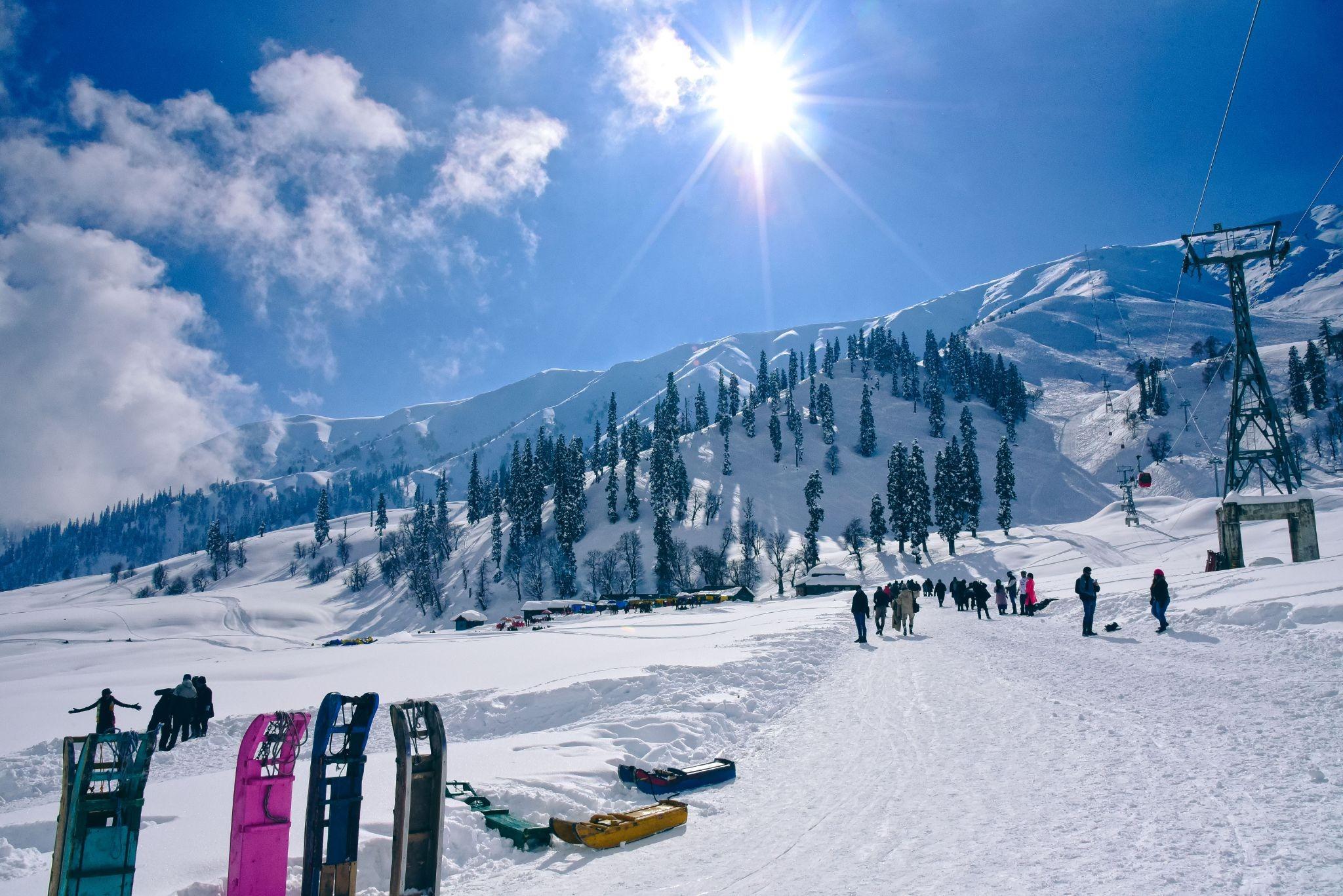
Asia's enormous geographic range creates very different winter experiences within the same season.
Japan and South Korea offer the kind of cold-weather travel most people immediately associate with winter: ski slopes, snowy mountains, frozen landscapes, hot springs, winter festivals, and food designed for cold evenings. Seoul's winter generally lasts from December through February and can become seriously cold, with temperatures occasionally dropping as low as -15°C.
Japan is even more varied. February remains one of the strongest months for snow sports in areas such as Hokkaido, Nagano, and Niigata, while urban centers such as Osaka may experience cold weather without consistent snowfall.
Southeast Asia provides almost the opposite experience. Thailand considers December part of its cool season, with some of the country's lowest average temperatures of the year. Bangkok remains warm by East Asian winter standards, but the season is often more comfortable for walking between temples, neighborhoods, markets, and outdoor dining areas.
Singapore remains tropical year-round, so a December visit is less about the climate changing and more about the festive atmosphere. Christmas events and large-scale decorations, particularly around Orchard Road, turn the city into an alternative winter escape for travelers who would rather leave heavy coats at home.
The result is unusual flexibility. One Asia winter travel itinerary might involve skiing followed by an outdoor onsen; another could center on food markets, museums, shopping, and warm evenings outdoors.
How to Choose the Right Asian Winter Destination
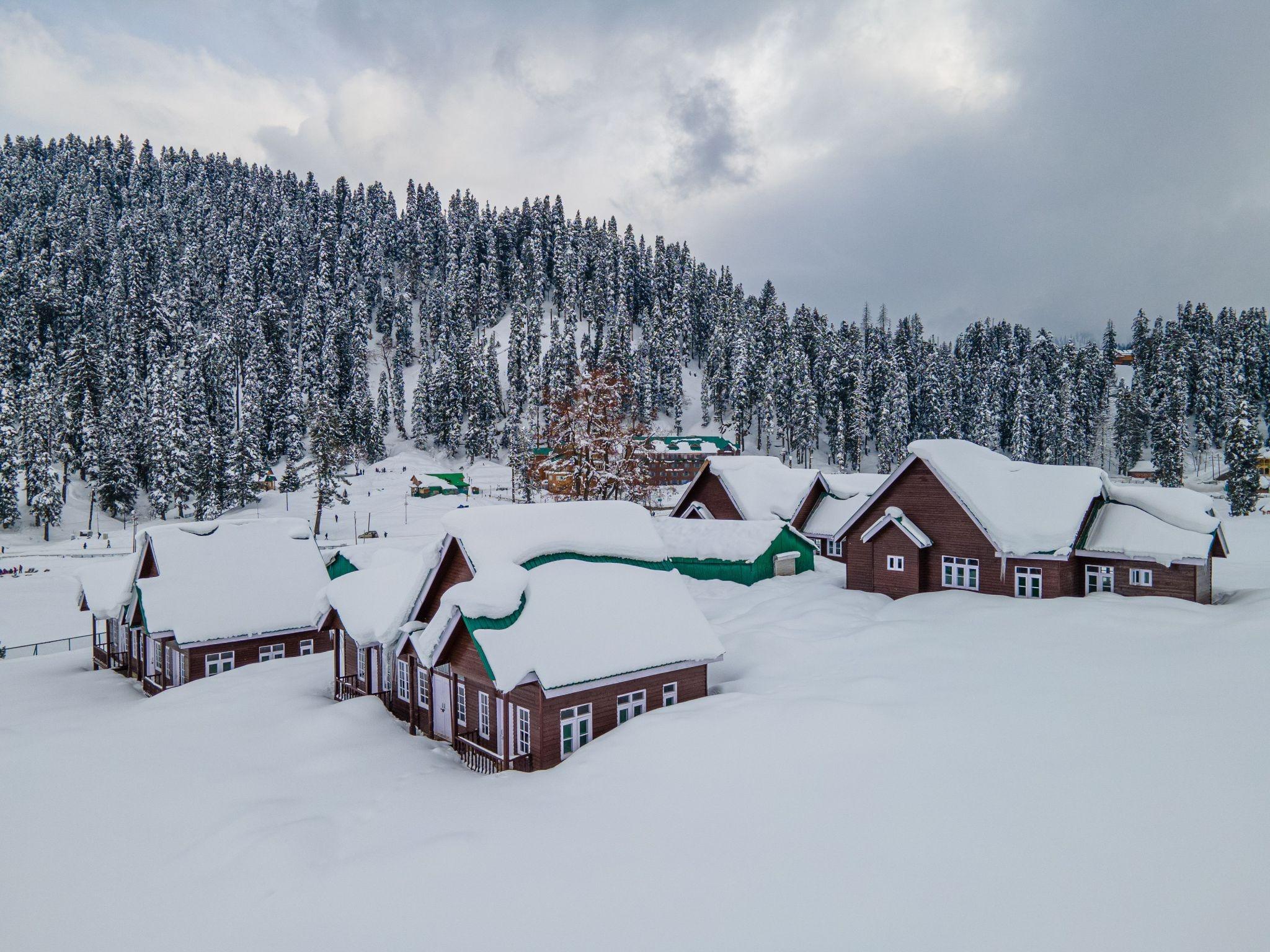
For Snow and Winter Sports
Japan and South Korea are the natural starting points. Hokkaido, Niigata, Nagano, and the Japanese Alps offer established ski regions, while Korea has mountain resorts accessible from Seoul.
A snow-focused trip usually requires a larger activity budget once lift tickets, rentals, lessons, and transfers are included, so compare those costs before deciding that a destination is affordable based on airfare alone.
For Culture and Historic Scenery
Kyoto is especially rewarding in the colder months. The city does not experience reliable daily snowfall, but crisp weather and quieter temple mornings can make historic districts more atmospheric.
Seoul offers another strong combination of history and winter scenery, with royal palaces, traditional neighborhoods, museums, and contemporary districts all connected by an extensive subway network.
For Food and Nightlife
Osaka and Seoul are easy choices when eating well matters as much as sightseeing. Osaka's street-food culture thrives around Dotonbori, Kuromon Market, and neighborhood restaurants, while Seoul brings barbecue, stews, tteokbokki, hotteok, cafés, and late-night dining into the mix.
Sapporo deserves a place here too: Hokkaido seafood, miso ramen, jingisukan grilled lamb, and Susukino nightlife can justify the journey even for travelers who never put on skis.
For Mild Winter Weather
Bangkok and Singapore work better for anyone who wants to travel during the Northern Hemisphere winter without spending the trip bundled in several layers.
Thailand's cooler season makes long days of urban exploration more comfortable, while Singapore's compact layout allows shopping, attractions, hawker food, cultural neighborhoods, and waterfront walks to fit easily into a short break.
For Families
Look beyond outdoor weather and consider how easily a destination can adapt when conditions change.
Osaka has theme parks, aquariums, shopping centers, and indoor attractions. Seoul combines palaces with malls, museums, cafés, and family-oriented entertainment. Singapore's compact transport system and concentration of major attractions also make it straightforward for shorter family trips.
Best Winter Destinations in Asia for an Affordable Getaway
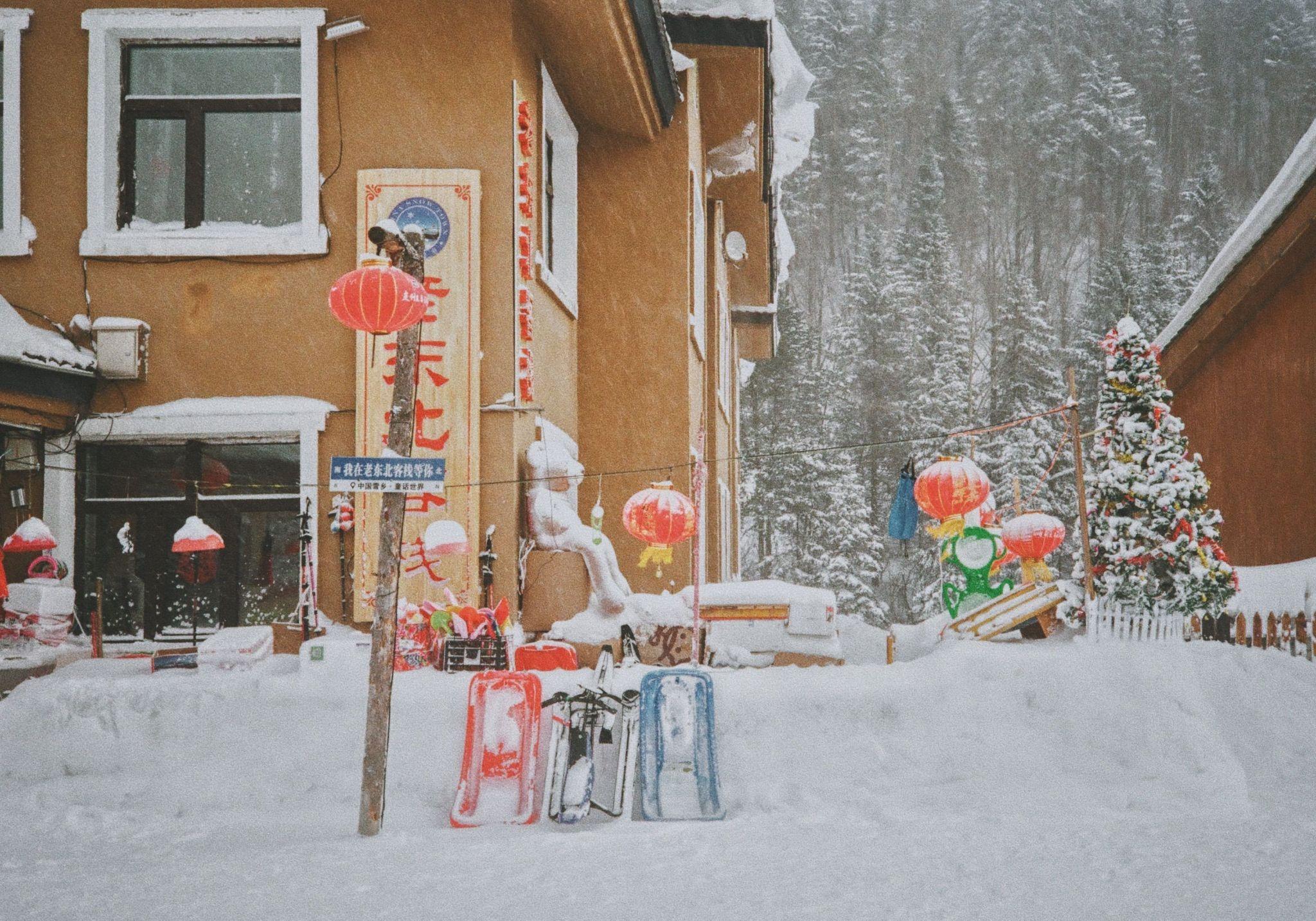
An affordable winter trip is less about chasing the lowest room price and more about finding a destination where transportation, food, sightseeing, and accommodation can be managed efficiently.
Osaka, Japan: Street Food, Shopping, and Winter Nights
Osaka is a strong option for travelers who want Japan’s winter atmosphere without building the entire vacation around snow.
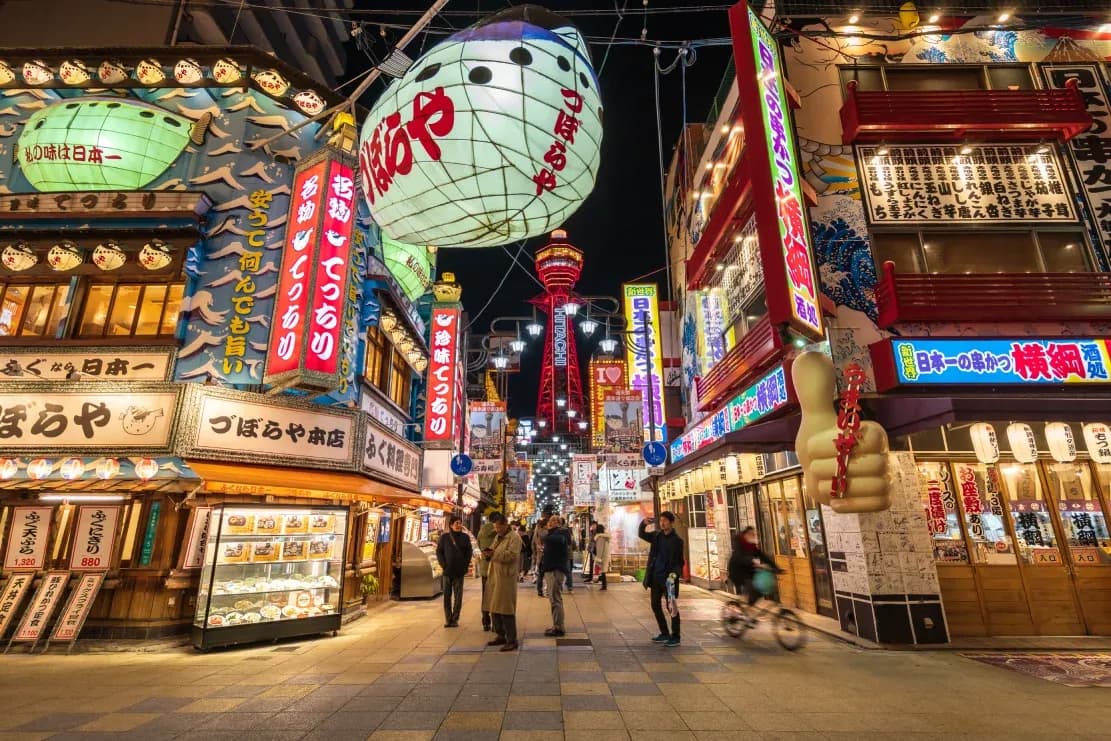
Begin around Dotonbori, where illuminated signs reflect across the canal, and restaurants stay busy well into the evening. Takoyaki, okonomiyaki, grilled seafood, ramen, and kushikatsu make cold-weather wandering particularly easy to enjoy.
Shinsaibashi-suji provides an extensive covered shopping street, while Kuromon Ichiba Market is worth visiting earlier in the day for seafood and local snacks. Osaka Castle introduces a historical counterpoint to the shopping districts, and Universal Studios Japan can comfortably occupy an entire day for families or theme-park fans.
Because these attractions sit in different parts of the city, choosing a hotel near useful subway connections can reduce both unnecessary walking and repeated taxi costs.
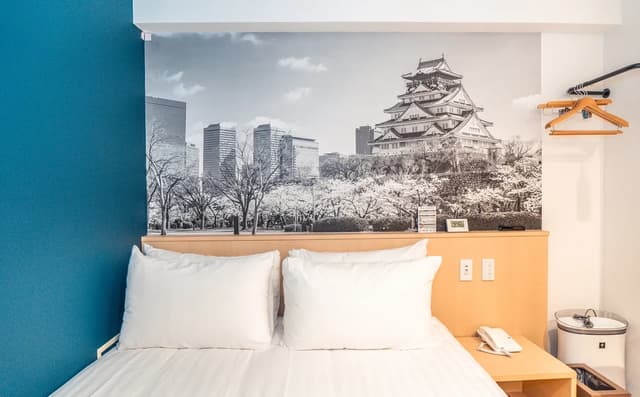
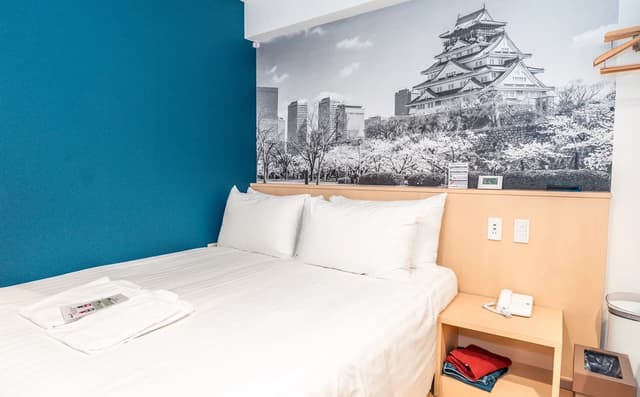
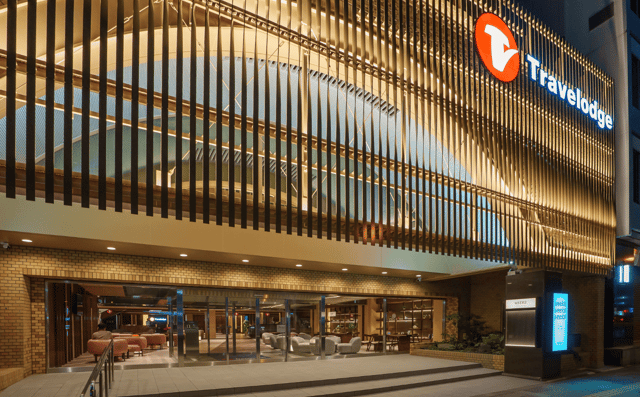
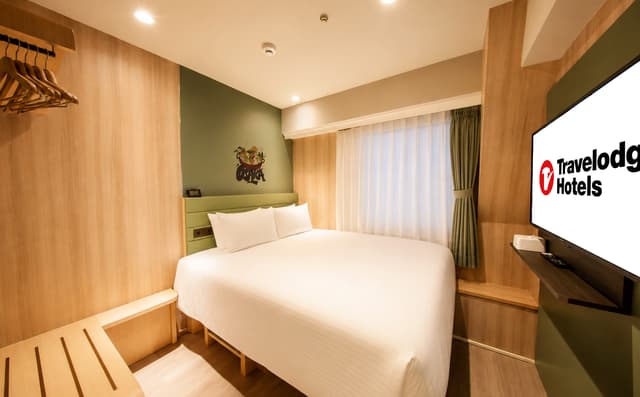
Stay in Central Osaka: Travelodge Honmachi Osaka
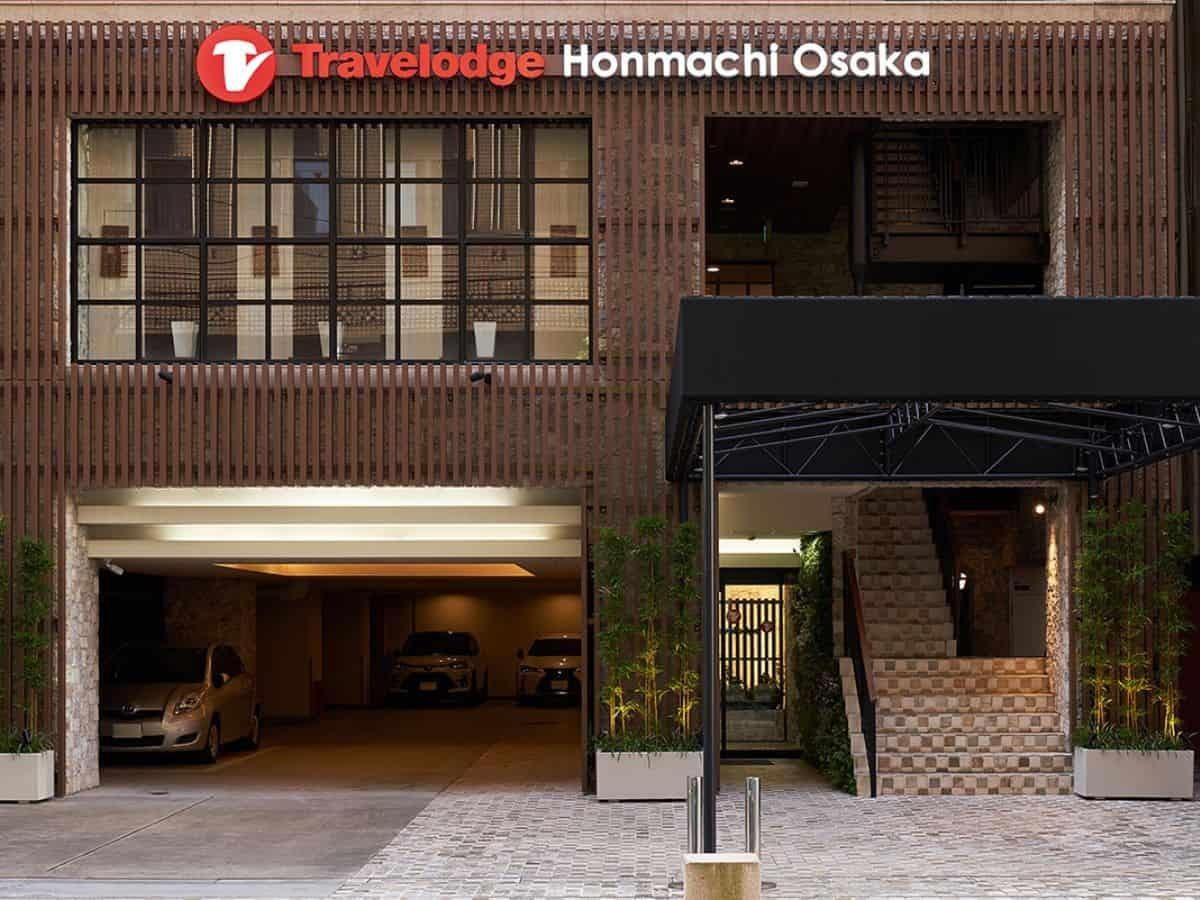
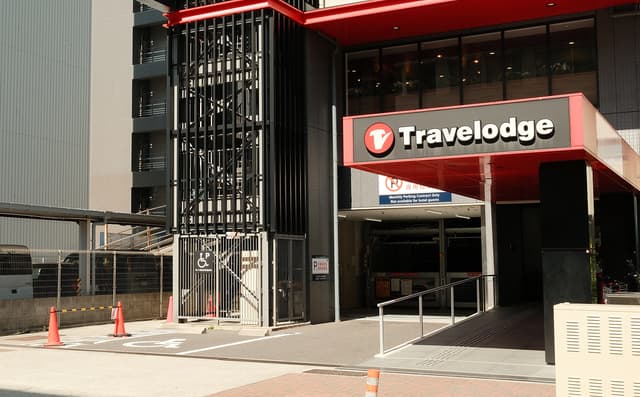
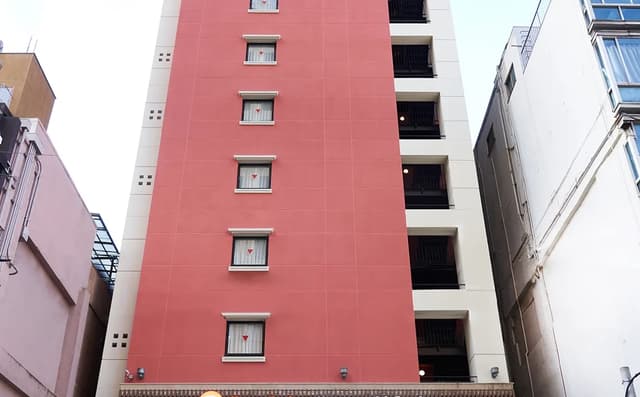
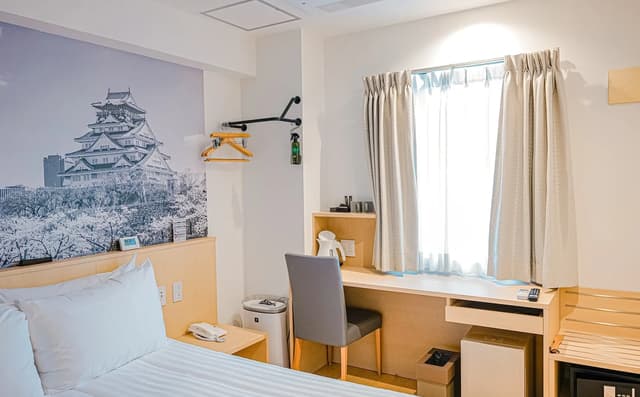
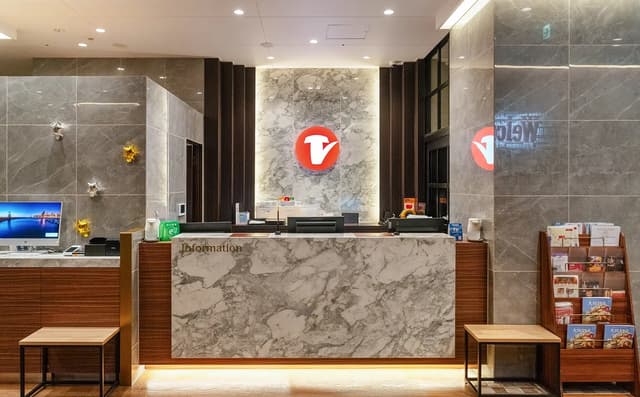
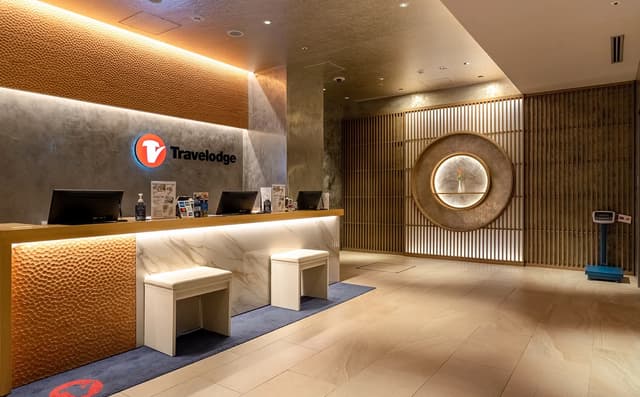
Travelodge Honmachi Osaka sits a short walk from Honmachi Station, with convenient connections toward Shinsaibashi, Umeda, Osaka Castle, Namba, and wider Kansai. The official hotel information also lists free high-speed Wi-Fi and a self-service laundromat, both particularly practical on a longer winter trip when layers and outerwear need regular refreshing.
Its location reflects Travelodge's Comfort, Convenience, and Connectivity approach: somewhere comfortable to recharge, transportation close enough to keep daily itineraries simple, and reliable connectivity for checking maps, restaurant reservations, and train information.
For travelers already comparing Osaka accommodation, it is worth checking official rates and direct-booking promotions before confirming through a third-party platform.
Stay Close to Shopping and Dining: Travelodge Osaka Shinsaibashi

Travelers who prefer to stay closer to Osaka’s shopping and dining districts can also consider Travelodge Osaka Shinsaibashi. Shinsaibashi-suji Shopping Street is approximately 500 meters away, while Shinsaibashi Station is around 700 meters from the hotel. Dotonbori is also within easy reach, making the location especially convenient for evenings centered around local food, shopping, and nightlife.
For transportation, Nagahoribashi Station is approximately a three-to-five-minute walk away, while Shinsaibashi Station provides subway connections toward areas such as Namba, Umeda, and Shin-Osaka. The hotel also offers free Wi-Fi and self-service laundry facilities, practical additions for travelers spending several days exploring Osaka or continuing on to other Japanese cities.
Together, the two Osaka properties offer slightly different ways to experience the city: Travelodge Honmachi Osaka works well for travelers prioritizing convenient connections across Osaka, while Travelodge Osaka Shinsaibashi places shopping, dining, and evening entertainment closer to the center of the stay.
Before confirming accommodation through a third-party platform, check the official Travelodge Hotels Asia website for current room rates, direct-booking offers, and available promotions.
Kyoto, Japan: Temples and Traditional Winter Scenery
Kyoto's winter appeal comes from restraint rather than spectacle.
Snow does occasionally settle across temple roofs and gardens, but it should be treated as a seasonal possibility rather than a promise. The more dependable appeal is a quieter rhythm after the busiest autumn foliage period has ended.
An early morning at Kiyomizu-dera can lead naturally into Sannenzaka, Ninenzaka, and Gion. Fushimi Inari Taisha is especially worthwhile early in the day, before the paths become busy, while Nishiki Market provides an easy place to stop for food when temperatures fall.
Arashiyama deserves at least half a day rather than a hurried photo stop. The bamboo grove is only part of the district; temples, riverside walks, and surrounding streets make the area more interesting when given time.
The Philosopher's Path is naturally associated with cherry blossom season, but in winter its appeal is different: quieter walking, bare branches, and a slower atmosphere rather than dramatic seasonal color.
Stay Near Kyoto's Central Dining and Historic Districts: Travelodge Kyoto Shijo Kawaramachi
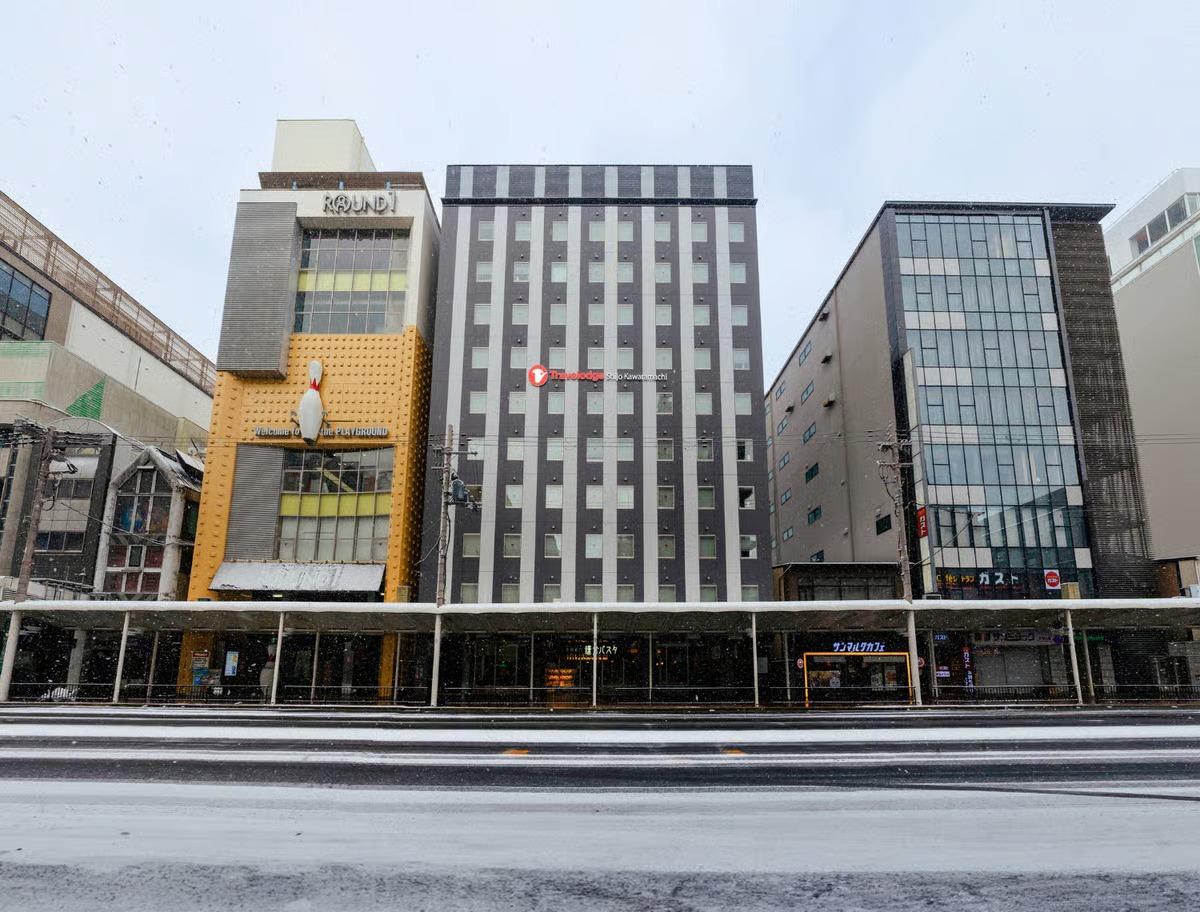
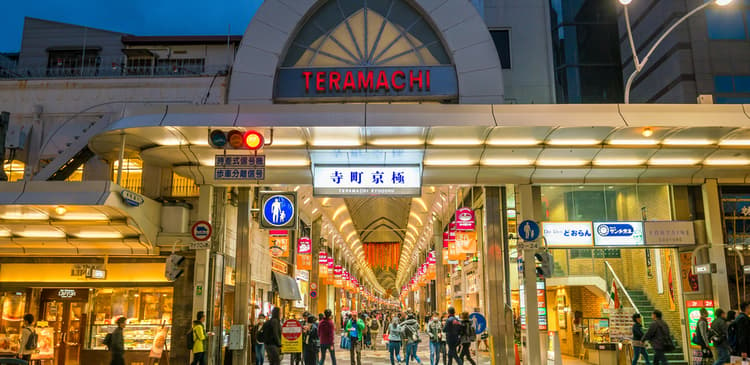
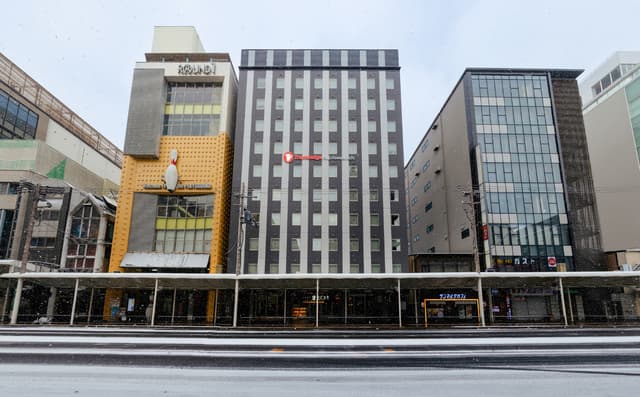
Travelodge Kyoto Shijo Kawaramachi places central Kyoto close at hand, with Gion, Pontocho, the Kamo River, shopping streets, and Nishiki Market all practical additions to an itinerary from this part of the city. The property is also around a three-minute walk from Hankyu Kyoto-Kawaramachi Station.
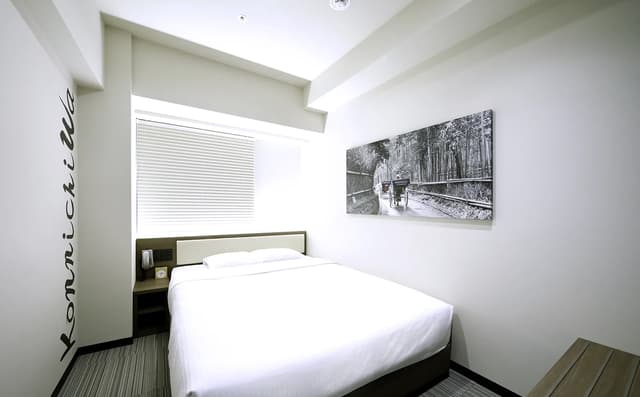
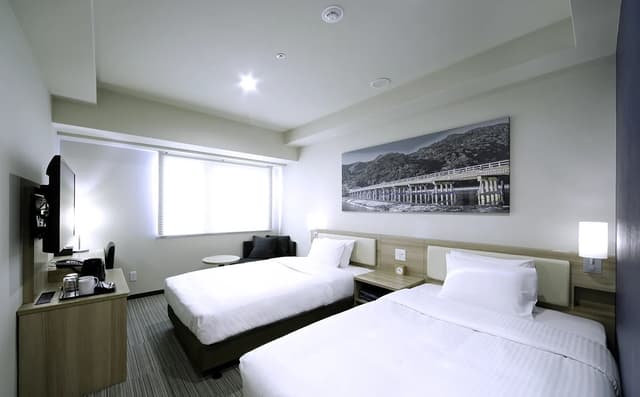
For winter stays, the practical details matter. Complimentary Wi-Fi supports Stream, self-service laundry connects with Spin, and comfortable rooms provide the Snooze element that becomes increasingly valuable after full days spent walking through cold temple districts. The hotel's gym also aligns with Travelodge's Sweat experience.
Travelers comparing Kyoto neighborhoods can check the official property page for current room options and direct-booking promotions rather than assuming rates shown elsewhere are the same.
Stay with Convenient Access to Western Kyoto: Travelodge Kyoto Shijo Karasuma
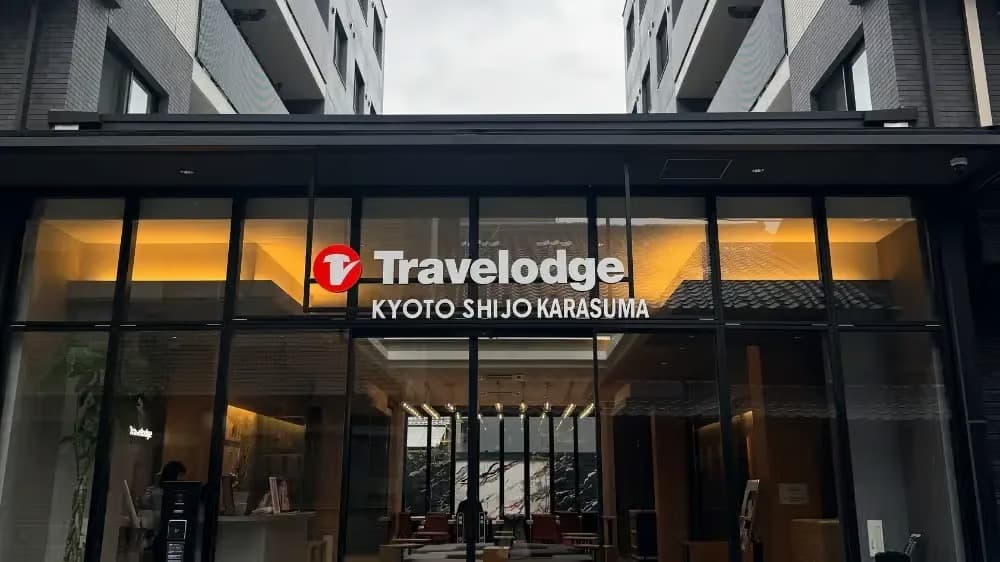
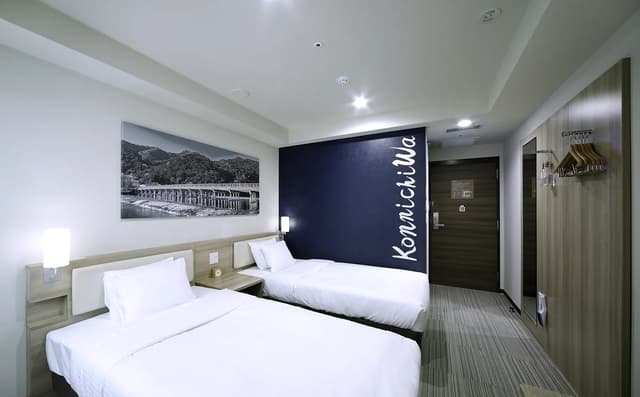
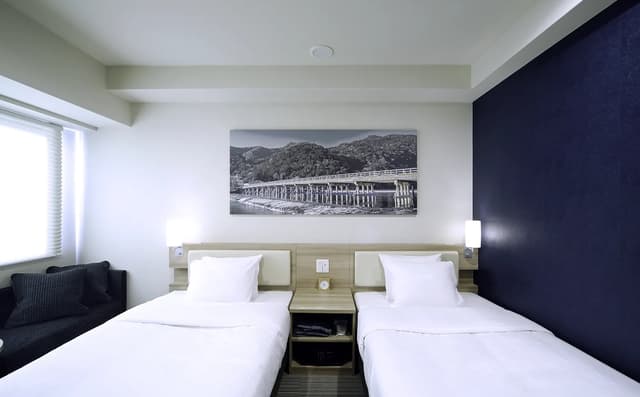
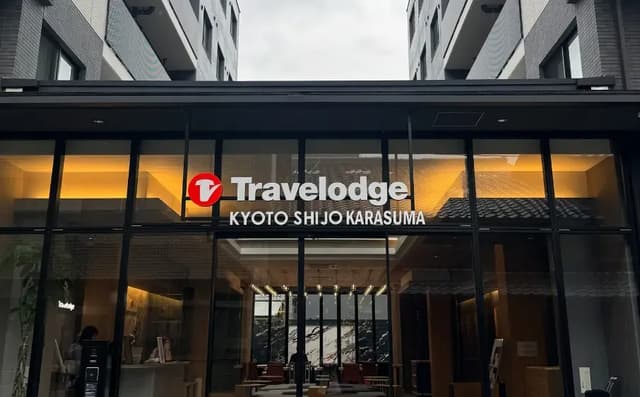
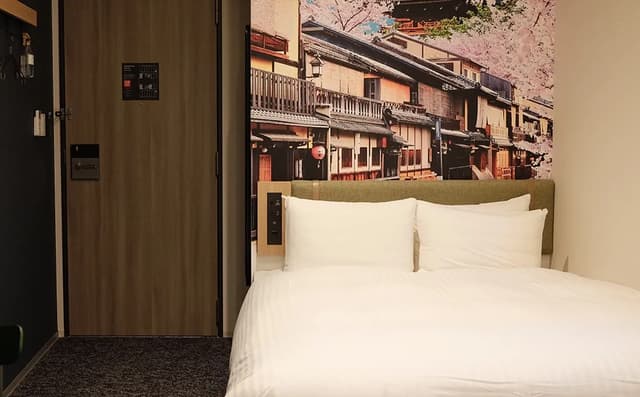
Another option is Travelodge Kyoto Shijo Karasuma, located about a three-minute walk from Hankyu Omiya Station. Its position makes it a practical base for travelers planning to include attractions such as Nijo Castle and Arashiyama in their Kyoto itinerary, while Nishiki Market and other central districts remain accessible by public transportation.
The hotel offers free Wi-Fi and a self-service laundromat, both useful for a multi-day winter stay when heavier clothing may need refreshing between sightseeing days. Its combination of comfortable rooms and convenient transport access also fits naturally with Travelodge's Comfort, Convenience, and Connectivity positioning.
The two Kyoto properties therefore suit slightly different travel styles. Travelodge Kyoto Shijo Kawaramachi is particularly convenient for travelers who want dining, shopping, Gion, and central Kyoto close at hand, while Travelodge Kyoto Shijo Karasuma offers a useful alternative for itineraries extending toward Nijo Castle, Arashiyama, and western Kyoto.
Before finalizing a stay, check both properties on the official Travelodge Hotels Asia website for current room options and direct-booking promotions rather than assuming rates shown on third-party platforms are the same.
Nagoya, Japan: Castles, Local Food, and Easy City Exploring
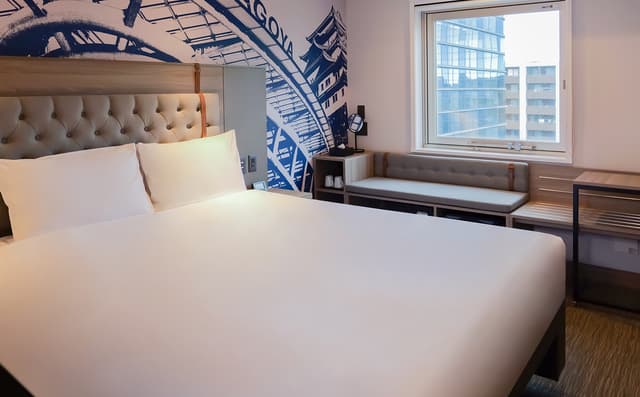
Nagoya offers a different kind of Japanese winter getaway. Rather than building the itinerary around snow, travelers can spend their days exploring historic landmarks, shopping districts, museums, and a food scene with a strong regional identity.
Nagoya Castle is one of the city's defining sights, with the reconstructed Honmaru Palace adding another layer to its samurai history. For a change of pace, Osu combines temples, covered shopping arcades, vintage stores, cafés, and casual food stops, while Sakae is one of the city's main areas for shopping, dining, and evening entertainment.
Food is another reason to make time for Nagoya. Local specialties include miso katsu, hitsumabushi grilled eel, tebasaki chicken wings, and kishimen noodles, providing plenty of warming options between winter sightseeing stops.
Nagoya can also work well as part of a wider Central Japan itinerary. Travelers can keep their stay focused on city attractions or use the city as a starting point for exploring destinations elsewhere in Aichi and the surrounding region. For those trying to manage the overall cost of a winter vacation, filling several days with urban sightseeing and local dining can also provide a useful contrast to more activity-heavy snow destinations.
Stay Close to Central Nagoya: Travelodge Nagoya Sakae
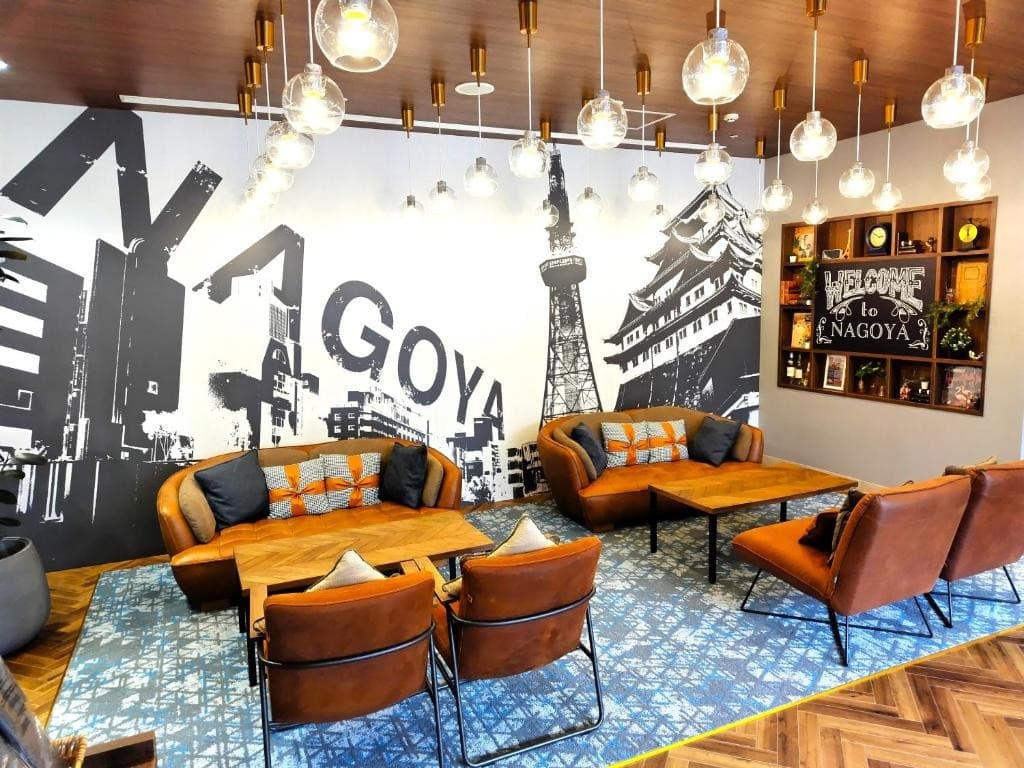
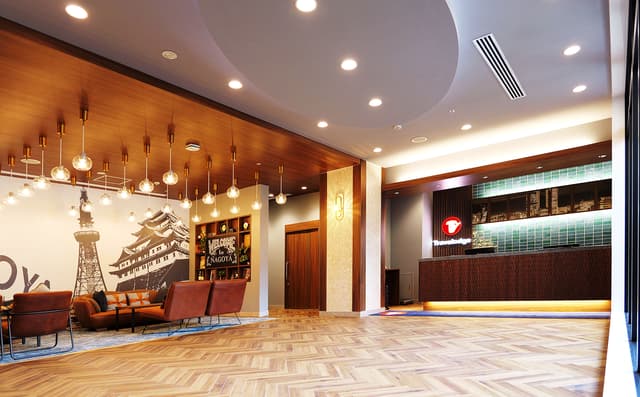
Travelodge Nagoya Sakae provides a convenient base for exploring the city, with Marunouchi Station around a six-minute walk away and Hisayaodori Station approximately seven minutes from the hotel. Its central location keeps Sakae's shopping and dining areas within practical reach while providing subway connections for exploring other parts of Nagoya.
Free high-speed Wi-Fi makes it easier to manage maps, reservations, and transportation plans throughout the trip, while comfortable rooms provide a practical place to recharge after a full winter sightseeing day. These features fit naturally with Travelodge's Comfort, Convenience, and Connectivity positioning.
Travelers planning a Nagoya stay can check the official Travelodge Hotels Asia website for current room availability, member benefits, and direct-booking promotions before confirming their accommodation elsewhere.
Niigata, Japan: Snow, Skiing, and Hot Springs
Niigata is the stronger choice when snow itself is the purpose of the trip.
Echigo-Yuzawa is particularly practical for travelers starting in Tokyo. JNTO places the journey at roughly 80 minutes by Joetsu Shinkansen from Tokyo Station, yet the area receives abundant snow and offers multiple ski fields.
That accessibility makes it possible to add a genuine mountain experience to a wider Tokyo itinerary without flying north to Hokkaido.
A typical winter day can combine skiing or snowboarding with an onsen afterward. Echigo-Yuzawa's hot-spring history stretches back centuries, and several baths are available in the wider area. Local sake is another part of the regional identity, with Ponshukan at the station making it easy to explore Niigata's brewing culture.
Travel costs naturally change once skiing enters the itinerary. Lift passes, rental equipment, lessons, and resort dining can add substantially to the daily budget, so travelers seeking an affordable winter destination in Asia should compare the complete activity cost rather than accommodation alone.
Sapporo, Japan: Snow Festivals and Hokkaido Flavors
Sapporo delivers winter on a completely different scale.
Snow forms part of daily life rather than an occasional backdrop, and the city combines northern scenery with the convenience of a large urban center. Odori Park divides the city center, Susukino provides restaurants and nightlife, and the wider region offers ski areas within reach.
February brings Sapporo's biggest seasonal event. The 2027 Sapporo Snow Festival is scheduled for February 4-11, with venues at Odori, Tsudome, and Susukino. The official schedule includes five large snow sculptures at the Odori venue alongside smaller sculptures and winter attractions.
Food should be given as much space in the itinerary as the festival. Sapporo is closely associated with miso ramen, while Hokkaido more broadly is known for crab, scallops, uni, dairy products, and fresh seafood. Jingisukan grilled lamb provides another warming dinner after several hours outside.
Book flights and accommodation early for festival week. This is exactly the kind of winter period when assuming "off-season prices" can backfire.
Seoul, South Korea: Winter Shopping, Cafés, and City Culture
Seoul offers one of the easiest combinations of proper winter weather and big-city flexibility.
December through February can be genuinely cold, with occasional heavy snowfall. Seoul's official tourism information notes that temperatures can sometimes fall to around -15°C, making insulated clothing more than an optional extra during colder spells.
Cold mornings work well for Gyeongbokgung or Changdeokgung, followed by a warm lunch. Ikseon-dong adds traditional-style streets and cafés, while Myeongdong, Hongdae, Gangnam, and Dongdaemun offer very different versions of contemporary Seoul.
Food is part of the seasonal experience. Tteokbokki, mandu, barbecue, gukbap, hotteok, and bubbling stews feel particularly well suited to winter evenings.
Snow activities are also possible outside the city. Travelers who want a ski day can research resorts accessible from Seoul, although transfer times, equipment costs, and weekend crowds should be factored into the plan.
Stay Connected in Central Seoul: Travelodge Myeongdong Euljiro
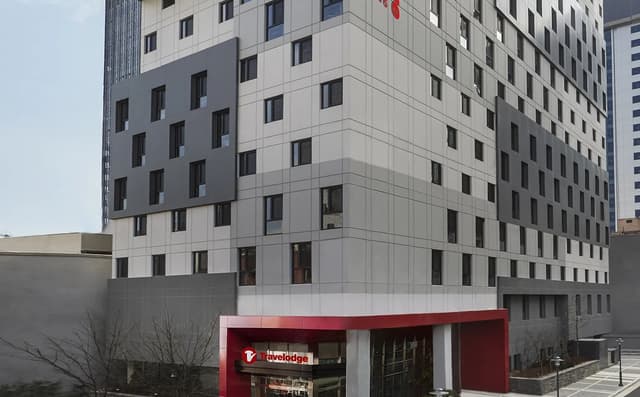
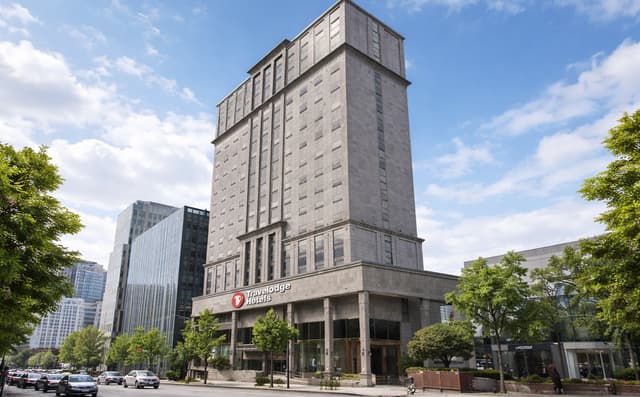
Travelodge Myeongdong Euljiro is around 350 meters from Euljiro 3-ga Station, served by Subway Lines 2 and 3, while Myeongdong Shopping Street is roughly 600 meters away. Rooms include free Wi-Fi, and the hotel provides self-service laundry, heating, a fitness center, and 24-hour reception.
Those facilities fit a winter city break well. Comfort provides somewhere to warm up and recharge, Convenience comes from easy subway access, and Connectivity supports everything from navigation to checking weather conditions before a day trip.
Stay Close to Myeongdong: Travelodge Myeongdong Namsan
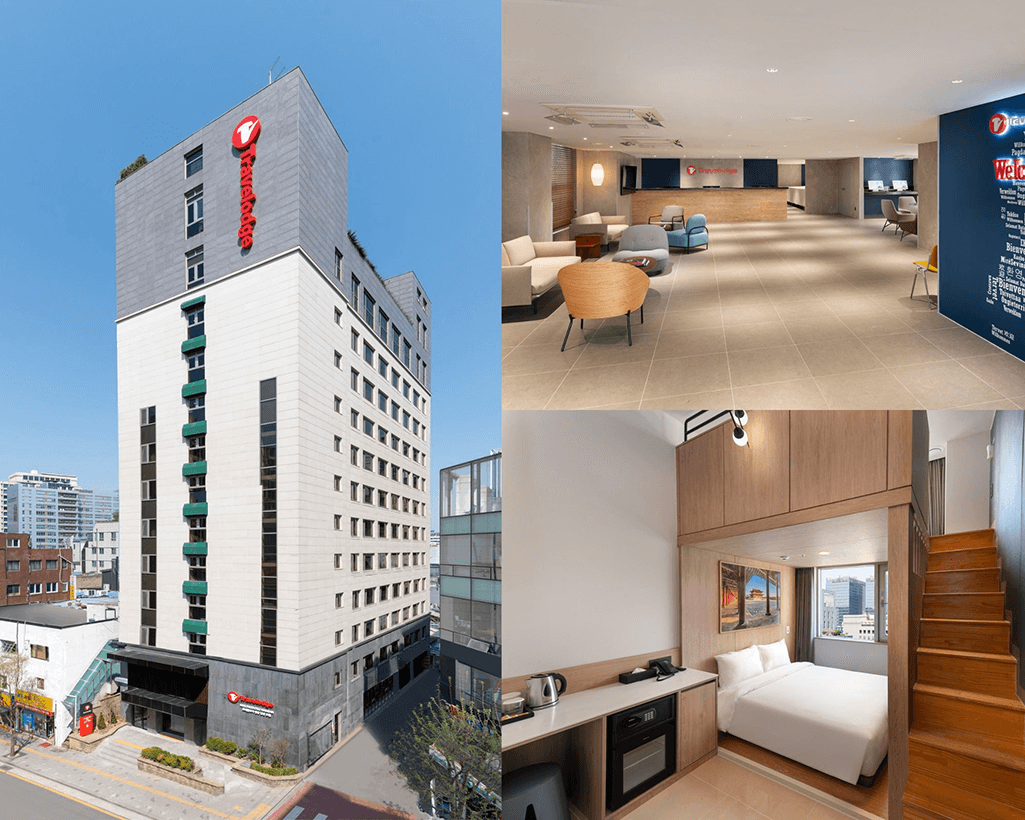
Travelers who want to make Myeongdong a central part of their stay can also consider Travelodge Myeongdong Namsan. Myeongdong Shopping Street is approximately 350 meters away, while Chungmuro Station and Myeongdong Station are around 400 and 500 meters from the hotel respectively.
That location works particularly well for first-time visitors who want shopping, street food, and central Seoul sightseeing within a relatively compact area. Self-service laundry and heating add practical value during longer winter stays, especially when heavier clothing needs refreshing between sightseeing days.
Stay Near Shopping and Nightlife: Travelodge Dongdaemun Seoul
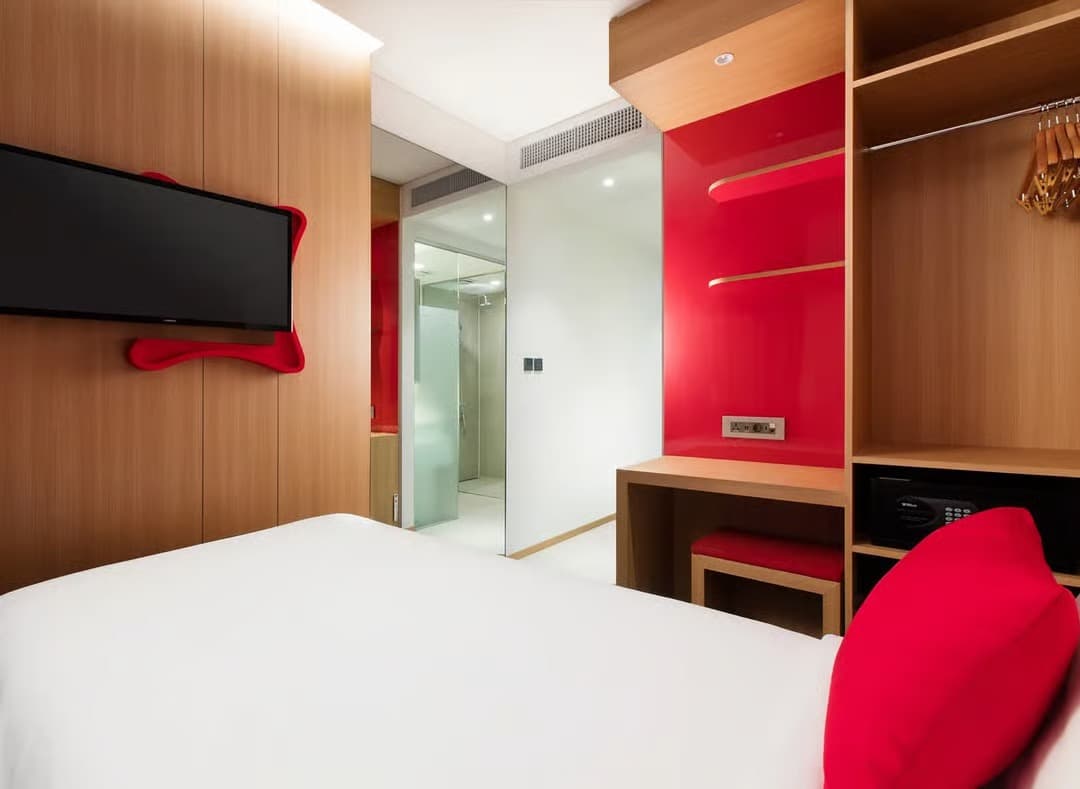
For travelers whose itinerary leans toward shopping, markets, and late-evening exploring, Travelodge Dongdaemun Seoul provides another centrally located option. Euljiro 4-ga Station is approximately 400 meters away, while Dongdaemun Design Plaza is about 500 meters from the hotel. Fashion markets and shopping centers are also concentrated throughout the surrounding district.
Free Wi-Fi, heating, and self-service laundry make the hotel particularly practical in winter, while convenient subway access keeps other Seoul neighborhoods within reach.
The three Seoul properties suit slightly different travel styles: Travelodge Myeongdong Euljiro emphasizes convenient transport connections, Travelodge Myeongdong Namsan puts Myeongdong particularly close at hand, and Travelodge Dongdaemun Seoul works well for travelers prioritizing markets, fashion, and evening shopping.
Before confirming a stay, compare the properties on the official Travelodge Hotels Asia website for current room availability, member benefits, and direct-booking promotions.
Busan, South Korea: Coastal Views, Markets, and Winter City Walks
Busan offers a different version of a South Korean winter trip. Instead of making snow the focus, the city combines coastal scenery, seafood markets, temples, shopping districts, and urban neighborhoods that can be explored throughout the cooler months.
Haeundae Beach and Gwangalli Beach provide wide coastal walks with city skylines in the background, while Haedong Yonggungsa adds a striking seaside temple to the itinerary. Gamcheon Culture Village brings colorful hillside streets and viewpoints, and Jagalchi Market is an obvious stop for travelers interested in Busan's seafood culture.
Winter also suits slower city exploration. A day can move from a morning by the coast to cafés and shopping around Centum City, followed by warming local dishes such as dwaeji gukbap, Korean fish cakes, or hot seafood meals in the evening.
Busan therefore works particularly well for travelers who want South Korea's winter season without centering every day around snow. It can also be combined with Seoul by high-speed rail for a broader Korea itinerary.
Stay in Busan's Centum City: Travelodge Suites Busan Centum
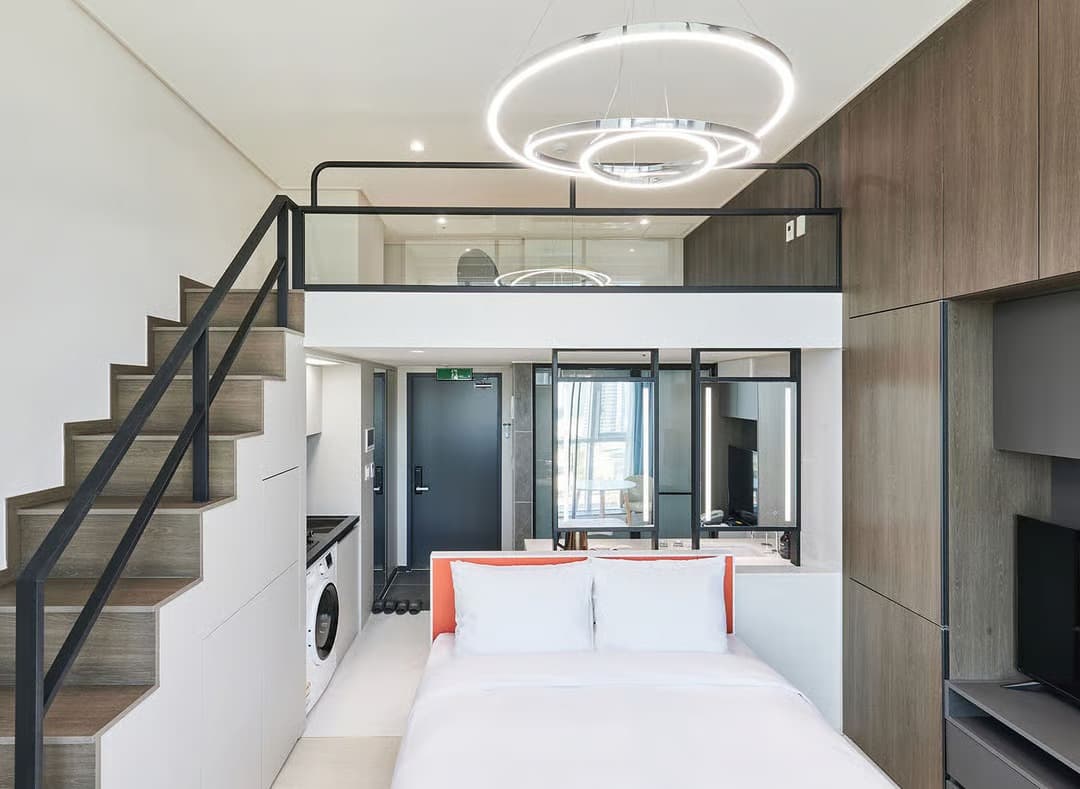
Travelodge Suites Busan Centum is located in the Centum City area, with BEXCO approximately 300 meters away and Busan Museum of Art around 320 meters from the hotel. Centum City Station can be reached in roughly five to ten minutes on foot, providing subway connections for exploring other parts of Busan.
The location also keeps Shinsegae Centum City, Busan Cinema Center, Haeundae Beach, and Gwangalli Beach within practical reach. Spacious accommodation, free Wi-Fi, kitchenettes, fitness facilities, and in-room laundry options can be especially useful for families or travelers planning a longer Korea itinerary.
Its combination of room comfort, access to transportation, and proximity to shopping and coastal attractions reflects Travelodge's Comfort, Convenience, and Connectivity positioning while giving travelers a different winter experience from Seoul.
For a Busan winter stay, check the official Travelodge Hotels Asia website for current room choices, member benefits, and direct-booking offers before finalizing accommodation elsewhere.
Chiang Mai, Thailand: Cool Mountain Air and Northern Culture
Not every winter getaway in Asia has to involve snow. Chiang Mai offers a milder alternative, with cooler temperatures, mountain scenery, and a slower atmosphere than many of Thailand's southern and central destinations.
December and January fall within Thailand's cool season, with northern Thailand experiencing some of the country's lowest seasonal temperatures. Conditions are generally comfortable for exploring the city, while mountain areas around Chiang Mai can feel considerably colder, particularly in the early morning and evening.
Start with Chiang Mai's Old City, where temples such as Wat Chedi Luang and Wat Phra Singh can be combined with cafés, local restaurants, and traditional markets. Wat Phra That Doi Suthep offers one of the city's best-known cultural landmarks, while Nimmanhaemin Road introduces a more contemporary side of Chiang Mai through coffee shops, boutiques, restaurants, and nightlife. The Tourism Authority of Thailand also highlights Doi Suthep, Nimmanhaemin Road, Doi Inthanon, and Doi Ang Khang among the area's key attractions.
Travelers who want a stronger sense of winter can head beyond the city toward higher elevations. Doi Inthanon and Doi Ang Khang are popular for mountain scenery, cool breezes, flowers, and seasonal morning mist, making Chiang Mai particularly appealing for travelers who want refreshing winter weather without the snow-focused itinerary required in Japan or South Korea.
Chiang Mai is especially popular during December and around the New Year period, so cooler weather does not necessarily mean lower travel costs. Booking accommodation and transportation ahead can help keep an affordable winter getaway easier to manage.
Stay Near Nimman: Travelodge Nimman
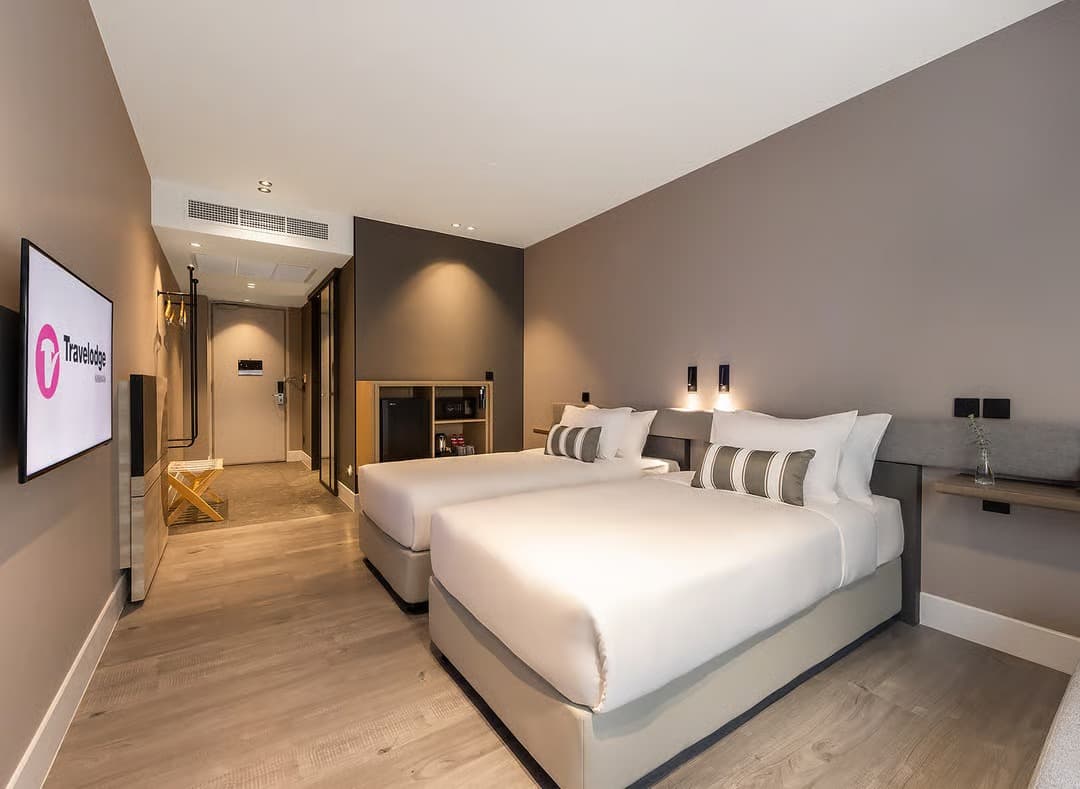
Travelodge Nimman provides a convenient base for exploring both contemporary Chiang Mai and the city's cultural attractions. Nimmanhaemin Road is around 600 meters from the hotel, while Maya Lifestyle Shopping Center and One Nimman are also within easy reach.
The hotel combines practical city access with facilities suited to a relaxing stay, including complimentary Wi-Fi in common areas and a swimming pool. Its location near Nimman's cafés, restaurants, shopping, and nightlife supports Travelodge's Comfort, Convenience, and Connectivity positioning while still keeping Chiang Mai's Old City and major sightseeing areas accessible.
For travelers planning a cooler Thai winter escape, check the official Travelodge Hotels Asia website for current room availability, member benefits, and direct-booking promotions before confirming a stay elsewhere.
Singapore: Festive Lights and Easy Urban Exploration
Singapore offers a different interpretation of a winter break.
Temperatures remain tropical, so the seasonal appeal comes from festive programming rather than cold weather. Orchard Road's annual Christmas celebrations are among the most recognizable, typically bringing large-scale light installations, shopping events, and seasonal attractions to the retail district. Exact programming changes each year, so check the official calendar before building an evening around a specific event.
Beyond the festive period, Singapore's compact geography makes it particularly easy to explore on a short trip. Chinatown, Kampong Glam, Little India, Marina Bay, Gardens by the Bay, and the waterfront can be combined without losing entire days to transportation.
Hawker centers also keep food costs more flexible than Singapore's luxury reputation sometimes suggests. Neighborhood walks, public waterfronts, heritage areas, and outdoor gardens provide plenty of experiences that do not require premium admission tickets.
Stay Close to Sentosa and Public Transport: Travelodge Harbourfront
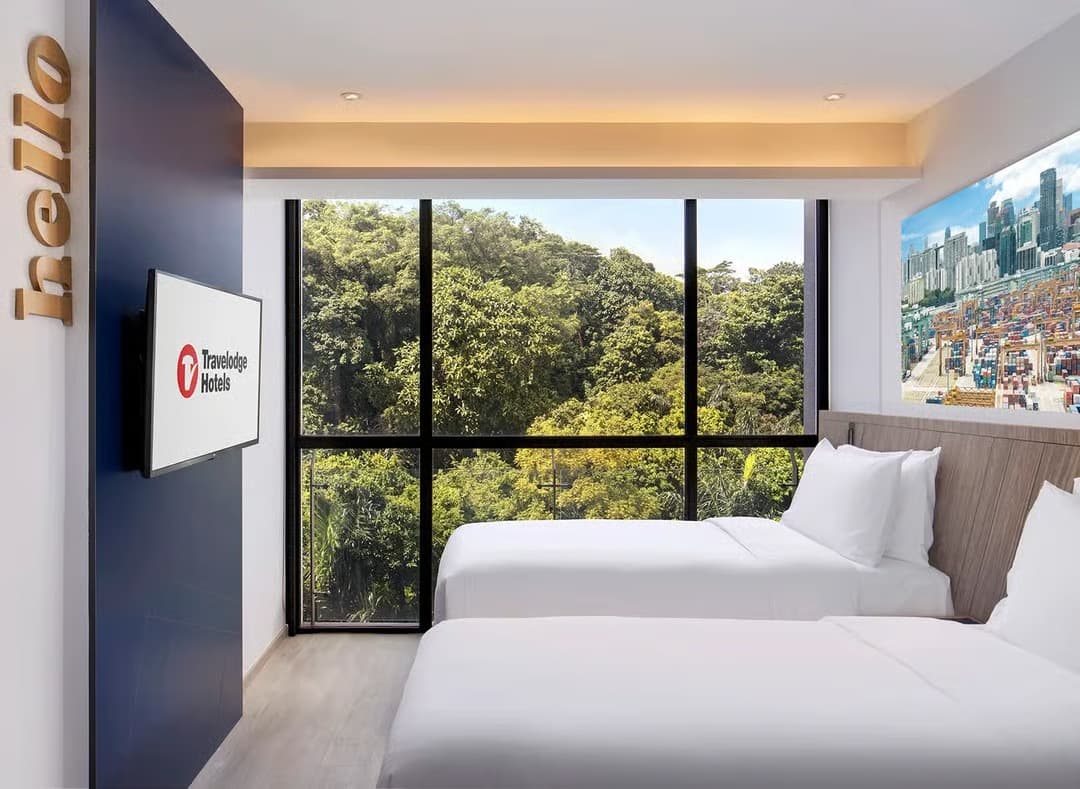
Travelodge Harbourfront sits near VivoCity, HarbourFront MRT Station, and the gateway to Sentosa. The official hotel page places VivoCity about 300 meters away and HarbourFront MRT around 340 meters from the property.
This property also offers Splash, Travelodge's swimming-pool experience available at selected hotels, alongside complimentary Wi-Fi. For a warm-weather "winter" escape, being able to move quickly between the MRT, nearby attractions, and the hotel keeps the itinerary simple.
Affordable Winter Activities Across Asia
Memorable winter travel does not have to revolve around premium ski resorts or expensive attractions. Some of the easiest ways to experience a city are also among the least complicated to budget for:
- Explore street food neighborhoods. Osaka, Seoul, Bangkok, and Singapore all offer food experiences that can double as sightseeing.
- Walk through public illuminations. Seasonal light displays appear across Japan, Korea, Singapore, and other major Asian cities, although dates vary annually.
- Browse festive markets. Entry is often free even when shopping, food, and rides cost extra.
- Explore temple and heritage districts. Kyoto's Higashiyama, Seoul's palace areas, and Bangkok's older neighborhoods can fill hours without requiring a packed attraction schedule.
- Use parks and waterfronts. Odori Park, the Han River, Marina Bay, and Bangkok's riverside areas provide a different perspective on their cities.
- Look for local seasonal events. Community festivals and public performances can add character without becoming the most expensive part of the trip.
- Plan one affordable day trip rather than changing hotels. Staying in one base and making a day excursion can reduce packing time and intercity accommodation complications.
The most useful savings often come from itinerary design rather than finding one unusually low-priced attraction.
Winter Food Experiences Worth Traveling For
Cold weather gives food a different role in the trip. It stops being simply something fitted between attractions and becomes part of the reason to travel. Across Asia, winter dining can mean warming bowls of noodles, bubbling hotpots, seasonal seafood, night-market snacks, or long café breaks between sightseeing stops.
Japan
Winter is one of the easiest seasons to build a Japanese itinerary around food.
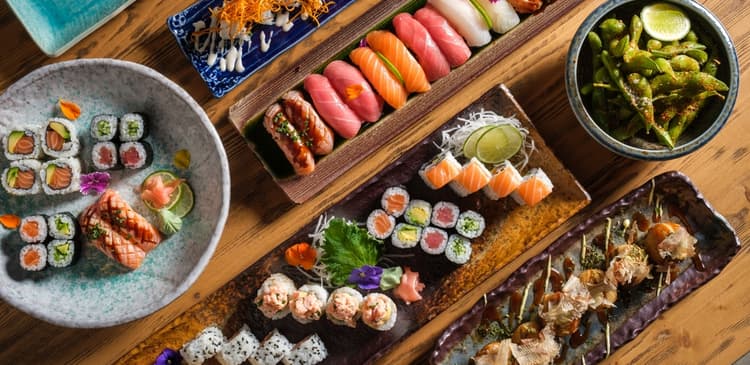
Osaka is made for casual grazing, with takoyaki, okonomiyaki, kushikatsu, ramen, and late-night noodle shops making it easy to eat between shopping and sightseeing. Kyoto offers a different experience, where warm bowls of noodles, tofu dishes, seasonal sweets, and traditional restaurants fit naturally into slower winter days.
In Nagoya, regional dishes such as miso katsu, hitsumabushi grilled eel, tebasaki chicken wings, and kishimen noodles give the city a culinary identity distinct from nearby Osaka and Kyoto.
Farther north, colder weather makes warming specialties even more appealing. Sapporo is closely associated with miso ramen, while Hokkaido is particularly well known for seafood such as crab, scallops, and uni. Across Japan, nabe hotpot, oden, sukiyaki, and other hot dishes become especially welcome after a full day outdoors.
South Korea
South Korean winter food tends toward warmth, spice, and comfort.
In Seoul, street stalls serve tteokbokki, eomuk fish cakes, mandu, and hotteok, providing easy warming stops between shopping districts and cultural attractions. Restaurants add dishes such as barbecue, kimchi jjigae, sundubu-jjigae, gukbap, and other soups and stews that feel particularly suited to freezing evenings.
Café culture also becomes part of the winter experience. Neighborhoods such as Ikseon-dong, Seongsu, and Myeongdong offer plenty of places to slow down over coffee, tea, or dessert between sightseeing stops.
Busan adds a coastal dimension to the experience. Seafood markets, fish cakes, hot soups, and local specialties such as dwaeji gukbap make the city especially rewarding for travelers who want to combine winter city exploring with Korea's maritime food culture.
Southeast Asia
Winter travel in Southeast Asia offers a different kind of food experience. Instead of warming up after snowfall, the appeal often comes from cooler evenings, outdoor dining, markets, and regional flavors that are easier to enjoy when temperatures are more comfortable.
In Chiang Mai, northern Thai specialties such as khao soi, sai ua sausage, nam prik, and grilled dishes suit the city's cooler seasonal weather particularly well. Night markets and neighborhood restaurants also make it easy to combine dinner with evening exploring.
Singapore offers an entirely different culinary landscape. Hawker centers allow travelers to move between Chinese, Malay, Indian, Peranakan, and other food traditions in a single trip, with dishes ranging from chicken rice and laksa to satay, roti prata, and seafood.
The contrast makes Southeast Asia especially useful in a multi-country winter itinerary: travelers can move from cold-weather comfort food in Northeast Asia to open-air dining and tropical flavors without leaving the same travel season.
Hong Kong
Hong Kong's cooler months are particularly well suited to eating across the city.
Dim sum works naturally into a winter morning, while wonton noodles, congee, roast meats, claypot rice, and steaming bowls of soup provide plenty of options for cooler days. Hotpot is another popular choice for evenings, especially when temperatures fall after sunset.
Street-level food is equally important to the experience. Egg waffles, fish balls, siu mai, and other snacks can easily become part of a walk through neighborhoods such as Mong Kok, Jordan, or Causeway Bay.
Hong Kong's combination of Cantonese restaurants, traditional tea houses, markets, bakeries, and contemporary cafés means food can shape an entire day of sightseeing rather than simply filling the gaps between attractions.
Across Japan, South Korea, Southeast Asia, and Hong Kong, winter changes the way travelers experience food in different ways. Sometimes it means warming up with hotpot after a cold day outside; elsewhere, it means taking advantage of cooler evenings to explore markets, cafés, and local neighborhoods at a slower pace.
How to Find Better Winter Travel Deals in Asia
Winter is not always a bargain period. Ski weeks, major festivals, Christmas, New Year, school holidays, and Lunar New Year can all increase demand.
A better approach is to plan around the actual travel dates. Start comparing airfare and accommodation early if the itinerary includes Sapporo in February, a major Japanese ski resort, Christmas in Singapore, or New Year in Bangkok.
Weekday stays can sometimes provide better value than Friday and Saturday nights, although this varies by destination and event calendar. Price alerts are also worth setting for flights rather than checking manually every day.
Location deserves equal attention. A hotel that costs slightly more but sits near a useful train or subway station can save money and time compared with a less conveniently located room that requires repeated taxis.
Itinerary design matters too. Rather than crossing Osaka from north to south several times in one day, group Shinsaibashi, Dotonbori, Namba, and Kuromon into the same part of the trip. Apply the same logic in Seoul, Kyoto, Bangkok, or Singapore.
Hotel direct-booking pages are also worth checking before payment. Travelodge's official website currently promotes direct-member rates, special offers, and Cashback benefits across its portfolio.
Make Winter Travel in Asia Fit Your Style
The appeal of winter travel in Asia is that the season never means only one thing. It can be carving through Hokkaido powder, soaking after a ski day in Niigata, walking through Kyoto before the morning crowds arrive, warming up over Korean food in Seoul, or replacing scarves and gloves altogether with an outdoor dinner in Bangkok or Singapore.
The strongest itinerary starts with the experience rather than the number of destinations. Choose snow when snow matters, milder weather when comfort takes priority, and a well-connected city when food, culture, and spontaneous exploration are the main goals. From there, transportation, activities, and accommodation become much easier to budget.
For travelers moving through cities served by Travelodge Hotels Asia, booking directly through the official website makes it easier to compare current promotions and member benefits alongside room options.
For frequent travelers, joining the Travelodge membership program adds another layer of value to direct stays. Members can earn check-in, late check-out, and exclusive member benefits available according to program terms and availability.
That makes a winter journey easier to plan around what matters most: good food, memorable places, comfortable rest, and enough room in the schedule to enjoy the season rather than race through it.




.jpg)