

Logo Travelodge
Fundo principal
Logo Travelodge

Definições

Minha Conta

Compartilhar artigo

Guia de Viagem de Inverno para Seul com as Melhores Coisas para Fazer, Comer e Ver

Sora Kang
Sora Kang

Atualizado em 1 de dez. de 2025
107.3K
Blog_People-walking-in-street-of-Seoul-winter.

O inverno muda o ritmo de Seul. Os pátios dos palácios ficam mais silenciosos, a comida de rua fumegante se torna difícil de resistir, os cafés oferecem um refúgio bem-vindo do frio e bairros como Myeongdong, Euljiro e Dongdaemun permanecem movimentados muito depois do pôr do sol. Às vezes, a neve cobre os telhados de telha da cidade e o pano de fundo das montanhas de branco, mas mesmo em dias limpos, o ar frio dá aos bairros familiares um caráter nitidamente sazonal.

Este Guia de Viagem de Inverno para Seul cobre os detalhes práticos que tornam mais fácil uma viagem urbana em clima frio: quais temperaturas esperar, como se vestir, as melhores coisas para fazer em Seul no inverno, onde comer, como se locomover, aplicativos úteis, etiqueta cultural, ideias de bate-volta e onde se hospedar. Seul funciona especialmente bem para viajar no inverno porque os passeios ao ar livre podem ser facilmente equilibrados com mercados, museus, cafés, centros comerciais, restaurantes e outros espaços internos aquecidos.

Por que visitar Seul no inverno?

A temporada principal de inverno em Seul vai de dezembro a fevereiro. Faz frio e é relativamente seco, com ventos de noroeste contribuindo para períodos de frio intenso. A organização oficial de turismo de Seul observa que as temperaturas podem ocasionalmente cair para cerca de -15°C (5°F), enquanto fortes nevascas acontecem periodicamente, e não de forma contínua.

Essa distinção importa. Uma viagem de inverno não deve ser planejada com base na expectativa de ver Seul permanentemente coberta de neve. Em vez disso, a estação compensa por suas atrações históricas mais tranquilas, dias frios e claros, comida de inverno, pistas de patinação e exibições de luz sazonais, compras e a possibilidade de neve como um bônus adicional.

Seul também é excepcionalmente adaptável quando as temperaturas ficam desconfortáveis. Uma manhã no palácio pode ser seguida por uma casa de chá tradicional em Insadong, uma visita a um museu à tarde, jantar em Myeongdong e compras sob as luzes de Dongdaemun. O tempo frio raramente significa perder um dia inteiro de passeios.

Como é o clima de inverno em Seul?

O clima de inverno em Seul pode parecer mais frio do que a temperatura por si só sugere. O ar seco e o vento tornam os períodos longos ao ar livre mais exigentes, especialmente em pátios abertos de palácios, áreas ribeirinhas e mirantes elevados.

Dezembro normalmente marca a transição para um frio de inverno mais constante. Janeiro geralmente é o auge da estação, enquanto fevereiro continua frio, mas começa a avançar gradualmente em direção à primavera. A neve pode chegar em qualquer momento durante esse período, embora dias de inverno claros ou secos também sejam comuns. As informações oficiais de turismo de Seul descrevem o inverno como de dezembro a fevereiro e observam que fortes nevadas ocorrem periodicamente.

Para um itinerário com muitas caminhadas, inclua flexibilidade em cada dia. Uma atração ao ar livre seguida de um café, mercado, museu ou parada para compras costuma ser mais confortável do que programar vários locais expostos em sequência.

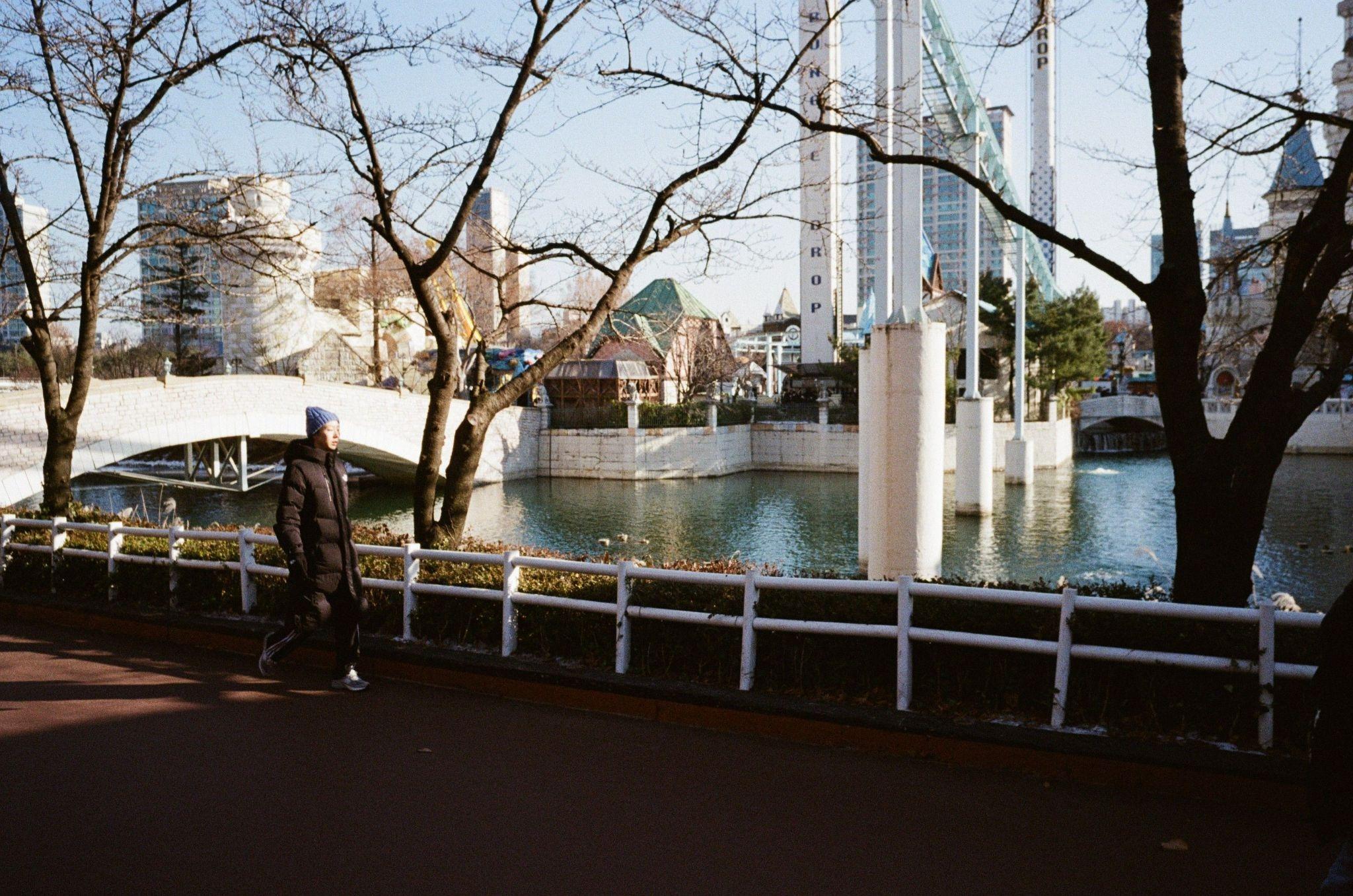
Melhores coisas para fazer em Seul no inverno
Winter Travel Guide to Seoul—Best Things to Do, Eat & See

O melhor itinerário de inverno combina os principais marcos de Seul com experiências que fazem sentido especificamente em clima mais frio.

Explore os palácios históricos de Seul no inverno

Comece com Gyeongbokgung, o primeiro e maior dos cinco grandes palácios de Seul. Seus amplos pátios, pavilhões, muros de pedra e pano de fundo montanhoso são atmosféricos durante todo o inverno, mesmo sem neve. Durante janeiro e fevereiro, os horários de funcionamento publicados atualmente são mais curtos do que nos meses mais quentes, outro motivo para fazer o passeio pelos palácios mais cedo no dia.

Changdeokgung oferece uma experiência diferente, com sua arquitetura estreitamente integrada à paisagem ao redor. É um Patrimônio Mundial da UNESCO e pode ser facilmente combinado com bairros tradicionais próximos.

De qualquer um dos palácios, siga em direção a Insadong para galerias, artesanato, casas de chá tradicionais e lanches quentes. Bukchon Hanok Village fica entre Gyeongbokgung e Changdeokgung, mas lembre-se de que é um bairro residencial e não um cenário turístico ao ar livre. As medidas atuais de gestão de visitantes pedem que os viajantes mantenham o volume baixo e respeitem os arranjos de visita restrita em áreas designadas.

A neve nos telhados de hanok é linda quando acontece. Deve ser encarada como sorte, não como uma condição para aproveitar a área.

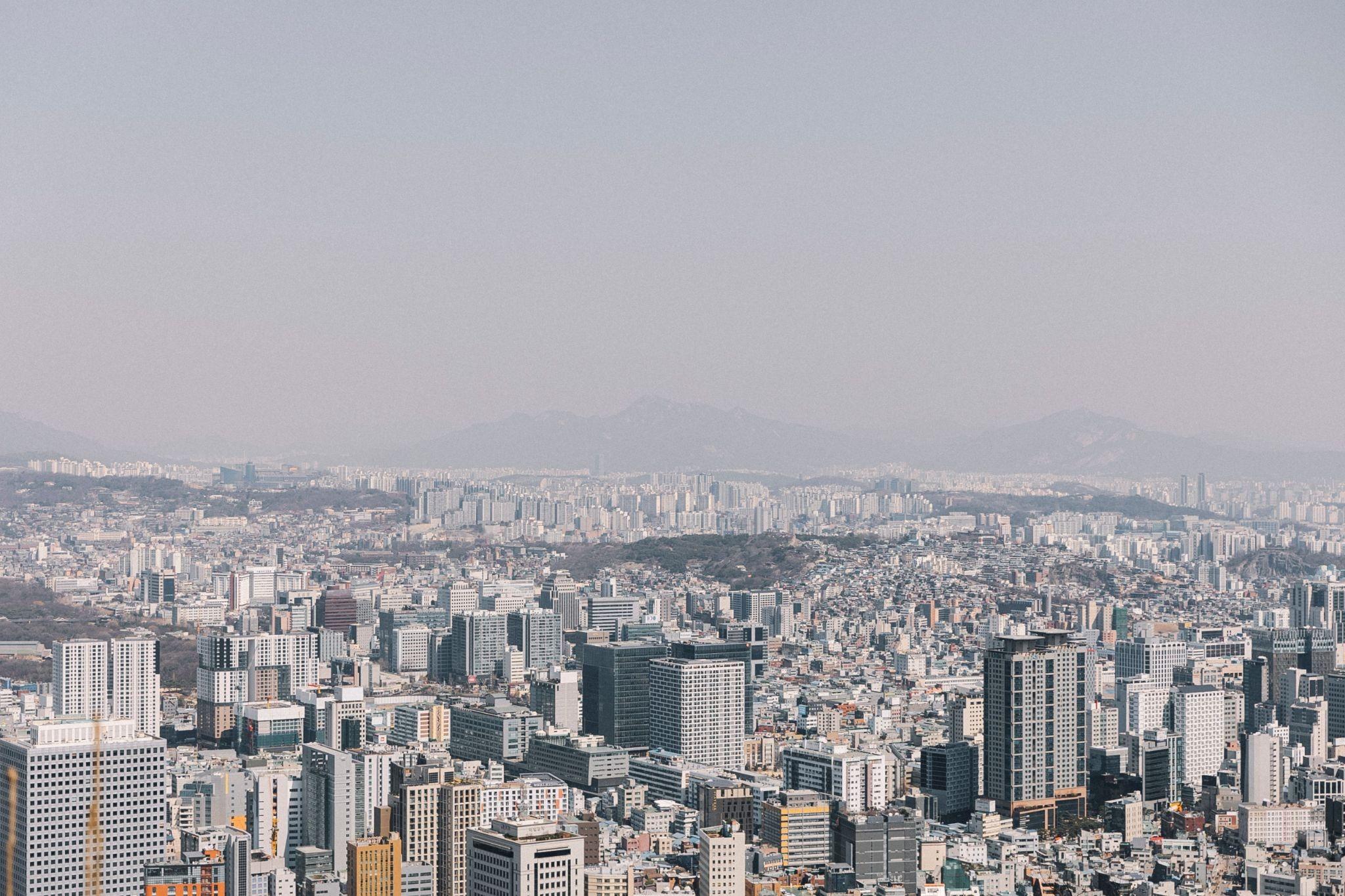
Veja Seul do Namsan e da N Seoul Tower

O Namsan é um dos melhores lugares para apreciar a escala de Seul. A N Seoul Tower fica no topo e oferece vistas panorâmicas da cidade a partir de sua posição elevada.

O inverno pode ser especialmente recompensador em dias claros, quando a visibilidade se abre sobre o centro de Seul e em direção às montanhas ao redor. O pôr do sol é atraente, mas as temperaturas caem rapidamente depois de escurecer, então luvas e uma camada extra são úteis se o itinerário incluir tempo ao ar livre nas áreas de observação.

Combine o Namsan com Myeongdong em vez de tratar os dois como dias separados. Compras, restaurantes, barracas de comida de rua e cafés oferecem muitos lugares para se aquecer antes ou depois do mirante.

Essa combinação também torna a hospedagem no centro conveniente: voltar ao hotel entre os passeios diurnos e uma saída à noite pode ser muito mais atraente em janeiro do que cruzar a cidade novamente.

Patine no Gelo ou Experimente Atividades Sazonais de Inverno

Seul regularmente monta instalações sazonais de patinação e tobogã quando chegam as condições de inverno.

A pista de patinação no gelo da Seoul Plaza, ao ar livre, ao lado da City Hall, é um exemplo recorrente. O VisitKorea a descreve como uma atração de inverno com áreas separadas para iniciantes e avançados, aluguel de patins e instalações de apoio. As datas exatas de abertura e as condições de funcionamento podem mudar a cada temporada, então confirme a programação de inverno atual antes de visitar.

Outros parques e áreas de recreação podem oferecer tobogã ou atividades sazonais dependendo do ano. Essa flexibilidade é útil para famílias: em vez de se comprometer com antecedência, com meses de antecedência, com uma pista específica, verifique o programa de inverno depois que as programações da cidade forem anunciadas.

O entusiasmo mais amplo da Coreia do Sul pelos esportes de inverno também faz de Seul um ponto de partida fácil para esquiar ou praticar snowboard fora da capital.

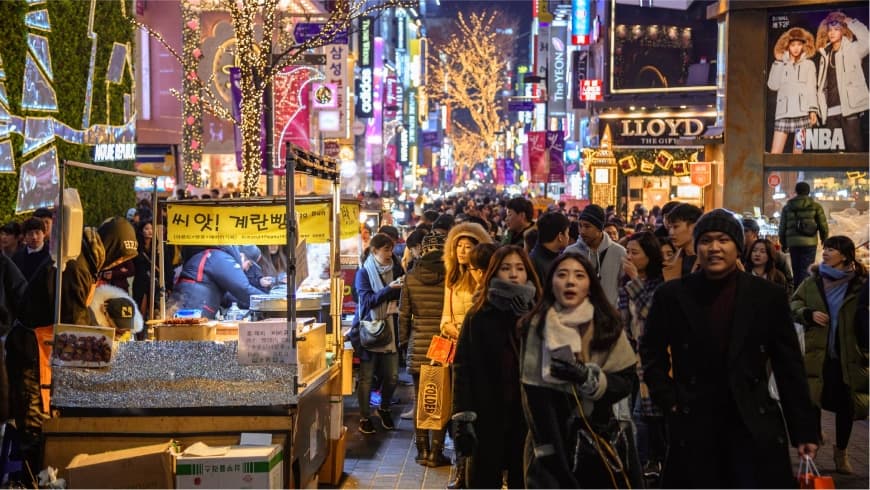
Explore Myeongdong, Euljiro e Dongdaemun à Noite

Seul não para quando as temperaturas caem.

Myeongdong é ideal para uma noite em torno de compras, cosméticos, restaurantes e comida de rua. De lá, Euljiro oferece uma atmosfera diferente: ruas comerciais mais antigas, pequenos restaurantes, cafés, bares e espaços criativos integrados a um distrito comercial central.

Mais a leste, Dongdaemun é particularmente adequado para exploração noturna. O Dongdaemun Design Plaza (DDP) recebe exposições e eventos culturais, e seu exterior curvo também foi usado para o programa sazonal Seoul Light.

Esses distritos tornam o passeio de inverno mais fácil porque caminhar ao ar livre pode ser naturalmente intercalado com lojas aquecidas, lojas de departamento, cafés, restaurantes e espaços de exposição.

Experimente um Jjimjilbang Tradicional Coreano

Poucas atividades internas combinam melhor com um dia gelado em Seul do que um jjimjilbang, a experiência coreana de casa de banhos e sauna.

As instalações variam consideravelmente. Muitas combinam áreas de banho separadas por gênero com salas aquecidas compartilhadas, espaços de relaxamento, comida e outras instalações. Nas áreas de banho, os hóspedes geralmente se lavam cuidadosamente antes de entrar nos banhos comuns; as áreas de sauna compartilhadas normalmente usam roupas fornecidas pela instalação. Verifique as regras individuais antes de chegar, porque os layouts e as políticas não são idênticos em todos os lugares.

Seul ainda tem tanto casas de banho tradicionais quanto grandes complexos de spa contemporâneos. A organização de turismo da cidade lista várias instalações de jjimjilbang e sauna atualmente em funcionamento, incluindo opções com zonas de relaxamento, cafés e instalações para famílias.

Para viajantes que não estão familiarizados com a cultura de banhos coreana, um jjimjilbang funciona melhor quando visto como uma experiência, e não como algo para passar correndo entre atrações.

Faça uma viagem de um dia no inverno saindo de Seul
Winter Travel Guide to Seoul—Best Things to Do, Eat & See

Seul não precisa ser deixada de lado por várias noites para ver neve mais convincente.

Várias estações de esqui em Gyeonggi e regiões vizinhas são usadas para viagens de um dia no inverno a partir da área metropolitana. As informações recentes sobre esportes de inverno da Organização de Turismo da Coreia destacam resorts perto de Seul, bem como os destinos de maior neve da província de Gangwon.

Uma viagem de um dia pode incluir esqui, snowboard ou atividades mais simples de brincadeiras na neve, dependendo do resort. Iniciantes devem comparar pacotes de traslado, disponibilidade de aulas, taxas de aluguel e datas de operação antes de reservar.

A Ilha Nami é outro passeio popular, oferecendo caminhos ladeados por árvores e um cenário mais rural fora do centro de Seul. Destinos de montanha ao redor da capital também podem proporcionar trilhas ou paisagens nevadas quando as condições climáticas permitem.

Nunca se deve presumir a presença de neve em uma data específica. Verifique as condições atuais, os comunicados dos resorts, os arranjos de transporte e os horários de retorno antes de partir.

Onde Encontrar a Melhor Comida de Rua de Inverno de Seul

O Mercado Gwangjang continua sendo um dos lugares mais fáceis para provar vários pratos tradicionais em uma única visita. Seu corredor gastronômico serve especialidades incluindo bindaetteok panquecas de feijão-mungo, gimbap, tteokbokki, eomuk, e outras iguarias coreanas.

Namdaemun oferece uma experiência de mercado diferente. Além dos lanches, ele tem corredores gastronômicos estabelecidos especializados em pratos como kalguksu sopa de noodle cortado à faca e peixevaca estufado. O caldo quente do macarrão é particularmente adequado para um dia frio.

Myeongdong é a opção mais fácil para combinar petiscos com compras de cosméticos e moda, especialmente depois de escurecer.

Os métodos de pagamento variam de banca para banca. Os cartões são amplamente aceitos em Seul, mas levar uma quantia modesta em won coreano continua sendo útil em mercados tradicionais e com vendedores menores.


Apps essenciais para a sua viagem de inverno a Seul

Alguns apps úteis reduzem o tempo passado do lado de fora a tentar descobrir onde fica a próxima entrada do metrô.

  • Navegação: Naver Map é uma das ferramentas mais úteis para direções locais e transporte público.
  • Tradução: Papago é prático para placas, menus, conversas curtas e tradução de texto.
  • Táxis: Kakao T é amplamente usado para chamar carros.
  • Transporte público: As ferramentas de metrô locais e os apps de mapas ajudam com saídas, transferências e planejamento de rotas.
  • Descoberta de restaurantes: As plataformas de pesquisa locais geralmente contêm informações mais detalhadas sobre restaurantes coreanos do que os serviços internacionais.

A Korea Tourism Organization atualmente promove tanto o Naver Map quanto o Papago entre os apps de viagem úteis para visitantes internacionais.

O Wi‑Fi confiável torna-se surpreendentemente importante durante o inverno porque rotas, clima, horários das atrações, reservas e mudanças de transporte de última hora são frequentemente verificados pelo telefone.

Dinheiro, cartões e compras em Seul

Cartões de crédito e débito são amplamente usados nos shoppings, restaurantes, hotéis, cafés e grandes varejistas de Seul. O dinheiro em espécie ainda tem espaço, especialmente em mercados, pequenos vendedores e em situações em que um método de pagamento específico não é aceito.

Mantenha os cartões de transporte conceitualmente separados dos cartões bancários comuns. Um cartão Tmoney simplifica as viagens locais de ônibus e metrô e também pode ser usado em alguns outros lugares.

Visitantes internacionais elegíveis também podem conseguir solicitar reembolso de impostos em compras qualificadas em lojas participantes. As regras abrangem fatores como compras elegíveis, duração da estadia e procedimentos de reembolso, então verifique as informações oficiais atuais de reembolso de impostos de Seul em vez de confiar em um antigo valor limite citado em um blog de viagem.

Requisitos de Entrada e Documentos de Viagem

Os requisitos de entrada dependem da nacionalidade, do passaporte, da duração da estadia e das regras em vigor no momento da viagem.

Antes de voar, confirme os requisitos do passaporte e verifique se um visto, K-ETA ou outro procedimento de entrada se aplica ao passaporte que está sendo usado. O site oficial do K-ETA deve ser o ponto de referência, e não resumos de redes sociais ou artigos antigos.

Em setembro de 2026, a Coreia do Sul prorrogou sua isenção temporária do K-ETA para os países e regiões atualmente isentos até 31 de dezembro de 2026. Isso não significa que todo viajante esteja isento, e as regras para datas de viagem posteriores podem mudar.

Reverifique as informações oficiais de imigração pouco antes da partida, especialmente para viagens programadas para 2027 ou depois.

Um Roteiro Simples de 3 Dias em Seul no Inverno

Dia 1: Seul Histórica e Myeongdong

Comece em Gyeongbokgung enquanto há bastante luz do dia, depois siga para Insadong para almoçar, tomar chá, visitar galerias ou lojas de artesanato. Passe a tarde pelos arredores de Cheonggyecheon antes de seguir para Myeongdong para compras e comida de rua de inverno.

Essa sequência mantém a maior parte do dia no centro de Seul, em vez de gastar a valiosa luz do dia de inverno em repetidas trocas de metrô.

Dia 2: Namsan, Compras e Dongdaemun

Use a manhã para Namsan e a N Seoul Tower, idealmente quando o céu estiver limpo. Volte na direção de Myeongdong para almoçar ou fazer compras e, depois, passe a noite mais a leste, na Dongdaemun Design Plaza e no distrito comercial ao redor.

A DDP é especialmente útil em um roteiro de inverno porque exposições e espaços internos podem ser combinados com a arquitetura noturna e a iluminação sazonal.

Dia 3: Escolha a Experiência de Inverno

Para uma experiência de neve mais intensa, dedique o último dia a uma estação de esqui ou a uma excursão com foco em neve fora de Seul.

Viajantes que já tiveram frio suficiente podem adotar a abordagem oposta: visitar um jjimjilbang, passar um tempo em um museu, explorar o Mercado Gwangjang ou desacelerar em cafés e bairros que ficaram de fora nos dois primeiros dias.

O melhor terceiro dia é aquele que responde ao clima real, e não ao itinerário elaborado meses antes.

Onde Ficar em Seul Durante o Inverno

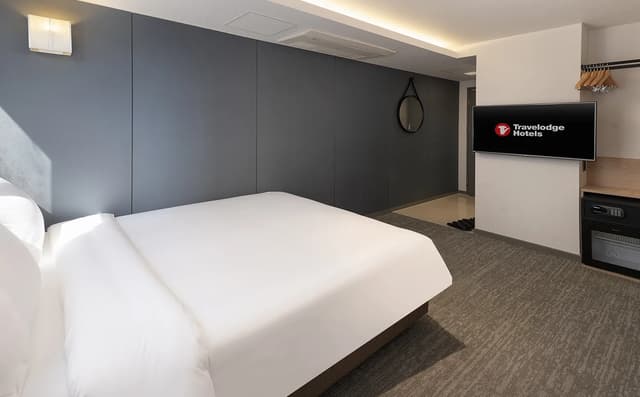
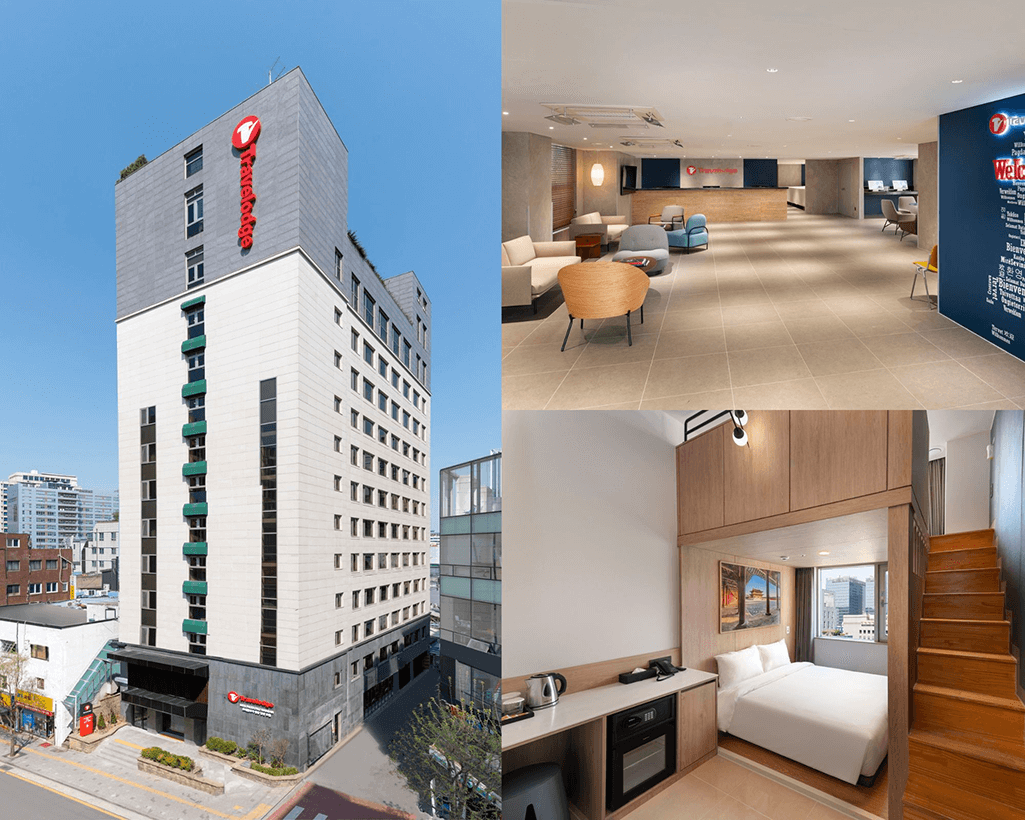
A localização tem um peso extra durante o inverno em Seul. Um hotel perto de linhas de metrô úteis e de bairros centrais reduz deslocamentos longos ao ar livre, facilita voltar para uma pausa à tarde e oferece mais flexibilidade quando o clima muda.

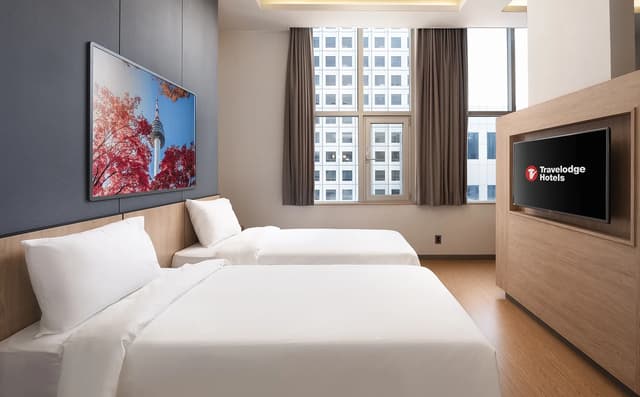
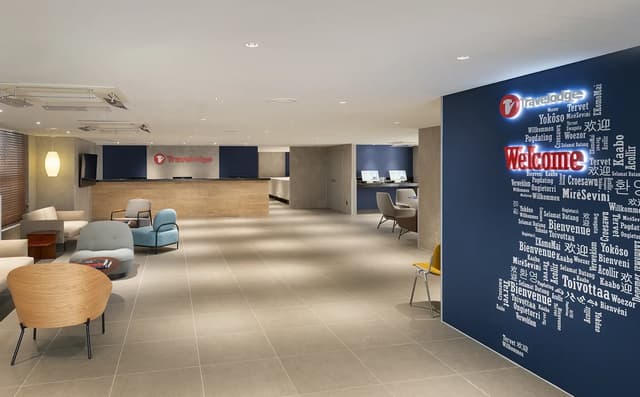
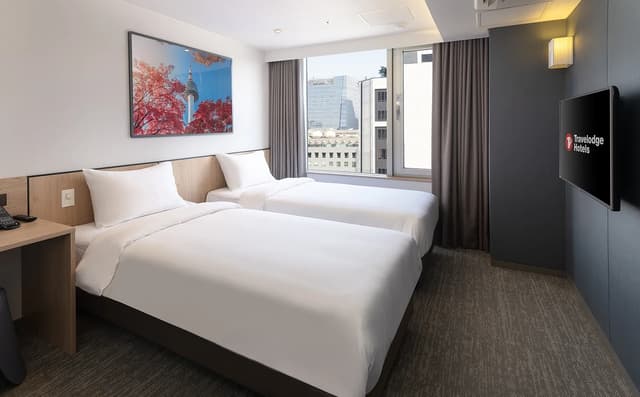
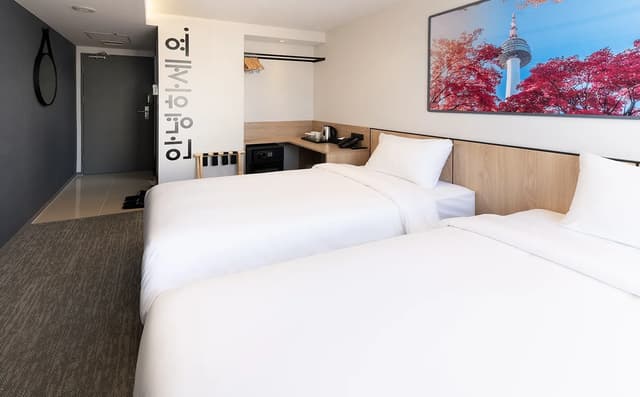
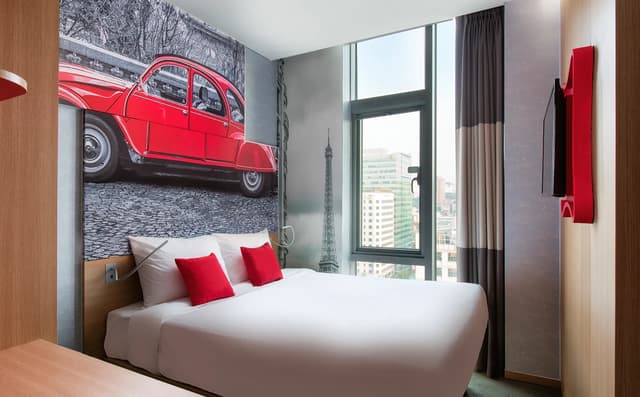
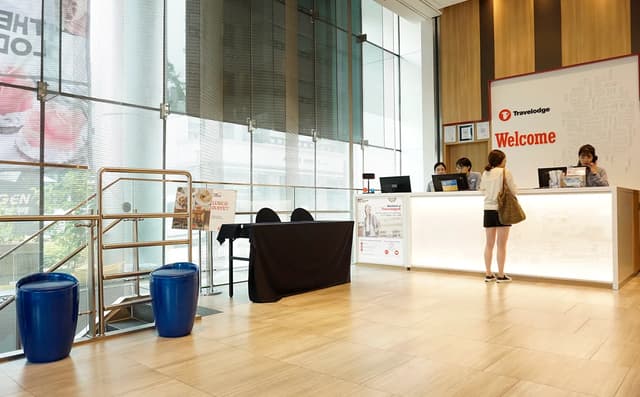
A proposta da Travelodge de Conforto, Conveniência e Conectividade combina naturalmente com esse tipo de viagem urbana. Quartos confortáveis oferecem um lugar para recarregar as energias depois de longos dias a pé, localizações centrais simplificam os passeios turísticos e a conectividade ajuda com previsões do tempo, mapas, reservas, traduções e planejamento de transporte.

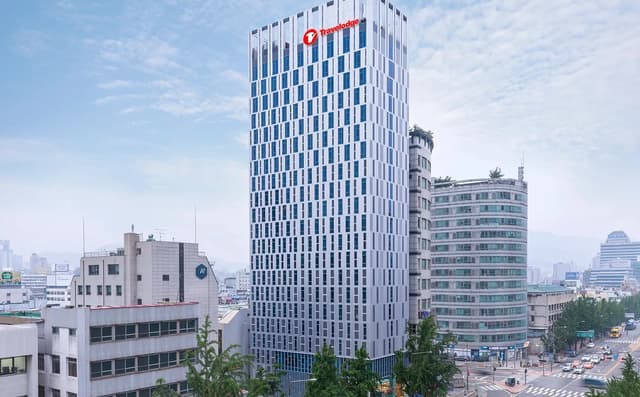
Viajantes que planejam uma viagem mais ampla pela Coreia podem explorar hotéis Travelodge na Coreia do Sul ou comparar hotéis Travelodge em Seul antes de escolher o bairro que melhor se adapta ao itinerário.

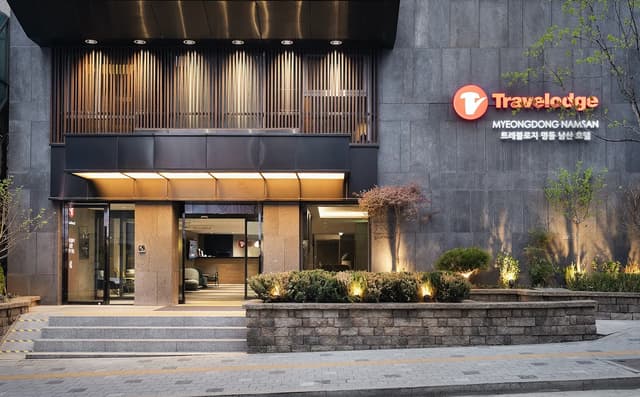
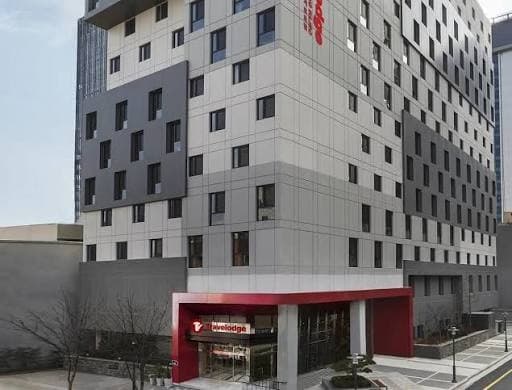
Travelodge Myeongdong Namsan: Para compras e passeios em Namsan
Essential Apps for Your Seoul Winter Trip A few useful apps reduce the amount of time spent standing outside trying to work out where the next subway entrance is. Navigation: Naver Map is one of the most useful tools for local directions and public transportation. Translation: Papago is practical for signs, menus, short conversations, and text translation. Taxis: Kakao T is widely used for ride-hailing. Public transportation: Local subway tools and map apps help with exits, transfers, and route planning. Restaurant discovery: Local search platforms often contain more detailed Korean restaurant information than international services. Korea Tourism Organization currently promotes both Naver Map and Papago among useful travel apps for international visitors. Reliable Wi-Fi becomes surprisingly important during winter because routes, weather, attraction hours, reservations, and last-minute transport changes are frequently checked from a phone. Cash, Cards, and Shopping in Seoul Credit and debit cards are widely used in Seoul's malls, restaurants, hotels, cafés, and major retailers. Cash still has a place, particularly around markets, small vendors, and situations where a particular payment method is not accepted. Keep transportation cards separate conceptually from ordinary bank cards. A Tmoney card simplifies local bus and subway travel and can also be used in some other settings. Eligible international visitors may also be able to claim tax refunds on qualifying purchases at participating retailers. Rules cover factors such as eligible purchases, length of stay, and refund procedures, so check the current official Seoul tax-refund information rather than relying on an old threshold quoted in a travel blog. Entry Requirements and Travel Documents Entry requirements depend on nationality, passport, length of stay, and the rules in force at the time of travel. Before flying, confirm passport requirements and check whether a visa, K-ETA, or other entry procedure applies to the passport being used. The official K-ETA website should be the reference point rather than social-media summaries or old articles. As of September 2026, South Korea has extended its temporary K-ETA exemption for currently exempt countries and regions through December 31, 2026. That does not mean every traveler is exempt, and rules for later travel dates may change. Recheck official immigration information shortly before departure, particularly for trips scheduled in 2027 or later. A Simple 3-Day Winter Seoul Itinerary Day 1: Historic Seoul and Myeongdong Start at Gyeongbokgung while daylight is plentiful, then continue toward Insadong for lunch, tea, galleries, or craft shops. Spend the afternoon around Cheonggyecheon before heading into Myeongdong for shopping and winter street food. This sequencing keeps most of the day in central Seoul rather than spending valuable winter daylight on repeated subway transfers. Day 2: Namsan, Shopping, and Dongdaemun Use the morning for Namsan and N Seoul Tower, ideally when skies are clear. Return toward Myeongdong for lunch or shopping, then spend the evening farther east around Dongdaemun Design Plaza and its surrounding retail district. DDP is especially useful on a winter itinerary because exhibitions and indoor spaces can be combined with evening architecture and seasonal lighting. Day 3: Choose the Winter Experience For a stronger snow experience, dedicate the final day to a ski resort or snow-focused excursion outside Seoul. Travelers who have had enough of the cold can take the opposite approach: visit a jjimjilbang, spend time in a museum, explore Gwangjang Market, or slow down with cafés and neighborhoods missed during the first two days. The best third day is the one that responds to the actual weather rather than the itinerary drafted months earlier. Where to Stay in Seoul During Winter Location carries extra weight during Seoul in winter. A hotel near useful subway lines and central neighborhoods reduces long outdoor transfers, makes it easier to return for an afternoon break, and gives more flexibility when the weather changes. Travelodge's Comfort, Convenience, and Connectivity positioning suits this kind of city trip naturally. Comfortable rooms provide somewhere to recharge after long walking days, central locations simplify sightseeing, and connectivity supports weather checks, maps, reservations, translation, and transportation planning. Travelers planning a broader Korean trip can explore Travelodge hotels in South Korea or compare Travelodge hotels in Seoul before choosing the neighborhood that best matches the itinerary. Travelodge Myeongdong Namsan: For Shopping and Namsan Sightseeing  Travelodge Myeongdong Namsan is well suited to first-time visitors building their stay around Myeongdong, Namsan, and central Seoul. The official hotel page places Myeongdong Shopping Street roughly 350 meters away and Chungmuro Station around 400 meters from the property. Those short distances become more valuable in January, when the difference between a quick walk to transport and a lengthy outdoor transfer is noticeable. The property lists heating, complimentary Wi-Fi, and self-service laundry among its facilities. In Travelodge's 8S language, Snooze supports restful downtime, Stream keeps the trip connected, and Spin is useful for refreshing winter layers during a longer stay. Travelodge Myeongdong Euljiro: A Central Base for Historic and Modern Seoul  Travelodge Myeongdong Euljiro works particularly well for travelers combining food, shopping, markets, and historic districts. Euljiro 3-ga Station, served by Subway Lines 2 and 3, is approximately 350 meters from the hotel, while Myeongdong Shopping Street is around 600 meters away. The property also lists complimentary Wi-Fi, self-service laundry, and heating among its facilities. That makes it a practical winter base for days divided between Gwangjang Market, Insadong, Myeongdong, Euljiro, and Dongdaemun. Stream supports route and weather planning, Spin helps on longer stays, and comfortable accommodation provides the Snooze element after several hours outside. For direct bookings, compare the hotel's current official rates and promotions before finalizing the stay. Travelodge Dongdaemun Seoul: For Shopping, Design, and Late Evenings  Travelodge Dongdaemun Seoul suits travelers who expect to spend more time around Dongdaemun's shopping, food, and design districts. The official property information places Dongdaemun Design Plaza at roughly 500 meters, with nearby subway access available for reaching other parts of the city. The hotel lists heating, complimentary Wi-Fi in common areas, and self-service laundry—simple facilities that become particularly useful during cold-weather stays. Staying nearby also means a late evening at DDP or Dongdaemun does not have to finish with another long cross-city journey. It reinforces Travelodge's Convenience and Connectivity while keeping a comfortable room close enough to recharge for the following morning. Practical Tips for a Comfortable Seoul Winter Trip Check the weather each morning rather than assuming yesterday's conditions will continue. Prioritize outdoor landmarks earlier in the day, then build cafés, museums, markets, restaurants, or shopping into the afternoon as natural warm-up breaks. Cold can also affect phone battery performance, so a portable charger is worth carrying when navigation and translation depend heavily on a smartphone. Avoid stacking several outdoor attractions back to back. A palace, a market, and an evening viewpoint will usually feel more enjoyable than three exposed sightseeing areas in succession. For skiing, seasonal skating, special exhibitions, and other winter-specific activities, check reservations and current operating dates before leaving the hotel. Seasonal schedules can change each year and may also respond to weather conditions. Make the Most of Winter in Seoul This Winter Travel Guide to Seoul shows why the city works so well as a cold-weather destination. Historic palaces and hanok neighborhoods bring cultural depth to the daytime, while street food, cafés, jjimjilbangs, shopping districts, skating, and evening attractions give the itinerary plenty of flexibility once temperatures fall. The strongest trip does not depend on Seoul being covered in snow. Build around the city itself, treat snowfall as a bonus, and use its excellent transportation and abundant indoor spaces to keep each day comfortable. A central hotel also makes it easier to move between sightseeing, food, shopping, and warm indoor breaks without turning winter transportation into the focus of the trip. Travelers deciding where to stay in Seoul in winter can compare the active Travelodge properties in Myeongdong, Euljiro, and Dongdaemun and book directly through Travelodge Hotels Asia for official rates, current promotions, and membership benefits. For frequent travelers, joining the Travelodge membership program adds another layer of value to direct stays. Members can earn early check-in, late check-out, exclusive member rates, and special offers, subject to membership tier, availability, and program terms. With the practical details handled, winter in Seoul becomes much simpler: step outside for a palace morning, warm up over a bowl of soup, stay out for the city lights, and let the season shape the pace of the trip rather than dictate it.

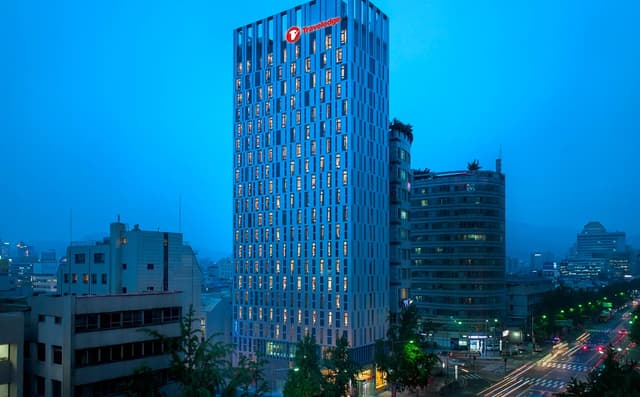
Travelodge Myeongdong Namsan é bem adequado para visitantes de primeira viagem que estruturam a estadia em torno de Myeongdong, Namsan e o centro de Seul. A página oficial do hotel informa que a rua comercial de Myeongdong fica a cerca de 350 metros e a estação Chungmuro a cerca de 400 metros da propriedade.

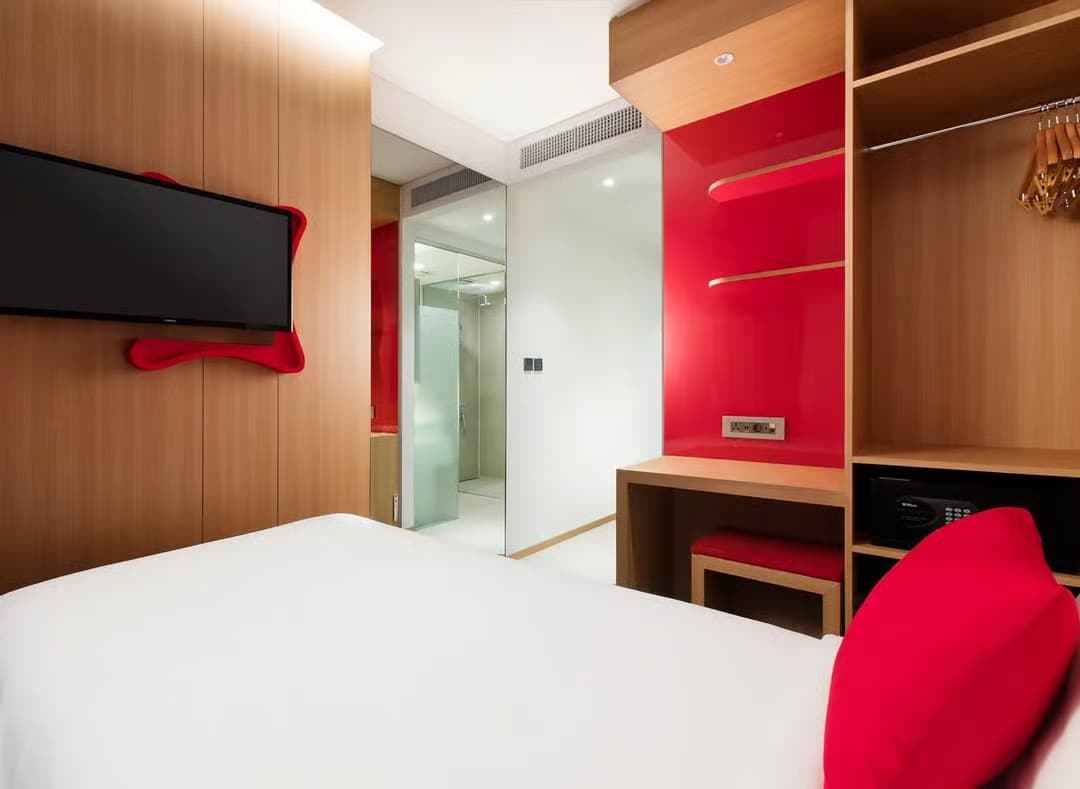
Essas pequenas distâncias se tornam mais valiosas em janeiro, quando a diferença entre uma caminhada rápida até o transporte e um deslocamento longo ao ar livre é perceptível. A propriedade lista aquecimento, Wi‑Fi gratuito e lavanderia self-service entre suas facilidades.

Na linguagem 8S da Travelodge, Snooze apoia o descanso, Stream mantém a viagem conectada e Spin é útil para renovar as camadas de roupa de inverno durante uma estadia mais longa.

Travelodge Myeongdong Euljiro: Uma base central para a Seul histórica e moderna
Essential Apps for Your Seoul Winter Trip A few useful apps reduce the amount of time spent standing outside trying to work out where the next subway entrance is. Navigation: Naver Map is one of the most useful tools for local directions and public transportation. Translation: Papago is practical for signs, menus, short conversations, and text translation. Taxis: Kakao T is widely used for ride-hailing. Public transportation: Local subway tools and map apps help with exits, transfers, and route planning. Restaurant discovery: Local search platforms often contain more detailed Korean restaurant information than international services. Korea Tourism Organization currently promotes both Naver Map and Papago among useful travel apps for international visitors. Reliable Wi-Fi becomes surprisingly important during winter because routes, weather, attraction hours, reservations, and last-minute transport changes are frequently checked from a phone. Cash, Cards, and Shopping in Seoul Credit and debit cards are widely used in Seoul's malls, restaurants, hotels, cafés, and major retailers. Cash still has a place, particularly around markets, small vendors, and situations where a particular payment method is not accepted. Keep transportation cards separate conceptually from ordinary bank cards. A Tmoney card simplifies local bus and subway travel and can also be used in some other settings. Eligible international visitors may also be able to claim tax refunds on qualifying purchases at participating retailers. Rules cover factors such as eligible purchases, length of stay, and refund procedures, so check the current official Seoul tax-refund information rather than relying on an old threshold quoted in a travel blog. Entry Requirements and Travel Documents Entry requirements depend on nationality, passport, length of stay, and the rules in force at the time of travel. Before flying, confirm passport requirements and check whether a visa, K-ETA, or other entry procedure applies to the passport being used. The official K-ETA website should be the reference point rather than social-media summaries or old articles. As of September 2026, South Korea has extended its temporary K-ETA exemption for currently exempt countries and regions through December 31, 2026. That does not mean every traveler is exempt, and rules for later travel dates may change. Recheck official immigration information shortly before departure, particularly for trips scheduled in 2027 or later. A Simple 3-Day Winter Seoul Itinerary Day 1: Historic Seoul and Myeongdong Start at Gyeongbokgung while daylight is plentiful, then continue toward Insadong for lunch, tea, galleries, or craft shops. Spend the afternoon around Cheonggyecheon before heading into Myeongdong for shopping and winter street food. This sequencing keeps most of the day in central Seoul rather than spending valuable winter daylight on repeated subway transfers. Day 2: Namsan, Shopping, and Dongdaemun Use the morning for Namsan and N Seoul Tower, ideally when skies are clear. Return toward Myeongdong for lunch or shopping, then spend the evening farther east around Dongdaemun Design Plaza and its surrounding retail district. DDP is especially useful on a winter itinerary because exhibitions and indoor spaces can be combined with evening architecture and seasonal lighting. Day 3: Choose the Winter Experience For a stronger snow experience, dedicate the final day to a ski resort or snow-focused excursion outside Seoul. Travelers who have had enough of the cold can take the opposite approach: visit a jjimjilbang, spend time in a museum, explore Gwangjang Market, or slow down with cafés and neighborhoods missed during the first two days. The best third day is the one that responds to the actual weather rather than the itinerary drafted months earlier. Where to Stay in Seoul During Winter Location carries extra weight during Seoul in winter. A hotel near useful subway lines and central neighborhoods reduces long outdoor transfers, makes it easier to return for an afternoon break, and gives more flexibility when the weather changes. Travelodge's Comfort, Convenience, and Connectivity positioning suits this kind of city trip naturally. Comfortable rooms provide somewhere to recharge after long walking days, central locations simplify sightseeing, and connectivity supports weather checks, maps, reservations, translation, and transportation planning. Travelers planning a broader Korean trip can explore Travelodge hotels in South Korea or compare Travelodge hotels in Seoul before choosing the neighborhood that best matches the itinerary. Travelodge Myeongdong Namsan: For Shopping and Namsan Sightseeing  Travelodge Myeongdong Namsan is well suited to first-time visitors building their stay around Myeongdong, Namsan, and central Seoul. The official hotel page places Myeongdong Shopping Street roughly 350 meters away and Chungmuro Station around 400 meters from the property. Those short distances become more valuable in January, when the difference between a quick walk to transport and a lengthy outdoor transfer is noticeable. The property lists heating, complimentary Wi-Fi, and self-service laundry among its facilities. In Travelodge's 8S language, Snooze supports restful downtime, Stream keeps the trip connected, and Spin is useful for refreshing winter layers during a longer stay. Travelodge Myeongdong Euljiro: A Central Base for Historic and Modern Seoul  Travelodge Myeongdong Euljiro works particularly well for travelers combining food, shopping, markets, and historic districts. Euljiro 3-ga Station, served by Subway Lines 2 and 3, is approximately 350 meters from the hotel, while Myeongdong Shopping Street is around 600 meters away. The property also lists complimentary Wi-Fi, self-service laundry, and heating among its facilities. That makes it a practical winter base for days divided between Gwangjang Market, Insadong, Myeongdong, Euljiro, and Dongdaemun. Stream supports route and weather planning, Spin helps on longer stays, and comfortable accommodation provides the Snooze element after several hours outside. For direct bookings, compare the hotel's current official rates and promotions before finalizing the stay. Travelodge Dongdaemun Seoul: For Shopping, Design, and Late Evenings  Travelodge Dongdaemun Seoul suits travelers who expect to spend more time around Dongdaemun's shopping, food, and design districts. The official property information places Dongdaemun Design Plaza at roughly 500 meters, with nearby subway access available for reaching other parts of the city. The hotel lists heating, complimentary Wi-Fi in common areas, and self-service laundry—simple facilities that become particularly useful during cold-weather stays. Staying nearby also means a late evening at DDP or Dongdaemun does not have to finish with another long cross-city journey. It reinforces Travelodge's Convenience and Connectivity while keeping a comfortable room close enough to recharge for the following morning. Practical Tips for a Comfortable Seoul Winter Trip Check the weather each morning rather than assuming yesterday's conditions will continue. Prioritize outdoor landmarks earlier in the day, then build cafés, museums, markets, restaurants, or shopping into the afternoon as natural warm-up breaks. Cold can also affect phone battery performance, so a portable charger is worth carrying when navigation and translation depend heavily on a smartphone. Avoid stacking several outdoor attractions back to back. A palace, a market, and an evening viewpoint will usually feel more enjoyable than three exposed sightseeing areas in succession. For skiing, seasonal skating, special exhibitions, and other winter-specific activities, check reservations and current operating dates before leaving the hotel. Seasonal schedules can change each year and may also respond to weather conditions. Make the Most of Winter in Seoul This Winter Travel Guide to Seoul shows why the city works so well as a cold-weather destination. Historic palaces and hanok neighborhoods bring cultural depth to the daytime, while street food, cafés, jjimjilbangs, shopping districts, skating, and evening attractions give the itinerary plenty of flexibility once temperatures fall. The strongest trip does not depend on Seoul being covered in snow. Build around the city itself, treat snowfall as a bonus, and use its excellent transportation and abundant indoor spaces to keep each day comfortable. A central hotel also makes it easier to move between sightseeing, food, shopping, and warm indoor breaks without turning winter transportation into the focus of the trip. Travelers deciding where to stay in Seoul in winter can compare the active Travelodge properties in Myeongdong, Euljiro, and Dongdaemun and book directly through Travelodge Hotels Asia for official rates, current promotions, and membership benefits. For frequent travelers, joining the Travelodge membership program adds another layer of value to direct stays. Members can earn early check-in, late check-out, exclusive member rates, and special offers, subject to membership tier, availability, and program terms. With the practical details handled, winter in Seoul becomes much simpler: step outside for a palace morning, warm up over a bowl of soup, stay out for the city lights, and let the season shape the pace of the trip rather than dictate it.

Travelodge Myeongdong Euljiro funciona particularmente bem para viajantes que combinam comida, compras, mercados e distritos históricos.

A estação Euljiro 3-ga, servida pelas linhas 2 e 3 do metrô, fica a aproximadamente 350 metros do hotel, enquanto a rua comercial de Myeongdong está a cerca de 600 metros. A propriedade também lista Wi‑Fi gratuito, lavanderia self-service e aquecimento entre suas facilidades.

Isso o torna uma base prática de inverno para dias divididos entre o Mercado Gwangjang, Insadong, Myeongdong, Euljiro e Dongdaemun. Stream apoia o planejamento de rotas e do clima, Spin ajuda em estadias mais longas, e uma acomodação confortável fornece o elemento Snooze depois de várias horas do lado de fora.

Para reservas diretas, compare as tarifas e promoções oficiais atuais do hotel antes de finalizar a estadia.

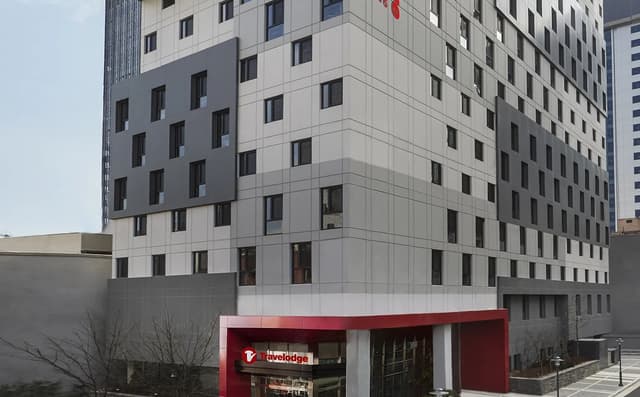
Travelodge Dongdaemun Seoul: Para Compras, Design e Noites Tardias
Essential Apps for Your Seoul Winter Trip A few useful apps reduce the amount of time spent standing outside trying to work out where the next subway entrance is. Navigation: Naver Map is one of the most useful tools for local directions and public transportation. Translation: Papago is practical for signs, menus, short conversations, and text translation. Taxis: Kakao T is widely used for ride-hailing. Public transportation: Local subway tools and map apps help with exits, transfers, and route planning. Restaurant discovery: Local search platforms often contain more detailed Korean restaurant information than international services. Korea Tourism Organization currently promotes both Naver Map and Papago among useful travel apps for international visitors. Reliable Wi-Fi becomes surprisingly important during winter because routes, weather, attraction hours, reservations, and last-minute transport changes are frequently checked from a phone. Cash, Cards, and Shopping in Seoul Credit and debit cards are widely used in Seoul's malls, restaurants, hotels, cafés, and major retailers. Cash still has a place, particularly around markets, small vendors, and situations where a particular payment method is not accepted. Keep transportation cards separate conceptually from ordinary bank cards. A Tmoney card simplifies local bus and subway travel and can also be used in some other settings. Eligible international visitors may also be able to claim tax refunds on qualifying purchases at participating retailers. Rules cover factors such as eligible purchases, length of stay, and refund procedures, so check the current official Seoul tax-refund information rather than relying on an old threshold quoted in a travel blog. Entry Requirements and Travel Documents Entry requirements depend on nationality, passport, length of stay, and the rules in force at the time of travel. Before flying, confirm passport requirements and check whether a visa, K-ETA, or other entry procedure applies to the passport being used. The official K-ETA website should be the reference point rather than social-media summaries or old articles. As of September 2026, South Korea has extended its temporary K-ETA exemption for currently exempt countries and regions through December 31, 2026. That does not mean every traveler is exempt, and rules for later travel dates may change. Recheck official immigration information shortly before departure, particularly for trips scheduled in 2027 or later. A Simple 3-Day Winter Seoul Itinerary Day 1: Historic Seoul and Myeongdong Start at Gyeongbokgung while daylight is plentiful, then continue toward Insadong for lunch, tea, galleries, or craft shops. Spend the afternoon around Cheonggyecheon before heading into Myeongdong for shopping and winter street food. This sequencing keeps most of the day in central Seoul rather than spending valuable winter daylight on repeated subway transfers. Day 2: Namsan, Shopping, and Dongdaemun Use the morning for Namsan and N Seoul Tower, ideally when skies are clear. Return toward Myeongdong for lunch or shopping, then spend the evening farther east around Dongdaemun Design Plaza and its surrounding retail district. DDP is especially useful on a winter itinerary because exhibitions and indoor spaces can be combined with evening architecture and seasonal lighting. Day 3: Choose the Winter Experience For a stronger snow experience, dedicate the final day to a ski resort or snow-focused excursion outside Seoul. Travelers who have had enough of the cold can take the opposite approach: visit a jjimjilbang, spend time in a museum, explore Gwangjang Market, or slow down with cafés and neighborhoods missed during the first two days. The best third day is the one that responds to the actual weather rather than the itinerary drafted months earlier. Where to Stay in Seoul During Winter Location carries extra weight during Seoul in winter. A hotel near useful subway lines and central neighborhoods reduces long outdoor transfers, makes it easier to return for an afternoon break, and gives more flexibility when the weather changes. Travelodge's Comfort, Convenience, and Connectivity positioning suits this kind of city trip naturally. Comfortable rooms provide somewhere to recharge after long walking days, central locations simplify sightseeing, and connectivity supports weather checks, maps, reservations, translation, and transportation planning. Travelers planning a broader Korean trip can explore Travelodge hotels in South Korea or compare Travelodge hotels in Seoul before choosing the neighborhood that best matches the itinerary. Travelodge Myeongdong Namsan: For Shopping and Namsan Sightseeing  Travelodge Myeongdong Namsan is well suited to first-time visitors building their stay around Myeongdong, Namsan, and central Seoul. The official hotel page places Myeongdong Shopping Street roughly 350 meters away and Chungmuro Station around 400 meters from the property. Those short distances become more valuable in January, when the difference between a quick walk to transport and a lengthy outdoor transfer is noticeable. The property lists heating, complimentary Wi-Fi, and self-service laundry among its facilities. In Travelodge's 8S language, Snooze supports restful downtime, Stream keeps the trip connected, and Spin is useful for refreshing winter layers during a longer stay. Travelodge Myeongdong Euljiro: A Central Base for Historic and Modern Seoul  Travelodge Myeongdong Euljiro works particularly well for travelers combining food, shopping, markets, and historic districts. Euljiro 3-ga Station, served by Subway Lines 2 and 3, is approximately 350 meters from the hotel, while Myeongdong Shopping Street is around 600 meters away. The property also lists complimentary Wi-Fi, self-service laundry, and heating among its facilities. That makes it a practical winter base for days divided between Gwangjang Market, Insadong, Myeongdong, Euljiro, and Dongdaemun. Stream supports route and weather planning, Spin helps on longer stays, and comfortable accommodation provides the Snooze element after several hours outside. For direct bookings, compare the hotel's current official rates and promotions before finalizing the stay. Travelodge Dongdaemun Seoul: For Shopping, Design, and Late Evenings  Travelodge Dongdaemun Seoul suits travelers who expect to spend more time around Dongdaemun's shopping, food, and design districts. The official property information places Dongdaemun Design Plaza at roughly 500 meters, with nearby subway access available for reaching other parts of the city. The hotel lists heating, complimentary Wi-Fi in common areas, and self-service laundry—simple facilities that become particularly useful during cold-weather stays. Staying nearby also means a late evening at DDP or Dongdaemun does not have to finish with another long cross-city journey. It reinforces Travelodge's Convenience and Connectivity while keeping a comfortable room close enough to recharge for the following morning. Practical Tips for a Comfortable Seoul Winter Trip Check the weather each morning rather than assuming yesterday's conditions will continue. Prioritize outdoor landmarks earlier in the day, then build cafés, museums, markets, restaurants, or shopping into the afternoon as natural warm-up breaks. Cold can also affect phone battery performance, so a portable charger is worth carrying when navigation and translation depend heavily on a smartphone. Avoid stacking several outdoor attractions back to back. A palace, a market, and an evening viewpoint will usually feel more enjoyable than three exposed sightseeing areas in succession. For skiing, seasonal skating, special exhibitions, and other winter-specific activities, check reservations and current operating dates before leaving the hotel. Seasonal schedules can change each year and may also respond to weather conditions. Make the Most of Winter in Seoul This Winter Travel Guide to Seoul shows why the city works so well as a cold-weather destination. Historic palaces and hanok neighborhoods bring cultural depth to the daytime, while street food, cafés, jjimjilbangs, shopping districts, skating, and evening attractions give the itinerary plenty of flexibility once temperatures fall. The strongest trip does not depend on Seoul being covered in snow. Build around the city itself, treat snowfall as a bonus, and use its excellent transportation and abundant indoor spaces to keep each day comfortable. A central hotel also makes it easier to move between sightseeing, food, shopping, and warm indoor breaks without turning winter transportation into the focus of the trip. Travelers deciding where to stay in Seoul in winter can compare the active Travelodge properties in Myeongdong, Euljiro, and Dongdaemun and book directly through Travelodge Hotels Asia for official rates, current promotions, and membership benefits. For frequent travelers, joining the Travelodge membership program adds another layer of value to direct stays. Members can earn early check-in, late check-out, exclusive member rates, and special offers, subject to membership tier, availability, and program terms. With the practical details handled, winter in Seoul becomes much simpler: step outside for a palace morning, warm up over a bowl of soup, stay out for the city lights, and let the season shape the pace of the trip rather than dictate it.

Travelodge Dongdaemun Seoul é ideal para viajantes que esperam passar mais tempo pelos distritos de compras, gastronomia e design de Dongdaemun. As informações oficiais da propriedade situam o Dongdaemun Design Plaza a cerca de 500 metros, com acesso próximo ao metrô disponível para chegar a outras partes da cidade.

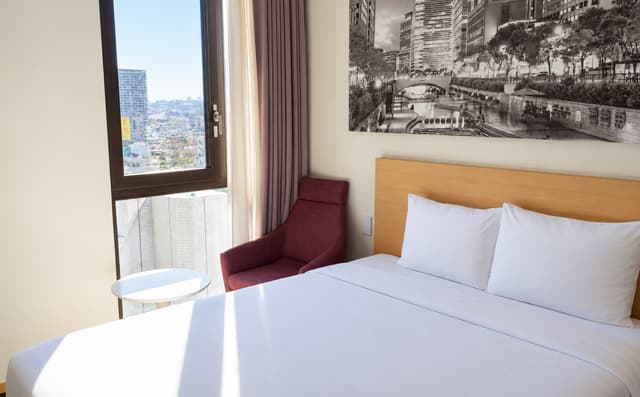
O hotel oferece aquecimento, Wi-Fi gratuito nas áreas comuns e lavanderia self-service — comodidades simples que se tornam particularmente úteis durante estadias em clima frio.

Ficar por perto também significa que uma noite tardia no DDP ou em Dongdaemun não precisa terminar com outra longa viagem atravessando a cidade. Isso reforça a Conveniência e a Conectividade da Travelodge, mantendo um quarto confortável suficientemente perto para recarregar as energias para a manhã seguinte.

Dicas Práticas para uma Viagem Confortável a Seul no Inverno

Verifique o clima todas as manhãs, em vez de presumir que as condições de ontem continuarão. Priorize os pontos turísticos ao ar livre mais cedo no dia e, depois, inclua cafés, museus, mercados, restaurantes ou compras à tarde como pausas naturais para se aquecer.

O frio também pode afetar o desempenho da bateria do celular, então vale a pena levar um carregador portátil quando a navegação e a tradução dependem muito de um smartphone.

Evite empilhar várias atrações ao ar livre uma após a outra. Um palácio, um mercado e um mirante ao anoitecer geralmente serão mais agradáveis do que três áreas de passeio expostas em sequência.

Para esqui, patinação sazonal, exposições especiais e outras atividades específicas do inverno, verifique as reservas e os horários de funcionamento atuais antes de sair do hotel. As programações sazonais podem mudar a cada ano e também podem responder às condições climáticas.

Aproveite ao Máximo o Inverno em Seul

Este Guia de Viagem de Inverno para Seul mostra por que a cidade funciona tão bem como destino para o frio. Palácios históricos e bairros hanok trazem profundidade cultural ao dia, enquanto comida de rua, cafés, jjimjilbangs, distritos de compras, patinação e atrações noturnas dão muita flexibilidade ao roteiro quando as temperaturas caem.

A viagem mais forte não depende de Seul estar coberta de neve. Construa a experiência em torno da própria cidade, trate a neve como um bônus e use o excelente transporte e os abundantes espaços internos para manter cada dia confortável. Um hotel central também facilita a movimentação entre passeios, gastronomia, compras e pausas quentes em ambientes internos, sem transformar o transporte de inverno no foco da viagem.

Viajantes que estão decidindo onde ficar em Seul no inverno podem comparar as propriedades ativas da Travelodge em Myeongdong, Euljiro e Dongdaemun e reservar diretamente pela Travelodge Hotels Asia para obter tarifas oficiais, promoções atuais e benefícios de associação.

Para viajantes frequentes, aderir ao programa de membros da Travelodge adiciona outra camada de valor às reservas diretas. Os membros podem ganhar early check-in, late check-out, tarifas exclusivas para membros e ofertas especiais, sujeitos ao nível de associação, disponibilidade e termos do programa.

Com os detalhes práticos resolvidos, o inverno em Seul se torna muito mais simples: saia para uma manhã no palácio, se aqueça com uma tigela de sopa, fique para as luzes da cidade e deixe a estação moldar o ritmo da viagem em vez de ditá-lo.
Compartilhar artigo