


Share article
Japan's Ultimate Obon Travel Guide: Traditions, Festivals, and Cultural Experiences

Hana Kaneko
Many travelers know Obon as one of Japan's busiest travel periods. Hotels fill up, trains become crowded, and millions of people travel across the country to reunite with family.
But behind the busy travel season lies one of Japan's most meaningful cultural traditions.
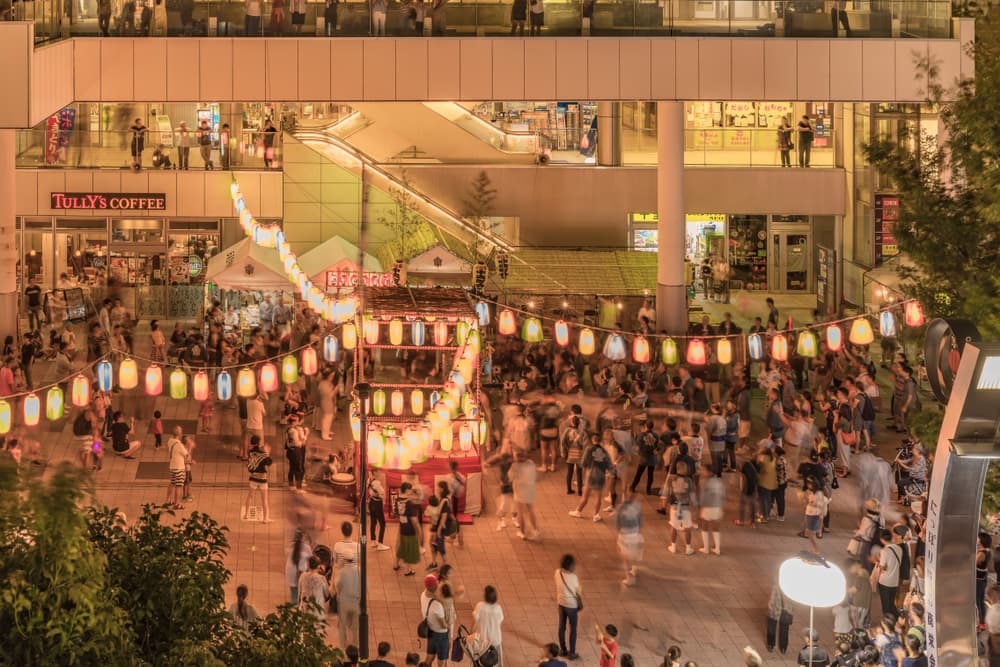
Obon is a centuries-old Buddhist festival dedicated to honoring ancestors and remembering loved ones who have passed away. Across Japan, families gather, lanterns illuminate the night, traditional dances fill public squares, and communities come together to celebrate a tradition that has shaped Japanese culture for generations.
For visitors, Obon offers a unique opportunity to experience a more personal and spiritual side of Japan. Beyond the famous landmarks and modern cityscapes, Obon reveals customs, festivals, and cultural experiences that many travelers never get to see.
Whether you're planning a trip during Obon or simply want to understand one of Japan's most important traditions, this guide covers everything you need to know.
What Is Obon?
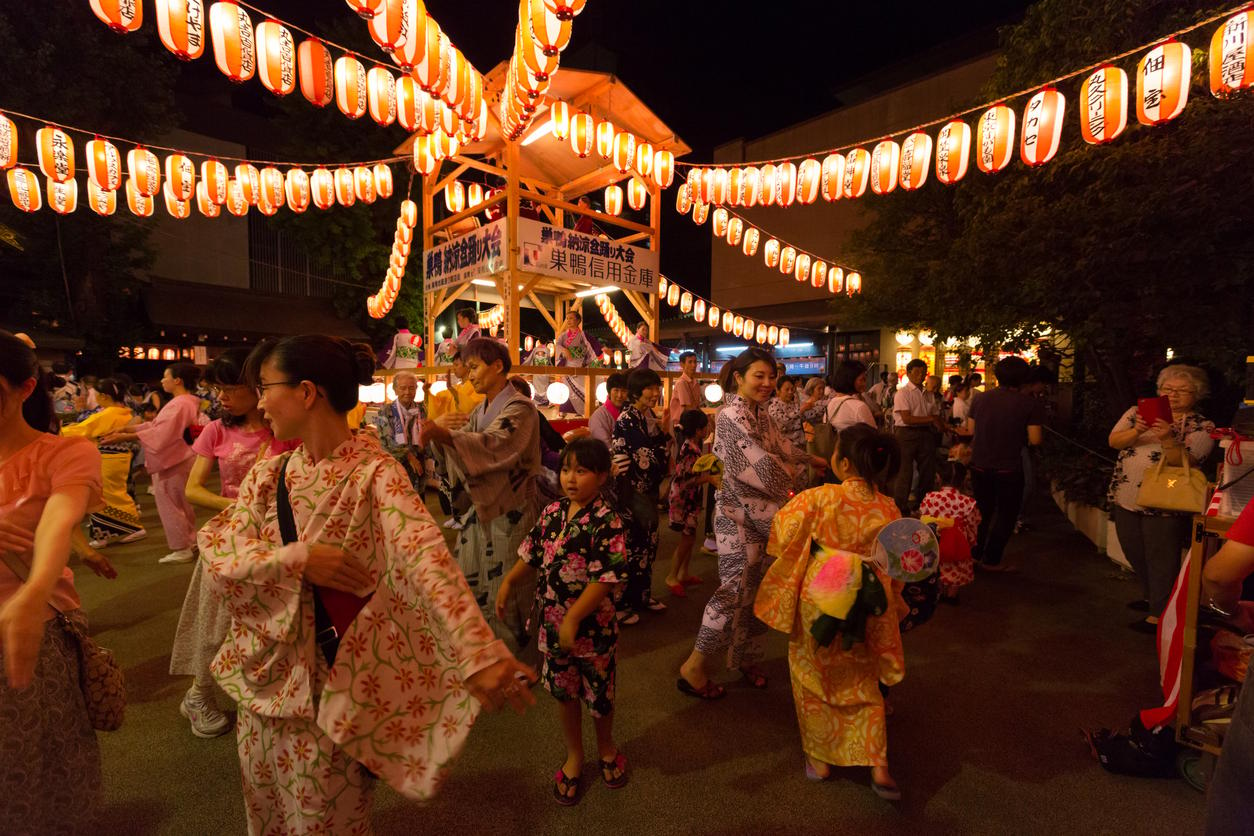
Obon, sometimes called the Bon Festival, is a Japanese Buddhist tradition that honors the spirits of ancestors.
The festival has been celebrated for more than 500 years and is based on the belief that ancestral spirits return to visit their families during this special period.
Throughout Obon, many Japanese families:
- Visit ancestral graves
- Clean family memorial sites
- Gather for family reunions
- Offer food and prayers
- Participate in traditional dances
- Attend community festivals
Although rooted in Buddhism, Obon has evolved into a cultural tradition that is celebrated throughout Japan regardless of religious background.
Today, it remains one of the most widely observed seasonal events in the country.
When Is Obon Celebrated?
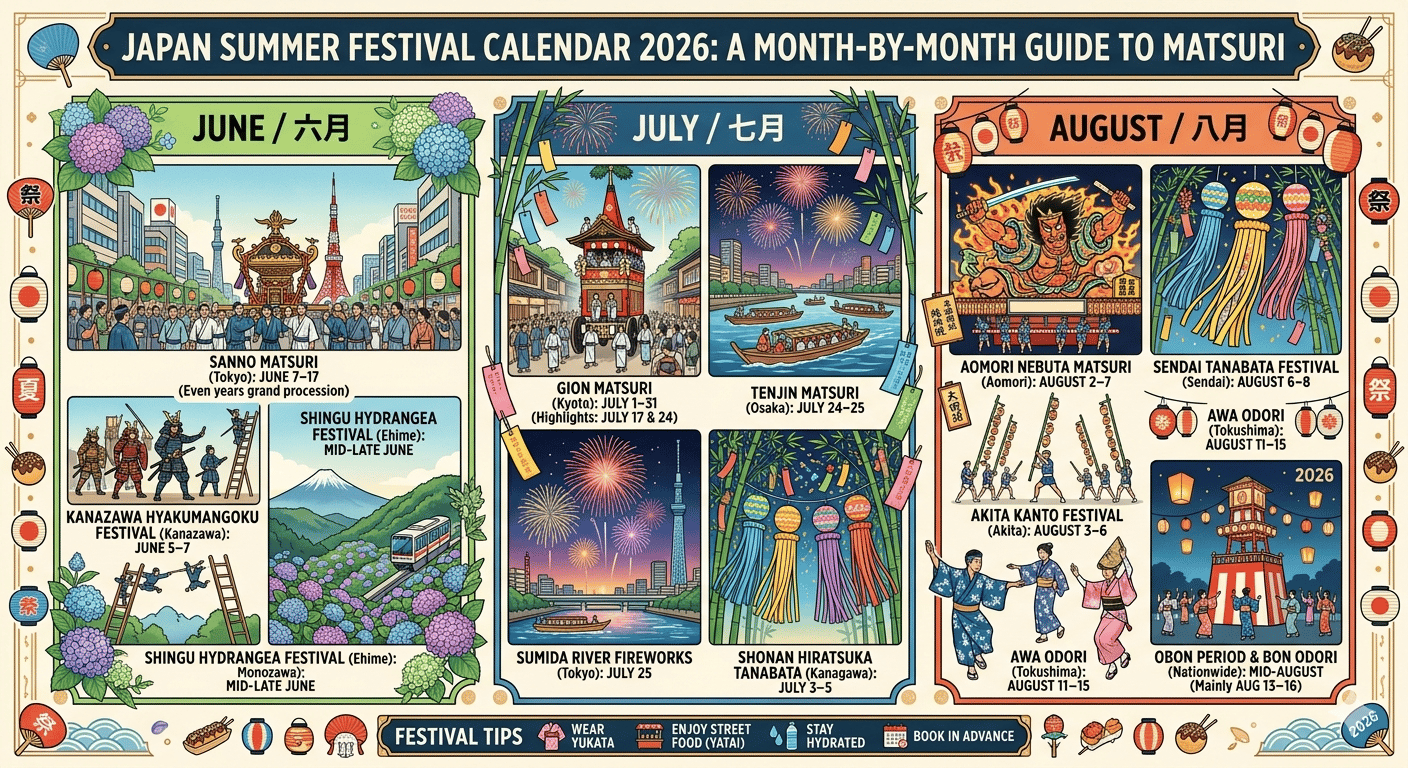
Most of Japan celebrates Obon during August 13 to August 16. This is commonly known as "Hachigatsu Bon" or August Obon. However, some regions observe different schedules.
July Obon: Parts of Tokyo and several other regions celebrate Obon in mid-July.
Regional Variations: Japan's regional diversity means traditions, ceremonies, and festival dates may differ depending on the location.
This local variation makes Obon particularly interesting for travelers exploring different parts of the country.
Why Is Obon Important in Japanese Culture?
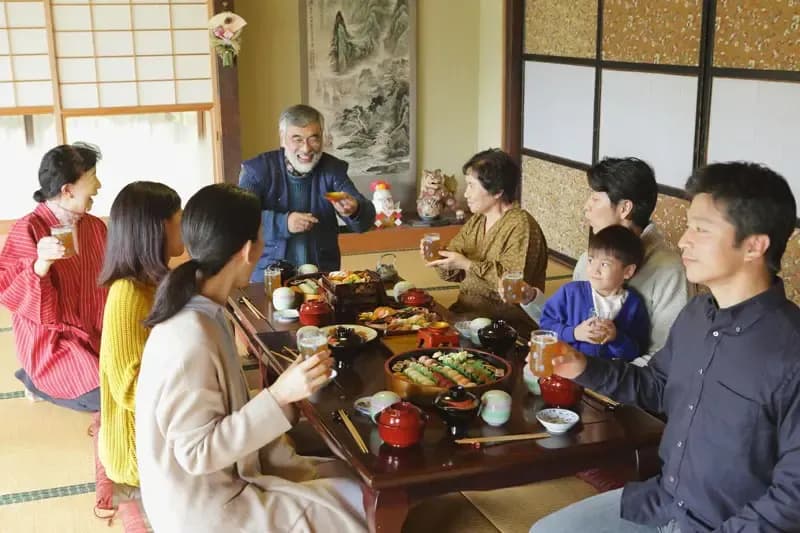
While many festivals focus on entertainment, Obon centers on remembrance, gratitude, and family.
For many Japanese people, Obon is a time to:
Reconnect with Family
Relatives often travel long distances to gather together.
Honor Ancestors
Families pay respect to previous generations through ceremonies and offerings.
Preserve Cultural Traditions
Many customs are passed down from grandparents to children during Obon gatherings.
Strengthen Community Bonds
Local festivals and celebrations bring neighborhoods together.
This combination of personal reflection and community celebration gives Obon its distinctive atmosphere.
Obon Traditions Visitors Should Know
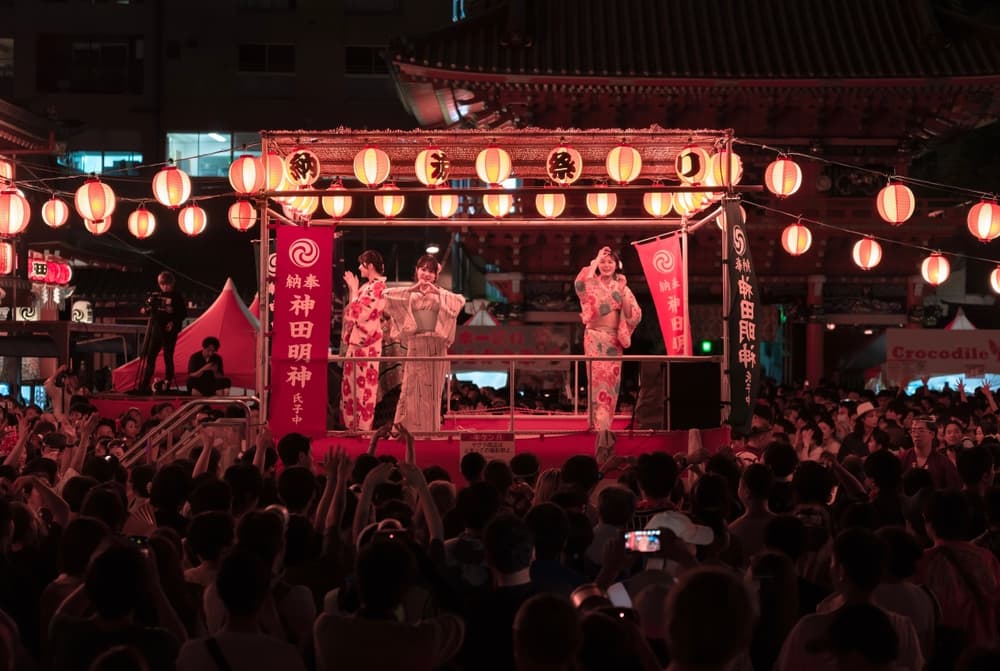
Several traditions are commonly associated with Obon.
Understanding them can help travelers appreciate the cultural significance of the festival.
1. Mukaebi (Welcoming Fires)
At the beginning of Obon, some families light small fires or lanterns to guide ancestral spirits home.
These symbolic lights represent a warm welcome for returning ancestors.
2. Visiting Family Graves
Many families visit cemeteries to clean gravestones, leave flowers, and offer prayers.
Visitors should observe these spaces respectfully.
3. Home Altars
Some households prepare special offerings that may include:
- Fruits
- Rice
- Sweets
- Flowers
The offerings symbolize gratitude and remembrance.
4. Okuribi (Farewell Fires)
At the end of Obon, farewell fires or lantern ceremonies help guide ancestral spirits back to the spiritual world.
These ceremonies often create some of the festival's most beautiful visual moments.
Bon Odori: Japan's Most Famous Obon Tradition
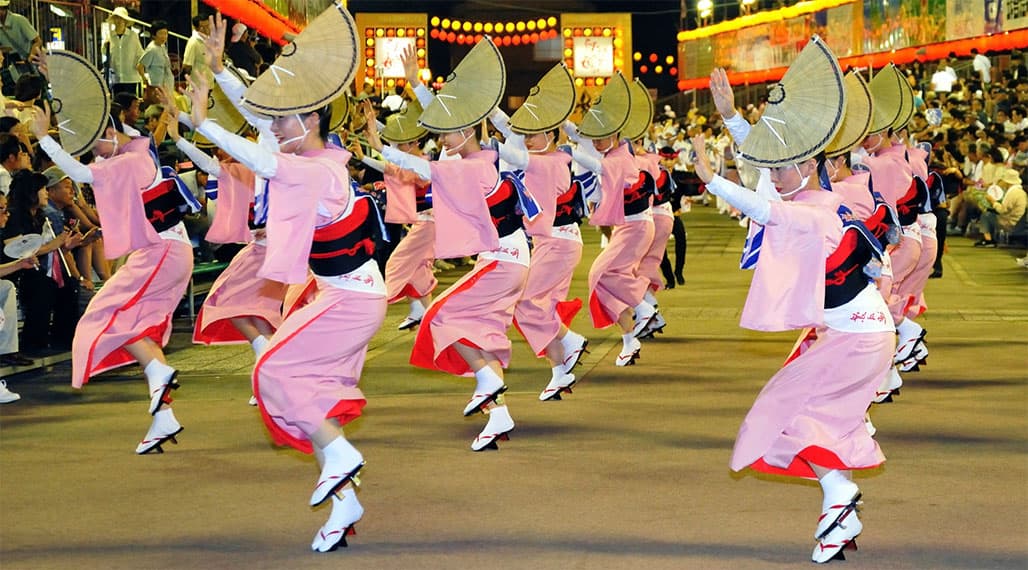
For many visitors, Bon Odori is the most recognizable part of Obon.
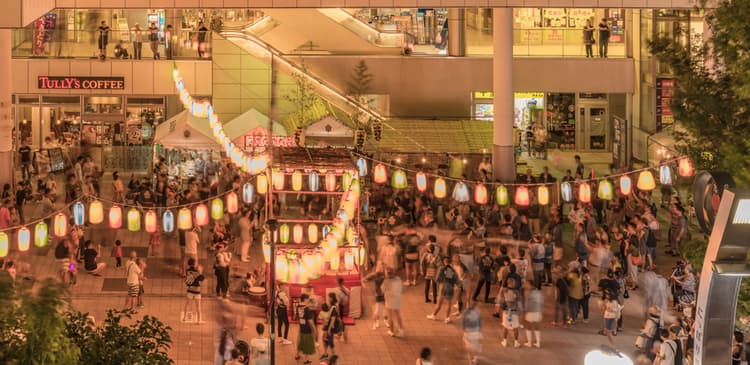
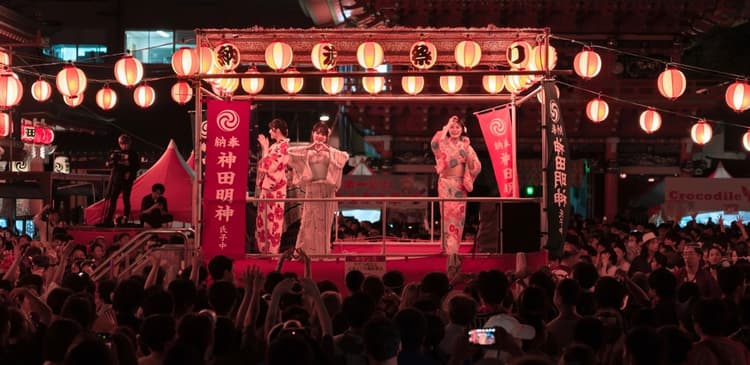
Bon Odori is a traditional dance performed during Obon festivals throughout Japan.
Originally created to welcome ancestral spirits, it has evolved into a joyful community celebration.
What Makes Bon Odori Special?
Unlike professional performances, Bon Odori encourages participation.
Locals and visitors often dance together in public squares and festival grounds.
What Do Participants Wear?
Many people wear:
- Yukata (summer kimono)
- Traditional festival attire
- Casual summer clothing
Can Tourists Join?
Absolutely.
Many Bon Odori festivals actively welcome visitors and first-time participants.
You don't need dance experience to join.
Simply follow the movements of the crowd and enjoy the atmosphere.
The Best Obon Festivals in Japan
Japan hosts hundreds of Obon-related events, but several stand out for their scale and cultural significance.
1. Gozan no Okuribi, Kyoto
One of Japan's most famous Obon traditions, Gozan no Okuribi takes place on August 16.
Massive bonfires are lit on mountains surrounding Kyoto, creating giant illuminated characters visible throughout the city.
For many travelers, this is one of the most memorable Obon experiences in Japan.
2. Awa Odori, Tokushima
Awa Odori is Japan's largest traditional dance festival.
Thousands of performers fill the streets with music, dancing, and celebration.
The event attracts visitors from across Japan and around the world.
3. Gujo Odori, Gifu
Gujo Odori is famous for its participatory atmosphere.
During the peak Obon period, dancing can continue late into the night.
Visitors are encouraged to join locals on the dance floor.
4. Nagasaki Shoro Nagashi
This moving ceremony features elaborate lantern floats that honor deceased family members.
The event combines remembrance, artistry, and community participation.
What Food Is Eaten During Obon?
Food plays an important role in Obon gatherings.
While menus vary by region, visitors may encounter several traditional dishes.
Seasonal Vegetables
Summer produce often features prominently in Obon meals.
Tempura
Lightly battered vegetables and seafood are common during family gatherings.
Somen Noodles
These chilled noodles are particularly popular during Japan's hot summer season.
Mochi and Traditional Sweets
Many households prepare or purchase seasonal wagashi to share with family and guests.
Festival Street Food
Visitors attending festivals may also enjoy:
- Takoyaki
- Yakisoba
- Kakigori
- Grilled skewers
The combination of traditional family meals and festival food creates a unique culinary experience.
Can Tourists Participate in Obon Celebrations?
One of the most common questions travelers ask is whether visitors are welcome at Obon events.
The answer is generally yes.
Travelers can participate in:
- Bon Odori dances
- Festival activities
- Temple events
- Cultural workshops
- Lantern festivals
However, visitors should remain respectful when observing more personal family traditions such as grave visits and memorial ceremonies.
Best Cities to Experience Obon
1. Kyoto
Kyoto offers some of Japan's most iconic Obon experiences.
Visitors can enjoy:
- Historic temples
- Traditional neighborhoods
- Gozan no Okuribi
- Cultural performances
2. Tokyo
Tokyo hosts numerous local festivals and cultural events during Obon.
The city combines traditional celebrations with modern attractions.
3. Nagoya
Nagoya offers a convenient base for travelers exploring central Japan during Obon.
The city also provides easy access to nearby cultural destinations.
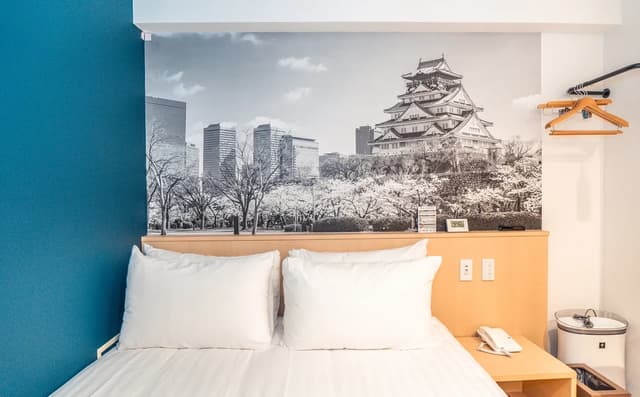
4. Osaka
Known for its food culture and lively atmosphere, Osaka offers a different but equally rewarding Obon experience.
Suggested 7-Day Obon Cultural Itinerary
Days 1-2: Tokyo
- Asakusa
- Senso-ji Temple
- Local Bon Odori festivals
Days 3-4: Nagoya
- Nagoya Castle
- Osu Shopping District
- Regional cultural attractions
Days 5-7: Kyoto
- Fushimi Inari Shrine
- Gion District
- Gozan no Okuribi
This itinerary combines major cities with authentic cultural experiences.
Where to Stay During Obon
Travelodge Kyoto Shijo Omiya

For travelers hoping to experience Kyoto's famous Obon traditions, Travelodge Kyoto Shijo Omiya offers convenient access to many of the city's historic districts, cultural attractions, and seasonal events.
Travelodge Nagoya Sakae

Travelodge Nagoya Sakae provides a comfortable base for exploring central Japan during Obon. Its location offers easy access to transportation, dining, and regional attractions.
Travelodge Honmachi Osaka
Visitors planning to explore Osaka and nearby cultural destinations can use Travelodge Honmachi Osaka as a convenient starting point for their journey.
Obon Etiquette Tips for Visitors
• Be Respectful at Cemeteries
Remember that many people are honoring loved ones.
• Dress Appropriately at Temples
Modest clothing is generally appreciated.
• Follow Local Customs
Observe how locals behave and follow their lead.
• Ask Before Taking Photos
Some ceremonies and family activities may not be appropriate to photograph.
• Participate Respectfully
Bon Odori and community events welcome participation, but always remain mindful of cultural context.
Experience Japan Beyond the Tourist Trail
Obon is far more than a busy travel season. It is a living tradition that connects modern Japan with centuries of history, spirituality, and family values.
For visitors, the festival offers a rare opportunity to experience Japan through the eyes of local communities. From joining a Bon Odori dance and tasting seasonal foods to witnessing lantern ceremonies and exploring historic cities, Obon reveals a side of Japan that many travelers never see.
If you're looking for a deeper cultural experience during your trip, there are few better times to visit than Obon.