


Share article
Travel Tips for Obon Japan & How to Plan Your Trip

Aiko Sato
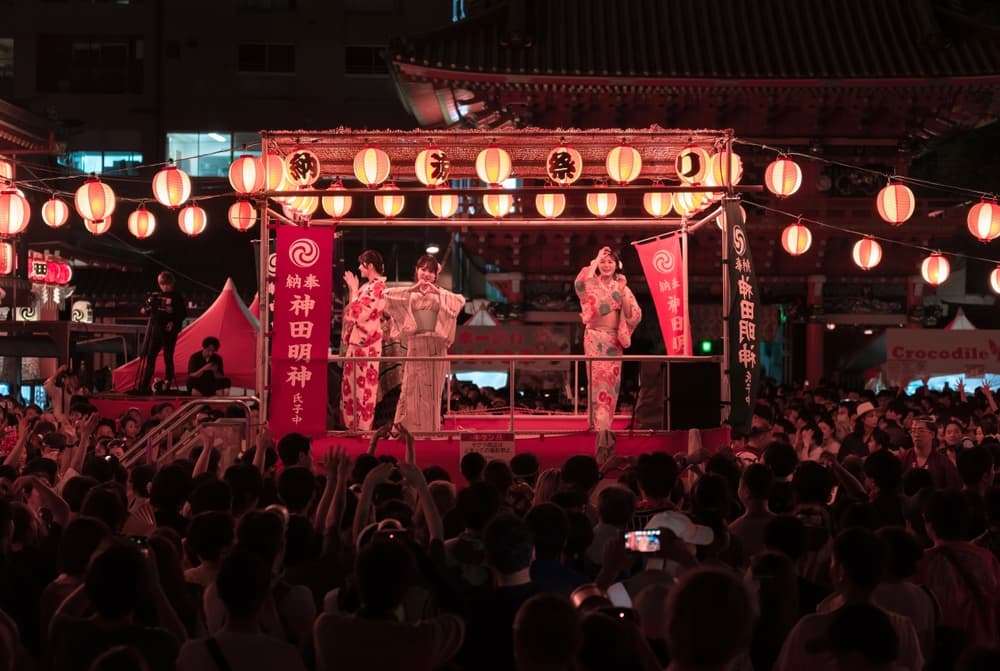
August is one of the most exciting times to visit Japan. Across the country, summer festivals fill the streets with music, lanterns illuminate the night, and communities gather for traditional celebrations such as Bon Odori dances and local Obon events.
However, August is also one of Japan’s busiest travel periods due to Obon. During this annual holiday season, millions of Japanese residents return to their hometowns to reunite with family, visit ancestral graves, and take part in long-standing cultural traditions.
For international travelers, visiting Japan during Obon can be a memorable cultural experience, but it requires more preparation than traveling during quieter seasons. Hotels in popular destinations become harder to secure, transportation demand increases, and major attractions often experience larger crowds.
With the right planning, Obon does not have to feel overwhelming. These travel tips for Obon Japan will help you prepare your itinerary, avoid common travel challenges, and enjoy one of Japan’s most meaningful seasonal celebrations.
Why is Obon One of Japan’s Busiest Travel Seasons?
Obon is one of Japan’s most important annual traditions. Rooted in Buddhist customs, it is a period when families honor their ancestors through grave visits, prayers, lantern displays, and gatherings with relatives.
Although Obon is not an official public holiday, many companies allow employees to take time off during this period. As a result, millions of people travel across Japan at the same time, creating one of the country’s largest domestic travel movements each year.
For visitors, this means popular destinations become significantly busier. Travelers should expect:
- Higher hotel demand in major cities
- Crowded train stations and airports
- Limited Shinkansen availability
- Longer waiting times at popular attractions
- Increased prices for accommodation and transportation
The busiest period usually falls around 13–16 August, although travel demand often starts increasing several days earlier and continues after the official Obon dates.
When is Obon in Japan 2026?
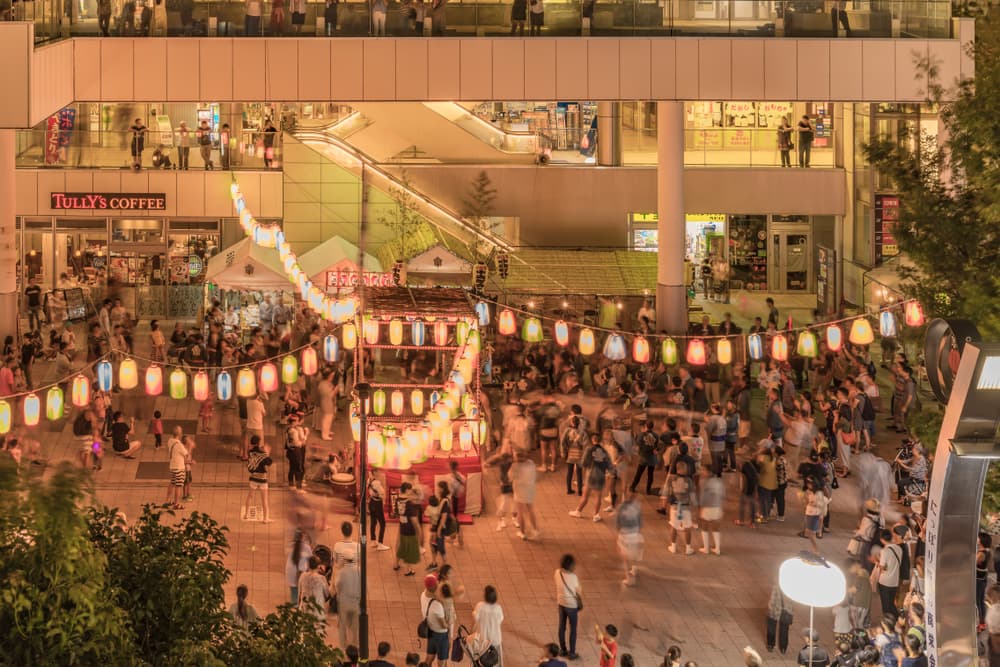
The main Obon period in most parts of Japan will take place from 13–16 August 2026. However, some regions observe Obon on different dates depending on local customs and historical calendars.
Tokyo and several other areas may celebrate July Obon, while many regions across Japan follow the more common August schedule known as Hachigatsu Bon.
Expected Peak Travel Period During Obon 2026
Travelers visiting Japan in 2026 should expect the busiest period to be around:
- 8–16 August 2026: Highest domestic travel demand
- 13–16 August 2026: Main Obon holiday period
- After 16 August: Gradual decrease in crowds
If your travel dates overlap with this period, booking early becomes especially important. Popular destinations such as Tokyo, Kyoto, Osaka, and Nagoya typically experience the highest demand.
What Should You Book First During Obon?
One of the most important Obon travel tips is knowing what to reserve first. Not every part of your trip sells out at the same speed, so planning your bookings in the right order can help you secure better options.
1. Book Your Hotel Early
Accommodation should be your first priority when visiting Japan during Obon. Hotels in popular cities often reach high occupancy months before August, especially in destinations known for cultural experiences, seasonal festivals, and major Obon events.
Kyoto is one of the cities most affected during Obon because many travelers visit to experience traditional neighborhoods, historic temples, and the famous Gozan no Okuribi mountain bonfires held on 16 August. Staying in a convenient location makes it easier to explore cultural attractions during the day and return comfortably after evening festivals.
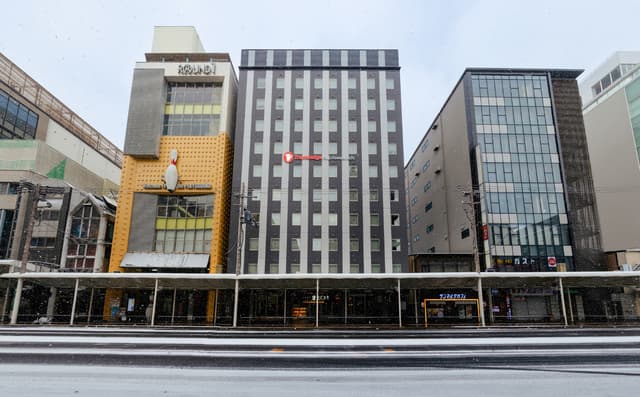
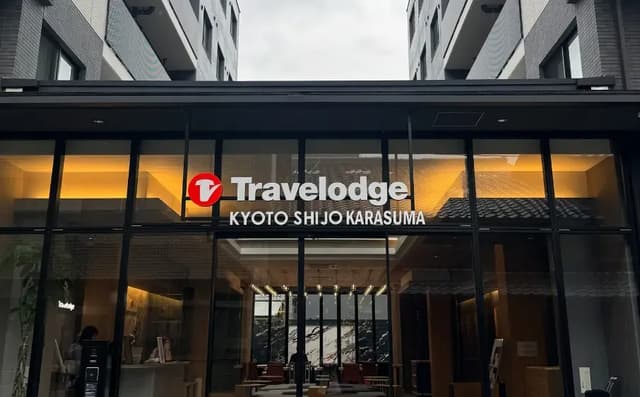
For travelers planning to experience Kyoto during Obon, Travelodge Kyoto Shijo Karasuma offers a convenient base near major attractions and transport connections. Its location makes it easy to explore destinations such as Nishiki Market, Gion, Nijo Castle, and Kyoto’s historic districts while enjoying the comfort and connectivity needed during a busy travel season.
Another option is Travelodge Kyoto Shijo Kawaramachi, located near one of Kyoto’s most vibrant shopping and dining areas. The hotel provides easy access to popular spots such as Kawaramachi, Pontocho Alley, Yasaka Shrine, and the Kamogawa River, making it a practical choice for travelers who want to experience Kyoto’s cultural atmosphere while staying close to transportation options.
Booking early gives you:
- More hotel choices
- Better room availability
- More convenient locations
- Less stress when planning transportation
Choosing a hotel near public transportation is especially important during Obon, as crowded roads and busy stations can make longer journeys more challenging. Staying in a well-connected area allows you to spend more time enjoying festivals, sightseeing, and seasonal experiences instead of navigating complicated transfers.
2. Reserve Shinkansen Tickets in Advance

Japan’s Shinkansen network remains one of the most efficient ways to travel between cities, but it becomes extremely busy during Obon.
Popular routes include:
- Tokyo to Kyoto
- Tokyo to Osaka
- Nagoya to Kyoto
- Osaka to Hiroshima
Reserved seats on popular routes can sell out quickly, especially around the beginning and end of the holiday period. Travelers planning a multi-city itinerary should check ticket availability early and avoid leaving important train journeys until the last minute.
For a smoother experience, consider traveling outside peak departure times. Early morning trains are often less crowded compared to trains leaving during the middle of the day.
3. Plan Domestic Flights Carefully
Domestic flights also experience higher demand during Obon, especially for routes connecting major cities with popular holiday destinations.
Flights between Tokyo, Okinawa, Hokkaido, Fukuoka, and other regional destinations often become more expensive as availability decreases.
Travelers who need to fly during Obon should compare options early and keep some flexibility with departure dates or times. Adjusting your schedule by even one day can sometimes provide more choices.
How to Avoid Crowds During Obon in Japan
One of the biggest concerns for travelers visiting Japan during Obon is dealing with crowds. While busy areas are unavoidable during this season, a few simple adjustments can make your trip much more comfortable.
Travel Earlier in the Day
Popular attractions are usually busiest from late morning through the afternoon. Arriving early allows you to explore major sights before large tour groups and domestic travelers arrive.
Morning visits are especially useful for outdoor attractions such as temples, gardens, and historic districts, as temperatures are also more comfortable compared to the afternoon.
Visit Popular Areas During Weekdays
If your itinerary includes famous destinations such as Kyoto, Osaka, or Tokyo, try visiting major attractions on weekdays instead of weekends. Even during Obon, weekday mornings often provide a calmer experience.
For evening activities, plan around local events instead. Obon festivals are designed to bring communities together, so joining a Bon Odori dance or lantern event can be a more meaningful experience than simply visiting crowded tourist attractions.
Choose Your Travel Route Wisely During Obon
A common mistake among first-time visitors is creating an itinerary that covers too many destinations in a short period. During Obon, spending too much time transferring between cities can reduce the time available for sightseeing.
A slower itinerary allows travelers to experience local festivals, seasonal food, and cultural activities without constantly rushing between transportation hubs.
Consider a Regional-Based Itinerary
Instead of moving across the entire country, consider focusing on one region:
Kansai Region
- Kyoto
- Osaka
- Nara
- Kobe
Central Japan
- Nagoya
- Takayama
- Shirakawa-go
- Nearby cultural destinations
This approach reduces travel time while allowing you to experience more of the local atmosphere during Obon.
How to Save Money During Obon in Japan
Traveling during Obon can be more expensive than visiting Japan during other times of the year, but smart planning can help you manage your budget. The biggest price increases usually come from accommodation and transportation, especially in popular cities such as Kyoto, Osaka, Tokyo, and Nagoya.
The key is to make reservations early, remain flexible with your schedule, and consider alternative options that still provide a convenient travel experience.
Book Directly and Plan Ahead
Booking accommodation several months before your trip gives you access to a wider range of room options and locations. Last-minute bookings during Obon often mean fewer choices, especially in cities hosting major festivals or cultural events.
For frequent travelers, joining the Travelodge membership program adds another layer of value to every stay. Members can enjoy Cashback Credits of up to 5% across Travelodge hotels, along with benefits such as early check-in, late check-out, and special offers designed to make every direct booking more rewarding.
By booking directly with Travelodge Hotels Asia, travelers can enjoy added savings while securing a comfortable stay during one of Japan’s busiest travel periods.
Travel Before or After Peak Obon Dates
Adjusting your travel dates is one of the easiest ways to reduce costs. If your schedule allows, consider arriving a few days before the busiest period or extending your trip after Obon celebrations finish.
Traveling slightly outside peak dates can help with:
- Better hotel availability
- More flexible train schedules
- Smaller crowds at attractions
- More relaxed sightseeing experiences
You can still experience summer festivals and seasonal activities while avoiding some of the highest demand periods.
Stay in Well-Connected Areas Outside the Busiest Districts
Choosing the right location can make a big difference during Obon. Staying slightly away from the busiest tourist streets while remaining close to train stations can provide better value without sacrificing convenience.
For example, Nagoya is often a practical alternative base for travelers exploring central Japan. Its location between Tokyo and Osaka makes it convenient for multi-city itineraries while offering a more relaxed atmosphere compared to some of Japan’s busiest tourist destinations.
Travelodge Nagoya Sakae provides a comfortable base for exploring central Japan during Obon. Located in the lively Sakae district, the hotel offers easy access to shopping, dining, transportation links, and attractions, making it a convenient choice for travelers visiting Nagoya as part of their Japan summer itinerary.
What to Pack for Japan During Obon
Obon takes place during Japan’s hottest and most humid period, so preparing for the weather is an important part of planning your trip. Long days of sightseeing combined with crowded festivals can feel more tiring than expected, especially for visitors unfamiliar with Japan’s summer climate.
Packing lightweight essentials will help you stay comfortable while exploring cities, temples, and outdoor events.
Summer Travel Essentials
Consider bringing:
- Lightweight and breathable clothing
- Comfortable walking shoes
- Sunscreen
- Sunglasses or a hat
- Reusable water bottle
- Portable fan
- Small towel
- Insect repellent
- Portable charger
Many locals carry small towels during summer festivals to manage heat and humidity, making this a useful item for travelers as well.
Dress Respectfully for Festivals and Temples
Obon is both a celebration and a meaningful cultural tradition. While casual summer clothing is acceptable at most festivals, visitors attending temples, shrines, or memorial sites should choose comfortable but respectful outfits.
A yukata rental can also be a fun way to experience Japanese summer culture, especially when attending Bon Odori festivals or evening events with lantern displays.
Best Cities to Visit During Obon Japan
Japan celebrates Obon throughout the country, but some destinations offer especially memorable experiences thanks to their cultural traditions, accessibility, and seasonal events.
For first-time visitors, combining Kyoto, Osaka, and Nagoya creates a balanced itinerary with historic attractions, modern city experiences, and convenient transportation connections.
Kyoto
Kyoto is one of the best places to experience Obon in Japan. The city’s historic temples, traditional neighborhoods, and cultural atmosphere provide the perfect setting for visitors who want to understand the deeper meaning behind the festival.
The highlight of Kyoto’s Obon season is Gozan no Okuribi, held every 16 August. During this ceremony, large bonfires are lit on mountains surrounding the city, creating one of Japan’s most recognizable Obon scenes.
Beyond the festival itself, Kyoto offers plenty of cultural experiences, including:
- Visiting Fushimi Inari Taisha
- Exploring Gion and Higashiyama
- Walking through Nishiki Market
- Discovering historic temples and gardens
For travelers staying in Kyoto during Obon, choosing a centrally located hotel helps make exploring the city easier.
Travelodge Kyoto Shijo Karasuma offers convenient access to Kyoto’s shopping streets, cultural attractions, and public transportation. Its location makes it easier to explore the city while returning comfortably after a full day of summer activities.
Located near Kyoto’s famous Kawaramachi area, Travelodge Kyoto Shijo Kawaramachi is another convenient option for travelers who want to stay close to restaurants, shopping areas, and evening entertainment. Guests can easily explore nearby attractions before enjoying Kyoto’s seasonal festivals and nighttime atmosphere.
Osaka
Osaka offers a different Obon experience with its energetic atmosphere, famous food culture, and excellent connections to nearby destinations. Travelers can enjoy local festivals while using Osaka as a base for exploring Kyoto, Nara, and Kobe.
During Obon, Osaka’s shopping streets, neighborhoods, and entertainment districts remain lively, creating a fun contrast to Kyoto’s traditional atmosphere.
Popular experiences include:
- Exploring Dotonbori’s food scene
- Visiting Osaka Castle
- Shopping in Shinsaibashi
- Taking day trips across Kansai
For travelers who want easy access to Osaka’s attractions, Travelodge Honmachi Osaka offers a convenient location with excellent transportation connections. The hotel provides a comfortable base for exploring the city and nearby destinations while enjoying Travelodge Hotels Asia’s focus on Comfort, Convenience, and Connectivity.
Another option is Travelodge Osaka Shinsaibashi, located close to one of Osaka’s most popular shopping and entertainment areas. Its location makes it easy to explore Shinsaibashi, Dotonbori, and other city highlights while staying connected to major transport routes.
Never Miss an Update!
Join our newsletter to unlock travel tips, latest promotions, and updates.
Subscribe now
Nagoya
Nagoya is an excellent choice for travelers looking for a balanced Obon itinerary. Located between Tokyo and Osaka, the city offers convenient transportation connections while providing a more relaxed atmosphere compared to some of Japan’s busiest tourist destinations.
During Obon, Nagoya serves as a practical base for exploring central Japan. Visitors can discover historic attractions, local food culture, and nearby destinations while avoiding some of the heavier crowds found in larger tourist cities.
Some highlights to explore in and around Nagoya include:
- Nagoya Castle – A historic landmark showcasing the city’s samurai heritage
- Osu Shopping District – A lively area filled with shops, street food, and local culture
- Atsuta Shrine – One of Japan’s most important Shinto shrines
- Inuyama Castle – A historic castle destination accessible from Nagoya
For travelers including Nagoya in their Obon itinerary, Travelodge Nagoya Sakae provides a convenient base in the heart of the city. Located near Sakae’s shopping, dining, and entertainment areas, the hotel offers easy access to public transportation, allowing guests to explore Nagoya comfortably during the busy summer travel season.
With thoughtfully designed rooms and reliable connectivity, Travelodge Nagoya Sakae reflects Travelodge Hotels Asia’s 3C philosophy—Comfort, Convenience, and Connectivity, helping travelers enjoy a smoother experience while discovering central Japan.
Suggested 10-Day Obon Japan Itinerary for First-Time Visitors
A well-planned itinerary is essential when visiting Japan during Obon. Instead of rushing between too many destinations, focus on cities with efficient transportation connections and allow enough time to enjoy local experiences.
This route combines major attractions with cultural experiences while reducing unnecessary travel during one of Japan’s busiest seasons.
Days 1–3: Tokyo
Begin your journey in Tokyo, where traditional neighborhoods and modern attractions exist side by side.
Recommended experiences include:
- Exploring Asakusa and Senso-ji Temple
- Visiting Meiji Shrine
- Enjoying views from Tokyo Skytree
- Discovering local summer festivals and evening events
Tokyo can be particularly busy during Obon, so visiting popular attractions early in the day is recommended. Starting your sightseeing in the morning helps avoid peak crowds and allows more time to explore at a comfortable pace.
Days 4–5: Nagoya
Continue to Nagoya, a convenient stop between Tokyo and Kansai. The city provides a chance to experience local culture while taking a break from some of Japan’s busiest tourist areas.
Suggested activities:
- Visit Nagoya Castle
- Explore Osu Shopping District
- Try local specialties such as hitsumabushi and miso katsu
- Take a day trip to nearby cultural destinations
Staying in Nagoya also makes it easier to continue toward Kyoto and Osaka without spending too much time on long-distance transfers.
Days 6–8: Kyoto
Kyoto is the cultural highlight of an Obon journey. The city’s historic streets, temples, and seasonal celebrations provide a deeper understanding of Japanese traditions.
Recommended experiences:
- Visit Fushimi Inari Taisha
- Explore Gion and Higashiyama
- Walk around Kiyomizu-dera
- Experience Gozan no Okuribi if visiting on 16 August
During Obon, Kyoto attracts many visitors, so advance planning is essential. Staying in a central location can make a significant difference, especially when attending evening events.
Travelers can consider Travelodge Kyoto Shijo Karasuma (Previously Travelodge Kyoto Shijo Omiya) or Travelodge Kyoto Shijo Kawaramachi for convenient access to Kyoto’s cultural districts, shopping areas, and transportation networks.
Days 9–10: Osaka
End your Obon trip in Osaka, a city known for its welcoming atmosphere, vibrant neighborhoods, and incredible food culture.
Recommended experiences:
- Explore Dotonbori
- Visit Osaka Castle
- Shop at Shinsaibashi
- Enjoy local specialties such as takoyaki and okonomiyaki
For travelers who want to stay close to Osaka’s main attractions, Travelodge Honmachi Osaka and Travelodge Osaka Shinsaibashi provide convenient accommodation options with easy access to transportation, dining, and entertainment districts.
Additional Travel Tips for a Smoother Obon Experience
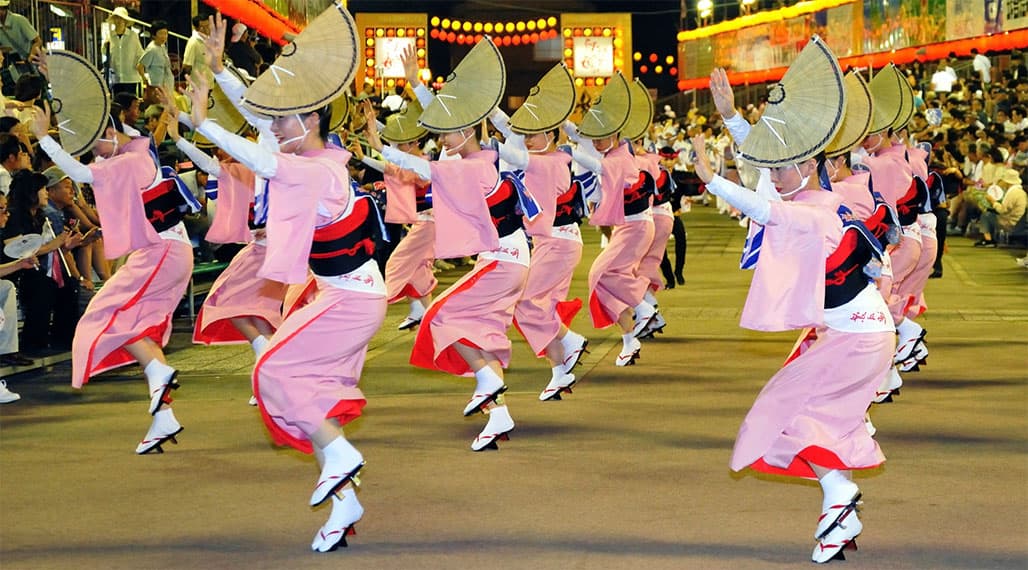
Beyond booking hotels and transportation early, a few extra preparations can make your journey much more enjoyable.
Use Digital Navigation Tools
Crowded stations can feel overwhelming during Obon, especially in major cities. Navigation apps such as Google Maps, Japan Travel by NAVITIME, and local transportation apps can help you plan routes and check train schedules.
Allow extra time when transferring between trains, especially at large stations such as Tokyo Station, Kyoto Station, and Osaka Station.
Carry a Flexible Schedule
Obon is a season when unexpected discoveries often become the highlight of a trip. A neighborhood Bon Odori event, a small temple ceremony, or a local summer festival may become one of your favorite memories.
Instead of planning every minute, leave some room for spontaneous experiences and local recommendations.
Respect Local Traditions
Obon has deep cultural meaning for many Japanese families. Visitors are welcome to participate in public celebrations, but personal ceremonies such as family grave visits should be observed respectfully.
Simple gestures make a difference:
- Ask before taking photos
- Follow local festival rules
- Keep noise levels low at temples and memorial areas
- Observe how locals participate before joining
Enjoy a More Comfortable Obon Journey with Travelodge Hotels Asia
Traveling during Obon offers a rare opportunity to experience Japan’s cultural traditions while exploring some of the country’s most popular destinations. However, the increased demand during this season makes choosing the right accommodation especially important.
Travelodge Hotels Asia helps travelers enjoy a smoother journey through its 3C philosophy—Comfort, Convenience, and Connectivity.
Comfort
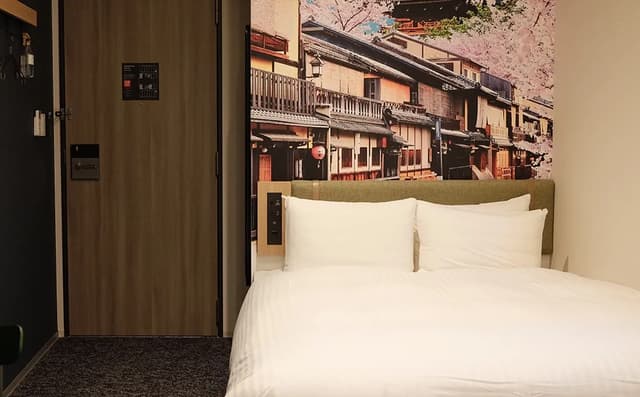
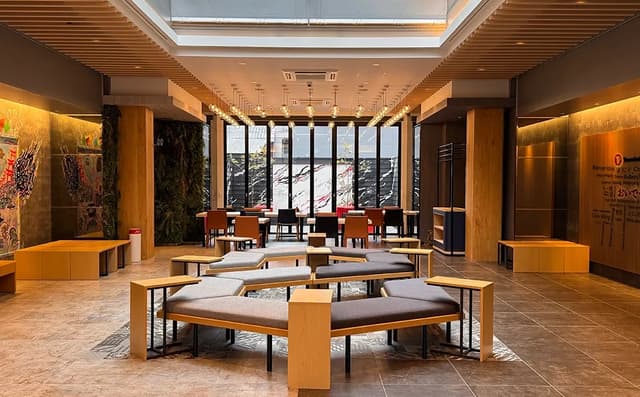
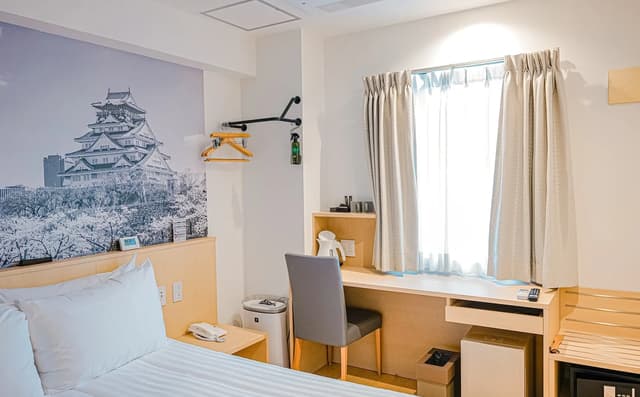
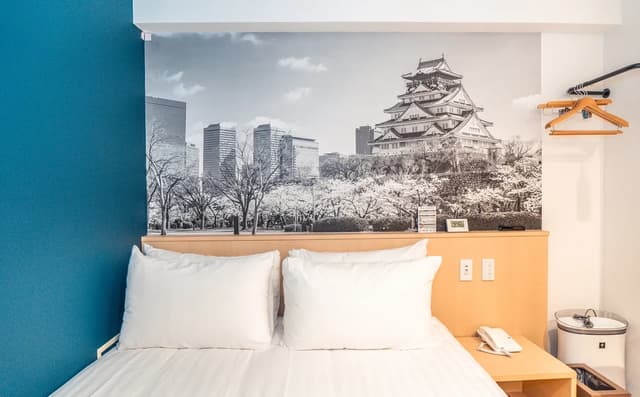
After a full day exploring summer festivals, historic neighborhoods, and crowded city attractions, having a comfortable place to rest is essential. Travelodge hotels provide thoughtfully designed rooms where guests can relax and recharge before the next adventure.
Convenience
Location plays an important role during Obon. Staying near transportation links helps travelers move around more efficiently, especially during a period when stations and roads are busier than usual.
Travelodge properties across Japan are strategically located in major cities, making them convenient bases for exploring cultural attractions, dining areas, and seasonal events.
Connectivity
Reliable connectivity helps travelers navigate unfamiliar cities, check transport schedules, stay in touch with family, and plan activities on the go. With dependable Wi-Fi access, guests can stay connected throughout their Obon journey.
Make the Most of Your Obon Trip to Japan
Obon is one of Japan’s most fascinating travel seasons, combining centuries-old traditions with lively summer celebrations. While the holiday brings larger crowds and higher demand, careful preparation can help travelers enjoy a smoother and more rewarding experience.
The best travel tips for Obon Japan are simple: book early, choose convenient accommodation, plan transportation in advance, and leave space to experience local traditions beyond the typical tourist route.
From Kyoto’s lantern ceremonies and mountain bonfires to Osaka’s energetic streets and Nagoya’s central location, each destination offers a different perspective of Japan during Obon.
For travelers planning their next Japan adventure, booking directly with Travelodge Hotels Asia provides added value through comfortable stays, convenient locations, and reliable connectivity. Frequent travelers can also enjoy additional benefits through the Travelodge membership program, including Cashback Credits of up to 5%, early check-in, late check-out, and special offers that make every direct booking more rewarding.
Experience Japan during Obon with greater comfort and confidence, supported by Travelodge Hotels Asia’s commitment to Comfort, Convenience, and Connectivity throughout your journey.
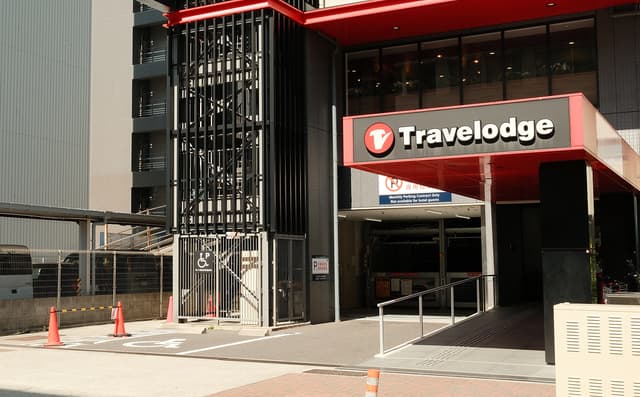



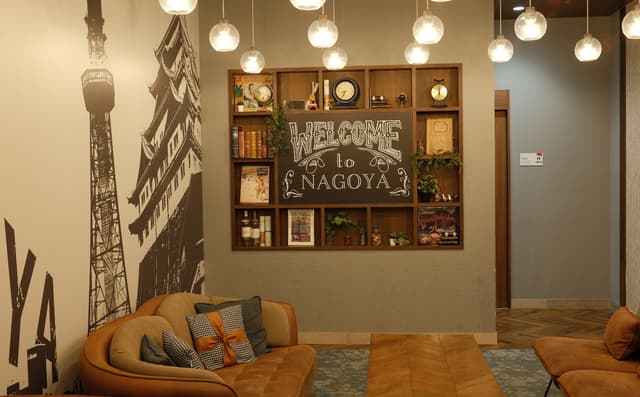






.jpg)