


Share article
#TrevorDiscover How to Enjoy Namsangol Hanok Village Like Locals

Trevor
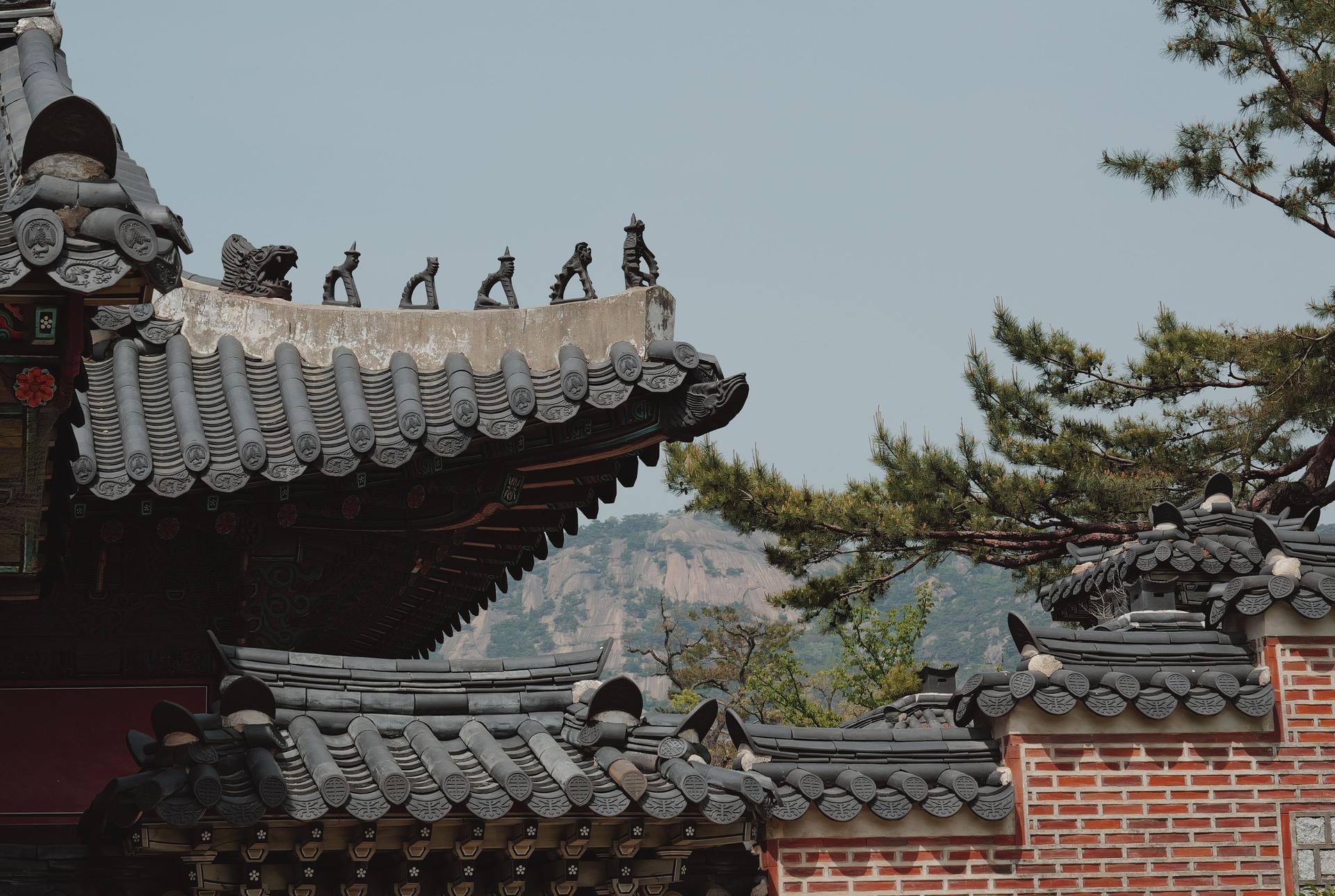
Travelers searching for places near their hotel often discover that some of Seoul’s most interesting experiences are hiding only a few streets away. Trevor likes these easy neighborhood discoveries best, the kind that leave enough time to slow down, notice the details, and travel like locals instead of spending the day moving from one famous landmark to another.
Namsangol Hanok Village Seoul is exactly that kind of place. Set at the northern foot of Namsan, it brings together five historic hanok houses, a traditional garden, cultural programs, a gugak (traditional music) performance venue, and quiet courtyards within central Seoul. The houses were relocated from different parts of the city and represent households from different social backgrounds during the Joseon period, offering a more intimate look at traditional Korean architecture and daily life.
Good to Know Before You Go
Quick Fact | What Trevor Would Tell You |
Location | 28 Toegye-ro 34-gil, Jung-gu, Seoul. |
Namsangol Hanok Village opening hours | The current official village guide lists 9:00 AM-9:00 PM from April through November and 9:00 AM-8:00 PM from December through March. |
Closing day | Mondays, except when Monday falls on a public or substitute holiday. |
Namsangol Hanok Village entrance fee | General admission is free. |
Traditional garden | The official village website currently lists the traditional garden as open 24 hours. |
Nearest subway | Chungmuro Station on Lines 3 and 4; Visit Seoul places the village around 307 meters from Exit 4. |
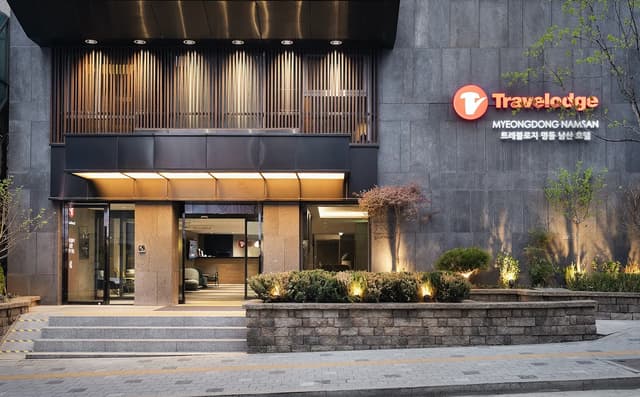
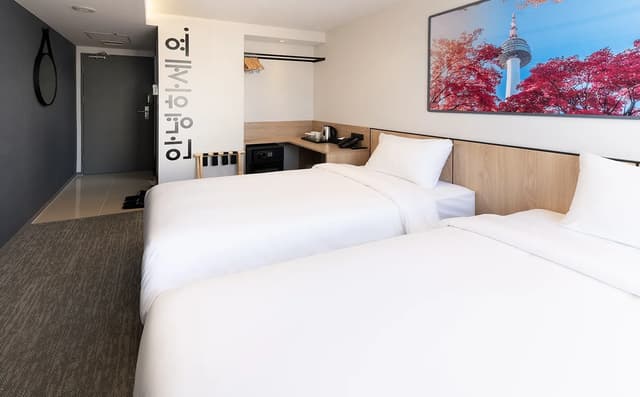
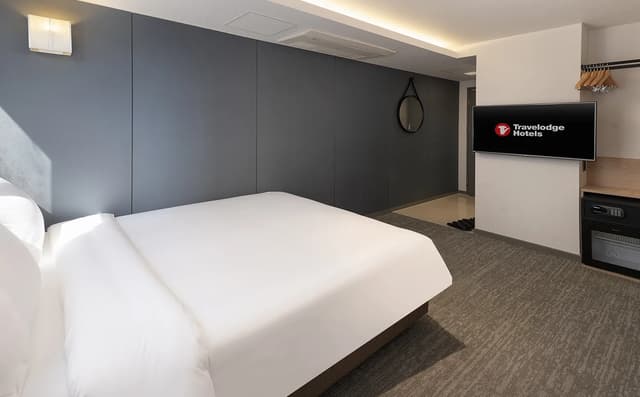
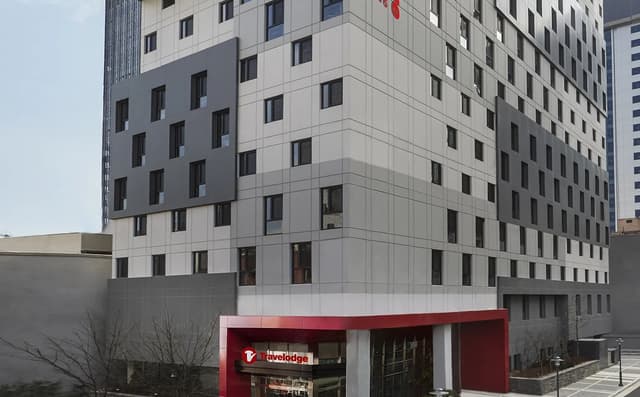
From Travelodge Myeongdong Euljiro | Around 700 meters away, with a public transport journey of approximately 8-12 minutes depending on the route. Travelodge also lists the village at roughly 700 meters from the hotel. |
Best time to allow | Around 1-2 hours works comfortably for the houses and garden; add more time for performances, crafts, or seasonal programs. Visitor feedback also commonly describes 1-2 hours as enough for an unhurried visit. |
Best seasons | Spring and autumn are especially pleasant for the garden; winter offers a quieter atmosphere, while major traditional holidays can bring special cultural programs. |
Good for families? | Yes. The site offers open garden areas and recurring cultural programs suitable for different ages, although individual paid activities may have their own age requirements. |
Why Namsangol Hanok Village is Worth Visiting
Unlike a neighborhood where historic houses are still private residences, Namsangol was created specifically as a cultural space. Five restored hanok houses now allow visitors to look more closely at architectural details and interiors representing households that ranged from middle-class families to nobles and high-ranking officials.
That makes the visit feel more educational without becoming museum-like. You can move between tiled roofs, wooden verandas, stone walls, gardens, and courtyards while modern Seoul remains just outside the gate.
Travelers also regularly describe the site as noticeably calmer than some of Seoul’s better-known hanok districts. Recent visitor discussions particularly praise Namsangol as a convenient, less crowded place for traditional architecture and a peaceful walk close to central Seoul.
Trevor’s advice: do not rush from house to house. Sit near the garden for a few minutes, look into the courtyards, and notice how the shape of each home reflects the lives of the people who once used spaces like these.
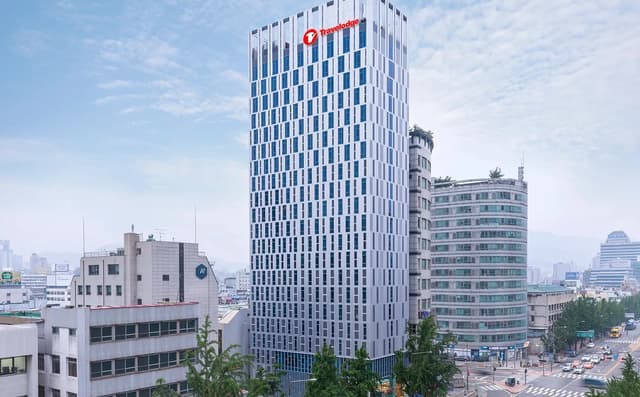
How to Get to Namsangol Hanok Village From Travelodge Myeongdong Euljiro
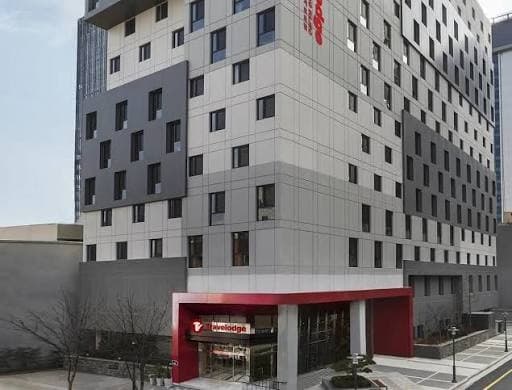
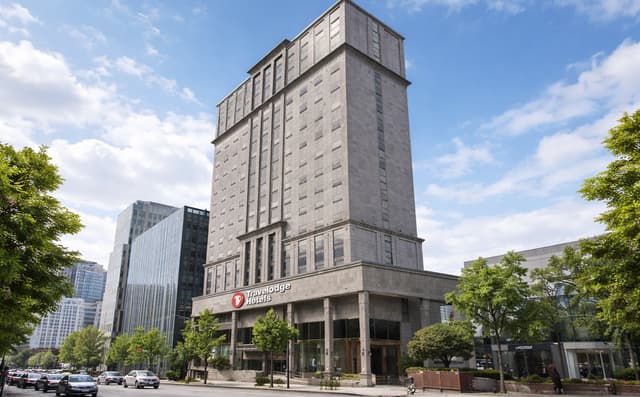
Namsangol Hanok Village is around 700 meters from Travelodge Myeongdong Euljiro, making it one of the easiest cultural stops to add to a Myeongdong stay. Travelers who prefer public transportation can expect a journey of roughly 8-12 minutes depending on the route and waiting time.
Travelodge’s official hotel information also confirms that Namsangol Hanok Village is about 700 meters from the property, while Euljiro 3-ga Station is around 350 meters away.
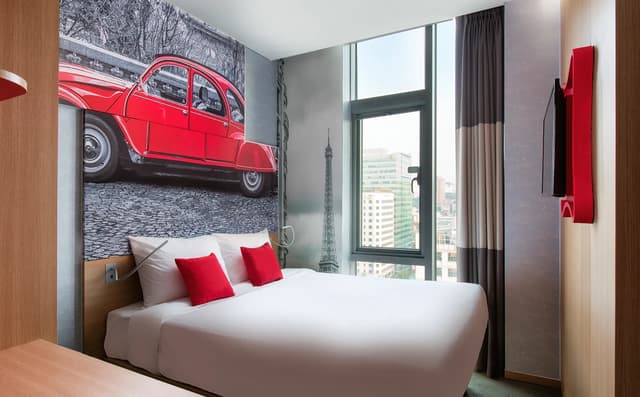
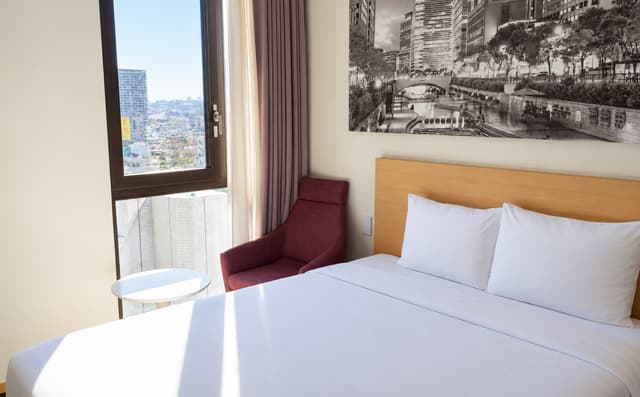
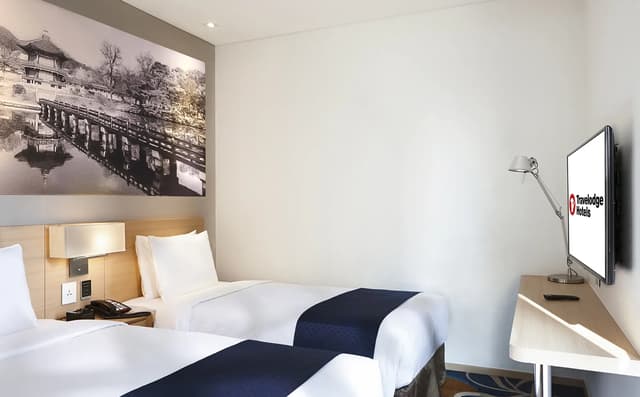
That proximity is where Travelodge’s Comfort, Convenience, and Connectivity positioning becomes especially useful. Spend the afternoon exploring hanok and traditional culture, continue toward Chungmuro or Namsan, then return to a comfortable room without planning another long trip across Seoul.
Free Wi-Fi supports Stream when checking cultural-program schedules and subway routes, while self-service laundry adds the practical Spin experience for longer stays.
Travelers comparing nearby accommodation can also browse hotels in Myeongdong or explore more hotels in Seoul.
Best Things to Do at Namsangol Hanok Village
Walk Through the Five Traditional Houses
The heart of the site is its collection of five traditional homes. Each one reflects a different household and social background, which means the visit is more interesting when you pay attention to how the rooms, courtyards, gates, and wooden structures differ from one property to another.
Among them are Carpenter Yi Seung-eop’s House, General Kim Choon-yeong’s House, the Min Family’s House, Yun Taek-yeong’s Jaesil, and the Yun Family’s House. These Namsangol Hanok Village traditional houses Seoul visitors see today help illustrate how domestic architecture varied according to occupation and status.
Trevor would spend less time trying to photograph every building and more time looking at the details: wooden floors raised above the ground, tiled rooflines, doors opening toward inner courtyards, and jangdokdae-style storage areas.
Slow Down in the Traditional Garden
The Namsangol Hanok Village garden is an important part of the experience, not simply landscaping between the houses.
The wider complex includes a traditional garden, and the current official village information lists this outdoor area as open 24 hours.
Walk toward Cheonghakji Pond and Cheonugak Pavilion, where water, trees, stone paths, and traditional architecture create one of the quieter corners of the grounds. The setting is especially good when you want a break from Myeongdong’s busy shopping streets.
Look Into the Hanok Courtyards
A Namsangol Hanok Village courtyard helps explain traditional domestic life in a way that photographs of a facade cannot.
Courtyards connected separate parts of a house and helped organize daily routines, family life, work, and ceremonies. At Namsangol, visitors can get close enough to see how rooms open onto these shared spaces and how enclosed architecture creates privacy despite being outdoors.
If you enjoy photography, frame the rooflines through doorways rather than always photographing the entire building from outside. The layered gates and inner courtyards often produce more interesting images.
Try a Traditional Craft Experience
Namsangol is not only about admiring traditional architecture. Depending on the season, visitors may also be able to join hands-on cultural activities such as bojagi craft, mother-of-pearl decoration, hanji work, needlework, traditional dessert making, ornament making, and other heritage-inspired workshops held inside the traditional houses.
Programmes, schedules, session lengths, and fees can vary throughout the year, so it is worth checking the official Namsangol Hanok Village calendar before your visit.
Trevor likes these activities because they change the visit from “I saw a hanok” to “I actually spent time learning something inside one.”
Catch a Traditional Performance
The village also hosts performances and cultural events throughout the year. Depending on the season, visitors may come across taekwondo demonstrations, traditional music performances, hanok concerts, or displays of Korean wedding customs.
The programme changes throughout the year, so do not assume a performance will take place during every visit. Check the latest event calendar before planning your day around a specific show or activity.
Visit Seoul Namsan Gugakdang
Tucked into the village complex is Seoul Namsan Gugakdang, a venue dedicated to Korean traditional music.
The theater includes a 330-seat main auditorium, practice and experience spaces, and a specially designed wood interior created to preserve natural acoustics.
Even travelers who do not normally plan theater visits may want to check what is playing. A gugak performance after walking through traditional houses connects the architecture and music in a way that feels much richer than seeing either one alone.
Namsangol Hanok Village Through the Seasons
Namsangol Hanok Village in Autumn
For Trevor, Namsangol Hanok Village autumn is one of the easiest recommendations.
As the greenery around Namsan changes color, the darker hanok roofs and wooden structures create a natural contrast with yellow and red leaves. Cooler temperatures also make it easier to spend time walking between the houses and garden.
Visit in the morning for softer light and a calmer atmosphere, or come later in the afternoon and stay into the evening during the longer April–November opening period.
Namsangol Hanok Village in Winter
Namsangol Hanok Village winter has a quieter character. Bare trees expose the rooflines more clearly, the courtyards feel still, and occasional snow can completely change the appearance of the village.
From December through March, the current official schedule shortens traditional-house viewing to 8:00 PM, so start a little earlier than you would in autumn.
Winter programming varies from year to year. Previous editions have included traditional games, seasonal food, cultural experiences, and special winter activities, so Trevor recommends checking the current program instead of assuming an older event will return unchanged.
Namsangol Hanok Village During Seollal
Seollal is one of the most interesting times to visit if your trip overlaps with Korean Lunar New Year.
During the holiday period, Namsangol Hanok Village often hosts special cultural programmes that may include traditional performances, taekwondo demonstrations, hands-on activities, crafts, and seasonal food experiences such as tteokguk sharing.
Seollal programmes change from year to year, so check the latest event schedule before visiting rather than relying on a fixed timetable.
Namsangol Hanok Village During Chuseok
Chuseok brings another chance to experience traditions in the setting where they make the most sense.
During Chuseok, Namsangol Hanok Village often hosts special festival programmes featuring traditional music, cultural experiences, food stalls, crafts, and hands-on activities. Depending on the year, visitors may also find experiences such as hanbok dressing, traditional daenggi hairstyling, and other heritage-inspired activities.
Festival dates, opening hours, fees, and reservation requirements can change each year, so check the latest official programme before visiting.
If your Seoul dates overlap with a Namsangol Hanok Village Chuseok event, Trevor would allow more time than on a normal visit. Festival days are about participating, eating, and watching performances rather than simply walking through the houses.
Can You Wear Hanbok at Namsangol Hanok Village?
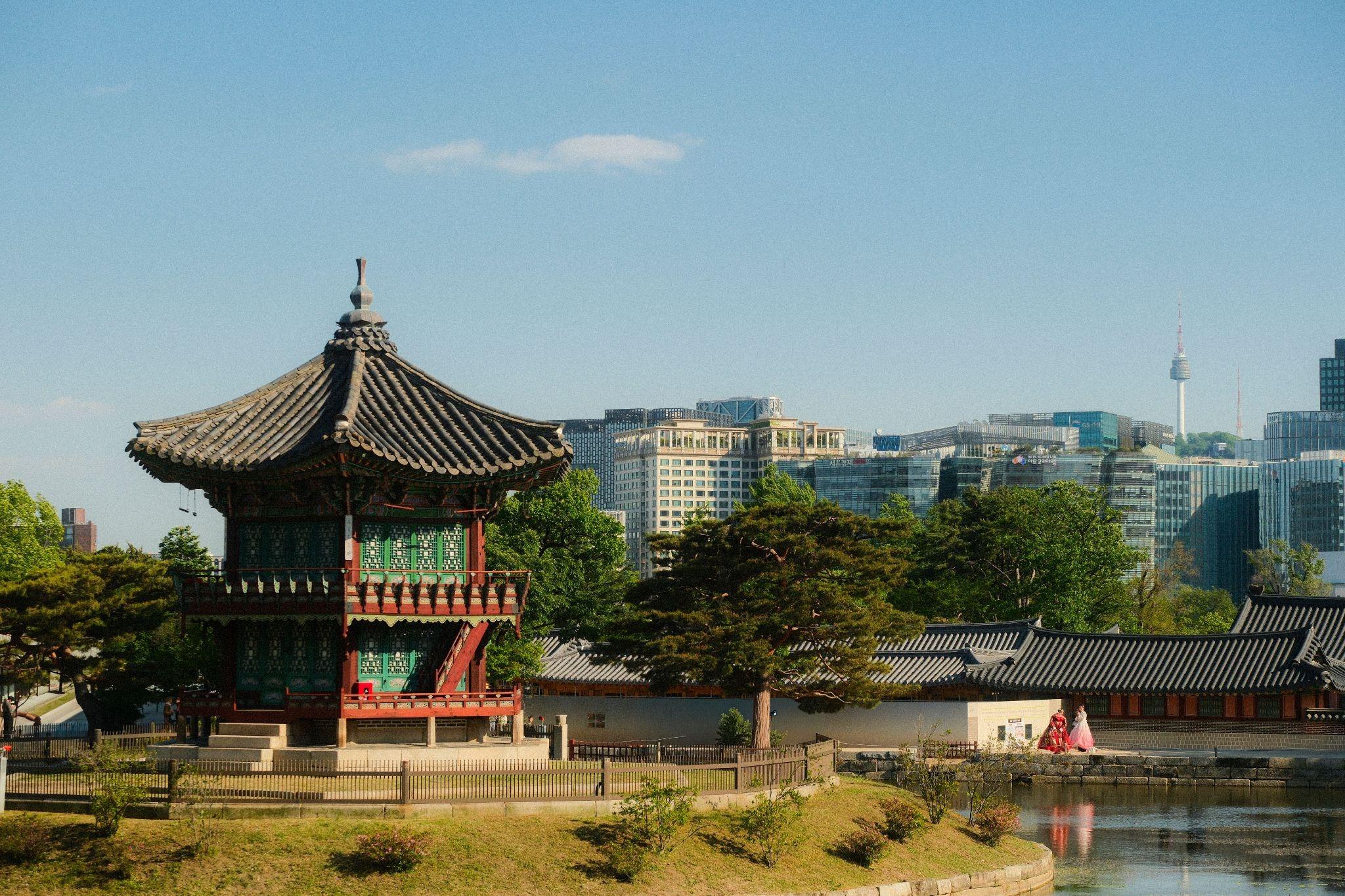
Travelers searching for Namsangol Hanok Village hanbok rental should know that the current general visitor information does not advertise a permanent on-site hanbok rental counter.
Hanbok dressing can appear as part of special programming. Chuseok festival, for example, specifically includes a hanbok experience together with traditional daenggi hairstyling.
For a visit outside those special events, check the official program calendar before assuming hanbok will be available at the village. Travelers who want guaranteed hanbok photos may prefer to arrange a rental elsewhere before arriving.
Is Namsangol Hanok Village Worth Visiting at Night?
A Namsangol Hanok Village night feels very different from a daytime visit. Recent visitors describe the evening as calmer and particularly atmospheric during warmer months, with traditional buildings illuminated after sunset and fewer of the distractions of daytime sightseeing. Visit Seoul also currently offers a Namsangol night walking course focused on the five houses and life in old Hanyang.
There is also dedicated nighttime programming. In autumn, Namsangol introduced “Gabaeok,” a small evening specialty-coffee experience held inside the Ogin-dong House, showing how the village sometimes uses hanok spaces after dark in more contemporary ways.
Trevor would choose daytime for architecture and detailed viewing, but evening for atmosphere.
Local Tips Trevor Would Recommend
A little local planning makes Namsangol much more rewarding:
- Come on a weekday morning for the quietest experience. Recent visitors consistently mention the calm atmosphere as one of the village’s strengths.
- Allow at least an hour. Two hours is better if you enjoy gardens, photography, or reading the displays rather than simply walking through.
- Check the events calendar before going. Craft programs, weddings, concerts, performances, and seasonal festivals can completely change the experience.
- Try an evening visit in warmer months. Recent visitors have found the site especially peaceful after dark when daytime heat and crowds ease.
- Come earlier in winter. Traditional-house viewing ends earlier from December through March.
- Do not expect every room to be open. Some houses or areas can occasionally have access restrictions because of events, maintenance, or programs.
- Wear shoes that are comfortable for stone and garden paths. Namsangol is compact, but the visit works best when you wander slowly.
- Pair it with Chungmuro rather than rushing to another famous district. The surrounding streets offer traditional culture, film history, food, and local cafés within a small area.
Lesser-Known Spots Near Namsangol Hanok Village Most Tourists Miss
Seoul Millennium Time Capsule Square
Continue farther into the Namsangol complex and you will find Seoul Millennium Time Capsule Square, one of the site’s less obvious features.
The official village describes the overall complex as including the five hanok houses, traditional garden, Gugakdang, and Seoul Millennium Time Capsule Square. It provides an unexpected modern counterpoint to the Joseon-era atmosphere below.
Trevor likes the contrast: start with the past, then walk uphill toward a place designed around Seoul’s relationship with the future.
Seoul Namsan Gugakdang
Many visitors concentrate on the hanok and never check the performance venue inside the village.
Seoul Namsan Gugakdang specializes in traditional Korean performing arts, with performances and educational programs scheduled throughout the year. Even if you cannot see a performance, its hanok-inspired architecture makes it worth noticing.
Korea House
Only a short distance from Namsangol, Korea House continues the traditional-culture theme in a more polished setting.
The cultural complex offers programs connected with Korean cuisine, performances, weddings, and other heritage experiences. It is about 80 meters from Namsangol-related cultural programming according to Visit Seoul’s nearby listings.
Travelers particularly interested in royal-style Korean cuisine can also look into Korea House’s current dining programs, although reservations and operating days should be checked in advance.
Popular Tourist Spots Near Namsangol Hanok Village
N Seoul Tower
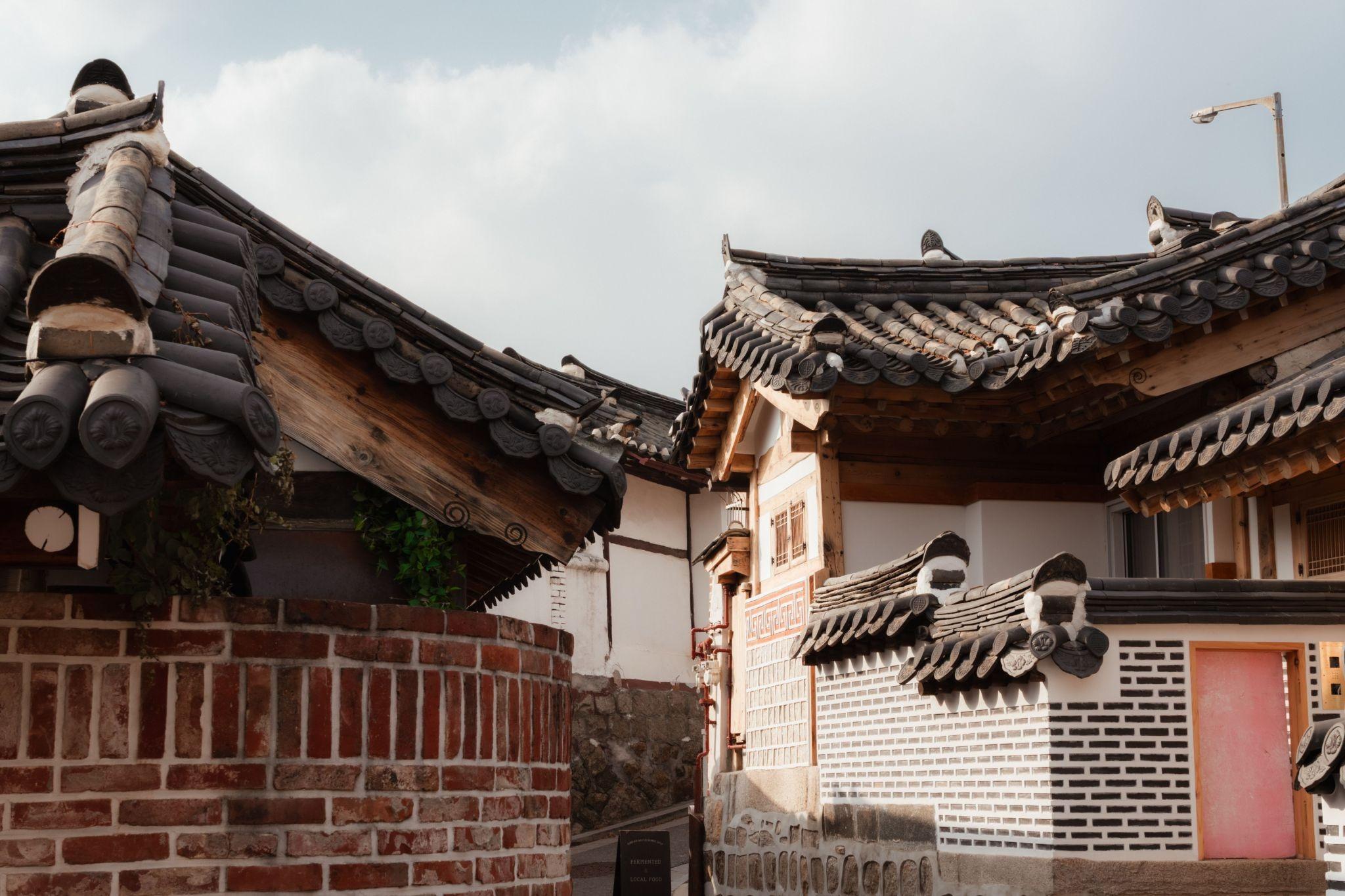
N Seoul Tower creates the skyline backdrop for this side of central Seoul and is an easy destination to combine with Namsangol on the same day.
Travelodge’s official hotel page lists N Seoul Tower at roughly 1 kilometer from Travelodge Myeongdong Euljiro. Trevor would visit Namsangol first, then continue toward Namsan later in the afternoon for sunset or nighttime city views.
Myeongdong Shopping Street
A traditional-culture morning and a Myeongdong evening make a surprisingly good pairing.
Myeongdong Shopping Street sits around 600 meters from Travelodge Myeongdong Euljiro, making it easy to return toward the hotel area for skincare shopping, street food, cafés, and dinner after Namsangol.
Chungmuro
Do not treat Chungmuro only as the nearest subway station.
The district was historically associated with Korea’s film industry, and Visit Seoul still highlights that cinematic identity alongside Namsangol Hanok Village, Korea House, and newer cultural spaces around the station. It makes a good neighborhood to explore if you want the day to feel more local than landmark-driven.
Stay Close to Old and New Seoul
Namsangol Hanok Village Seoul is one of Trevor’s favorite examples of how easily Seoul shifts between centuries. One moment you are standing inside a quiet hanok courtyard or watching a traditional craft demonstration; a short journey later, you can be shopping in Myeongdong, wandering Euljiro, or looking across the city from Namsan.
That is why staying close matters. From Travelodge Myeongdong Euljiro, the village is only around 700 meters away, making spontaneous cultural detours much easier. Travelers planning a wider city stay can compare family hotels in Seoul, browse affordable hotels in Seoul, or explore Travelodge hotels across the region.
Trevor’s advice is simple: stay close to everything, then leave enough space in the itinerary to follow whatever looks interesting nearby. Book directly through Travelodge Hotels Asia to check current direct rates, promotions, and available member benefits.
Joining the Travelodge membership program can make direct stays more rewarding through eligible Cashback Credits and member benefits. Best Price Guarantee+ adds another layer of reassurance by protecting qualifying direct bookings with 3× the verified price difference in Cashback when an eligible lower rate is found and approved under the program conditions.








.jpg)