


Share article
#WhyChooseTravelodge How to Check Out of a Hotel, Check-Out Times, and Late Check-Out Tips

Travelodge Team
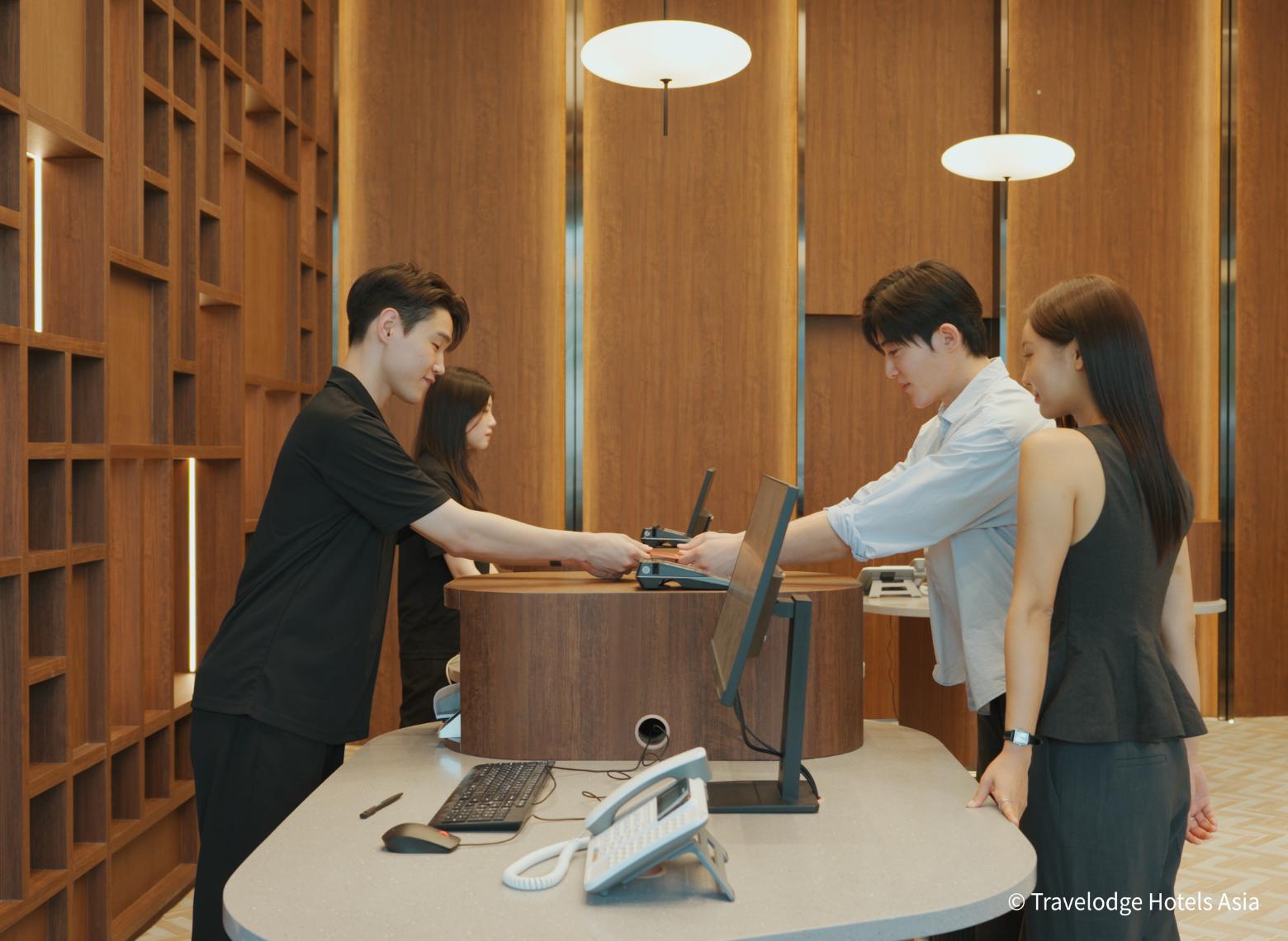
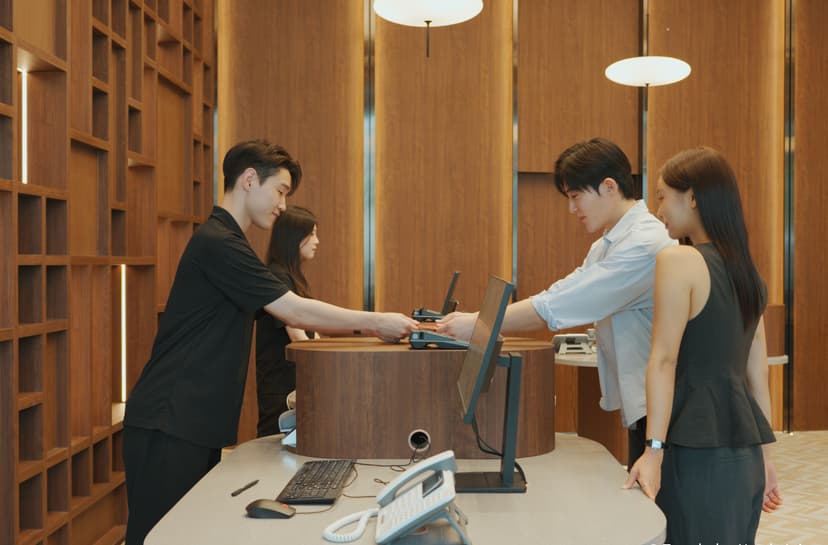
Checking out of a hotel is usually straightforward, but knowing the correct departure time, how to settle your bill, and where to leave your luggage can make the end of a trip much smoother. Check-out procedures vary by property, so it helps to understand what to expect before your final morning.
This article explains how to check out of a hotel, typical check-out times across different hotel categories, and what to do if you need extra time. Travelodge Hotels Asia also offers practical services, including luggage storage and luggage transfer support at its hotels in Japan, to help guests manage their bags and continue their journeys more comfortably.
What is Hotel Check-Out?
Hotel check-out is the process of ending your stay and leaving your room by the time specified by the property. Depending on the hotel, this may involve confirming your departure at the front desk, returning your room key, settling any remaining charges, or completing an express check-out procedure.
Check-out is also when guests should make sure they have collected all their belongings and resolved any questions about the final bill. Understanding the hotel's requirements ahead of time can help prevent delays, unexpected charges, or a rushed departure.
Also read: Hotel Check-In Times
How to Check Out of a Hotel

Most hotel check-out procedures involve a few simple steps. Some properties allow guests to complete the process digitally, while others require a visit to the front desk.
Prepare Your Room and Belongings
Before leaving, check the room carefully for personal items. Look inside the wardrobe, drawers, safe, bathroom, and bedside tables, and check around the bed and charging outlets for smaller belongings.
Make sure you have your passport, wallet, travel documents, electronics, and room key. If you have several bags or are traveling with children, allow extra time to pack and make sure nothing is left behind.
Review Your Bill and Settle Outstanding Charges
If payment has not been completed in advance, ask the front desk for your final bill. Review the room rate, taxes, and any additional charges for dining, laundry, minibar items, or other services used during your stay.
If something does not look right, ask the hotel team to clarify it before you leave. You can also request a receipt for your records, particularly if you need to submit travel expenses or keep a record of your accommodation costs.

Complete Check-Out at the Front Desk or Online
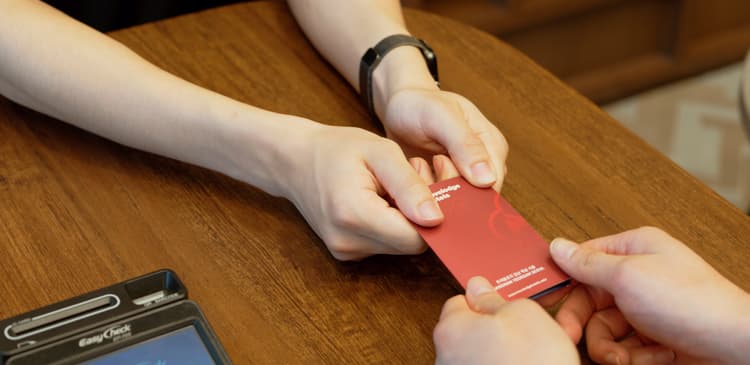
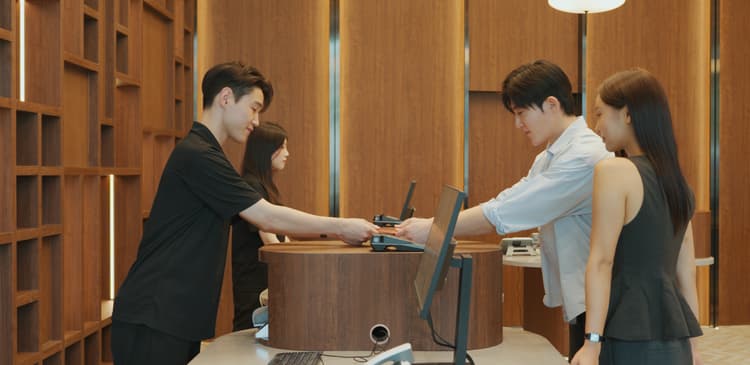
At a hotel with traditional front-desk check-out, tell the staff that you are leaving, return your room key if required, and settle any remaining charges. The team can confirm that the check-out process is complete and answer questions about luggage storage or transportation.
Some properties offer express or digital check-out, which may allow guests to confirm their departure without waiting at the front desk. The available process depends on the hotel, so follow the instructions provided during your stay.
Can You Check Out Without Visiting the Front Desk?
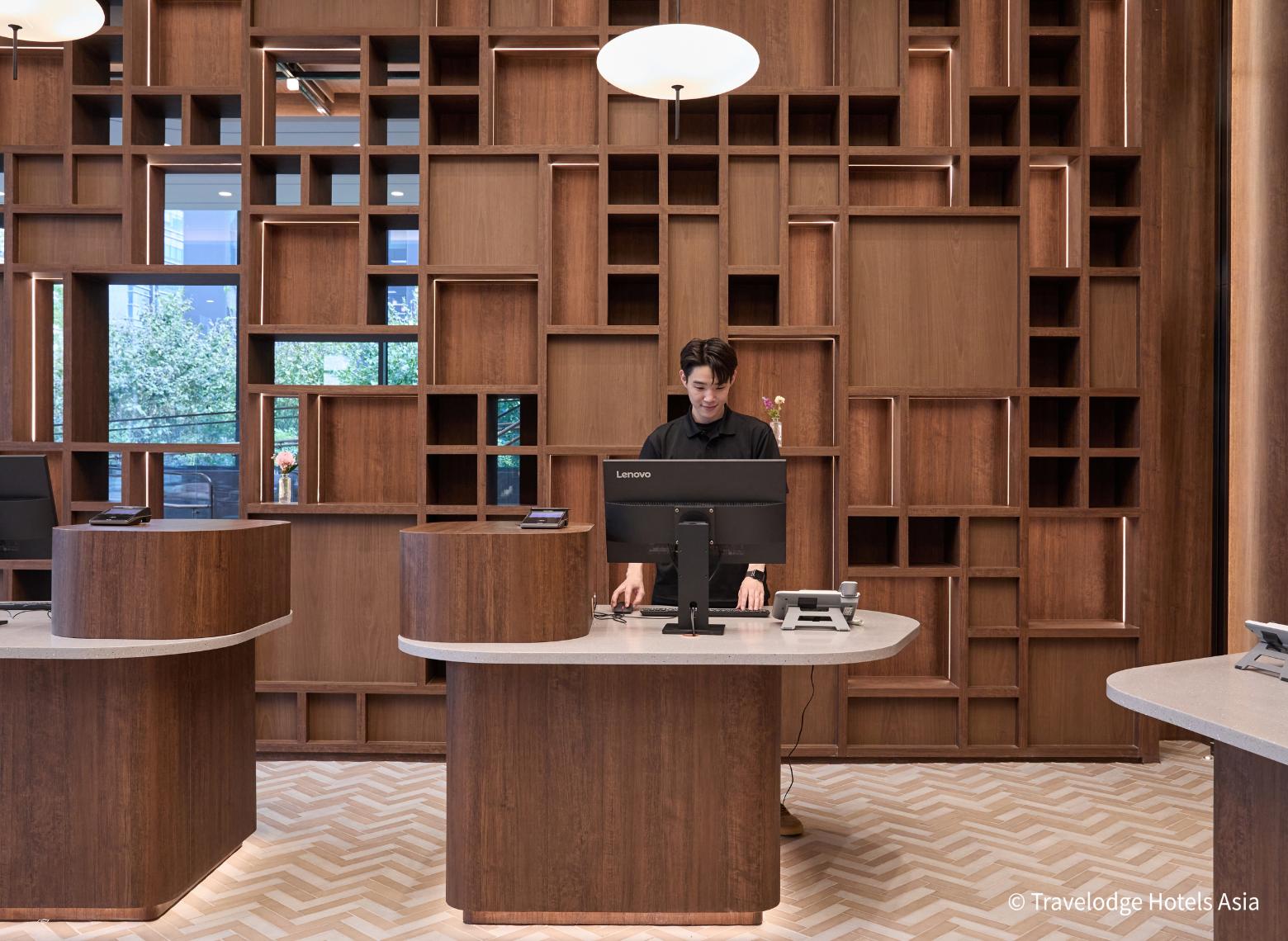
You may be able to leave without a face-to-face conversation if your hotel offers express check-out, a key-return box, or an approved digital procedure. However, you should not assume that simply leaving the room completes the required process.
Check the hotel's instructions for returning keys, settling outstanding charges, and confirming departure. If you are unsure, contact the front desk before leaving.
What Time Do You Have to Check Out of a Hotel?
Hotel check-out time varies by property, destination, room rate, and booking conditions. Many hotels set a deadline in the late morning to give housekeeping enough time to clean and prepare rooms for arriving guests.
The following ranges are general examples rather than fixed industry rules.
Hotel type | Common check-out time | What to expect |
Budget-friendly and economy hotels | Around 10–11 a.m. | Departure times may be relatively fixed, with late check-out dependent on availability and property policy. |
Midscale hotels | Around 11 a.m.–12 p.m. | Late-morning or noon check-out is common, although the exact time varies by hotel. |
Upscale and luxury hotels | Around 12 p.m., sometimes later | Some properties offer more flexible departure options or loyalty benefits, but late check-out is not automatically included. |
These are broad patterns, not guarantees. A budget-friendly hotel may offer noon check-out, while an upscale property may require guests to leave earlier under certain booking conditions.
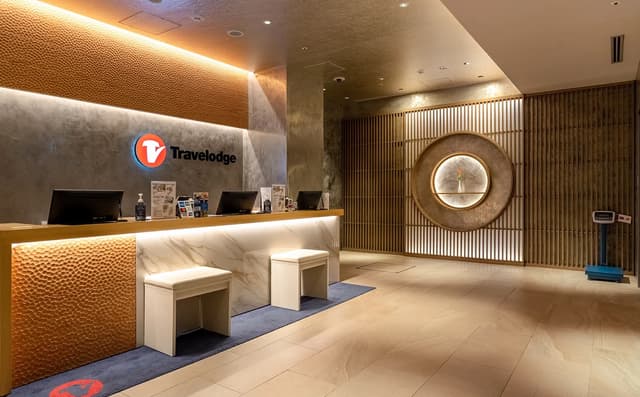
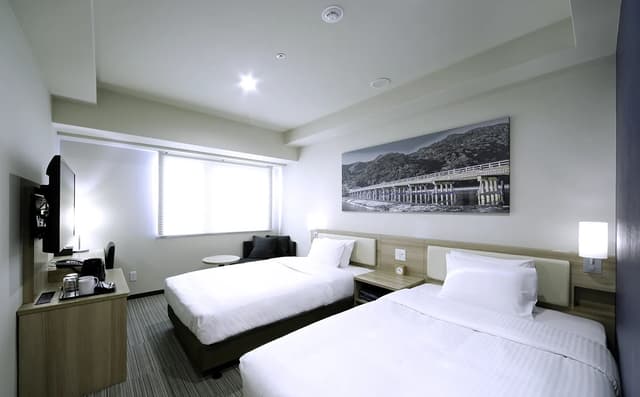
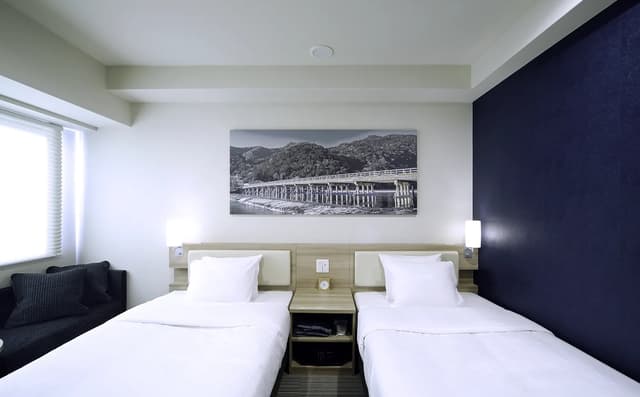
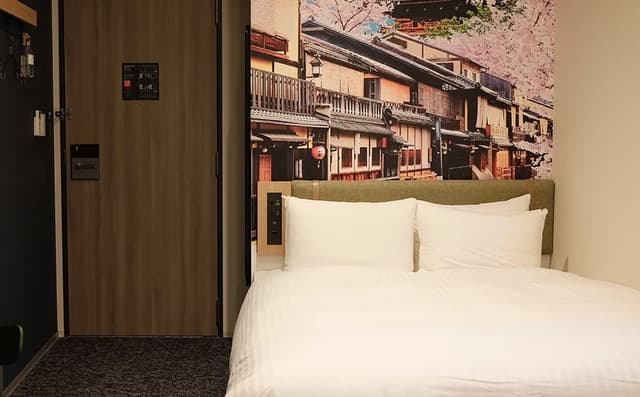
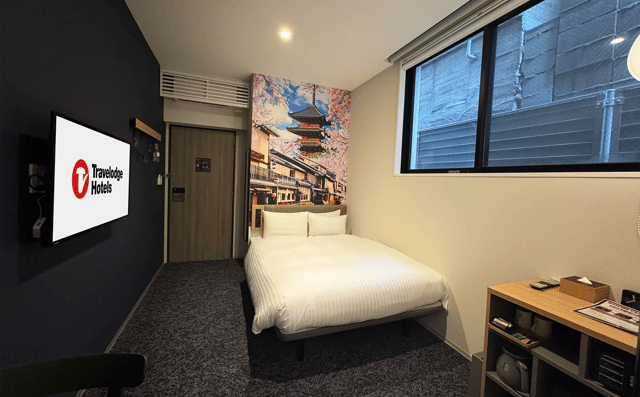
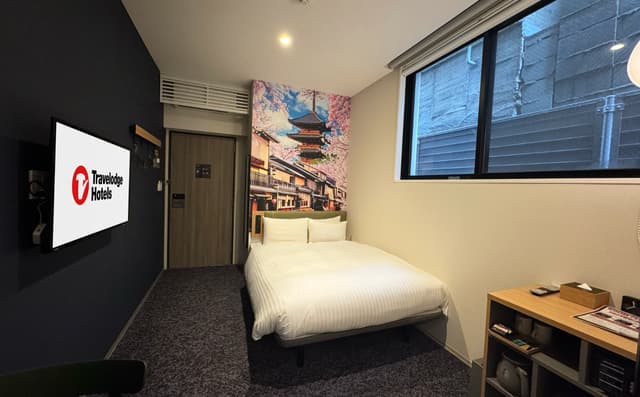
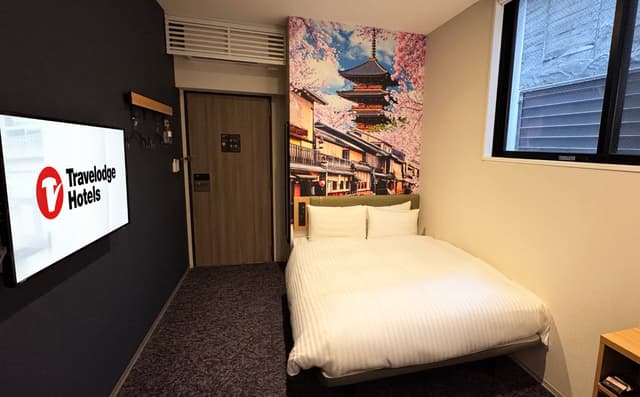
Explore Travelodge Hotels in Asia






- 1
- 2
- ...
- 9
What is the Usual Hotel Check-Out Time in Japan?
Hotel check-out in Japan is commonly around 10–11 a.m., although times vary by property. Check your booking confirmation or ask the front desk to confirm your departure deadline.
If you plan to explore after checking out, ask about luggage storage or luggage transfer support so you can continue your journey without carrying your bags.
How Can You Confirm Your Hotel's Check-Out Time?
Check the booking confirmation or the hotel's official website first. You can also ask the front desk during check-in or the evening before departure.
If you booked through a third-party platform, confirm that the time shown in your reservation matches the hotel's instructions. If you need extra time, request late check-out before the standard deadline rather than assuming you can stay in the room longer.
What Happens If You Don't Check Out of a Hotel?
If you leave without completing the hotel's check-out procedure, the consequences depend on the property's policy. Some hotels allow express check-out or automatically process the final bill, while others require guests to return their keys or notify the front desk.
If you stay in the room beyond the designated check-out time without approval, you may incur late check-out fees or other additional charges. To avoid confusion, confirm the hotel's departure procedure and request an extension in advance if you need more time.
Checking Out Early or Before the Front Desk Opens
An early departure may be necessary for a morning flight, an intercity train, or a packed travel itinerary. If you expect to leave before the front desk is staffed, contact the hotel in advance to find out how to complete check-out.
Depending on the property, you may be able to return your key to a designated box, use an express check-out option, or follow instructions provided by the hotel team. Confirm how any remaining charges will be processed and how you can obtain a receipt.
Leaving early does not automatically mean that unused nights will be refunded. Refund eligibility depends on your reservation terms, rate conditions, and the hotel's cancellation policy.
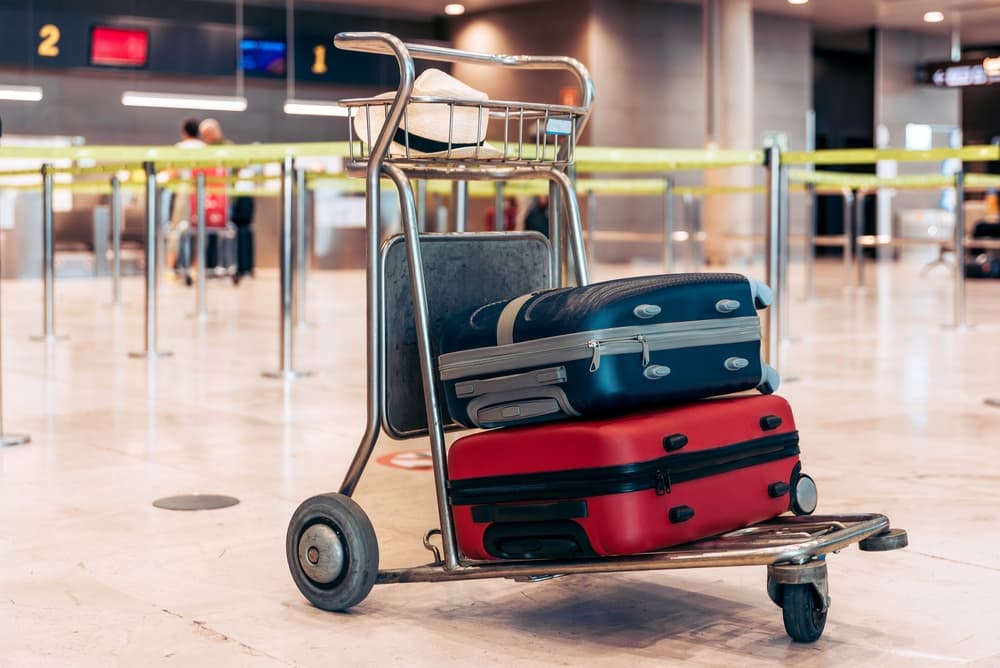
If your transport leaves later in the day, you do not necessarily need to keep your luggage with you after leaving the room. Ask the hotel about luggage storage and confirm the collection arrangements before setting off.
Can You Get a Late Check-Out at a Hotel?
A late check-out allows you to leave your room after the property's standard departure time. It can be useful if you have an evening flight, want a slower morning, need more time to pack, or would prefer to freshen up before continuing your journey.
To request late check-out, contact the front desk or hotel team and explain the time you would like to leave. Ask if the extension is available and if an additional fee applies. Hotels may need to prepare rooms for incoming guests, so approval depends on the property's policy and circumstances.
What to Do When Late Check-Out is Not Available
If the hotel cannot extend your departure time, there are still ways to make the remaining hours more comfortable.
- Ask about luggage storage so you can explore without carrying your bags.
- Plan a nearby meal, shopping stop, or sightseeing activity before heading to your next destination.
- Confirm where and when you can collect your luggage.
- Arrange transportation around your original check-out time.
- If you need access to a room for several additional hours, ask about booking another night or other suitable options.
A little planning can help you make better use of the day without risking a missed train or flight.
How Travelodge Membership Can Help With Late Check-Out
Travelodge membership offers eligible guests access to applicable stay benefits, including the option to request late check-out. The conditions depend on membership tier and the current program terms, so guests should check their eligibility before making plans around a later departure.
Under the published membership benefit conditions, late check-out of up to two hours is listed for eligible tiers. Classic members are subject to availability, while Silver and Gold members have a guaranteed benefit under the stated conditions. To use the guaranteed benefit, members must email the respective hotel at least 48 hours before arrival; the specific late check-out time remains at the hotel's discretion.
If you would like to take advantage of this benefit, check the latest Travelodge membership terms and contact your hotel in advance. Even when a membership benefit applies, confirming the approved departure time helps you plan transportation and other activities with confidence.
Travelodge Luggage Storage and Luggage Transfer Support in Japan

Check-out does not always mean your travel day is over. You might have several hours before your train, want to explore the neighborhood, or need to travel to another city before checking into your next hotel. Carrying large suitcases throughout the day can make these plans less convenient.
Travelodge hotels offer luggage storage for guests, allowing them to ask about leaving their bags at the hotel when they arrive before check-in or need somewhere to keep their belongings after check-out. Confirm the hotel's arrangements and collection times with the team, as storage conditions may vary by property.
For guests staying in Japan, Travelodge hotels also offer luggage transfer support. This can help travelers arrange to send their bags ahead to another hotel rather than carrying everything between destinations. The service can be particularly useful on itineraries that include several cities, such as Osaka, Kyoto, and Nagoya.
How Does Luggage Transfer Help With Hotel Check-Out?
Luggage transfer is different from luggage storage. Storage means leaving your bags temporarily at the hotel, while transfer involves arranging delivery to another destination through a luggage delivery provider.
If you are checking out of a Travelodge hotel in Japan and moving to another city, ask the hotel team about the available luggage transfer arrangements. They can guide you on the process and help you understand what needs to be confirmed with the delivery provider.
Before sending luggage, check the destination hotel's acceptance policy, delivery fees, estimated arrival time, and any cut-off times. Make sure the recipient's name and other required details are correct, and keep essential items such as passports, medication, valuables, and travel documents with you.
Can You Send Luggage to an Airport?
Airport luggage delivery may be available through specialist delivery services in Japan, but it should not be assumed to be available for every hotel, route, or departure airport. Ask the Travelodge team about the options relevant to your itinerary, then confirm the provider's deadlines, airport collection point, and delivery requirements before sending your bags.
Leave sufficient time for the luggage to arrive and be collected before your flight. Keep your passport, boarding documents, medication, and other essentials in your hand luggage in case your checked bags are delayed.
For guests traveling with children or several suitcases, luggage storage and transfer support can make the transition between check-out, sightseeing, and the next destination easier to manage.
Other Tips for a Stress-Free Hotel Check-Out
A smooth check-out often comes down to a few small preparations. Taking care of these details the evening before can make your final morning less rushed.
- Confirm the check-out time and any key-return instructions.
- Pack most of your belongings the night before.
- Keep your passport, wallet, electronics, and travel documents accessible.
- Review your bill and save the receipt.
- Ask about luggage storage or transfer support if you have plans after leaving the room.
- Allow enough time to reach your next destination, especially if you have a train or flight to catch.
How Much Should You Tip Housekeeping When Checking Out?
Tipping customs vary by country and accommodation type. In many destinations, tipping hotel housekeeping is optional, and some places do not commonly expect it.
If you choose to leave a tip, check local customs and follow any guidance from the property. Avoid assuming that the same amount or practice applies everywhere, especially when traveling between countries.
What Payment Methods Can You Use at Check-Out?
Hotels may accept credit cards, debit cards, cash, or other payment methods, depending on the property and booking conditions. Some reservations are prepaid, while others require payment for the room or additional charges at check-out.
If you plan to pay with a specific card or in cash, confirm the hotel's accepted payment methods in advance. This is particularly useful when traveling internationally, as payment practices and accepted cards may vary.
Make Your Hotel Check-Out Easier With Travelodge
A little preparation can make hotel check-out much easier. Confirm your departure time, settle your bill, pack carefully, and ask about luggage storage if you plan to keep exploring after leaving the room.
For trips around Japan, Travelodge's luggage transfer support can also help simplify the move between hotels and cities. Before your stay, check the available property services and Travelodge membership benefits so you can plan a comfortable, convenient departure and make the most of your travel day.
Frequently Asked Questions About Hotel Check-Out
How do you check out of a hotel?
Pack your belongings, check the room for items left behind, review and settle any outstanding charges, and return your key or complete the hotel's required check-out procedure. If the property offers express or online check-out, follow its instructions.
What time do you have to check out of a hotel?
Many hotels set check-out between 10 a.m. and noon, but the exact time varies by property. In Japan, 10–11 a.m. is common at many accommodations, so check your reservation or ask the hotel to confirm the deadline.
Can you check out of a hotel early?
Yes, you can generally leave a hotel before the scheduled check-out time. Inform the front desk if required, settle any outstanding charges, and check your booking terms because leaving early does not automatically qualify you for a refund.
Do I have to check out of a hotel?
You should follow the hotel's check-out procedure, but you may not need to visit the front desk in person. Some hotels offer express or digital check-out, while others require guests to return their keys or confirm their departure.
Do you need to check out of a hotel in person?
Not always. If the hotel offers express check-out, an app, or a key-drop option, you may be able to leave without visiting reception.
Do you have to check out of a hotel or can you just leave?
Some hotels allow guests to leave using express check-out or a key-return box. You should still follow the hotel's departure instructions, return keys where required, and make sure any outstanding charges are settled.
Can you request late check-out at a hotel?
Yes, you can ask the hotel whether late check-out is available. Approval, fees, and extension times depend on the property, booking conditions, and any eligible membership benefits.
Can you leave your luggage at a hotel after check-out?
Many hotels offer luggage storage, but the service and collection arrangements vary. Travelodge hotels offer luggage storage for guests; ask the specific property about its arrangements and timings before making plans.
Can Travelodge help transfer luggage between hotels in Japan?
Travelodge hotels in Japan offer luggage transfer support to help guests arrange delivery to their next destination. Contact the hotel team in advance to confirm the available arrangements, destination requirements, costs, and delivery timing.