


Share article
#WhyChooseTravelodge Hotel Check-In Times, Age Requirements, and Early Check-In

Travelodge Team
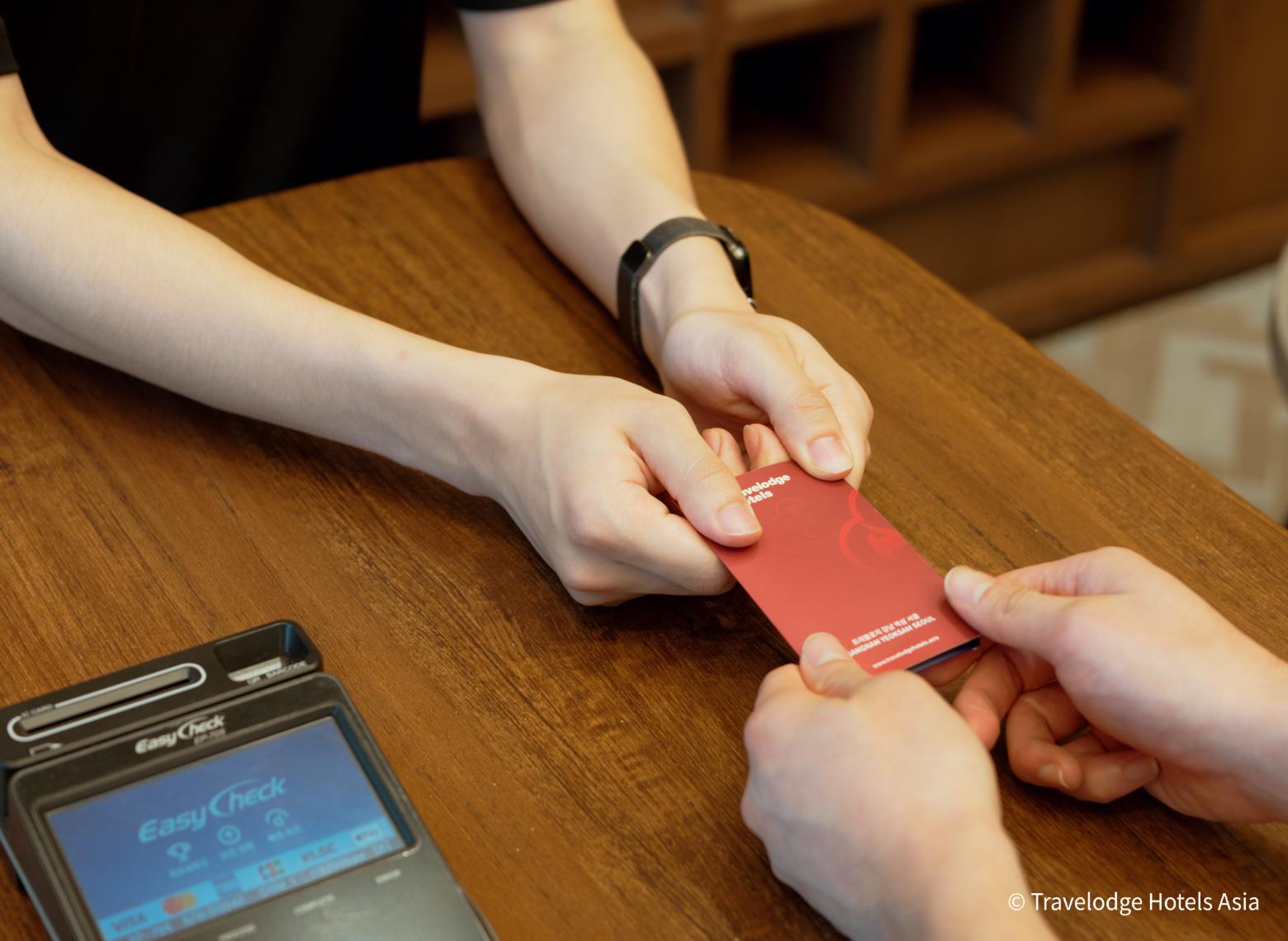
Arriving at a hotel should be the start of a comfortable stay, not another travel challenge. Knowing when check-in begins, what documents to prepare, and how to request early or late arrival can help you settle in with less stress.
From traditional front-desk registration to self check-in options, hotels offer different ways to welcome guests. This article explains how hotel check-in works, what time hotel check-in usually begins, and how Travelodge membership may help eligible members access early check-in benefits.
What is Hotel Check-In?
Hotel check-in is the process of registering your arrival, confirming your reservation, and receiving access to your room. Depending on the property, you may need to present identification, verify your booking details, provide a payment card, or pay a refundable deposit.
The process usually takes place at the front desk, although some hotels offer online check-in or self-service facilities. Once registration is complete and your room is ready, the hotel provides your room key or access instructions.
Check-in time refers to the earliest standard time a guest can access their room on the arrival date. Arriving before this time does not automatically mean your room will be ready, so it helps to understand the property's policy before planning your journey.
What Time is Hotel Check-In Usually?
Hotel check-in commonly begins in the afternoon, often around 2–3 p.m. However, there is no universal hotel check-in time. The exact time depends on the property, destination, room availability, and booking conditions.
Here is a general comparison of typical check-in arrangements by hotel category.
Hotel type | Common check-in time | What to expect |
Budget-friendly and economy hotels | Around 2–3 p.m. | Standard check-in times may be fixed, with early access depending on room readiness and hotel policy. |
Midscale hotels | Around 2–3 p.m. | Guests can generally expect a defined afternoon check-in time, with early check-in sometimes available on request. |
Upscale and luxury hotels | Around 3 p.m., sometimes earlier or later | Some properties offer more personalized arrival arrangements, but early room access is not automatically guaranteed. |
These are general examples, not strict industry standards. A hotel in any category may have a different check-in time, so always refer to your reservation confirmation or the property's official information.
Why Do Hotels Have Standard Check-In Times?
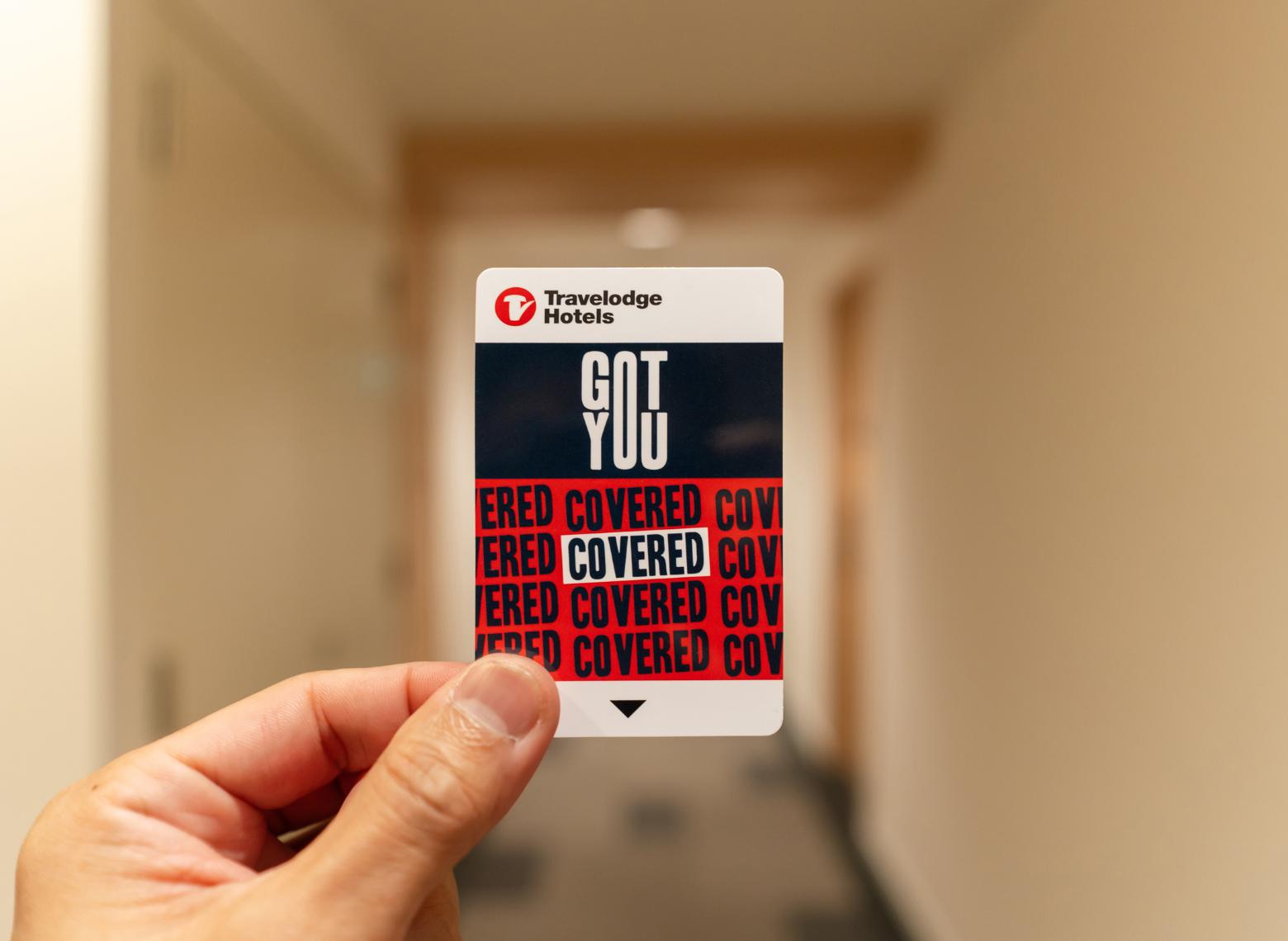
Standard check-in times give housekeeping teams time to clean, inspect, and prepare rooms after previous guests check out. The hotel also needs to confirm that the room is ready for the next arrival.
During busy periods, high occupancy or a large number of same-day departures can affect how quickly rooms become available. Even if the front desk can complete your registration early, you may still need to wait for your room.
If your travel plans require access before the standard time, contact the hotel in advance to ask about early check-in or luggage storage.
How Hotel Check-In Works, Step by Step
The hotel check-in process is usually straightforward. Preparing a few details before arrival can make it quicker and help you avoid unnecessary delays.
Confirm Your Reservation
Before leaving for the hotel, check your booking confirmation for the property name, address, arrival date, room type, and check-in time. If you booked through a third-party platform, keep the reservation confirmation and booking reference accessible.
If you have not booked your accommodation yet, you can review our article on how to book a hotel directly on the Travelodge Hotels Asia website to understand how to search for rooms, compare rates, and review booking conditions through the official website.
Prepare Your Identification and Payment Details
Hotels commonly ask guests to present valid identification, such as a passport for international travelers or an accepted government-issued ID. Requirements vary by destination and property, so check what you need before arriving.
You may also need a payment card or deposit to cover the room rate and incidental charges. If your reservation has already been prepaid, confirm whether the hotel still requires a card or deposit at check-in.

Register at the Hotel
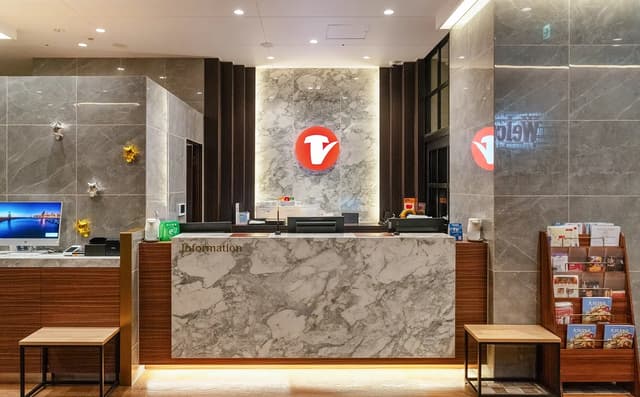
At a traditional front desk, staff will confirm your reservation and guest details. You may need to complete a registration form, sign or accept the hotel's terms, and confirm the number of guests staying in the room.
Use the correct guest information and mention any special requests that need to be checked. Requests such as a particular room location or bed arrangement are generally subject to availability unless confirmed otherwise.
Receive Your Room Key and Instructions
Once registration is complete and the room is ready, the hotel will provide a key card, physical key, or digital access instructions. This is also a good time to ask about Wi-Fi, breakfast hours, facilities, and the hotel's check-out time.
At Travelodge Hotels Asia, guests can also ask the front desk about available services and practical details that may help them settle into their stay.
Also read: How to Check Out of a Hotel
Types of Hotel Check-In
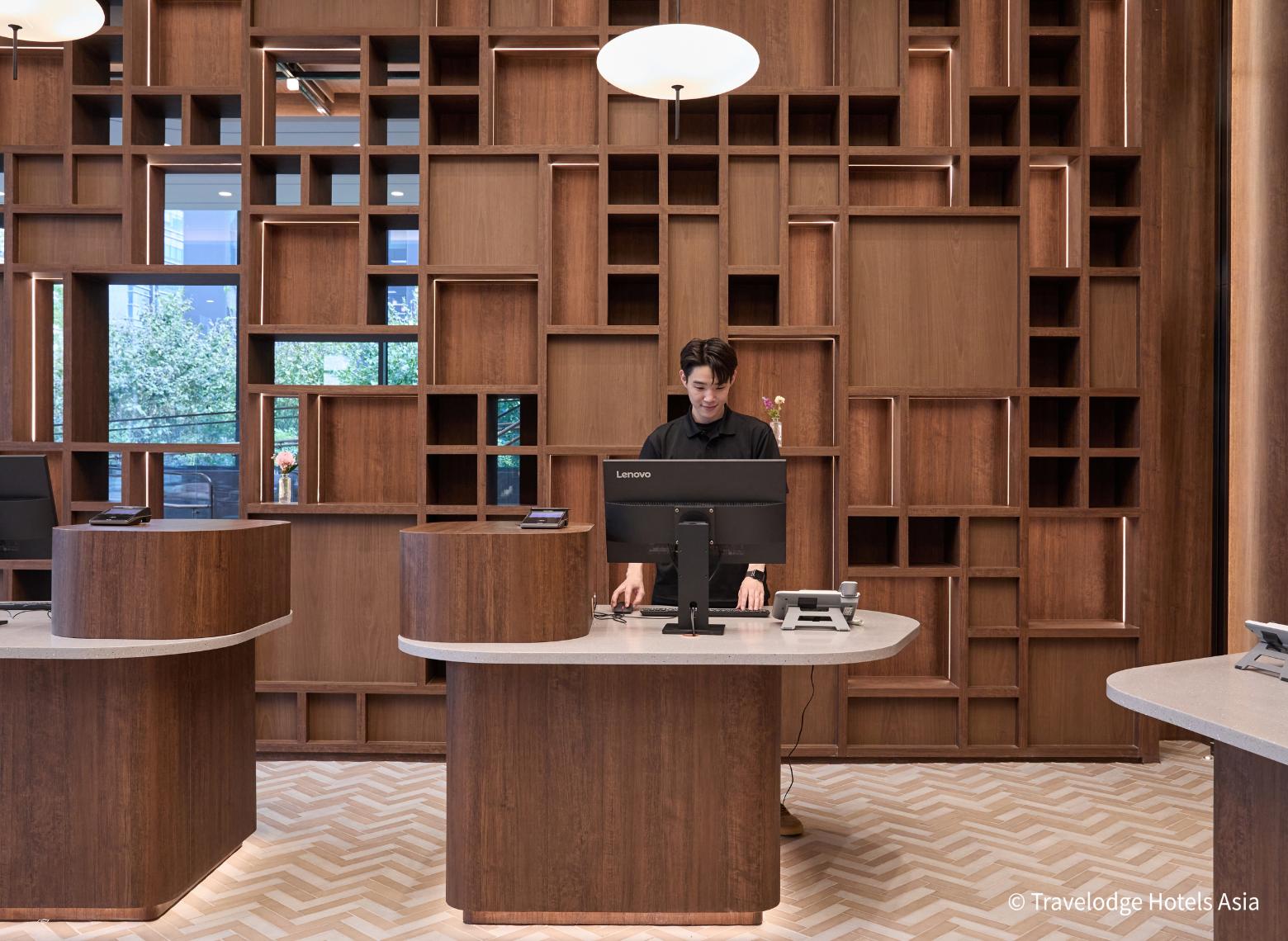
Hotels offer different ways to check in, depending on their facilities and procedures. The right option for you may depend on your arrival time, the documents you need to present, and whether you prefer to interact with hotel staff.
Check-in method | How it works |
Front-desk check-in | Guests register with hotel staff, verify their reservation, provide identification, and receive their room key. |
Online check-in | Guests complete selected registration details before arrival. They may still need to verify their ID or collect a room key at the hotel. |
Self check-in | Guests use a kiosk or digital system to complete the check-in process independently, where available. Staff assistance or identity verification may still be required. |
Are Self Check-In Hotels Available Everywhere?
Self check-in hotels use kiosks, mobile systems, or other self-service technology to help guests complete some or all of the arrival process. These options can reduce waiting time, but they are not available at every property.
Even at hotels with self check-in, guests may need to provide identification, verify their reservation, or collect a physical key. Check the hotel's instructions before arrival so you know if the process is fully digital or still requires assistance from staff.
Can You Check Into a Hotel Early?
Yes, you can request early check-in at many hotels, but approval depends on room availability, hotel policy, and any applicable fees. Some properties may allow guests to access their rooms before the standard time, while others cannot confirm an early arrival until the room is ready.
Early check-in can be particularly useful if you arrive on an early flight, have traveled overnight, or need time to prepare for a meeting or sightseeing itinerary.
Ask the Hotel Before You Arrive
Contact the hotel as early as possible and explain your expected arrival time. Asking in advance gives the team an opportunity to advise you about its policy, potential charges, and the earliest time a room might be available.
If you booked through a third-party platform, use the contact details provided in your reservation. If you booked directly, refer to the confirmation or contact the hotel through its official communication channels.
Explain Your Arrival Needs
Let the hotel know if you are arriving early because of a morning flight, a long journey, or travel with children. Although the reason does not guarantee approval, it helps the team understand your request and explain the available options.
If you need guaranteed access to a room at a very early hour, ask about the possibility of booking the previous night. This means paying for an additional night, but it may be more suitable when waiting until the standard check-in time is not practical.
Understand What is Guaranteed
An early check-in request is not the same as a confirmed arrangement. Unless the hotel has explicitly confirmed the time or your reservation includes an applicable benefit, you should plan around the standard check-in time.
Ask if there is an additional fee and request confirmation of the approved arrival time. This is particularly important if you have planned activities that depend on being able to enter your room early.
Ask About Luggage Storage

If your room is not ready, luggage storage may let you continue your day without carrying your bags. Ask the hotel if you can leave your belongings securely and confirm the collection arrangements.
Travelodge Hotels Asia offers luggage storage for guests. Availability, storage conditions, and collection arrangements should be confirmed with the specific property.
How to Get Early Check-In at a Hotel
If you are searching for hotels with early check-in or a hotel with early check-in that suits your itinerary, a little preparation can help you understand the available options and improve your chances of accessing your room ahead of schedule.
- Contact the hotel before arrival and state your preferred check-in time.
- Ask if early check-in is available and if a fee applies.
- Check your booking conditions for any arrival-time benefits.
- Review applicable Travelodge membership benefits if you are a member.
- Confirm the arrangement directly with the hotel rather than relying on an unconfirmed request.
- If early access is unavailable, ask about luggage storage or other suitable options.
Early check-in at hotels is usually subject to room readiness, so avoid assuming that a request has been approved until the hotel confirms it. If you need to access your room at a specific time, confirm the arrangement before finalizing transportation or other plans.
How Travelodge Membership Can Help With Early Check-In
Travelodge membership offers eligible guests access to selected benefits that can make their stays more convenient. These include early check-in, subject to membership tier and the applicable program conditions.
Under the published Travelodge membership terms, early check-in of up to two hours is listed for eligible members. Classic members are subject to availability, while Silver and Gold members have a guaranteed benefit under the stated conditions.
To claim the guaranteed benefit, members must email the respective hotel at least 48 hours before arrival. The hotel determines the specific early check-in time, so members should confirm the arrangement before planning their day around earlier room access.
If early check-in is important for your trip, review the current Travelodge membership benefits and contact the hotel in advance. You can also book directly through the official Travelodge Hotels Asia website to review available room rates, promotions, and eligible membership benefits during the booking process.
Can You Check In Late to a Hotel?
Yes, late check-in is often possible, but the arrangements depend on the hotel's reception hours and arrival policy. Some properties have a 24-hour front desk, while others require guests arriving late at night to make advance arrangements.
If your flight or train is scheduled to arrive late, notify the hotel and provide your estimated arrival time. This is particularly important if you expect to arrive after midnight, as your arrival may fall on the calendar day after your original check-in date.
Can I Check In Late to a Hotel?
In many cases, yes. If you expect to arrive after the standard check-in time, contact the hotel to confirm that your reservation will be held and ask if there are any special instructions for late arrivals.
If your plans change during the journey, update the hotel as soon as possible. This is especially important for properties with limited reception hours or specific arrival procedures.
How Late Can You Check In to a Hotel?
There is no single cut-off time for every hotel. Properties with 24-hour reception may accommodate arrivals late at night or after midnight, while other hotels may require guests to arrive within specified hours or follow an alternative check-in procedure.
Check the hotel's reception hours and late-arrival policy before traveling. If you expect to arrive after midnight, confirm how the hotel handles reservations that cross into the next calendar day.
Late check-in is different from late check-out. Late check-in refers to arriving after the standard check-in time, while late check-out means staying in the room beyond the property's usual departure deadline.
Explore Travelodge Hotels in Asia

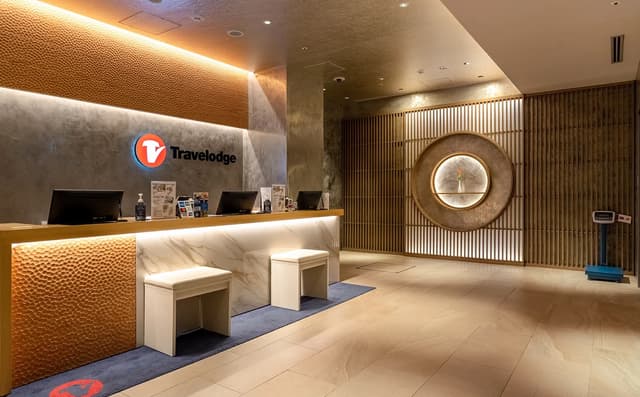
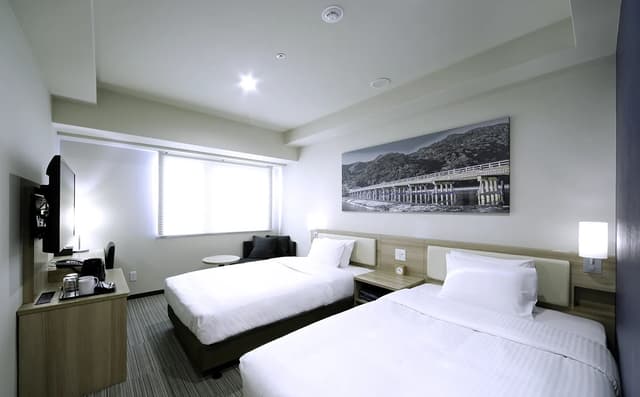






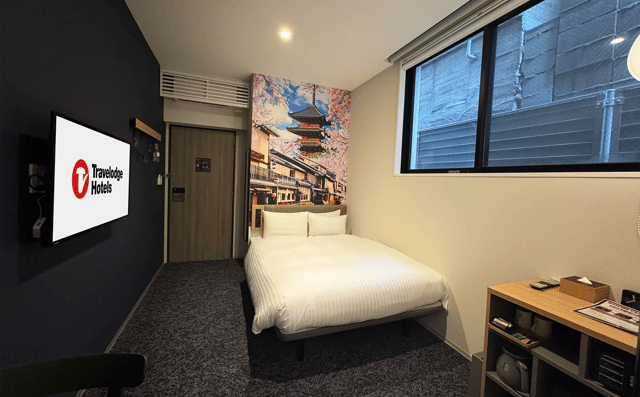
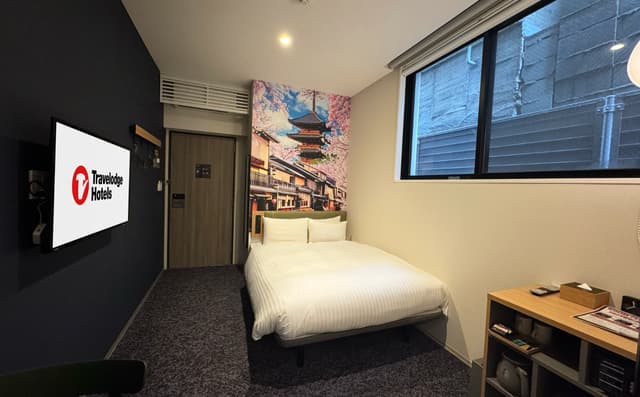
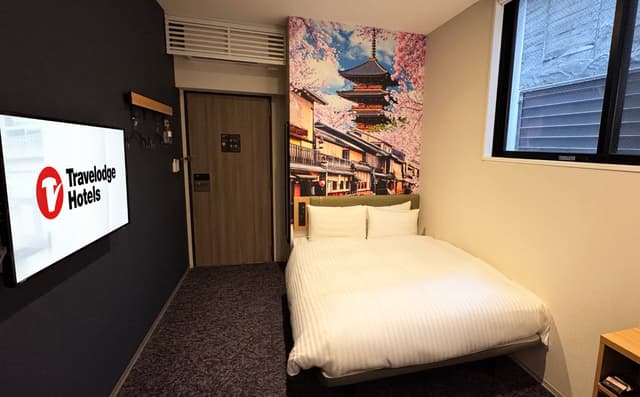
- 1
- 2
- ...
- 9
How Old Do You Have to Be to Check Into a Hotel?
The minimum age to check into a hotel varies by property and destination. Some hotels allow guests aged 18 and older to book and check in independently, while others set a higher minimum age or apply additional conditions.
Being legally an adult does not automatically mean every hotel will accept a reservation from a guest of that age. Check the property's policy before making a booking, particularly if you are traveling alone or with a group of younger guests.
Why is the Minimum Check-In Age 21 at Some Hotels?
Some hotels set a minimum check-in age of 21 under their own booking and operating policies. Requirements vary by property and destination, so guests should confirm the age policy directly with the hotel before making a reservation.
What Should 18-Year-Olds Prepare Before Booking a Hotel?
Travelers aged 18 should first confirm that the hotel allows them to book and check in independently. They may need valid identification, a reservation in their name, and an accepted payment method or deposit. Checking these requirements before booking can help avoid unexpected issues at arrival.
Hotel Check-In Checklist
Preparing before arrival can help you complete registration more smoothly and avoid last-minute surprises.
Before You Arrive
- Check your booking confirmation and hotel address.
- Confirm the standard check-in time.
- Prepare the required identification and payment details.
- Contact the hotel if you expect to arrive early or late.
- Review any membership benefits that may apply to your stay.
- Confirm the property's minimum-age policy if relevant.
At Check-In
- Have your reservation details and identification ready.
- Confirm your room type and number of guests.
- Check payment, deposit, and other booking requirements.
- Ask about Wi-Fi, breakfast, and hotel facilities.
- Confirm the check-out time and key-return procedure.
If Your Room is Not Ready
- Ask the hotel when the room is expected to be available.
- Request luggage storage if you want to explore while waiting.
- Check if early check-in is possible for an additional fee.
- Review your schedule and plan around the confirmed room access time.
Plan a Smoother Hotel Check-In With Travelodge
A smooth hotel arrival starts with knowing the check-in time, preparing your identification, and confirming any special requirements before you travel. If you expect to arrive early or late, contact the hotel in advance so you can understand the available arrangements.
Travelodge membership may offer eligible guests early check-in benefits, while luggage storage can help if the room is not ready when you arrive. Before booking, explore the available hotels and rates through the official Travelodge Hotels Asia website, and review the membership conditions to see which benefits may apply to your stay.
Frequently Asked Questions About Hotel Check-In
What Time is Hotel Check-In Usually?
Hotel check-in commonly starts around 2–3 p.m., but the exact time varies by property, destination, and booking conditions. Check your confirmation or contact the hotel for the official time.
When is Hotel Check-In?
Hotel check-in usually begins at the time specified in your reservation, often in the afternoon. You can arrive earlier, but access to your room depends on the property's early check-in policy and room availability.
Can You Check Into a Hotel Early?
Yes, you can request early check-in, but it depends on room availability, hotel policy, and possible fees. Contact the hotel before arrival to ask about the options.
How Do You Get Early Check-In at a Hotel?
Contact the hotel in advance, explain your expected arrival time, and ask if early room access is available. If you are a Travelodge member, check your eligible membership benefits and confirm the request with the hotel.
Can I Check In Late to a Hotel?
Many hotels accommodate late arrivals, but you should confirm the property's reception hours and late-arrival procedure. Notify the hotel if you expect to arrive after midnight.
How Old Do You Have to Be to Check Into a Hotel?
The minimum age depends on the hotel and destination. Some properties accept guests aged 18 and older, while others require guests to be at least 21 or meet other conditions.
What is Self Check-In at a Hotel?
Self check-in is a process that allows guests to complete some or all registration steps independently, such as through a kiosk or digital system. Availability and procedures vary by property.