


Share article
#TrevorDiscover How to Enjoy Christmas Nights at Gwanghwamun Square

Trevor
Travelers looking for something special close to their hotel do not always need to cross Seoul to find it. Trevor's favorite winter evenings are the ones that start nearby, leave plenty of room for wandering, and make it easy to travel like locals rather than rush between attractions.
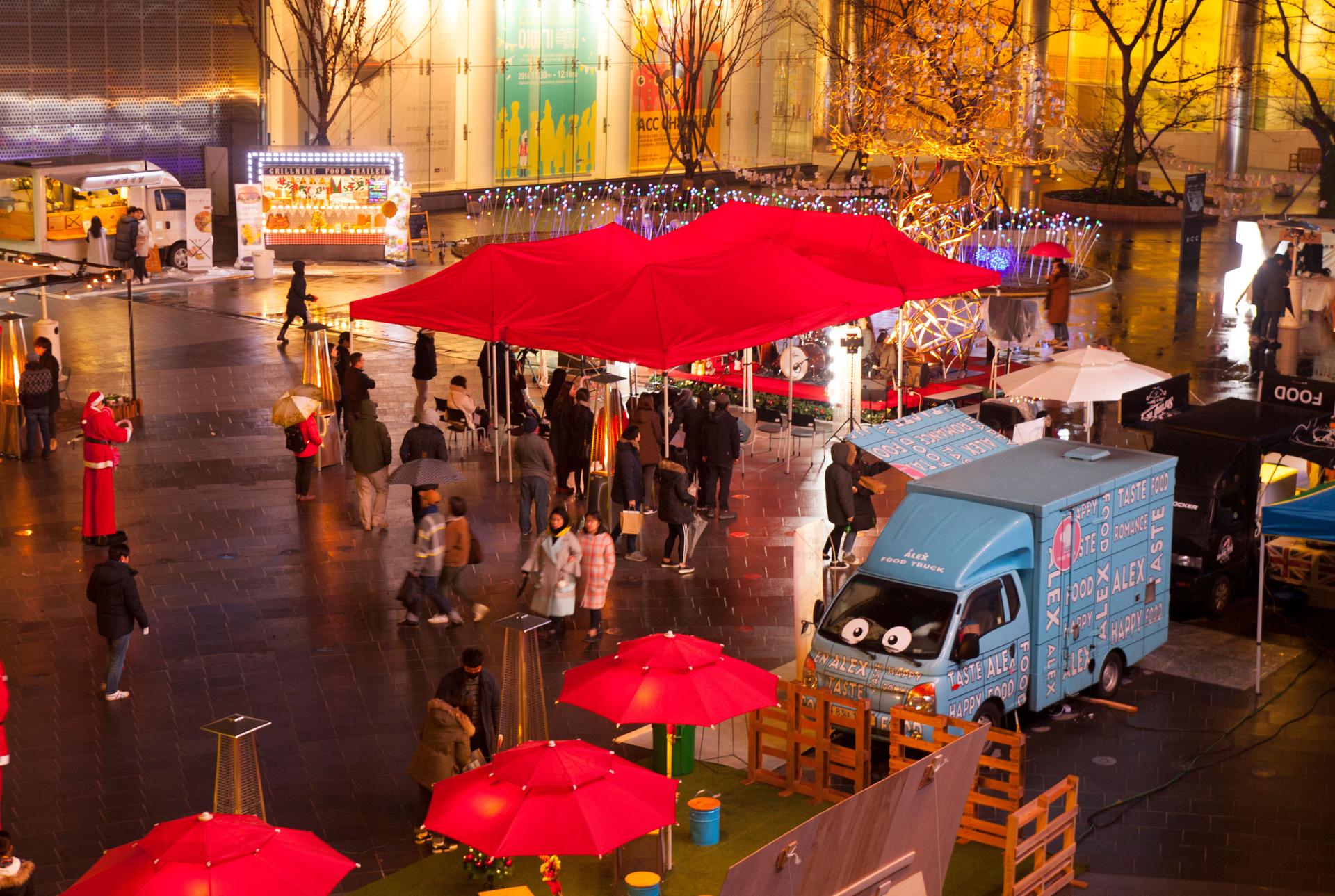
The Gwanghwamun Square Christmas Market brings that festive feeling to the heart of Seoul during the holiday season. Inspired by traditional European Christmas markets, it typically features charming market stalls, seasonal decorations, festive photo spots, and interactive experiences for visitors. Event dates, opening hours, and seasonal programmes may vary each year, so Trevor recommends checking the official event calendar before your visit.
Good to Know Before You Go
Quick Fact | What Trevor Would Tell You |
What is Gwanghwamun Market? | A seasonal Christmas market held at Gwanghwamun Square, with independent sellers, festive products, food, photo zones, and seasonal experiences. |
Season | The market is typically held during Seoul’s winter holiday season. Exact dates and operating hours may vary each year, so check the official event calendar before visiting. |
Location | Gwanghwamun Square in Jongno-gu, central Seoul. The square is around 235 meters from Gwanghwamun Station Exit 2. |
Admission | Gwanghwamun Square is a free public space. Some market activities, workshops, or special experiences may have separate fees or participation requirements. |
Best time to visit | Trevor would arrive around late afternoon, then stay after dark for the market lights and nearby winter illuminations. |
From Travelodge Myeongdong Euljiro | Around 1.4-1.8 km away, with a typical public-transport journey of about 8–18 minutes depending on the route and waiting time. |
Good for families? | Yes. The market typically features festive photo spots and seasonal activities, while the surrounding district also offers museums and indoor attractions that are convenient for colder days. |
What to wear | December evenings in Seoul can be cold, so warm layers, gloves, and comfortable shoes make outdoor browsing much easier. |
How long to spend | Around 1.5-2 hours for the market, or a full evening when combining it with Gwanghwamun lights, Cheonggyecheon, or dinner nearby. |
Why You Should Pay the Gwanghwamun Square Christmas Market a Visit
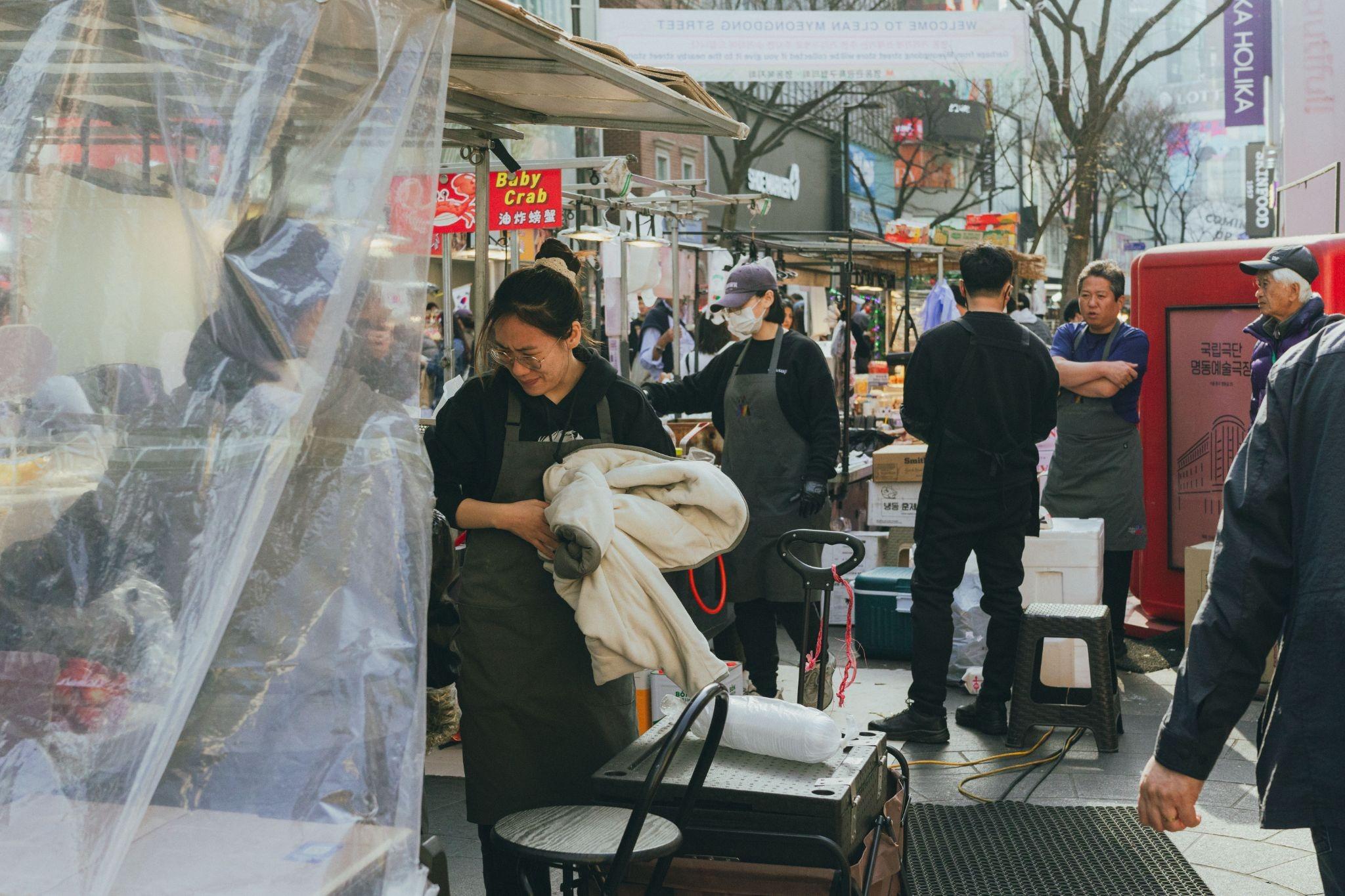
A Christmas market in Seoul feels different when Gwanghwamun Gate and the city’s historic center form the backdrop. Instead of placing festive stalls inside a shopping mall, the market occupies one of Seoul's most recognizable public spaces, surrounded by monuments, museums, cultural venues, and views toward Gyeongbokgung Palace.
Seoul's current plan for the Gwanghwamun Square Christmas season calls for a village modeled on European Christmas markets. Small businesses are expected to sell seasonal handicrafts, manufactured goods, and food, alongside partner booths, Christmas photo zones, and special or ongoing experience programs.
The market has grown into much more than a small seasonal pop-up, drawing millions of visitors in past editions. Depending on the year, visitors may find festive installations such as Christmas trees, themed photo zones, seasonal displays, and family-friendly attractions. As the programme can change from one season to the next, it is worth checking the latest event details before visiting.
That is why Trevor would make the market the starting point rather than the whole evening. Gwanghwamun sits within Seoul's wider winter-event district, so lights, museums, cafés, Cheonggyecheon, and historic landmarks are all easy to add without another long journey.
How to Get to Gwanghwamun Square From Travelodge Myeongdong Euljiro
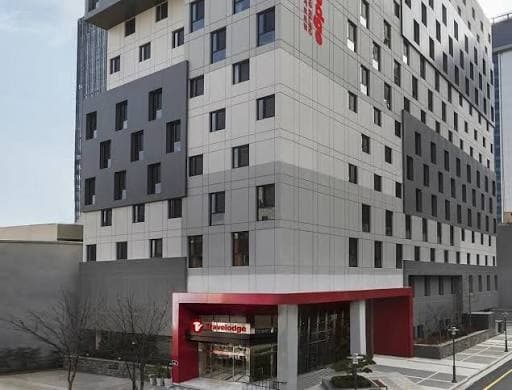
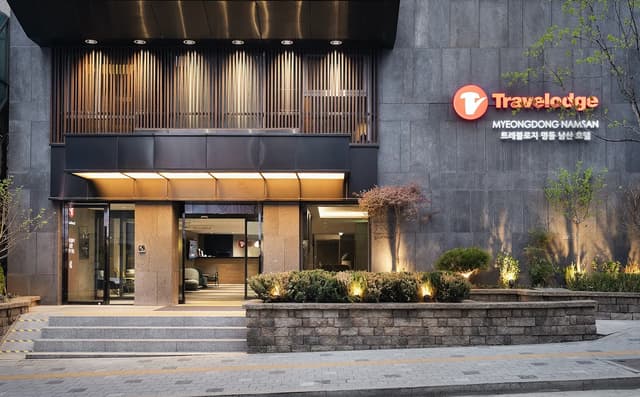
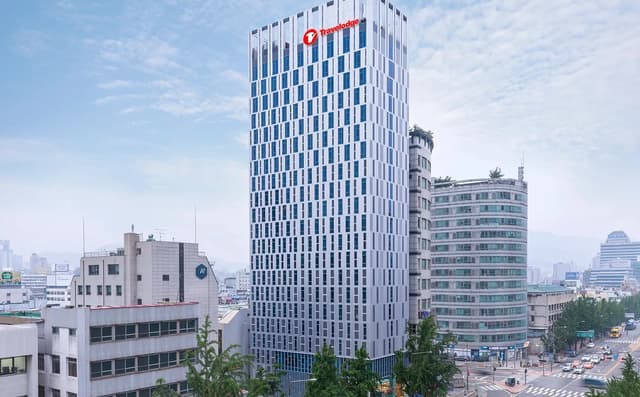
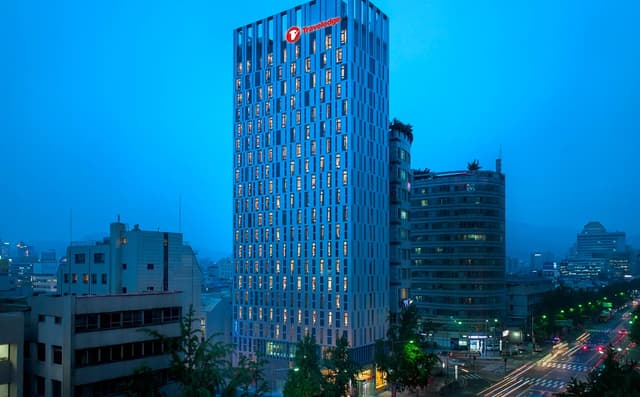
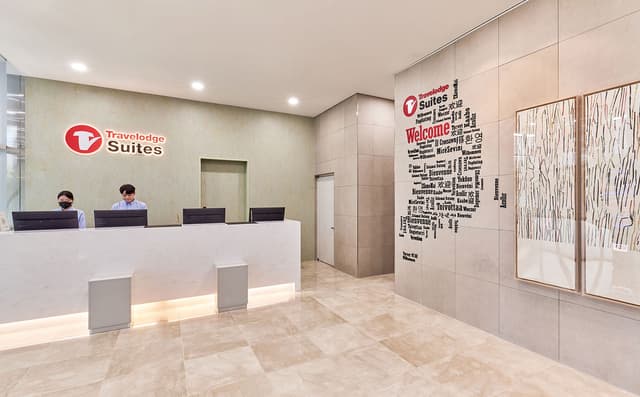
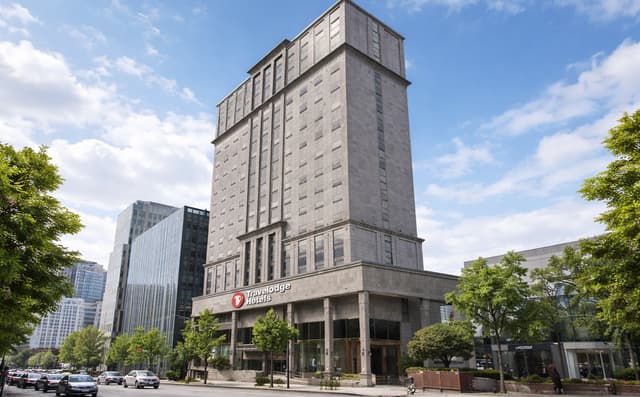
From Travelodge Myeongdong Euljiro, Gwanghwamun Square is around 1.4-1.8 km away. Depending on the route and waiting time, public transportation can make the journey in roughly 8–18 minutes, which keeps a Seoul Christmas Market Gwanghwamun Square visit comfortably within an evening itinerary.
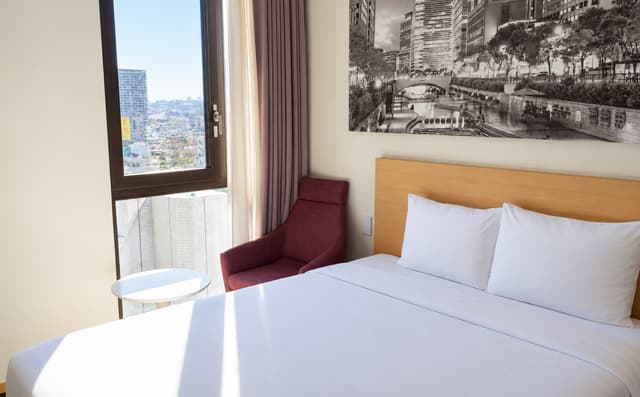
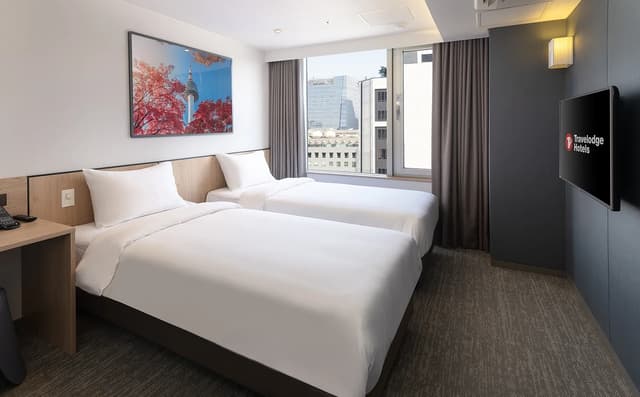
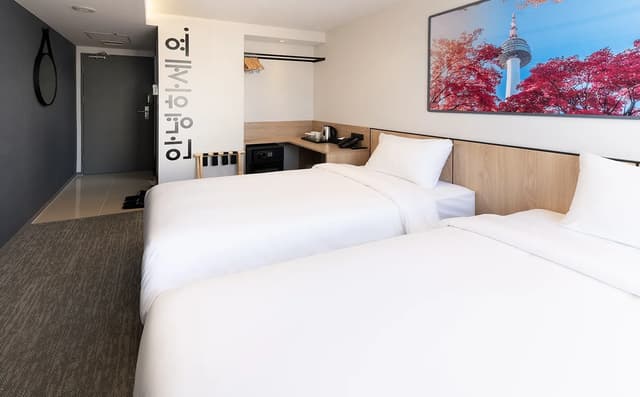
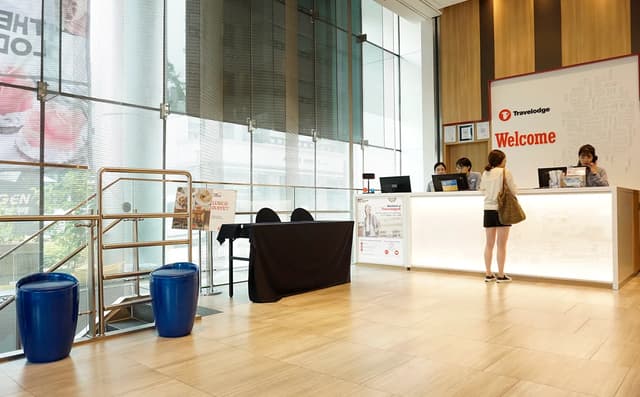
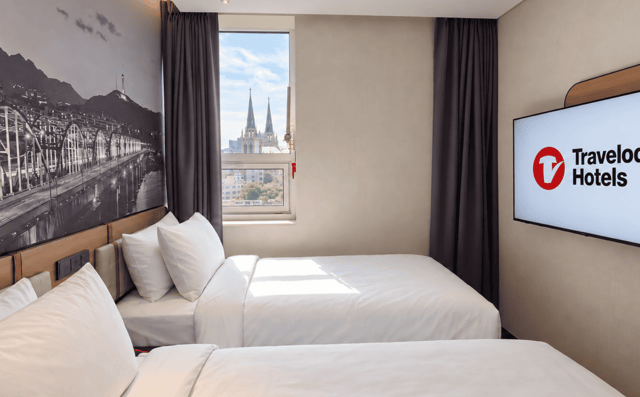
The hotel itself is about 350 meters from Euljiro 3-ga Station, served by Subway Lines 2 and 3, giving guests practical connections around central Seoul. Travelodge also provides free Wi-Fi and self-service laundry, useful Stream and Spin touches when winter travel involves constantly checking event schedules, weather, and routes.
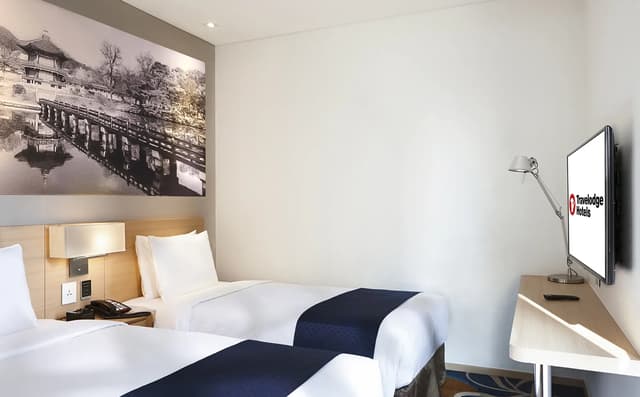
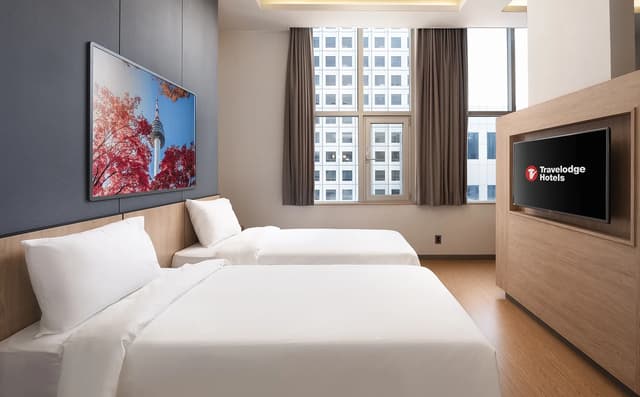
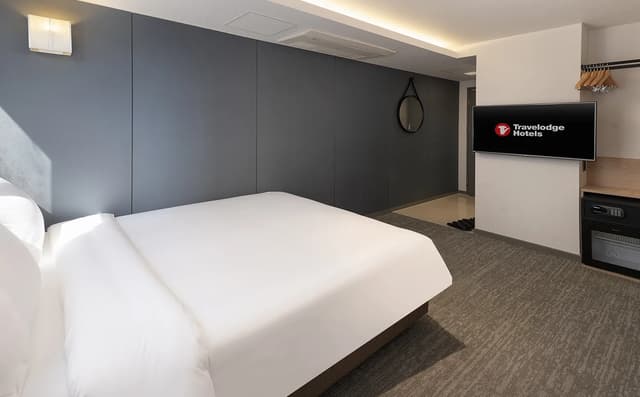
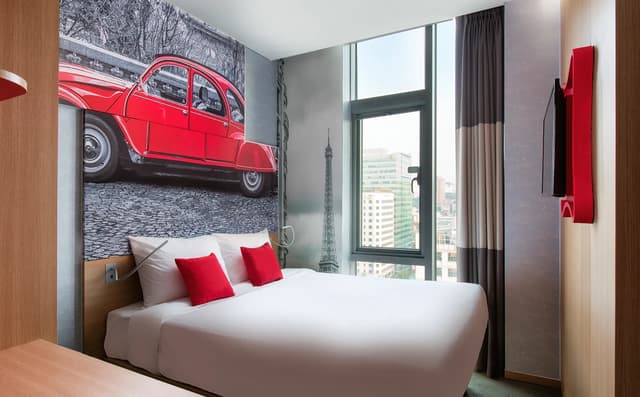
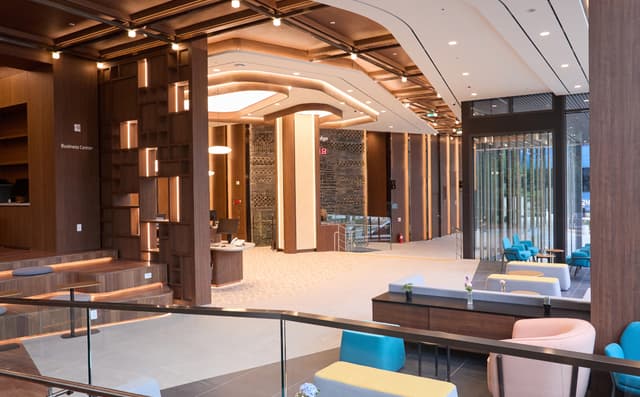
This is where Travelodge's Comfort, Convenience, and Connectivity work together naturally. Spend a cold evening outdoors, enjoy the market at your own pace, then return to a comfortable room without turning the trip back into another major journey.
Trevor calls that stay close to everything. Travelers planning a longer Seoul trip can also compare hotels in Seoul or browse more hotels in South Korea.
Best Things to Do at the Gwanghwamun Square Christmas Market
Browse Seasonal Gifts From Local Sellers
Trevor would start with one full walk around the market before buying anything. The market typically brings together small businesses and local vendors offering seasonal crafts, gifts, food, and other festive finds.
That makes it a fun alternative to Seoul’s major shopping districts when you are looking for something a little more personal. Keep an eye out for Christmas decorations, handmade items, stationery, accessories, and locally produced goods that make easy souvenirs or gifts.
The selection changes depending on the participating vendors each season, which is part of the appeal. Come ready to browse, discover, and see what catches your eye rather than following a fixed shopping list.
Warm Up with Christmas Market Food
Cold-weather snacking is half the reason Trevor likes Christmas markets.
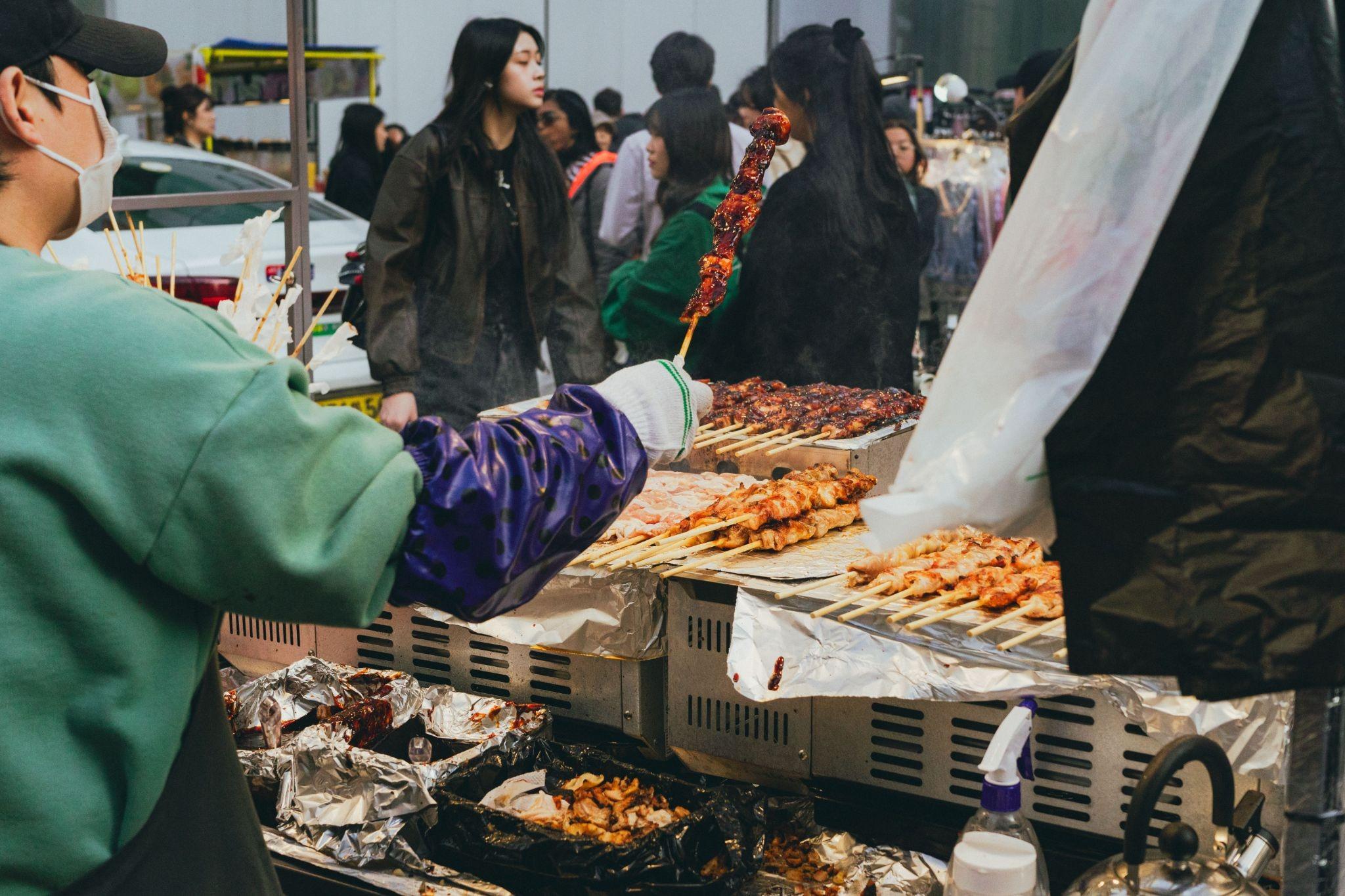
Food stalls are typically part of the market experience, adding plenty of casual options for visitors who want to snack while exploring. Depending on the season, you may find festive treats, warm drinks, and easy-to-eat street food that suit the winter atmosphere without needing to sit down for a full meal.
Trevor's rule is to share a couple of snacks first. Gwanghwamun and nearby Jongno have plenty of restaurants, so saving room for a warm Korean dinner afterward keeps the evening going.
Find the Christmas Photo Zones
Previous editions turned the area into a Santa-village setting with a large Christmas tree and playful installations. Those exact designs may change this year, but the market's emphasis on seasonal scenery is expected to continue.
For better photos, Trevor would arrive before the busiest evening period. Blue hour—when the sky still holds some color but the decorations are already illuminated—is usually much easier to photograph than the darkest part of the night.
Pair the Market With Seoul Light Gwanghwamun
Do not leave as soon as the shopping stalls wind down. Gwanghwamun is especially atmospheric after dark, when the square, Gwanghwamun Gate, and surrounding buildings are illuminated and seasonal light installations may add even more colour to the area.
Even outside special event dates, the combination of the glowing square, historic architecture, mountain backdrop, and nearby media displays makes this one of central Seoul’s most photogenic evening spots.
Trevor would plan the visit so market browsing flows naturally into an evening walk around the lights rather than treating them as two separate outings.
Look for the Free Experience Areas
The market often includes activity zones and seasonal experiences alongside the shopping stalls, giving families more to do than simply browse. Programmes can vary from year to year, so families may want to check the latest event schedule in advance, especially if they are visiting with children.
If one activity has a long line, there is no need to wait automatically. There is plenty to explore around Gwanghwamun, and coming back later can be much more enjoyable than spending part of the evening standing still in the cold.
Continue Toward Cheonggyecheon
From the southern end of Gwanghwamun Square, it is easy to continue toward Cheonggyecheon instead of heading straight back to the hotel.
During Seoul’s winter season, the stream and surrounding downtown areas may also feature seasonal light displays, lantern installations, and other festive events. As programmes and locations can change each year, it is worth checking the latest schedule before your visit.
This route is especially nice for travelers who prefer exploring the city on foot rather than hopping back onto public transportation after every attraction.
Local Tips Trevor Would Recommend
A few small choices can make the Gwanghwamun Square Christmas Market much more enjoyable:
- Check the schedule again before your trip. The market is usually confirmed for December, but exact dates and operating hours are still pending.
- Visit on a weekday when possible. The market attracted very large crowds, so Friday and weekend evenings can reasonably be expected to feel busier.
- Arrive before full darkness. You can shop before peak evening crowds, then stay for the lights.
- Wear warm shoes, not just a warm coat. Gwanghwamun works best as a walking evening, and cold feet tend to end Christmas-market enthusiasm surprisingly quickly.
- Keep one hand free. Hot drinks, snacks, phones, and shopping bags are much easier to manage when you are not carrying too much from the start.
- Use indoor attractions strategically. Museums around the square make excellent warm-up stops when the temperature drops.
- Do not plan only around the market. Gwanghwamun, Cheonggyecheon, nearby cultural venues, and dinner in Jongno can easily fill the rest of the evening.
- Check crowd conditions on major event nights. The square is one of Seoul's important civic spaces, so festivals, ceremonies, and public gatherings can change walking routes.
Lesser-Known Spots Near Gwanghwamun Square Most Tourists Miss
The Story of King Sejong and Admiral Yi Sun-sin
Right beneath one of Seoul's most photographed squares is a free exhibition that many visitors never notice.
The Story of King Sejong and The Story of Admiral Yi Sun-sin introduce two of Korea's most important historical figures through underground exhibits. The venue is currently open Tuesday through Sunday and admission is free, making it particularly useful as a warm indoor stop before the Christmas market opens for the evening.
Trevor would come here first, learn why the statues above matter, then return outside as the market lights begin to appear.
The Rooftop at the National Museum of Korean Contemporary History
The National Museum of Korean Contemporary History sits only a short distance from Gwanghwamun Square, yet its rooftop remains easy to overlook.
The museum has free admission and includes a rooftop garden on the eighth floor with views across Gwanghwamun and the surrounding mountains. Current opening hours extend to 9 p.m. on Wednesdays and Saturdays, making those evenings particularly useful for combining the museum with nighttime sightseeing.
In winter, Trevor would head up before sunset, then descend toward the market once the lights come on.
Atelier Gwanghwa
Only around 70 meters from Gwanghwamun Square, Atelier Gwanghwa is a media gallery built into the exterior of the Sejong Center for the Performing Arts.
It is easy to miss when everyone's attention is on the Christmas decorations, but the contemporary media work fits particularly well with a winter evening built around light and visual installations.
Kyobo Book Centre Gwanghwamun
For one of Trevor's favorite cold-weather pauses, head toward Kyobo's flagship Gwanghwamun bookstore.
The bookstore has long been part of the Gwanghwamun area and is useful for browsing Korean books, stationery, gifts, and foreign-language titles. It is the kind of local indoor stop that makes a December evening feel less like a tourist itinerary and more like an ordinary Seoul night.
Popular Tourist Spots Near Gwanghwamun Square
Gyeongbokgung Palace
Gwanghwamun Gate sits directly north of the square and leads into Gyeongbokgung Palace, so pairing the two requires almost no extra journey.
Trevor would explore the palace earlier in the afternoon, then return south toward the Christmas market as daylight fades. That gives the same neighborhood two completely different moods in a single visit.
Cheonggyecheon Stream
South of Gwanghwamun, Cheonggyecheon offers a calmer evening walk through central Seoul.
It becomes especially relevant during Seoul’s winter-festival season, when the Seoul Lantern Festival and other seasonal light displays can add an extra layer of atmosphere to the wider downtown experience. As festival dates, locations, and installations may change each year, it is worth checking the latest programme before visiting.
Seoul Plaza
Continue a little farther and Seoul Plaza becomes another winter stop worth adding. Seoul's annual winter programming includes the Seoul Plaza Ice Skating Rink as one of its established seasonal experiences.
The combination works well for families or couples who want more activity after browsing the market.
Make a Christmas Evening Out of Gwanghwamun
The best part of the Gwanghwamun Square Christmas Market is how easily it becomes more than a market visit. Browse seasonal stalls, warm up inside a museum, watch Gwanghwamun illuminate after dark, walk toward Cheonggyecheon, then finish with dinner before returning to Myeongdong.
Staying centrally also leaves room for changing plans when Seoul gives you a better idea. Travelers can explore more hotels in Myeongdong, compare family hotels in Seoul, or look through affordable hotels in Seoul for a base that keeps several neighborhoods within easy reach.
Trevor's advice is simple: stay close to everything, especially in winter when a short journey back feels even better after several hours outside. Book directly with Travelodge Hotels Asia or explore Travelodge hotels to check current direct-booking offers.
Joining the Travelodge membership program can make those direct stays more rewarding, with members enjoying benefits such as early check-in, late check-out, and exclusive member rates. Trevor also likes the extra reassurance of Best Price Guarantee+: if an eligible lower rate is verified under the program conditions, members receive 3× the price difference in Cashback.




.jpg)