


分享文章
京都七大冬季最佳体验(入住京都四条大宫Travelodge酒店)

Aiko Sato

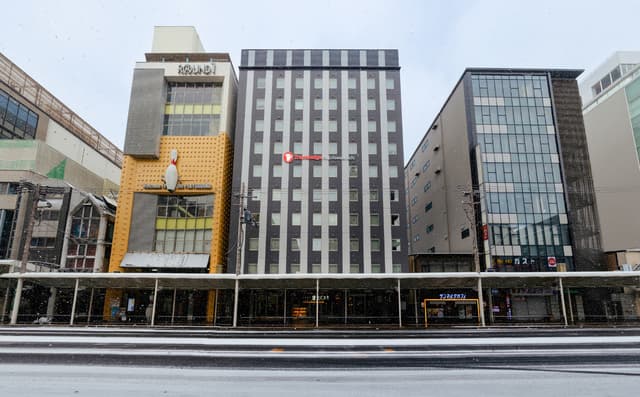
京都的冬季将这座城市装点成一片静谧而迷人的仙境。寺庙宁静祥和,花园静谧安详,街道也变得清静许多,为您带来一份静谧而私密的京都体验。对于在这短暂而迷人的季节造访京都的旅客而言,我们最新的酒店——京都四条大宫旅行酒店 (Travelodge Kyoto Shijo Omiya) 将舒适与便利完美融合。酒店拥有现代化的设施、温馨舒适的客房以及毗邻主要景点的优越地理位置,是您结束一天探索之旅后放松身心的理想之所。无论哪个季节,京都四条大宫旅行酒店都将为您提供温馨舒适的住宿体验,让您的每一次到访都倍感尊贵。
以下是京都7个特别的冬季体验,看看它们是如何进行的。京都四条大宫彩鸿酒店可以让你的旅行更加美好。
探索隐秘的寺庙和神社
京都最著名的寺庙,例如:金阁寺和伏见稻荷大社这些寺庙总是值得一游。然而,冬季则提供了一个机会,让您去探索这座城市中一些鲜为人知但同样美丽的寺庙。肖伦因寺皑皑白雪轻轻覆盖着花园,营造出宁静而近乎神秘的氛围。妙心寺这里是一座大型寺庙群,您可以漫步于静谧的庭院,仿佛时间在这里停滞,尤其是在清冷的冬日空气中。寒冷的月份里,这些寺庙更加安静,让您可以避开熙熙攘攘的人群,尽情欣赏周围的美景。
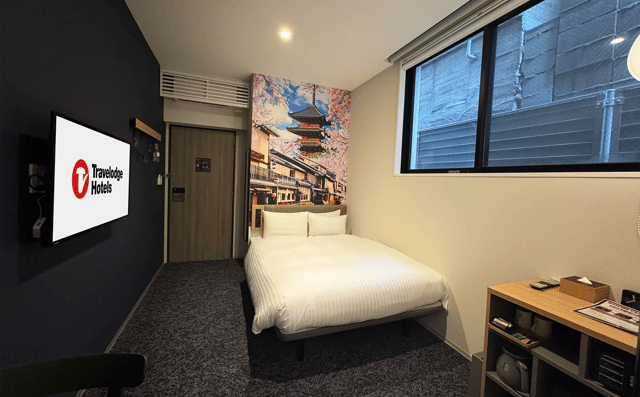
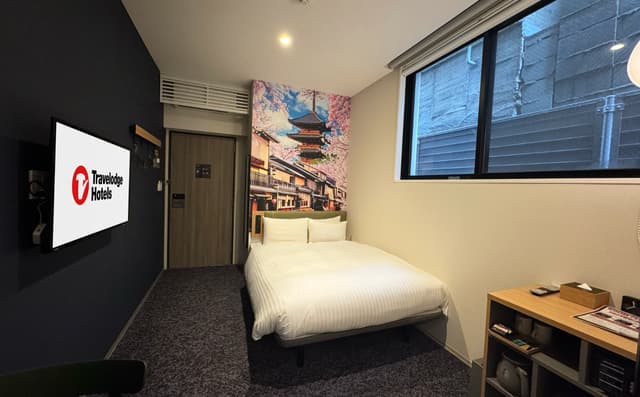
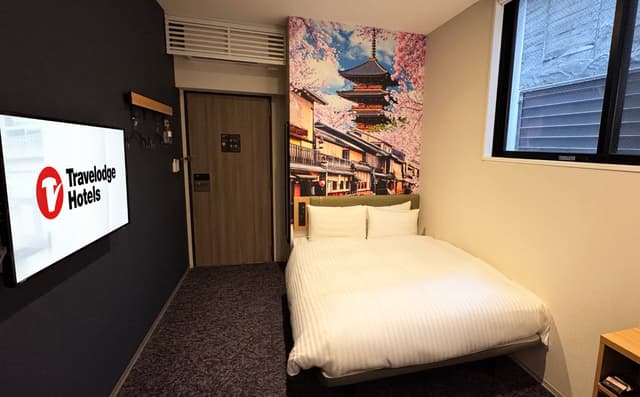
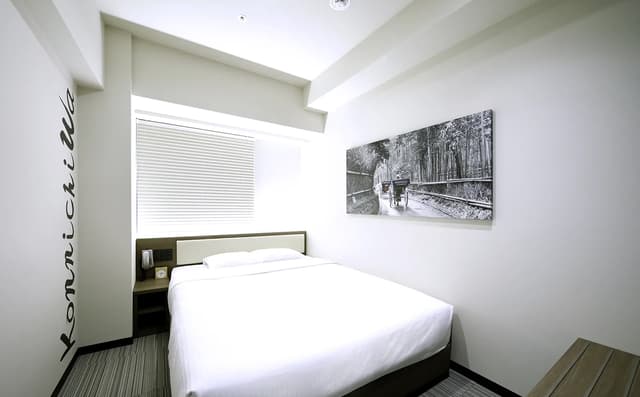
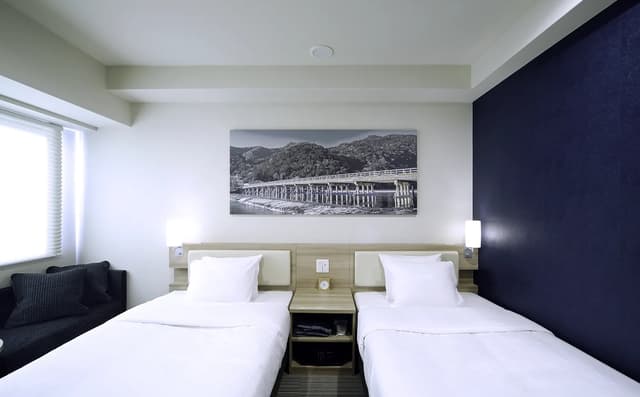
探索完这些静谧的景点后,不妨返回京都四条大宫旅行酒店,享受一番酣畅的休息。我们特色舒适的睡床,确保您在漫步京都雪景街道一天后,能够安然入睡。温暖的客房和贴心的设施,让您醒来后精神焕发,准备迎接新的冒险。
探索岚山的冬季仙境

岚山这里以其迷人的竹林而闻名,冬季更增添了它的魅力。岚山竹林气温下降时,这里格外宁静。竹子在凉爽的微风中轻轻摇曳,积雪覆盖的小路静谧无声,让人仿佛置身于冥想之中。如果您身处此地,不妨乘坐……嵯峨野风景铁路这条小径蜿蜒穿过白雪皑皑的山丘和山谷,沿途可欣赏到令人叹为观止的冬季美景。另一个必游之地是……渡月桥冬季,在白雪皑皑的山峰和下方潺潺流淌的河流的映衬下,景色更加壮丽。
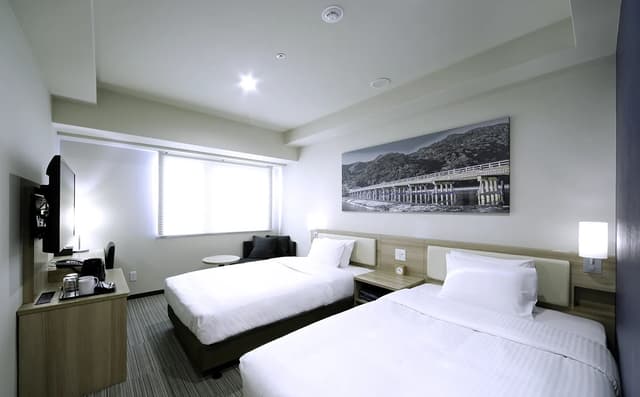
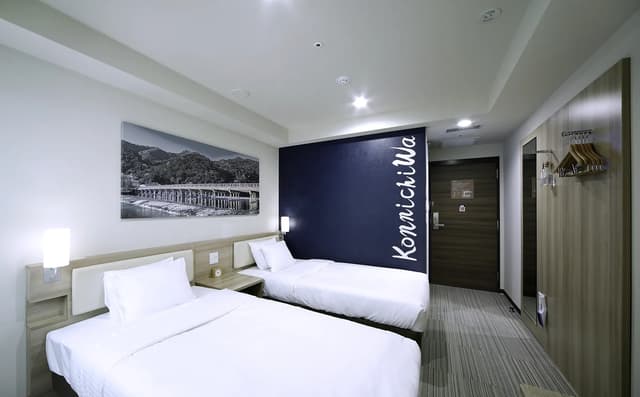
欣赏完冬日美景之后岚山回到京都四条大宫Travelodge酒店,享受温暖舒适的住宿环境。每间客房均配备独立温控系统,确保您在户外度过寒冷的一天后,能够回到温暖舒适的房间。我们还提供高速无线网络,方便您与家人朋友分享精彩照片,或者放松身心,规划您的下一次京都之旅。
漫步雪景花园

京都以其庭园而闻名,冬季更赋予它们独特的魅力。在京都,您可以欣赏到最宁静的冬日景色之一。龙安寺这里坐落着一座著名的禅宗枯山水庭园。皑皑白雪轻轻覆盖着岩石和砾石,营造出一种静谧祥和的氛围,引人沉思。另一个隐藏的瑰宝是……正成园这是一个传统的园林景观,拥有风景如画的桥梁、池塘和亭台楼阁。冬季,白雪皑皑的树木和宁静祥和的氛围使其成为放松身心的理想场所。
漫步于这些美丽的花园之后,您一定会喜欢京都四条大宫旅行旅馆的便利。我们提供免费行李寄存服务,让您可以寄存厚重的外套或购物袋,解放双手,轻松游览京都。这样,您就能轻松穿梭于城市之中,尽情享受京都的景点,而无需背负额外的重量。
品味京都的冬季暖心美食

京都的冬天是享用丰盛暖胃菜肴的最佳时节。欢迎光临欧门餐厅以美味的乌冬面而闻名,或者可以顺道去冈木田靠近平安神宫不妨尝尝汤豆腐,这道热腾腾的豆腐料理温暖人心。想要体验更传统的日式餐饮,请预订餐位。菊乃井罗安这家餐厅是著名的米其林星级怀石料理餐厅,您可以在这里享用多道菜式的时令套餐,品尝冬季的美味。京都的冬季料理讲究的是舒适惬意,您一定不想错过这些时令佳肴。餐后,不妨在[餐厅名称]品尝抹茶甜点,为您的用餐画上完美的句号。辻里或者从京都当地的小店买一份热乎乎的麻糬。
在京都美食之旅结束后,回到京都四条大宫旅行酒店 (Travelodge Kyoto Shijo Omiya) 放松身心。酒店提供高速无线网络,方便您搜索更多餐厅信息,为下一餐做准备,或在线分享美食照片。酒店地理位置优越,步行即可轻松前往附近餐厅,无论您是想享用夜宵,还是在开启下一段旅程前享用早餐,都能满足您的需求。
前往雪域鞍马一日游,并在温泉放松身心

如果你想体验雪山度假,可以乘坐短途火车前往鞍马鞍马,京都郊外的一个小村庄。鞍马以其壮丽的山景而闻名,冬季,通往山顶的雪路更是美不胜收。鞍马寺景色令人叹为观止。古老的寺庙坐落在山腰,在白雪的环绕下更显神秘迷人。徒步旅行结束后,不妨前往鞍马温泉放松身心。鞍马温泉坐拥雪山美景,您可以一边泡在温暖的泉水中,一边欣赏美丽的冬日风光。
当您返回京都四条大宫旅行旅馆时,我们热情友好的工作人员将在24小时前台迎接您的到来。无论您是需要帮助规划第二天的行程,还是只是在外出游玩一天后返回酒店,我们都随时为您提供帮助。酒店的中心位置也让您可以轻松进行像这样的短途旅行,并返回酒店享受温暖舒适的客房。
欣赏京都的冬季祭典和灯光秀

京都的冬日灯火璀璨,节日庆典精彩纷呈,令人心旷神怡。若想体验别具一格的冬日风情,不妨前往平安神宫,欣赏“裸夜模式”(Naked Yoru Mode)。这场活动将绚丽的灯光投影与沉浸式数字艺术完美融合,把标志性的平安神宫装点成一个光彩夺目的奇幻世界。神宫雄伟的鸟居和庭院在璀璨灯光的映衬下熠熠生辉,为您打造一个难忘的京都冬夜。
欣赏完京都的灯光节后,您可以前往京都四条大宫旅行旅馆内的自动售货机,购买一些小吃或饮料。如果您需要更多补给,我们酒店附近就有便利店、ATM机和货币兑换处,方便您轻松取用所需物品。
冬季探访京都隐秘茶屋

冬天是享用一杯热抹茶的最佳时节,京都的茶馆则提供了一个温暖舒适的避寒之所。这些茶馆隐匿在静谧的街道中,例如……山茶花茶道或者一保堂茶这里提供体验传统日本茶文化的机会。拥有300多年历史的著名茶馆一保堂,在宁静私密的氛围中供应京都最优质的抹茶和绿茶。这些隐秘的宝藏是冬季放松身心、取暖、享受京都静谧氛围的理想去处。
如果您不确定这些隐秘的茶馆在哪里,京都四条大宫Travelodge酒店的24小时前台随时为您提供帮助。我们乐于为您推荐最佳茶馆,并为您接下来的探索之旅提供建议。无论您是想寻找一处鲜为人知的宝藏,还是体验经典的京都风情,我们都将竭诚为您服务,让您的京都之旅更加愉快。



6. Savor Kyoto's Winter Comfort Food
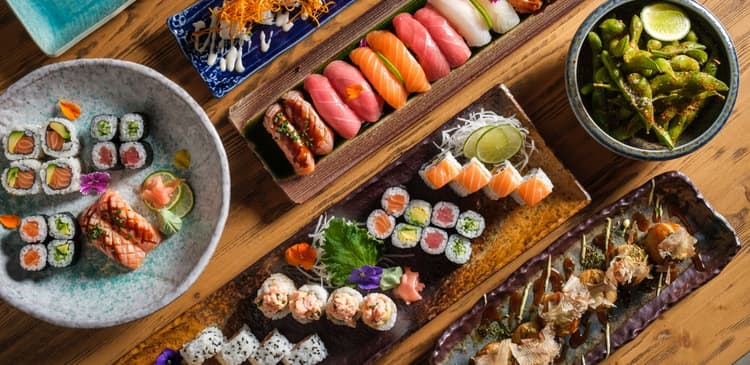
Food is one of the most enjoyable parts of a winter trip to Kyoto. Seasonal menus often feature hot dishes, tofu, noodles, and carefully prepared courses that highlight local ingredients.
Start with yudofu, or hot tofu, a Kyoto specialty particularly suited to cold weather. The tofu is gently simmered in a pot and served with dipping sauces and condiments. The dish is simple, allowing the texture and flavor of the tofu to take center stage. The area around Nanzen-ji is especially associated with yudofu restaurants.
For another warming meal, try udon or nishin soba. Nishin soba combines buckwheat noodles in broth with sweetly simmered herring, making it a distinctive Kyoto dish. If you prefer a more elaborate dining experience, a seasonal kaiseki meal offers multiple courses featuring ingredients selected to reflect the time of year.
Other foods worth seeking out include:
- Yuba: Delicate tofu skin formed during the production of soy milk, served fresh, simmered, or as part of a multi-course meal.
- Mushi-zushi: Warm steamed sushi, a local specialty particularly suited to winter.
- Saba-zushi: Pressed mackerel sushi associated with Kyoto's traditional food culture.
- Obanzai: Home-style Kyoto dishes featuring seasonal vegetables and everyday ingredients.
- Matcha: Japanese powdered green tea that can be enjoyed on its own or in desserts.
- Japanese sweets: Seasonal confections and mochi that make a welcome afternoon treat.
For a special occasion, consider booking a seasonal kaiseki meal. Reserve ahead for popular restaurants, and check current menus and prices before visiting.
7. Take a Mountain Excursion to Kurama
For a change from Kyoto's urban streets, consider a trip to Kurama, a mountain area north of the city. Kurama-dera Temple sits on a forested mountainside, with paths and stairways that offer a more outdoors-focused experience than a typical city sightseeing day.
Winter can bring cold conditions and occasional snow to the surrounding hills. Check local weather and trail conditions before setting out, especially if you plan to walk uphill. Wear sturdy footwear and allow enough daylight for the return journey.
The trip is best suited to travelers who enjoy nature, mountain scenery, and temple visits. If conditions are poor, consider saving the excursion for another day and exploring an indoor attraction in central Kyoto instead.
8. Relax in an Onsen or Japanese Bath
An onsen, or Japanese hot spring, can be a relaxing way to end a chilly day. Soaking in warm water is particularly appealing after walking through temples, gardens, or mountain paths.
If you plan to visit Kurama, research current hot spring facilities and access arrangements before traveling. Availability and opening schedules can change, and not every facility is necessarily open to day visitors. If a trip outside central Kyoto does not fit your schedule, look for a public bath or a hotel with bathing facilities. Check entry requirements and bathing etiquette in advance, including rules concerning tattoos and swimwear.
An onsen visit is best planned as a dedicated part of the day rather than a quick stop between distant attractions. Allow enough time to travel there, enjoy the facilities, and return comfortably.
9. Attend Kyoto's Winter Festivals and Illuminations
Winter evenings in Kyoto can be memorable, with seasonal light displays, cultural performances, and traditional shrine events. The key is to check the dates: many illuminations are temporary, and some begin in autumn or finish before the main winter months.
Look for NAKED illumination events at historic sites such as Nijo Castle or Heian Shrine. These events use light, projections, and digital art to present familiar architecture in a different way. Names, venues, and dates can change from year to year, so confirm the event schedule before planning an evening around it.
February brings Setsubun, a traditional seasonal observance held around the beginning of spring in the Japanese calendar. Shrines and temples may hold ceremonies, bean-throwing rituals, and other events associated with welcoming good fortune and driving away bad luck. Kitano Tenmangu is one place known for its Setsubun festivities.
Other cultural events and special temple openings may take place during the winter season. Check the latest schedules, entry requirements, and ticket information before visiting, as not every event takes place daily.
10. Experience a Traditional Japanese Tea Ceremony
A traditional Japanese tea ceremony is a thoughtful way to experience Kyoto's cultural traditions while taking a break from the cold. Sessions may introduce the preparation and serving of matcha, the meaning of seasonal utensils, and the etiquette involved in receiving tea. Some experiences also include Japanese sweets.
Camellia Tea Ceremony offers tea experiences for visitors interested in learning about this tradition. Ippodo Tea, known for its long history of Japanese tea, is another place to explore matcha and green tea. Check current session availability and shop hours before visiting, especially during holiday periods.
A tea ceremony is a good choice for couples, solo travelers, and visitors interested in traditional Japanese culture. Book ahead if you want a guided session in English, and allow time to enjoy the experience rather than rushing straight to the next attraction.
11. Explore Gion and Higashiyama
Gion and Higashiyama are rewarding areas for a leisurely winter walk. Their historic streets, traditional wooden buildings, small shops, and tea houses provide a glimpse of Kyoto's architectural heritage.
Visit during daylight to appreciate the details of the streets and buildings, or return around dusk when the light creates a different atmosphere. Winter's earlier sunsets can make an evening stroll appealing, but temperatures can fall quickly after dark.
Visitors should remain respectful of residents and local customs. Stay on public streets, avoid entering private lanes, and do not photograph people without permission.
This area also works well as part of a food-focused outing, with opportunities to stop for Japanese sweets, matcha, or dinner after sightseeing.
12. Visit a Kyoto Museum on a Cold Day
Kyoto's museums provide a useful alternative when temperatures fall or the weather makes outdoor sightseeing less appealing. They also add historical and cultural context to visits to the city's temples, shrines, and traditional neighborhoods.
The Kyoto National Museum offers opportunities to learn about Japanese art and cultural history, with exhibitions that change throughout the year. Depending on your interests, you may also find museums focused on crafts, local history, traditional arts, or contemporary culture.
Check opening days and current exhibitions before visiting, as museums may have scheduled closures, special exhibition hours, or advance ticket requirements.
Pairing an indoor attraction with a nearby café or restaurant is a practical way to make a cold day enjoyable without spending the entire day outdoors.
13. Take a Day Trip to Nara Deer Park
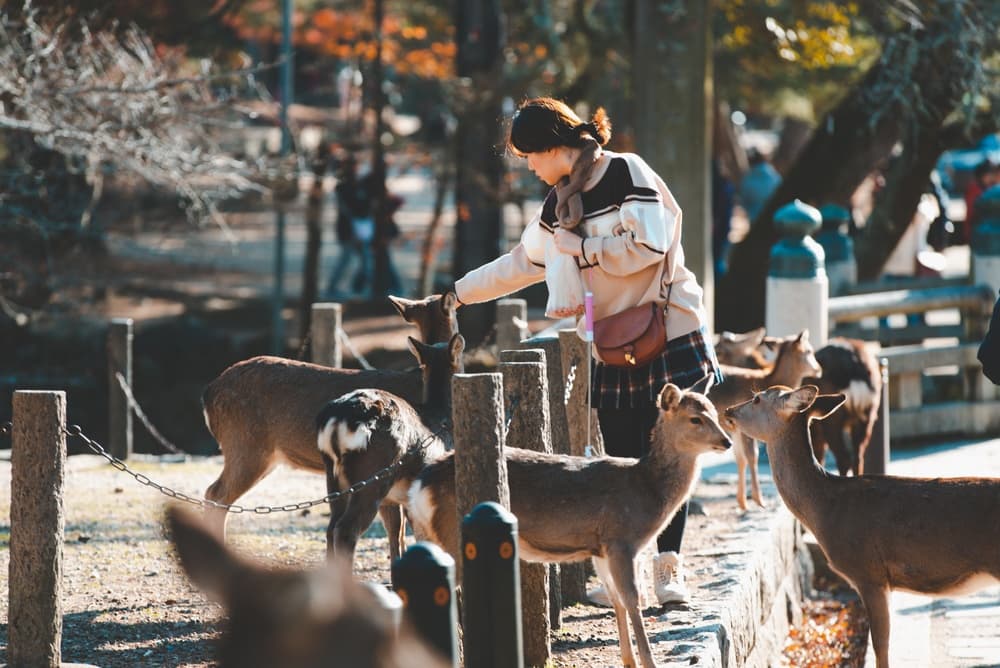
If you have an extra day, consider visiting Nara, a popular destination known for its free-roaming deer, historic temples, and expansive parkland. Nara Park is enjoyable in winter, when the cooler weather can make walking around the grounds more comfortable than during the hottest months.
Keep a respectful distance from the deer and follow posted instructions when interacting with them. They are wild animals, and visitors should avoid teasing them or offering food that is not intended for them.
Nara's major temples and cultural sites can turn the outing into a full day trip. Check opening hours and train schedules before leaving Kyoto, and allow time for the return journey.
14. Explore Kibune River and Visit Kifune Shrine
For a quieter side of Kyoto in winter, head to Kibune, a mountain village in northern Kyoto known for its forest scenery and the clear Kibune River. The area feels different from central Kyoto, with wooded slopes, traditional restaurants, and a peaceful atmosphere that suits a slower day trip.
Make time to visit Kifune Shrine, famous for its stone staircase lined with red lanterns. The shrine is dedicated to the deity associated with water, and visitors can try mizu-ura-mikuji, a fortune-telling paper that reveals its message when placed on water. If temperatures drop or snow falls, the shrine and surrounding trees can look especially atmospheric, although snowy scenery is not guaranteed.
After exploring the shrine, take a walk along the river and enjoy the mountain setting. Some local restaurants serve seasonal winter dishes, including botan nabe, a hot pot made with wild boar meat. Unlike summer, when Kibune is known for dining on platforms built over the river, winter visits are more about the quiet scenery, shrine visit, and warming seasonal food.
Winter tip: Kibune is colder than central Kyoto, so wear a warm coat and shoes with good grip. Check train and bus schedules before setting out, and allow extra time if snow or icy conditions affect the mountain roads and walking paths.
15. Take a Day Trip to Osaka for Food and City Life
Osaka offers a different atmosphere from Kyoto and makes a practical day trip for travelers who want to explore another side of the Kansai region. The city is known for its food scene, shopping districts, entertainment areas, and lively streets.
Plan the day around a specific neighborhood rather than trying to cover the entire city. You might focus on local street food, visit a shopping district, or explore an area known for restaurants and nightlife.
Winter is a good time to sample warming dishes and take breaks in cafés or indoor attractions between walks. Check restaurant hours and transport schedules in advance, especially if you plan to stay in Osaka for dinner.
Returning to Kyoto in the evening lets you enjoy a second city during the day while keeping your accommodation in one place.
How to Spend an Evening in the Kyoto Winter Night
Kyoto's winter nights are best planned around a few activities rather than a packed schedule. Sunset comes earlier than in summer, and temperatures can drop quickly after dark. Choose one main evening experience, leave time for dinner, and plan your return transportation in advance.
Here are a few ways to spend a winter evening:
- Walk through a historic district: Explore Gion or Higashiyama before or after dinner, keeping to public streets and respecting residential areas.
- Look for a seasonal illumination: Check whether a temple, shrine, or castle is hosting a light-up event during your dates.
- Enjoy a hot Japanese meal: Choose yudofu, udon, nishin soba, or a seasonal set meal to warm up after being outdoors.
- Attend a cultural event: Look for a theater performance, special shrine ceremony, or winter exhibition that fits your schedule.
- Visit a tea shop or café: End the day with matcha, hot tea, or a Japanese sweet before heading back to your hotel.
If you plan to stay out late, check the final train or bus times rather than assuming services run throughout the night. A convenient hotel base gives you more flexibility to enjoy dinner or an evening event without rushing unnecessarily.
Month-by-Month Kyoto Winter Weather
Kyoto's winter lasts from December through February. The city generally experiences cold, often clear days, with average temperatures around 7°C (45°F) in December and around 5°C (41°F) in January and February. Daytime temperatures can be milder, but mornings and evenings may feel considerably colder.
Snow occasionally falls in Kyoto, especially during colder spells, but it rarely settles for long in central areas. If seeing snow is important to your trip, treat it as a possibility rather than a guarantee and keep alternative activities in mind.
Best Month to Visit Kyoto in Winter
The best month depends on what you want to experience. December is suitable for seasonal illuminations and festive city outings, January offers opportunities to explore temples and museums at a quieter pace outside the New Year holiday period, and February is a good choice for Setsubun events and the beginning of the plum blossom season.
For visitors hoping to combine winter sightseeing with seasonal flowers, late February can be especially appealing. Bloom timing and event schedules vary from year to year, so check conditions close to your departure date.
Kyoto in December
December brings winter temperatures and the final weeks of some autumn-to-winter illuminations. Early in the month, some autumn foliage may remain, depending on the weather. As the month progresses, gardens and temple grounds become quieter and the days grow shorter.
Pack a warm coat, scarf, and gloves, especially if you plan to visit outdoor attractions after sunset. Check seasonal event dates carefully, as some light displays end in early December rather than continuing through the holiday period.
Around the end of December and the New Year, some restaurants, museums, shops, and attractions may adjust their hours or close temporarily. Plan meals and major visits in advance if traveling over the holidays.
Kyoto in January
January is generally one of Kyoto's coldest months, with an average temperature around 5°C (41°F). The city can feel peaceful after the busiest holiday period, making it a good time to explore temples, museums, traditional shopping streets, and indoor cultural experiences.
New Year's shrine visits are an important seasonal tradition, so popular sites can be busy during the first few days of January. Some businesses operate on holiday schedules, and certain attractions may close for maintenance or seasonal breaks.
January is also a good month for warm meals, including yudofu, noodles, and other Japanese dishes served hot. Build in time for indoor stops so your itinerary remains comfortable in cold weather.
Kyoto in February
February remains cold, but it offers a few seasonal highlights. Setsubun celebrations take place around the beginning of the month, and plum blossoms begin to appear at selected shrines, gardens, and parks as the month progresses.
This is a good time for travelers who enjoy cultural traditions and quieter seasonal scenery. Plum blossoms do not all open at once, however, and the best viewing period can shift depending on temperatures. Check local bloom updates before traveling to a specific garden or shrine.
Bring warm layers, particularly if you plan to visit northern Kyoto, hike in the hills, or spend evenings outdoors. Snow is possible, but most winter sightseeing plans should work even if the city remains snow-free.
Must-Try Kyoto Winter Dishes
Kyoto's winter food combines comforting hot dishes with the city's refined seasonal cuisine. Make time for at least one local specialty rather than relying only on familiar restaurant chains or international options.
Yudofu (hot tofu)
A signature winter dish in Kyoto, yudofu consists of tofu gently heated in a pot and served with dipping sauces. It is simple, warming, and particularly associated with the area around Nanzen-ji.
Nishin soba
This Kyoto specialty pairs buckwheat noodles with sweetly simmered herring in a warm broth. It is a satisfying choice after a cold morning outdoors.
Mushi-zushi (warm steamed sushi)
Unlike chilled sushi served in many restaurants, mushi-zushi is gently steamed and typically topped with cooked ingredients. It is particularly associated with winter dining in Kyoto.
Saba-zushi (pressed mackerel sushi)
Pressed mackerel sushi is a traditional Kyoto sushi specialty. Its firm texture and distinctive flavor make it worth trying if you want to explore the city's food culture beyond ramen and standard sushi.
Yuba and seasonal tofu dishes
Yuba, the delicate skin formed when soy milk is heated, appears in many Kyoto dishes. It can be served fresh, simmered, or included in a multi-course meal.
Kaiseki and obanzai
Kaiseki offers a carefully arranged sequence of seasonal dishes, while obanzai refers to Kyoto-style home cooking, often featuring vegetables and everyday ingredients. Both provide a different perspective on the city's culinary traditions.
Matcha and Japanese sweets
Finish a meal with matcha, a warm cup of Japanese tea, or a seasonal sweet. These are also good options for an afternoon break between attractions.
Where to Stay in Kyoto in Winter
Winter sightseeing in Kyoto often means spending hours outdoors, walking between temples, exploring traditional neighborhoods, and waiting for seasonal illuminations after sunset. Choosing a hotel with convenient transport access and practical in-room comforts makes it easier to enjoy the day without worrying about a long journey back at night.
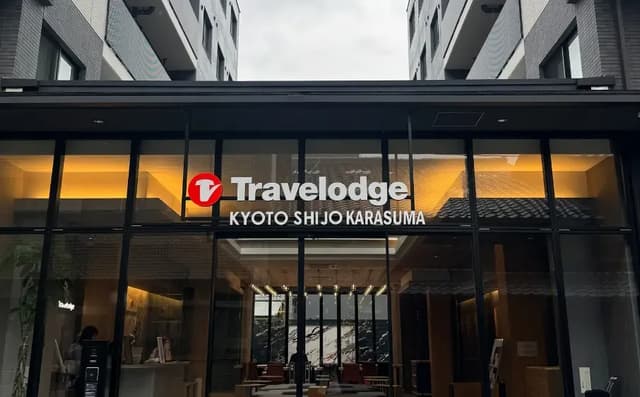
Travelodge Kyoto Shijo Karasuma and Travelodge Kyoto Shijo Kawaramachi are two options to consider when planning a winter stay. Both offer access to Kyoto’s city center, making it easier to plan visits to temples, shopping streets, restaurants, and cultural attractions while keeping travel arrangements manageable.
Kyoto Winter Stays by Travelodge Hotels Asia
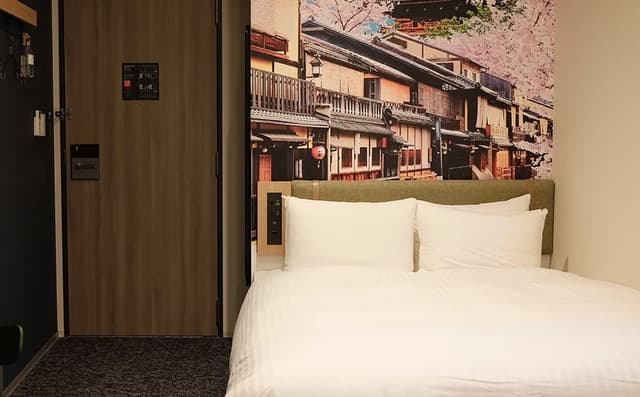
For travelers who want to explore the city throughout the day, Travelodge Kyoto Shijo Kawaramachi and Travelodge Kyoto Shijo Karasuma offer several useful amenities for a winter trip. Rooms include heater during colder months, free Wi-Fi, a private bathroom, and electric kettle to make hot drinks. Travelodge Kyoto Shijo Karasuma even has bathtubs; a perfect facility to relax in a hot tub during winter days.
After a cold day outdoors, guests can return to their room to relax, check the next day’s weather, or look up train routes and restaurant opening hours. Both hotels also have a self service laundry room, which is useful for longer stays or refreshing clothes after several days of sightseeing.
Its location is another advantage. Travelodge Kyoto Shijo Kawaramachi is about a three-minute walk from Hankyu Kawaramachi Station, with Gion, Pontocho Alley, and the Kamo River nearby. This makes it convenient to combine daytime sightseeing with dinner and an evening stroll without having to travel far back to the hotel.
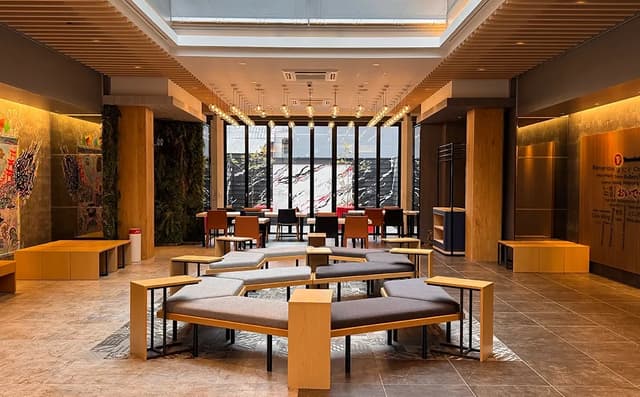
Travelodge Kyoto Shijo Karasuma is another option for travelers who want a city-center base for exploring Kyoto. It is located a few walks to Hankyu Omiya Station and is close to Nijo Castle, Kyoto Imperial Palace, and Nishiki Market. When comparing the two properties, consider which neighborhood best fits your itinerary, the attractions you plan to visit, and your preferred transport connections.
Kyoto’s winter temperatures can fall close to freezing, particularly in the morning and evening, so a comfortable room is an important part of planning your stay. Before booking, check the selected property’s room facilities and seasonal heating arrangements if room temperature is a priority. You can also review the available amenities, including Wi-Fi and laundry facilities, to see which best suits the length and style of your trip.
For a convenient base during the colder months, explore Travelodge Kyoto Shijo Kawaramachi and compare it with Travelodge Kyoto Shijo Karasuma when planning your winter itinerary.
Booking directly through the official Travelodge Hotels Asia website is a useful way to check the latest room options, direct-booking offers, and available benefits. Depending on the current promotion and eligibility, you may also find offers or Cashback Credits through the hotel’s loyalty program.
What to Bring to Kyoto in Winter
Packing for Kyoto in winter is mainly about staying warm outdoors while remaining comfortable in heated trains, shops, restaurants, and museums. Layers are more practical than relying on one very heavy item.
Use this checklist before departure:
- Warm coat: Bring an insulated jacket or wool coat, especially for January and February.
- Thermal tops: Wear a warm base layer on cold mornings.
- Sweaters: Pack one or two layers that are easy to add or remove indoors.
- Scarf: Protect your neck from cold air during outdoor sightseeing.
- Gloves: Useful for early-morning temple visits and evening walks.
- Warm hat: A hat can help keep you comfortable on windy days.
- Comfortable walking shoes: Choose shoes that support long days on foot.
- Shoes with good grip: These are helpful on wet paths, stone steps, and potentially icy surfaces.
- Warm socks: Useful when visiting places where shoes must be removed.
- Compact umbrella: Rain is possible even during winter.
- Portable charger: Cold weather can affect phone battery performance.
- Moisturizer: Kyoto's winter air can be dry.
- Lip balm: Helps prevent dry or chapped lips.
- Reusable water bottle: Keep hydrated even when you do not feel as thirsty in cold weather.
- Small day bag: Carry daily essentials without making temple and garden visits cumbersome.
If snow is forecast, check local conditions before heading to mountain areas or outdoor attractions. Allow more travel time if roads or paths become slippery, and be ready to adjust the day's plan.
Make the Most of Your Winter Stay in Kyoto
Winter in Kyoto is about more than the chance of snow. It is an opportunity to experience temple grounds at a quieter pace, enjoy warming local dishes, discover seasonal plum blossoms, take part in traditional cultural activities, and explore historic neighborhoods in the crisp winter air.
Plan around the experiences that matter most to you, but leave room to adapt to the weather and seasonal schedules. With a comfortable base at Travelodge Kyoto Shijo Karasuma or Travelodge Kyoto Shijo Kawaramachi, you can spend less time managing the details and more time enjoying Kyoto in winter.
FAQs About Winter in Kyoto
Is Kyoto worth visiting in winter?
Yes. Winter is a good time to experience Kyoto’s temples, shrines, traditional neighborhoods, seasonal food, and quieter garden scenery. Visitors may also find plum blossoms toward the end of winter, while occasional snow can create beautiful views of historic sites. Snowfall is limited, however, so it is best not to plan a trip around guaranteed snow.
How cold is Kyoto in winter?
Kyoto is generally cold from December through February, with average temperatures around 7°C (45°F) in December and around 5°C (41°F) in January and February. Early mornings and evenings can feel especially cold, so bring a warm coat, layers, a scarf, and gloves.
Does it snow in Kyoto in winter?
Yes, but snow is relatively uncommon in central Kyoto and may not remain on the ground for long. January and February are among the more likely months to see snowfall, although conditions vary each year. If seeing snowy temple scenery is important to your trip, keep your plans flexible and check the forecast shortly before visiting.
What is the best month to visit Kyoto in winter?
December is a good choice for seasonal illuminations and festive city scenery. January is suitable for travelers interested in a quieter winter atmosphere, while February offers the chance to see early plum blossoms and experience Setsubun events. The best month depends on your interests, and event dates and flower-blooming periods can change each year.
What should I wear in Kyoto during winter?
Wear a warm coat or down jacket over layers, along with a scarf, gloves, and comfortable shoes suitable for walking. Thermal tops, warm socks, and a hat can help on particularly cold days. Layers are useful because outdoor temperatures can be low while trains, buses, shops, and other indoor spaces are heated.
Can I see plum blossoms in Kyoto in winter?
Yes. Plum blossoms, known as ume, can begin appearing toward the end of winter, often from February into March, depending on the weather and location. Kitano Tenmangu Shrine and Kyoto Gyoen are places to consider for seasonal flower viewing. Check current bloom reports before visiting, as flowering dates vary from year to year.
Where should I stay in Kyoto for a winter trip?
Choose accommodation with convenient access to public transportation, restaurants, and the places you plan to visit. A central location can make it easier to return to your room after a day of outdoor sightseeing or an evening event. Travelodge Kyoto Shijo Karasuma and Travelodge Kyoto Shijo Kawaramachi are options to compare; review each property's location and confirmed room facilities to decide which best suits your itinerary.