


Share article
#TrevorDiscover Things to Do Around Gwanghwamun Square Like a Seoul Local

Trevor
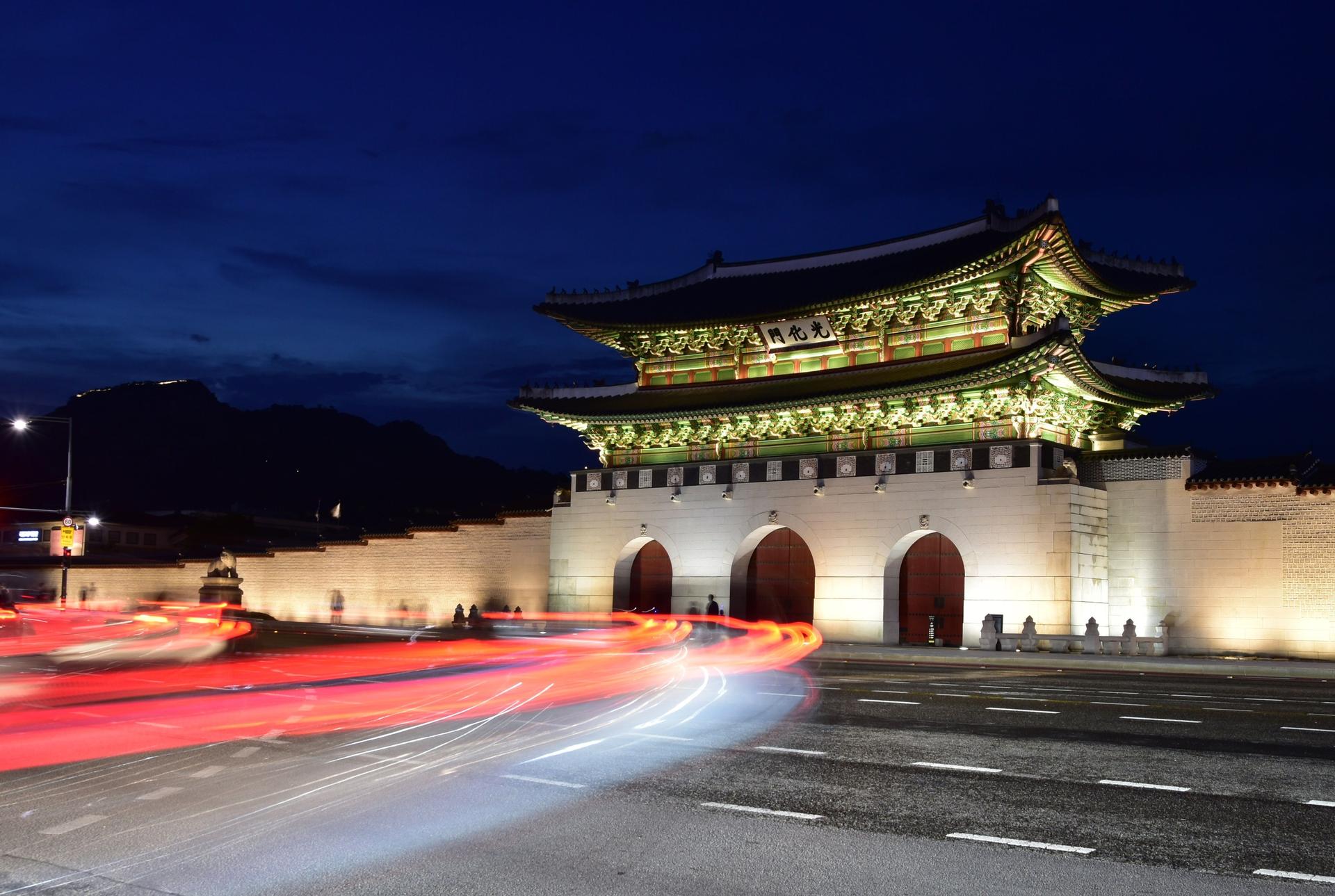
Tourists staying in central Seoul often look for somewhere nearby that offers more than a quick photo stop. That is where Trevor comes in—helping travelers look beyond the obvious landmarks, slow down, and travel like locals by noticing the history, gardens, cafés, museums, and seasonal experiences hiding around familiar streets.
Gwanghwamun is especially rewarding because centuries of Korean history sit alongside modern Seoul in the same neighborhood. Among the best things to do in Gwanghwamun Square are walking between statues of national heroes, cooling off beside fountains in warmer months, finding an underground museum, catching media art after dark, and continuing toward Gyeongbokgung Palace or Cheonggyecheon without spending half the day in transit.
The square is open around the clock and remains one of Seoul's key public spaces for history, culture, events, and everyday city life.
Good to Know Before You Go
Quick Fact | Details |
Where is Gwanghwamun Square? | In Jongno-gu, central Seoul, along Sejong-daero in front of Gwanghwamun Gate and Gyeongbokgung Palace. |
Opening hours | The public square is open 24 hours, year-round. |
Admission | Free. |
Nearest subway | Gwanghwamun Station on Line 5; the square is about 235 meters from Exit 2. |
Best time to visit | Late afternoon into evening gives you daylight for the historic sights and illuminated scenery after sunset. |
Family-friendly? | Yes. Open space, seasonal fountains, nearby museums, and family programs make a Gwanghwamun Square family visit easy to plan. |
Fountain season | Water-play fountains generally operate during warmer months; current Seoul night-tourism information lists April–October operation. |
From Travelodge Myeongdong Euljiro | Around 1.4-1.8 km away, with a typical public-transport journey of roughly 8-18 minutes depending on route and waiting time. |
How long to spend | Around 1-2 hours for the square itself; half a day works better if adding Gyeongbokgung, museums, or Cheonggyecheon. |
Why Gwanghwamun Square is Worth Exploring
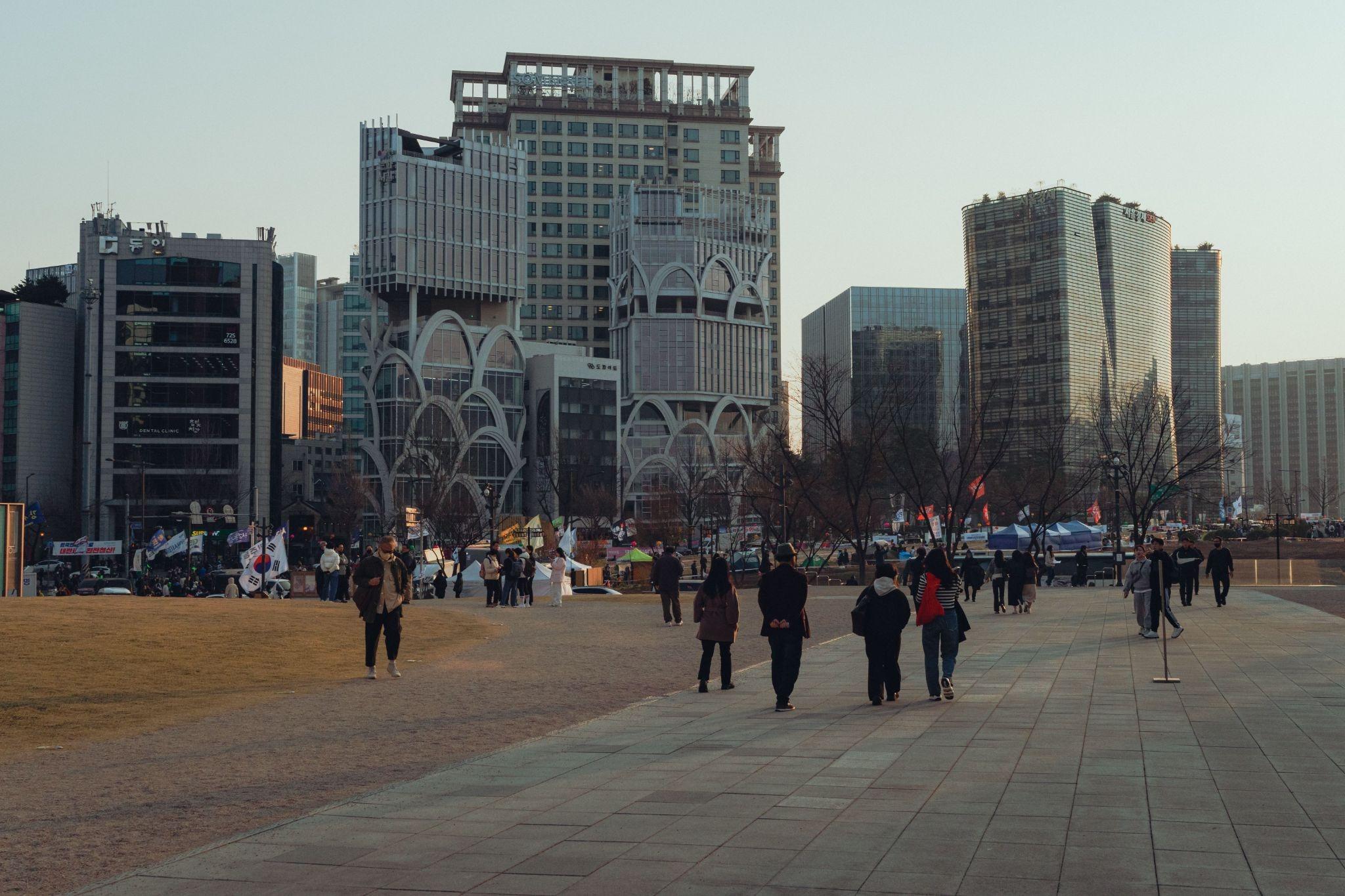
So, what is Gwanghwamun Square beyond a broad pedestrian space in central Seoul? Its location follows an historically important axis in front of Gyeongbokgung Palace, where government offices stood during the Joseon Dynasty. Today's square brings that history into a contemporary public space through monuments, gardens, fountains, archaeological traces, exhibitions, and cultural programming.
Two figures immediately set the tone: Admiral Yi Sun-sin toward the southern end and King Sejong the Great farther north. Yet Trevor's tip is not to photograph the statues and leave. Look around the Four Seasons Garden, follow the History Waterway, and notice how the route gradually frames Gwanghwamun Gate and Bugaksan beyond it.
The square becomes a different place after sunset. Landscape lighting, surrounding media façades, the illuminated fountain area, and the palace backdrop make Gwanghwamun one of central Seoul's established nighttime-viewing spots.
How to Go to Gwanghwamun Square From Travelodge Myeongdong Euljiro
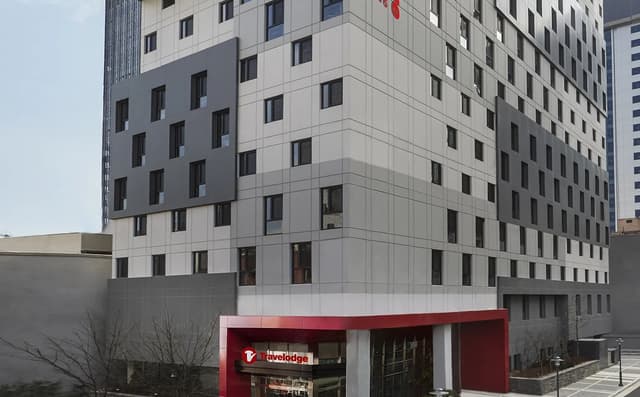
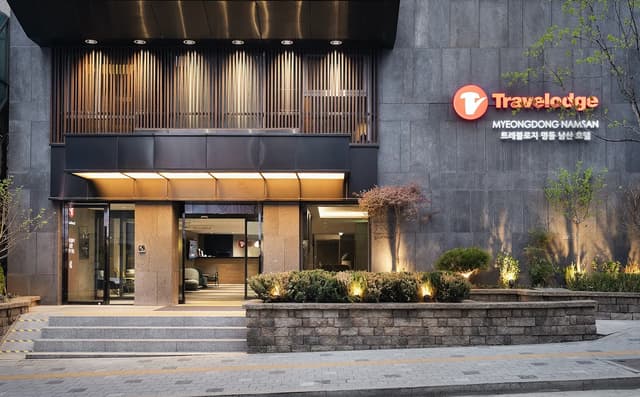
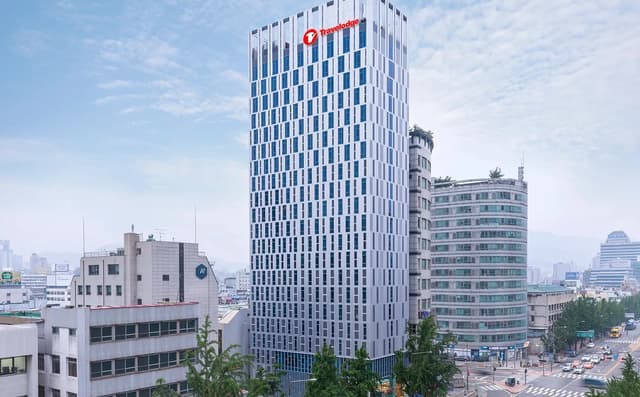
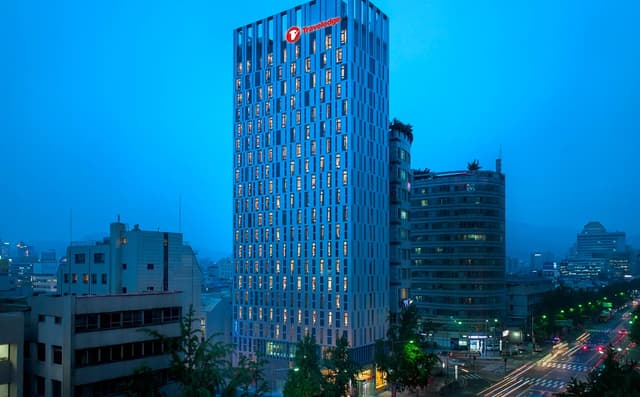
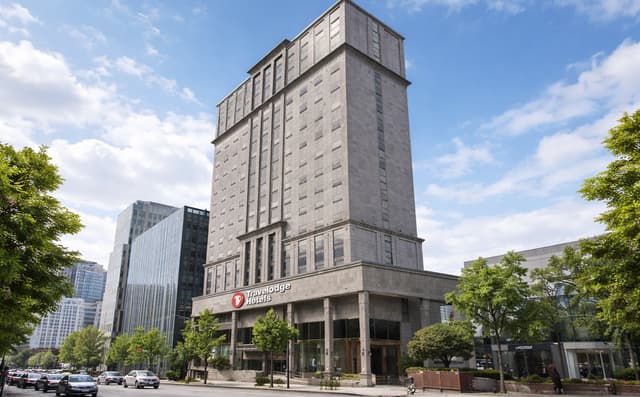
For anyone asking how to go to Gwanghwamun Square, staying in Myeongdong or Euljiro keeps the journey simple. From Travelodge Myeongdong Euljiro, the square is approximately 1.4–1.8 km away, and public transportation usually brings the journey to around 8-18 minutes depending on the route.
The hotel's closest subway stop is Euljiro 3-ga Station, around 350 meters away and served by Lines 2 and 3. That central location also provides straightforward access across Seoul, while Myeongdong Shopping Street is about 600 meters from the property.
Trevor's approach: don't think of Gwanghwamun as an isolated attraction. Spend the morning around the palace district, continue through the square, then follow central Seoul south toward Cheonggyecheon or Myeongdong. It is an easy way to stay close to everything without spending the day repeatedly crossing the city.
Stay at Travelodge Myeongdong Euljiro
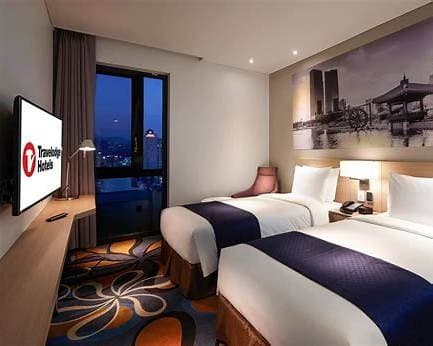
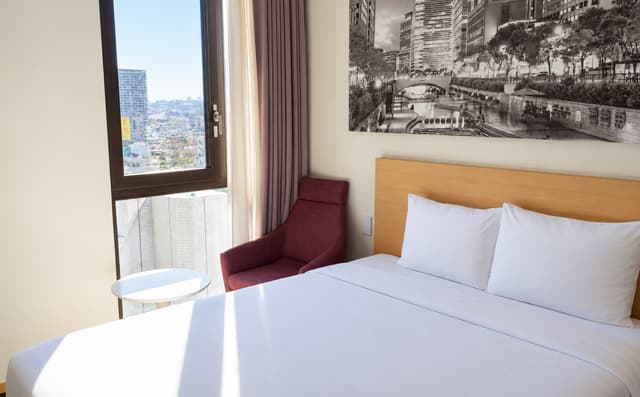
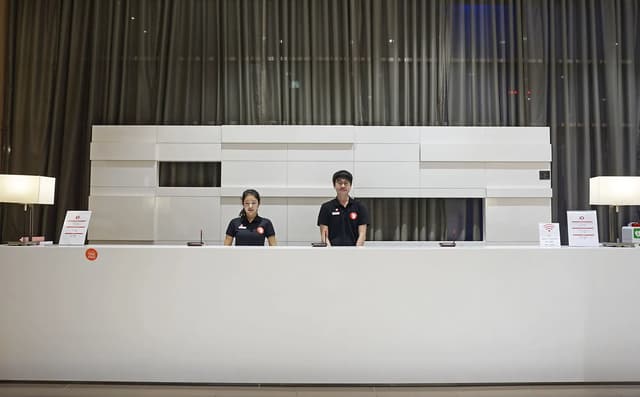
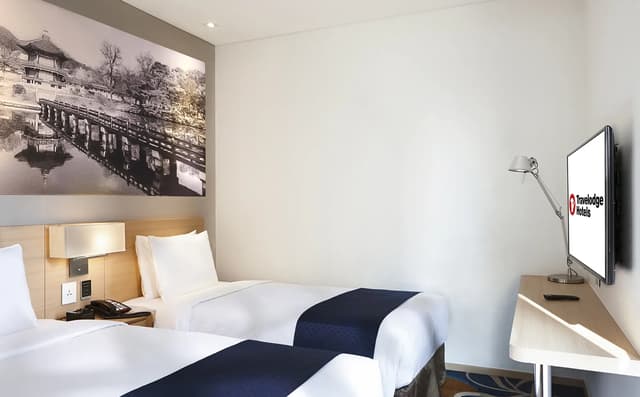
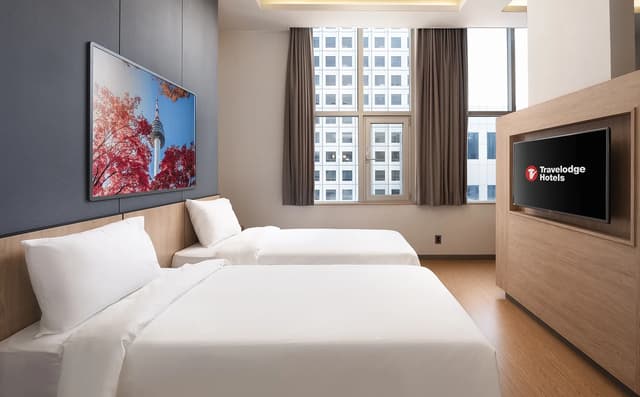
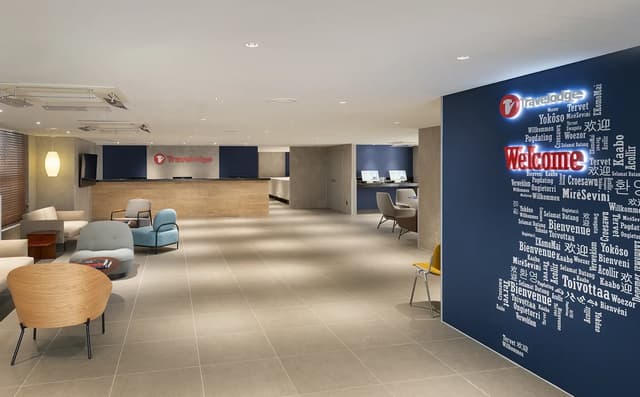
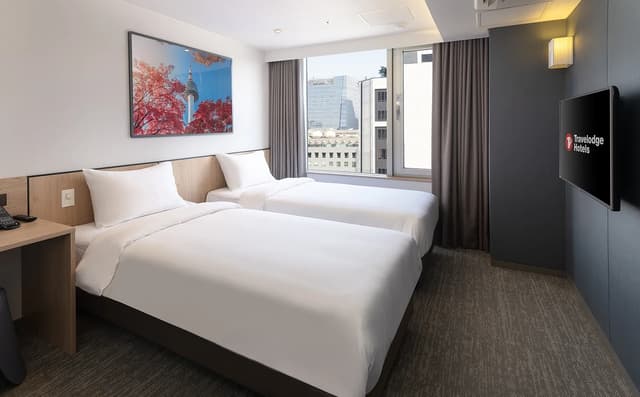
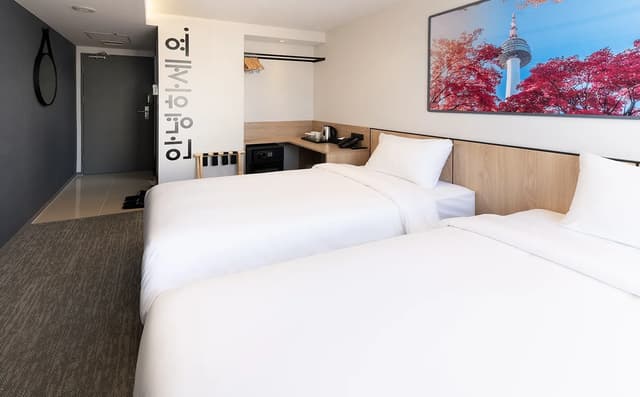
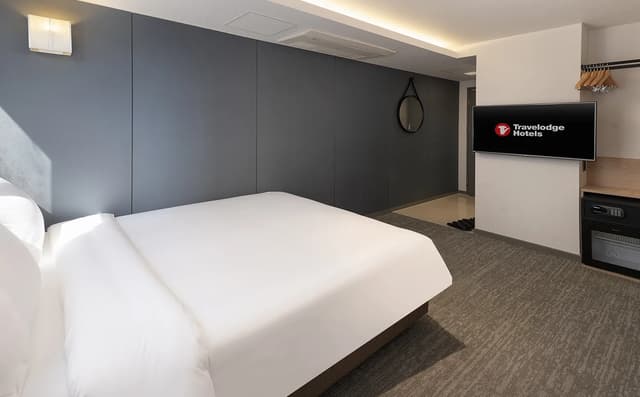
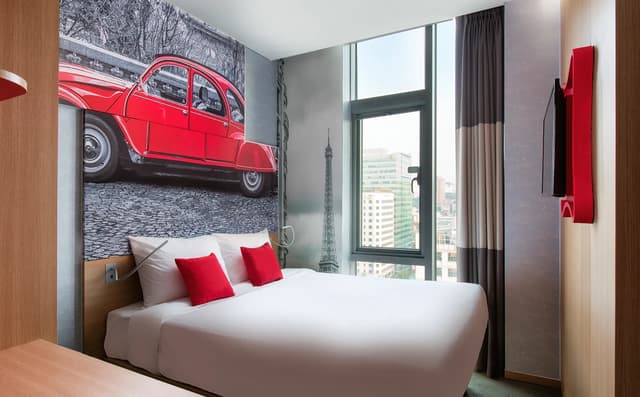
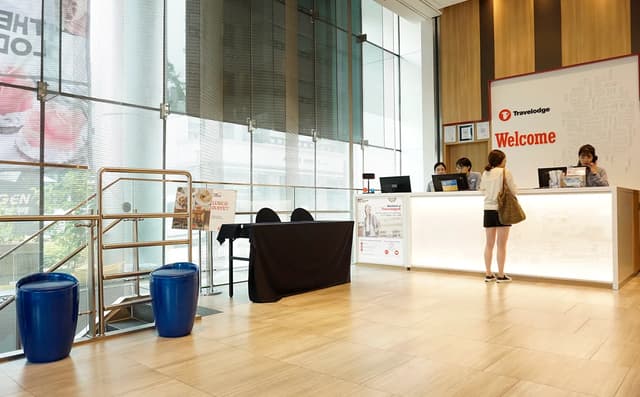
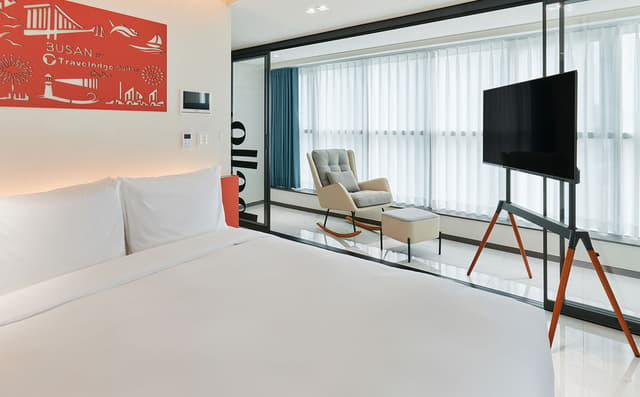
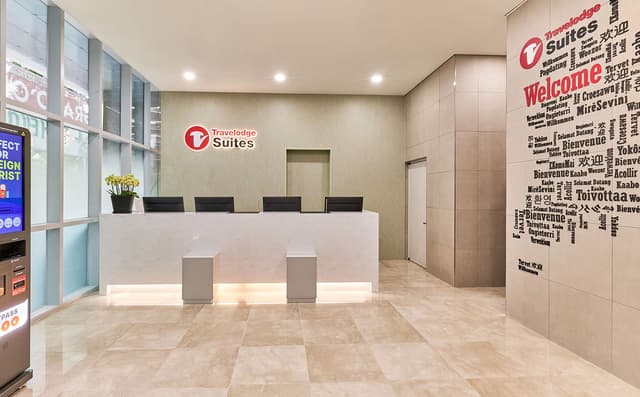
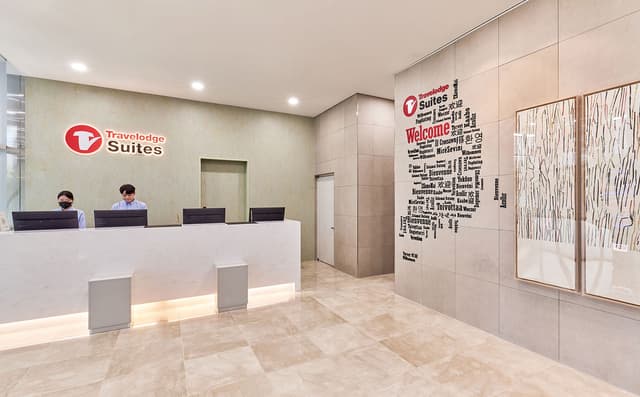
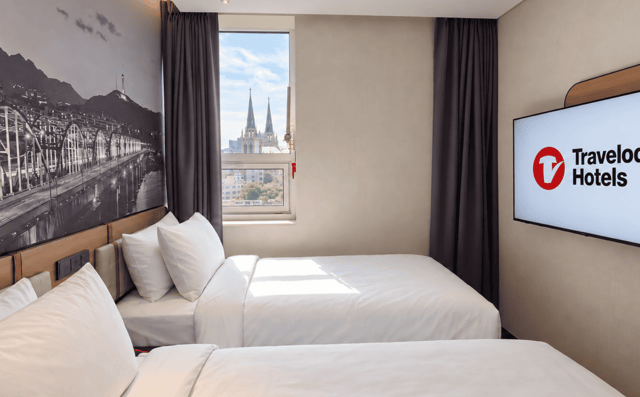
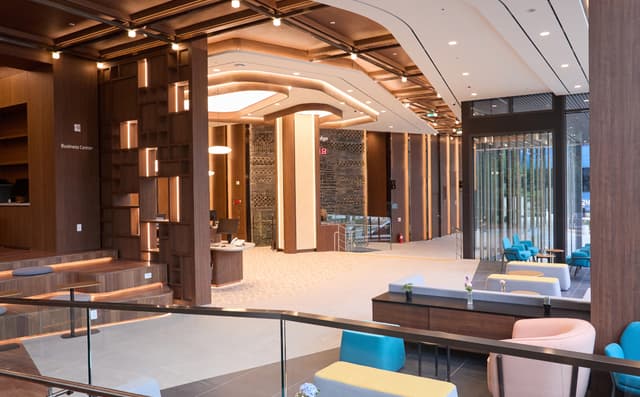
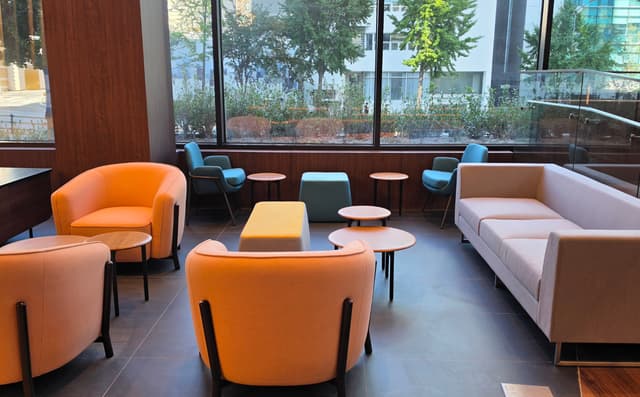
For travelers who like discovering several neighborhoods in one trip, Travelodge Myeongdong Euljiro fits naturally with the brand's Comfort, Convenience, and Connectivity values. Comfortable rooms provide somewhere to recharge after a long walking day, while the location near Euljiro 3-ga makes it practical to reach both historic and contemporary Seoul. Free Wi-Fi in rooms and public areas also helps with checking routes, attraction schedules, and event updates on the go.
Travelers planning a wider trip can compare hotels in Seoul or browse more hotels in South Korea before deciding which neighborhood works best.
Best Things to Do in Gwanghwamun Square
Meet King Sejong the Great
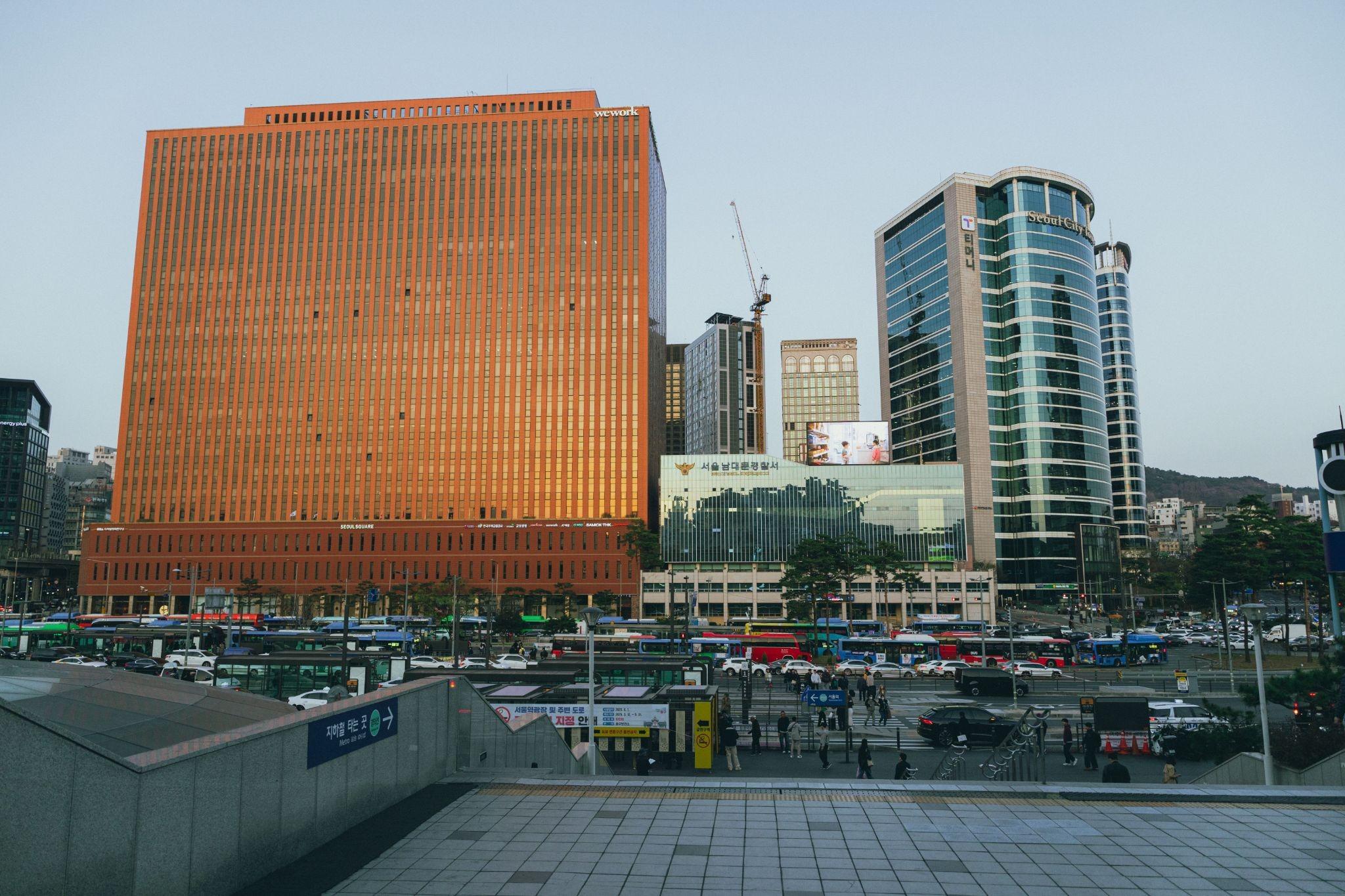
The seated statue of King Sejong is one of the square's defining landmarks. King Sejong is closely associated with the creation and promulgation of Hangeul, the Korean alphabet, making this part of the square particularly meaningful for travelers interested in Korean language and history.
Do not stop at the statue. Behind and below it is The Story of King Sejong, an underground exhibition space that explores his accomplishments through displays and interactive elements. Admission is free, and the exhibition is currently open Tuesday through Sunday, with Monday closures.
This is one of Trevor's favorite surprises because plenty of visitors cross the square without realizing there is a museum beneath their feet.
Stop at the Admiral Yi Sun-sin Statue
Farther south stands Admiral Yi Sun-sin, one of Korea's most celebrated naval commanders. His statue faces the Myeongnyang Fountain, whose design references the Battle of Myeongnyang.
This section of the square gives one of the best sightlines looking north toward King Sejong, Gwanghwamun Gate, and the mountains beyond. Try it earlier in the morning for cleaner photos or return after sunset when the fountain and surrounding city lights change the scene.
Cool Off at the Gwanghwamun Square Fountain
The Gwanghwamun Square fountain is more than decorative during Seoul's warmer months. Current city information lists the water-play fountains as operating seasonally from April through October, while operating times vary by month and weather conditions.
For summer 2026, Seoul operated the Myeongnyang, Hangeul, and Tunnel fountains alongside its seasonal Summer Water Park program, with ground fountains becoming especially popular with children and families. Operations can pause in rain or strong winds, so checking the latest schedule before making a fountain-focused trip is worthwhile.
Families may want to pack a small towel or change of clothes if children plan to play near the water during designated operating periods.
Follow the History Waterway and Gardens
The easiest details to miss are often at ground level. Gwanghwamun Square's History Waterway and landscaped sections reference the area's long civic history while adding greenery and shaded places to pause between monuments.
This is where Trevor recommends slowing down rather than treating the square as a corridor between the subway and palace. Give yourself time to sit, look north toward Bugaksan, and watch how local office workers, families, tourists, and students use the same space in completely different ways.
See Gwanghwamun After Dark
The square becomes especially photogenic at night. Seoul's official nighttime tourism information highlights views of Bugaksan, Gyeongbokgung, landscape lighting, and surrounding media façades as part of the nighttime experience.
Media installations have also become part of the square's identity. Visit Seoul notes media art around the square and nearby Sejong Center, giving the historic axis a surprisingly contemporary character after sunset.
When to Catch the Gwanghwamun Square Light Show
The Gwanghwamun Square light show is not a single permanent show running at the same time every evening. The largest displays are usually connected to scheduled media-art events and seasonal festivals, so travelers should check current programming rather than rely on an old timetable.
One major example is Seoul Light Gwanghwamun. The 2025 edition ran from December 12, 2025, through January 4, 2026, with media façades and light installations around Gwanghwamun. It became one of the major programs within Seoul Winter Festa.
For winter 2026, Seoul has announced that its expanded Winter Festival will begin on December 4, 2026, with Seoul Light and Gwanghwamun Market among the signature experiences planned to return. Detailed performance times and individual installations may be announced closer to the event, so Trevor recommends checking Seoul's official event calendar shortly before visiting.
Check What's Happening at Gwanghwamun Square
One reason Gwanghwamun deserves repeat visits is that the square frequently changes with the season. Gwanghwamun Square events can include public performances, exhibitions, markets, reading areas, summer activities, media art, and winter programming.
Right now, one particularly local-feeling option is the 2026 Seoul Outdoor Library, which runs at Gwanghwamun Square from September 4 through November 1 on Fridays, Saturdays, and Sundays. The program turns part of the square into an outdoor reading area, and admission is free.
That is exactly the kind of stop Trevor likes. It is less about checking off a landmark and more about seeing how Seoul residents actually use their public spaces.
Local Tips Trevor Would Recommend
Gwanghwamun works best when you leave some flexibility in the plan. Trevor would keep these practical details in mind:
- Start earlier for photos. The square is quieter in the morning, particularly around King Sejong and the central sightline toward Gwanghwamun Gate.
- Stay through sunset if possible. Daylight shows the historical details; evening brings illuminated fountains, media façades, and city lights.
- Check events before arriving. Concerts, festivals, civic events, or demonstrations can temporarily change pedestrian routes or crowd levels.
- Do not assume the fountains run year-round. They are seasonal and may stop because of weather or event setup.
- Use the underground spaces. The Story of King Sejong is an easy escape from heat, cold, or rain and is much more interesting than its subtle entrance suggests.
- Wear comfortable shoes. Gwanghwamun is best combined with nearby palaces, Cheonggyecheon, museums, and Jongno streets rather than experienced as a five-minute photo stop.
- Leave room for an unplanned detour. A bookstore, exhibition, garden, or side street often becomes the most memorable part of this neighborhood.
Lesser-Known Spots Near Gwanghwamun Square Most Tourists Miss
The Story of King Sejong and Admiral Yi Sun-sin
Hidden below the square, these exhibition halls are among the neighborhood's best rainy-day discoveries. They provide much more context for the two enormous statues above and are currently free to enter.
If the square is crowded, this is Trevor's first escape route.
Atelier Gwanghwa
Close to the square, Atelier Gwanghwa is a media gallery associated with the exterior of the Sejong Center for the Performing Arts. Visit Seoul lists it only about 70 meters from Gwanghwamun Square, making it an easy add-on that many visitors simply walk past.
Look for it after sunset, when contemporary media work feels most at home against the surrounding city lights.
The Rooftop at the National Museum of Korean Contemporary History
The National Museum of Korean Contemporary History is worth entering for its exhibitions, but Trevor's extra reason to go is its upper level and rooftop area. The museum covers modern Korean history, has free admission, and sits only a short distance from Gwanghwamun Square.
It is an underrated way to understand the neighborhood from a different perspective before heading back outside.
The Starting Point of Mile Posts
This modest landmark is easy to walk straight past. It marks the historical reference point connected with measuring road distances from Seoul and appears along Visit Seoul's Gwanghwamun walking route.
It will not take long to see, but small markers like this are what make the area feel less like one giant attraction and more like layers of Seoul history.
Haechi Madang
Only around 60 meters from the square, Haechi Madang links Gwanghwamun Station with the public plaza and functions as a meeting and rest space.
Most people use it as a passage. Trevor says notice it instead—the quieter transitions between major attractions are often where the neighborhood starts feeling local.
Popular Tourist Spots Near Gwanghwamun Square
Gyeongbokgung Palace
At the northern end of the square, Gwanghwamun Gate opens toward Gyeongbokgung Palace. Pairing the two creates the most natural historical route in the neighborhood, especially for first-time Seoul visitors.
Allow enough time to enter the palace rather than only photographing the gate from the square.
Cheonggyecheon Stream
Walk south from Gwanghwamun and the historic civic district gradually transitions toward Cheonggyecheon. The restored urban stream offers an easy change of pace from broad avenues and monuments, especially in the evening.
Staying around Euljiro also makes this route easy to connect back toward Myeongdong rather than retracing the same journey.
Sejong Center for the Performing Arts
Just beside the square, the Sejong Center is one of Seoul's major cultural venues. Even without a ticket for a performance, its location and surrounding public art make it a natural part of a Gwanghwamun walk.
Travel Like Locals from Myeongdong to Gwanghwamun
The best things to do in Gwanghwamun Square are not limited to the landmarks everyone photographs. Come for King Sejong and Gwanghwamun Gate, but stay for the underground exhibition, fountains, gardens, local events, nighttime media art, and the small historical details hiding between them.
For Trevor, that is the advantage of staying somewhere central: you can spend the morning around Seoul's royal history, follow an unexpected exhibition in the afternoon, and still be back around Myeongdong for dinner without turning the day into a transport marathon. Travelers can explore more hotels in Myeongdong, including options highlighted among affordable hotels in Seoul and family hotels in Seoul.
I always say a good Seoul day starts with staying close enough to change your plans when you discover something better along the way. Book directly with Travelodge Hotels Asia and the Travelodge membership program can add extra value to the stay. Best Price Guarantee+ also protects eligible direct member bookings: if a qualifying lower public rate is verified after booking, members can receive 3× the verified price difference in Cashback, alongside member-only booking benefits.




.jpg)