



Share article
Japan's Biggest Marathons This Autumn and Winter 2026

Anya Lim
.jpg)
.jpg)
Japan's racing calendar clusters heavily between October and December, when cooler temperatures make for some of the most comfortable marathon conditions on the continent. Five races anchor the 2026 season: Kanazawa, Fukuoka, Kobe, Naha, and the Mt. Fuji International Marathon, each drawing a different kind of runner and a different kind of scenery. Most also offer shorter distances alongside the full marathon, so anyone chasing a half marathon in Japan has options at nearly every stop on this list.
What ties these races together beyond the season is variety. Kanazawa runs through castle-town streets, Kobe traces the coastline where Japan's first marathon was held, Fukuoka links a city to the sea, Naha brings tropical warmth to December racing, and Fuji offers a lakeside loop with the mountain in view the entire way. Whichever race fits a trip, the schedule below covers exact dates and routes for planning ahead.
Schedules and Cities
The five headline races span three months, from late October through mid-December, and each is JAAF-certified. Here's the full lineup at a glance.
Race | City | Date | Distance |
Kanazawa Marathon | Kanazawa, Ishikawa | October 25, 2026 | Full marathon |
Fukuoka Marathon | Fukuoka to Itoshima | November 8, 2026 | Full marathon and 5.2 km |
Kobe Marathon | Kobe, Hyogo | November 15, 2026 | Full marathon |
Naha Marathon | Naha, Okinawa | December 6, 2026 | Full marathon |
Mt. Fuji International Marathon | Fujikawaguchiko, Yamanashi | December 12 to 13, 2026 | Full marathon, half marathon, and shorter distances |
Kanazawa Marathon 2026
The Kanazawa Marathon runs on October 25, 2026, with a full marathon field capped around 15,000 runners. The course passes Kenroku-en Garden and the Higashi Chaya geisha district, mixing castle-town scenery with a straightforward city-race pace. Along the route, the "Tabemasshi Station" food stops hand out local Ishikawa specialties, a detail that turns a few of the aid stations into an actual highlight rather than just a water break.
Fukuoka Marathon 2026
Fukuoka's citizen marathon takes place on November 8, 2026, running a point-to-point course from central Fukuoka to the coastal town of Itoshima. The route shifts gradually from city streets to open seaside scenery, and autumn weather typically holds mild and clear for race day. Runners looking to recover well head to the yatai food stalls in Nakasu that evening, a Fukuoka tradition that works just as well for post-race noodles as it does for pre-race carb loading.
Kobe Marathon 2026
Set for Sunday, November 15, 2026, the Kobe Marathon route starts in front of Kobe City Hall, turns near the Akashi Kaikyo Bridge and Okura Coast in Akashi City, and finishes at Kobe Harborland. Kobe holds a genuine claim to marathon history in Japan, having hosted the country's first marathon race back in 1909, and the modern event leans into that legacy with strong community turnout along the coastal stretch. It's also a flat, fast course, which makes it a solid pick for anyone chasing a personal best rather than just sightseeing on foot.
Naha Marathon 2026
The Naha Marathon runs on December 6, 2026, giving runners a distinctly warmer option than the rest of Japan's winter calendar. Set in subtropical Okinawa, the course winds through the prefecture's capital and passes Peace Prayer Park near the midpoint, with taiko drummers and local dancers lining the route the whole way. Because Naha stays warm even in December, it's worth packing lighter gear and adjusting pacing expectations compared to the mainland races on this list.
Mt. Fuji International Marathon 2026
The Mt. Fuji International Marathon runs December 12 and 13, 2026, in Fujikawaguchiko, Yamanashi Prefecture, with the full marathon held on Sunday the 13th. The course loops around Lake Kawaguchi and Lake Saiko, with one notable climb near the midpoint before the descent back toward Saiko. This is the coldest and most scenic race on the list, with Mt. Fuji visible for nearly the entire route, so it's worth budgeting extra time for layers and gloves at the start line.
What to Do During Your Japan Marathon Trip

Race weekends in Japan tend to run on a tight but predictable rhythm: expo pickup a day or two before, an early start, and a full day to recover afterward. A few things make that rhythm easier to plan around.
- Pick up race bibs early. Most expos run Friday and Saturday before a Sunday race, and lines get longer the closer it gets to closing time.
- Book a post-race meal in advance for popular spots. Yatai stalls in Fukuoka and ramen counters in Kobe fill up fast once thousands of finishers are hunting for the same bowl of noodles.
- Plan a light day after the race. Sightseeing on foot the day after a marathon is rarely as fun as it sounds; a slower activity like a garden walk or a train ride works better on tired legs.
Explore Osaka Near the Kobe Marathon
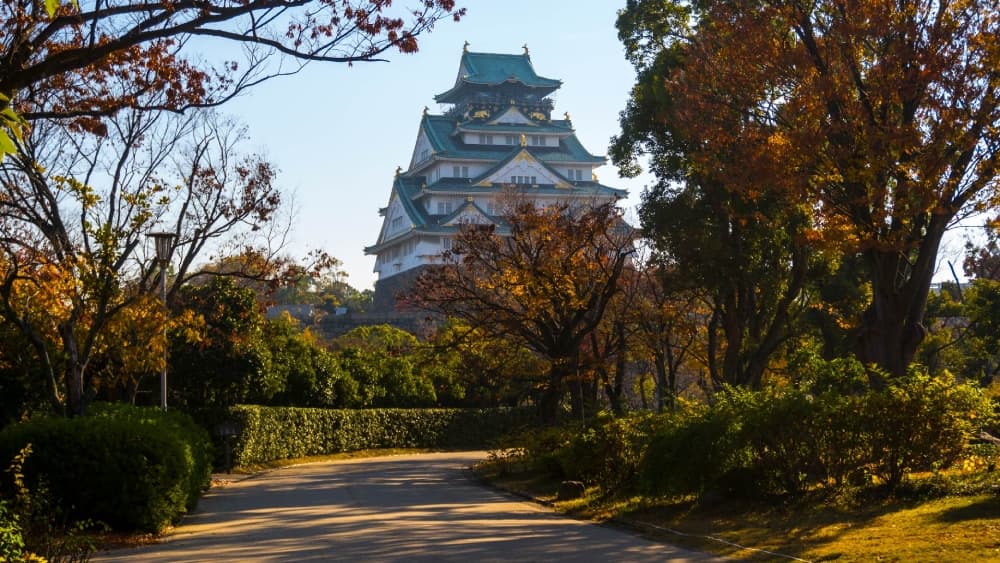
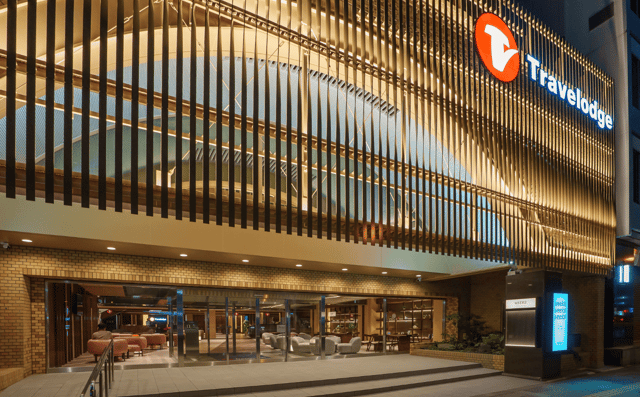
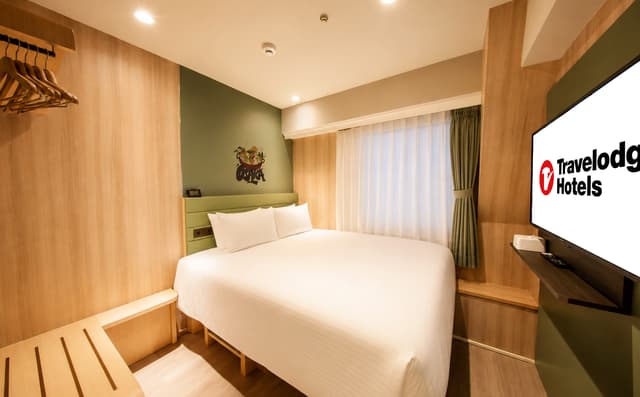
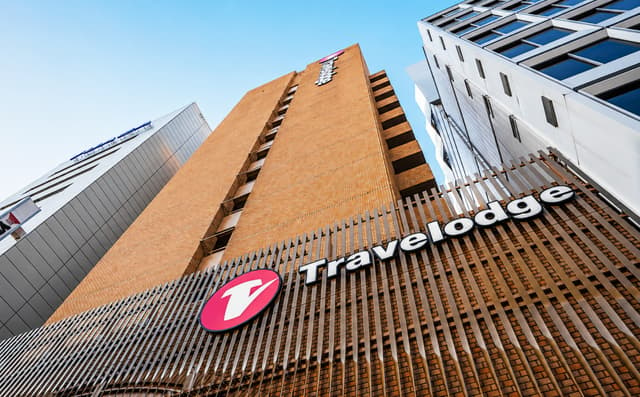
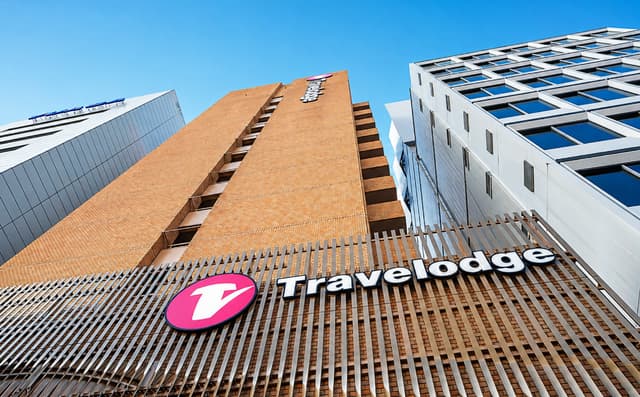
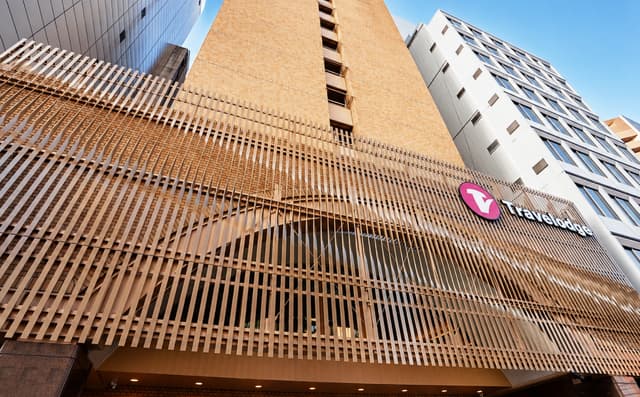
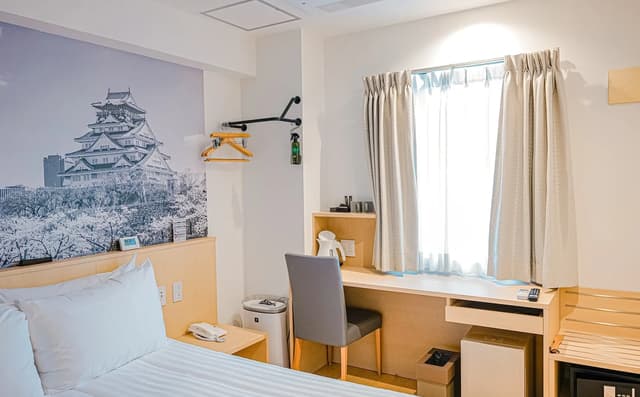
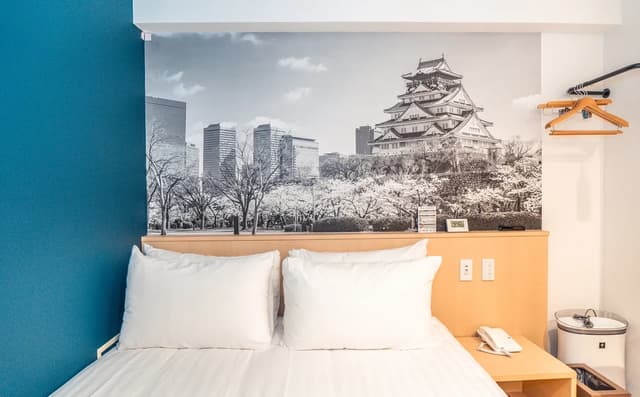
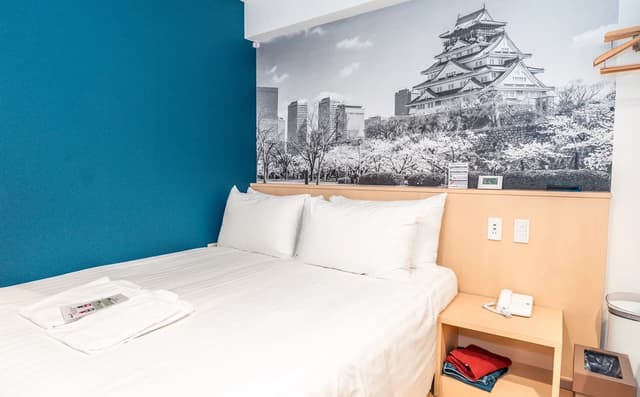
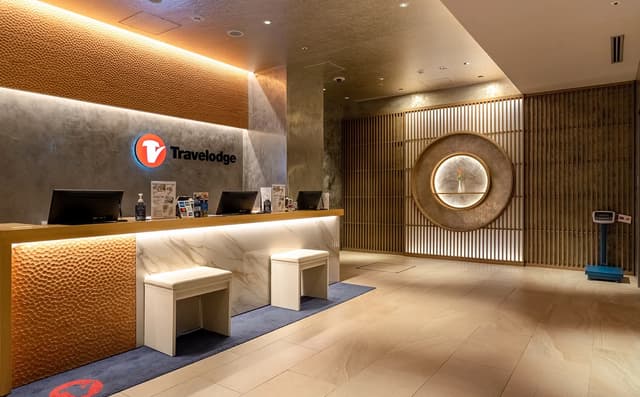
Osaka sits roughly 30 minutes from Kobe by train, making it a practical base for runners who want city access on either side of race day. Travelodge Honmachi Osaka puts you close to the subway lines that connect straight to Kobe, useful for an early race-morning departure without much fuss.
For anyone extending the trip, Dotonbori makes an easy carb-loading dinner the night before or a celebratory meal the night after finishing. Travelodge Osaka Shinsaibashi sits within walking distance of that whole stretch, so there's no need to plan transit around dinner.
Explore Kyoto Near the Kanazawa Marathon
.jpg)
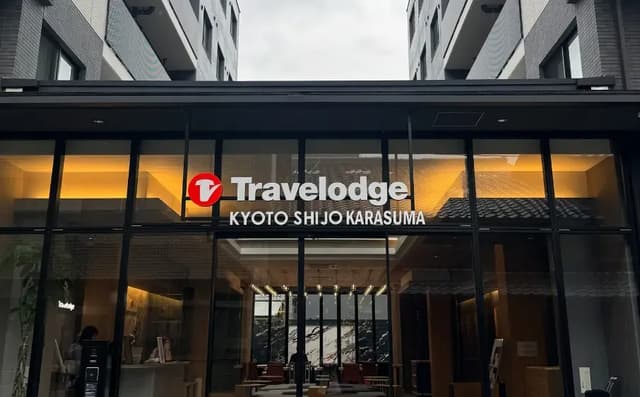
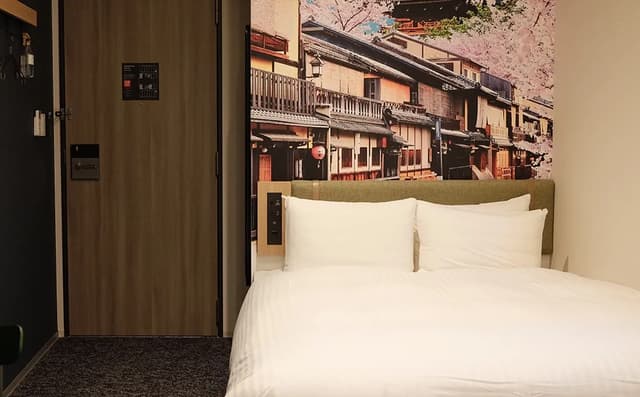
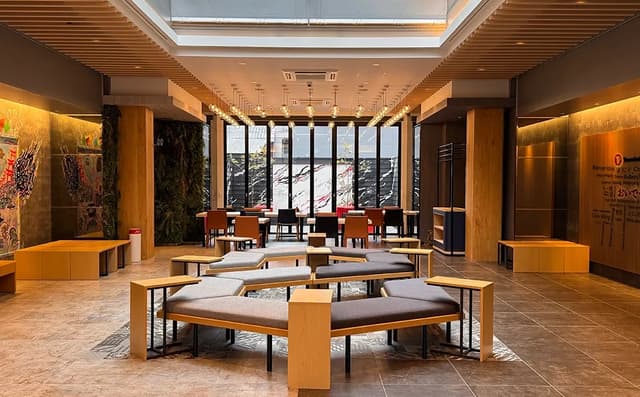
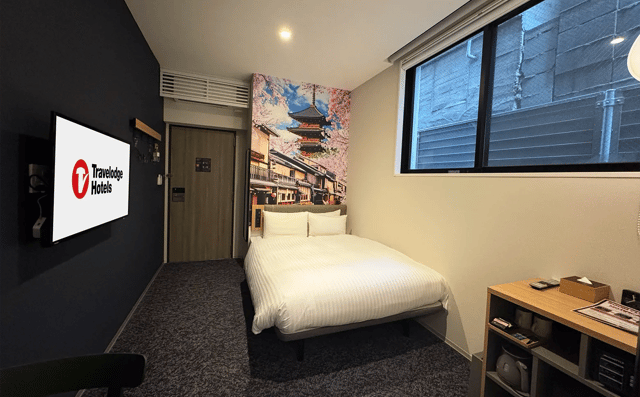
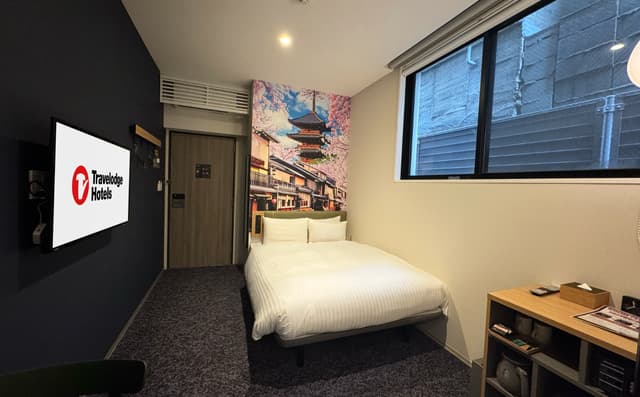
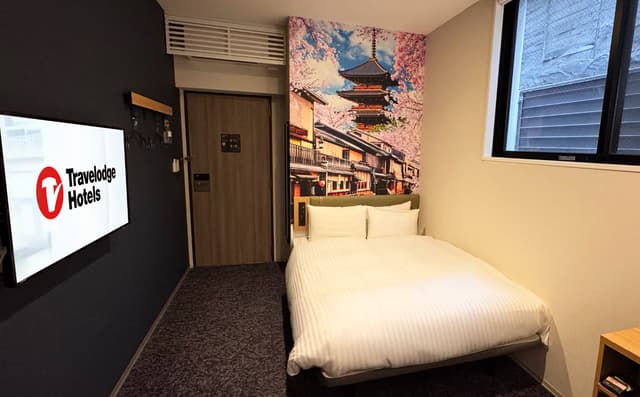
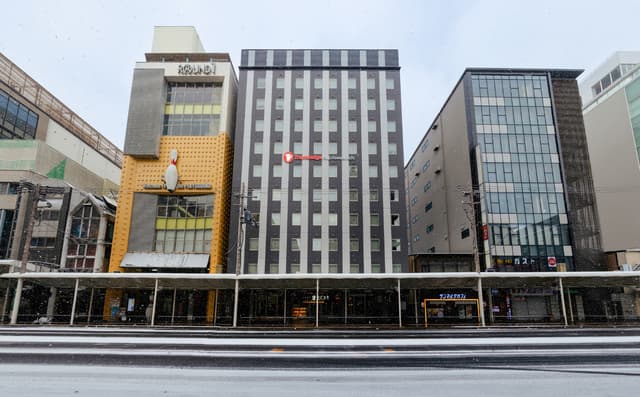
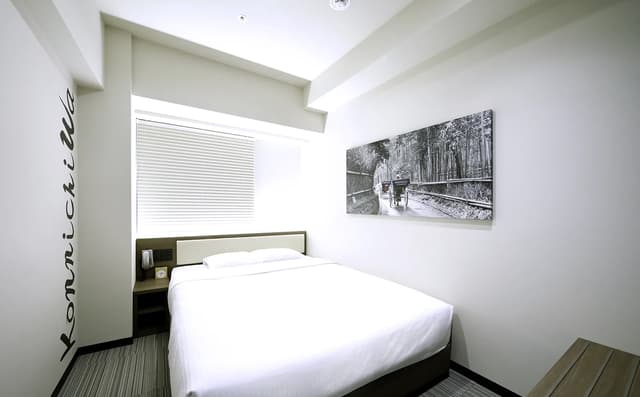
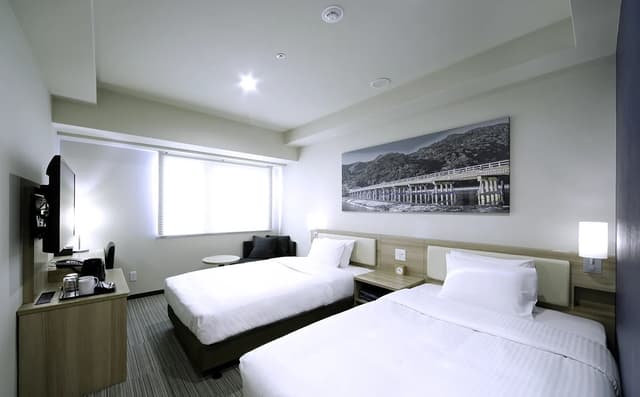
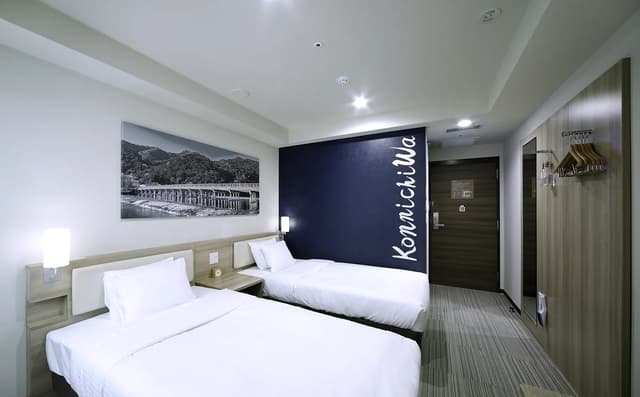
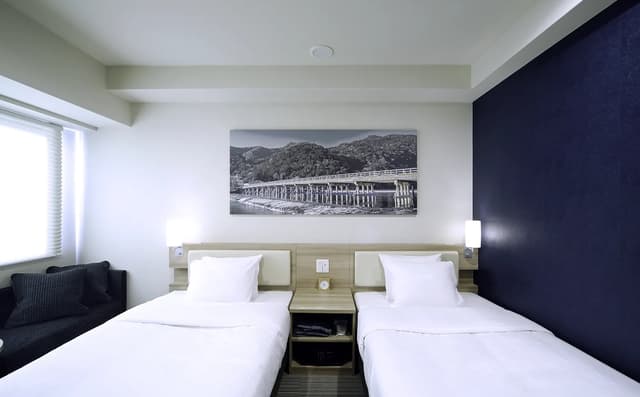
Kyoto connects to Kanazawa by limited express train in about two hours, which makes it a workable base for pairing the marathon with a longer Kansai trip. Travelodge Kyoto Shijo Karasuma sits close to the train lines heading north, so mornings before an early departure stay simple.
A slow walk through Gion the day after racing tends to work well for sore legs, and runners who like a bit of ritual before a start line often make time for a shrine visit first. Travelodge Kyoto Shijo Kawaramachi is within easy reach of both, on the opposite side of downtown Kyoto from Shijo Karasuma if you'd rather stay closer to the shopping streets.
Book Your Stay Before Race Season Fills Up
With five major races spread across October, November, and December, hotel rooms in Osaka and Kyoto tend to book out fast around each event weekend. Booking direct with Travelodge also unlocks real savings on top of a room: Cashback Credits worth up to 5% on every stay, early check-in and late check-out when a race morning calls for it, and ongoing member-only offers that stack over multiple trips. Joining the Travelodge Cashback program takes a few minutes and pays off well beyond marathon season, making it an easy habit for any traveler who books direct.
Share article
Our hotel




Never Miss an Update!
Join our newsletter to unlock travel tips, latest promotions, and updates.
Subscribe now


.jpg)