

Настройки
Мой аккаунт

Поделиться статьей
Фестиваль пельменей в Сингапуре — традиции, еда и подробный путеводитель

Anya Lim
%20(1).jpg)
Фестиваль пельменей в Сингапуре объединяет два впечатления, которые на первый взгляд могут показаться совершенно разными: энергию гонок на драконьих лодках и уютные вкусы рисовых клецок, завернутых в листья. Также известный как Фестиваль драконьих лодок или Duan Wu Jie, этот ежегодный праздник знакомит путешественников с традициями, бережно сохраняемыми китайскими общинами Сингапура.
Отмечаемый на пятый день пятого месяца китайского лунного календаря, Фестиваль пельменей обычно проходит в июне, хотя точная дата меняется каждый год. В Сингапуре это событие отмечают семейными встречами, сезонными подношениями рисовых клецок, культурными мероприятиями и соревнованиями драконьих лодок, хотя это и не является государственным выходным.
Для гостей фестиваль — это возможность прочувствовать культуру через звук, движение и еду. Утро, проведённое за наблюдением за гребцами, движущимися в ритме, можно продолжить дневной дегустацией традиционных zongzi, что позволяет легко включить праздник в более широкий маршрут по Сингапуру.
Что такое Фестиваль пельменей в Сингапуре?
В Сингапуре традиционный китайский Фестиваль драконьих лодок часто называют Фестивалем пельменей, или Фестивалем Дуаньу. Он приходится на пятый день пятого месяца китайского лунного календаря, что обычно соответствует концу мая или июню.
Самые известные традиции — есть zongzi, или клейкие рисовые клецки, завернутые в листья, и смотреть гонки драконьих лодок. Во время заездов команды гребут на длинных узких лодках в такт барабану, создавая одно из самых захватывающих публичных зрелищ фестиваля.
Современная сингапурская традиция драконьих лодок начала формироваться в 1978 году, когда на набережной Эспланады прошла первая в стране гонка в формате регаты Фестиваля драконьих лодок. Дебютное мероприятие привлекло 25 местных команд, и с тех пор гонки на драконьих лодках превратились в хорошо укоренившийся ежегодный вид спорта в Сингапуре.
Фестиваль пельменей обычно отмечают в июне, но культурный праздник и основные гонки драконьих лодок могут проходить в разные даты. Расписание и места проведения заездов также могут меняться из года в год; ранее мероприятия проводились на таких площадках, как Bedok Reservoir, Marina Bay, Singapore River и East Coast Park. Поэтому путешественникам, которые хотят посмотреть гонку, следует проверить официальный календарь Singapore Dragon Boat Association перед планированием визита.
История рисовых клецок (zongzi)
Одна из самых известных историй, связанных с Фестивалем пельменей, посвящена Цюй Юаню — поэту и государственному чиновнику из древнекитайского царства Чу. Согласно традиционному рассказу, Цюй Юаня сослали после того, как он выступил против коррупции, а позже он утопился в реке Мило, когда его родина была побеждена.
Считалось, что местные жители вышли на воду на лодках, пытаясь спасти его. Когда они не смогли найти его тело, они бросали рис в воду, чтобы рыба съела его вместо останков. Со временем эта история связалась и с гонками драконьих лодок, и с обычаем готовить рисовые свёртки, завернутые в листья.
Происхождение фестиваля шире, чем эта единственная легенда. Более ранние традиции также были связаны с почитанием речных драконов, сезонной защитой и обычаями, связанными с приходом лета. История Цюй Юаня в итоге стала самым известным объяснением современного празднования.
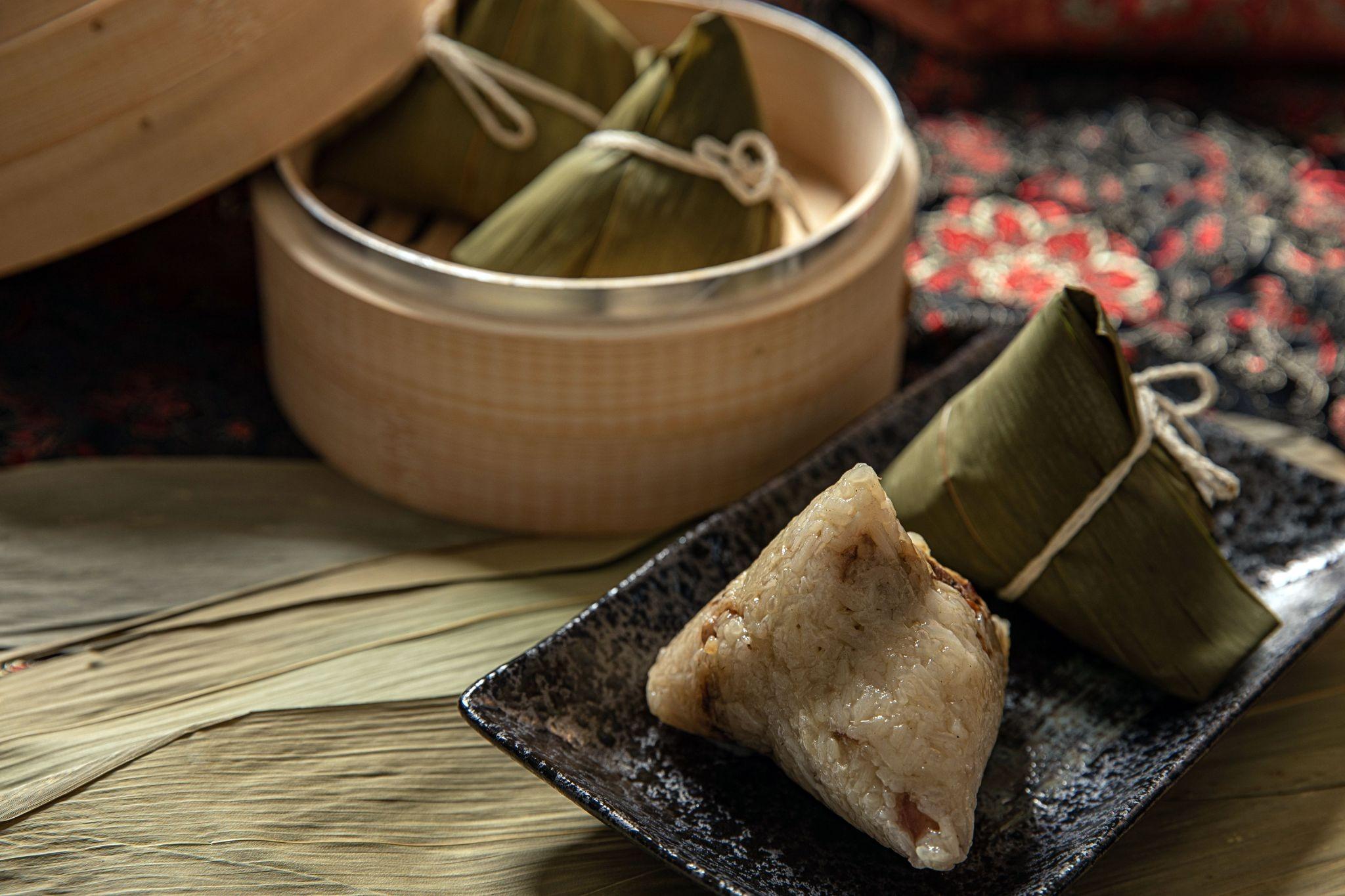
В Сингапуре zongzi также обычно называют bak chang или kueh chang. Основой приготовления служат клейкий рис и сладкая или солёная начинка, после чего смесь заворачивают в бамбуковые или похожие листья и готовят. Листья помогают удерживать клецку вместе и придают рису характерный аромат.
Многонациональное китайское наследие Сингапура породило несколько региональных вариаций. Клецки в хоккиенском стиле могут включать рис, приправленный соевым соусом, свинину, каштаны, грибы и нотки пяти специй. Кантонские варианты часто содержат свинину, маш и чесночное масло, тогда как ньонья-клецки известны сочетанием солёных ингредиентов с более сладким и ароматным профилем.
Попробовать больше одного стиля — один из лучших способов понять фестиваль. Вместо того чтобы воспринимать zongzi как одно блюдо, посетители могут сравнить, как разные общины интерпретируют одну и ту же традицию риса, завернутого в листья.
Где отмечать Фестиваль пельменей в Сингапуре
Посмотреть гонки на Bedok Reservoir
Bedok Reservoir — основная площадка, связанная с Сингапурским фестивалем драконьих лодок. Мероприятие объединяет соревнующиеся команды в нескольких категориях и организуется, а также утверждается Singapore Dragon Boat Association.
Атмосфера создаётся ритмичным барабанным боем, слаженными гребками и зрителями, следящими за лодками с берега водохранилища. Поскольку даты заездов и условия доступа для публики могут меняться из года в год, перед поездкой через город проверьте актуальное расписание гонок на сайте ассоциации.
Приходите заранее, до выбранного заезда, а не только к финалу. Более ранний приход даст больше времени, чтобы найти подходящее место для просмотра, понять последовательность гонок и увидеть, как команды готовятся между заездами.
Ознакомиться с драконьими лодками в районе Kallang
Kallang — ещё одна важная часть сингапурской культуры драконьих лодок. Kallang Water Sports Centre связан с тренировками и рекреационной активностью, поэтому район стоит посетить даже тогда, когда основное соревнование фестиваля проходит в другом месте. Visit Singapore указывает и Bedok Reservoir, и район Kallang River как удобные места для знакомства с этим видом спорта.
Поездку в Kallang также можно совместить с набережной, Singapore Sports Hub и близлежащими гастрономическими районами. Программы участия и тренировочные сессии различаются, поэтому тем, кто хочет не просто смотреть, а грести, стоит заранее уточнить доступность.
Познакомиться с гастрономическими традициями в Chinatown
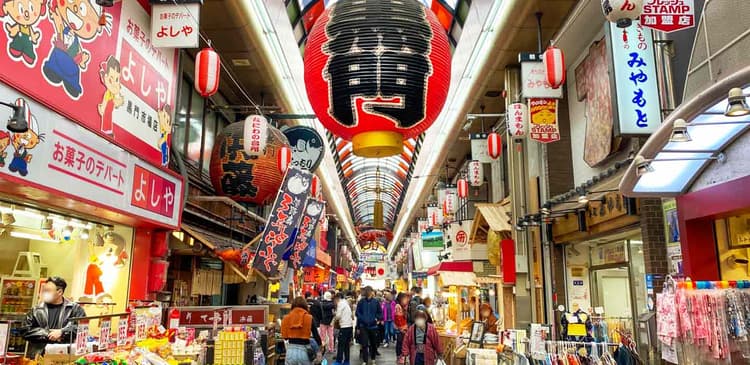
Фестиваль пельменей не ограничивается водой. Chinatown — естественное место для знакомства с китайскими кулинарными традициями, историческими улицами, храмами, пекарнями и ресторанами в период фестиваля.
Сезонные рисовые клецки часто начинают появляться за несколько недель до официальной даты. Рестораны могут предлагать премиальные версии с такими ингредиентами, как абалон, гребешки, жареное мясо, грибы или солёный яичный желток, тогда как традиционные заведения продолжают подавать знакомые семейные рецепты. В 2026 году сезонные коллекции ресторанов Сингапура обычно были доступны с мая до фестивальной недели.
Не каждое заведение организует официальное мероприятие фестиваля, поэтому воспринимайте Chinatown как остановку для еды и знакомства с наследием, а не как место одной централизованной церемонии. Проверка меню ресторанов и списка событий перед визитом поможет найти сезонные предложения.
Лучшие места, чтобы купить традиционные клецки
Kim Choo Kueh Chang
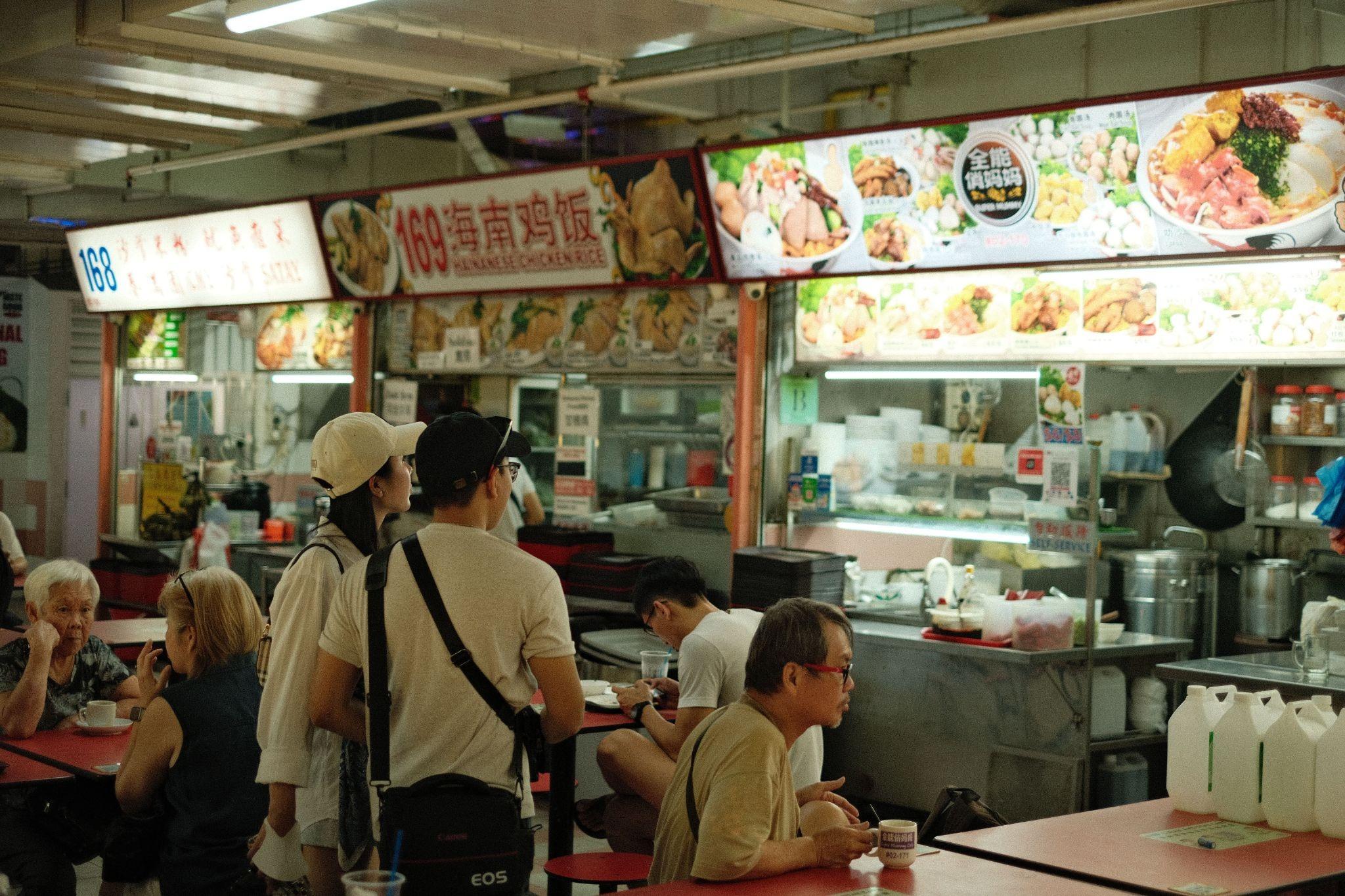
Для знакомства с наследием посетите оригинальный Kim Choo Kueh Chang в районе Joo Chiat и Katong. Семейный бизнес ведёт историю с 1945 года и тесно связан с традиционными ньонья-рисовыми клецками и культурой перанакан. Его официальные адреса: 60 Joo Chiat Place и 111 East Coast Road.
Это удобная остановка для путешественников, которые хотят совместить еду с прогулкой по району. Katong и Joo Chiat известны яркой архитектурой, наследием перанакан, местными ресторанами и традиционными закусками, поэтому поездка становится не просто быстрой покупкой еды.
Китайские рестораны и гостиничные кухни
Во время Фестиваля пельменей многие известные китайские рестораны и гостиничные кухни предлагают лимитированные коллекции рисовых клецок. Это могут быть как традиционные рецепты со свининой и грибами, так и более изысканные версии с морепродуктами, трюфелем, конпой или премиальными жареными мясными начинками. Коллекции 2026 года в Сингапуре показали широкий спектр современных интерпретаций, доступных по всему городу.
Такие сезонные продукты обычно требуют предварительного заказа, особенно если продаются в подарочных наборах. При покупке уточняйте даты получения, инструкции по разогреву, аллергены и рекомендации по хранению.
Пекарни и продовольственные ритейлеры по всему Сингапуру
Пекарни и специализированные продовольственные магазины по всему острову могут оказаться самым удобным вариантом для путешественников с ограниченным временем. Некоторые продают рисовые клецки только в сезон фестиваля, тогда как наследственные семейные предприятия могут предлагать отдельные виды круглый год.
Наличие может различаться в зависимости от точки продажи, поэтому перед визитом проверьте официальный сайт продавца или свяжитесь с филиалом. Это особенно важно, если вы ищете вегетарианские начинки, сладкие клецки или определённые региональные стили.
Что заказать в первую очередь
Для первой дегустации начните с одного солёного и одного сладкого или сладко-солёного варианта. Традиционная хоккиенская клецка даст насыщенные ноты соевого соуса и пяти специй, а ньонья-версия предложит более ароматный баланс. Простая щелочная клецка, часто называемая kee chang, создаёт более простой контраст и может подаваться с сахаром или сиропом.
Рисовые клецки сытные, поэтому делить несколько видов часто приятнее, чем заказывать по большой порции на человека. Так также легче сравнивать текстуры, начинки и способы заворачивания.
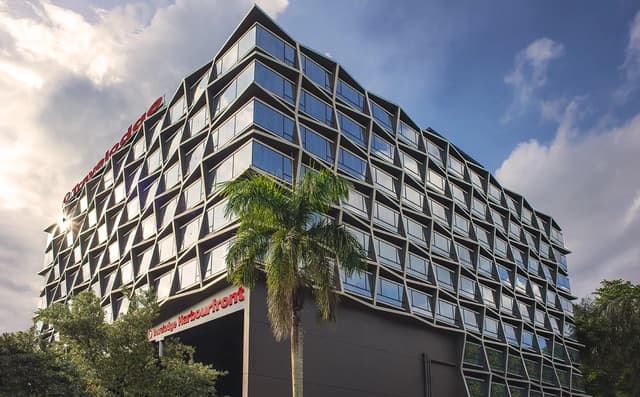
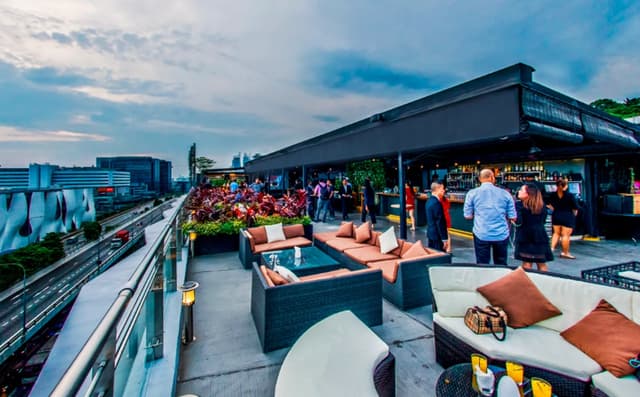
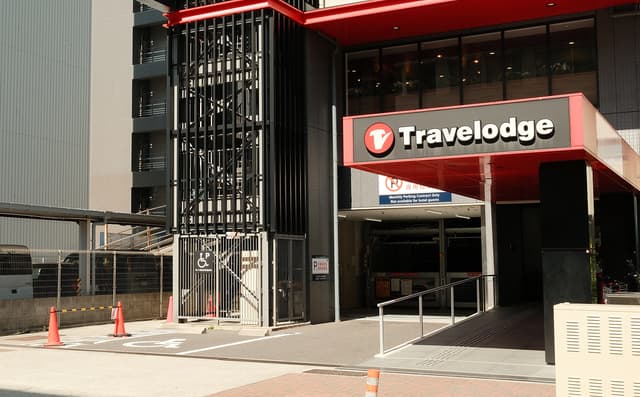
Остановитесь рядом с праздничными событиями в Travelodge Harbourfront
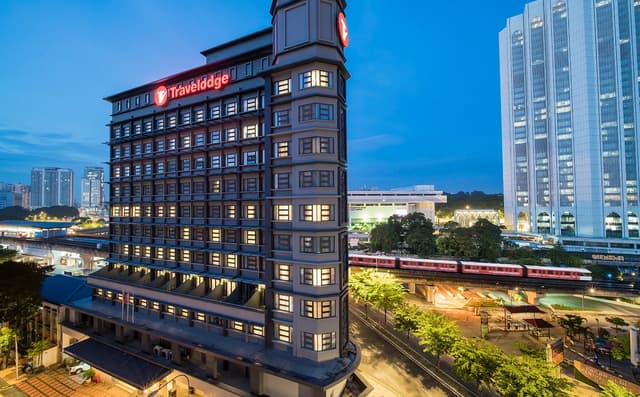
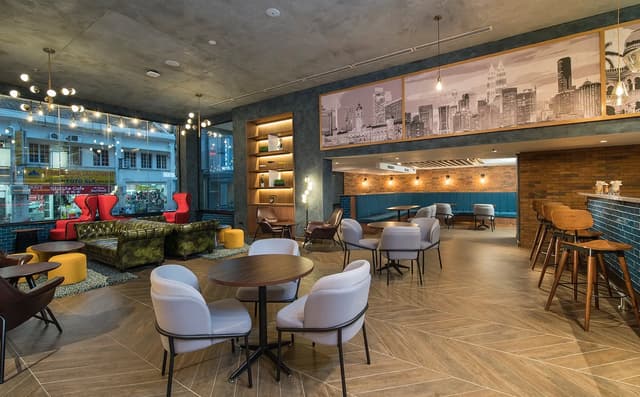
Выбор хорошо связанного с транспортом hotel in Singapore облегчает сочетание Фестиваля пельменей с Chinatown, Kallang, Bedok Reservoir и остальной частью города. Travelodge Harbourfront Singapore расположен рядом со станцией MRT HarbourFront и VivoCity, обеспечивая доступ к линиям North East и Circle. Отель указывает, что станция HarbourFront MRT находится примерно в 340 метрах.
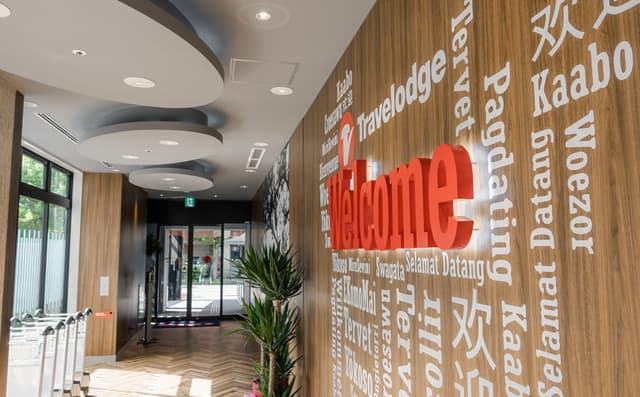
Этот опыт отражает позиционирование Travelodge Hotels Asia по модели 3C:
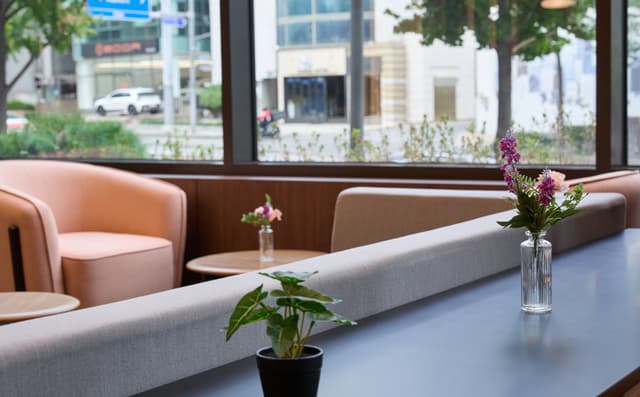
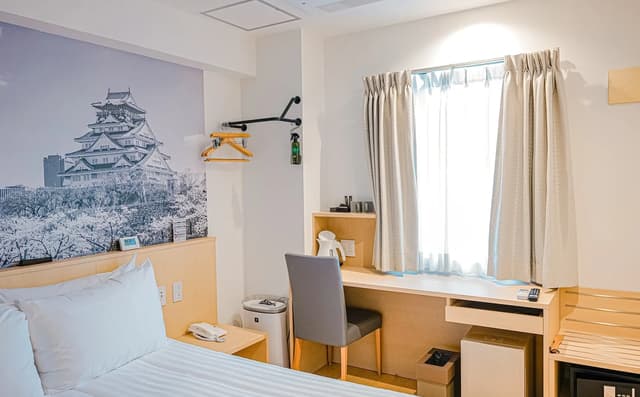
- Comfort даёт уютное место для восстановления сил после насыщенного дня гонок, гастрономических остановок и прогулок по районам.
- Convenience обеспечивается близостью к общественному транспорту, VivoCity, вариантам питания и маршрутам в сторону Sentosa.
- Connectivity помогает гостям перемещаться по Сингапуру, оставаясь онлайн для проверки расписаний мероприятий, маршрутов транспорта, доступности ресторанов и погодных обновлений.
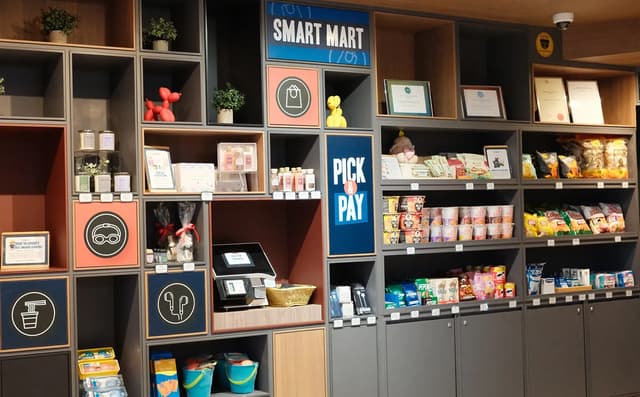
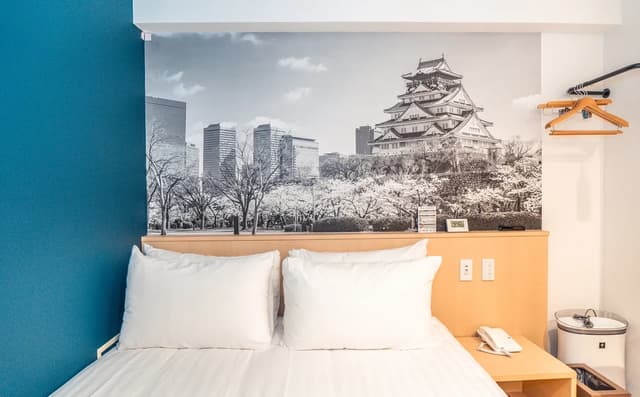
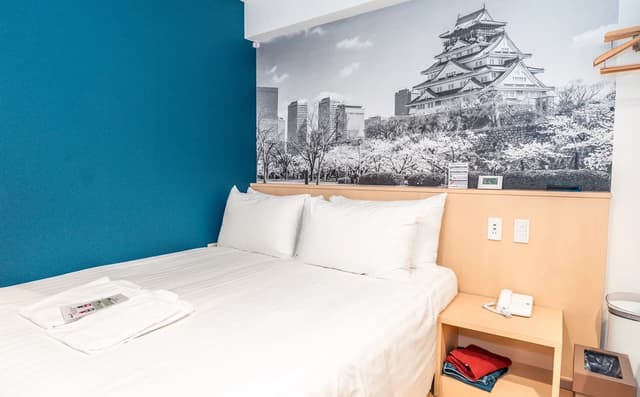
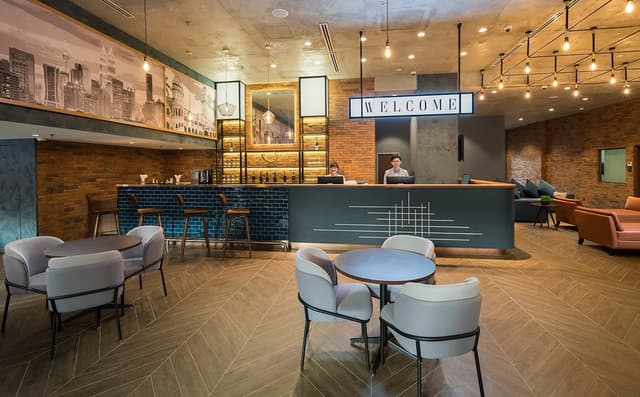
Travelodge Harbourfront также включает несколько элементов гостевого опыта 8S. Snooze обеспечивает спокойный ночной отдых, Stream поддерживает связь через Wi‑Fi, Spin представлен зоной прачечной самообслуживания, а Smart Mart предлагает практичные товары на территории отеля. В отеле также есть общая кухня и круглосуточная служба поддержки.
После тёплого дневного времени на улице гости могут насладиться Splash в 30-метровом открытом бассейне отеля. Это приятный способ охладиться перед ужином или вечерней прогулкой.
Путешественники, планирующие фестивальный маршрут, могут проверить даты, категории номеров и текущие предложения напрямую на официальном сайте Travelodge Hotels Asia. Бронирование напрямую — это простой способ посмотреть актуальную доступность и применимые условия для выбранного номера.
Празднуйте Сингапур через еду и традиции
Опыт Фестиваля пельменей в Сингапуре — это не только одна гонка или одно сезонное блюдо. Он соединяет древние истории с современным соревновательным спортом, семейными рецептами, региональными вкусами и сообществами, которые продолжают сохранять эти традиции.
Знание даты фестиваля, проверка официального календаря гонок и дегустация нескольких видов zongzi могут превратить сезонный визит в более глубокое культурное переживание. От барабанной дроби на Bedok Reservoir до аромата рисовых клецок, завернутых в бамбуковые листья, в Joo Chiat или Chinatown — каждая часть праздника раскрывает другую сторону Сингапура.
После дня, проведённого в атмосфере Фестиваля пельменей, вернитесь к Comfort, Convenience и Connectivity в Travelodge Harbourfront Singapore. Бронируйте напрямую через сайт Travelodge Hotels Asia и сделайте отель удобной, вдохновляющей базой для знакомства с праздниками, едой и районами Сингапура.