


Share article
Central Market vs Petaling Street: Where to Find Kuala Lumpur's Most Authentic Shopping Experiences

Nathania Clairine
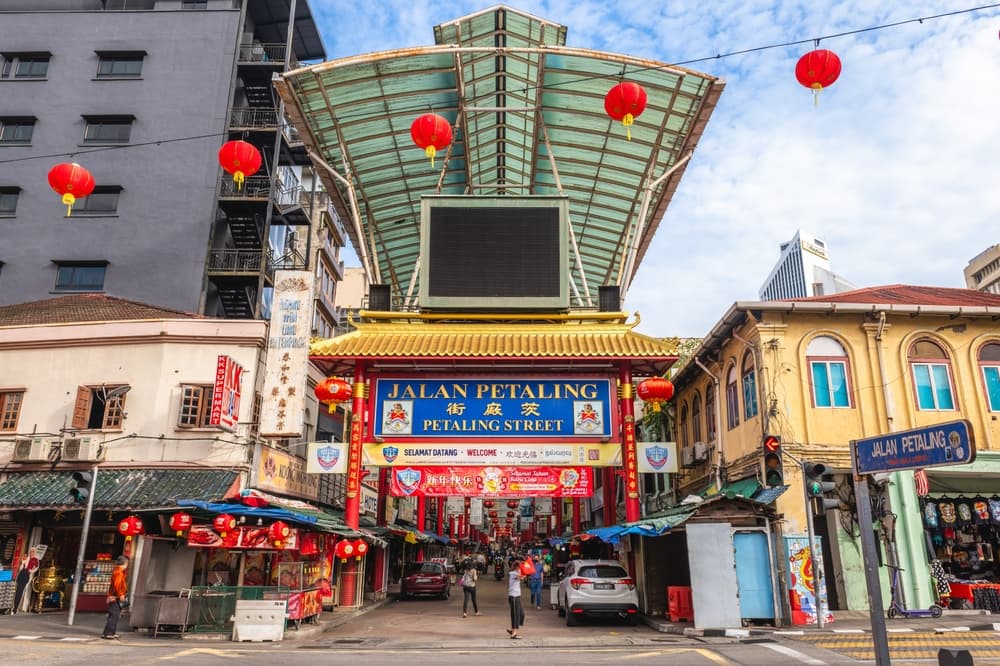
When travelers think about shopping in Kuala Lumpur, two destinations often appear at the top of the list: Central Market and Petaling Street.
Located just a short walk from each other in the heart of the city, these two iconic landmarks offer very different experiences. While both attract visitors looking for souvenirs, food, and local culture, they serve different purposes and appeal to different types of shoppers.
If you're looking for meaningful souvenirs, local craftsmanship, cultural experiences, and a deeper understanding of Kuala Lumpur's heritage, knowing the difference between Central Market and Petaling Street can help you spend your time and money more wisely.
The good news? You don't have to choose just one.
Why These Two Markets Remain Kuala Lumpur Icons
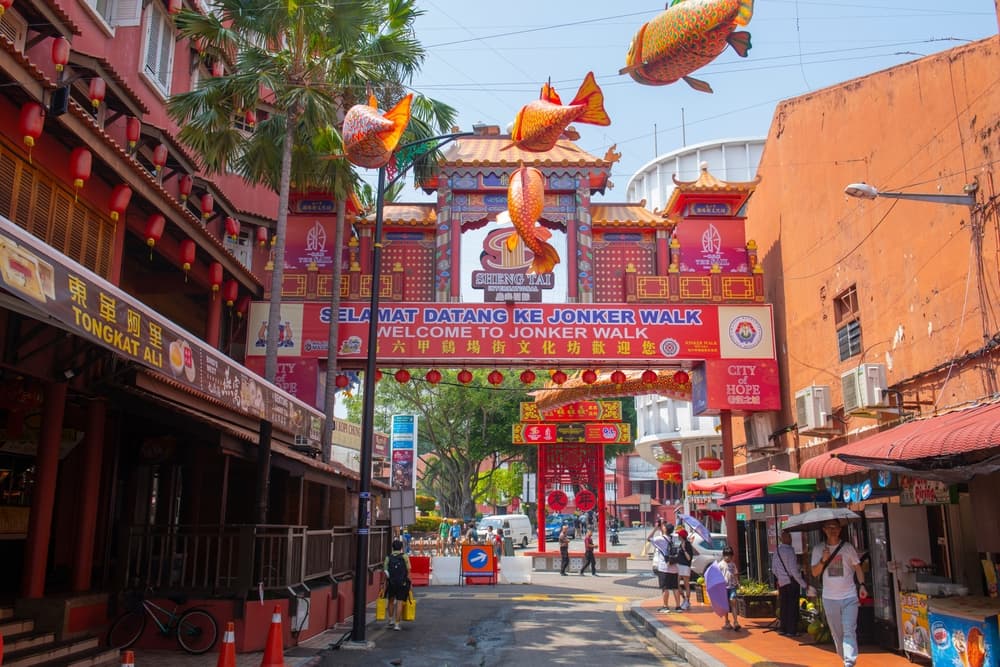
Both Central Market and Petaling Street are deeply connected to Kuala Lumpur's history.
Central Market began life as a wet market in 1888 before being transformed into a cultural and arts hub. Today, it is one of Malaysia's best-known heritage landmarks and a center for local arts, crafts, and cultural products.
Petaling Street, meanwhile, has been the heart of Kuala Lumpur's Chinatown since the late 19th century. Over the decades, it evolved into one of the city's most famous shopping streets and food destinations.
Although they're only minutes apart, the experiences they offer are remarkably different.
Central Market: The Best Place to Shop for Malaysian Culture
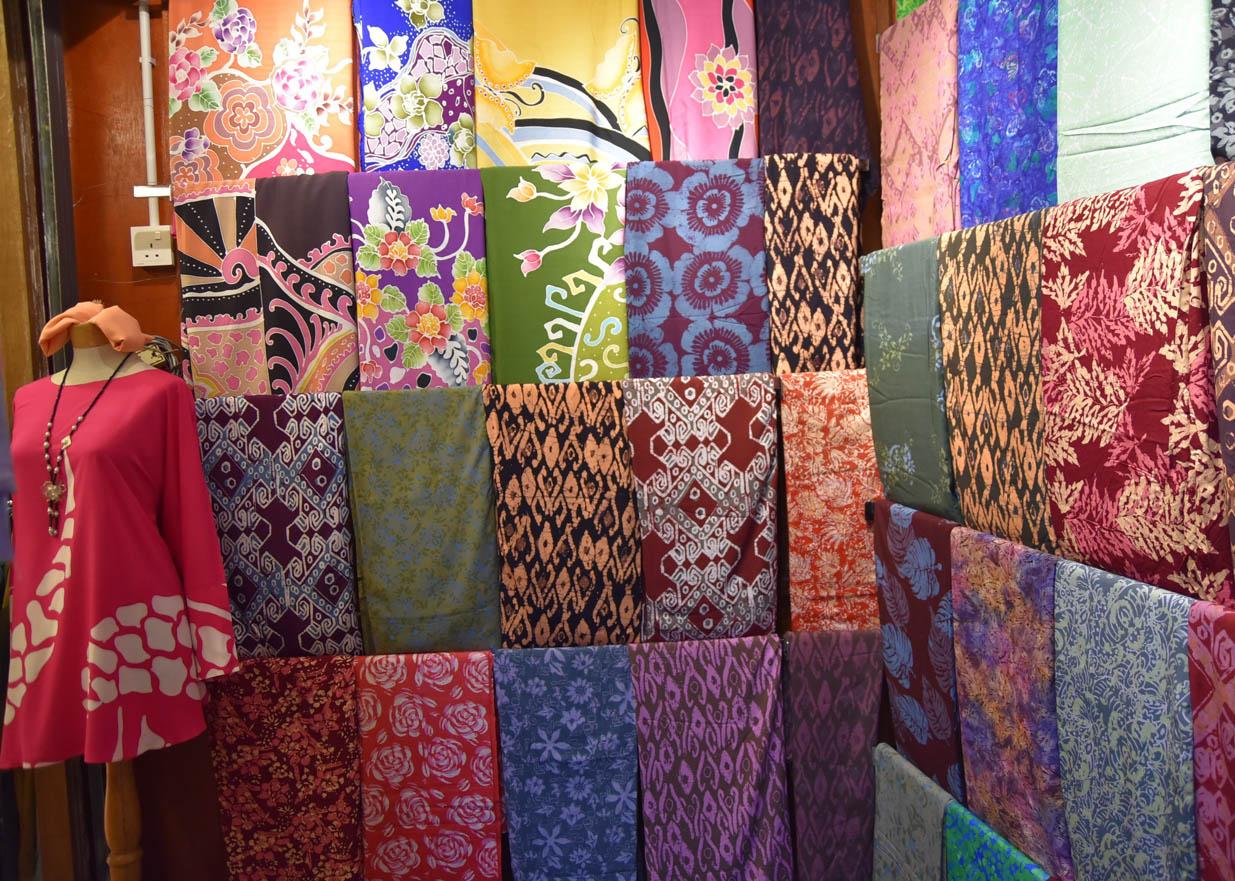
If your goal is to bring home something that genuinely reflects Malaysian culture, Central Market is often the better choice.
The market was intentionally developed as a hub for Malaysian arts, heritage, and craftsmanship. Visitors can browse products representing the country's diverse cultural communities, including Malay, Chinese, Indian, and indigenous traditions.
What to Buy at Central Market
Popular purchases include:
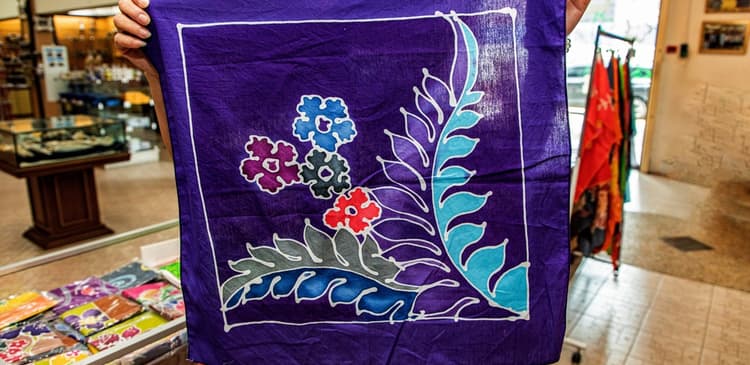
- Batik clothing
- Songket textiles
- Handmade jewelry
- Traditional crafts
- Local artwork
- Wooden carvings
- Cultural souvenirs
- Handmade gifts
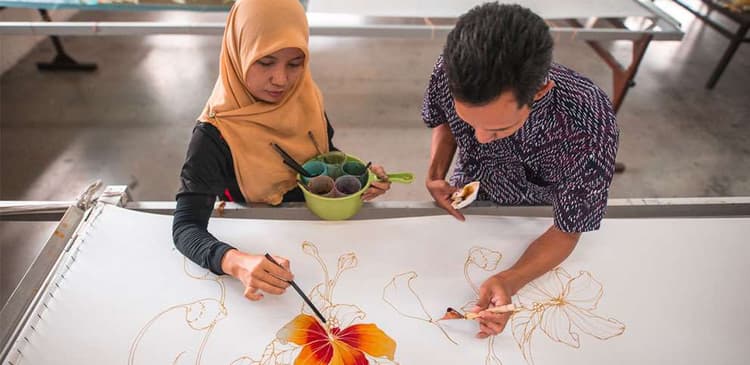
Central Market is also known for showcasing local artisans and independent creators, making it one of the best places in Kuala Lumpur to purchase authentic Malaysian-made products.
Why Travelers Love Central Market
Many visitors appreciate the market because:
- It's air-conditioned
- Products are organized by cultural themes
- Shopping feels more relaxed
- Prices are generally fixed
- Quality is easier to assess
For travelers who prefer browsing rather than bargaining, Central Market offers a more comfortable experience.
Petaling Street: The Energy of Kuala Lumpur's Chinatown
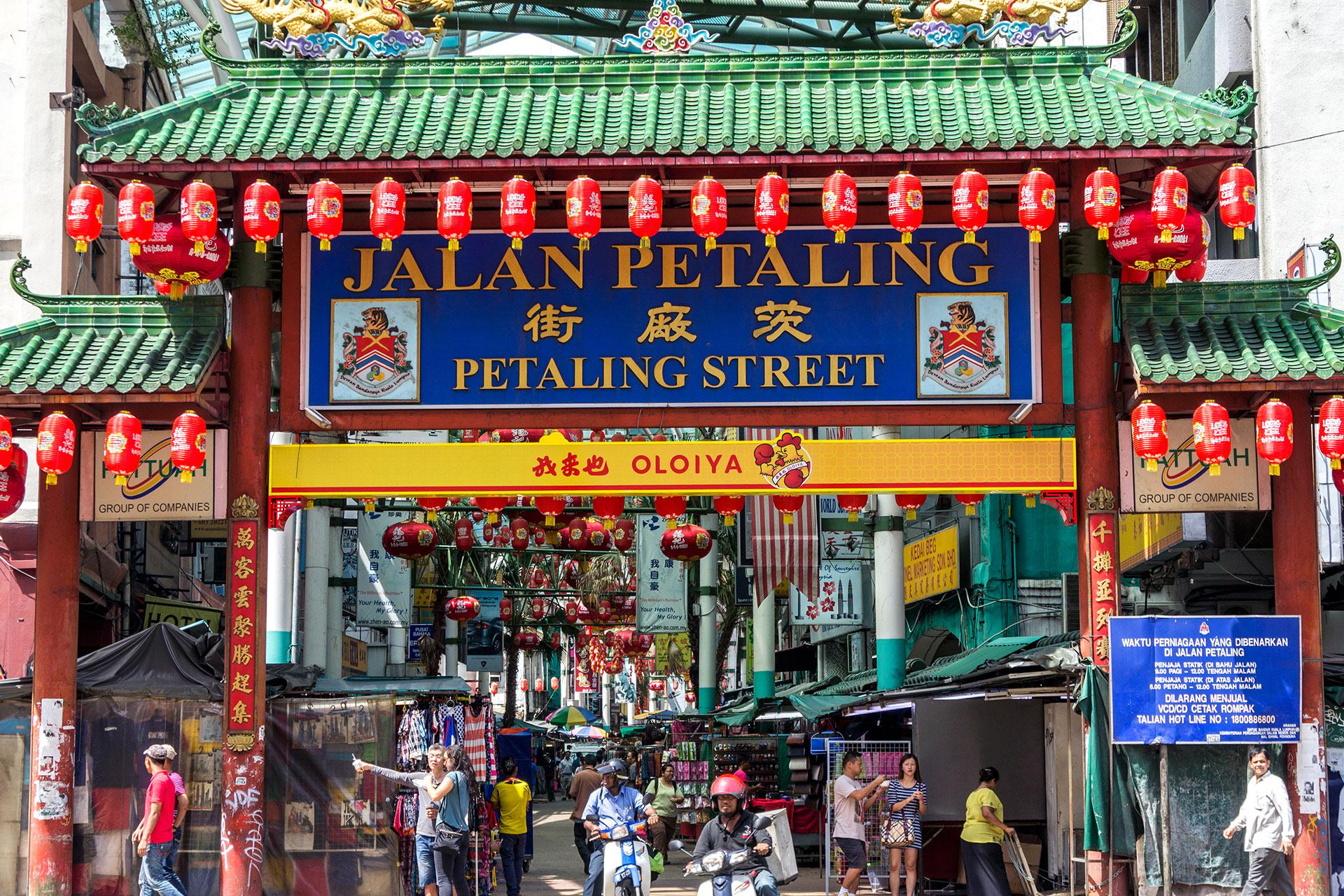
Petaling Street delivers a completely different atmosphere.
Rather than focusing on curated cultural products, Petaling Street is famous for its bustling market environment, colorful lanterns, street food, bargain hunting, and Chinatown heritage.
Walking through the area feels like stepping into one of Kuala Lumpur's most historic commercial districts.
What to Buy at Petaling Street
Visitors commonly shop for:
- Souvenirs
- Accessories
- Clothing
- Bags
- Electronics accessories
- Small gifts
- Street snacks
Bargaining remains part of the shopping culture here, making the experience more interactive than at Central Market.
Why Travelers Visit Petaling Street
The biggest appeal isn't necessarily what you buy.
It's the atmosphere.
Visitors come for:
- Chinatown heritage
- Street food
- Market energy
- Historic shophouses
- Local dining experiences
- People watching
Many travelers spend as much time eating as they do shopping.
Central Market vs Petaling Street: Which Is Better?
The answer depends entirely on what you're looking for.
If You Want... | Go To... |
|---|---|
Authentic Malaysian handicrafts | Central Market |
Batik and traditional textiles | Central Market |
Local artwork | Central Market |
Heritage architecture | Both |
Street food | Petaling Street |
Bargain shopping | Petaling Street |
Chinatown atmosphere | Petaling Street |
Air-conditioned shopping | Central Market |
Artisan-made souvenirs | Central Market |
Nighttime atmosphere | Petaling Street |
In reality, the two destinations complement each other rather than compete.
The Best Things to Buy in Kuala Lumpur
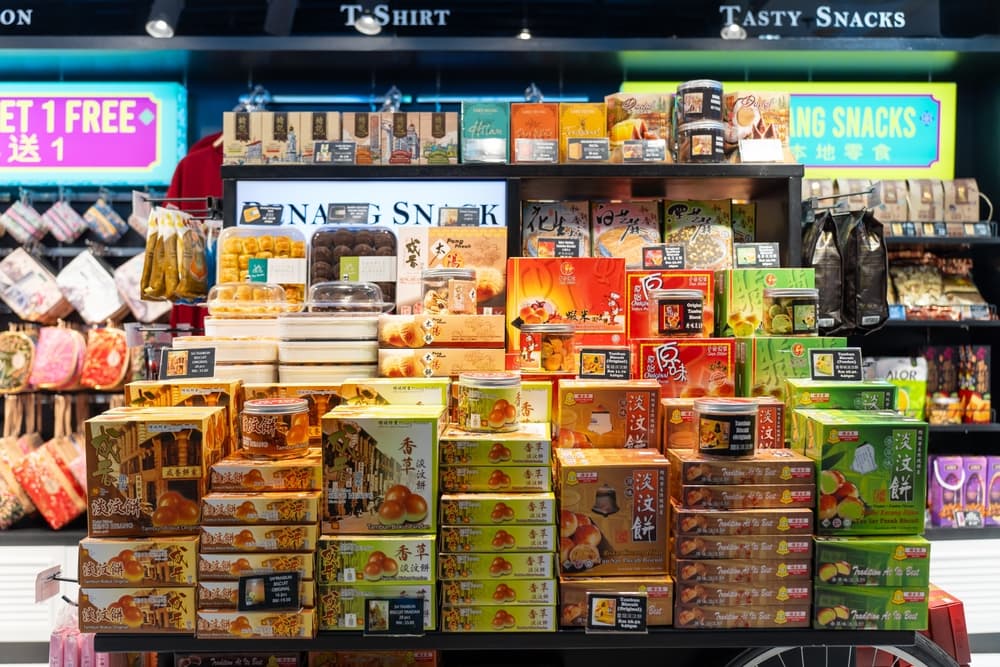
If you're looking for souvenirs that genuinely represent Malaysia, consider:
Batik
One of Malaysia's most recognizable cultural products.
Popular options include:
- Shirts
- Dresses
- Scarves
- Bags
- Home décor
Songket
Traditional handwoven fabric often used for ceremonial clothing.
Local Art
Many Malaysian artists showcase their work at Central Market and nearby galleries.
Handmade Crafts
Examples include:
- Wood carvings
- Pewter products
- Handmade accessories
- Indigenous crafts
Local Food Products
Popular edible souvenirs include:
- Dodol
- Traditional cookies
- Coffee
- Tea
- Malaysian snacks
Beyond Shopping: Discover the Cultural Side of the Area
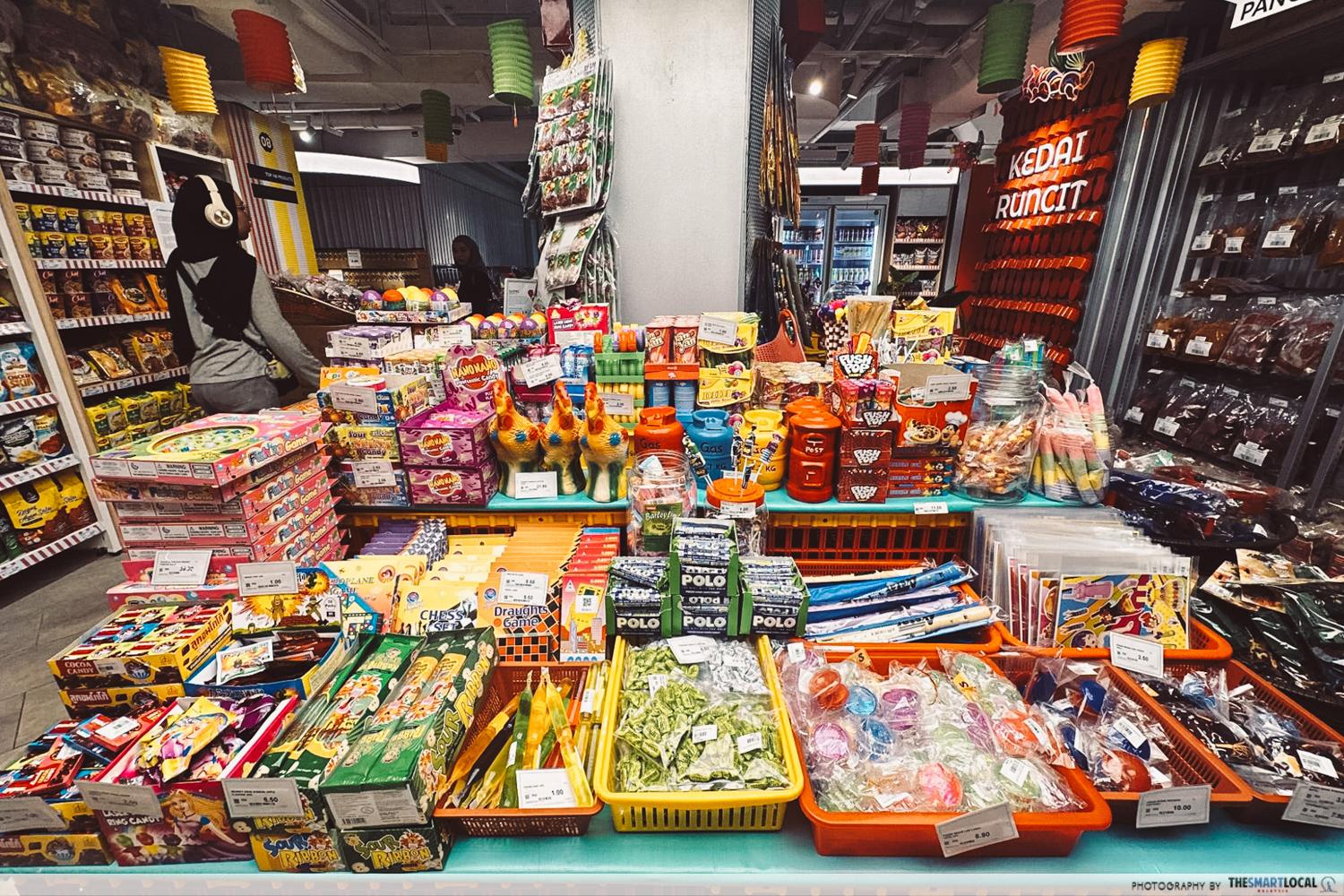
One reason this area remains popular is that it's much more than a shopping district.
Within walking distance, you'll find:
1. Chinatown
One of Kuala Lumpur's oldest neighborhoods.
2. Sri Mahamariamman Temple
The oldest Hindu temple in Kuala Lumpur.
3. Kasturi Walk
A covered pedestrian market beside Central Market featuring snacks and souvenir stalls.
4. River of Life
A revitalized waterfront area near several historic landmarks.
5. Merdeka Square
An important site in Malaysia's independence history.
Together, these attractions create one of the city's richest cultural districts.
A Perfect Half-Day Cultural Shopping Itinerary
• Morning
- Explore Central Market
- Browse local crafts
- Visit artisan stalls
• Lunch
- Try local dishes near Pasar Seni
• Afternoon
- Walk through Kasturi Walk
- Explore Petaling Street
- Visit Chinatown landmarks
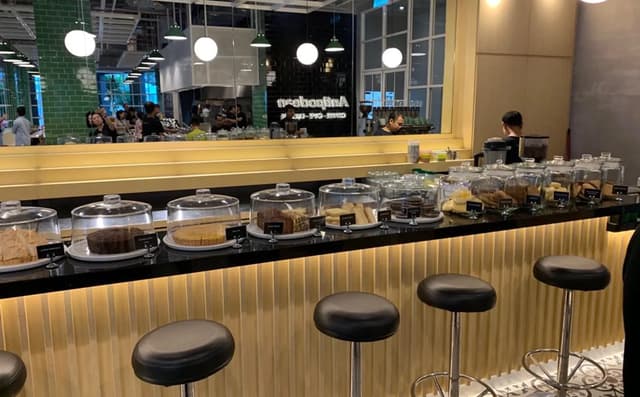
- Enjoy street food and local cafés
This route allows visitors to experience both sides of Kuala Lumpur's shopping culture in a single trip.
Where to Stay Near Central Market and Petaling Street
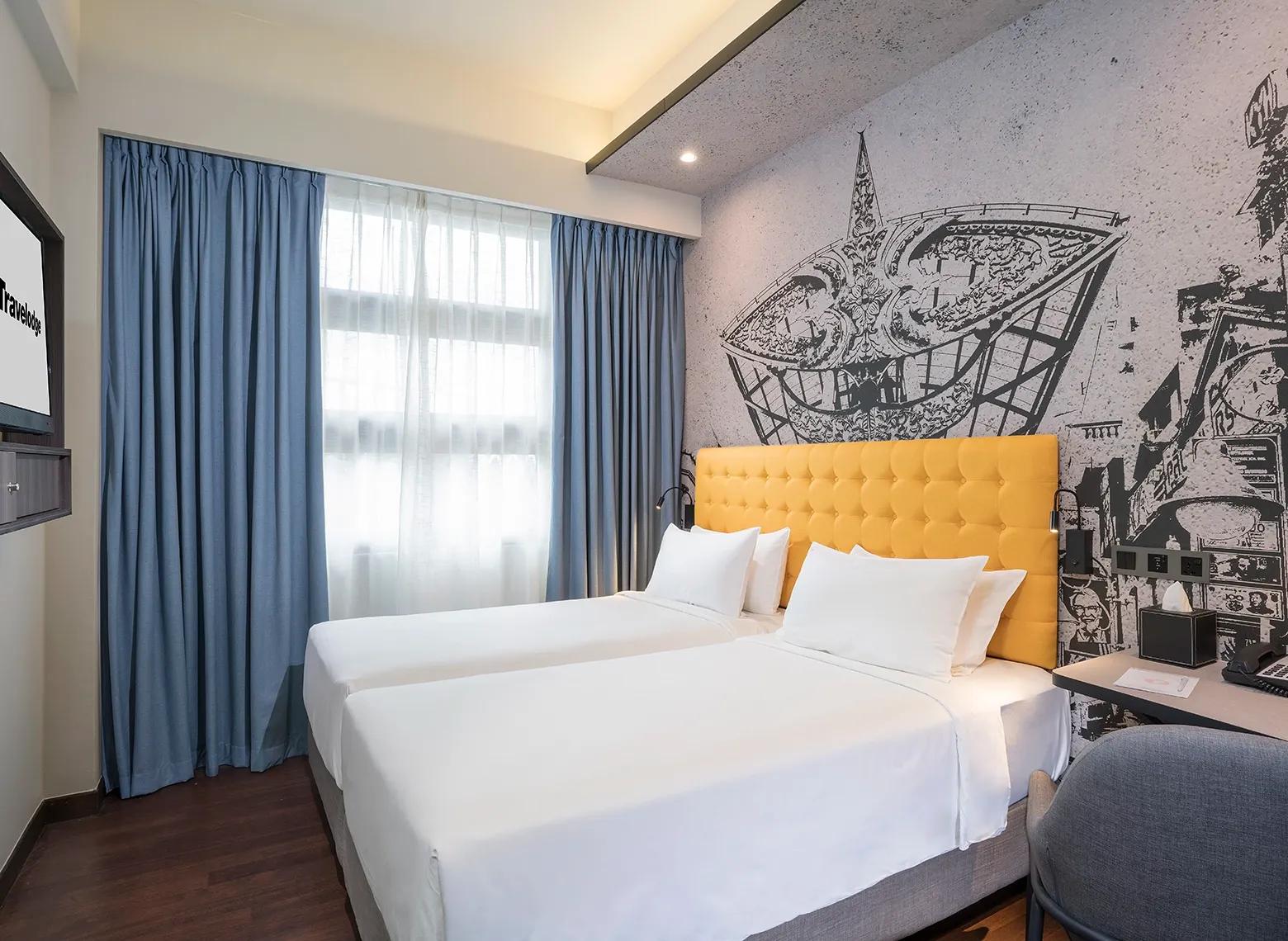
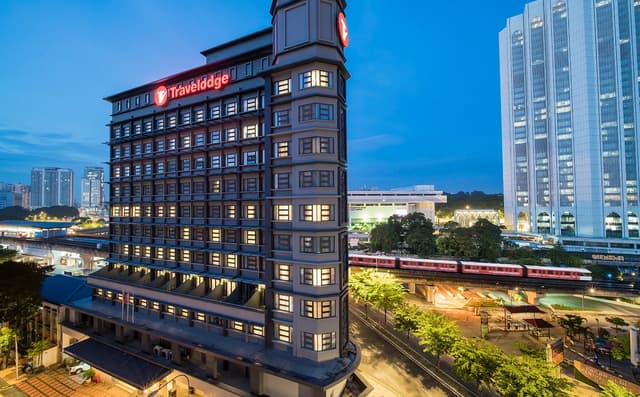
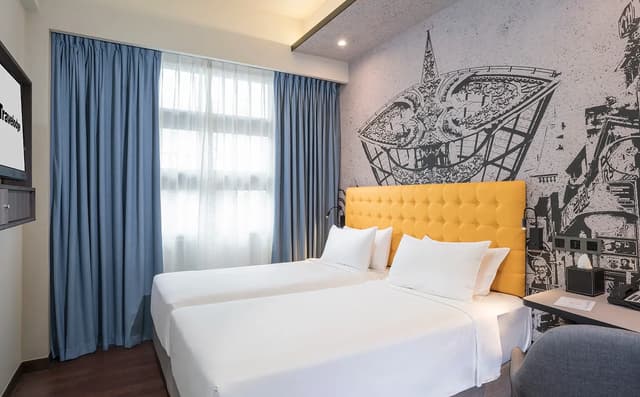
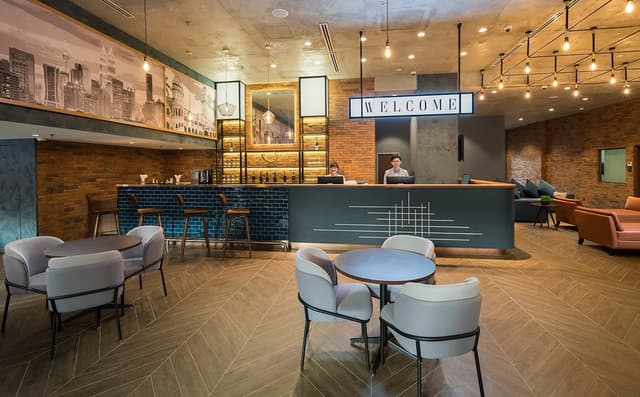
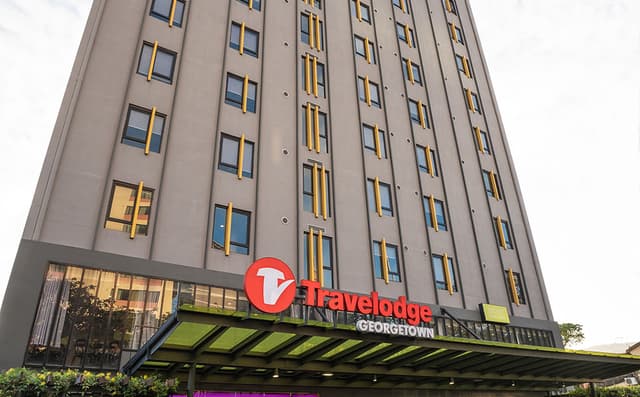
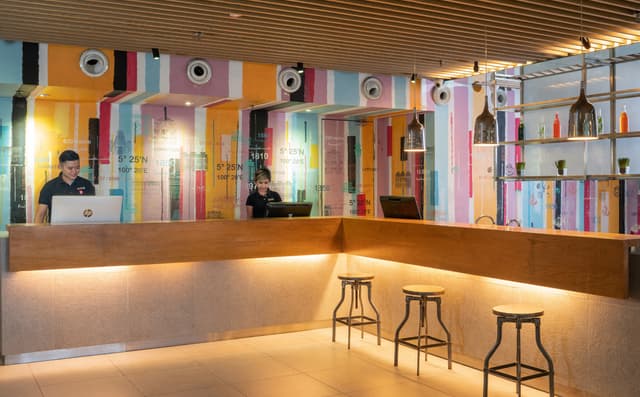
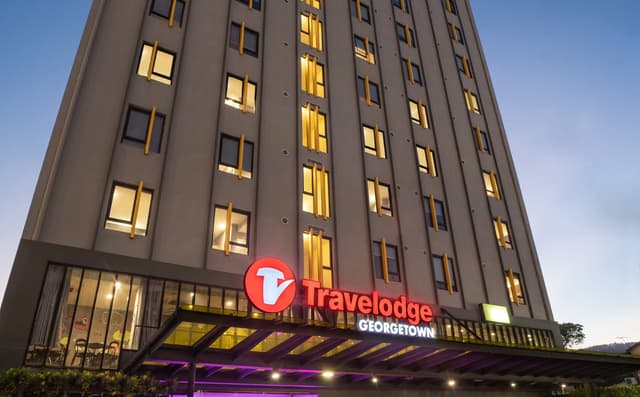
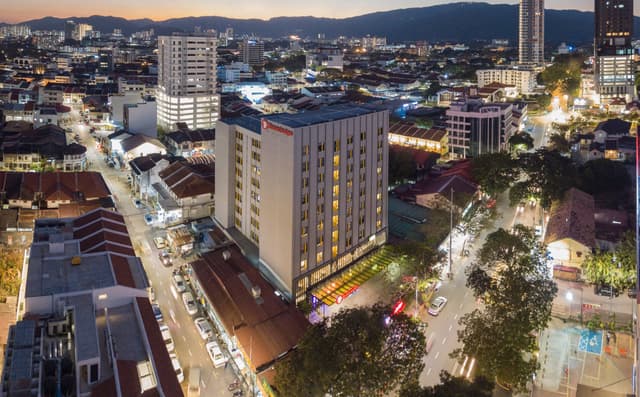
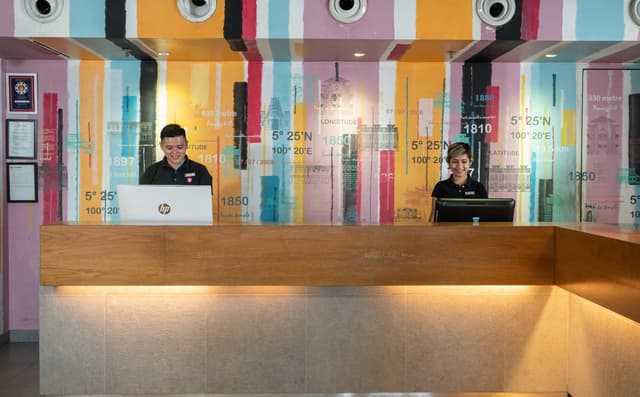
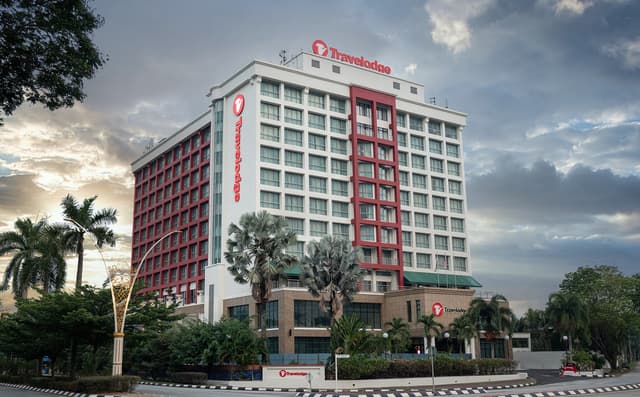
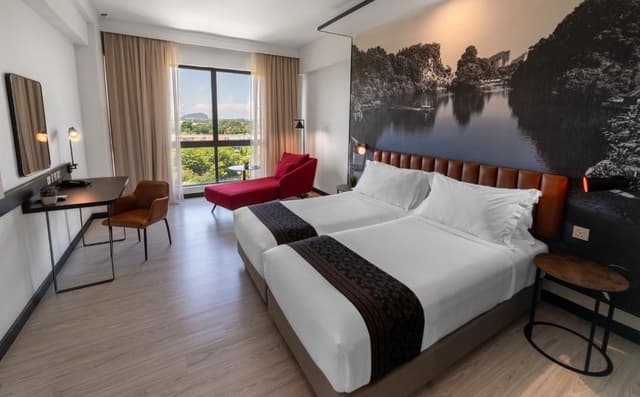
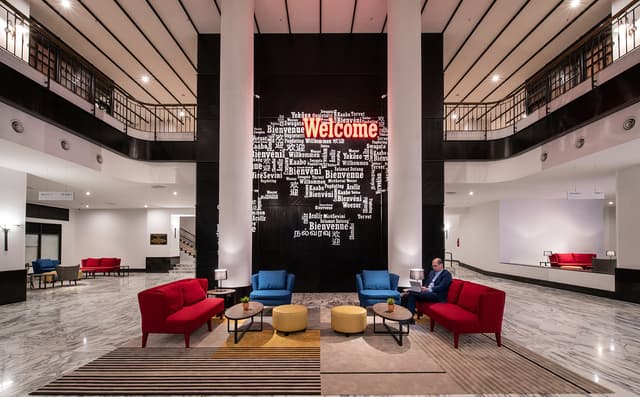
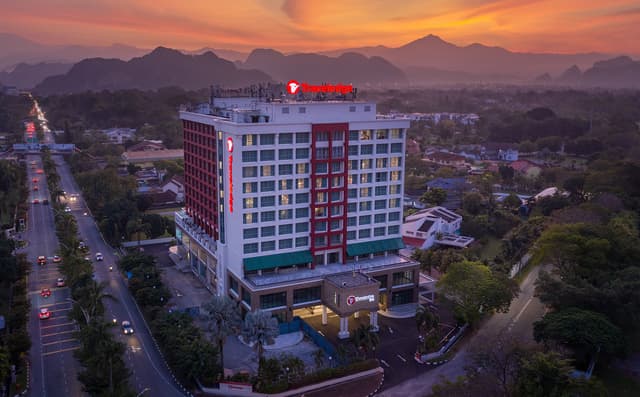
For travelers planning to explore Kuala Lumpur's historic core, Travelodge Kuala Lumpur City Centre offers one of the most convenient locations in the city.
Guests can easily walk to:
- Central Market
- Petaling Street
- Chinatown
- Kasturi Walk
- Merdeka Square
- Pasar Seni MRT and LRT Station
Its central location makes it an excellent base for visitors who want to experience Kuala Lumpur's cultural attractions without relying heavily on transportation.
Shop for Stories, Not Just Souvenirs
Central Market and Petaling Street represent two different sides of Kuala Lumpur's identity.
One celebrates Malaysia's cultural heritage through art, craftsmanship, and tradition. The other reflects the city's historic trading roots through bustling markets, street food, and Chinatown energy.
Rather than choosing between them, the best approach is to experience both. Together, they offer one of Kuala Lumpur's most rewarding cultural districts, where every street, shop, and food stall tells a story about the city's rich multicultural heritage.