

Ustawienia
Moje konto

Udostępnij artykuł
#TrevorDiscover Best Things to See at Gwanghwamun Square, Seoul at Night

Trevor
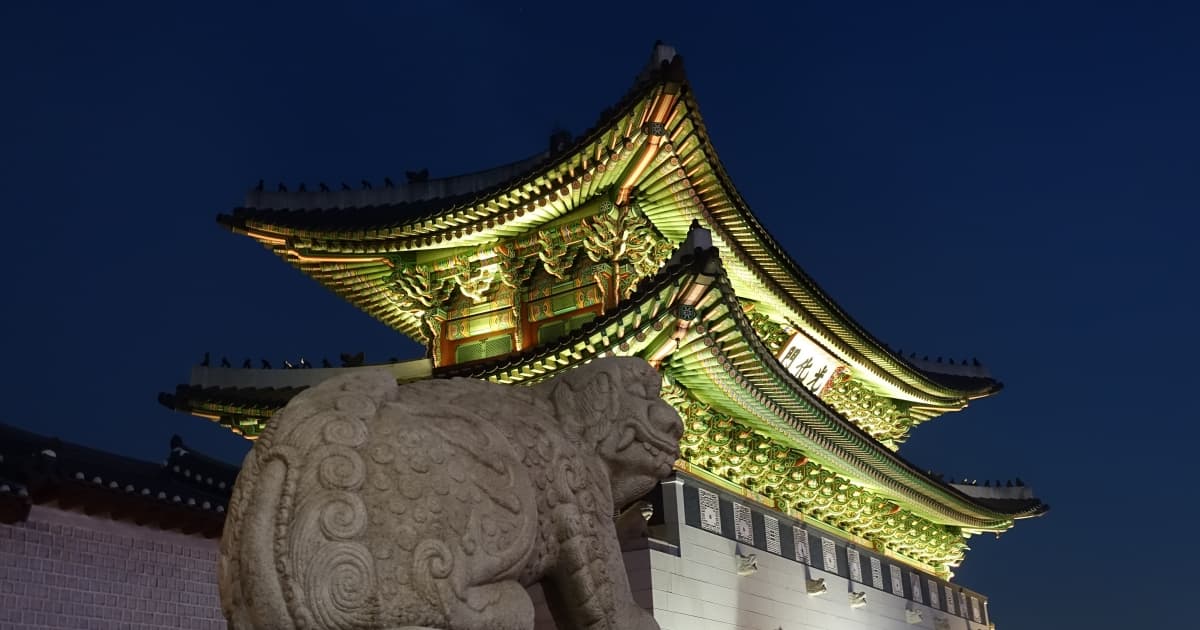
Seoul has plenty of neighborhoods worth discovering after the main sightseeing hours, and Trevor can help you experience the city with a more local rhythm. As evening settles over Jongno, historic streets and landmarks take on a different atmosphere, with the city lights adding a lively backdrop to the area’s traditional character. At the heart of it all, Gwanghwamun Square at night becomes an especially striking place to explore, offering illuminated monuments, open city views, and a memorable glimpse of Seoul after sunset.
Good to Know Before Visiting Gwanghwamun Square at Night
Before heading out to experience Gwanghwamun Square night, a few practical details can help you plan your evening more comfortably and make the most of the illuminated surroundings.
Quick Fact | Details |
Location | Jongno-gu, central Seoul, South Korea |
Best Time to Visit | After sunset, when Gwanghwamun Square and its surrounding landmarks are illuminated |
What to See | Gwanghwamun Gate, King Sejong the Great statue, Admiral Yi Sun-sin statue, and the surrounding city lights |
Best For | Evening walks, night photography, sightseeing, and experiencing Seoul after dark |
Atmosphere | Spacious, lively, historic, and beautifully illuminated at night |
Visit Duration | Around 1–2 hours, or longer if combined with Gyeongbokgung Palace, Insadong, or nearby attractions |
Distance from Travelodge Myeongdong Euljiro | Approximately 1.4 km from the hotel to Gwanghwamun Square. |
Nearest Transport from the Hotel | Euljiro 3-ga Station, served by Subway Lines 2 and 3, is approximately 350 m from Travelodge Myeongdong Euljiro. |
Getting to Gwanghwamun Square | Take the subway from Euljiro 3-ga Station towards the central Seoul area, or take a taxi for a direct journey. Gwanghwamun Station (Line 5) is the nearest subway station to the square. |
Getting Around Central Seoul | From Euljiro 3-ga Station, Lines 2 and 3 provide convenient connections to major areas including Dongdaemun, Gangnam, and other central Seoul neighbourhoods. |
Nearby Areas | Gyeongbokgung Palace, Insadong, Bukchon Hanok Village, Cheonggyecheon Stream, and Jongno |
Tip | Visit after sunset for the illuminated square, then continue towards Gyeongbokgung or Insadong for an evening stroll. |
Why You Shouldn’t Skip Gwanghwamun Square at Night
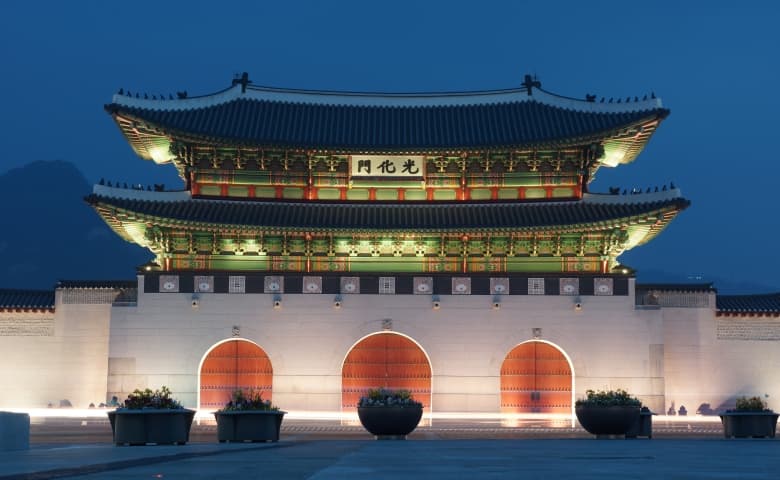
Image Source: Pixabay
Gwanghwamun Square takes on a different character after sunset, when Seoul’s historic heart meets the energy of the modern city. During the cooler months, the surrounding Jongno area can feel particularly atmospheric in the evening, with crisp air, illuminated buildings, and fewer distractions from the daytime heat. The square’s open layout also gives visitors clear views toward Gwanghwamun Gate and the landmarks surrounding the area.
The Gwanghwamun Square night view is especially appealing for travelers who enjoy seeing Seoul’s landmarks illuminated after dark. The statues of King Sejong the Great and Admiral Yi Sun-sin become prominent focal points, while the Gwanghwamun Square night lights create a striking setting for photographs and evening strolls. Depending on the season and any scheduled events, you may also encounter cultural activities or temporary installations that add to the atmosphere.
It is also easy to make Gwanghwamun Square part of a longer evening in central Seoul. You can combine the visit with nearby Gyeongbokgung Palace, Insadong, Cheonggyecheon Stream, or Jongno’s dining streets, making the square a convenient starting point for exploring Seoul after sunset.
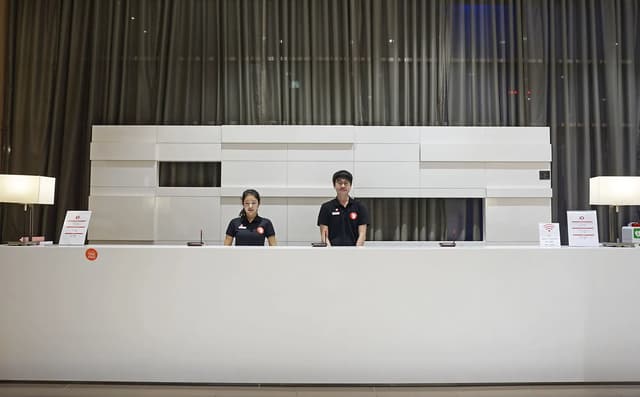
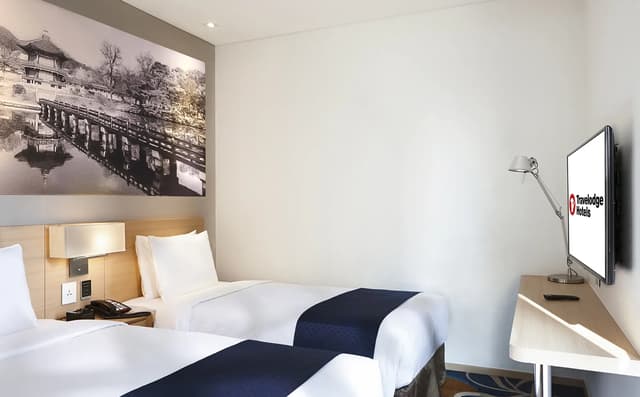
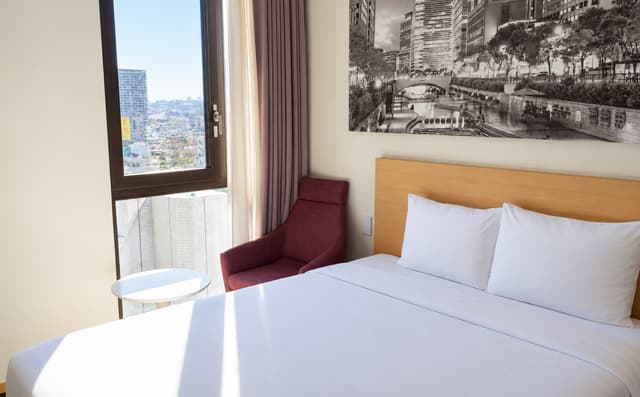
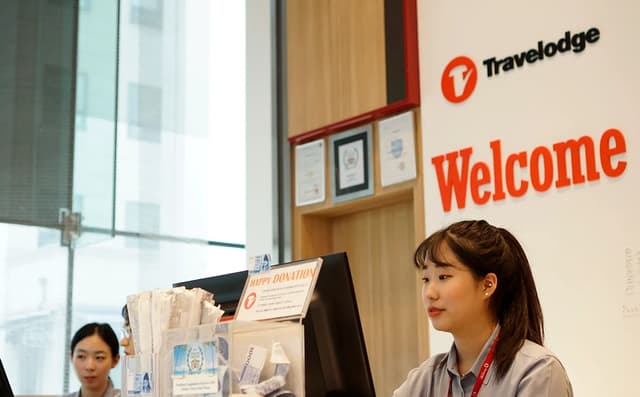
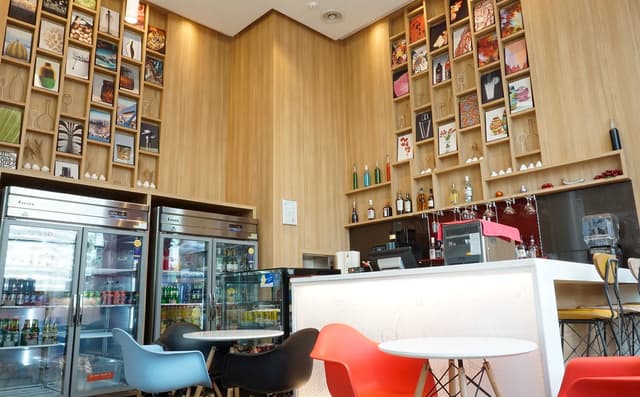
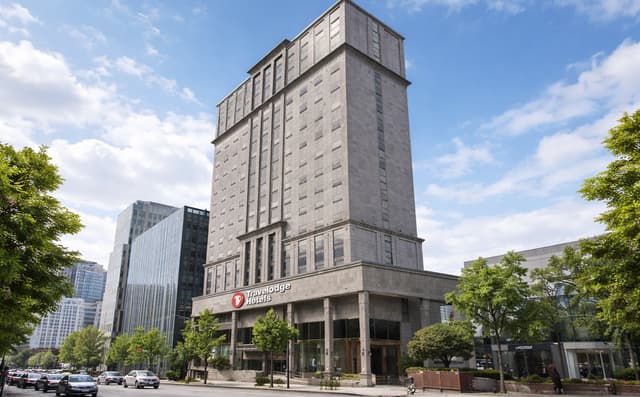
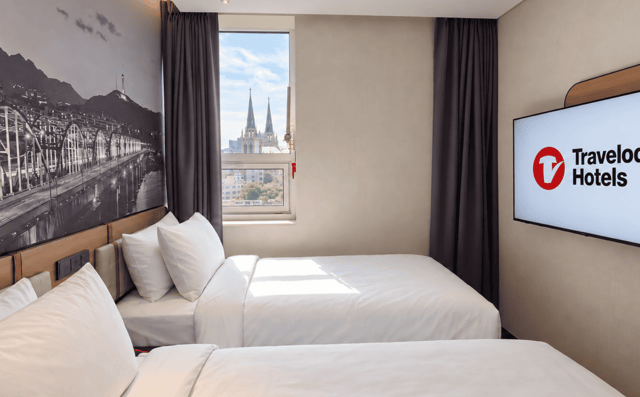
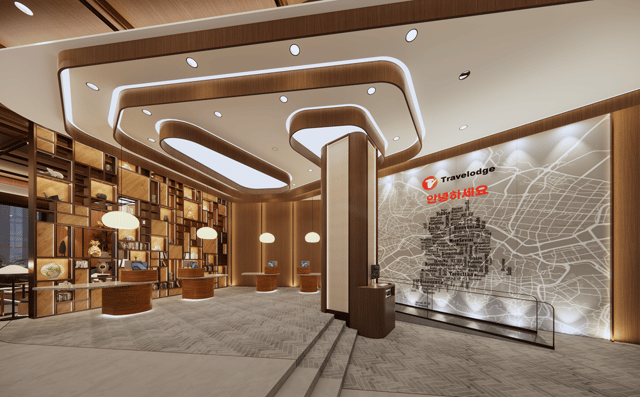
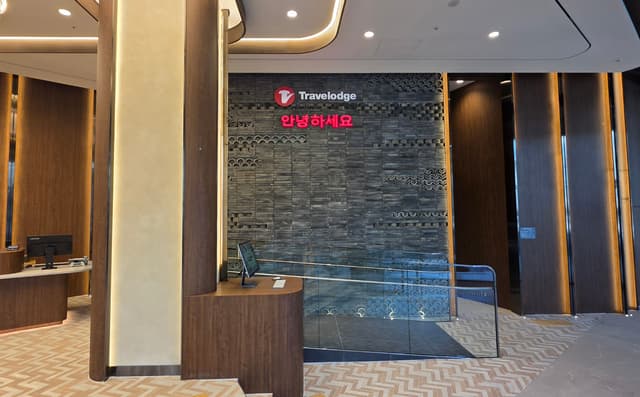
Travelodge Hotel Near Gwanghwamun Square
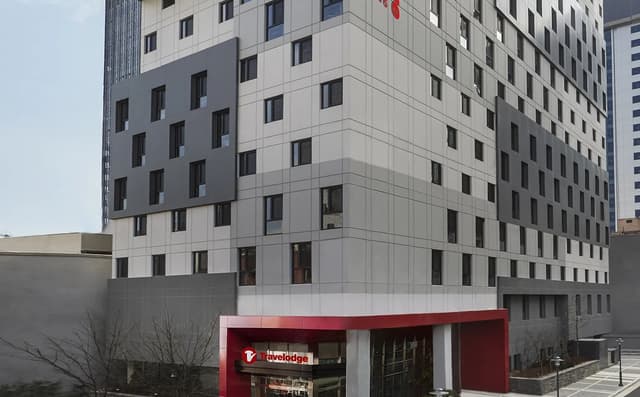
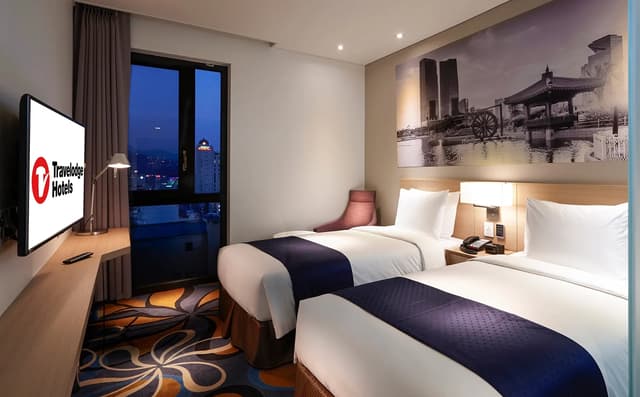


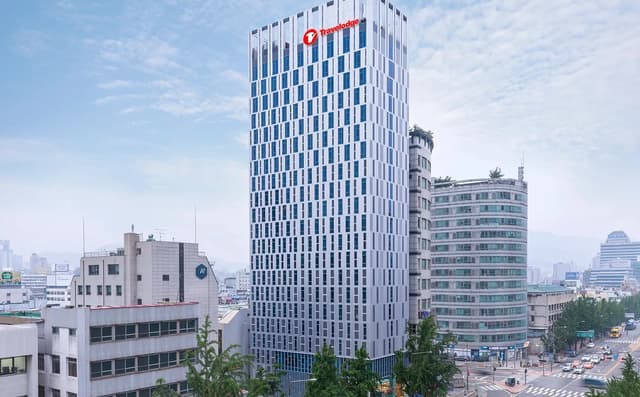
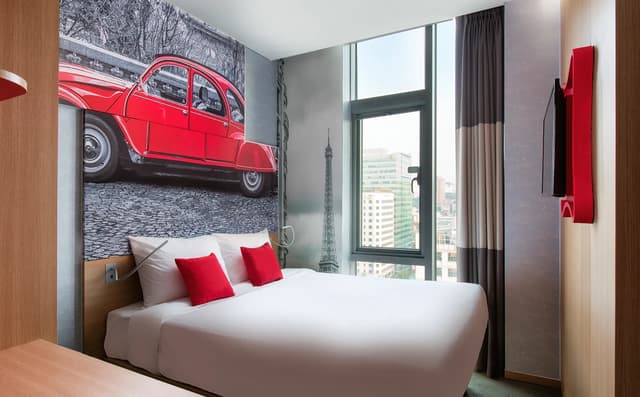
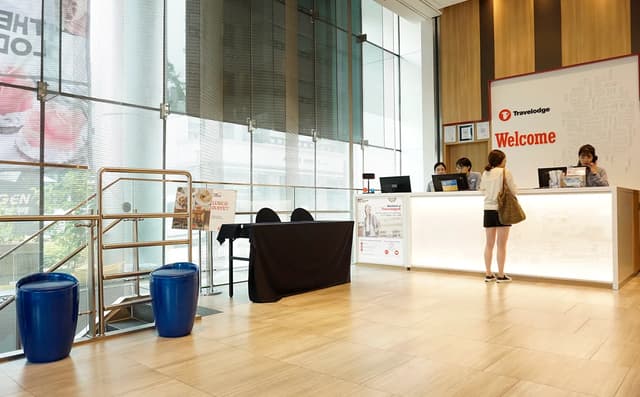
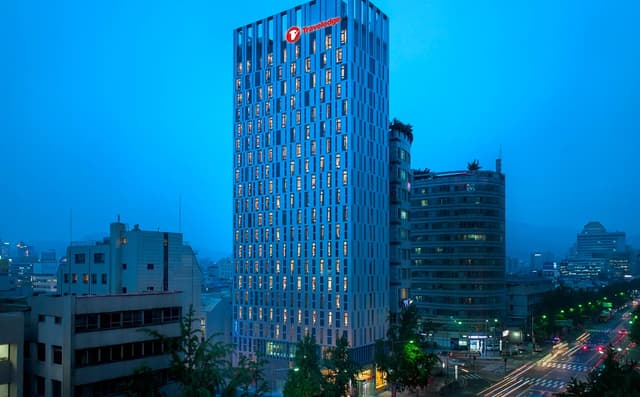

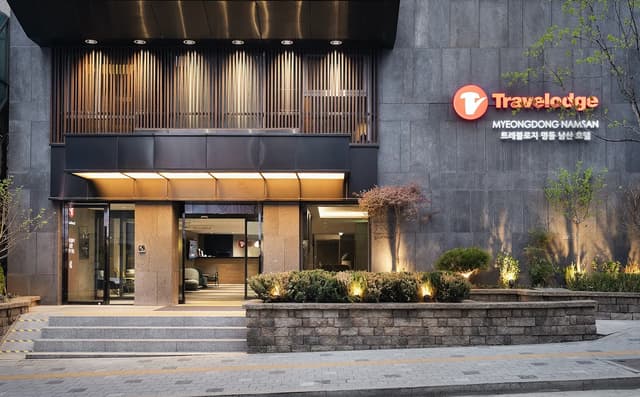
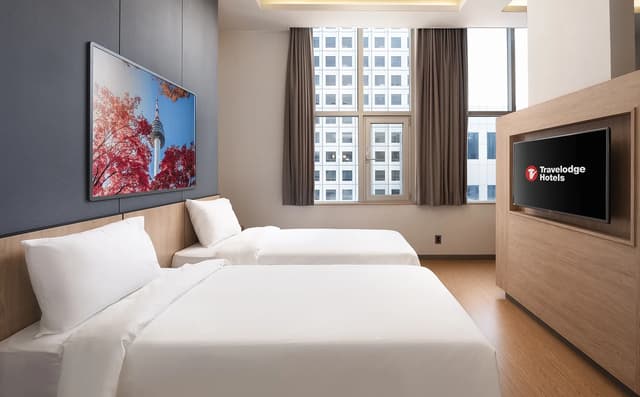
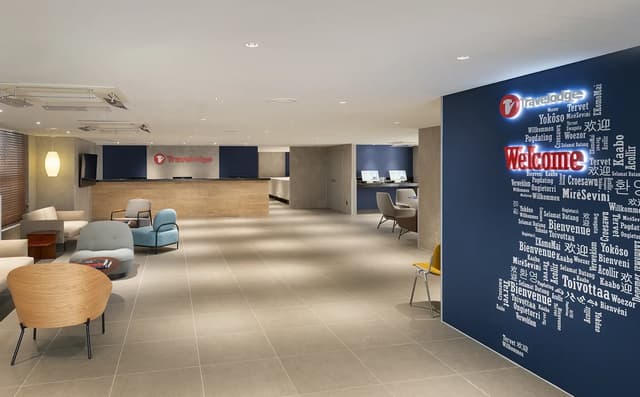
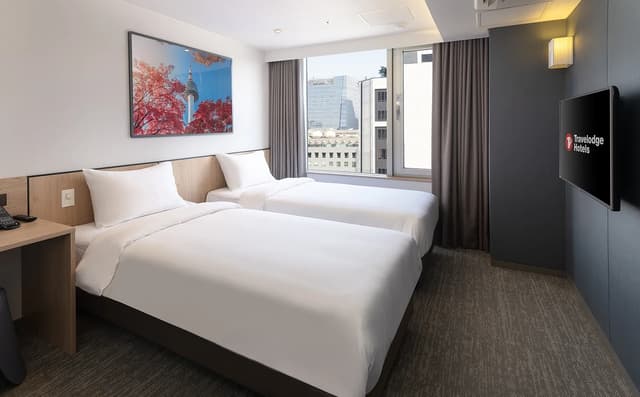
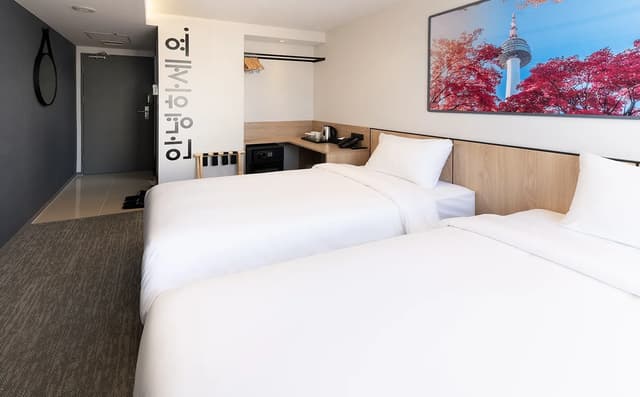
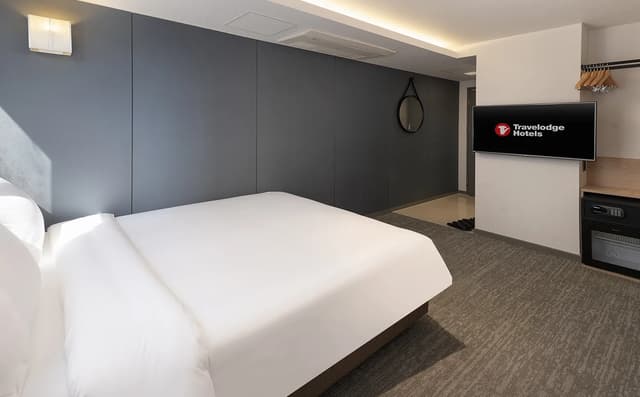
Where is Gwanghwamun Square and How to Get There from Travelodge Myeongdong Euljiro?
Gwanghwamun Square is located in central Seoul’s Jongno area, surrounded by major landmarks including Gwanghwamun Gate and Gyeongbokgung Palace. From Travelodge Myeongdong Euljiro, the journey to Gwanghwamun Square is approximately 1.4–1.8 km, taking around 8–18 minutes by public transportation, depending on the route and traffic conditions.
For a convenient journey, you can use Seoul’s subway or local buses from the area around the hotel and continue toward Gwanghwamun. Public transportation is particularly practical in the evening, allowing you to explore Gwanghwamun Square at night without needing to navigate the distance on foot.
Staying at Travelodge Myeongdong Euljiro also puts you in a well-connected part of Seoul, making it easier to combine Gwanghwamun Square with other central attractions. This reflects Travelodge’s 3C values—Comfort, Convenience, and Connectivity: enjoy a comfortable base while keeping Seoul’s historic sights, shopping areas, dining streets, and public transport connections within easy reach.
Best Things to Do at Gwanghwamun Square at Night
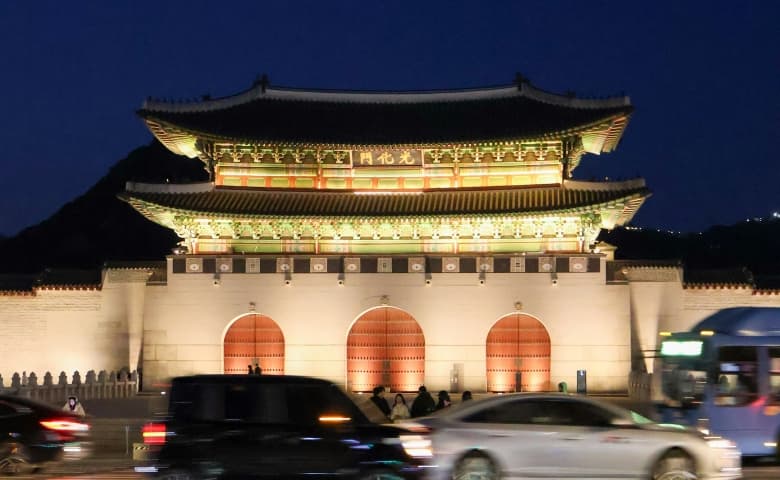
Image Source: Unsplash
Once the sun goes down, Gwanghwamun Square becomes a pleasant place to explore Seoul’s historic center. Give yourself time to walk through the square, admire the illuminated landmarks, and continue into the surrounding Jongno area.
Admire the Gwanghwamun Square Night Lights
The illuminated square creates a striking contrast between Seoul’s modern skyline and its historic surroundings. As evening sets in, the statues, fountains, landscaping, and surrounding buildings are lit up, creating an atmospheric setting for a relaxed stroll.
Take your time walking through the square rather than viewing it from a single point. The changing perspectives along the pedestrian area give you different views of the landmarks and make the Gwanghwamun Square night lights particularly enjoyable for photography.
See the King Sejong the Great Statue
The statue of King Sejong the Great is one of the most recognizable landmarks in the square. At night, its prominent position and surrounding illumination make it an easy focal point during your evening visit.
The area around the statue is spacious, so you can stop to appreciate the monument and learn more about King Sejong's role in Korean history. It is also a convenient photo stop while making your way through the square.
Visit the Admiral Yi Sun-sin Statue
Further along the square, the statue of Admiral Yi Sun-sin stands as another major landmark. The large bronze monument is especially impressive after dark, when the surrounding lights emphasize its scale against the Seoul cityscape.
You can include both major statues in one walk through Gwanghwamun Square, making it easy to experience some of Seoul's history without having to travel between separate attractions.
Photograph Gwanghwamun Gate
At the northern end of the square, Gwanghwamun Gate provides one of the most memorable backdrops for a Gwanghwamun Square night view. The historic gate stands against the modern city, creating the kind of contrast that makes nighttime photography around the area particularly appealing.
For a wider composition, step farther back into the square so you can capture the gate together with the illuminated avenue and surrounding architecture. The view can look different as the evening progresses, so it is worth taking a few moments to find your preferred angle.
Take an Evening Walk Toward Cheonggyecheon Stream
After exploring the square, continue your evening toward nearby Cheonggyecheon Stream. The pedestrian-friendly route lets you experience another side of central Seoul, with illuminated public spaces and the sounds of the city around you.
Cheonggyecheon is particularly pleasant when you want to slow down after sightseeing. You can follow part of the stream before heading back toward Myeongdong, continuing to another dining or shopping stop along the way.
Explore the Surrounding Jongno Area
Gwanghwamun Square is also a useful starting point for discovering central Seoul after sunset. Nearby Jongno streets offer restaurants, cafés, cultural attractions, and traditional areas that contrast with the modern energy of other parts of the city.
Rather than treating the square as a quick photo stop, consider allowing a few hours for the wider neighborhood. This gives you time to enjoy the Gwanghwamun Square night Seoul atmosphere before continuing your evening elsewhere in the city.
Trevor’s Tips for Visiting Gwanghwamun Square at Night
A few practical tips can make an evening at Gwanghwamun Square more enjoyable, especially if your main goal is to see the Gwanghwamun Square night lights and capture the area at its most atmospheric.
- Arrive around sunset. This gives you the best of both settings: you can see the square while there is still some daylight before watching the landmarks gradually become illuminated. Some media-art displays at the square have also been scheduled from sunset into the evening, although programming can change.
- Allow at least an hour for the square itself. The area is large and includes the statues of King Sejong and Admiral Yi Sun-sin, gardens, cultural spaces, and other features. A dedicated Seoul walking route around the square is also designed to take about an hour.
- Use Gwanghwamun Station for easy access. The official Seoul tourism information lists Gwanghwamun Station on Subway Line 5, Exit 2, about 235 metres from the square.
- Check current light displays before visiting. Nighttime installations and special lighting programs can be seasonal or event-based. For example, Seoul's current Garden of Gratitude lighting program runs in scheduled evening intervals, with timings that vary by season and special occasions.
- Bring an extra layer in cooler months. The square is an open urban space, so evenings can feel noticeably cooler than during the day. Comfortable shoes are also useful if you plan to continue toward Gyeongbokgung, Insadong, or Cheonggyecheon.
- Take photos from different sections of the square. The view changes considerably as you move between the King Sejong statue, Admiral Yi Sun-sin statue, and the northern end facing Gwanghwamun Gate. The official tourism guide specifically highlights the square's nighttime scenery and views toward the surrounding mountains.
- Check for events before heading out. Gwanghwamun Square regularly hosts seasonal cultural programs and nighttime activities, so your visit may coincide with a temporary installation, market, performance, or light display. Schedules can change, so checking Seoul's official event listings on the day is worthwhile.
Lesser-Known Spots Near Gwanghwamun Square Most Tourists Miss
Beyond the main square and Gwanghwamun Gate, several smaller places around Jongno offer a more local way to experience the neighborhood. These are worth adding if you have extra time after seeing the main landmarks.
Sejong Story & Chungmugong Story
Hidden beneath Gwanghwamun Square, these two free exhibition spaces focus on King Sejong the Great and Admiral Yi Sun-sin. The exhibitions provide historical context for the two statues standing above them, making this an easy-to-miss stop that adds depth to a visit.
Gwanghwamun Woldae
Gwanghwamun Woldae (Elevated Platform) is a restored stone terrace directly in front of Gwanghwamun Gate. It is an interesting stop for travelers who want to look beyond the usual square photo spots and see a recently restored part of the historic approach to the palace.
Dongsipjagak
Dongsipjagak is a historic watchtower associated with the old defensive system around Gyeongbokgung Palace. Located at the southeastern side of the palace grounds, it offers a quieter historical stop away from the busiest parts of Gwanghwamun.
Kyobo Book Centre Gwanghwamun
Kyobo Book Centre Gwanghwamun is easy to overlook because it sits underground, but it is one of the area's useful local stops. The large bookstore offers books and cultural products, while its adjoining HOTTRACKS section carries stationery, design goods, digital products, music, and K-pop merchandise.
Gwanghwamun's Basement Dining Alleys
For a more everyday Seoul experience, look beyond the main streets and explore the basement arcades around Naesudong and Gwanghwamun. Several older buildings contain small restaurants tucked into B1-level retail areas, many of which are easy to miss if you only follow the main tourist route. Some close relatively early, so checking opening hours before visiting is worthwhile.
Popular Tourist Spots Near Gwanghwamun Square
Gwanghwamun Square is surrounded by several of Seoul’s best-known cultural and historic attractions, making it easy to extend your evening sightseeing beyond the square itself.
Gyeongbokgung Palace
Located directly behind Gwanghwamun Gate, Gyeongbokgung Palace is the largest of Seoul’s Joseon-era royal palaces and one of the city’s most recognizable historic landmarks. Its traditional architecture provides a striking contrast with the modern city around Gwanghwamun.
Bukchon Hanok Village
Bukchon Hanok Village is known for its traditional Korean houses, narrow lanes, and historic neighborhood character. It is a natural addition to a Gwanghwamun itinerary for travelers interested in Seoul’s architectural and cultural heritage.
Insa-dong
Insadong offers a more traditional shopping and dining atmosphere, with craft shops, galleries, tea houses, and Korean cultural products along its streets. It works well as a follow-on stop after exploring Gwanghwamun Square.
Enjoy More from Your Travelodge Stay
After an evening exploring Gwanghwamun Square and the surrounding sights, I always find it easier to enjoy Seoul when the stay itself is just as convenient as the itinerary. If you’re planning more trips with Travelodge, the Travelodge membership program gives you extra value when booking, including Best Price Guarantee+ protection that can provide 3× the verified price difference in Cashback, along with exclusive member benefits. It’s a useful option to keep in mind when planning your next city break.
Frequently Asked Questions
What is the best time to visit Gwanghwamun Square at night?
Arriving around sunset lets you experience the square in both daylight and nighttime conditions. You can watch the surrounding landmarks and public spaces become illuminated as evening begins.
How long should I spend at Gwanghwamun Square at night?
Allow around 1–2 hours if you want to walk through the square, see the King Sejong and Admiral Yi Sun-sin statues, take photos, and enjoy the nighttime atmosphere. You can spend longer if you combine the visit with nearby attractions.
How do I get to Gwanghwamun Square from Travelodge Myeongdong Euljiro?
The journey is approximately 1.4–1.8 km from Travelodge Myeongdong Euljiro and takes around 8–18 minutes by public transportation, depending on your route and traffic conditions.
What can I see around Gwanghwamun Square after dark?
The main nighttime highlights include the illuminated Gwanghwamun Gate, King Sejong the Great and Admiral Yi Sun-sin statues, the square's landscaped areas, and the surrounding cityscape. Nearby Cheonggyecheon Stream and Jongno also offer options for continuing your evening.
Is Gwanghwamun Square suitable for photography at night?
Yes. The open layout provides multiple viewpoints of the illuminated landmarks and surrounding architecture. Moving between different sections of the square can give you varied Gwanghwamun Square night views.
Can I combine Gwanghwamun Square with other Seoul attractions?
Yes. Its central location makes it convenient to combine with Gyeongbokgung Palace, Insadong, Bukchon Hanok Village, and Cheonggyecheon Stream. Travelodge Hotels Asia properties in central Seoul can also provide a convenient base for exploring these areas.
Udostępnij artykuł
Nasz hotel
Never Miss an Update!
Join our newsletter to unlock travel tips, latest promotions, and updates.
Subscribe now