


Share article
Best Places and Timing to See Autumn Foliage in Seoul

Sora Kang
.jpg)
Seoul is captivating year-round, but fall reveals a particularly photogenic side of the South Korean capital. Golden ginkgo trees line historic streets, red maples frame palace pavilions, and wooded trails offer a quiet contrast to the city’s glass towers and lively shopping districts. Exploring Seoul autumn foliage is therefore as much about discovering the city’s cultural character as it is about admiring the changing leaves.
So, when is autumn in Seoul? The broader season generally extends from September through November. September brings the first signs of cooler weather, October introduces increasingly visible color, and late October through early November often provides the strongest possibilities for red, orange, and golden scenery.
The exact timing varies each year according to temperature, rainfall, wind, and other weather conditions. Korea’s official tourism platform advises travelers to treat annual foliage dates as estimates and check the latest forecast before finalizing nature-focused plans.
This guide covers the best timing for autumn in Seoul, five standout foliage locations, additional parks and palaces, a practical two-day route, seasonal packing advice, and conveniently located Travelodge hotels for exploring the capital.
Book directly on our official website and save up to 45% on your next hotel stay across Asia, with hotel deals in Japan, South Korea, Singapore, Malaysia, Hong Kong, Thailand, and more.
Booking Period: 5 August – 31 October 2026
Stay Period: 7 August 2026 – 31 July 2027
Length of Stay: Minimum 3 nights, Maximum 7 nights
Room rate excludes breakfast
Members enjoy up to 5% cashback after checkout!
If you are not a member yet, register Travelodge Membership for free to unlock the Hello Autumn Sale rate.
Join Membership and Save 45% Today
When Is the Best Time to Visit?
Fall does not arrive across Seoul overnight. Colors usually develop gradually, beginning around forested slopes and elevated areas before becoming more noticeable in city parks, palace grounds, university campuses, and neighborhood streets.
Travelers planning their visit specifically around autumn foliage in Seoul should keep some flexibility in the itinerary. A park that remains mostly green one week may look completely different several days later, while strong wind or rain can cause leaves to fall sooner than expected.
September—The Beginning of Seoul Autumn
September marks Seoul’s transition from humid summer conditions into milder fall weather. Daytime sightseeing gradually becomes more comfortable, although the beginning of the month may still feel warm.
Most trees usually remain green, particularly during the first half of September. The month is therefore more suitable for travelers interested in pleasant walking conditions and fewer foliage-season crowds than those prioritizing intense autumn colors.
By late September, subtle seasonal changes may become visible in wooded or elevated areas. However, travelers should not expect every park or palace to have entered full fall color.
October—Autumn Colors Begin to Appear
October is when the seasonal transformation becomes increasingly visible. Mountain trails, wooded parks, and trees around historic sites may begin changing before the most central streets reach their strongest color.
Late October is often one of the best possibilities for seeing Seoul autumn leaves, particularly for visitors combining city parks, palace grounds, and Namsan. Official tourism guidance consistently highlights Gyeongbokgung Palace, Seoul Forest, Olympic Park, Deoksugung Palace Stone Wall Path, and Sungkyunkwan’s Myeongnyundang Hall among Seoul’s notable foliage locations.
October is also a popular period for outdoor sightseeing. Reserve accommodation and any timed palace or garden visits early, especially when traveling over a weekend.
November—Peak Colors and Late-Autumn Scenery
Seoul autumn in November can still be visually rewarding, particularly during the first part of the month. Palaces, university grounds, city parks, and ginkgo-lined streets may retain strong color even after leaves have begun falling in colder or more exposed areas.
Later in November, temperatures become noticeably cooler and bare branches become more common. Fallen ginkgo and maple leaves can still create atmospheric streets and palace paths, but visitors should expect a more transitional, late-fall landscape.
This period can suit travelers who enjoy photography, cafés, markets, museums, and urban sightseeing as much as foliage. It also helps to keep indoor attractions available in case rain, wind, or colder weather makes a long outdoor day less appealing.
For smoother planning:
- Check the latest official foliage forecast.
- Monitor the Seoul weather forecast before each outdoor day.
- Schedule the most important parks and palaces early in the trip.
- Keep museums, cafés, shopping areas, and markets as weather alternatives.
- Avoid relying entirely on photos taken during previous years.
Where to See Autumn Leaves in Seoul
The best places to see autumn leaves in Seoul extend beyond large public parks. Historic university grounds, royal palaces, forest trails, landscaped gardens, and everyday pedestrian streets each offer a different perspective on the season.
The following five destinations combine cultural interest, accessible walking routes, and distinctive fall landscapes without requiring a journey outside the capital.
1. Sungkyunkwan Myeongnyundang
Sungkyunkwan Myeongnyundang is one of Seoul’s most atmospheric places for golden ginkgo leaves. Located within the historic grounds associated with Sungkyunkwan University, Myeongnyundang was originally used as a lecture hall for Confucian scholars.
The traditional wooden buildings and mature ginkgo trees create a memorable contrast during fall. Seoul’s official tourism guide identifies the ginkgo tree as an important part of the historic Sungkyunkwan grounds, while VisitKorea highlights Myeongnyundang as one of the capital’s outstanding places for golden autumn foliage.
This destination feels more intimate than Seoul’s major parks. It works particularly well for travelers interested in architecture, history, and detailed photography rather than broad landscape views.
A few considerations will help preserve its quieter atmosphere:
- Visit in the morning or on a weekday when possible.
- Respect university activities and avoid entering restricted areas.
- Keep voices low around historic and educational spaces.
- Avoid blocking entrances or pathways while taking photographs.
- Check current access information before traveling.
The visit can be combined with Daehangno, Changgyeonggung Palace, Changdeokgung Palace, or the cafés and galleries of Jongno.
2. Seoul Forest Autumn
For open spaces and an unhurried day outdoors, Seoul Forest in autumn is one of the city’s most accessible choices. Its mixture of broad paths, lawns, wooded areas, gardens, and riverside connections makes it suitable for families, couples, cyclists, and solo travelers.
VisitKorea divides the park into several areas, including the Culture and Art Park, Educational Experience Park, Eco-forest Park, and Riverside Park. During fall, the trees develop shades of red and gold, with notable photo locations around the metasequoia road, mirror pond, children’s garden, and Cloud Bridge.
A relaxed Seoul Forest autumn foliage visit could include:
- Walking through the wooded paths
- Photographing the metasequoia road
- Enjoying a picnic on the lawn
- Renting a bicycle
- Continuing toward the river
- Visiting cafés and stores in nearby Seongsu
The park is approximately a five-minute walk from Seoul Forest Station, according to VisitKorea. Pleasant weekends can become busy, so arrive in the morning or choose a weekday for a calmer experience.
After exploring the park, allow time for Seongsu. The surrounding neighborhood is known for converted industrial spaces, cafés, boutiques, restaurants, and pop-up experiences, creating an easy combination of nature and contemporary Seoul.
3. Deoksugung Palace
Deoksugung Palace offers one of the most convenient combinations of history and seasonal scenery in central Seoul. Traditional palace halls, Western-style buildings, modern towers, and golden trees appear together within a compact city setting.
After exploring the palace, continue along Deoksugung Stone Wall Walkway. The route follows the palace’s rustic wall and is especially attractive during fall. It also connects naturally with Jeongdong-gil, nearby cafés, galleries, and the Seoul Museum of Art.
A simple route could include:
- Enter Deoksugung Palace near City Hall.
- Explore the main palace grounds.
- Exit toward the stone wall walkway.
- Continue through Jeongdong.
- Stop at a gallery, museum, or café.
- Return toward City Hall or continue to Myeongdong.
Morning light can bring out the yellow tones of the leaves, while late afternoon gives the path a softer and more atmospheric appearance. Weekdays are generally preferable for visitors hoping to photograph the walkway with fewer people.
For a Seoul palace autumn experience that does not require a full day, Deoksugung is one of the easiest additions to a central Seoul itinerary.
4. Namsan Dulle-gil Trail
The Namsan Dulle-gil Trail provides a quieter, more natural way to experience the area surrounding N Seoul Tower. Instead of traveling directly to the observation deck, visitors can follow forested paths around Namsan and watch the city appear between autumn-colored trees.
VisitKorea recommends experiencing N Seoul Tower in autumn by walking the Namsan Dulle Trail, with the cable car providing another way to view the city and changing forest from above.
The full area includes multiple paths and access points, so the outing can be adjusted according to time and fitness level. A shorter walk can be combined with Myeongdong or Namsangol Hanok Village, while a longer route allows more time within the wooded sections.
Prepare for the trail by following a few practical tips:
- Wear supportive shoes with reliable grip.
- Check the weather before starting.
- Choose the entry and exit points in advance.
- Carry water for longer routes.
- Start early enough to finish before dark.
- Bring a light outer layer, as shaded areas may feel cooler.
- Save an offline map in case mobile coverage becomes inconsistent.
The changing foliage beneath N Seoul Tower creates one of the city’s most recognizable seasonal views. Ending the route near sunset also allows travelers to transition from daytime scenery to Seoul’s evening skyline.
5. Changdeokgung Palace
Changdeokgung Palace offers one of the most layered historic landscapes in Seoul. Palace halls, wooded slopes, ponds, pavilions, stone paths, and garden areas appear to follow the natural terrain rather than sitting within a rigidly formal layout.
The Secret Garden, also called Huwon, is particularly memorable during fall. It contains traditional pavilions and several ponds set against the slopes of Bugaksan Mountain, creating a close relationship between architecture and the surrounding landscape.
Access to the Secret Garden is controlled. Visitors join a scheduled tour rather than entering independently, and a separate Changdeokgung Palace admission ticket is required. Places are divided between online reservations and on-site ticketing, with limited capacity for each session.
Before visiting:
- Check the palace’s current closure days and opening hours.
- Review the latest Secret Garden tour schedule.
- Reserve ahead when online booking is available.
- Arrive with enough time to collect or verify tickets.
- Allow time for both the main palace and garden.
- Wear comfortable shoes for slopes and extended walking.
- Confirm whether weather conditions have affected tours.
Fall is one of the most sought-after periods for the garden, making advanced planning particularly valuable.
More Seoul Autumn Spots to Add to the Itinerary
The five main destinations provide a strong introduction, but several other locations can add variety to a longer trip.
Olympic Park
Olympic Park in Seoul during autumn offers broad lawns, long walking routes, ginkgo trees, maple foliage, silver grass, and seasonal flowers. VisitKorea recommends cycling as one way to explore the expansive park.
Its open scale feels different from the more enclosed gardens and palace grounds of central Seoul. It can also be combined with the Jamsil area, Lotte World Tower, or Seokchon Lake.
Haneul Park
Haneul Park in Seoul during autumn is best known for silver grass, open skies, elevated views, and sunset scenery. The landscape is less focused on dense red maple foliage and more on tall grasses moving across the hilltop.
Reaching the upper area requires additional walking, so comfortable footwear and enough time before sunset are important. VisitKorea lists Haneul Park among its recommended Seoul fall destinations and notes its location near World Cup Stadium Station.
Gyeongbokgung Palace
A Gyeongbokgung Palace autumn Seoul visit combines the capital’s largest royal palace with ponds, courtyards, mountain views, and seasonal trees. The colors around palace roofs and visitors wearing hanbok create a particularly recognizable Seoul fall scene.
Arrive near opening time for a calmer experience, then continue toward Bukchon, Samcheong-dong, or the National Folk Museum area.
Namsan Park
Namsan Park offers alternatives for travelers who do not want to complete a longer Dulle-gil route. Shorter wooded walks, viewpoints, and transport links toward the tower still provide opportunities to see color while remaining close to central Seoul.
Seoul Autumn Streets
Some of the most memorable Seoul autumn streets are not individual attractions. Ginkgo-lined roads around universities, palace walls, residential neighborhoods, and older districts can be just as atmospheric as major parks.
Explore on foot around Jeongdong, Jongno, Daehangno, Seochon, and parts of central Seoul, while remembering that foliage varies from street to street.
Tips for Photographing Seoul Autumn Leaves
Seoul’s palaces and parks provide many natural compositions, but popular foliage areas can become crowded. A little preparation can make photography more enjoyable without disrupting other visitors.
- Arrive early at palaces and major parks.
- Use gates, tiled roofs, walls, and pavilions to frame the foliage.
- Look for reflections around ponds and still water.
- Photograph ginkgo trees after leaves begin covering the ground.
- Avoid blocking paths, doorways, and palace entrances.
- Respect restricted areas and university activities.
- Check whether tripods or professional equipment require permission.
- Allow time for changing light in wooded gardens.
- Use recent official updates rather than heavily edited social media posts to assess current foliage.
- Keep photography equipment compact for long walking days.
Where to Stay for Seoul Autumn Foliage
Choosing a well-connected hotel in Seoul can make an autumn itinerary easier, especially when the plan includes palace visits, city parks, and walking trails spread across different parts of the capital.
Travelodge Hotels Asia centers its guest experience on Comfort, Convenience, and Connectivity. These values focus on comfortable essentials for resting, useful locations near urban attractions, complimentary high-speed Wi-Fi, and convenient connections with the surrounding city. Its 8S experience also includes elements such as Snooze, Stream, Spin, and Service 24/7.
Travelodge Myeongdong Euljiro
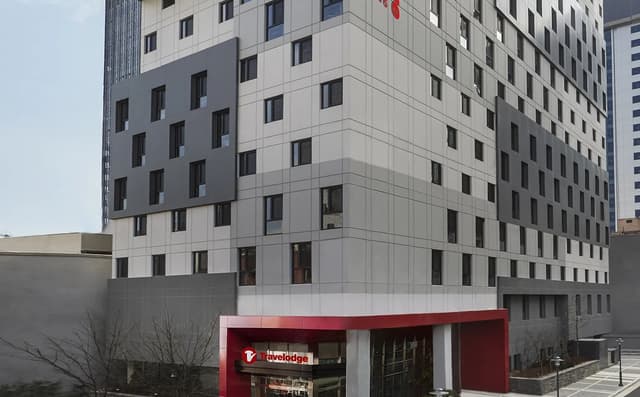
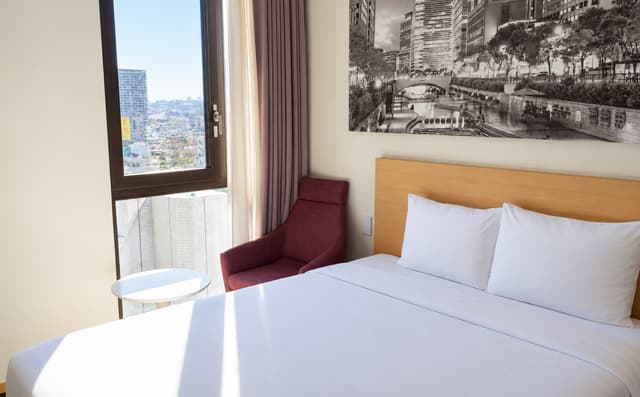
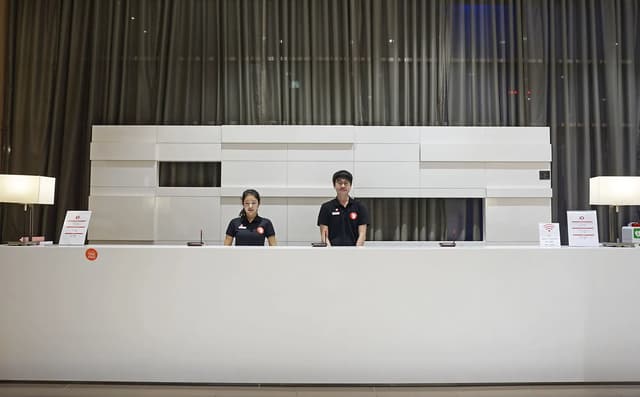
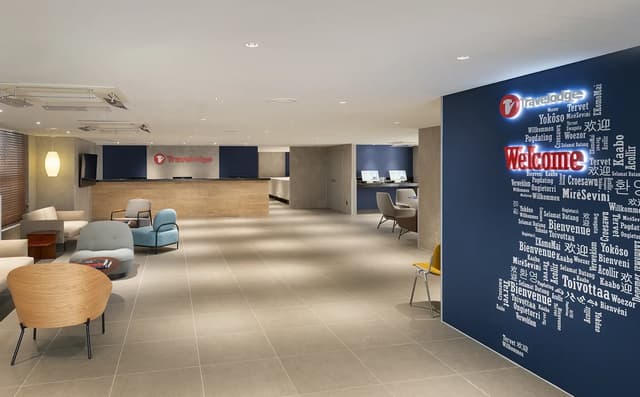
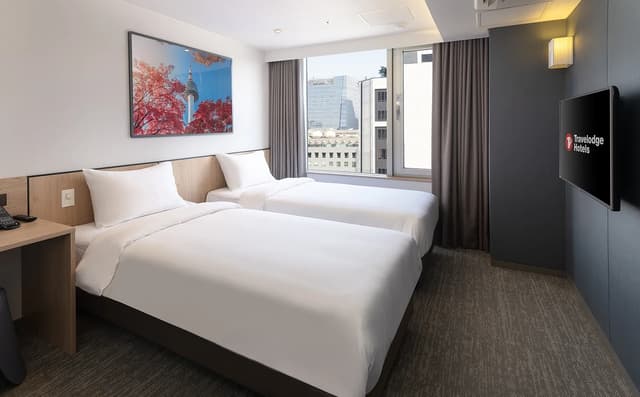
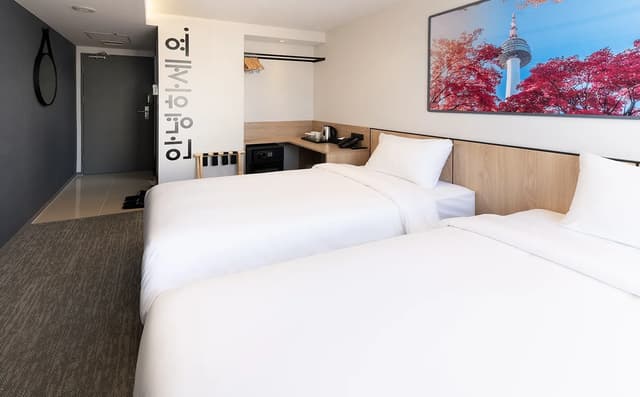
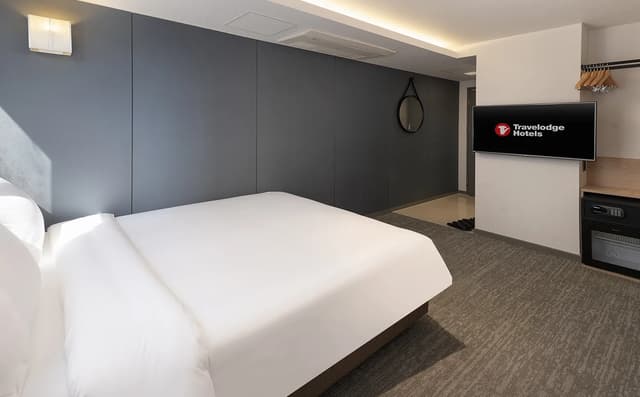
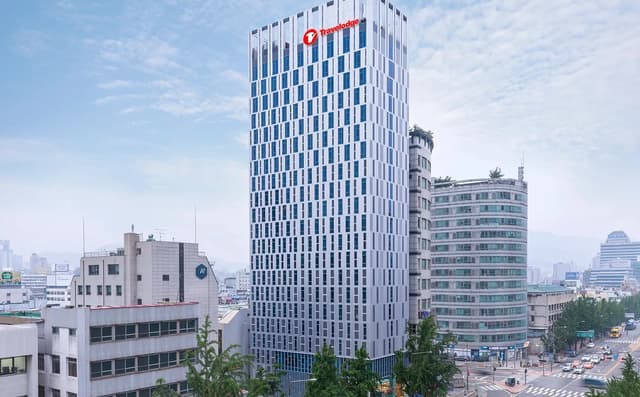
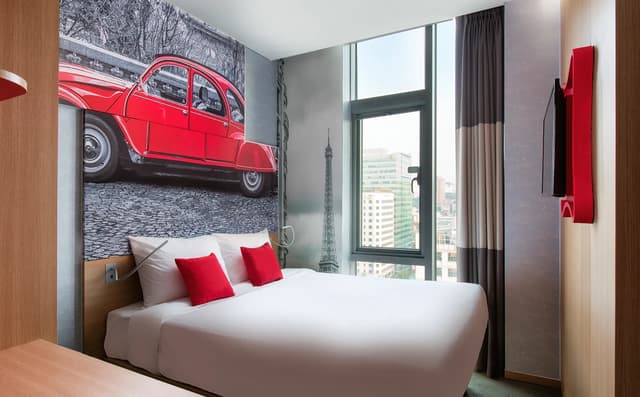
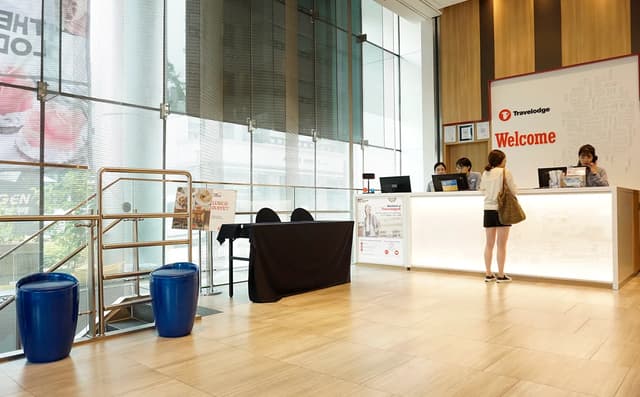
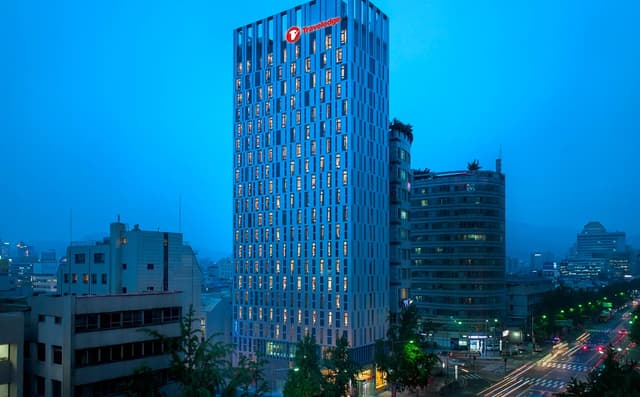
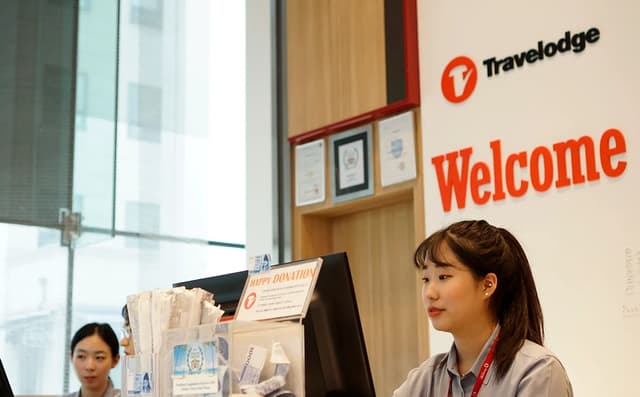
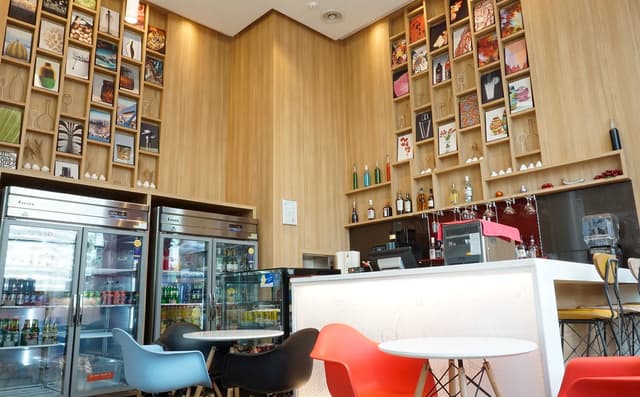
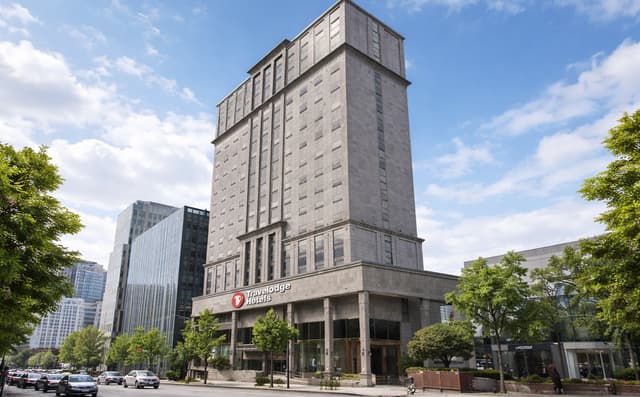
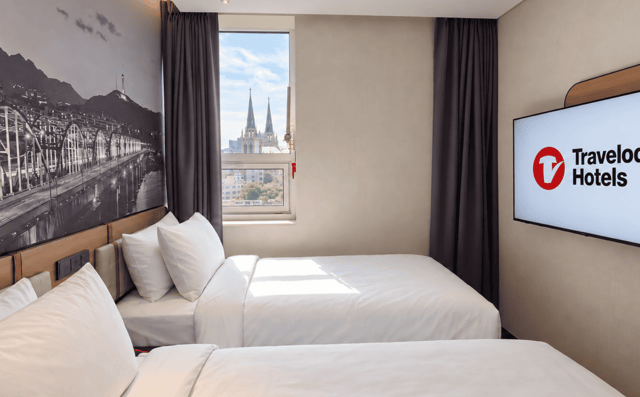
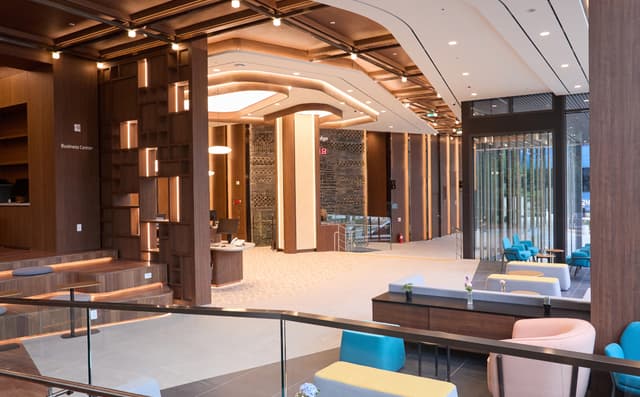
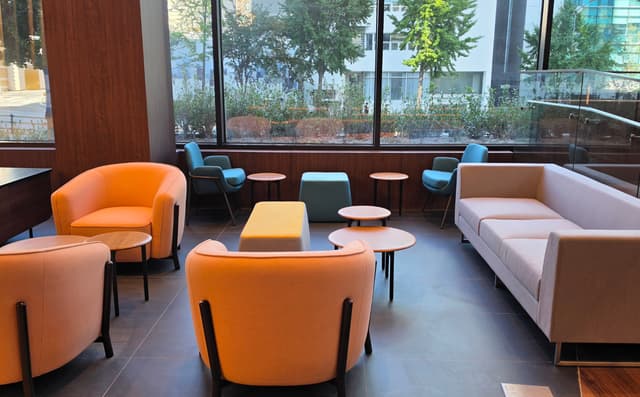
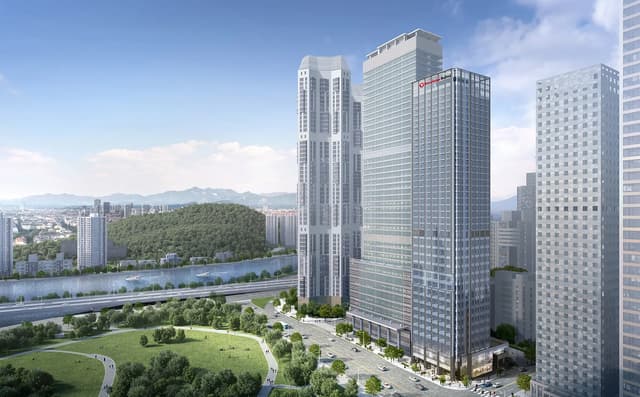
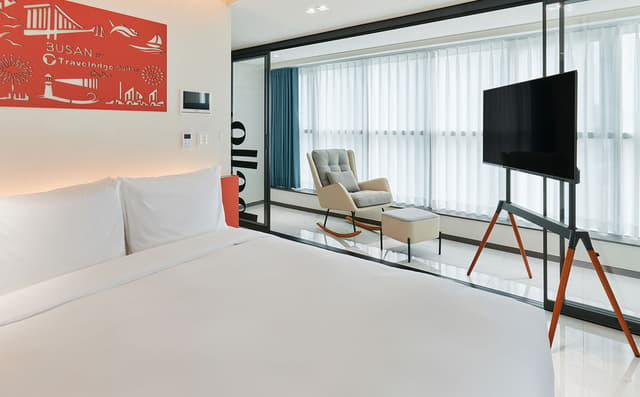
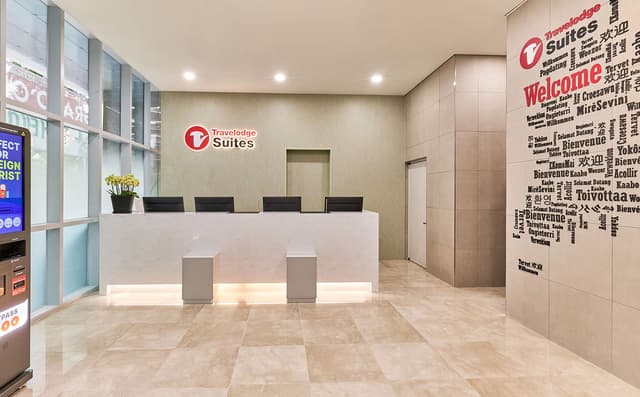
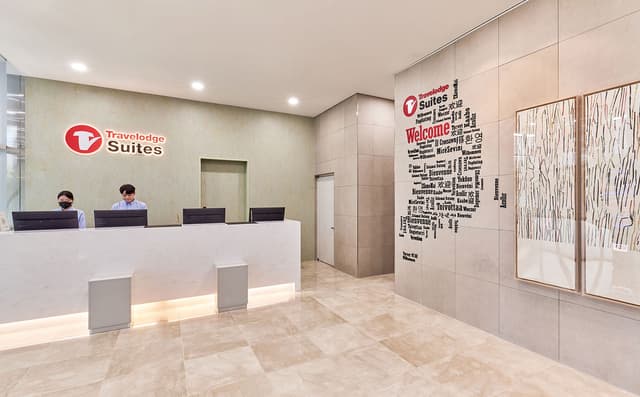
Travelodge Myeongdong Euljiro is a convenient base for travelers planning to explore both Seoul’s historic districts and its larger autumn parks. The hotel is approximately 350 meters from Euljiro 3-ga Station, providing straightforward subway connections across the city. Its official gallery includes facade, guest room, and lobby photography that can be used to introduce the property.
Several of the autumn spots highlighted in this guide can be reached within roughly half an hour:
- Around 14 minutes to Changdeokgung Palace by subway, making it convenient for an early visit to the palace and Secret Garden.
- Around 18 minutes to Gyeongbokgung Palace by subway, where palace architecture is framed by seasonal foliage in fall.
- Around 26 minutes to Seoul Forest by subway, a practical option for travelers planning a longer park walk followed by cafés and shopping in Seongsu.
After a day of walking between palace grounds and autumn parks, the hotel provides a convenient place to recharge before exploring Myeongdong’s dining and shopping scene in the evening.
Explore available rooms through the official Travelodge Hotels Asia website when arranging a centrally based autumn itinerary.
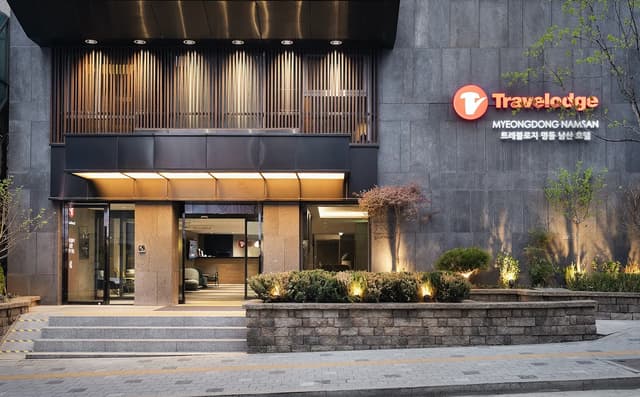
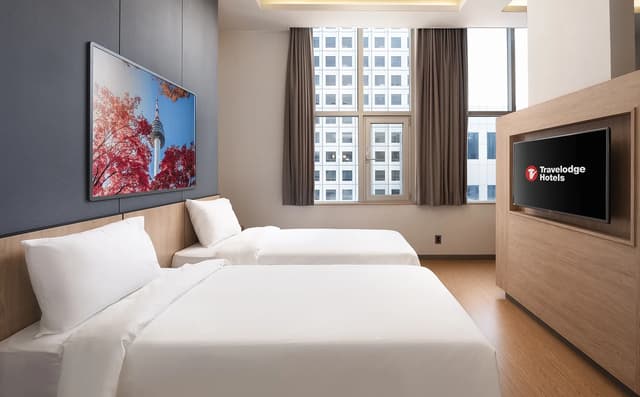
Travelodge Myeongdong Namsan
Travelodge Myeongdong Namsan is particularly well positioned for travelers who want Namsan and N Seoul Tower to play a central role in their autumn itinerary. Its official gallery includes facade, lobby, and multiple guest-room images.
Its location also keeps several of the foliage destinations featured in this guide within convenient reach:
- Around 10 minutes to the Namsan Cable Car by foot, providing an easy starting point for elevated autumn views around Namsan and N Seoul Tower.
- Around 23 minutes to N Seoul Tower by Namsan shuttle bus, offering another option for reaching one of Seoul’s most recognizable autumn viewpoints.
- Around 20 minutes to Gyeongbokgung Palace by subway, making it possible to combine Namsan scenery with one of Seoul’s best-known palace foliage settings during the same stay.
This positioning works particularly well for travelers who want to spend part of the day walking around Namsan, return to the hotel for a break, and continue into Myeongdong for dinner or evening shopping.
Autumn is one of Seoul’s popular travel periods, so check room availability and book Travelodge Myeongdong Namsan directly through the official Travelodge Hotels Asia platform when planning the trip.
Travelodge Dongdaemun Seoul
Travelodge Dongdaemun Seoul is a useful base for travelers who want to stay closer to Seoul’s eastern and historic districts while retaining convenient subway access to the rest of the city. The official hotel gallery includes exterior, lobby, and room photography.
Its position works particularly well for palace-focused autumn sightseeing:
- Around 22 minutes to Gyeongbokgung Palace by subway, providing an easy connection to one of the capital’s signature autumn palace settings.
- Around 23 minutes to Changdeokgung Palace, making the hotel a practical base for visiting the palace grounds and Secret Garden during foliage season.
- Around 25 minutes to Changgyeonggung Palace, another historic setting where palace architecture and seasonal trees can be combined in the same Jongno sightseeing area.
After the parks and palaces close, Dongdaemun offers a different side of the city with markets, dining, and Dongdaemun Design Plaza nearby, allowing an autumn sightseeing day to continue into the evening.
Reserve directly through Travelodge Hotels Asia to compare current room types, booking conditions, and available direct-booking offers.
Experience the Best Seoul Autumn Foliage
From the golden ginkgo trees of Sungkyunkwan Myeongnyundang to the landscaped grounds of Changdeokgung, Seoul autumn foliage brings together history, nature, architecture, and everyday city life. Seoul Forest provides room for an unhurried park day, Deoksugung offers a central palace walk, and Namsan brings seasonal color within sight of one of the capital’s best-known landmarks.
Check the latest foliage and weather forecasts, begin popular outdoor visits early, and leave enough flexibility to adjust the itinerary as conditions change. A centrally located hotel in South Korea can also make early starts and multi-area sightseeing more manageable.
For Comfort, Convenience, and Connectivity throughout the trip, book directly with Travelodge Myeongdong Euljiro, Travelodge Myeongdong Namsan, or Travelodge Dongdaemun Seoul through the official Travelodge Hotels Asia website.
For frequent travelers, joining the Travelodge membership program adds another layer of value to every stay. Members can enjoy Cashback Credits of up to 5% throughout Travelodge hotels, along with early check-in and late check-out. Special offers for extra savings on stays round out the program, making it an easy way to get more out of every trip booked directly with the brand.