


Share article
7 Most Scenic Spots for Cherry Blossoms in Kyoto and Expert Local Tips

Hana Kaneko
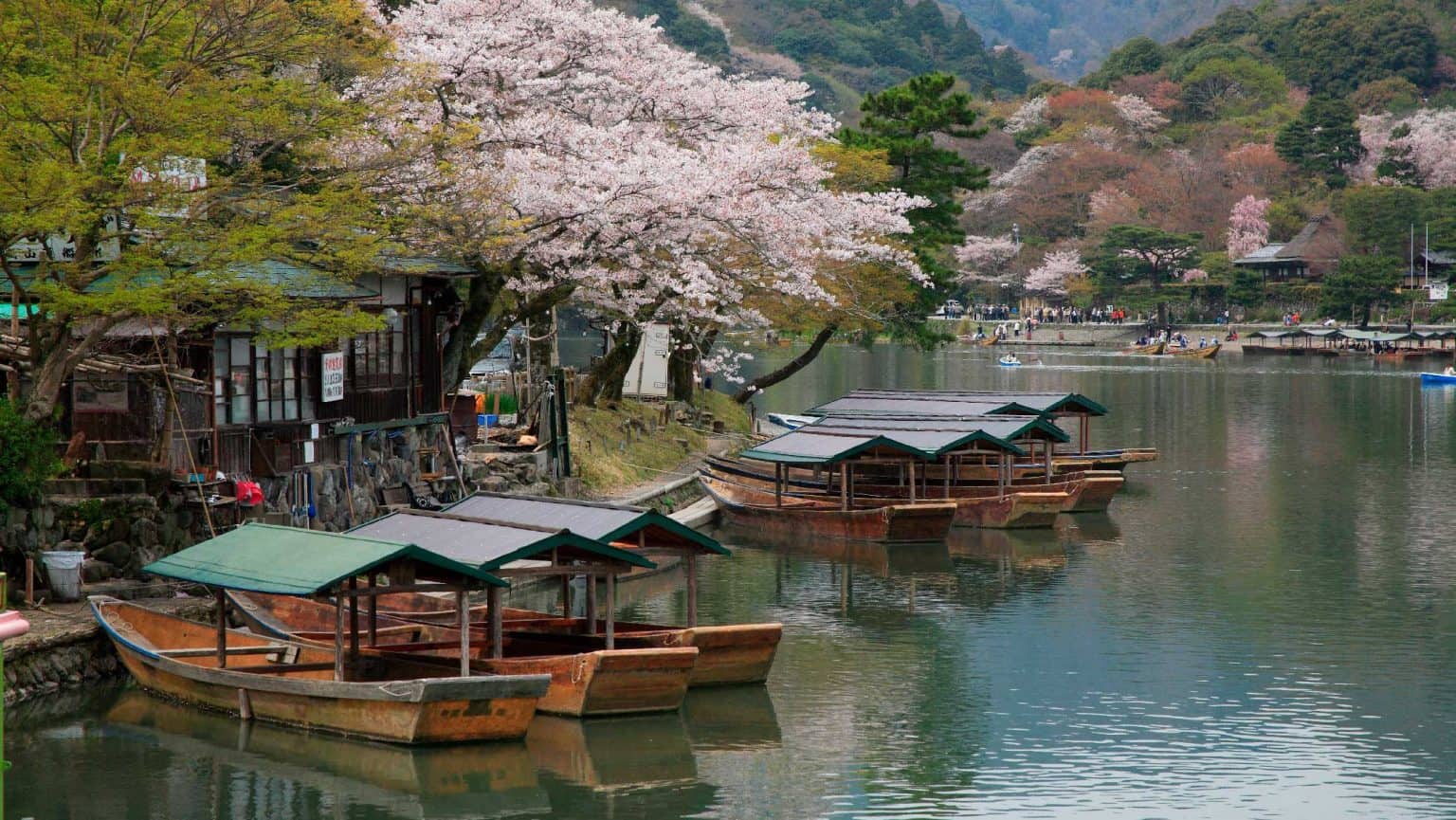
Few travel experiences match the sheer magic of witnessing spring arrive in Kyoto. Every year, from late March through early April, Japan’s ancient capital undergoes a breathtaking transformation. Thousands of cherry blossom trees—known locally as sakura—burst into delicate shades of pink and white, framing historic wooden temples, pristine stone pathways, and tranquil canals.
For Western travelers planning their first or second trip to Japan, navigating Kyoto during this peak season can feel overwhelming. The crowds are legendary, the bloom windows are famously unpredictable, and local customs around flower viewing require a bit of insider knowledge.
This comprehensive guide breaks down the seven most spectacular cherry blossom locations in Kyoto, pairing historical context with practical advice on how to bypass the heavy crowds, understand local etiquette, and capture the perfect photograph.
1. The Philosopher’s Path (Tetsugaku-no-Michi)
.jpg)
Following a stone pathway alongside a quiet canal in northeastern Kyoto, the Philosopher's Path is arguably the city's most romantic walking route. The path stretches for roughly two kilometers (about 1.2 miles), connecting the iconic silver pavilion of Ginkaku-ji to the neighborhood surrounding Nanzen-ji.
The trail gets its name from Nishida Kitaro, a prominent 20th-century Japanese philosopher and Kyoto University professor who used this exact route for his daily meditative walks. Today, it serves as a natural gallery for hundreds of Somei Yoshino cherry trees—the most popular variety in Japan, recognized by their five-petaled, pale pink blossoms that bloom in dense, cloud-like clusters.
Insider Tips for Western Travelers
- The Early Bird Advantage: To experience the meditative quality that inspired Professor Nishida, you must arrive at sunrise. By 9:00 AM, the narrow stone path is packed shoulder-to-shoulder with tour groups. Arriving around 6:30 AM grants you soft dawn lighting, perfect for reflection photography on the water's surface without a sea of selfie sticks in your frame.
- Hidden Café Stops: As you walk, look out for small, independent wooden tea houses and coffee shops hidden just off the main path. Many offer terrace seating where you can enjoy a hot matcha latte while petals drift down around you.
- How to Get There: From Kyoto Station, take the Kyoto City Bus line 5, 17, or 203 toward the Ginkaku-ji area. The ride takes about 35 to 40 minutes depending on seasonal traffic.
2. Maruyama Park (Maruyama Koen)
.jpg)
Located immediately behind the bright orange gates of Yasaka Shrine in the historic Gion district, Maruyama Park is the undisputed epicenter of Kyoto’s public hanami (flower-viewing) celebrations. Established in 1886, it is the oldest public park in the city, covering a spacious layout filled with rolling lawns, traditional bridges, and reflective ponds.
The absolute star of the show here is the Gion Shidare-zakura—a monumental weeping cherry tree that sits proudly at the center of the park. Weeping cherries (shidare-zakura) feature cascading branches that droop toward the ground like a pink waterfall. When night falls, this historic tree is beautifully illuminated by spotlights, turning a daytime stroll into a dramatic evening spectacle.
Insider Tips for Western Travelers
- Experience Yozakura (Night Viewing): Do not skip Maruyama Park after dark. The transition from day to night introduces yozakura, where the park fills with glowing lanterns and temporary outdoor food stalls called yatai.
- Sample Local Street Food: This is your prime opportunity to try authentic Japanese festival foods. Look for stalls selling yakitori (grilled chicken skewers), takoyaki (savory octopus balls), and hanami dango (sweet, chewy rice dumplings colored pink, white, and green to mirror the spring colors).
- How to Get There: Take the Keihan Main Line to Gion-Shijo Station or the Hankyu Kyoto Line to Kyoto-Kawaramachi Station. From either station, it is a pleasant 10-minute walk through the bustling streets of Gion.
3. Kiyomizu-dera Temple
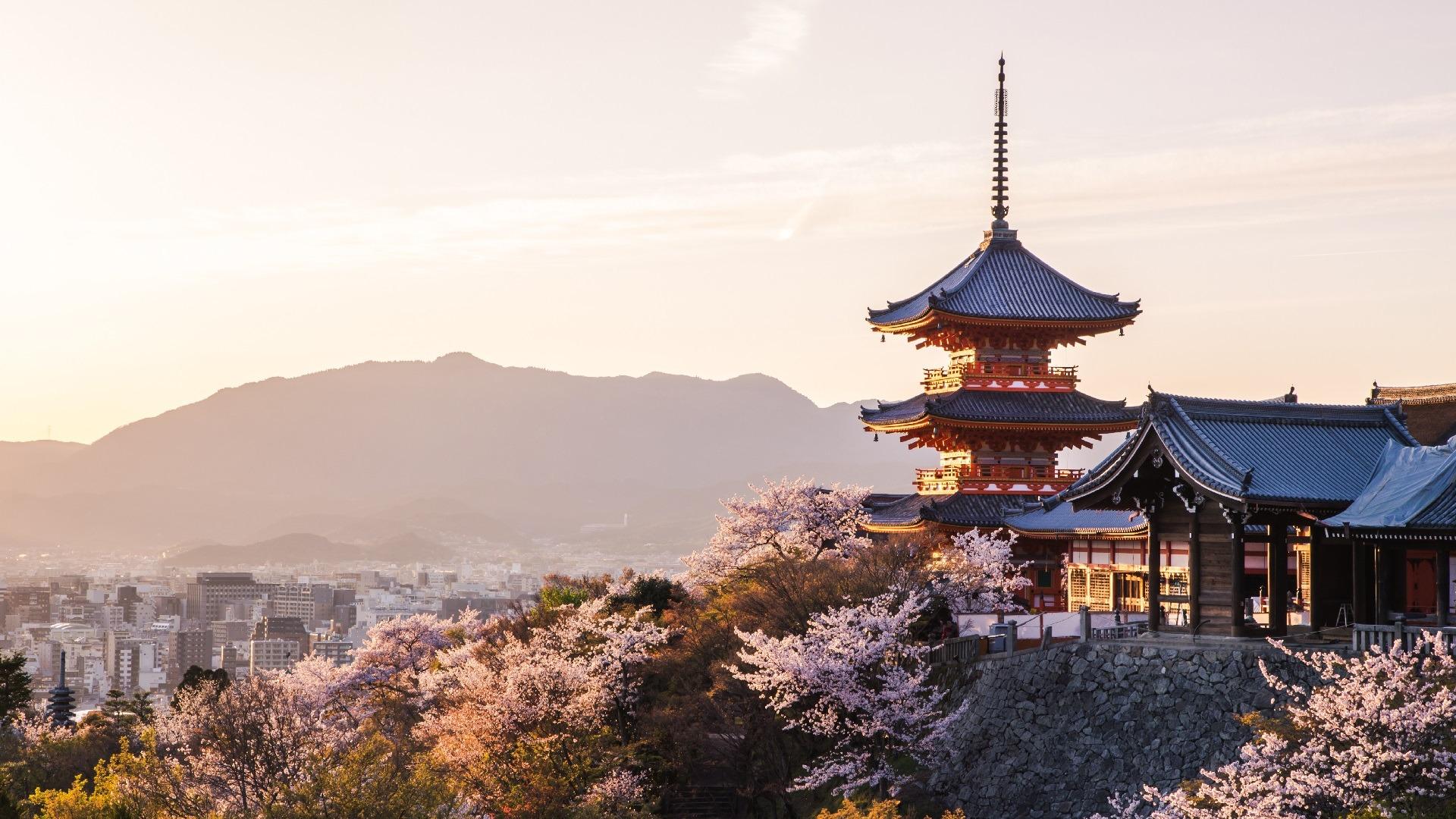
Perched high on the slopes of Mount Otowa in eastern Kyoto, Kiyomizu-dera is a legendary Buddhist temple founded in 778 AD. A UNESCO World Heritage site, the temple is world-renowned for its massive main wooden stage, which sits 13 meters (about 43 feet) above the hillside and was constructed entirely without the use of a single metal nail.
During the spring season, the view from this wooden veranda is nothing short of transcendent. Looking down from the stage offers a panoramic vantage point over a literal sea of thousands of blooming cherry trees that carpet the valley below, with the sprawling modern skyline of Kyoto serving as a distant backdrop.
Insider Tips for Western Travelers
- Catch the Special Night Illumination: Kiyomizu-dera extends its hours during peak cherry blossom season for a highly sought-after night opening. The temple lights up the historic pagodas and casts a powerful, singular blue beam of light across the night sky, symbolizing the compassion of the Buddha.
- The Photographer's Angle: The most famous postcard shot of the temple stage framed by pink blossoms isn't taken from the stage itself. Walk along the mountain path to the Okunoin hall located across the ravine to get the classic side-profile perspective.
- How to Get There: From Kyoto Station, catch bus 206 or 207 and get off at the Kiyomizu-michi or Gojo-zaka bus stops. Prepare for a steep, rewarding 15-minute uphill walk lined with traditional pottery and sweet shops.
4. Arashiyama (Togetsukyo Bridge & Katsura Riverbank)
.jpg)
For travelers seeking a landscape where natural mountain scenery blends seamlessly with historical landmarks, Arashiyama in western Kyoto is an absolute must-visit. While famous for its towering green bamboo groves, Arashiyama takes on an entirely different persona when spring arrives.
The visual center of this district is the Togetsukyo Bridge (which translates directly to the "Moon Crossing Bridge"), stretching across the wide Katsura River. During peak season, the forested slopes of Mount Arashiyama in the background turn into a beautiful tapestry of soft pinks, whites, and deep mountain greens, providing a natural setting that stands in stark contrast to the manicured temple gardens of central Kyoto.
Insider Tips for Western Travelers
- Rent a Traditional Rowboat: Escape the crowded wooden planks of the bridge by heading down to the river bank and renting a small wooden rowboat. Rowing along the calm, emerald waters of the Hozu River gives you an unobstructed, tranquil view of the blossom-covered mountainside.
- Ride the Sagano Romantic Train: Consider booking tickets for the Sagano Scenic Railway, a retro open-air train that winds through the steep, forested ravines of the Hozu River valley. Tickets sell out weeks in advance for the cherry blossom season, so book online early.
- How to Get There: Take the JR San-in Line (Sagano Line) directly from Kyoto Station to Saga-Arashiyama Station. The train ride takes roughly 15 minutes, making it one of the fastest and most reliable transit routes during peak traffic days.
5. Kyoto Imperial Palace Park (Kyoto Gyoen)
.jpg)
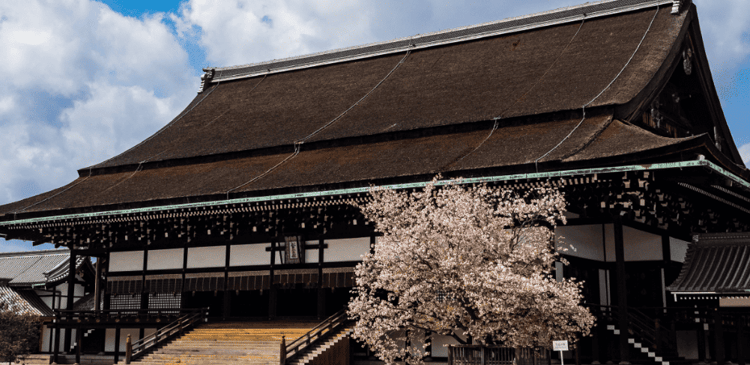
Located right in the geographical heart of the city, Kyoto Imperial Palace Park is a massive, sprawling green oasis measuring roughly 1.3 kilometers long and 700 meters wide. Before the capital moved to Tokyo in 1869, this massive park housed the residences of Japan's imperial family and high-ranking court nobles.
Today, the park is a grand public space lined with wide, gravel pathways and massive lawns. It is a highly strategic spot for cherry blossom chasers because it features an exceptionally diverse collection of tree varieties. Most notably, the northern section near the historic Konoe pond is home to dozens of early-blooming shidare-zakura (weeping cherry) trees, which typically reach peak bloom a full week before the rest of the city.
Insider Tips for Western Travelers
- Perfect for Early Arrivals: If your travel dates fall slightly ahead of the official peak forecast for the region, do not panic. Head straight to the northern end of this park. The weeping cherries here offer an early explosion of deep pink color while other locations are still in the budding phase.
- Spacious and Picnic-Friendly: Unlike narrow temple pathways, the Imperial Palace grounds offer enormous lawns. It is one of the most comfortable places in Kyoto to lay out a picnic blanket, sit back, and read a book under a canopy of falling petals without feeling rushed by a crowd.
- How to Get There: Take the Karasuma Subway Line from Kyoto Station and step off directly at either Marutamachi Station or Imadegawa Station.
6. Daigo-ji Temple
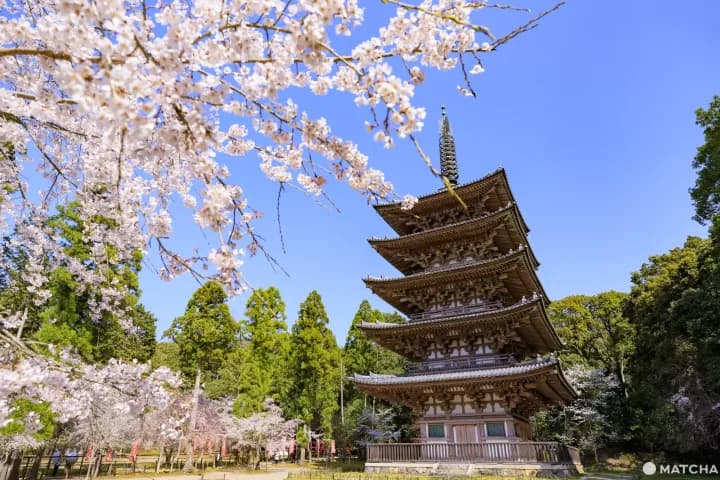
Situated in southeast Kyoto, Daigo-ji is an sprawling mountain temple complex of immense historical importance. Founded in 874 AD, the property spans an entire mountainside and features Kyoto's oldest verified building: an incredible five-story wooden pagoda that has miraculously survived numerous fires and wars since its completion in 951 AD.
Daigo-ji holds a legendary status in Japanese cherry blossom culture. In the spring of 1598, the powerful warlord Toyotomi Hideyoshi hosted a famous, ultra-extravagant cherry blossom viewing party here, planting over 700 trees and inviting over a thousand nobles. The temple grounds still honor this history today, displaying a magnificent variety of ancient weeping cherries and towering mountain cherry trees.
Insider Tips for Western Travelers
- A Secluded Retreat: Because Daigo-ji sits slightly outside of the central tourist core, it receives a lower volume of international tour groups compared to spots like Kiyomizu-dera. This makes it an ideal destination for travelers looking for deep historical immersion paired with a more peaceful atmosphere.
- Explore the Sanbo-in Garden: Make sure to purchase a ticket that includes entry to the Sanbo-in sub-temple. The garden was designed personally by Toyotomi Hideyoshi for his historical party and features a stunning layout of rocks, bridges, and ponds that frame giant weeping cherry trees perfectly.
- How to Get There: Take the Tozai Subway Line from central Kyoto and get off at Daigo Station. From there, it is a clearly marked 10-to-15 minute walk eastward up toward the mountainside base.
7. Nijo Castle (Nijojo)
.jpg)
Built in 1603 as the Kyoto residence of the powerful Tokugawa Shogunate, Nijo Castle is a striking historical fortress ringed by massive stone walls and deep, wide moats. The castle is celebrated for its opulent architecture, ornate gold-leaf carvings, and its famous "nightingale floors"—specially engineered wooden corridors that squeak like birds when walked upon, serving as a clever ancient alarm system against assassins.
The castle gardens are home to an impressive orchard of more than 300 cherry trees, representing over 50 distinct varieties. This botanical diversity makes Nijo Castle incredibly unique; it features a high concentration of late-blooming Sato-zakura (village cherries) and Yaezakura (multi-petaled cherries that look like miniature pink peonies), ensuring a beautiful view even if you arrive at the tail end of the season.
Insider Tips for Western Travelers
- The Late-Season Savior: If you happen to arrive in Kyoto after the main Somei Yoshino blossoms have already dropped their petals, Nijo Castle should be your top priority. Its multi-petaled late bloomers remain vibrant long after other parks have turned green.
- Attend the Projection Mapping Night Show: Nijo Castle regularly hosts creative evening light-ups featuring digital projection mapping. Contemporary artists project moving spring-themed artwork onto the historic stone walls and castle gates, creating a fascinating blend of ancient history and modern visual art.
- How to Get There: Take the Tozai Subway Line directly to Nijojo-mae Station. The station exit places you right in front of the castle's grand main entrance gate.
5 Practical Tips to Maximize Your Cherry Blossom Trip
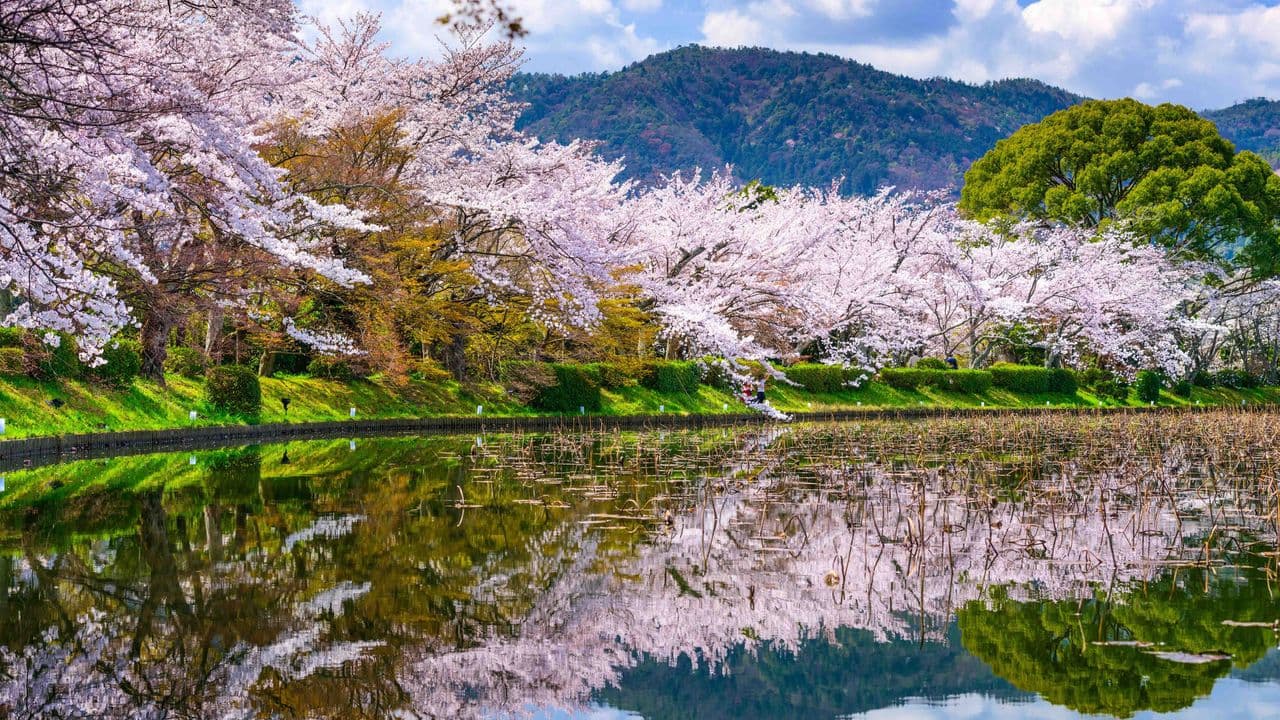
Managing a spring trip to Kyoto requires a solid game plan. Use these five proven strategies to stay ahead of the crowds and ensure a seamless travel experience.
1. Track the Real-Time Forecasts (Kaika vs. Mankai)
Do not rely on generic weather apps. Instead, monitor dedicated Japanese sakura tracking sites like the Japan Meteorological Corporation (JMC) or Weather News Japan. They track two critical milestones:
- Kaika: The opening of the first few blossoms on sample trees.
- Mankai: Full bloom, which occurs roughly 5 to 7 days after the first opening.
Once full bloom (mankai) is achieved, you have a prime viewing window of about 5 to 7 days of peak color before the petals begin to drop, creating a beautiful snow-like effect known as sakura-fubuki.
2. Embrace the Weekday, Early-Morning Strategy
If you visit major spots between 10:00 AM and 4:00 PM, you will encounter intense foot traffic. Flip your schedule on its head: wake up at dawn and aim to be at open-air sites like the Philosopher's Path or Arashiyama by 6:00 AM or 6:30 AM. For gated locations like Nijo Castle or Daigo-ji, purchase your entry tickets online in advance and arrive 20 minutes before the gates open. Planning your heaviest sightseeing on Monday through Thursday will also save you from competing with domestic weekend travelers.
3. Master the Rules of Hanami Etiquette
Flower viewing is deeply tied to cultural respect. Keep these universal Japanese rules in mind as you explore:
- Never Touch the Blossoms: Cherry blossom petals and branches are extremely fragile. Never pull a branch down for a photo, shake a tree to make petals fall, or climb on the trunks.
- Take Your Trash With You: Public trash cans are incredibly rare in Japan. Carry a small plastic bag in your daypack to store your food wrappers and drink cans until you return to your hotel room.
- Respect Picnic Boundaries: In areas like Maruyama Park where picnics are allowed, ensure you only place blankets on designated grassy zones. Never block pathways or step over other groups' spaces.
4. Utilize Digital Crowd Monitors
The Kyoto City Tourism Association provides helpful online digital maps that display live, real-time crowd congestion levels at major tourist destinations throughout the city. Check these updates on your phone before heading out to pivot your plans toward less crowded areas if your primary destination is flashing a high congestion warning.
5. Build a Transit-Smart Itinerary
Kyoto's narrow historic streets experience heavy traffic jams during spring, which often causes public buses to run significantly behind schedule. To maximize your time, construct an itinerary that relies almost completely on subways and trains rather than road transport.
1.Sunrise Walk at the Philosopher's Path (6:30 AM – 8:30 AM)
Begin your morning at the canal when the air is cool and the path is completely empty. The soft dawn light provides the absolute best conditions for crisp, mirror-like reflection photos on the water.
2.Mid-Morning Immersion at Kiyomizu-dera (9:00 AM – 11:30 AM)
Head south toward Mount Otowa. By arriving right after your morning walk, you can explore the massive wooden veranda and capture the iconic side-profile views before the mid-day heat peaks.
3.Subway Transit and Lunch at Imperial Palace Park (12:00 PM – 2:30 PM)
Hop onto the predictable Tozai and Karasuma subway lines to avoid road gridlock. Pick up a fresh bento box from a local shop and enjoy a relaxing lunch under the giant weeping cherry trees in the expansive palace lawns.
4.Late Afternoon Fortress Exploration at Nijo Castle (3:00 PM – 5:30 PM)
Walk or take a short subway link over to Nijo Castle. Spend the late afternoon wandering through the manicured castle orchards, focusing on the unique, multi-petaled late bloomers that thrive in the late sun.
5.Yozakura and Street Food at Maruyama Park (6:30 PM Onward)
Conclude your day in Gion. Walk through the lit lanterns of Yasaka Shrine into Maruyama Park to experience the illuminated weeping cherry tree and sample hot skewers from the local food stalls.
Crafting the Ultimate Spring Sanctuary with Travelodge Asia
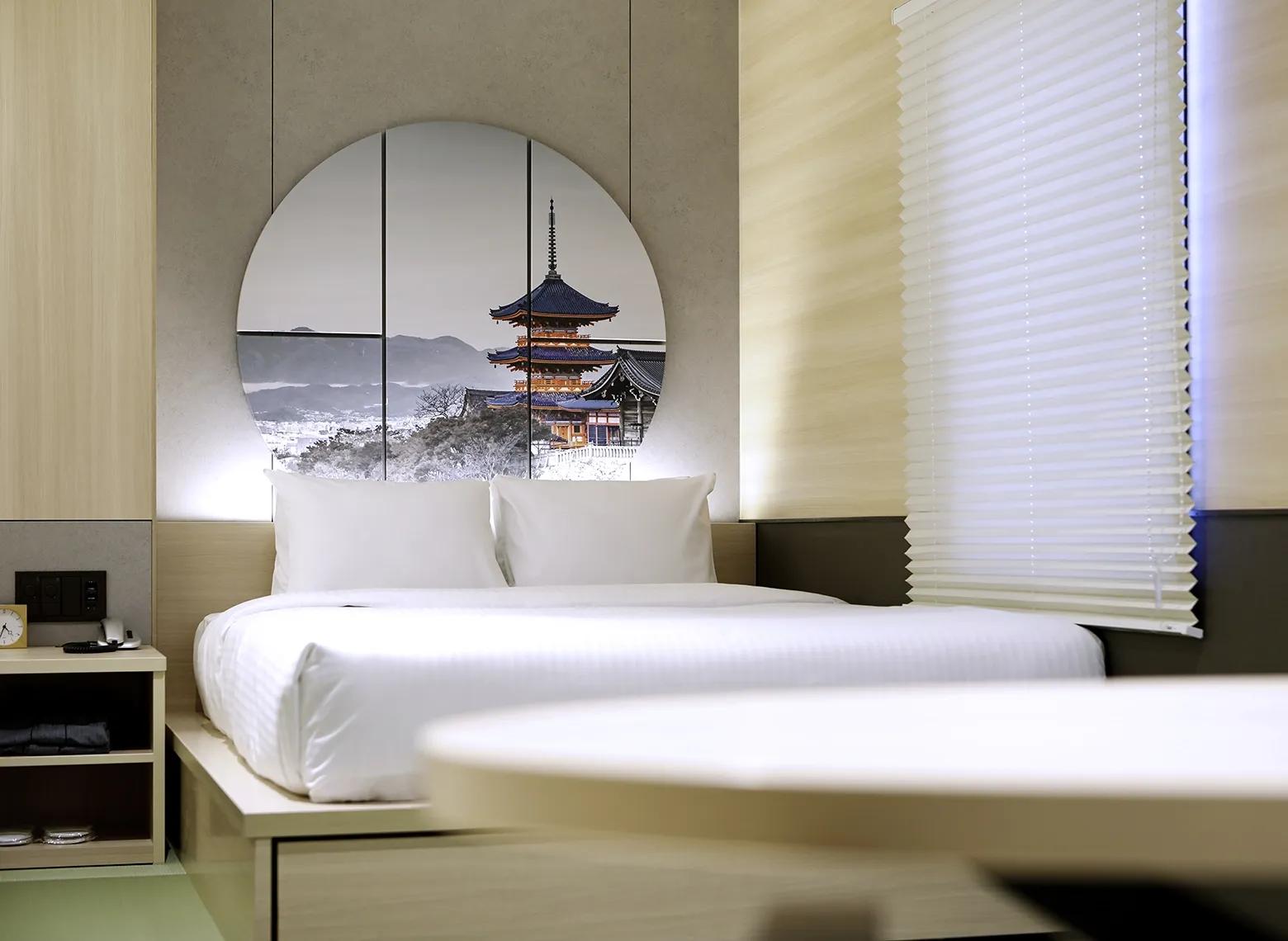
The true essence of cherry blossom season lies in its impermanence—a cultural concept the Japanese call mono no aware, or the beautiful, bittersweet awareness of the fleeting nature of things. Because this spectacle lasts for only a precious few days each year, you cannot afford to waste your time sitting in traffic jams, navigating convoluted transit transfers, or recovering from a restless night's sleep.
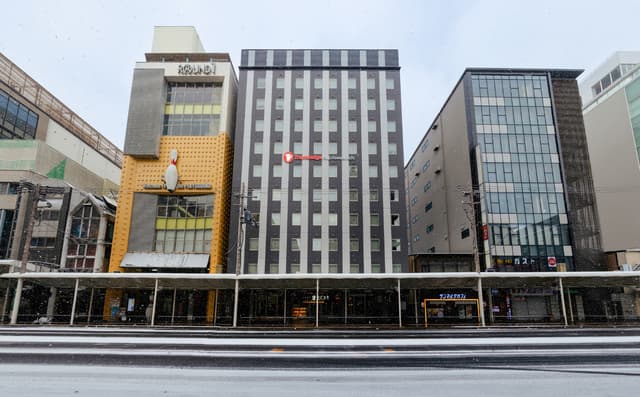
To transform a hectic sightseeing trip into a deeply memorable cultural journey, choosing the right base of operations is everything. This is where Travelodge Kyoto Shijo Kawaramachi steps in as the ultimate sanctuary for international travelers.
Why Travelodge Kyoto Shijo Kawaramachi is the Ideal Choice:
By positioning yourself in the vibrant heart of the Shijo-Kawaramachi district, you are staying exactly where Kyoto's historic charm meets modern urban connectivity.
- The Ultimate Transit Crossroads: Skip the gridlocked seasonal bus routes entirely. The hotel sits a short walk from both the Kyoto Shijo Subway Station and the Keihan Line, granting you rapid, predictable access to western Arashiyama, southern Fushimi Inari, and eastern Kiyomizu-dera in mere minutes.
- Walkable Heritage: Want to experience the magical night illuminations at Maruyama Park or stroll down the atmospheric pedestrian lanes of Pontocho Alley? When you stay here, Gion's premier dining and entertainment districts are right in your backyard, allowing you to walk home underneath the lanterns without worrying about catching the last train.
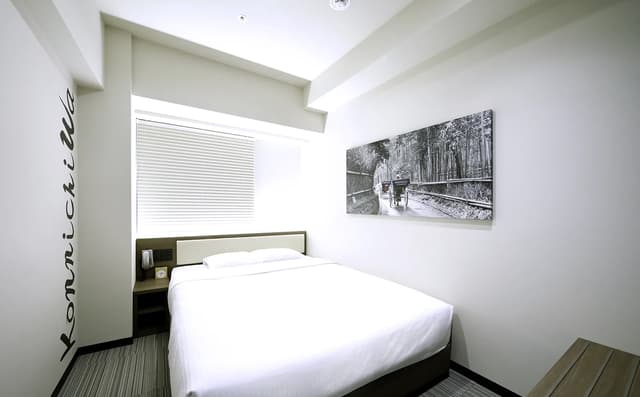
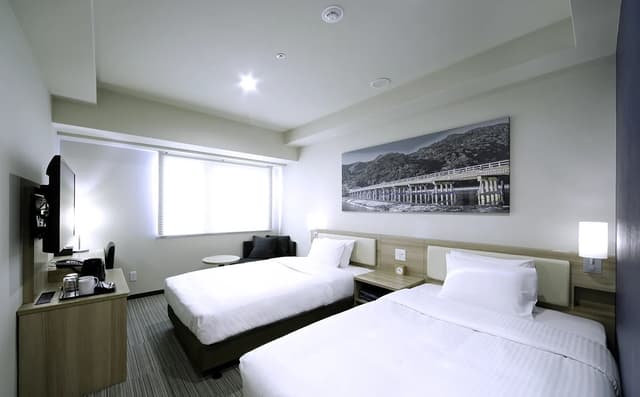
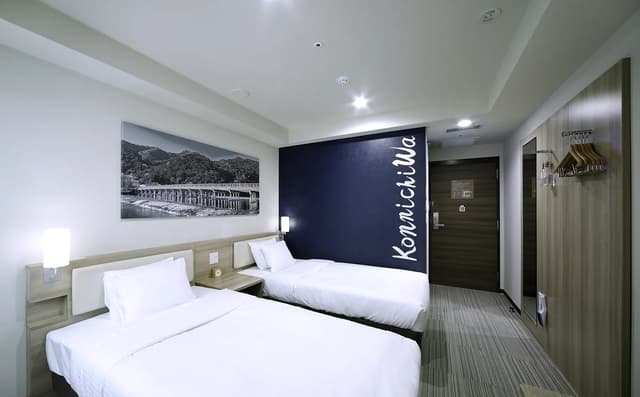
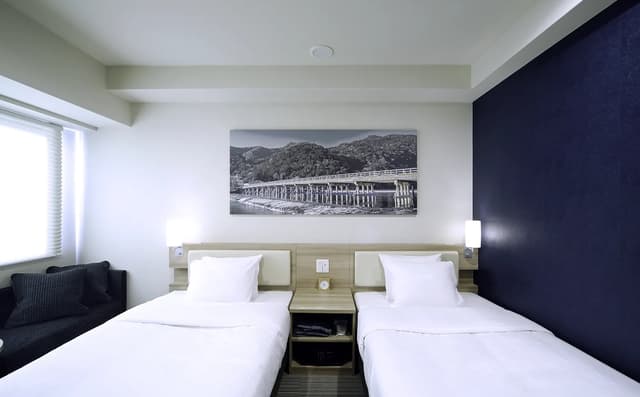
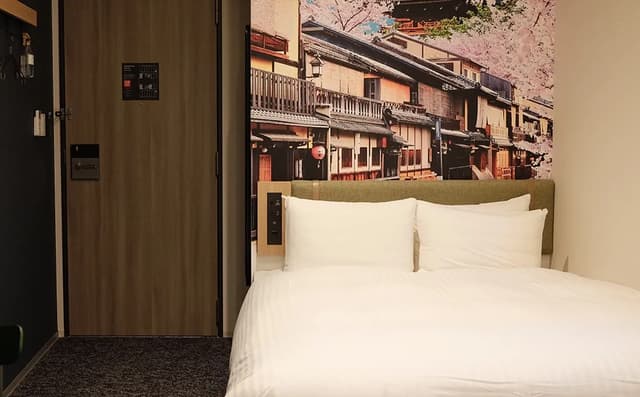
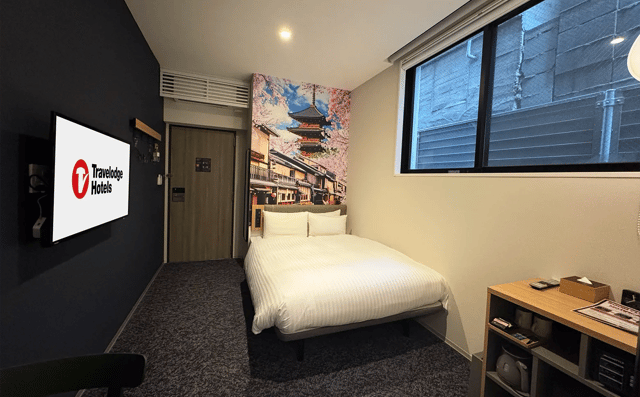
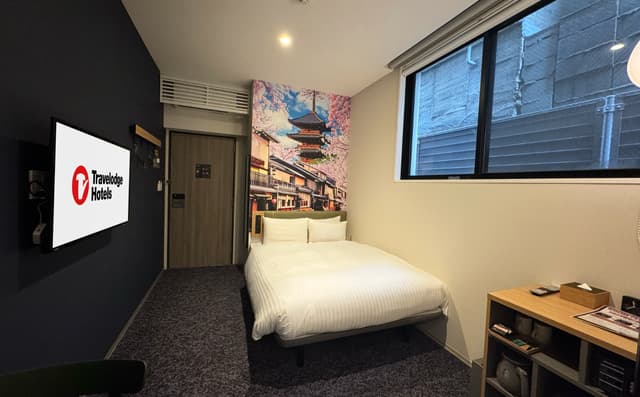
- Unpretentious, Explorer-Centric Comfort: Travelodge Asia specializes in maximizing what matters most to global adventurers. After logging 20,000 steps, you can retreat to a remarkably quiet, sound-insulated room equipped with a high-pressure shower, premium bedding, and lightning-fast, complimentary Wi-Fi to map out the next morning's real-time bloom forecasts.
Don't let the planning logistics overwhelm the magic of the season. By pairing a smart, early-morning strategy with the reliable comfort and unparalleled location of Travelodge, you can stop chasing the perfect spring holiday and step right into it.