

Logo Travelodge

Udostępnij artykuł

Przewodnik po zimowym Seulu: najlepsze atrakcje, jedzenie i miejsca do zobaczenia

Sora Kang
Sora Kang

Zaktualizowano 1 gru 2025
107.2K
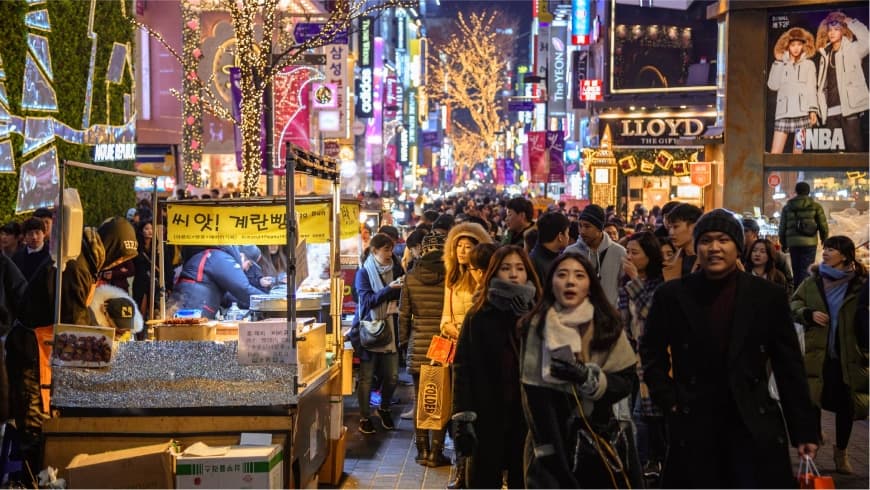
Blog_People-walking-in-street-of-Seoul-winter.

Zima zmienia tempo Seulu. Dziedzińce pałacowe stają się cichsze, parujące jedzenie uliczne trudno ominąć, kawiarnie zapewniają mile widziane schronienie przed zimnem, a dzielnice takie jak Myeongdong, Euljiro i Dongdaemun pozostają tętniące życiem długo po zachodzie słońca. Śnieg czasem pokrywa białą warstwą dachówki i górskie tło miasta, ale nawet w pogodne dni chłodne powietrze nadaje znanym dzielnicom wyraźnie sezonowy charakter.

Ten zimowy przewodnik po Seulu obejmuje praktyczne szczegóły, które ułatwiają zimowy city break: jakich temperatur się spodziewać, jak się ubrać, najlepsze rzeczy do zrobienia w Seulu zimą, gdzie zjeść, jak się poruszać, przydatne aplikacje, etykietę kulturową, pomysły na jednodniowe wycieczki oraz gdzie się zatrzymać. Seul sprawdza się szczególnie dobrze na zimowe podróże, ponieważ zwiedzanie na świeżym powietrzu można łatwo przeplatać z targami, muzeami, kawiarniami, centrami handlowymi, restauracjami i innymi ogrzewanymi przestrzeniami wewnętrznymi.

Dlaczego warto odwiedzić Seul zimą?

Główny sezon zimowy w Seulu trwa od grudnia do lutego. Jest zimno i stosunkowo sucho, a północno-zachodnie wiatry przyczyniają się do ostrych fal mrozu. Oficjalna organizacja turystyczna Seulu zauważa, że temperatura może czasami spaść nawet do -15°C (5°F), podczas gdy obfite opady śniegu pojawiają się okresowo, a nie nieprzerwanie.

To rozróżnienie ma znaczenie. Nie należy planować zimowej podróży z założeniem, że Seul będzie nieustannie pokryty śniegiem. Zamiast tego pora ta jest cenna dzięki spokojniejszym zabytkom historycznym, pogodnym zimnym dniom, zimowemu jedzeniu, sezonowym lodowiskom i pokazom świateł, zakupom oraz możliwości opadów śniegu jako dodatkowego atutu.

Seul jest też wyjątkowo elastyczny, gdy temperatura staje się niekomfortowa. Poranek w pałacu można połączyć z wizytą w tradycyjnej herbaciarni w Insadong, popołudniowym zwiedzaniem muzeum, kolacją w Myeongdong i zakupami wśród świateł Dongdaemun. Zimna pogoda rzadko oznacza utratę całego dnia zwiedzania.

Jaka jest zimowa pogoda w Seulu?

Zimowa pogoda w Seulu może wydawać się chłodniejsza, niż wskazuje sama temperatura. Suche powietrze i wiatr sprawiają, że dłuższe przebywanie na zewnątrz jest bardziej wymagające, zwłaszcza na otwartych dziedzińcach pałacowych, terenach nad rzeką i na punktach widokowych położonych wyżej.

Grudzień zazwyczaj oznacza przejście do utrzymującego się zimowego chłodu. Styczeń jest zwykle sercem sezonu, a luty pozostaje zimny, ale stopniowo zaczyna zmierzać ku wiośnie. Śnieg może pojawić się w dowolnym momencie tego okresu, chociaż pogodne lub suche zimowe dni są również częste. Oficjalne informacje turystyczne Seulu opisują zimę jako okres od grudnia do lutego i zauważają, że obfite opady śniegu występują okresowo.

W przypadku planu nastawionego na długie spacery warto zostawić sobie elastyczność w każdym dniu. Atrakcja na świeżym powietrzu, po której następuje kawiarnia, targ, muzeum lub zakupy, jest zazwyczaj wygodniejsza niż planowanie kilku odkrytych miejsc jedno po drugim.

Najlepsze rzeczy do zrobienia w Seulu zimą
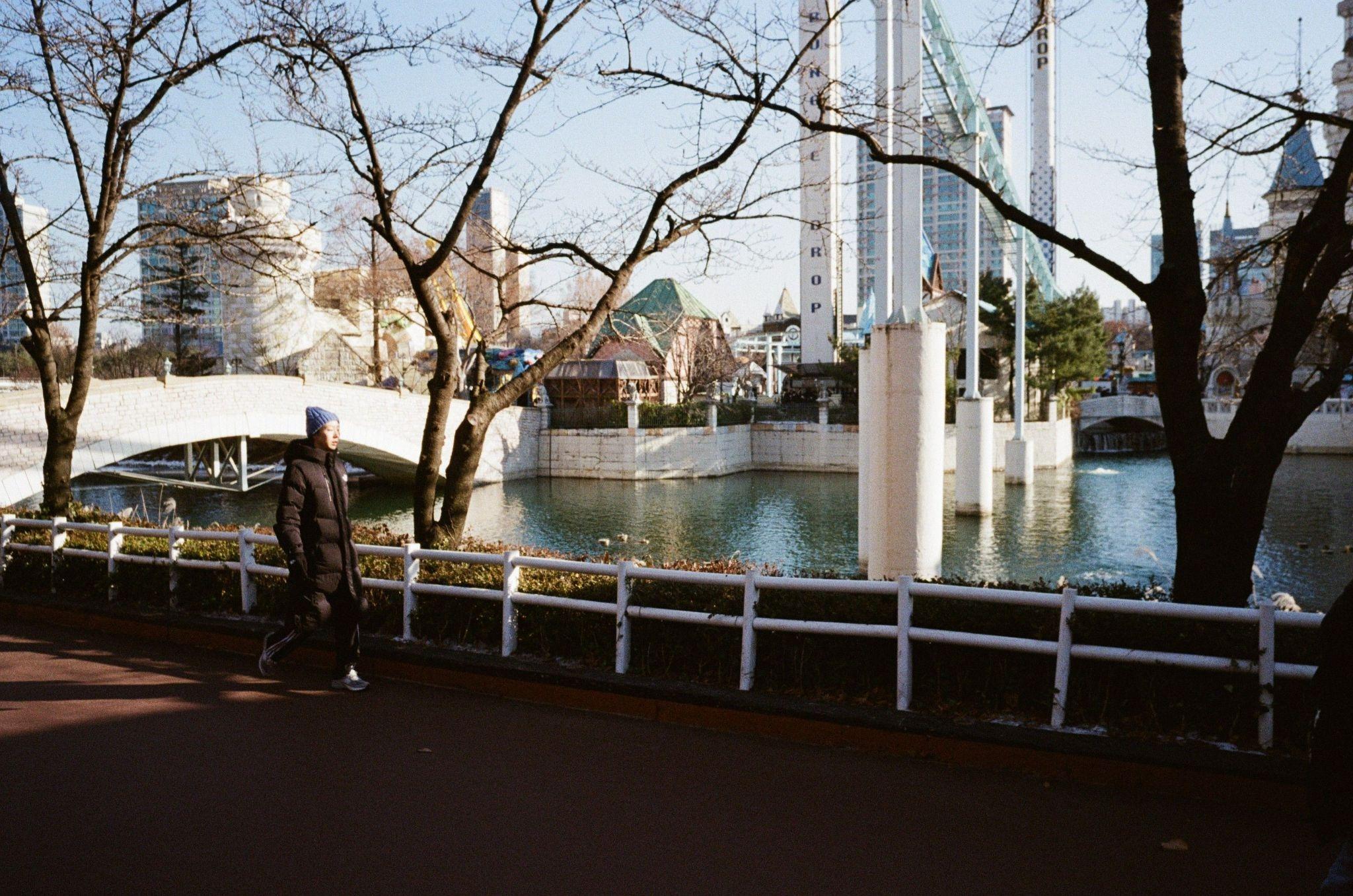
Winter Travel Guide to Seoul—Best Things to Do, Eat & See

Najlepszy zimowy plan zwiedzania łączy główne zabytki Seulu z atrakcjami, które szczególnie dobrze pasują do chłodniejszej pogody.

Zwiedź historyczne pałace Seulu zimą

Zacznij od Gyeongbokgung, pierwszego i największego z pięciu wielkich pałaców Seulu. Jego szerokie dziedzińce, pawilony, kamienne mury i górskie tło są nastrojowe przez całą zimę, nawet bez śniegu. W styczniu i lutym aktualnie publikowane godziny otwarcia są krótsze niż w cieplejszych miesiącach, co jest kolejnym powodem, aby zwiedzanie pałacu zaplanować wcześniej w ciągu dnia.

Changdeokgung oferuje inne doświadczenie, ponieważ jego architektura jest ściśle zintegrowana z otaczającym krajobrazem. Jest wpisany na listę światowego dziedzictwa UNESCO i można go łatwo połączyć ze znajdującymi się w pobliżu tradycyjnymi dzielnicami.

Z któregoś z pałaców kieruj się do Insadong po galerie, rzemiosło, tradycyjne herbaciarnie i ciepłe przekąski. Bukchon Hanok Village leży między Gyeongbokgung a Changdeokgung, ale pamiętaj, że jest to dzielnica mieszkalna, a nie plenerowa atrakcja turystyczna. Obecne środki zarządzania ruchem turystycznym proszą odwiedzających, aby zachowywali niski poziom hałasu i szanowali ograniczenia dotyczące odwiedzin w wyznaczonych obszarach.

Śnieg na dachach hanoków jest piękny, gdy się zdarzy. Należy traktować go jako szczęście, a nie warunek cieszenia się okolicą.

Zobacz Seul z Namsan i N Seoul Tower

Namsan to jedno z najlepszych miejsc, by docenić skalę Seulu. N Seoul Tower stoi na szczycie i zapewnia panoramiczne widoki na miasto ze swojej wyniesionej pozycji.

Zima może być szczególnie satysfakcjonująca w pogodne dni, gdy widoczność otwiera się na centralny Seul i okoliczne góry. Zachód słońca robi wrażenie, ale po zmroku temperatura szybko spada, więc rękawiczki i dodatkowa warstwa odzieży przydadzą się, jeśli plan obejmuje czas spędzony na zewnątrz w okolicach punktów widokowych.

Połącz Namsan z Myeongdong zamiast traktować te dwa miejsca jako osobne dni. Zakupy, restauracje, stoiska ze street foodem i kawiarnie oferują mnóstwo miejsc, by się ogrzać przed lub po wizycie w punkcie widokowym.

Takie połączenie sprawia też, że nocleg w centrum staje się praktyczny: powrót do hotelu między zwiedzaniem w ciągu dnia a wieczornym wyjściem może być znacznie atrakcyjniejszy w styczniu niż ponowne przemierzanie miasta.

Pojeździj na łyżwach lub wypróbuj sezonowe zimowe atrakcje

Seul regularnie przygotowuje sezonowe obiekty do łyżwiarstwa i zjeżdżania na sankach, gdy nadchodzą zimowe warunki.

Plenerowe lodowisko Seoul Plaza Ice Skating Rink obok City Hall jest jednym z powtarzających się przykładów. VisitKorea opisuje je jako zimową atrakcję z wydzielonymi strefami dla początkujących i zaawansowanych, wypożyczalnią łyżew oraz zapleczem. Dokładne daty otwarcia i zasady działania mogą się zmieniać z sezonu na sezon, więc przed wizytą potwierdź aktualny zimowy harmonogram.

Inne parki i tereny rekreacyjne mogą oferować sanki lub sezonowe aktywności, zależnie od roku. Ta elastyczność jest przydatna dla rodzin: zamiast zobowiązywać się z kilkumiesięcznym wyprzedzeniem do jednego konkretnego lodowiska, sprawdź zimowy program, gdy miejskie harmonogramy zostaną ogłoszone.

Szersze południowokoreańskie zamiłowanie do sportów zimowych sprawia też, że Seul jest łatwym punktem startowym do wyjazdu na narty lub snowboard poza stolicą.

Odkrywaj Myeongdong, Euljiro i Dongdaemun po zmroku

Seul nie zamiera, gdy temperatura spada.

Myeongdong to idealne miejsce na wieczór poświęcony zakupom, kosmetykom, restauracjom i street foodowi. Stamtąd Euljiro oferuje inny klimat: starsze ulice handlowe, małe restauracje, kawiarnie, bary i kreatywne przestrzenie wplecione w centralną dzielnicę biznesową.

Nieco dalej na wschód Dongdaemun szczególnie dobrze nadaje się do wieczornego zwiedzania. Dongdaemun Design Plaza (DDP) organizuje wystawy i wydarzenia kulturalne, a jej zakrzywiona fasada była także wykorzystywana w sezonowym programie Seoul Light.

Te dzielnice ułatwiają zimowe zwiedzanie, ponieważ spacer na zewnątrz można naturalnie przerywać ogrzewanymi sklepami, domami towarowymi, kawiarniami, restauracjami i przestrzeniami wystawienniczymi.

Doświadcz tradycyjnego koreańskiego jjimjilbangu

Niewiele aktywności pod dachem lepiej pasuje do mroźnego dnia w Seulu niż jjimjilbang, czyli koreańskie łaźnie i sauny.

Udogodnienia znacznie się różnią. Wiele obiektów łączy strefy kąpielowe oddzielone według płci ze wspólnymi ogrzewanymi pomieszczeniami, przestrzeniami relaksu, jedzeniem i innymi udogodnieniami. W strefach kąpielowych goście zazwyczaj dokładnie się myją przed wejściem do wspólnych kąpieli; wspólne strefy saun zwykle korzystają z odzieży zapewnianej przez obiekt. Przed przyjazdem sprawdź indywidualne zasady, ponieważ układ i regulaminy nie wszędzie są identyczne.

Seul nadal ma zarówno tradycyjne łaźnie, jak i większe współczesne kompleksy spa. Miejska organizacja turystyczna wymienia kilka obecnie działających obiektów jjimjilbang i sauny, w tym opcje ze strefami relaksu, kawiarniami i udogodnieniami dla rodzin.

Dla podróżnych nieznających koreańskiej kultury kąpielowej jjimjilbang najlepiej traktować jako doświadczenie, a nie coś, przez co trzeba się spieszyć między atrakcjami.

Wybierz się na zimową jednodniową wycieczkę z Seulu
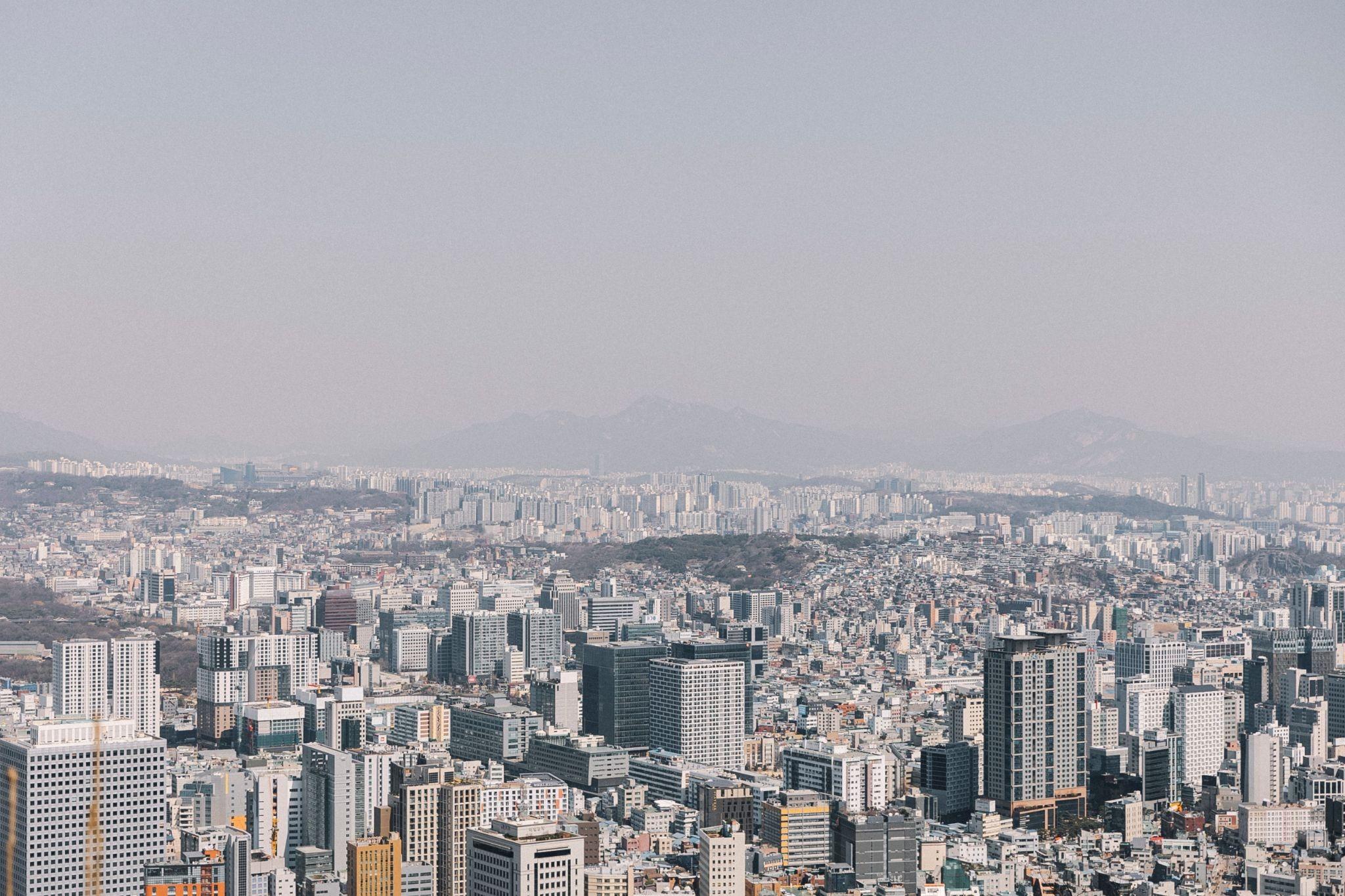
Winter Travel Guide to Seoul—Best Things to Do, Eat & See

Seulu nie trzeba opuszczać na kilka nocy, by zobaczyć bardziej przekonujący śnieg.

Z kilku ośrodków narciarskich w Gyeonggi i sąsiednich regionach korzysta się podczas zimowych jednodniowych wycieczek z obszaru metropolitalnego. Najnowsze informacje Koreańskiej Organizacji Turystycznej dotyczące sportów zimowych wskazują ośrodki w pobliżu Seulu, a także miejsca w prowincji Gangwon z obfitszymi opadami śniegu.

Jednodniowa wycieczka może obejmować jazdę na nartach, snowboardzie lub prostsze zabawy na śniegu, w zależności od ośrodka. Początkujący powinni porównać pakiety transportowe, dostępność lekcji, opłaty za wypożyczenie i daty otwarcia przed dokonaniem rezerwacji.

Wyspa Nami to kolejna popularna wycieczka, oferująca aleje drzew i bardziej wiejskie otoczenie poza centrum Seulu. Górskie miejsca wokół stolicy mogą również zapewnić wędrówki lub śnieżne krajobrazy, gdy pozwalają na to warunki pogodowe.

Nie należy zakładać, że śnieg pojawi się w konkretnym dniu. Przed wyjazdem sprawdź aktualne warunki, komunikaty ośrodka, organizację transportu i godziny powrotu.

Gdzie znaleźć najlepsze zimowe jedzenie uliczne w Seulu

Targ Gwangjang pozostaje jednym z najłatwiejszych miejsc, by spróbować kilku tradycyjnych potraw podczas jednej wizyty. Jego kulinarna alejka serwuje specjały, w tym bindaetteok placuszki z fasoli mung, gimbap, tteokbokki, eomuk, i inne koreańskie przysmaki.

Namdaemun oferuje inne doświadczenie targowe. Poza przekąskami ma też sprawdzone kulinarne alejki specjalizujące się w daniach takich jak kalguksuZupa z makaronem krojonym nożem i duszony włócznik. Gorący bulion z makaronem jest szczególnie odpowiedni na zimny dzień.

Myeongdong to najwygodniejsza opcja, jeśli chcesz połączyć przekąski z zakupami kosmetyków i mody, zwłaszcza po zmroku.

Metody płatności różnią się w zależności od stoiska. Karty są powszechnie akceptowane w Seulu, ale przy tradycyjnych targach i u mniejszych sprzedawców nadal przydaje się niewielka kwota w wonach koreańskich.


Niezbędne aplikacje na zimową podróż do Seulu

Kilka przydatnych aplikacji zmniejsza ilość czasu spędzanego na zewnątrz, próbując ustalić, gdzie jest następne wejście do metra.

  • Nawigacja: Naver Map to jedno z najbardziej przydatnych narzędzi do wyznaczania lokalnych tras i korzystania z transportu publicznego.
  • Tłumaczenie: Papago jest praktyczne do tłumaczenia znaków, menu, krótkich rozmów i tekstu.
  • Taksówki: Kakao T jest powszechnie używane do zamawiania przejazdów.
  • Transport publiczny: Lokalne narzędzia do obsługi metra i aplikacje mapowe pomagają w wyszukiwaniu wyjść, przesiadek i planowaniu trasy.
  • Odkrywanie restauracji: Lokalne platformy wyszukiwania często zawierają bardziej szczegółowe informacje o koreańskich restauracjach niż usługi międzynarodowe.

Koreańska Organizacja Turystyczna obecnie promuje zarówno Naver Map, jak i Papago jako przydatne aplikacje podróżnicze dla zagranicznych gości.

Niezawodne Wi‑Fi staje się zaskakująco ważne zimą, ponieważ trasy, pogoda, godziny otwarcia atrakcji, rezerwacje i nagłe zmiany w transporcie są często sprawdzane z telefonu.

Gotówka, karty i zakupy w Seulu

Karty kredytowe i debetowe są powszechnie używane w seoulskich centrach handlowych, restauracjach, hotelach, kawiarniach i u głównych sprzedawców. Gotówka nadal ma swoje miejsce, zwłaszcza na targach, u małych sprzedawców i w sytuacjach, gdy określona metoda płatności nie jest akceptowana.

Traktuj karty transportowe jako odrębną kategorię od zwykłych kart bankowych. Karta Tmoney ułatwia lokalne przejazdy autobusem i metrem, a także może być używana w niektórych innych miejscach.

Uprawnieni zagraniczni turyści mogą również ubiegać się o zwrot podatku od kwalifikujących się zakupów u uczestniczących sprzedawców. Zasady obejmują takie czynniki jak kwalifikujące się zakupy, długość pobytu i procedury zwrotu, więc sprawdź aktualne oficjalne informacje o zwrocie podatku w Seulu, zamiast polegać na starym progu cytowanym w blogu podróżniczym.

Wymagania wjazdowe i dokumenty podróży

Wymagania wjazdowe zależą od obywatelstwa, paszportu, długości pobytu oraz zasad obowiązujących w momencie podróży.

Przed wylotem potwierdź wymagania dotyczące paszportu i sprawdź, czy do używanego paszportu ma zastosowanie wiza, K-ETA lub inna procedura wjazdowa. Oficjalna strona K-ETA powinna być punktem odniesienia, a nie podsumowania w mediach społecznościowych czy stare artykuły.

Na wrzesień 2026 r. Korea Południowa przedłużyła tymczasowe zwolnienie z K-ETA dla obecnie zwolnionych krajów i regionów do 31 grudnia 2026 r. Nie oznacza to, że każdy podróżny jest zwolniony, a zasady dotyczące późniejszych dat podróży mogą ulec zmianie.

Sprawdź ponownie oficjalne informacje imigracyjne krótko przed wyjazdem, zwłaszcza w przypadku podróży zaplanowanych na 2027 r. lub później.

Prosty 3-dniowy zimowy plan zwiedzania Seulu

Dzień 1: Historyczny Seul i Myeongdong

Zacznij w Gyeongbokgung, gdy jest jeszcze dużo światła dziennego, a następnie udaj się do Insadong na lunch, herbatę, galerie lub sklepy z rękodziełem. Spędź popołudnie w okolicach Cheonggyecheon, zanim wybierzesz się do Myeongdong na zakupy i zimowe jedzenie uliczne.

Taka kolejność pozwala spędzić większość dnia w centrum Seulu, zamiast tracić cenne zimowe światło dzienne na wielokrotne przesiadki metrem.

Dzień 2: Namsan, zakupy i Dongdaemun

Poranek poświęć na Namsan i N Seoul Tower, najlepiej przy bezchmurnym niebie. Wróć w stronę Myeongdong na lunch lub zakupy, a wieczór spędź dalej na wschód, w okolicy Dongdaemun Design Plaza i otaczającej go dzielnicy handlowej.

DDP jest szczególnie przydatne w zimowym planie, ponieważ wystawy i przestrzenie wewnętrzne można połączyć z wieczorną architekturą i sezonowym oświetleniem.

Dzień 3: Wybierz zimowe doświadczenie

Jeśli chcesz mocniejszego doświadczenia śniegu, poświęć ostatni dzień na ośrodek narciarski lub wycieczkę skupioną na śniegu poza Seulem.

Podróżni, którzy mają już dość zimna, mogą wybrać odwrotną opcję: odwiedzić jjimjilbang, spędzić czas w muzeum, zwiedzić targ Gwangjang albo zwolnić tempo w kawiarniach i dzielnicach, których nie udało się zobaczyć przez pierwsze dwa dni.

Najlepszy trzeci dzień to ten, który reaguje na rzeczywistą pogodę, a nie na plan ułożony kilka miesięcy wcześniej.

Gdzie zatrzymać się w Seulu zimą

Lokalizacja ma dodatkowe znaczenie podczas pobytu w Seulu zimą. Hotel położony blisko przydatnych linii metra i centralnych dzielnic ogranicza długie przesiadki na zewnątrz, ułatwia powrót na popołudniową przerwę i daje większą elastyczność, gdy zmienia się pogoda.

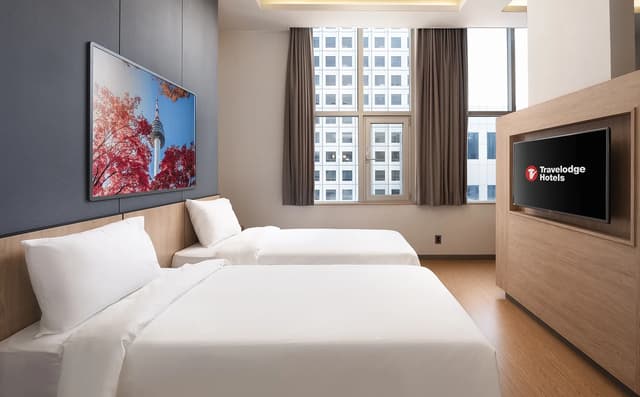
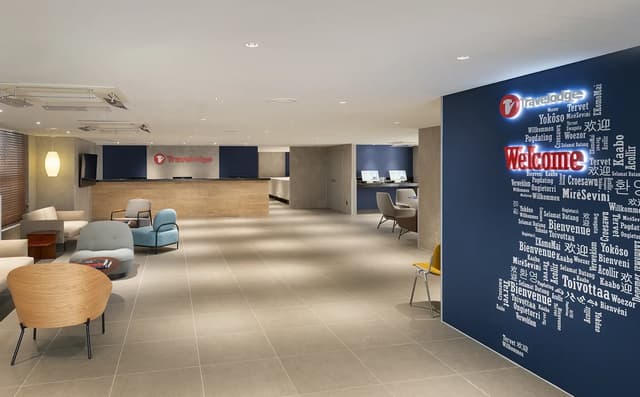
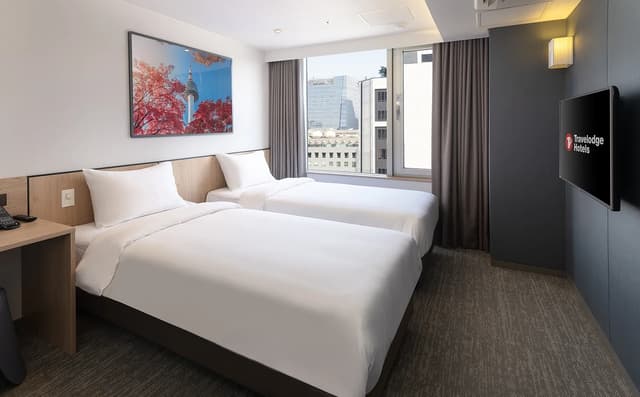
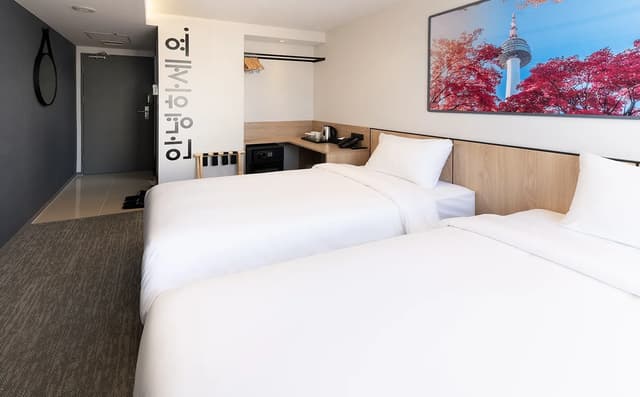
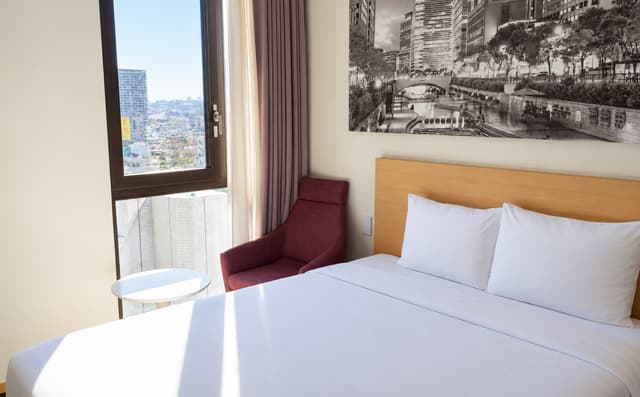
Pozycjonowanie Travelodge jako Comfort, Convenience i Connectivity naturalnie pasuje do tego rodzaju miejskiej podróży. Komfortowe pokoje zapewniają miejsce na regenerację po długich dniach spacerów, centralne lokalizacje upraszczają zwiedzanie, a łączność wspiera sprawdzanie pogody, map, rezerwacji, tłumaczeń i planowania transportu.

Podróżni planujący szerszą wycieczkę po Korei mogą sprawdzić hotele Travelodge w Korei Południowej lub porównać hotele Travelodge w Seulu przed wyborem dzielnicy najlepiej odpowiadającej planowi podróży.

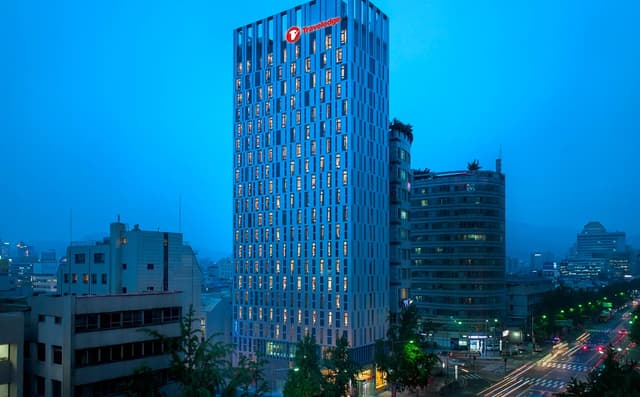
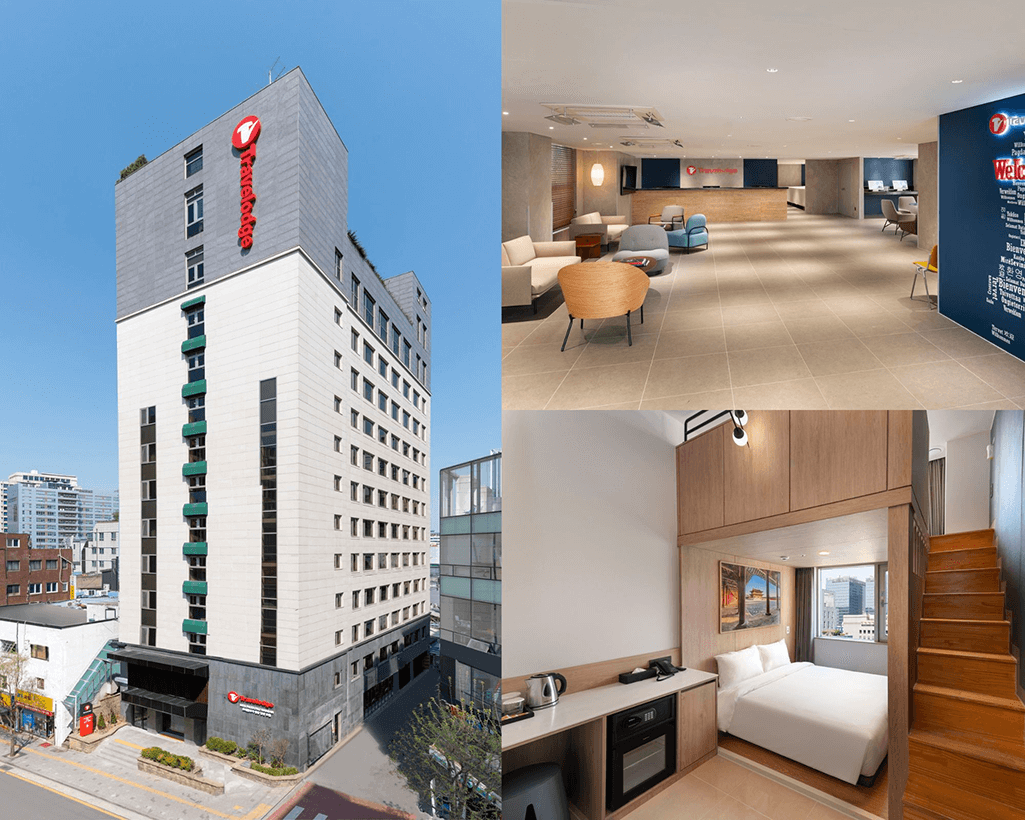
Travelodge Myeongdong Namsan: Na zakupy i zwiedzanie Namsanu
Essential Apps for Your Seoul Winter Trip A few useful apps reduce the amount of time spent standing outside trying to work out where the next subway entrance is. Navigation: Naver Map is one of the most useful tools for local directions and public transportation. Translation: Papago is practical for signs, menus, short conversations, and text translation. Taxis: Kakao T is widely used for ride-hailing. Public transportation: Local subway tools and map apps help with exits, transfers, and route planning. Restaurant discovery: Local search platforms often contain more detailed Korean restaurant information than international services. Korea Tourism Organization currently promotes both Naver Map and Papago among useful travel apps for international visitors. Reliable Wi-Fi becomes surprisingly important during winter because routes, weather, attraction hours, reservations, and last-minute transport changes are frequently checked from a phone. Cash, Cards, and Shopping in Seoul Credit and debit cards are widely used in Seoul's malls, restaurants, hotels, cafés, and major retailers. Cash still has a place, particularly around markets, small vendors, and situations where a particular payment method is not accepted. Keep transportation cards separate conceptually from ordinary bank cards. A Tmoney card simplifies local bus and subway travel and can also be used in some other settings. Eligible international visitors may also be able to claim tax refunds on qualifying purchases at participating retailers. Rules cover factors such as eligible purchases, length of stay, and refund procedures, so check the current official Seoul tax-refund information rather than relying on an old threshold quoted in a travel blog. Entry Requirements and Travel Documents Entry requirements depend on nationality, passport, length of stay, and the rules in force at the time of travel. Before flying, confirm passport requirements and check whether a visa, K-ETA, or other entry procedure applies to the passport being used. The official K-ETA website should be the reference point rather than social-media summaries or old articles. As of September 2026, South Korea has extended its temporary K-ETA exemption for currently exempt countries and regions through December 31, 2026. That does not mean every traveler is exempt, and rules for later travel dates may change. Recheck official immigration information shortly before departure, particularly for trips scheduled in 2027 or later. A Simple 3-Day Winter Seoul Itinerary Day 1: Historic Seoul and Myeongdong Start at Gyeongbokgung while daylight is plentiful, then continue toward Insadong for lunch, tea, galleries, or craft shops. Spend the afternoon around Cheonggyecheon before heading into Myeongdong for shopping and winter street food. This sequencing keeps most of the day in central Seoul rather than spending valuable winter daylight on repeated subway transfers. Day 2: Namsan, Shopping, and Dongdaemun Use the morning for Namsan and N Seoul Tower, ideally when skies are clear. Return toward Myeongdong for lunch or shopping, then spend the evening farther east around Dongdaemun Design Plaza and its surrounding retail district. DDP is especially useful on a winter itinerary because exhibitions and indoor spaces can be combined with evening architecture and seasonal lighting. Day 3: Choose the Winter Experience For a stronger snow experience, dedicate the final day to a ski resort or snow-focused excursion outside Seoul. Travelers who have had enough of the cold can take the opposite approach: visit a jjimjilbang, spend time in a museum, explore Gwangjang Market, or slow down with cafés and neighborhoods missed during the first two days. The best third day is the one that responds to the actual weather rather than the itinerary drafted months earlier. Where to Stay in Seoul During Winter Location carries extra weight during Seoul in winter. A hotel near useful subway lines and central neighborhoods reduces long outdoor transfers, makes it easier to return for an afternoon break, and gives more flexibility when the weather changes. Travelodge's Comfort, Convenience, and Connectivity positioning suits this kind of city trip naturally. Comfortable rooms provide somewhere to recharge after long walking days, central locations simplify sightseeing, and connectivity supports weather checks, maps, reservations, translation, and transportation planning. Travelers planning a broader Korean trip can explore Travelodge hotels in South Korea or compare Travelodge hotels in Seoul before choosing the neighborhood that best matches the itinerary. Travelodge Myeongdong Namsan: For Shopping and Namsan Sightseeing  Travelodge Myeongdong Namsan is well suited to first-time visitors building their stay around Myeongdong, Namsan, and central Seoul. The official hotel page places Myeongdong Shopping Street roughly 350 meters away and Chungmuro Station around 400 meters from the property. Those short distances become more valuable in January, when the difference between a quick walk to transport and a lengthy outdoor transfer is noticeable. The property lists heating, complimentary Wi-Fi, and self-service laundry among its facilities. In Travelodge's 8S language, Snooze supports restful downtime, Stream keeps the trip connected, and Spin is useful for refreshing winter layers during a longer stay. Travelodge Myeongdong Euljiro: A Central Base for Historic and Modern Seoul  Travelodge Myeongdong Euljiro works particularly well for travelers combining food, shopping, markets, and historic districts. Euljiro 3-ga Station, served by Subway Lines 2 and 3, is approximately 350 meters from the hotel, while Myeongdong Shopping Street is around 600 meters away. The property also lists complimentary Wi-Fi, self-service laundry, and heating among its facilities. That makes it a practical winter base for days divided between Gwangjang Market, Insadong, Myeongdong, Euljiro, and Dongdaemun. Stream supports route and weather planning, Spin helps on longer stays, and comfortable accommodation provides the Snooze element after several hours outside. For direct bookings, compare the hotel's current official rates and promotions before finalizing the stay. Travelodge Dongdaemun Seoul: For Shopping, Design, and Late Evenings  Travelodge Dongdaemun Seoul suits travelers who expect to spend more time around Dongdaemun's shopping, food, and design districts. The official property information places Dongdaemun Design Plaza at roughly 500 meters, with nearby subway access available for reaching other parts of the city. The hotel lists heating, complimentary Wi-Fi in common areas, and self-service laundry—simple facilities that become particularly useful during cold-weather stays. Staying nearby also means a late evening at DDP or Dongdaemun does not have to finish with another long cross-city journey. It reinforces Travelodge's Convenience and Connectivity while keeping a comfortable room close enough to recharge for the following morning. Practical Tips for a Comfortable Seoul Winter Trip Check the weather each morning rather than assuming yesterday's conditions will continue. Prioritize outdoor landmarks earlier in the day, then build cafés, museums, markets, restaurants, or shopping into the afternoon as natural warm-up breaks. Cold can also affect phone battery performance, so a portable charger is worth carrying when navigation and translation depend heavily on a smartphone. Avoid stacking several outdoor attractions back to back. A palace, a market, and an evening viewpoint will usually feel more enjoyable than three exposed sightseeing areas in succession. For skiing, seasonal skating, special exhibitions, and other winter-specific activities, check reservations and current operating dates before leaving the hotel. Seasonal schedules can change each year and may also respond to weather conditions. Make the Most of Winter in Seoul This Winter Travel Guide to Seoul shows why the city works so well as a cold-weather destination. Historic palaces and hanok neighborhoods bring cultural depth to the daytime, while street food, cafés, jjimjilbangs, shopping districts, skating, and evening attractions give the itinerary plenty of flexibility once temperatures fall. The strongest trip does not depend on Seoul being covered in snow. Build around the city itself, treat snowfall as a bonus, and use its excellent transportation and abundant indoor spaces to keep each day comfortable. A central hotel also makes it easier to move between sightseeing, food, shopping, and warm indoor breaks without turning winter transportation into the focus of the trip. Travelers deciding where to stay in Seoul in winter can compare the active Travelodge properties in Myeongdong, Euljiro, and Dongdaemun and book directly through Travelodge Hotels Asia for official rates, current promotions, and membership benefits. For frequent travelers, joining the Travelodge membership program adds another layer of value to direct stays. Members can earn early check-in, late check-out, exclusive member rates, and special offers, subject to membership tier, availability, and program terms. With the practical details handled, winter in Seoul becomes much simpler: step outside for a palace morning, warm up over a bowl of soup, stay out for the city lights, and let the season shape the pace of the trip rather than dictate it.

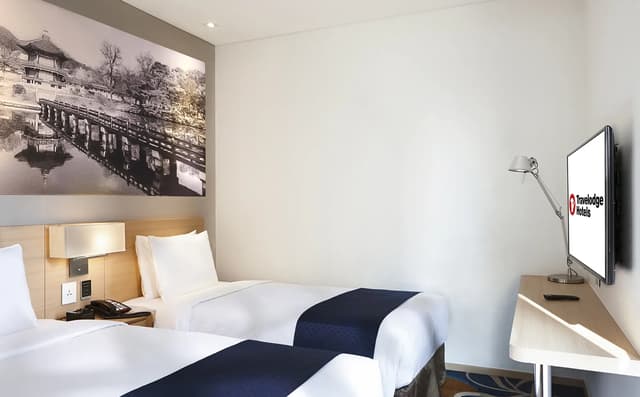
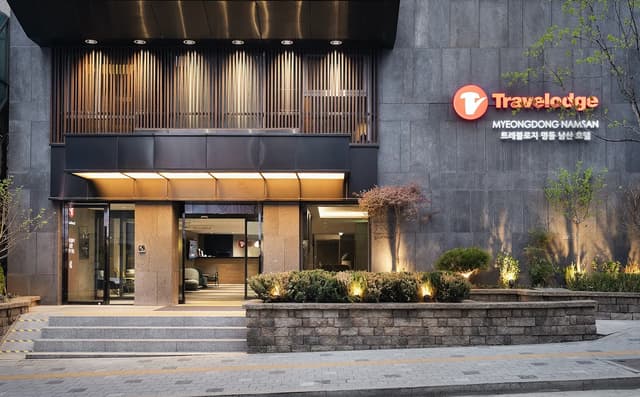
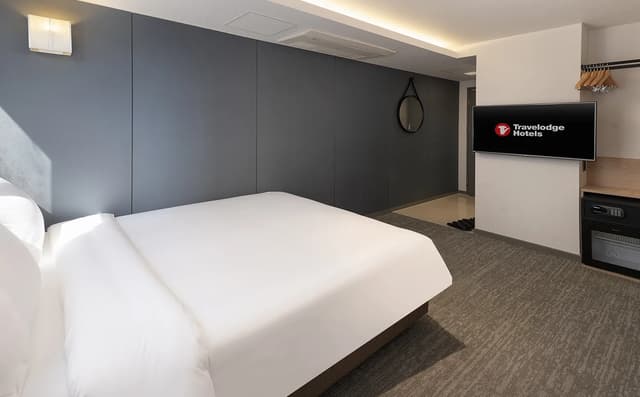
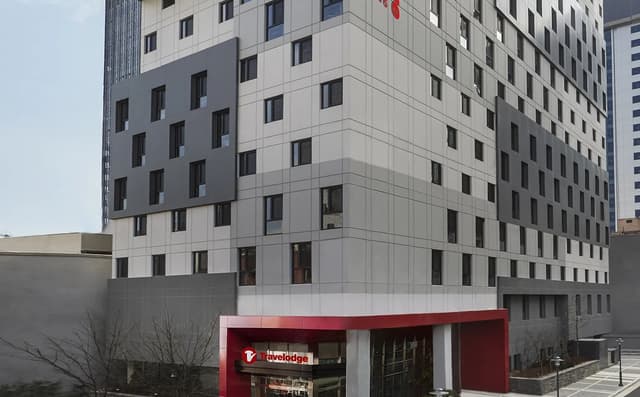
Travelodge Myeongdong Namsan jest dobrze dopasowany do osób odwiedzających Seul po raz pierwszy, które planują pobyt wokół Myeongdong, Namsanu i centralnego Seulu. Oficjalna strona hotelu podaje, że Myeongdong Shopping Street znajduje się około 350 metrów stąd, a stacja Chungmuro około 400 metrów od obiektu.

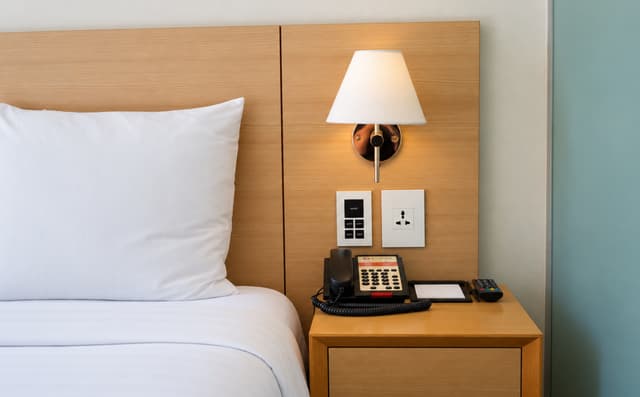
Te krótkie odległości stają się jeszcze cenniejsze w styczniu, kiedy różnica między szybkim spacerem do transportu a długim przejściem na zewnątrz jest wyraźnie odczuwalna. Obiekt wymienia wśród udogodnień ogrzewanie, bezpłatne Wi-Fi i samoobsługową pralnię.

W języku 8S marki Travelodge Snooze wspiera spokojny odpoczynek, Stream zapewnia łączność podczas podróży, a Spin przydaje się do odświeżenia zimowych warstw ubrań podczas dłuższego pobytu.

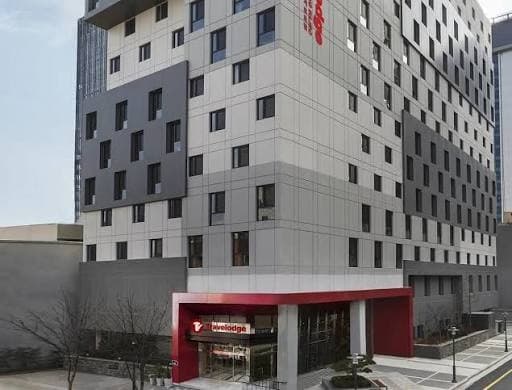
Travelodge Myeongdong Euljiro: Centralna baza do odkrywania historycznego i nowoczesnego Seulu
Essential Apps for Your Seoul Winter Trip A few useful apps reduce the amount of time spent standing outside trying to work out where the next subway entrance is. Navigation: Naver Map is one of the most useful tools for local directions and public transportation. Translation: Papago is practical for signs, menus, short conversations, and text translation. Taxis: Kakao T is widely used for ride-hailing. Public transportation: Local subway tools and map apps help with exits, transfers, and route planning. Restaurant discovery: Local search platforms often contain more detailed Korean restaurant information than international services. Korea Tourism Organization currently promotes both Naver Map and Papago among useful travel apps for international visitors. Reliable Wi-Fi becomes surprisingly important during winter because routes, weather, attraction hours, reservations, and last-minute transport changes are frequently checked from a phone. Cash, Cards, and Shopping in Seoul Credit and debit cards are widely used in Seoul's malls, restaurants, hotels, cafés, and major retailers. Cash still has a place, particularly around markets, small vendors, and situations where a particular payment method is not accepted. Keep transportation cards separate conceptually from ordinary bank cards. A Tmoney card simplifies local bus and subway travel and can also be used in some other settings. Eligible international visitors may also be able to claim tax refunds on qualifying purchases at participating retailers. Rules cover factors such as eligible purchases, length of stay, and refund procedures, so check the current official Seoul tax-refund information rather than relying on an old threshold quoted in a travel blog. Entry Requirements and Travel Documents Entry requirements depend on nationality, passport, length of stay, and the rules in force at the time of travel. Before flying, confirm passport requirements and check whether a visa, K-ETA, or other entry procedure applies to the passport being used. The official K-ETA website should be the reference point rather than social-media summaries or old articles. As of September 2026, South Korea has extended its temporary K-ETA exemption for currently exempt countries and regions through December 31, 2026. That does not mean every traveler is exempt, and rules for later travel dates may change. Recheck official immigration information shortly before departure, particularly for trips scheduled in 2027 or later. A Simple 3-Day Winter Seoul Itinerary Day 1: Historic Seoul and Myeongdong Start at Gyeongbokgung while daylight is plentiful, then continue toward Insadong for lunch, tea, galleries, or craft shops. Spend the afternoon around Cheonggyecheon before heading into Myeongdong for shopping and winter street food. This sequencing keeps most of the day in central Seoul rather than spending valuable winter daylight on repeated subway transfers. Day 2: Namsan, Shopping, and Dongdaemun Use the morning for Namsan and N Seoul Tower, ideally when skies are clear. Return toward Myeongdong for lunch or shopping, then spend the evening farther east around Dongdaemun Design Plaza and its surrounding retail district. DDP is especially useful on a winter itinerary because exhibitions and indoor spaces can be combined with evening architecture and seasonal lighting. Day 3: Choose the Winter Experience For a stronger snow experience, dedicate the final day to a ski resort or snow-focused excursion outside Seoul. Travelers who have had enough of the cold can take the opposite approach: visit a jjimjilbang, spend time in a museum, explore Gwangjang Market, or slow down with cafés and neighborhoods missed during the first two days. The best third day is the one that responds to the actual weather rather than the itinerary drafted months earlier. Where to Stay in Seoul During Winter Location carries extra weight during Seoul in winter. A hotel near useful subway lines and central neighborhoods reduces long outdoor transfers, makes it easier to return for an afternoon break, and gives more flexibility when the weather changes. Travelodge's Comfort, Convenience, and Connectivity positioning suits this kind of city trip naturally. Comfortable rooms provide somewhere to recharge after long walking days, central locations simplify sightseeing, and connectivity supports weather checks, maps, reservations, translation, and transportation planning. Travelers planning a broader Korean trip can explore Travelodge hotels in South Korea or compare Travelodge hotels in Seoul before choosing the neighborhood that best matches the itinerary. Travelodge Myeongdong Namsan: For Shopping and Namsan Sightseeing  Travelodge Myeongdong Namsan is well suited to first-time visitors building their stay around Myeongdong, Namsan, and central Seoul. The official hotel page places Myeongdong Shopping Street roughly 350 meters away and Chungmuro Station around 400 meters from the property. Those short distances become more valuable in January, when the difference between a quick walk to transport and a lengthy outdoor transfer is noticeable. The property lists heating, complimentary Wi-Fi, and self-service laundry among its facilities. In Travelodge's 8S language, Snooze supports restful downtime, Stream keeps the trip connected, and Spin is useful for refreshing winter layers during a longer stay. Travelodge Myeongdong Euljiro: A Central Base for Historic and Modern Seoul  Travelodge Myeongdong Euljiro works particularly well for travelers combining food, shopping, markets, and historic districts. Euljiro 3-ga Station, served by Subway Lines 2 and 3, is approximately 350 meters from the hotel, while Myeongdong Shopping Street is around 600 meters away. The property also lists complimentary Wi-Fi, self-service laundry, and heating among its facilities. That makes it a practical winter base for days divided between Gwangjang Market, Insadong, Myeongdong, Euljiro, and Dongdaemun. Stream supports route and weather planning, Spin helps on longer stays, and comfortable accommodation provides the Snooze element after several hours outside. For direct bookings, compare the hotel's current official rates and promotions before finalizing the stay. Travelodge Dongdaemun Seoul: For Shopping, Design, and Late Evenings  Travelodge Dongdaemun Seoul suits travelers who expect to spend more time around Dongdaemun's shopping, food, and design districts. The official property information places Dongdaemun Design Plaza at roughly 500 meters, with nearby subway access available for reaching other parts of the city. The hotel lists heating, complimentary Wi-Fi in common areas, and self-service laundry—simple facilities that become particularly useful during cold-weather stays. Staying nearby also means a late evening at DDP or Dongdaemun does not have to finish with another long cross-city journey. It reinforces Travelodge's Convenience and Connectivity while keeping a comfortable room close enough to recharge for the following morning. Practical Tips for a Comfortable Seoul Winter Trip Check the weather each morning rather than assuming yesterday's conditions will continue. Prioritize outdoor landmarks earlier in the day, then build cafés, museums, markets, restaurants, or shopping into the afternoon as natural warm-up breaks. Cold can also affect phone battery performance, so a portable charger is worth carrying when navigation and translation depend heavily on a smartphone. Avoid stacking several outdoor attractions back to back. A palace, a market, and an evening viewpoint will usually feel more enjoyable than three exposed sightseeing areas in succession. For skiing, seasonal skating, special exhibitions, and other winter-specific activities, check reservations and current operating dates before leaving the hotel. Seasonal schedules can change each year and may also respond to weather conditions. Make the Most of Winter in Seoul This Winter Travel Guide to Seoul shows why the city works so well as a cold-weather destination. Historic palaces and hanok neighborhoods bring cultural depth to the daytime, while street food, cafés, jjimjilbangs, shopping districts, skating, and evening attractions give the itinerary plenty of flexibility once temperatures fall. The strongest trip does not depend on Seoul being covered in snow. Build around the city itself, treat snowfall as a bonus, and use its excellent transportation and abundant indoor spaces to keep each day comfortable. A central hotel also makes it easier to move between sightseeing, food, shopping, and warm indoor breaks without turning winter transportation into the focus of the trip. Travelers deciding where to stay in Seoul in winter can compare the active Travelodge properties in Myeongdong, Euljiro, and Dongdaemun and book directly through Travelodge Hotels Asia for official rates, current promotions, and membership benefits. For frequent travelers, joining the Travelodge membership program adds another layer of value to direct stays. Members can earn early check-in, late check-out, exclusive member rates, and special offers, subject to membership tier, availability, and program terms. With the practical details handled, winter in Seoul becomes much simpler: step outside for a palace morning, warm up over a bowl of soup, stay out for the city lights, and let the season shape the pace of the trip rather than dictate it.

Travelodge Myeongdong Euljiro szczególnie dobrze sprawdza się dla podróżnych łączących jedzenie, zakupy, targi i historyczne dzielnice.

Stacja Euljiro 3-ga, obsługiwana przez linie metra 2 i 3, znajduje się około 350 metrów od hotelu, a Myeongdong Shopping Street jest oddalona o około 600 metrów. Obiekt wymienia również bezpłatne Wi-Fi, samoobsługową pralnię i ogrzewanie wśród swoich udogodnień.

Dzięki temu stanowi praktyczną zimową bazę na dni dzielone między Gwangjang Market, Insadong, Myeongdong, Euljiro i Dongdaemun. Stream wspiera planowanie tras i pogody, Spin pomaga podczas dłuższych pobytów, a komfortowe zakwaterowanie zapewnia element Snooze po kilku godzinach spędzonych na zewnątrz.

W przypadku rezerwacji bezpośrednich porównaj aktualne oficjalne ceny i promocje hotelu przed sfinalizowaniem pobytu.

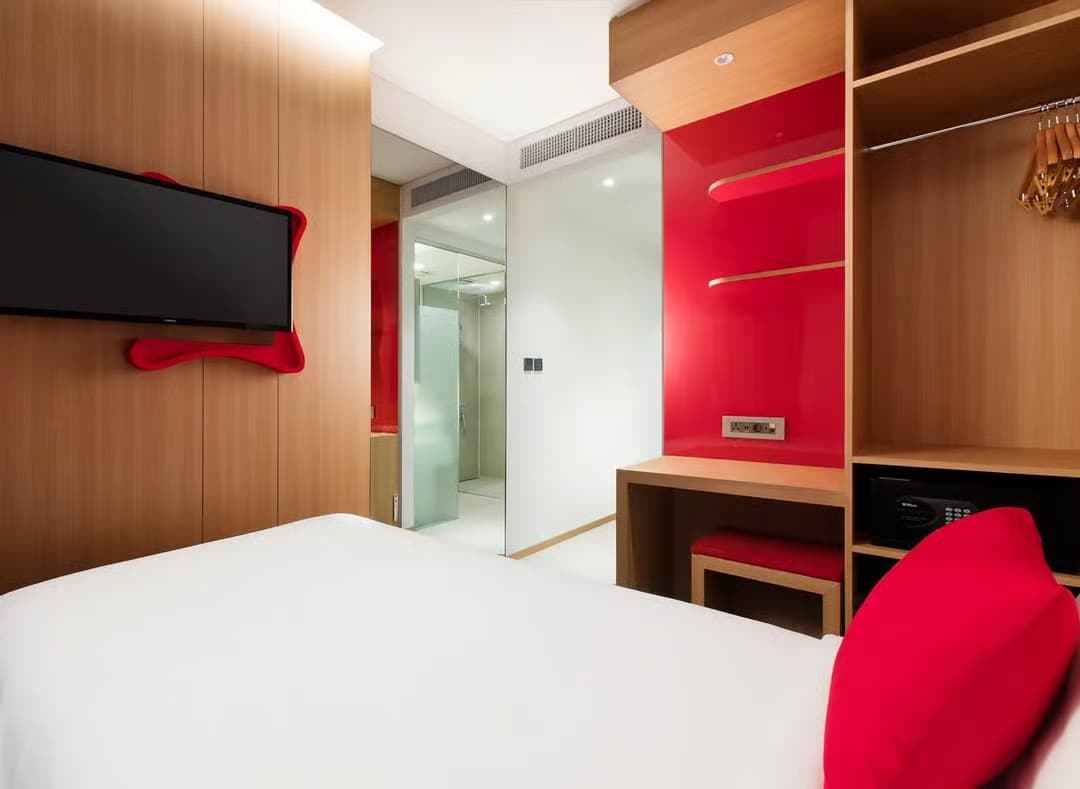
Travelodge Dongdaemun Seoul: Na zakupy, design i późne wieczory
Essential Apps for Your Seoul Winter Trip A few useful apps reduce the amount of time spent standing outside trying to work out where the next subway entrance is. Navigation: Naver Map is one of the most useful tools for local directions and public transportation. Translation: Papago is practical for signs, menus, short conversations, and text translation. Taxis: Kakao T is widely used for ride-hailing. Public transportation: Local subway tools and map apps help with exits, transfers, and route planning. Restaurant discovery: Local search platforms often contain more detailed Korean restaurant information than international services. Korea Tourism Organization currently promotes both Naver Map and Papago among useful travel apps for international visitors. Reliable Wi-Fi becomes surprisingly important during winter because routes, weather, attraction hours, reservations, and last-minute transport changes are frequently checked from a phone. Cash, Cards, and Shopping in Seoul Credit and debit cards are widely used in Seoul's malls, restaurants, hotels, cafés, and major retailers. Cash still has a place, particularly around markets, small vendors, and situations where a particular payment method is not accepted. Keep transportation cards separate conceptually from ordinary bank cards. A Tmoney card simplifies local bus and subway travel and can also be used in some other settings. Eligible international visitors may also be able to claim tax refunds on qualifying purchases at participating retailers. Rules cover factors such as eligible purchases, length of stay, and refund procedures, so check the current official Seoul tax-refund information rather than relying on an old threshold quoted in a travel blog. Entry Requirements and Travel Documents Entry requirements depend on nationality, passport, length of stay, and the rules in force at the time of travel. Before flying, confirm passport requirements and check whether a visa, K-ETA, or other entry procedure applies to the passport being used. The official K-ETA website should be the reference point rather than social-media summaries or old articles. As of September 2026, South Korea has extended its temporary K-ETA exemption for currently exempt countries and regions through December 31, 2026. That does not mean every traveler is exempt, and rules for later travel dates may change. Recheck official immigration information shortly before departure, particularly for trips scheduled in 2027 or later. A Simple 3-Day Winter Seoul Itinerary Day 1: Historic Seoul and Myeongdong Start at Gyeongbokgung while daylight is plentiful, then continue toward Insadong for lunch, tea, galleries, or craft shops. Spend the afternoon around Cheonggyecheon before heading into Myeongdong for shopping and winter street food. This sequencing keeps most of the day in central Seoul rather than spending valuable winter daylight on repeated subway transfers. Day 2: Namsan, Shopping, and Dongdaemun Use the morning for Namsan and N Seoul Tower, ideally when skies are clear. Return toward Myeongdong for lunch or shopping, then spend the evening farther east around Dongdaemun Design Plaza and its surrounding retail district. DDP is especially useful on a winter itinerary because exhibitions and indoor spaces can be combined with evening architecture and seasonal lighting. Day 3: Choose the Winter Experience For a stronger snow experience, dedicate the final day to a ski resort or snow-focused excursion outside Seoul. Travelers who have had enough of the cold can take the opposite approach: visit a jjimjilbang, spend time in a museum, explore Gwangjang Market, or slow down with cafés and neighborhoods missed during the first two days. The best third day is the one that responds to the actual weather rather than the itinerary drafted months earlier. Where to Stay in Seoul During Winter Location carries extra weight during Seoul in winter. A hotel near useful subway lines and central neighborhoods reduces long outdoor transfers, makes it easier to return for an afternoon break, and gives more flexibility when the weather changes. Travelodge's Comfort, Convenience, and Connectivity positioning suits this kind of city trip naturally. Comfortable rooms provide somewhere to recharge after long walking days, central locations simplify sightseeing, and connectivity supports weather checks, maps, reservations, translation, and transportation planning. Travelers planning a broader Korean trip can explore Travelodge hotels in South Korea or compare Travelodge hotels in Seoul before choosing the neighborhood that best matches the itinerary. Travelodge Myeongdong Namsan: For Shopping and Namsan Sightseeing  Travelodge Myeongdong Namsan is well suited to first-time visitors building their stay around Myeongdong, Namsan, and central Seoul. The official hotel page places Myeongdong Shopping Street roughly 350 meters away and Chungmuro Station around 400 meters from the property. Those short distances become more valuable in January, when the difference between a quick walk to transport and a lengthy outdoor transfer is noticeable. The property lists heating, complimentary Wi-Fi, and self-service laundry among its facilities. In Travelodge's 8S language, Snooze supports restful downtime, Stream keeps the trip connected, and Spin is useful for refreshing winter layers during a longer stay. Travelodge Myeongdong Euljiro: A Central Base for Historic and Modern Seoul  Travelodge Myeongdong Euljiro works particularly well for travelers combining food, shopping, markets, and historic districts. Euljiro 3-ga Station, served by Subway Lines 2 and 3, is approximately 350 meters from the hotel, while Myeongdong Shopping Street is around 600 meters away. The property also lists complimentary Wi-Fi, self-service laundry, and heating among its facilities. That makes it a practical winter base for days divided between Gwangjang Market, Insadong, Myeongdong, Euljiro, and Dongdaemun. Stream supports route and weather planning, Spin helps on longer stays, and comfortable accommodation provides the Snooze element after several hours outside. For direct bookings, compare the hotel's current official rates and promotions before finalizing the stay. Travelodge Dongdaemun Seoul: For Shopping, Design, and Late Evenings  Travelodge Dongdaemun Seoul suits travelers who expect to spend more time around Dongdaemun's shopping, food, and design districts. The official property information places Dongdaemun Design Plaza at roughly 500 meters, with nearby subway access available for reaching other parts of the city. The hotel lists heating, complimentary Wi-Fi in common areas, and self-service laundry—simple facilities that become particularly useful during cold-weather stays. Staying nearby also means a late evening at DDP or Dongdaemun does not have to finish with another long cross-city journey. It reinforces Travelodge's Convenience and Connectivity while keeping a comfortable room close enough to recharge for the following morning. Practical Tips for a Comfortable Seoul Winter Trip Check the weather each morning rather than assuming yesterday's conditions will continue. Prioritize outdoor landmarks earlier in the day, then build cafés, museums, markets, restaurants, or shopping into the afternoon as natural warm-up breaks. Cold can also affect phone battery performance, so a portable charger is worth carrying when navigation and translation depend heavily on a smartphone. Avoid stacking several outdoor attractions back to back. A palace, a market, and an evening viewpoint will usually feel more enjoyable than three exposed sightseeing areas in succession. For skiing, seasonal skating, special exhibitions, and other winter-specific activities, check reservations and current operating dates before leaving the hotel. Seasonal schedules can change each year and may also respond to weather conditions. Make the Most of Winter in Seoul This Winter Travel Guide to Seoul shows why the city works so well as a cold-weather destination. Historic palaces and hanok neighborhoods bring cultural depth to the daytime, while street food, cafés, jjimjilbangs, shopping districts, skating, and evening attractions give the itinerary plenty of flexibility once temperatures fall. The strongest trip does not depend on Seoul being covered in snow. Build around the city itself, treat snowfall as a bonus, and use its excellent transportation and abundant indoor spaces to keep each day comfortable. A central hotel also makes it easier to move between sightseeing, food, shopping, and warm indoor breaks without turning winter transportation into the focus of the trip. Travelers deciding where to stay in Seoul in winter can compare the active Travelodge properties in Myeongdong, Euljiro, and Dongdaemun and book directly through Travelodge Hotels Asia for official rates, current promotions, and membership benefits. For frequent travelers, joining the Travelodge membership program adds another layer of value to direct stays. Members can earn early check-in, late check-out, exclusive member rates, and special offers, subject to membership tier, availability, and program terms. With the practical details handled, winter in Seoul becomes much simpler: step outside for a palace morning, warm up over a bowl of soup, stay out for the city lights, and let the season shape the pace of the trip rather than dictate it.

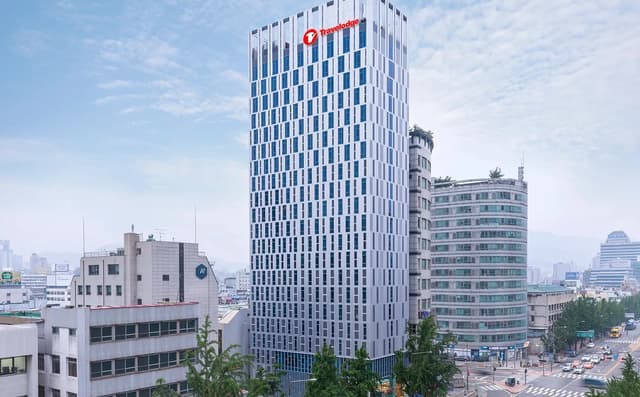
Travelodge Dongdaemun Seoul jest odpowiedni dla podróżnych, którzy spodziewają się spędzić więcej czasu w dzielnicach Dongdaemun związanych z zakupami, jedzeniem i designem. Oficjalne informacje o obiekcie podają, że Dongdaemun Design Plaza znajduje się około 500 metrów stąd, a w pobliżu dostępne jest metro, umożliwiające dotarcie do innych części miasta.

Hotel oferuje ogrzewanie, bezpłatne Wi‑Fi w częściach wspólnych oraz samoobsługową pralnię — proste udogodnienia, które okazują się szczególnie przydatne podczas pobytu w chłodne dni.

Nocleg w pobliżu oznacza też, że późny wieczór w DDP lub Dongdaemun nie musi kończyć się kolejną długą podróżą przez całe miasto. To wzmacnia atuty Travelodge w zakresie wygody i dobrej komunikacji, a jednocześnie zapewnia komfortowy pokój na tyle blisko, by nabrać sił na następny poranek.

Praktyczne wskazówki na komfortową zimową podróż do Seulu

Sprawdzaj pogodę każdego ranka, zamiast zakładać, że wczorajsze warunki się utrzymają. Najpierw odwiedzaj miejsca na świeżym powietrzu we wcześniejszej części dnia, a potem planuj kawiarnie, muzea, targi, restauracje lub zakupy jako naturalne przerwy na rozgrzanie się po południu.

Mróz może też wpływać na baterię telefonu, więc warto mieć przy sobie powerbank, gdy nawigacja i tłumaczenie w dużej mierze zależą od smartfona.

Unikaj układania kilku atrakcji na świeżym powietrzu jedna po drugiej. Pałac, targ i wieczorny punkt widokowy zwykle sprawią więcej przyjemności niż trzy odsłonięte miejsca zwiedzania z rzędu.

Jeśli planujesz jazdę na nartach, sezonowe łyżwy, specjalne wystawy i inne zimowe aktywności, przed wyjściem z hotelu sprawdź rezerwacje i aktualne daty działania. Sezonowe harmonogramy mogą zmieniać się co roku i reagować także na warunki pogodowe.

Wykorzystaj zimę w Seulu jak najlepiej

Ten zimowy przewodnik po Seulu pokazuje, dlaczego miasto tak dobrze sprawdza się jako cel podróży na chłodniejsze dni. Historyczne pałace i dzielnice hanoków dodają dniu kulturowej głębi, a street food, kawiarnie, jjimjilbangi, dzielnice handlowe, łyżwy i wieczorne atrakcje dają planowi podróży dużą elastyczność, gdy temperatura spada.

Najlepsza podróż nie zależy od tego, czy Seul jest pokryty śniegiem. Skup się na samym mieście, traktuj opady śniegu jako bonus i korzystaj z doskonałego transportu oraz licznych przestrzeni wewnętrznych, aby każdy dzień był komfortowy. Centralnie położony hotel ułatwia też przemieszczanie się między zwiedzaniem, jedzeniem, zakupami i ciepłymi przerwami w pomieszczeniach, bez czynienia z zimowego transportu głównego punktu wyjazdu.

Podróżni decydujący, gdzie zatrzymać się w Seulu zimą, mogą porównać aktywne obiekty Travelodge w Myeongdong, Euljiro i Dongdaemun oraz zarezerwować bezpośrednio przez Travelodge Hotels Asia, aby uzyskać oficjalne stawki, aktualne promocje i korzyści członkowskie.

Dla osób często podróżujących dołączenie do programu członkowskiego Travelodge membership program daje dodatkową wartość przy rezerwacjach bezpośrednich. Członkowie mogą otrzymać wcześniejsze zameldowanie, późniejsze wymeldowanie, ekskluzywne stawki dla członków i oferty specjalne, zależnie od poziomu członkostwa, dostępności oraz warunków programu.

Gdy praktyczne kwestie są już załatwione, zima w Seulu staje się znacznie prostsza: wyjdź rano do pałacu, rozgrzej się miską zupy, zostań na zewnątrz, by podziwiać światła miasta, i pozwól, by pora roku wyznaczała rytm wyjazdu, zamiast go narzucać.
Udostępnij artykuł