

Logo Travelodge
Sfondo hero
Logo Travelodge

Impostazioni

Il mio account

Condividi articolo

Guida di viaggio invernale di Seoul per le migliori cose da fare, mangiare e vedere

Sora Kang
Sora Kang

Aggiornato il 1 dic 2025
107.2K
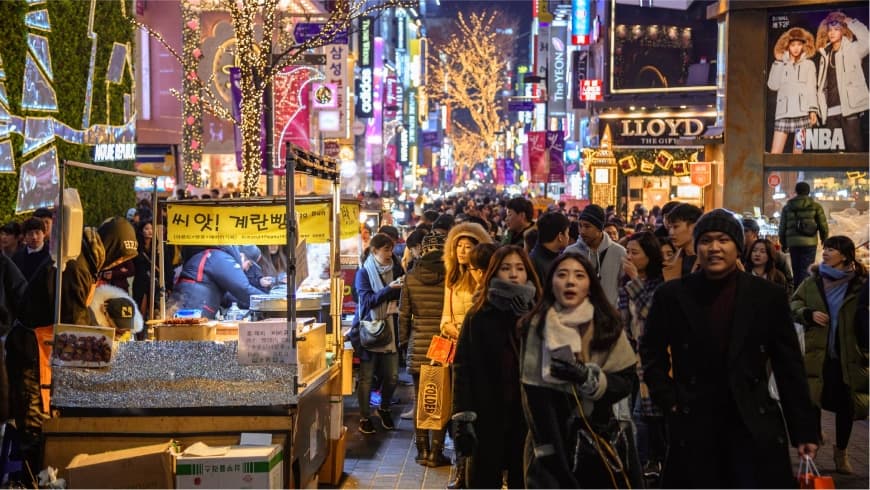
Blog_People-walking-in-street-of-Seoul-winter.

L'inverno cambia il ritmo di Seoul. I cortili dei palazzi diventano più silenziosi, il cibo di strada fumante è difficile da rifiutare, i caffè offrono un gradito riparo dal freddo e quartieri come Myeongdong, Euljiro e Dongdaemun restano vivaci ben oltre il tramonto. A volte la neve ricopre di bianco i tetti di tegole della città e lo sfondo montuoso, ma anche nelle giornate limpide l'aria fredda conferisce ai quartieri familiari un carattere decisamente stagionale.

Questa guida di viaggio invernale di Seoul copre i dettagli pratici che rendono più semplice una vacanza in città con clima freddo: quali temperature aspettarsi, come vestirsi, le migliori cose da fare a Seoul in inverno, dove mangiare, come spostarsi, app utili, etichetta culturale, idee per gite in giornata e dove alloggiare. Seoul è particolarmente adatta ai viaggi invernali perché le visite all'aperto possono essere facilmente bilanciate con mercati, musei, caffè, centri commerciali, ristoranti e altri spazi interni riscaldati.

Perché visitare Seoul in inverno?

La stagione invernale principale a Seoul va da dicembre a febbraio. È fredda e relativamente secca, con venti nord-occidentali che contribuiscono a forti ondate di freddo. L'organizzazione turistica ufficiale di Seoul osserva che le temperature possono occasionalmente scendere fino a -15°C (5°F), mentre le nevicate intense si verificano periodicamente piuttosto che in modo continuo.

Questa distinzione è importante. Un viaggio invernale non dovrebbe essere pianificato aspettandosi di vedere Seoul permanentemente coperta di neve. Piuttosto, la stagione è gratificante per le attrazioni storiche più tranquille, le giornate limpide e fredde, il cibo invernale, il pattinaggio stagionale e le installazioni luminose, lo shopping e la possibilità della neve come bonus aggiuntivo.

Seoul è anche insolitamente flessibile quando le temperature diventano sgradevoli. Una mattinata al palazzo può essere seguita da una casa da tè tradizionale a Insadong, da una visita pomeridiana a un museo, da una cena a Myeongdong e da shopping sotto le luci di Dongdaemun. Il freddo raramente significa perdere un'intera giornata di visite turistiche.

Com'è il clima invernale di Seoul?

Il clima invernale di Seoul può sembrare più freddo di quanto suggerisca la sola temperatura. L'aria secca e il vento rendono più impegnativi i periodi prolungati all'aperto, soprattutto nei cortili aperti dei palazzi, nelle aree lungo il fiume e nei punti panoramici sopraelevati.

Dicembre segna in genere la transizione verso un freddo invernale stabile. Gennaio è generalmente il cuore della stagione, mentre febbraio resta freddo ma comincia a muoversi gradualmente verso la primavera. La neve può arrivare in qualsiasi momento durante questo periodo, anche se sono comuni anche giornate invernali limpide o secche. Le informazioni turistiche ufficiali di Seoul descrivono l'inverno da dicembre a febbraio e indicano che le nevicate abbondanti si verificano periodicamente.

Per un itinerario con molte passeggiate, inserisci flessibilità in ogni giornata. Un'attrazione all'aperto seguita da una caffetteria, un mercato, un museo o una tappa per lo shopping è di solito più confortevole che programmare diversi luoghi esposti uno dopo l'altro.

Le migliori cose da fare a Seoul in inverno
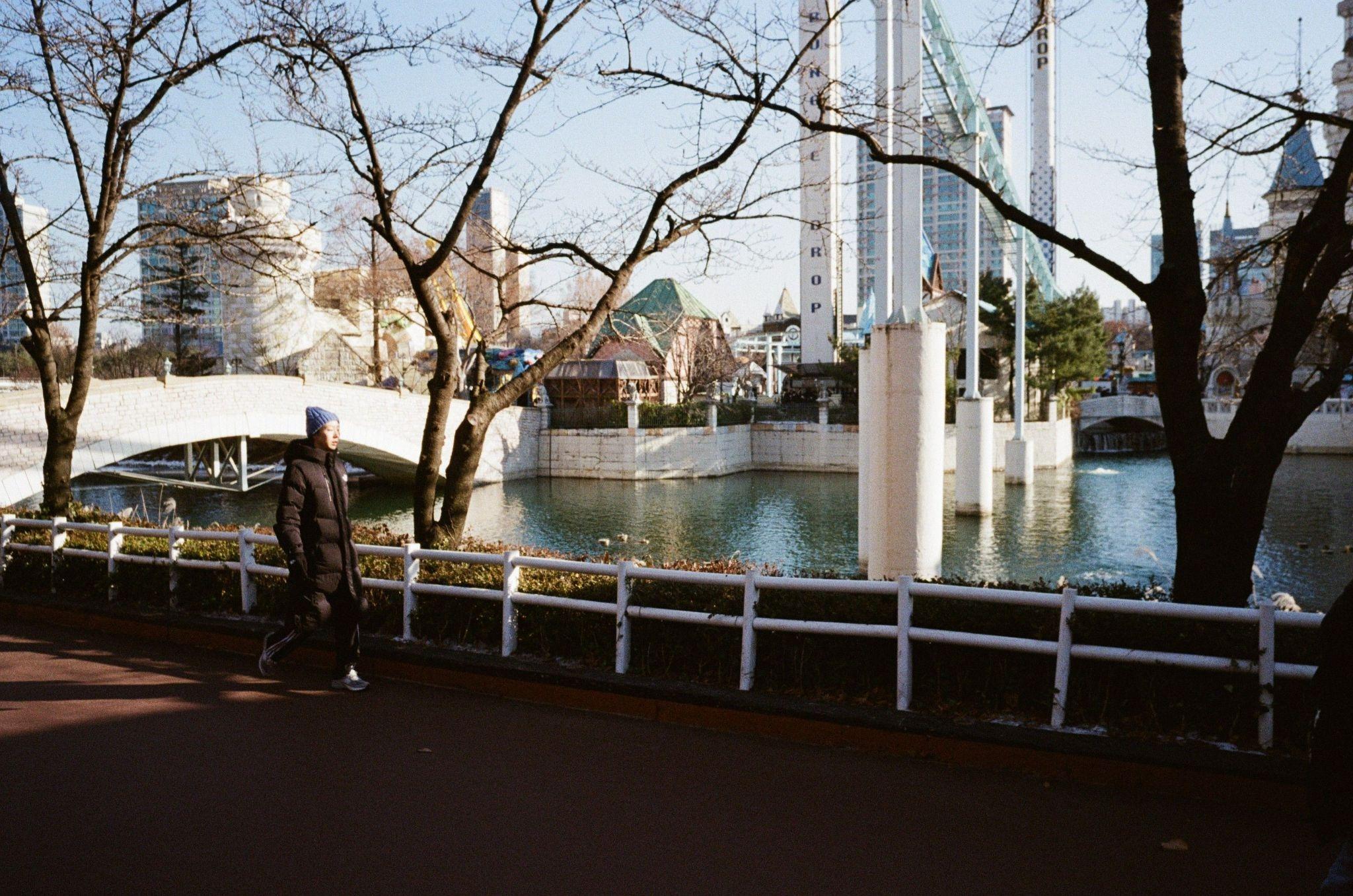
Winter Travel Guide to Seoul—Best Things to Do, Eat & See

L'itinerario invernale più riuscito mescola i principali punti di riferimento di Seoul con esperienze che hanno senso specificamente con il clima freddo.

Esplora i palazzi storici di Seoul in inverno

Inizia con Gyeongbokgung, il primo e più grande dei cinque grandi palazzi di Seoul. I suoi ampi cortili, padiglioni, mura in pietra e lo sfondo montuoso sono suggestivi per tutto l'inverno, anche senza neve. Durante gennaio e febbraio, gli orari di apertura pubblicati sono attualmente più brevi rispetto ai mesi più caldi, un motivo in più per visitare il palazzo nelle prime ore del giorno.

Changdeokgung offre un'esperienza diversa, con la sua architettura strettamente integrata nel paesaggio circostante. È un sito Patrimonio dell'Umanità UNESCO e può essere facilmente abbinato ai vicini quartieri tradizionali.

Da uno dei due palazzi, prosegui verso Insadong per gallerie, artigianato, case da tè tradizionali e snack caldi. Bukchon Hanok Village si trova tra Gyeongbokgung e Changdeokgung, ma ricorda che è un quartiere residenziale e non un set turistico all'aperto. Le attuali misure di gestione dei visitatori chiedono ai viaggiatori di mantenere basso il rumore e di rispettare le disposizioni di visita limitata nelle aree designate.

La neve sui tetti degli hanok è splendida quando capita. Va considerata una fortuna, non una condizione per godersi la zona.

Vedi Seul da Namsan e dalla N Seoul Tower

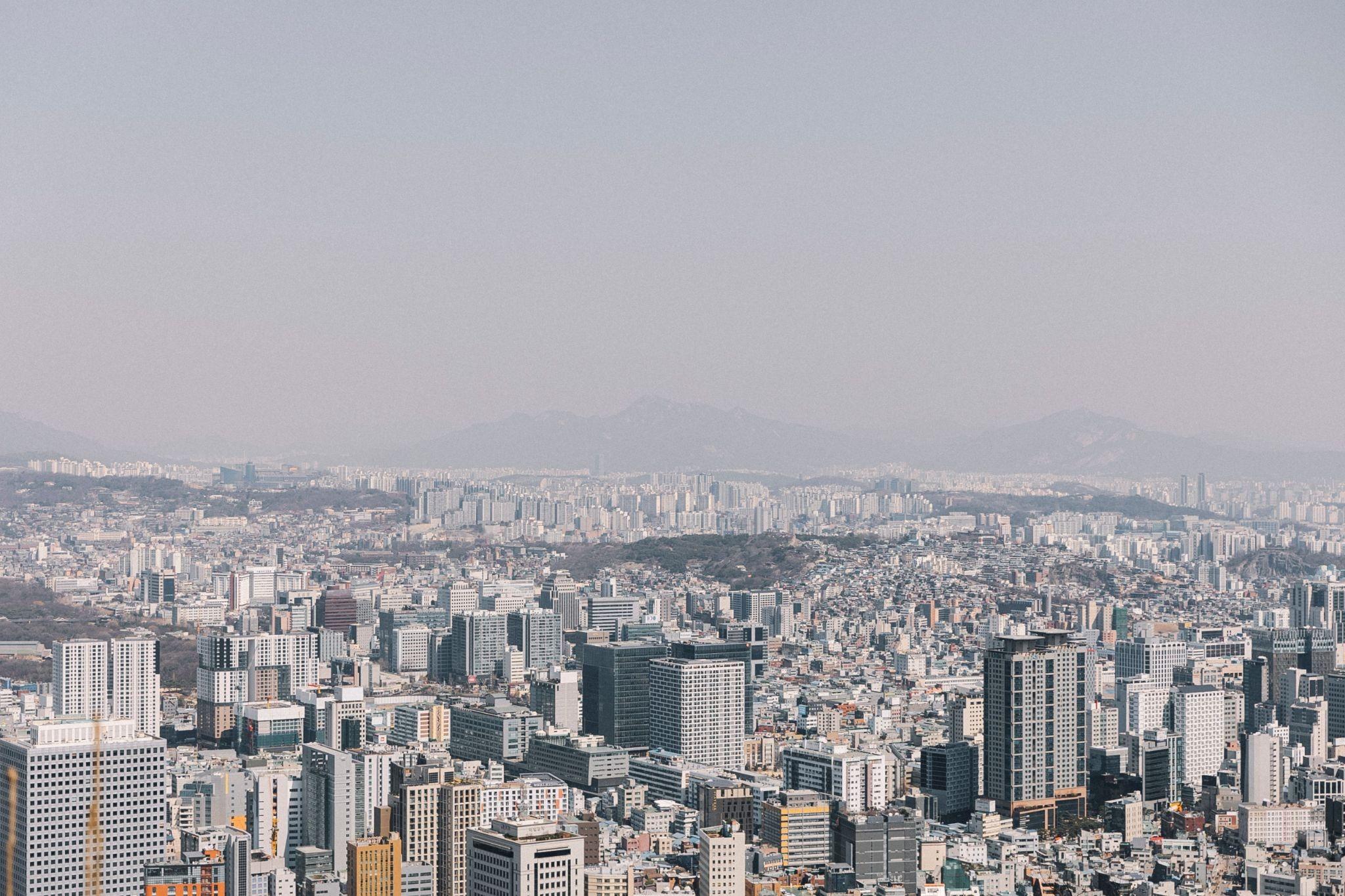
Namsan è uno dei posti migliori per apprezzare le dimensioni di Seul. La N Seoul Tower si trova sulla cima e offre viste panoramiche della città dalla sua posizione elevata.

L'inverno può essere particolarmente gratificante nelle giornate limpide, quando la visibilità si apre sul centro di Seul e sulle montagne circostanti. Il tramonto è suggestivo, ma le temperature calano rapidamente dopo il buio, quindi guanti e uno strato extra sono utili se l'itinerario prevede tempo all'aperto nelle aree di osservazione.

Abbina Namsan a Myeongdong invece di trattarli come due giornate separate. Shopping, ristoranti, bancarelle di street food e caffè offrono molti posti per scaldarsi prima o dopo il punto panoramico.

Questo abbinamento rende utile anche un alloggio in posizione centrale: tornare in hotel tra le visite diurne e un'uscita serale può essere molto più allettante a gennaio che attraversare di nuovo la città.

Vai a pattinare sul ghiaccio o prova le attività stagionali invernali

Seul allestisce regolarmente strutture stagionali per pattinaggio e slittino quando arrivano le condizioni invernali.

La pista di pattinaggio all'aperto di Seoul Plaza, accanto al Municipio, è un esempio ricorrente. VisitKorea la descrive come un'attrazione invernale con aree separate per principianti ed esperti, noleggio di pattini e servizi di supporto. Le date esatte di apertura e le modalità operative possono cambiare ogni stagione, quindi verifica il programma invernale attuale prima di visitarla.

Altri parchi e aree ricreative possono offrire slittino o attività stagionali a seconda dell'anno. Questa flessibilità è utile per le famiglie: invece di impegnarsi con mesi di anticipo per una pista specifica, controlla il programma invernale una volta annunciati i calendari cittadini.

Il più ampio entusiasmo della Corea del Sud per gli sport invernali rende inoltre Seul un facile punto di partenza per sciare o fare snowboard fuori dalla capitale.

Esplora Myeongdong, Euljiro e Dongdaemun dopo il tramonto

Seul non si ferma quando le temperature scendono.

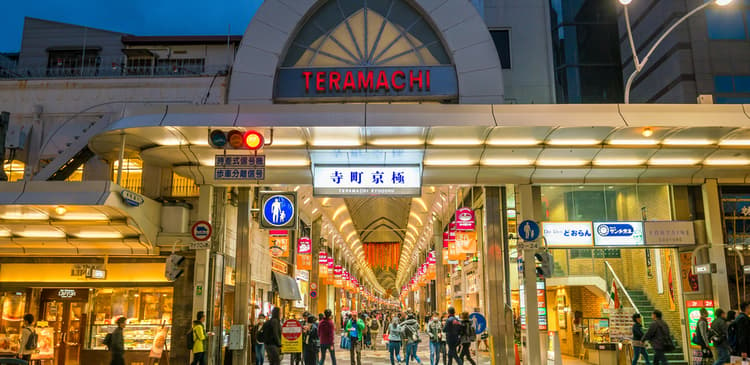
Myeongdong è ideale per una serata incentrata su shopping, cosmetici, ristoranti e street food. Da lì, Euljiro offre un'atmosfera diversa: vie commerciali più antiche, piccoli ristoranti, caffè, bar e spazi creativi inseriti in un quartiere commerciale centrale.

Più a est, Dongdaemun si presta particolarmente bene all'esplorazione serale. Il Dongdaemun Design Plaza (DDP) ospita mostre ed eventi culturali, e la sua facciata curva è stata utilizzata anche per il programma stagionale Seoul Light.

Questi quartieri rendono più facile il turismo invernale perché le passeggiate all'aperto possono essere naturalmente intervallate da negozi riscaldati, grandi magazzini, caffè, ristoranti e spazi espositivi.

Prova un tradizionale jjimjilbang coreano

Pochi attività al chiuso si adattano meglio a una gelida giornata a Seul di un jjimjilbang, l'esperienza coreana di bagno pubblico e sauna.

Le strutture variano notevolmente. Molte combinano aree bagno separate per genere con sale riscaldate in comune, spazi relax, cibo e altri servizi. Nelle aree bagno, gli ospiti in genere si lavano accuratamente prima di entrare nelle vasche comuni; le aree sauna condivise di solito utilizzano abbigliamento fornito dalla struttura. Controlla le regole specifiche prima di arrivare perché disposizioni e politiche non sono uguali ovunque.

Seoul ha ancora sia bagni tradizionali sia più grandi complessi spa contemporanei. L'ente del turismo della città elenca diversi jjimjilbang e impianti sauna attualmente in funzione, incluse opzioni con aree relax, caffetterie e strutture per famiglie.

Per i viaggiatori non familiari con la cultura coreana dei bagni, un jjimjilbang funziona al meglio se viene vissuto come un'esperienza piuttosto che come qualcosa da sbrigare in fretta tra una visita e l'altra.

Fai una gita invernale di un giorno da Seoul
Winter Travel Guide to Seoul—Best Things to Do, Eat & See

Seoul non deve essere lasciata per diverse notti per vedere una neve più convincente.

Diversi comprensori sciistici nel Gyeonggi e nelle regioni vicine vengono usati per gite invernali di un giorno dall'area metropolitana. Le recenti informazioni sugli sport invernali dell'Organizzazione del Turismo della Corea evidenziano i comprensori vicino a Seoul oltre alle destinazioni più nevose della provincia del Gangwon.

Una gita di un giorno può includere sci, snowboard o attività più semplici di gioco sulla neve a seconda del comprensorio. I principianti dovrebbero confrontare pacchetti con transfer, disponibilità di lezioni, costi di noleggio e date di apertura prima di prenotare.

L'isola di Nami è un'altra escursione popolare, che offre sentieri alberati e un ambiente più rurale fuori dal centro di Seoul. Le destinazioni montane intorno alla capitale possono anche offrire escursioni o paesaggi innevati quando le condizioni meteo lo consentono.

La neve non va mai data per scontata in una data specifica. Controlla le condizioni attuali, gli annunci del comprensorio, gli accordi di trasporto e gli orari di ritorno prima della partenza.

Dove trovare il miglior street food invernale di Seoul

Il mercato di Gwangjang rimane uno dei posti più facili in cui assaggiare diversi piatti tradizionali in un'unica visita. Il suo vicolo del cibo serve specialità tra cui bindaetteok frittelle di fagioli mung, gimbap, tteokbokki, eomuk, e altri piatti coreani preferiti.

Namdaemun offre un'esperienza di mercato diversa. Oltre agli snack, ha vicoli del cibo consolidati specializzati in piatti come kalguksu e zuppa di noodles tagliati al coltello e pesce sciabola brasato. Il brodo caldo dei noodles è particolarmente adatto a una giornata fredda.

Myeongdong è l’opzione più semplice per combinare snack con lo shopping di cosmetici e moda, soprattutto dopo il tramonto.

I metodi di pagamento variano da bancarella a bancarella. Le carte sono diffuse a Seul, ma portare con sé una modesta somma di won coreani resta utile nei mercati tradizionali e presso i venditori più piccoli.


App essenziali per il tuo viaggio invernale a Seul

Alcune app utili riducono il tempo trascorso all’esterno cercando di capire dov’è l’ingresso della prossima metropolitana.

  • Navigazione: Naver Map è uno degli strumenti più utili per le indicazioni locali e il trasporto pubblico.
  • Traduzione: Papago è pratico per segnali, menu, brevi conversazioni e traduzione di testi.
  • Taxi: Kakao T è ampiamente utilizzato per il ride-hailing.
  • Trasporto pubblico: Gli strumenti locali per la metropolitana e le app di mappe aiutano con le uscite, i cambi e la pianificazione del percorso.
  • Scoperta di ristoranti: Le piattaforme di ricerca locali spesso contengono informazioni sui ristoranti coreani più dettagliate rispetto ai servizi internazionali.

La Korea Tourism Organization promuove attualmente sia Naver Map sia Papago tra le app di viaggio utili per i visitatori internazionali.

Il Wi-Fi affidabile diventa sorprendentemente importante durante l’inverno perché percorsi, meteo, orari delle attrazioni, prenotazioni e cambi dell’ultimo minuto dei trasporti vengono spesso controllati da un telefono.

Contanti, carte e shopping a Seul

Le carte di credito e di debito sono ampiamente utilizzate nei centri commerciali, ristoranti, hotel, caffè e principali rivenditori di Seoul. Anche il contante ha ancora un ruolo, in particolare nei mercati, presso i piccoli venditori e nelle situazioni in cui un determinato metodo di pagamento non è accettato.

Tieni concettualmente separate le carte per i trasporti dalle normali carte bancarie. Una carta Tmoney semplifica gli spostamenti in autobus e metropolitana locali e può essere utilizzata anche in alcuni altri contesti.

I visitatori internazionali idonei possono inoltre richiedere il rimborso delle tasse sugli acquisti qualificanti presso i rivenditori aderenti. Le norme coprono fattori come gli acquisti idonei, la durata del soggiorno e le procedure di rimborso, quindi verifica le informazioni ufficiali aggiornate sul rimborso fiscale di Seoul invece di fare affidamento su una vecchia soglia citata in un blog di viaggio.

Requisiti di ingresso e documenti di viaggio

I requisiti di ingresso dipendono dalla nazionalità, dal passaporto, dalla durata del soggiorno e dalle norme in vigore al momento del viaggio.

Prima di volare, conferma i requisiti del passaporto e verifica se per il passaporto utilizzato si applicano un visto, il K-ETA o un'altra procedura di ingresso. Il sito ufficiale del K-ETA dovrebbe essere il punto di riferimento, non i riassunti sui social media o i vecchi articoli.

A partire da settembre 2026, la Corea del Sud ha esteso la sua esenzione temporanea dal K-ETA per i Paesi e le regioni attualmente esenti fino al 31 dicembre 2026. Ciò non significa che ogni viaggiatore sia esente e le regole per date di viaggio successive potrebbero cambiare.

Ricontrolla le informazioni ufficiali sull'immigrazione poco prima della partenza, in particolare per i viaggi programmati nel 2027 o successivamente.

Un semplice itinerario invernale di 3 giorni a Seoul

Giorno 1: Seoul storica e Myeongdong

Inizia a Gyeongbokgung finché c'è molta luce, poi prosegui verso Insadong per pranzo, tè, gallerie o negozi di artigianato. Trascorri il pomeriggio nei dintorni di Cheonggyecheon prima di dirigerti a Myeongdong per lo shopping e il cibo di strada invernale.

Questa sequenza mantiene la maggior parte della giornata nel centro di Seoul invece di spendere il prezioso tempo diurno in inverno in ripetuti cambi di metropolitana.

Giorno 2: Namsan, shopping e Dongdaemun

Usa la mattina per Namsan e la N Seoul Tower, idealmente quando il cielo è sereno. Ritorna verso Myeongdong per pranzo o shopping, poi trascorri la serata più a est, nei dintorni della Dongdaemun Design Plaza e del quartiere commerciale circostante.

Il DDP è particolarmente utile in un itinerario invernale perché mostre e spazi interni possono essere combinati con l'architettura serale e le luci stagionali.

Giorno 3: Scegli l'esperienza invernale

Per un'esperienza sulla neve più intensa, dedica l'ultimo giorno a una stazione sciistica o a un'escursione incentrata sulla neve fuori Seoul.

I viaggiatori che hanno avuto abbastanza freddo possono scegliere l'approccio opposto: visitare un jjimjilbang, trascorrere del tempo in un museo, esplorare il mercato di Gwangjang o rallentare con caffè e quartieri mancati durante i primi due giorni.

Il terzo giorno migliore è quello che risponde al meteo reale, non all'itinerario elaborato mesi prima.

Dove soggiornare a Seoul in inverno

La posizione pesa particolarmente durante l’inverno a Seul. Un hotel vicino a linee della metropolitana utili e a quartieri centrali riduce i lunghi spostamenti all’aperto, rende più facile tornare per una pausa pomeridiana e offre maggiore flessibilità quando cambia il meteo.

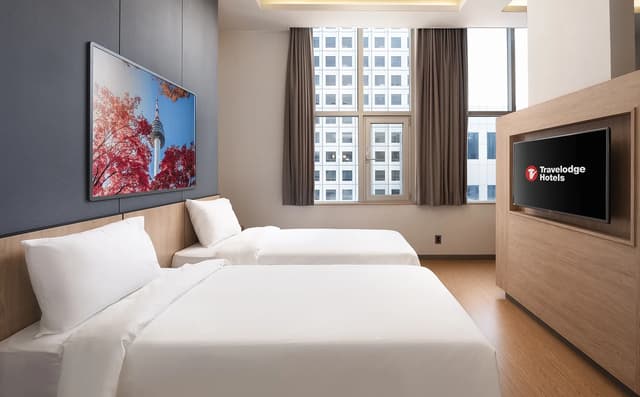
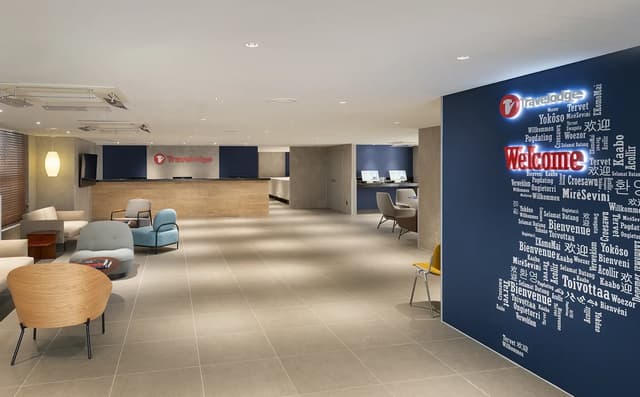
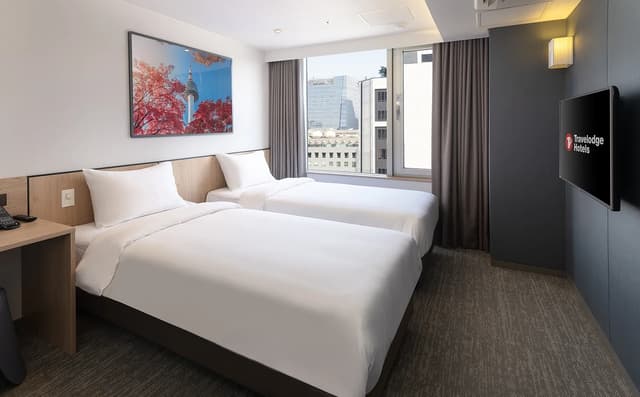
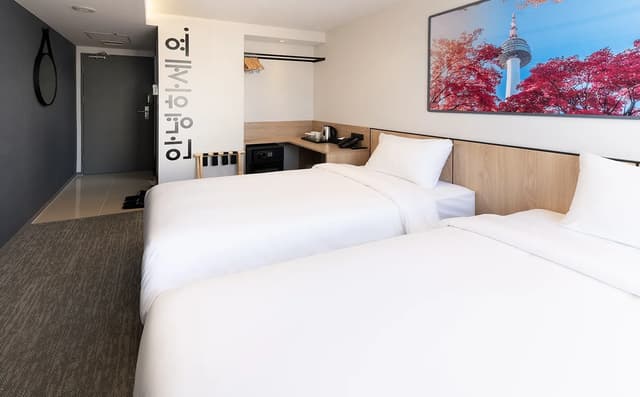
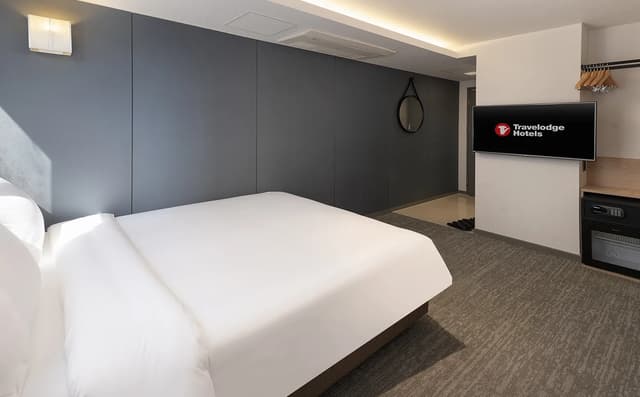
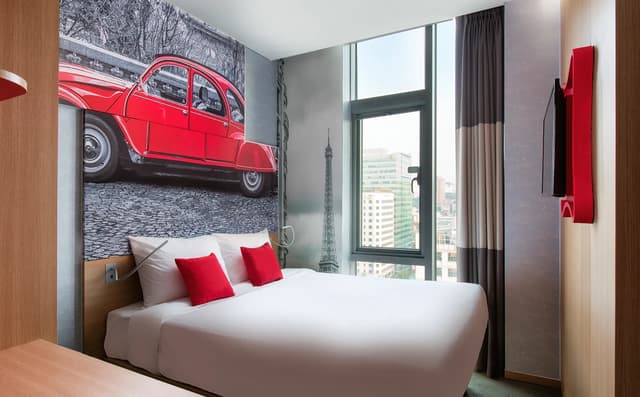
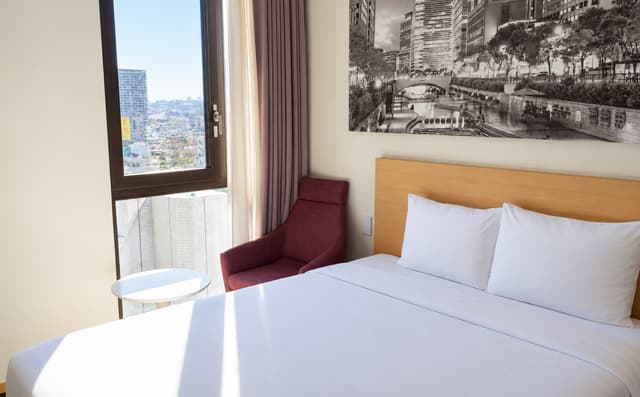
Il posizionamento Comfort, Convenience e Connectivity di Travelodge si adatta in modo naturale a questo tipo di viaggio urbano. Camere confortevoli offrono un posto dove ricaricarsi dopo lunghe giornate a piedi, le posizioni centrali semplificano le visite turistiche e la connettività supporta il controllo del meteo, le mappe, le prenotazioni, le traduzioni e la pianificazione dei trasporti.

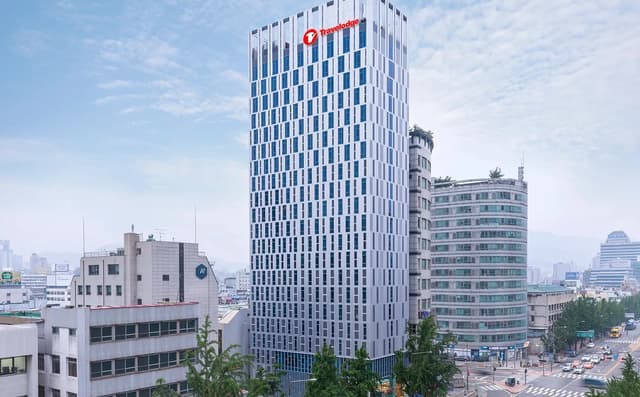
I viaggiatori che pianificano un viaggio più ampio in Corea possono esplorare gli hotel Travelodge in Corea del Sud o confrontare gli hotel Travelodge a Seul prima di scegliere il quartiere che meglio si adatta all’itinerario.

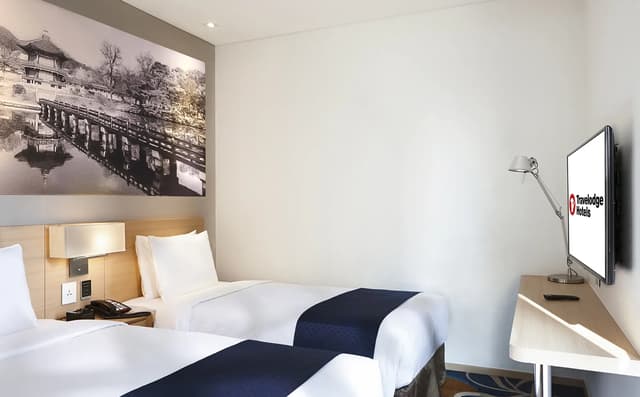
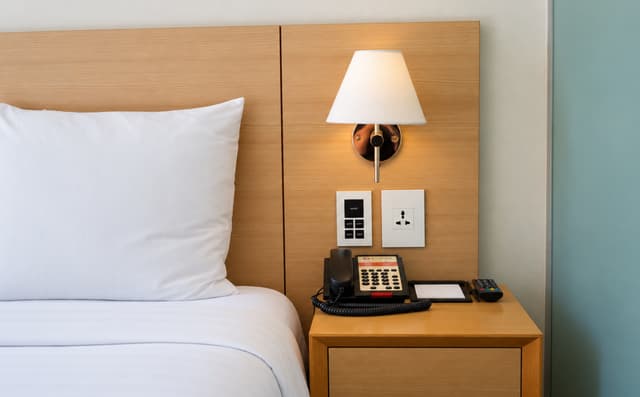
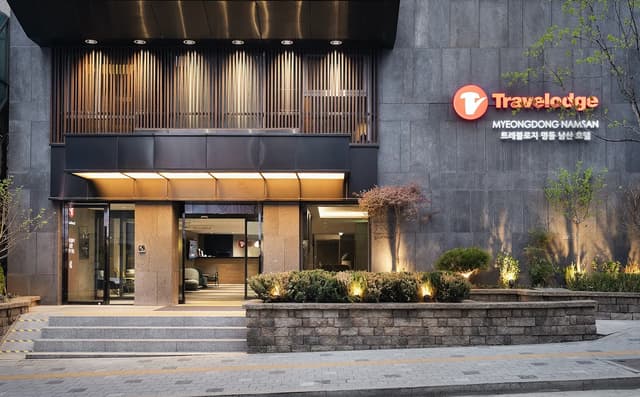
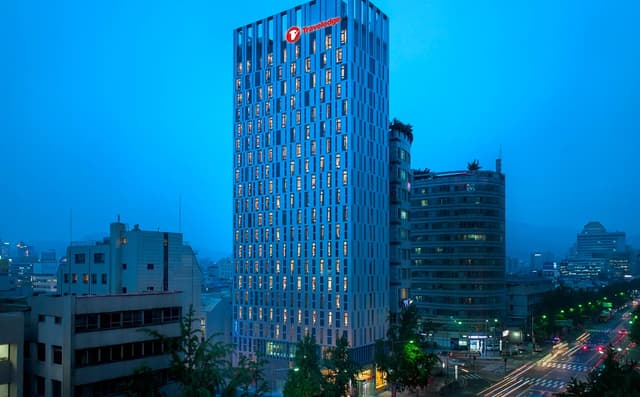
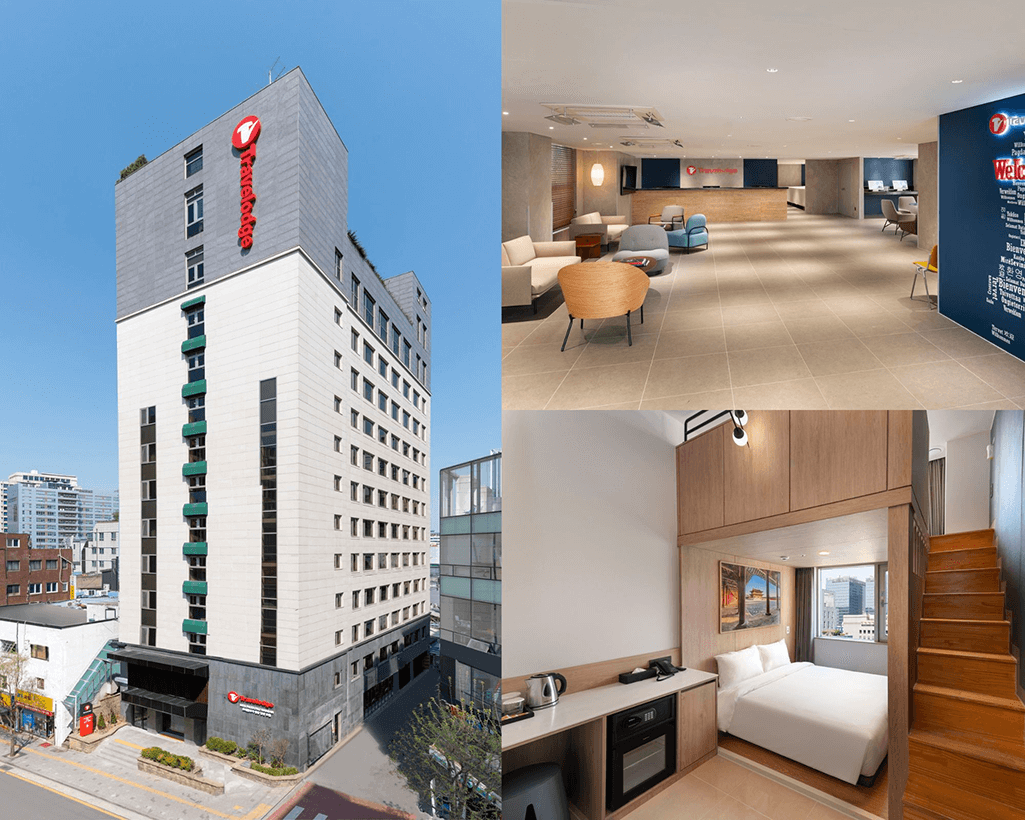
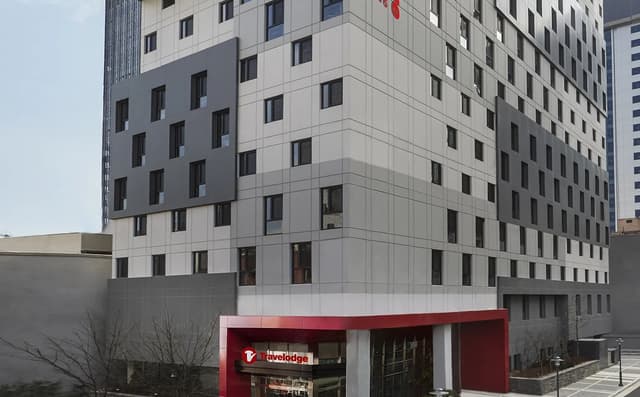
Travelodge Myeongdong Namsan: Per lo shopping e le visite turistiche a Namsan
Essential Apps for Your Seoul Winter Trip A few useful apps reduce the amount of time spent standing outside trying to work out where the next subway entrance is. Navigation: Naver Map is one of the most useful tools for local directions and public transportation. Translation: Papago is practical for signs, menus, short conversations, and text translation. Taxis: Kakao T is widely used for ride-hailing. Public transportation: Local subway tools and map apps help with exits, transfers, and route planning. Restaurant discovery: Local search platforms often contain more detailed Korean restaurant information than international services. Korea Tourism Organization currently promotes both Naver Map and Papago among useful travel apps for international visitors. Reliable Wi-Fi becomes surprisingly important during winter because routes, weather, attraction hours, reservations, and last-minute transport changes are frequently checked from a phone. Cash, Cards, and Shopping in Seoul Credit and debit cards are widely used in Seoul's malls, restaurants, hotels, cafés, and major retailers. Cash still has a place, particularly around markets, small vendors, and situations where a particular payment method is not accepted. Keep transportation cards separate conceptually from ordinary bank cards. A Tmoney card simplifies local bus and subway travel and can also be used in some other settings. Eligible international visitors may also be able to claim tax refunds on qualifying purchases at participating retailers. Rules cover factors such as eligible purchases, length of stay, and refund procedures, so check the current official Seoul tax-refund information rather than relying on an old threshold quoted in a travel blog. Entry Requirements and Travel Documents Entry requirements depend on nationality, passport, length of stay, and the rules in force at the time of travel. Before flying, confirm passport requirements and check whether a visa, K-ETA, or other entry procedure applies to the passport being used. The official K-ETA website should be the reference point rather than social-media summaries or old articles. As of September 2026, South Korea has extended its temporary K-ETA exemption for currently exempt countries and regions through December 31, 2026. That does not mean every traveler is exempt, and rules for later travel dates may change. Recheck official immigration information shortly before departure, particularly for trips scheduled in 2027 or later. A Simple 3-Day Winter Seoul Itinerary Day 1: Historic Seoul and Myeongdong Start at Gyeongbokgung while daylight is plentiful, then continue toward Insadong for lunch, tea, galleries, or craft shops. Spend the afternoon around Cheonggyecheon before heading into Myeongdong for shopping and winter street food. This sequencing keeps most of the day in central Seoul rather than spending valuable winter daylight on repeated subway transfers. Day 2: Namsan, Shopping, and Dongdaemun Use the morning for Namsan and N Seoul Tower, ideally when skies are clear. Return toward Myeongdong for lunch or shopping, then spend the evening farther east around Dongdaemun Design Plaza and its surrounding retail district. DDP is especially useful on a winter itinerary because exhibitions and indoor spaces can be combined with evening architecture and seasonal lighting. Day 3: Choose the Winter Experience For a stronger snow experience, dedicate the final day to a ski resort or snow-focused excursion outside Seoul. Travelers who have had enough of the cold can take the opposite approach: visit a jjimjilbang, spend time in a museum, explore Gwangjang Market, or slow down with cafés and neighborhoods missed during the first two days. The best third day is the one that responds to the actual weather rather than the itinerary drafted months earlier. Where to Stay in Seoul During Winter Location carries extra weight during Seoul in winter. A hotel near useful subway lines and central neighborhoods reduces long outdoor transfers, makes it easier to return for an afternoon break, and gives more flexibility when the weather changes. Travelodge's Comfort, Convenience, and Connectivity positioning suits this kind of city trip naturally. Comfortable rooms provide somewhere to recharge after long walking days, central locations simplify sightseeing, and connectivity supports weather checks, maps, reservations, translation, and transportation planning. Travelers planning a broader Korean trip can explore Travelodge hotels in South Korea or compare Travelodge hotels in Seoul before choosing the neighborhood that best matches the itinerary. Travelodge Myeongdong Namsan: For Shopping and Namsan Sightseeing  Travelodge Myeongdong Namsan is well suited to first-time visitors building their stay around Myeongdong, Namsan, and central Seoul. The official hotel page places Myeongdong Shopping Street roughly 350 meters away and Chungmuro Station around 400 meters from the property. Those short distances become more valuable in January, when the difference between a quick walk to transport and a lengthy outdoor transfer is noticeable. The property lists heating, complimentary Wi-Fi, and self-service laundry among its facilities. In Travelodge's 8S language, Snooze supports restful downtime, Stream keeps the trip connected, and Spin is useful for refreshing winter layers during a longer stay. Travelodge Myeongdong Euljiro: A Central Base for Historic and Modern Seoul  Travelodge Myeongdong Euljiro works particularly well for travelers combining food, shopping, markets, and historic districts. Euljiro 3-ga Station, served by Subway Lines 2 and 3, is approximately 350 meters from the hotel, while Myeongdong Shopping Street is around 600 meters away. The property also lists complimentary Wi-Fi, self-service laundry, and heating among its facilities. That makes it a practical winter base for days divided between Gwangjang Market, Insadong, Myeongdong, Euljiro, and Dongdaemun. Stream supports route and weather planning, Spin helps on longer stays, and comfortable accommodation provides the Snooze element after several hours outside. For direct bookings, compare the hotel's current official rates and promotions before finalizing the stay. Travelodge Dongdaemun Seoul: For Shopping, Design, and Late Evenings  Travelodge Dongdaemun Seoul suits travelers who expect to spend more time around Dongdaemun's shopping, food, and design districts. The official property information places Dongdaemun Design Plaza at roughly 500 meters, with nearby subway access available for reaching other parts of the city. The hotel lists heating, complimentary Wi-Fi in common areas, and self-service laundry—simple facilities that become particularly useful during cold-weather stays. Staying nearby also means a late evening at DDP or Dongdaemun does not have to finish with another long cross-city journey. It reinforces Travelodge's Convenience and Connectivity while keeping a comfortable room close enough to recharge for the following morning. Practical Tips for a Comfortable Seoul Winter Trip Check the weather each morning rather than assuming yesterday's conditions will continue. Prioritize outdoor landmarks earlier in the day, then build cafés, museums, markets, restaurants, or shopping into the afternoon as natural warm-up breaks. Cold can also affect phone battery performance, so a portable charger is worth carrying when navigation and translation depend heavily on a smartphone. Avoid stacking several outdoor attractions back to back. A palace, a market, and an evening viewpoint will usually feel more enjoyable than three exposed sightseeing areas in succession. For skiing, seasonal skating, special exhibitions, and other winter-specific activities, check reservations and current operating dates before leaving the hotel. Seasonal schedules can change each year and may also respond to weather conditions. Make the Most of Winter in Seoul This Winter Travel Guide to Seoul shows why the city works so well as a cold-weather destination. Historic palaces and hanok neighborhoods bring cultural depth to the daytime, while street food, cafés, jjimjilbangs, shopping districts, skating, and evening attractions give the itinerary plenty of flexibility once temperatures fall. The strongest trip does not depend on Seoul being covered in snow. Build around the city itself, treat snowfall as a bonus, and use its excellent transportation and abundant indoor spaces to keep each day comfortable. A central hotel also makes it easier to move between sightseeing, food, shopping, and warm indoor breaks without turning winter transportation into the focus of the trip. Travelers deciding where to stay in Seoul in winter can compare the active Travelodge properties in Myeongdong, Euljiro, and Dongdaemun and book directly through Travelodge Hotels Asia for official rates, current promotions, and membership benefits. For frequent travelers, joining the Travelodge membership program adds another layer of value to direct stays. Members can earn early check-in, late check-out, exclusive member rates, and special offers, subject to membership tier, availability, and program terms. With the practical details handled, winter in Seoul becomes much simpler: step outside for a palace morning, warm up over a bowl of soup, stay out for the city lights, and let the season shape the pace of the trip rather than dictate it.

Travelodge Myeongdong Namsan è ben adatto ai visitatori alle prime armi che costruiscono il loro soggiorno attorno a Myeongdong, Namsan e al centro di Seul. La pagina ufficiale dell’hotel indica Myeongdong Shopping Street a circa 350 metri e la stazione di Chungmuro a circa 400 metri dalla struttura.

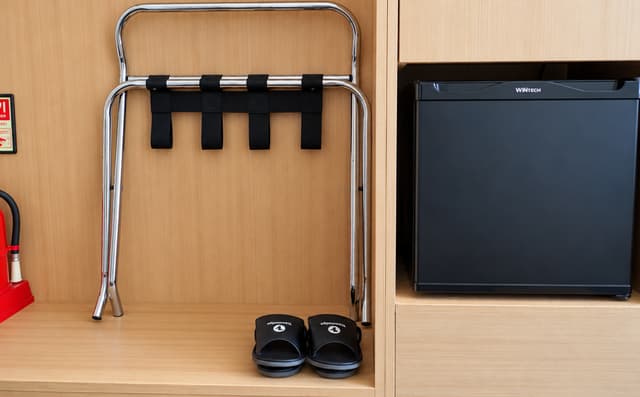
Quelle brevi distanze diventano ancora più preziose a gennaio, quando la differenza tra una breve passeggiata fino ai mezzi e un lungo trasferimento all’aperto è evidente. La struttura elenca tra i suoi servizi il riscaldamento, il Wi‑Fi gratuito e il servizio lavanderia self-service.

Nel linguaggio 8S di Travelodge, Snooze favorisce il riposo, Stream mantiene il viaggio connesso e Spin è utile per rinfrescare gli strati invernali durante un soggiorno più lungo.

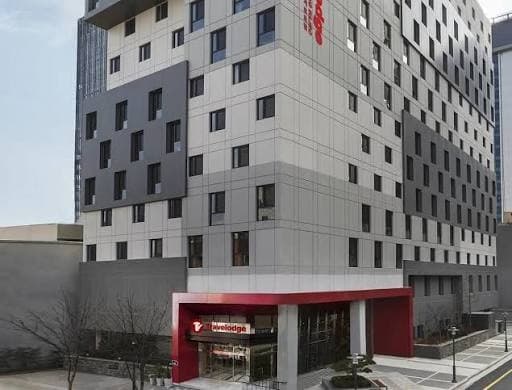
Travelodge Myeongdong Euljiro: Una base centrale per la Seoul storica e moderna
Essential Apps for Your Seoul Winter Trip A few useful apps reduce the amount of time spent standing outside trying to work out where the next subway entrance is. Navigation: Naver Map is one of the most useful tools for local directions and public transportation. Translation: Papago is practical for signs, menus, short conversations, and text translation. Taxis: Kakao T is widely used for ride-hailing. Public transportation: Local subway tools and map apps help with exits, transfers, and route planning. Restaurant discovery: Local search platforms often contain more detailed Korean restaurant information than international services. Korea Tourism Organization currently promotes both Naver Map and Papago among useful travel apps for international visitors. Reliable Wi-Fi becomes surprisingly important during winter because routes, weather, attraction hours, reservations, and last-minute transport changes are frequently checked from a phone. Cash, Cards, and Shopping in Seoul Credit and debit cards are widely used in Seoul's malls, restaurants, hotels, cafés, and major retailers. Cash still has a place, particularly around markets, small vendors, and situations where a particular payment method is not accepted. Keep transportation cards separate conceptually from ordinary bank cards. A Tmoney card simplifies local bus and subway travel and can also be used in some other settings. Eligible international visitors may also be able to claim tax refunds on qualifying purchases at participating retailers. Rules cover factors such as eligible purchases, length of stay, and refund procedures, so check the current official Seoul tax-refund information rather than relying on an old threshold quoted in a travel blog. Entry Requirements and Travel Documents Entry requirements depend on nationality, passport, length of stay, and the rules in force at the time of travel. Before flying, confirm passport requirements and check whether a visa, K-ETA, or other entry procedure applies to the passport being used. The official K-ETA website should be the reference point rather than social-media summaries or old articles. As of September 2026, South Korea has extended its temporary K-ETA exemption for currently exempt countries and regions through December 31, 2026. That does not mean every traveler is exempt, and rules for later travel dates may change. Recheck official immigration information shortly before departure, particularly for trips scheduled in 2027 or later. A Simple 3-Day Winter Seoul Itinerary Day 1: Historic Seoul and Myeongdong Start at Gyeongbokgung while daylight is plentiful, then continue toward Insadong for lunch, tea, galleries, or craft shops. Spend the afternoon around Cheonggyecheon before heading into Myeongdong for shopping and winter street food. This sequencing keeps most of the day in central Seoul rather than spending valuable winter daylight on repeated subway transfers. Day 2: Namsan, Shopping, and Dongdaemun Use the morning for Namsan and N Seoul Tower, ideally when skies are clear. Return toward Myeongdong for lunch or shopping, then spend the evening farther east around Dongdaemun Design Plaza and its surrounding retail district. DDP is especially useful on a winter itinerary because exhibitions and indoor spaces can be combined with evening architecture and seasonal lighting. Day 3: Choose the Winter Experience For a stronger snow experience, dedicate the final day to a ski resort or snow-focused excursion outside Seoul. Travelers who have had enough of the cold can take the opposite approach: visit a jjimjilbang, spend time in a museum, explore Gwangjang Market, or slow down with cafés and neighborhoods missed during the first two days. The best third day is the one that responds to the actual weather rather than the itinerary drafted months earlier. Where to Stay in Seoul During Winter Location carries extra weight during Seoul in winter. A hotel near useful subway lines and central neighborhoods reduces long outdoor transfers, makes it easier to return for an afternoon break, and gives more flexibility when the weather changes. Travelodge's Comfort, Convenience, and Connectivity positioning suits this kind of city trip naturally. Comfortable rooms provide somewhere to recharge after long walking days, central locations simplify sightseeing, and connectivity supports weather checks, maps, reservations, translation, and transportation planning. Travelers planning a broader Korean trip can explore Travelodge hotels in South Korea or compare Travelodge hotels in Seoul before choosing the neighborhood that best matches the itinerary. Travelodge Myeongdong Namsan: For Shopping and Namsan Sightseeing  Travelodge Myeongdong Namsan is well suited to first-time visitors building their stay around Myeongdong, Namsan, and central Seoul. The official hotel page places Myeongdong Shopping Street roughly 350 meters away and Chungmuro Station around 400 meters from the property. Those short distances become more valuable in January, when the difference between a quick walk to transport and a lengthy outdoor transfer is noticeable. The property lists heating, complimentary Wi-Fi, and self-service laundry among its facilities. In Travelodge's 8S language, Snooze supports restful downtime, Stream keeps the trip connected, and Spin is useful for refreshing winter layers during a longer stay. Travelodge Myeongdong Euljiro: A Central Base for Historic and Modern Seoul  Travelodge Myeongdong Euljiro works particularly well for travelers combining food, shopping, markets, and historic districts. Euljiro 3-ga Station, served by Subway Lines 2 and 3, is approximately 350 meters from the hotel, while Myeongdong Shopping Street is around 600 meters away. The property also lists complimentary Wi-Fi, self-service laundry, and heating among its facilities. That makes it a practical winter base for days divided between Gwangjang Market, Insadong, Myeongdong, Euljiro, and Dongdaemun. Stream supports route and weather planning, Spin helps on longer stays, and comfortable accommodation provides the Snooze element after several hours outside. For direct bookings, compare the hotel's current official rates and promotions before finalizing the stay. Travelodge Dongdaemun Seoul: For Shopping, Design, and Late Evenings  Travelodge Dongdaemun Seoul suits travelers who expect to spend more time around Dongdaemun's shopping, food, and design districts. The official property information places Dongdaemun Design Plaza at roughly 500 meters, with nearby subway access available for reaching other parts of the city. The hotel lists heating, complimentary Wi-Fi in common areas, and self-service laundry—simple facilities that become particularly useful during cold-weather stays. Staying nearby also means a late evening at DDP or Dongdaemun does not have to finish with another long cross-city journey. It reinforces Travelodge's Convenience and Connectivity while keeping a comfortable room close enough to recharge for the following morning. Practical Tips for a Comfortable Seoul Winter Trip Check the weather each morning rather than assuming yesterday's conditions will continue. Prioritize outdoor landmarks earlier in the day, then build cafés, museums, markets, restaurants, or shopping into the afternoon as natural warm-up breaks. Cold can also affect phone battery performance, so a portable charger is worth carrying when navigation and translation depend heavily on a smartphone. Avoid stacking several outdoor attractions back to back. A palace, a market, and an evening viewpoint will usually feel more enjoyable than three exposed sightseeing areas in succession. For skiing, seasonal skating, special exhibitions, and other winter-specific activities, check reservations and current operating dates before leaving the hotel. Seasonal schedules can change each year and may also respond to weather conditions. Make the Most of Winter in Seoul This Winter Travel Guide to Seoul shows why the city works so well as a cold-weather destination. Historic palaces and hanok neighborhoods bring cultural depth to the daytime, while street food, cafés, jjimjilbangs, shopping districts, skating, and evening attractions give the itinerary plenty of flexibility once temperatures fall. The strongest trip does not depend on Seoul being covered in snow. Build around the city itself, treat snowfall as a bonus, and use its excellent transportation and abundant indoor spaces to keep each day comfortable. A central hotel also makes it easier to move between sightseeing, food, shopping, and warm indoor breaks without turning winter transportation into the focus of the trip. Travelers deciding where to stay in Seoul in winter can compare the active Travelodge properties in Myeongdong, Euljiro, and Dongdaemun and book directly through Travelodge Hotels Asia for official rates, current promotions, and membership benefits. For frequent travelers, joining the Travelodge membership program adds another layer of value to direct stays. Members can earn early check-in, late check-out, exclusive member rates, and special offers, subject to membership tier, availability, and program terms. With the practical details handled, winter in Seoul becomes much simpler: step outside for a palace morning, warm up over a bowl of soup, stay out for the city lights, and let the season shape the pace of the trip rather than dictate it.

Travelodge Myeongdong Euljiro funziona particolarmente bene per i viaggiatori che combinano cibo, shopping, mercati e quartieri storici.

La stazione Euljiro 3-ga, servita dalle linee 2 e 3 della metropolitana, dista circa 350 metri dall’hotel, mentre Myeongdong Shopping Street si trova a circa 600 metri. La struttura elenca inoltre tra i suoi servizi il Wi‑Fi gratuito, il servizio lavanderia self-service e il riscaldamento.

Questo la rende una base pratica per l’inverno, per giornate divise tra Gwangjang Market, Insadong, Myeongdong, Euljiro e Dongdaemun. Stream supporta la pianificazione di percorsi e meteo, Spin aiuta nei soggiorni più lunghi e un alloggio confortevole offre l’elemento Snooze dopo diverse ore all’aperto.

Per prenotazioni dirette, confronta le tariffe ufficiali e le promozioni attuali dell’hotel prima di finalizzare il soggiorno.

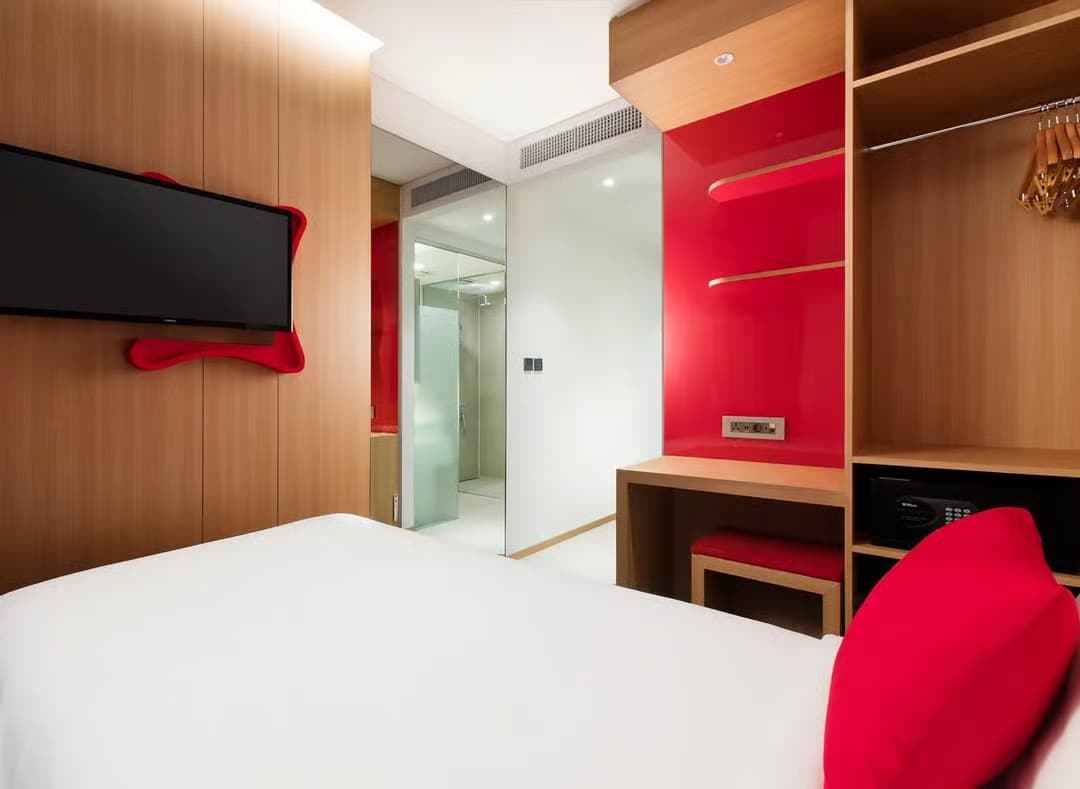
Travelodge Dongdaemun Seoul: per lo shopping, il design e le serate tardive
Essential Apps for Your Seoul Winter Trip A few useful apps reduce the amount of time spent standing outside trying to work out where the next subway entrance is. Navigation: Naver Map is one of the most useful tools for local directions and public transportation. Translation: Papago is practical for signs, menus, short conversations, and text translation. Taxis: Kakao T is widely used for ride-hailing. Public transportation: Local subway tools and map apps help with exits, transfers, and route planning. Restaurant discovery: Local search platforms often contain more detailed Korean restaurant information than international services. Korea Tourism Organization currently promotes both Naver Map and Papago among useful travel apps for international visitors. Reliable Wi-Fi becomes surprisingly important during winter because routes, weather, attraction hours, reservations, and last-minute transport changes are frequently checked from a phone. Cash, Cards, and Shopping in Seoul Credit and debit cards are widely used in Seoul's malls, restaurants, hotels, cafés, and major retailers. Cash still has a place, particularly around markets, small vendors, and situations where a particular payment method is not accepted. Keep transportation cards separate conceptually from ordinary bank cards. A Tmoney card simplifies local bus and subway travel and can also be used in some other settings. Eligible international visitors may also be able to claim tax refunds on qualifying purchases at participating retailers. Rules cover factors such as eligible purchases, length of stay, and refund procedures, so check the current official Seoul tax-refund information rather than relying on an old threshold quoted in a travel blog. Entry Requirements and Travel Documents Entry requirements depend on nationality, passport, length of stay, and the rules in force at the time of travel. Before flying, confirm passport requirements and check whether a visa, K-ETA, or other entry procedure applies to the passport being used. The official K-ETA website should be the reference point rather than social-media summaries or old articles. As of September 2026, South Korea has extended its temporary K-ETA exemption for currently exempt countries and regions through December 31, 2026. That does not mean every traveler is exempt, and rules for later travel dates may change. Recheck official immigration information shortly before departure, particularly for trips scheduled in 2027 or later. A Simple 3-Day Winter Seoul Itinerary Day 1: Historic Seoul and Myeongdong Start at Gyeongbokgung while daylight is plentiful, then continue toward Insadong for lunch, tea, galleries, or craft shops. Spend the afternoon around Cheonggyecheon before heading into Myeongdong for shopping and winter street food. This sequencing keeps most of the day in central Seoul rather than spending valuable winter daylight on repeated subway transfers. Day 2: Namsan, Shopping, and Dongdaemun Use the morning for Namsan and N Seoul Tower, ideally when skies are clear. Return toward Myeongdong for lunch or shopping, then spend the evening farther east around Dongdaemun Design Plaza and its surrounding retail district. DDP is especially useful on a winter itinerary because exhibitions and indoor spaces can be combined with evening architecture and seasonal lighting. Day 3: Choose the Winter Experience For a stronger snow experience, dedicate the final day to a ski resort or snow-focused excursion outside Seoul. Travelers who have had enough of the cold can take the opposite approach: visit a jjimjilbang, spend time in a museum, explore Gwangjang Market, or slow down with cafés and neighborhoods missed during the first two days. The best third day is the one that responds to the actual weather rather than the itinerary drafted months earlier. Where to Stay in Seoul During Winter Location carries extra weight during Seoul in winter. A hotel near useful subway lines and central neighborhoods reduces long outdoor transfers, makes it easier to return for an afternoon break, and gives more flexibility when the weather changes. Travelodge's Comfort, Convenience, and Connectivity positioning suits this kind of city trip naturally. Comfortable rooms provide somewhere to recharge after long walking days, central locations simplify sightseeing, and connectivity supports weather checks, maps, reservations, translation, and transportation planning. Travelers planning a broader Korean trip can explore Travelodge hotels in South Korea or compare Travelodge hotels in Seoul before choosing the neighborhood that best matches the itinerary. Travelodge Myeongdong Namsan: For Shopping and Namsan Sightseeing  Travelodge Myeongdong Namsan is well suited to first-time visitors building their stay around Myeongdong, Namsan, and central Seoul. The official hotel page places Myeongdong Shopping Street roughly 350 meters away and Chungmuro Station around 400 meters from the property. Those short distances become more valuable in January, when the difference between a quick walk to transport and a lengthy outdoor transfer is noticeable. The property lists heating, complimentary Wi-Fi, and self-service laundry among its facilities. In Travelodge's 8S language, Snooze supports restful downtime, Stream keeps the trip connected, and Spin is useful for refreshing winter layers during a longer stay. Travelodge Myeongdong Euljiro: A Central Base for Historic and Modern Seoul  Travelodge Myeongdong Euljiro works particularly well for travelers combining food, shopping, markets, and historic districts. Euljiro 3-ga Station, served by Subway Lines 2 and 3, is approximately 350 meters from the hotel, while Myeongdong Shopping Street is around 600 meters away. The property also lists complimentary Wi-Fi, self-service laundry, and heating among its facilities. That makes it a practical winter base for days divided between Gwangjang Market, Insadong, Myeongdong, Euljiro, and Dongdaemun. Stream supports route and weather planning, Spin helps on longer stays, and comfortable accommodation provides the Snooze element after several hours outside. For direct bookings, compare the hotel's current official rates and promotions before finalizing the stay. Travelodge Dongdaemun Seoul: For Shopping, Design, and Late Evenings  Travelodge Dongdaemun Seoul suits travelers who expect to spend more time around Dongdaemun's shopping, food, and design districts. The official property information places Dongdaemun Design Plaza at roughly 500 meters, with nearby subway access available for reaching other parts of the city. The hotel lists heating, complimentary Wi-Fi in common areas, and self-service laundry—simple facilities that become particularly useful during cold-weather stays. Staying nearby also means a late evening at DDP or Dongdaemun does not have to finish with another long cross-city journey. It reinforces Travelodge's Convenience and Connectivity while keeping a comfortable room close enough to recharge for the following morning. Practical Tips for a Comfortable Seoul Winter Trip Check the weather each morning rather than assuming yesterday's conditions will continue. Prioritize outdoor landmarks earlier in the day, then build cafés, museums, markets, restaurants, or shopping into the afternoon as natural warm-up breaks. Cold can also affect phone battery performance, so a portable charger is worth carrying when navigation and translation depend heavily on a smartphone. Avoid stacking several outdoor attractions back to back. A palace, a market, and an evening viewpoint will usually feel more enjoyable than three exposed sightseeing areas in succession. For skiing, seasonal skating, special exhibitions, and other winter-specific activities, check reservations and current operating dates before leaving the hotel. Seasonal schedules can change each year and may also respond to weather conditions. Make the Most of Winter in Seoul This Winter Travel Guide to Seoul shows why the city works so well as a cold-weather destination. Historic palaces and hanok neighborhoods bring cultural depth to the daytime, while street food, cafés, jjimjilbangs, shopping districts, skating, and evening attractions give the itinerary plenty of flexibility once temperatures fall. The strongest trip does not depend on Seoul being covered in snow. Build around the city itself, treat snowfall as a bonus, and use its excellent transportation and abundant indoor spaces to keep each day comfortable. A central hotel also makes it easier to move between sightseeing, food, shopping, and warm indoor breaks without turning winter transportation into the focus of the trip. Travelers deciding where to stay in Seoul in winter can compare the active Travelodge properties in Myeongdong, Euljiro, and Dongdaemun and book directly through Travelodge Hotels Asia for official rates, current promotions, and membership benefits. For frequent travelers, joining the Travelodge membership program adds another layer of value to direct stays. Members can earn early check-in, late check-out, exclusive member rates, and special offers, subject to membership tier, availability, and program terms. With the practical details handled, winter in Seoul becomes much simpler: step outside for a palace morning, warm up over a bowl of soup, stay out for the city lights, and let the season shape the pace of the trip rather than dictate it.

Travelodge Dongdaemun Seoul è adatto ai viaggiatori che si aspettano di trascorrere più tempo nei quartieri dello shopping, del cibo e del design di Dongdaemun. Le informazioni ufficiali della struttura indicano il Dongdaemun Design Plaza a circa 500 metri, con accesso alla metropolitana nelle vicinanze per raggiungere altre parti della città.

L'hotel indica riscaldamento, Wi-Fi gratuito nelle aree comuni e lavanderia self-service: servizi semplici che diventano particolarmente utili durante i soggiorni nei mesi freddi.

Soggiornare nelle vicinanze significa anche che una serata tarda al DDP o a Dongdaemun non deve concludersi con un altro lungo spostamento attraverso la città. Rafforza la convenienza e la connettività di Travelodge, mantenendo al contempo una camera confortevole abbastanza vicina per ricaricarsi in vista della mattina seguente.

Consigli pratici per un confortevole viaggio invernale a Seul

Controlla il meteo ogni mattina invece di presumere che le condizioni del giorno prima continueranno. Dai priorità ai luoghi all'aperto nelle prime ore della giornata, poi inserisci caffè, musei, mercati, ristoranti o shopping nel pomeriggio come pause naturali per riscaldarti.

Il freddo può influire anche sulle prestazioni della batteria del telefono, quindi vale la pena portare un caricabatterie portatile quando navigazione e traduzione dipendono molto da uno smartphone.

Evita di accumulare diverse attrazioni all'aperto una dopo l'altra. Un palazzo, un mercato e un belvedere serale saranno di solito più piacevoli di tre aree turistiche esposte di seguito.

Per lo sci, il pattinaggio stagionale, le mostre speciali e le altre attività tipiche dell'inverno, verifica le prenotazioni e gli orari di apertura aggiornati prima di lasciare l'hotel. I programmi stagionali possono cambiare ogni anno e possono anche rispondere alle condizioni meteorologiche.

Sfrutta al massimo l'inverno a Seul

Questa guida di viaggio invernale di Seul mostra perché la città funziona così bene come destinazione per la stagione fredda. I palazzi storici e i quartieri hanok portano profondità culturale durante il giorno, mentre street food, caffè, jjimjilbang, quartieri dello shopping, pattinaggio e attrazioni serali offrono all'itinerario molta flessibilità quando le temperature scendono.

Il viaggio migliore non dipende dal fatto che Seul sia coperta di neve. Costruisci l'esperienza attorno alla città stessa, considera la neve una piacevole aggiunta e sfrutta gli ottimi collegamenti di trasporto e gli abbondanti spazi interni per mantenere ogni giornata confortevole. Anche un hotel in posizione centrale facilita gli spostamenti tra visite turistiche, cibo, shopping e pause al caldo al chiuso, senza trasformare il trasporto invernale nel fulcro del viaggio.

I viaggiatori che decidono dove soggiornare a Seul in inverno possono confrontare le strutture Travelodge attive a Myeongdong, Euljiro e Dongdaemun e prenotare direttamente tramite Travelodge Hotels Asia per tariffe ufficiali, promozioni attuali e vantaggi per i membri.

Per i viaggiatori frequenti, aderire al programma fedeltà Travelodge aggiunge un ulteriore livello di valore ai soggiorni diretti. I membri possono ottenere early check-in, late check-out, tariffe esclusive per i membri e offerte speciali, soggetti al livello di adesione, alla disponibilità e ai termini del programma.

Con gli aspetti pratici sistemati, l'inverno a Seul diventa molto più semplice: esci per una mattina al palazzo, scaldati con una zuppa, resta fuori per le luci della città e lascia che la stagione influenzi il ritmo del viaggio invece di dettarlo.
Condividi articolo