


Share article
What to Buy at Central Market KL: A Local's Guide to Souvenirs, Bargains, and Cultural Finds

Nathania Clairine
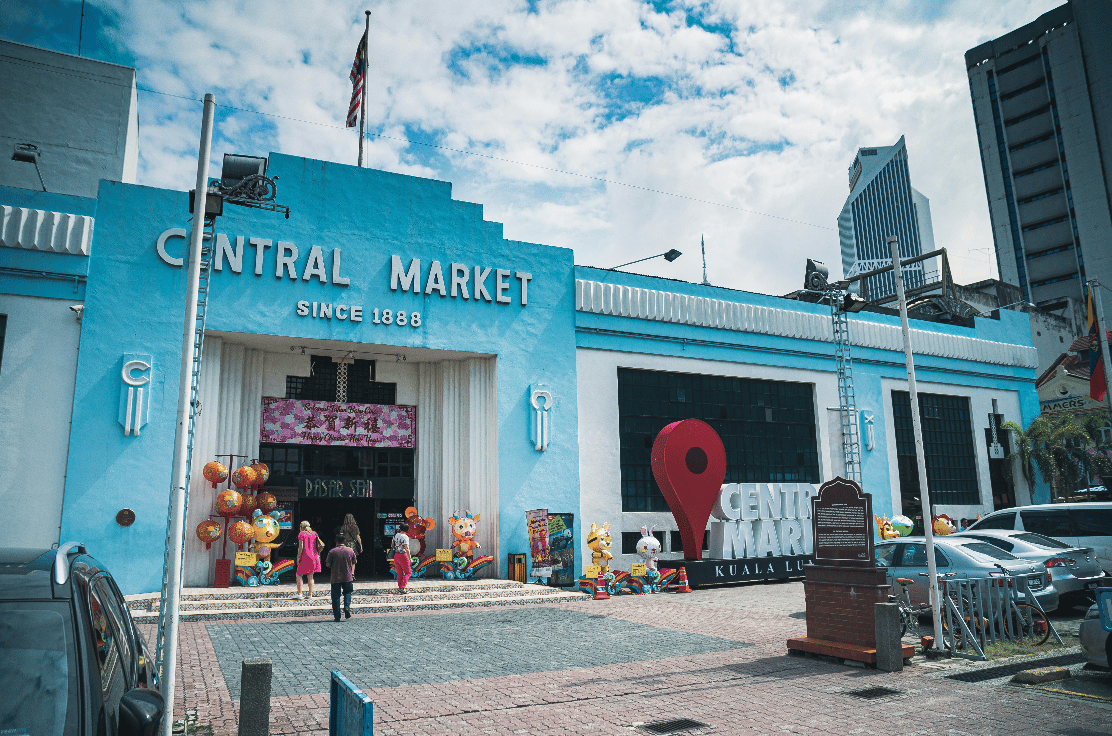
Kuala Lumpur offers no shortage of shopping experiences. Visitors can browse luxury brands in Bukit Bintang, explore modern malls around KLCC, or hunt for bargains in Chinatown. Yet for travelers looking for authentic Malaysian souvenirs and cultural experiences, few places are as iconic as Central Market KL.
Located in the heart of the city, Central Market, also known as Pasar Seni, has evolved from a historic wet market into one of Kuala Lumpur's most popular cultural attractions. Today, visitors come here not only to shop but also to discover Malaysian craftsmanship, local art, traditional textiles, and unique gifts that tell the story of the country's multicultural heritage.
Whether you're searching for handcrafted batik, locally made snacks, or meaningful souvenirs to bring home, this guide will help you shop like a local and make the most of your visit to Central Market KL.
Why Central Market Is One of Kuala Lumpur's Must-Visit Attractions
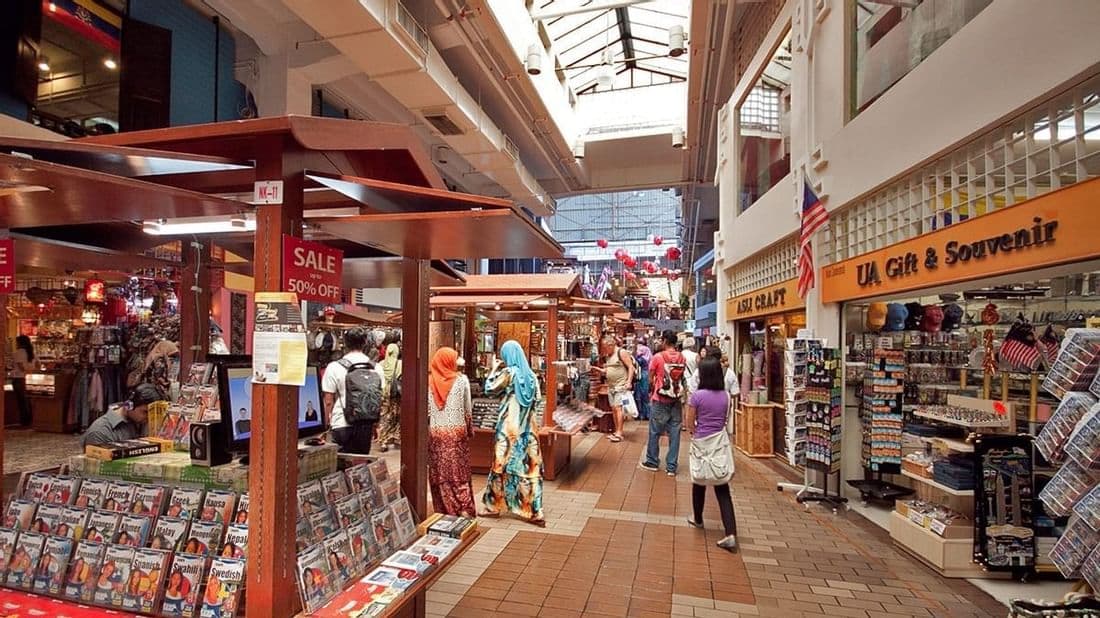
Central Market's history dates back to 1888, when it originally served as a wet market for Kuala Lumpur's growing population. The current Art Deco building was completed in 1937 and later preserved as a cultural heritage site, helping it become one of the city's most recognizable landmarks.
Unlike typical shopping malls, Central Market focuses heavily on Malaysian culture and craftsmanship. The market is divided into sections that reflect different cultural influences, including Malay, Chinese, and Indian heritage. Visitors can explore handcrafted products, local artwork, traditional clothing, and specialty foods all under one roof.
For travelers with limited time in Kuala Lumpur, Central Market offers one of the easiest ways to experience Malaysia's diverse cultural traditions in a single location.
What to Buy at Central Market KL
1. Authentic Malaysian Batik
Image Suggestion: Batik scarves and fabrics displayed in Central Market
Batik is one of Malaysia's most recognizable cultural products.
Many visitors purchase:
- Batik shirts
- Scarves
- Dresses
- Table runners
- Decorative wall art
When shopping for batik, look for intricate patterns and detailed craftsmanship. Hand-drawn batik typically commands higher prices than machine-printed alternatives but often reflects greater artistry.
2. Malaysian Pewter Products
Malaysia is globally known for its pewter craftsmanship.
Popular items include:
- Decorative ornaments
- Photo frames
- Drinkware
- Keychains
- Collectible souvenirs
These products often make excellent gifts because they are durable, distinctive, and strongly associated with Malaysian heritage.
3. Handmade Crafts and Home Décor
Many local artisans sell:
- Woven baskets
- Wooden carvings
- Traditional kites
- Ceramic products
- Handcrafted jewelry
These items often offer a more authentic alternative to mass-produced souvenirs found elsewhere.
4. Local Snacks and Food Souvenirs
Image Suggestion: Malaysian snacks and packaged local delicacies
Food is one of the best ways to remember a destination.
Popular food souvenirs include:
- White coffee
- Dodol
- Traditional biscuits
- Durian products
- Local chocolates
- Tea blends
These items are lightweight, easy to pack, and popular among international visitors.
5. Malaysian Art and Paintings
Art lovers will find galleries and independent artists showcasing:
- Watercolor paintings
- Kuala Lumpur cityscapes
- Traditional Malaysian artwork
- Contemporary local art
These purchases provide a unique way to support local creatives while bringing home something meaningful.
How to Spot Authentic Souvenirs
One of the biggest challenges travelers face is distinguishing locally made products from imported items.
Before purchasing, consider these questions:
- Is the product labeled "Made in Malaysia"?
- Does the vendor know the product's origin?
- Does the item appear handcrafted?
- Are similar products available at multiple stalls?
Authentic products often come with a story. Vendors are usually happy to explain how items are made and where they originate.
Smart Bargaining Tips at Central Market
Image Suggestion: Shopper interacting with a vendor
While not every stall negotiates prices, bargaining remains common in many parts of Southeast Asia and nearby shopping areas such as Petaling Street.
Ask Politely
A friendly approach often works better than aggressive negotiation.
Try asking:
- "Is this your best price?"
- "Do you offer a discount if I buy multiple items?"
Compare Prices First
Before making a purchase:
- Visit several stalls
- Compare quality
- Compare pricing
- Understand typical price ranges
Bundle Purchases
Vendors may be more willing to offer discounts when multiple items are purchased together.
Know When Not to Bargain
Many handmade products reflect significant craftsmanship and labor. If the price already appears reasonable, consider supporting local artisans rather than negotiating aggressively.
Beyond Shopping: Things to Do at Central Market
Central Market is more than a shopping destination.
Explore Cultural Exhibitions
The venue regularly hosts:
- Art exhibitions
- Cultural showcases
- Traditional performances
- Seasonal events
Visit Kasturi Walk
Image Suggestion: Kasturi Walk entrance
Located just outside Central Market, Kasturi Walk is a covered pedestrian street featuring:
- Street food vendors
- Small souvenir stalls
- Local snacks
- Casual shopping opportunities
Kasturi Walk provides a more relaxed extension of the Central Market experience.
Enjoy Malaysian Street Food
Popular snacks often found nearby include:
- Apam balik
- Satay
- Cendol
- Curry puffs
- Roasted chestnuts
Attractions Near Central Market KL
One reason Central Market remains so popular is its central location.
Several major attractions are within walking distance.
1. Petaling Street (Chinatown)
Image Suggestion: Petaling Street entrance
Located just minutes away, Petaling Street offers:
- Street food
- Budget shopping
- Night market atmosphere
- Heritage architecture
It remains one of Kuala Lumpur's most visited cultural districts.
2. Merdeka Square
History enthusiasts can explore:
- Sultan Abdul Samad Building
- Colonial architecture
- Historic landmarks
- Public squares
3. River of Life
This revitalized riverfront area offers scenic walking paths and evening illumination.
4. Masjid Jamek
One of Kuala Lumpur's oldest mosques, known for its beautiful Moorish-inspired architecture.
Suggested Half-Day Itinerary Around Central Market
Morning
- Arrive at Central Market
- Explore artisan stalls
- Shop for souvenirs
Lunch
- Enjoy local food at nearby eateries
- Try Malaysian specialties
Afternoon
- Walk through Petaling Street
- Visit Merdeka Square
- Explore River of Life
Evening
- Enjoy dinner in Chinatown
- Experience Kuala Lumpur's night atmosphere
Where to Stay Near Central Market KL
Location can make a significant difference when exploring Kuala Lumpur.
For travelers planning to spend time at Central Market, Petaling Street, Merdeka Square, and other heritage attractions, staying nearby offers greater convenience and flexibility.
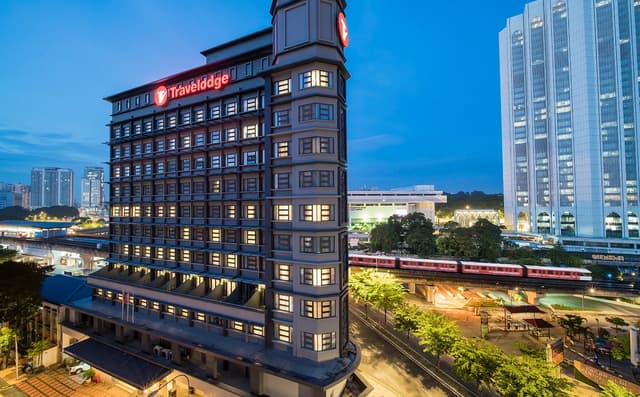
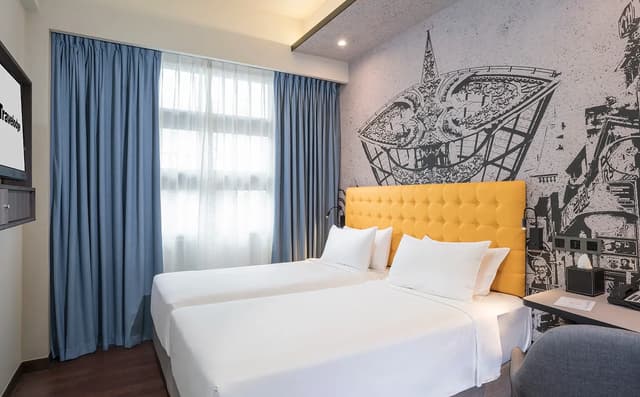
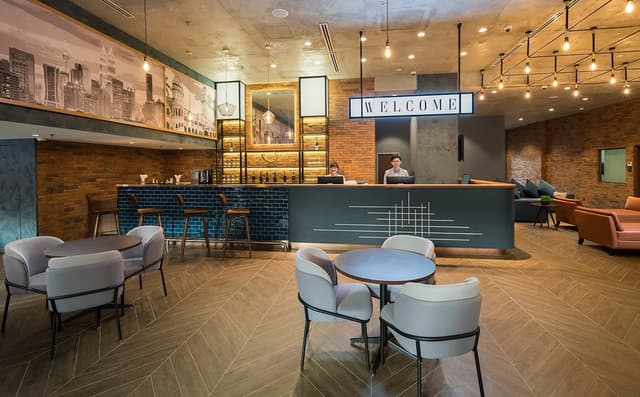
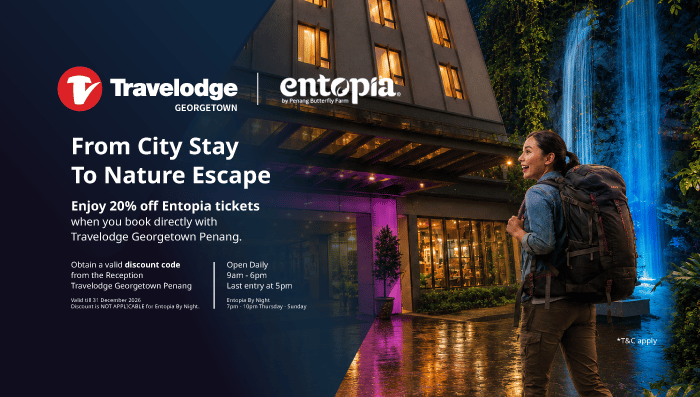
Travelodge Kuala Lumpur City Centre provides one of the most practical locations for visitors interested in Kuala Lumpur's cultural district. Situated near Pasar Seni and key transportation connections, the hotel offers easy access to Central Market, Chinatown, and many of the city's historic attractions.
Travelers looking to combine cultural exploration with shopping and nightlife may also consider Travelodge Bukit Bintang. The property offers convenient access to Kuala Lumpur's premier shopping districts while remaining within easy reach of Central Market via public transportation.
By staying centrally, visitors can spend less time commuting and more time exploring the city's cultural and culinary experiences.
Discover Kuala Lumpur's Cultural Heart
Central Market offers far more than a typical shopping experience. From handcrafted souvenirs and local art to cultural exhibitions and nearby heritage attractions, it provides an accessible introduction to Malaysia's diverse traditions and creative communities.
Whether you're visiting Kuala Lumpur for a weekend or a longer holiday, spending a few hours at Central Market can help you discover authentic local products, support Malaysian artisans, and gain a deeper appreciation for the city's cultural heritage.







)