


Share article
20 Must-See South Korea Tourist Attractions for First-Time Visitors (2026)

Nathania Clairine
)
South Korea has become one of Asia's most popular travel destinations, attracting millions of visitors each year with its unique combination of ancient history, modern cities, stunning natural landscapes, world-famous cuisine, and globally influential pop culture.
For first-time visitors, planning a South Korea itinerary can feel overwhelming. From exploring centuries-old palaces in Seoul and relaxing on Busan's beaches to hiking volcanic landscapes in Jeju Island, the country offers a remarkable variety of experiences within a relatively compact area.
Whether you're interested in history, food, shopping, nature, or K-culture, this guide covers 20 must-see South Korea tourist attractions that deserve a place on your travel itinerary.
Why Visit South Korea?
South Korea offers something that few destinations can match: the ability to experience ancient traditions and cutting-edge modernity within the same day.
Visitors can:
- Explore royal palaces in the morning
- Shop in futuristic districts by afternoon
- Enjoy traditional Korean cuisine for dinner
- Experience vibrant nightlife after sunset
The country's efficient transportation system also makes it easy to travel between major cities and attractions.
Must-See Attractions in Seoul
1. Gyeongbokgung Palace
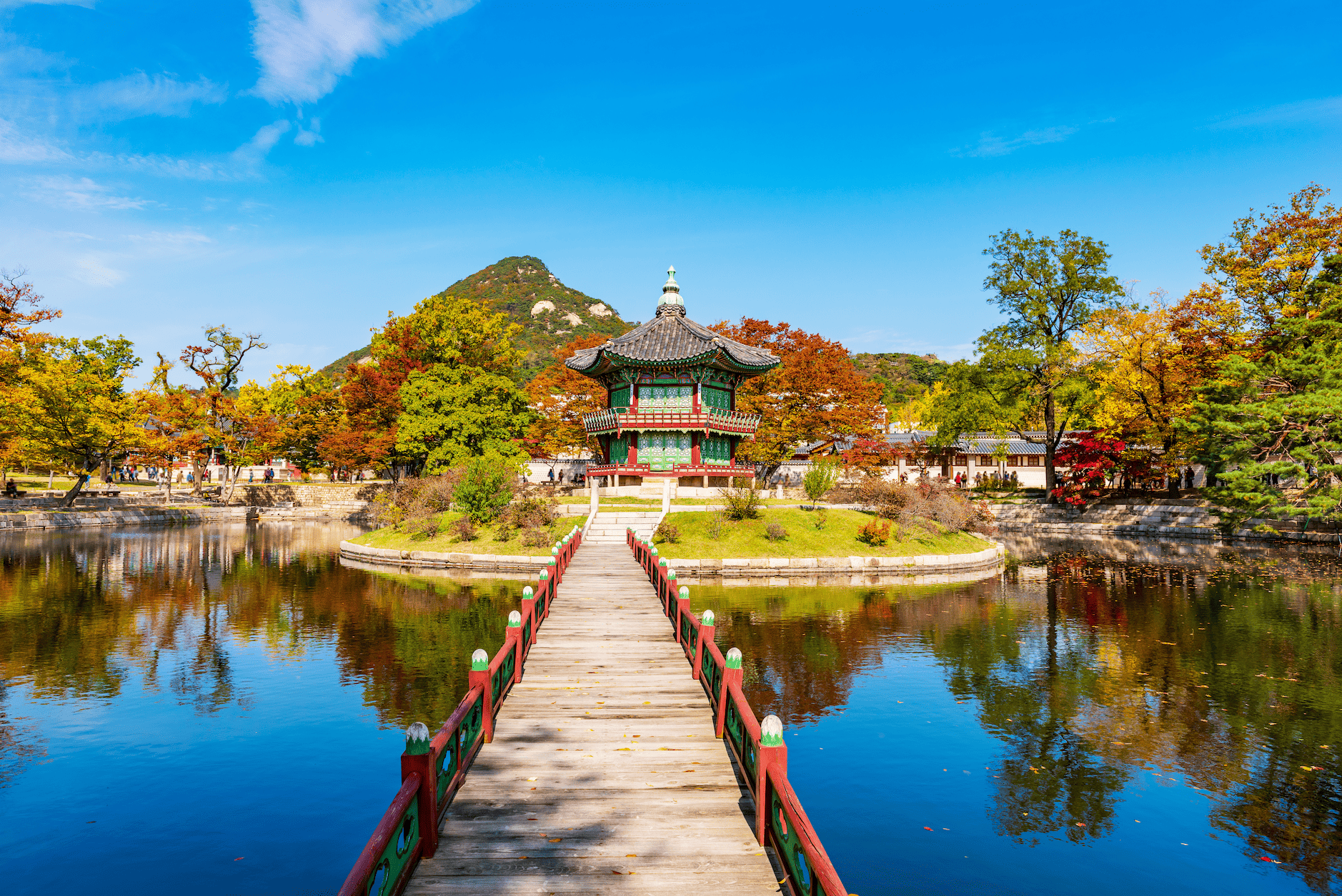
No first trip to South Korea is complete without visiting Gyeongbokgung Palace.
Built in 1395, it served as the main royal palace of the Joseon Dynasty and remains one of Seoul's most important historical landmarks.
Highlights include:
- Changing of the Royal Guard ceremony
- Geunjeongjeon Hall
- National Palace Museum of Korea
- Traditional Korean architecture
Visit early in the morning for smaller crowds and better photography conditions.
2. Bukchon Hanok Village
Located between Gyeongbokgung Palace and Changdeokgung Palace, Bukchon Hanok Village preserves hundreds of traditional Korean homes known as hanoks.
Visitors can:
- Walk through historic streets
- Experience traditional architecture
- Visit cultural workshops
- Capture some of Seoul's most iconic photographs
The area offers a glimpse into what life in Seoul looked like centuries ago.
3. Myeongdong
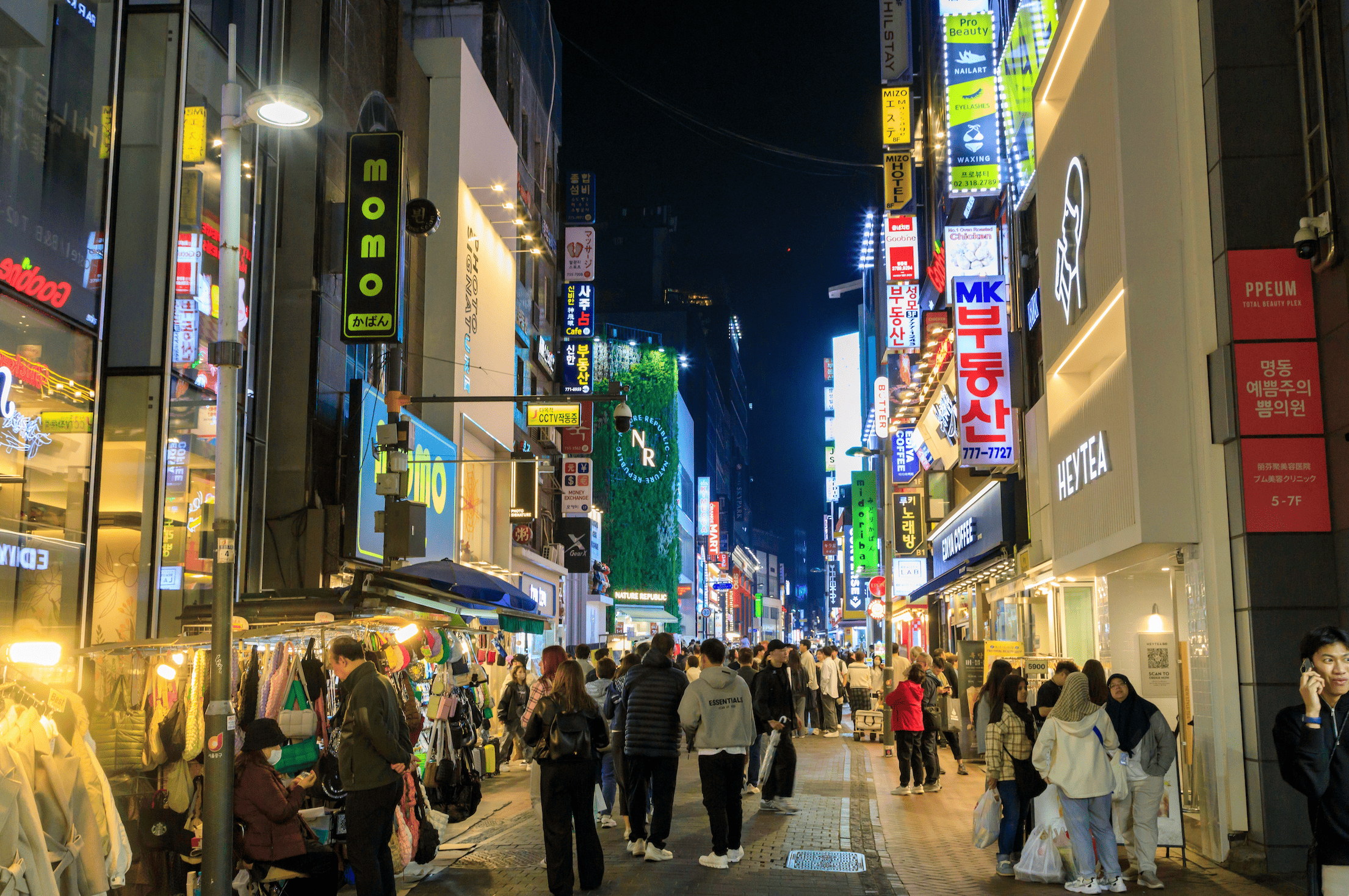
Myeongdong is one of Seoul's most famous shopping and entertainment districts.
Known for:
- K-beauty stores
- Fashion boutiques
- Street food
- Department stores
- Nighttime atmosphere
It's often one of the first places international visitors explore after arriving in Seoul.
4. N Seoul Tower
Perched atop Namsan Mountain, N Seoul Tower provides panoramic views of the city.
Visitors can:
- Ride the cable car
- Visit observation decks
- Enjoy city views after dark
- See the famous love locks
Sunset is considered one of the best times to visit.
5. Changdeokgung Palace and Secret Garden
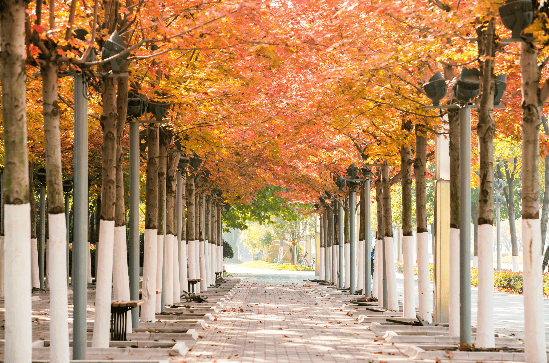
A UNESCO World Heritage Site, Changdeokgung Palace is known for its beautiful architecture and landscaped gardens.
The Secret Garden is particularly popular during:
- Spring cherry blossom season
- Autumn foliage season
Many visitors consider it the most beautiful palace complex in Seoul.
6. Hongdae
Hongdae is the center of Seoul's youth culture.
Popular for:
- Live music
- Street performances
- Independent fashion
- Cafés
- Nightlife
The district offers a very different atmosphere compared to Seoul's historic attractions.
7. Lotte World Tower and Seoul Sky
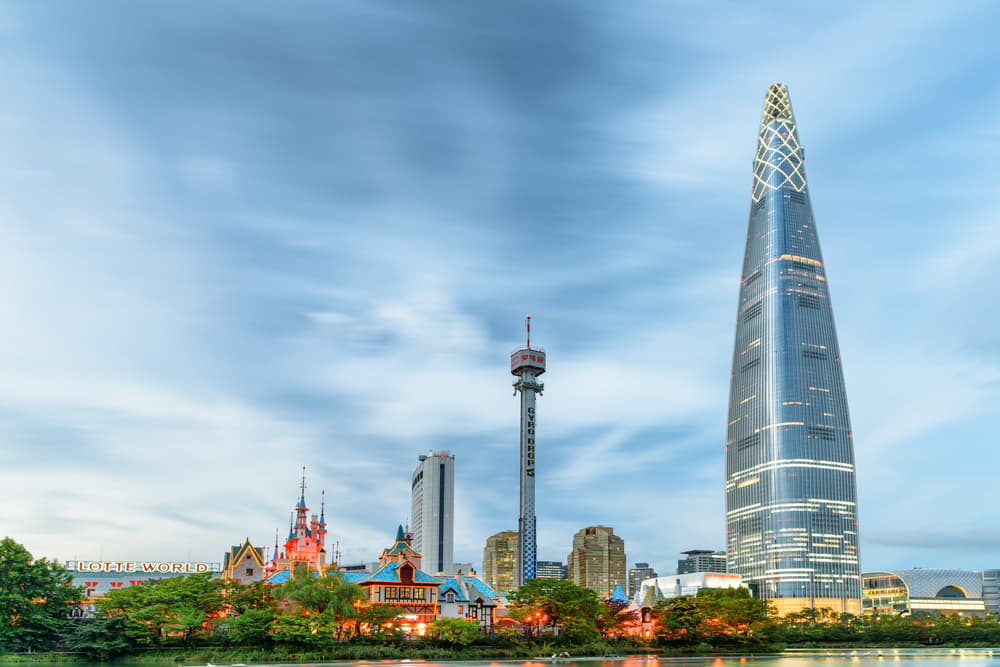
Standing over 550 meters tall, Lotte World Tower is one of the tallest buildings in the world.
Visitors can enjoy:
- Seoul Sky observation deck
- Luxury shopping
- Dining experiences
- City skyline views
The observation deck offers one of the best perspectives of Seoul.
8. The DMZ (Demilitarized Zone)
For many international visitors, a trip to the Korean Demilitarized Zone is a unique and educational experience.
Tours typically include:
- Observation points
- Historical exhibits
- The Third Infiltration Tunnel
- Insights into Korean history
Advance booking is strongly recommended.
Must-See Attractions in Busan
9. Haeundae Beach
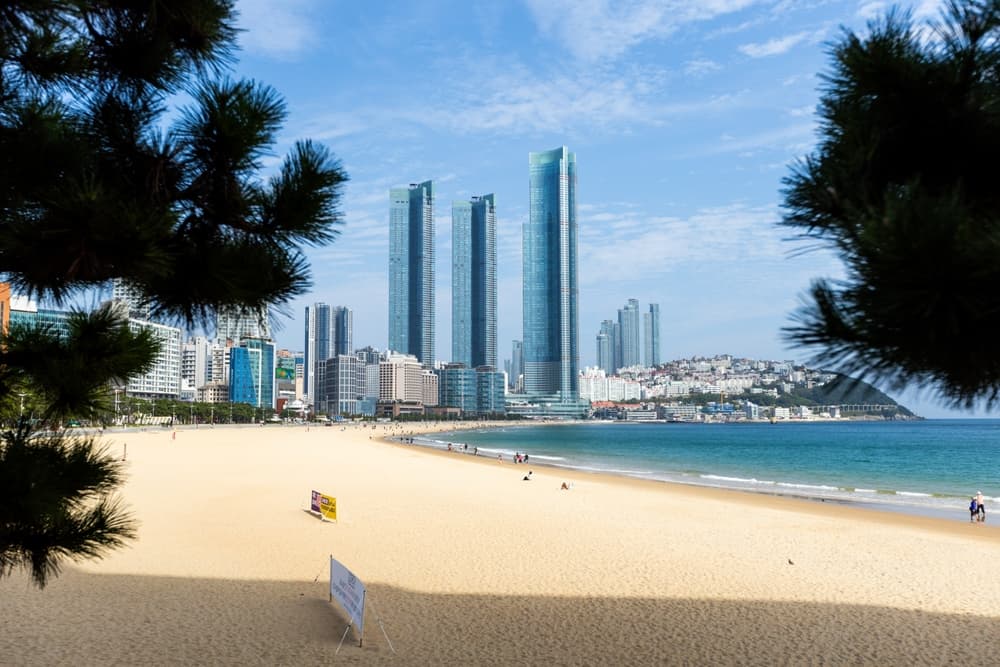
Haeundae Beach is South Korea's most famous beach destination.
Visitors can enjoy:
- Ocean views
- Walking paths
- Cafés
- Seasonal festivals
During summer, the area becomes one of the country's busiest tourism hubs.
10. Gamcheon Culture Village
Often called the "Machu Picchu of Busan," Gamcheon Culture Village is known for its colorful buildings and artistic atmosphere.
Highlights include:
- Street art
- Murals
- Local galleries
- Scenic viewpoints
It's one of the most photographed locations in Busan.
11. Jagalchi Fish Market
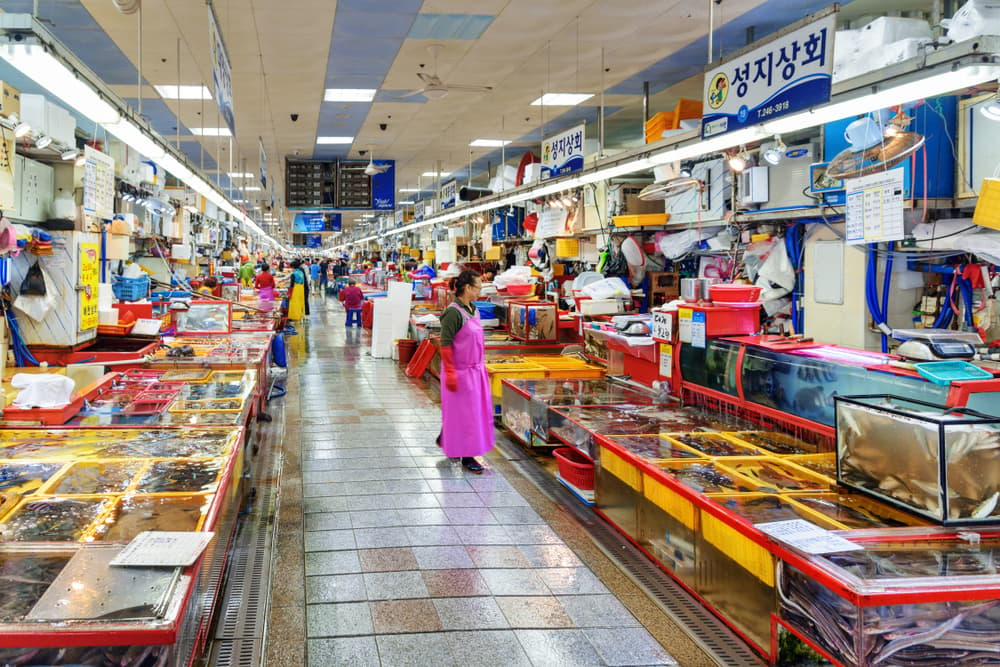
Jagalchi Fish Market offers visitors an authentic look at Korea's seafood culture.
Popular experiences include:
- Fresh seafood tastings
- Market exploration
- Local culinary experiences
Food lovers should not miss this attraction.
Must-See Attractions in Gyeongju
12. Bulguksa Temple
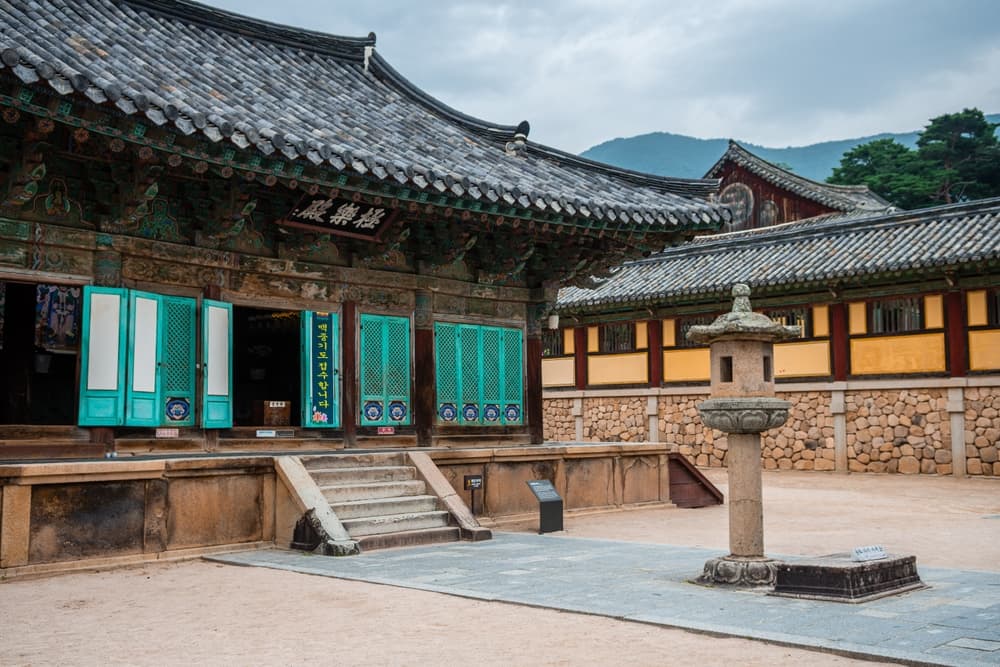
Often referred to as one of Korea's most important temples, Bulguksa is a UNESCO World Heritage Site that showcases traditional Buddhist architecture and history.
13. Donggung Palace and Wolji Pond
This historic site becomes especially beautiful after sunset when illuminated structures reflect across the water.
It remains one of the most photographed locations in Gyeongju.
Must-See Attractions in Jeonju
14. Jeonju Hanok Village
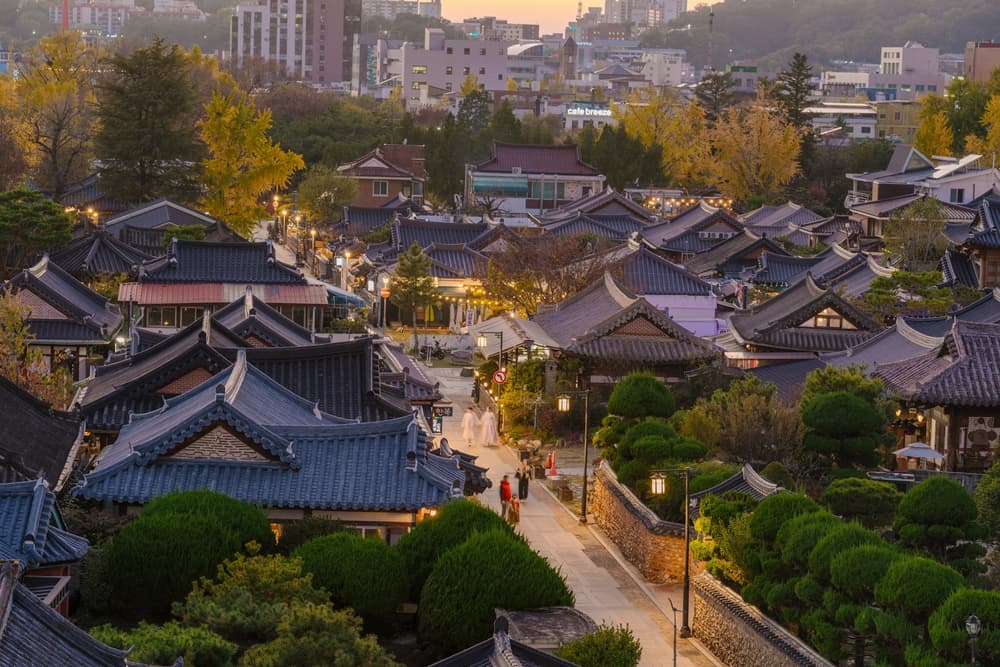
Jeonju Hanok Village features hundreds of traditional Korean houses and offers one of the country's most immersive cultural experiences.
Visitors can:
- Wear traditional hanbok
- Visit museums
- Sample local food
- Stay in traditional accommodations
Jeonju is also famous as the birthplace of bibimbap.
Must-See Natural Attractions
15. Seoraksan National Park
One of South Korea's most famous national parks, Seoraksan offers:
- Mountain hiking trails
- Scenic viewpoints
- Autumn foliage
- Buddhist temples
The park is particularly popular during autumn.
16. Nami Island
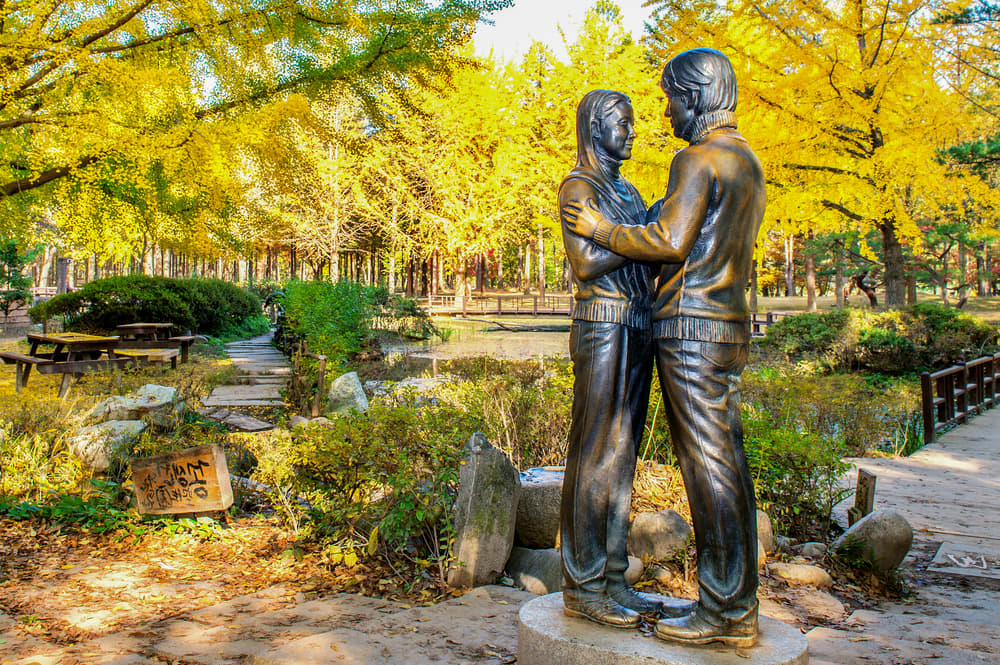
Nami Island gained international popularity through Korean dramas and remains one of the country's most visited attractions.
Visitors come for:
- Scenic landscapes
- Seasonal beauty
- Cycling routes
- Family-friendly activities
17. Garden of Morning Calm
This beautifully landscaped garden showcases Korea's natural beauty throughout the year.
Each season offers a different experience, from spring blooms to winter illuminations.
Must-See Attractions in Jeju Island
18. Jeju Island
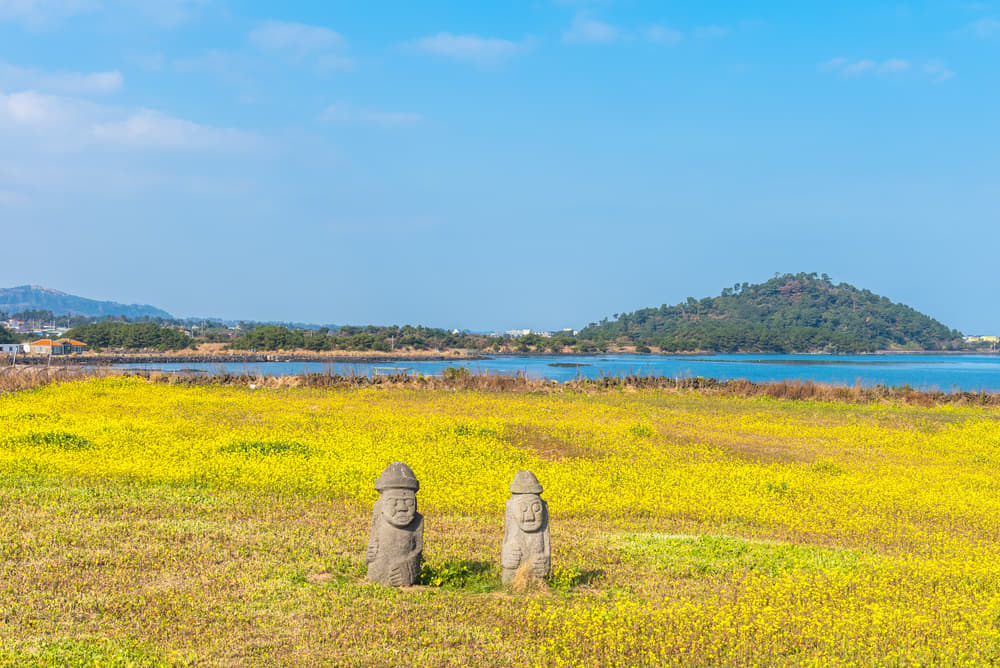
Jeju Island is South Korea's premier island destination.
Known for:
- Volcanic landscapes
- Beaches
- Waterfalls
- Hiking trails
- Unique local culture
Many travelers consider Jeju a must-visit destination.
19. Seongsan Ilchulbong (Sunrise Peak)
One of South Korea's most recognizable natural landmarks, Sunrise Peak offers spectacular views and relatively accessible hiking opportunities.
The sunrise experience is especially popular among visitors.
20. Hallasan National Park
Hallasan is South Korea's highest mountain and a centerpiece of Jeju Island.
Visitors can enjoy:
- Hiking trails
- Volcanic landscapes
- Seasonal scenery
- Diverse ecosystems
How Many Days Do You Need in South Korea?
The ideal trip length depends on how much of the country you want to explore.
- 5 Days: Focus on Seoul.
- 7 Days: Visit Seoul and Busan.
- 10 Days: Add Gyeongju and Jeonju.
- 14 Days: Include Jeju Island and natural attractions.
For first-time visitors, 10 to 14 days provides the best balance between major cities and regional experiences.
Suggested First-Time South Korea Itinerary
Days 1-4: Seoul
- Gyeongbokgung Palace
- Bukchon Hanok Village
- Myeongdong
- N Seoul Tower
- Hongdae
Days 5-7: Busan
- Haeundae Beach
- Jagalchi Fish Market
- Gamcheon Culture Village
Days 8-9: Gyeongju
- Bulguksa Temple
- Donggung Palace and Wolji Pond
Days 10-12: Jeju Island
- Seongsan Ilchulbong
- Hallasan National Park
- Coastal attractions
Where to Stay in South Korea
Choosing the right accommodation can significantly improve your travel experience.
Stay in the Heart of Seoul
For first-time visitors, central Seoul provides the best access to major attractions, shopping districts, and public transportation.
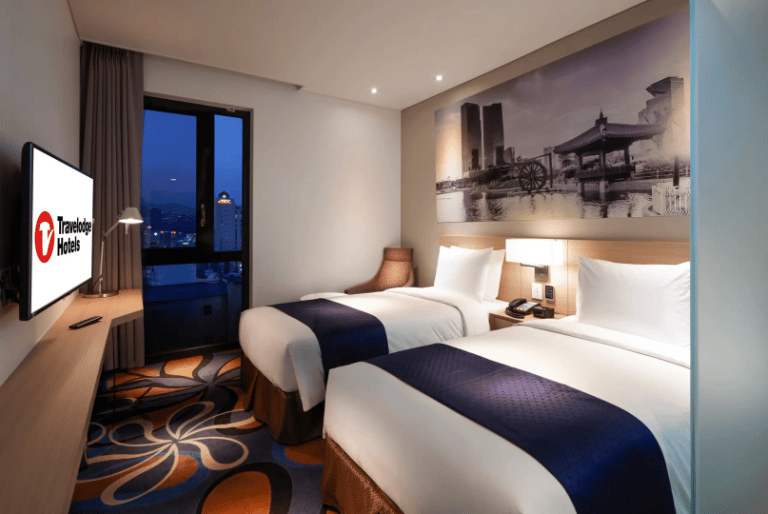
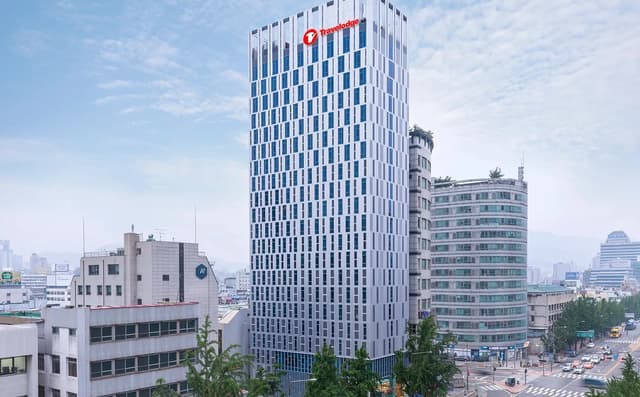
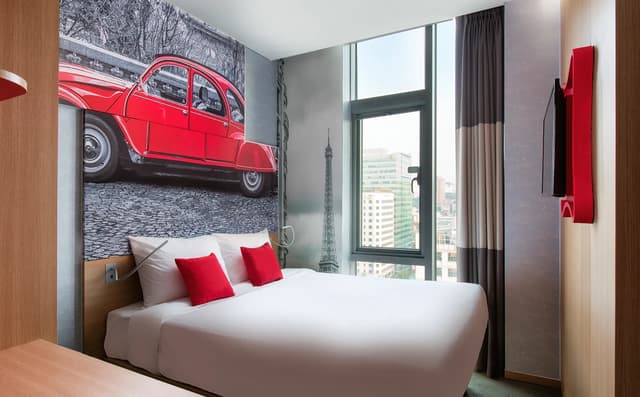
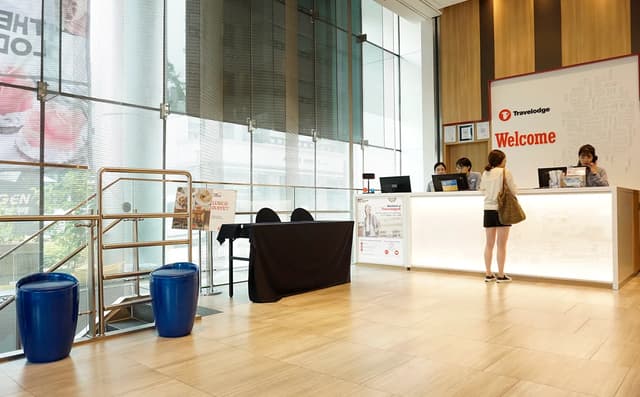
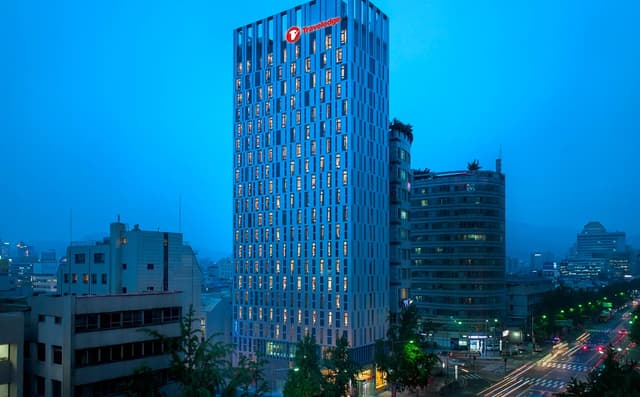
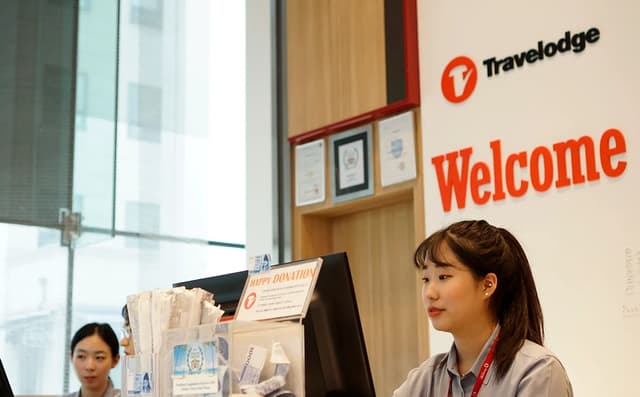
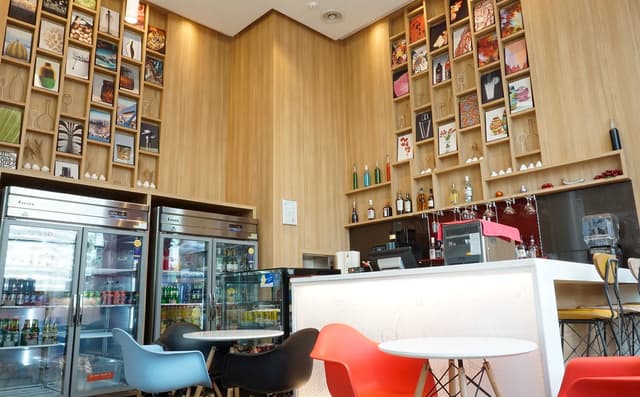
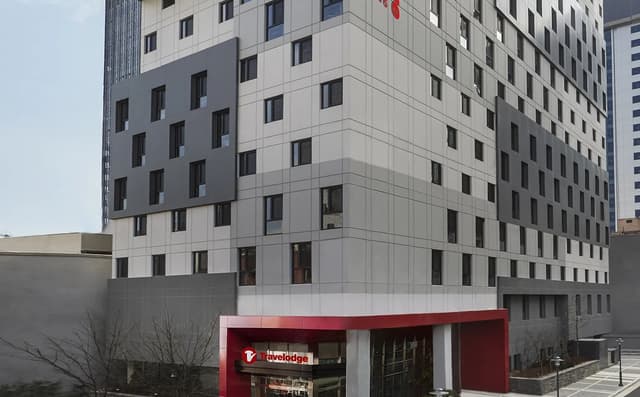
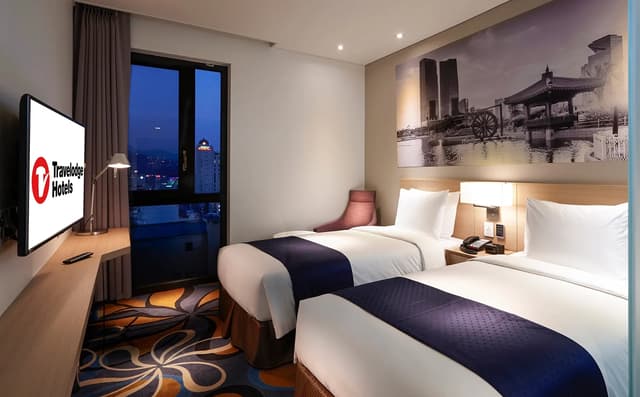
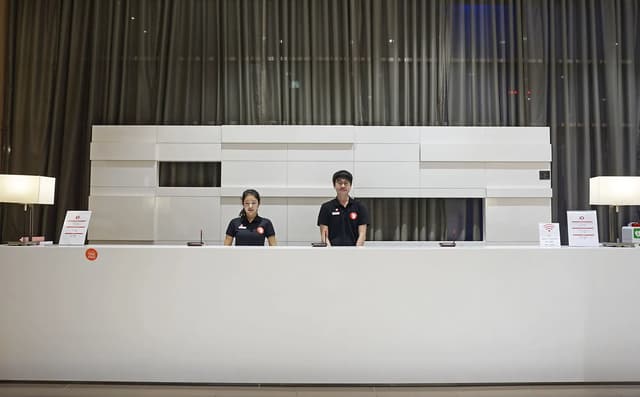
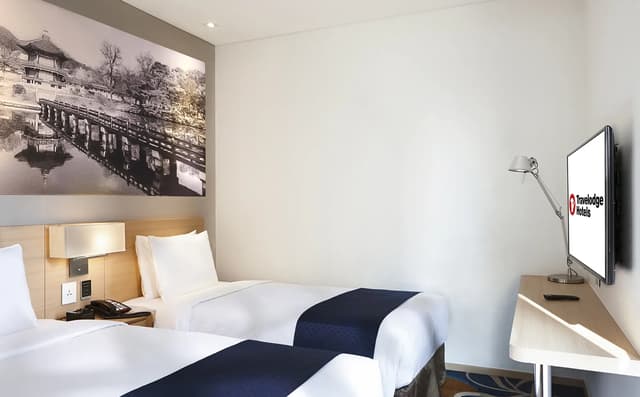
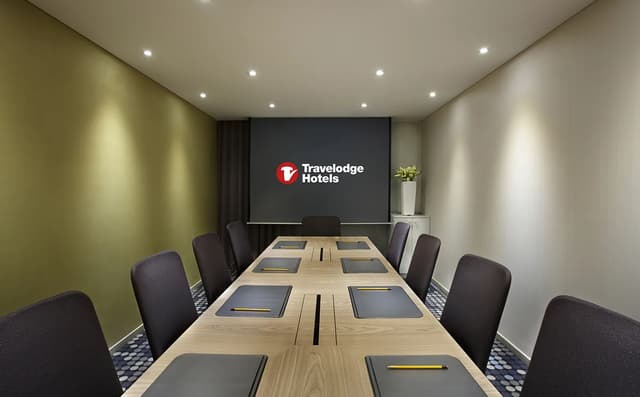
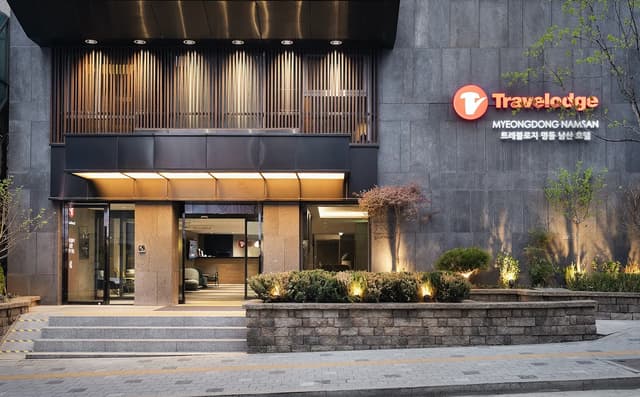
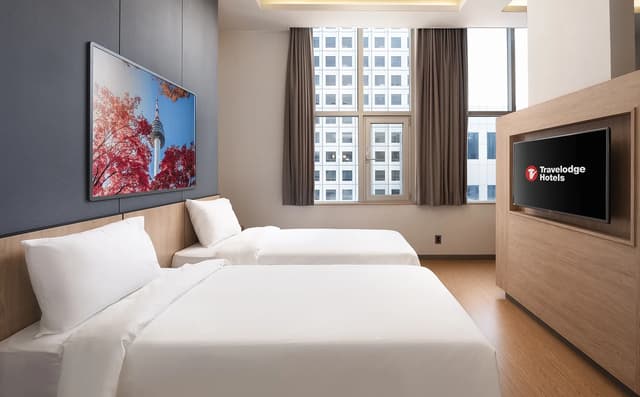
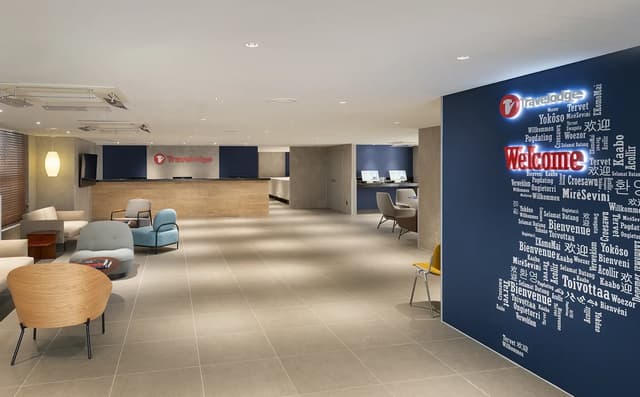
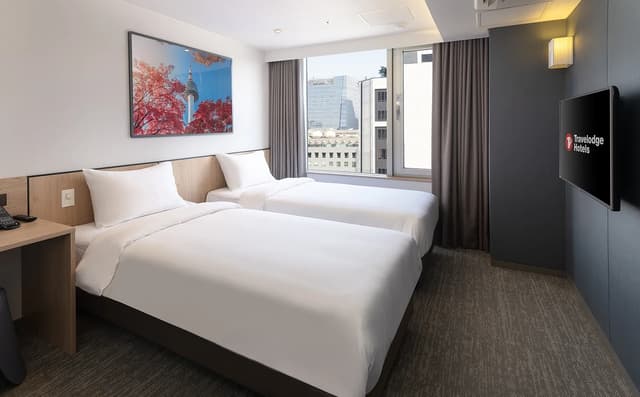
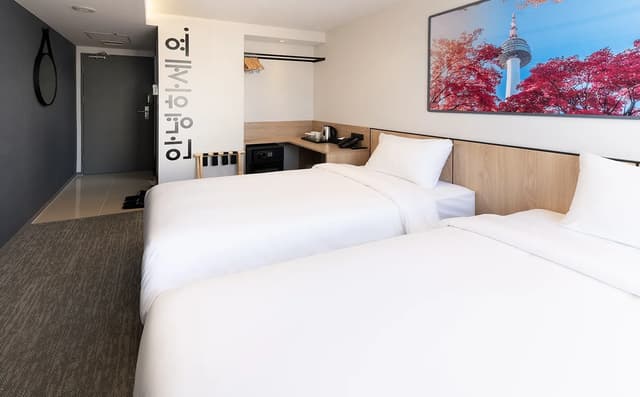
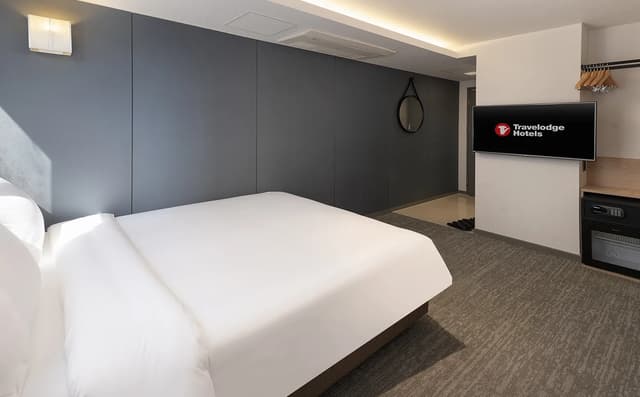
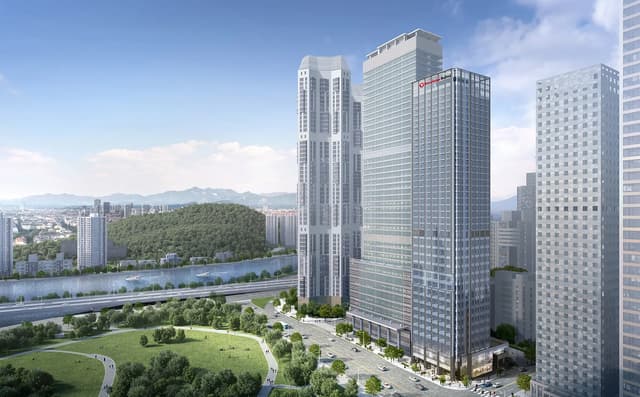
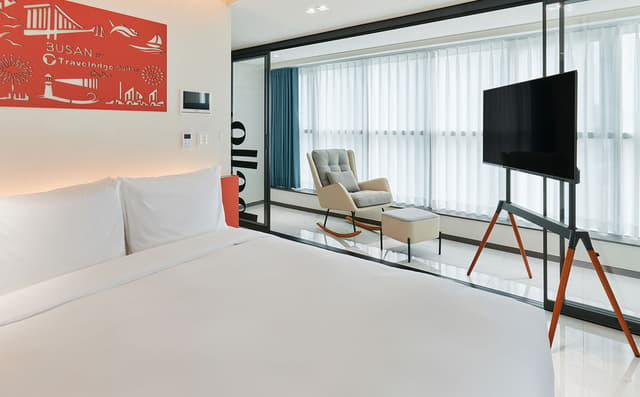
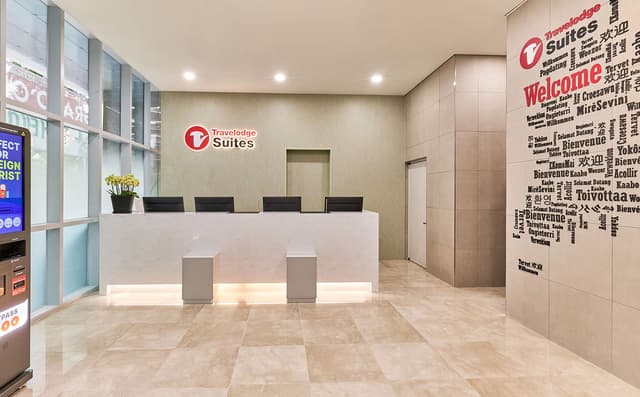
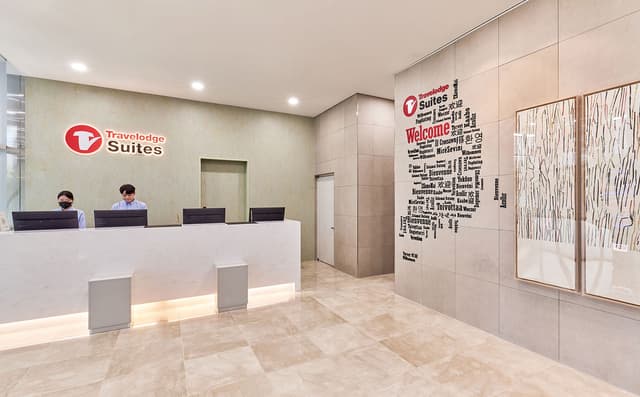
Travelodge Myeongdong Euljiro offers a convenient base for exploring Gyeongbokgung Palace, Myeongdong, N Seoul Tower, and other popular attractions. The property's location makes it easy to navigate the city while staying close to restaurants, shopping, and subway connections.
Travelers who prioritize accessibility and convenience will find central Seoul particularly useful when visiting multiple attractions over several days.
Start Planning Your South Korea Adventure
South Korea offers an incredible variety of experiences for travelers. From the royal palaces of Seoul and the beaches of Busan to the volcanic landscapes of Jeju Island and the historic treasures of Gyeongju, the country rewards visitors with a unique blend of tradition and innovation.
Whether you're visiting for a week or planning a longer journey across the peninsula, these 20 attractions provide an excellent starting point for discovering one of Asia's most fascinating destinations. With thoughtful planning and a well-located base such as Travelodge Myeongdong Euljiro, you'll be well positioned to experience the very best of South Korea in 2026.










)